Industrial Design
Archived article

Heiner Meyer
Veedol Motor Oil
You are reading a previous version of this article.
Read the latest version```json { "headline": "The Object That Refuses to Be Ignored", "body": "There is a particular kind of collector who walks into a room and notices the chair before the painting. Not because the painting is unremarkable, but because the chair is alive in a way that demands acknowledgment. Industrial design collecting operates in this charged space between utility and art, between the democratic impulse of mass production and the rarefied hunger for the singular object. What draws people to this field is partly the intimacy of it.
You do not stand at a respectful distance from a Prouvé table. You sit at it. You work at it. You spill coffee on it, and then you feel vaguely guilty, and then you decide that patina is part of the story.
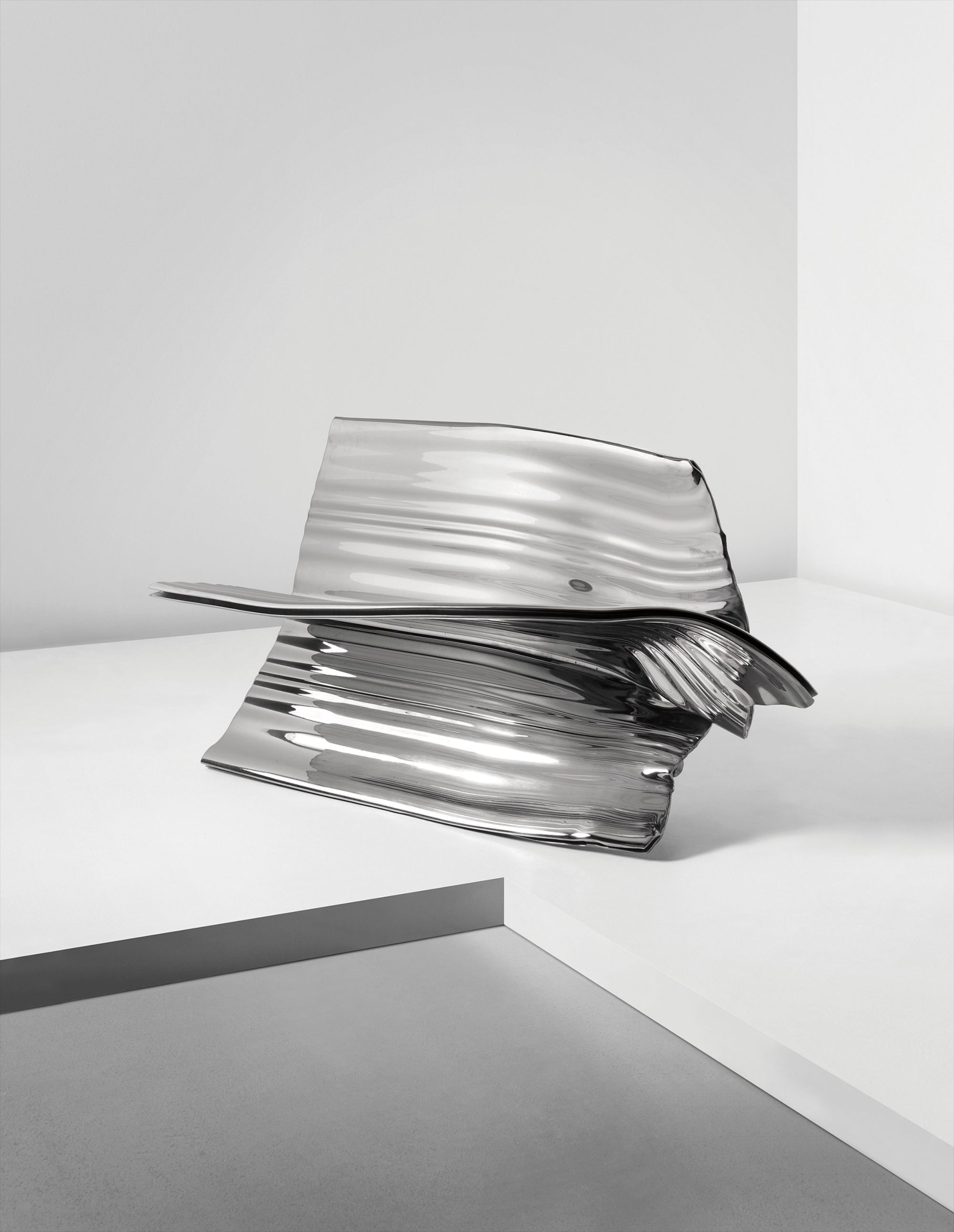
Thomas Heatherwick
"Extrusion" bench
That daily negotiation between use and reverence is unlike anything else in collecting.", "Beyond the emotional dimension, there is a rigorous intellectual culture surrounding design collecting that rewards the curious. The great works in this field emerged from genuine problem solving, from designers grappling with new materials, postwar scarcity, the social promise of modernism, or the provocations of postindustrial thinking. When you understand what Jean Prouvé was trying to solve when he developed his demountable structures in the 1940s, the furniture stops being decorative and becomes something closer to argument.
The same is true of Charlotte Perriand, whose work with Le Corbusier and, later, her independent practice in Japan produced objects that encode whole philosophies of living. Owning a piece by either of them is, in some sense, owning a position.", "What separates a good work from a great one in this category comes down to several things that experienced collectors learn to read quickly. Originality of execution matters enormously.
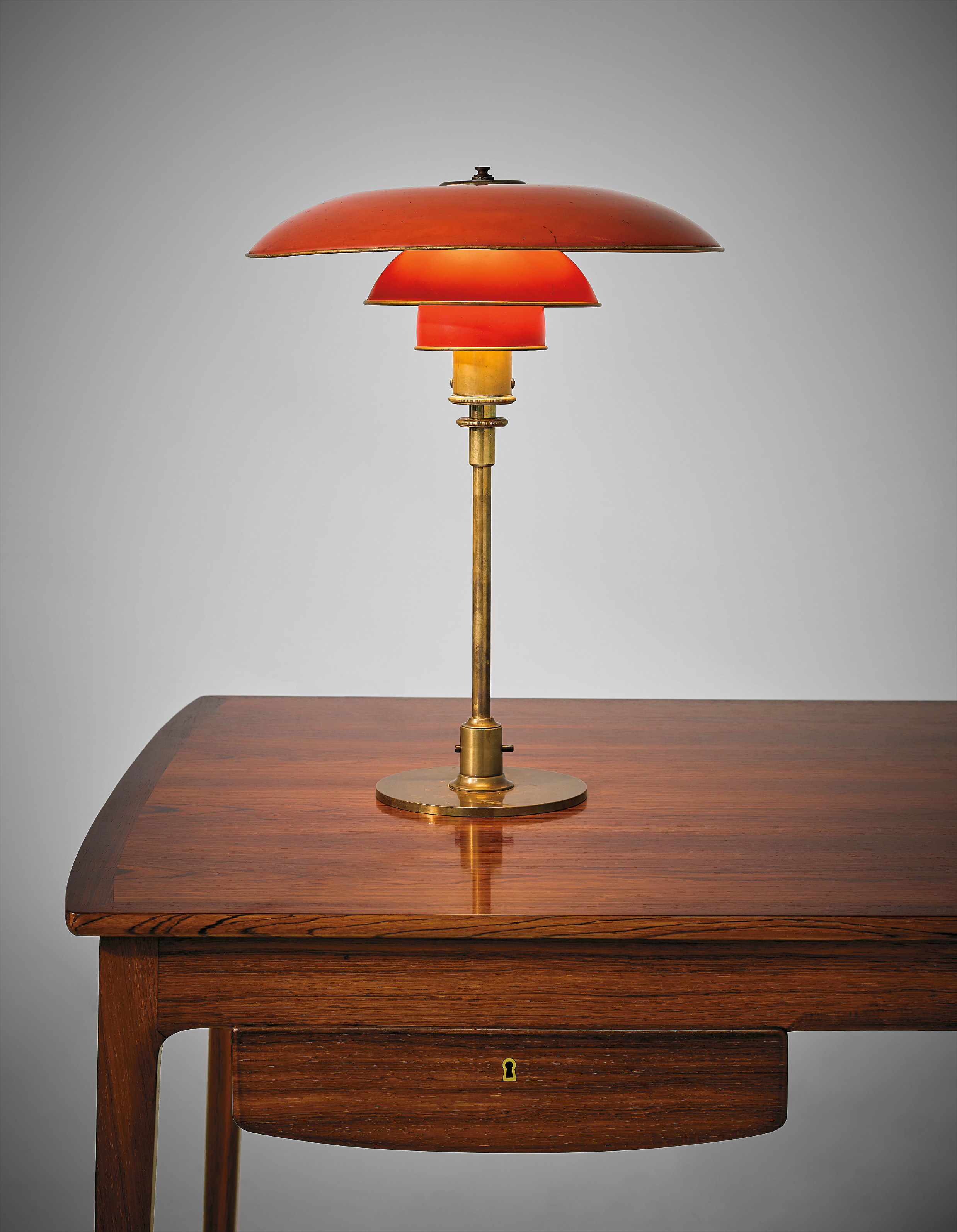
Poul Henningsen
Early desk lamp, type 4/3 shades
A design that solved a problem nobody had named yet, or that used a material in a way that felt genuinely new, carries a different weight than accomplished but derivative work. Provenance matters too, particularly for pieces with well documented exhibition histories or original manufacturer relationships. A Serge Mouille floor lamp produced by his own atelier in the early 1950s is categorically different from a later authorized reissue, and the difference shows not only in price but in presence. Condition, as with any category, is central, but collectors should learn to distinguish between honest wear consistent with age and use versus damage or inappropriate restoration that obscures the original intent of the maker.
", "For those building a collection with both passion and strategic thinking, certain figures represent what you might call structural strength in the market. Jean Prouvé remains the anchor of any serious design collection, with institutional support from major museums, a deep scholarly literature, and auction results that have held firm across market cycles. Charlotte Perriand has seen sustained reappraisal over the past decade as her independent voice has been more clearly separated from the Corbusier collaboration, and her work is now understood as foundational rather than supplementary. Gio Ponti and Gino Sarfatti represent the Italian postwar tradition at its most refined.

Marc Newson
Set of Six "Komed" Chairs
Sarfatti's lighting work for Arteluce is particularly compelling because it sits at the intersection of industrial process and sculptural thinking in a way that photographs beautifully and lives even better. Marc Newson occupies a fascinating position as a figure whose work bridges the studio furniture tradition and the contemporary art market, with major pieces achieving prices that rival significant works on canvas.", "The field also rewards those willing to look beyond the canonical names. Paavo Tynell's Finnish brass lighting from the mid twentieth century has been climbing steadily as Scandinavian design receives more sustained critical attention.
Tapio Wirkkala, working across glass and furniture and cutlery, produced objects of such formal intelligence that his relative underrecognition in certain markets reads as opportunity rather than verdict. Carl Auböck, the Viennese designer whose workshop produced objects of astonishing restraint and material sensitivity, is precisely the kind of figure that serious collectors are moving toward now. His work has the quality that distinguishes lasting collecting targets from trend driven acquisitions. It rewards repeated looking.
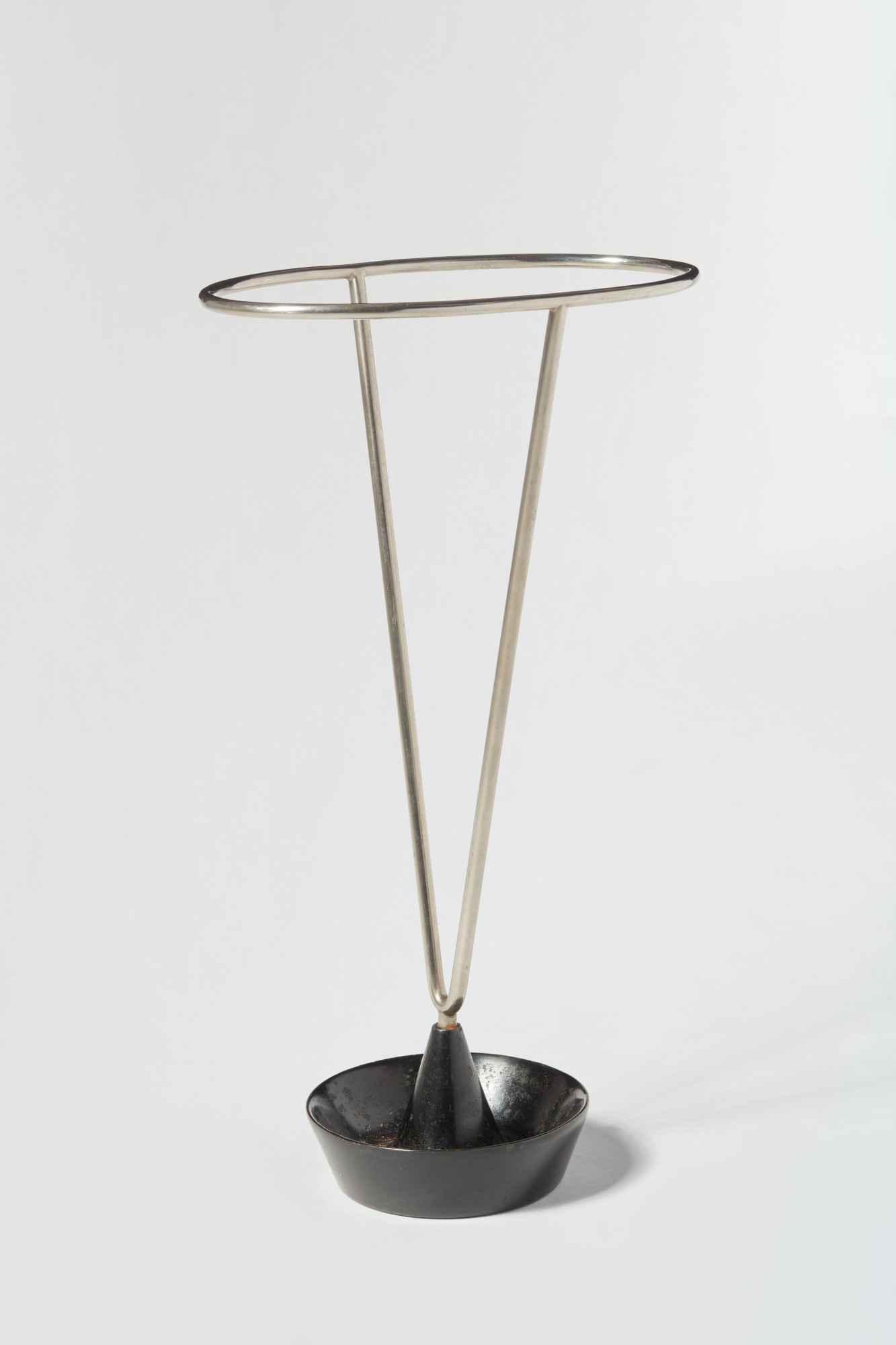
Carl Auböck
Umbrella Stand
Shiro Kuramata, whose emotionally charged furniture occupied a space between design and conceptual art, remains undervalued relative to his influence, and the same argument could be made for Étienne Fermigier, whose French modernist furniture deserves more attention than the market has so far given it.", "At auction, design has matured significantly as a category since the dedicated sales established at major houses in the late 1990s and early 2000s. The market for the very top tier, the important Prouvé demountables, the rare Eileen Gray pieces, the early Ron Arad one offs, has shown real resilience and price discovery at the level you would associate with blue chip painting. Mid tier works fluctuate more, and this is where condition and provenance documentation become critical to value.
Collectors should understand the distinction between unique works, prototypes, and production editions. A prototype or unique piece carries a premium that is not simply sentimental. It represents a different category of object, one where the designer's hand and thinking are most directly present. Pierre Paulin's work for Artifort, for example, exists in production editions that are widely available, but early prototypes or exhibition pieces from key moments in his career occupy an entirely different register.
", "Practically speaking, there are several questions every collector should ask before acquiring. Ask whether the piece is a first edition, a licensed reissue, or an unlicensed reproduction, because the market treats these very differently and confusion is common even among seemingly sophisticated sellers. Ask about any restoration work and request documentation of what was done and by whom. Ask whether the piece has appeared in any scholarly publications or exhibition catalogues, because this kind of paper trail adds meaningfully to long term value and to your own understanding of what you own.
When it comes to display, resist the temptation to isolate design objects as if they were relics. The best collections allow pieces to live in dialogue with one another and with the architecture around them. A Martin Szekely shelf holding books next to a Poul Henningsen lamp above a reading chair is not a room trying to look like a museum. It is a room that understands what these objects were made for, and that understanding is the real beginning of serious collecting.
Works tagged Industrial Design
Thomas Heatherwick
"Extrusion" bench
Poul Henningsen
Early desk lamp, type 4/3 shades
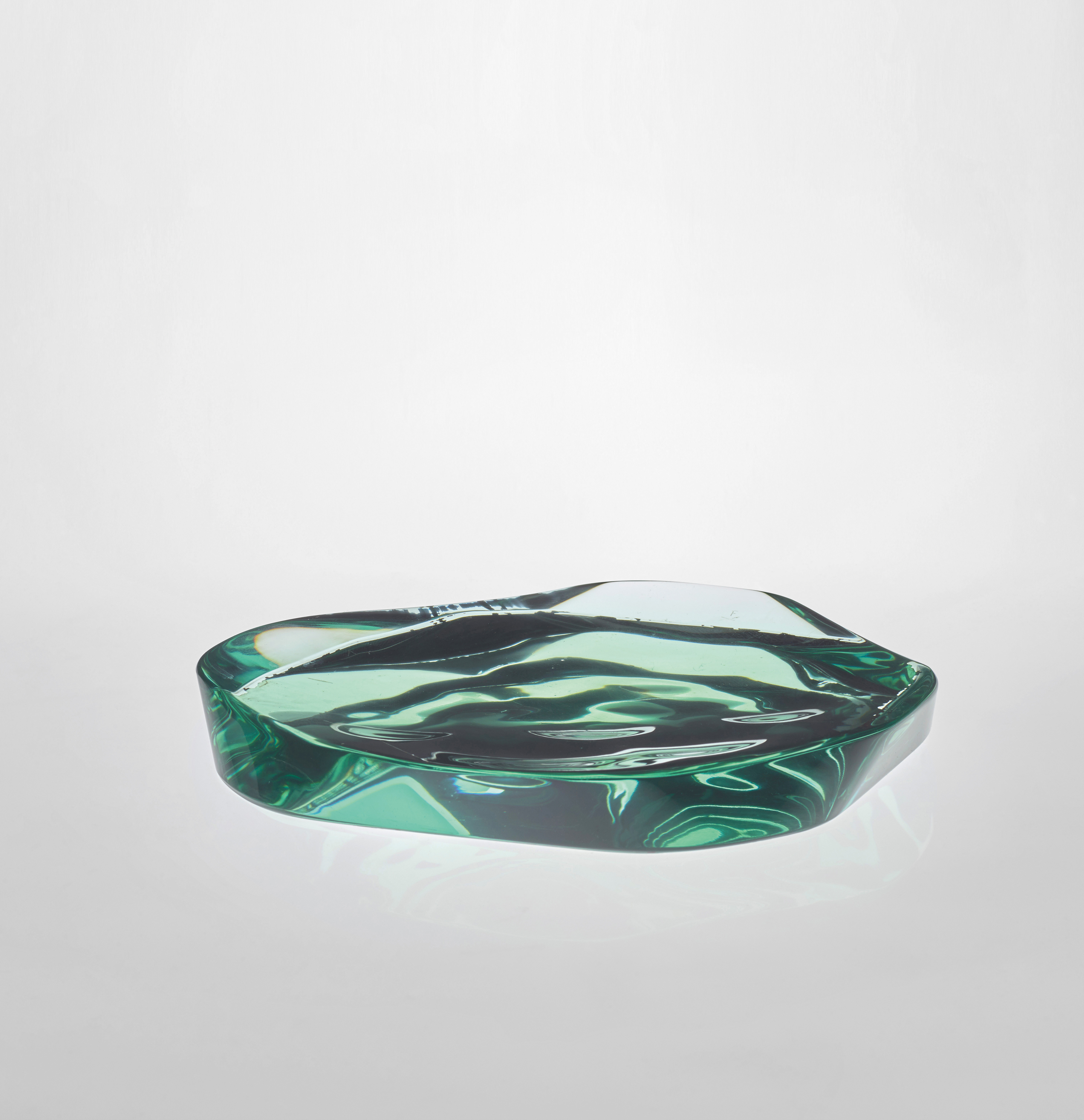
Fontana Arte
Vide-poche
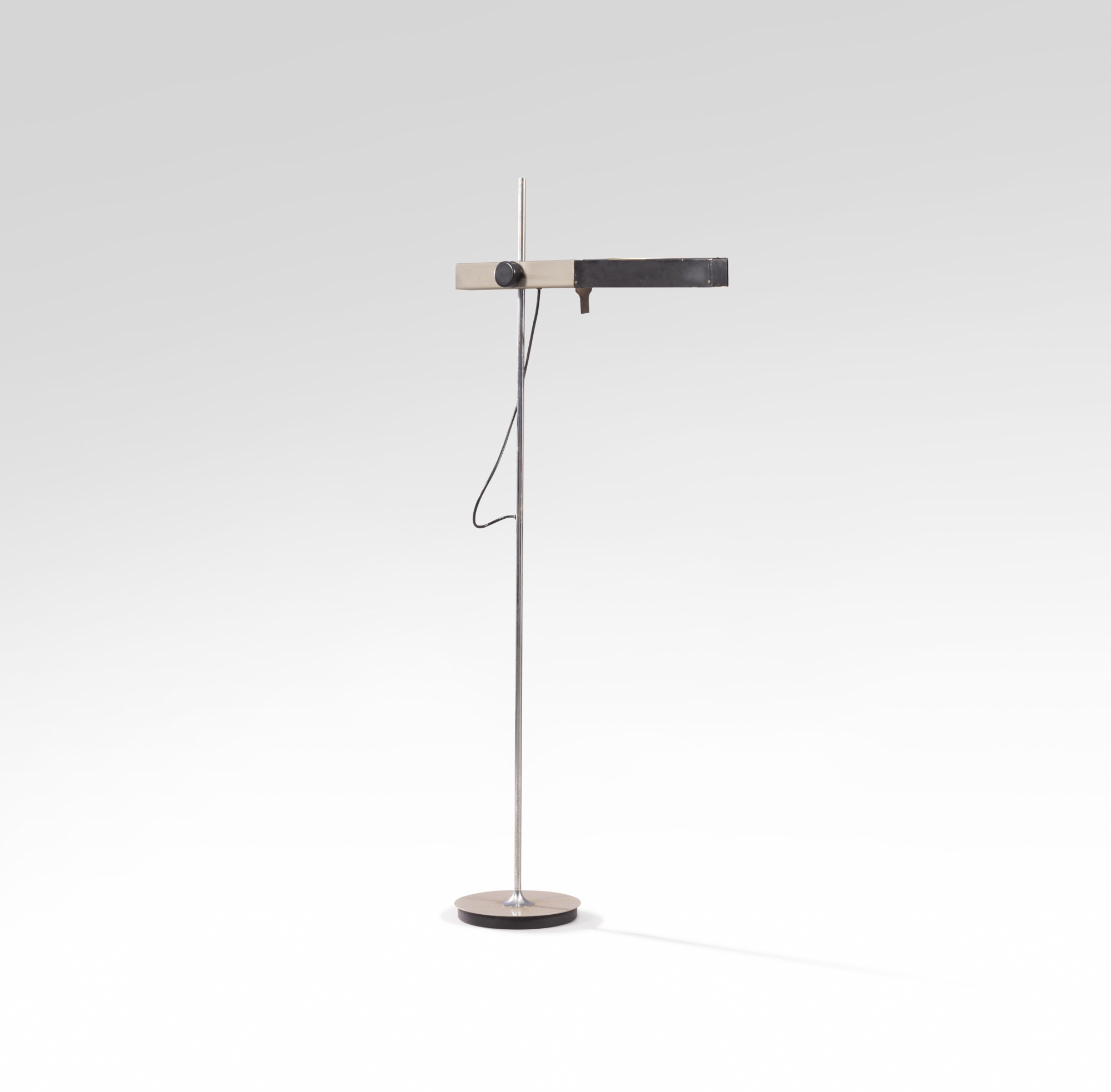
Étienne Fermigier
Lampadaire ajustable
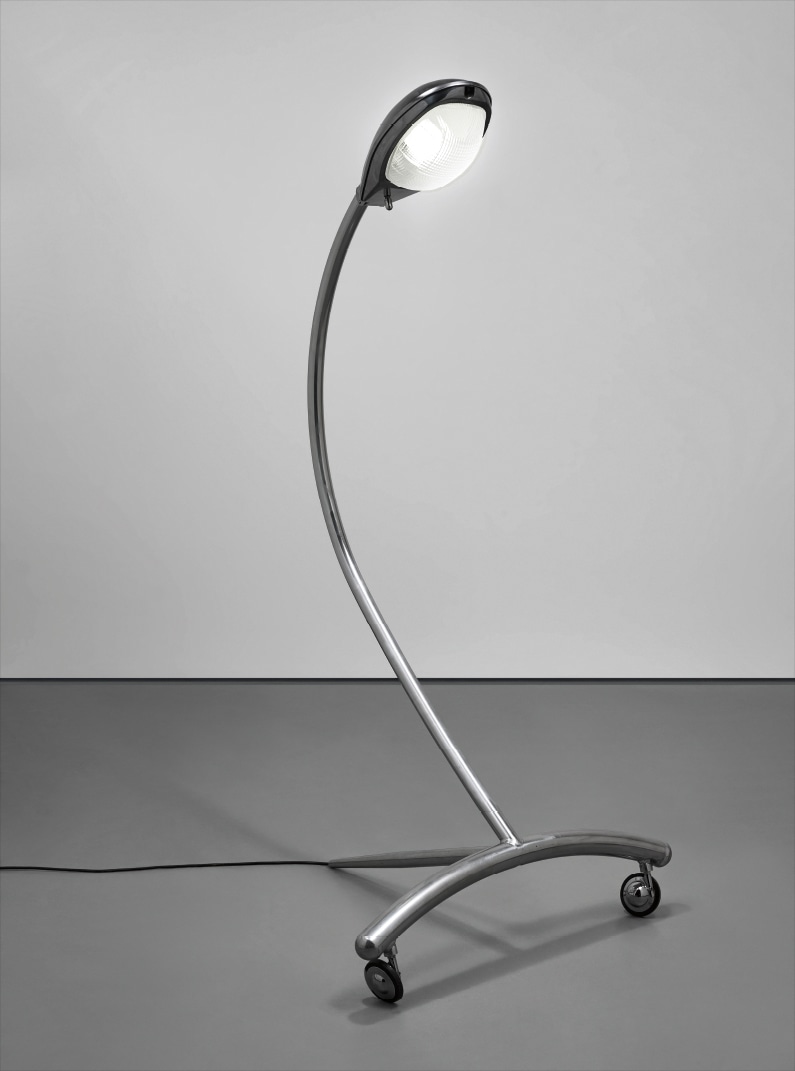
Marc Newson
'Super Guppy' standard lamp

Kingsley Parker
Watch Dogs: 1300 hrs
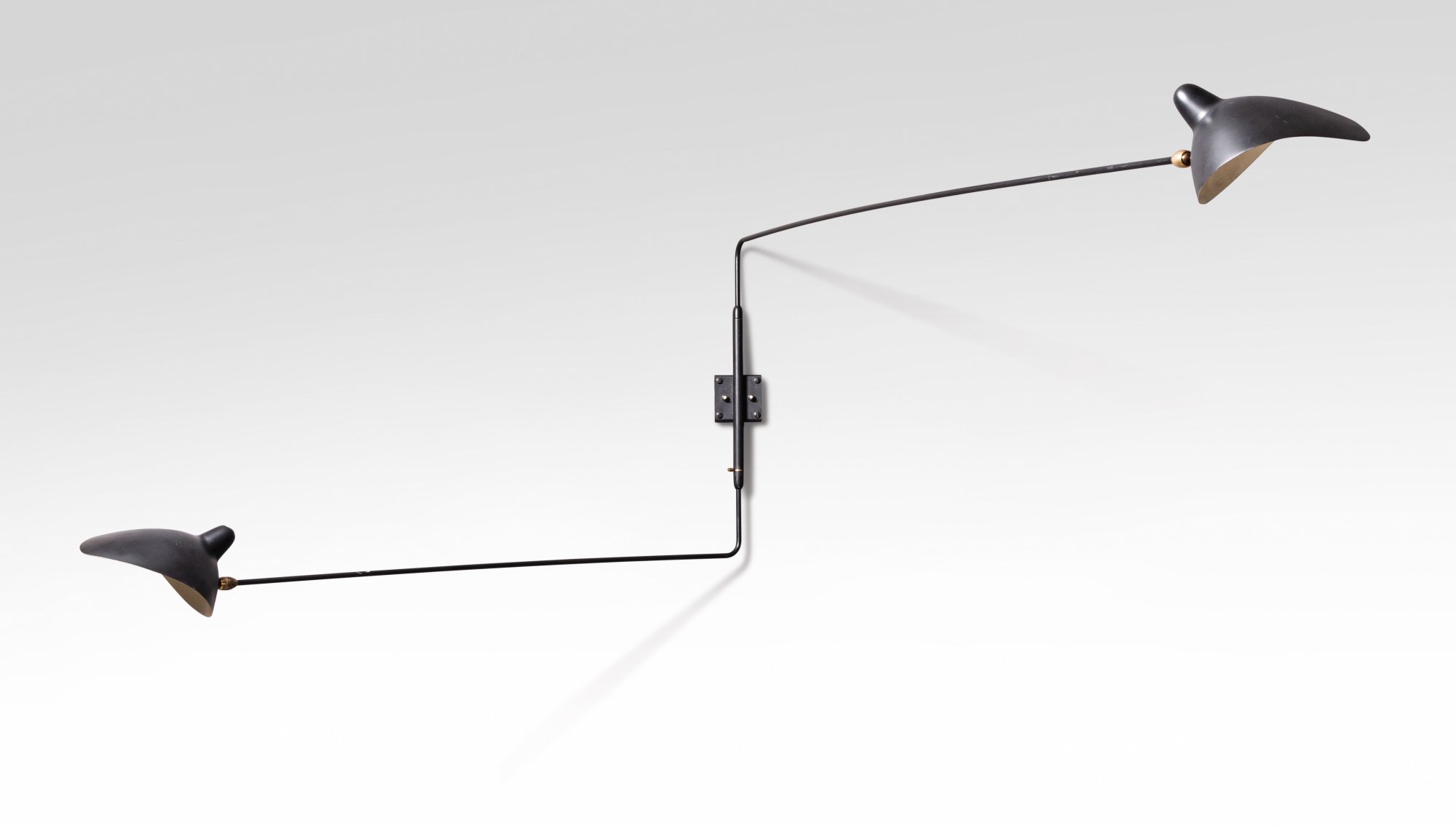
Serge Mouille
Applique à deux bras pivotants
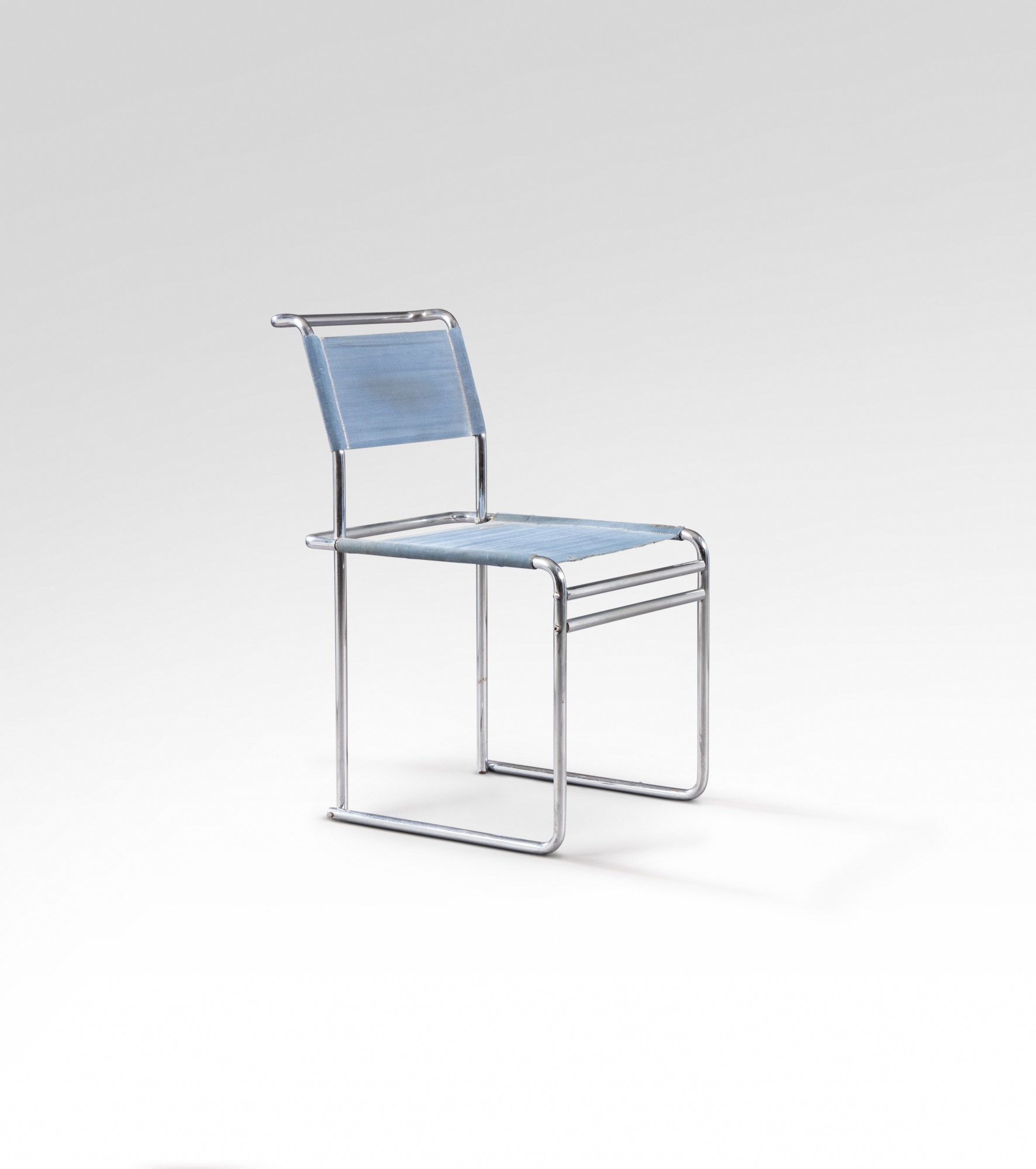
Marcel Breuer
Chaise, modèle B5
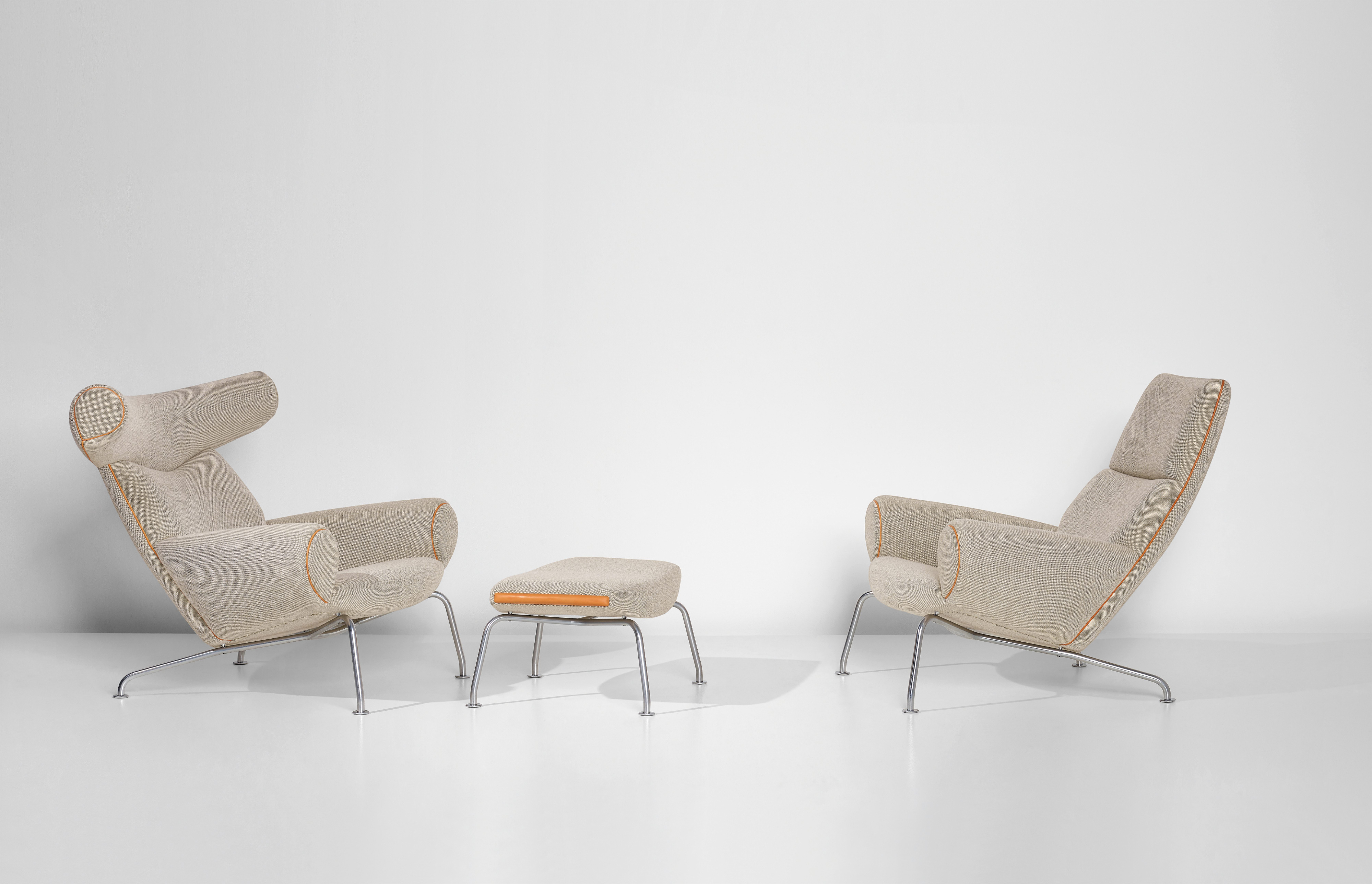
Hans J. Wegner
Two 'Ox' lounge armchairs, model nos. AP-46 and AP-47, and footstool, model no. AP-49
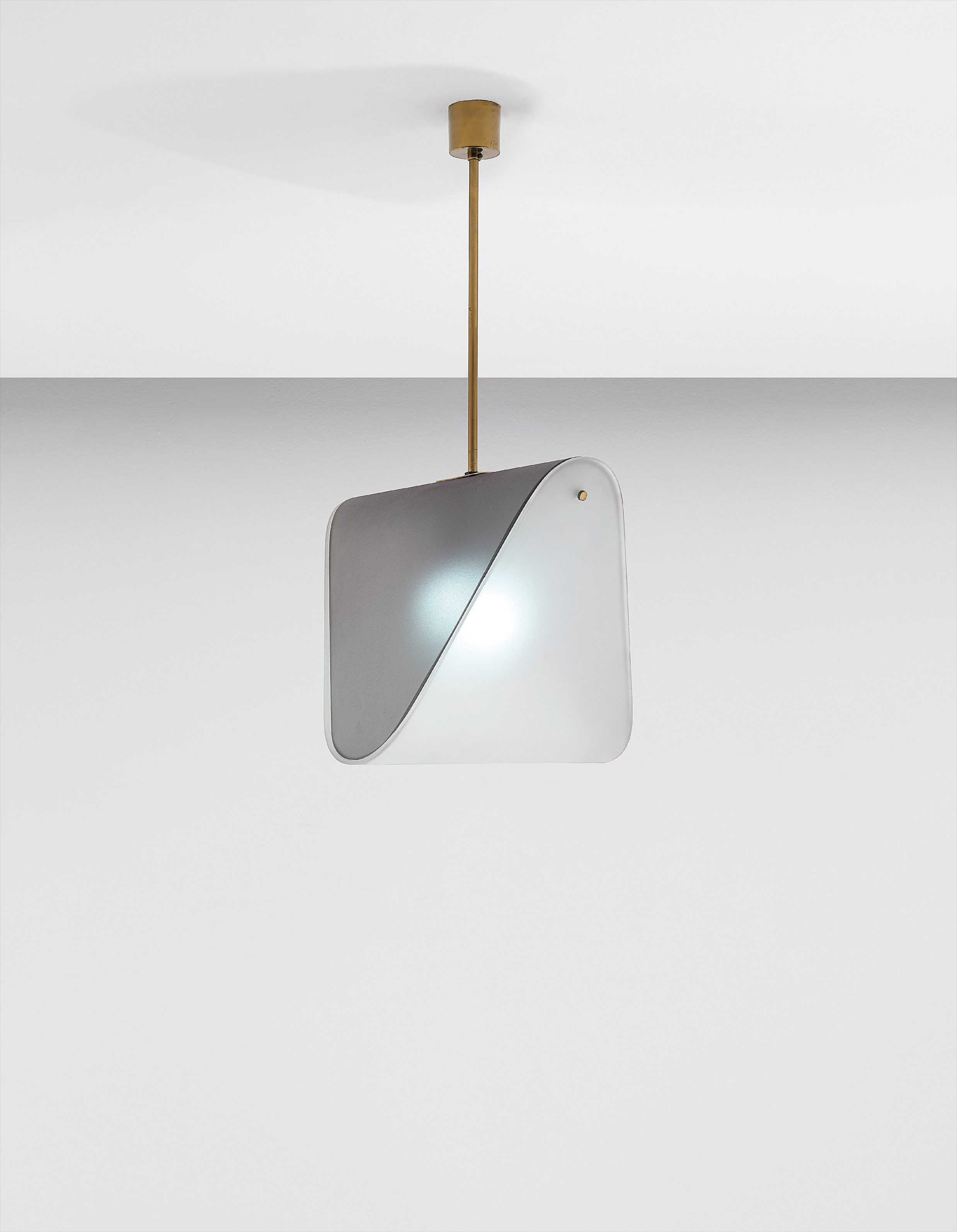
Fontana Arte
Ceiling light, model no. 2179
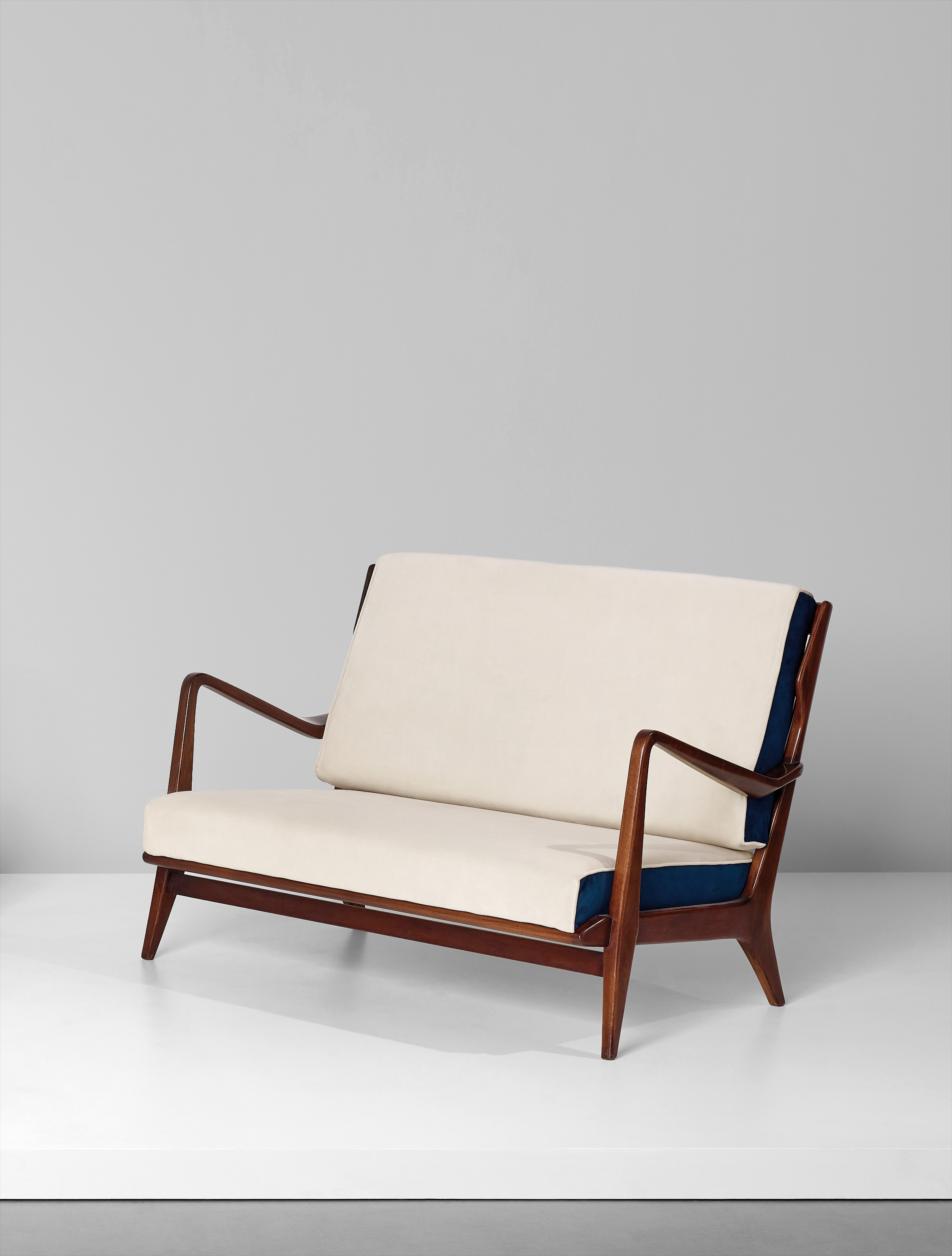
Gio Ponti
Settee, model no. 516
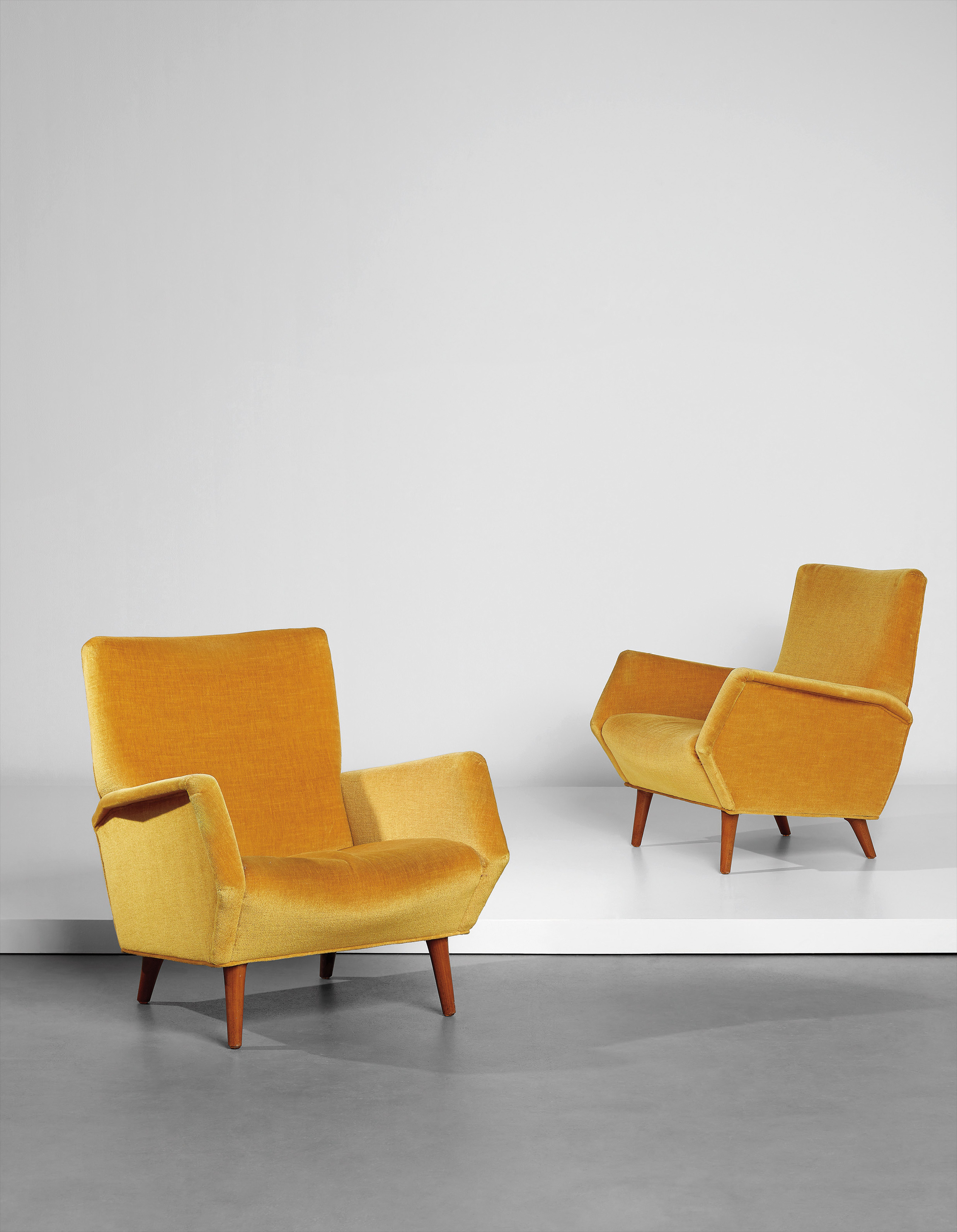
Gio Ponti
Pair of armchairs, model no. 803
Heiner Meyer
Veedol Motor Oil
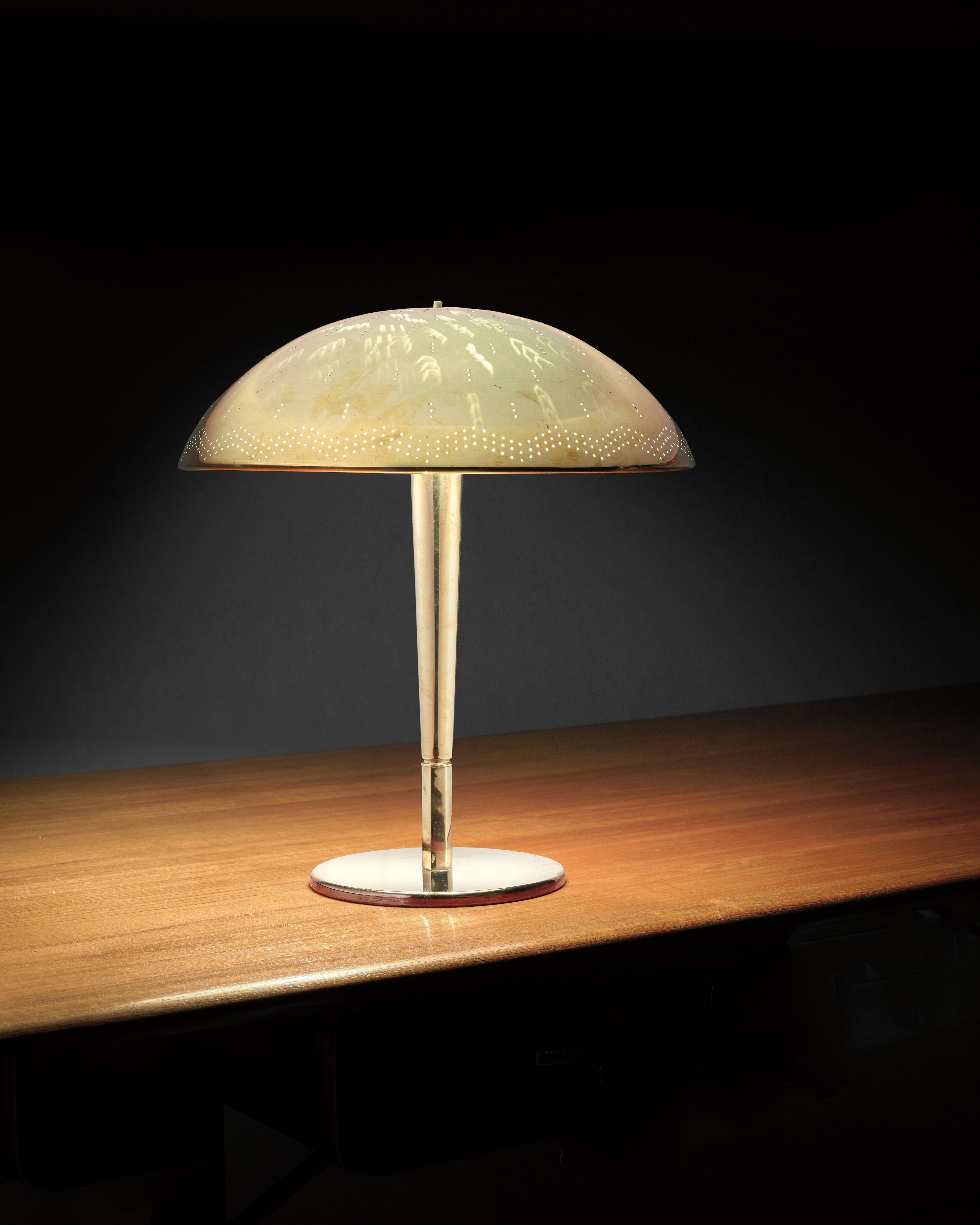
Paavo Tynell
Early table lamp, model no. 5061
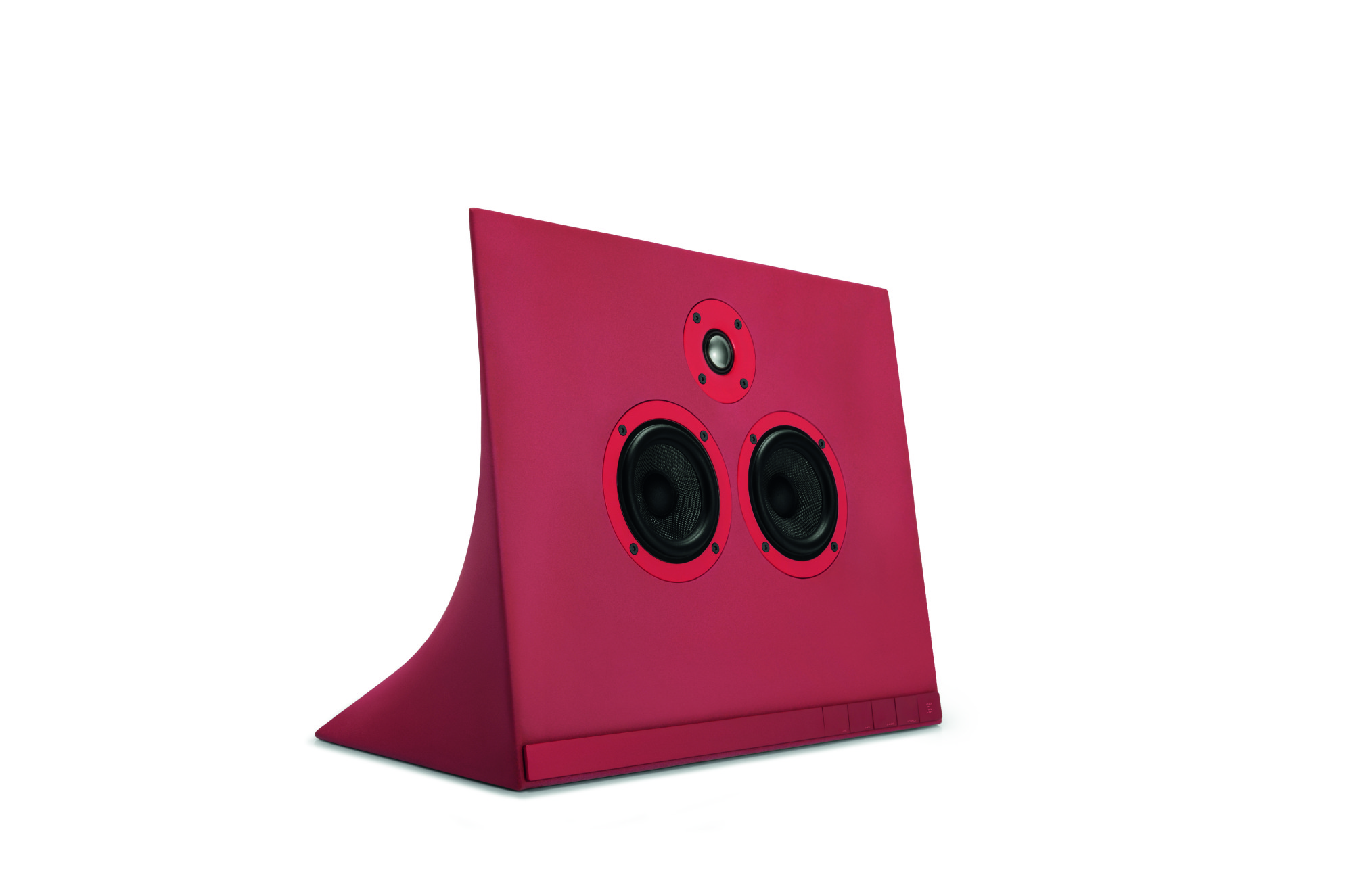
Master And Dynamic X Sir David Adjaye
Ma770 Wireless Speaker
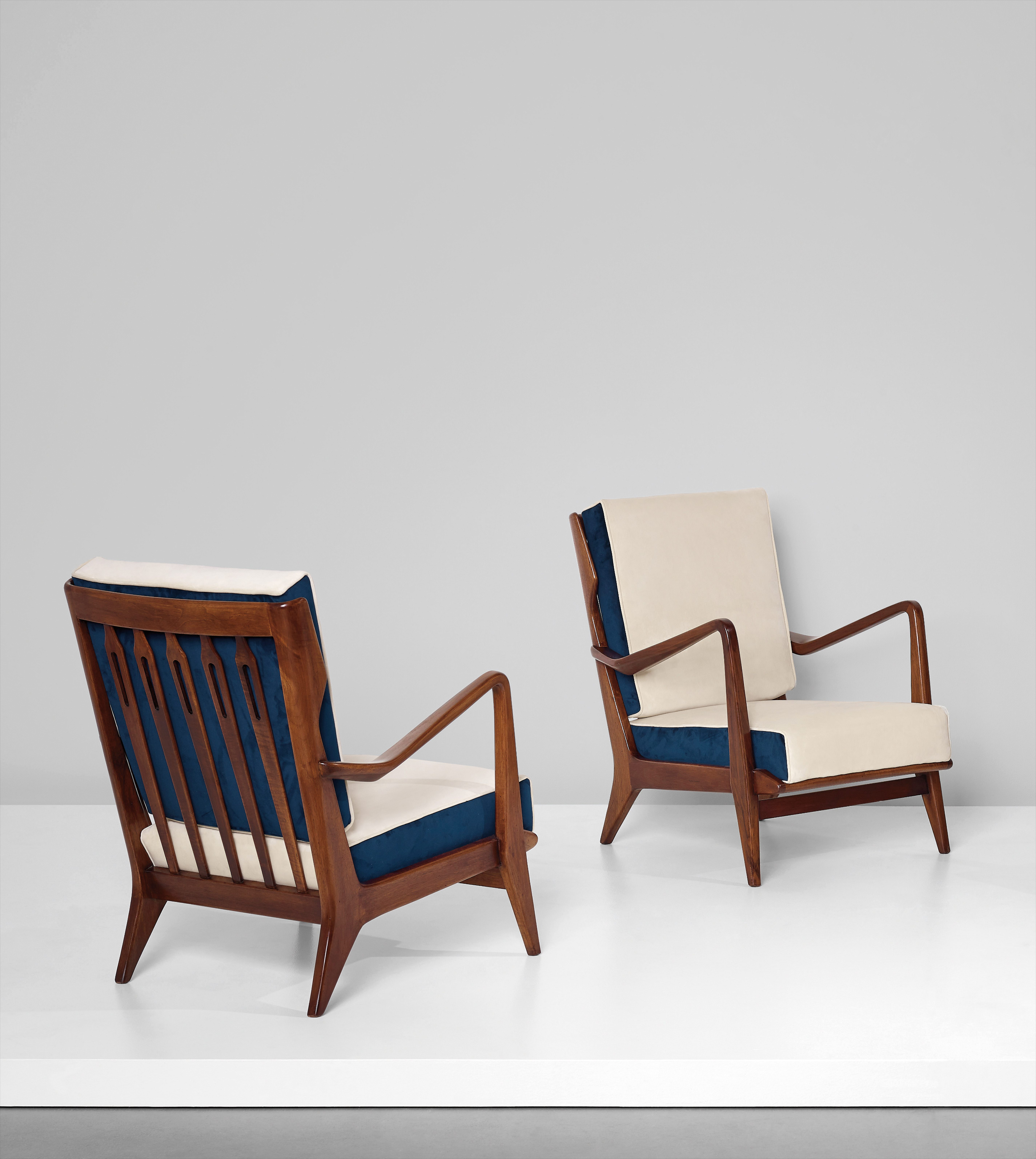
Gio Ponti
Pair of armchairs, model no. 516
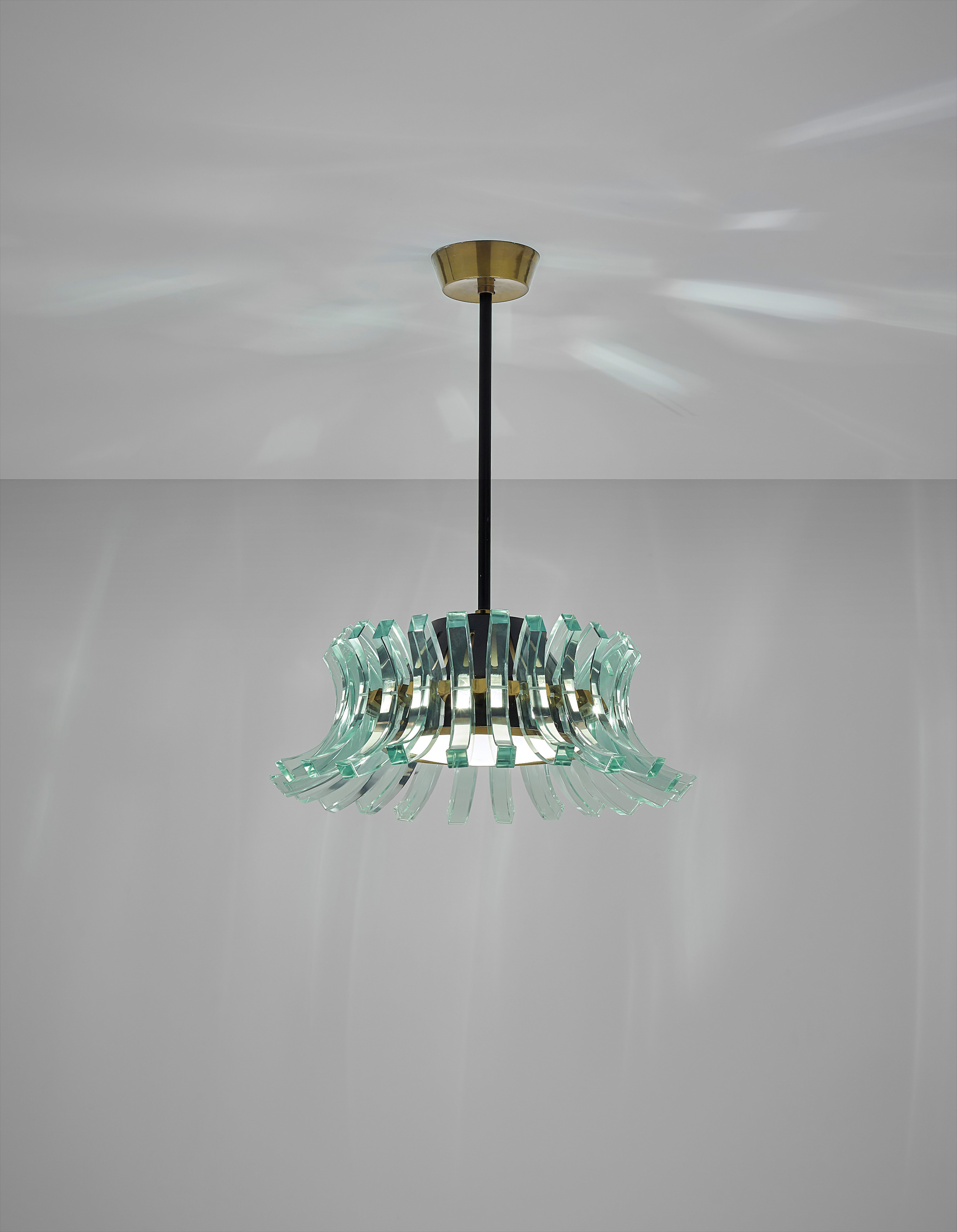
Max Ingrand
Rare chandelier
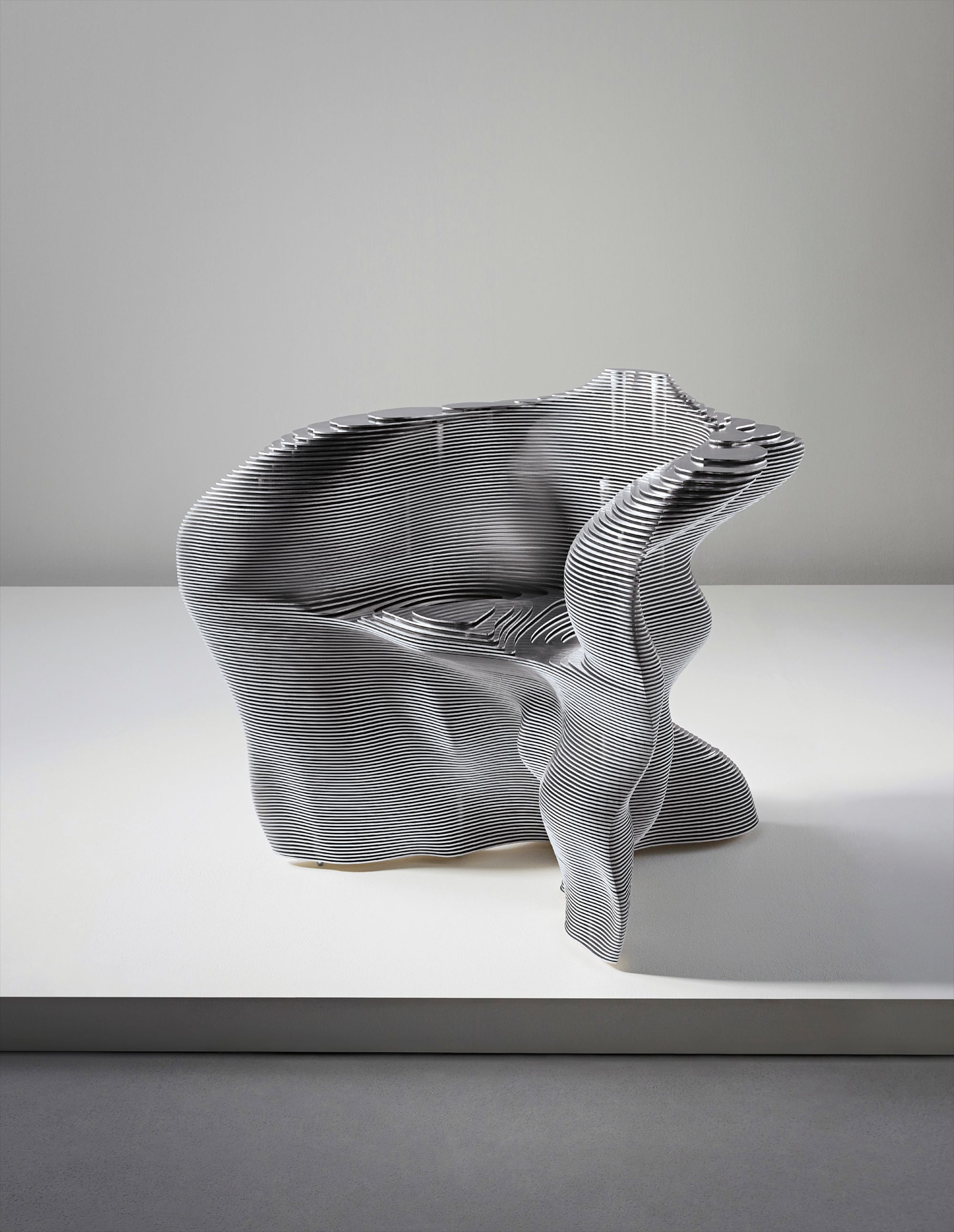
Mathias Bengtsson
“Slice” chair
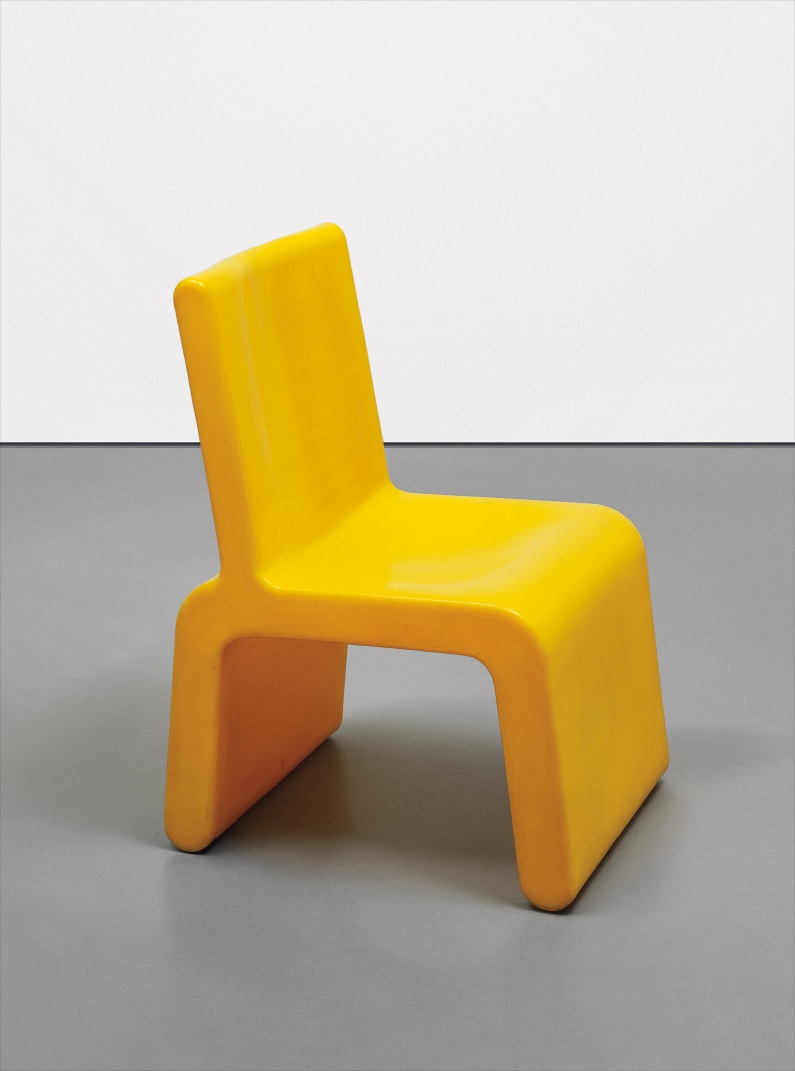
Marc Newson
W.&L.T. Chair
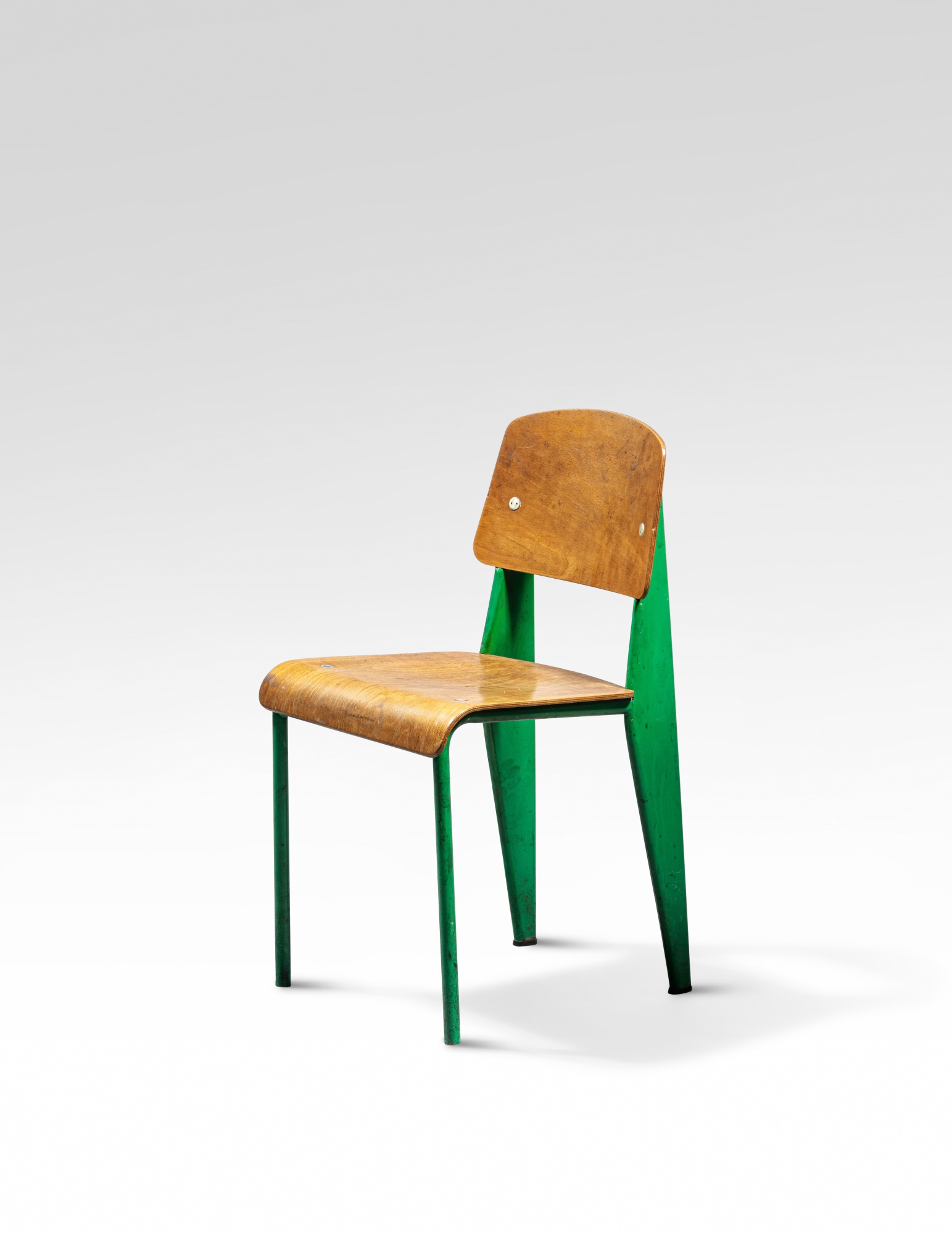
Jean Prouvé
Chaise standard, version Métropole n°305
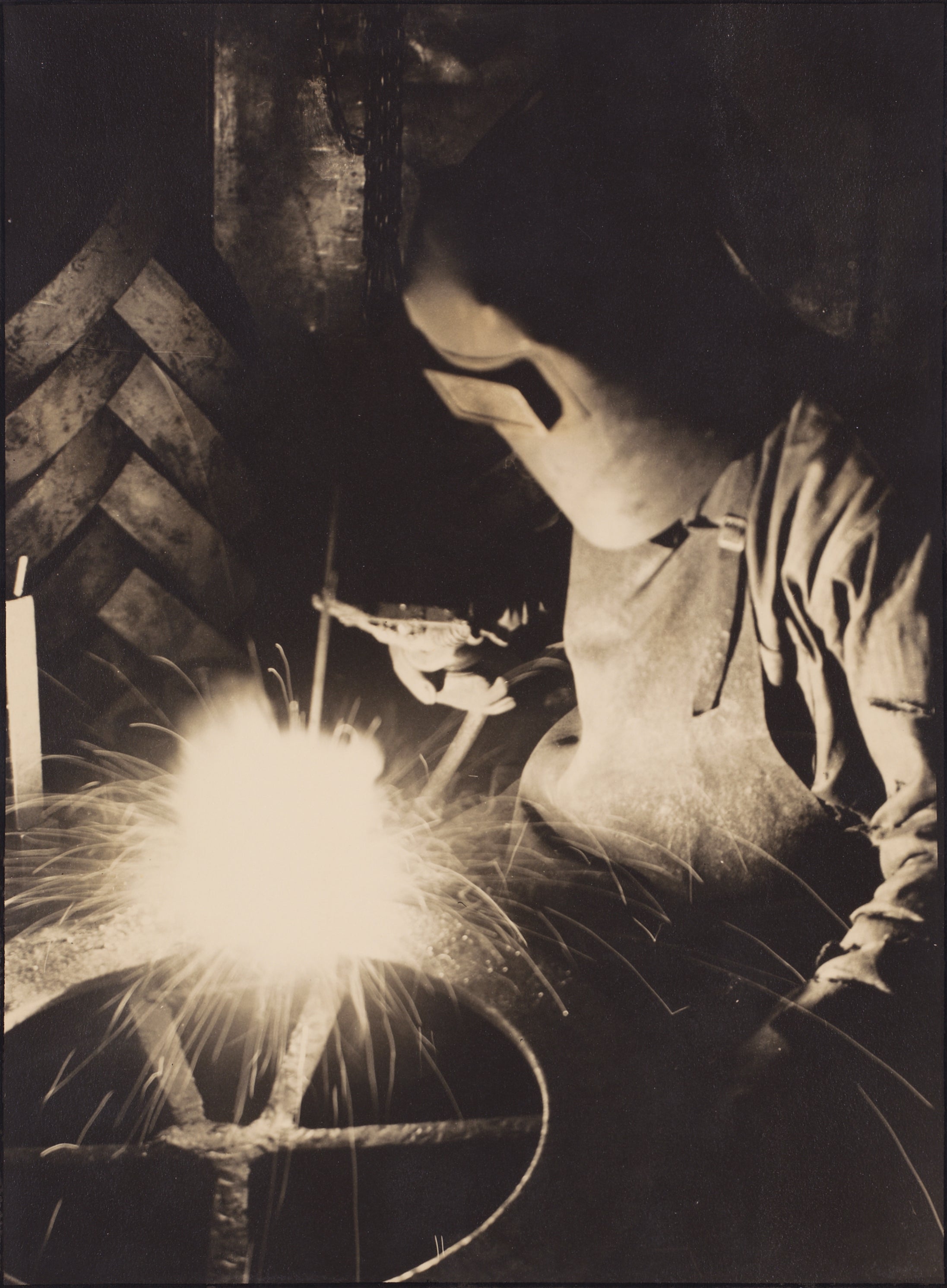
Margaret Bourke-White
Electric Welding, Lincoln Electric Co., Cleveland, Ohio
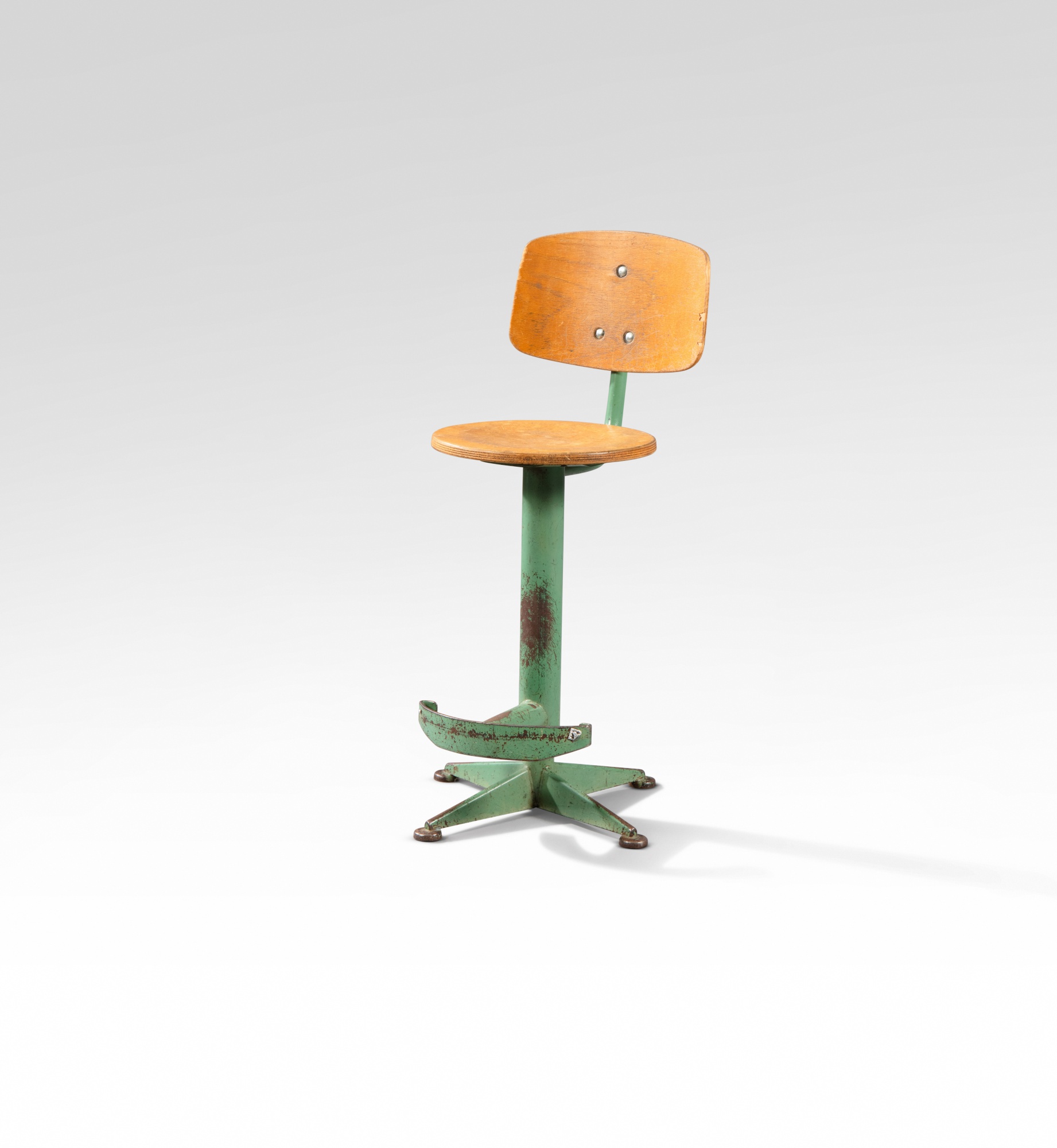
Jean Prouvé
Chaise pivotante
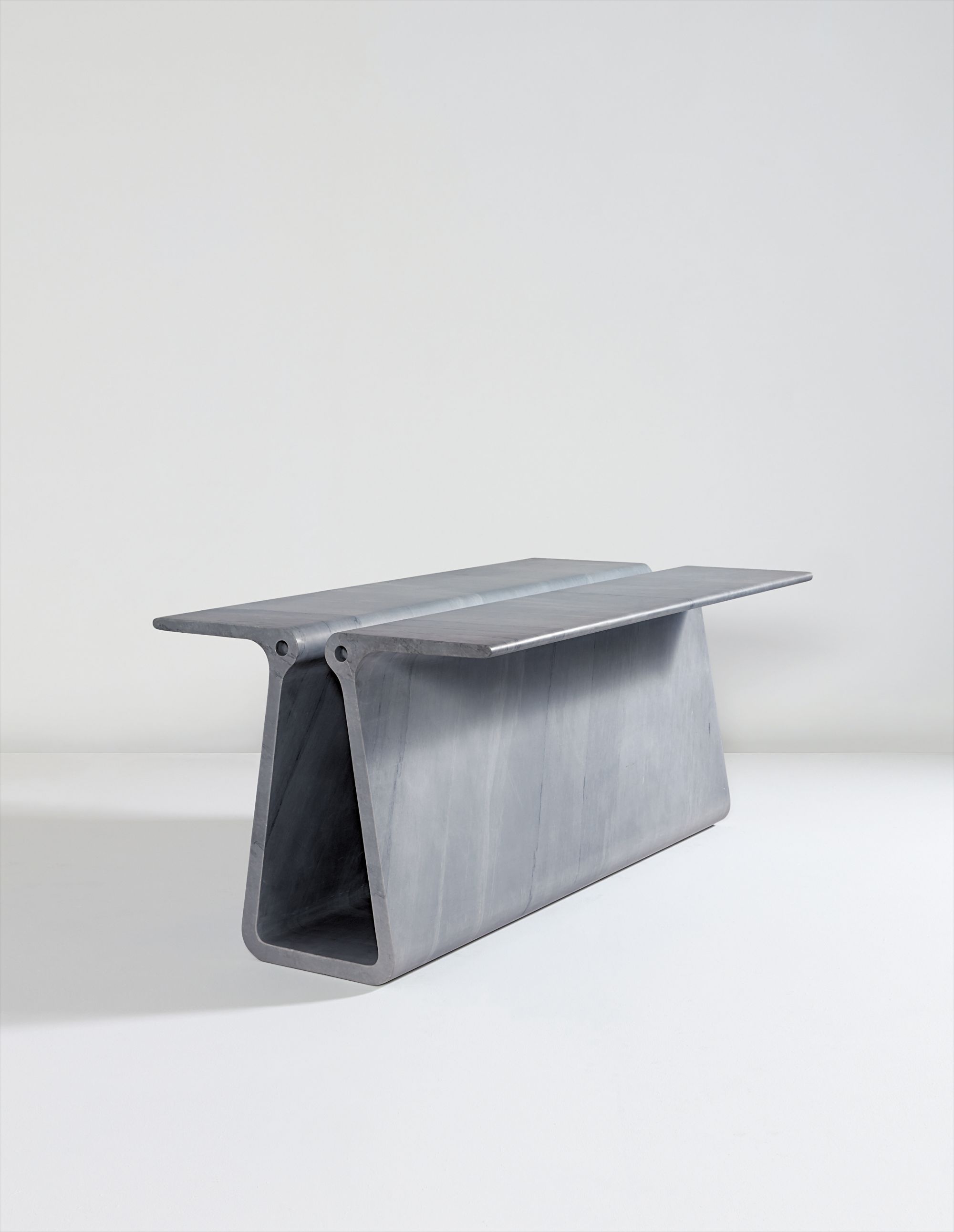
Marc Newson
"Extruded Table 2"
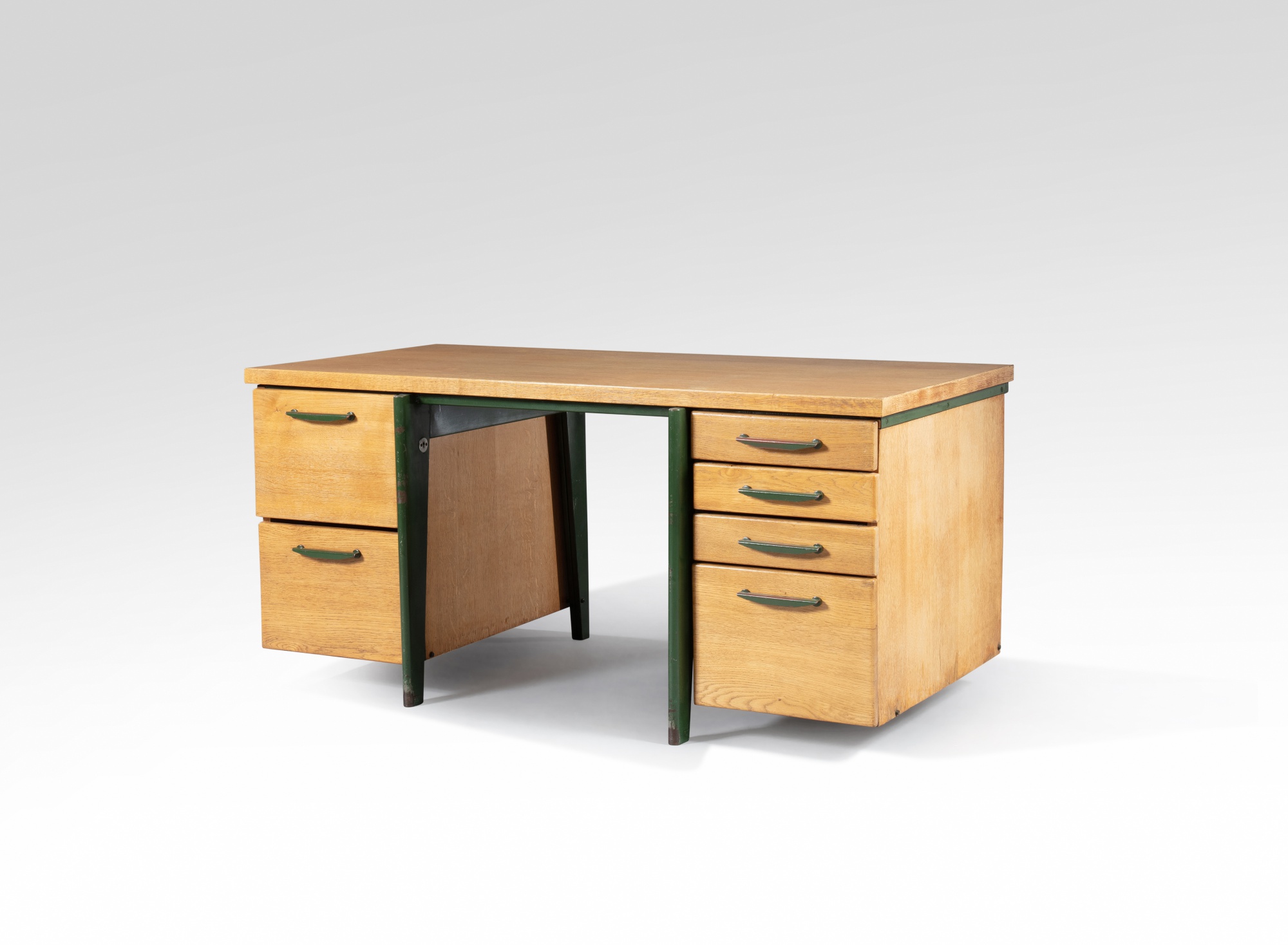
Jean Prouvé
Bureau Standard, modèle BS.6