Human Rights
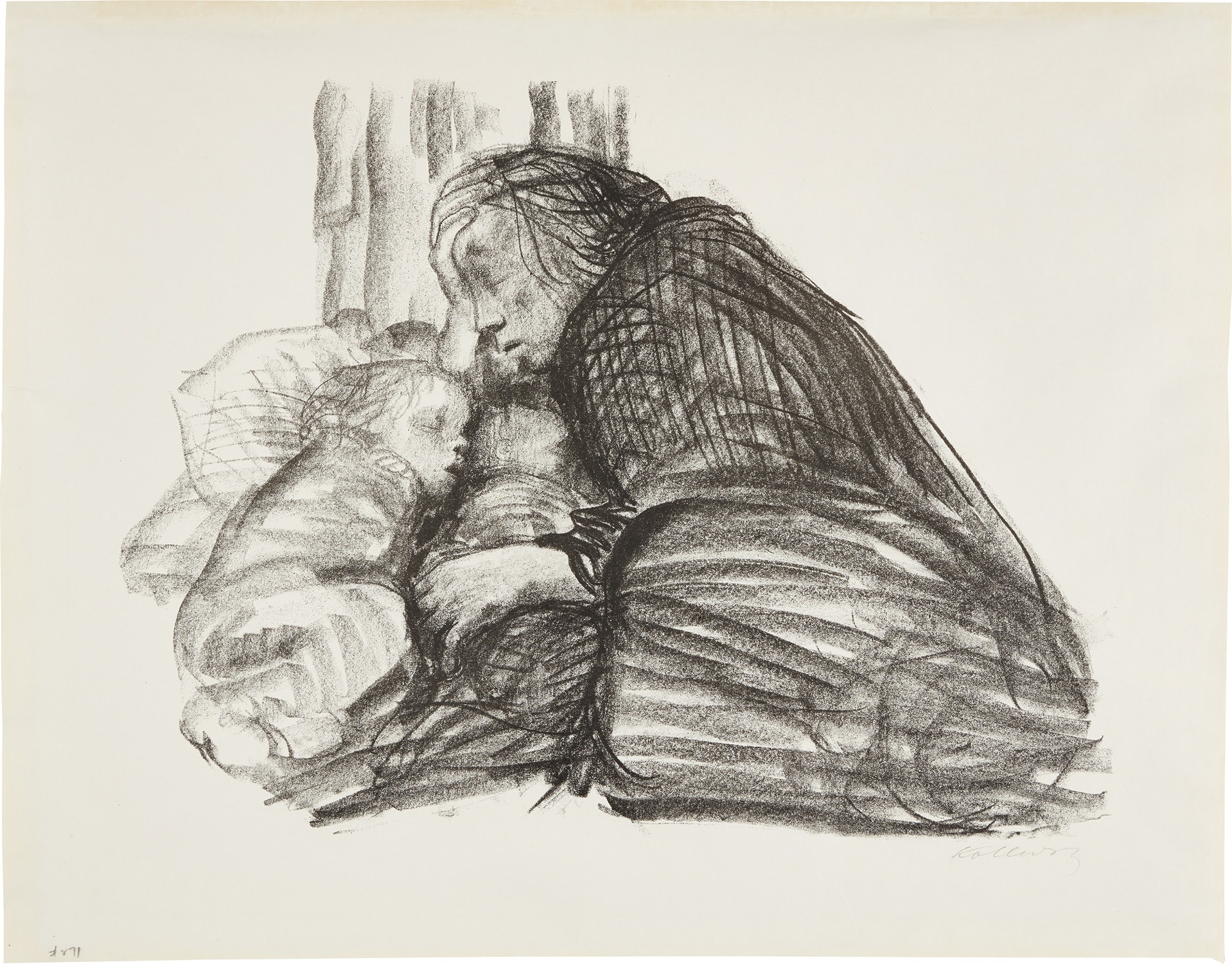
Käthe Kollwitz
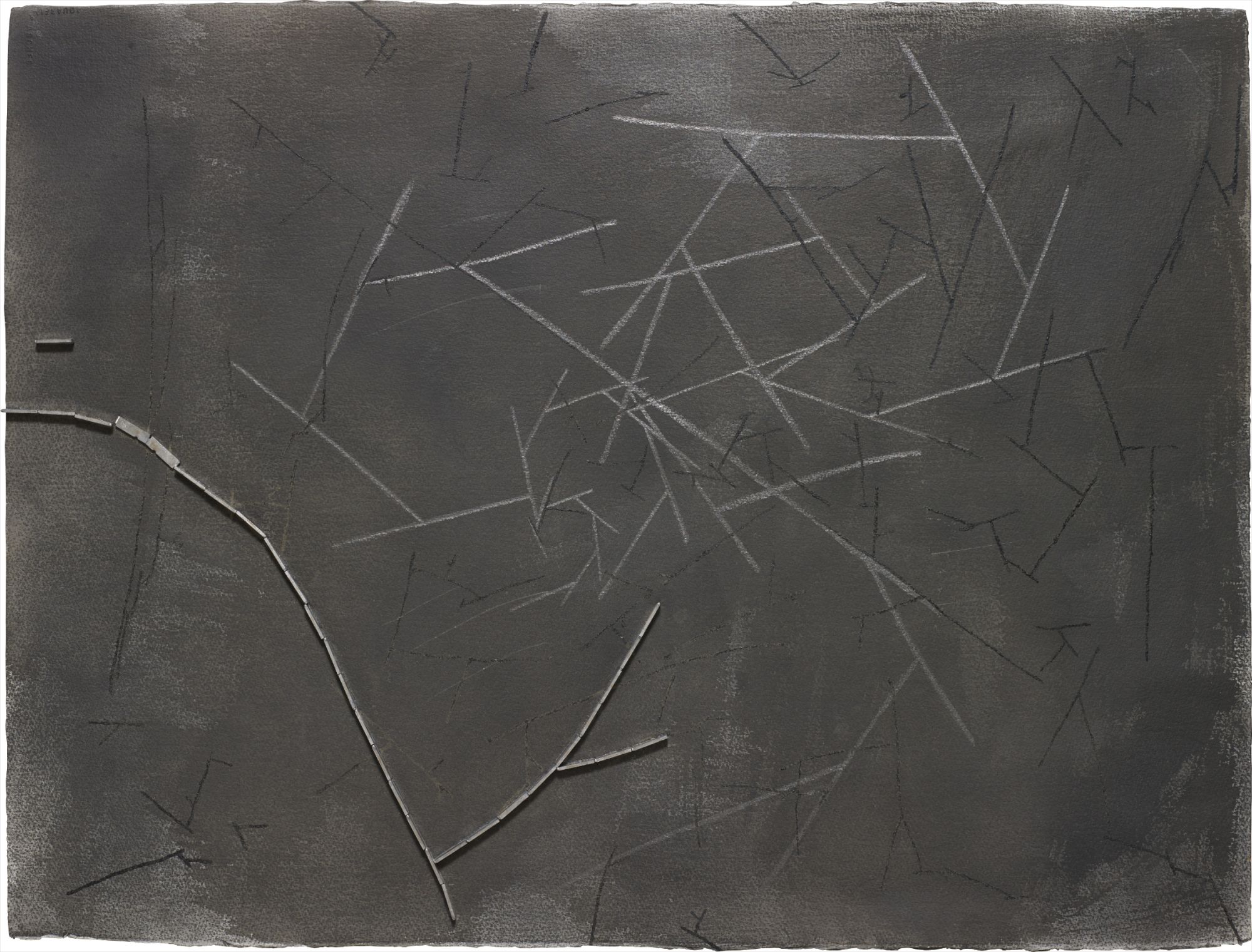
Städtisches Obdach (Urban Shelter)
When Art Refuses to Look Away
There is a long and uncomfortable tradition in art of bearing witness. Not the passive kind, where a painter renders suffering from a safe distance and calls it empathy, but something rawer and more demanding: art that insists you stay in the room, that refuses to let you aestheticize your way out of accountability. The history of human rights art is, at its core, the history of artists deciding that looking away is no longer an option, and daring their audiences to do the same. The roots of this impulse stretch back well before the term "human rights" entered the political lexicon.
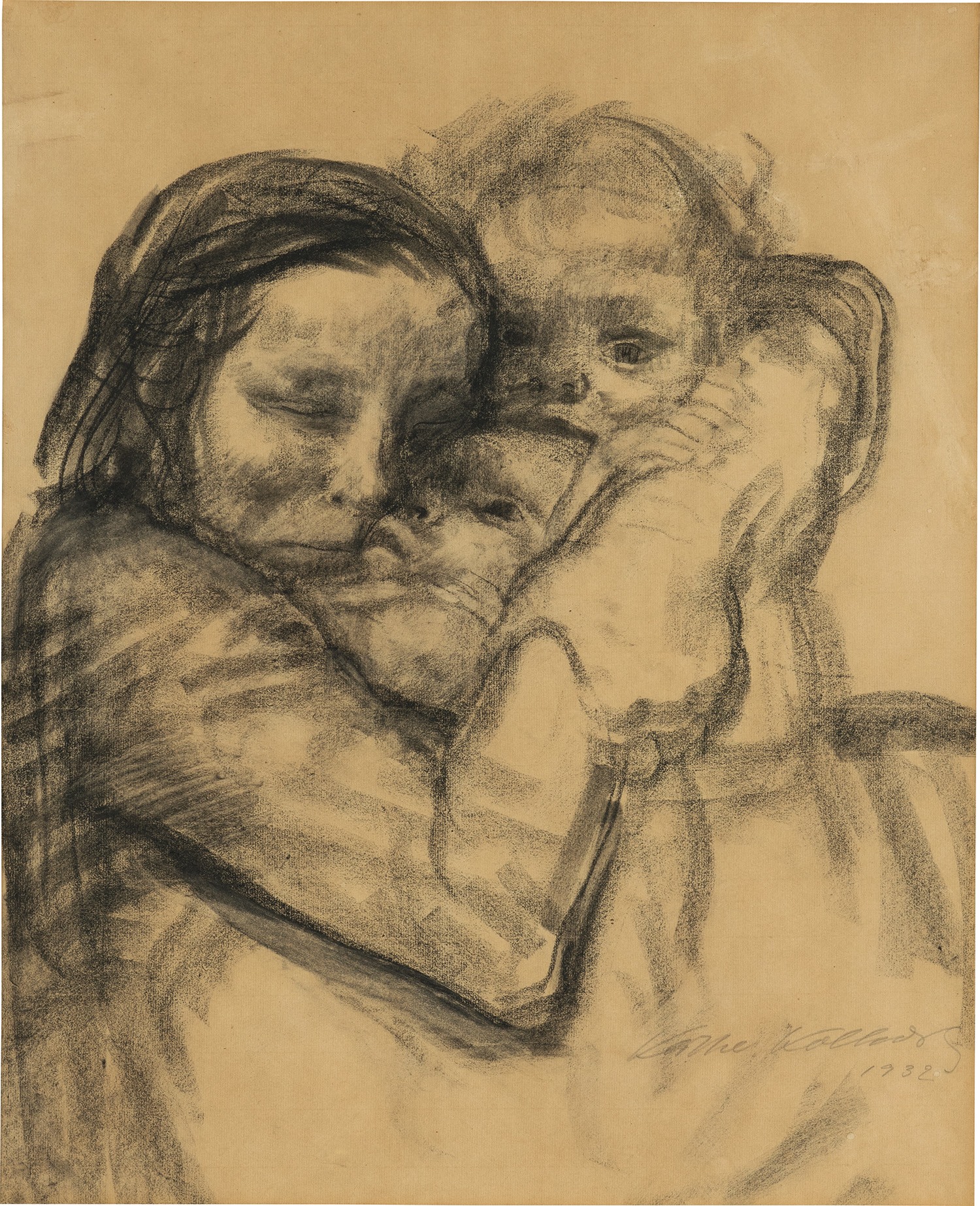
Käthe Kollwitz was drawing the faces of hunger and grief in Berlin at the turn of the twentieth century, her printmaking cutting through Wilhelmine sentimentality with a directness that still feels confrontational. Her lithographs and woodcuts of working class mothers, of dead children, of poverty without redemption, established a visual language for social suffering that had no equivalent in the salons of her time. She was not illustrating injustice as an abstraction. She was naming specific human beings and demanding they be seen as such.
Käthe Kollwitz
Städtisches Obdach (Urban Shelter)
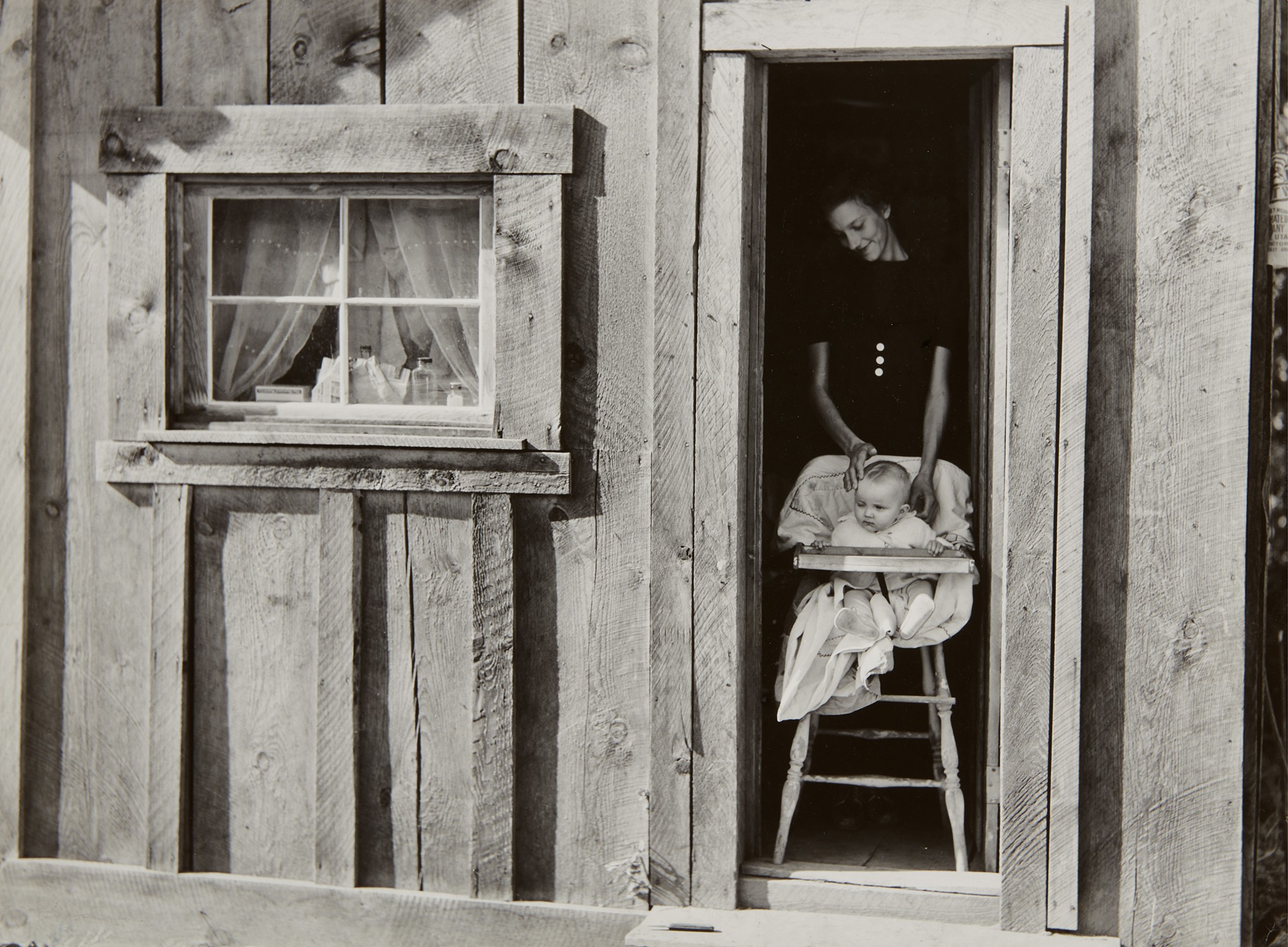
The formal codification of human rights as a global framework arrived in 1948 with the Universal Declaration of Human Rights, but artists had been building the moral and emotional architecture for that document long before diplomats drafted it. The Depression era photographs of Dorothea Lange, particularly her work for the Farm Security Administration through the late 1930s, forced American audiences to confront the human cost of structural poverty in ways that policy papers could not. Her image of Florence Owens Thompson, the photograph known as Migrant Mother from 1936, became one of the most reproduced images in history not because it was beautiful but because it was true in a way that demanded a response. The postwar decades saw a deepening of this commitment as artists grappled with the aftermath of the Holocaust, colonial violence, and the Cold War's proxy conflicts.
The Brazilian photographer Sebastião Salgado emerged in this tradition with a documentary practice that is simultaneously global in scope and intensely personal in its attention. His long term projects, from the Serra Pelada gold mines to the refugee crises documented in Exodus published in 2000, have always operated at the intersection of aesthetic rigor and moral urgency. Salgado's work on The Collection reflects this dual commitment: images of extraordinary formal beauty that nonetheless refuse to beautify suffering, holding both truths in tension without resolving them. Latin American artists have contributed something essential and particular to the discourse, shaped by the experience of state violence, disappearance, and impunity.
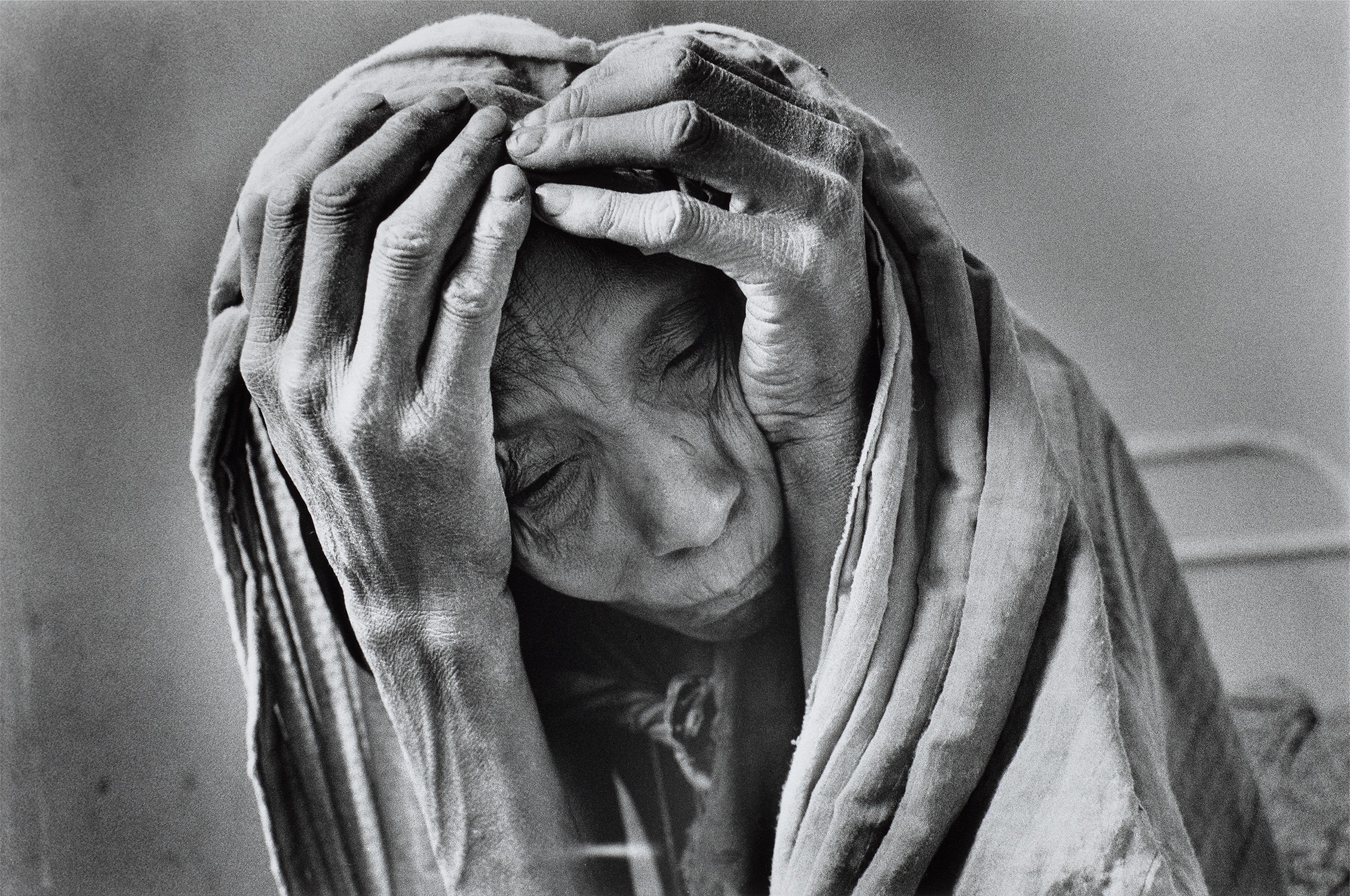
Sebastião Salgado
Child Worker at the Mata Tea Plantation, Rwanda
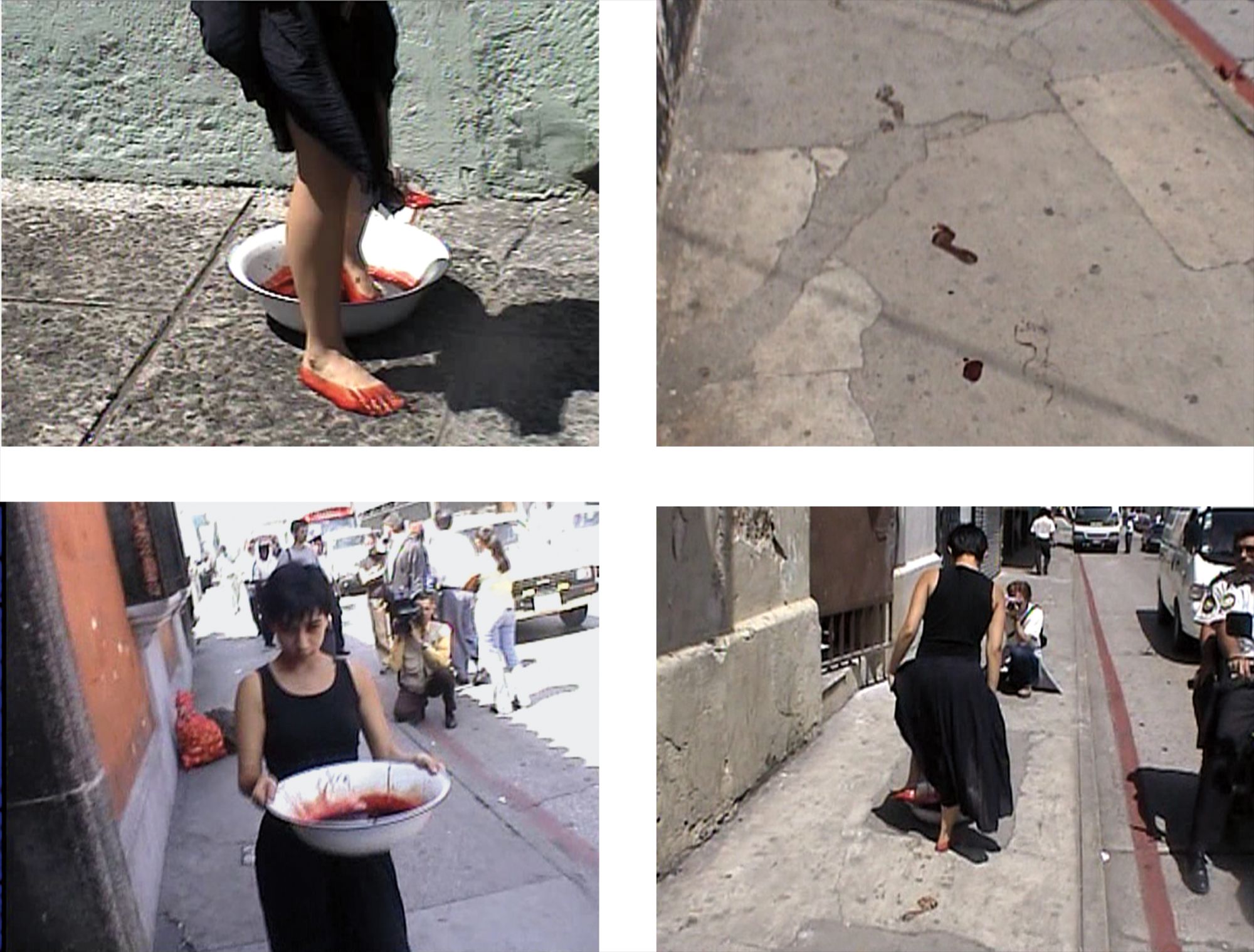
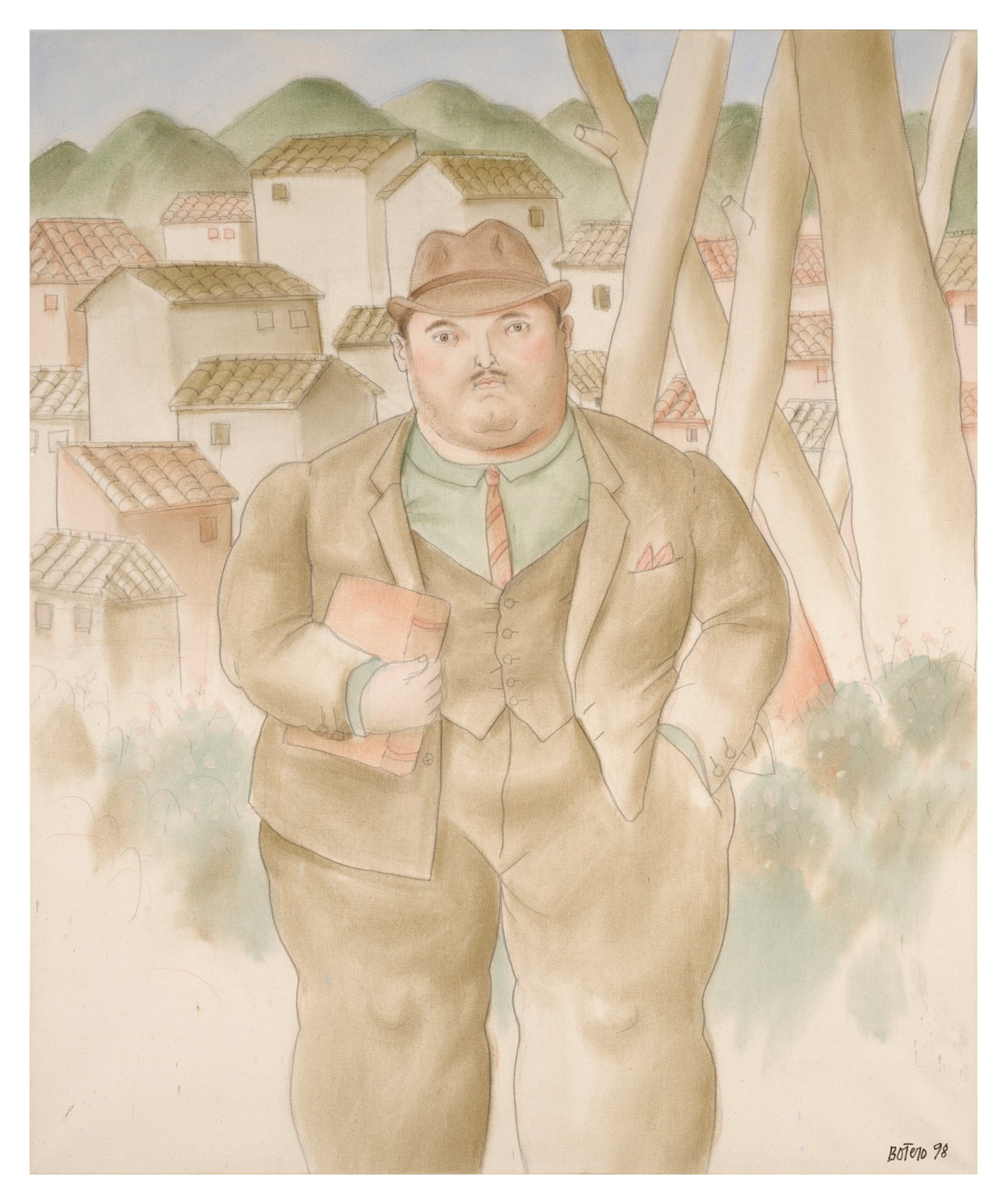
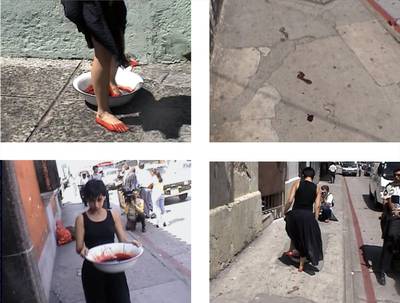
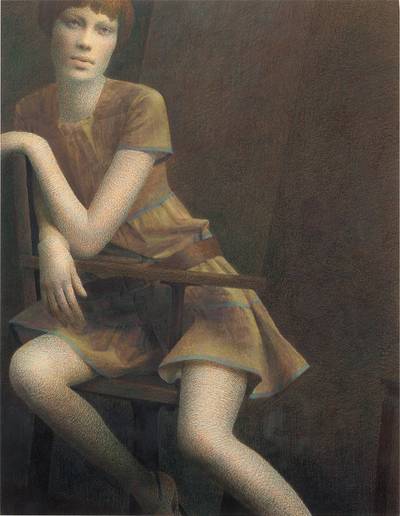
Fernando Botero's series responding to the abuses at Abu Ghraib, produced between 2004 and 2005 and comprising more than eighty paintings and drawings, demonstrated that his signature inflated figuration was not merely a stylistic quirk but a conceptual tool capable of amplifying horror. The grotesque scale of his figures, applied to scenes of torture, created an uncanny dissonance that made the images impossible to dismiss as documentary. They were accusations rendered in oil paint. Regina José Galindo, the Guatemalan performance artist whose work on The Collection continues to resonate, takes a more viscerally embodied approach, using her own body as both medium and site of testimony in performances that address femicide, racism, and state terror in Central America.
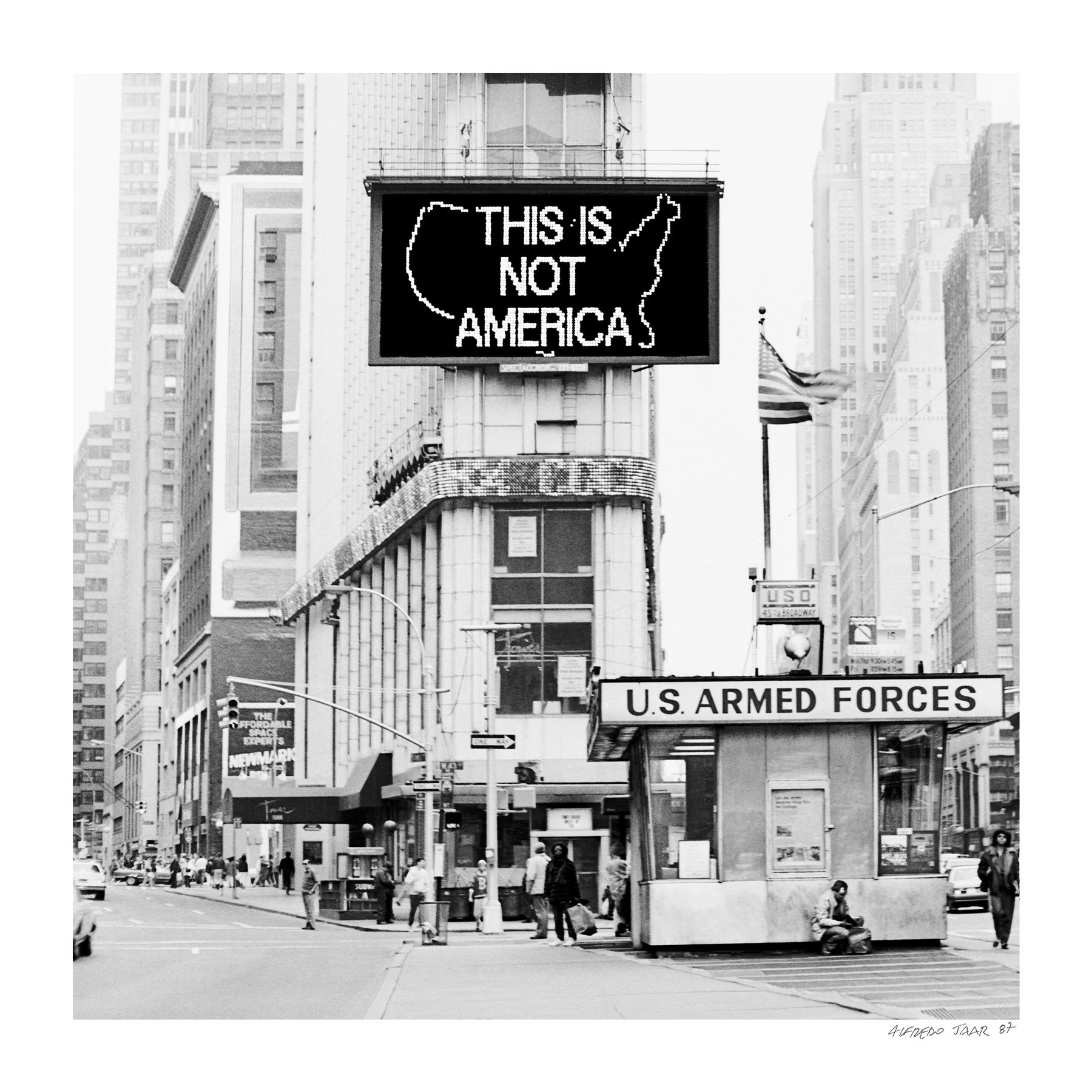
The conceptual turn of the late twentieth century opened new strategies for artists working in this territory. Rather than depicting suffering directly, artists began to investigate the systems and silences that make suffering possible. Alfredo Jaar, the Chilean born artist and architect, has spent decades interrogating the ethics of representation itself, asking what it means to show atrocity and who bears responsibility for looking or not looking. His installation The Rwanda Project, developed throughout the 1990s in response to the genocide, refused to show documentary photographs in conventional ways, instead forcing viewers into a confrontation with their own capacity for witness and avoidance.
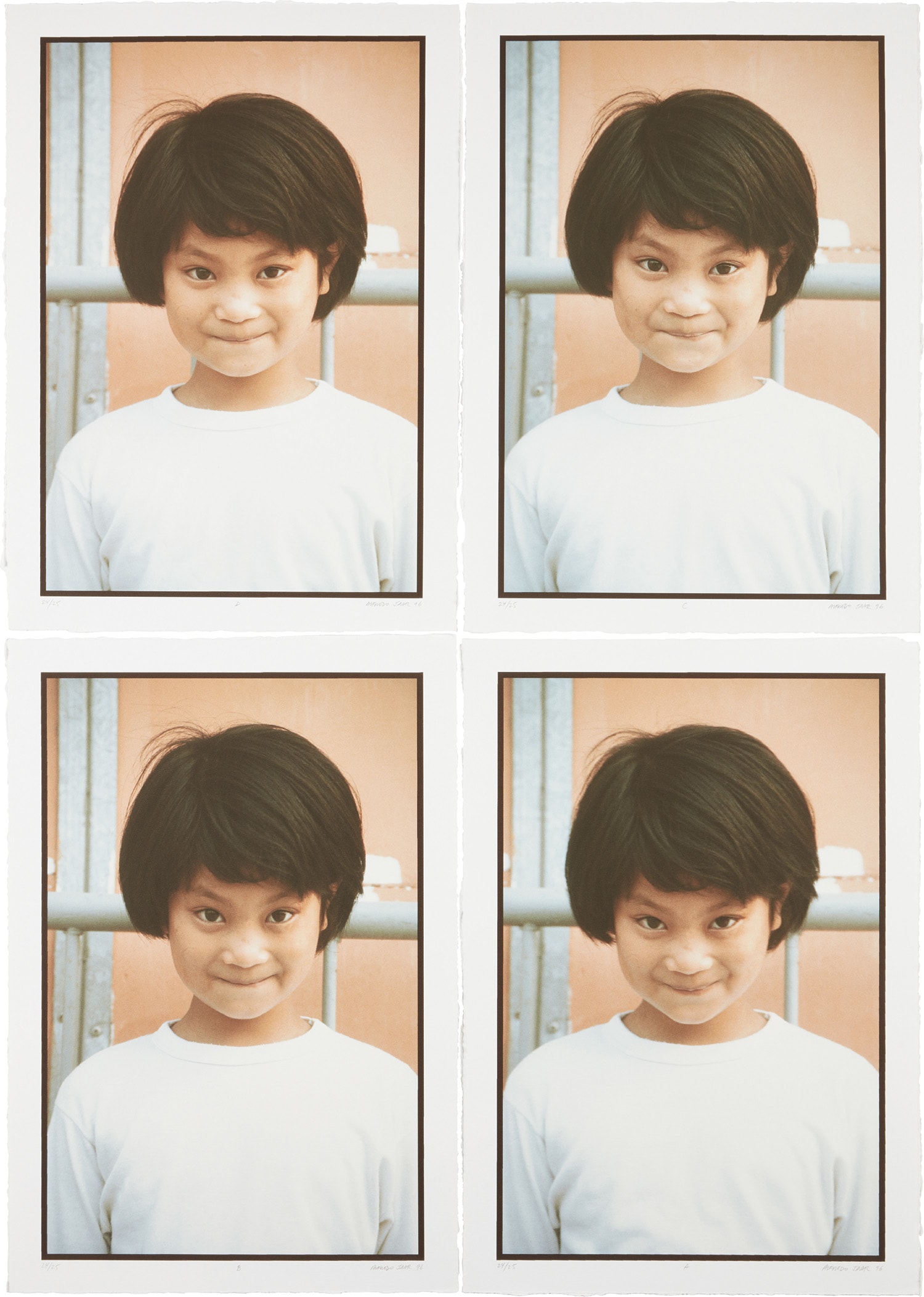
Alfredo Jaar
One Hundred Times Nguyen, 1996
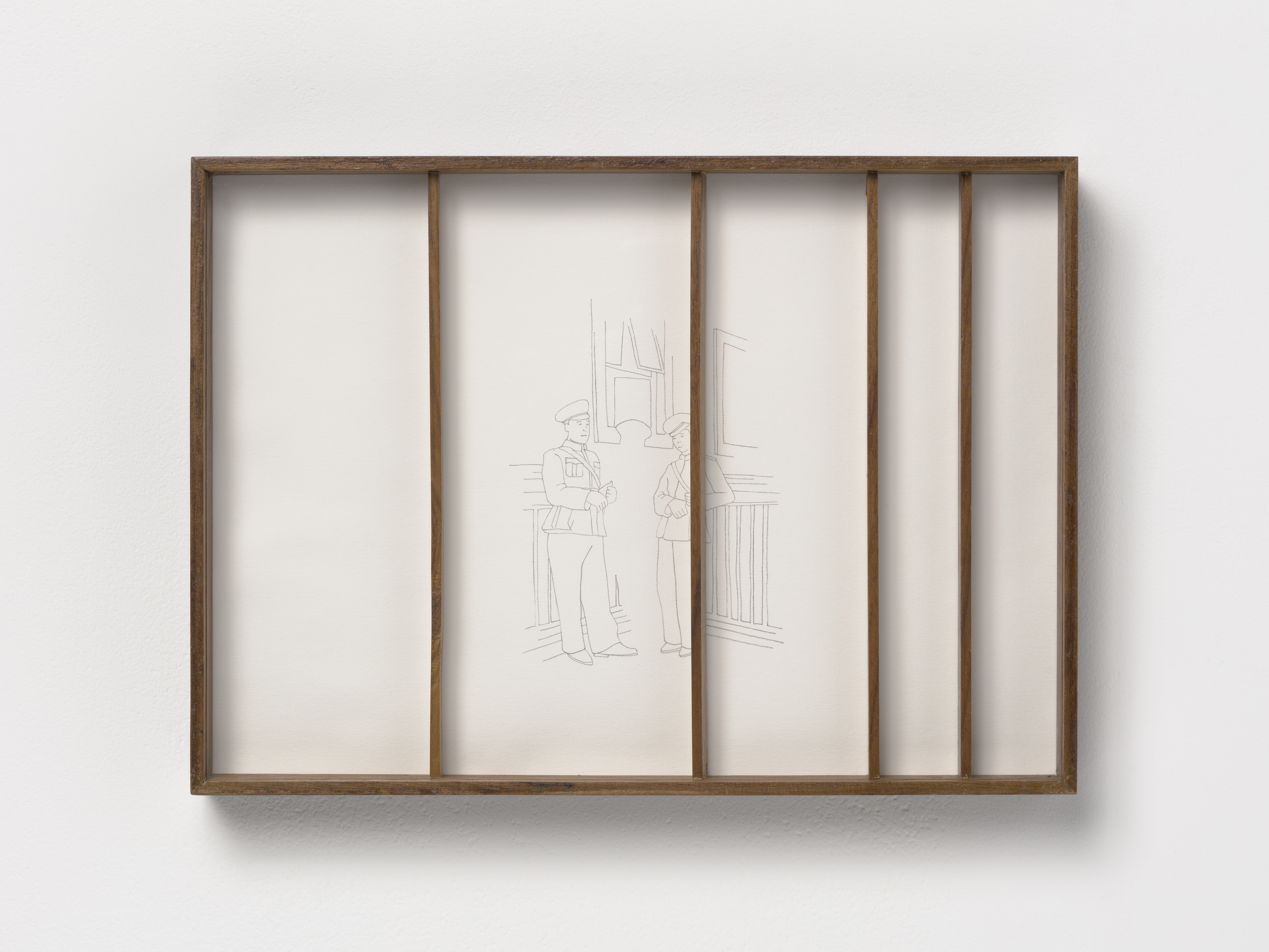
Shilpa Gupta, the Mumbai based artist whose practice spans video, sound, and interactive installation, approaches human rights through the lens of surveillance, borders, and the bureaucratic machinery that governs belonging. Her work on The Collection asks quiet but devastating questions about who controls identity and who is rendered invisible by state power. Tania Bruguera occupies a particularly charged position in this landscape, working in a Cuban context where art practice itself is a site of political risk. Her concept of Arte Útil, or useful art, insists that art should produce real social change rather than merely represent the desire for it.
Her performances and institutional interventions have led to detentions and travel bans, collapsing the distance between artistic statement and lived consequence in ways that most Western art institutions can barely imagine. The collection of works on The Collection from artists like Bruguera and Galindo carries this charge, the sense that these are not comfortable objects made for contemplative appreciation but urgent dispatches from the front lines of ongoing struggles. What connects Kollwitz's charcoal grief to Jaar's conceptual restraint, what links Lange's documentary precision to Bruguera's performative risk, is a shared conviction that art is not separate from the world but embedded in it, capable of altering how we see and therefore how we act. The works gathered under the theme of human rights on The Collection do not form a unified aesthetic movement in the traditional sense.
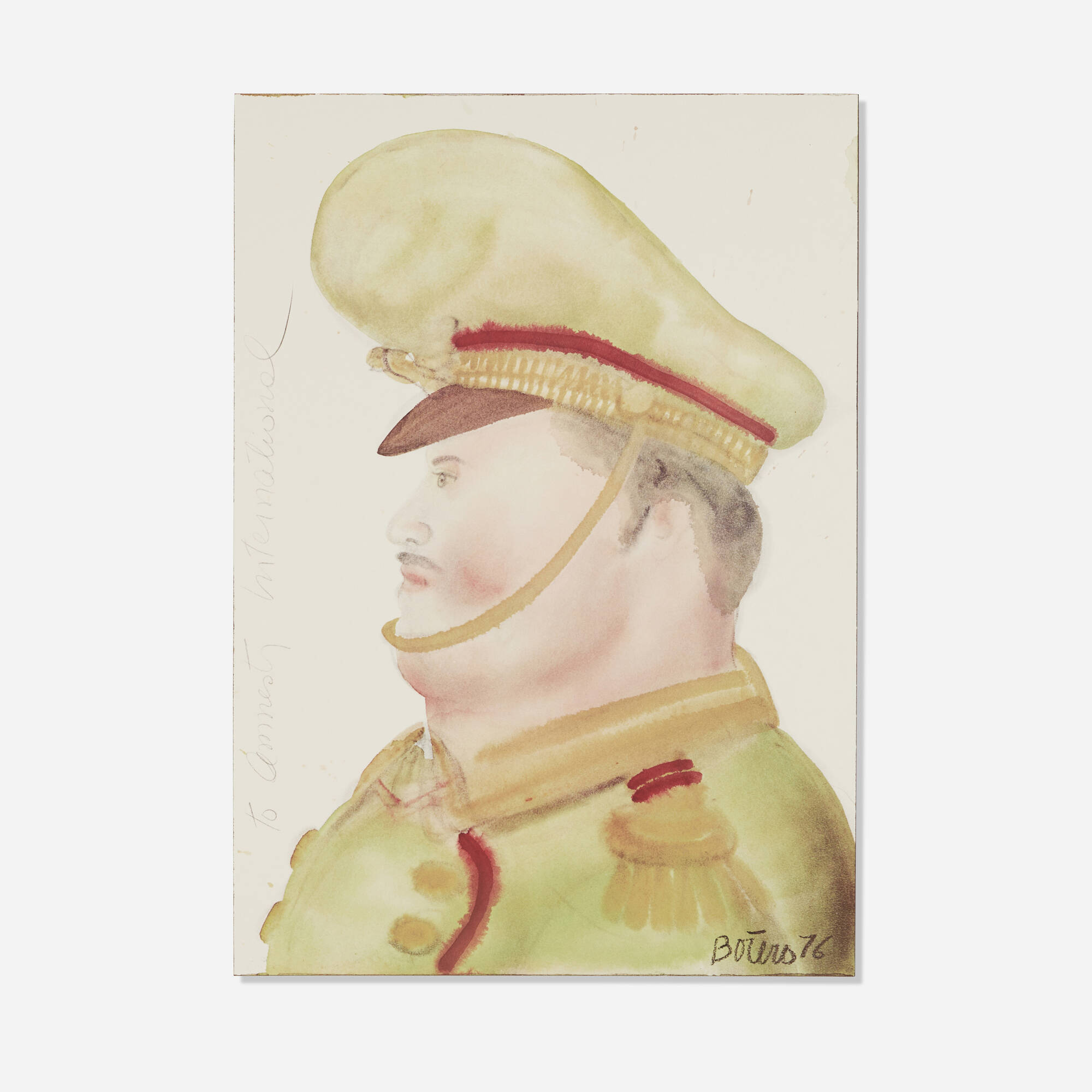
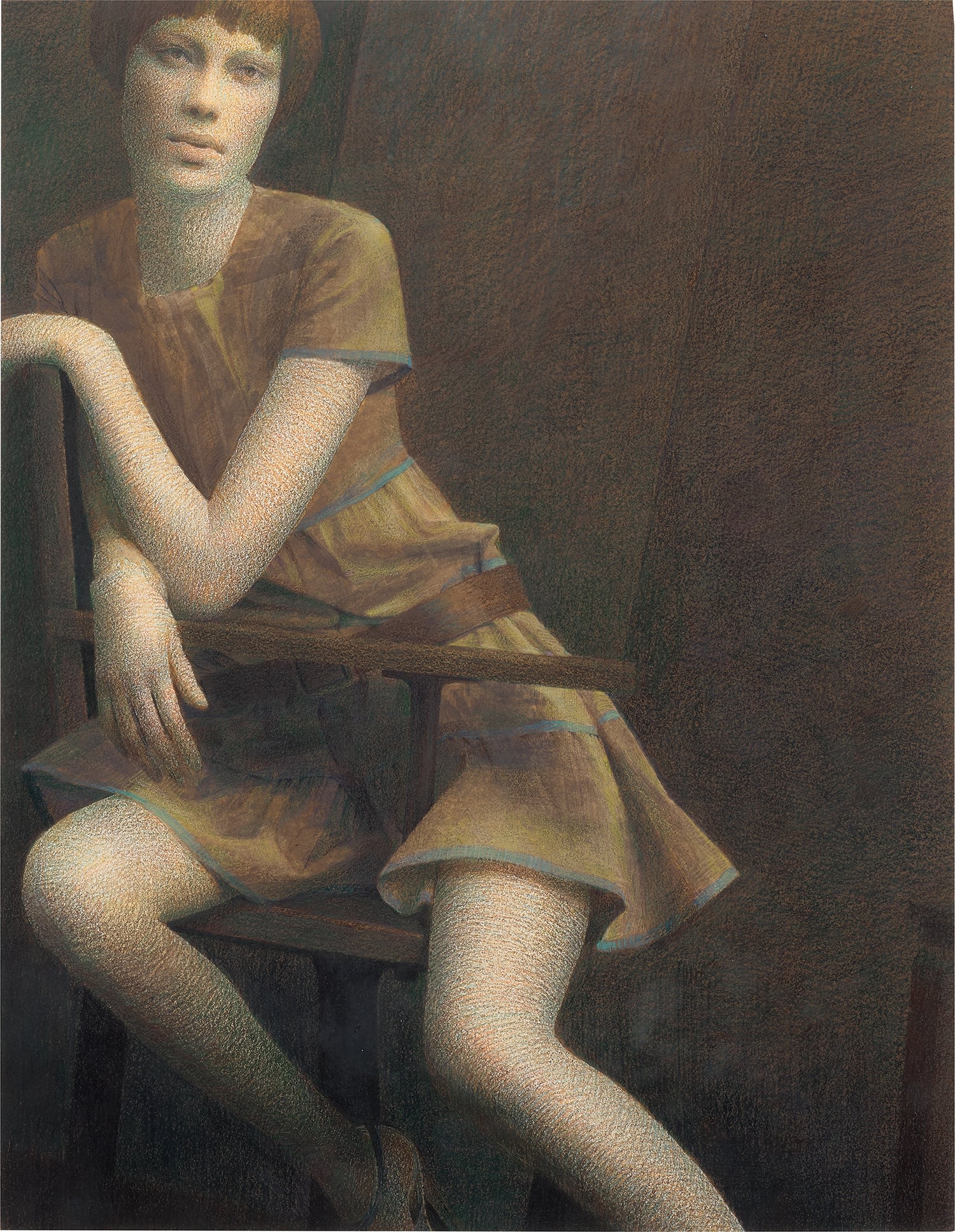
Fernando Botero
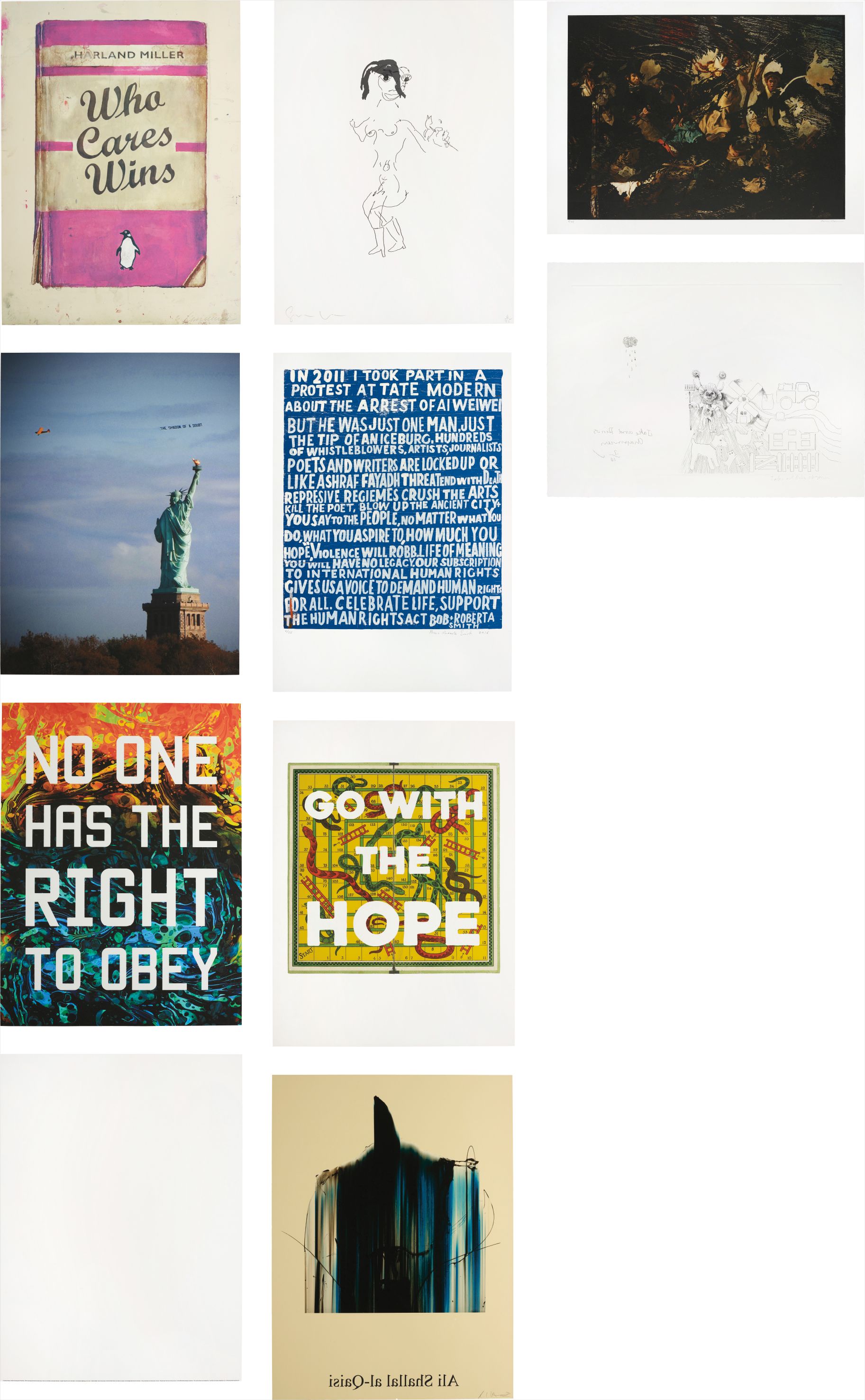
To Amnesty International, 1976
They span mediums, geographies, decades, and political contexts. What they share is a moral seriousness, a refusal to let art become merely decorative, a belief that the image or object or action can still do something that matters. In a moment when authoritarianism is resurgent across multiple continents and the mechanisms of international accountability feel increasingly fragile, this tradition feels not historical but urgently present. Collecting in this area is not simply a curatorial position or an ethical statement of intent.
It is a decision to keep certain voices in circulation, to ensure that the faces and names and conditions that power would prefer to render invisible remain visible, held in the permanent and portable form of art. That has always been the function of witness. It remains, as ever, a necessary one.