Horses
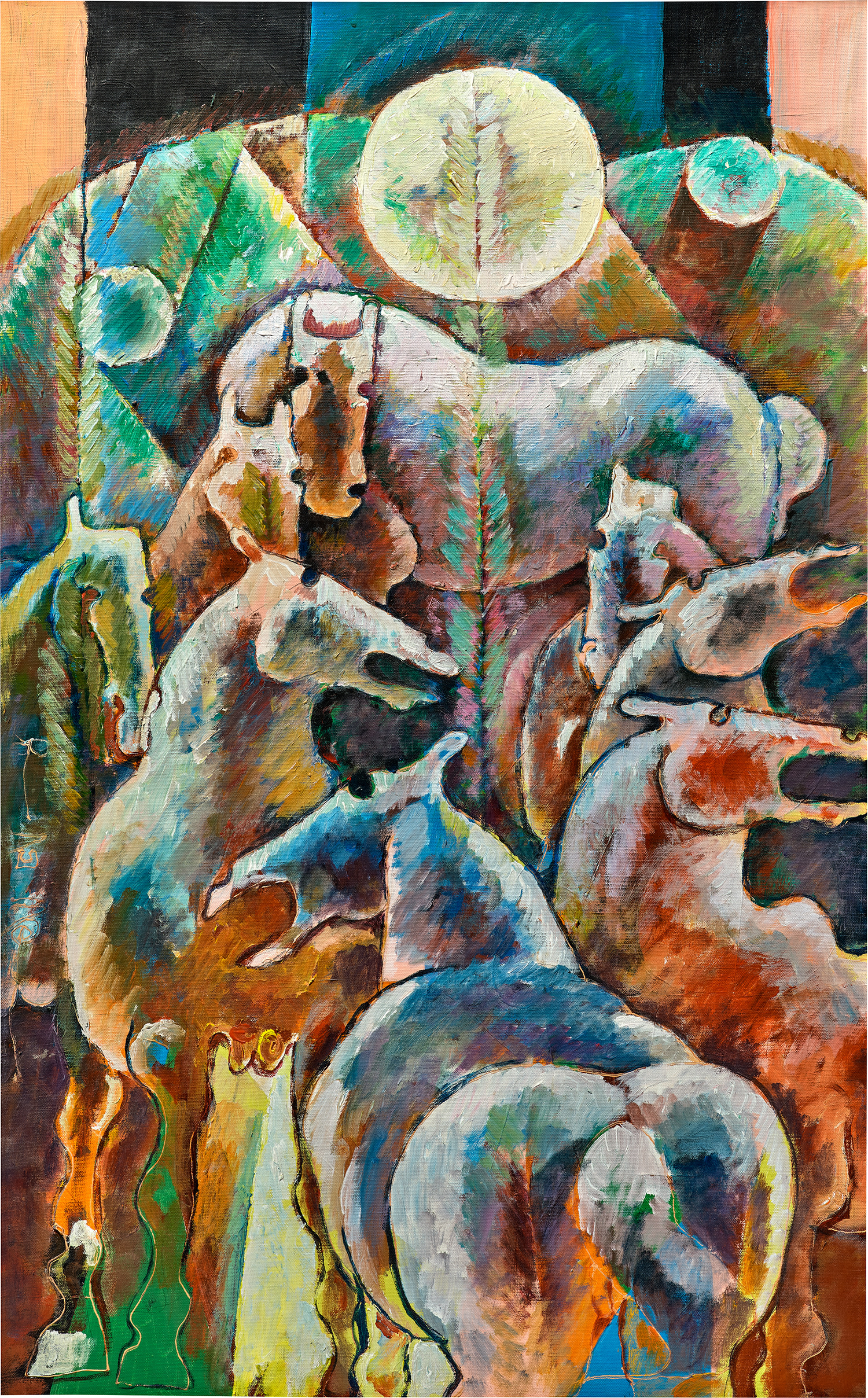
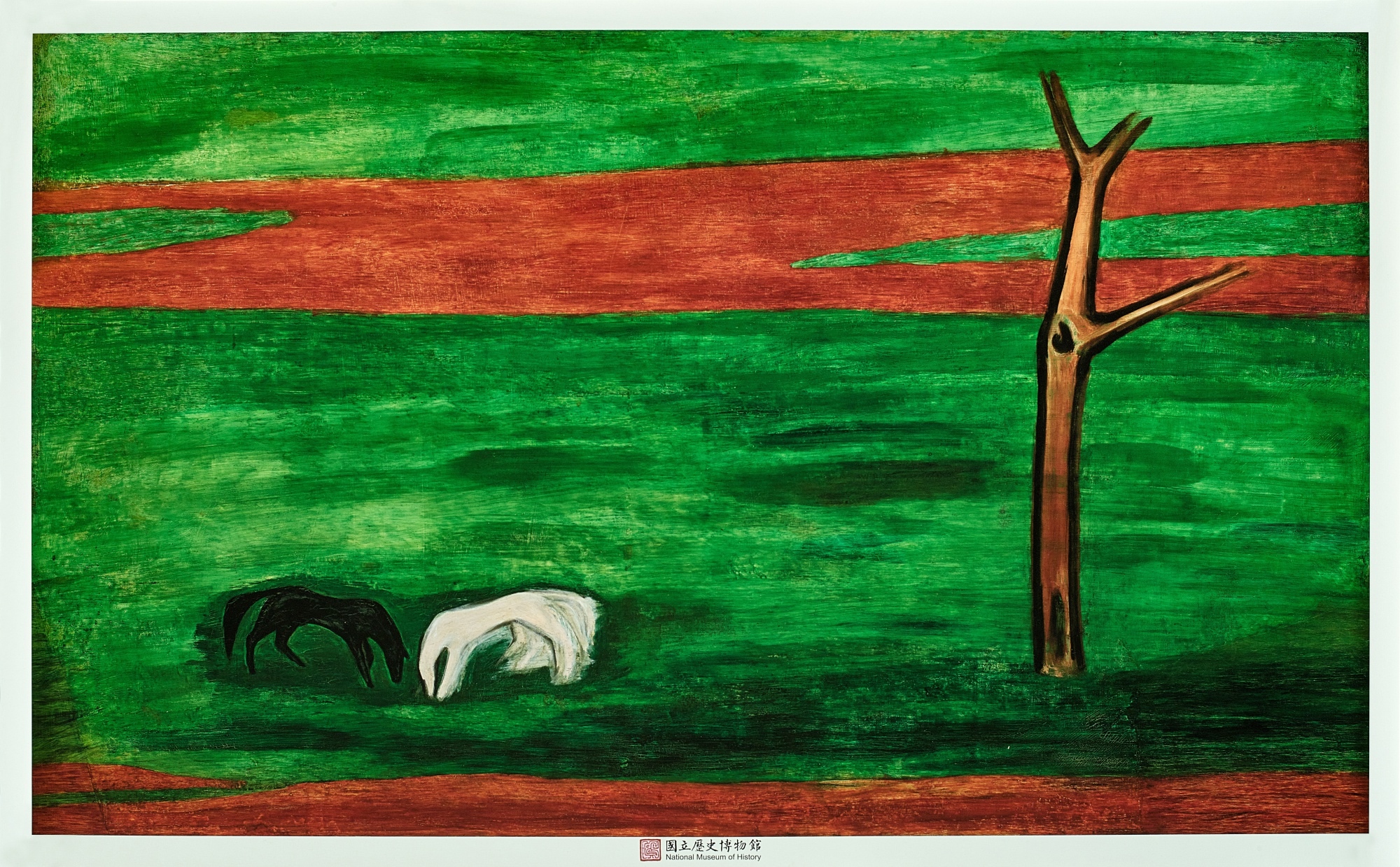
Shi Hu
Eight Horses, 1994

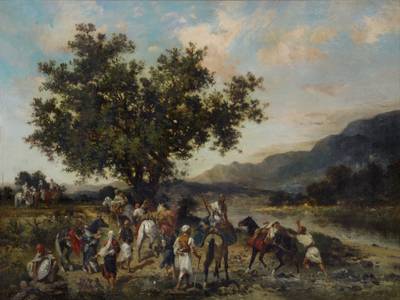


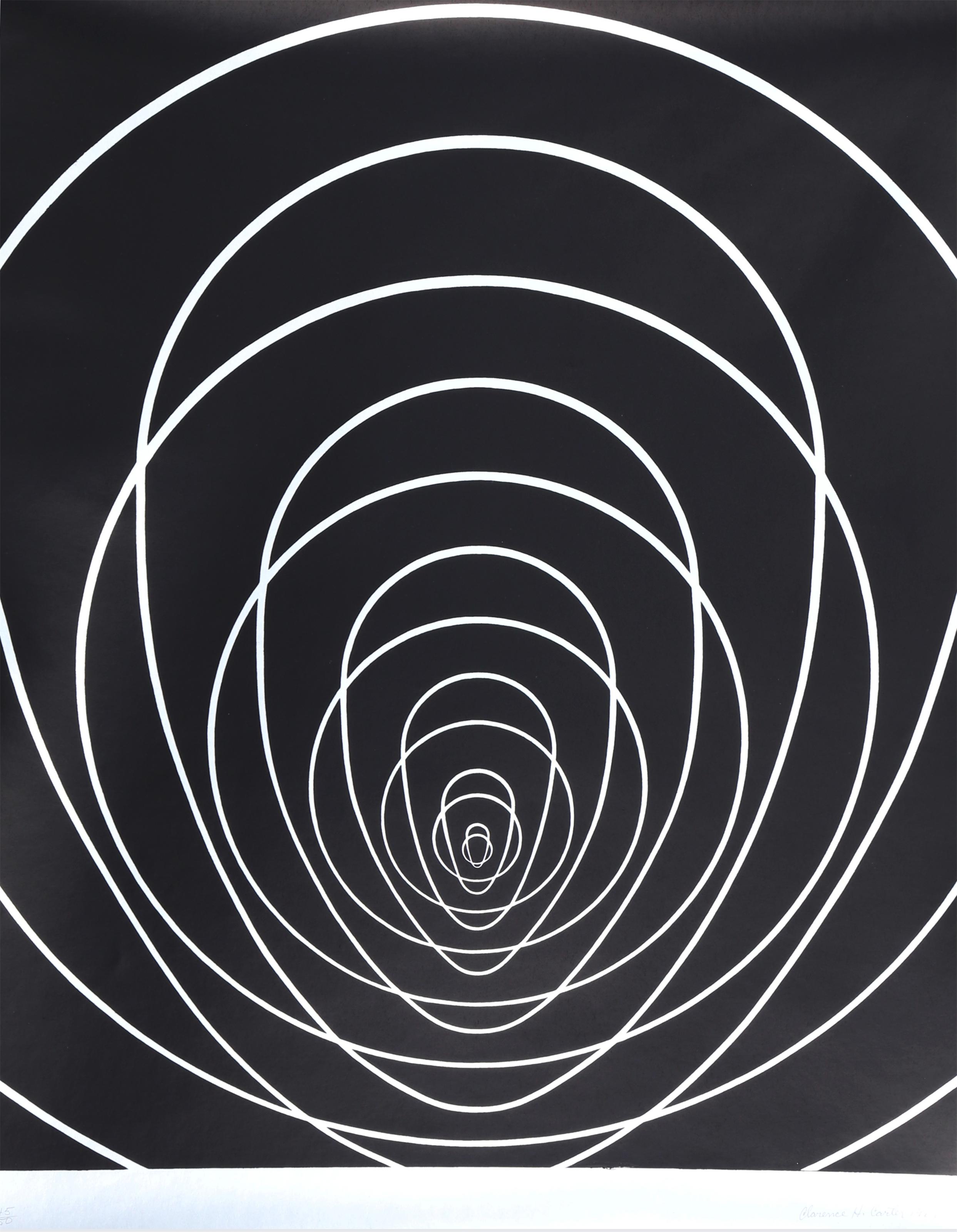
The Horse Never Left the Canvas
There is perhaps no subject in the history of art that carries as much accumulated weight, beauty, and contradiction as the horse. Long before artists had studios or patrons, they pressed pigment into cave walls at Lascaux and Chauvet, choosing the horse above almost all other creatures to render with care and reverence. That impulse never really went away. It shapeshifted, found new languages, absorbed new anxieties, but the animal remained.
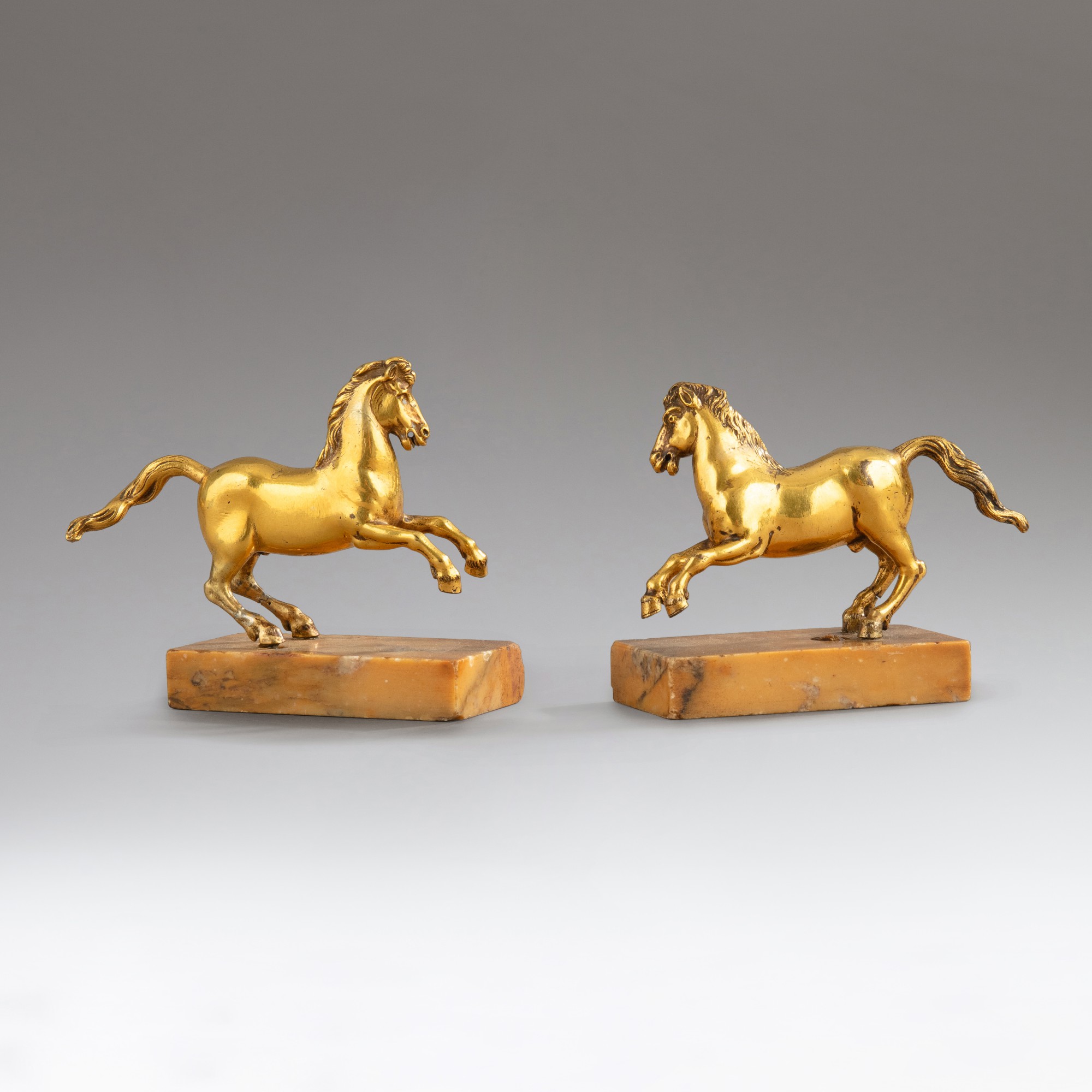
To trace the horse through art history is to trace something very close to the story of human ambition itself. The equestrian tradition in Western painting begins in earnest with the Renaissance, when the horse became a vehicle for projecting power. The mounted ruler, the warrior on horseback, the rearing stallion frozen mid gesture: these were images of dominance coded in muscle and movement. Titian and Velázquez understood this perfectly, and so did the bronze casters who followed the Roman tradition of imperial equestrian statuary.
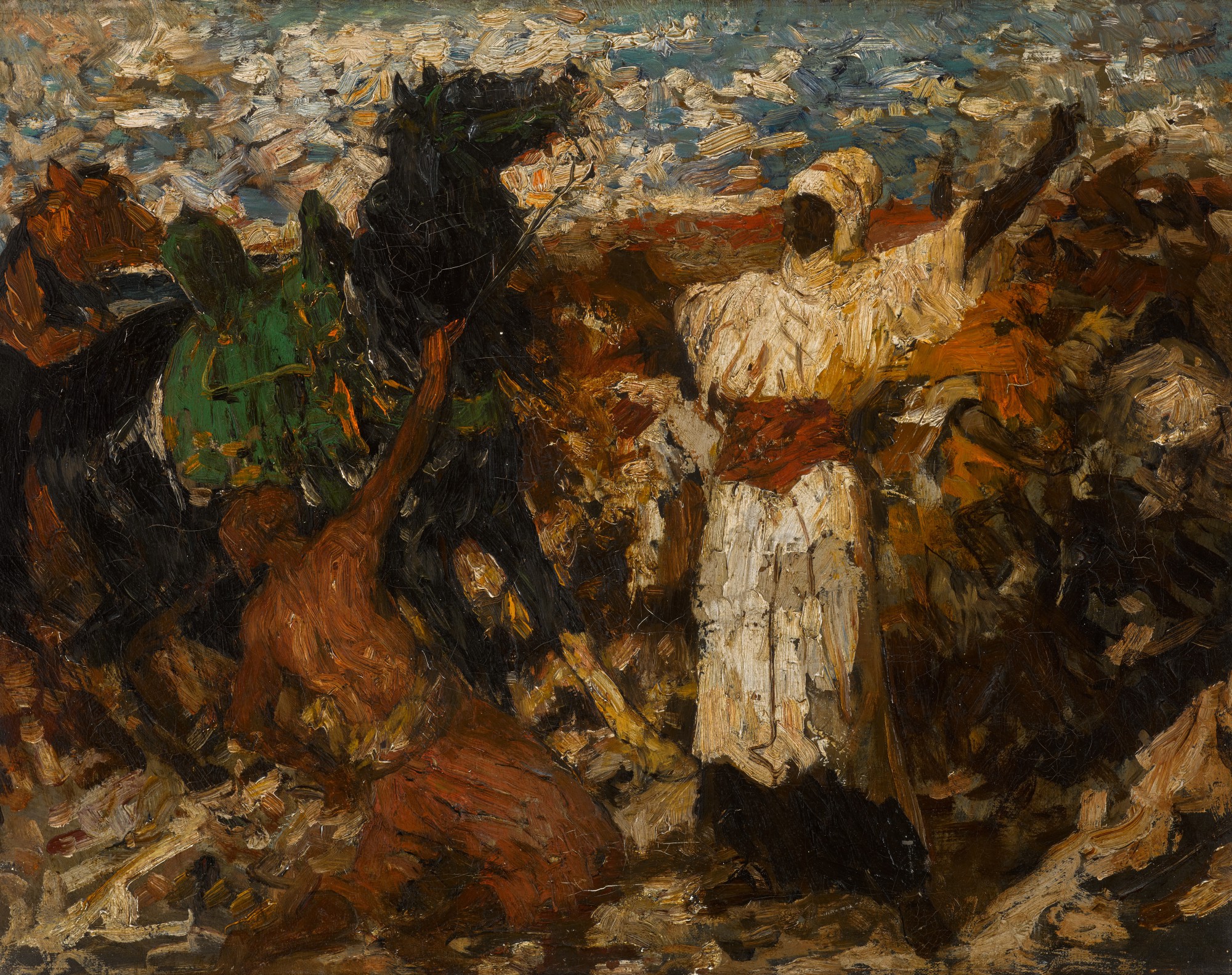
Otto von Faber du Faur
Reining in the Horses
By the seventeenth century, the horse portrait had become as politically charged as any portrait of a king, and artists working in that mode were operating within a system where beauty and authority were nearly indistinguishable. The sporting and naturalist traditions of the eighteenth and early nineteenth centuries brought the horse down from its symbolic pedestal and placed it in fields, stables, and racecourses. George Stubbs, working in England in the latter half of the 1700s, changed everything with his obsessive anatomical study. He dissected horses for eighteen months before painting them, and the resulting canvases had a lucid, almost eerie clarity.
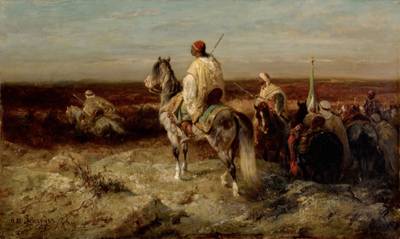
Henry Alken, represented on The Collection, worked in this same English sporting tradition decades later, capturing the social theater of the hunt with affection and precision. For collectors of that era, owning a painting of your horse was not so different from commissioning a family portrait. It was about lineage, investment, and pride. Adolf Schreyer and Jules Jacques Veyrassat represent another current entirely, the Orientalist and Romantic fascination with horses as symbols of wildness and otherness.
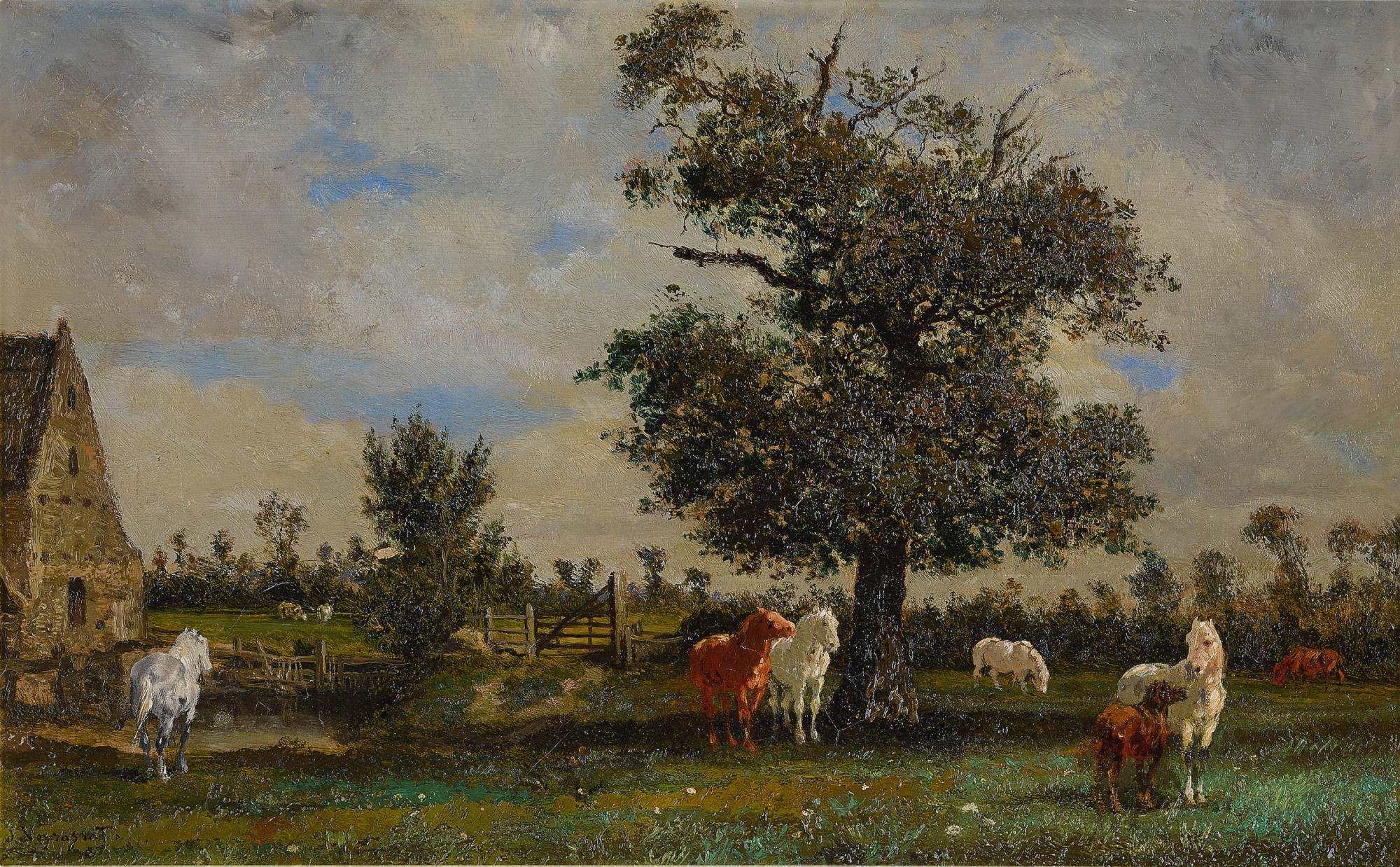
Jules Jacques Veyrassat
Chevaux sous un pommier
Schreyer in particular was celebrated for his scenes of Arab horsemen, painted with a loose, atmospheric bravura that made the animals seem barely containable. His work, well represented on The Collection, captures that nineteenth century tension between the desire to control nature and the guilty thrill of watching it resist. John Frederick Herring Jr., also present here, carried the English pastoral tradition forward with considerable technical skill, his horses caught in moments of rest that feel almost meditative.
Edgar Degas transformed the conversation entirely. His racetrack scenes from the 1860s and 1870s were not really about sport at all. They were studies in transient movement, in the way bodies inhabit space before and after the decisive moment. Degas was obsessed with horses and ballet dancers for the same reason: both gave him subjects caught in states of suspended tension, neither fully still nor fully in motion.
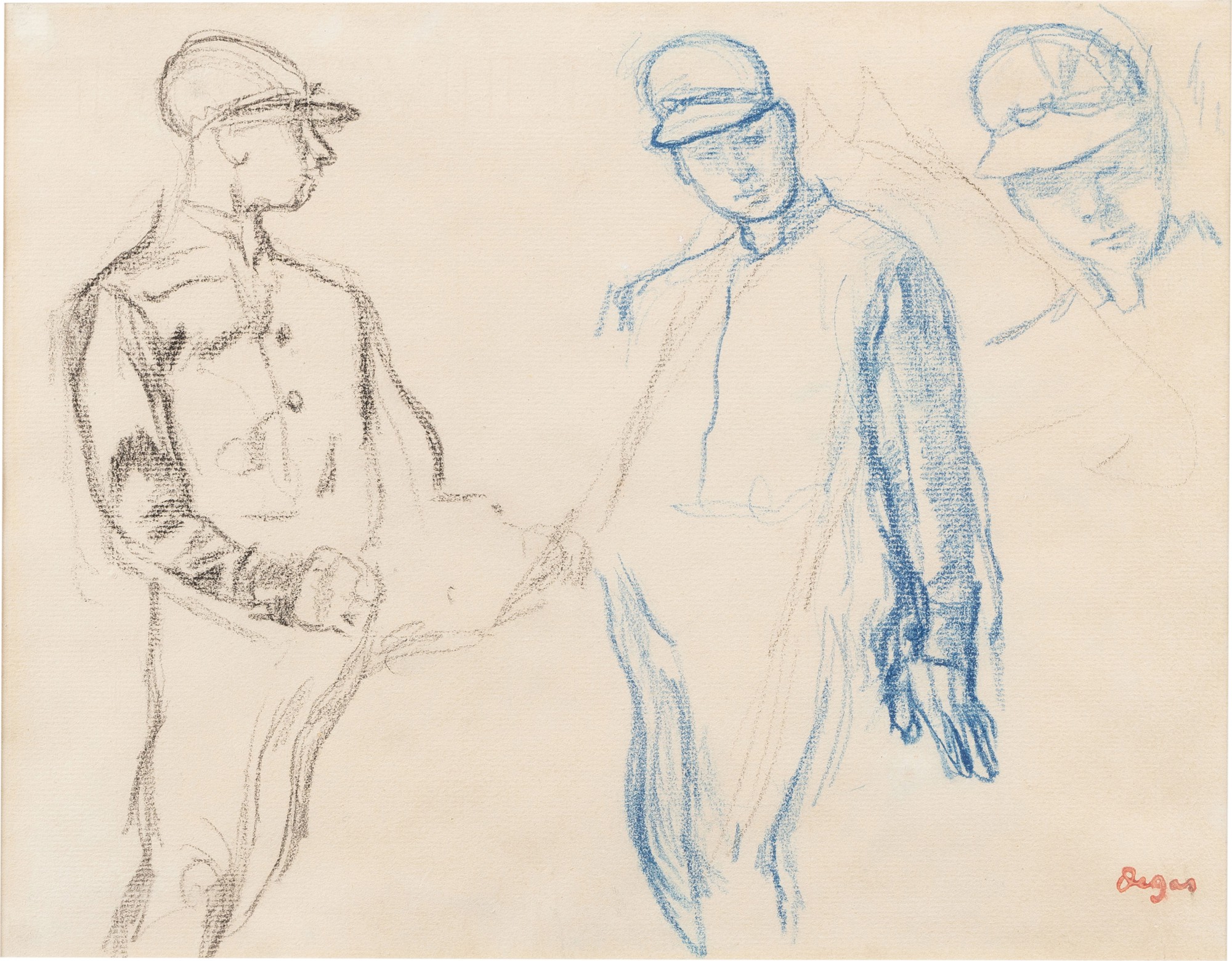
Edgar Degas
Jockeys, 1887
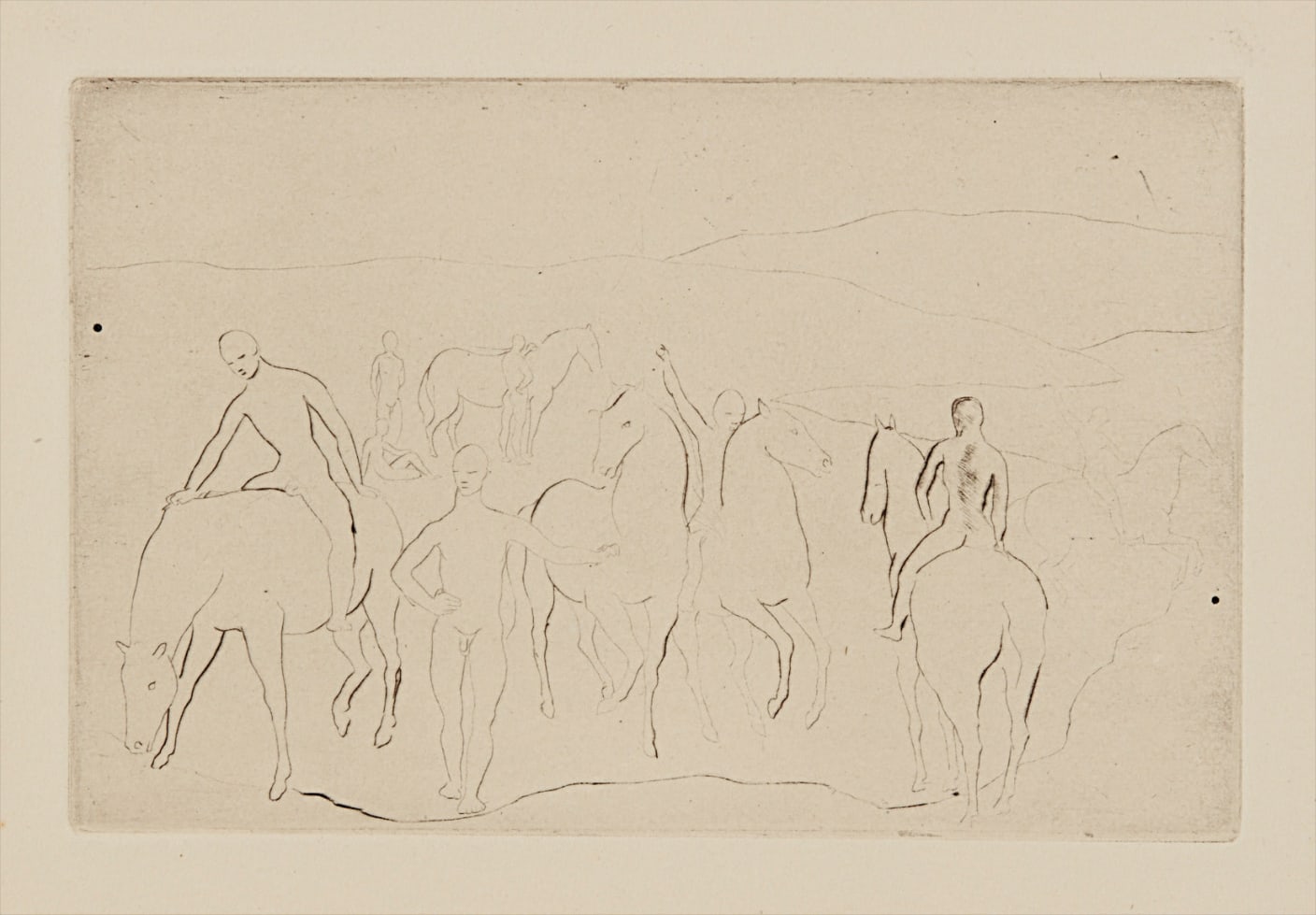
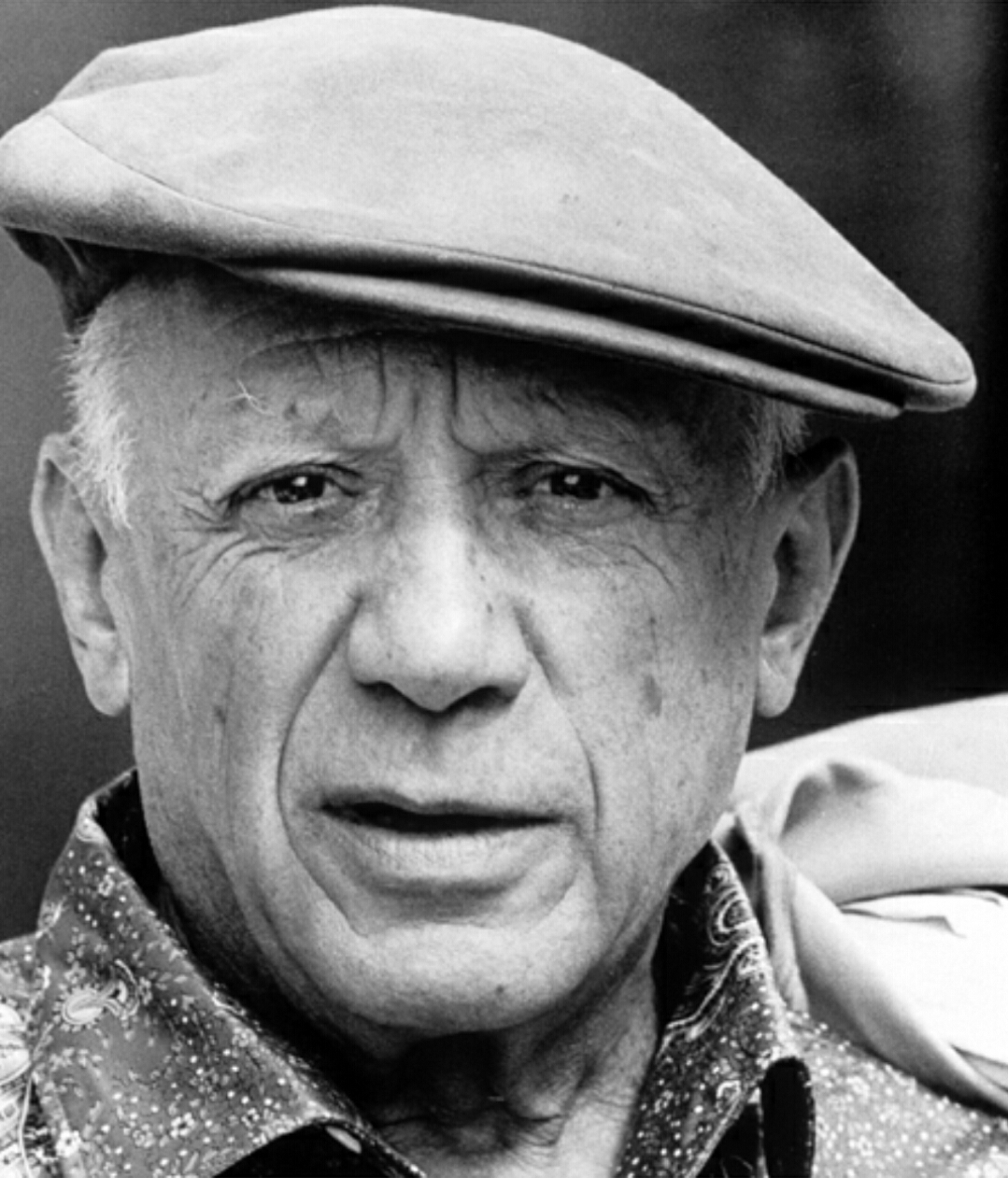
His jockeys wait, his horses shift their weight, and the whole image vibrates with potential energy. The two works by Degas on The Collection invite exactly this kind of close looking, that sense of being just before something happens. By the twentieth century, the horse had become available for a different kind of meaning entirely. Pablo Picasso returned to the horse throughout his career, most devastatingly in Guernica from 1937, where the screaming, wounded horse at the center of the composition became one of the most recognizable images of suffering in modern art.
The horse was no longer noble or sporting. It was a body in extremis. Salvador Dalí, whose work appears on The Collection alongside Picasso's, used horses as dream symbols, creatures that dissolved into landscapes or materialized from impossible geometries. Both artists found in the horse a form capacious enough to carry their most urgent ideas.
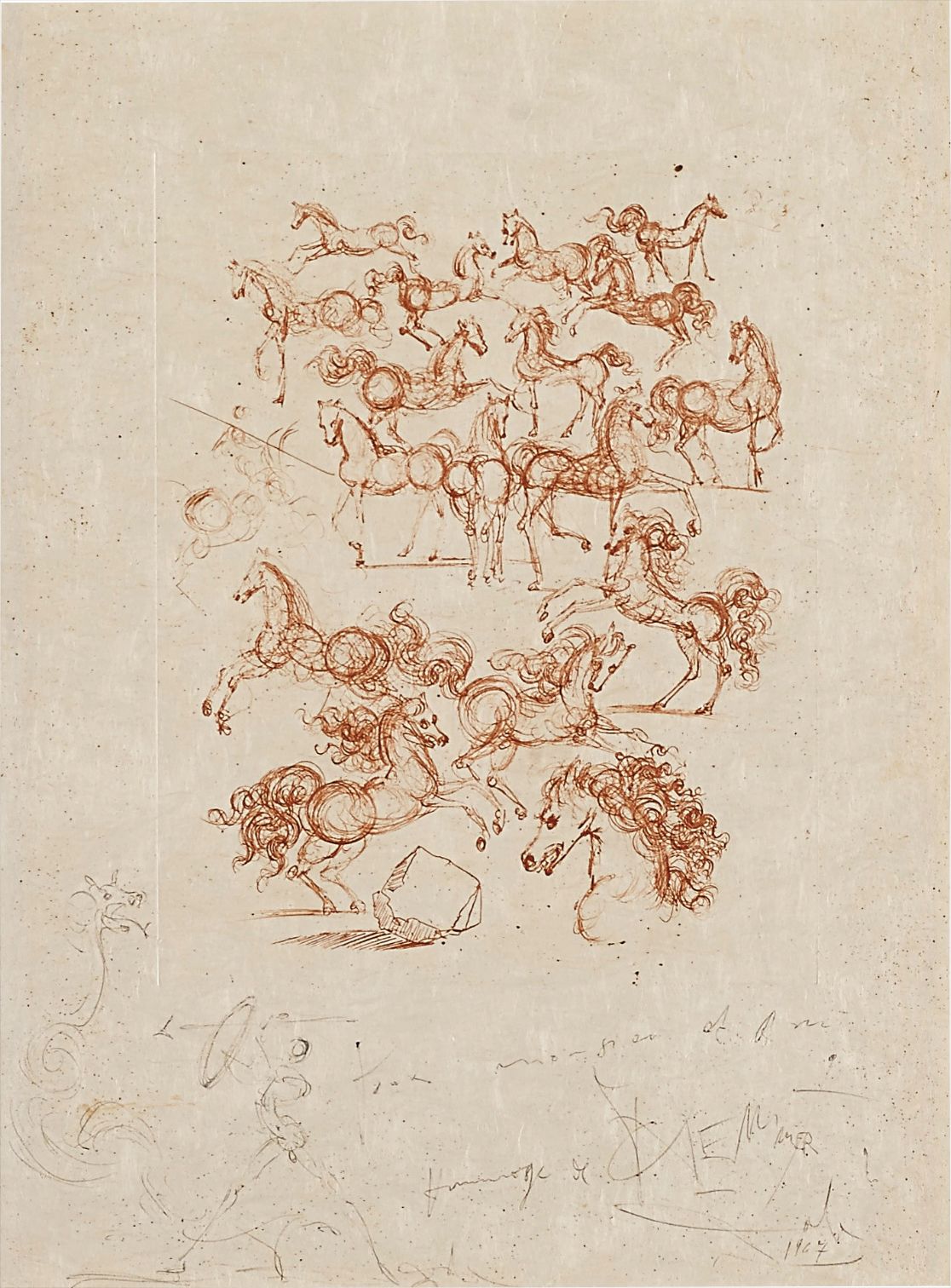
Salvador Dalí
Les petits chevaux, from Poèmes de Mao Tse-Tung (The Little Horses, from Poems by Mao Zedong)
Marc Chagall returned the horse to a place of tenderness and folk memory, placing it among lovers and fiddlers in a floating world where the rules of gravity did not apply. Marino Marini, the Italian sculptor whose work spans the mid twentieth century, created some of its most haunting equestrian imagery. His riders slump or throw their arms wide while horses strain beneath them, and the relationship between human and animal feels increasingly desperate. Art historians have read in these works a response to the catastrophes of World War II, a sense of mastery and civilization collapsing from within.
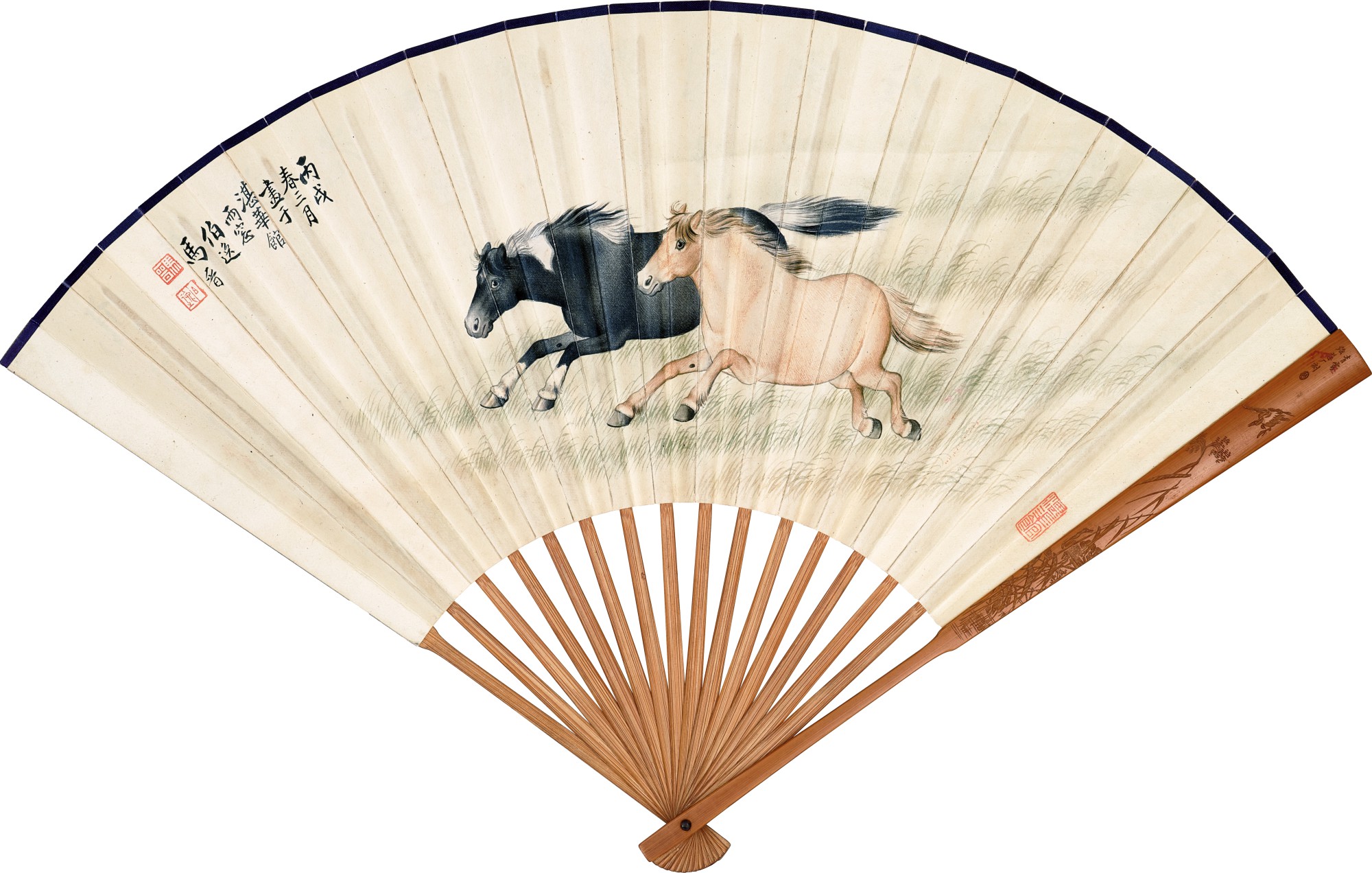
André Brasilier, whose presence on The Collection is notably strong, brings a lyrical post impressionist sensibility to the horse. His paintings are full of color and stillness, horses moving through landscapes that feel both observed and dreamed. There is something almost musical in his compositions, a quality that has made him one of the most beloved French painters of his generation. Paul Gauguin, Xu Beihong, and Shi Hu each brought their own cultural frameworks to the subject, reminding us that the significance of the horse is not a Western possession.
In Chinese ink painting, the galloping horse carries associations with freedom and scholarly aspiration that have their own rich history entirely apart from European traditions. Photography inevitably entered this conversation. Eadweard Muybridge's 1878 motion studies of horses in gallop did not just resolve a famous bet about whether all four hooves left the ground simultaneously. They permanently altered how painters understood equine movement, and the reverberations reached all the way to Degas and beyond.
Ansel Adams and Raja Deen Dayal, both represented here, demonstrate how the camera found its own language for horses, one rooted in light, landscape, and a documentary impulse that painting can only approximate. What makes the horse so durable as a subject is precisely what makes it so difficult to exhaust. It sits at the intersection of nature and culture, freedom and control, beauty and utility. Every generation finds something new to ask of it.
The works gathered on The Collection span centuries and continents and media, and yet they speak to each other with surprising fluency. That conversation is still very much ongoing.