Harlequin
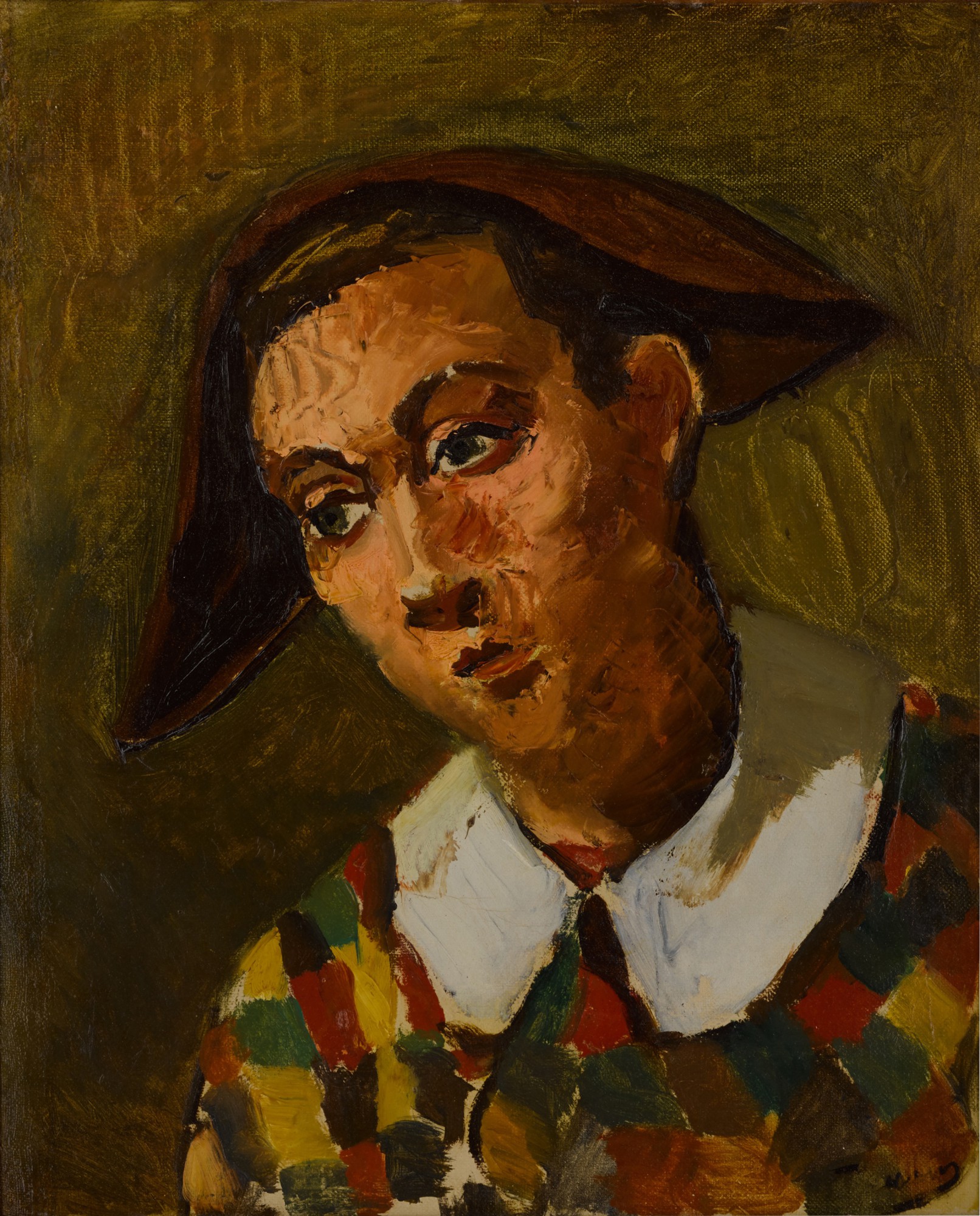
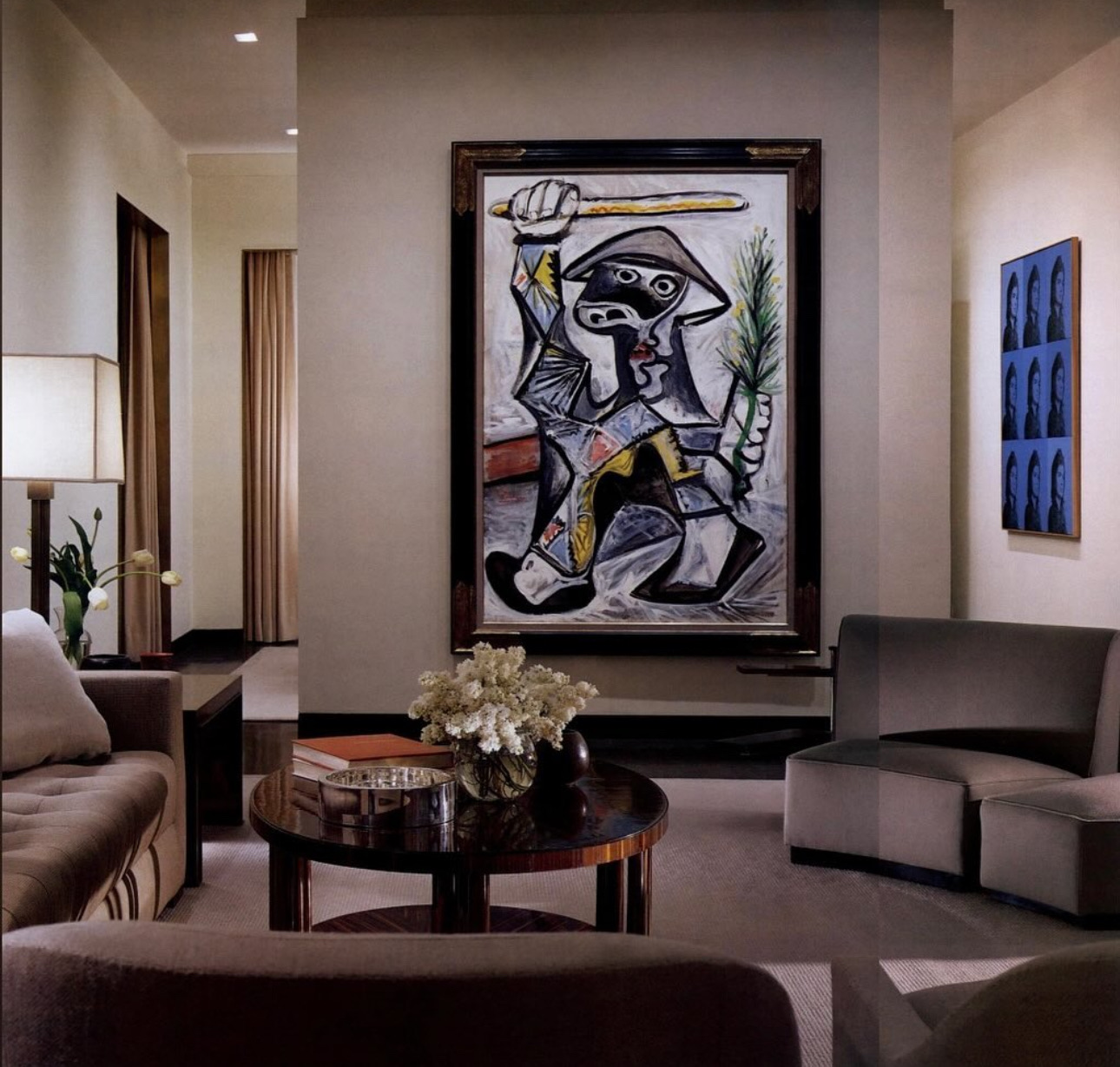
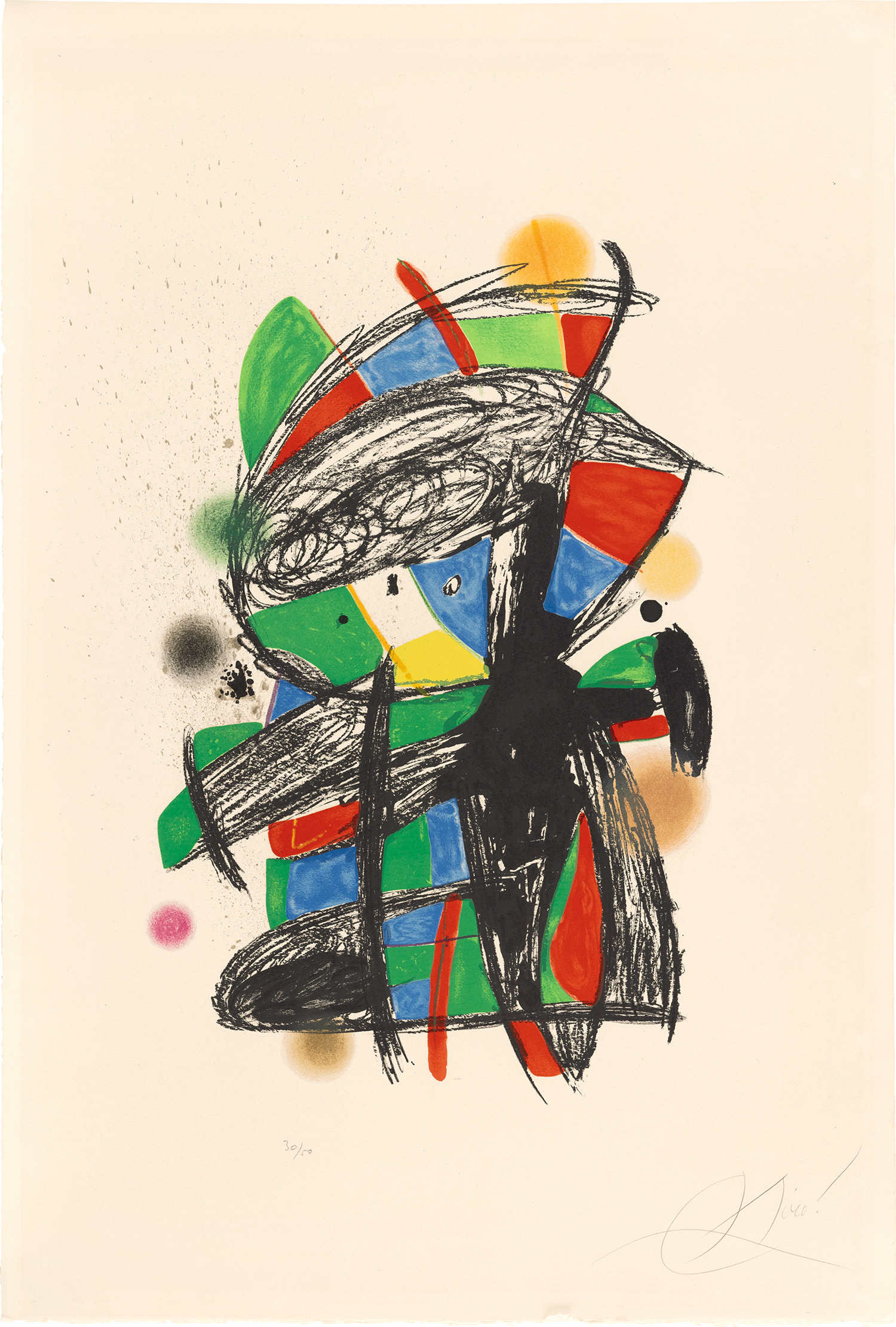
André Derain
Buste d'arlequin, 1924
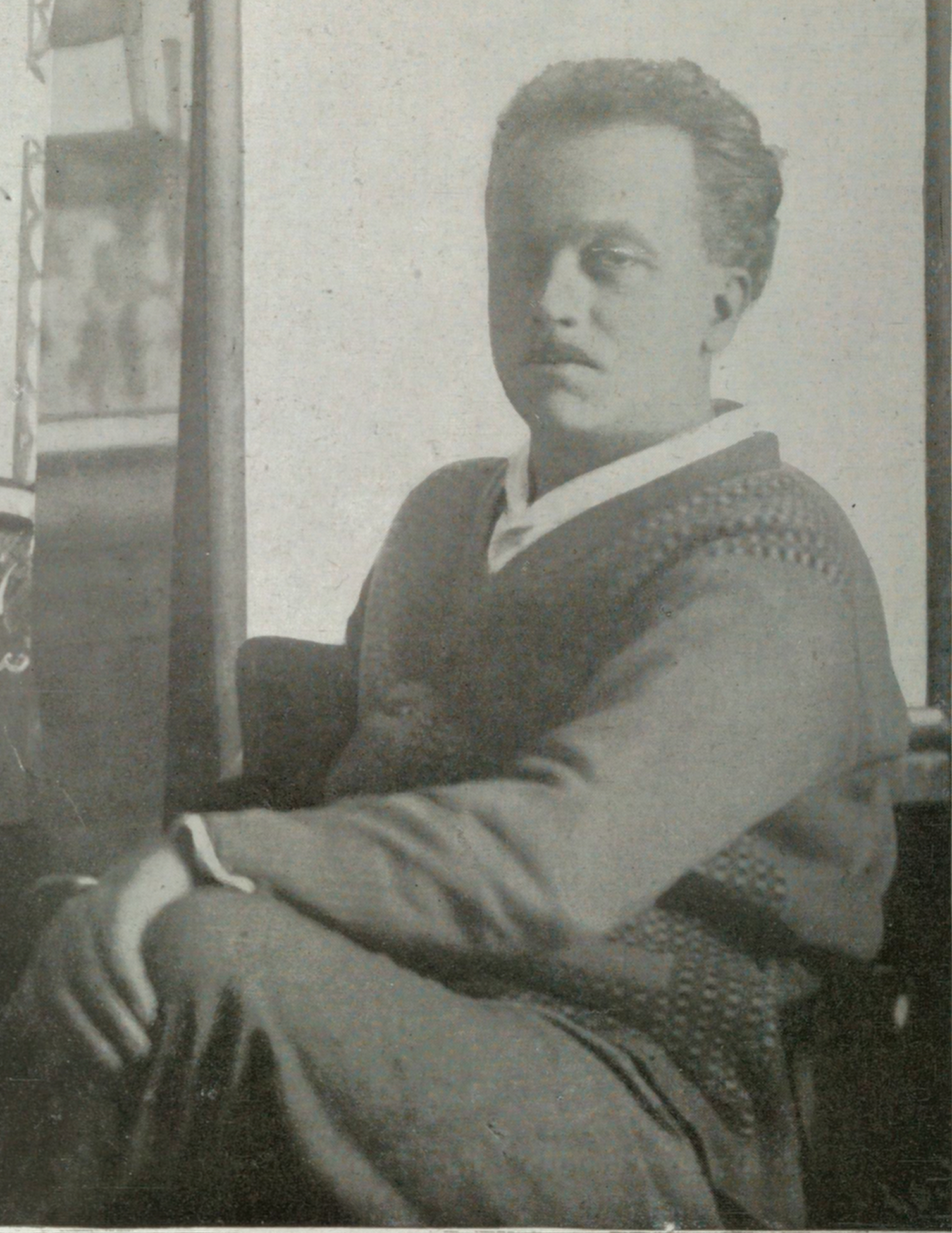
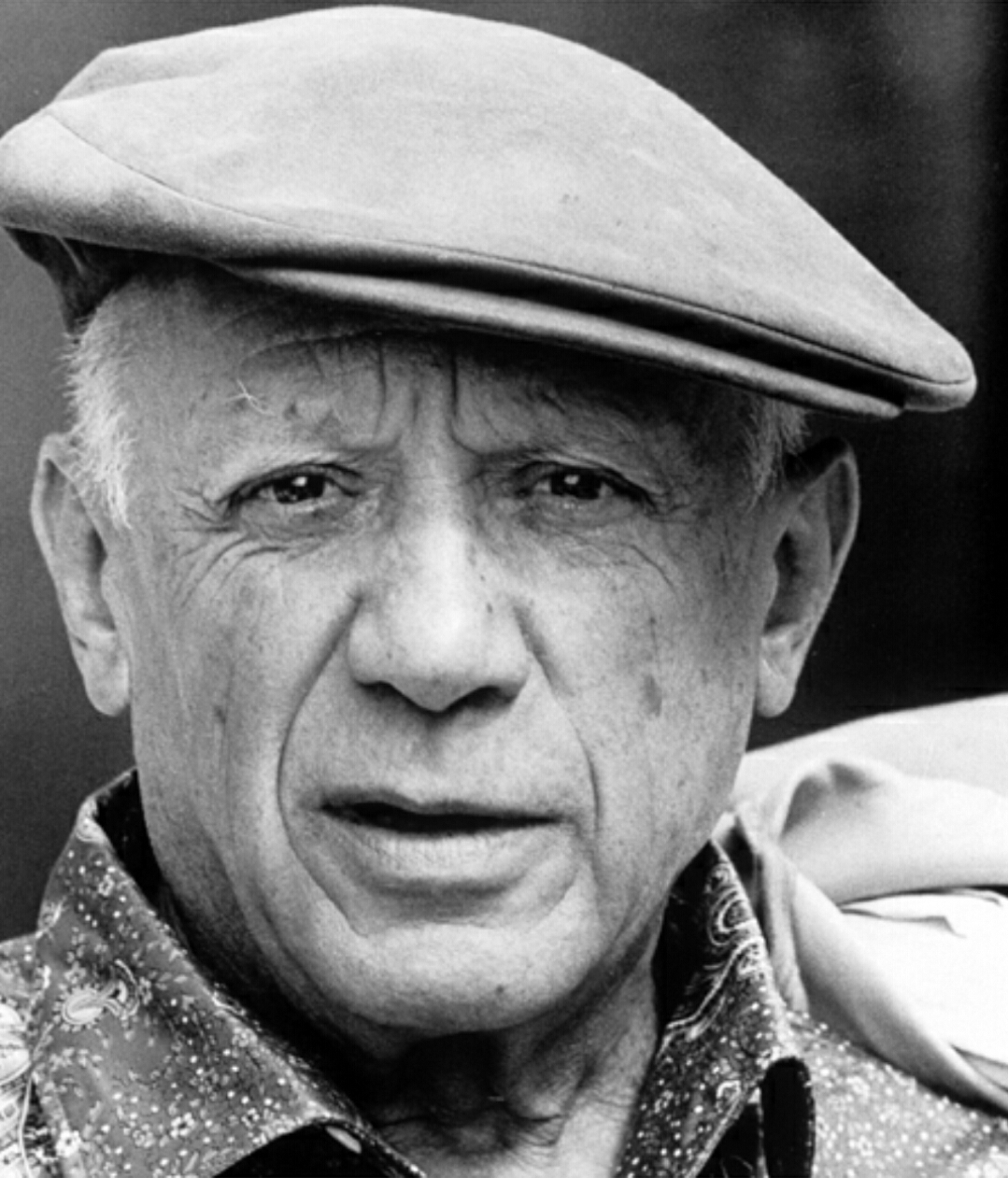


The Eternal Fool Who Outfoxes Everyone
There is something about the Harlequin that collectors find impossible to resist. The figure arrives already loaded with contradiction: comic yet melancholy, masked yet revealing, decorative yet psychologically piercing. Living with a Harlequin work means living with a presence that shifts depending on your mood, the hour, the light coming through the window. That quality of perpetual instability is not a flaw.
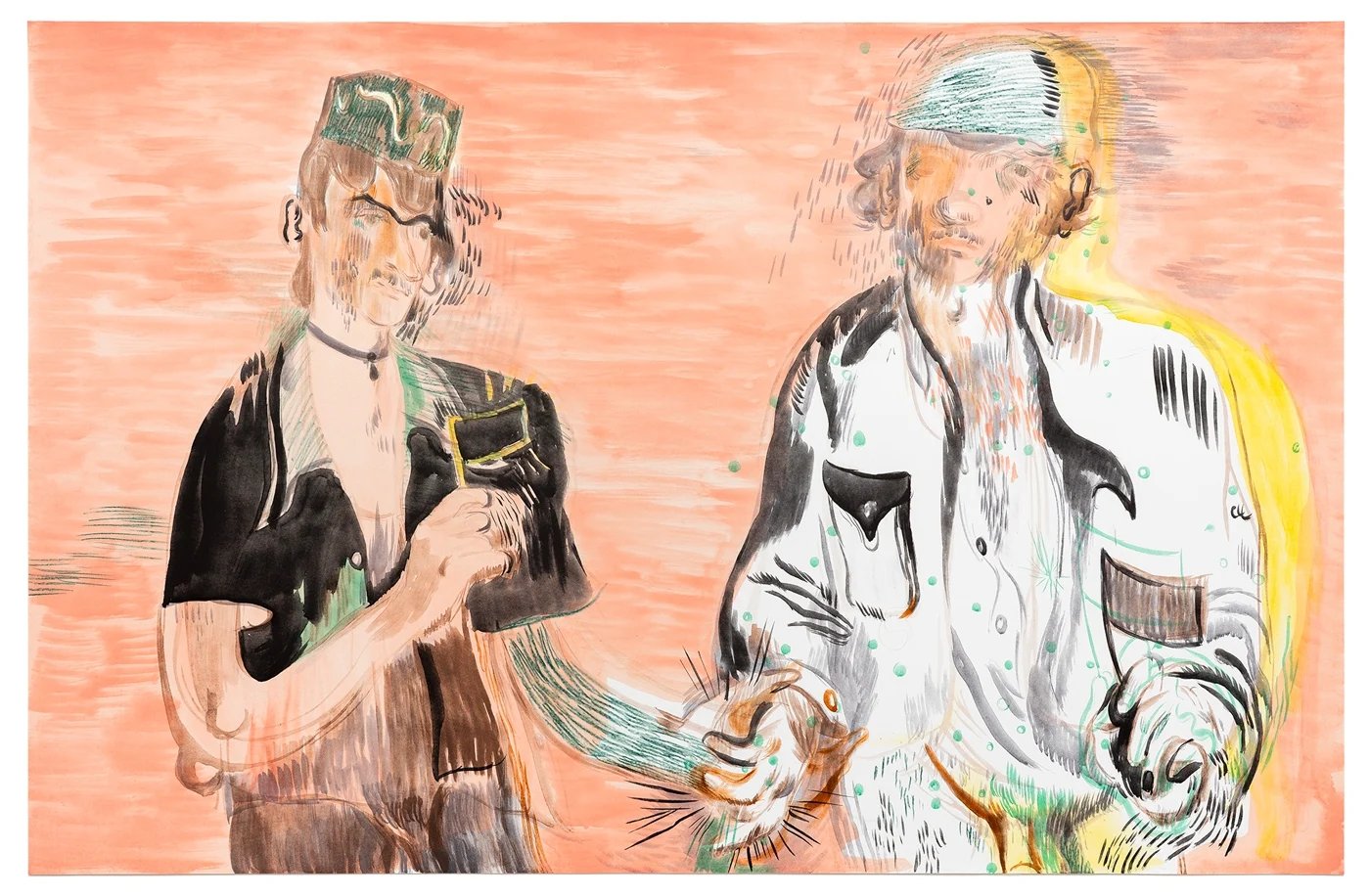
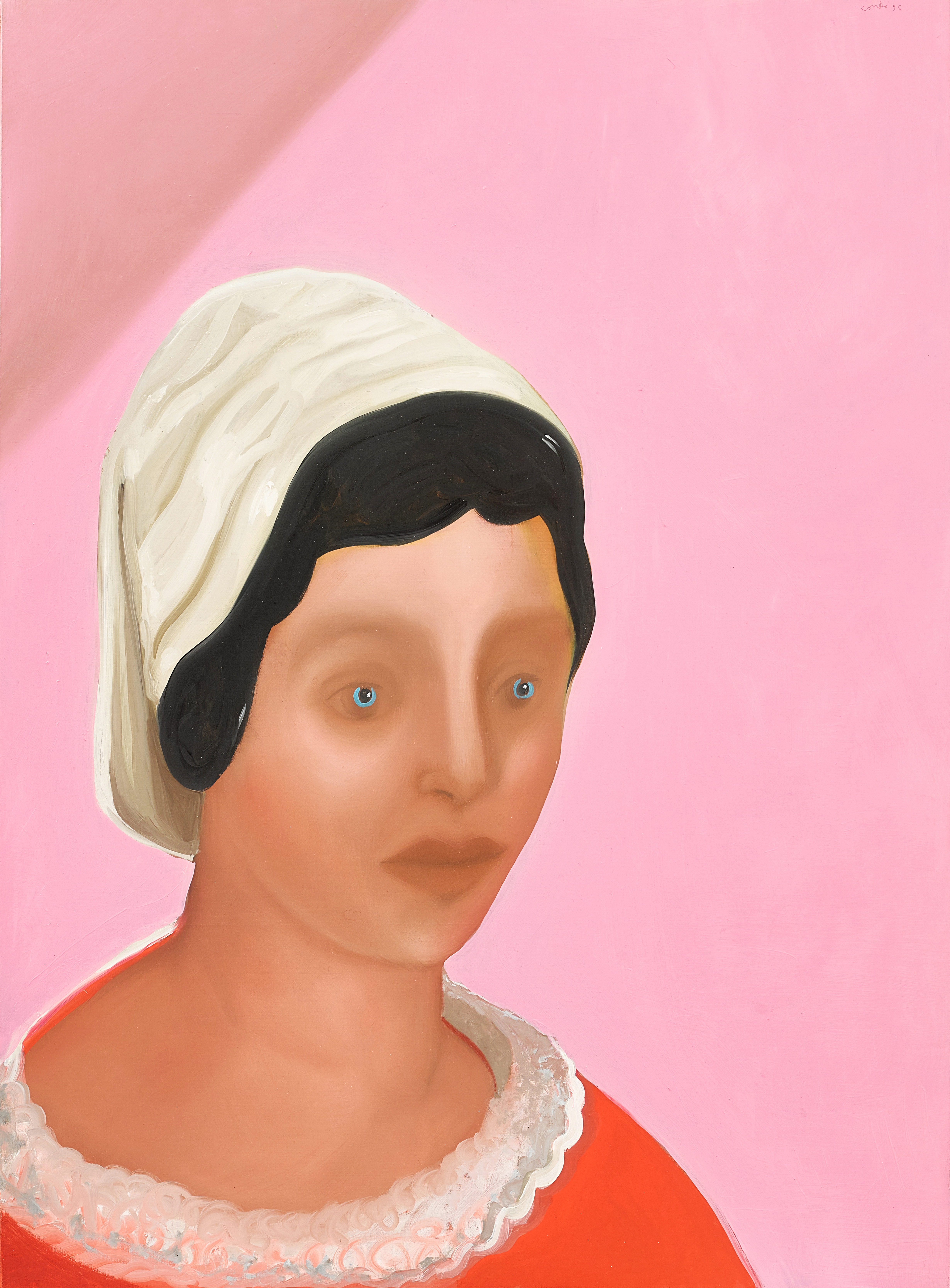
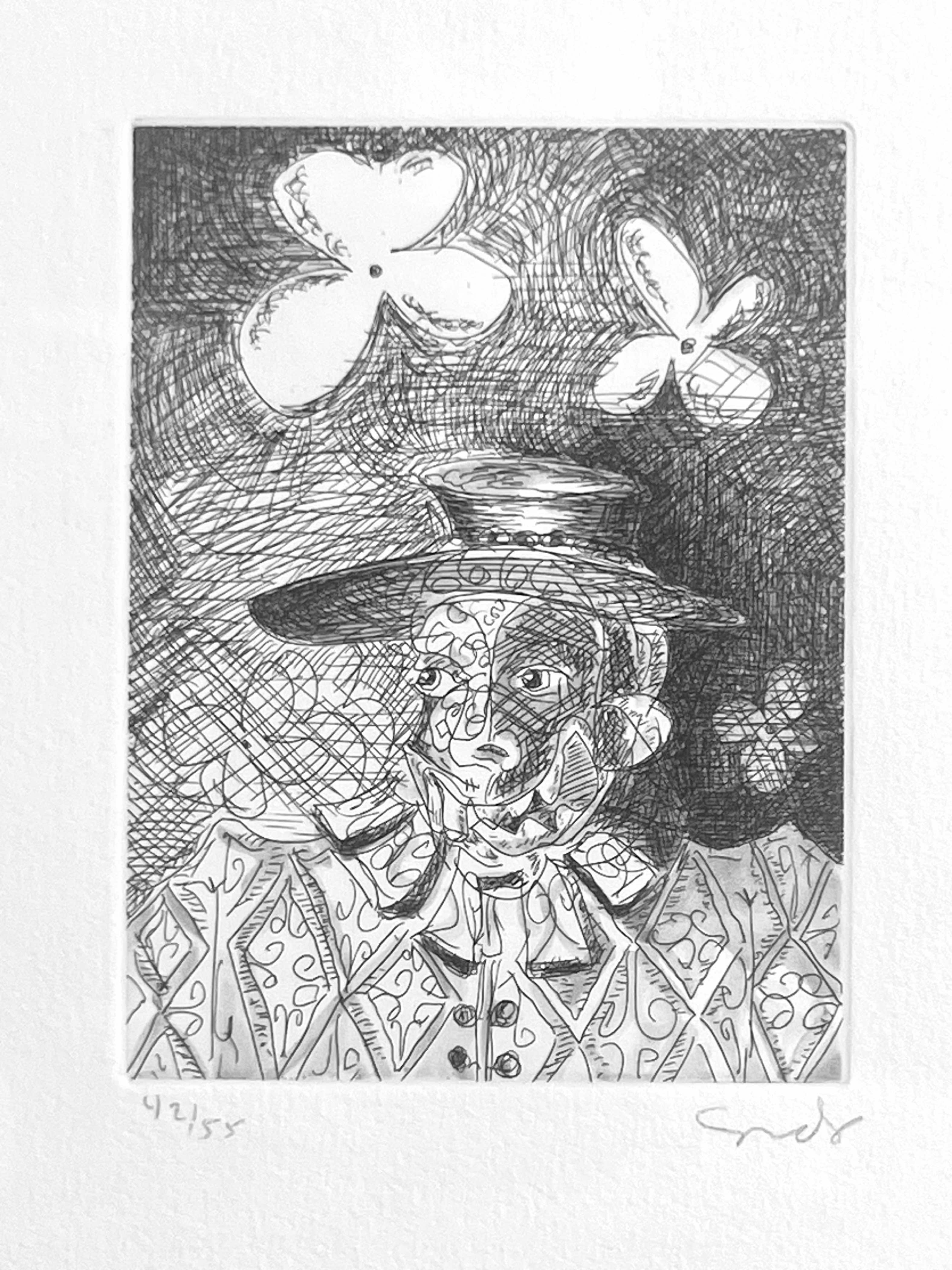
It is precisely the point, and collectors who understand this find themselves returning to the figure again and again across a lifetime of looking. The Harlequin has drawn some of the most significant artists of the past century into its orbit, and the resulting body of work spans an extraordinary range of emotional and formal registers. Picasso returned to the subject obsessively across different periods of his career, finding in the masked performer a vehicle for self portraiture, existential inquiry, and formal reinvention. George Condo has built an entire contemporary practice around fractured figuration that owes a genuine debt to this tradition, pushing the archetype into territory that feels simultaneously ancient and urgently now.
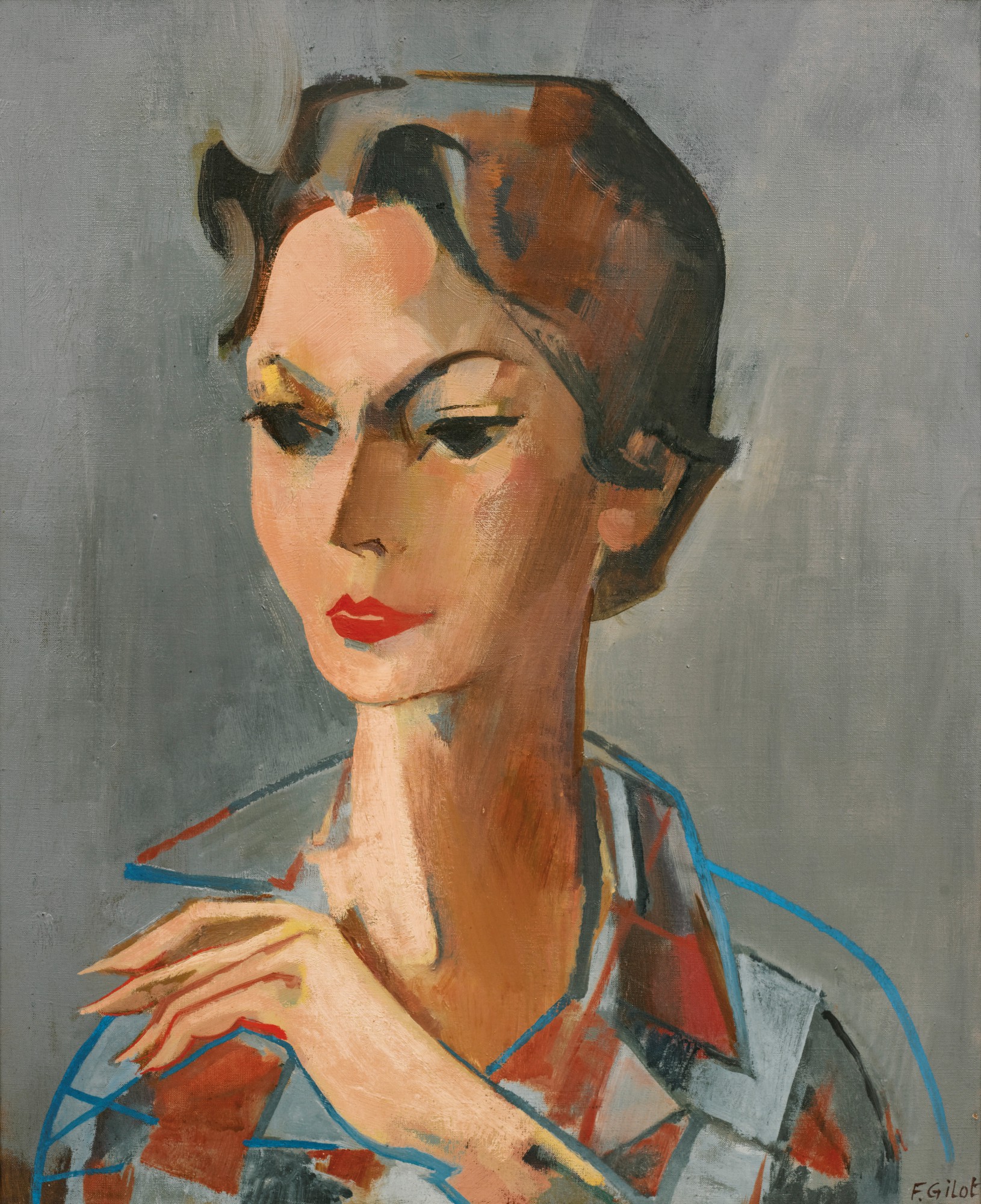
George Condo
Untitled, 1989
When a collector engages with Harlequin as a subject, they are entering a conversation that has been ongoing for well over a century, conducted by artists of the very highest order. So what separates a strong work from a truly great one in this category? The answer usually comes down to psychological charge. A Harlequin image that functions purely as decoration, however skillfully executed, will plateau in both emotional resonance and market value.
What you want is the work that uses the costume and the diamond pattern and the mask as a way of asking something genuinely uncomfortable about identity, performance, and the gap between the face we show the world and the one we carry privately. The greatest examples in this lineage create a kind of productive unease. You feel watched by the figure even as you watch it. That reciprocal tension is the mark of a serious work.
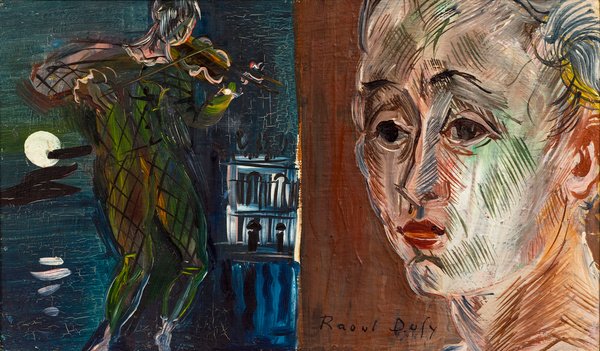
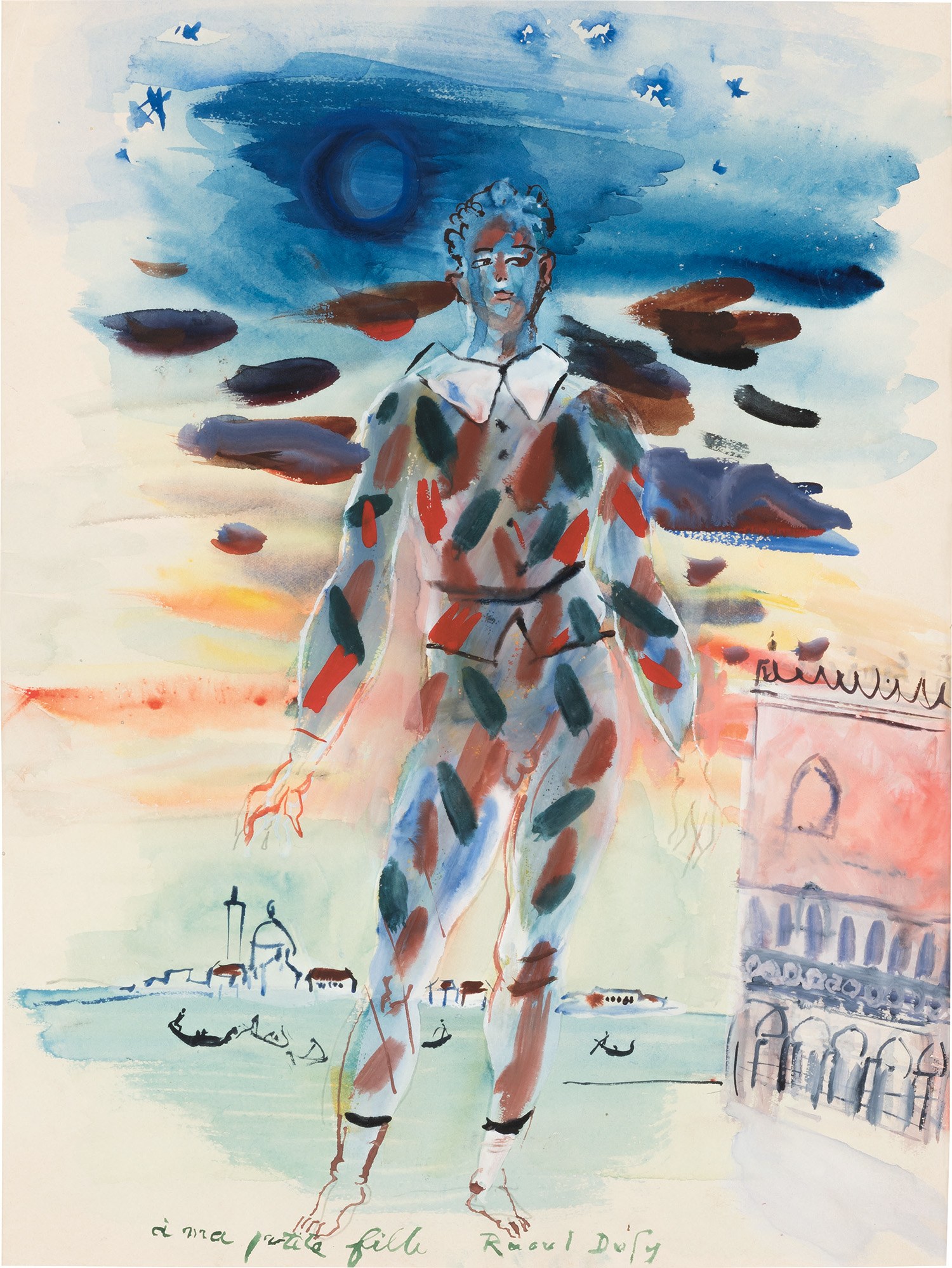
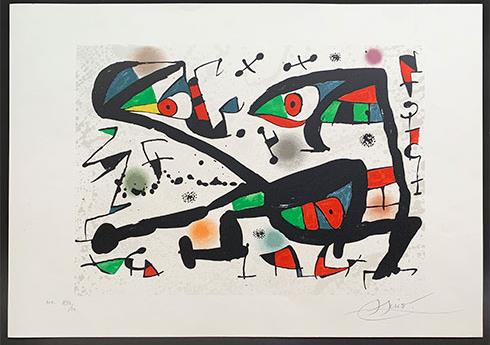
Raoul Dufy
Arlequin au portrait, 1945
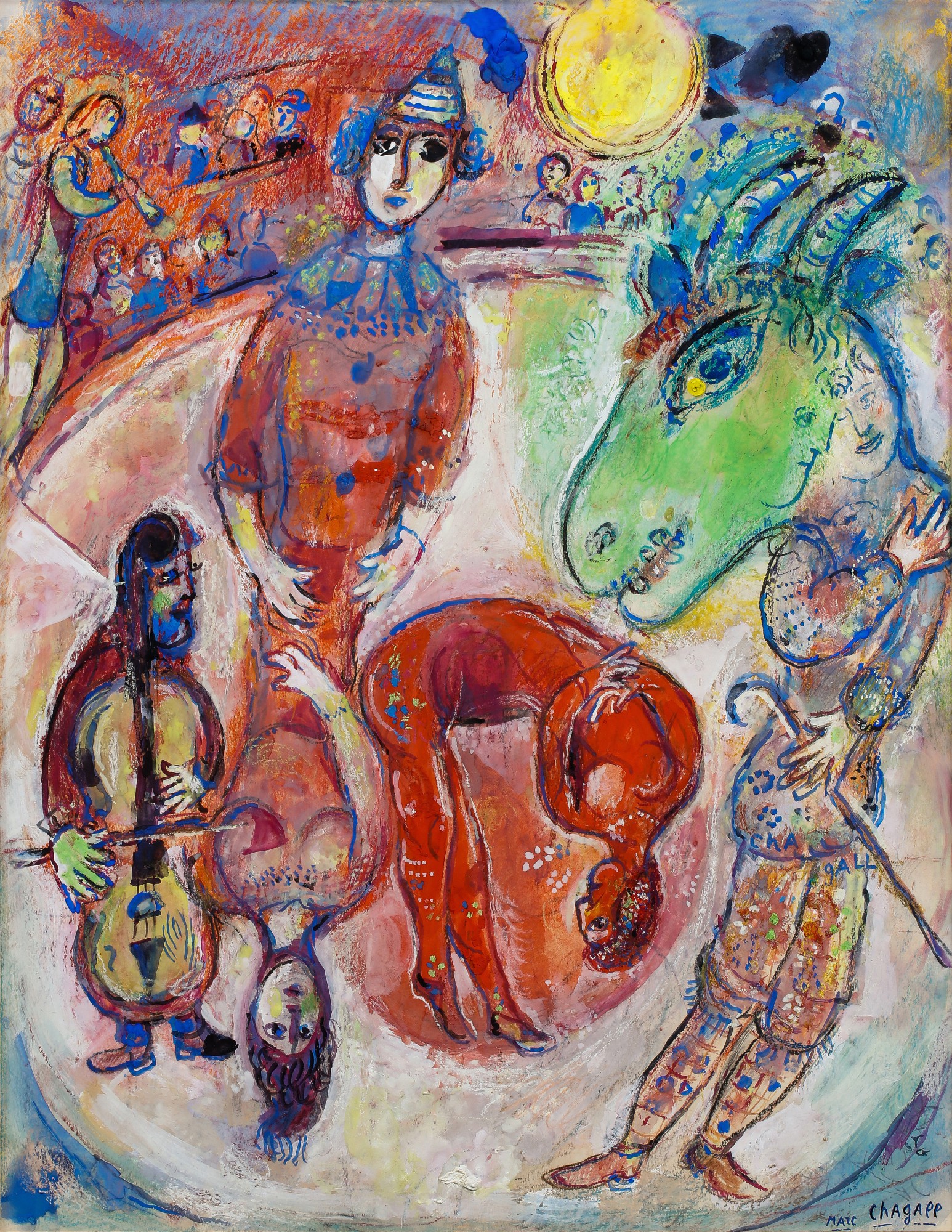
Among the artists well represented on The Collection, Picasso remains the obvious anchor. His engagements with the Harlequin figure, particularly his Rose Period explorations in the early 1900s, established the emotional grammar that subsequent artists have been working within and against ever since. But collectors who focus exclusively on Picasso risk missing the broader richness of the tradition. Raoul Dufy brought a luminous Mediterranean energy to related themes of performance and spectacle, and his works carry the additional appeal of being genuinely pleasurable to live with day to day.
André Derain, too, understood the expressive possibilities of the performer figure, working through them with a formal rigor that rewards sustained attention. These artists offer different entry points into the same deep conversation, and a collection that holds more than one perspective on the theme becomes something genuinely coherent rather than merely assembled. The secondary market for Harlequin works has shown consistent strength over the past two decades, with major auction results clustered around works that combine strong provenance with that quality of psychological intensity described above. Christie's and Sotheby's have both seen significant results for Picasso works in this vein, and even works by associated artists in the Cubist and Fauvist orbits have benefited from renewed scholarly and collector attention.
André Derain
Buste d'arlequin, 1924
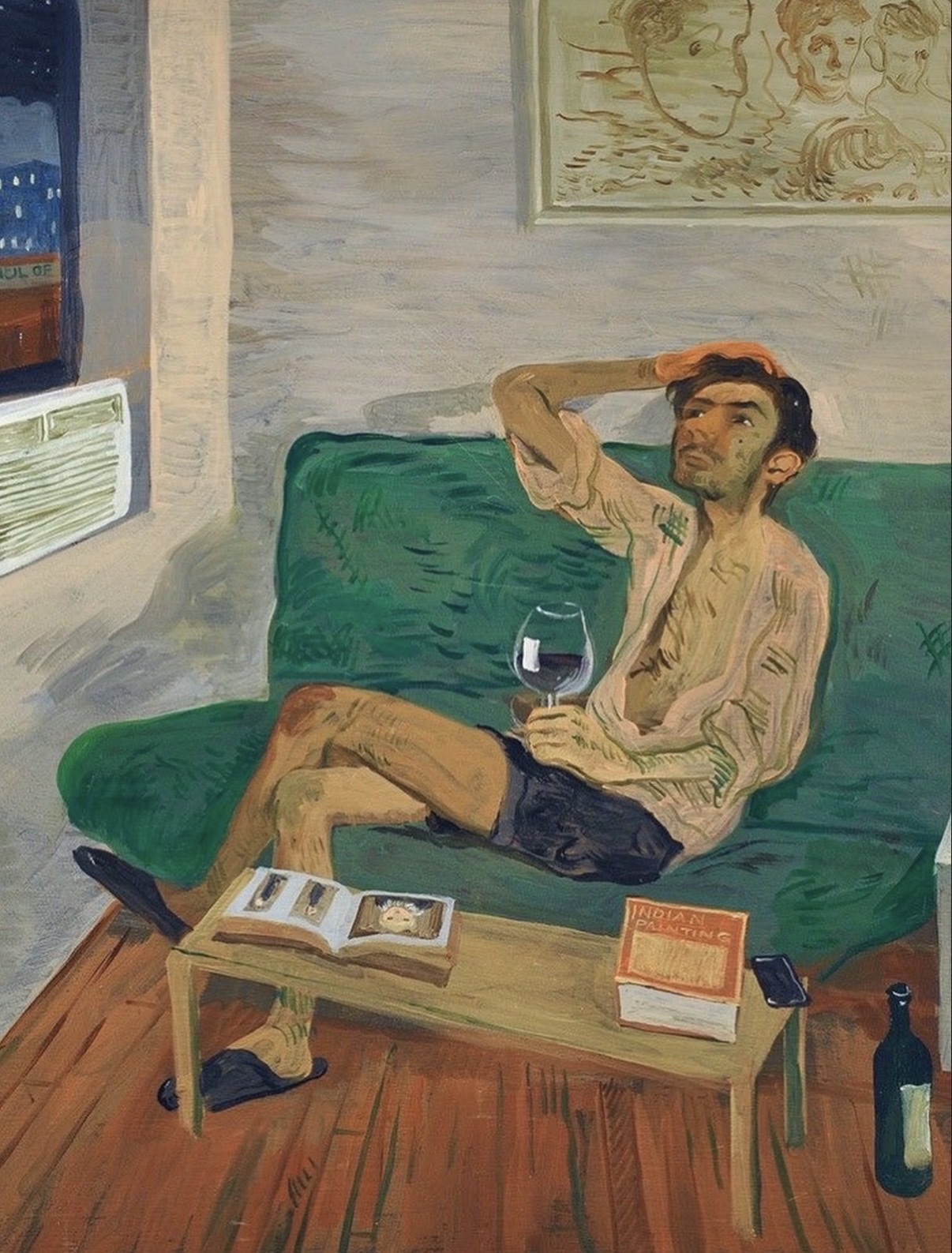
The broader cultural fascination with masking, performance, and constructed identity has arguably made these works feel more contemporary than ever, which translates into real market appetite. Works that once seemed like comfortable period pieces now read as prescient, and pricing has adjusted accordingly. For collectors looking toward emerging opportunity, the artists working at the intersection of figuration, digital aesthetics, and psychological portraiture are worth serious attention. The Harlequin archetype has migrated into AI generated and algorithmically influenced image making in ways that feel genuinely interesting rather than merely fashionable.
The fragmented, recombinant logic of the Harlequin costume, those interlocking diamonds, that deliberately artificial color, maps surprisingly well onto the visual language of machine learning and generative imagery. Artists working in this space are asking the same questions about identity and constructed selfhood that Picasso asked in 1905, but with tools that make the instability of the image literal rather than metaphorical. Early acquisition in this space requires tolerance for uncertainty, but the conceptual foundation is solid. On practical matters, condition is obviously paramount for works on paper and canvas in this category, since so much of the emotional effect depends on the integrity of color relationships.
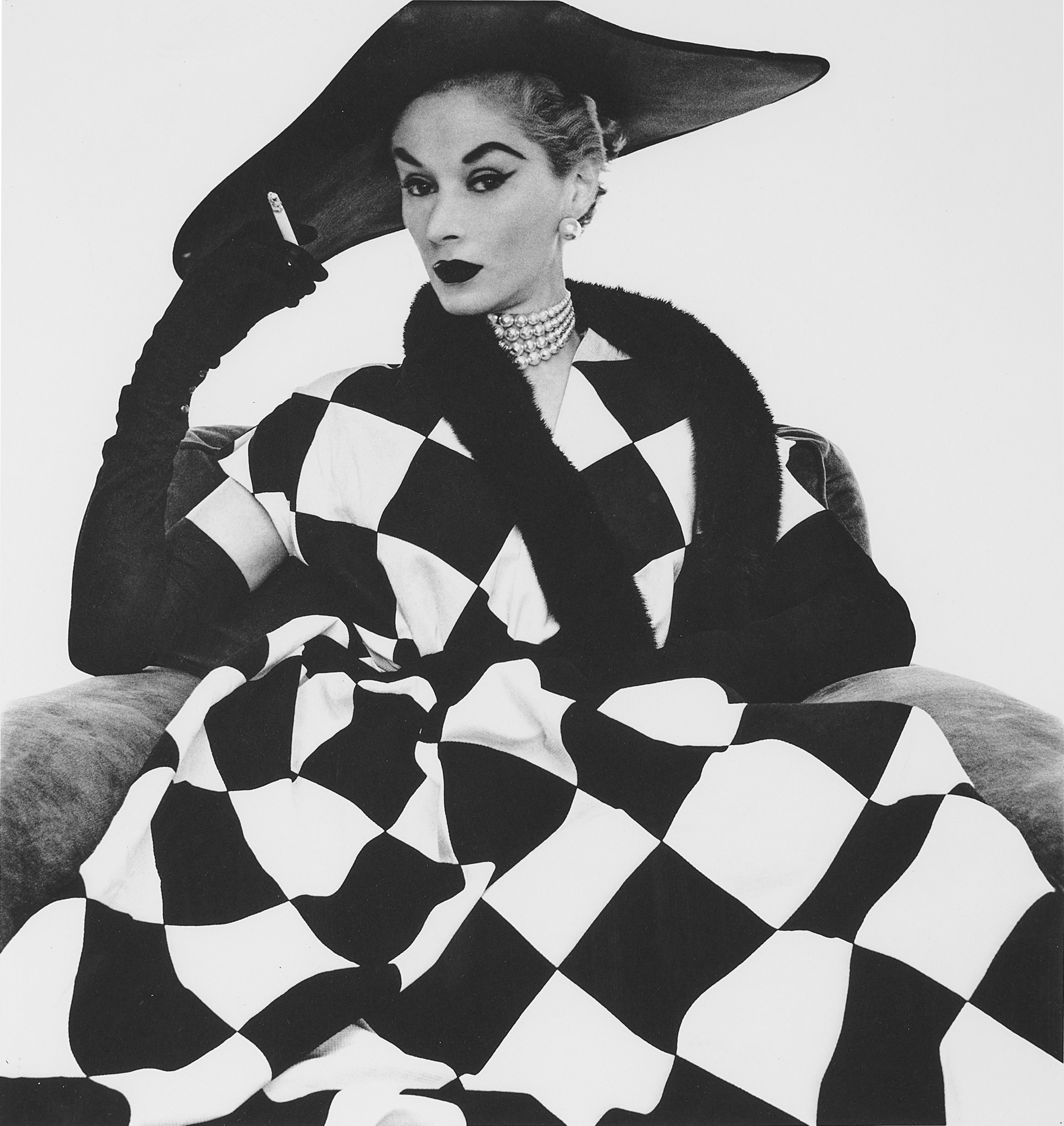
Irving Penn
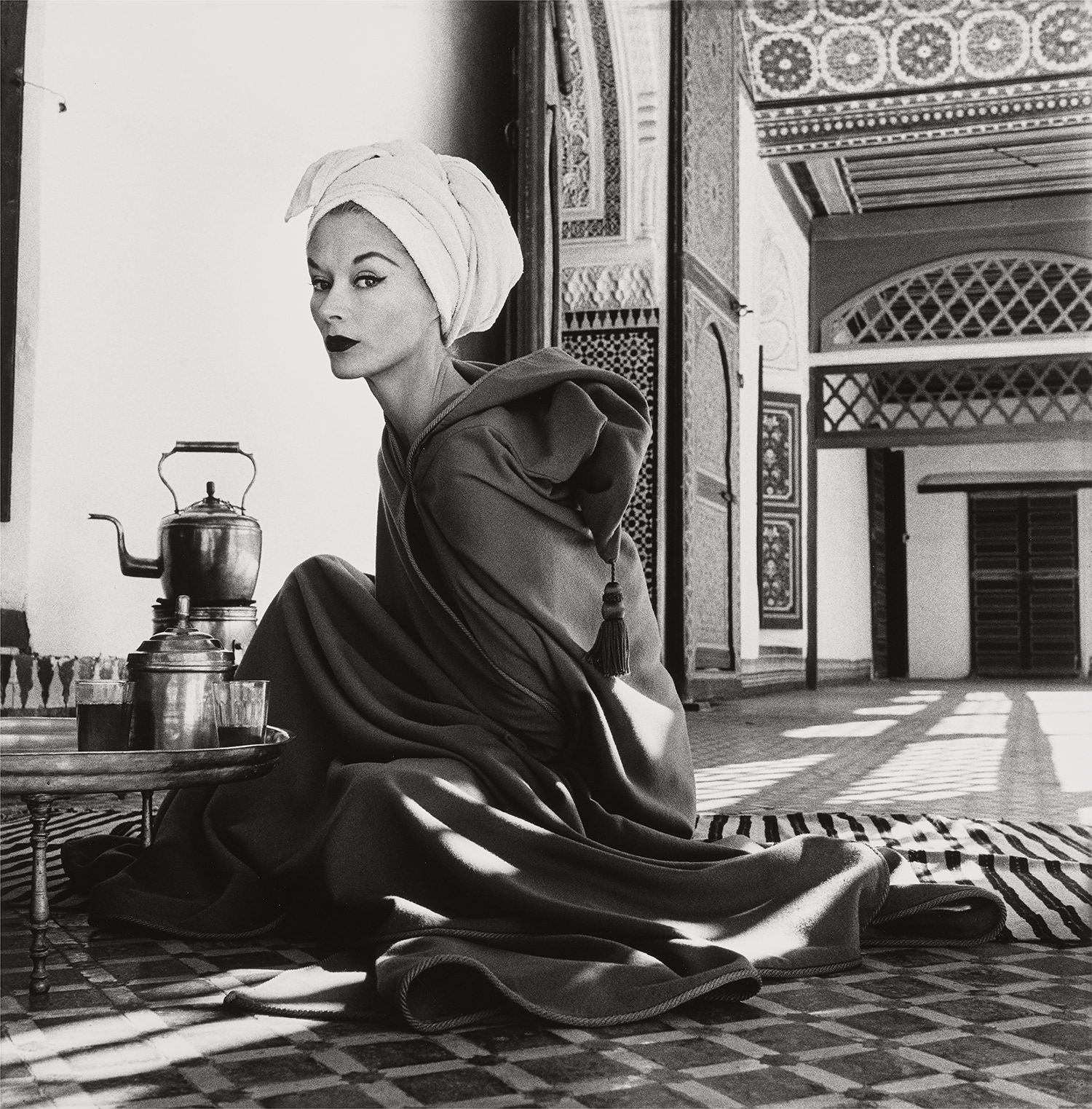
‘Harlequin Dress (Lisa Fonssagrives-Penn)'
Fading or restoration in key areas of a Harlequin costume can fundamentally alter how the figure reads. When approaching a gallery, ask directly about any restoration and request a full condition report before committing. For works in editions, whether prints, photographs, or digital works, edition size matters enormously to long term value. Irving Penn's work in the portrait and costume tradition demonstrates how a tightly controlled edition can maintain value and desirability over decades, while unlimited or very large editions tend to soften over time regardless of the underlying quality.
Ask the gallery what the full edition size is, how many have been released into the market, and whether the artist or estate exercises any ongoing control over the edition. Display is worth thinking about carefully with this subject matter. Harlequin works tend to function as focal points rather than background elements, which means they need room to hold their own. Hanging a strong Picasso era work in a crowded salon arrangement can actually diminish its effect.
A single strong work given clear wall space and appropriate lighting will almost always outperform a cluster of lesser works competing for the same attention. The figure rewards solitude. That is, perhaps, the final thing the Harlequin teaches us, that the most compelling performances happen when the stage belongs to only one player.