Giclee Print
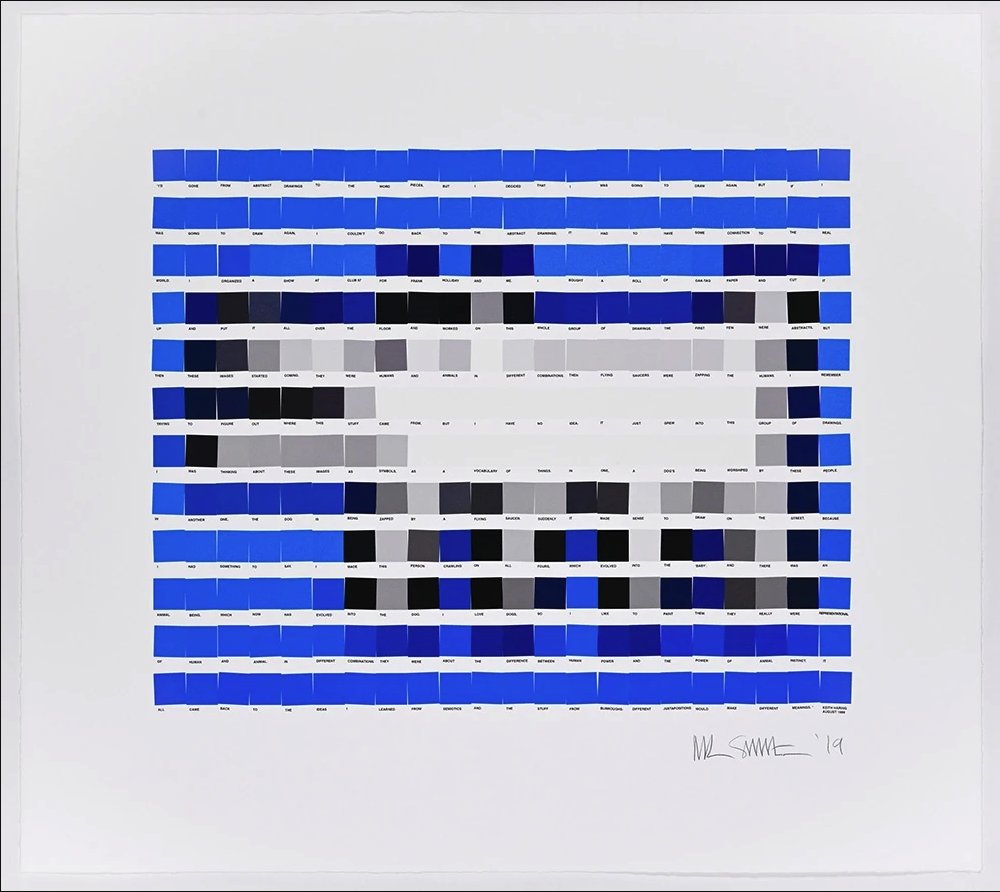
Nick Smith
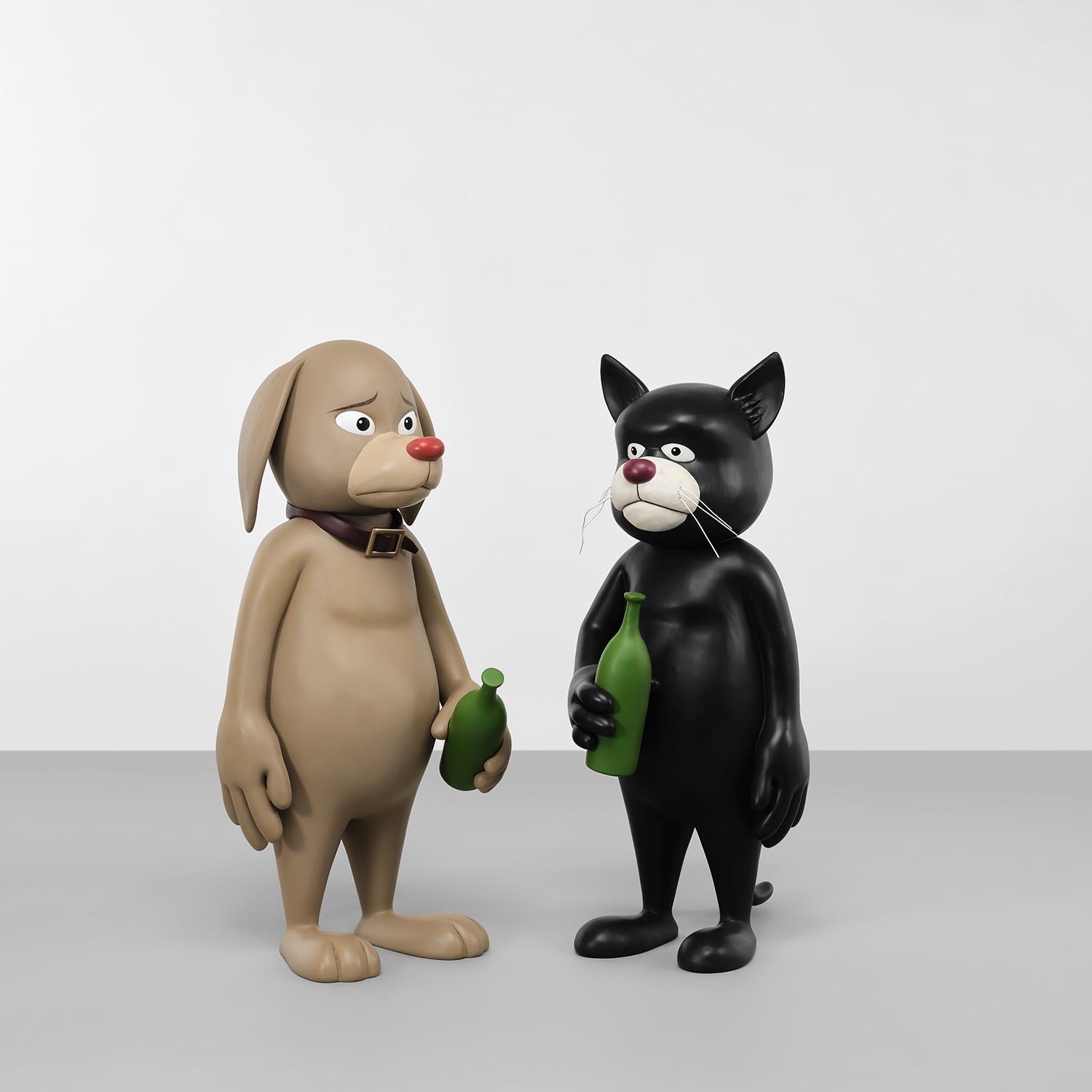
Haring Dog (Blue), 2019
The Print That Refuses to Be Secondary
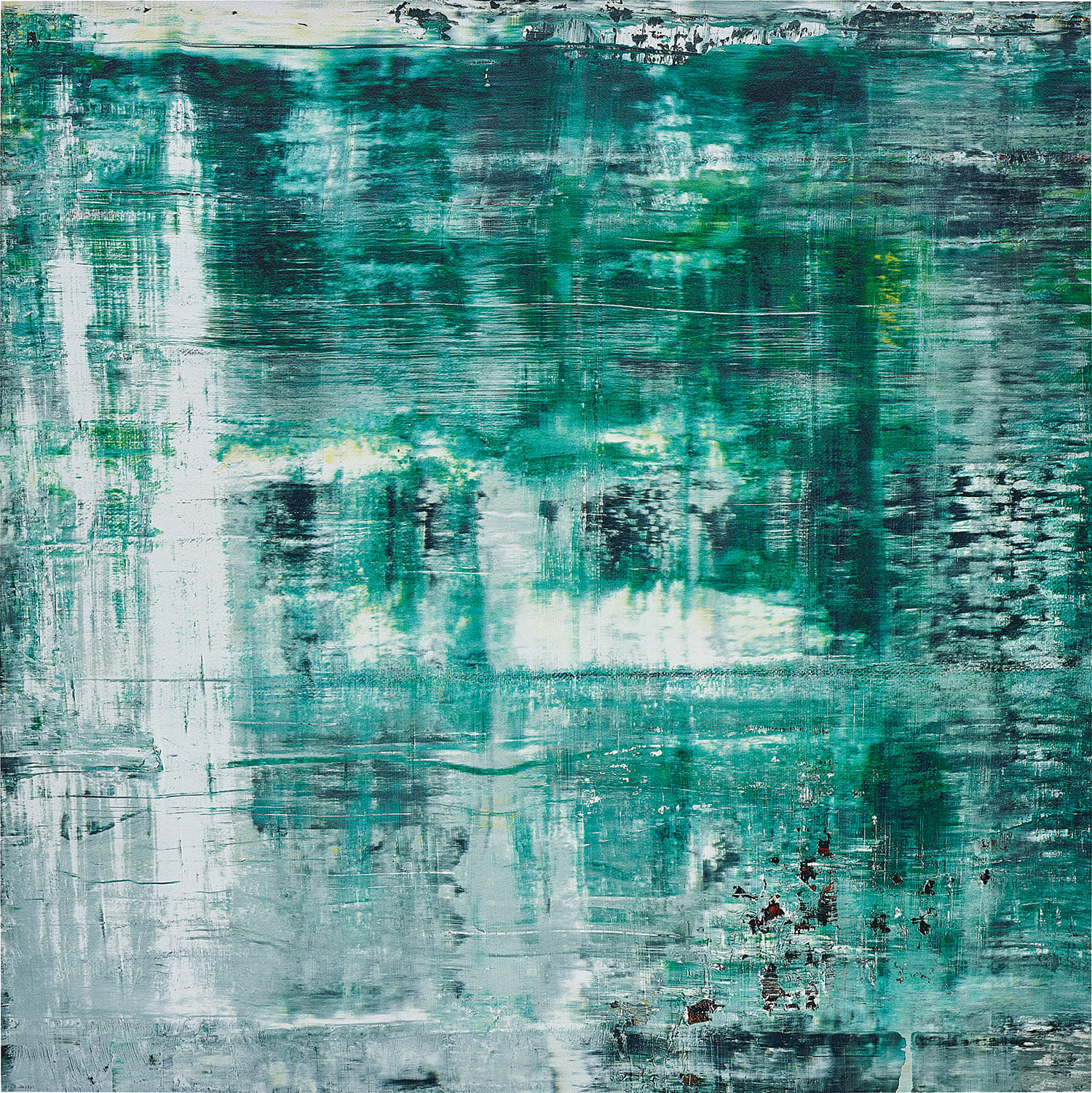
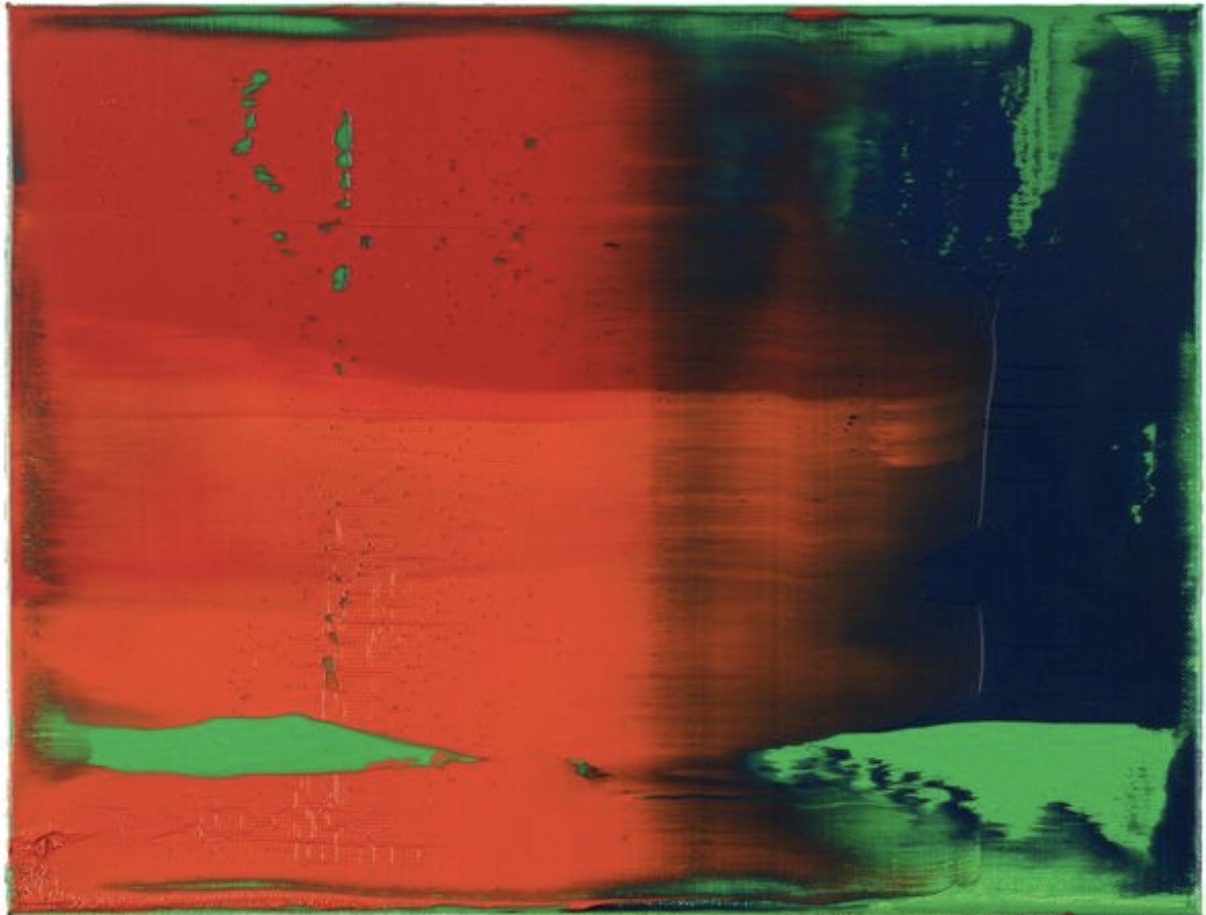
When a giclee edition by Gerhard Richter cleared six figures at a major London auction house in recent years, eyebrows lifted in the traditional print market. Not because the result was surprising to those paying attention, but because it confirmed what a quieter conversation had been building toward for some time: the giclee print, once dismissed as a sophisticated photocopy, had become a serious object of desire. The market had arrived at a moment of reckoning, and collectors who had been watching carefully were already several steps ahead. The word giclee, derived from the French verb meaning to spray or squirt, entered the art world's vocabulary in the early 1990s when printmaker Jack Duganne coined it to describe the output of early Iris inkjet printers.
The term was partly a marketing decision, an attempt to distance fine art reproductions from the commercial connotations of digital printing. What followed was decades of skepticism, debate, and gradual acceptance. Today the conversation has shifted entirely. Institutions are collecting giclee editions alongside etchings and lithographs, and the critical apparatus that once held the medium at arm's length has relaxed considerably.
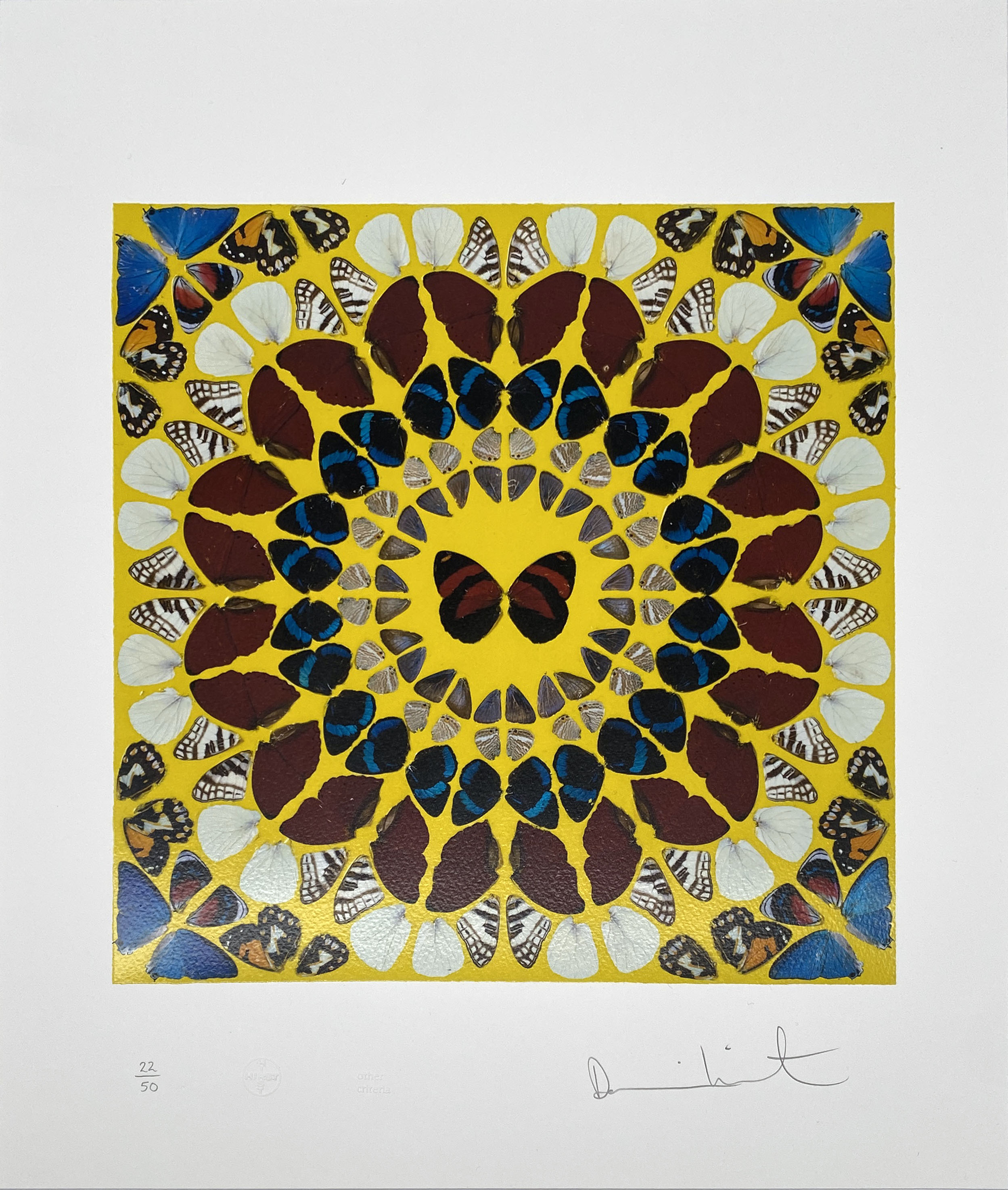
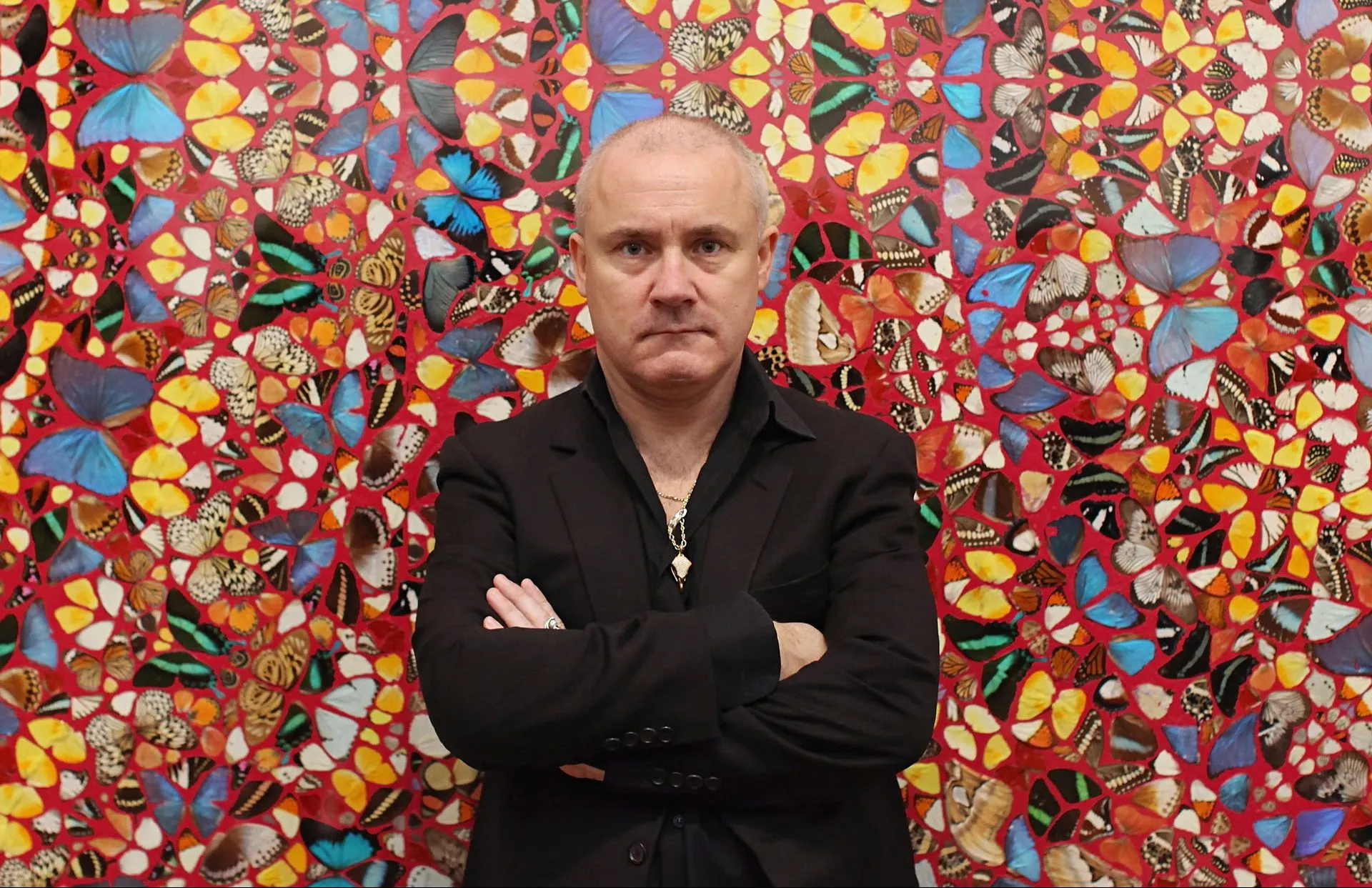
Damien Hirst
Miracle, 2015
The most significant shift in institutional attitude came as major museums began acquiring digitally produced editions as part of permanent collections rather than treating them as educational materials or study prints. The Museum of Modern Art's engagement with digitally born and digitally printed works, particularly through its expanding commitment to new media and print, set a tone that rippled outward. When MoMA or the Tate signal seriousness about a medium, the secondary market tends to follow within a cycle or two. Curators at these institutions have been vocal about the giclee's capacity to render color fields and photographic passages with a fidelity that traditional printmaking processes simply cannot match.
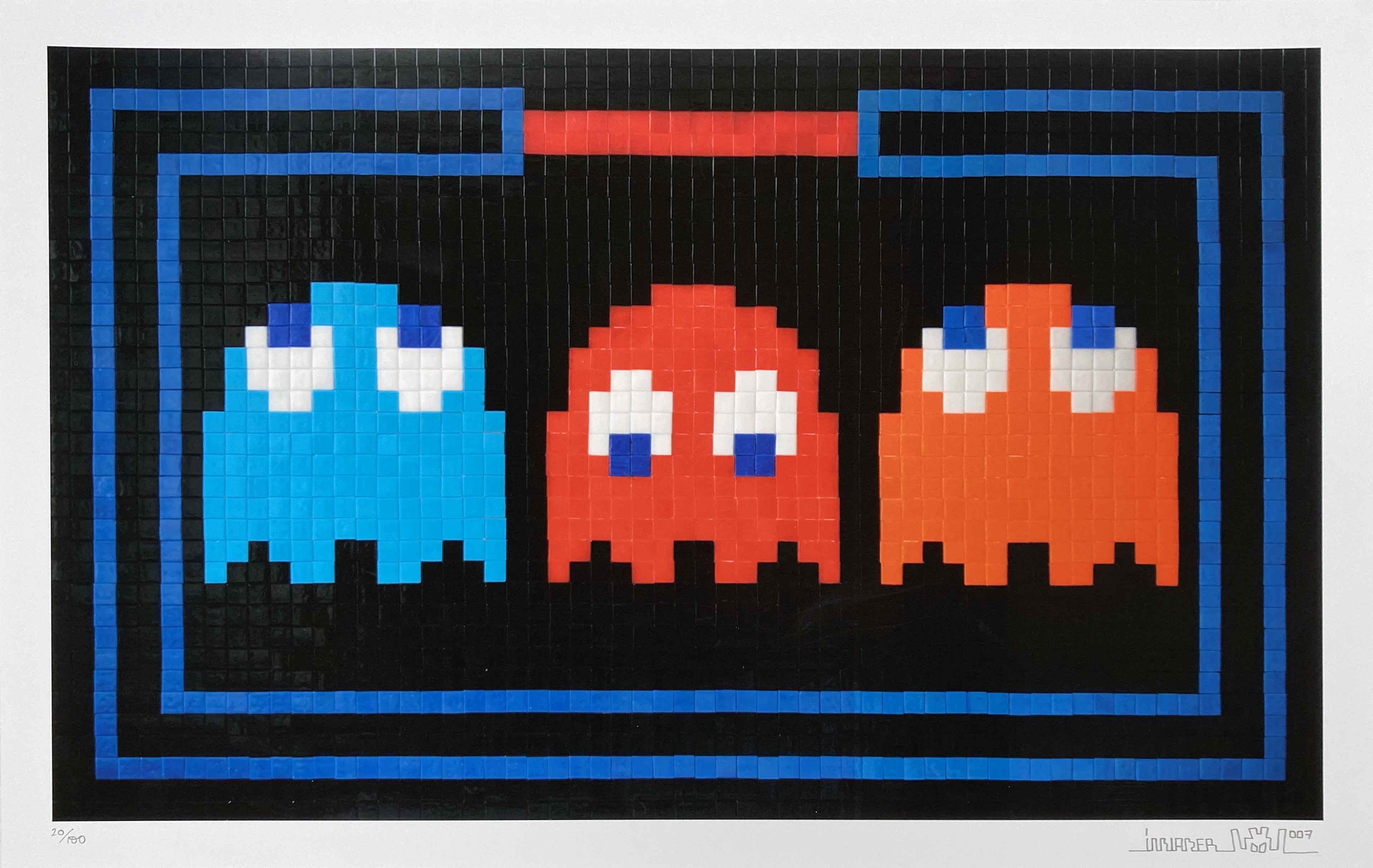
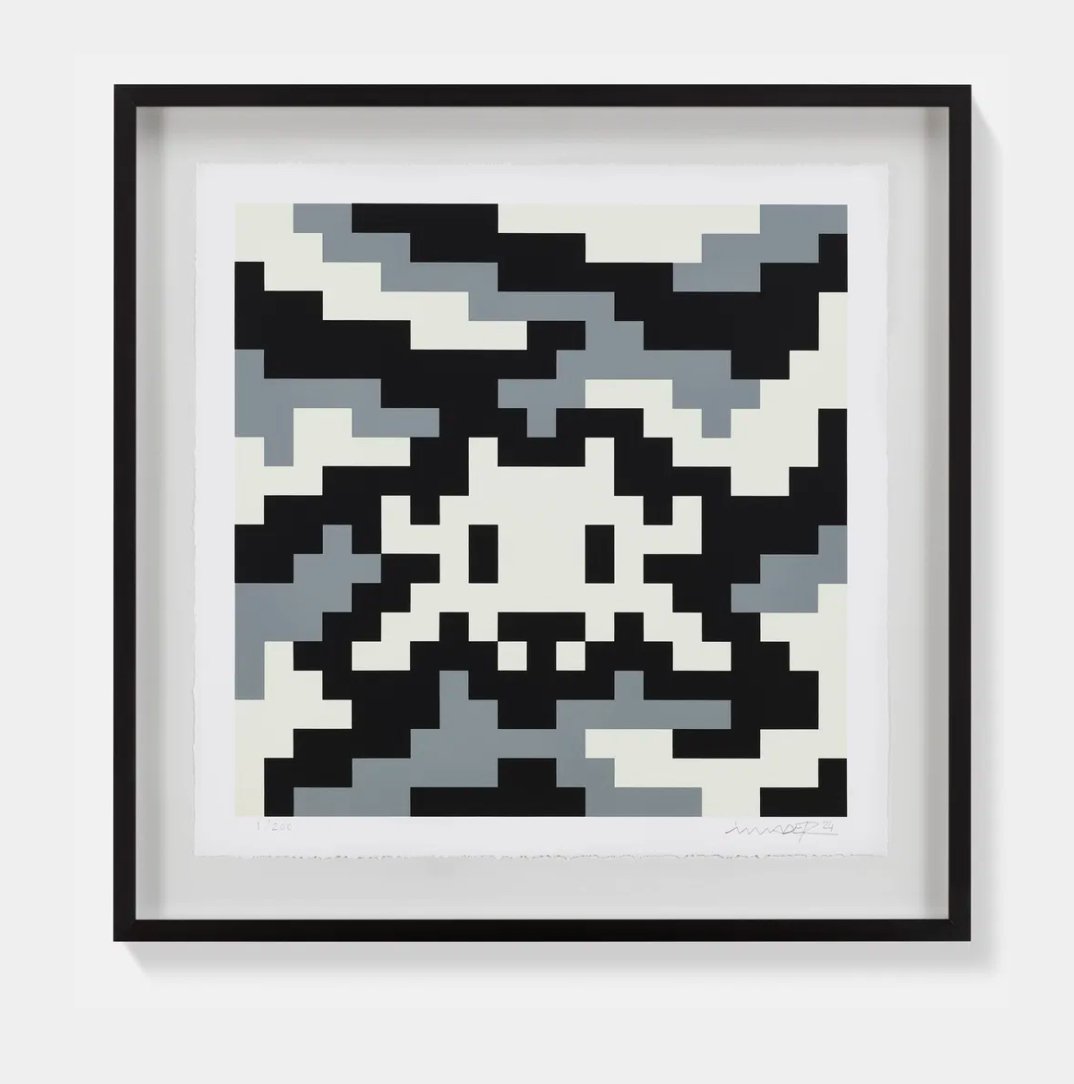
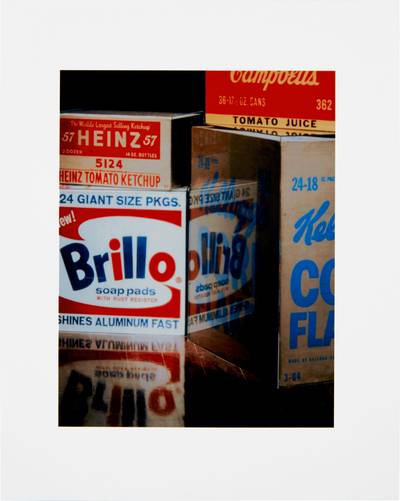
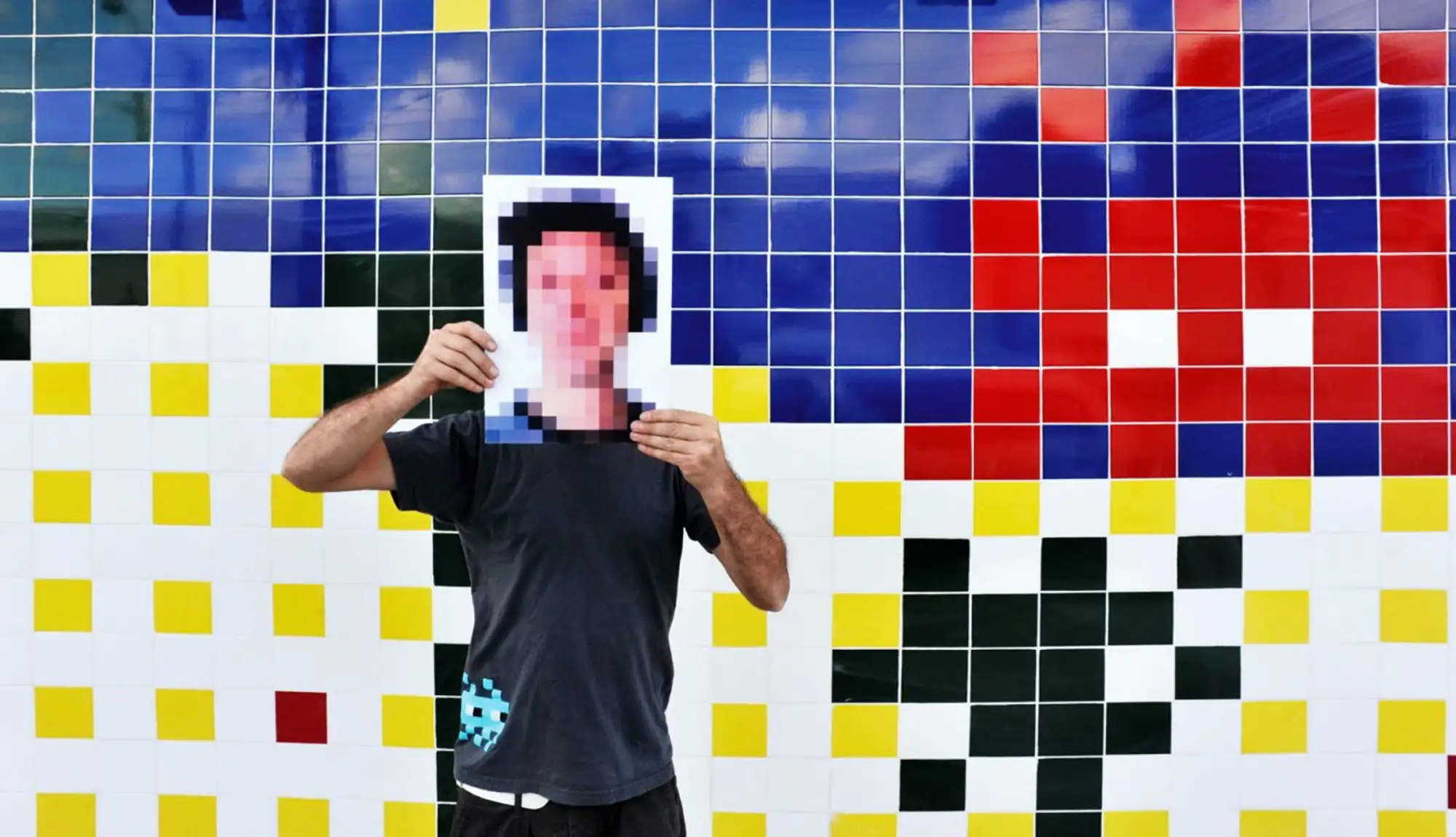
The auction market has been especially revealing when it comes to artists who span both fine art practice and edition culture. Damien Hirst's spot and spin works, some of which exist as giclee editions, have demonstrated consistent demand at auction, reinforcing the idea that the edition is not a lesser version of the studio practice but an extension of it. Similarly, works by Invader, the French street artist whose tile and pixel imagery translates with particular brilliance into high resolution inkjet printing, have commanded prices that would have seemed implausible a decade ago. The pixel as aesthetic unit and the giclee as medium share a certain logic, and collectors have responded to that coherence.
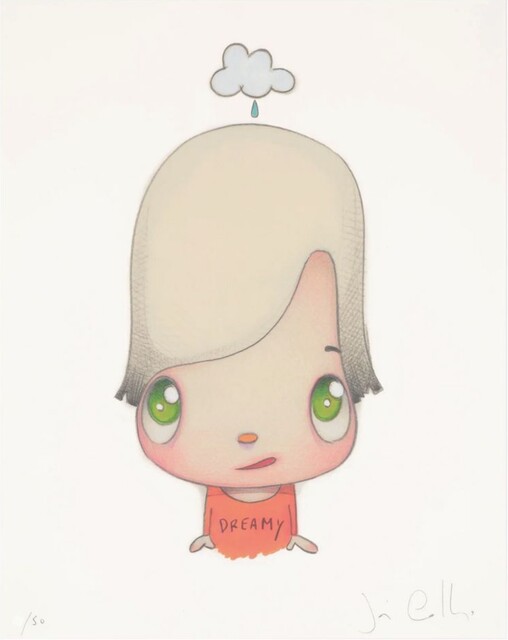
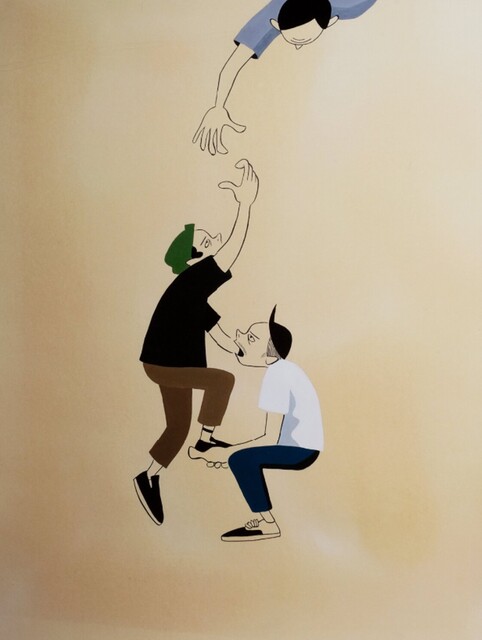
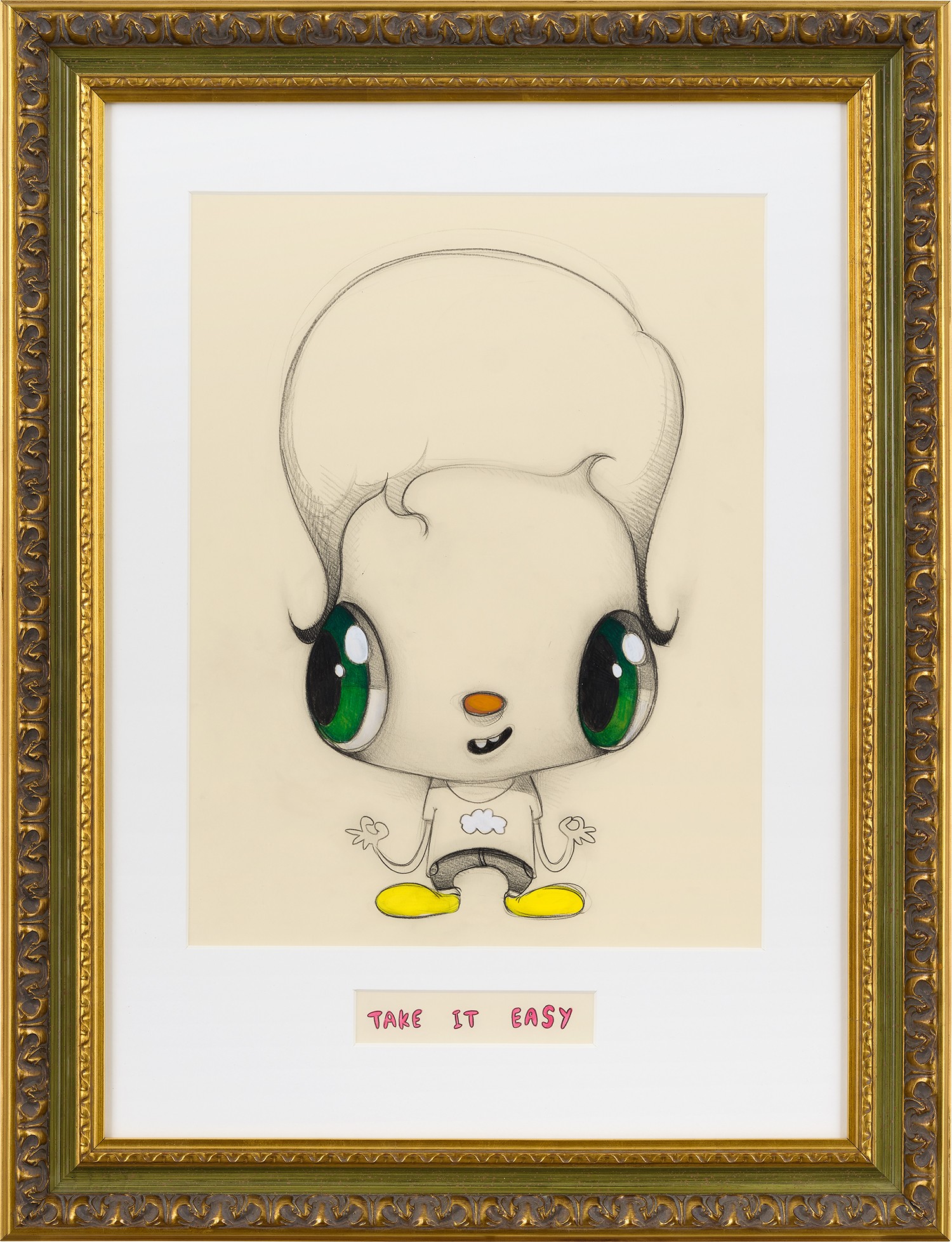
Javier Calleja
Dreamy, 2024
Javier Calleja and Yusuke Hanai represent a newer generation whose entire market relationship with editions is different from that of their predecessors. For artists emerging in the age of social media and global online collecting, the giclee print is often the first point of contact between studio practice and an international audience. Calleja's wide eyed characters, rendered in precise flat color, lose nothing in the translation to archival inkjet. Hanai's atmospheric surf and landscape works carry a painterly warmth that giclee printing, with its broad color gamut, handles with genuine sensitivity.
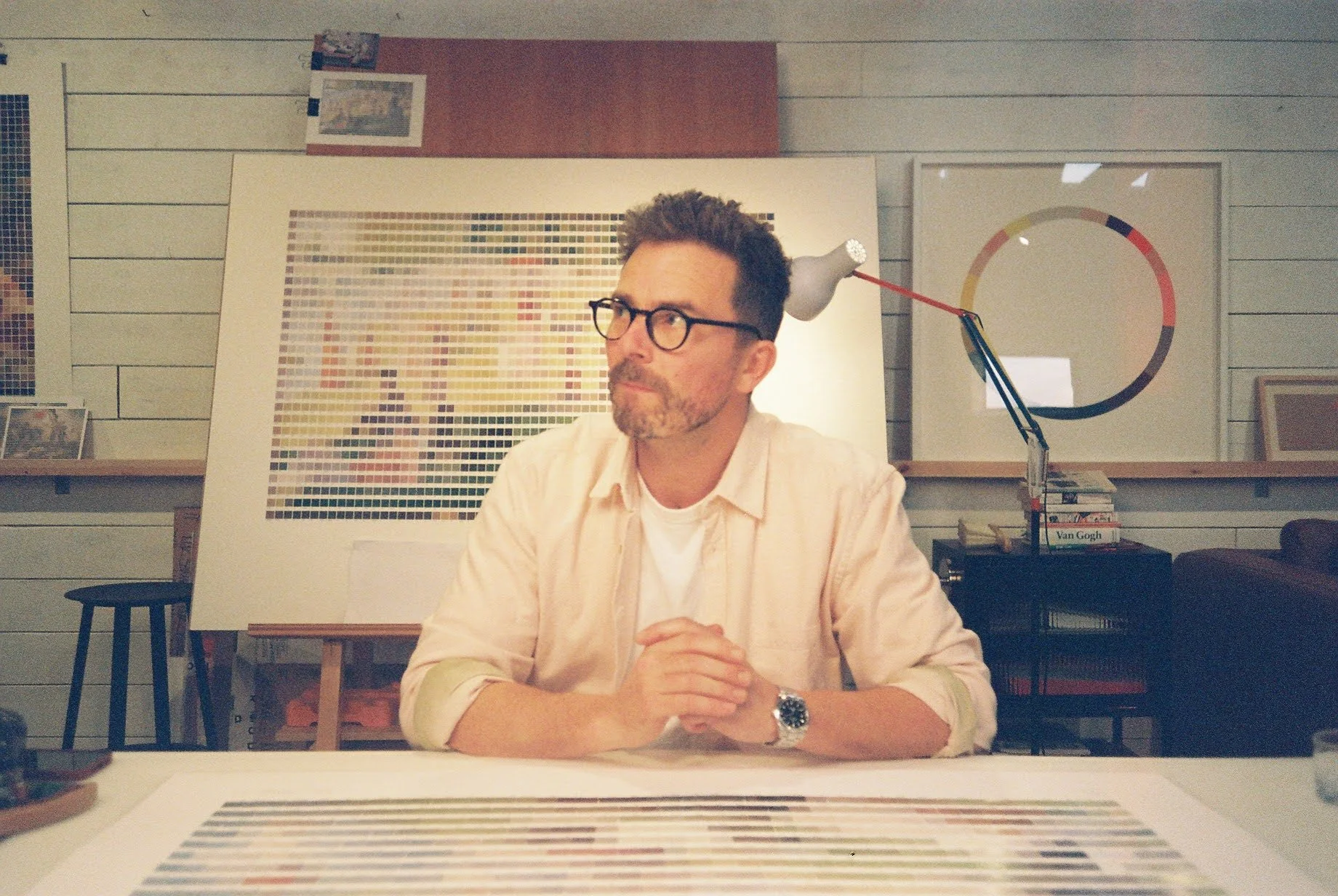
The edition for these artists is not a secondary object. It is, in many cases, the primary relationship a collector forms with the work before pursuing originals. Nick Smith, whose work involves the deconstruction of imagery into color swatches and paint chip palettes, is a particularly interesting case in this context. His practice is conceptually entangled with the mechanics of color reproduction, and giclee printing becomes almost a formal extension of the work's own concerns.
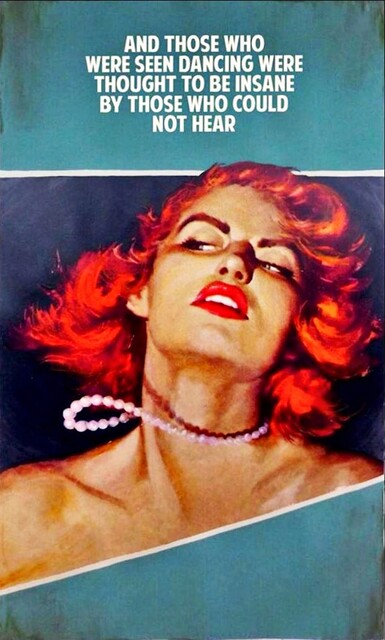
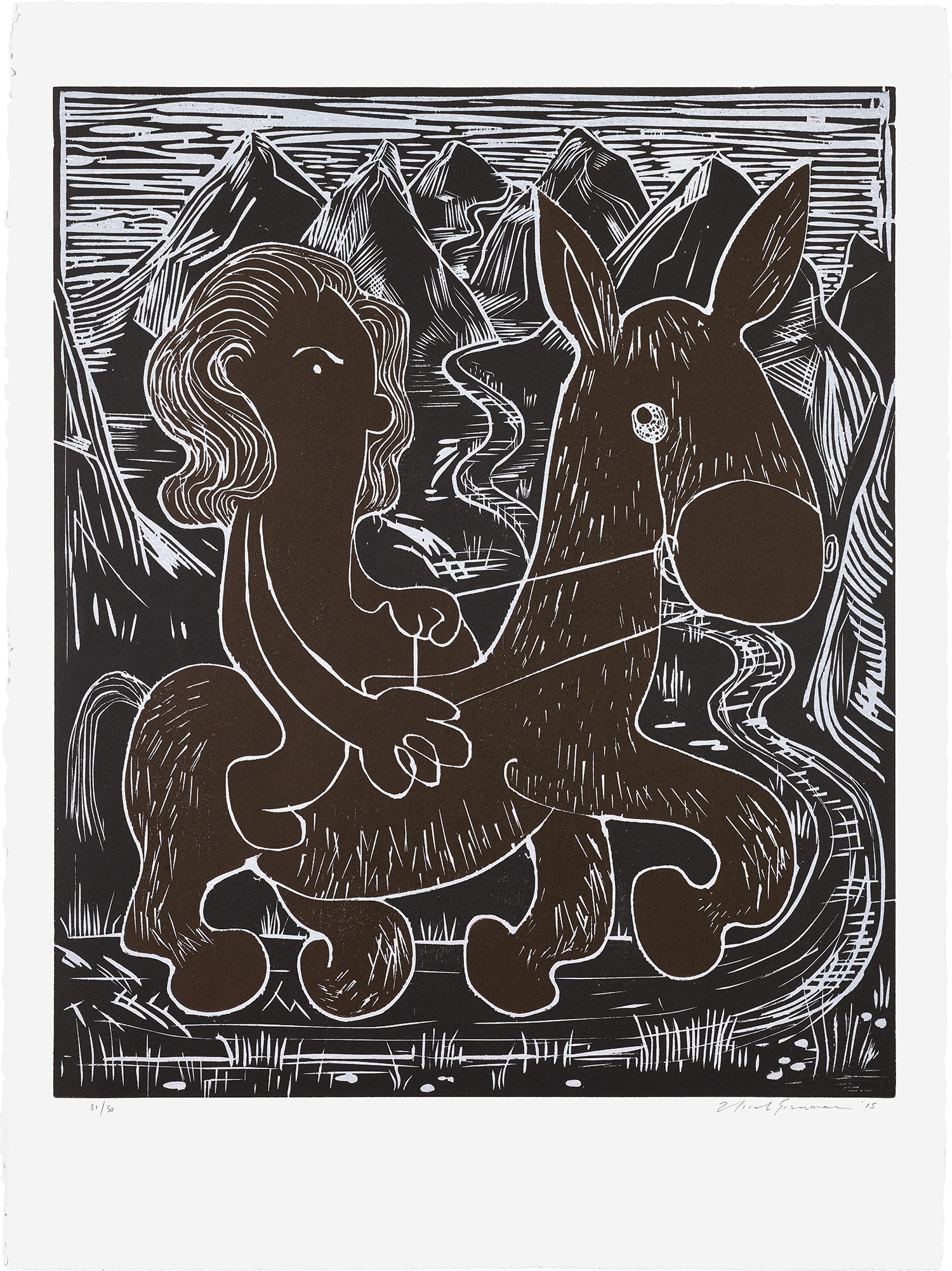
The Connor Brothers
Those Who Were Seen Dancing (AP), 2016
When an artist's subject matter and the means of its reproduction are in this kind of dialogue, the resulting print carries an intellectual weight that critics and curators have found genuinely interesting. The Connor Brothers, known for their text based works that borrow the visual language of vintage paperback novels, have similarly found that the giclee format preserves the surface quality and typographic precision their imagery demands. The critical conversation around giclee has been shaped in no small part by writers working at the intersection of craft and concept. Publications including Print Quarterly and Frieze have run substantive pieces addressing the edition market's evolving standards, while curators like Fiona Bradley and those associated with the Edinburgh Printmakers have pushed against easy hierarchies in how we value reproductive media.
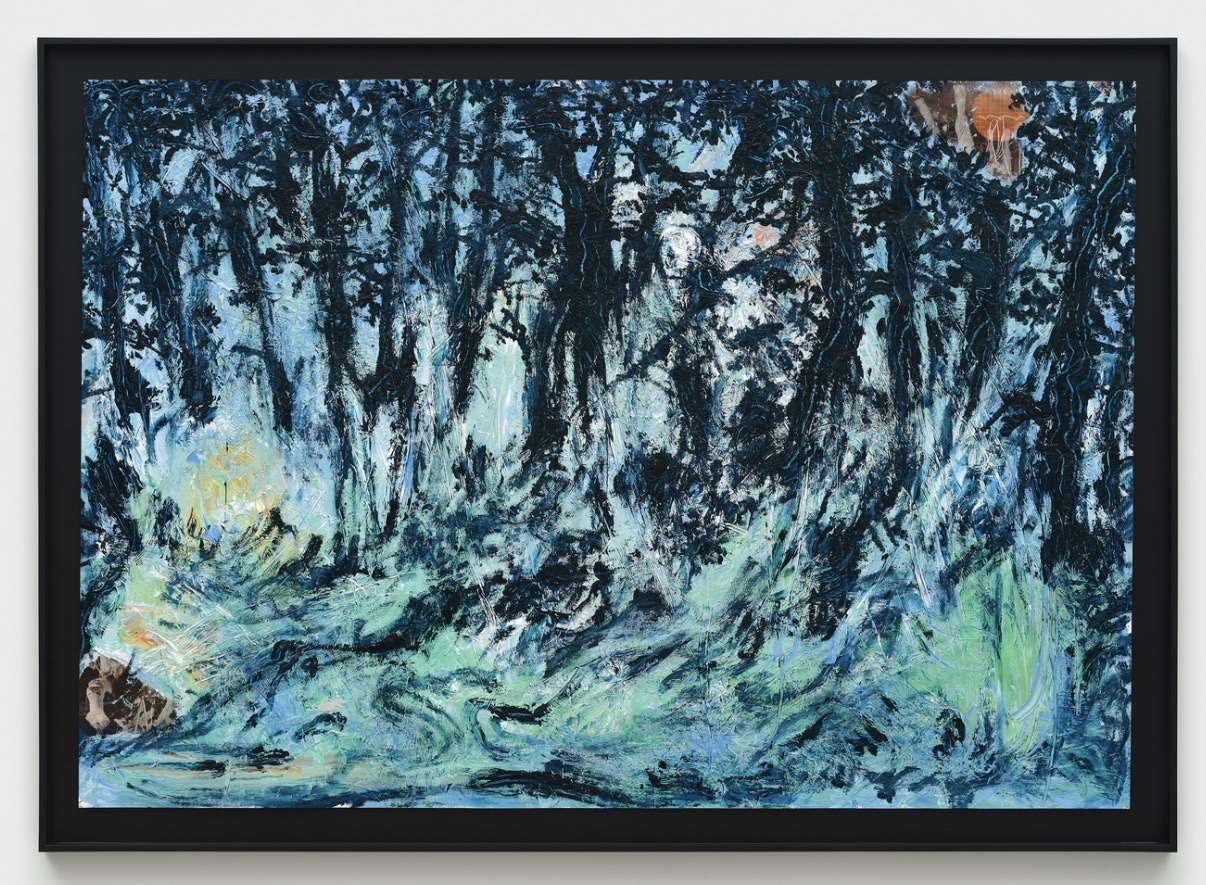
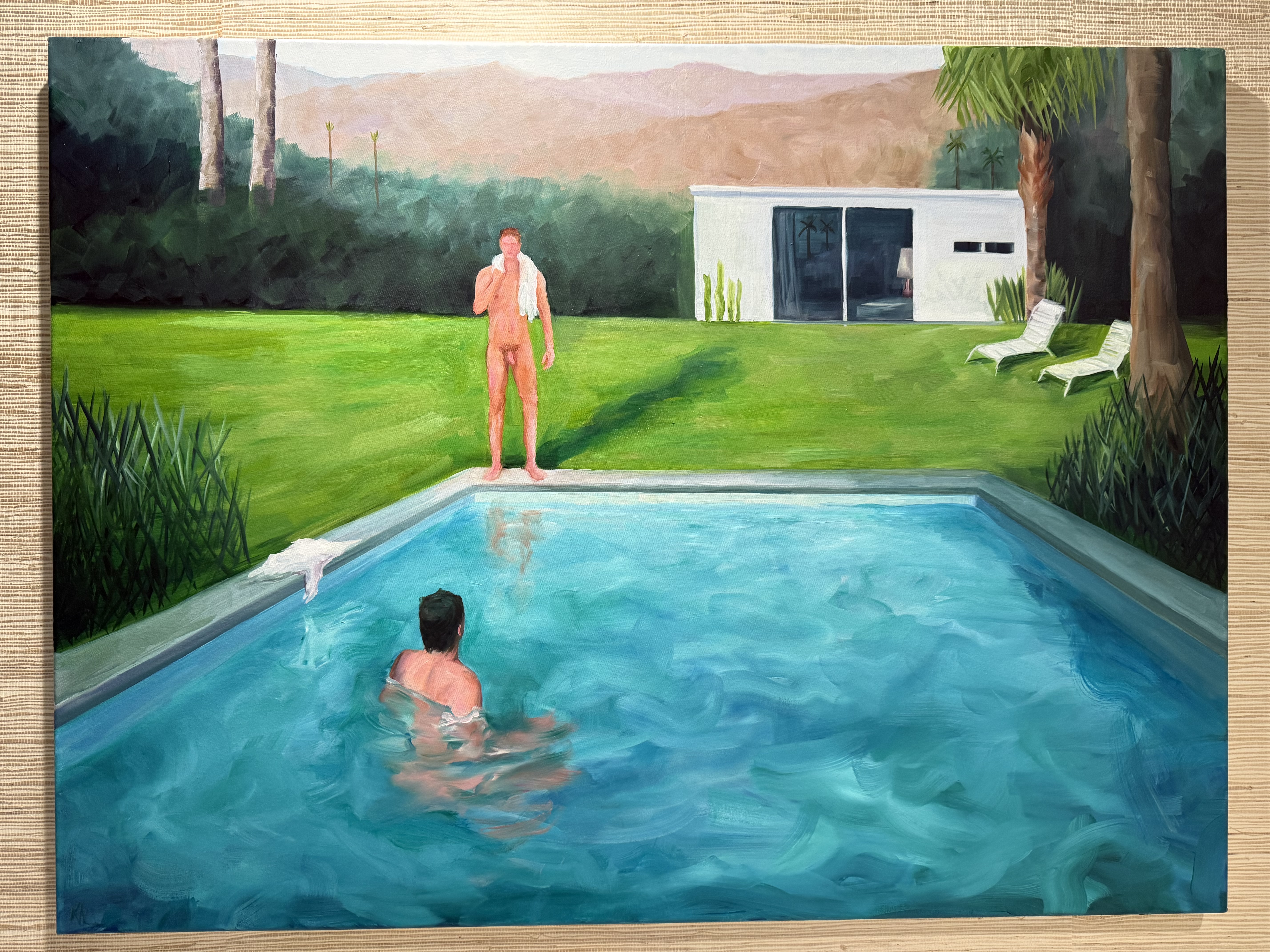
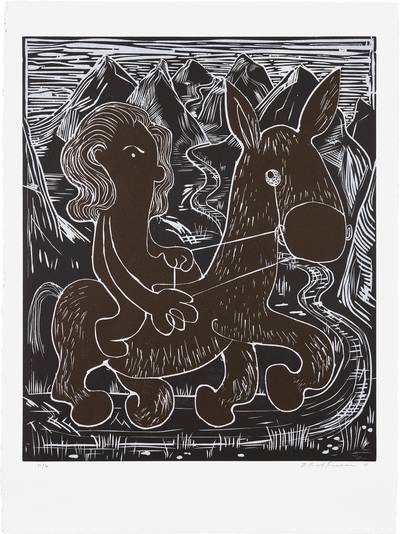
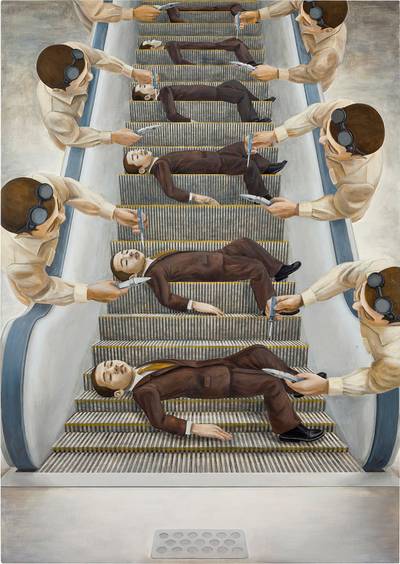
The argument, now fairly settled in serious curatorial circles, is that what matters is the intentionality of the edition and the integrity of its production standards rather than the mechanism by which ink meets paper. Archival pigment inks on museum quality substrates produce objects designed to outlast many traditional printmaking materials. Katharina Olschbaur and Tetsuya Ishida occupy very different corners of the contemporary market, but both point toward where the energy around giclee is heading. Ishida's surrealist figurative work, deeply rooted in a specifically Japanese postwar anxiety, has attracted extraordinary institutional and collector interest since his death in 2005.
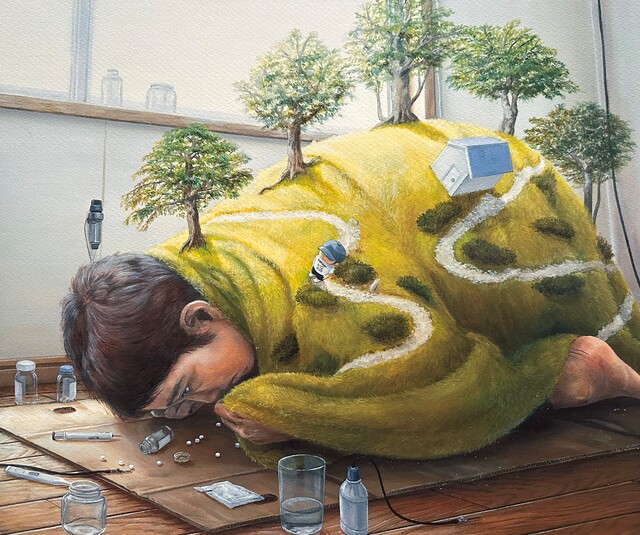
Tetsuya Ishida
Plant-Eating Dragon, 2014
The careful edition of his imagery allows new audiences to engage with work that exists in limited quantity in the original. Olschbaur's vivid figuration, currently attracting significant critical attention in Europe, suggests a painter whose translation into edition format will be watched closely as her market develops. What feels alive right now is the premium placed on production integrity. Collectors are asking harder questions about paper weights, ink formulations, edition sizes, and printer certifications.
The artists and publishers who can answer those questions clearly are finding a market that rewards transparency. What feels settled is the old debate about legitimacy. That argument is over, and the people still having it are working from outdated information. What surprises are coming is harder to say, but the increasing intersection of giclee with augmented reality certificates, blockchain provenance, and limited edition drops suggests that the format's future is less about defending its place in art history and more about defining what an edition can do that no other object can.
The works gathered on The Collection reflect exactly this moment of confidence and curiosity, where the giclee print stands not in the shadow of painting or traditional printmaking but entirely on its own terms.