Gender Studies
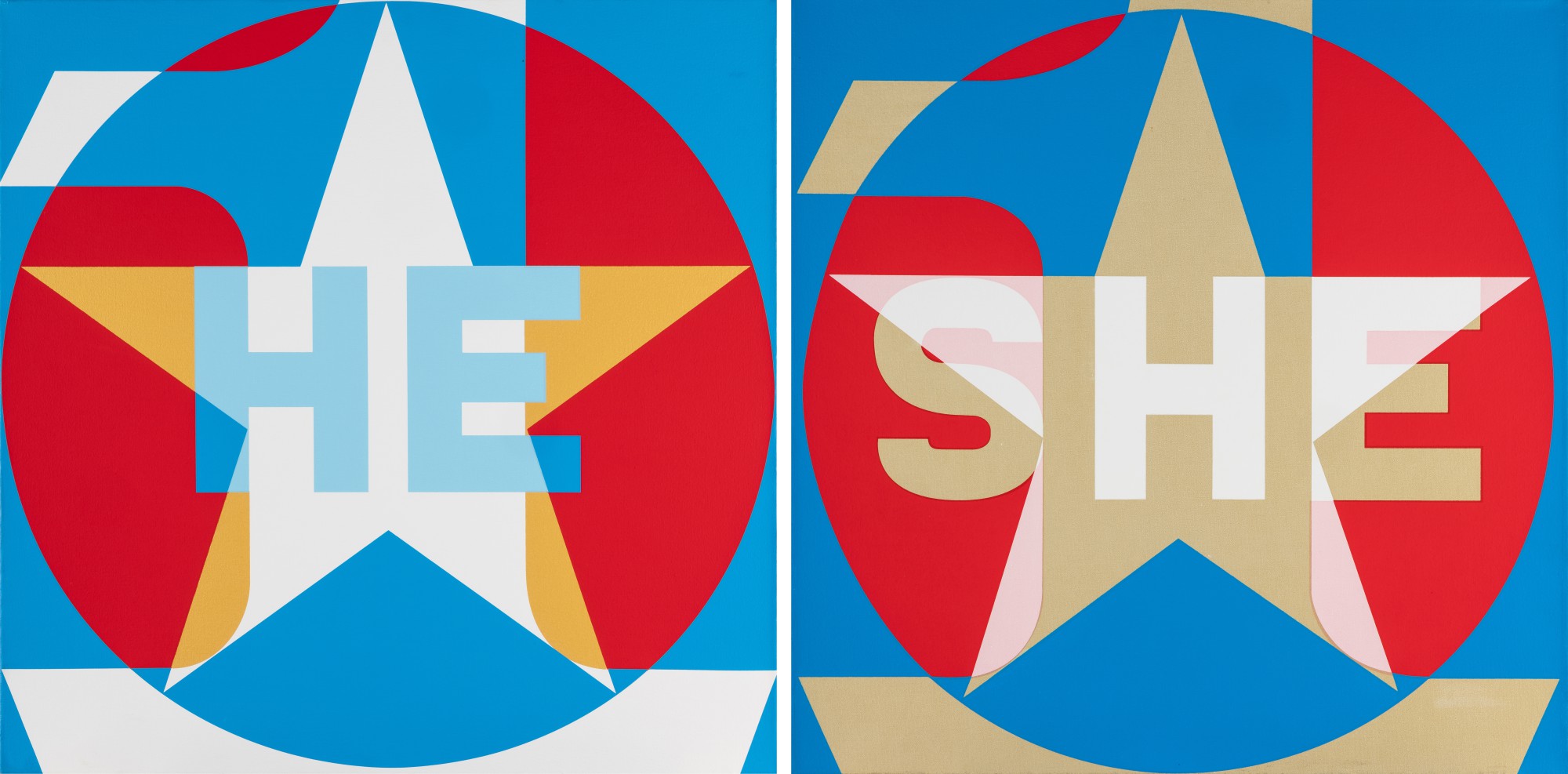
Robert Indiana
He She

Who Gets to Define the Body Now?
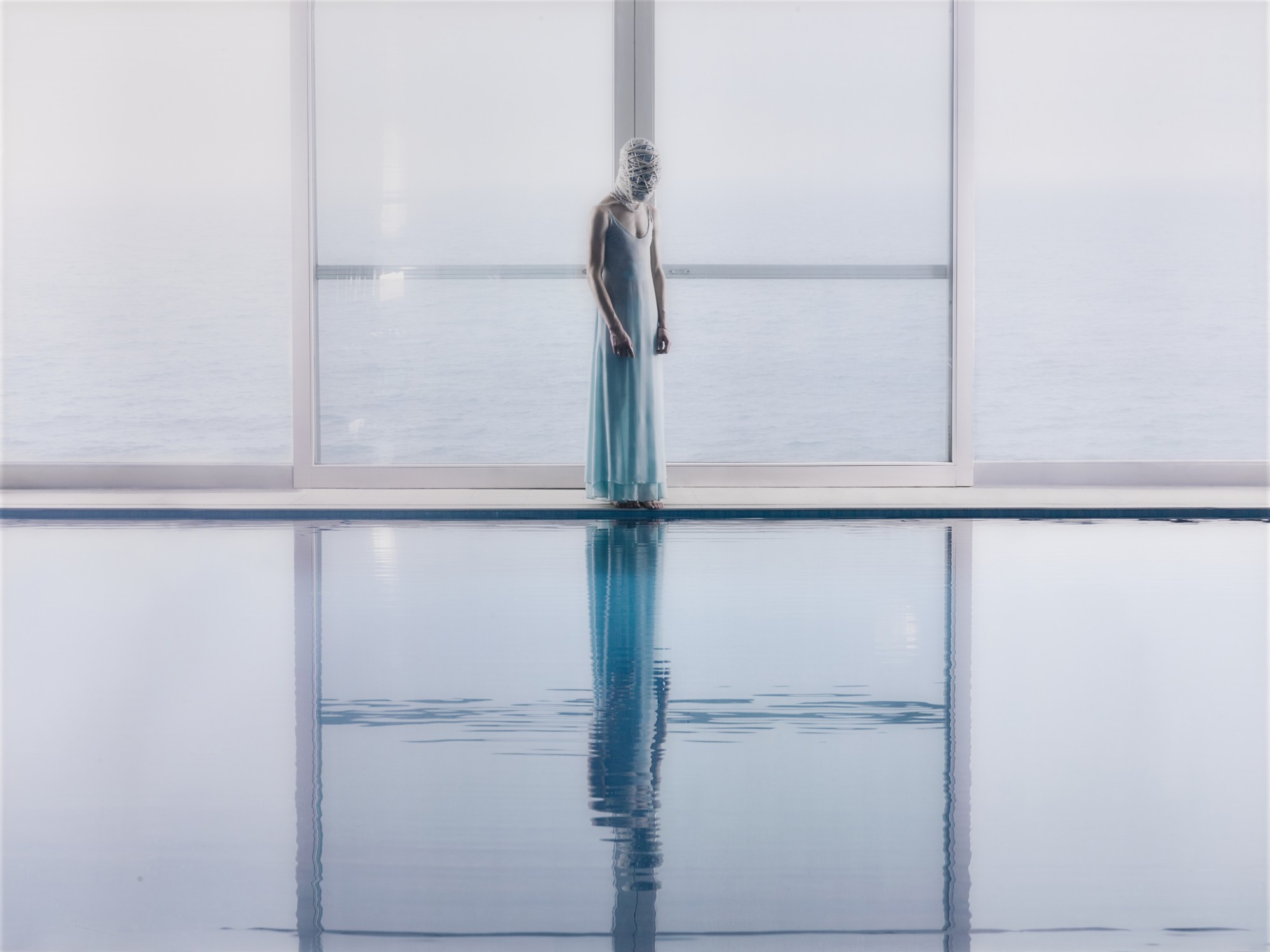
There is a moment in looking at a Cindy Sherman self portrait when you realize, with a small jolt, that you have been looking for the artist and found only a character. That gap between the person and the persona, between the body and what culture projects onto it, is precisely where gender studies as an artistic practice was born. Few themes in contemporary art have proven as generative, as politically urgent, or as formally inventive as the sustained investigation into how gender is constructed, performed, and contested. From darkroom experiments to digital tableaux, from institutional critique to visceral painting, artists working in this territory have reshaped not just what art looks like but what we believe art is for.
The roots of this inquiry reach back to the political upheavals of the late 1960s and early 1970s, when second wave feminism collided with a conceptual art world that was itself questioning what counted as a legitimate object or gesture. The founding of the Feminist Art Program at California Institute of the Arts in 1971 by Judy Chicago and Miriam Schapiro gave institutional form to what had been an urgent but diffuse conversation. Womanhouse, the landmark 1972 installation that emerged from that program, turned a decaying mansion in Los Angeles into a site of collective reckoning with domesticity, labor, and the female body. That exhibition remains a touchstone because it made the argument that the personal was not merely political but was, in fact, a legitimate subject for rigorous artistic inquiry.
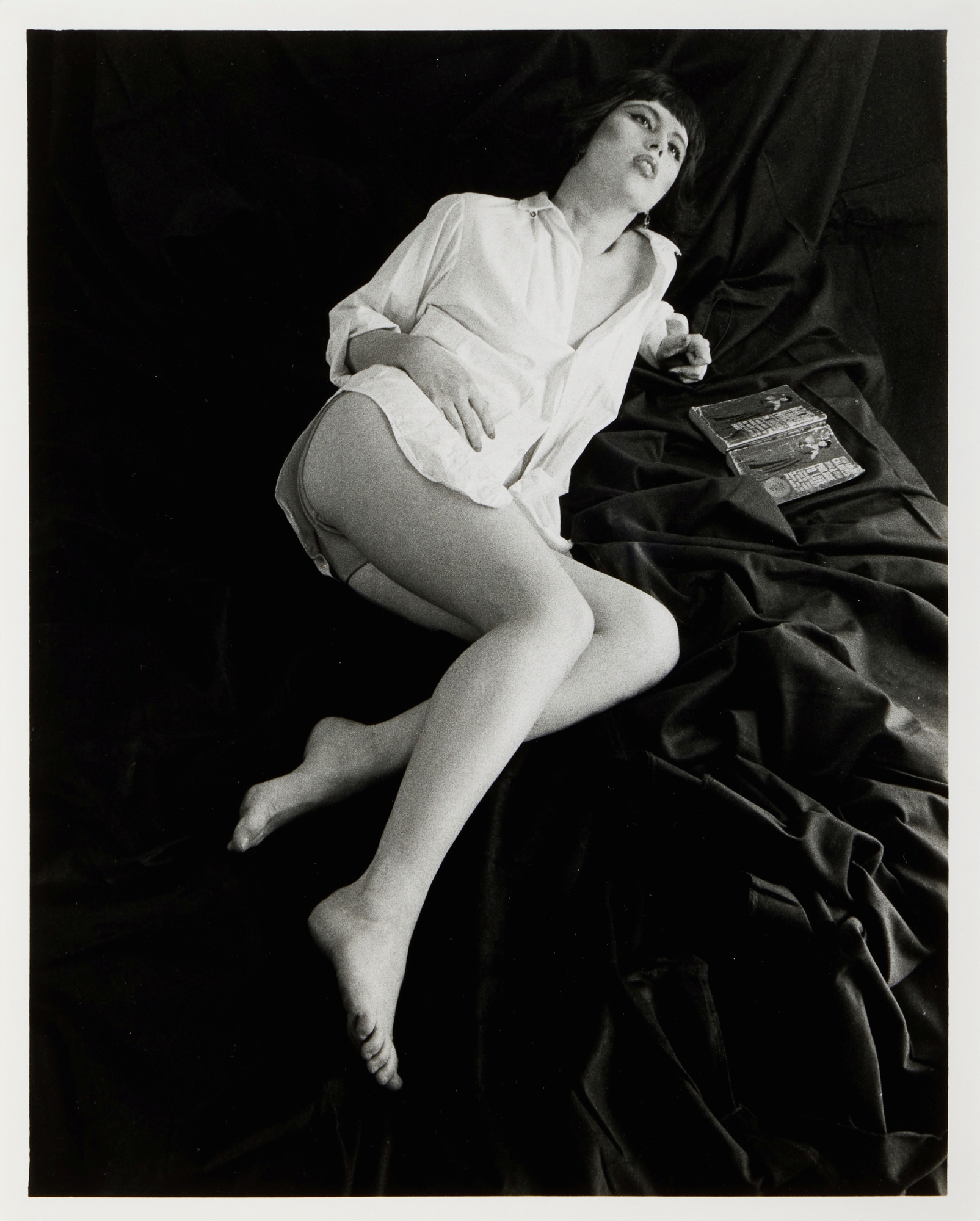
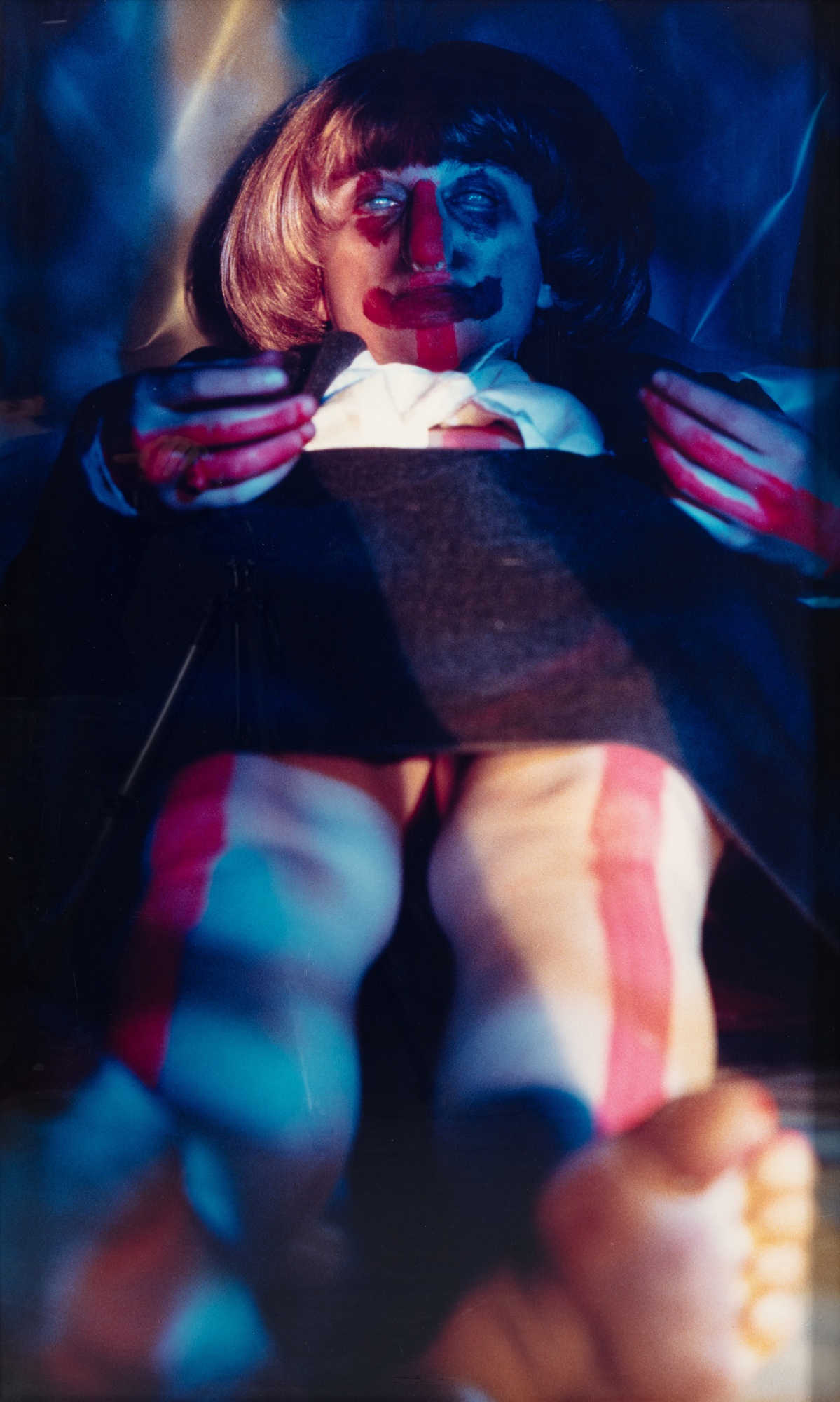
Cindy Sherman
Untitled Film Still #34, 1979
By the late 1970s and into the 1980s, the conversation had shifted from reclamation toward something sharper and more skeptical. The Pictures Generation, loosely gathered around artists who would show at Artists Space in New York and in the pages of October magazine, brought a structural critique to bear on how images produce gendered subjects rather than simply reflecting them. Cindy Sherman's Untitled Film Stills, begun in 1977, remains the defining achievement of this moment. By casting herself as archetypes lifted from B movies and European art cinema, Sherman demonstrated that femininity was a costume, a series of borrowed poses with no original beneath them.
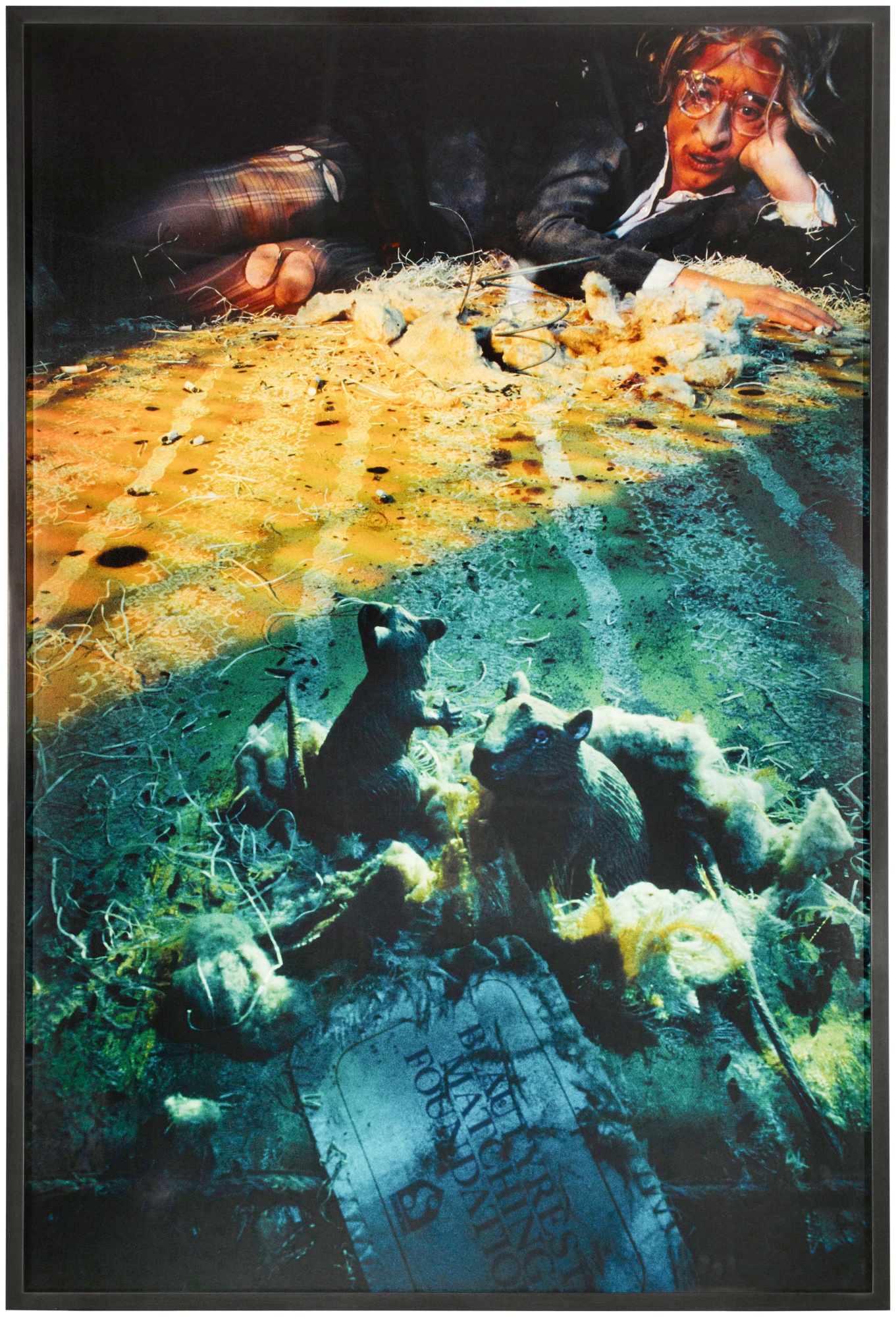
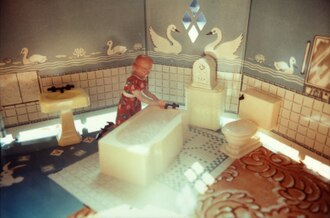
The works on The Collection by Sherman extend this project across decades, and their persistence as objects of desire is itself worth thinking about: we keep acquiring images that show us how images acquire us. Laurie Simmons, a close peer and collaborator within that same New York milieu, worked with dolls and ventriloquist dummies to explore similar territory from a different angle. Her photographs from the late 1970s placed miniature female figures inside dollhouse kitchens and suburban settings, making visible the scripts that domestic spaces write onto women's bodies and ambitions. Where Sherman inhabited archetypes, Simmons photographed surrogates, and the slight uncanniness of those stand ins created a critical distance that was both analytical and deeply unsettling.
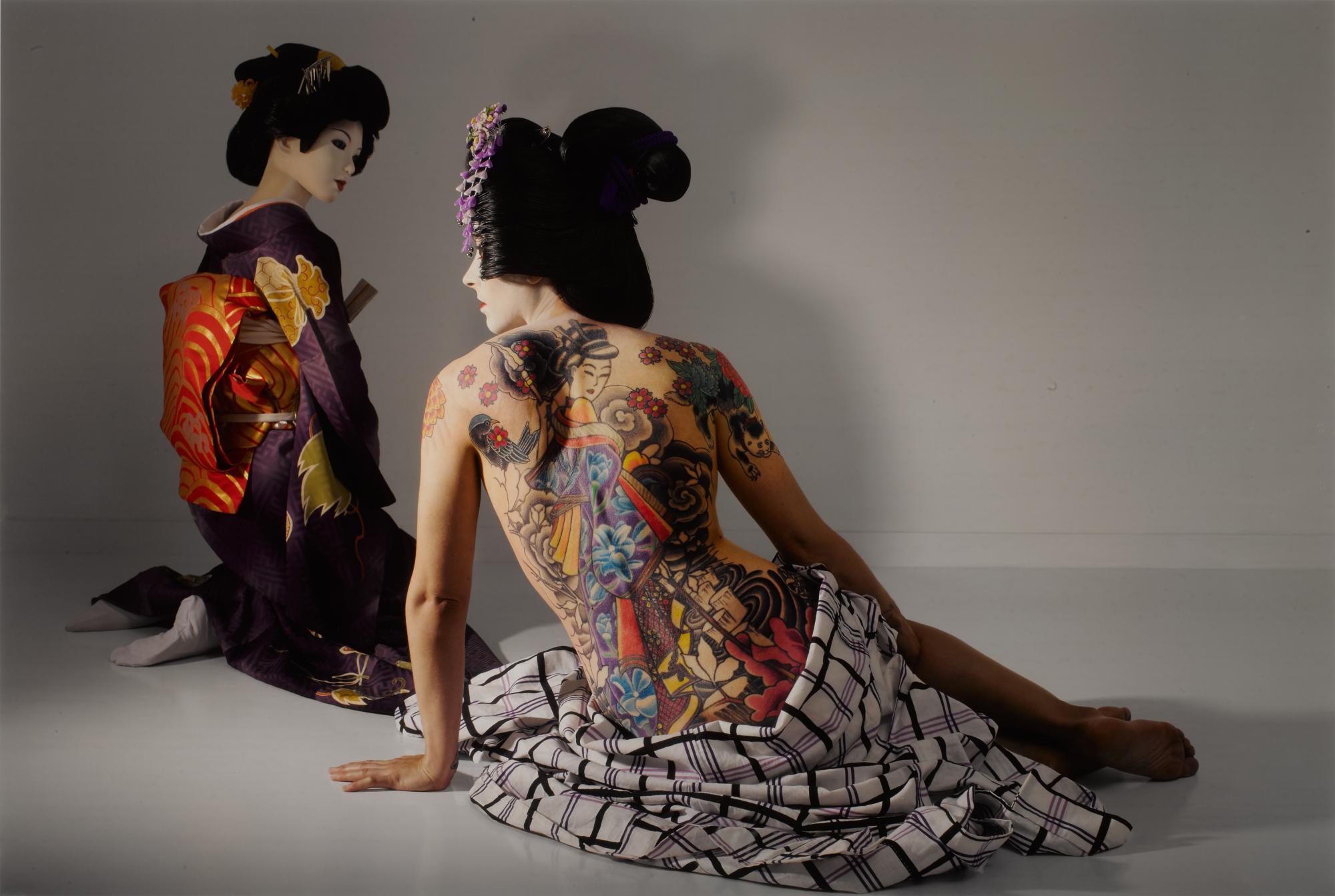
Laurie Simmons
The Love Doll/Day 36 (Geisha Tattoo)
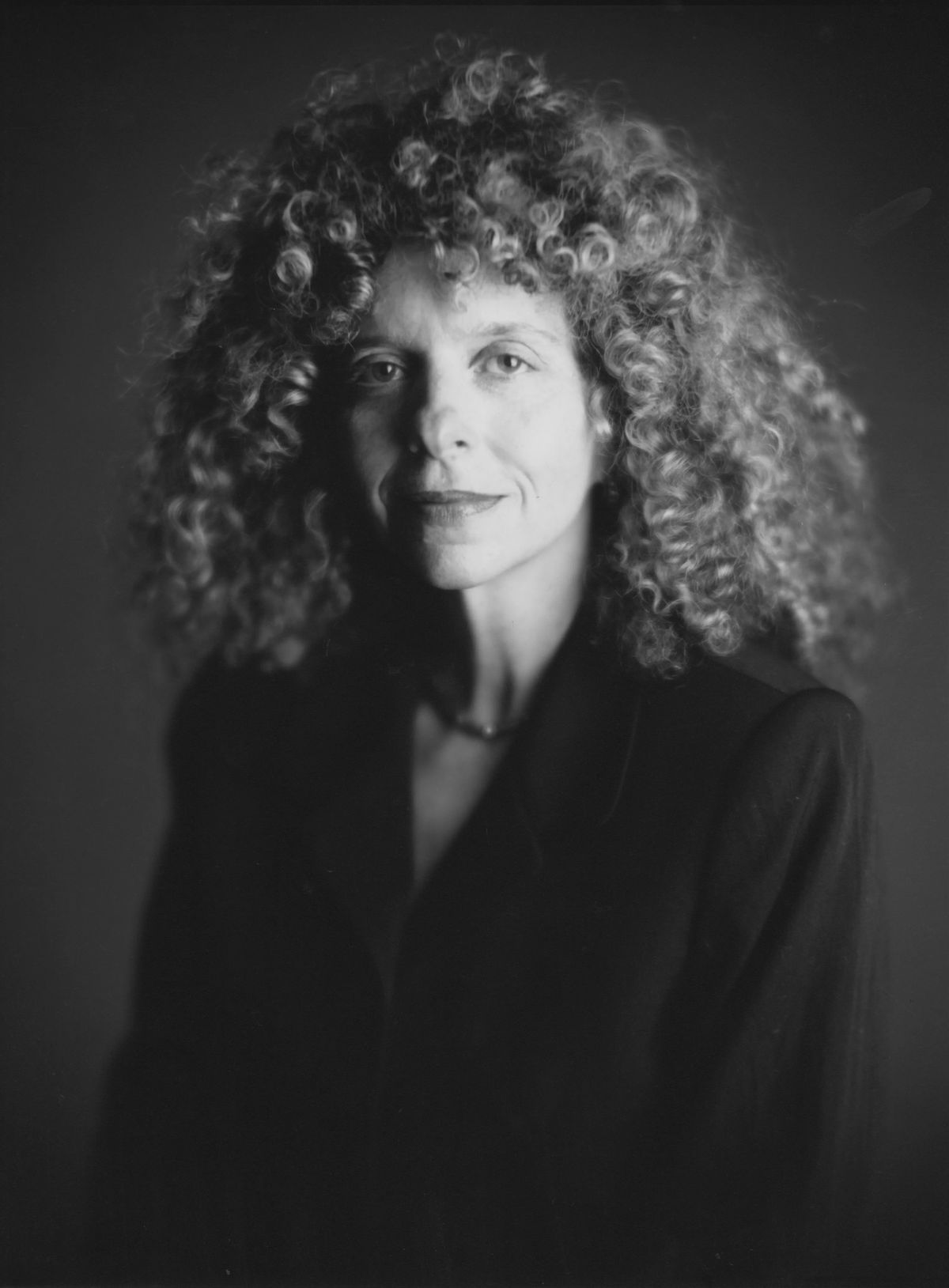
Barbara Kruger, working in graphic design's vernacular with her signature red, white, and black compositions, weaponized advertising language against itself. Her declarative statements about ownership, desire, and the body, including the celebrated Your Body Is a Battleground from 1989, moved gender criticism directly into public space and the mass media ecosystem that shapes everyday consciousness. The 1990s brought a new generation of artists who complicated the earlier focus on the female body by insisting on the full spectrum of gender identity and sexual orientation. The exhibition Bad Girls, which opened at the New Museum in New York in 1994, captured a moment when irreverence and pleasure had entered the toolkit alongside critique.
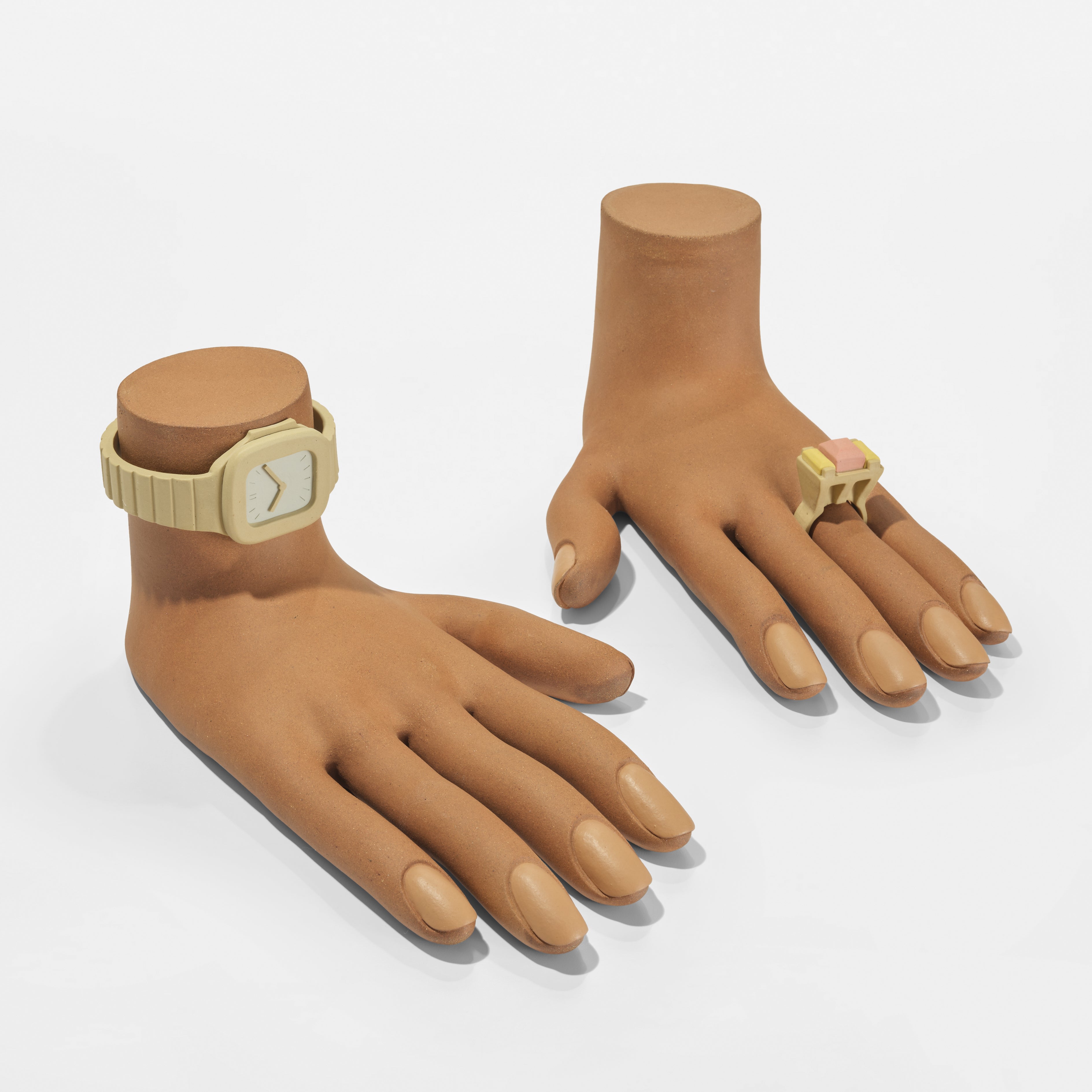
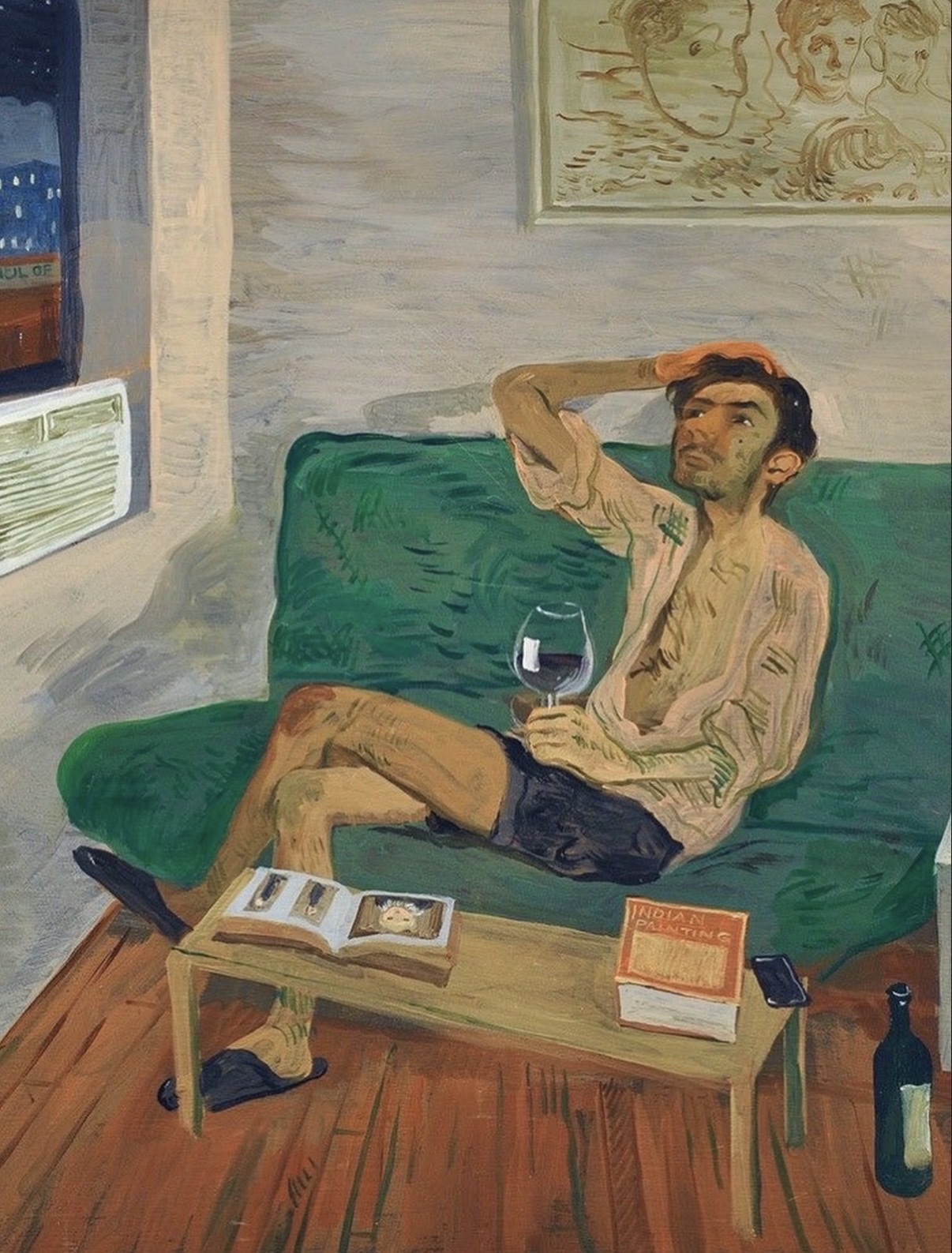
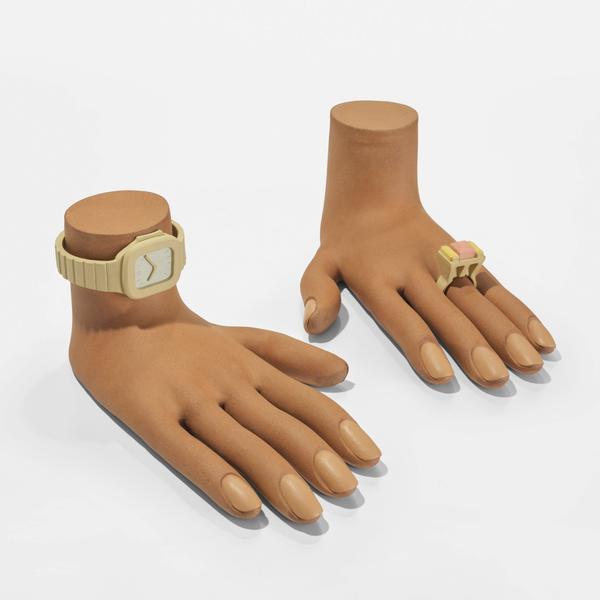
Genesis Belanger, whose ceramic and resin sculptures animate lipsticks, cigarettes, and disembodied hands with a queasy consumer glamour, carries something of that spirit into the present while deepening its philosophical underpinning. Her work asks what desire has been taught to look like, and whether we can want things differently if we understand how our wanting was shaped. The hand that reaches for the product and the product itself become equally strange under her scrutiny. Miriam Cahn, the Swiss painter whose practice spans more than four decades, brings a rawness to questions of gender and the body that refuses the comfort of aesthetic resolution.
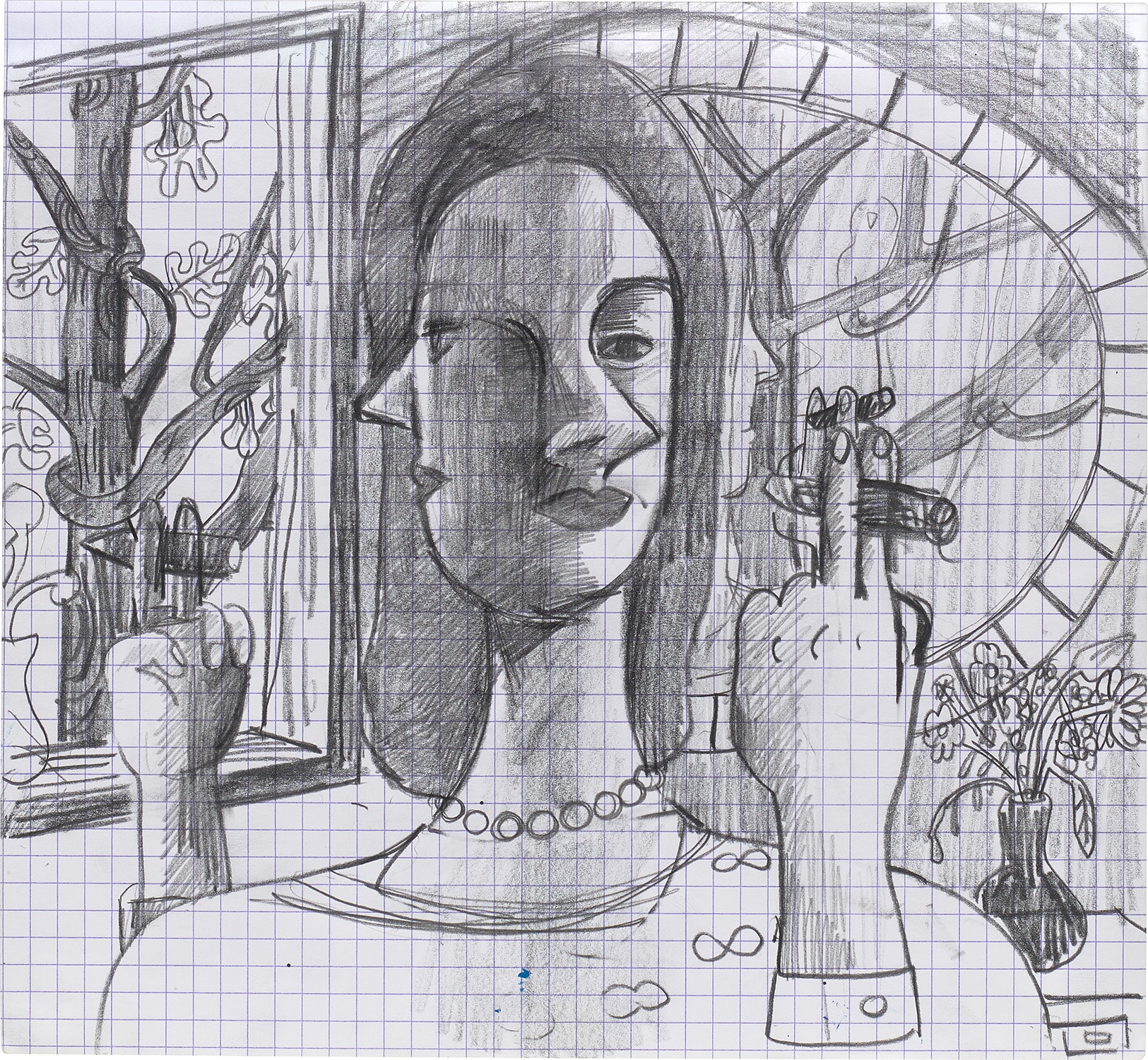
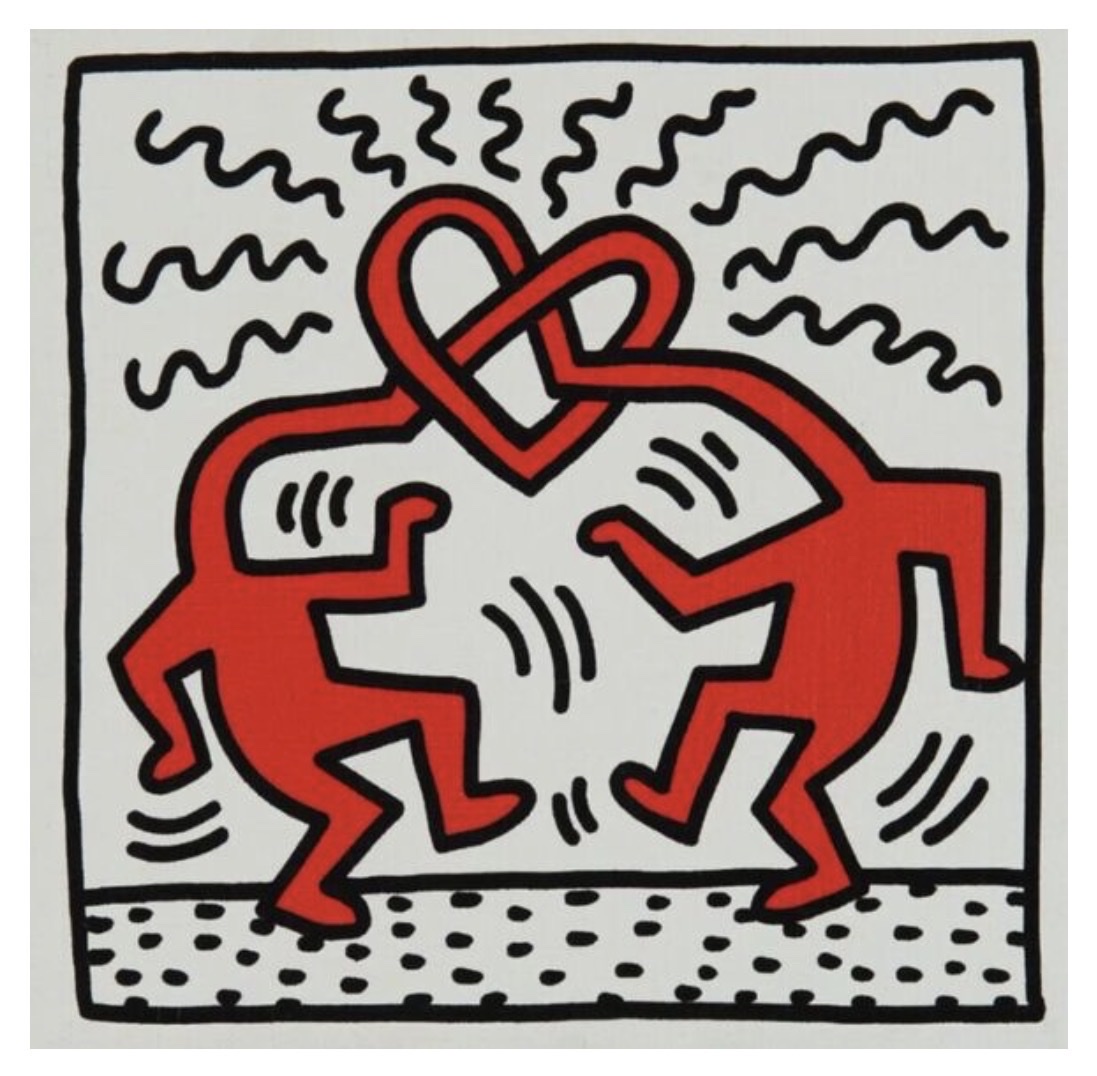
Robert Indiana
He She
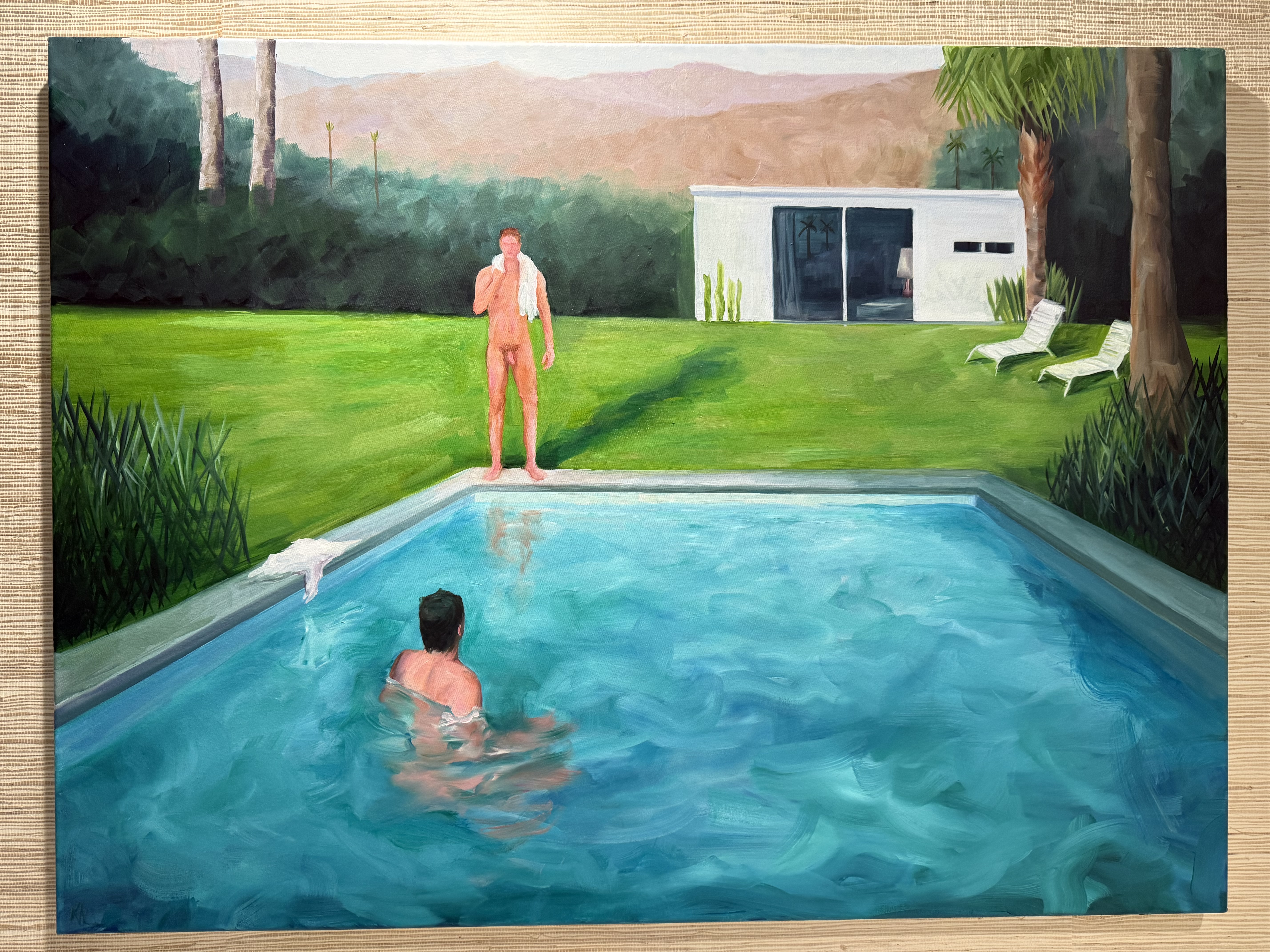
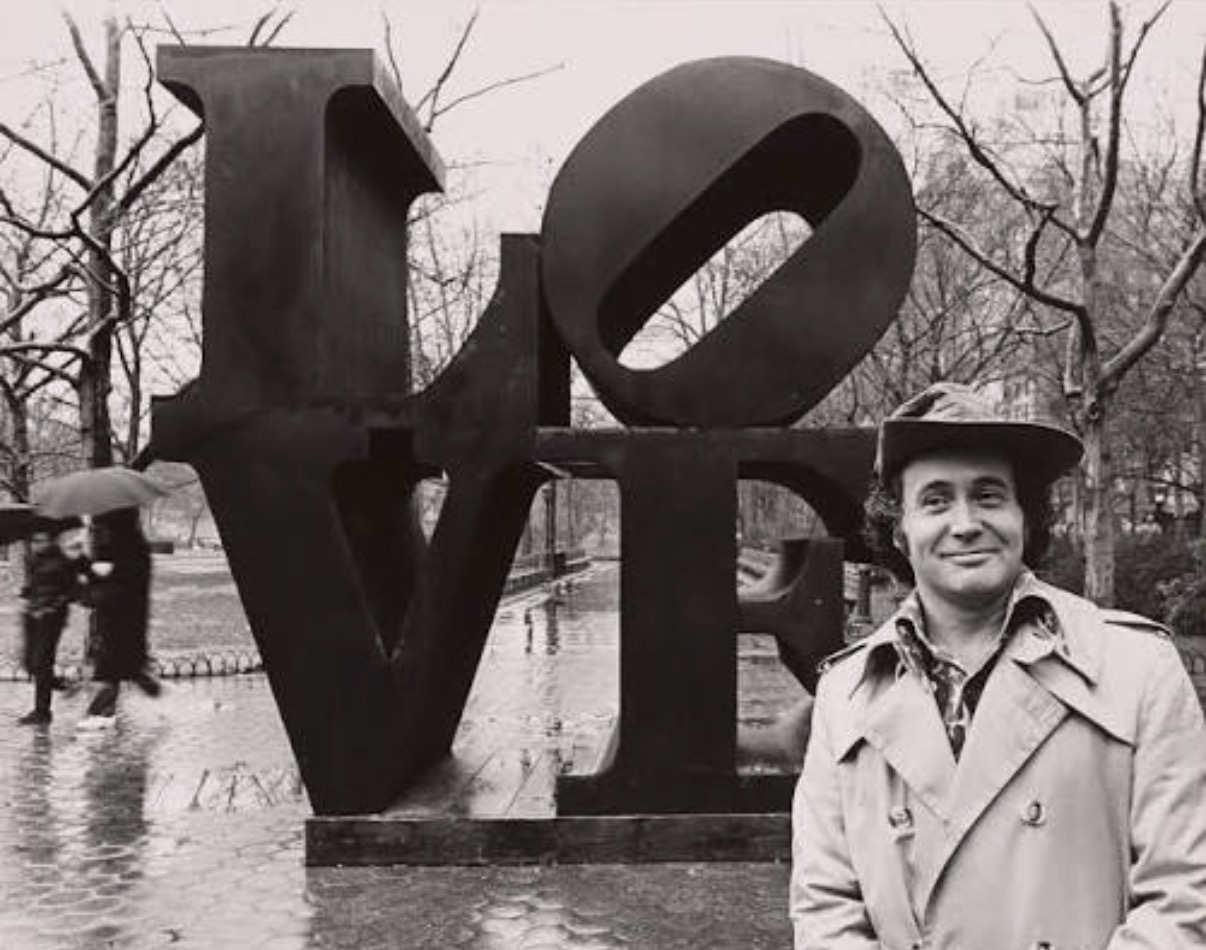
Her figures, often rendered in gestural, almost convulsive paint, occupy states of vulnerability that refuse to be either heroic or abject in any stable sense. Cahn's work insists that bodies are sites of political violence as much as personal experience, and her retrospectives in recent years at institutions including Palais de Tokyo in Paris have introduced her to audiences who find in her paintings a necessary counterweight to the more theoretically polished approaches that dominate art fair conversations. GaHee Park, whose lush and myth inflected canvases place female figures in dreamlike confrontation with animals and interior spaces, suggests that the history of women in Western painting is a haunted house worth moving through rather than away from. Robert Indiana, represented here in a different register, reminds us that gender studies as a field is also inseparable from the history of queer identity and its representation.
Indiana's biography and his long relationship with the poet Robert Duncan and the artistic community of Coenties Slip in lower Manhattan in the early 1960s situate LOVE and its descendants within a queer artistic network that mainstream art history took decades to acknowledge fully. Vagrich Bakhchanyan's work, shaped by his experience as a Soviet Armenian emigre, offers another angle on how identity is constructed under ideological pressure, gender among the many registers in which official culture attempts to discipline the self. What is most striking, surveying this terrain across sixty years, is how consistently the artists working within it have refused to let gender become merely a subject matter. It remains, in the best of this work, a method, a way of asking how looking is organized and who benefits from those arrangements.
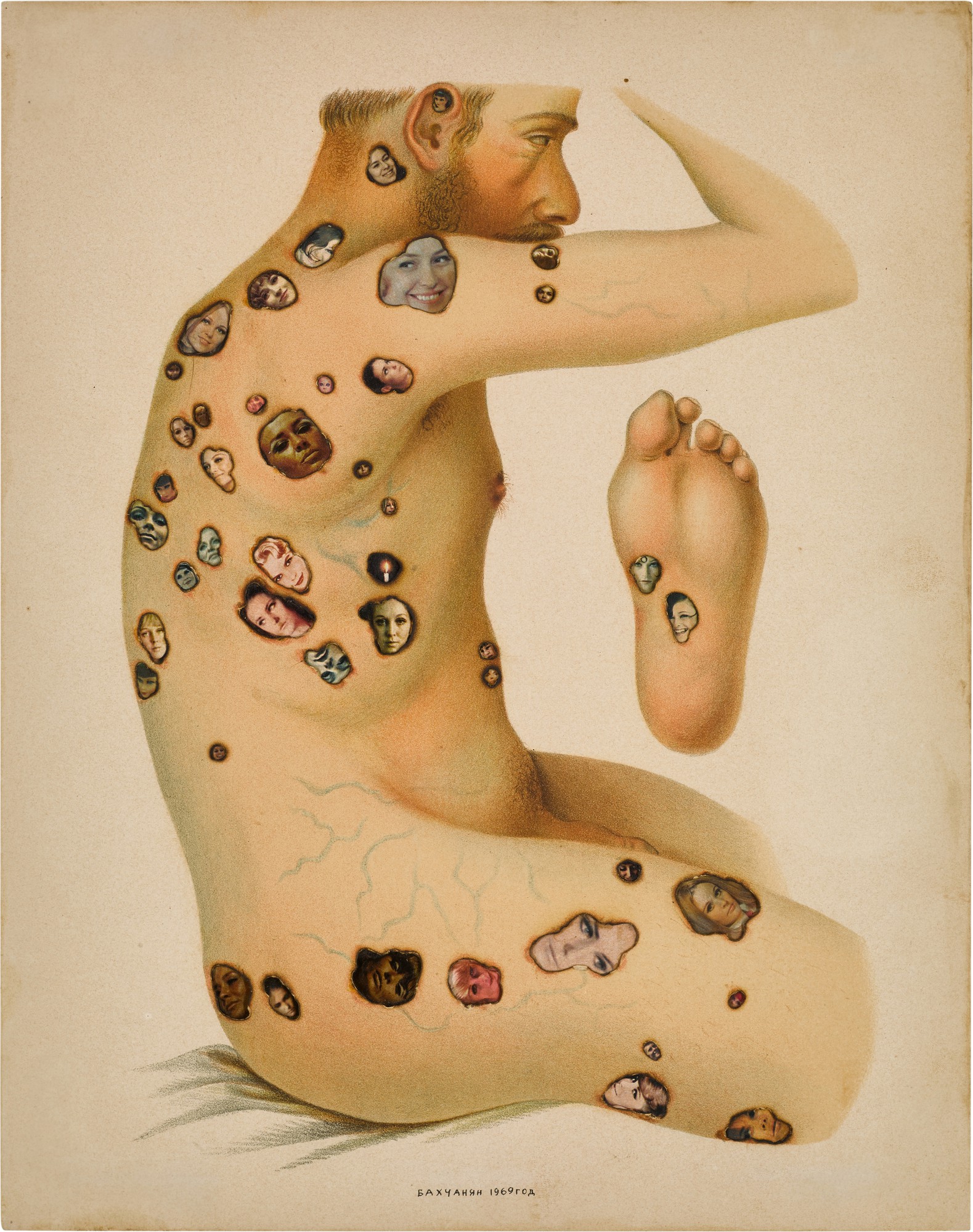
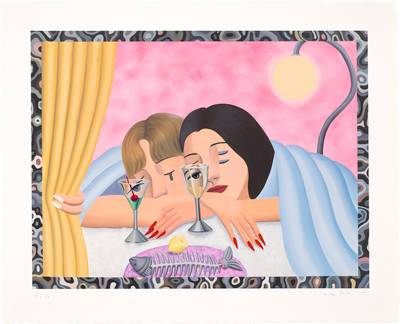
Vagrich Bakhchanyan
Man and Woman (two works)
The works gathered on The Collection across this theme do not form a tidy argument. They form something more valuable: a set of productive disagreements about bodies, power, representation, and the stubbornly political act of making something beautiful or difficult or both at once. That conversation is nowhere near finished.