French Impressionism
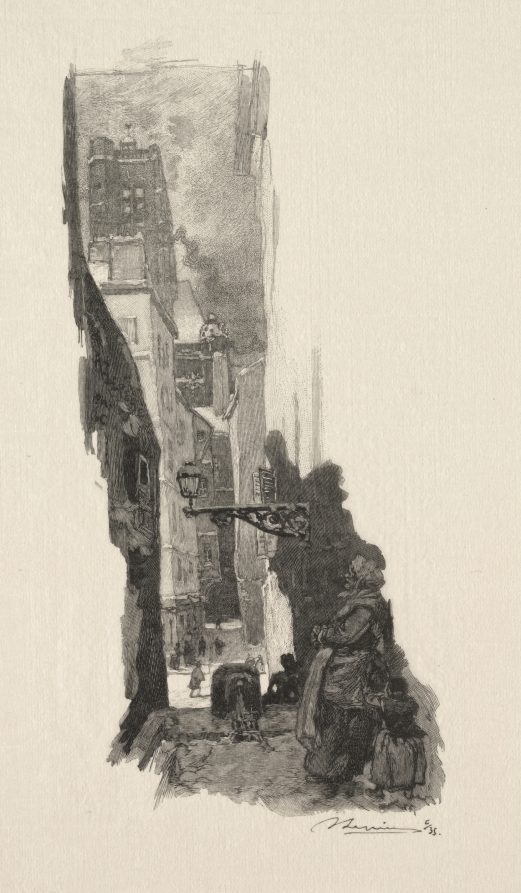
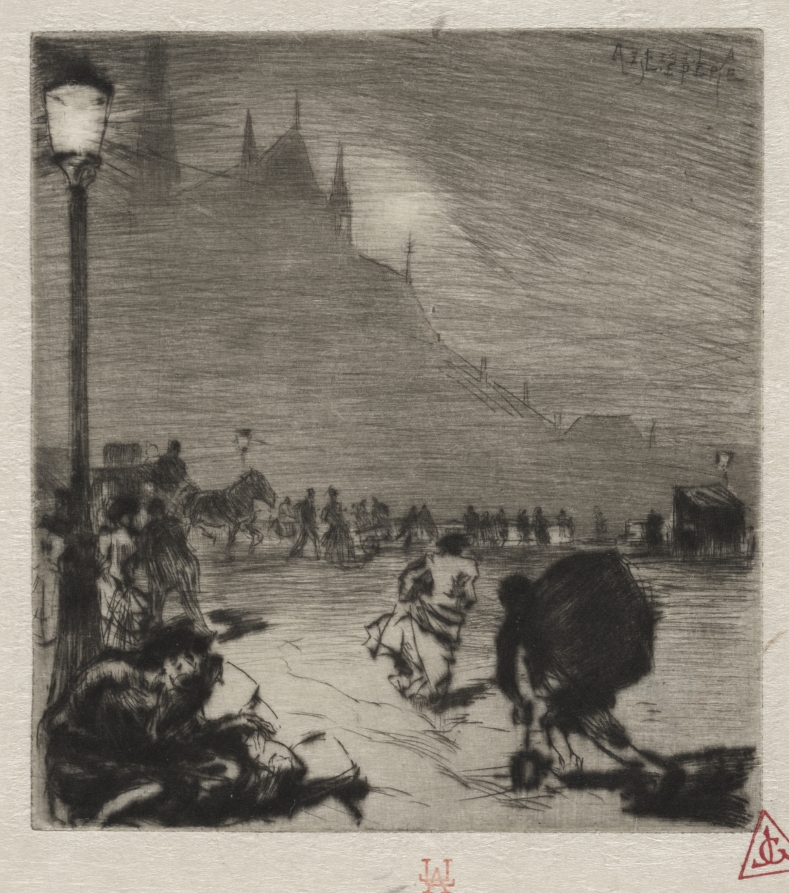
Auguste Louis Lepère
Rue Grenier sur l'Eau, 1870

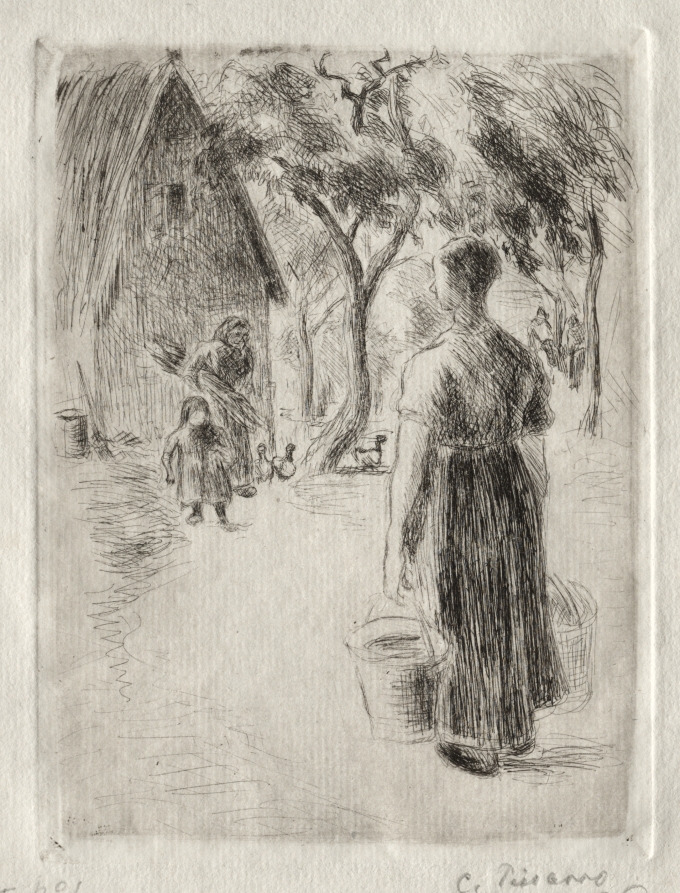


The Light That Never Goes Out of Style
There is a reason collectors keep coming back to French Impressionism. Not nostalgia, not familiarity, though both play their part. It is something more physical than that. These paintings were made to be lived with, to change throughout the day as the light shifts across them, to reward the kind of slow looking that museums rarely allow.
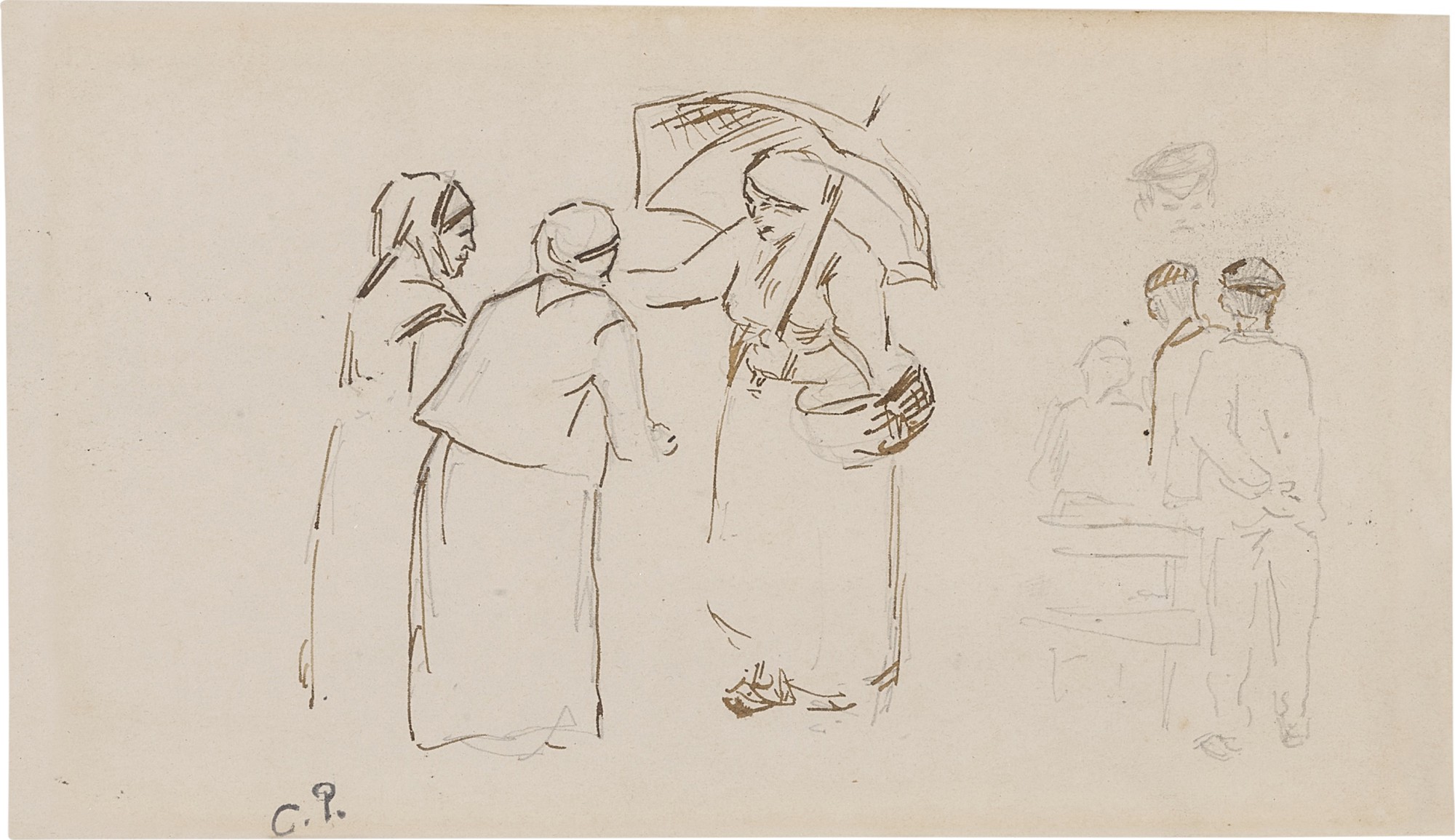
A Camille Pissarro orchard in morning haze or a Henri Le Sidaner garden at dusk operates differently on your eye at eight in the morning than it does at six in the evening, and that quality of lived experience is genuinely rare in the history of painting. For collectors who spend serious time with their acquisitions, that variability is not a flaw in the work. It is the whole point. What separates a good Impressionist work from a truly great one is harder to articulate than people expect.
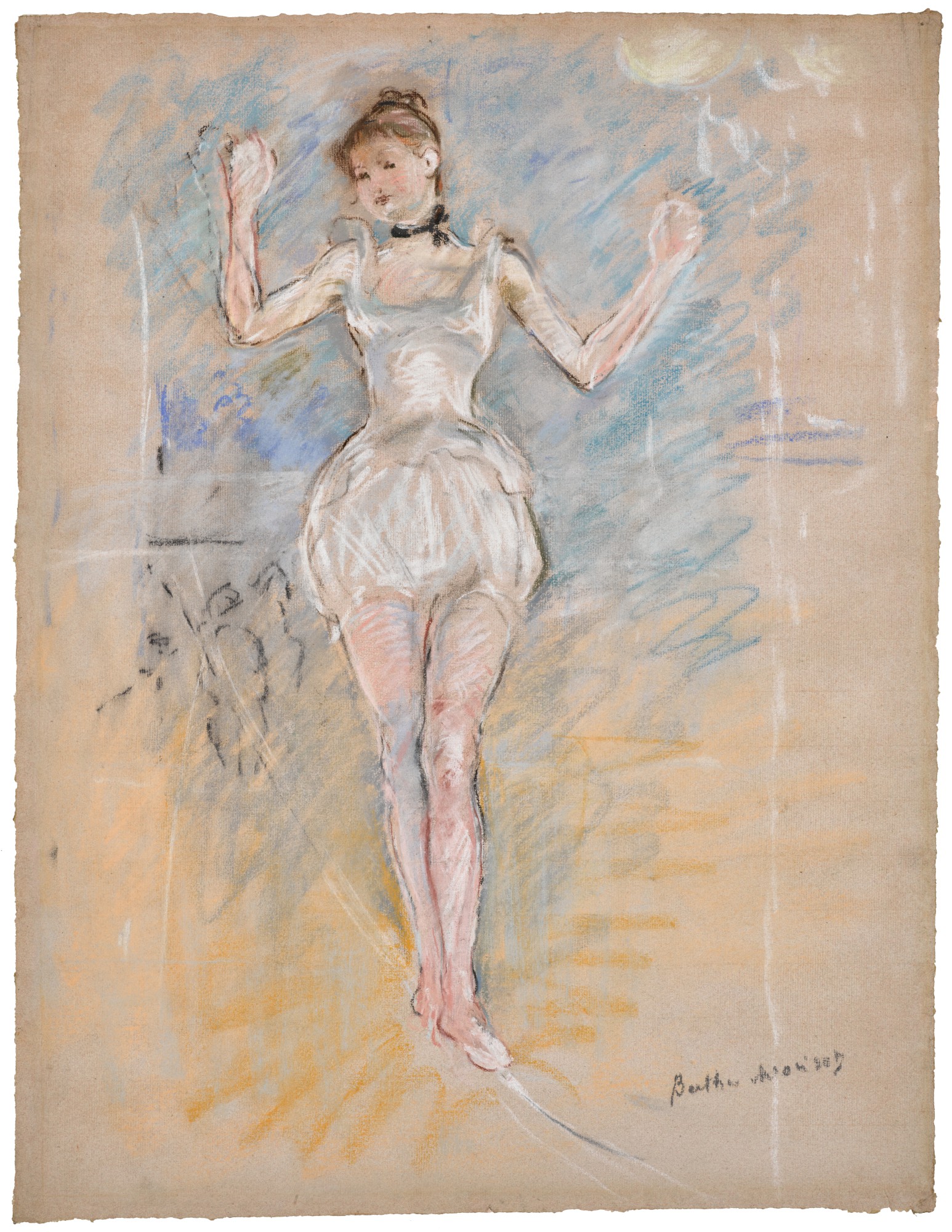
Berthe Morisot
Danseuse de corde, 1886
Technical bravura matters, but it is not sufficient. The best works in this tradition carry a quality of immediacy that survives the passage of time without becoming merely decorative. Look for paintings where the artist has resisted the urge to resolve everything, where the brushwork at the edges still hums with energy and the composition feels discovered rather than arranged. Berthe Morisot understood this instinctively.
Her works, often undervalued for decades simply because the market was slow to fully reckon with women artists of her generation, have a looseness and psychological presence that puts many of her male contemporaries to shame. When you are looking at a canvas and feel slightly off balance by how much feeling the artist has packed into so little apparent effort, that is usually a sign you are looking at something worth owning. Subject matter plays a role in both quality and market value. Works depicting the Seine, Normandy coastlines, Parisian boulevards, and the leisure spaces that defined bourgeois life in the Third Republic carry consistent demand.
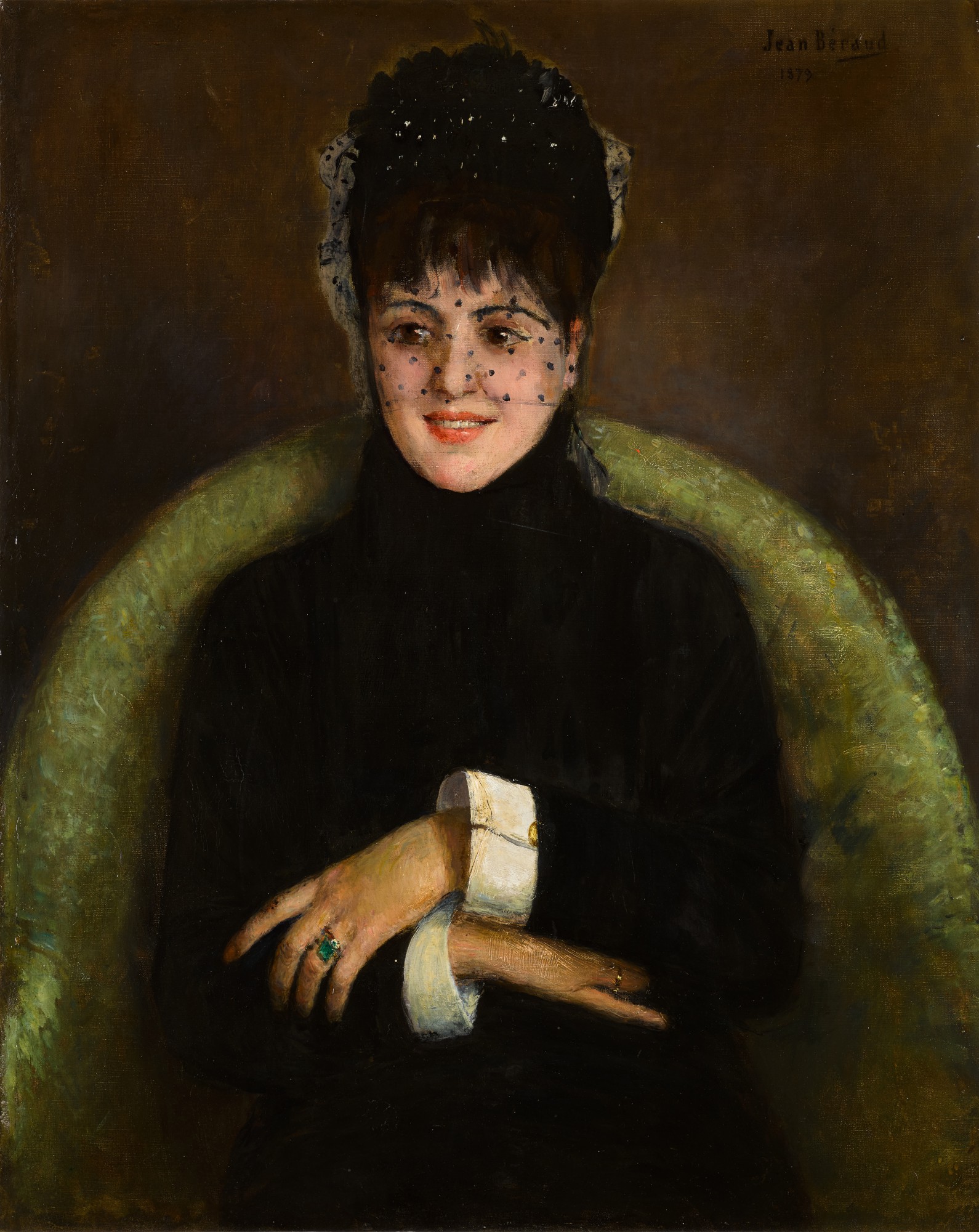
Jean Béraud
Elegante à l'Emeraude
Jean Béraud built his entire practice around the social theatre of late nineteenth century Paris, and his street scenes remain compelling precisely because they document a world that felt modern and provisional rather than monumental. His paintings appeal to collectors who want Impressionism with a social edge, something with narrative texture beneath the shimmer. The question to ask yourself when considering any work is whether the subject energizes or merely decorates the painter's touch. When those two elements are in genuine dialogue, the work holds.
The strongest collecting opportunities right now lie in what might be called the adjacent generation, artists who worked in the wake of the great Impressionists and synthesized their innovations with other currents. Raoul Dufy, whose career extended well into the twentieth century, brought an almost musical lightness to color and line that made him beloved in his own time and somewhat underrated in ours. His prices reflect that ambivalence, which means there is real value to be found. Albert Marquet, who trained alongside Matisse and briefly ran with the Fauves before settling into a quieter, more observational mode, is another figure whose work consistently rewards collectors who take the trouble to look carefully.
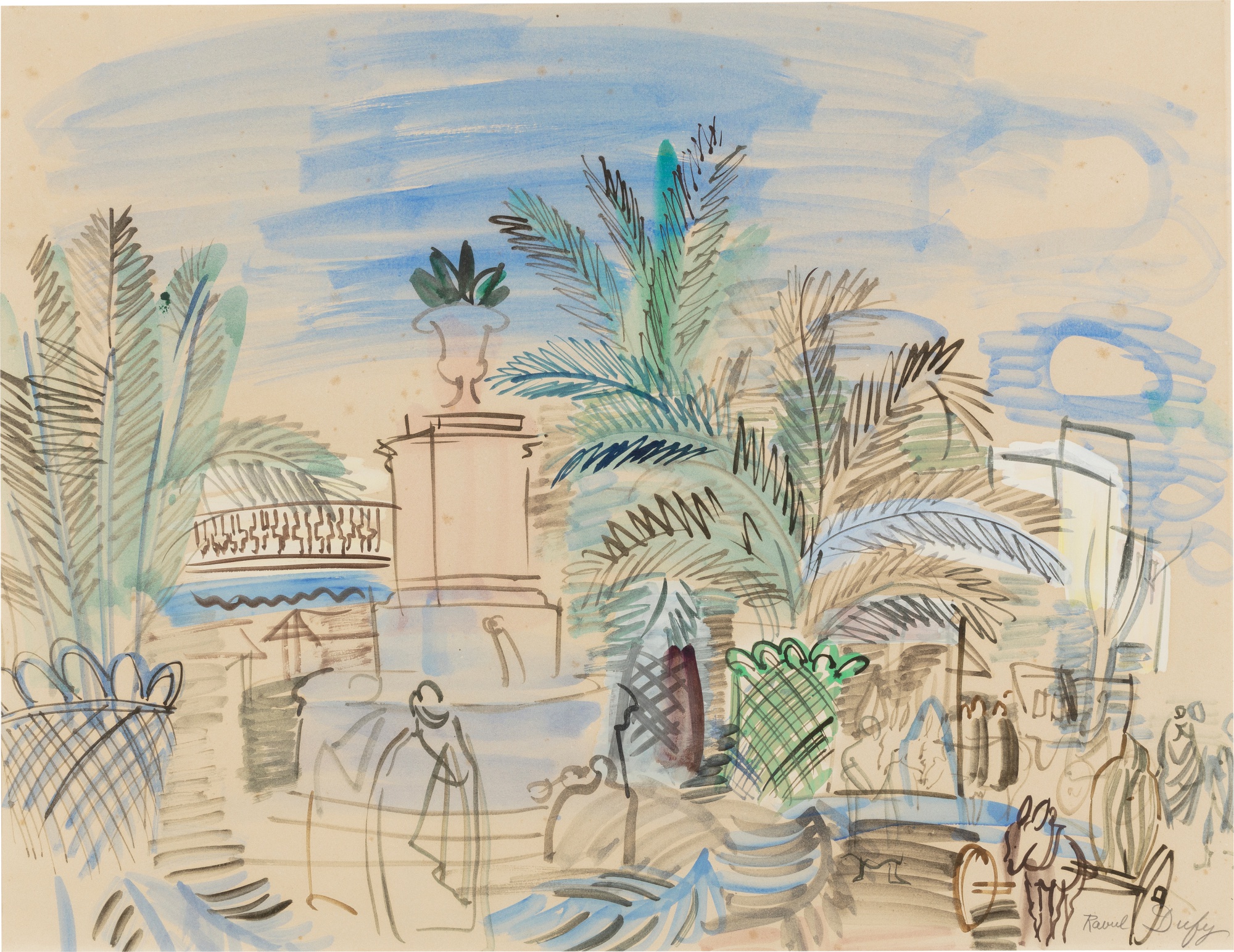
Raoul Dufy
Marché à Tlemcen, 1926
His harbor scenes have a stillness that feels almost contrary to his era, and that restraint now reads as sophisticated rather than cautious. Works by Marcel Dyf, who carried the Impressionist tradition deep into the postwar period with genuine conviction, offer another entry point for collectors who want the warmth and technique of the tradition without the auction house premiums that attach to canonical names. The secondary market for French Impressionism is one of the most liquid in the art world, which cuts in both directions. The depth of demand means that strong works by recognized names rarely languish, but it also means that mediocre works get carried along by the reputation of a movement rather than the quality of an individual canvas.
At the major auction houses, works by Pissarro, Morisot, and Matisse regularly achieve results that reflect the broader health of the market rather than anything specific to the individual lot. That liquidity is reassuring for resale but can obscure real differences in quality at the point of purchase. The more interesting action often happens at the middle tier of the market, where works by artists like Hughes Claude Pissarro, the grandson of Camille, trade at prices that still feel accessible relative to their quality and the cultural weight of the name. Auction estimates for works in this part of the market tend to be conservative, which creates genuine room for upside when condition and subject align.
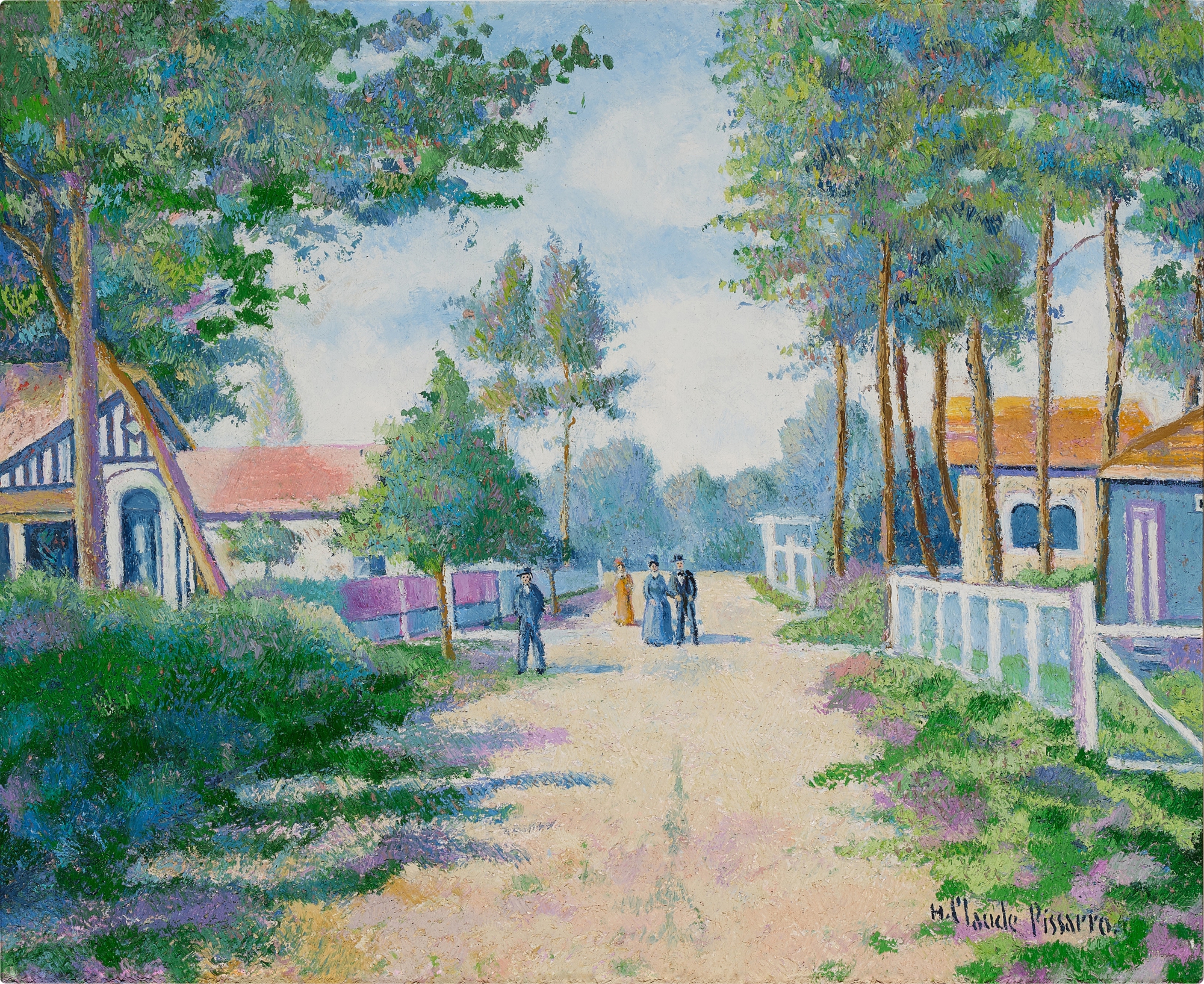
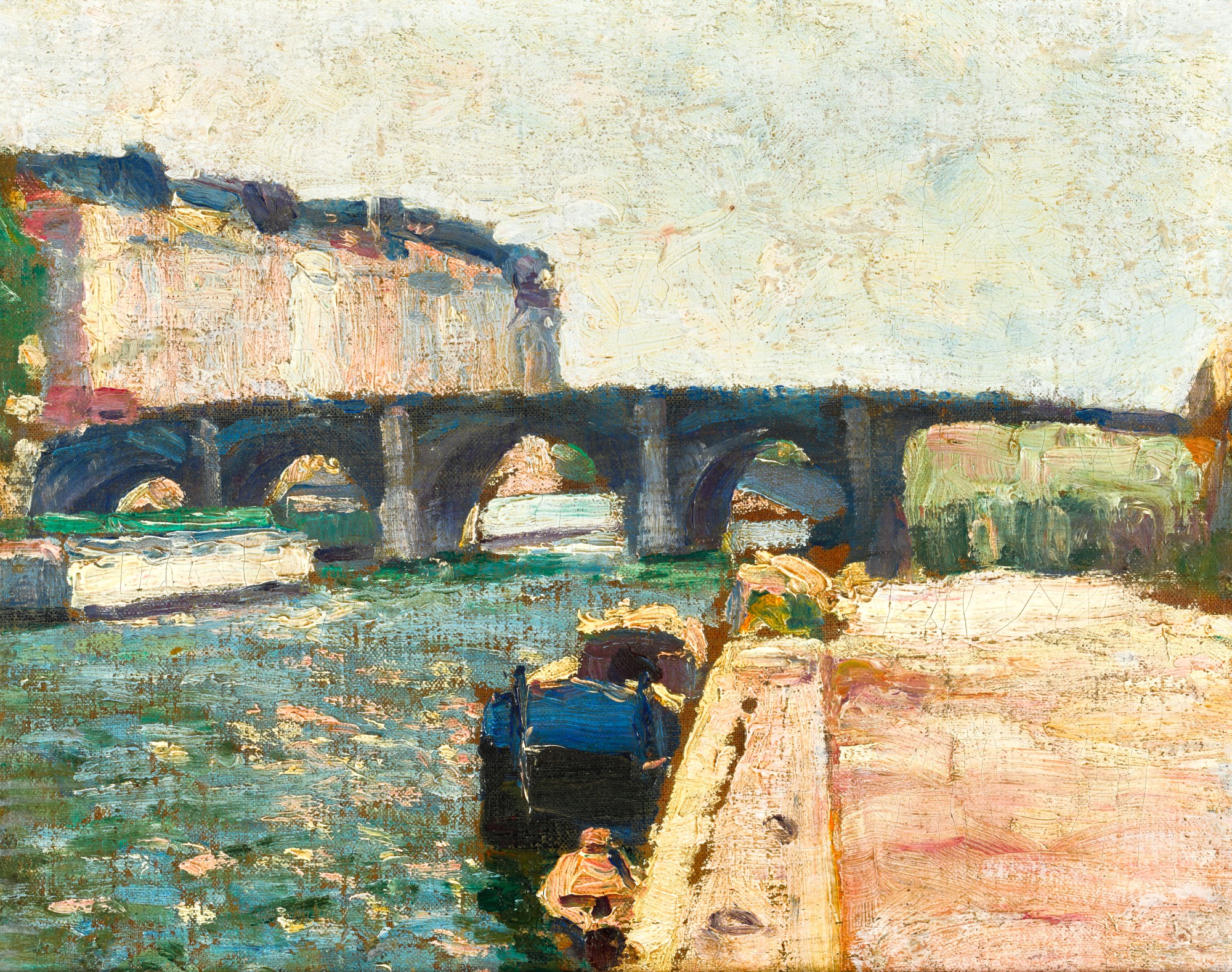
Hughes Claude Pissarro
La Rue de la mer Mauret - Bassin d’Arcachon
Condition is everything in this category in ways that surprise even experienced collectors. Impressionist paintings, particularly those on canvas from the 1870s and 1880s, are often more fragile than they appear. Ask for a full condition report and ideally a report under ultraviolet light before committing to any significant purchase. Relining and old inpainting can be disguised under a heavy varnish layer, and a painting that looks pristine under gallery lighting may tell a different story under examination.
Display considerations matter too. These works were rarely made for bright, direct illumination. The paintings of Auguste Louis Lepère, who worked primarily as a printmaker and watercolorist but brought enormous sensitivity to light in all his work, are especially susceptible to fading if hung in direct sunlight. Humidity control is equally important for works on paper, which constitute a significant and often underpriced segment of this tradition.
When approaching a gallery or private dealer about a work in this space, the most useful questions are not about provenance alone, though provenance matters enormously. Ask about exhibition history, which tells you something about how the work has been regarded by specialists over time. Ask whether the work has ever been offered at auction and, if so, why it is back on the market. Ask about the condition relative to other works the dealer has handled by the same artist.
A good dealer will answer these questions with specificity and without defensiveness. The artists represented on The Collection, from Blanche Hoschedé Monet, who studied directly under Claude Monet and whose works carry that intimacy with the movement's inner life, to Maurice de Vlaminck, who pushed color to its outer limits while remaining rooted in the Impressionist inheritance, offer a genuine cross section of this tradition at its most vital. The key is knowing which questions to ask before the painting is already on your wall.