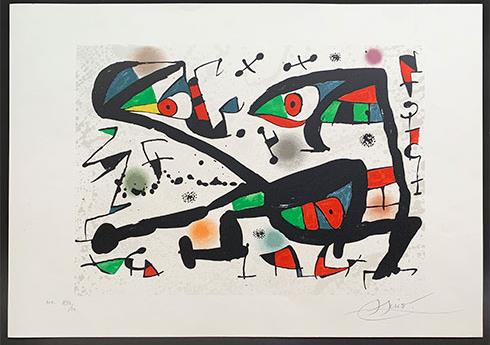
Fashion Subject
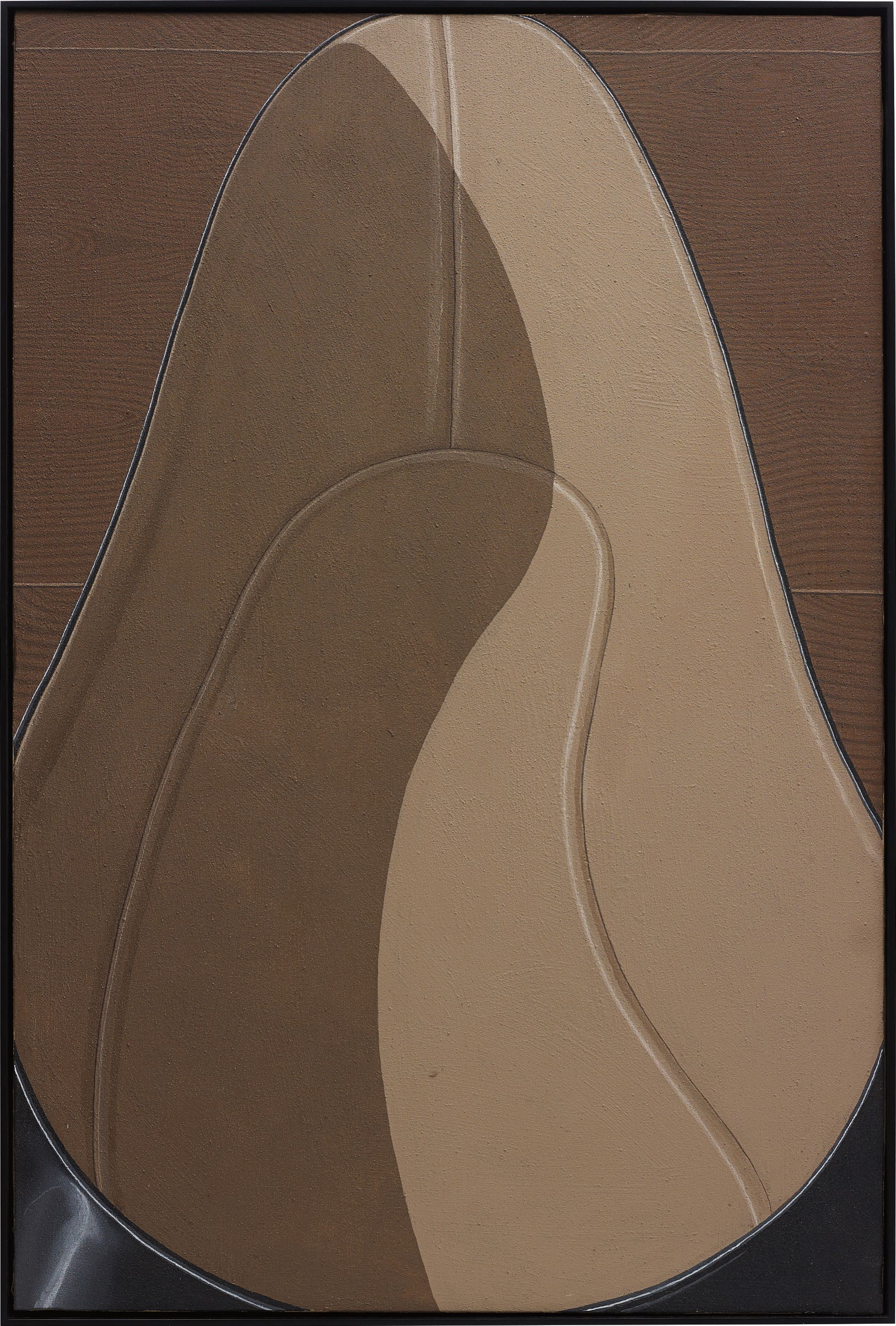
Domenico Gnoli
Inside of Lady's Shoe
Dressed to Obsess: Collecting Fashion as Art
There is something quietly radical about a painting of a collar, a zipper, a single button rendered with the devotion usually reserved for saints or gods. Fashion as subject matter in fine art occupies a peculiar and seductive territory, one that collectors find themselves drawn to again and again precisely because it refuses to stay still. It flatters the eye with the familiar, then unsettles it by insisting that a hem or a neckline deserves serious looking. The best works in this vein do not decorate a room so much as they interrogate it, asking the person standing before them why they chose to get dressed this morning, and what that choice reveals.
Living with this kind of work is a particular pleasure. Unlike landscape or portraiture, fashion subject paintings and works on paper carry an intimacy that feels almost conspiratorial. They are objects about objects, surfaces about surfaces. A collector who has spent time around Domenico Gnoli understands this instinctively.
Domenico Gnoli
Inside of Lady's Shoe
Gnoli, the Roman born artist who died at only thirty six in 1970, produced images of fabric, collars, and buttons at monumental scale, stripping away the body and leaving only the garment as a silent protagonist. These works have a stillness that is almost surreal, and living with one is like living with a very polite but deeply strange house guest who never quite reveals their intentions. When collectors ask what separates a good work in this category from a great one, the answer almost always comes down to psychological pressure. The great works do not merely depict clothing; they load it with meaning, tension, or wit.
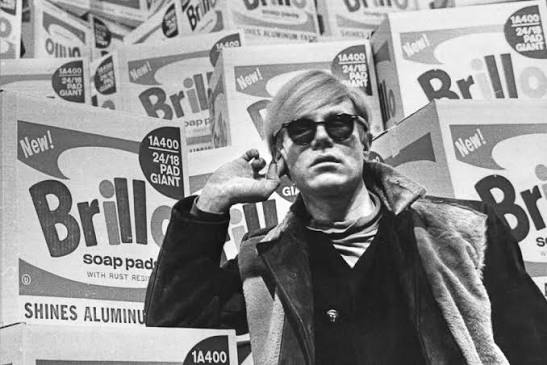
A sleeve is never just a sleeve. Look for works where the artist has made a genuine formal decision, where cropping, scale, color, or repetition creates a sense that something is at stake. Andy Warhol understood this acutely. His engagements with fashion iconography, from the shoe drawings of the 1950s to his later collaborations with fashion magazines, were always about the seduction of the surface and the emptiness lurking just beneath it.
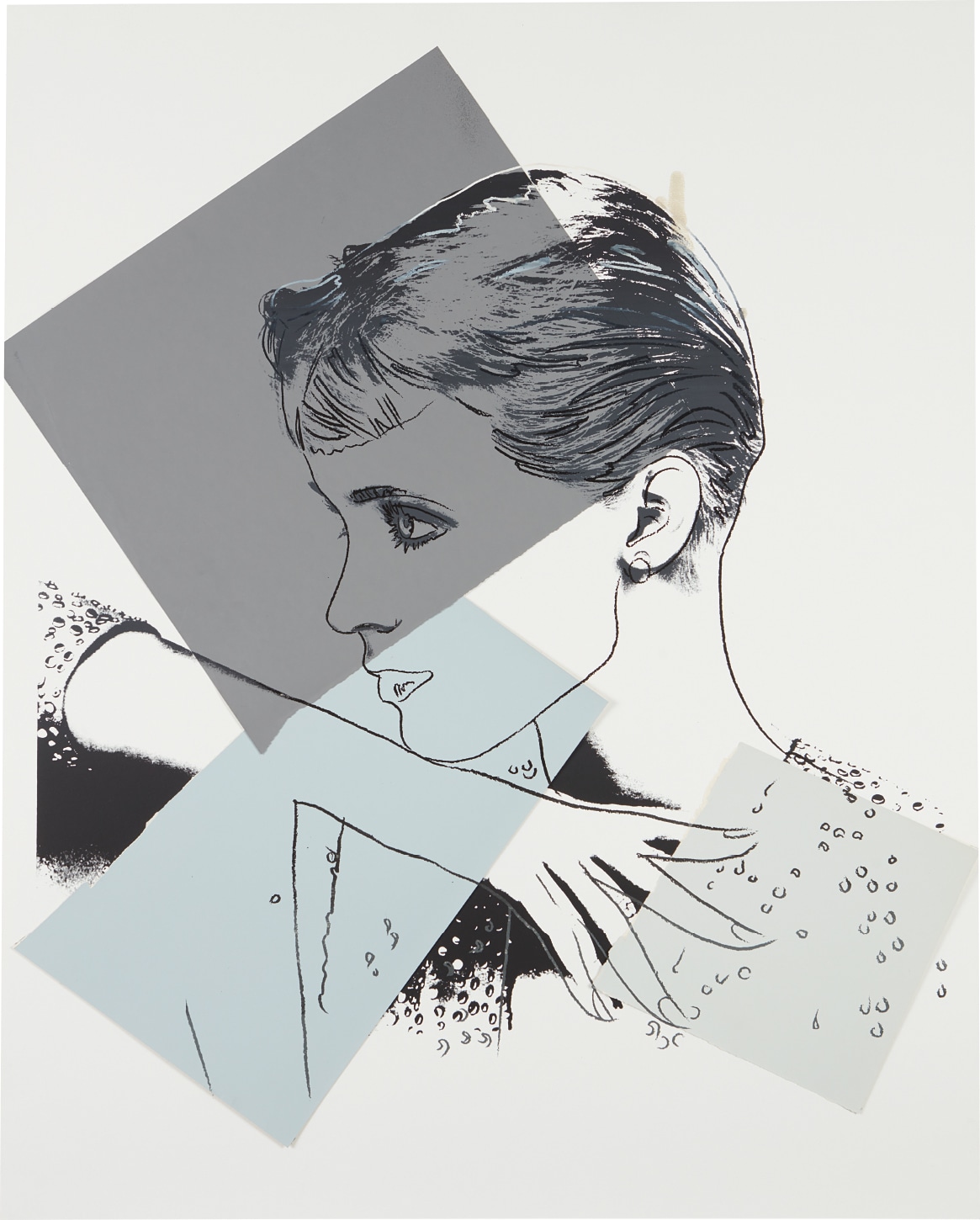
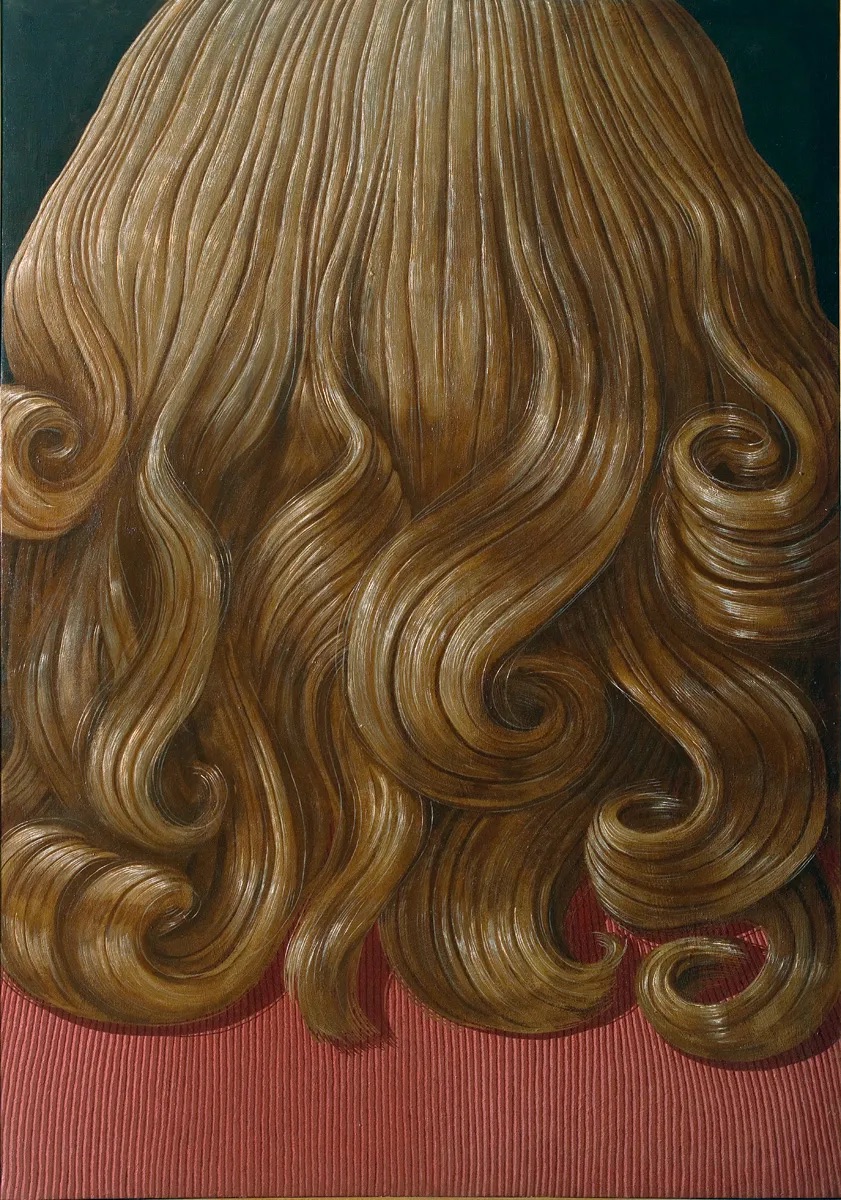
Andy Warhol
Unidentified Woman (Halston Model), 1982
A Warhol in this territory carries the full weight of American consumer culture on its back, and that is not a light load. For collectors building a serious position in this area, the artists on The Collection represent a genuinely instructive range of approaches. Lisa Milroy, the Canadian born London based painter, has spent decades turning everyday manufactured objects including shoes, stamps, and garments into arrays of studied observation. Her work rewards patience; what seems at first like formal coolness opens up into something warm and almost encyclopedic in its curiosity.
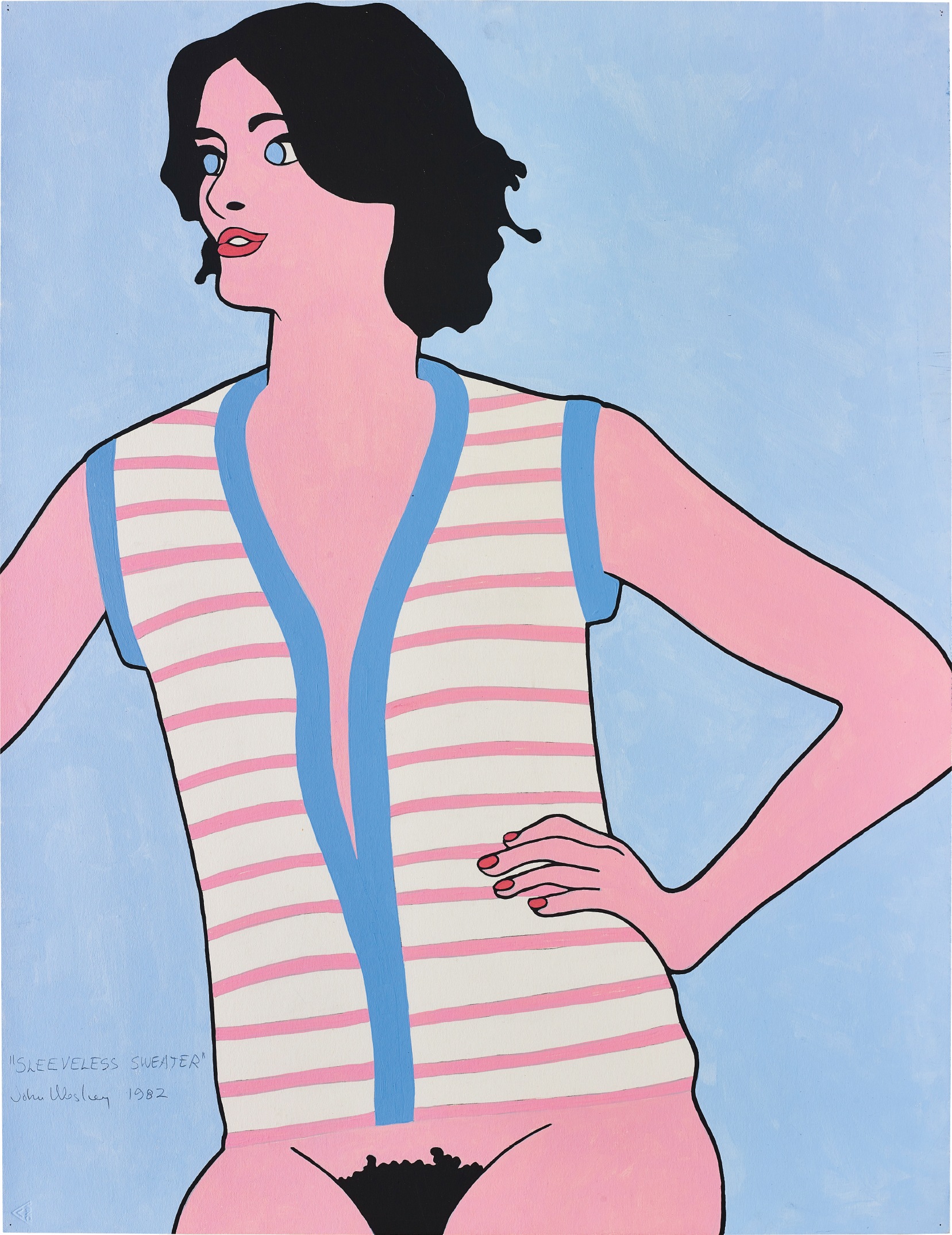
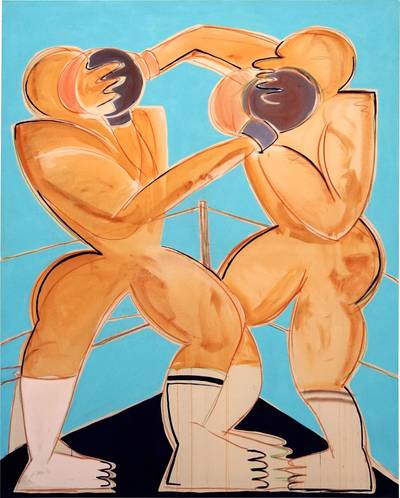
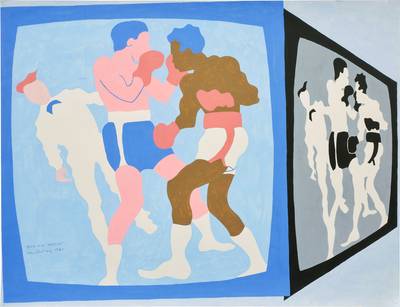
John Wesley, the New York artist whose flat, graphic imagery drew on fashion illustration and advertising, made work that occupies a fascinating space between Pop Art and something far more interior and strange. His prices have risen steadily as a younger generation of painters has acknowledged his influence on the look of contemporary figurative work. Among the most compelling opportunities right now are artists whose relationship to fashion as subject is more psychological than celebratory. Anthony Cudahy, the American painter based between New York and Barcelona, works with found images from fashion photography and vintage print media, weaving together figures and fabrics in compositions that feel at once nostalgic and slightly hallucinatory.
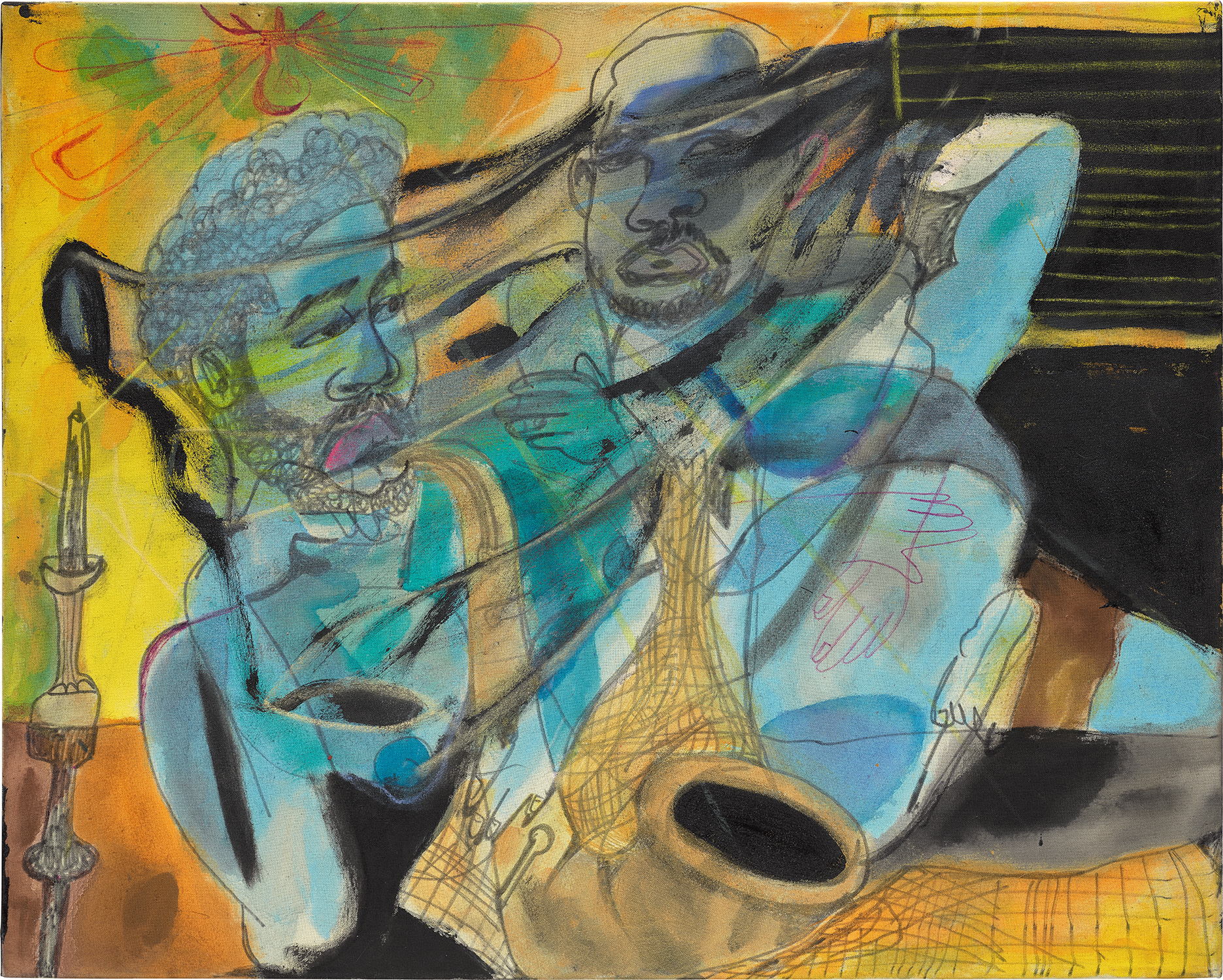
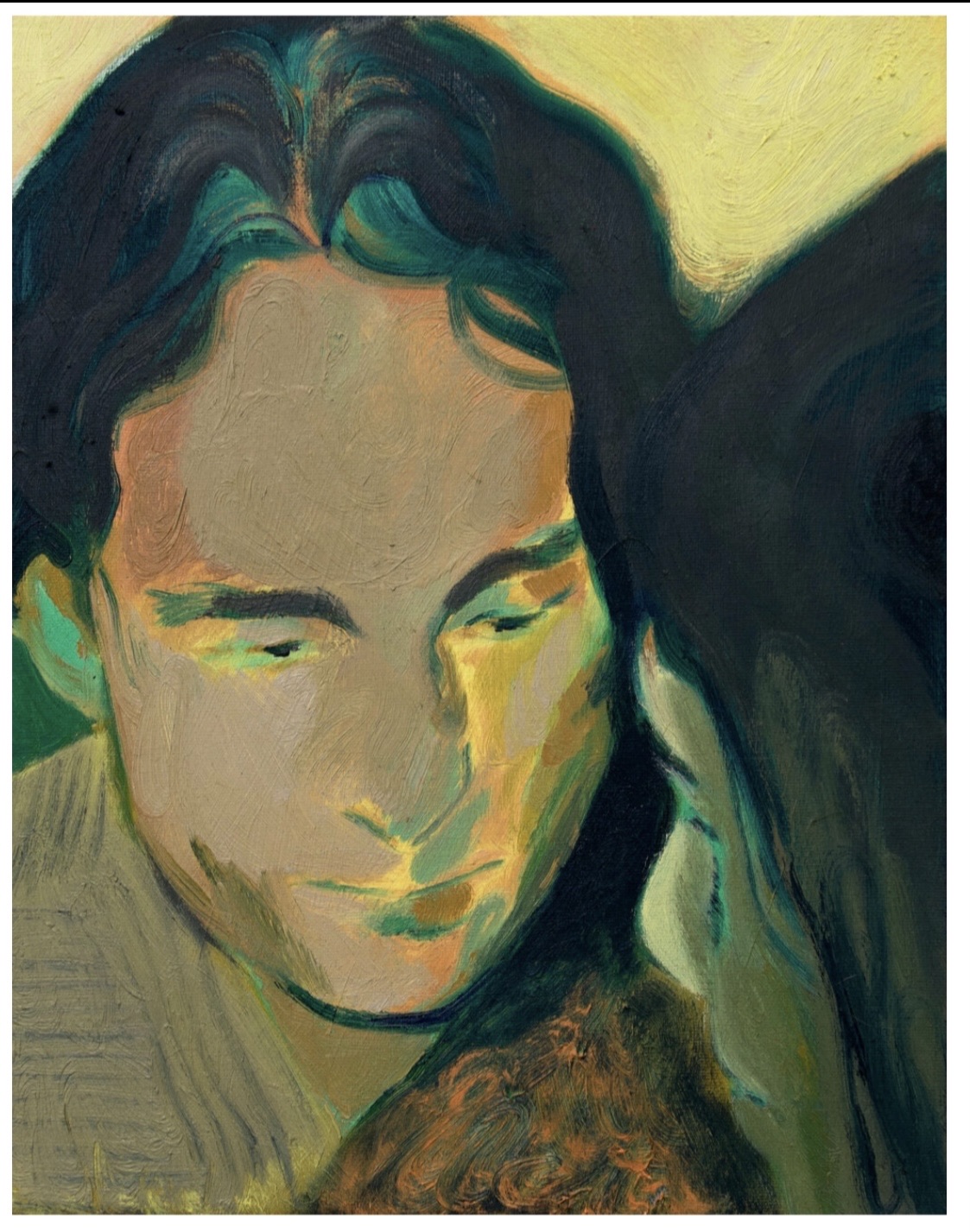
Anthony Cudahy
Dress, 2021
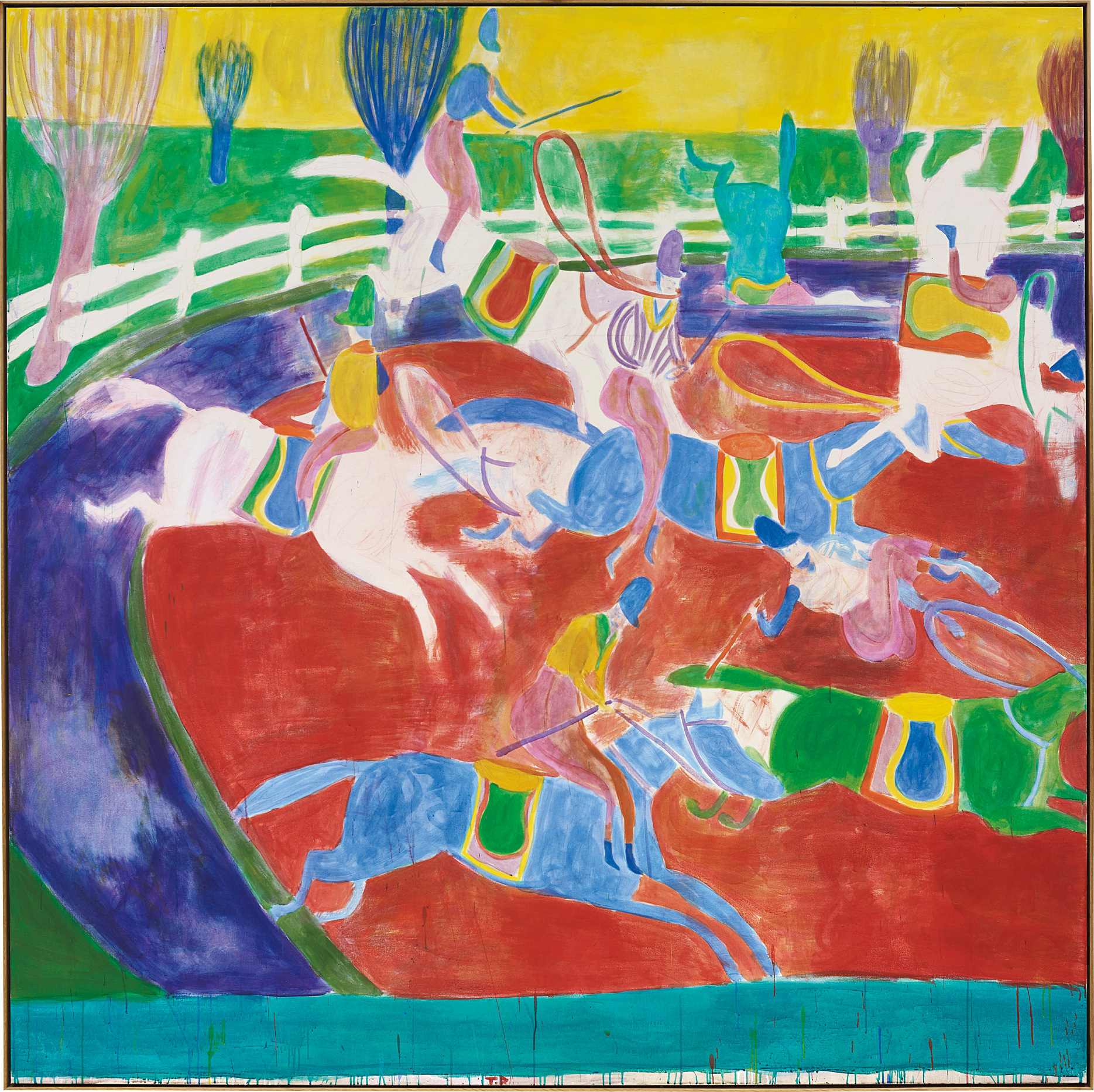
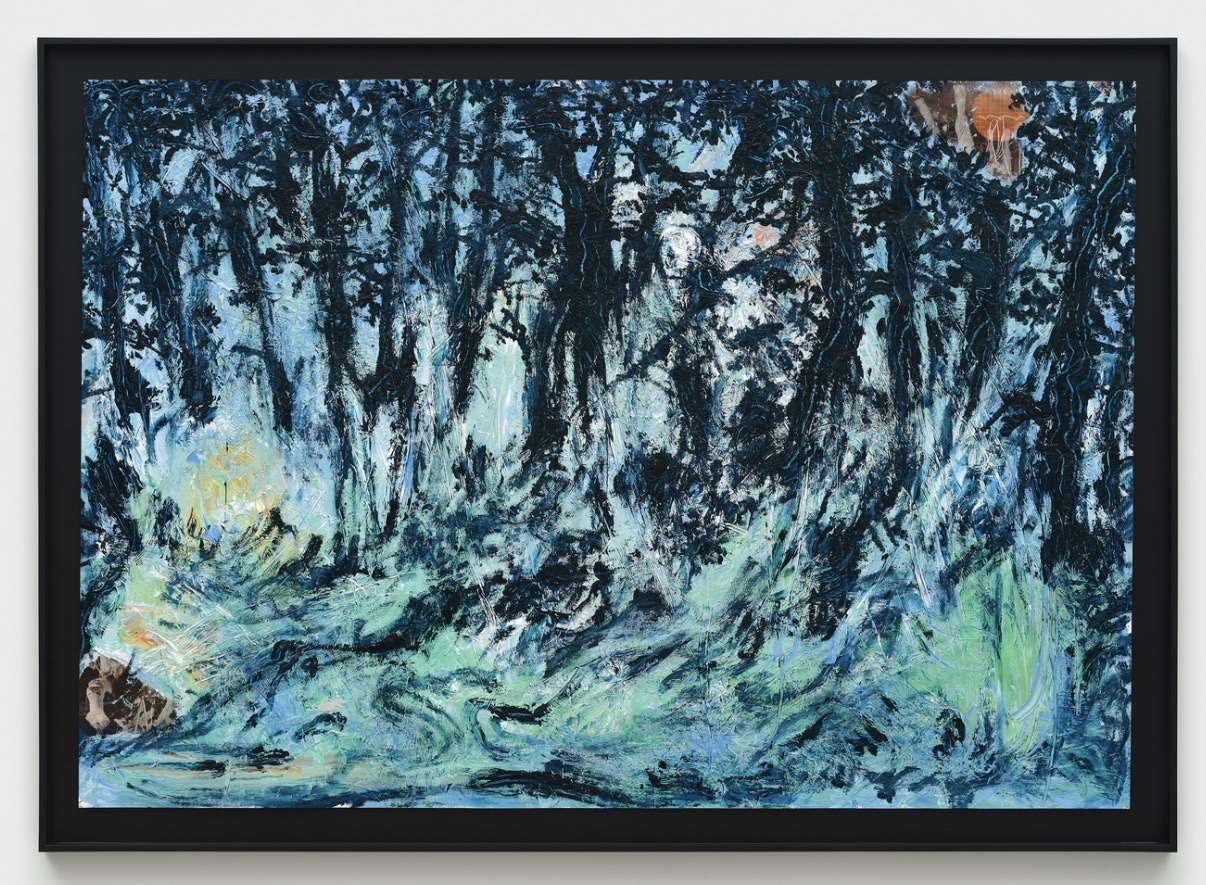
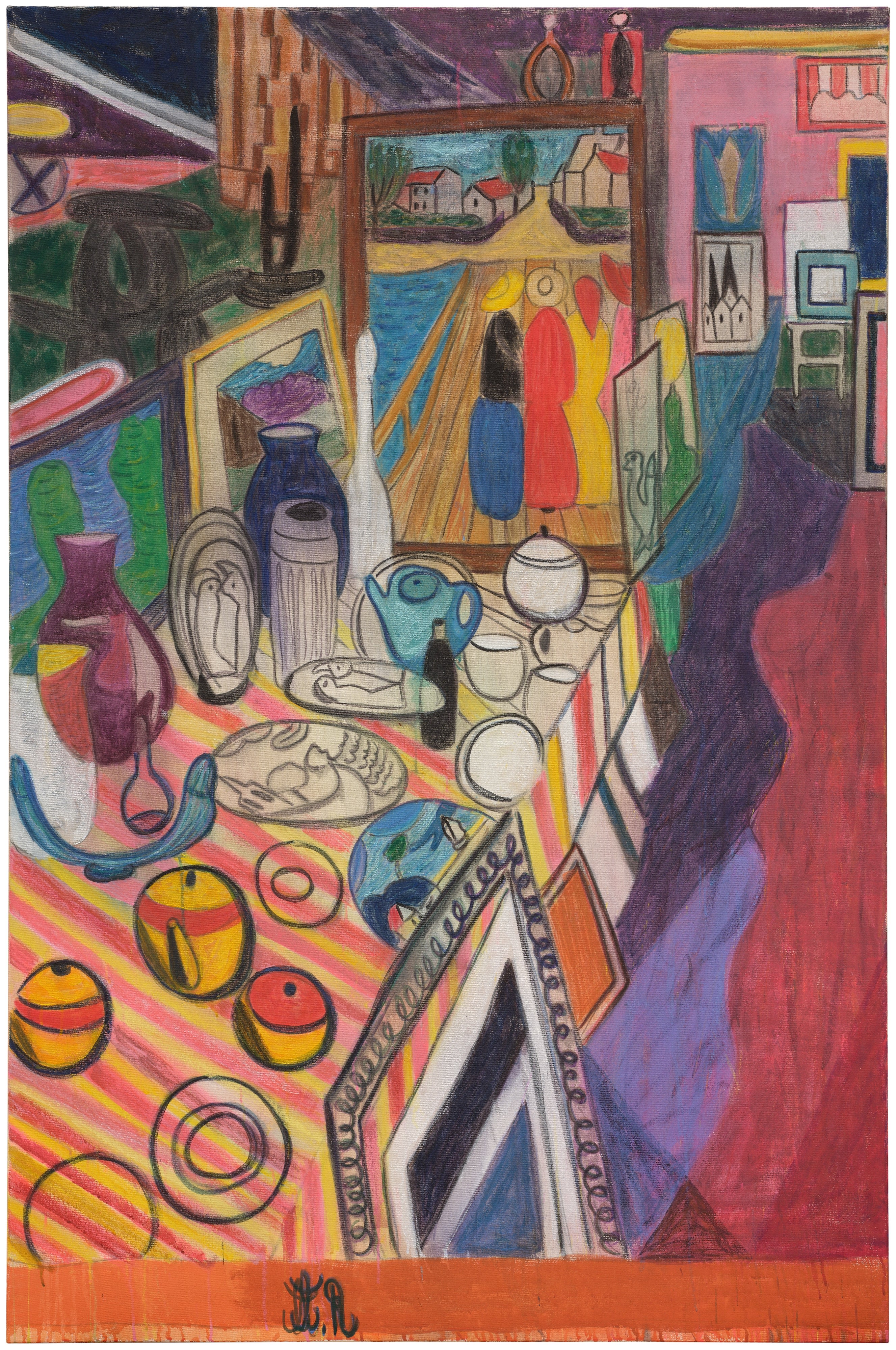
His market has strengthened considerably in recent years as institutional attention has followed collector enthusiasm, and works acquired at gallery prices in the early 2020s have already shown meaningful appreciation at auction. Anastasia Bay, the Belgian painter, brings a similarly loaded gaze to her subjects, where garments and bodies become sites of psychological inquiry rather than style documentation. Tal R, the Copenhagen based artist of Israeli origin, works with textile and pattern as recurring motifs across painting and works on paper, bringing a carnivalesque energy to material culture that places his work in a rich conversation with both fashion and folk traditions. At auction, fashion subject works have demonstrated considerable resilience across market cycles, partly because the category appeals to collectors who arrive from both the art world and the luxury goods world.
Strong Gnoli paintings have achieved significant results at Christie's and Sotheby's, with his button and collar compositions commanding prices that reflect both their rarity and their growing art historical recognition. Warhol's fashion adjacent works tend to perform reliably when fresh to the market and accompanied by clear provenance. The secondary market for artists like Milroy and Wesley has deepened meaningfully over the past decade, with dedicated followings among European and American collectors who appreciate the seriousness beneath the apparent lightness of the subject. For collectors approaching this area practically, condition is a significant concern with works involving fabric, textile, or mixed media elements.
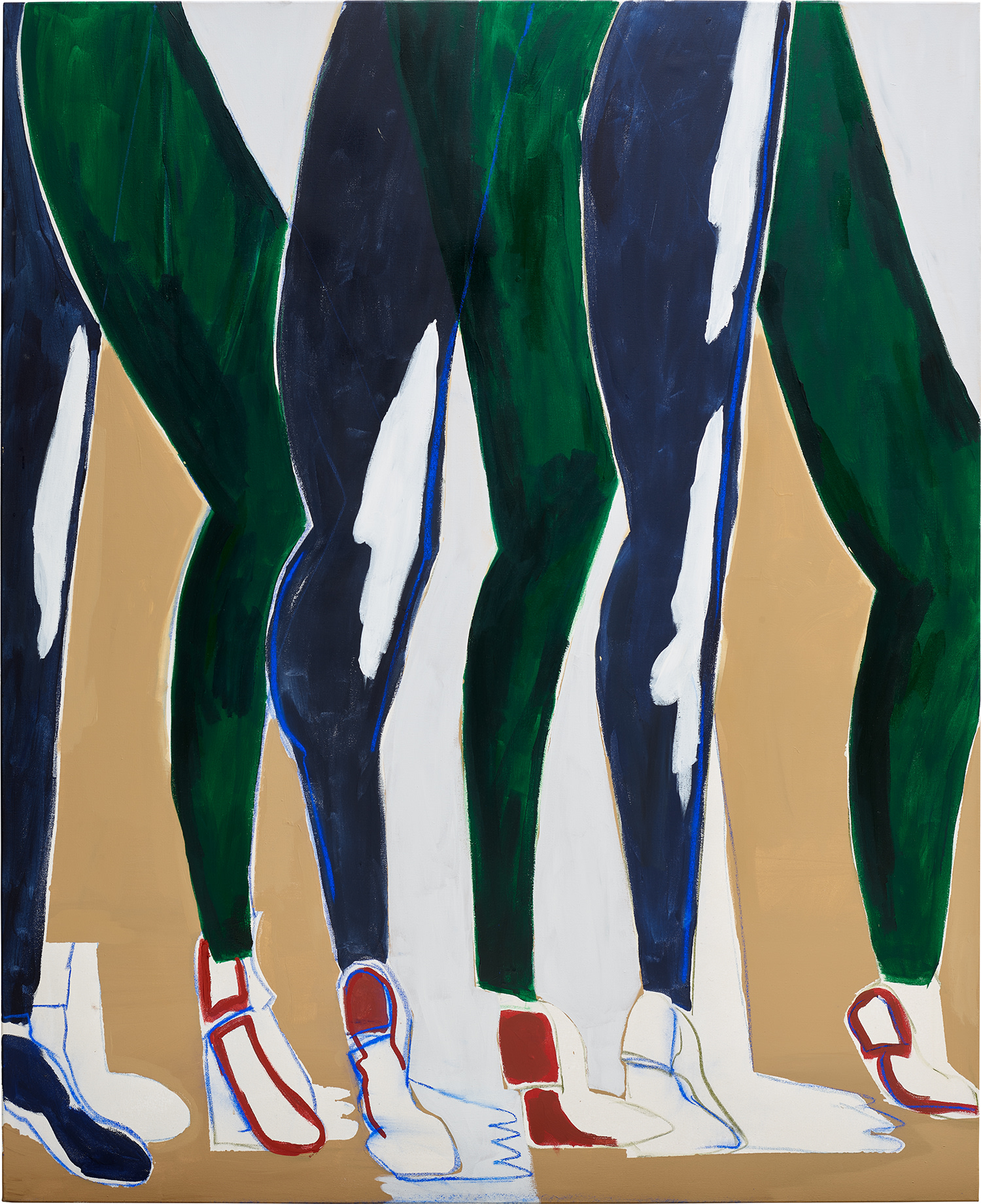
Anastasia Bay
Leggings 1, 2019
Ask galleries directly about material composition, particularly for any works on paper or works that incorporate actual textile. With paintings, examine the surface carefully for any restoration, particularly in works that use flat areas of color, where inpainting can be difficult to detect without ultraviolet examination. Editions in this space require particular scrutiny: ask for the full edition size, the number of artist proofs, and whether the artist has been consistent about holding the edition closed. Unique works almost always carry a premium in this category, and for good reason.
Display is worth thinking through carefully. Fashion subject works often operate through contrast and isolation, and they tend to sing against walls that give them breathing room rather than crowded salon hangs. A Gnoli collar image on a pale wall in natural light is a different experience entirely from the same work competing for attention in a dense installation. When speaking with a gallery, ask about the specific context in which the artist developed the work, whether it emerged from a fashion commission, a personal obsession, or a formal inquiry into representation.
That context shapes meaning, and meaning is ultimately what you are acquiring. The clothes, as they say, make the painting.