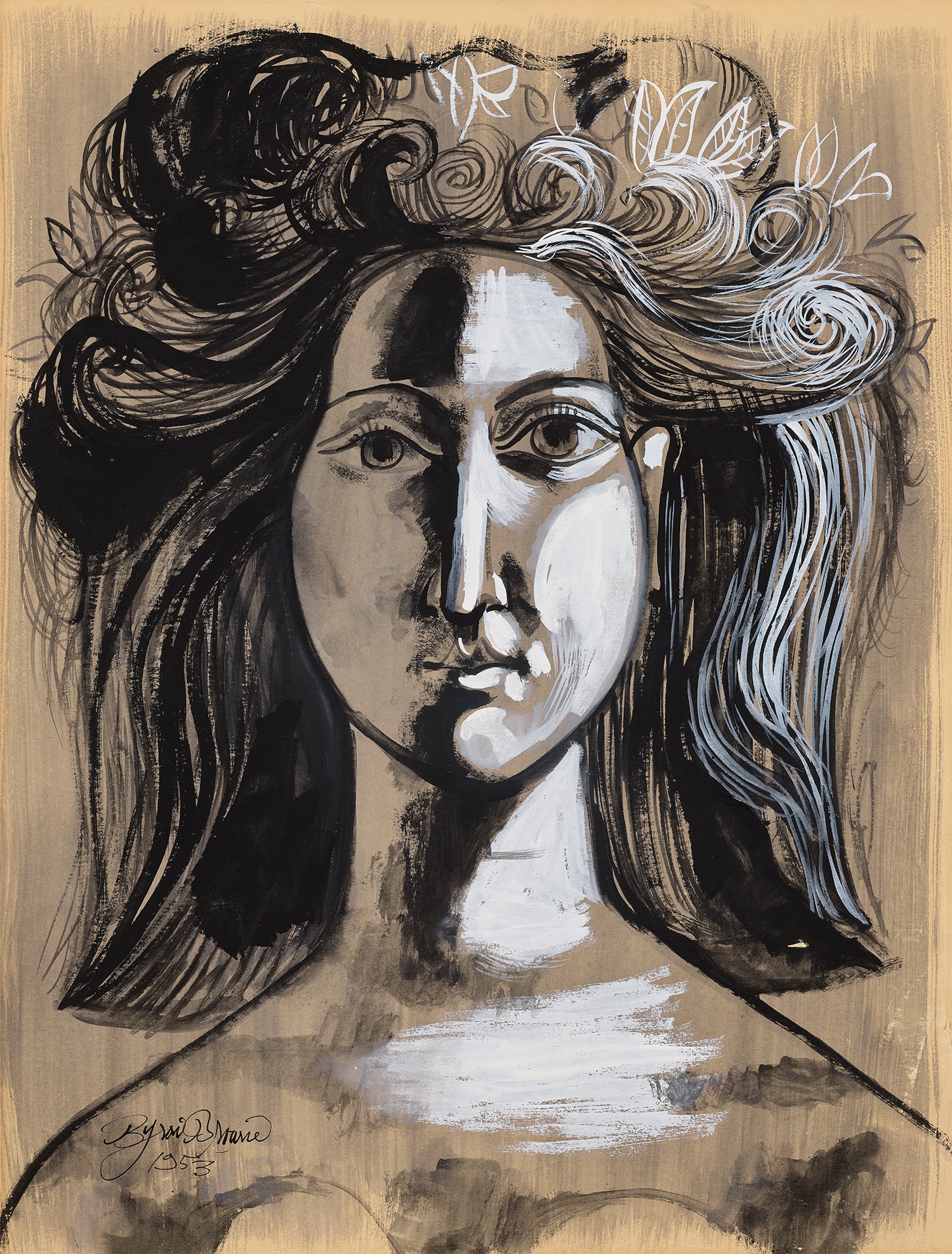
Expressionist
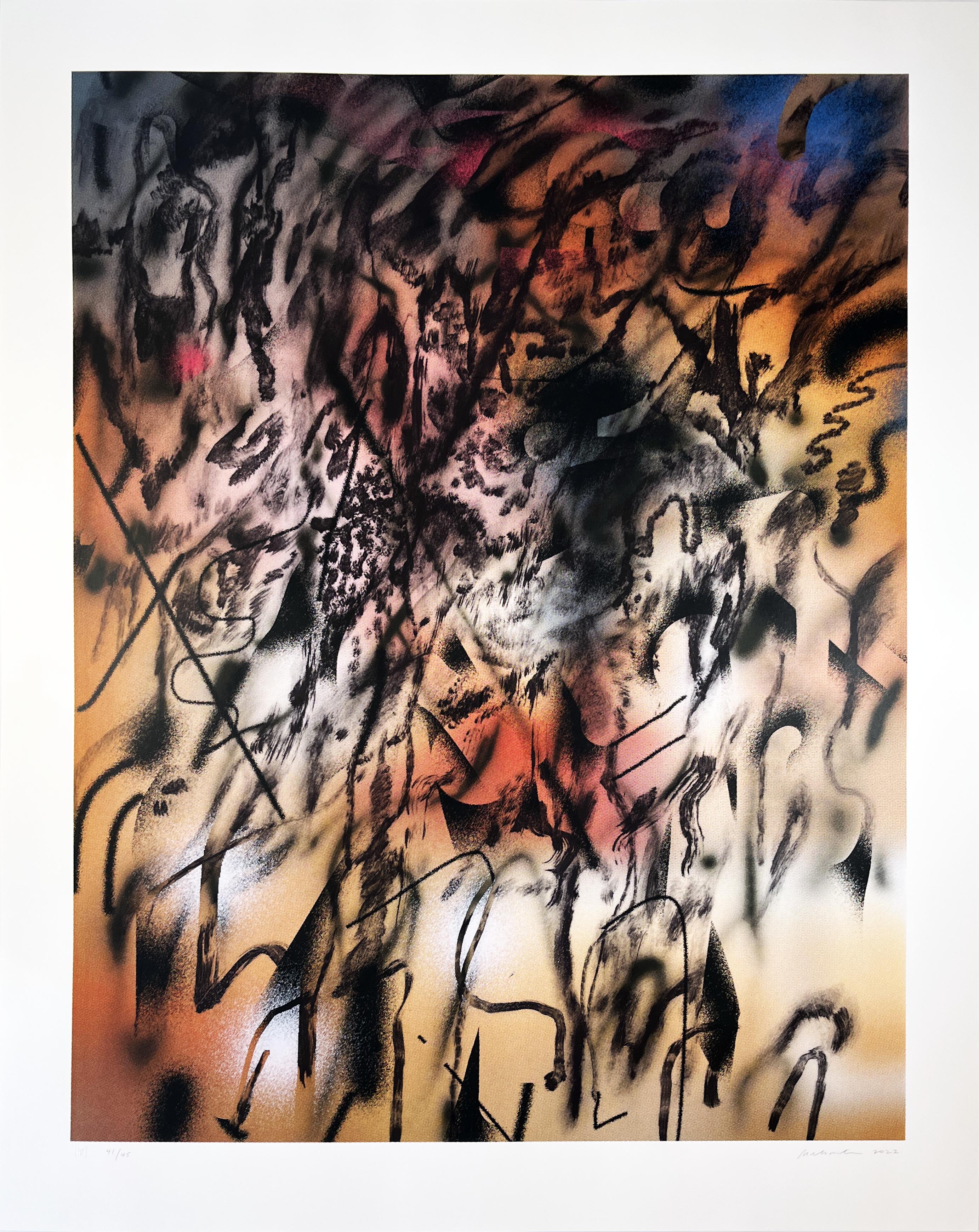
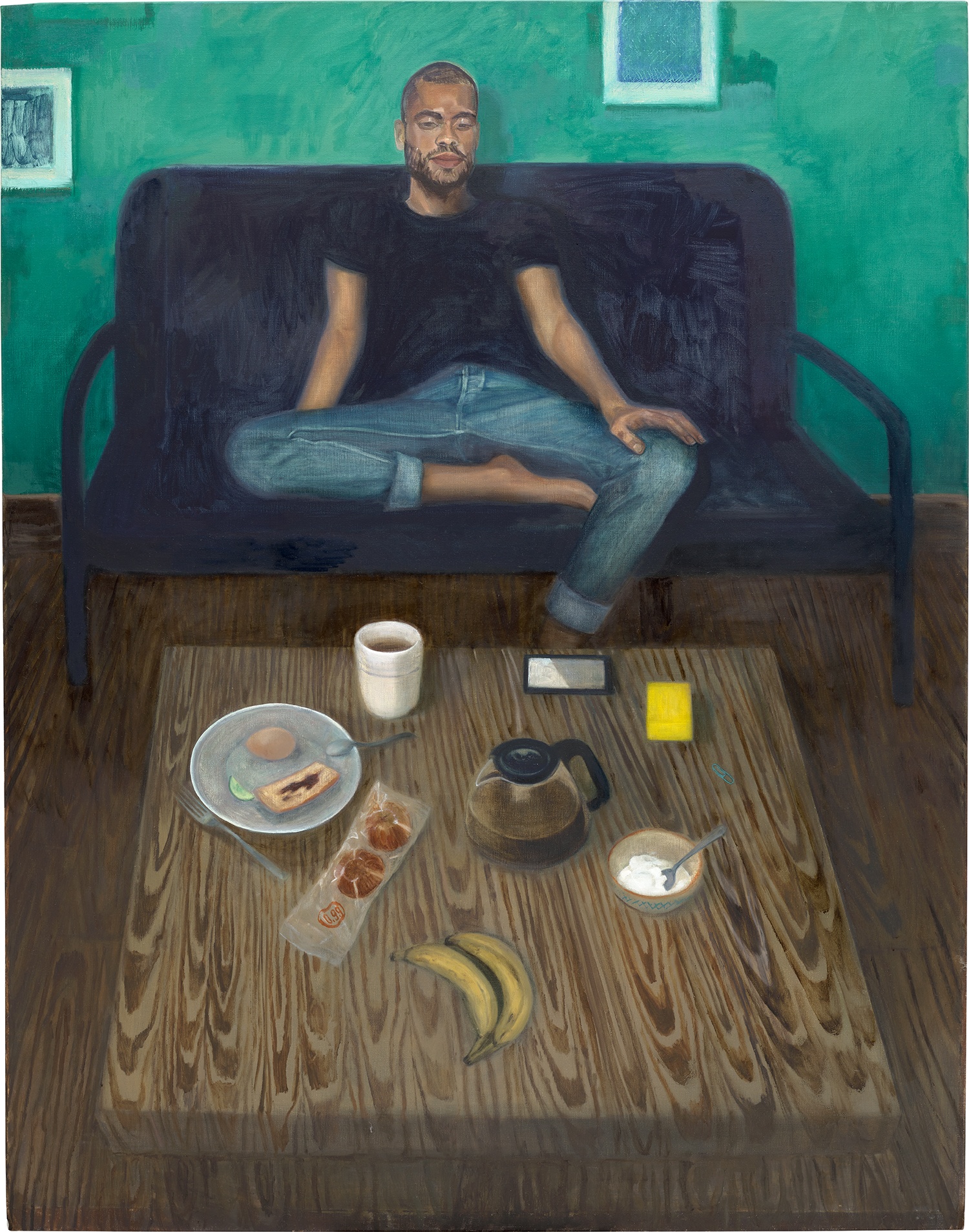
Julie Mehretu
Corner of Lake and Minnehaha, 2022






Feeling Everything at Once: Expressionism Returns
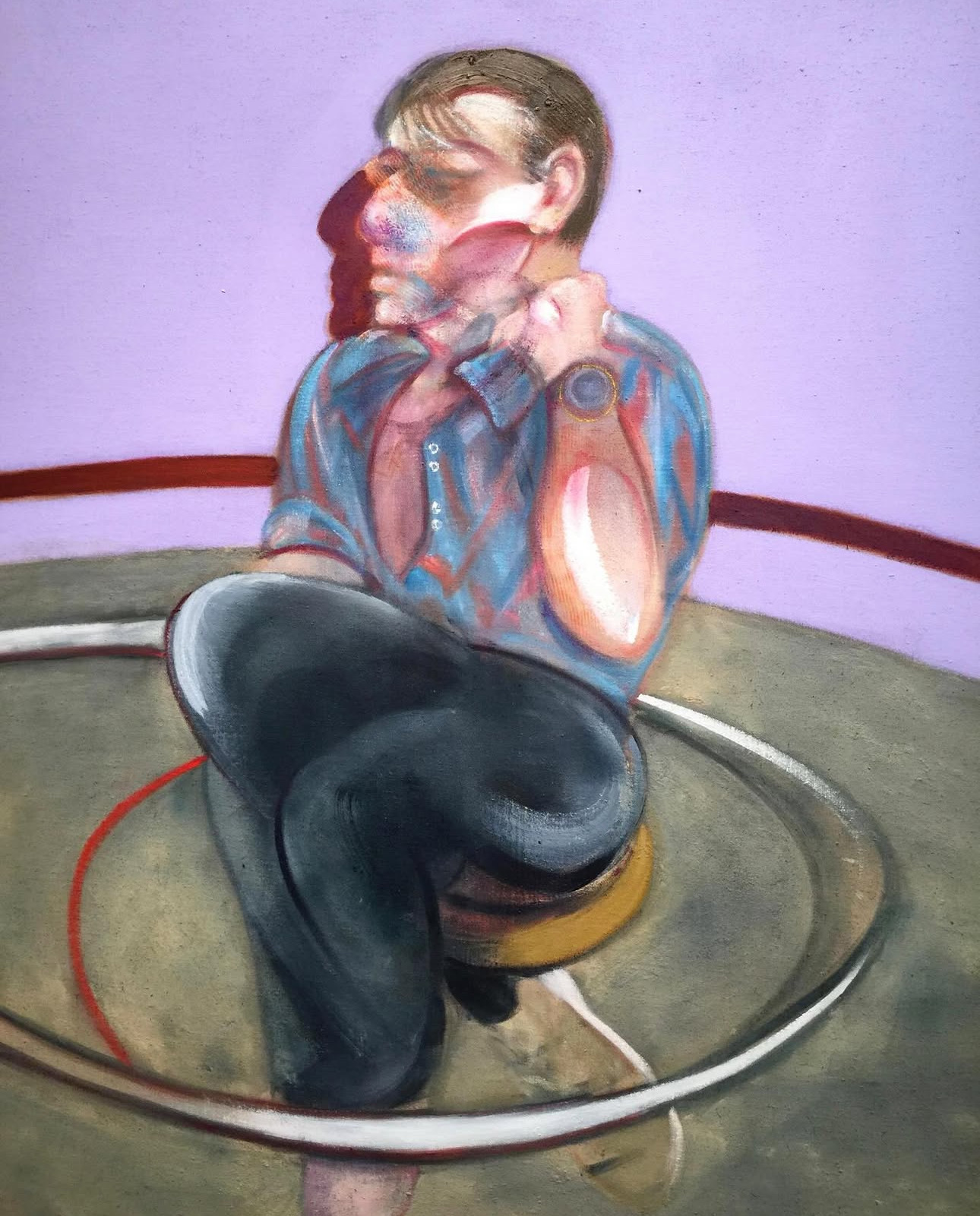
When a Francis Bacon triptych sells for north of a hundred million dollars at Christie's, it does more than set a record. It confirms something that the market has been quietly signaling for years: that raw, psychologically loaded painting, work that refuses to be comfortable or decorative, continues to command the most serious attention from the most serious collectors. The 2023 sale of Bacon's Three Studies for a Portrait of John Edwards at Christie's New York was one of those clarifying moments when auction results and cultural appetite align so perfectly that even skeptics have to pay attention. Expressionism, broadly understood, is not a relic.
It is the primary language of ambition in the contemporary art market right now. Museum programming has been tracking this energy with unusual consistency. The Centre Pompidou's retrospective of Jean Dubuffet, which drew enormous crowds and critical praise in 2022, reminded a new generation that his raw, anti aesthetic surfaces were not outsider curiosity but a rigorous philosophical position. Dubuffet's Art Brut ideas have become foundational again, partly because they sit so naturally alongside the kind of unpolished intensity that painters like Adrian Ghenie and Georg Baselitz pursue in very different ways.
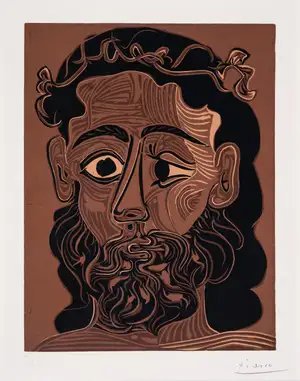
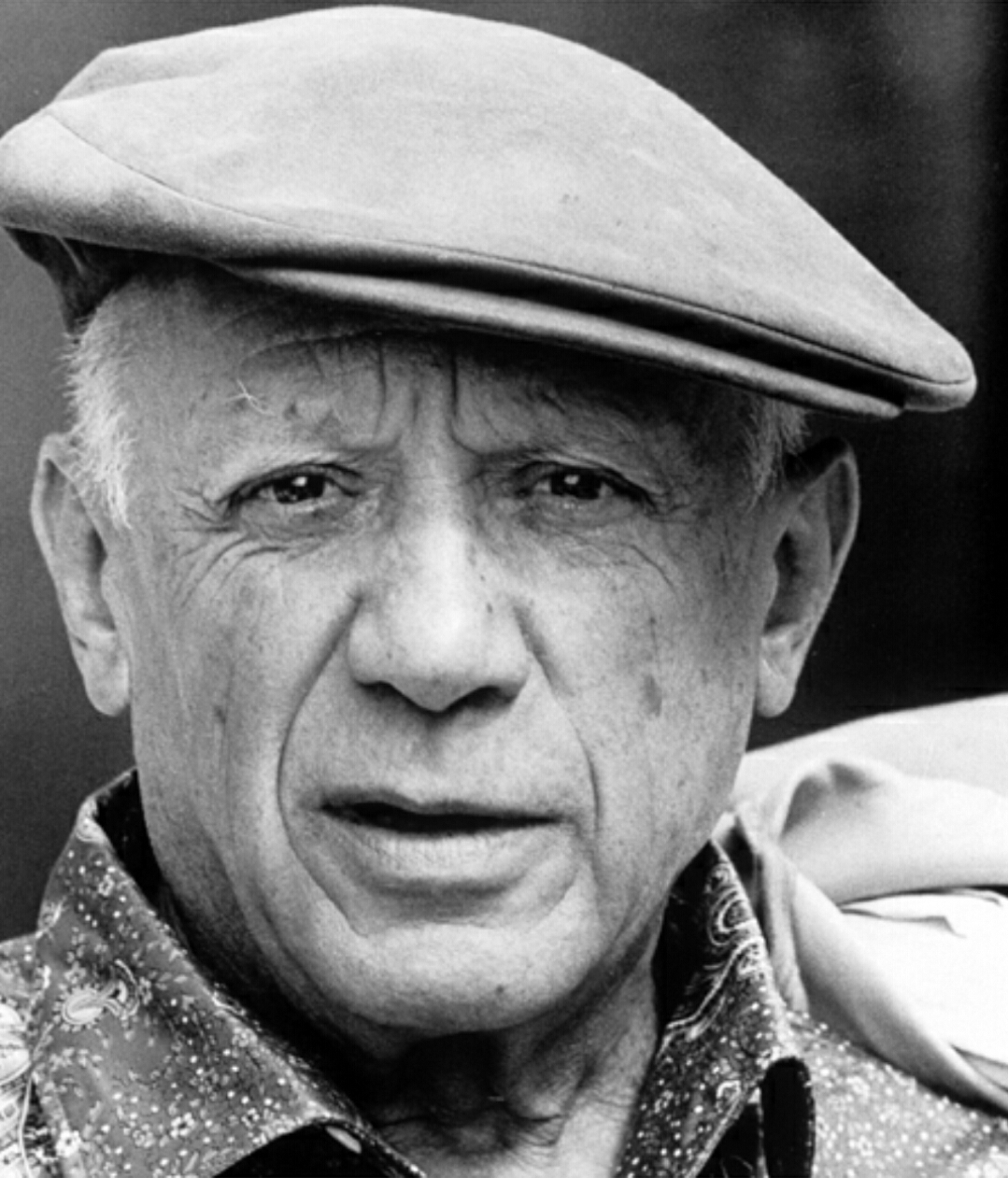
Pablo Picasso
Homme Barbu Couronné De Feuilles De Vigne (Bloch 1088)
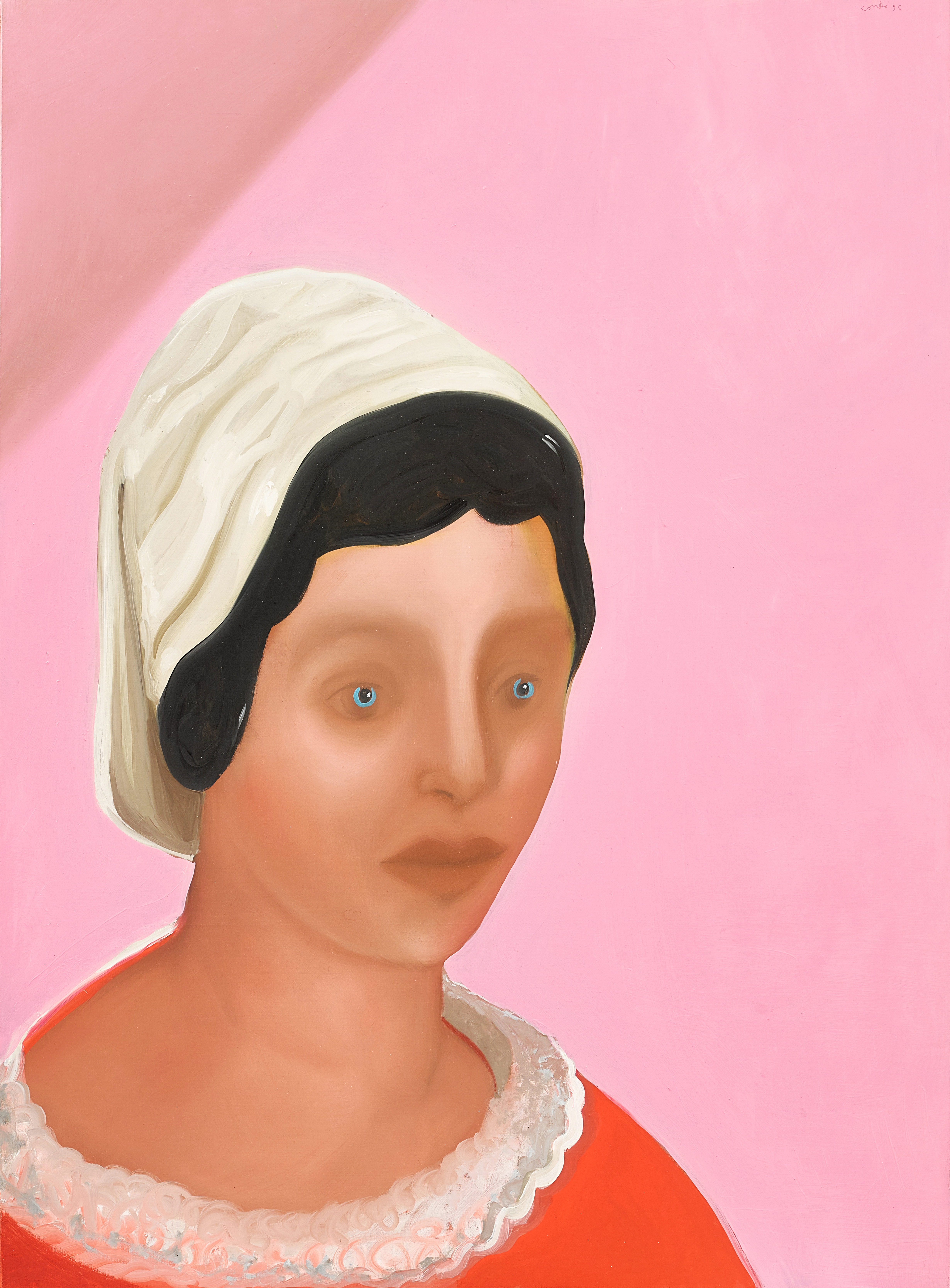
The Pompidou show was one of those exhibitions that genuinely shifted how people talked about the lineage of European expressionist painting, pulling Dubuffet out of the category of mid century curiosity and placing him firmly in the center of current debates about authenticity and gesture. The market for the core figures in this tradition has never been more global or more competitive. Pablo Picasso remains the gravitational center around which everything else orbits, but the interesting action is often in the work of artists who extend his emotional directness into unexpected territories. George Condo, whose work sits somewhere between Picasso's fractured figures and Goya's dark humor, has become a reliable indicator of where sophisticated collector taste is moving.
His prices at auction have risen steadily over the past decade, reflecting a broader understanding that psychological intensity in painting is not a liability but a signal of lasting value. Marc Chagall, often underestimated by critics focused on his dreamlike sweetness, continues to perform remarkably well at auction, particularly his works from the 1940s and 1950s when his color was at its most saturated and strange. Institutions that have historically focused on historical modernism are now expanding their Expressionist holdings in ways that feel genuinely acquisitive rather than curatorial housekeeping. The Museum of Modern Art's renewed attention to the CoBrA movement, which brought Karel Appel into sharper institutional focus in recent years, signals a growing institutional appetite for postwar European work that was sometimes overshadowed by American Abstract Expressionism during the latter half of the twentieth century.
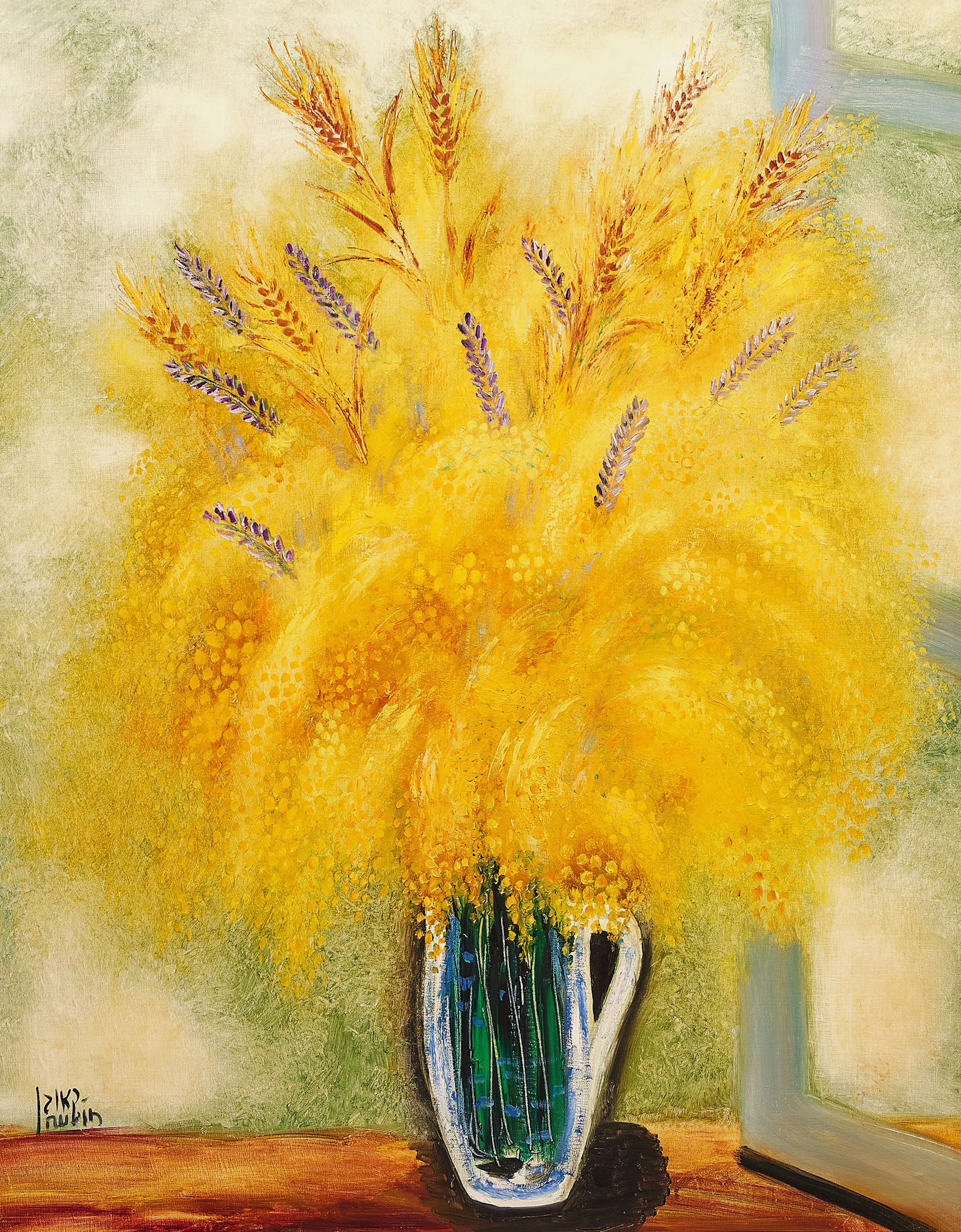
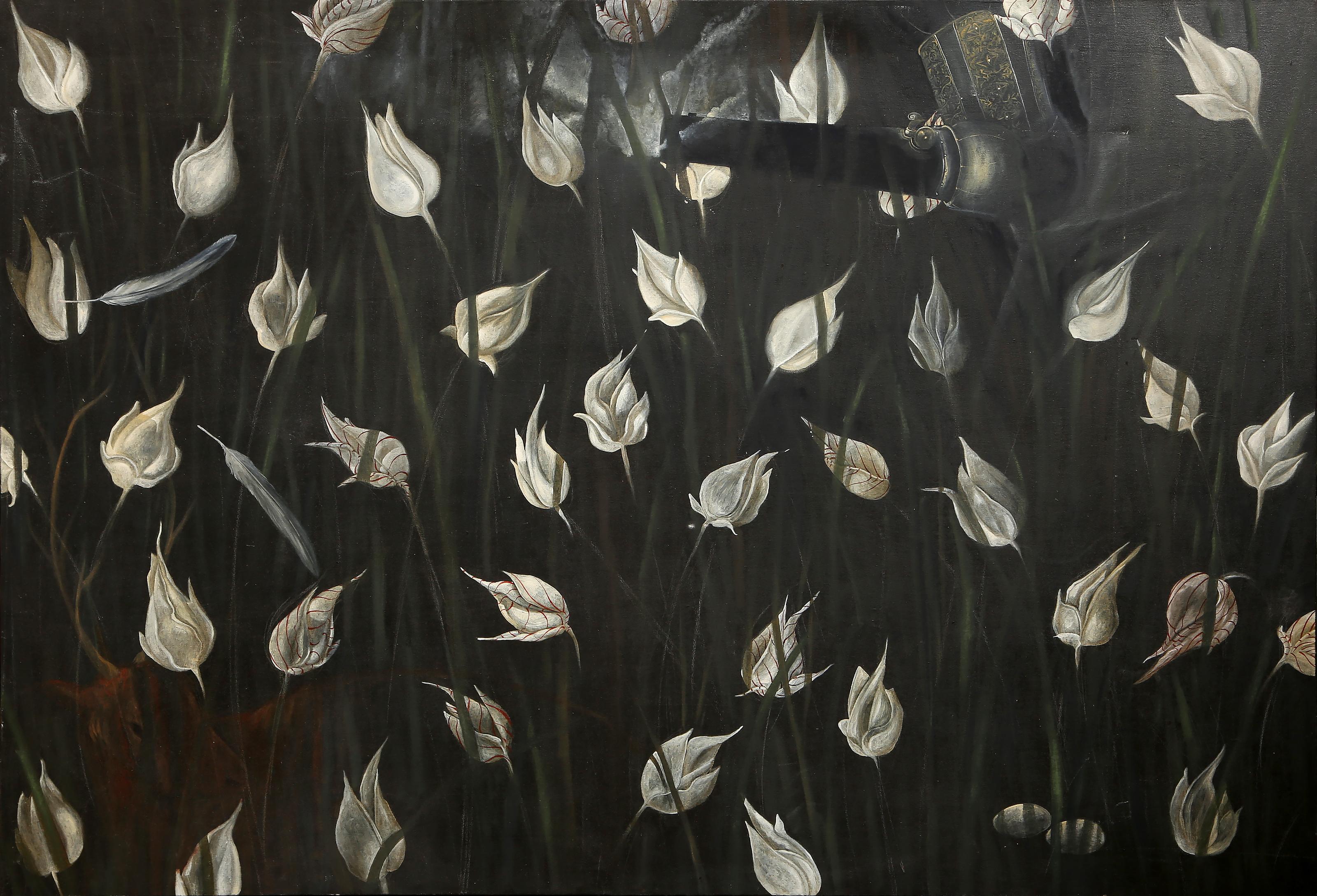
Reuven Rubin
Mimosa, 1966
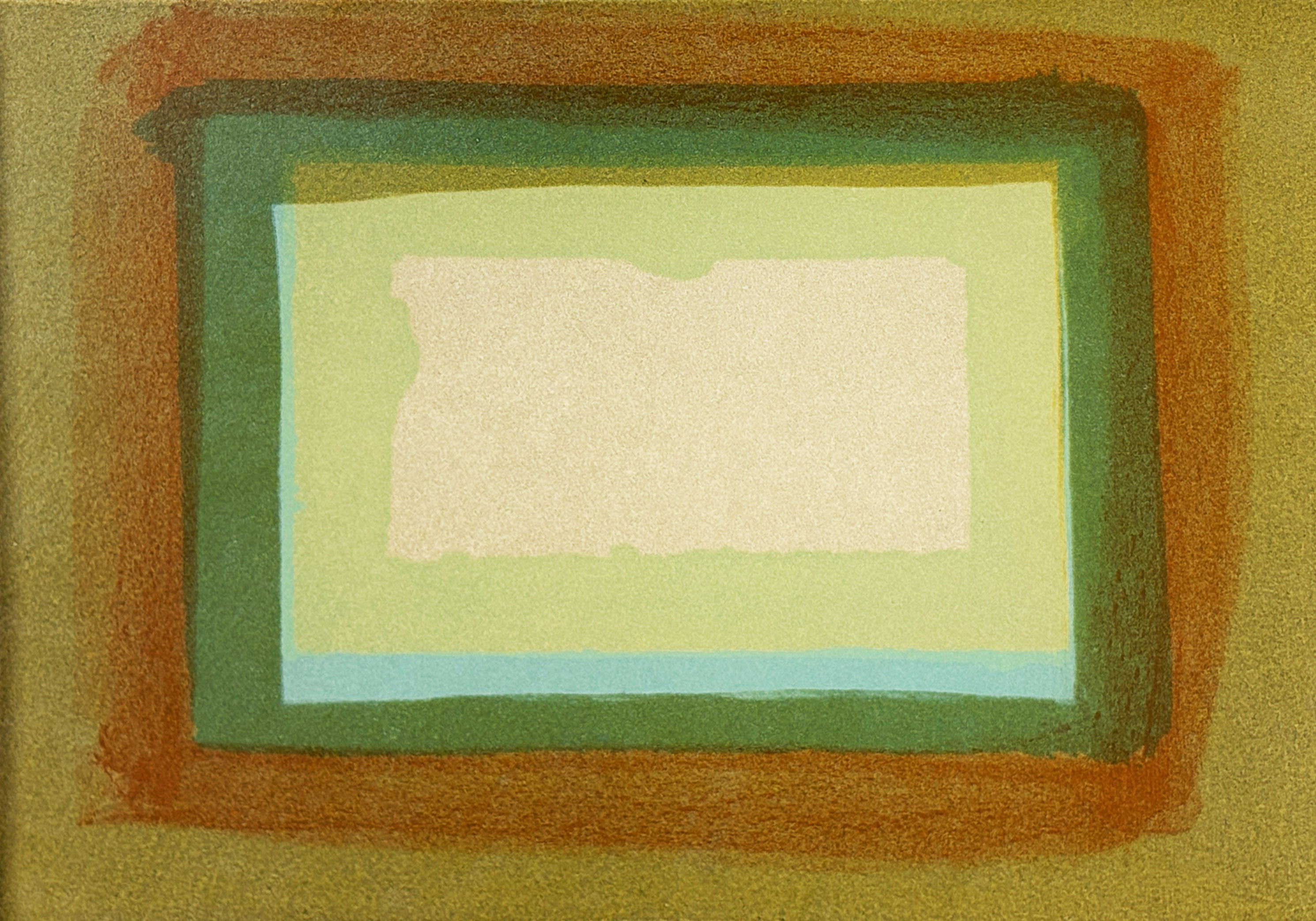
Howard Hodgkin's estate has been carefully managed to ensure major works enter significant collections, and the Tate's holdings of his interiors and intimate scenes remain among the most emotionally affecting rooms in the museum. The Dallas Museum of Art and the Guggenheim Bilbao have both been active in acquiring work by artists in this lineage, signaling that expressionist painting has genuine global institutional support. The critical conversation around Expressionism has shifted in productive ways. Writers like T.
J. Clark and the late David Sylvester shaped decades of thinking about the emotional and political dimensions of gestural painting, but younger critics are now asking different questions about what intensity and vulnerability mean in a context saturated with digital imagery. Publications like Frieze and Artforum have run extensive features on painters like Frank Auerbach, whose Camden Town views feel more urgent now than they did when they were first exhibited. Auerbach's insistence on working from the same sitters and locations for decades, building up surfaces of extraordinary physical density, has become a kind of counter cultural statement in a moment when images are infinitely reproducible and instantly disposable.
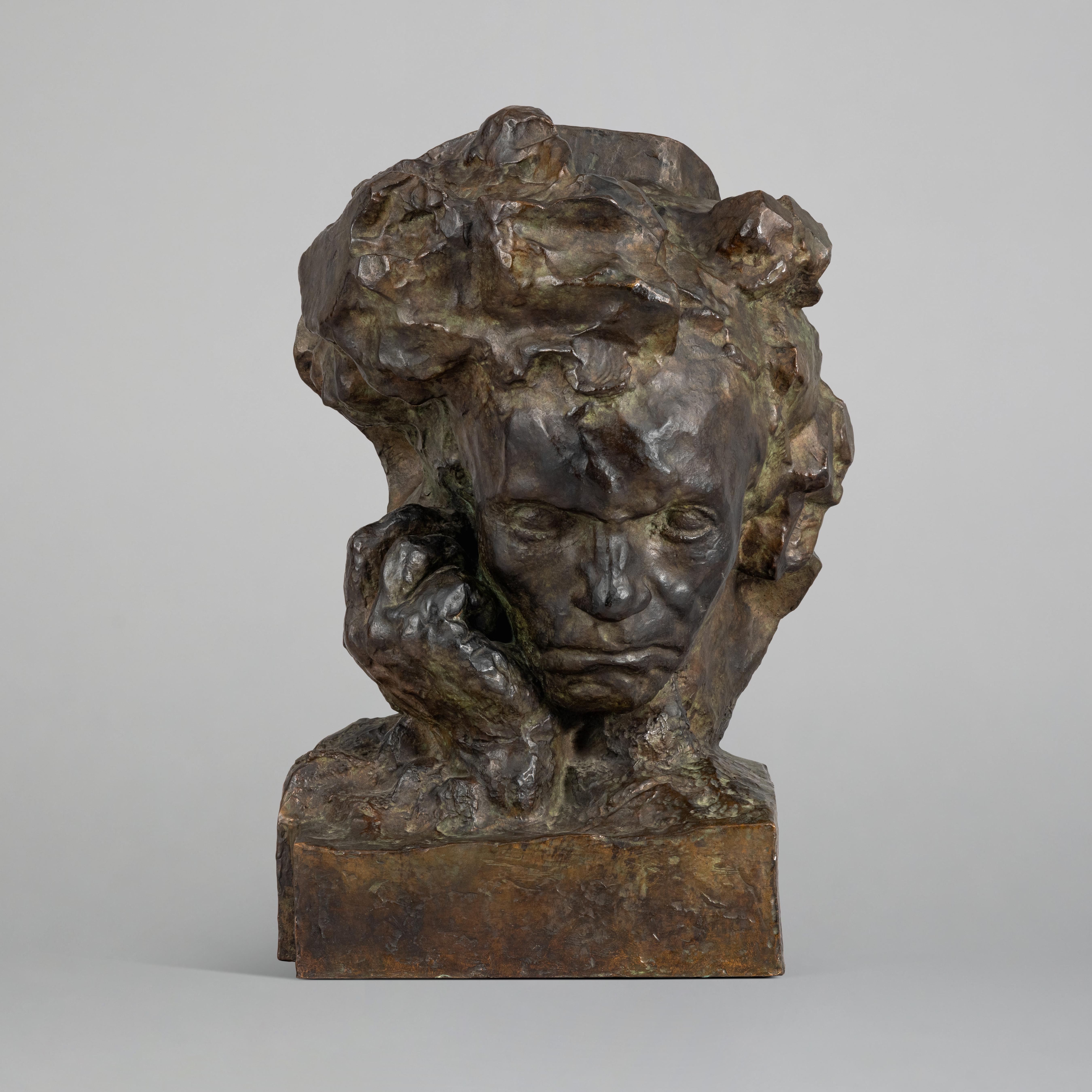
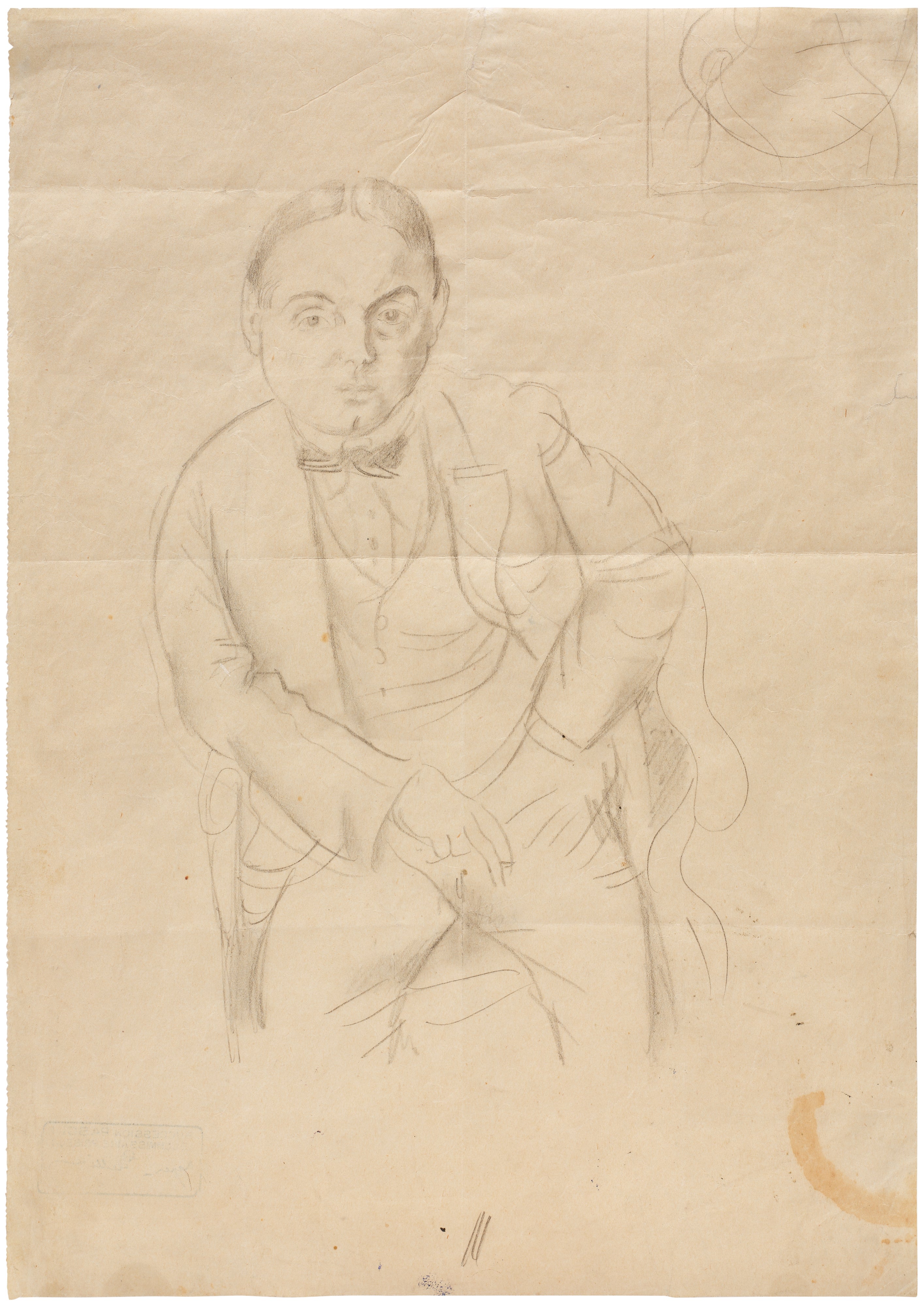
Émile-Antoine Bourdelle
Masque Beethoven, une main (Étude pour Le Masque aux deux mains), 1908
The critical apparatus around this kind of commitment has grown more sophisticated and more genuinely interested. What feels most alive right now is the internationalization of the Expressionist conversation. Zao Wou Ki, whose work synthesizes Abstract Expressionist gesture with a deep engagement with Chinese landscape painting, has become a major figure at Asian auction houses, with his large scale triptychs regularly achieving extraordinary results at Christie's and Sotheby's Hong Kong. Chu Teh Chun occupies a related position, and the growing collector base in Asia for both artists has made the market for their work genuinely global in a way that it was not a decade ago.
This is not a story about Eastern and Western traditions merging tidily. It is a story about how the expressive mark, the willingness to put feeling directly into the surface of a painting, transcends the regional categories that art history has sometimes imposed on it. Where does the energy go from here. The answer is probably not toward greater refinement or cooler conceptual distance.
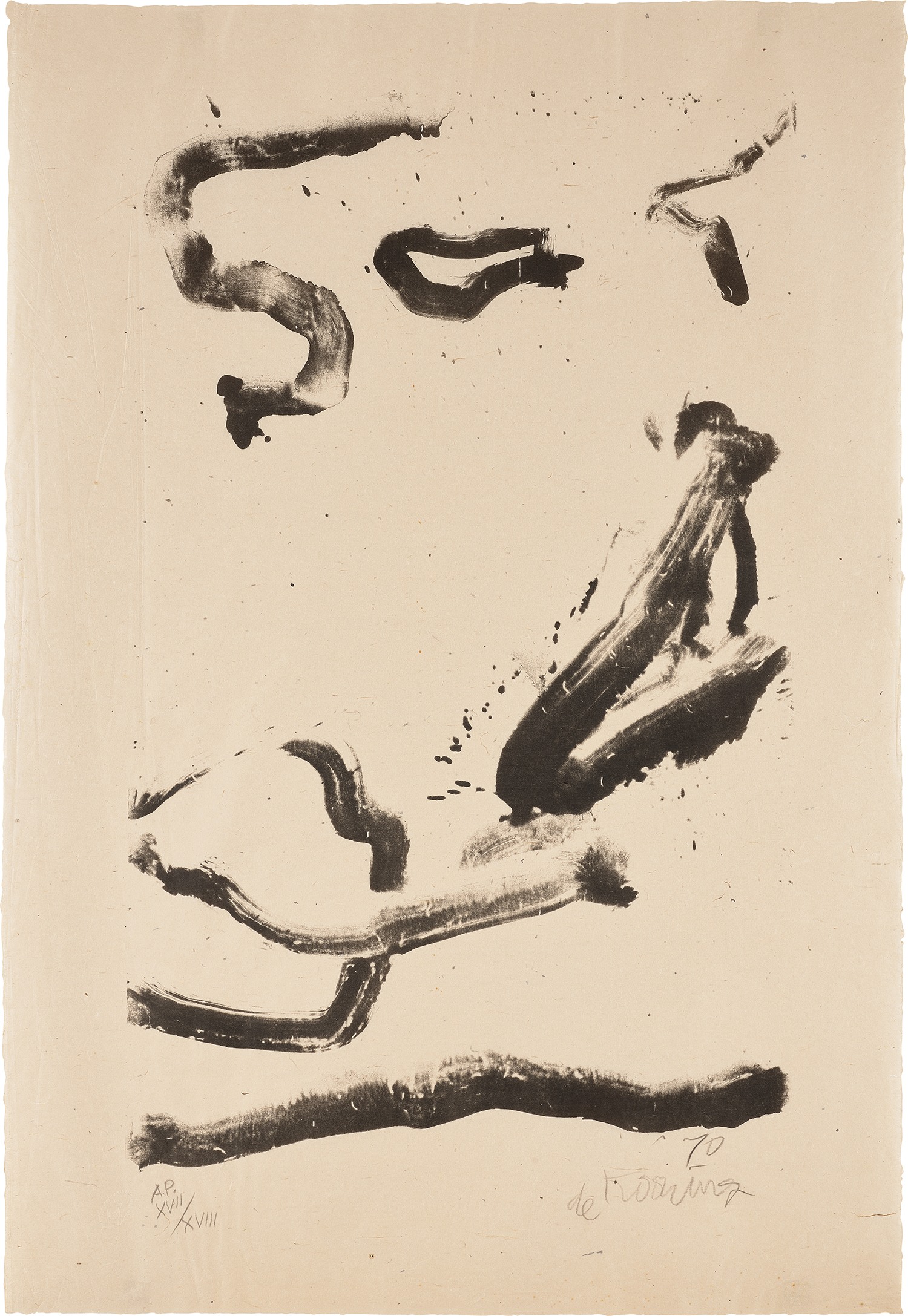
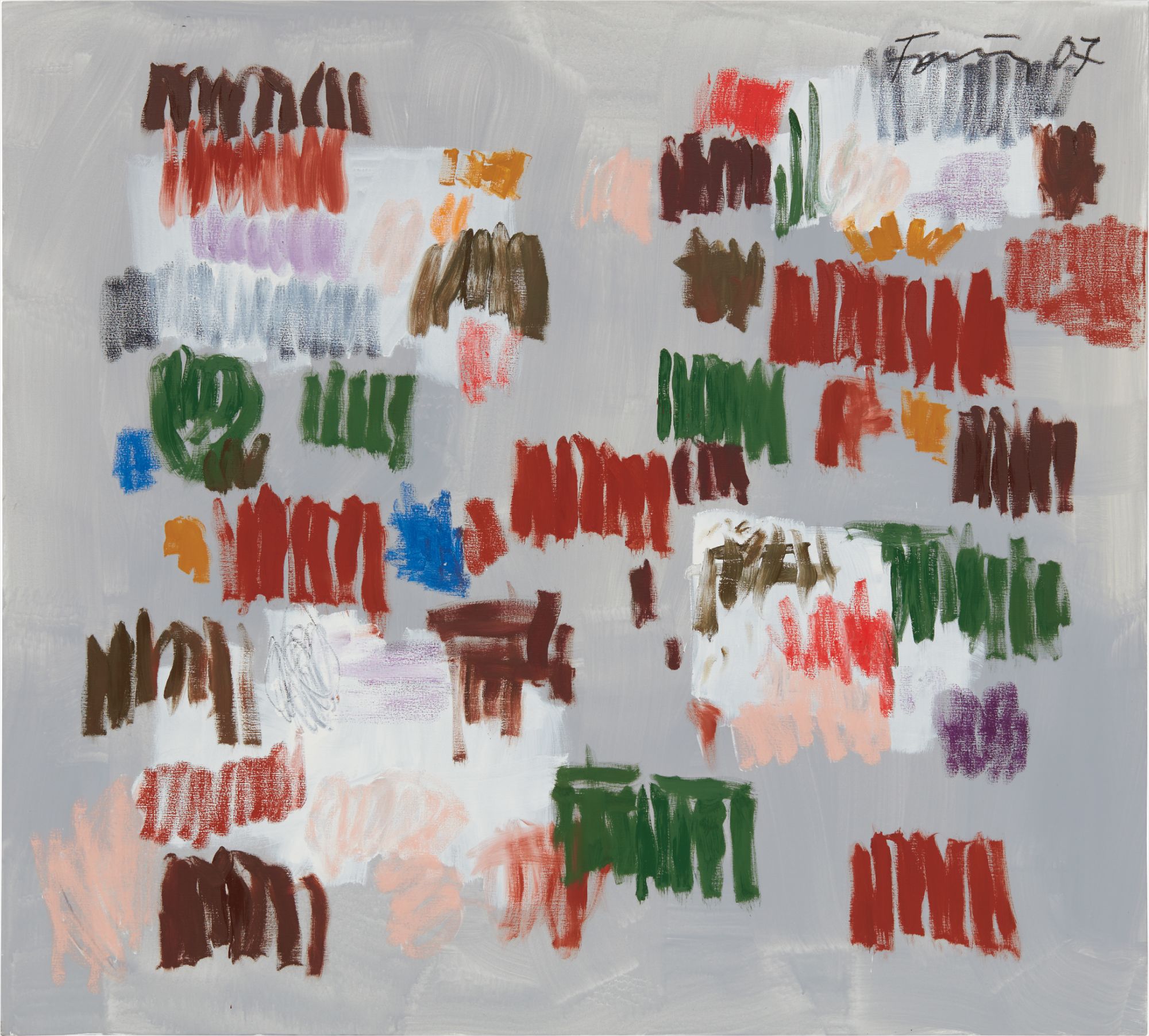
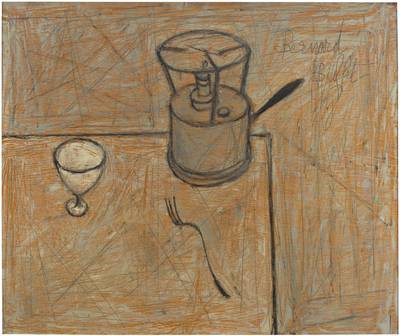
Willem de Kooning
Love to Wakako (G. 18)
Willem de Kooning's late paintings, which were dismissed by some critics during his lifetime as the diminished output of an aging mind, have been thoroughly rehabilitated and are now understood as among the freest and most affecting works he made. That reappraisal feels like a template for how the market will continue to move, finding overlooked periods and undervalued bodies of work within established careers, and reassessing figures who were once considered secondary. The artists on The Collection who work in this tradition, from Bernard Buffet's stark graphic intensity to Jonathan Meese's chaotic theatrical energy, represent a spectrum of approaches to the central question that Expressionism has always asked: what does it cost to paint honestly, and what is that honesty worth. The answer, at least as the market currently understands it, is quite a lot.