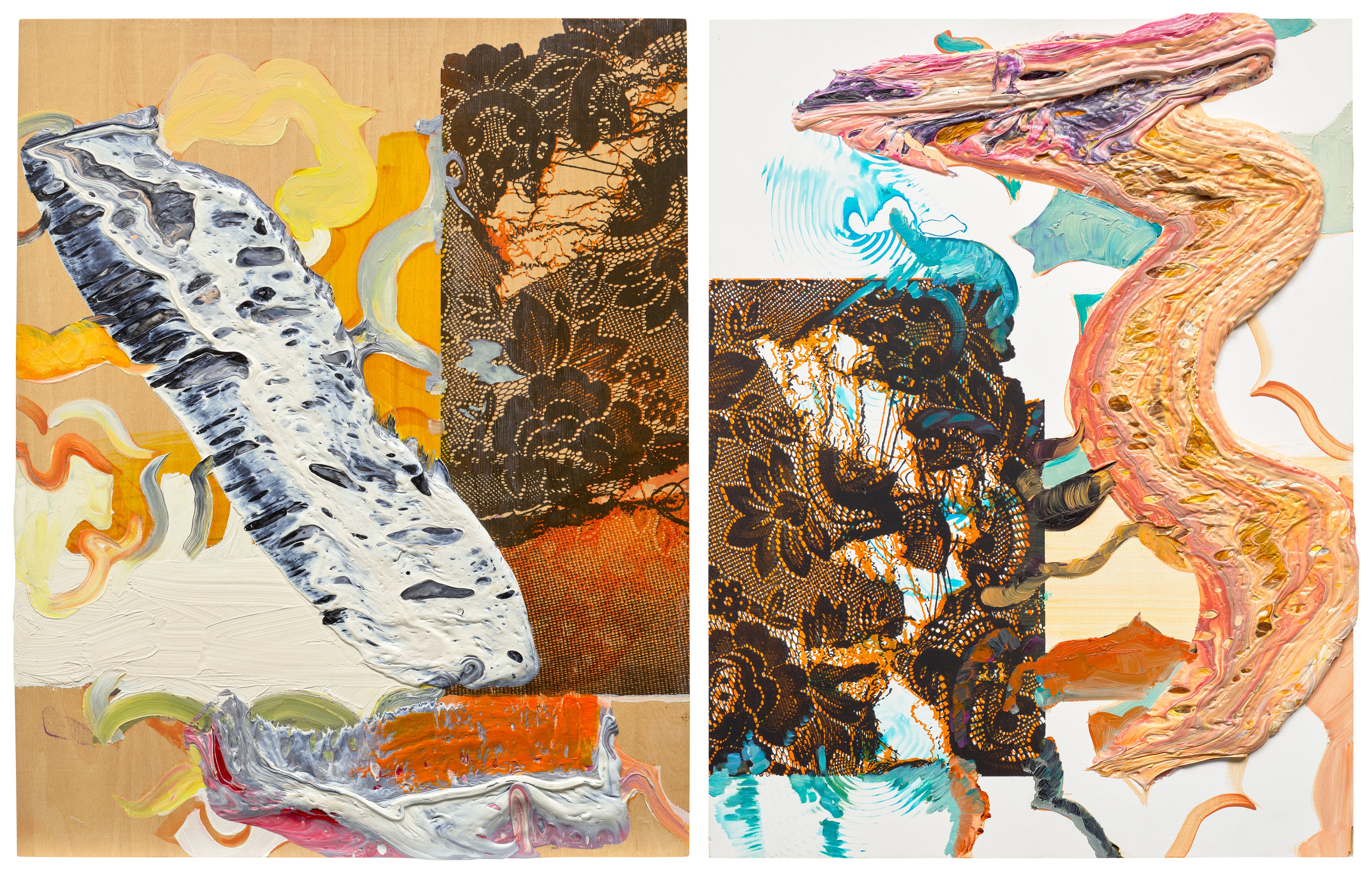
Diptych
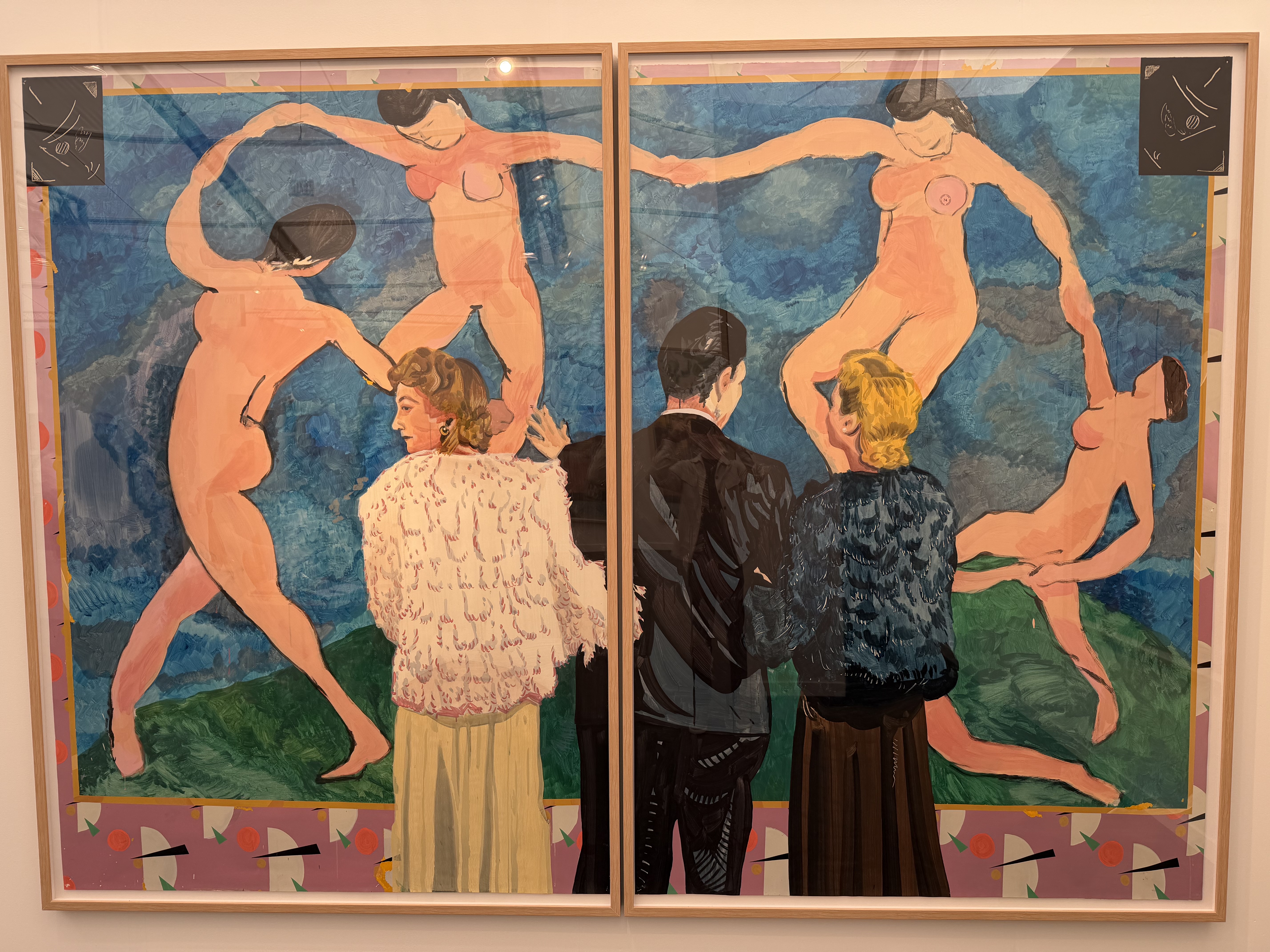
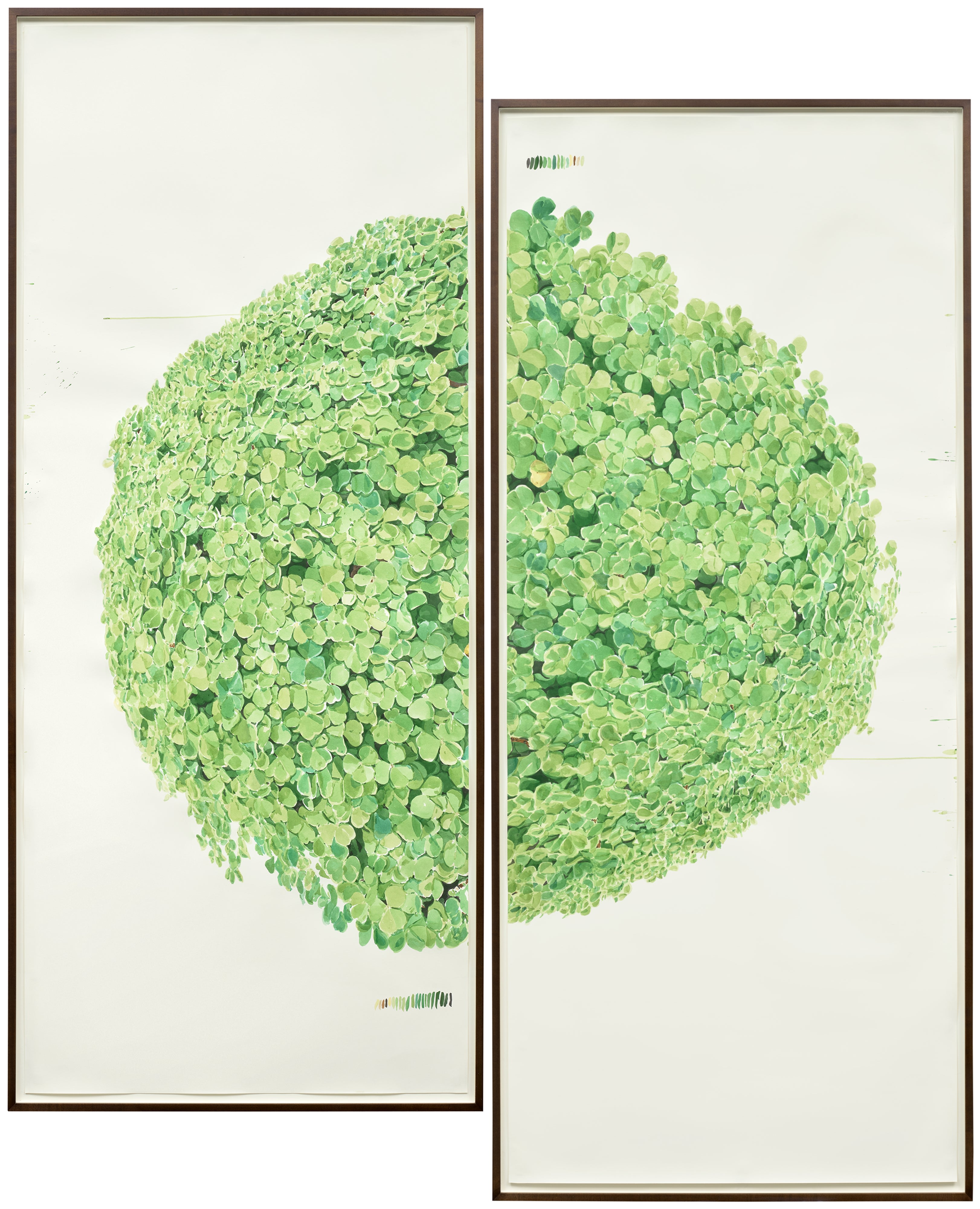
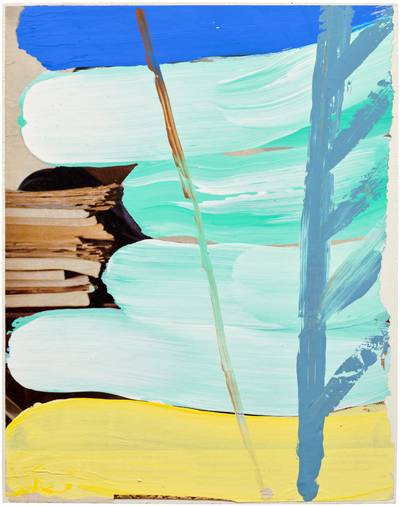
Miki Leal
Cómo obtener un Mattise al módico precio de un Miki, 2026





Two Panels, One Truth: The Diptych Returns
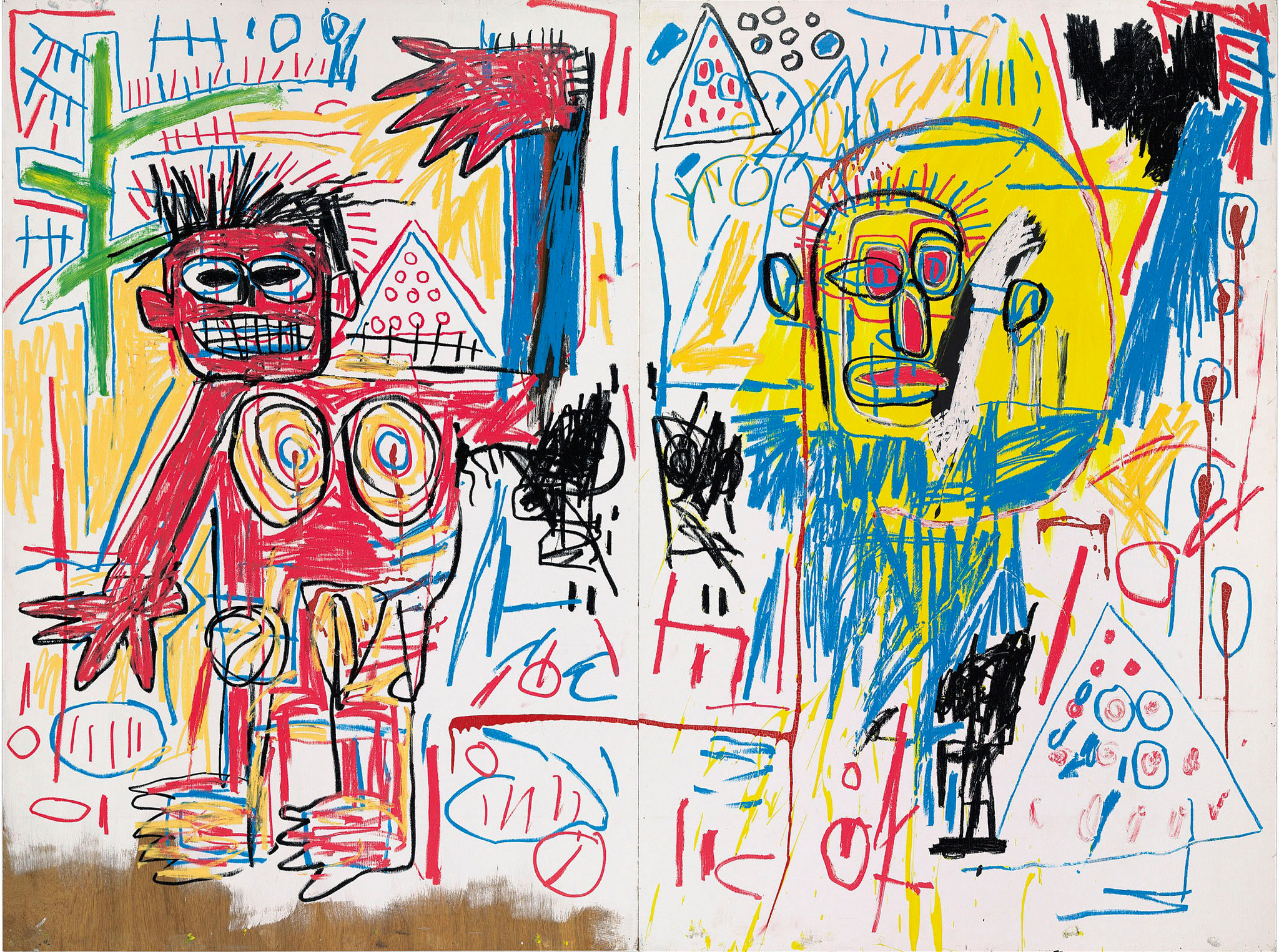
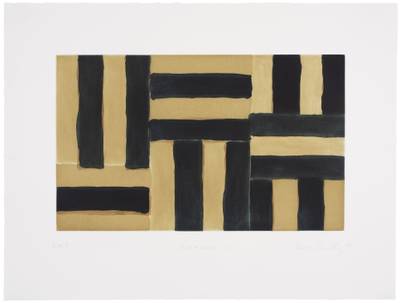
When Sotheby's New York brought a major Sean Scully diptych to auction in recent seasons, the bidding told a story that had little to do with paint on canvas and everything to do with how collectors are thinking about structure, dialogue, and meaning held in tension. The work sold well above estimate. What struck observers was not just the price but the conversation around the sale: buyers were articulating, sometimes for the first time in auction rooms, why the format itself mattered to them. The diptych had stopped being a footnote and started being the point.
The diptych is one of art history's oldest compositional strategies, rooted in the hinged devotional panels of medieval Europe, but its contemporary life is something altogether different. Today it functions less as a religious object and more as a philosophical proposition: that meaning lives not in a single image but in the charged space between two. Artists from Gerhard Richter to Cindy Sherman to David Salle have used the format to ask what happens when you place two things alongside each other and refuse to resolve the tension. The answer, across decades and across mediums, keeps being: something more interesting than either thing alone.
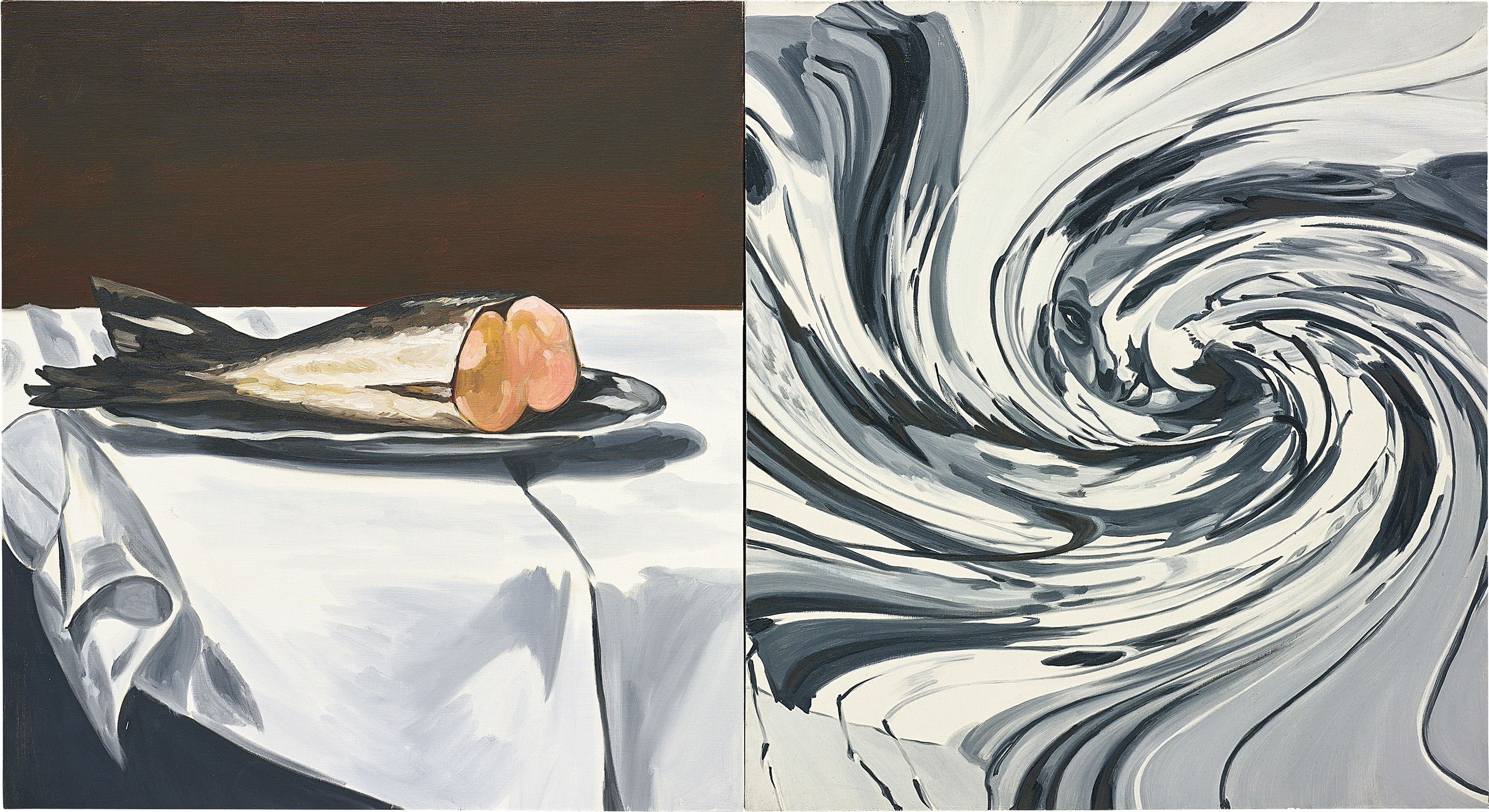
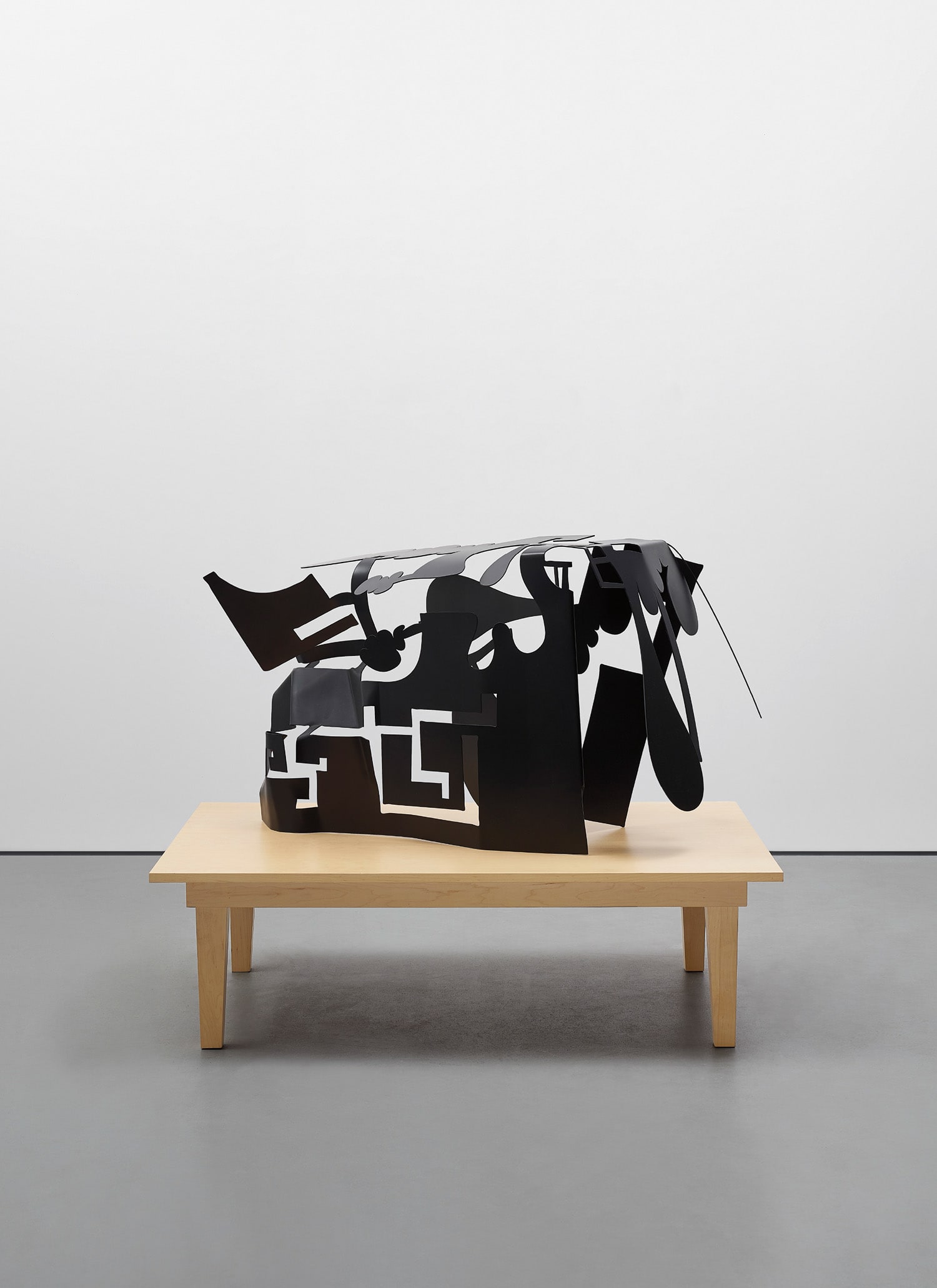
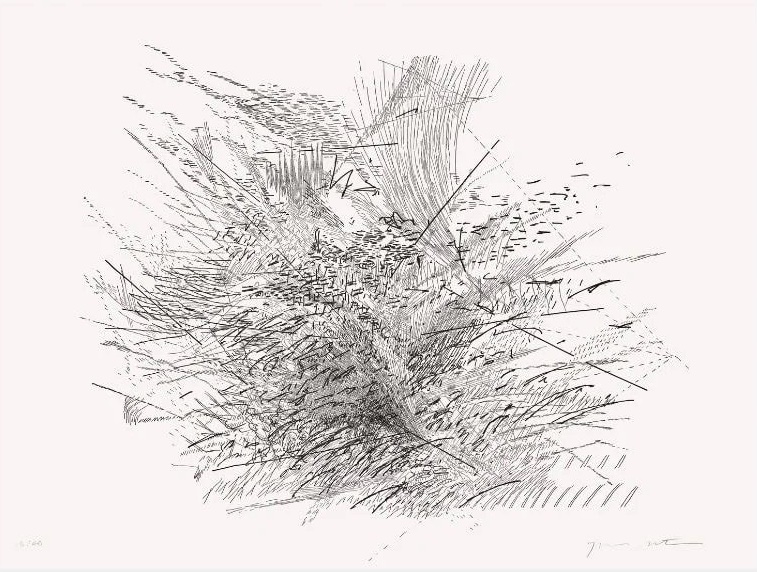
David Salle
Still Life with Vortex, 2006
Richter's use of paired works has been extensively examined in retrospectives at the Museum of Modern Art and the Tate Modern, both of which gave serious curatorial attention to how he constructs meaning through adjacency rather than singularity. His photo paintings, when hung as pairs, create a kind of visual stutter that mirrors the way memory actually works. MoMA's 2002 retrospective remains a touchstone for understanding this, but more recent acquisitions and loan exhibitions have continued to sharpen the critical lens. Institutions are not simply collecting Richter.
They are thinking about how he frames the act of looking, and the diptych is central to that argument. The auction market has made some of its strongest statements in this category through works by artists who treat the format as structurally essential rather than decorative. David Salle's paintings, which are well represented on The Collection, depend on the logic of the diptych even when they exist as single canvases: his layered imagery creates internal splits, one register of meaning floating above another. When his actual two panel works come to market, they tend to attract buyers who understand that Salle's project is fundamentally about the impossibility of a unified point of view.
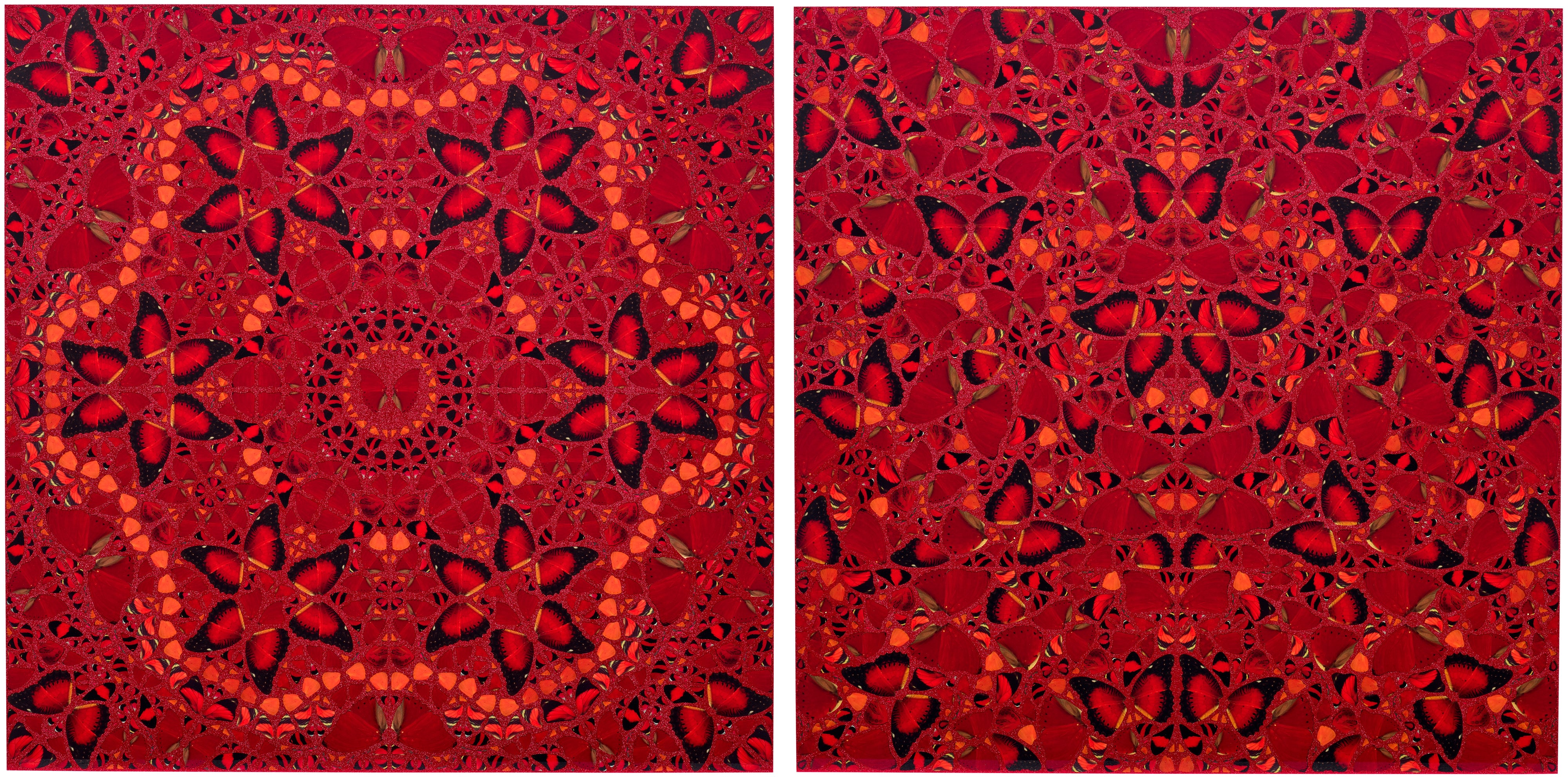
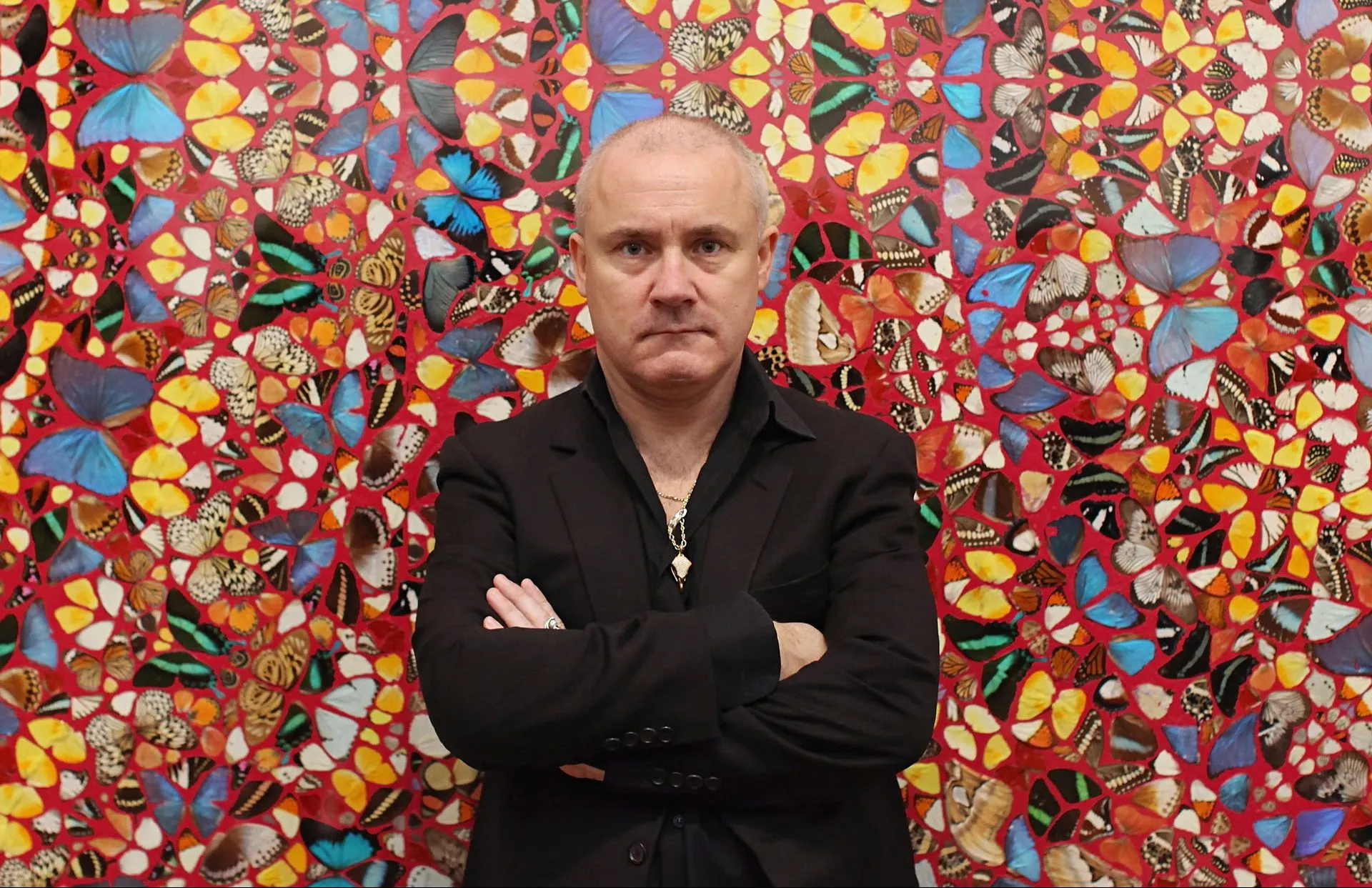
Damien Hirst
Two works: (i) Wu Zeitan (H10-1); (ii) Theodora (H10-3), 2022
That intellectual clarity drives prices as much as provenance or condition. Takashi Murakami and Damien Hirst have both produced editions and unique works in diptych format that perform well across auction houses globally, appealing to collectors who want visual impact alongside conceptual scaffolding. Museum collecting in this space signals something important about institutional confidence. The Hammer Museum in Los Angeles has been consistent in acquiring works where the relational logic between panels or elements is doing the heavy lifting.
The Walker Art Center in Minneapolis, long a champion of conceptually rigorous work, has deepened its holdings in formats that resist easy resolution, including diptychs by figures working across photography, painting, and digital media. When institutions acquire this way, they are not just filling walls. They are making arguments about what serious looking requires of a viewer, and the diptych, with its insistence on holding two things in mind simultaneously, makes that argument structurally. The critical conversation has been shaped in recent years by writers who are less interested in the diptych as a historical form and more interested in it as a cognitive model.
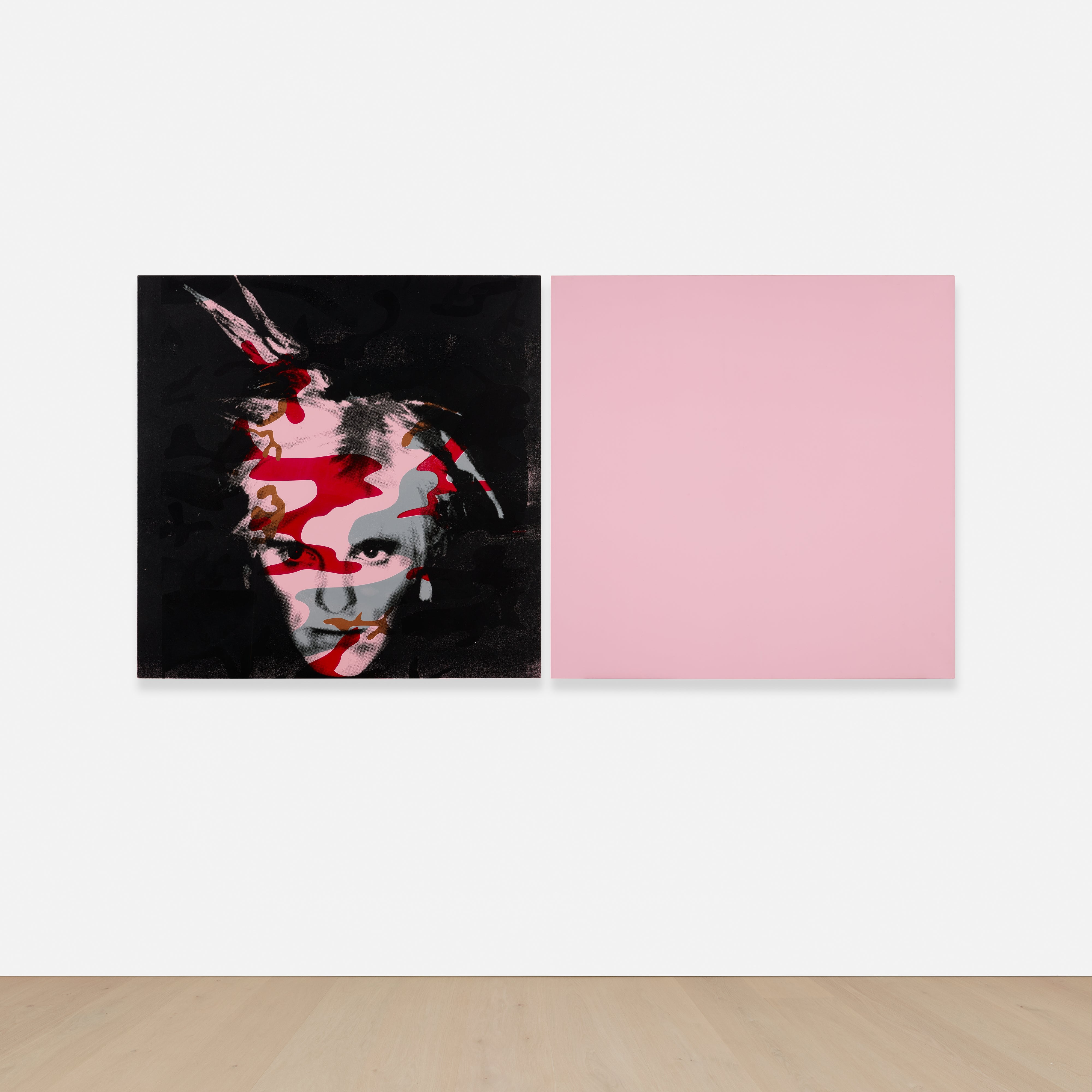
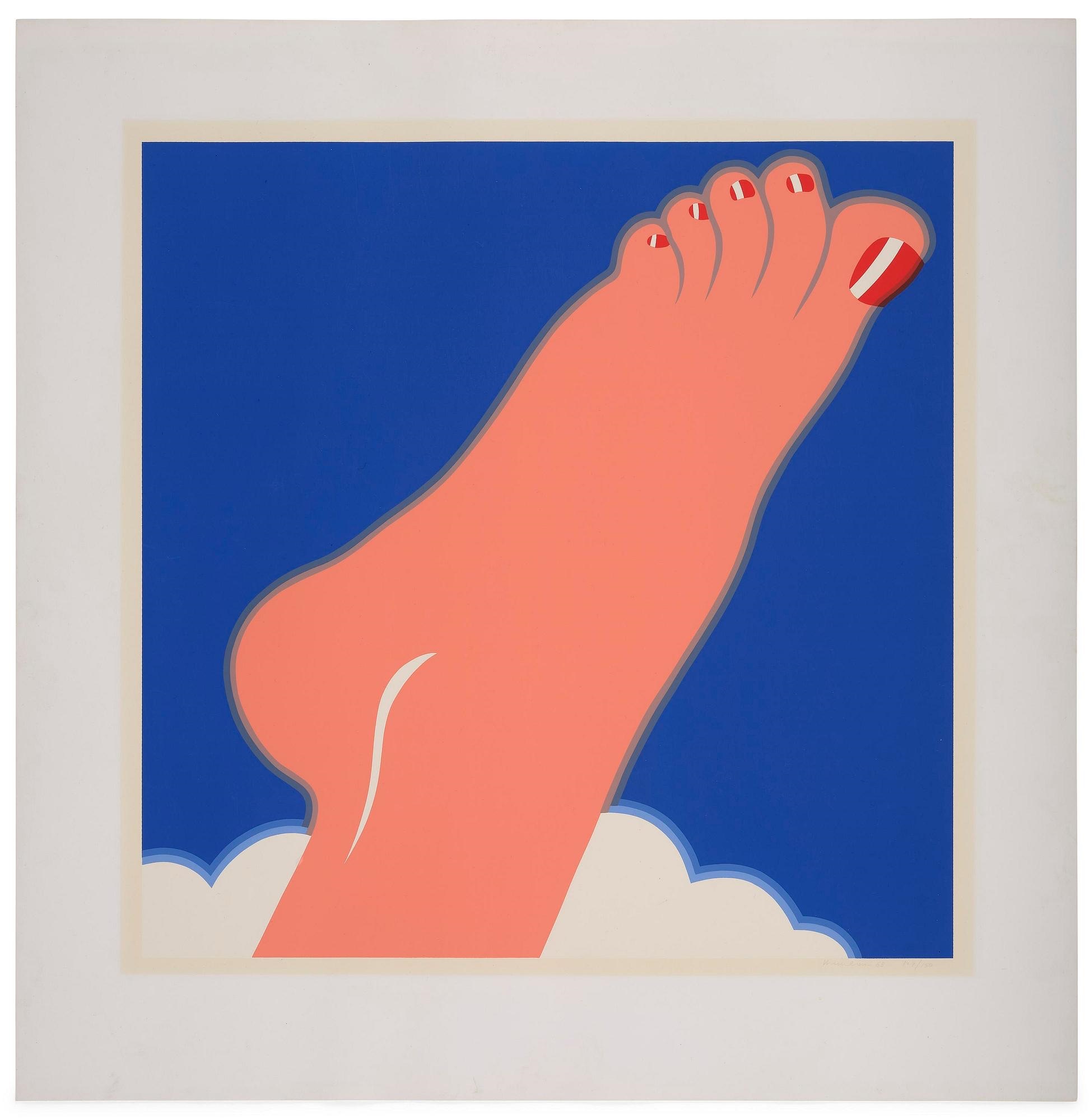
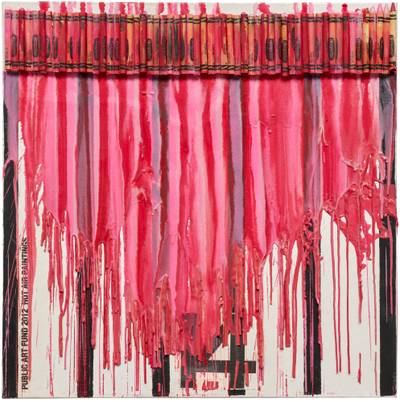
Gavin Turk
Camouflage Fright Wig Red and Pink, 2007
Essays in Artforum and October have explored how the format rhymes with the way screens have reorganized visual attention, training us to process information in split fields and parallel streams. Curator Helen Molesworth, whose catalogue essays consistently locate formal choices within larger cultural pressures, has written compellingly about how artists use adjacency to complicate narrative. The philosopher and art writer T.J.
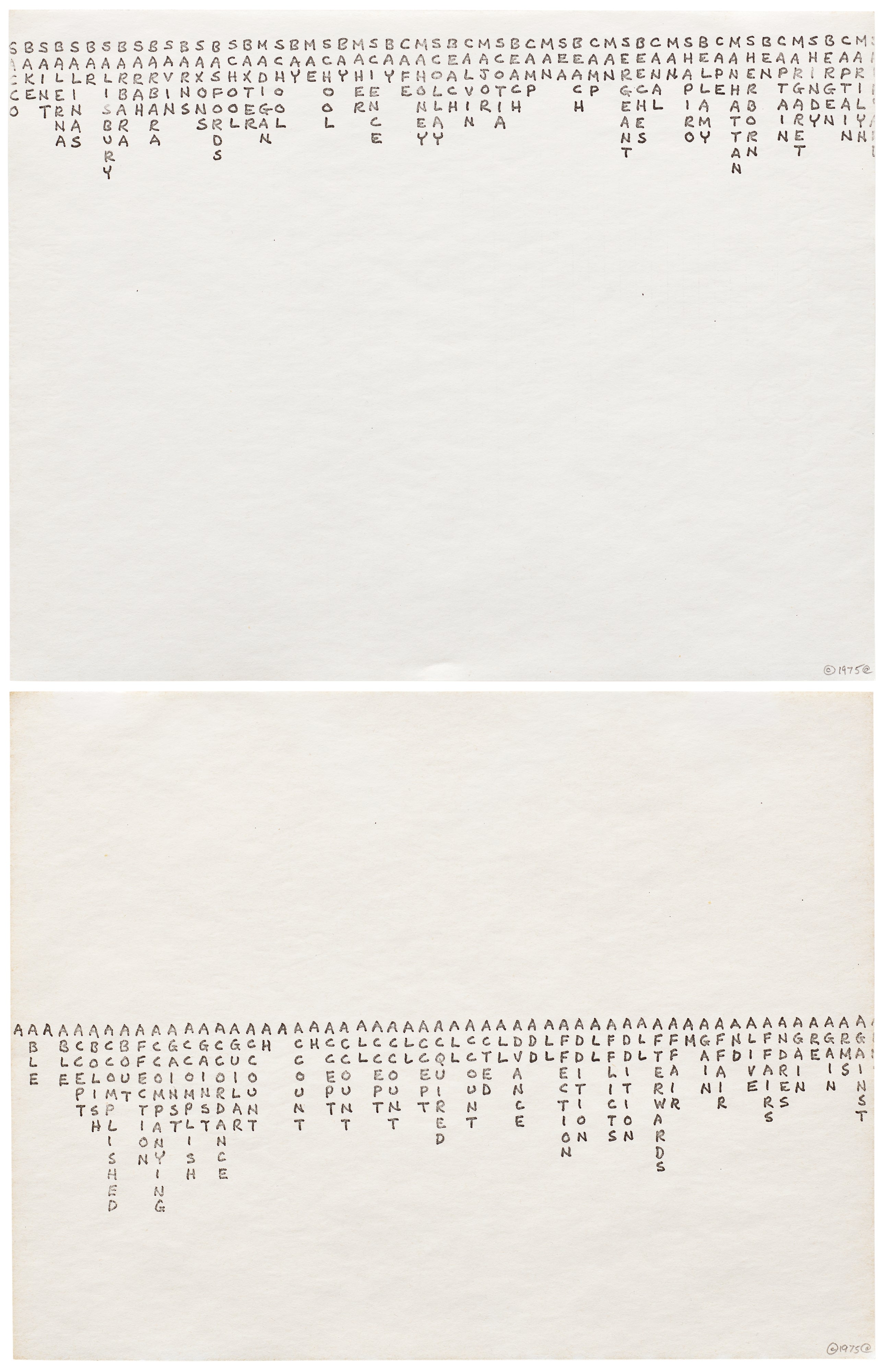
Clark, while not focused exclusively on the diptych, has written about the ethics of withholding resolution in ways that illuminate exactly why the format feels so alive right now. Among photographers on The Collection, Anne Collier and Sophie Calle both work with structures of pairing and sequencing that borrow from diptych logic even when they exceed its strict two panel form. Collier's cool, archival sensibility creates meaning through the specific objects she photographs and the way they echo or contradict each other across a series. Calle's practice of documentation and narrative builds meaning in the gaps between image and text, between what is shown and what is withheld.
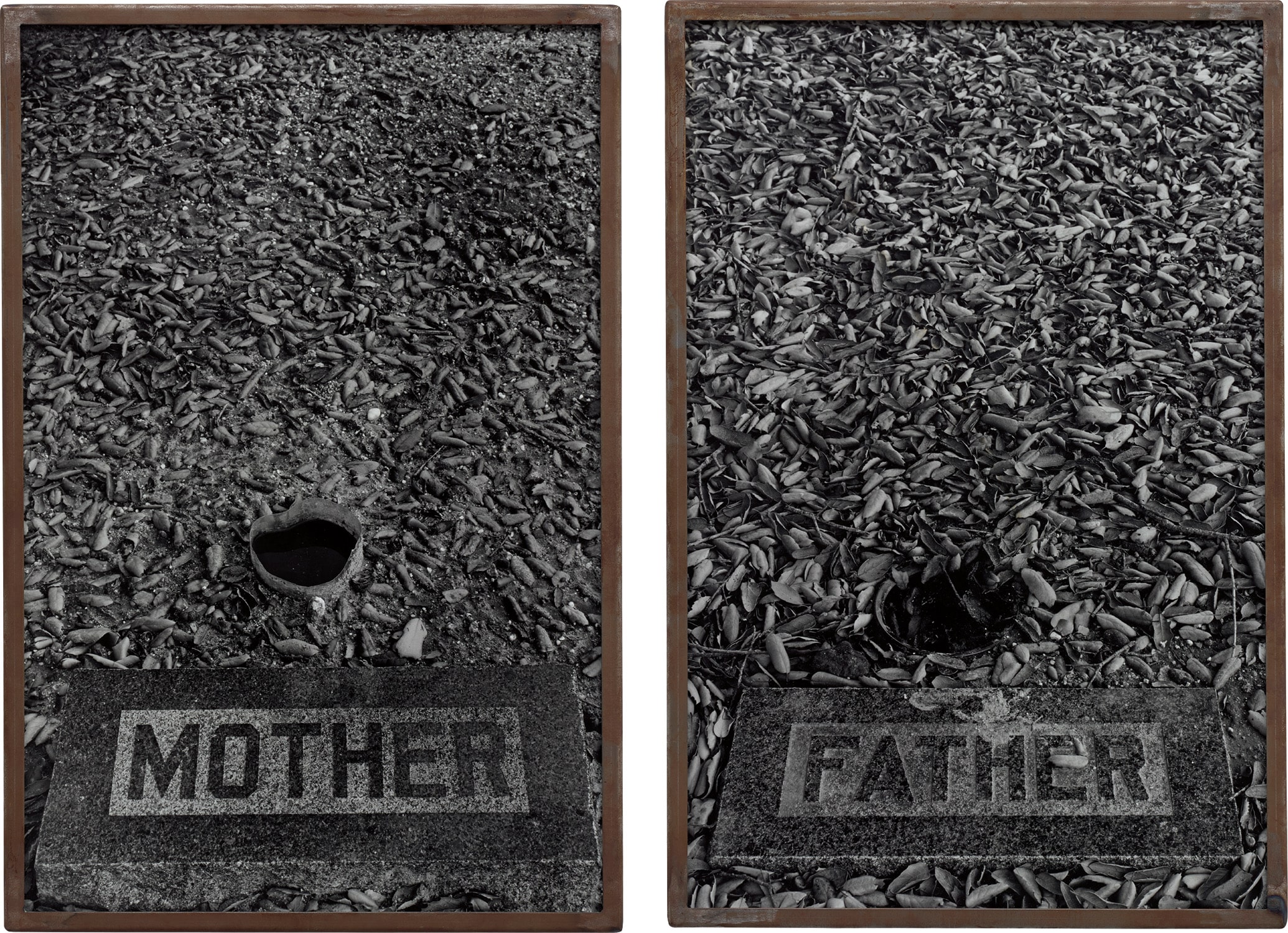
Sophie Calle
Les Tombes 'Mother, Father', 1990
These are diptych sensibilities applied to expanded practices, and collectors who understand this tend to collect more purposefully and with greater long term conviction. The AI category on The Collection introduces a genuinely new dimension to this conversation. Works generated or substantially shaped by machine learning processes often deploy diptych structures to make visible the difference between human and algorithmic seeing, or to stage a dialogue between source material and transformation. This is not nostalgia for an old format.
It is an extension of the diptych's deepest function: creating a space where two things that cannot be collapsed into one are nonetheless held together, asking the viewer to do the work of synthesis that the artist has deliberately refused. The physical and digital diptych, as a concept, has found serious collectors willing to pay seriously for it. Where does the energy go from here. The format feels far from settled.
What is emerging in studios and in younger gallery programs is a version of the diptych that is less symmetric and more confrontational, pairing works across radically different scales or materials, or using time as the second panel by creating works meant to be seen in sequence over days or weeks. Artists like Hugh Scott Douglas and Rebecca Brodskis, both present on The Collection, are working in spaces where the logic of adjacency is being tested against new pressures. For collectors paying attention, the diptych is not a solved problem. It is an ongoing question, and that is precisely what makes it worth asking.