Danish
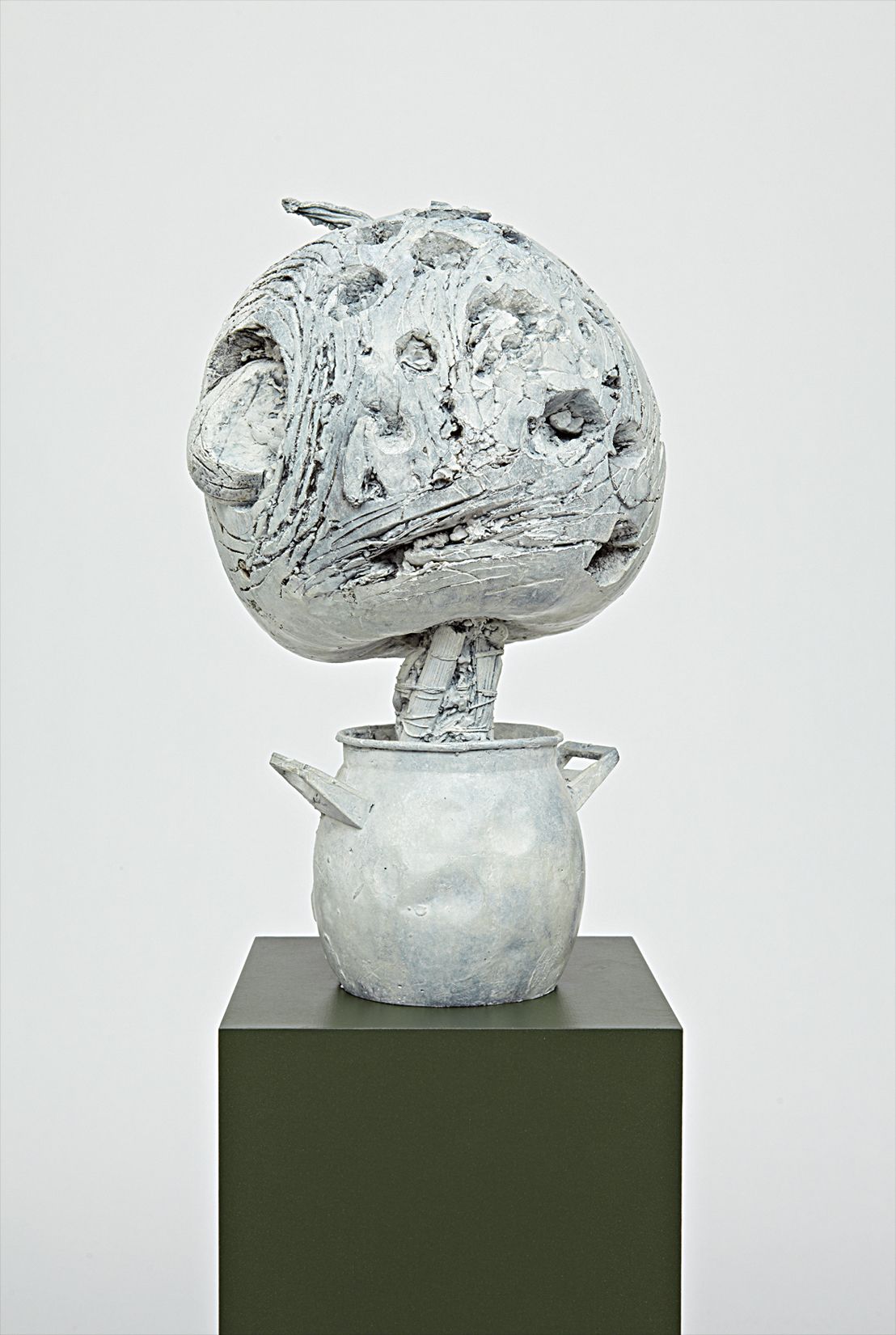
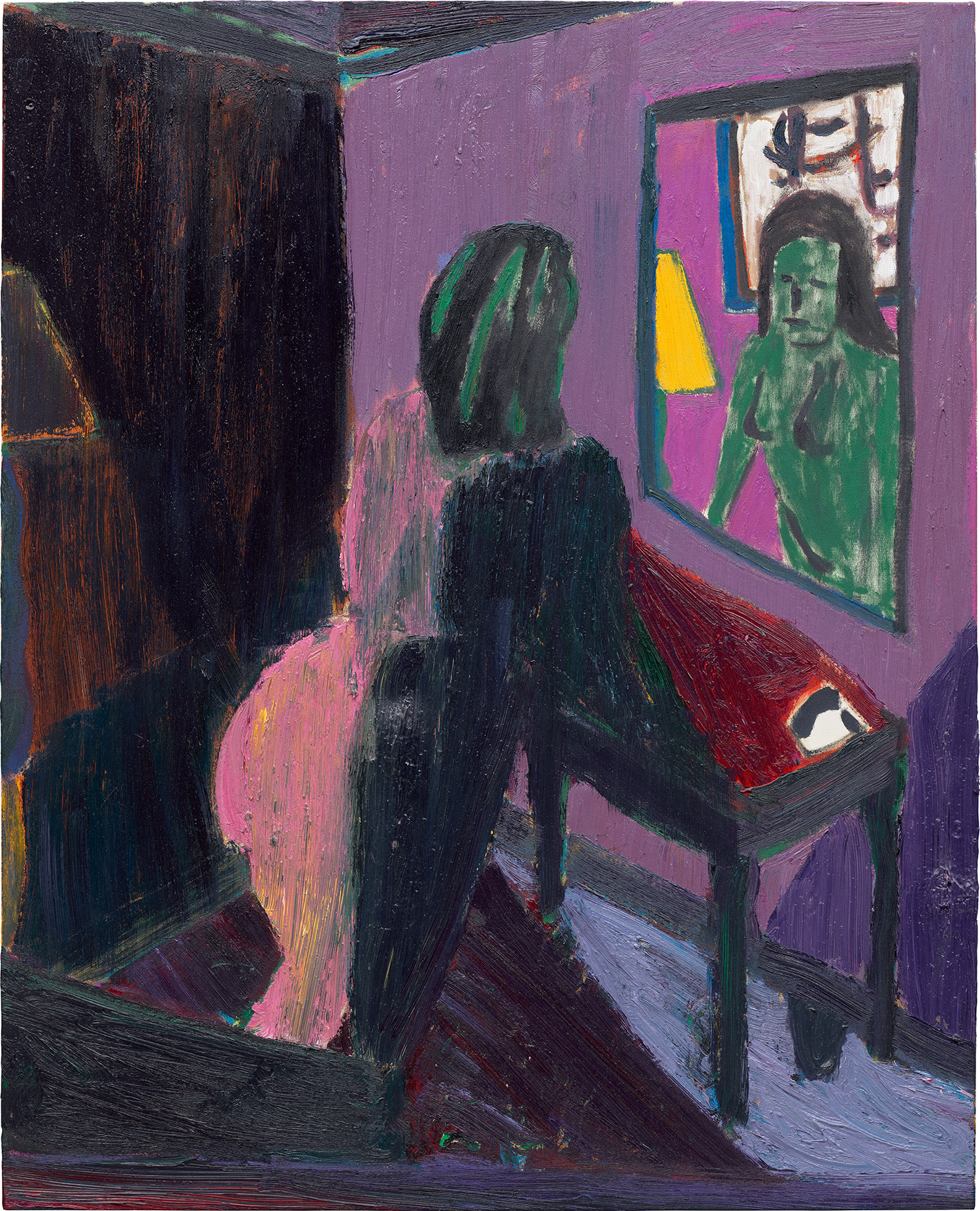
Tal R
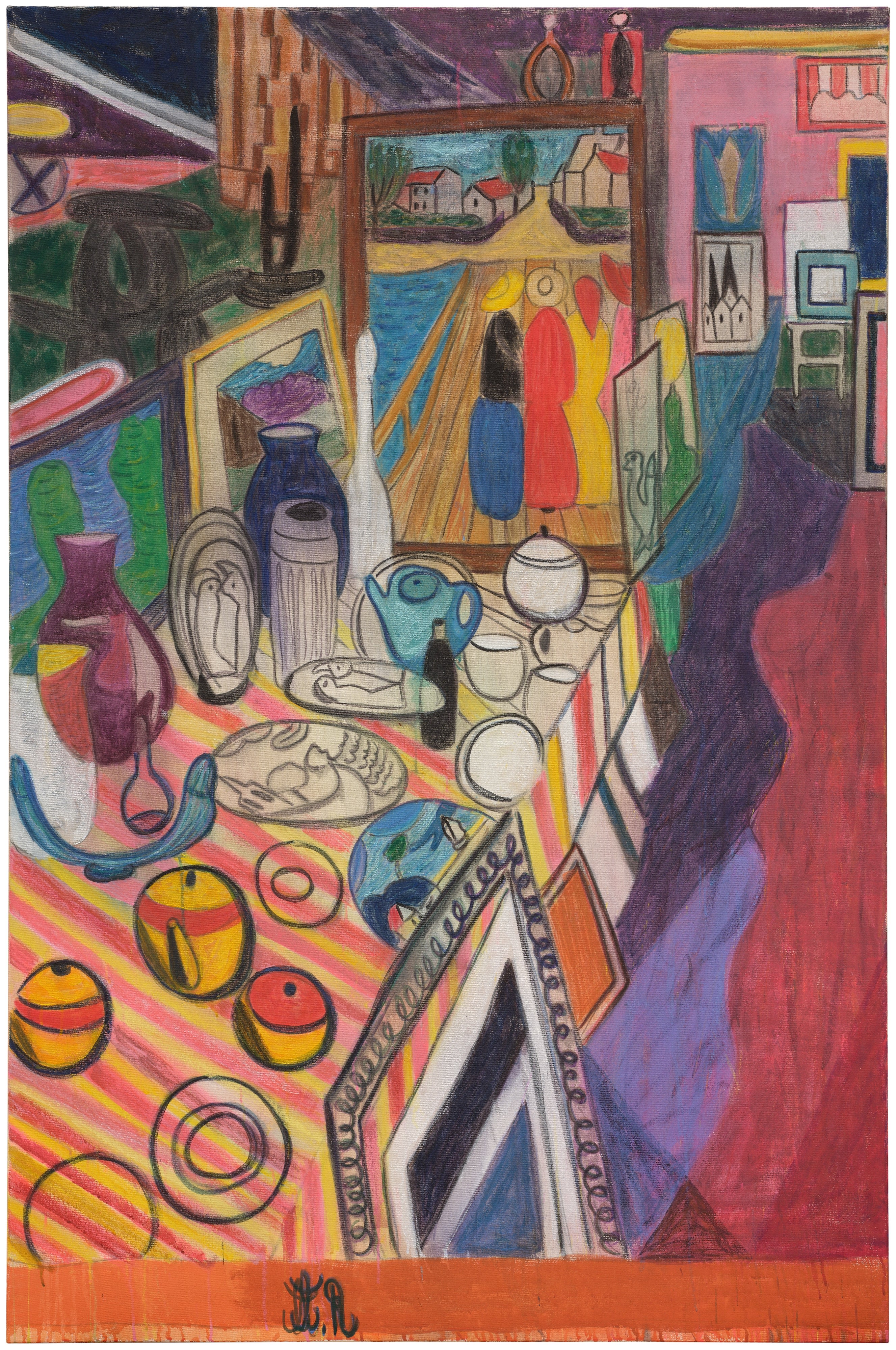
Cauliflower-Banana
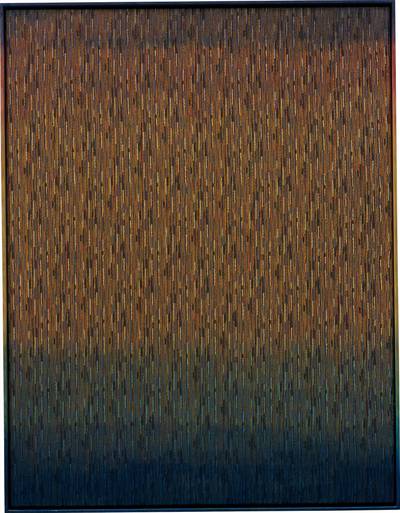
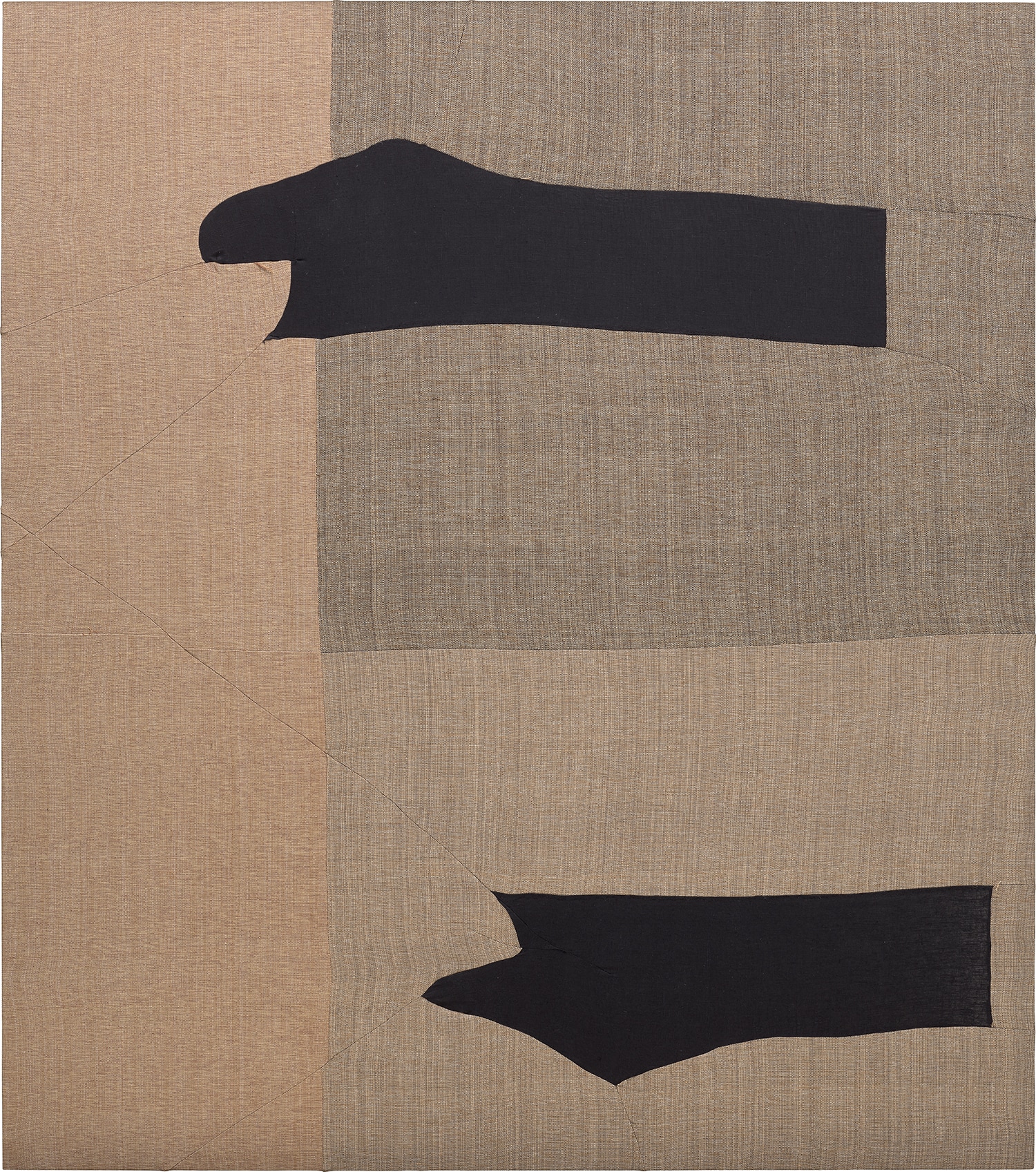
Denmark Made It Beautiful, Then Profound
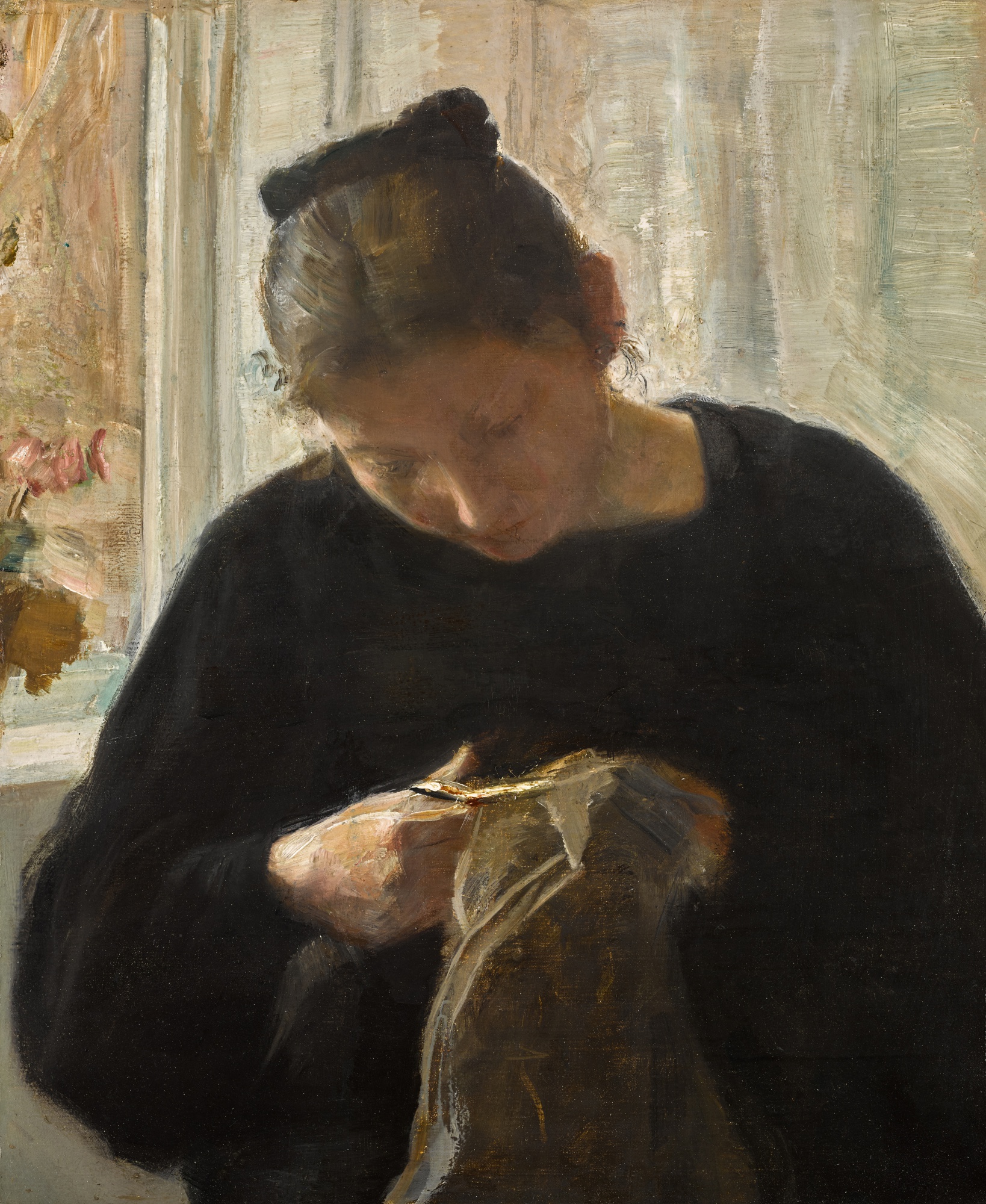
There is a particular quality of light in Danish art and design that collectors learn to recognize over time. It is cool without being cold, precise without being rigid, and it carries within it something of the northern latitude where it was born. Whether you are standing before a Carl Holsøe interior bathed in that characteristically flat Scandinavian daylight, or running your hand along the curved armrest of a Finn Juhl chair, you are encountering a sensibility that has been refined across centuries and across disciplines in ways that feel almost unreasonably coherent. Denmark has produced a small but extraordinarily concentrated body of creative work, and the more you look at it, the more interconnected it becomes.
The story begins earnestly in the first half of the nineteenth century, when Danish painting entered what historians now call the Golden Age. This was roughly the period between 1800 and 1850, when a group of painters trained at the Royal Danish Academy of Fine Arts in Copenhagen developed a style of quiet, observational naturalism that stood apart from the dramatic Romanticism sweeping the rest of Europe. Christen Købke, who studied under Christoffer Wilhelm Eckersberg, exemplified the movement's virtues: technical precision, emotional restraint, and a devotion to the overlooked corners of everyday Danish life. His work feels intimate in a way that very few contemporaries achieved, and a single Købke canvas on The Collection serves as a reminder of how much weight a painter can carry through understatement alone.
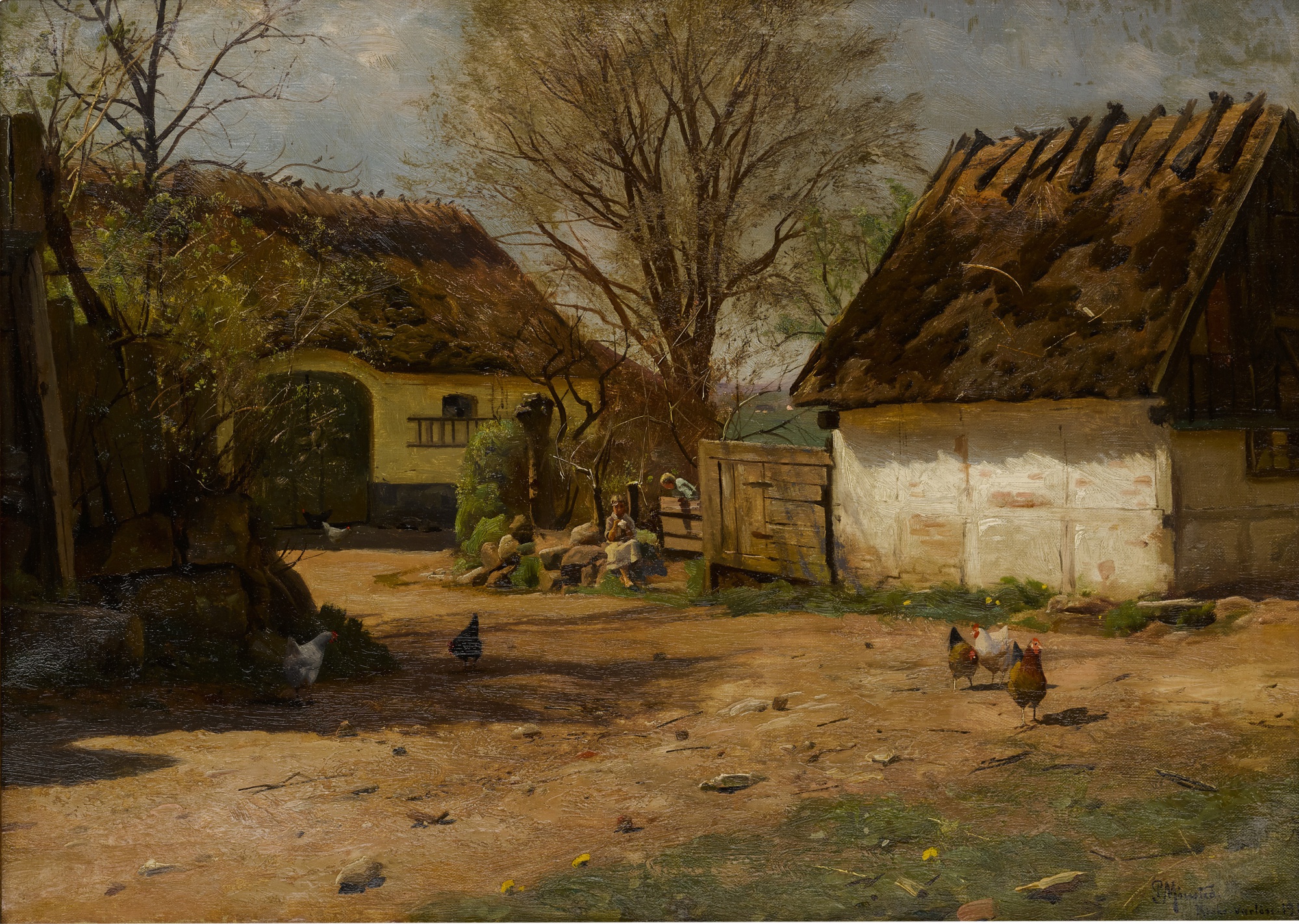
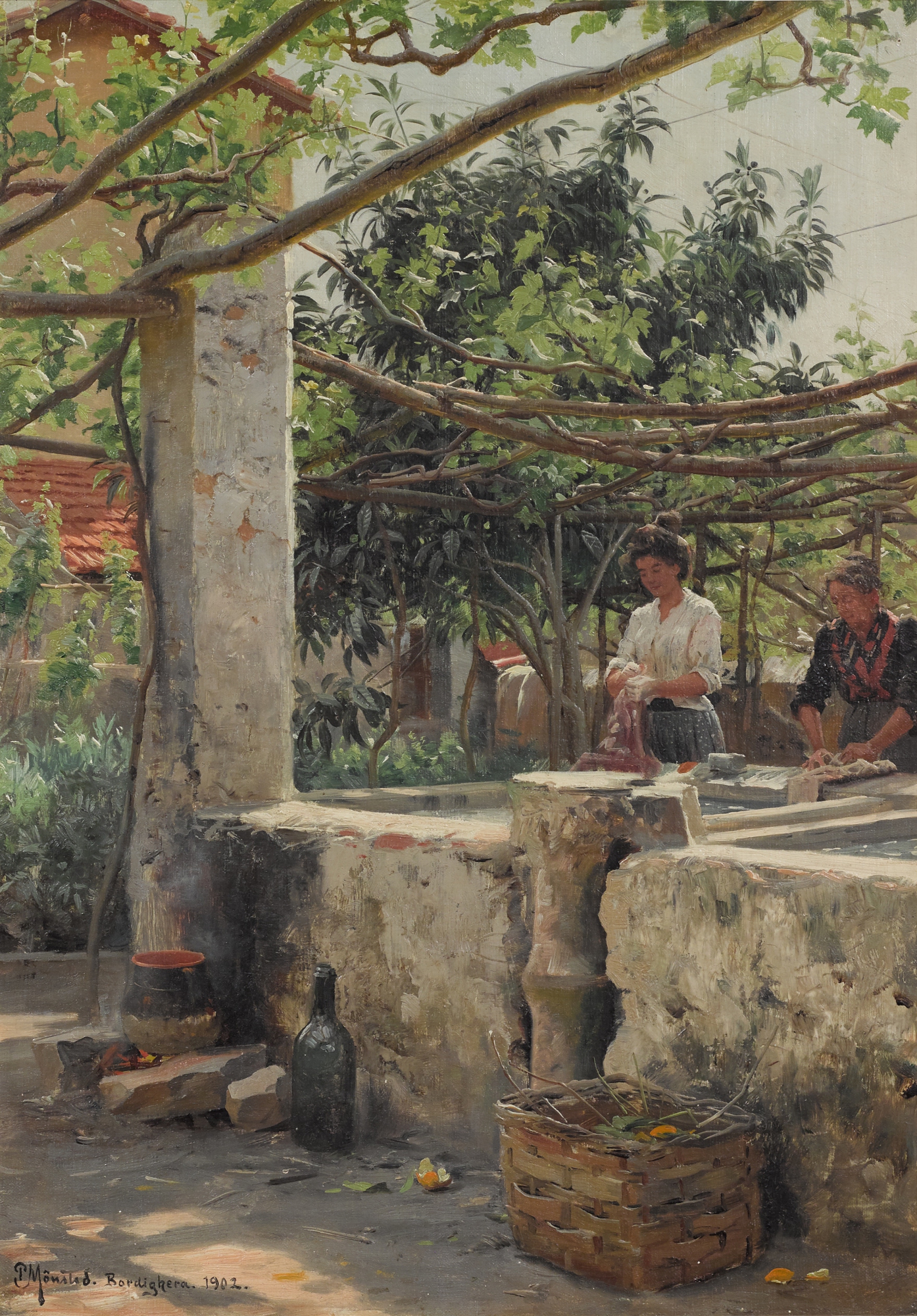
Peder Mønsted
Children in a sunlit farmyard
The Golden Age gave way to later nineteenth century naturalism, and painters like Peder Mønsted carried that tradition of careful observation into landscapes of almost photographic clarity. Mønsted's woodland and coastal scenes, painstaking in their detail and unwavering in their commitment to natural light, found enthusiastic audiences across Europe and remain deeply appealing to collectors today. Around the same time, Paul Fischer was documenting the social life of Copenhagen with a warmth and sociability that complemented Mønsted's more solitary vision. Peter Ilsted and Bertha Dorph, both working in the late nineteenth and early twentieth centuries, continued the lineage of the intimate interior that Købke and Holsøe had established, each bringing their own particular quality of stillness to domestic scenes that feel timeless rather than dated.
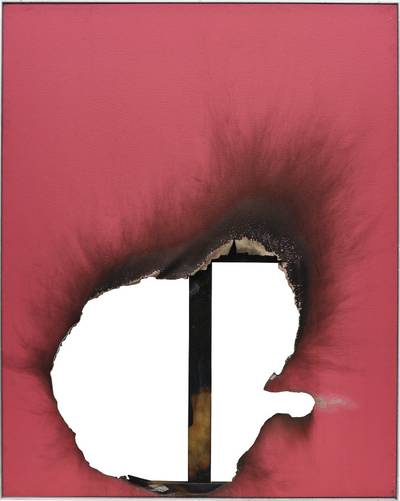
The twentieth century brought rupture. Wilhelm Freddie was perhaps Denmark's most provocative surrealist, an artist who tested the limits of what Danish culture would permit and paid for it in 1937 when his exhibition in Copenhagen was shut down and he was briefly imprisoned. His work introduced a current of psychological unease and eroticism into a tradition that had prized decorum, and the contrast matters. Richard Mortensen moved toward pure abstraction in the postwar years, becoming a significant figure in the Parisian art world while maintaining his Danish identity.
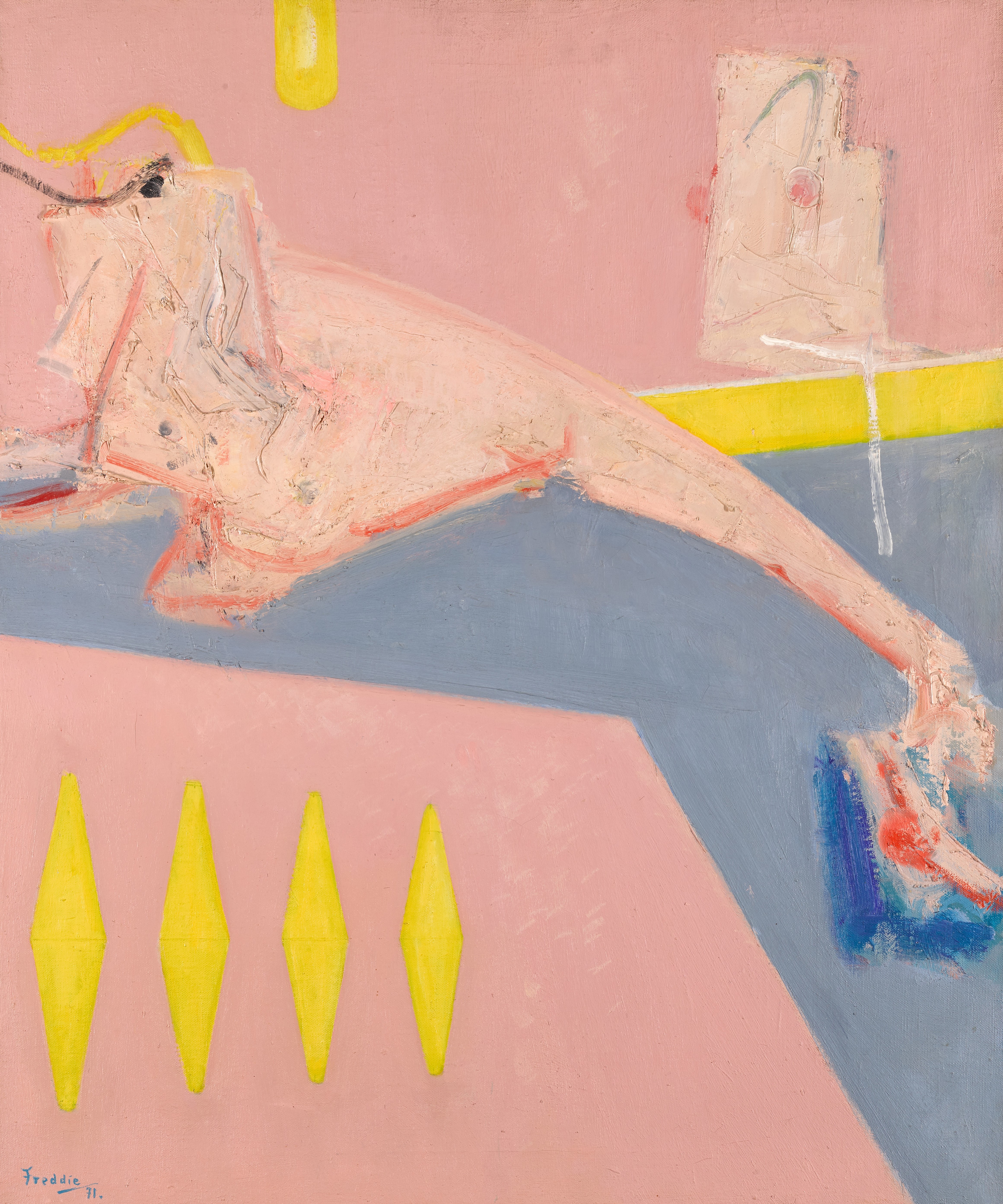
Wilhelm Freddie
La chambre rosée (Les amoureux), 1971
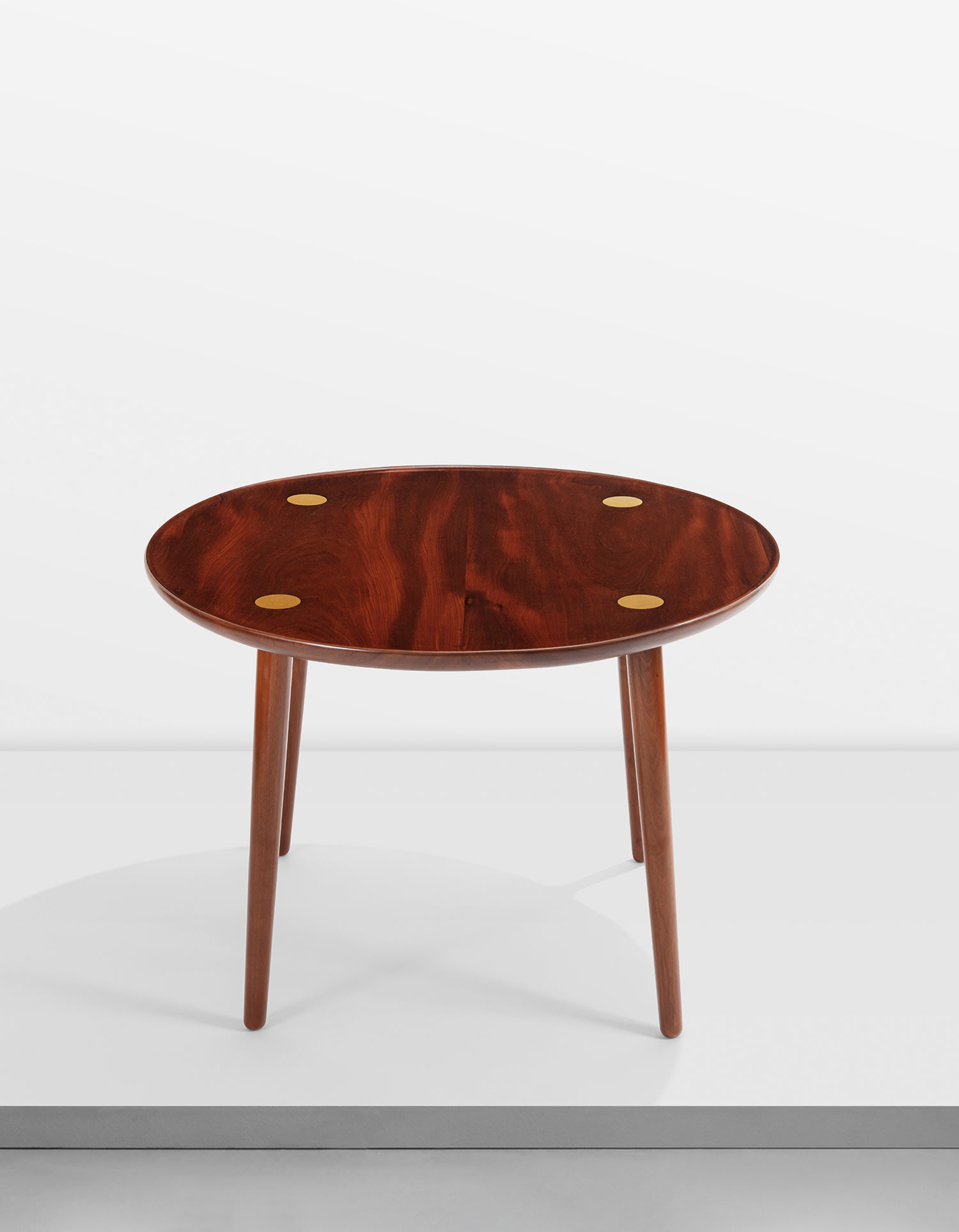
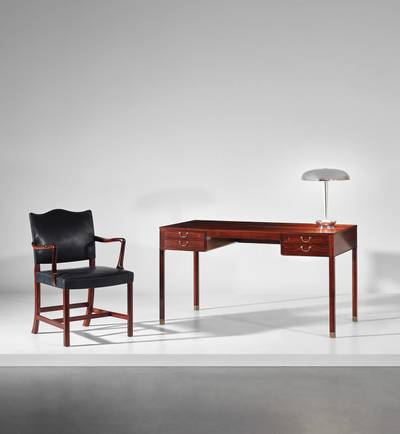
Robert Jacobsen, working in sculpture, brought a constructivist rigor to Danish art that connected it to broader European modernist movements. These artists collectively ensured that Danish modernism was not merely provincial but genuinely engaged with the most ambitious conversations happening in international art. Running parallel to these developments in fine art was one of the most significant design movements the twentieth century produced. The period roughly spanning the 1940s through the 1960s saw Danish furniture designers achieve a synthesis of craft, function, and aesthetic beauty that has never been equalled.
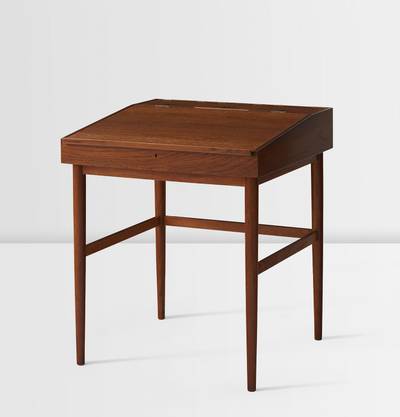
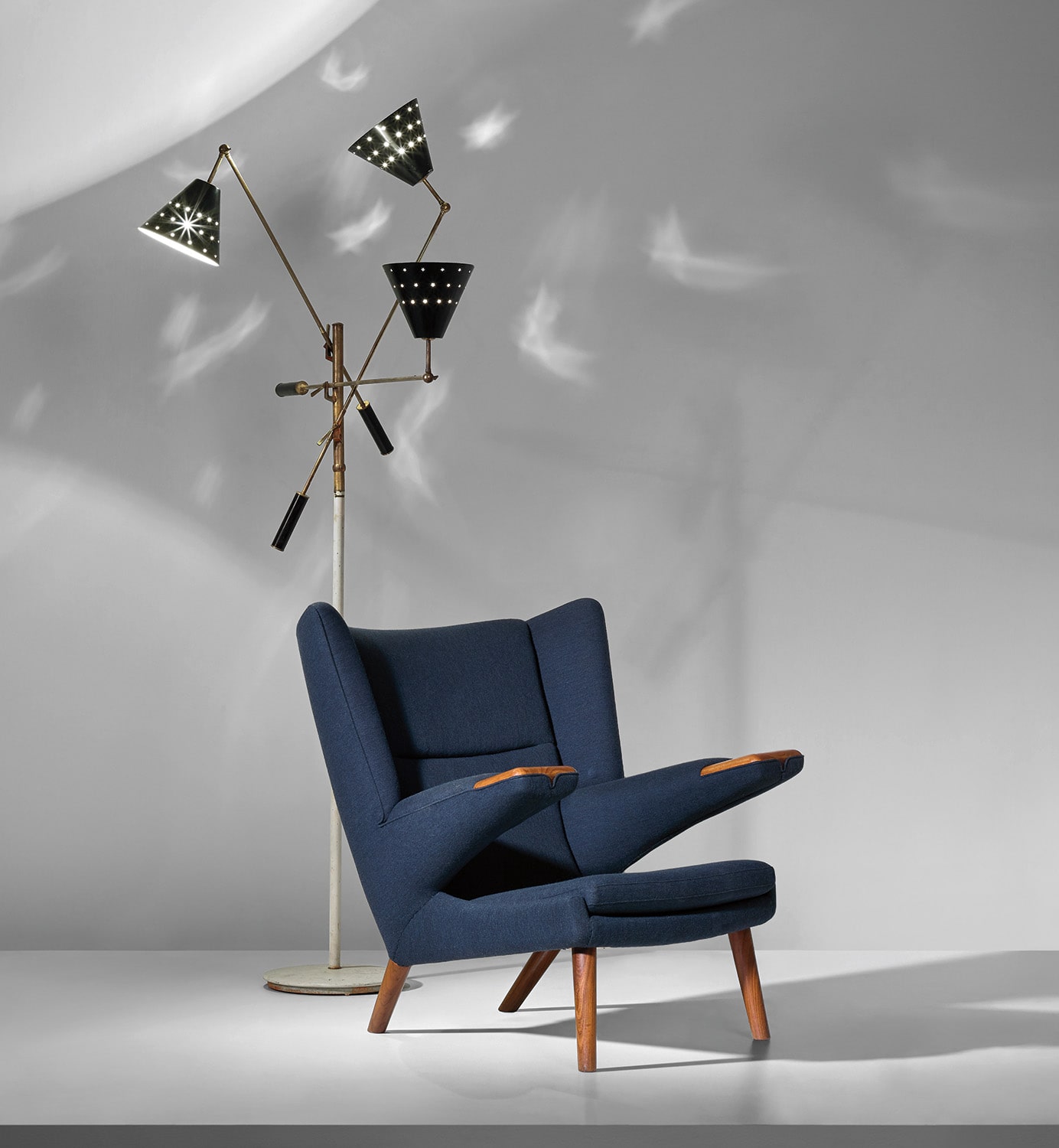
Finn Juhl, whose work is richly represented on The Collection, was arguably the most sculptural thinker of the group. His furniture, with its distinctive separation of seat shell from frame, was presented at the Cabinetmakers Guild exhibitions in Copenhagen and later introduced to American audiences through Edgar Kaufmann Jr. at the Museum of Modern Art in New York. Hans J.
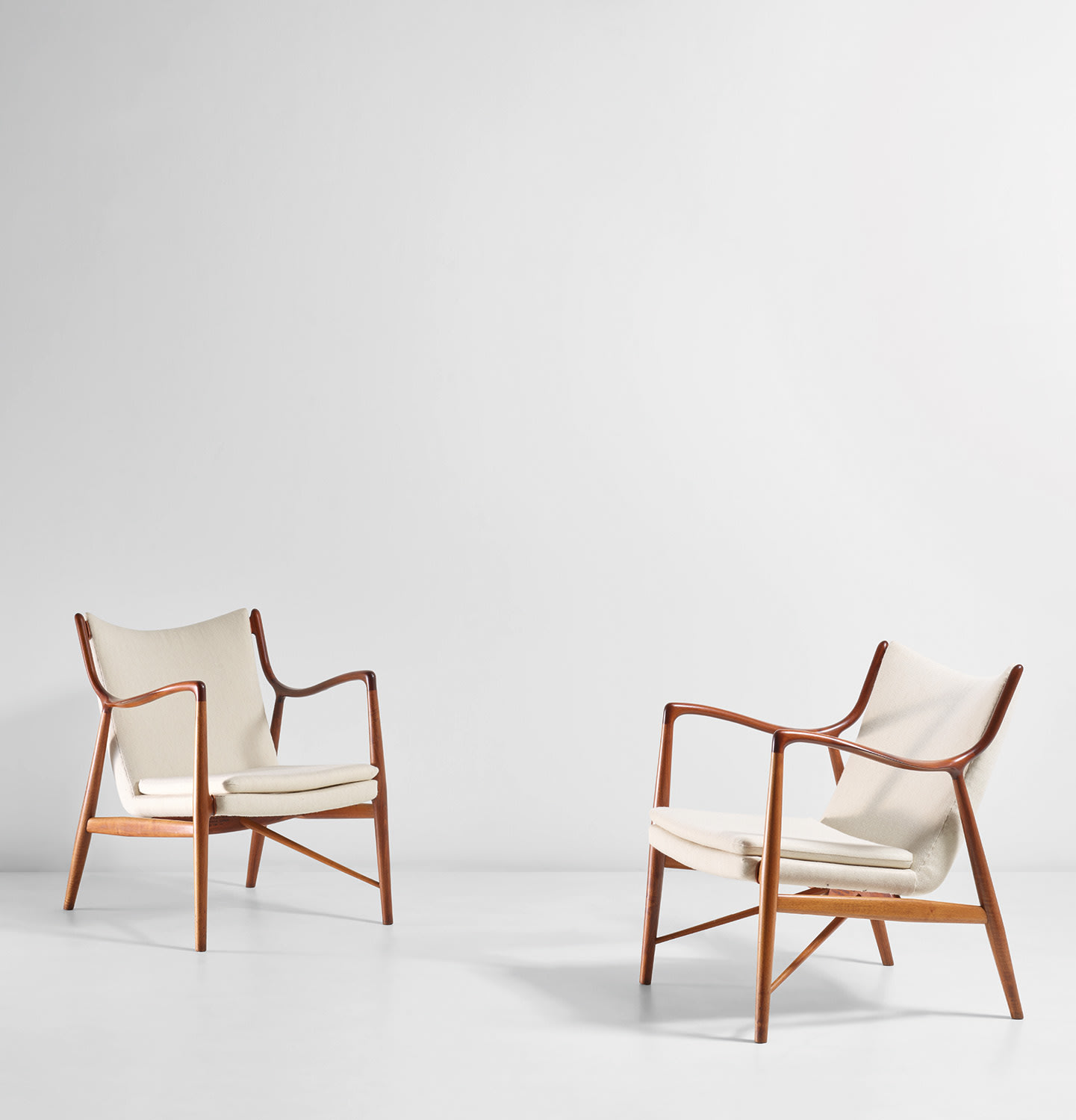
Finn Juhl
Pair of easy chairs, model no. FJ 45
Wegner, Ole Wanscher, Arne Jacobsen, Poul Kjærholm, Børge Mogensen, and Jacob Kjær each developed distinct design philosophies, but they shared a commitment to the idea that an object made for daily use deserved the same seriousness of thought as a work of art intended for a gallery wall. Frits Henningsen and Ejner Larsen belong to this same tradition of the Copenhagen cabinetmakers whose names are now spoken with the reverence once reserved for painters. What unites the fine art tradition and the design tradition is not simply geography but a shared philosophy of restraint and intention. Danish makers, across centuries and across media, have tended to resist the decorative gesture that exists purely for its own sake.
The ornament earns its place or it disappears. This quality means that Danish work ages remarkably well. A Wegner chair designed in 1949 does not feel dated in the way that much design from the same period does. A Holsøe interior painted around 1900 does not feel nostalgic.
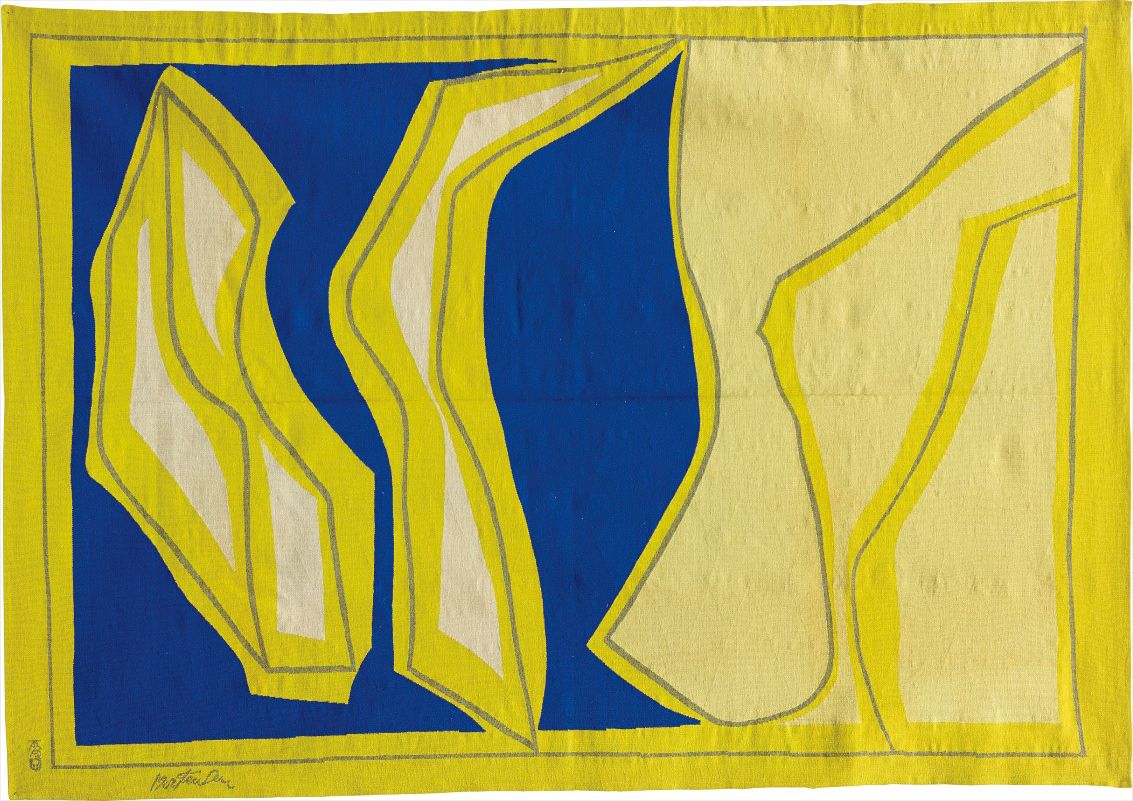
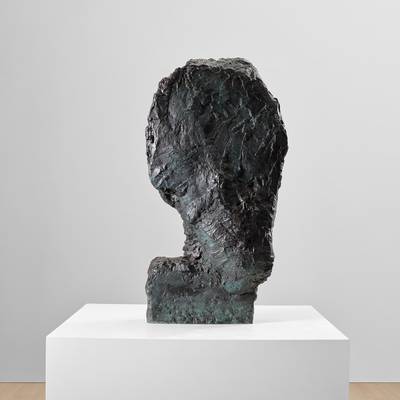
Tal R
Cauliflower-Banana
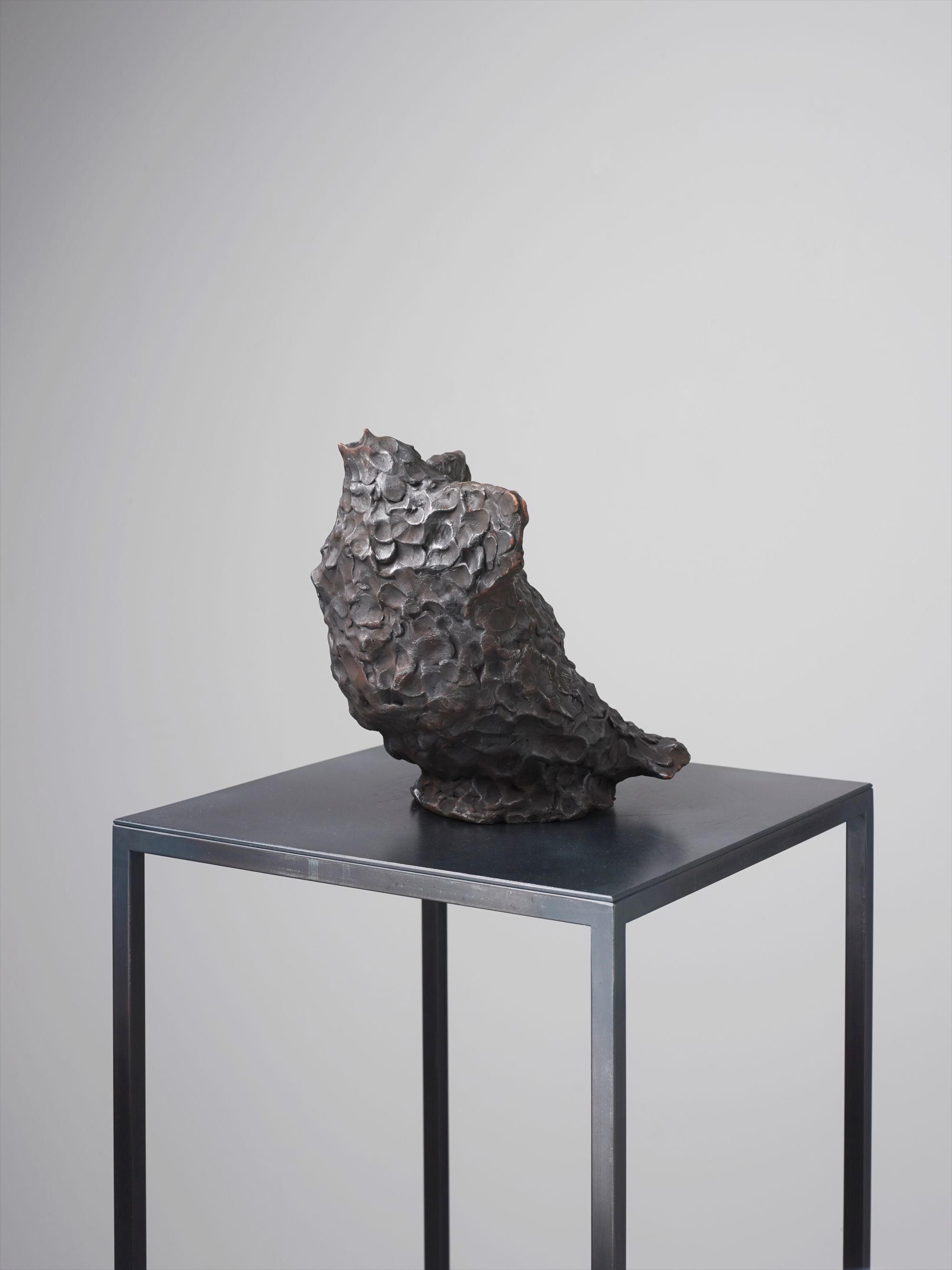
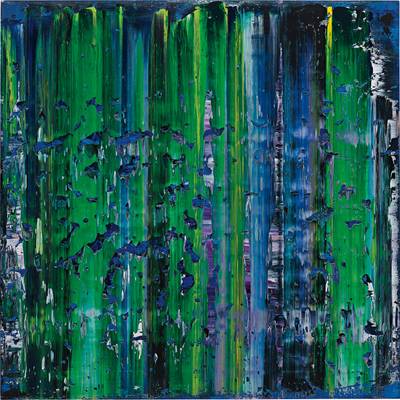
The work simply continues to hold. The contemporary generation of Danish artists has inherited this legacy and done interesting, sometimes difficult things with it. Per Kirkeby brought a raw geological energy to painting that seemed to push against every expectation of Danish restraint, and his influence on subsequent painters has been considerable. Tal R layers cultural detritus and personal mythology into canvases that are loud and associative and funny in ways that feel genuinely new.
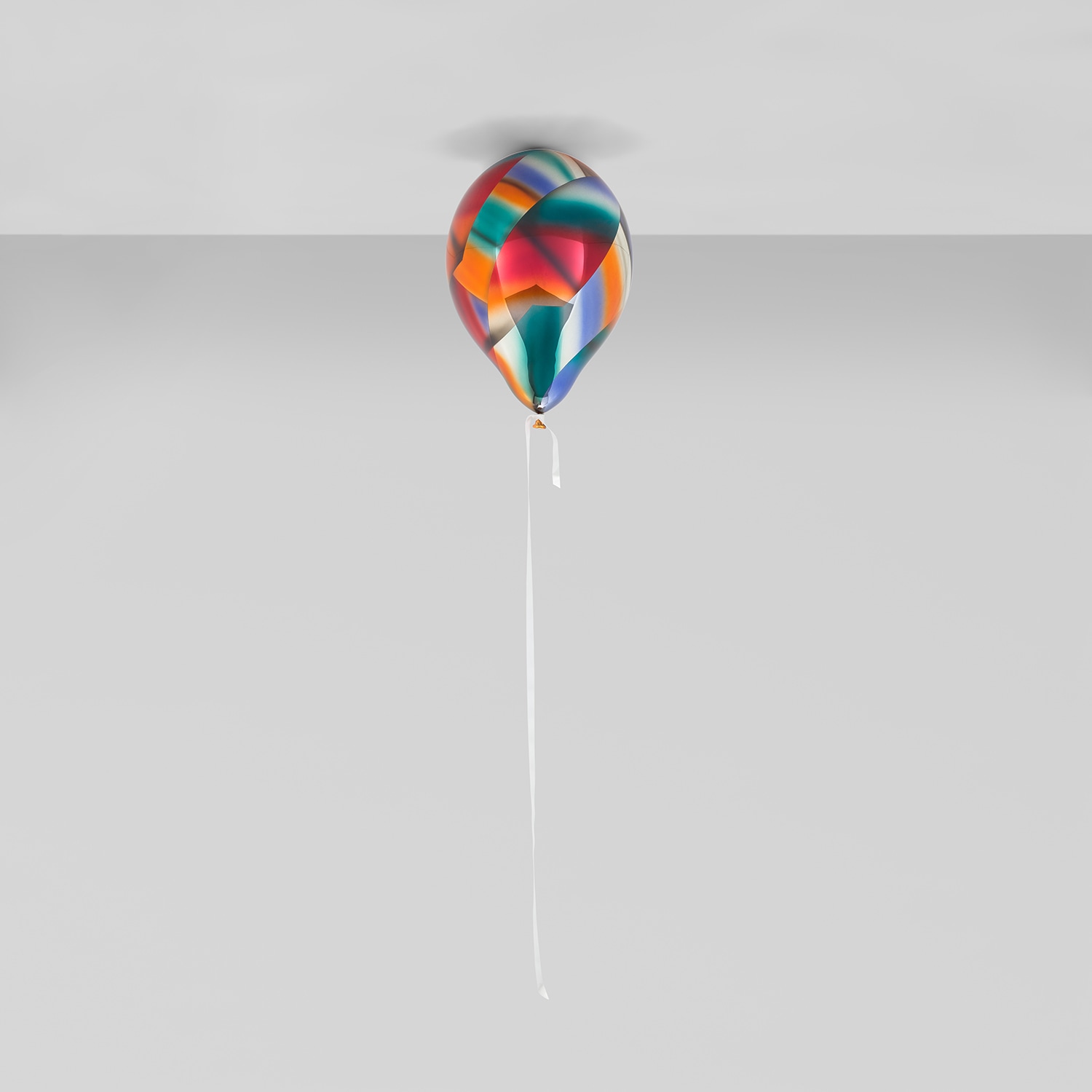
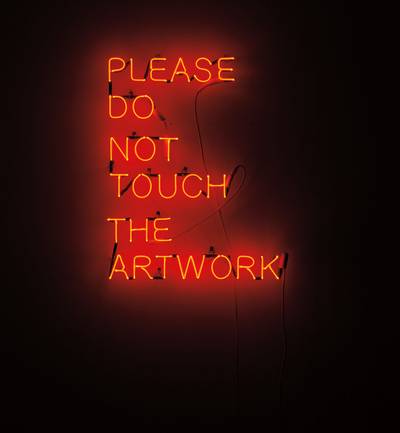
Jeppe Hein makes participatory installations that are playful and spatially intelligent, drawing on minimalism while remaining accessible. Nina Beier and Sergej Jensen both operate in international contexts where their Danish formation is present but not dominant. John Kørner brings an almost childlike directness to painting that masks real formal intelligence. Kasper Sonne and Alexander Tovborg each pursue conceptual frameworks that connect to global conversations while remaining rooted in their particular place and formation.
For collectors, the Danish tradition offers something genuinely rare: a through line that runs from Golden Age oil paintings to modernist furniture to contemporary conceptual art, and in which every part illuminates every other part. The Collection brings together works from across this entire span, and to move between them is to understand how a culture accumulates its values across time. It is not a small thing to have found a way to sit in a Juhl chair, look at a Holsøe on the wall, and then consider what Tal R does with color in the room next door. That conversation is Denmark, in all its quiet ambition.