Crowded Composition
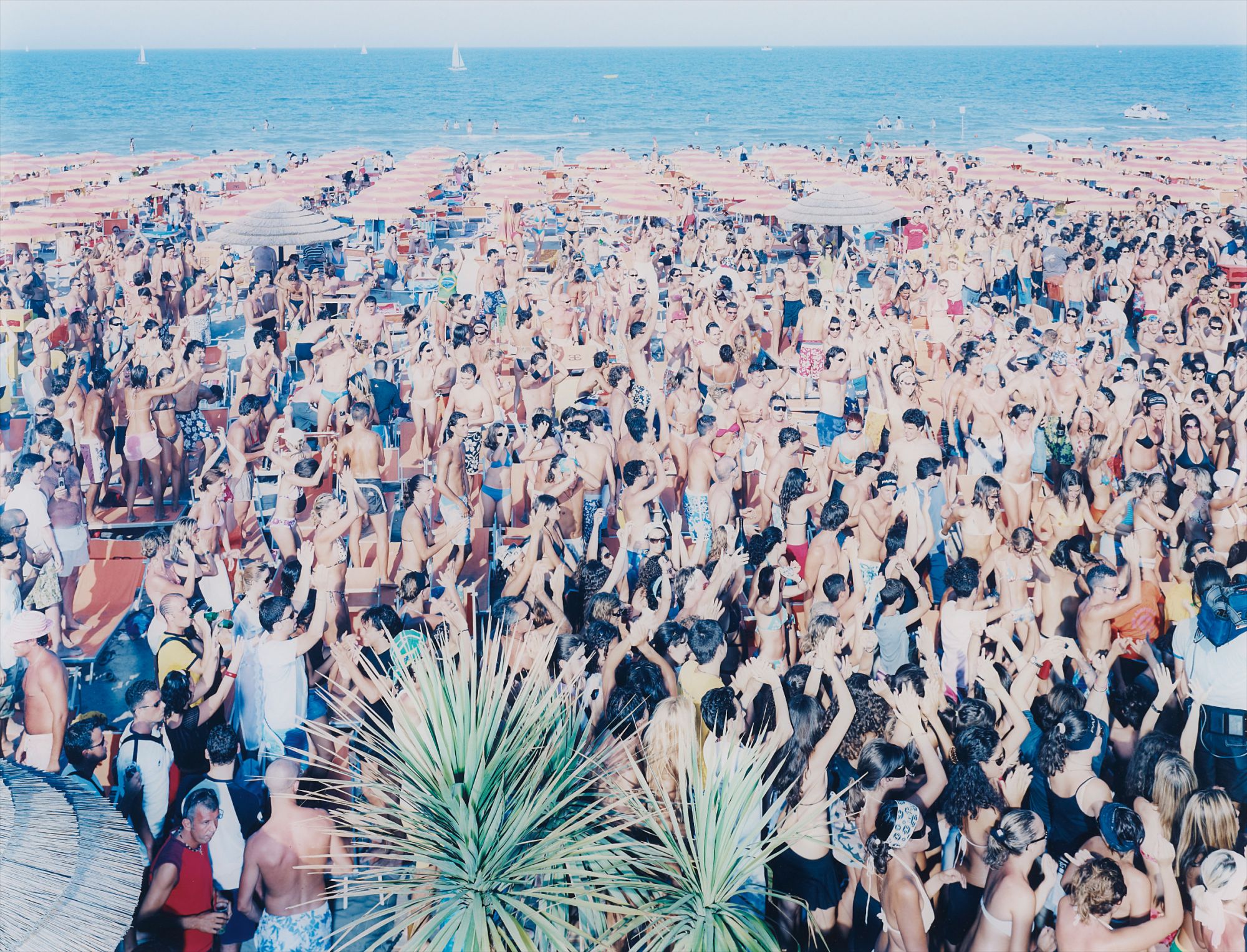
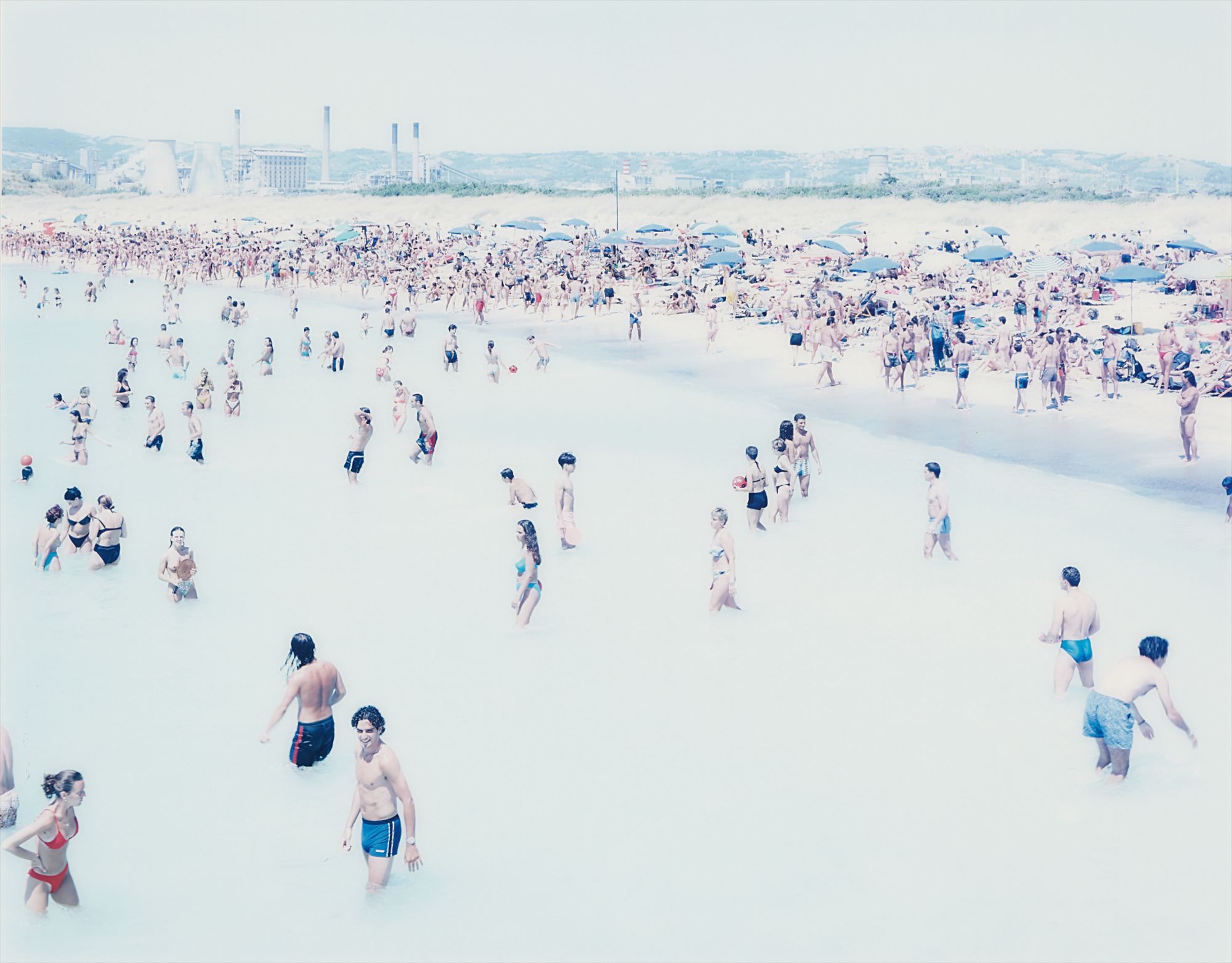
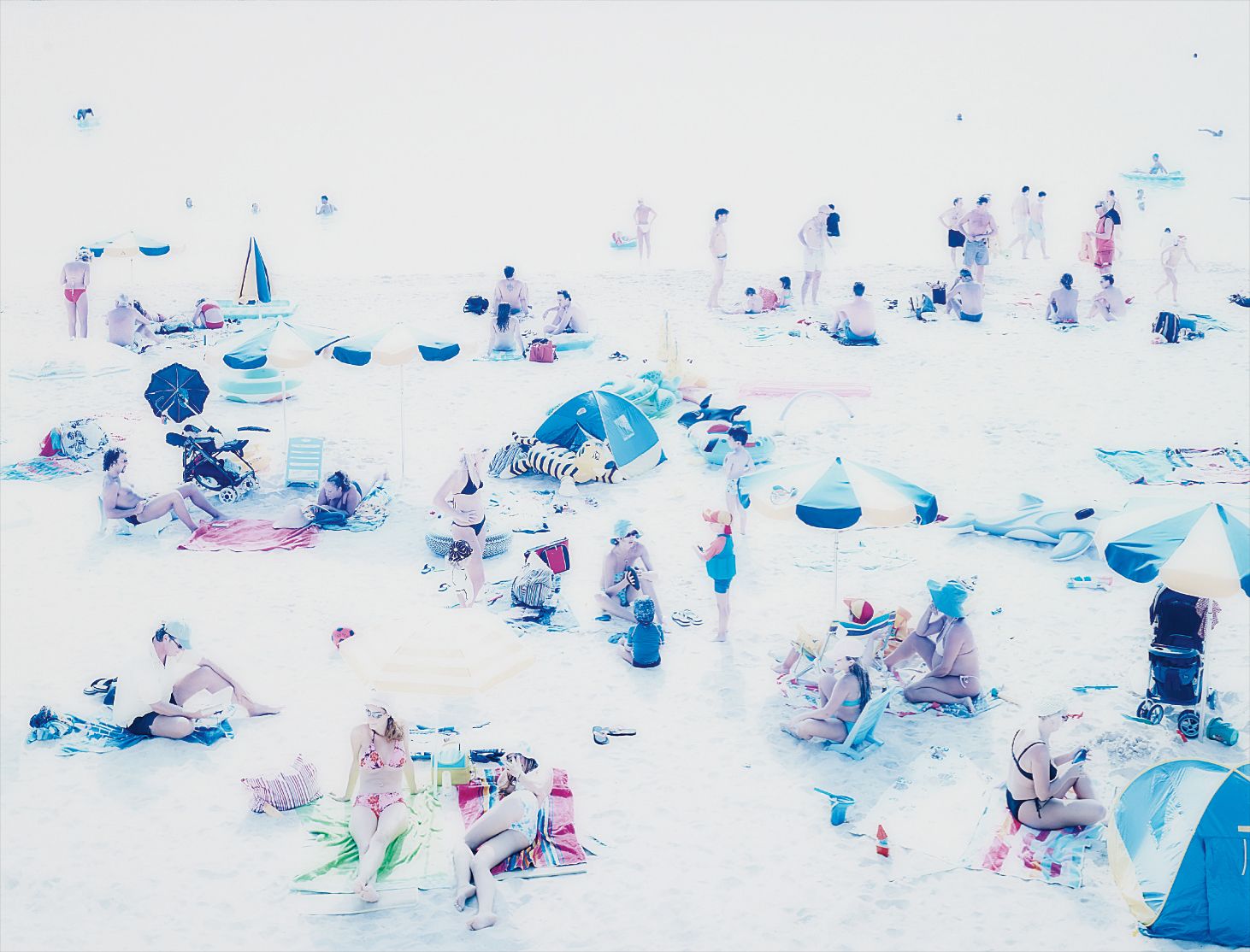
Massimo Vitali
Papeete Beach 2
The Beautiful Chaos of the Crowd
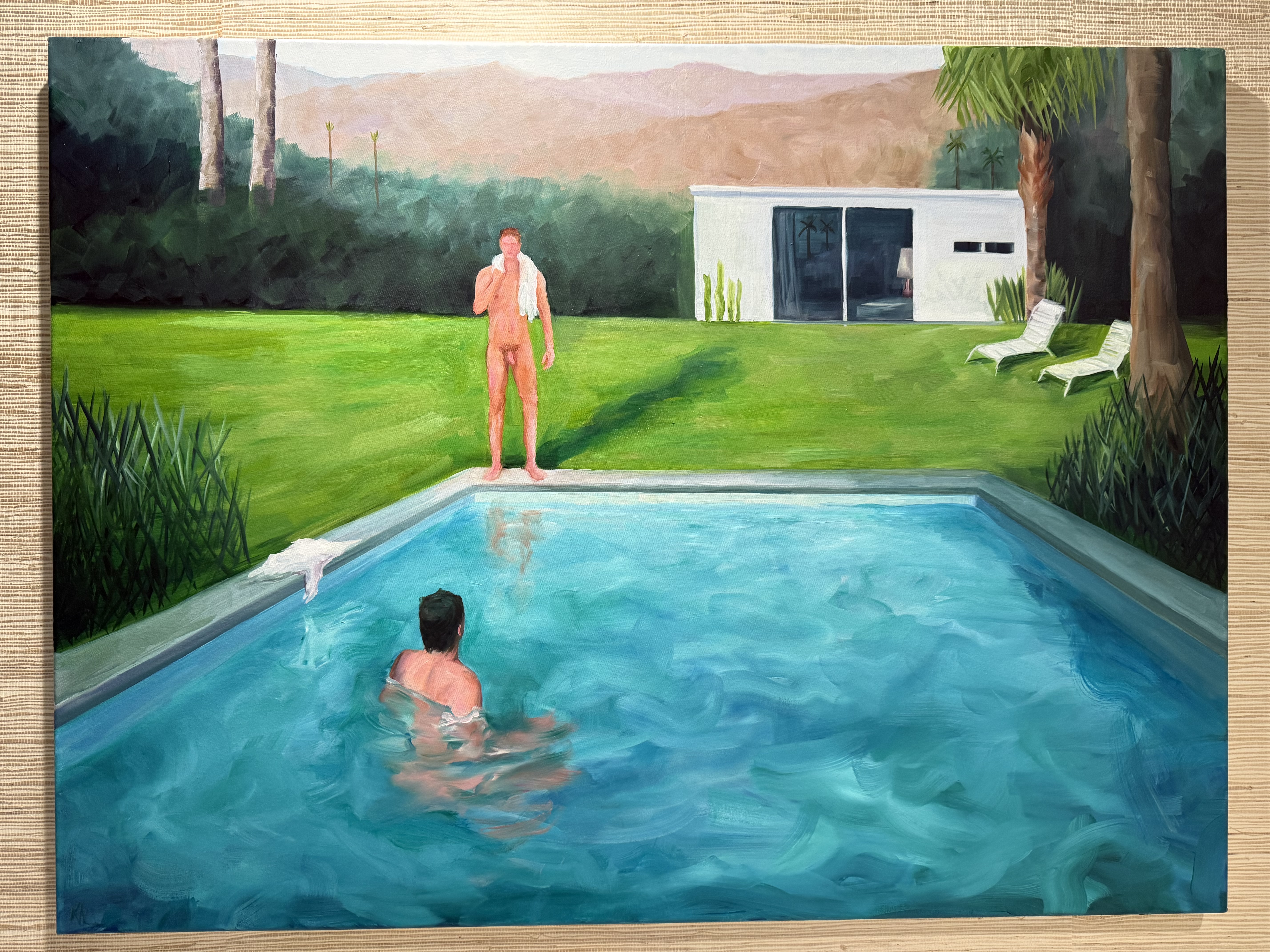
There is something quietly radical about choosing to live with a crowded composition. In an art world that has long rewarded restraint, the single gesture, the field of monochrome, the austere minimal statement, the collector who gravitates toward density and multitude is making a different kind of declaration. They are saying that humanity in its collective, jostling, overlapping reality is worthy of sustained attention. Works built around crowds ask something of you.
They reward patience, repeated looking, and a genuine curiosity about other people. What draws collectors to this territory is partly the sheer visual richness. A great crowded composition never gives itself up entirely on first encounter. You find something new each time you return to it, a gesture at the edge of the frame, a face half obscured, a relationship between strangers that suddenly reads as tender or comic or strange.
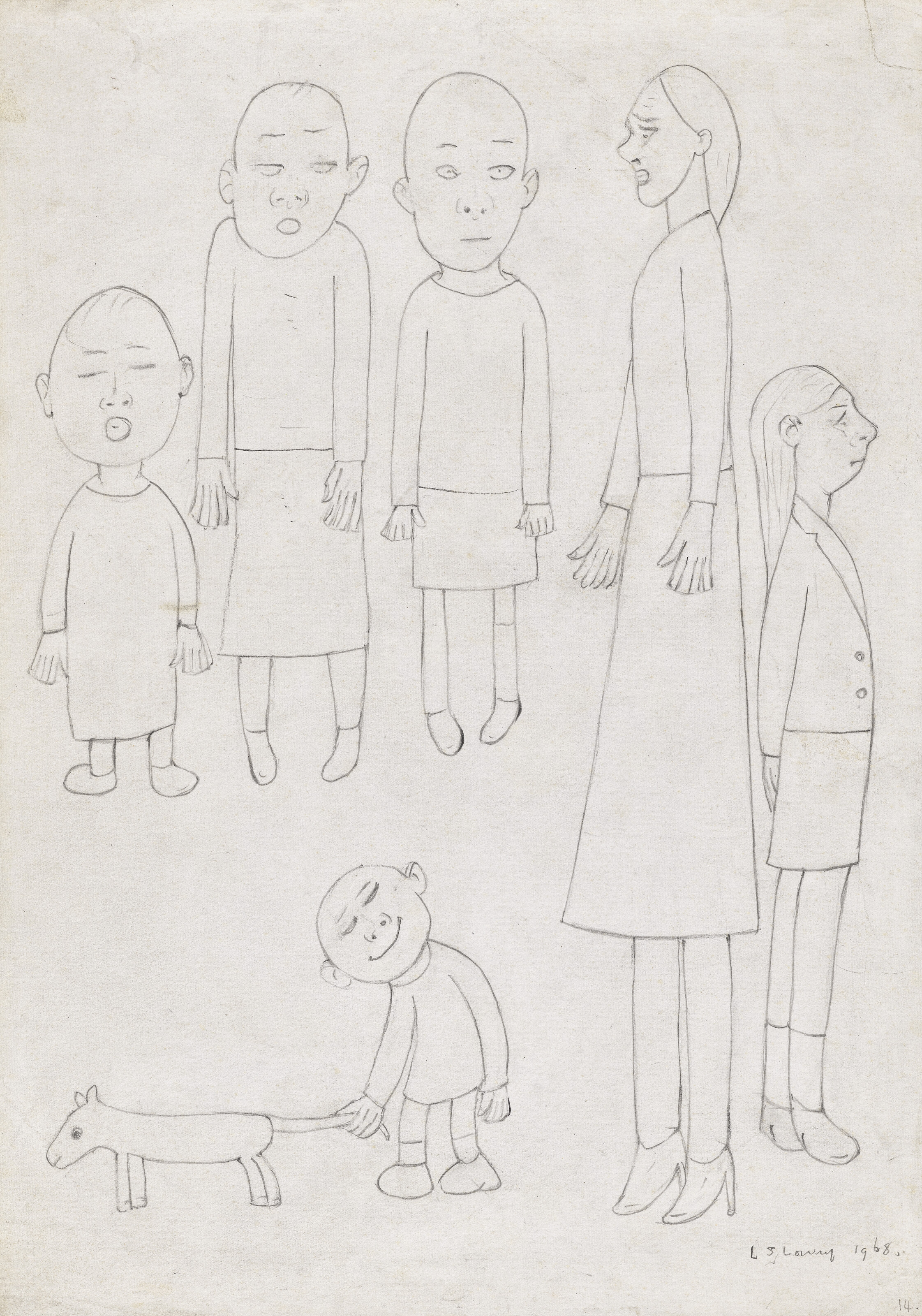
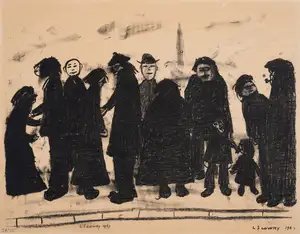
Laurence Stephen Lowry
Group of figures and a dog
This is the quality that makes such works deeply satisfying to live with over years and even decades. Unlike so much contemporary work that announces its meaning immediately and then retreats into silence, a painting or photograph dense with figures keeps talking. Separating a good work from a great one in this category comes down to a few specific qualities that experienced collectors learn to read quickly. The first is compositional control.
The finest crowded works are never actually chaotic, even when they appear to be. There is an underlying architecture, a rhythm of movement and stillness, of light and shadow, that holds everything together without revealing itself too obviously. The second is the quality of individual observation within the whole. The artists who matter in this space are the ones who can give you a hundred figures and still make you feel that each one is a specific person, caught at a specific moment, living a specific interior life.
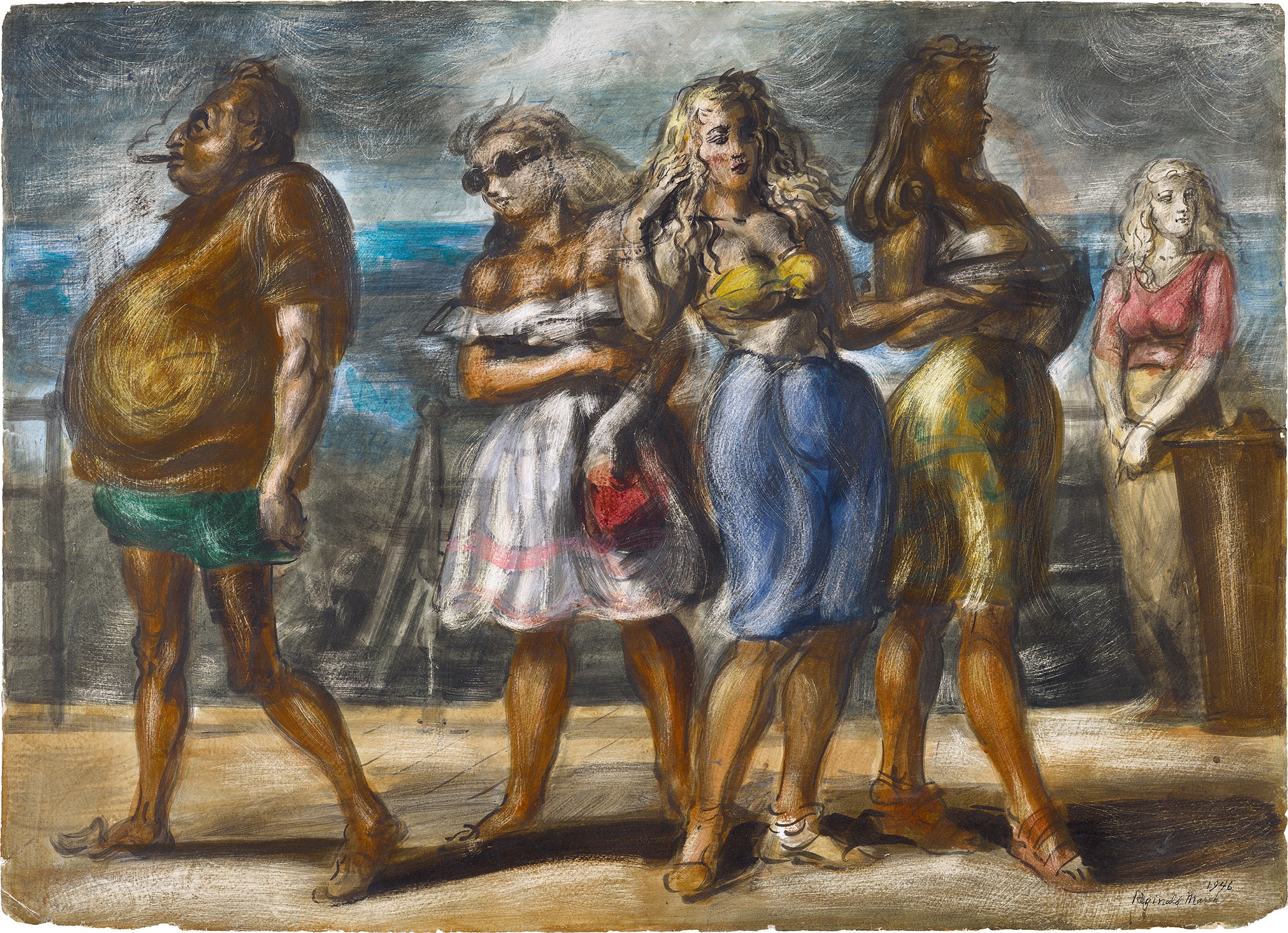
Reginald Marsh
Coney Island (double-sided), 1946
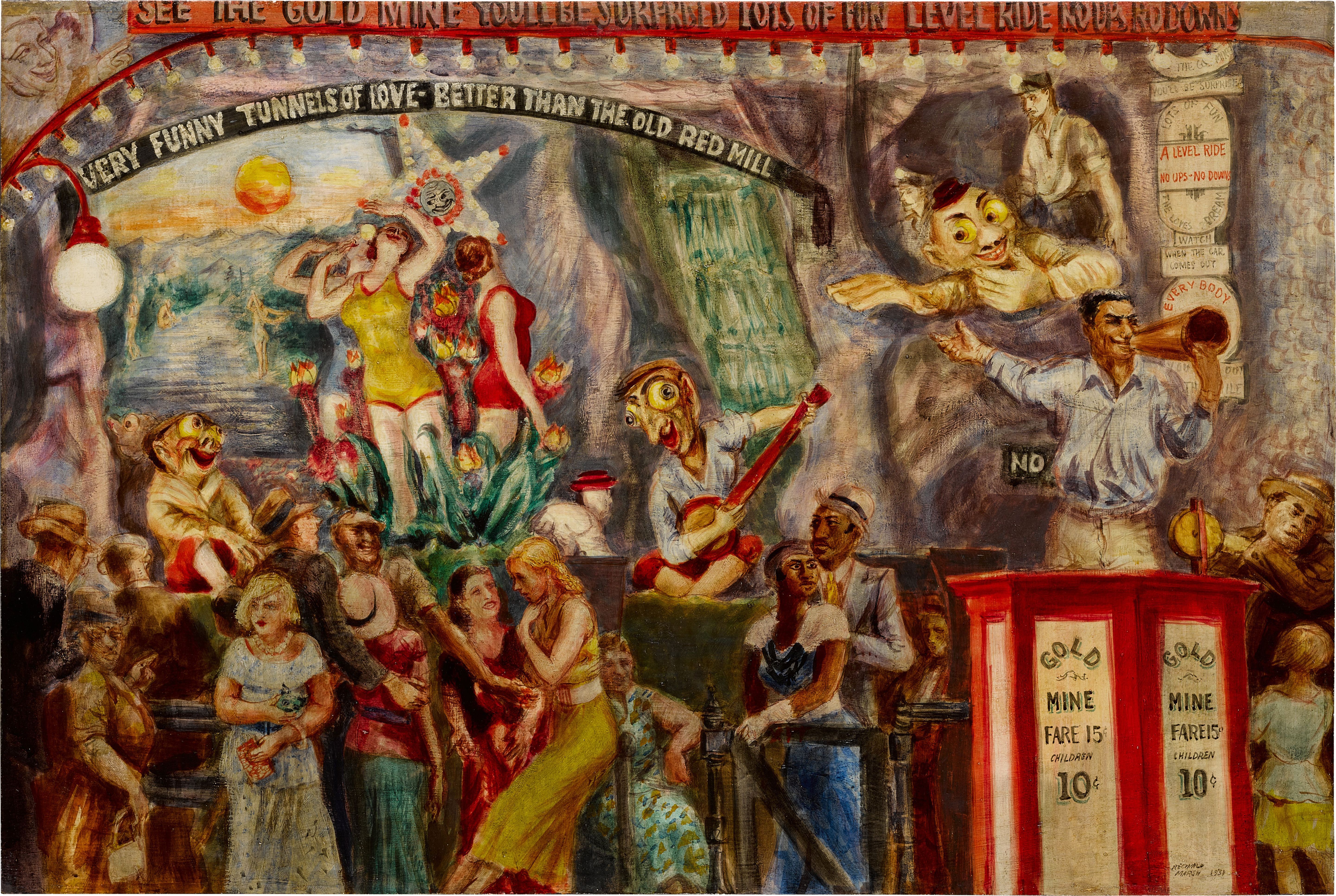
Look carefully at how an artist handles the edges of a composition. Amateurs fill the frame uniformly. The genuinely skilled practitioner knows that something must be happening at the periphery, that the crowd must feel as though it extends beyond what you can see. Reginald Marsh, the American Social Realist who worked in New York from the 1920s through the 1940s, understood this instinctively.
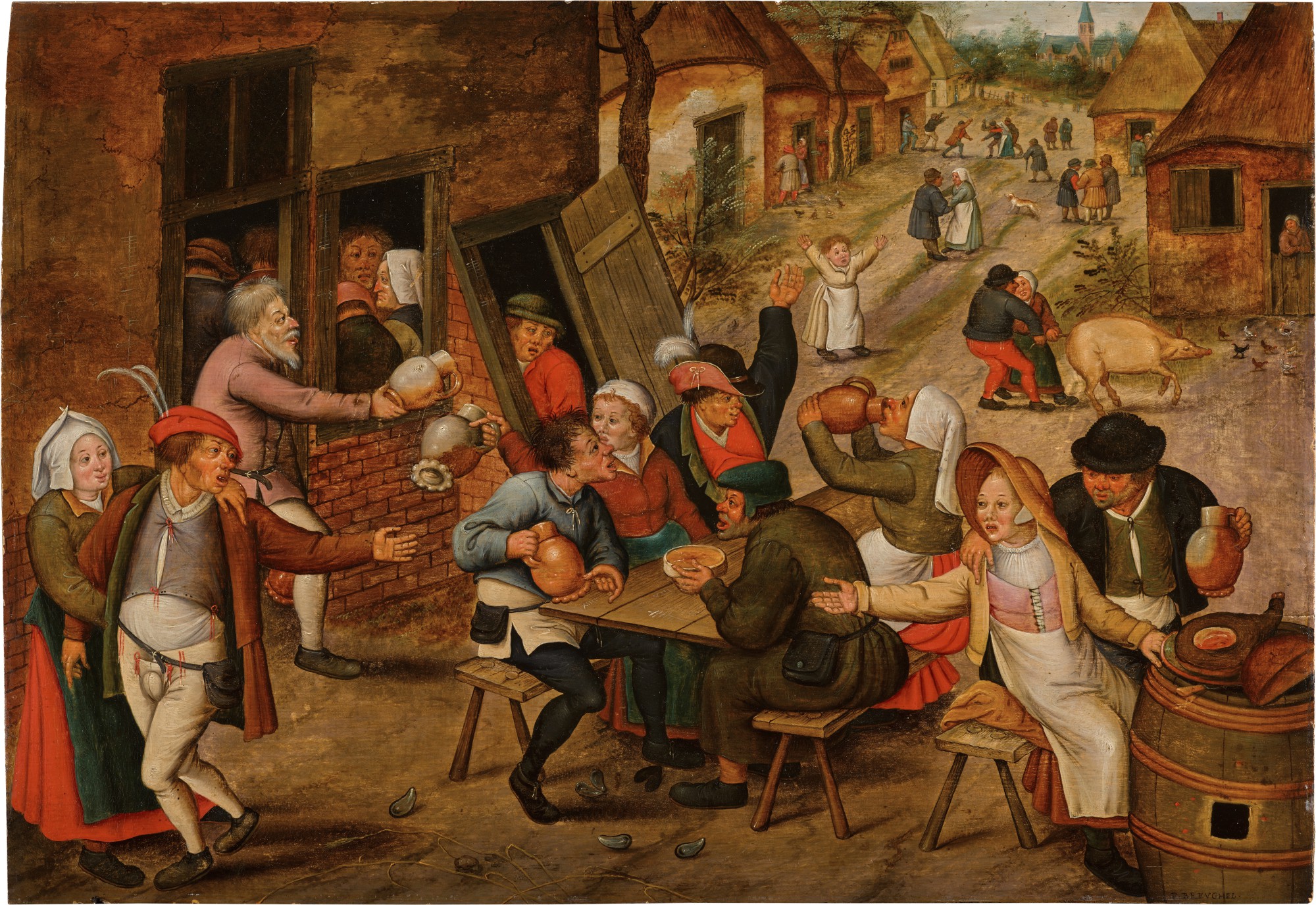
His Coney Island scenes are packed with bodies rendered with an almost muscular energy, yet the compositions breathe because he understood how to let movement push outward against the frame. When you encounter his work, the density feels like abundance rather than suffocation. For sheer art historical weight and collecting significance, the lineage that runs from Pieter Brueghel the Younger through to the great printmakers of the nineteenth century remains foundational. Brueghel the Younger, who made his reputation replicating and elaborating on his father's compositions, developed a mastery of peasant scenes and outdoor gatherings that set a vocabulary still visible in crowded work today.
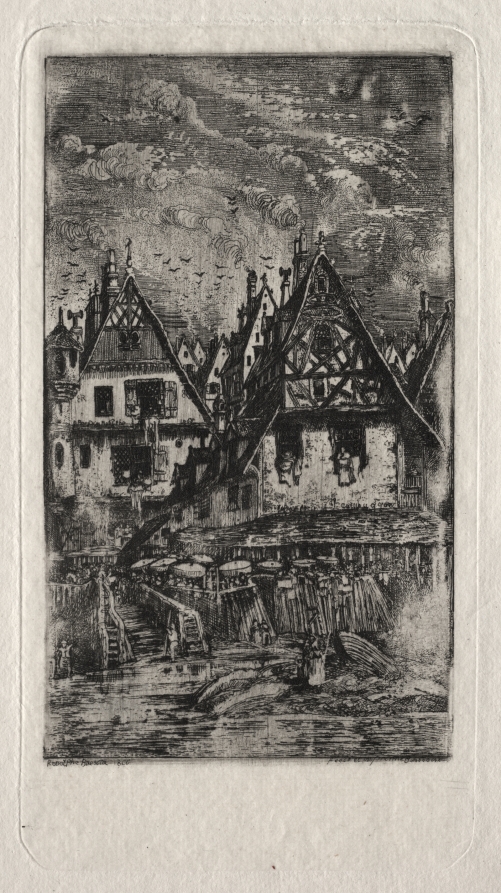
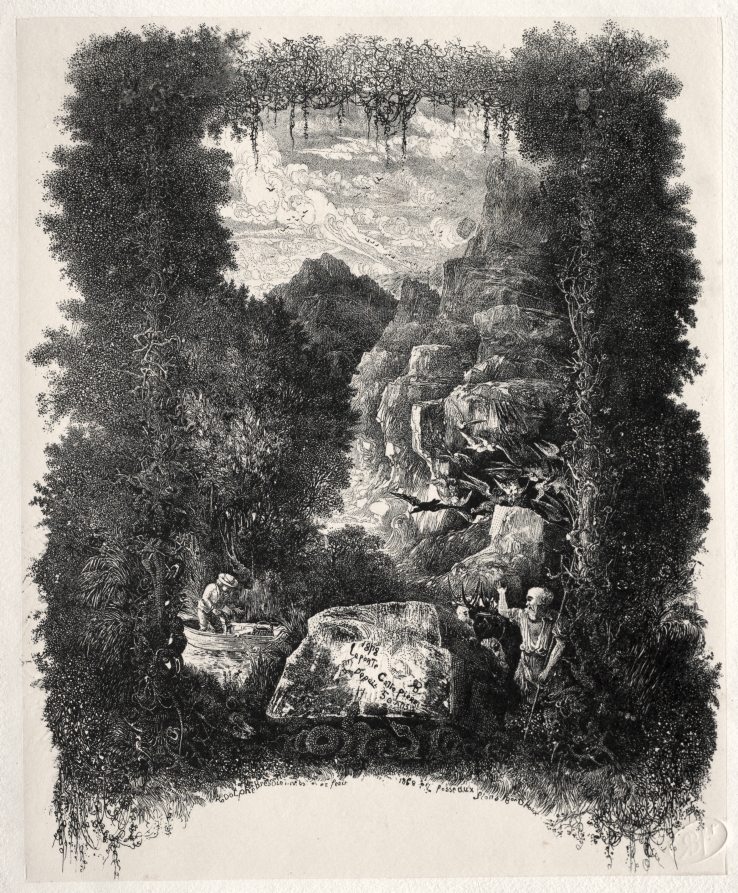
Rodolphe Bresdin
Marketplace with Parasols, 1866
His paintings, which appear periodically at major auction houses, command serious attention and carry the kind of provenance depth that supports long term value. Similarly, Rodolphe Bresdin, the extraordinary French printmaker whose intricate etchings from the mid nineteenth century pack an almost hallucinatory quantity of detail into relatively small formats, represents a compelling proposition for the collector who understands graphic works. His prints are genuinely rare and consistently undervalued relative to their art historical importance. L.
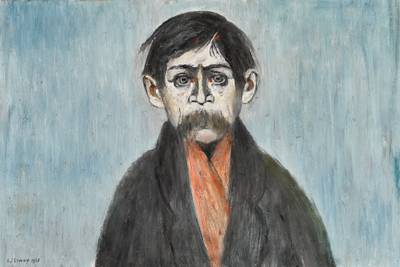
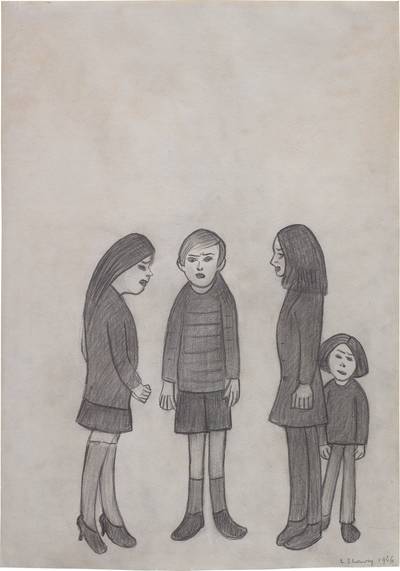
S. Lowry occupies a singular position in this conversation. His matchstick figures, those anonymous industrial crowds moving through the grey townscapes of Northern England, have become so embedded in British cultural identity that it can be difficult to see them freshly. But look again, and you find something genuinely strange and moving.
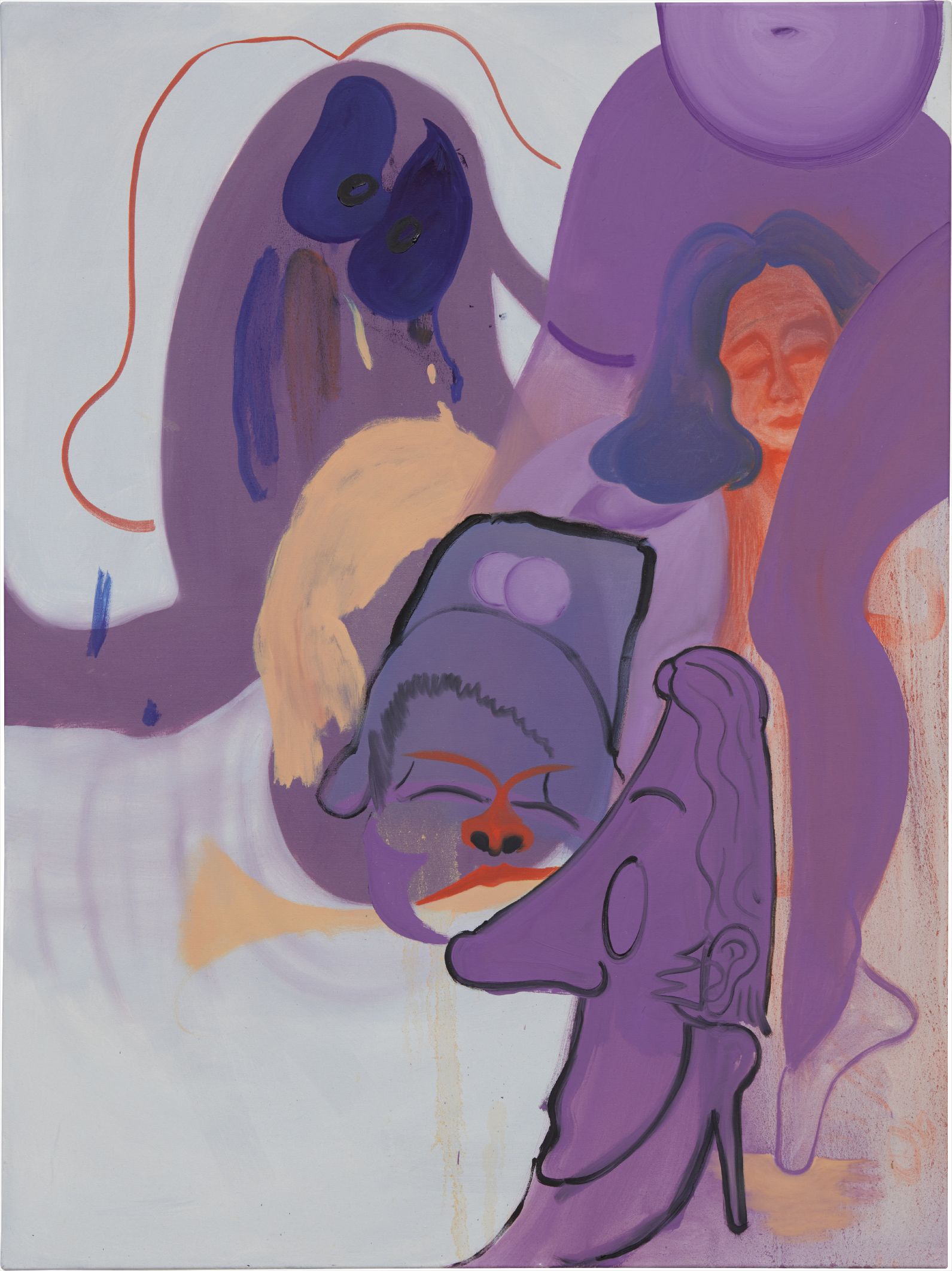
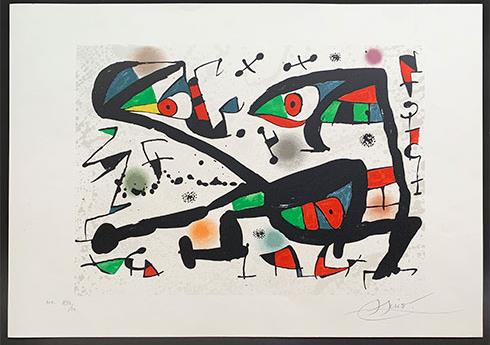
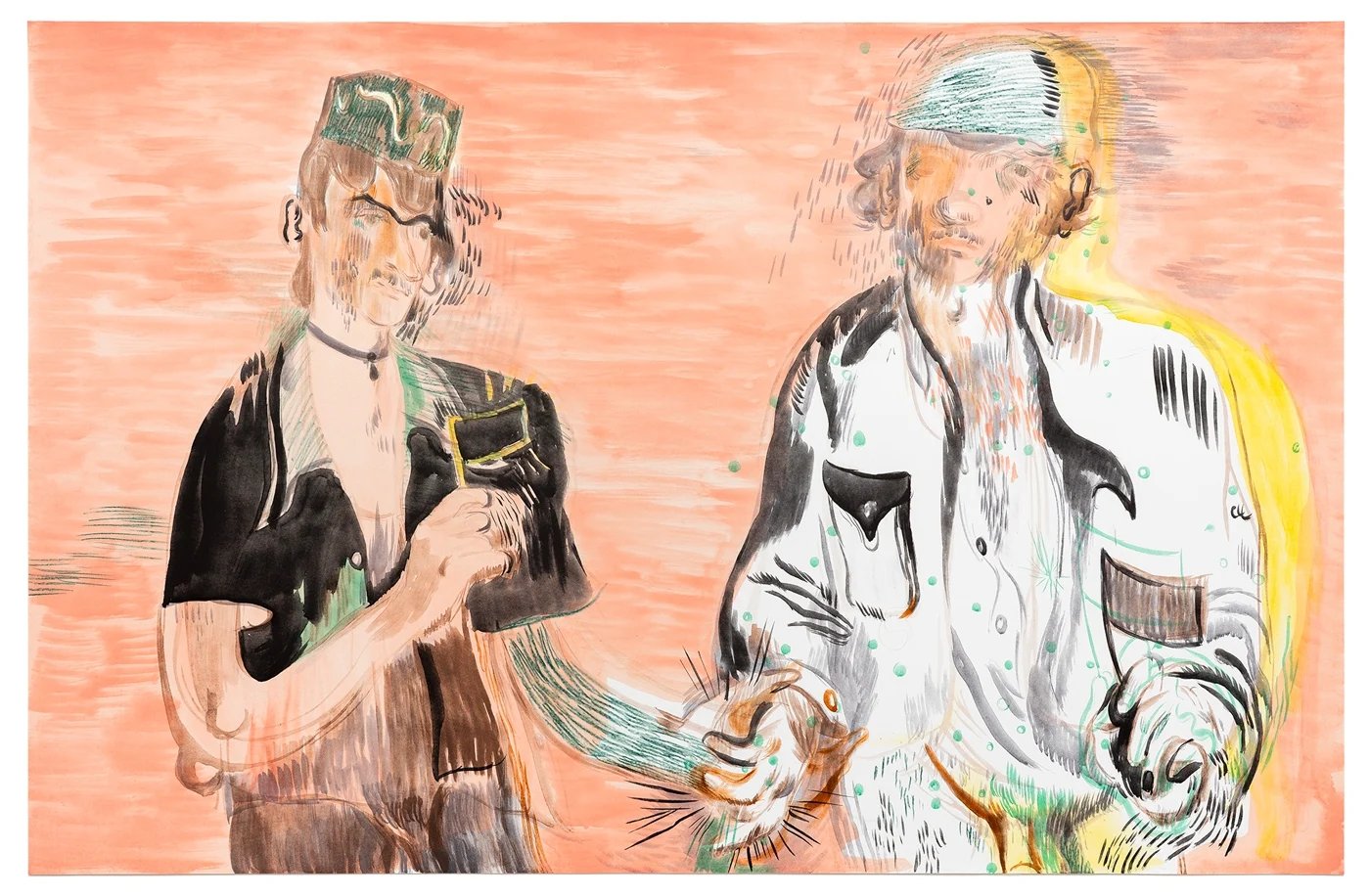
Vittorio Brodmann
Inside the Beehive, 2014
Lowry's crowds are never celebratory. They are figures in transit, defined by destination rather than personality, and the emotional temperature of his work is unlike anything else in twentieth century painting. His market has historically been concentrated among British collectors, which means that for international buyers there are still meaningful opportunities to acquire significant works at prices that would be unthinkable for comparable names. L.
S. Lowry is well represented on The Collection, and the works reward close consideration. For the collector interested in contemporary photography, Massimo Vitali is the essential name. His large format beach and leisure photographs, begun in the 1990s, transform the modern crowd into something between sociological document and painterly spectacle.
Vitali shoots from elevated positions with a large format camera, which gives his images their characteristic combination of panoramic scale and fine detail. You can lose yourself in a Vitali photograph the way you lose yourself in a Breughel. The works are available in editions, typically small runs of six to eight prints at varying sizes, and the edition structure matters enormously for secondary market performance. Smaller editions at larger sizes are the ones that hold and appreciate in value most reliably.
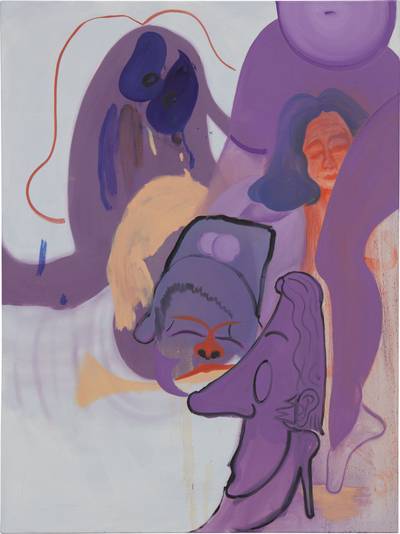
The emerging space worth watching is the generation of painters who have returned to figurative density after years in which the field was dominated by more abstracted approaches. Vittorio Brodmann, the Swiss painter whose work operates somewhere between naive illustration and knowing conceptual commentary, is a genuine find. His compositions are crowded in a different register, figures accumulating in flattened, almost diagrammatic spaces that reward the viewer who is willing to engage with them on their own terms. He has attracted serious institutional attention in Europe, and his work on The Collection represents an opportunity to engage with a practice that feels genuinely ahead of where the broader market conversation currently sits.
At auction, crowded compositions occupy an interesting position. Strong works by Lowry and Marsh appear regularly at the major houses and have well established price histories that give collectors meaningful reference points. Old Master works in this category, including Brueghel the Younger, move more episodically and tend to surface at specialist sales where the buying pool is deep and knowledgeable. When acquiring in the primary market or through a gallery, always ask specifically about condition reports for older works, since the layered surfaces of densely composed paintings are particularly vulnerable to historical restoration.
For photographs, ask about printing dates relative to the artist's approved lifetime or studio editions, and confirm that certificates of authenticity are in hand. With any work on paper, ask about light exposure history. These are not pedantic concerns. They are the questions that protect the investment and the pleasure of ownership in equal measure.