Chinese Contemporary
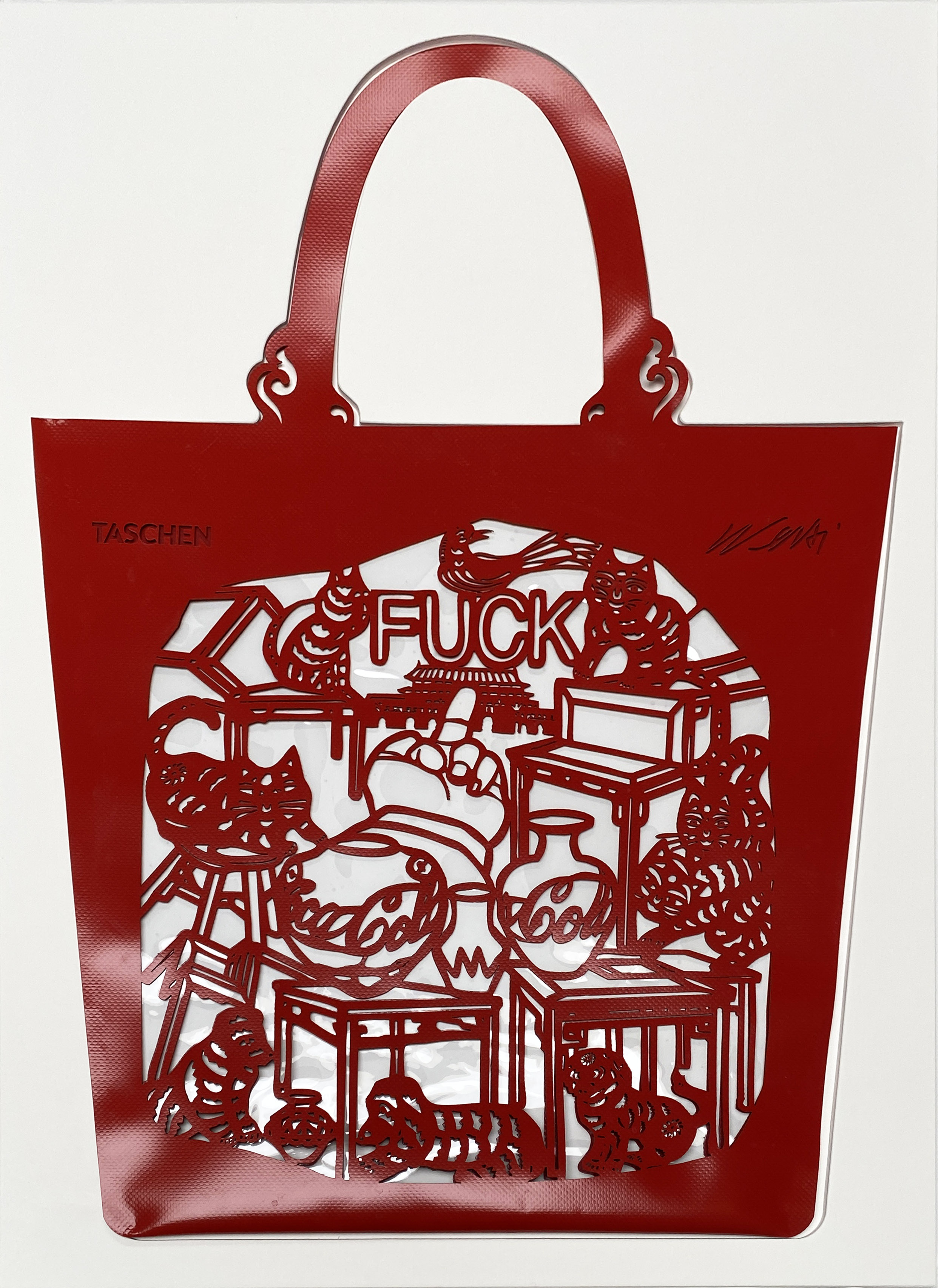
Ai Weiwei
The China Bag Cats and Dogs, 2019
The Art China Made the World Want
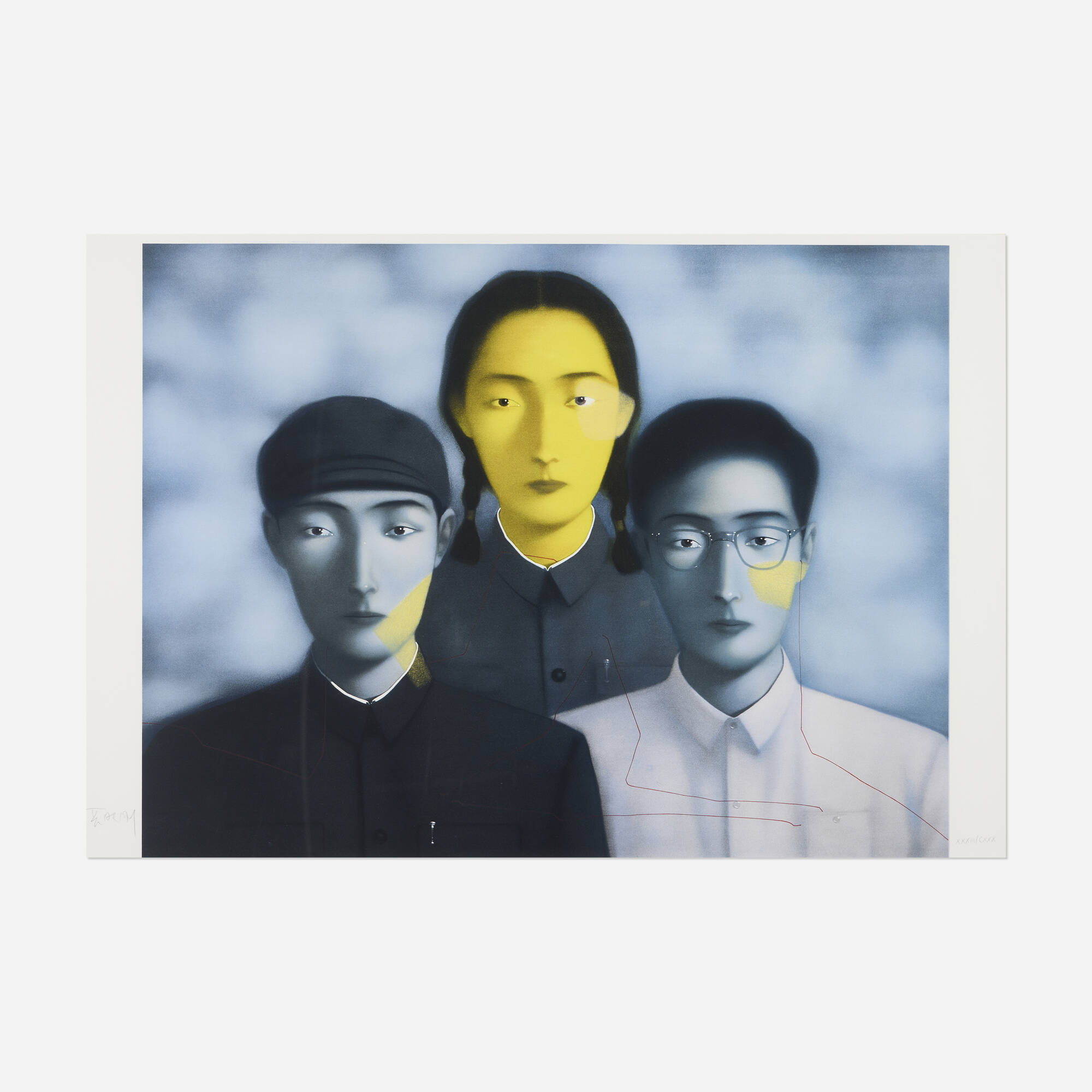
There is something unusual about collecting Chinese contemporary art that collectors in other categories rarely experience: the work tends to stay with you. Not just aesthetically, but psychologically. The best pieces carry an emotional weight that is difficult to articulate but impossible to ignore, a residue of history and transformation that seems embedded in the paint itself. Collectors who have lived with a Zhang Xiaogang for a decade will tell you the work changes as you change.
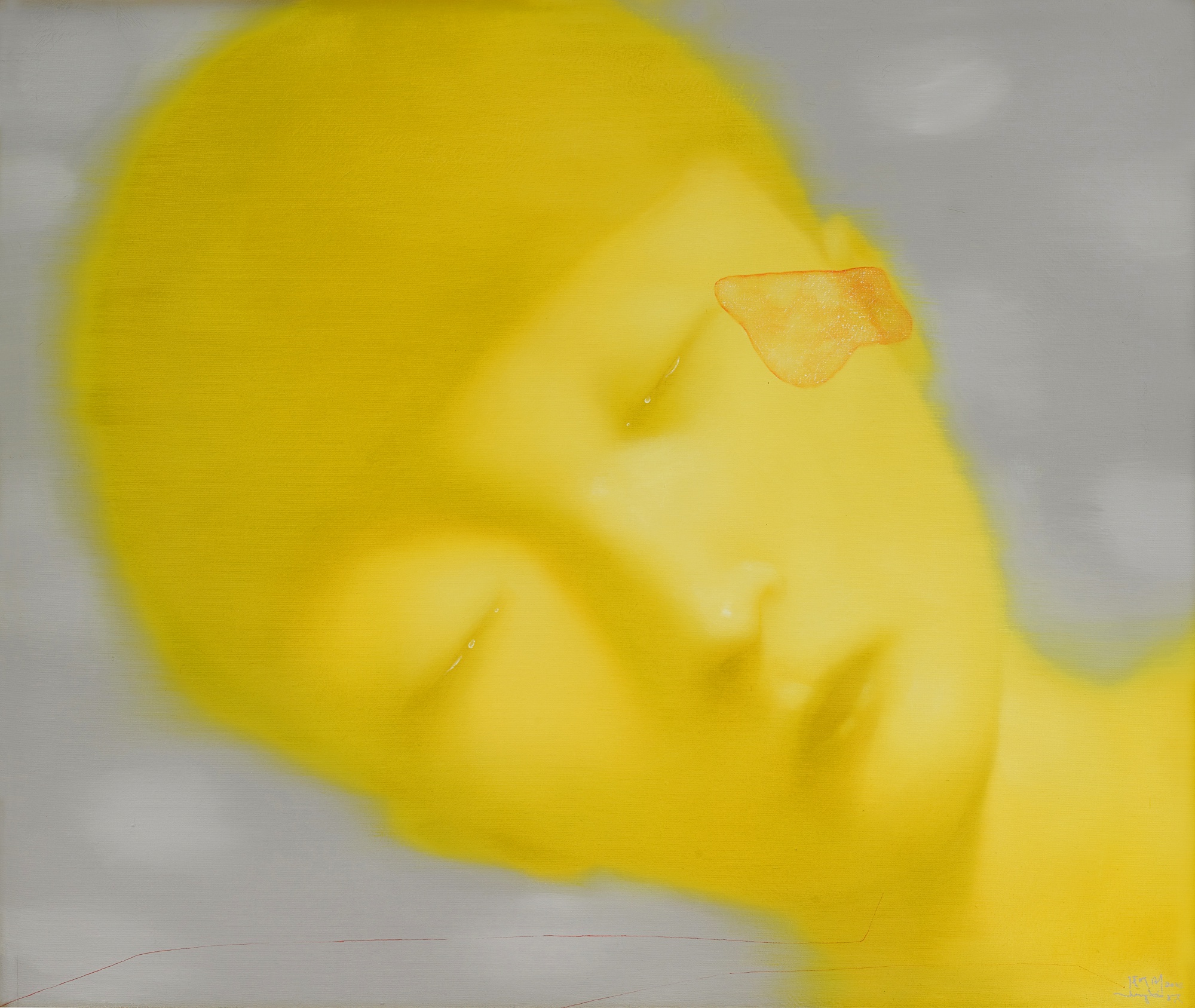
The faces in his Bloodline series, with their strange flat light and familial stares, seem to know something about you that you have not yet admitted to yourself. That quality, the sense of art as a kind of ongoing conversation rather than a static object, is one of the primary reasons this market has attracted serious collectors across generations and geographies. What separates a good work from a great one in this category comes down to a few things, but the most important is sincerity. Chinese contemporary art emerged from a specific historical crucible, the aftermath of the Cultural Revolution, the shock of rapid economic modernisation, the tension between individual identity and collective memory.
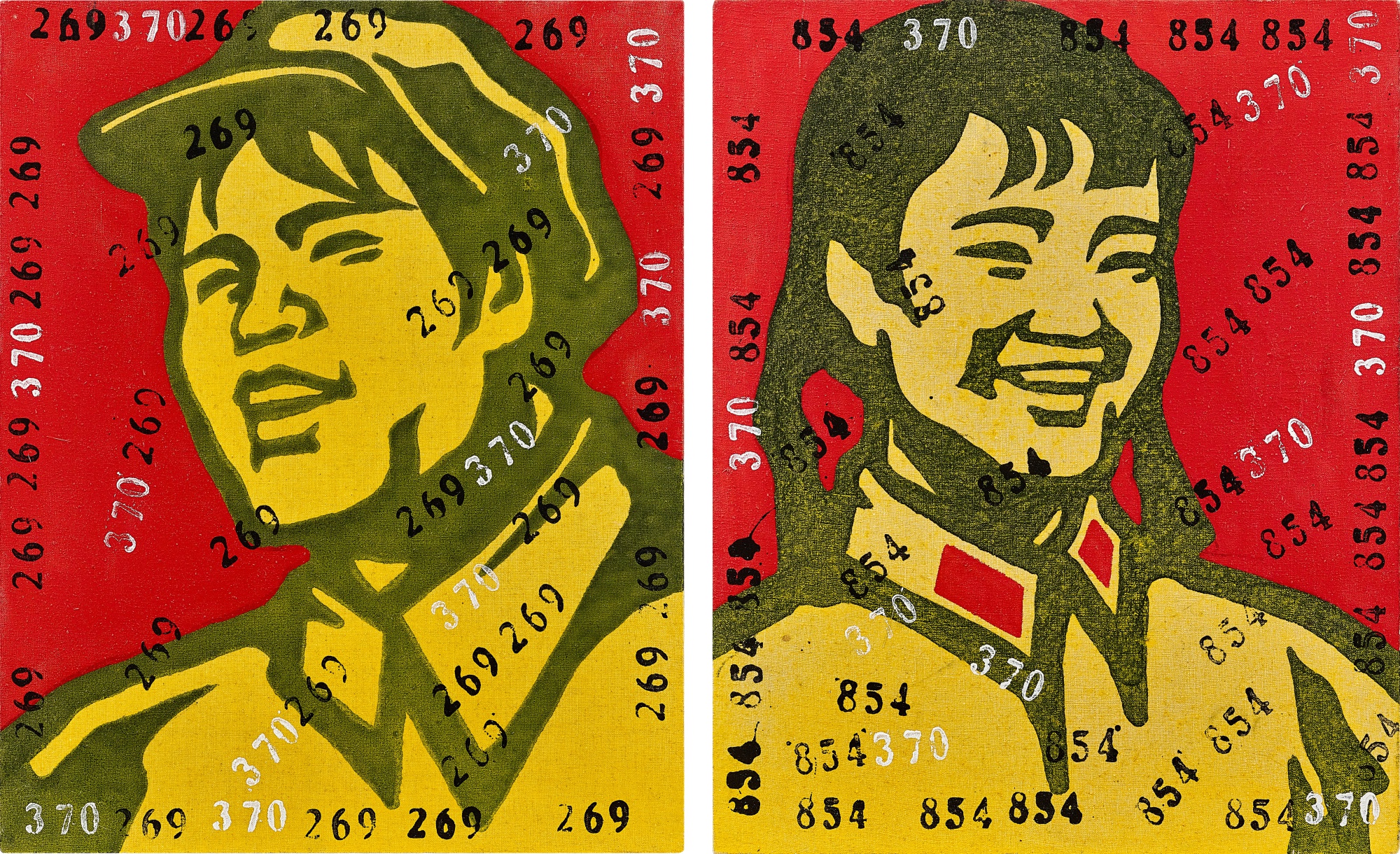
Wang Guangyi
大批判(兩幅作品)
Works that engage genuinely with those pressures carry a resonance that purely decorative or commercially motivated pieces do not. A collector should ask whether the work seems to be working something out, whether there is genuine inquiry in it, or whether it is simply reproducing a visual idiom that proved successful. The difference is often visible in the handling of paint, the commitment to an image, the willingness to sit in ambiguity rather than resolve too quickly into something palatable. Scale and period also matter considerably.
Many of the artists whose reputations were established in the late 1980s and through the 1990s produced their most critically significant work before the international market fully understood what it was looking at. Works from this period, particularly those that appeared in landmark exhibitions such as China Avant Garde at the National Art Museum of China in 1989 or the subsequent wave of international biennials that introduced these artists abroad, carry both art historical significance and genuine rarity. Wang Guangyi's Political Pop canvases from the early 1990s exemplify this: they are ideologically dense, visually striking, and grounded in a specific moment of cultural contradiction that can never be recreated. Owning one is like holding a primary document.
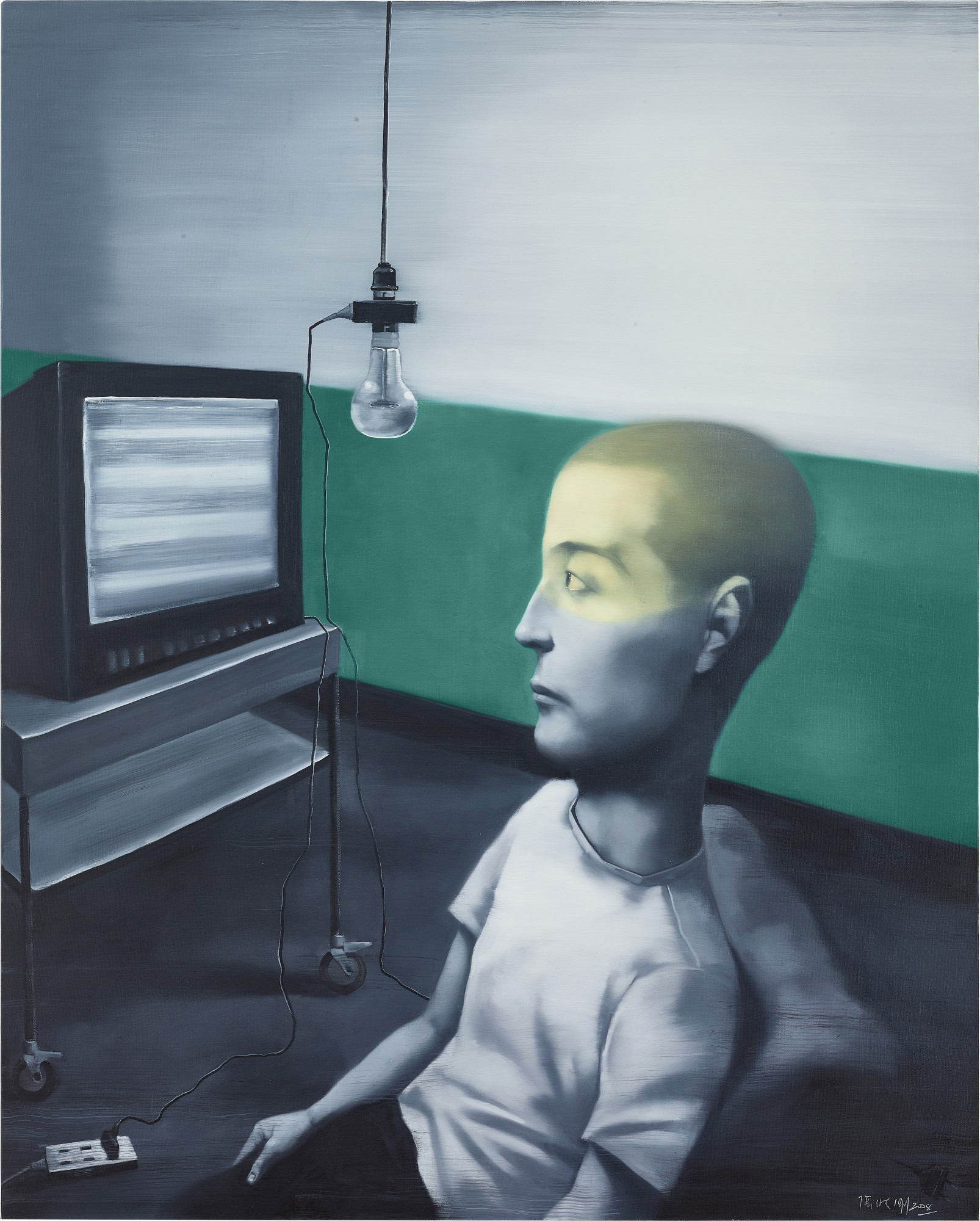
Zhang Xiaogang
Boy and TV 綠牆: 男孩與電視
When thinking about which artists represent the strongest collecting value right now, Zhang Xiaogang remains the clearest anchor. His market is deep and well documented, with consistent auction performance at the major houses and a body of scholarship that keeps growing. But the more interesting opportunities lie slightly adjacent. Zeng Fanzhi's work, particularly from his Mask series period, has matured into an art historical touchstone, and well provenanced examples continue to reward patient collectors.
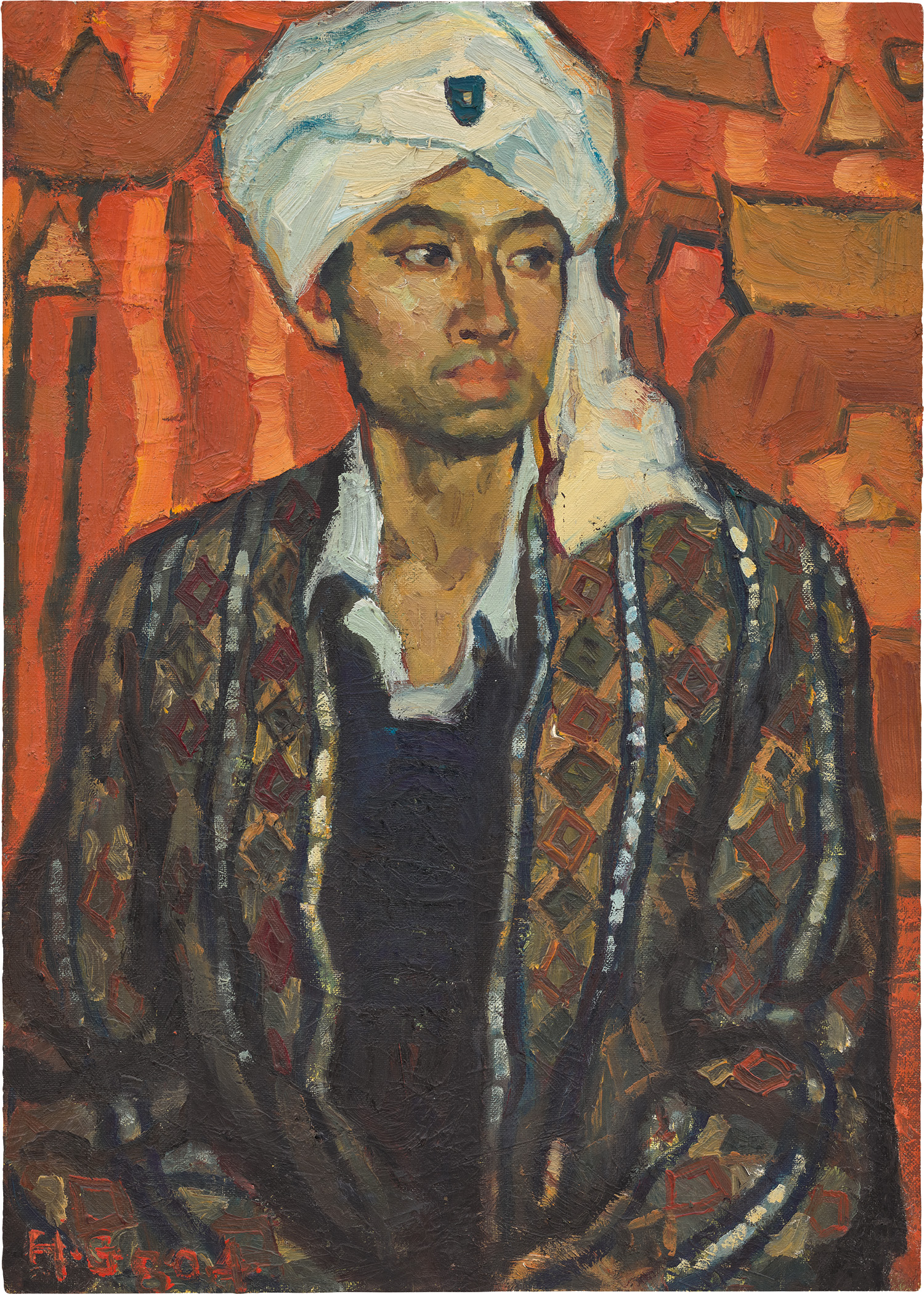
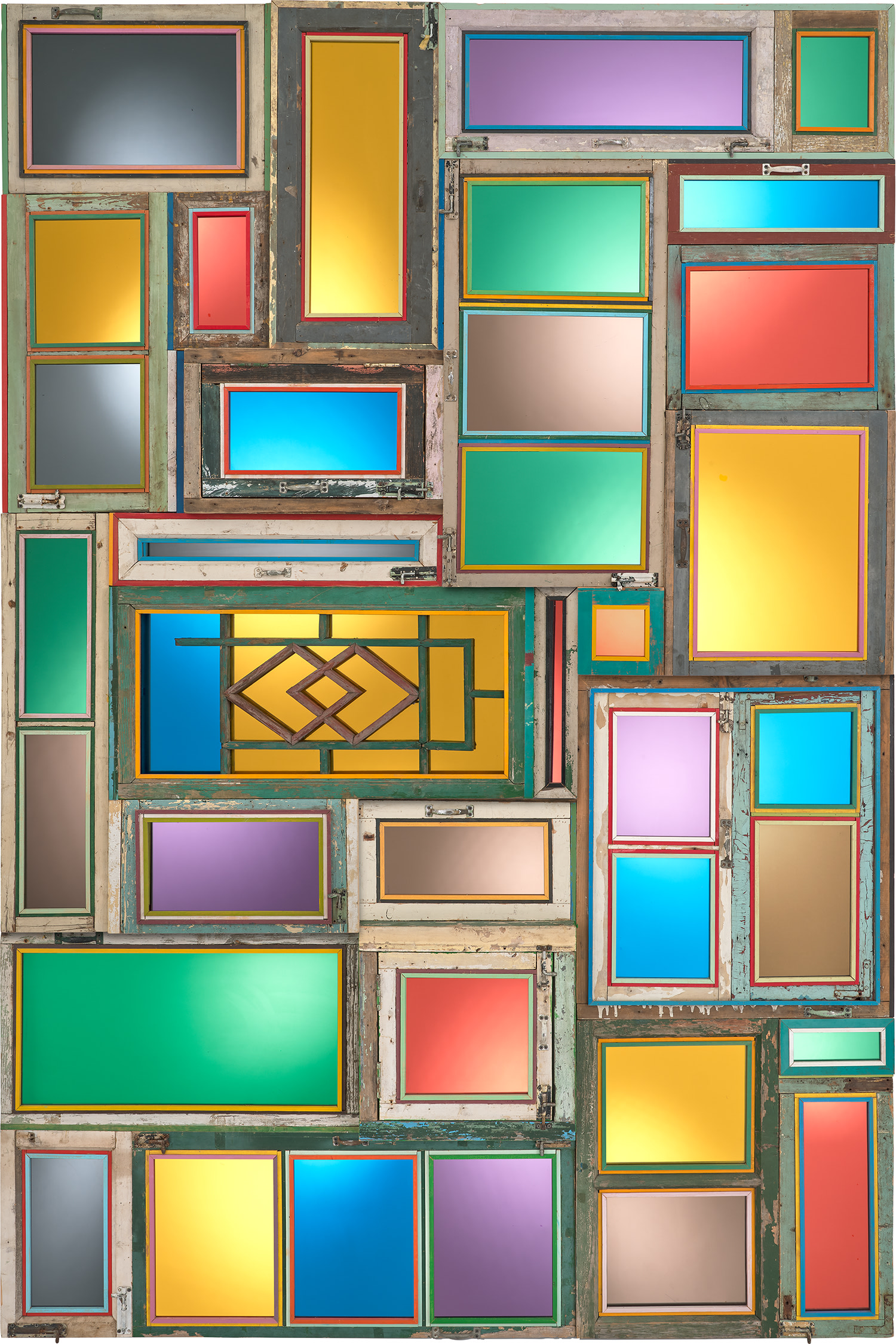
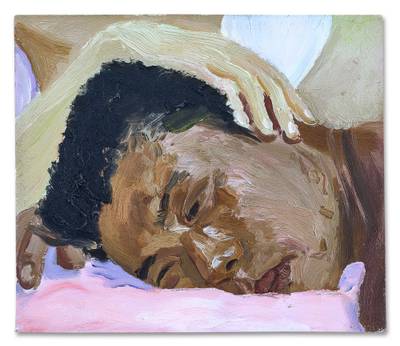
Liu Xiaodong occupies a different register, working in a mode of realist painting that is quietly radical, committed to depicting ordinary Chinese life with a directness that sits in productive tension with both official aesthetics and Western market expectations. His work has been undervalued relative to its critical standing for years. Similarly, Song Dong's conceptual practice, rooted in ideas about memory, waste, and the domestic, has an institutional profile that the secondary market has not fully priced in. For collectors interested in emerging positions, Liang Yuanwei deserves serious attention.
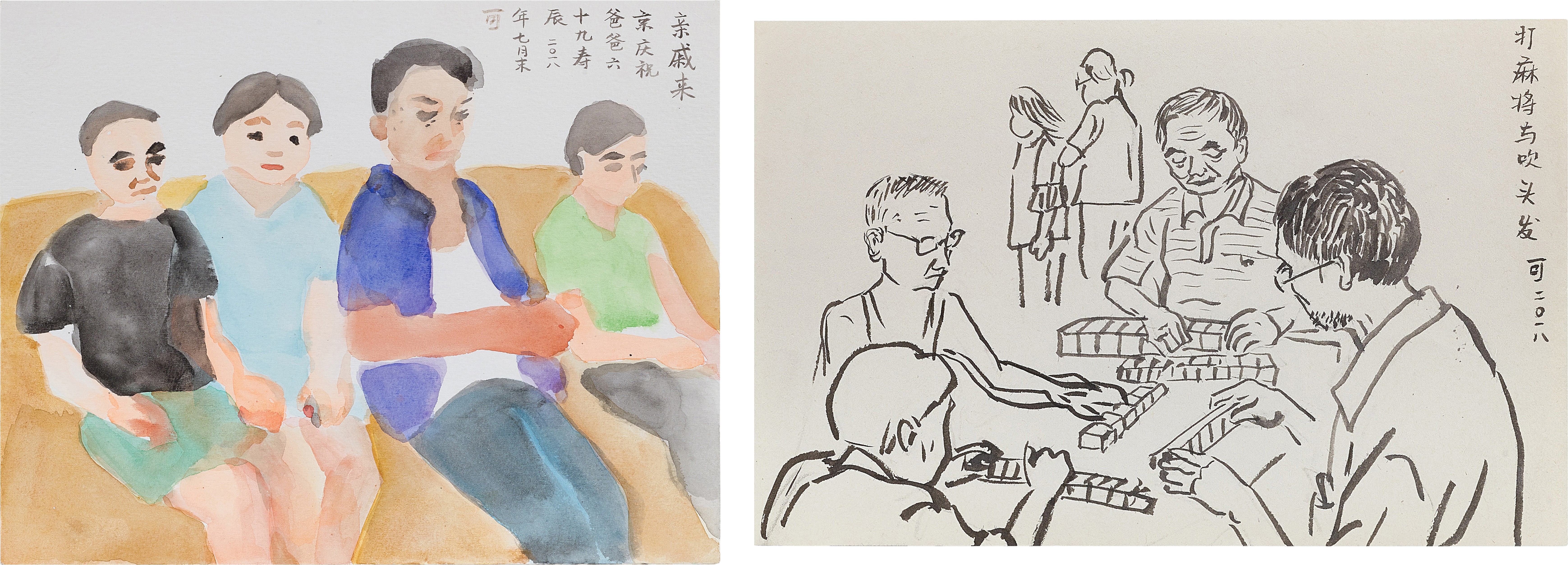
Chen Ke
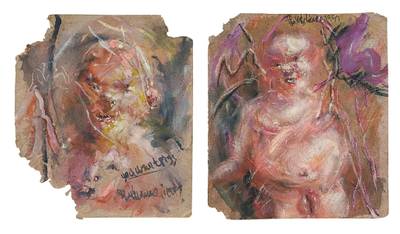
I. 親戚/ Ii. 打麻將(兩幅作品)
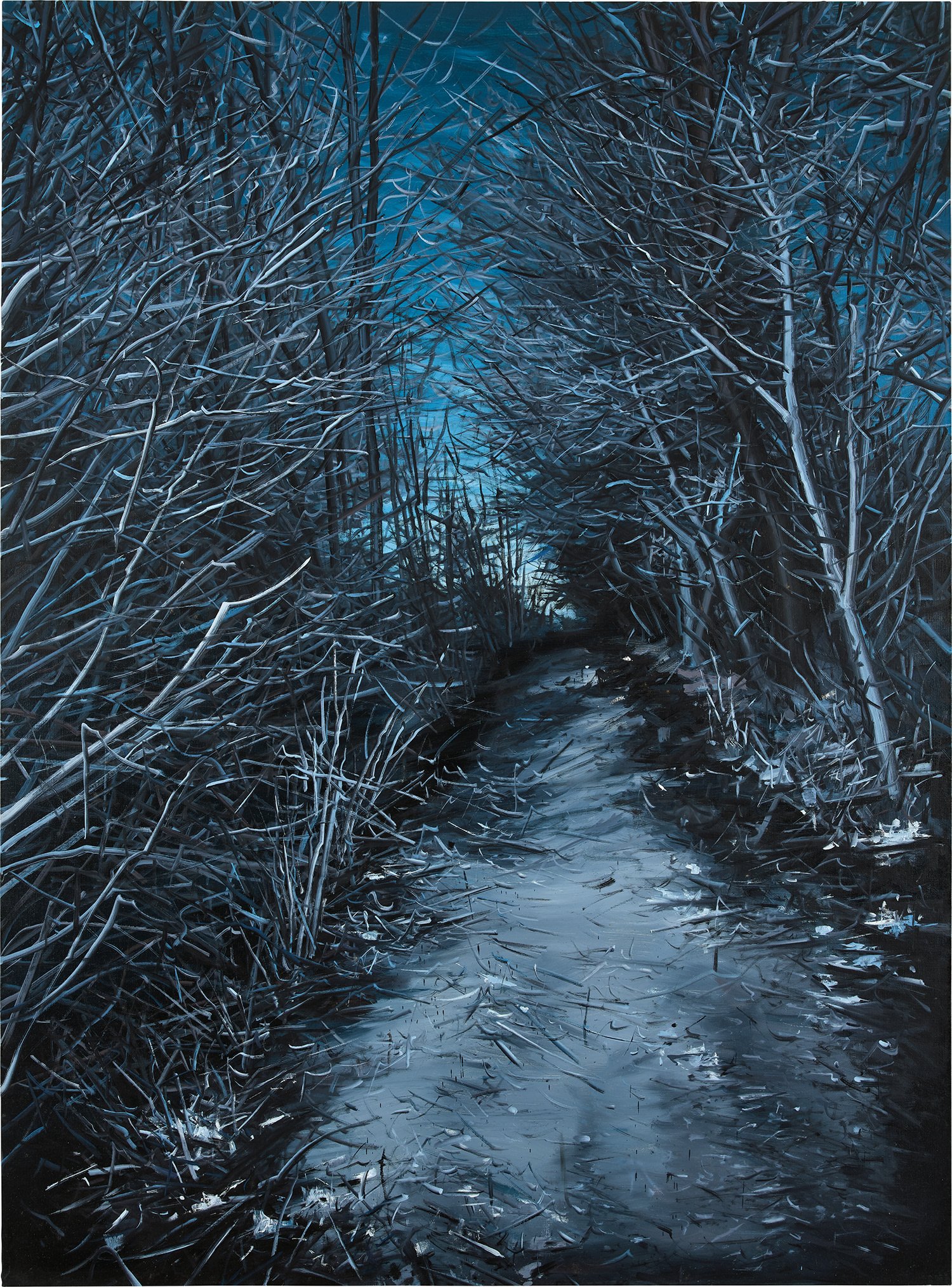
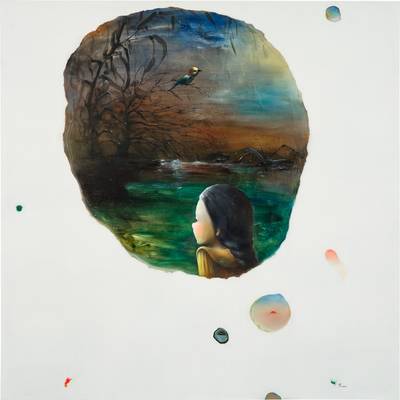
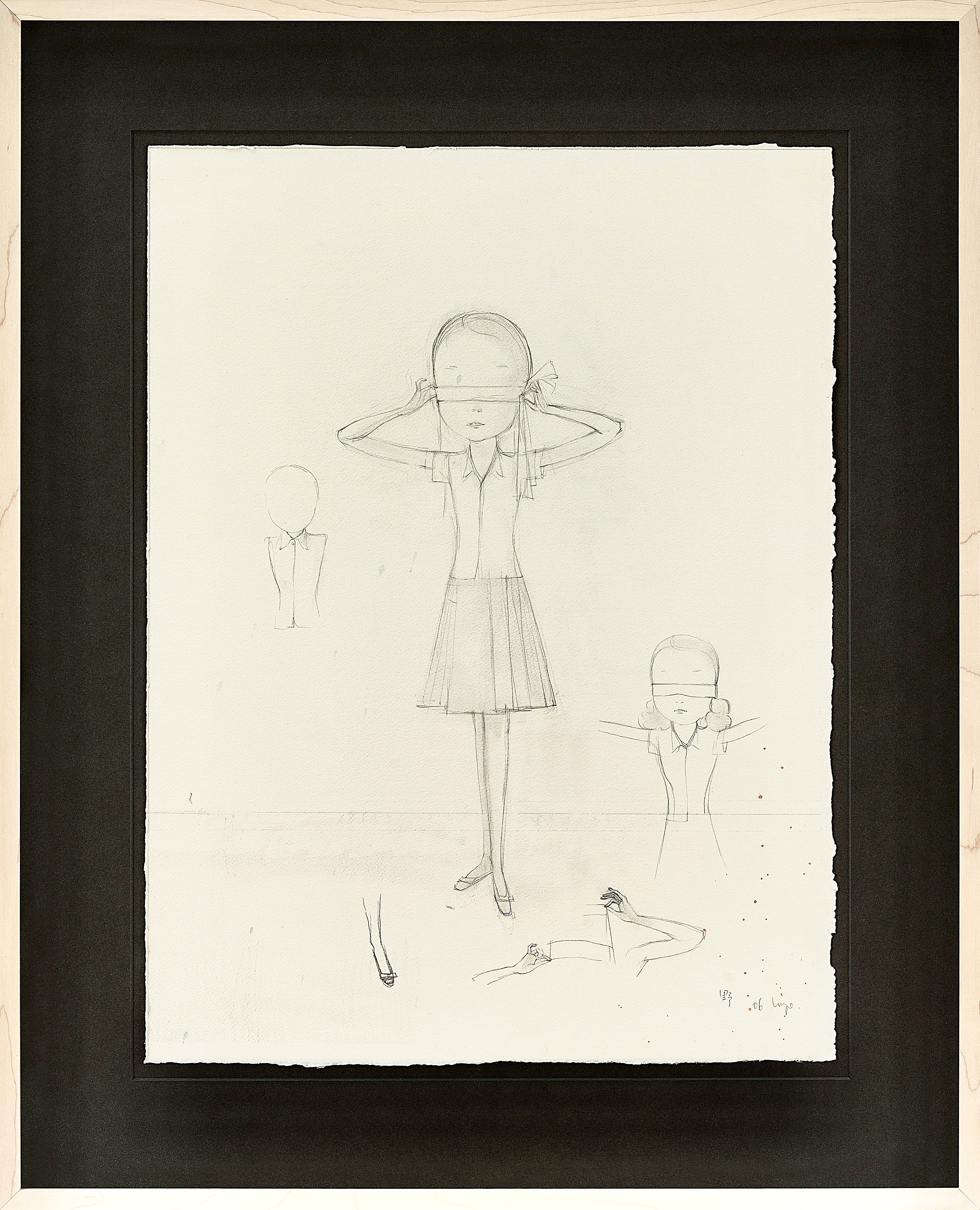
Her painting operates in a register that is simultaneously intimate and formally ambitious, concerned with surfaces, interiors, and the psychology of looking. She has been building a compelling exhibition history and the work rewards sustained engagement in ways that distinguish it from more trend driven production. Chen Ke is another figure whose practice has evolved in interesting directions, moving through concerns about girlhood, cultural anxiety, and contemporary image culture with genuine intellectual consistency. Jacky Tsai, working across painting and sculpture with a vocabulary that synthesises Chinese decorative traditions with Western pop iconography, represents a genuinely singular position that collectors with an eye on long term value should be tracking carefully.
Auction performance in this category has followed a familiar arc: extraordinary growth in the mid to late 2000s, a period of correction and recalibration in the early 2010s, and a subsequent maturation into something more stable and discerning. The frenzied speculation that briefly inflated prices for almost any work with a Chinese name attached has given way to a market that rewards quality and provenance. Record prices for the major figures, Zhang Xiaogang, Zeng Fanzhi, Liu Ye, have held and in some cases increased, while the mid tier has become more selective. This is actually good news for thoughtful collectors.
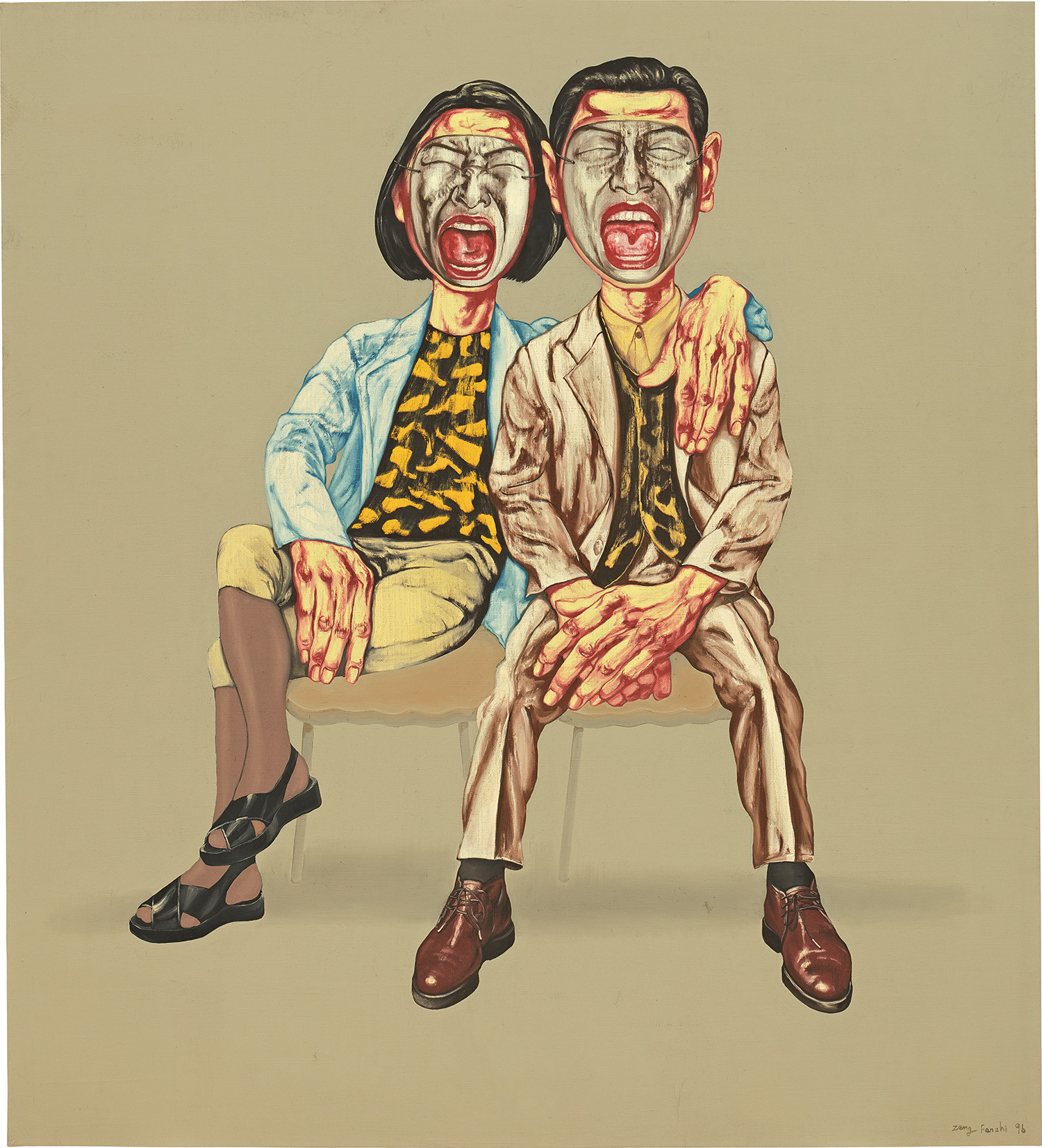
Zeng Fanzhi
Mask Series No. 1, 1996
The noise has cleared and the signal is stronger. On practical matters, a few things are worth keeping in mind. Many works from the 1980s and 1990s were produced under conditions that were not always ideal for archival longevity, and condition assessment is essential. Ask specifically about stretcher condition, any prior restoration, and storage history.
For works on paper, provenance documentation becomes even more critical given the volume of reproductions that circulate. When considering editions, particularly in photography and print based work, ask for the full edition size and where the remaining works reside. Rong Rong's photographic work, for instance, exists in editions that vary significantly in terms of print date and supervision, and those distinctions affect both value and significance. For unique works on canvas, ask the gallery or dealer directly about exhibition history and whether the work has been shown outside China.
International exhibition history remains a meaningful signal of critical standing in this market. Displaying Chinese contemporary work in a domestic setting often requires thinking carefully about light. Many of the strongest works in this category use colour in ways that can appear quite different under warm versus cool artificial light. If possible, see the work in multiple lighting conditions before purchasing.
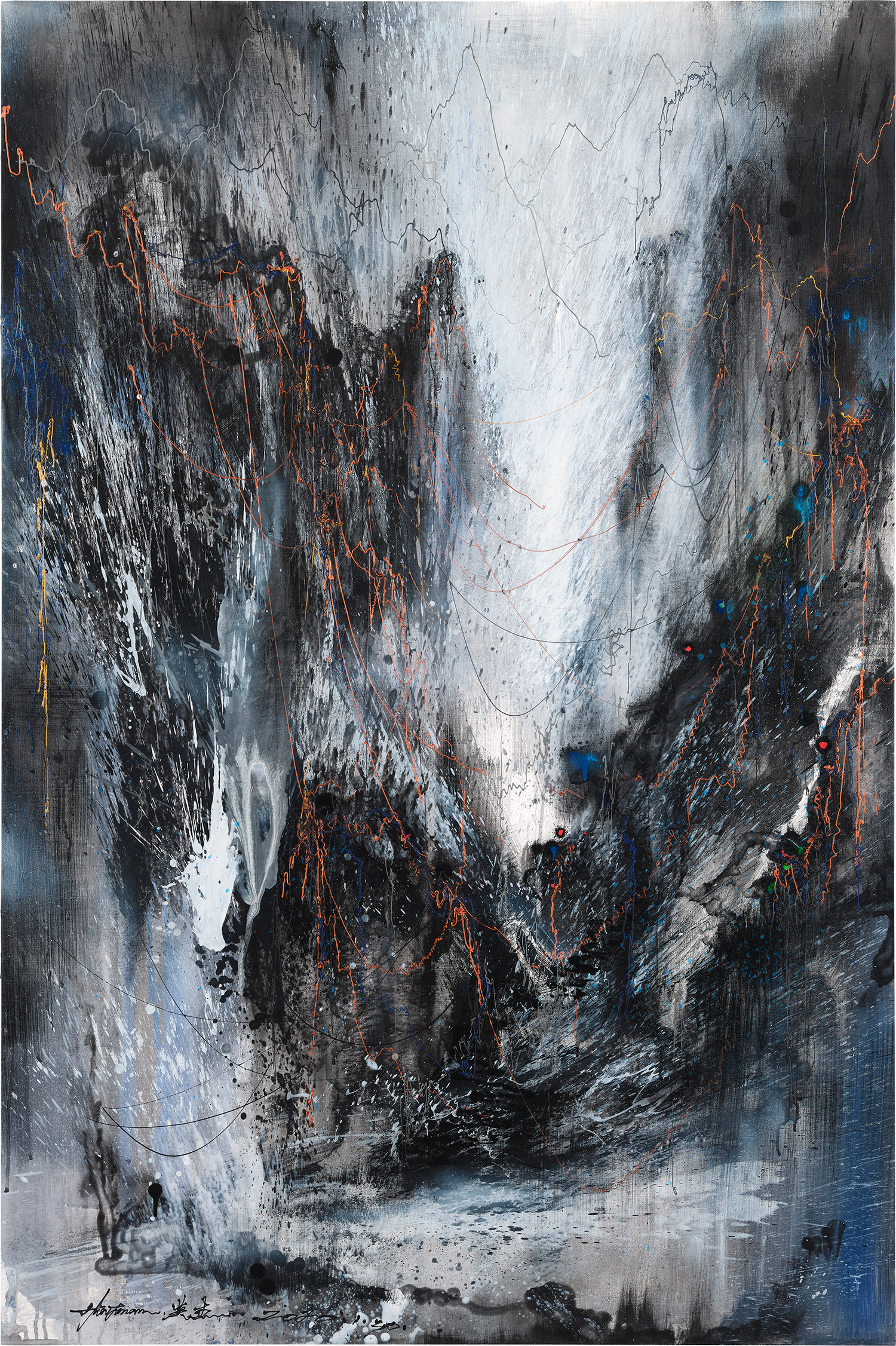
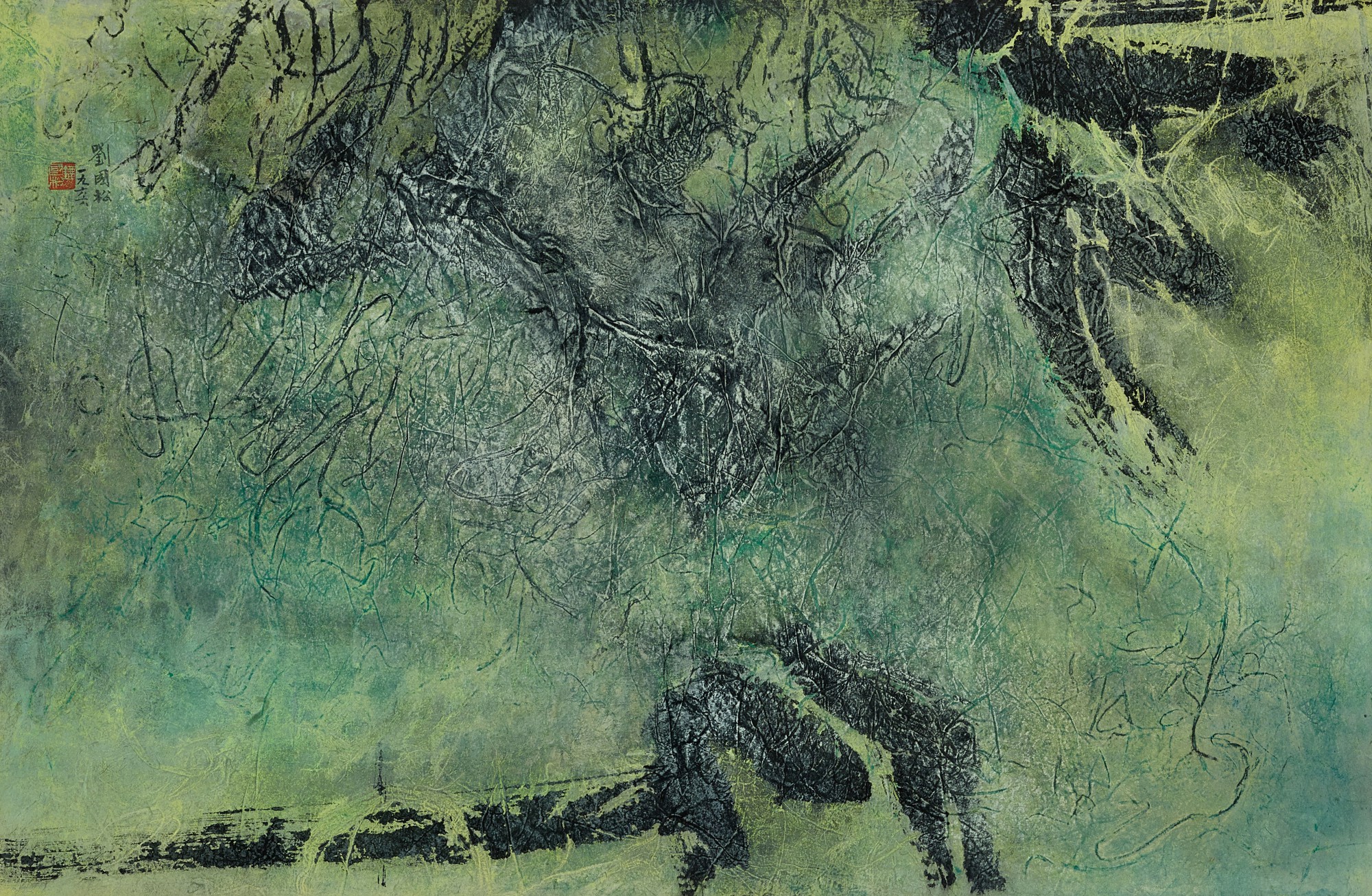
And do not underestimate scale. These artists often worked large because the ideas demanded it. A work by Liu Kuo Sung or Zhou Chunya in a space that is too constrained loses something essential. Give the work room to speak, and it will repay you in ways that exceed almost any other investment of attention you can make in your home.