Colorist
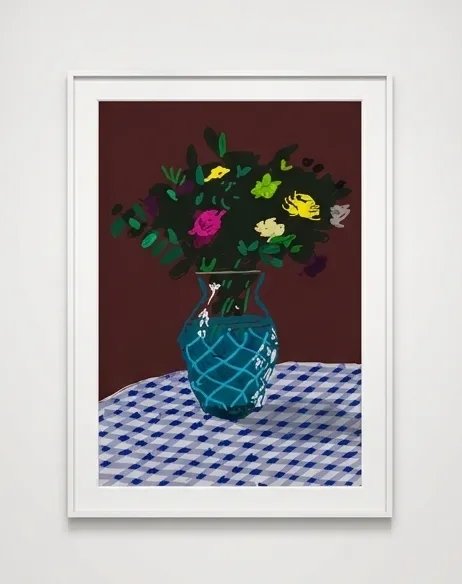
David Hockney
21st March, Purple and Yellow Flowers in a Vase, 2021

Color Is the Whole Point
There is a particular kind of collector who walks into a room and feels it before they understand it. The pulse of a Wolf Kahn pastel, those luminous fields of violet pressing against acid green, does something to the nervous system that a more cerebral work simply does not. Colorist painting attracts a certain sensibility, people who are willing to be moved by sensation first and meaning second, and that openness tends to produce collectors who live deeply with what they own. These are not works acquired for the wall above the sofa.
They are works acquired because the room feels wrong without them. What makes colorist painting so compelling to live with is precisely its mutability. A canvas by Howard Hodgkin reads differently at noon than it does at dusk. The emotional temperature of a room shifts depending on the season, the quality of light, even the mood you bring to it.
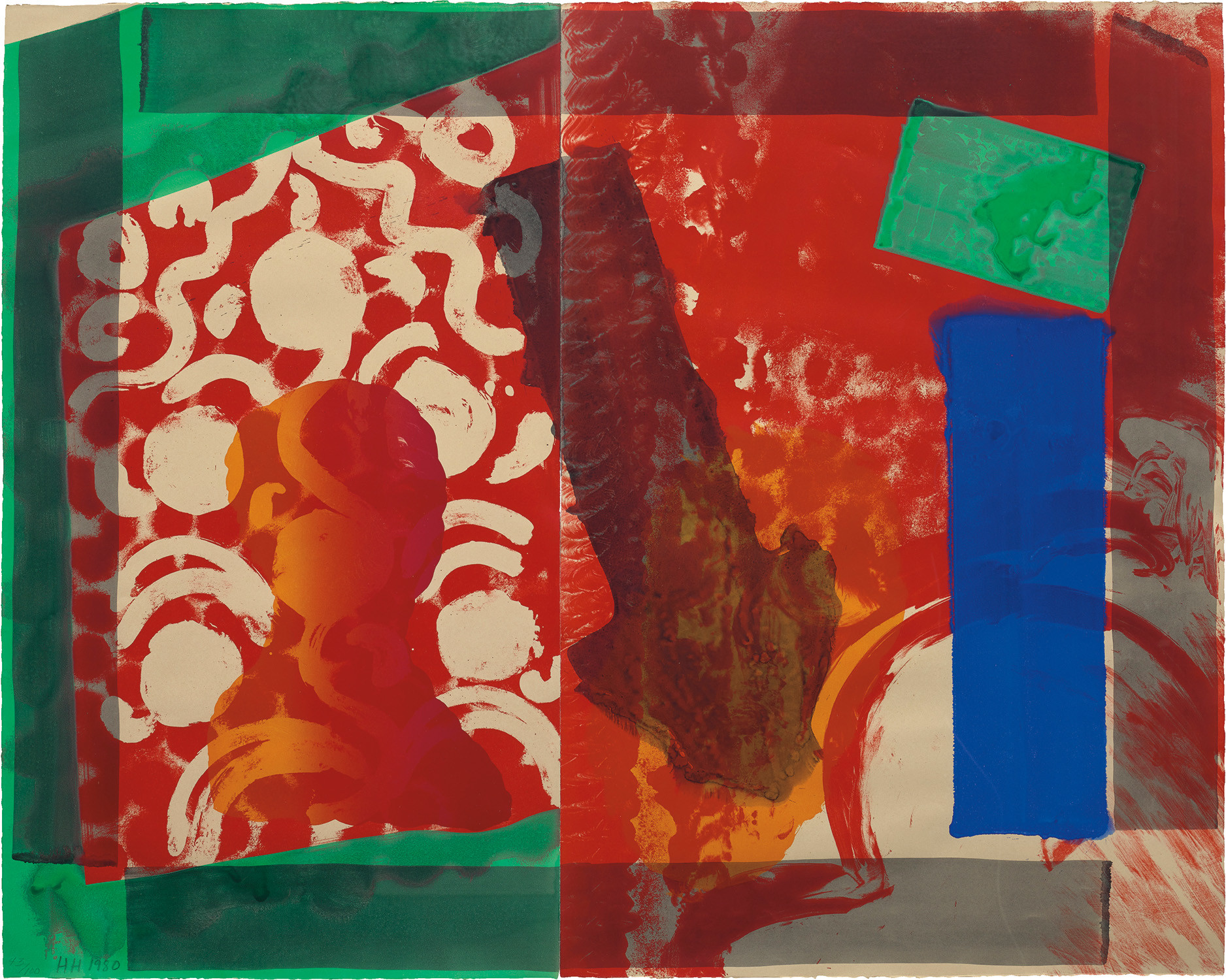
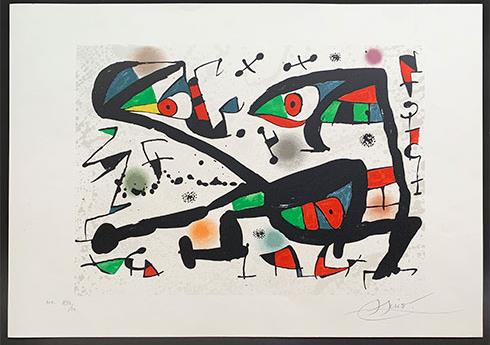
Howard Hodgkin
Moonlight
Collectors who have spent time with serious colorist work often describe a relationship that deepens over years rather than resolving into familiarity. That sustained engagement is rare in collecting, and it is one of the reasons the category holds such enduring appeal across generations of serious buyers. Separating a good colorist work from a great one requires a willingness to slow down and look harder than the surface seems to demand. The great works have internal logic, a structure beneath the sensation.
In Maurice Prendergast, whose mosaic like surfaces of broken pigment feel almost purely decorative at first glance, the real achievement is compositional architecture, the way figures and foliage and shadow are distributed across the picture plane with absolute conviction. A weaker Prendergast feels scattered. A great one feels inevitable. That distinction between control and abandon, between structure earned and structure absent, is the critical test in nearly every colorist work you will consider.
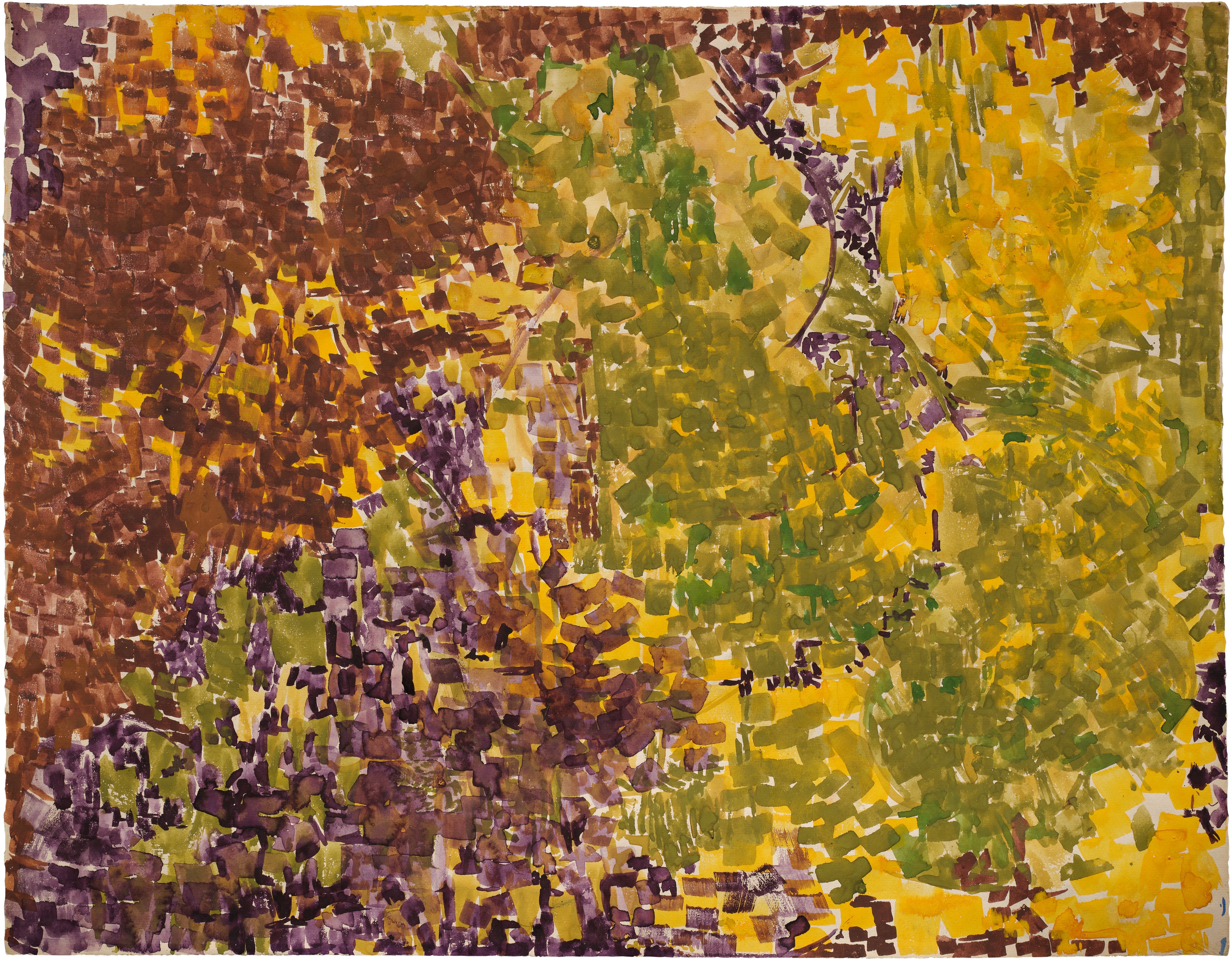
Lynne Drexler
Untitled, 1960
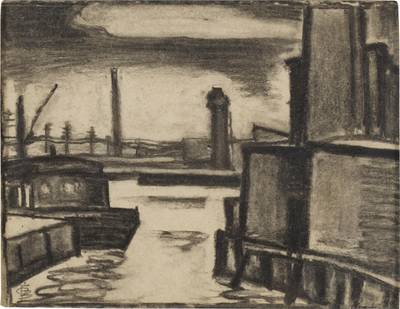
Saturation and intensity are not the same as quality, and this is where many collectors go astray. Oscar Bluemner understood this with unusual sophistication, using his deeply chromatic reds and blacks to create psychological pressure rather than mere visual pleasure. His work from the 1920s and 1930s operates on the edge of the uncanny, color deployed almost as emotional argument. Similarly, Lynne Drexler, whose kaleidoscopic canvases were largely overlooked during her lifetime and are only now receiving the serious institutional attention they deserve, demonstrates that chromatic richness can carry enormous pictorial intelligence when the artist is genuinely thinking in color rather than simply applying it.
Drexler is one of the most significant rediscoveries in American painting from this period, and the market is still catching up to her actual historical standing. For collectors thinking about value and trajectory, the artists on The Collection represent a compelling cross section of where colorist painting sits in the current market. David Hockney remains the most internationally recognized figure in this group, with a market that has demonstrated remarkable resilience across economic cycles. His prices are significant but his work is also genuinely liquid, meaning it performs consistently at major auction houses and in private treaty sales.
David Hockney
21st March, Purple and Yellow Flowers in a Vase, 2021
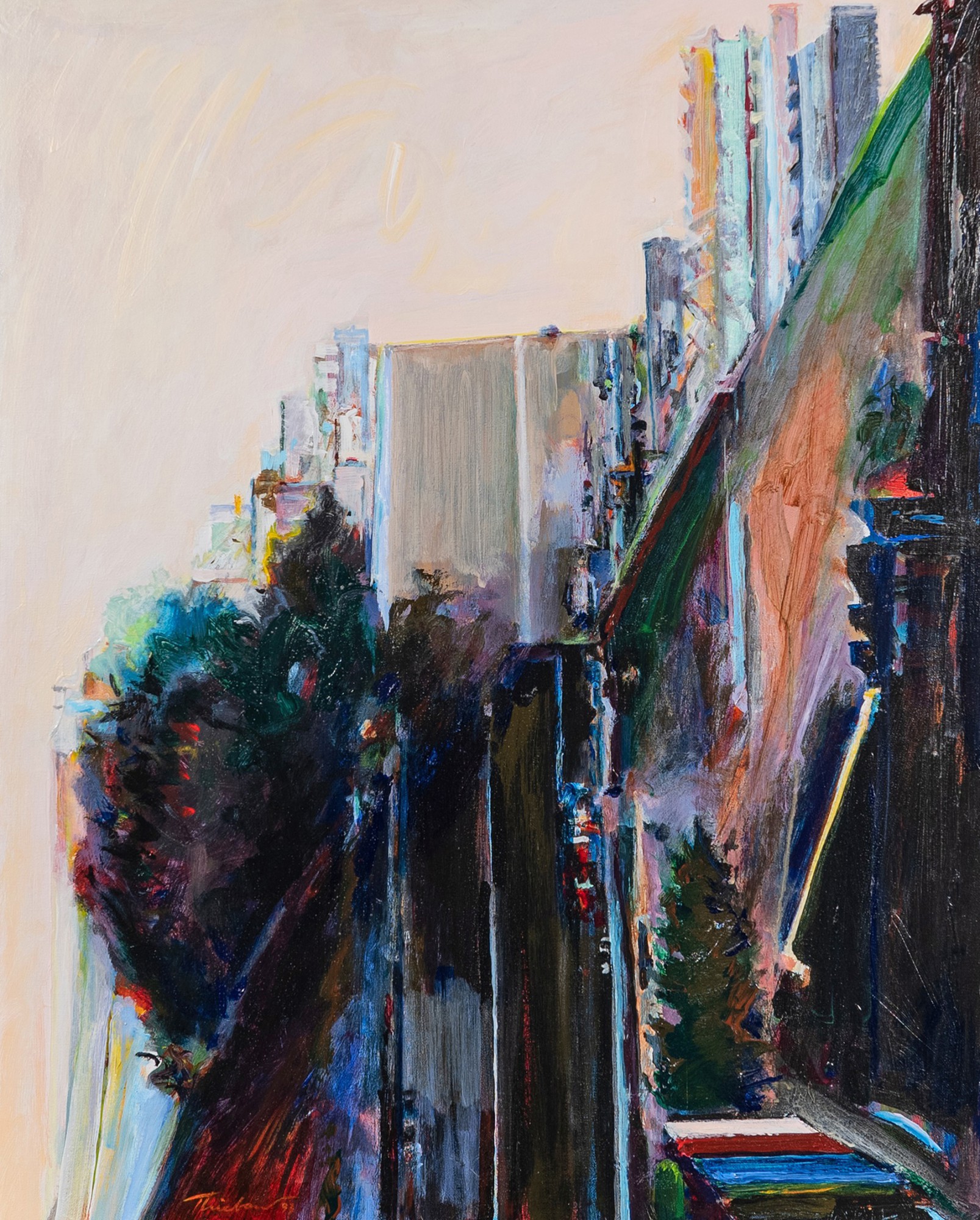
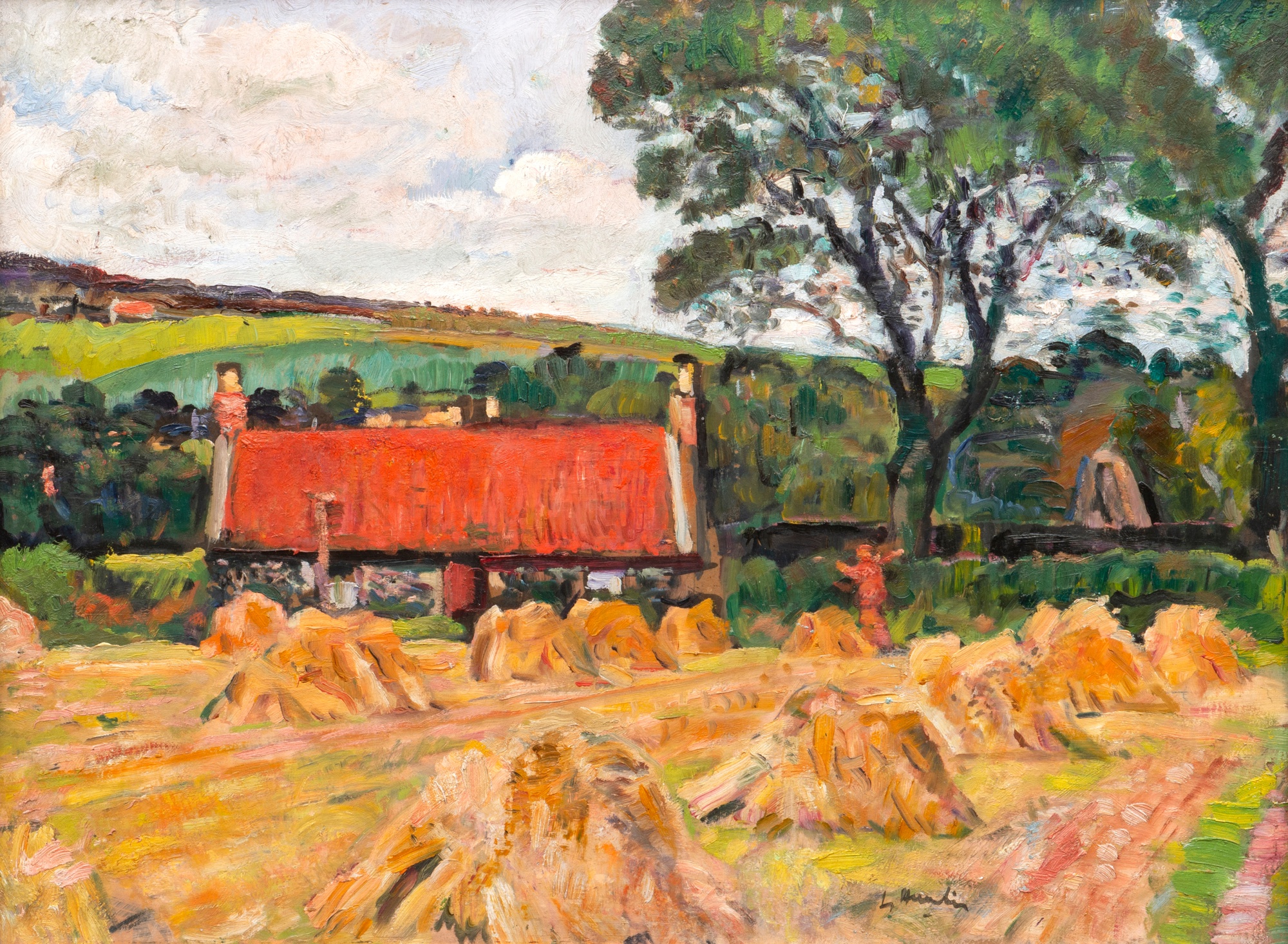
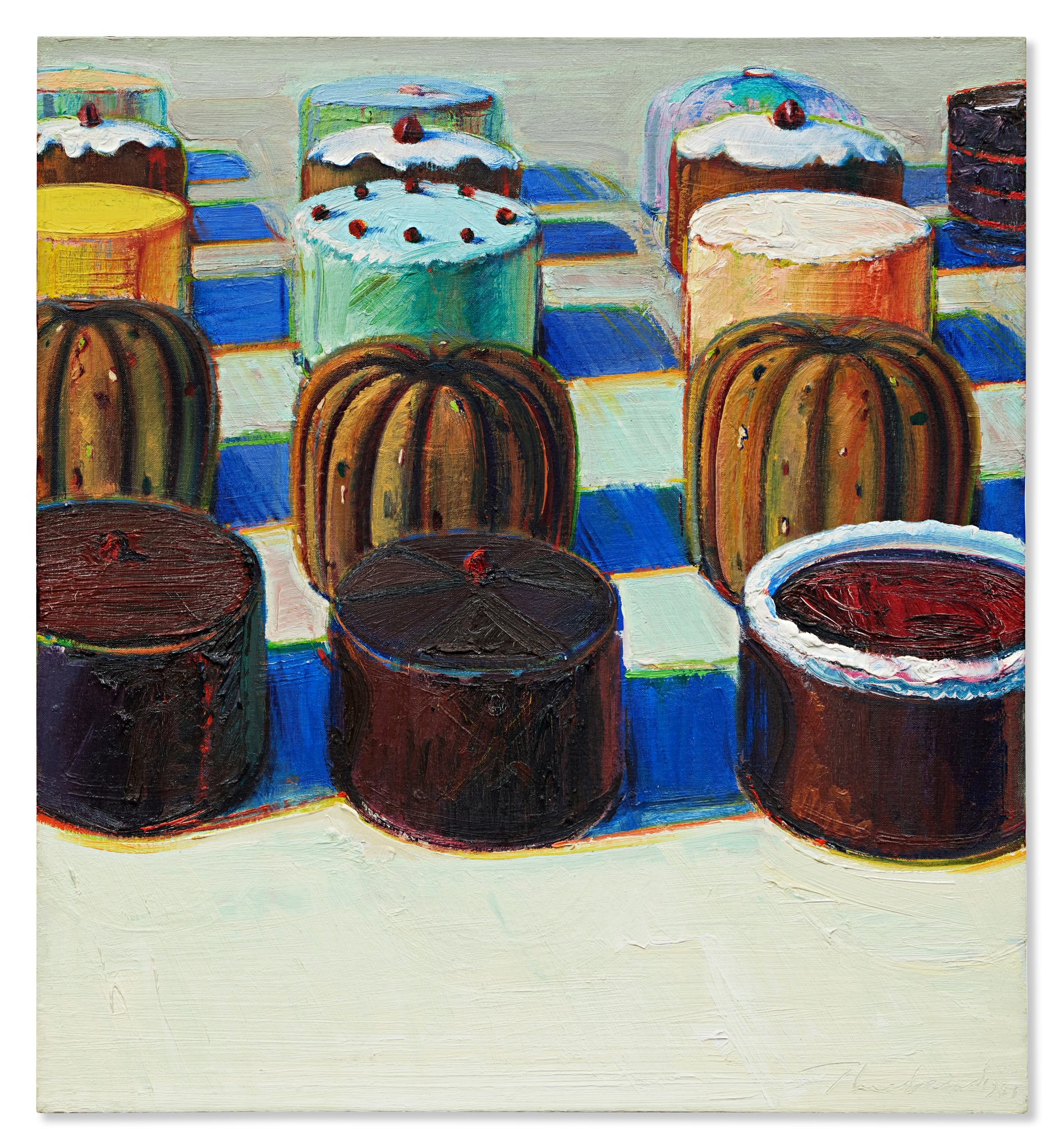
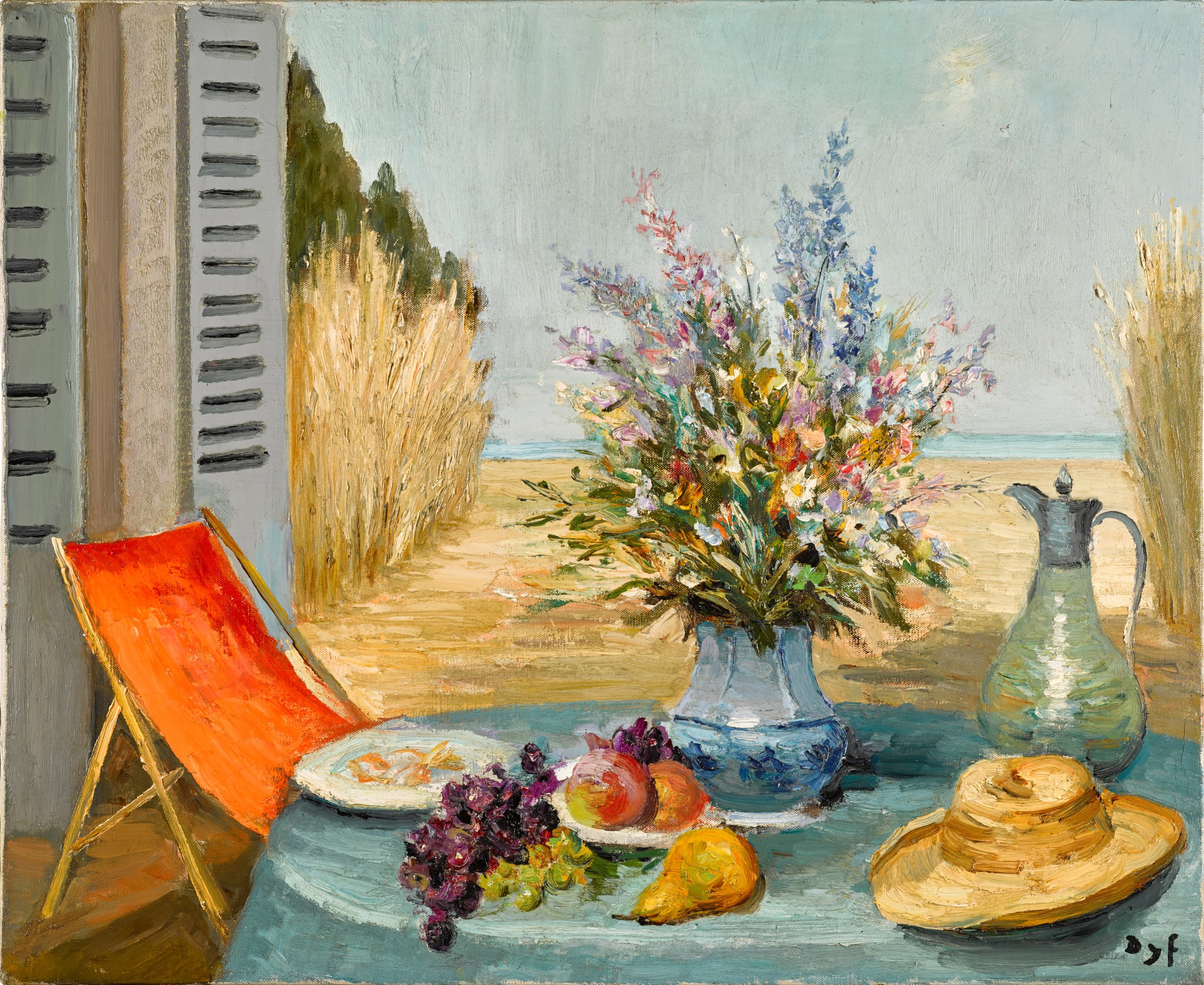
Wayne Thiebaud occupies a similarly secure position, beloved by institutions and private collectors alike, and his work has the rare quality of being accessible to a broad audience without sacrificing any seriousness. George Leslie Hunter, the Scottish Colourist whose work bridges Post Impressionist warmth and a distinctly northern light, represents genuine value for collectors willing to engage with the British and Scottish markets where his reputation is substantially stronger than his prices currently reflect. Marcel Dyf and George Copeland Ault sit in different registers but both reward close attention from a collecting standpoint. Dyf, the French painter associated with a lyrical, light filled approach to the figure and landscape, has a loyal collector base in Europe and an underserved profile in North America.
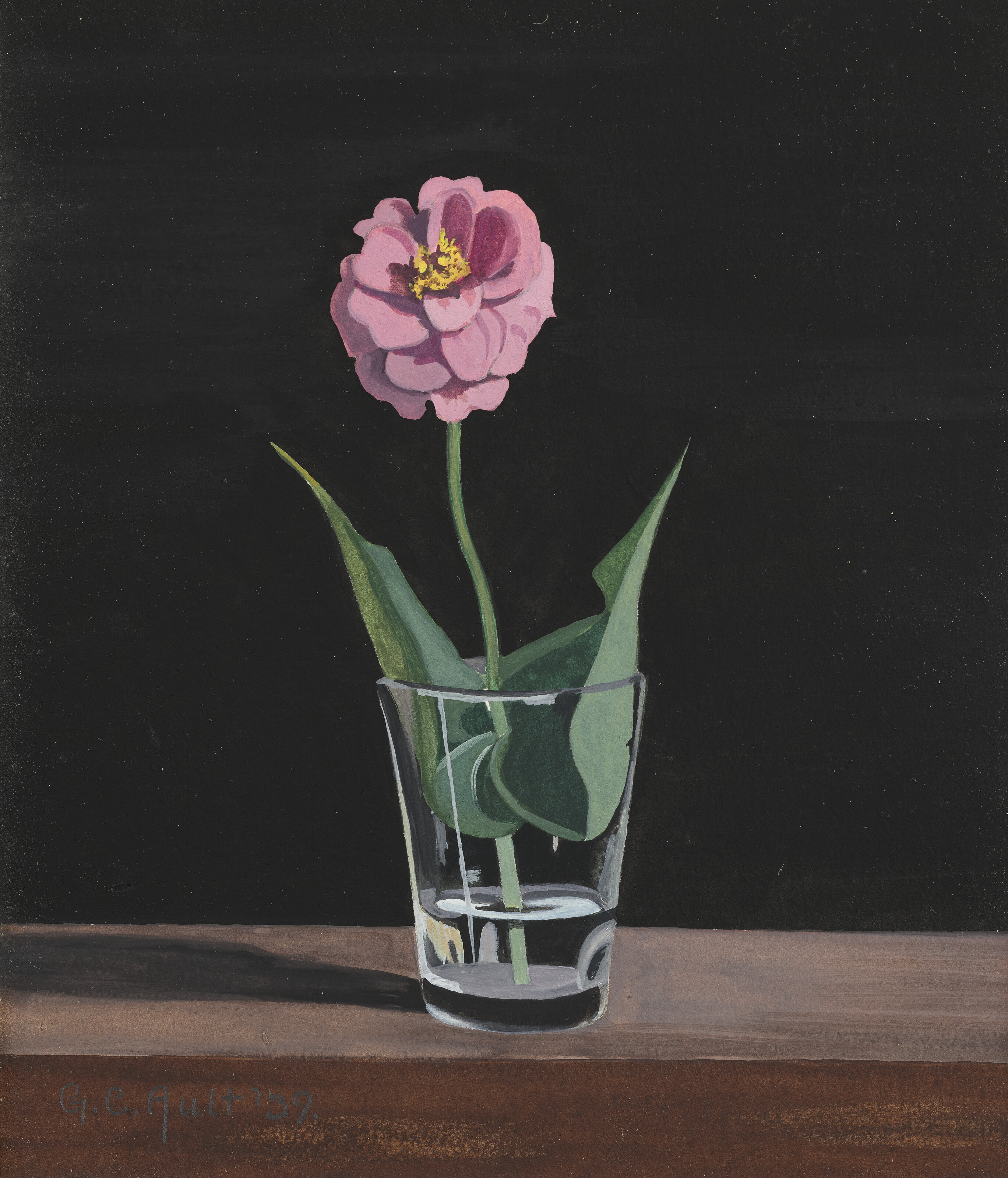
Ault is a more complex case, an American modernist whose color sense was precise and architectural, and whose reputation has benefited from sustained scholarly interest in the American Scene movement. Neither artist commands the prices their quality merits, and that gap is an opportunity. At auction, colorist painting tends to perform well when condition is strong and provenance is clear. This sounds obvious but it is worth stating plainly because color is among the most condition sensitive qualities in painting.
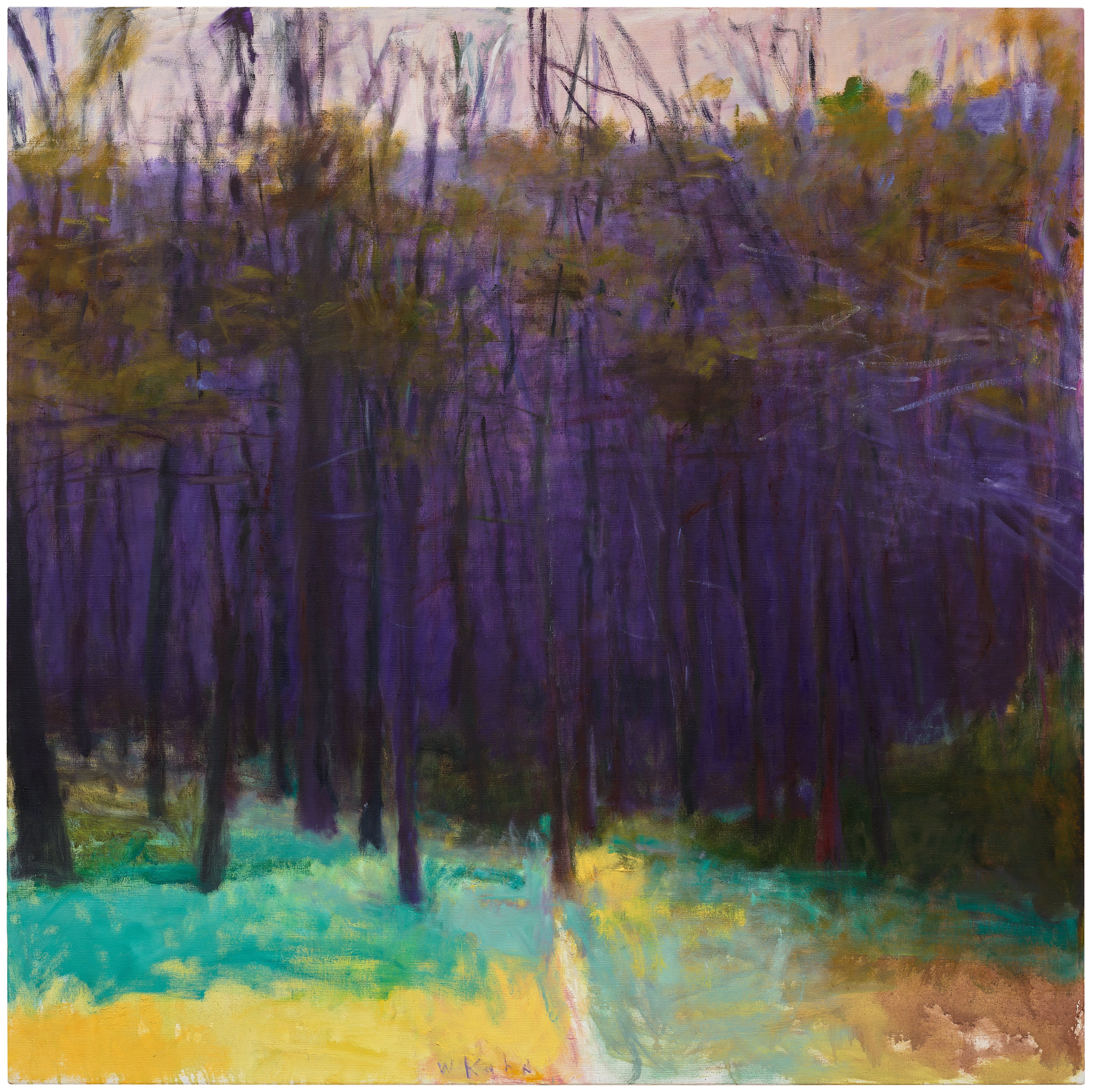
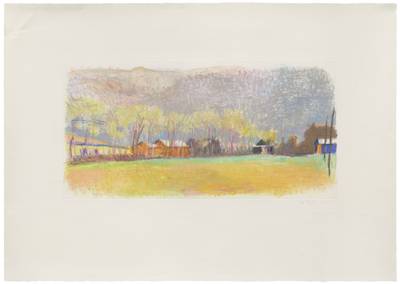
Wolf Kahn
The Magnetic Attraction of the Deep Woods, 1996
Fading, overzealous cleaning, and lining can all compromise the chromatic relationships that give colorist work its life. Before acquiring at auction or through a gallery, ask directly about condition reports and any known restoration history. A work that has been cleaned too aggressively may look fine in photography and flat in person, and that flatness is permanent. With Wolf Kahn's pastels in particular, handling history matters enormously since the medium is inherently vulnerable and works that have not been properly framed and glazed may show migration or smudging that significantly affects value.
For collectors new to this area, a few practical habits will serve you well. Ask galleries about exhibition history, not just as provenance but as a signal of critical engagement with the work. A colorist painting that has been shown in serious institutional contexts carries different weight than one that has circulated only through secondary dealers. With living artists or estates still managing markets actively, ask about edition practices if prints are being offered alongside paintings, since the relationship between original works and multiples affects how the market perceives each.
Display matters more here than in almost any other category. Natural light is ideal but not always possible, and daylight balanced lighting is worth the investment. These works are in conversation with light. Give them the light they deserve.