Classical Imagery
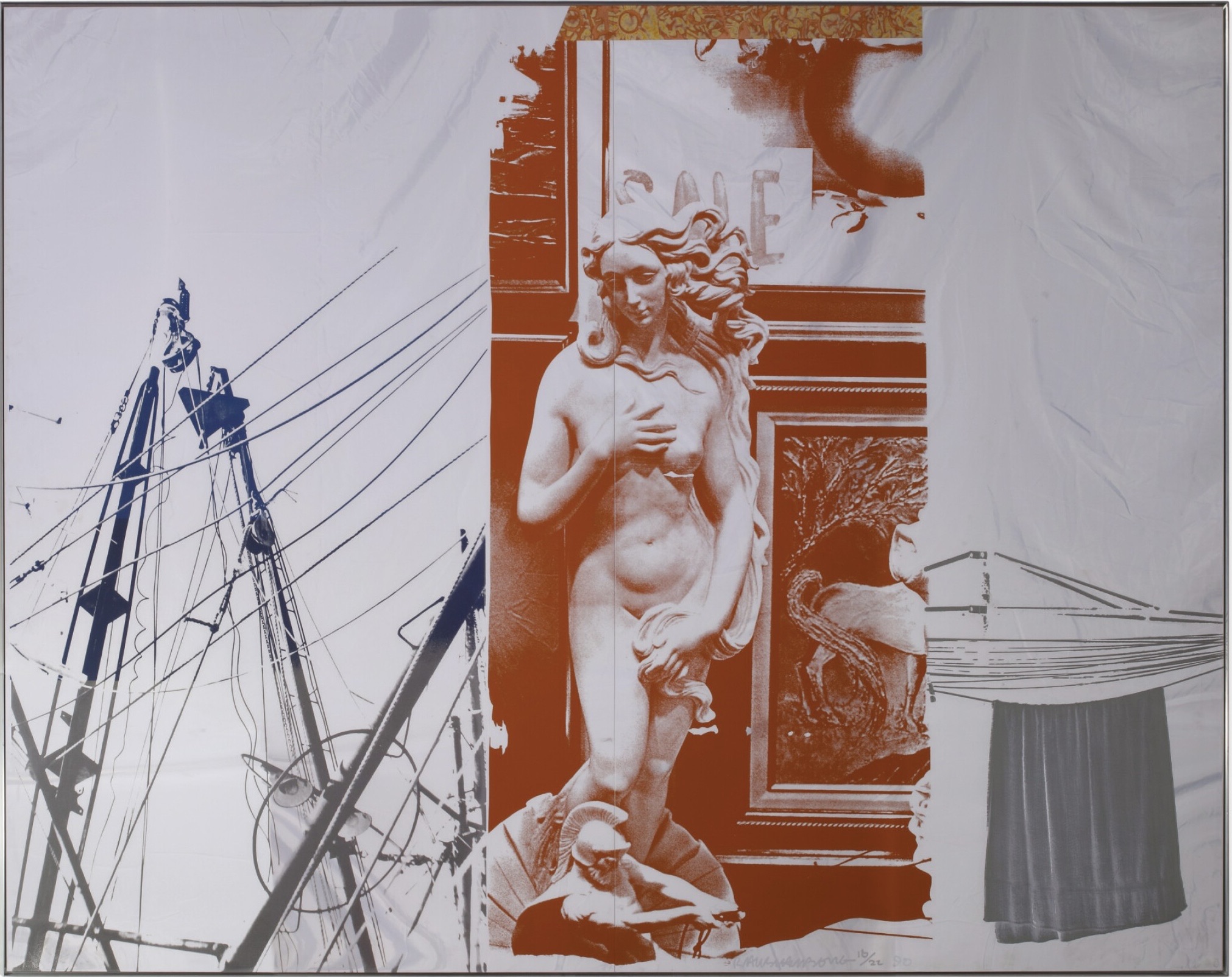
Robert Rauschenberg
SWIM, FROM ROCI USA (WAX FIRE WORKS), 1990
The Ancient World Never Went Out of Style
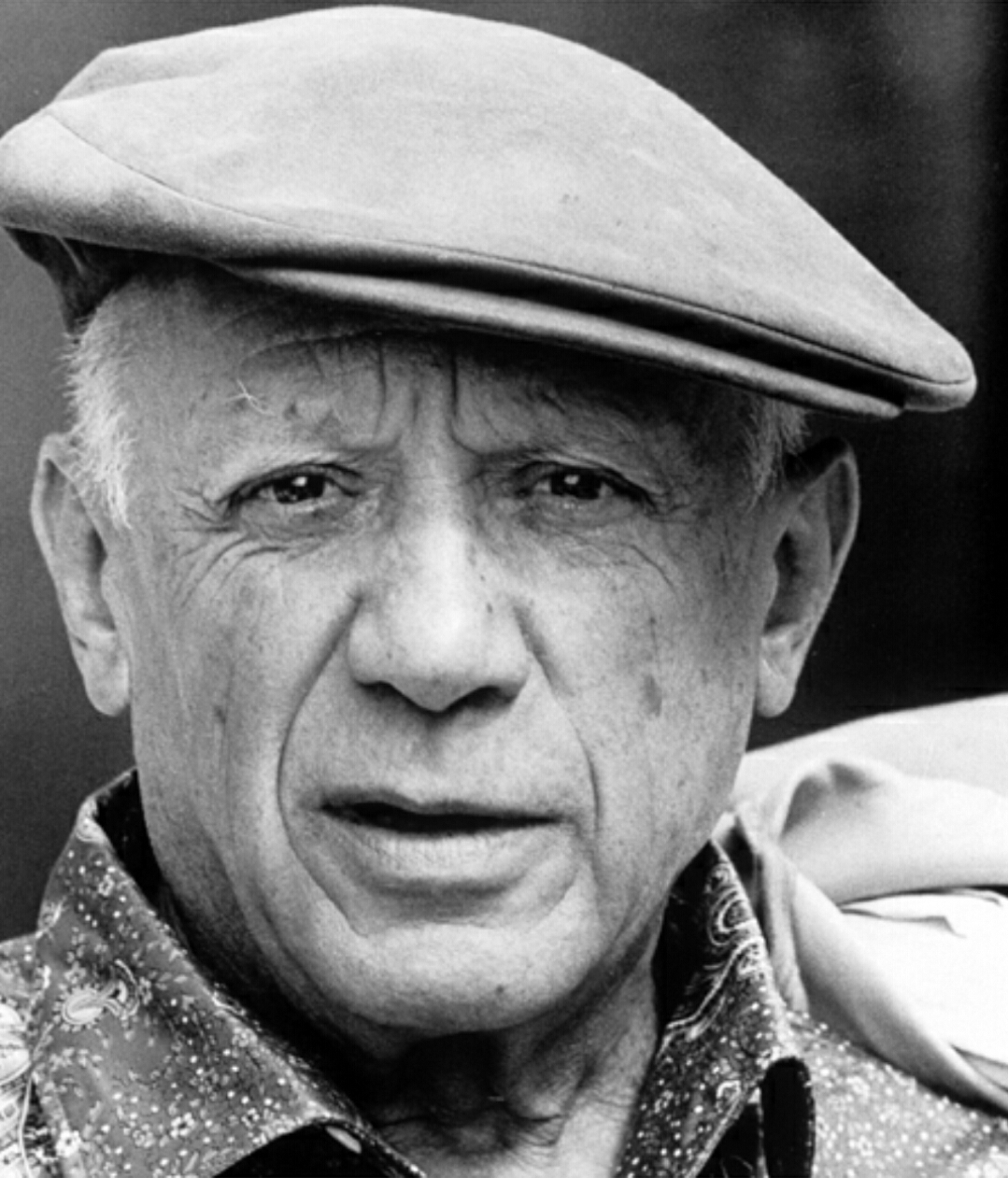
When a late period Picasso drawing referencing the minotaur sold at Christie's Paris for nearly three times its high estimate in 2023, the room went quiet in that particular way rooms do when something confirms what everyone already suspected but nobody wanted to say out loud. Classical imagery is not a niche interest for antiquarians. It is one of the most hotly contested territories in the modern and contemporary market, and the appetite for it shows no sign of cooling. Collectors who once dismissed myth and allegory as the province of dusty academies are now paying serious attention, and the auction results bear this out with increasing regularity.
The exhibition landscape has done much of the intellectual heavy lifting here. The Metropolitan Museum of Art's ongoing commitment to showing the classical tradition in dialogue with modernism, most visibly through its collection hang in the Greek and Roman galleries where ancient bronzes share sightlines with loan works from the twentieth century, has trained a generation of visitors to see antiquity not as a closed chapter but as a living conversation. When the Musée Picasso in Paris mounted a focused presentation of Picasso's engagement with Ovid and the Metamorphoses, the critical response was notably warmer than anyone anticipated. Scholars who had grown weary of the Picasso industry found themselves genuinely surprised by how radical his classical references looked when stripped of their familiar biographical framing.
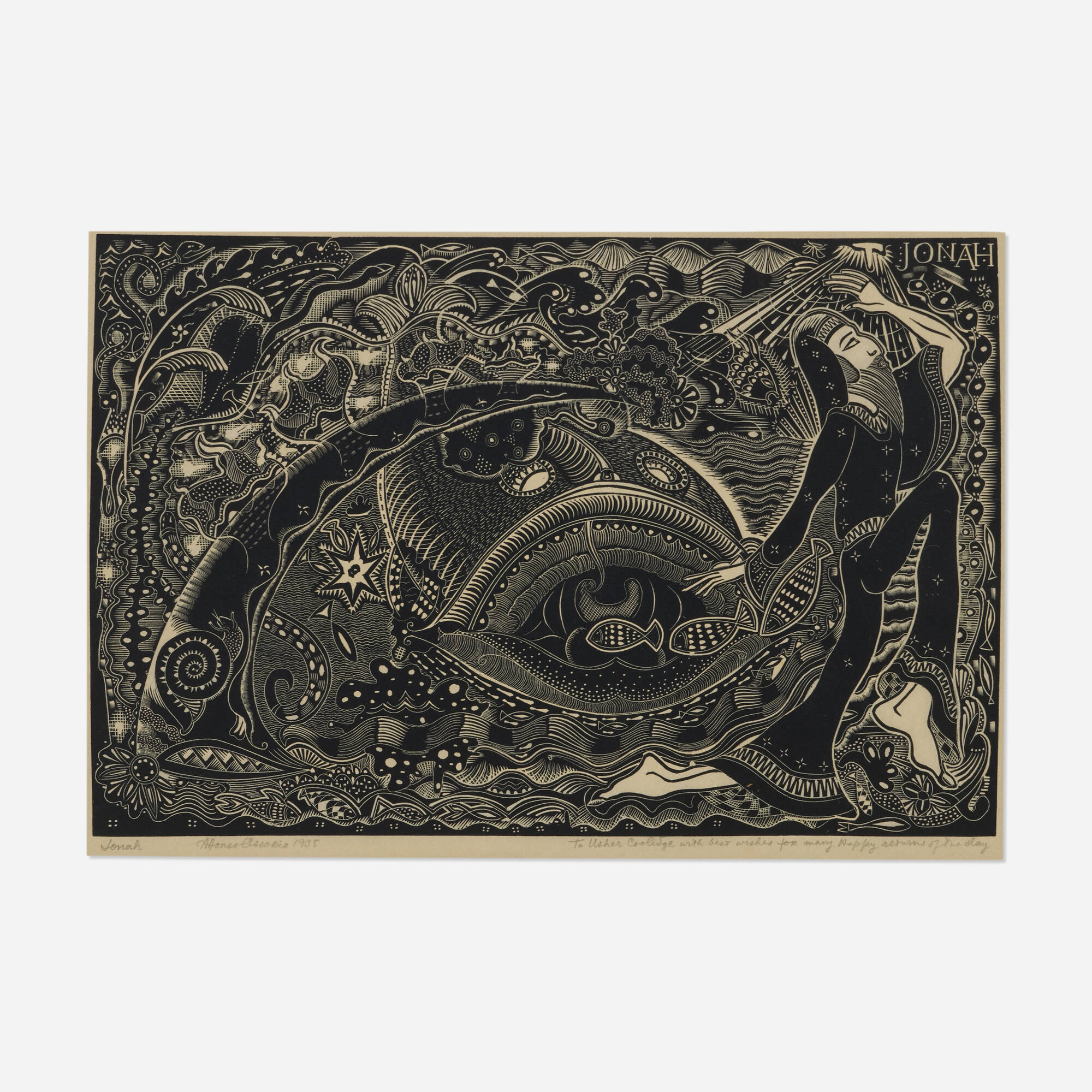
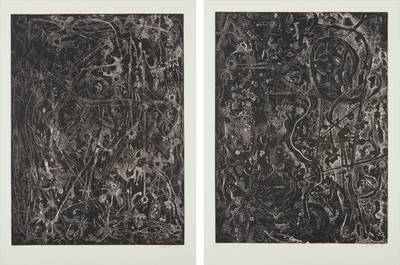
Alfonso Ossorio
Jonah, 1935
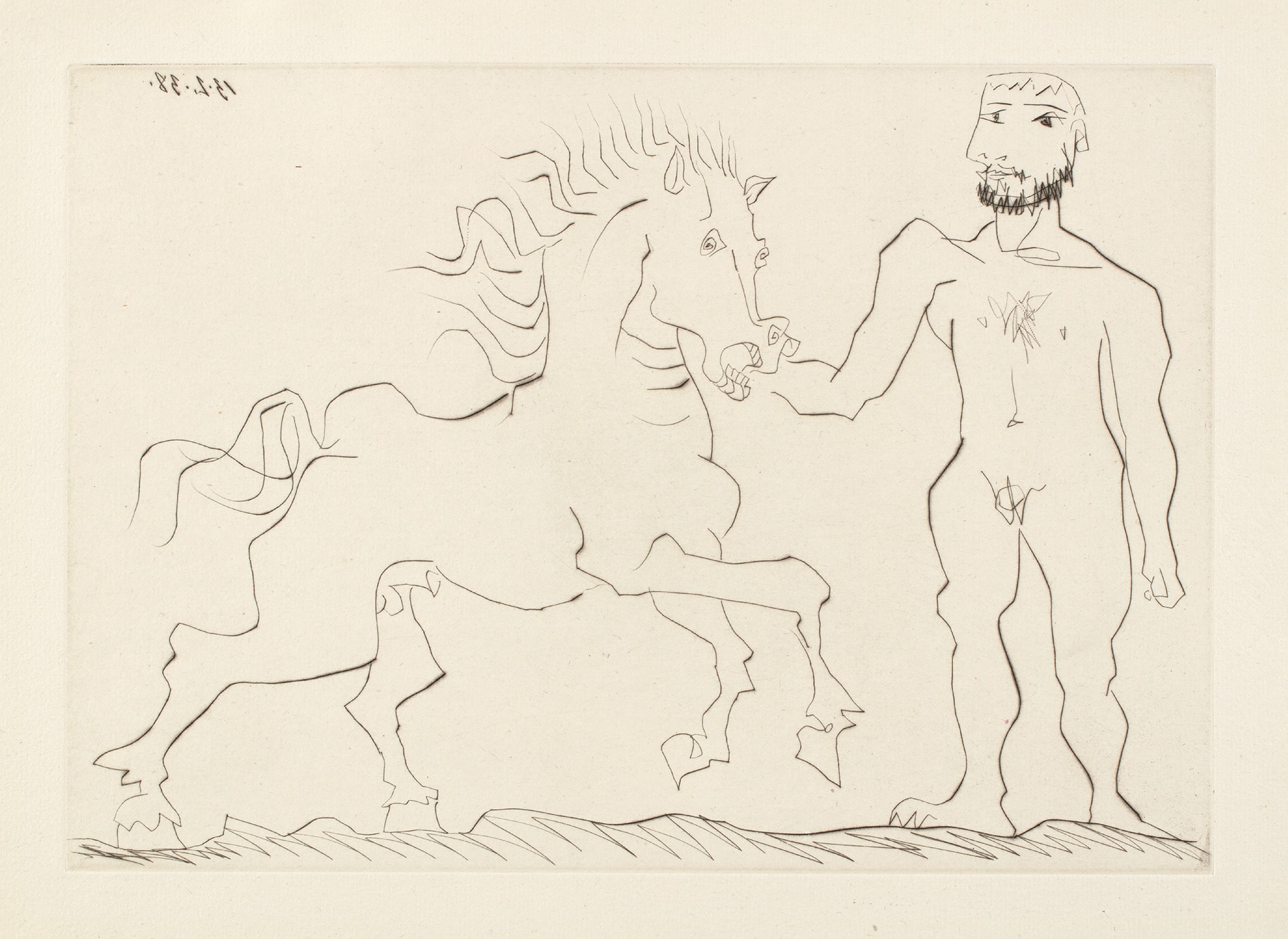
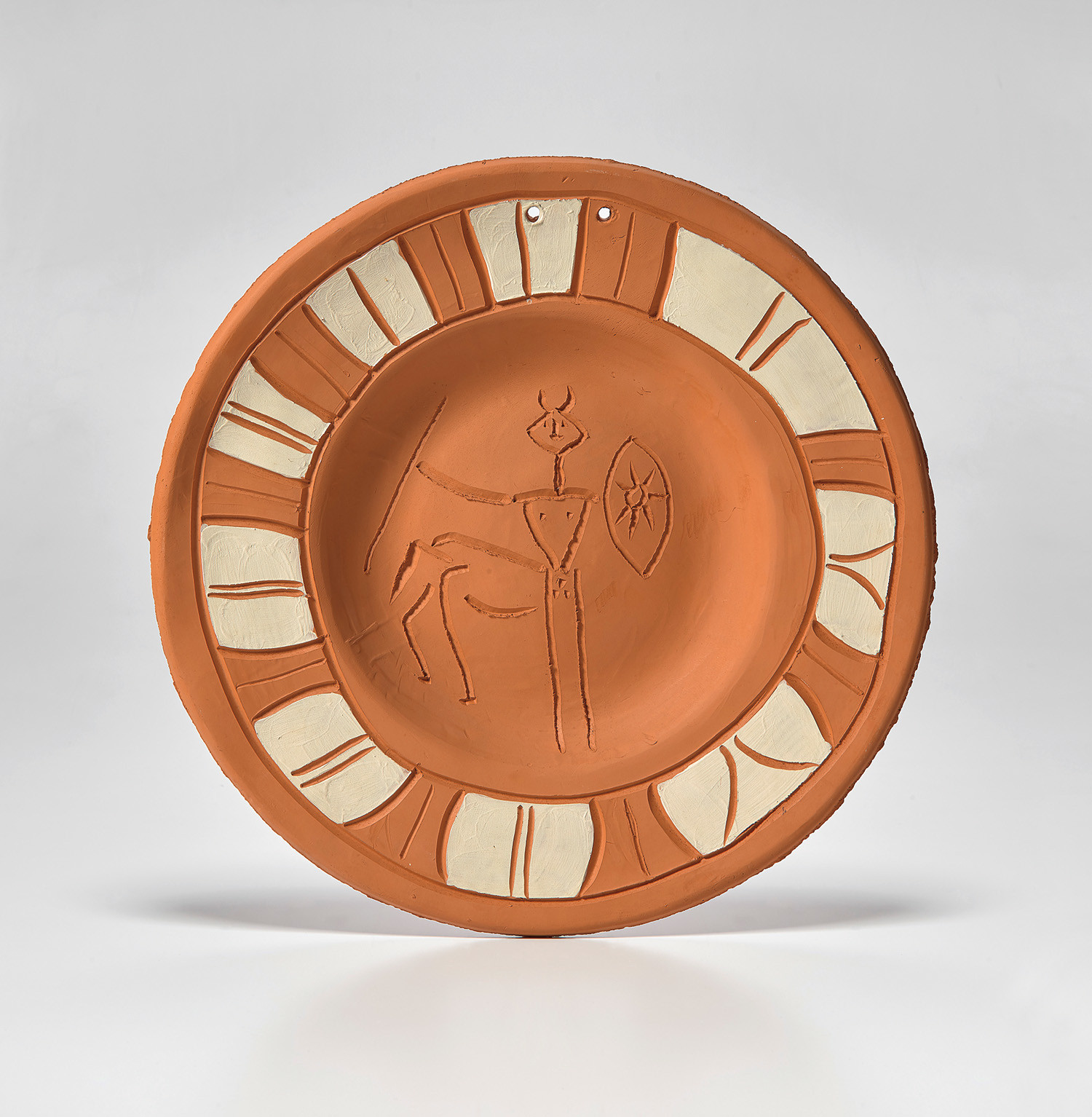
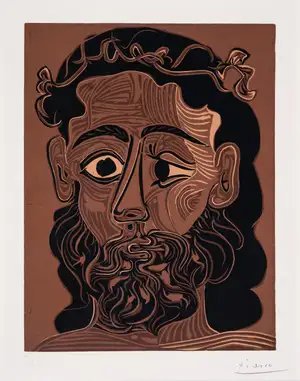
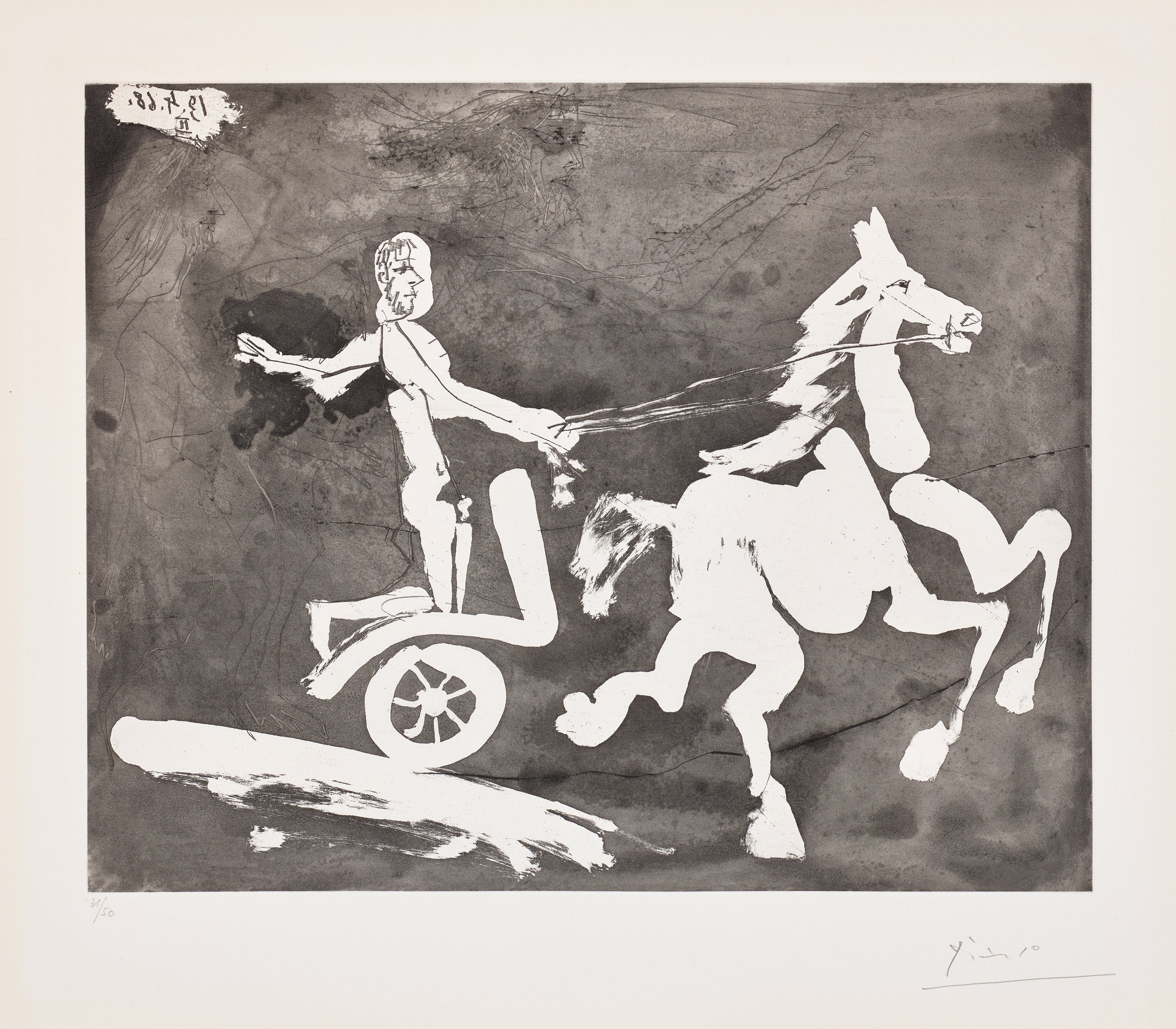
Picasso remains the dominant figure in this conversation, and his work appears on The Collection for good reason. His relationship to classical sources was lifelong, strategic, and deeply personal. He understood that borrowing from antiquity was not an act of deference but one of aggression, a way of measuring himself against the longest possible timeline. The minotaur, the faun, the sleeping nude seen through the filter of Greek vase painting, these were not decorative choices.
They were arguments about what painting could still mean after Cézanne had broken the western tradition open. When these works come to market they tend to perform reliably because they speak to two kinds of collector simultaneously: those interested in the classical tradition as a subject, and those interested in modernism as a historical force. Georges Braque offers a quieter but equally rich entry point into classical imagery on The Collection. Where Picasso wielded the antique like a weapon, Braque used it as a kind of grammar, something structural and beneath the surface.
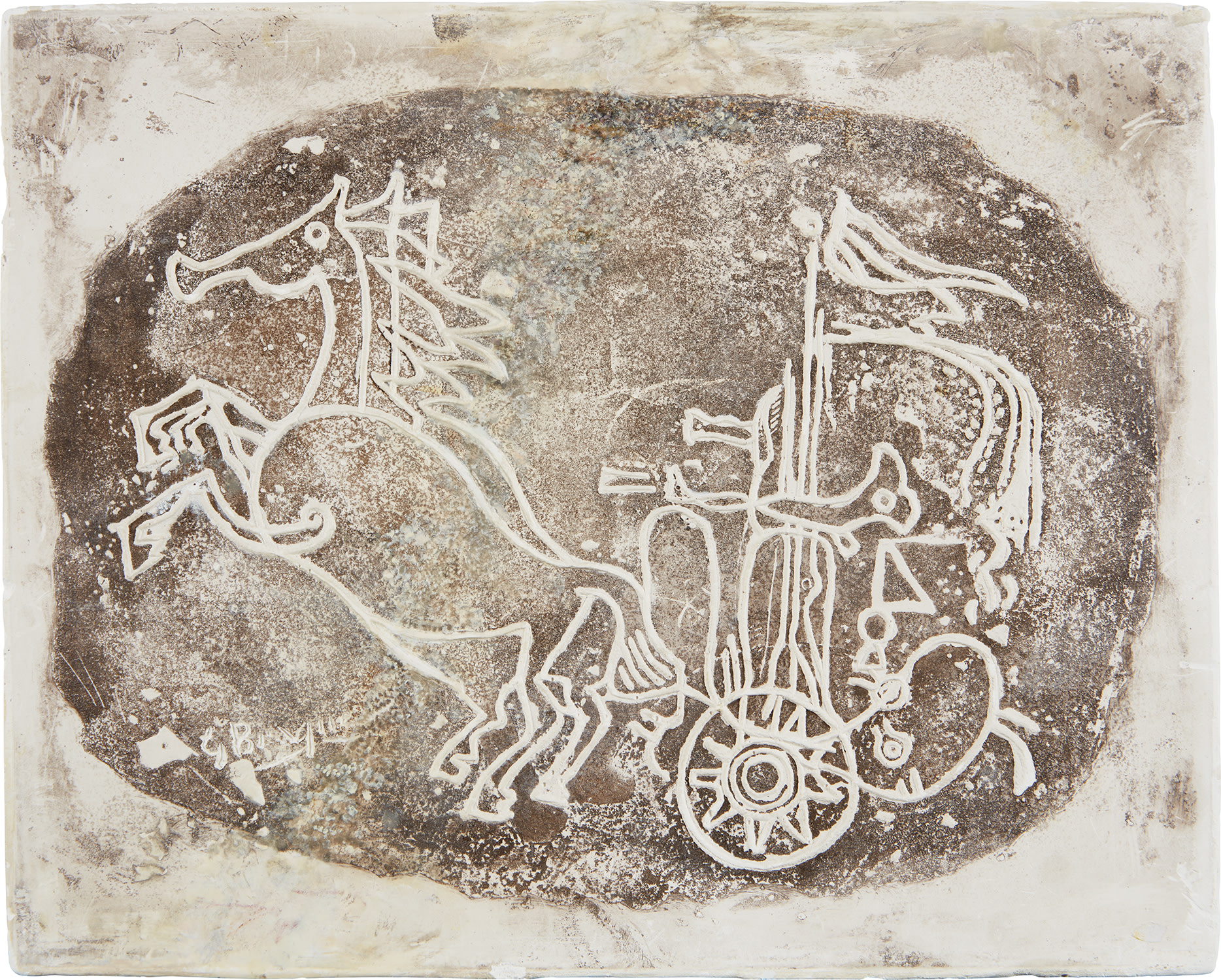
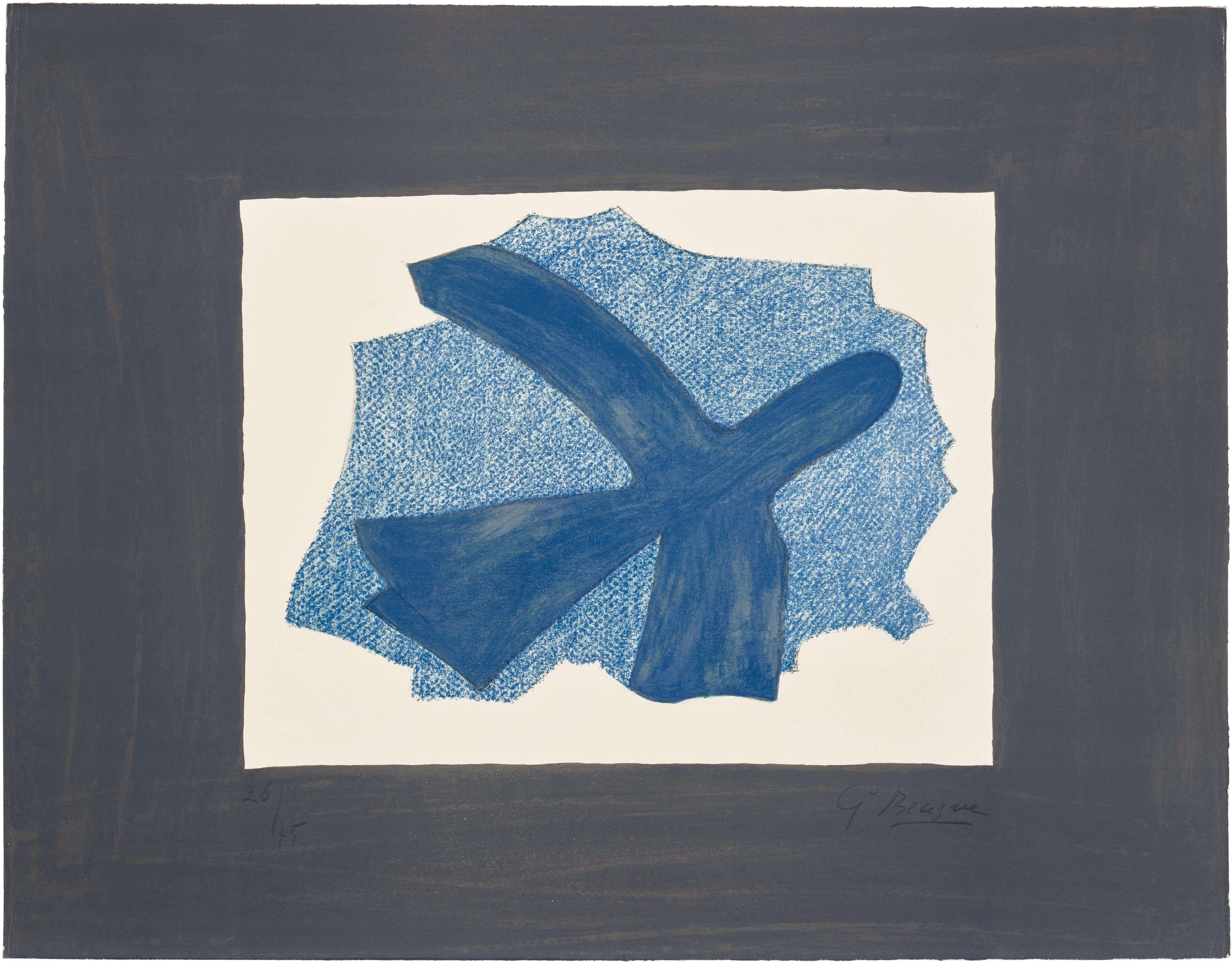
Georges Braque
Char blanc (Char IV) (White Chariot IV) (see V. 115)
His late studio paintings with their birds and palette and fragments of classical relief possess an almost archaeological quality, as if the image is being excavated rather than constructed. Braque's market has been steadier than Picasso's precisely because his work attracts a different temperament of collector, one who prefers accumulation of meaning over spectacle. Major museums including the Pompidou and the Guggenheim Bilbao have revisited Braque in recent years with shows that position him not as Picasso's shadow but as a thinker in his own right. The classical tradition understood broadly enough becomes surprisingly inclusive, and this is where the conversation gets interesting.
Alfonso Ossorio, whose work occupies a genuinely singular position in twentieth century American art, brings a syncretic energy to questions of archetype and ritual that connects to classical imagery through a completely different door. Ossorio spent time in the Philippines in the late 1940s producing works that blended Catholic iconography, indigenous visual language, and the gestural experiments he was developing alongside the Abstract Expressionists. The mythological undercurrent in his work is real even where it is submerged. The Parrish Art Museum on Long Island, which holds a significant portion of his estate and archive, has been instrumental in maintaining institutional memory around his practice, and recent scholarship has begun to argue persuasively that Ossorio represents a missing link in the story of how American art processed ancient and ritual imagery in the postwar period.
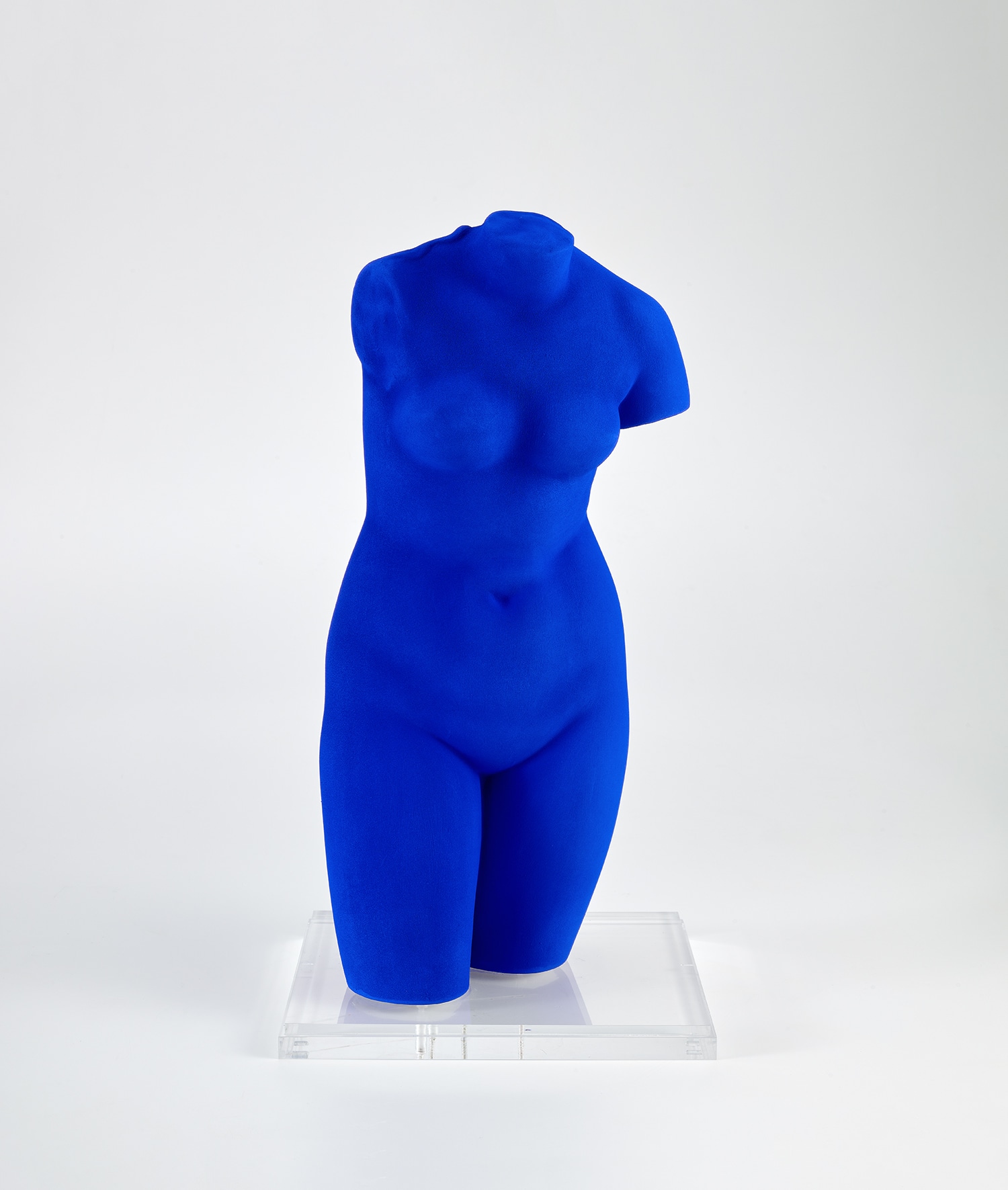
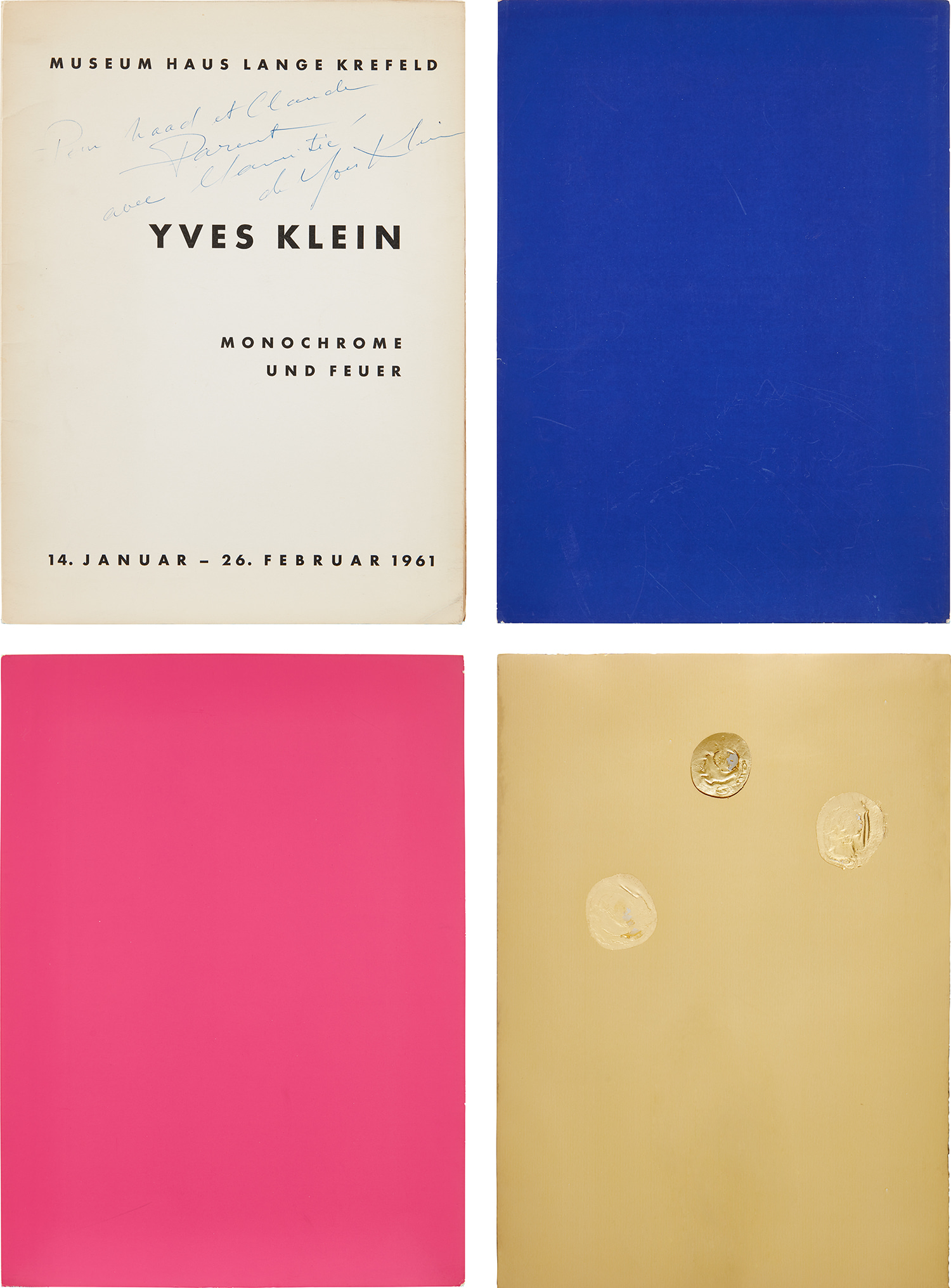
Yves Klein
La Vénus d'Alexandrie (Vénus bleue) (L. S41)
Yves Klein's relationship to classical imagery operates at the level of concept rather than representation, which is precisely what makes it so generative for critics and curators. His blue monochromes and his anthropometries, those body imprints made with living brushes, reach back toward archaic gesture and the sacred body with an almost parodic directness. Klein was deeply influenced by Rosicrucianism and other esoteric traditions, and his work has attracted the attention of scholars interested in the persistence of ritual structure in avant garde practice. The writer and curator Nuit Banai produced a rigorous monograph on Klein that repositioned his work within a broader history of the sacred in modern art, and that argument has gained real traction in museum circles over the past decade.
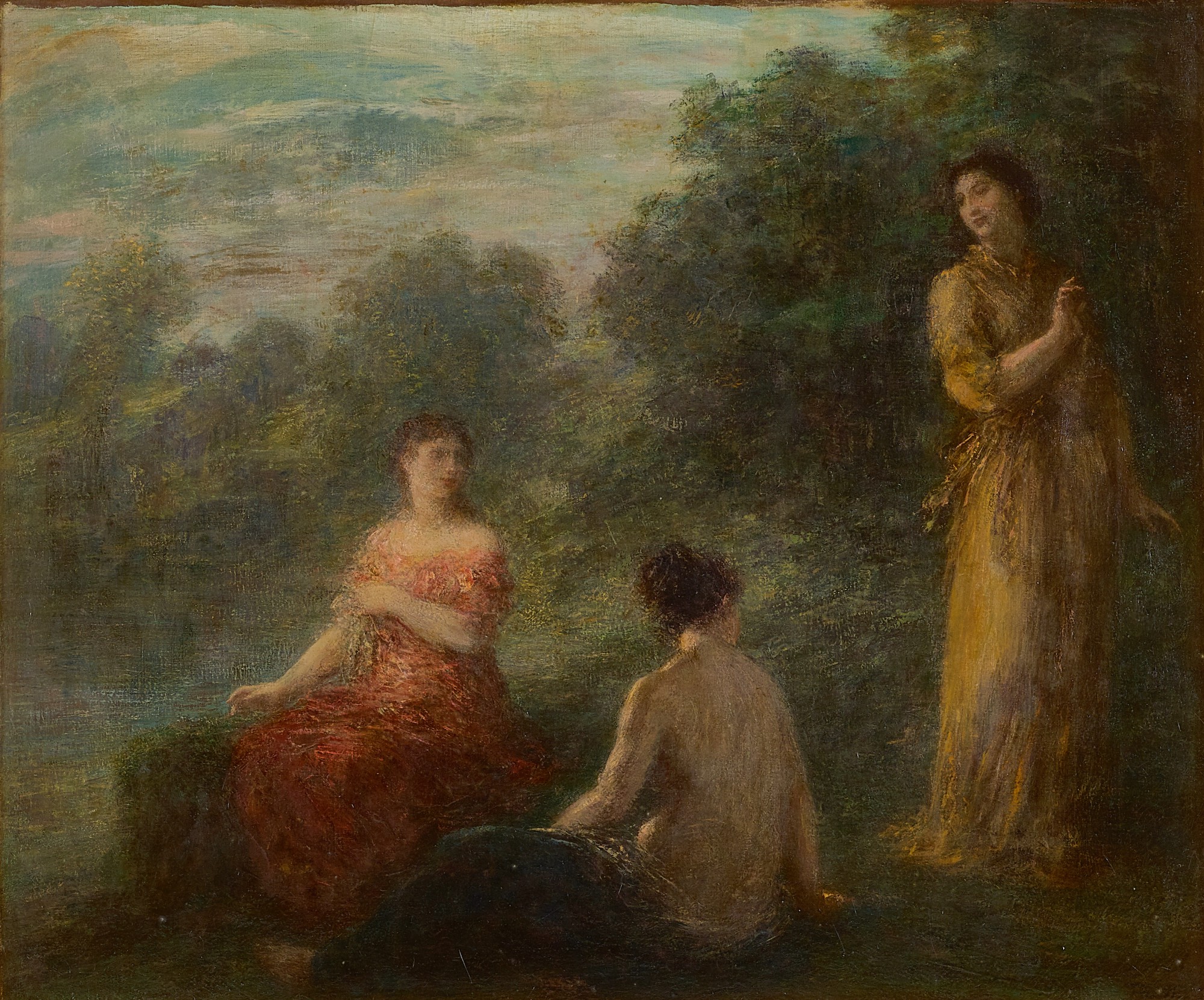
Henri Fantin Latour provides a different kind of anchor on The Collection, one that connects to the operatic and literary dimensions of classical imagery in the nineteenth century. His allegorical paintings and his flower pieces, which seem at first glance to be purely decorative, carry a density of reference to myth and ideal beauty that places them squarely in the conversation about how the classical tradition was metabolized in the century before modernism arrived to complicate everything. His market has been reassessed upward as collectors have grown more comfortable with the long nineteenth century as a period worthy of serious attention rather than polite tolerance. Robert Rauschenberg rounds out The Collection's engagement with this territory in a way that might surprise anyone who thinks of classical imagery as a strictly highbrow concern.
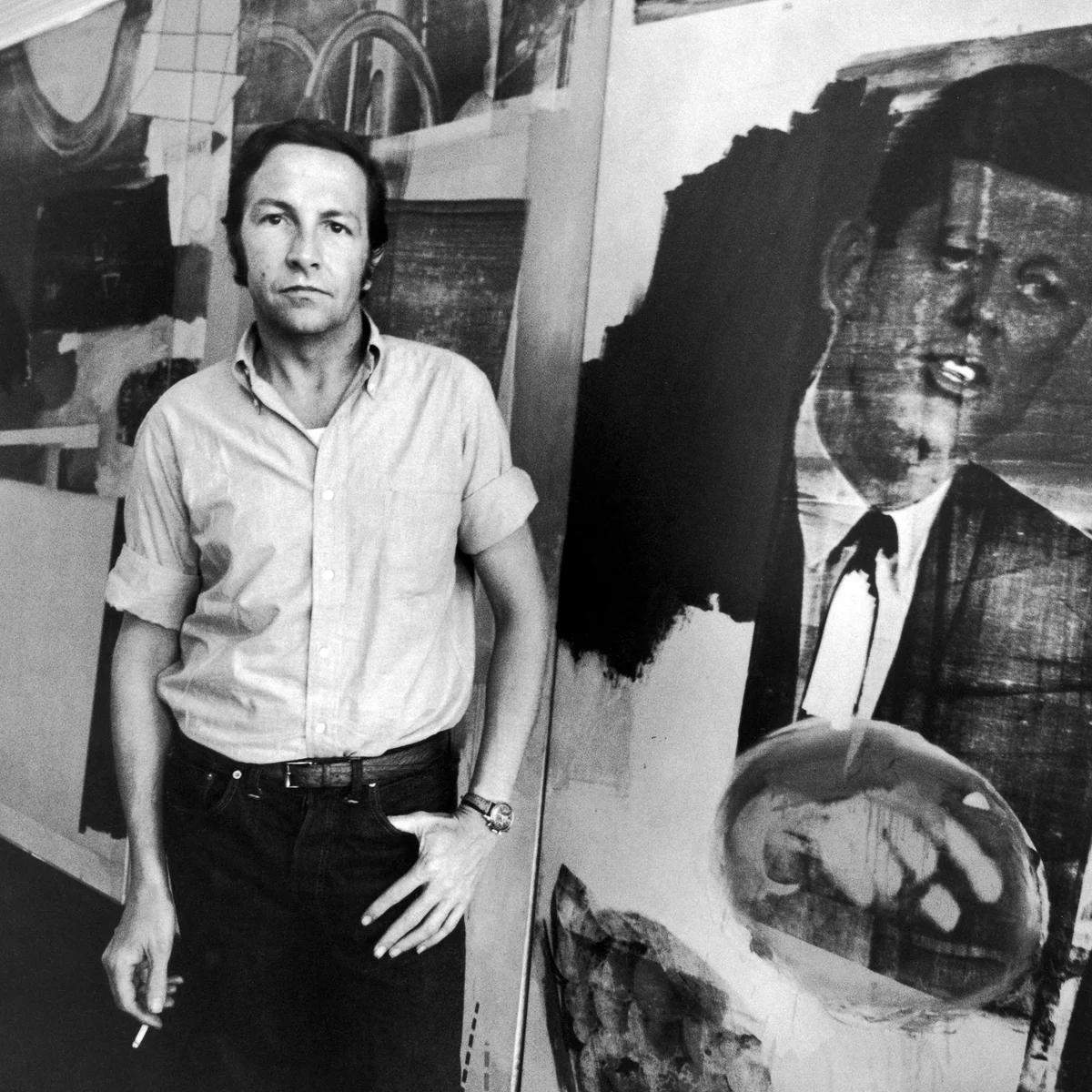
Robert Rauschenberg
SWIM, FROM ROCI USA (WAX FIRE WORKS), 1990
His Combines and silkscreen works of the 1960s are saturated with mythological and historical reference, collaged against imagery from mass culture in a way that refuses to privilege either. Rauschenberg was deeply interested in Dante, and his series of transfer drawings illustrating the Inferno remain among the most intellectually ambitious works of the postwar American avant garde. That classical sources could survive contact with commercial printing and highway signage and emerge stranger and more potent was Rauschenberg's fundamental wager, and the market for his work suggests that collectors have decided he won it. Where the energy is heading feels less like a single direction and more like an expansion of the field itself.
Younger curators are increasingly impatient with the idea that classical imagery belongs exclusively to European traditions, and shows exploring Mesoamerican myth, African cosmological systems, and South Asian iconographic traditions through a contemporary lens are drawing significant institutional support. The classical, it turns out, was never as singular as the canon suggested. For collectors paying attention, that realization opens the field considerably and makes works like those on The Collection feel not like relics of a settled conversation but like early positions in an argument that is just beginning to find its shape.