Circular Format
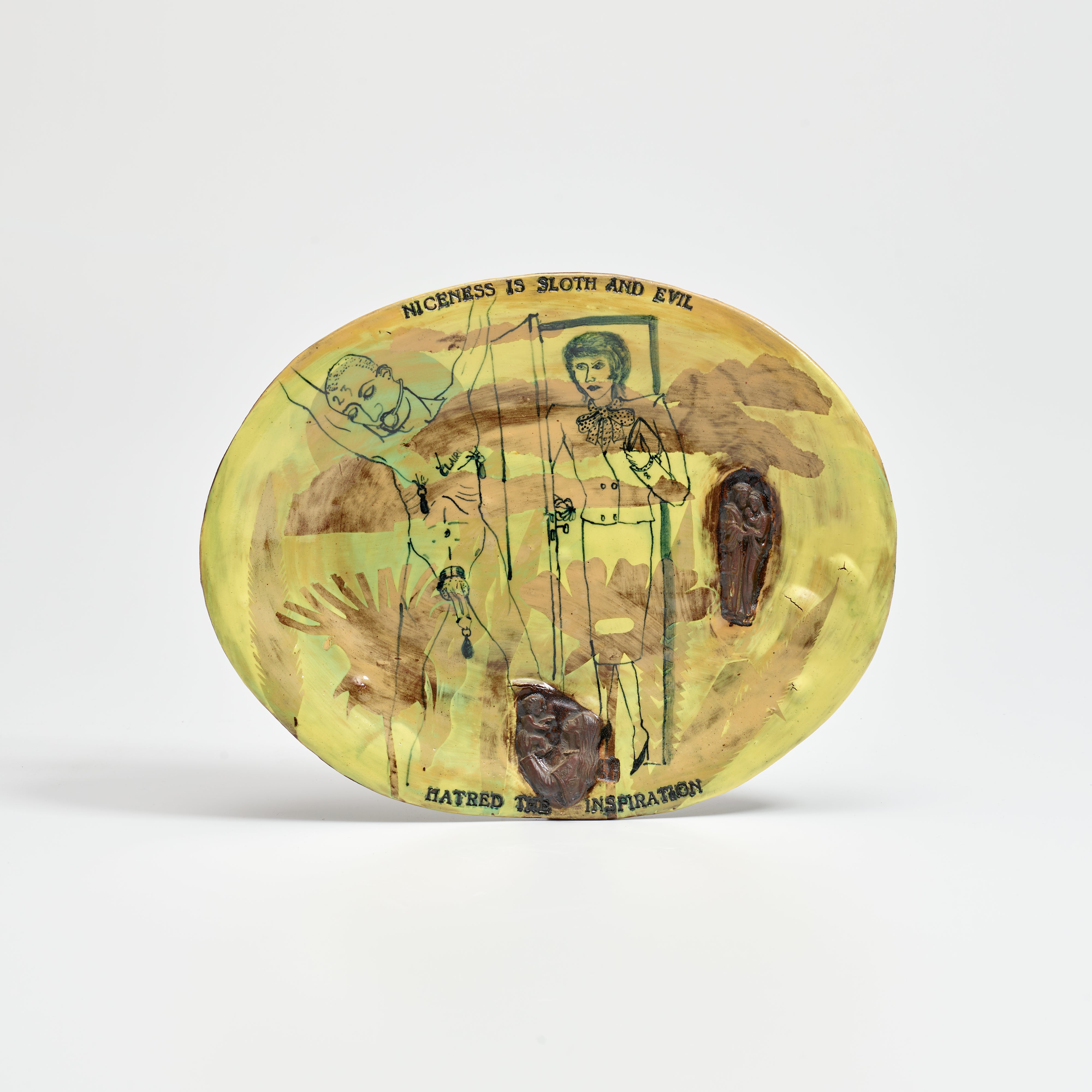
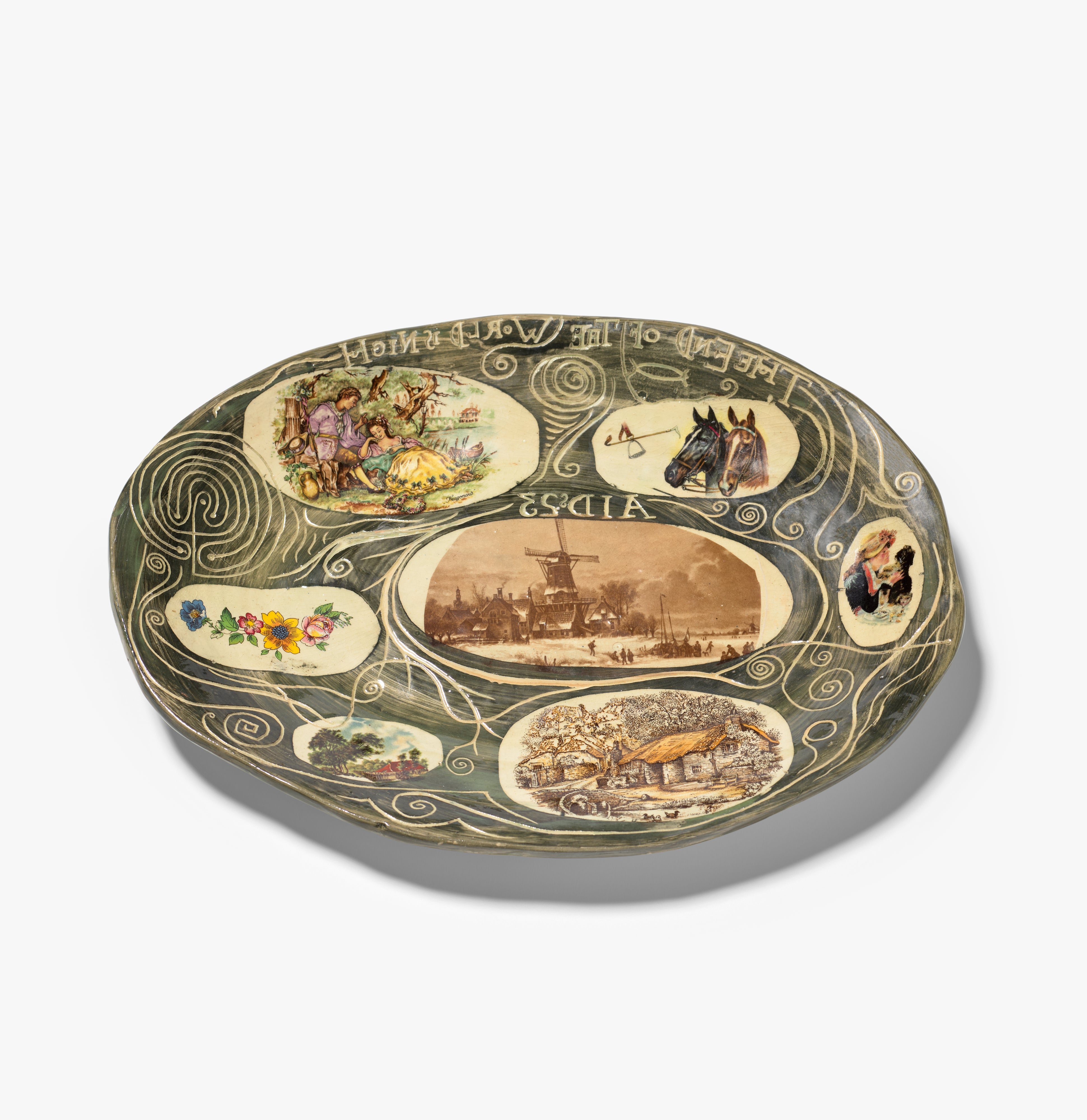
Grayson Perry
Niceness Is Sloth And Evil, 1980
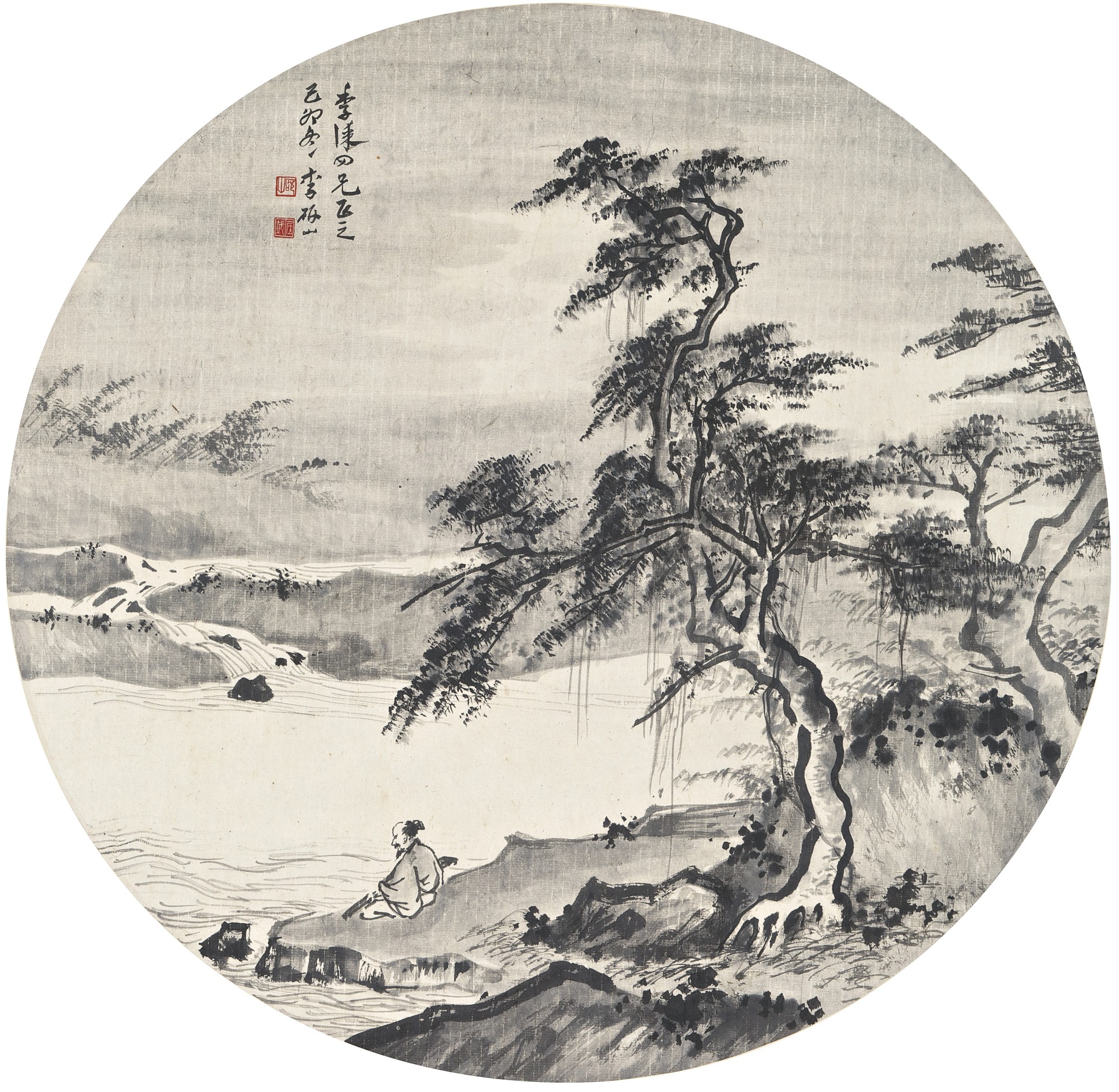
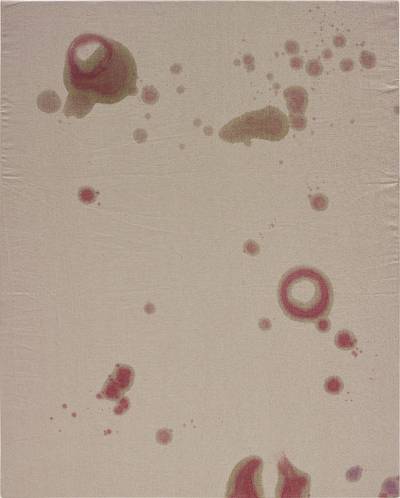
Round Worlds: The Circle That Contains Everything
There is something almost primal about a circular painting. Before the rectangle became the default unit of Western art, before the stretched canvas standardized the way we understand the picture plane, artists were drawn to the round. The tondo, as the circular format is formally known in Italian, carries within its curved boundary a different kind of logic, one that folds space back on itself and refuses the hard corners where the eye might otherwise escape. To collect a circular work is to collect something fundamentally different in its relationship to the viewer, and that difference has fascinated artists across centuries and continents.
The tondo's origins in Western art are typically traced to fifteenth century Florence, where the format carried strong devotional associations. Circular wooden panels depicting the Madonna and Child were common in domestic settings, intimate objects meant for private contemplation rather than public spectacle. Donatello's carved marble tondos and Botticelli's painted versions elevated the format into high art while preserving that sense of personal address. By the time Michelangelo completed the Doni Tondo around 1507, now in the Uffizi, the circular format had become a vehicle for extraordinarily complex compositional thinking.
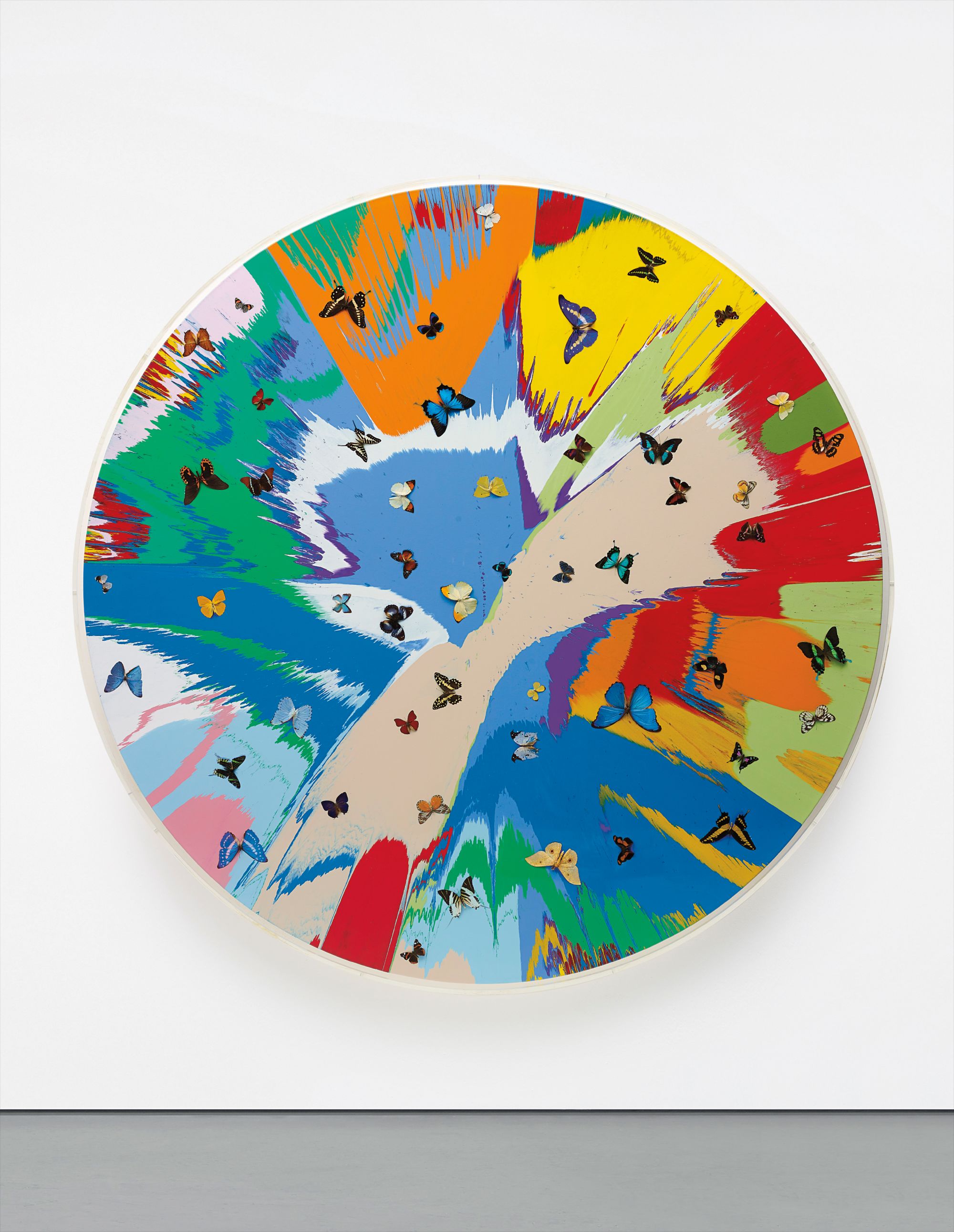
Damien Hirst
Beautiful, beautiful, charity childrens, spin painting (with butterflies)
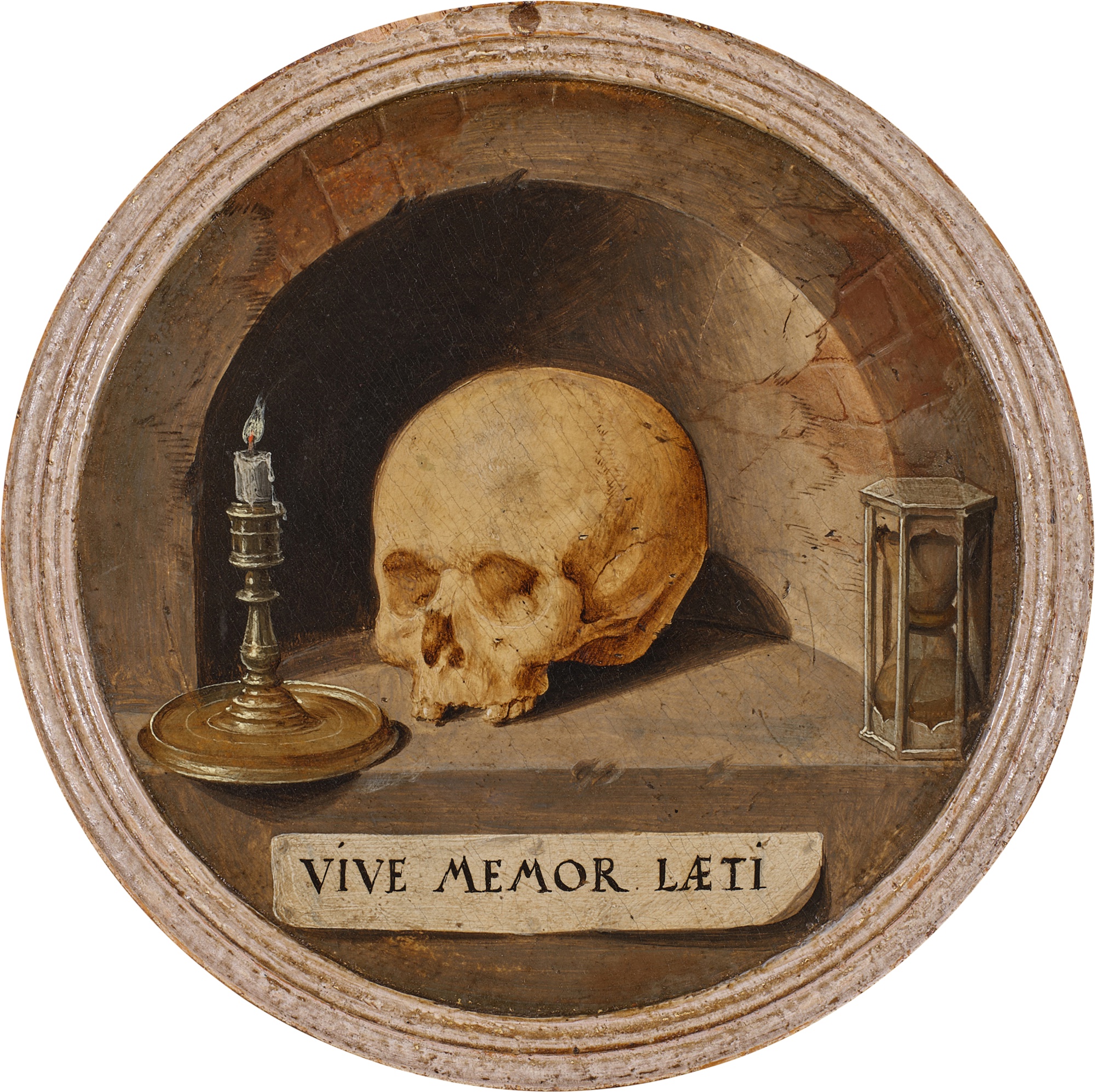
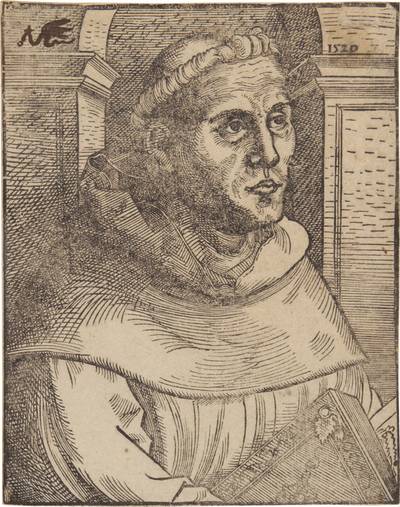
The way figures twist and compress within a circle, refusing the easy resolution of a rectangular edge, demands a different kind of attention from artist and viewer alike. The format traveled through centuries largely as a marker of refinement and classical sensibility. Portrait medallions in the seventeenth and eighteenth centuries kept the circle alive as a sign of prestige. Works from the German School of the seventeenth century often deployed circular framing in devotional and courtly contexts, a tradition visible in the kind of Northern European panel painting associated with artists like Bartholomäus Bruyn the Elder, whose meticulous portraiture carried the format's formal gravity into the Renaissance north.
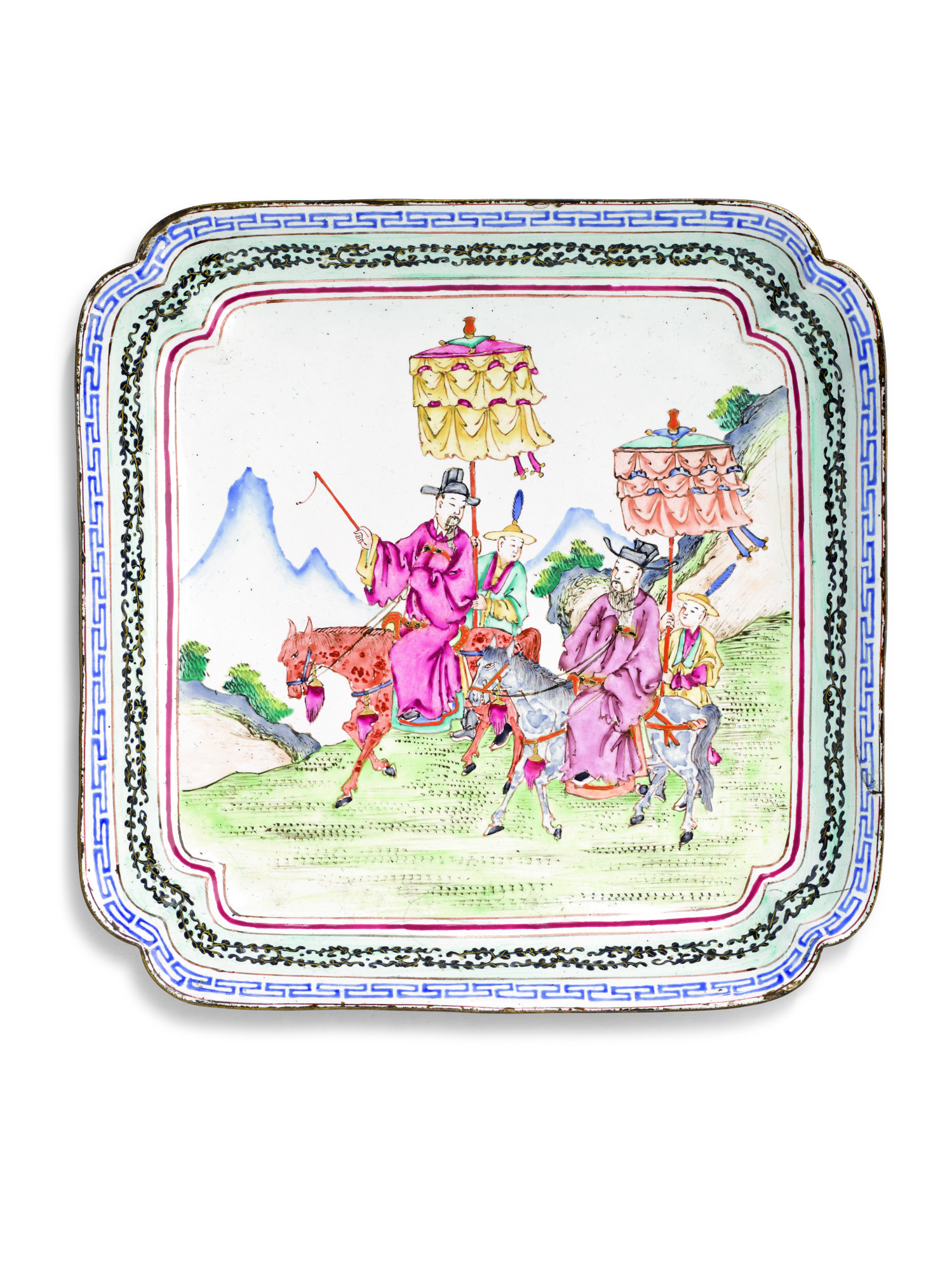
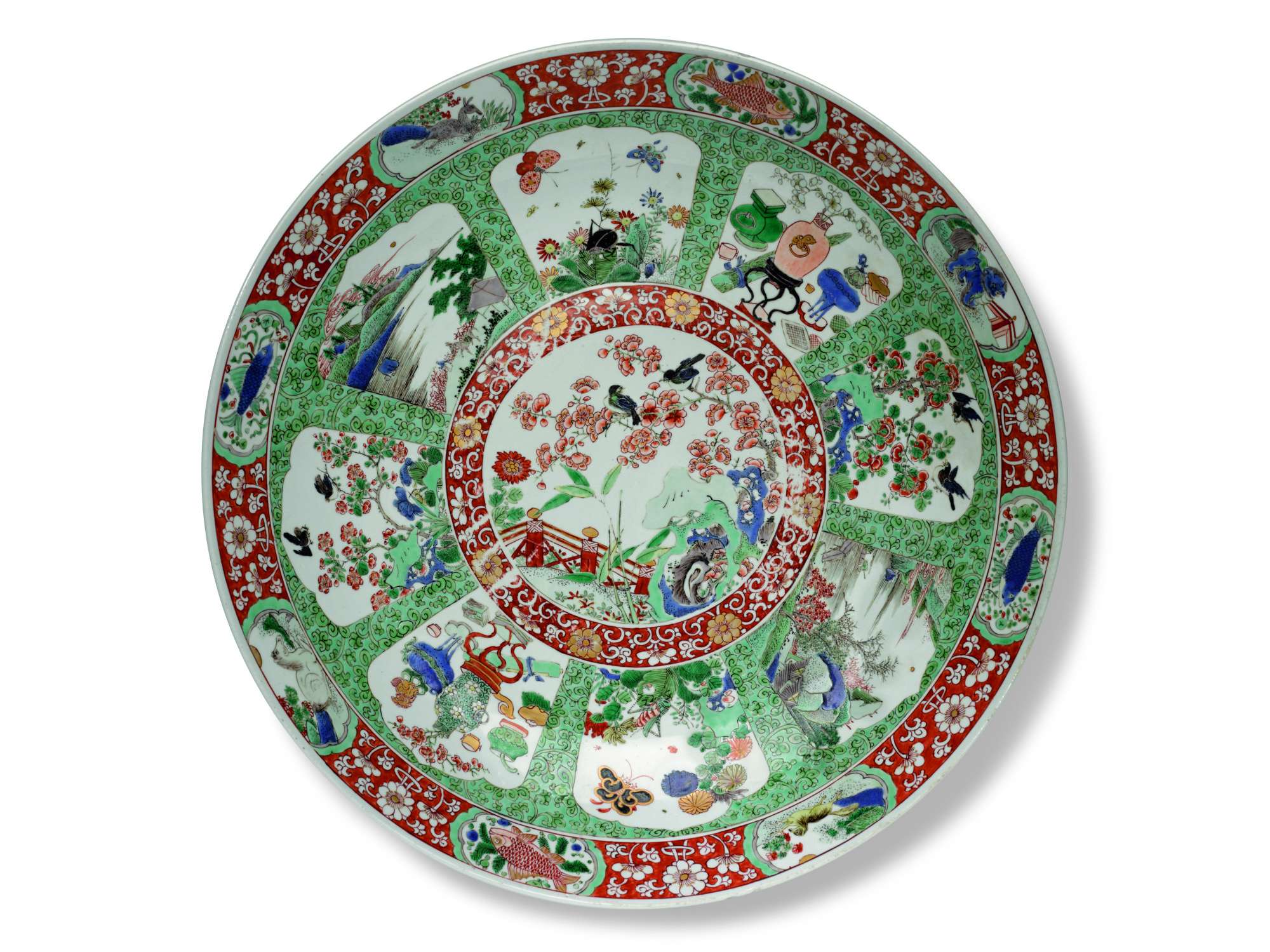
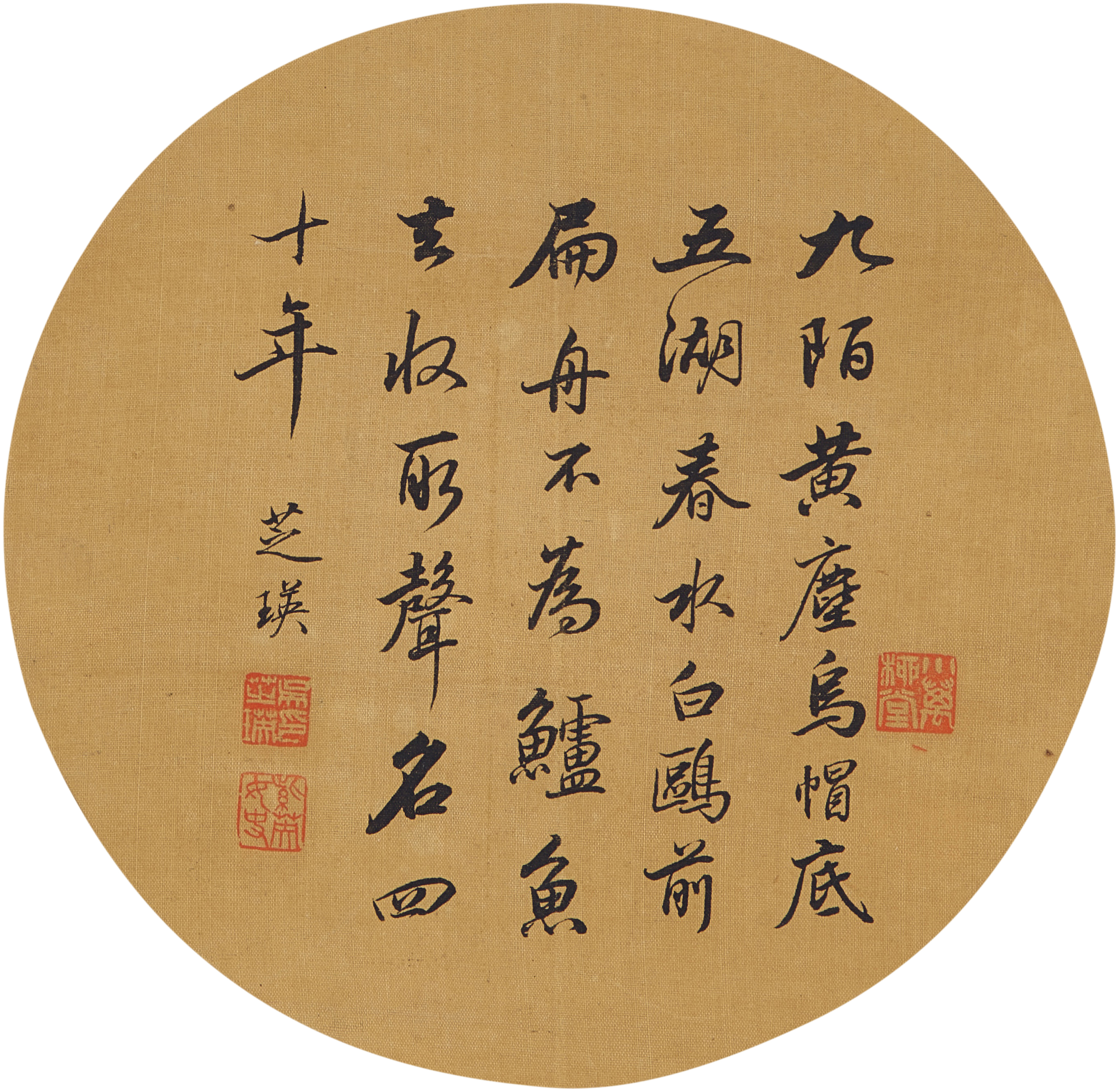
The circle implied completeness, resolution, an almost cosmological self sufficiency that rectangular formats simply could not replicate. Chinese decorative arts, meanwhile, had long understood the circle as a primary vehicle for artistic ambition. The Qing Dynasty produced extraordinary circular objects in which painting, craft, and cultural symbolism merged seamlessly. A famille rose Canton enamel dish from around 1800 is not merely a functional object but a sustained meditation on pictorial space within a bounded world.
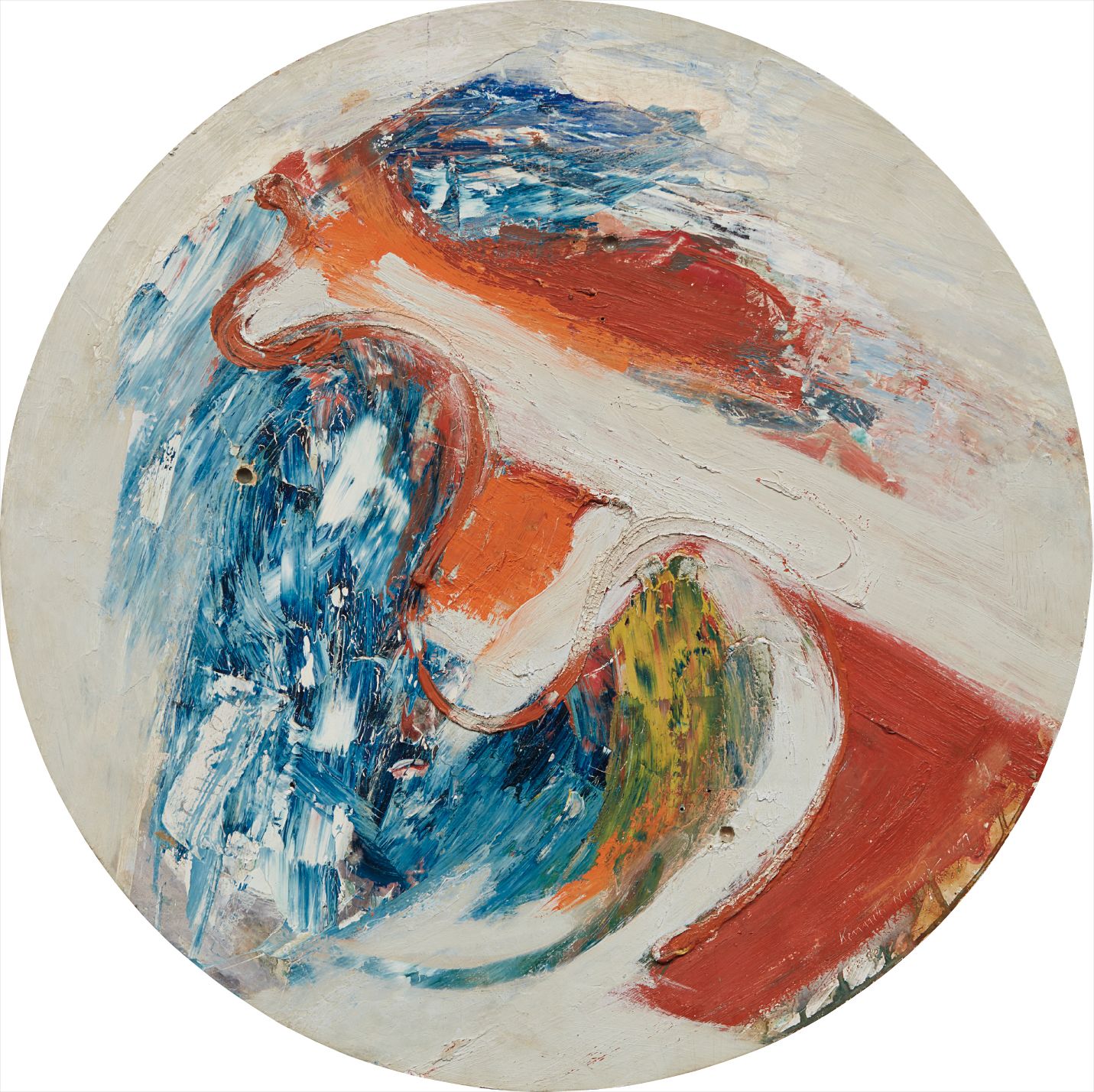
Kenneth Noland
diameter 22 in. (55.9 cm.), 1957
The circular dish format allowed artisans and painters to create compositions that read differently depending on how the object is oriented, refusing the fixed hierarchy of top and bottom that a rectangular work insists upon. This democratic quality of the circle, its refusal to privilege one axis over another, is part of what makes it so conceptually rich. When modernism arrived, the circle became a site of radical reinvention. Kenneth Noland, working through the late 1950s and into the 1960s, made the tondo central to his investigation of Color Field painting.
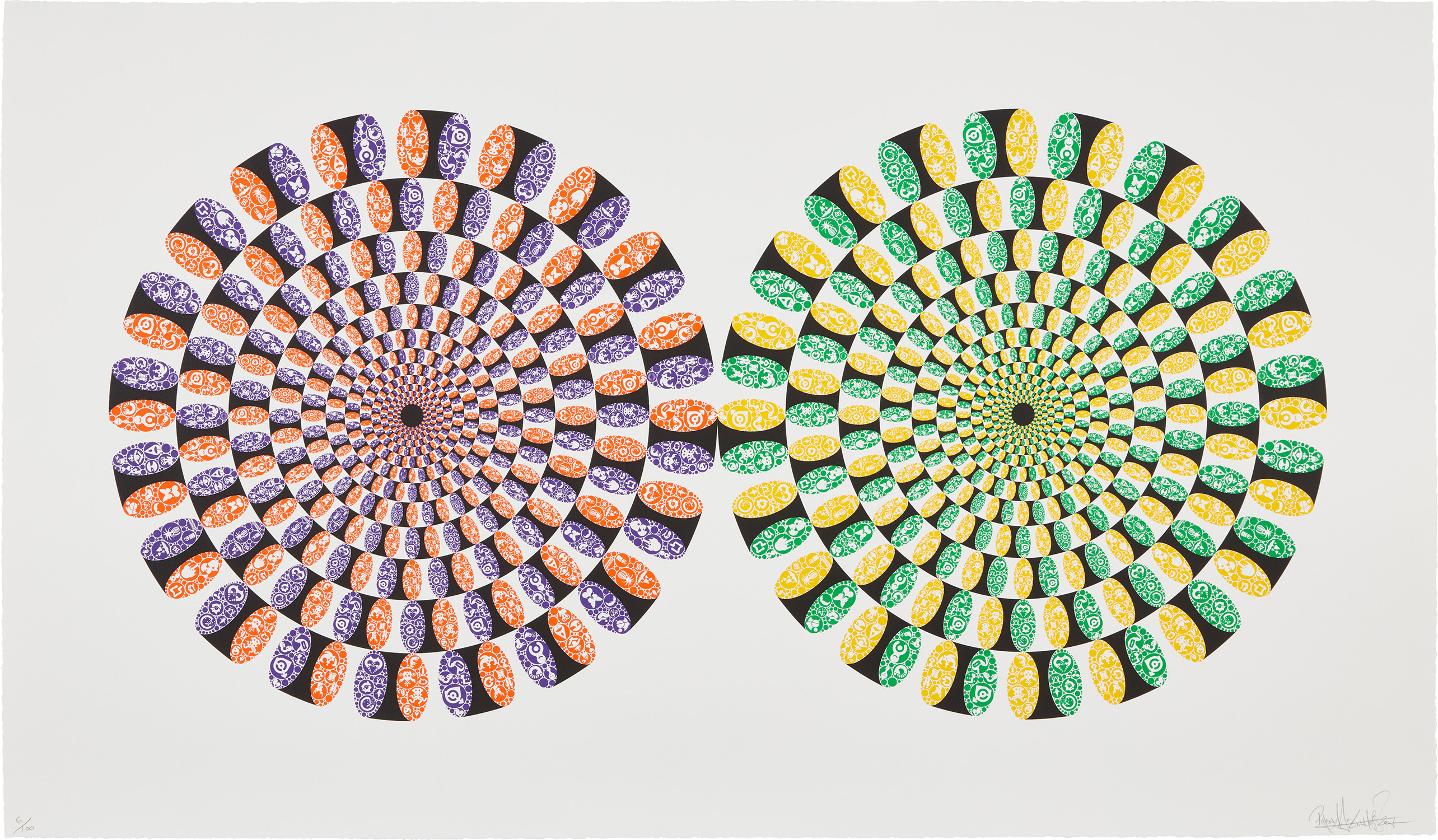
His concentric ring compositions placed pure color in direct confrontation with the shaped edge of a circular canvas, eliminating narrative and figure to concentrate everything on chromatic experience. Frank Stella, a near contemporary and fellow traveler in the shaped canvas conversation, pushed into diamond and polygon formats but contributed to the broader argument that the shape of a support is never neutral, it is always already meaning. The circle, for Noland, was not nostalgia for the Renaissance tondo but a fresh proposition about how painting could organize sensation. The circular format also proved irresistible to artists working at the intersection of pattern, rhythm, and optical effect.
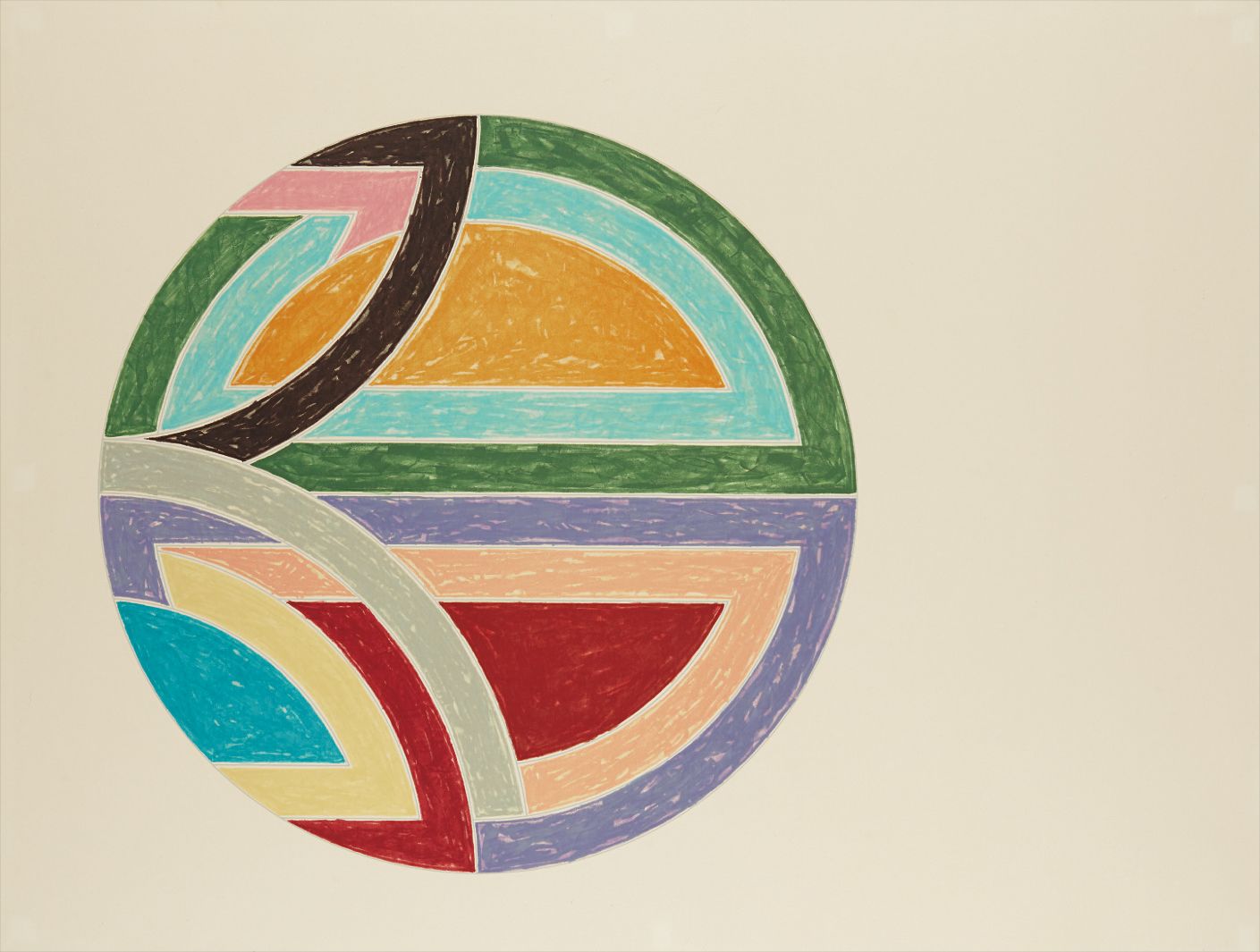
Frank Stella
Sinjerli Variation I, from Sinjerli Variations
Peter Sedgley, the British Op Art painter associated with the SPACE studios initiative in London during the late 1960s, repeatedly used circular and target compositions to generate perceptual instability, making color appear to vibrate and pulse within bounded rounds. His work reminds us that the circle is not a passive container but an active field, one that concentrates energy at its center and radiates it outward simultaneously. This dual quality, centripetal and centrifugal at once, gives circular works a psychological intensity that is hard to achieve in any other format. Contemporary artists have continued to find the format generative in unexpected ways.
Damien Hirst, well represented on The Collection, has used spin paintings produced on a circular motorized surface to interrogate chance, control, and the romance of process. The centrifugal force that flings enamel paint outward from the center creates compositions that are simultaneously accidental and inevitable, and the circular format is not incidental to this but essential. Sam Francis, whose saturated color fields dissolve and bloom across the picture surface, also worked with circular compositions that dissolved the center and pushed energy toward the periphery, reversing the conventional logic of focal points. Both artists understood that the circle does not simply frame a composition, it generates one.
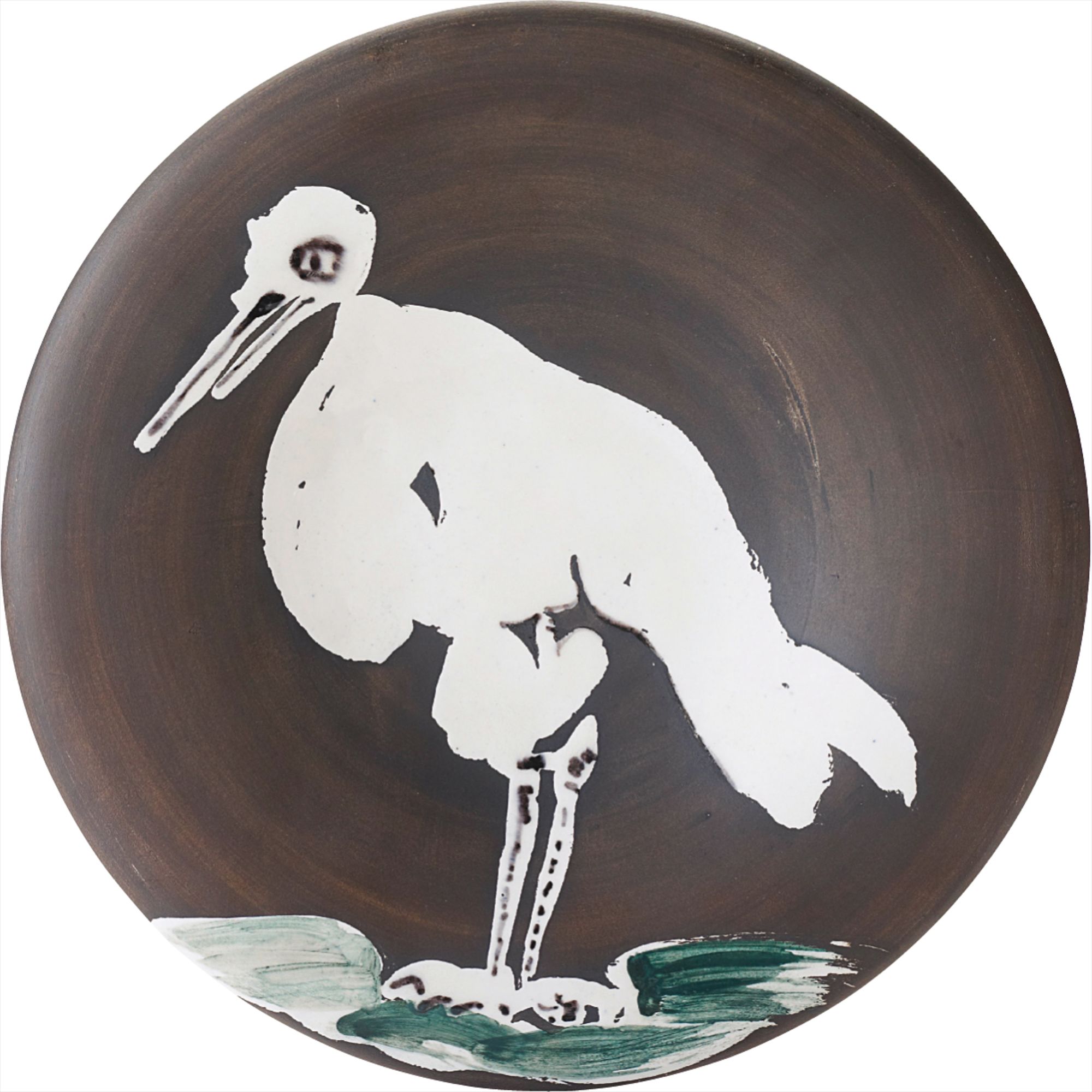
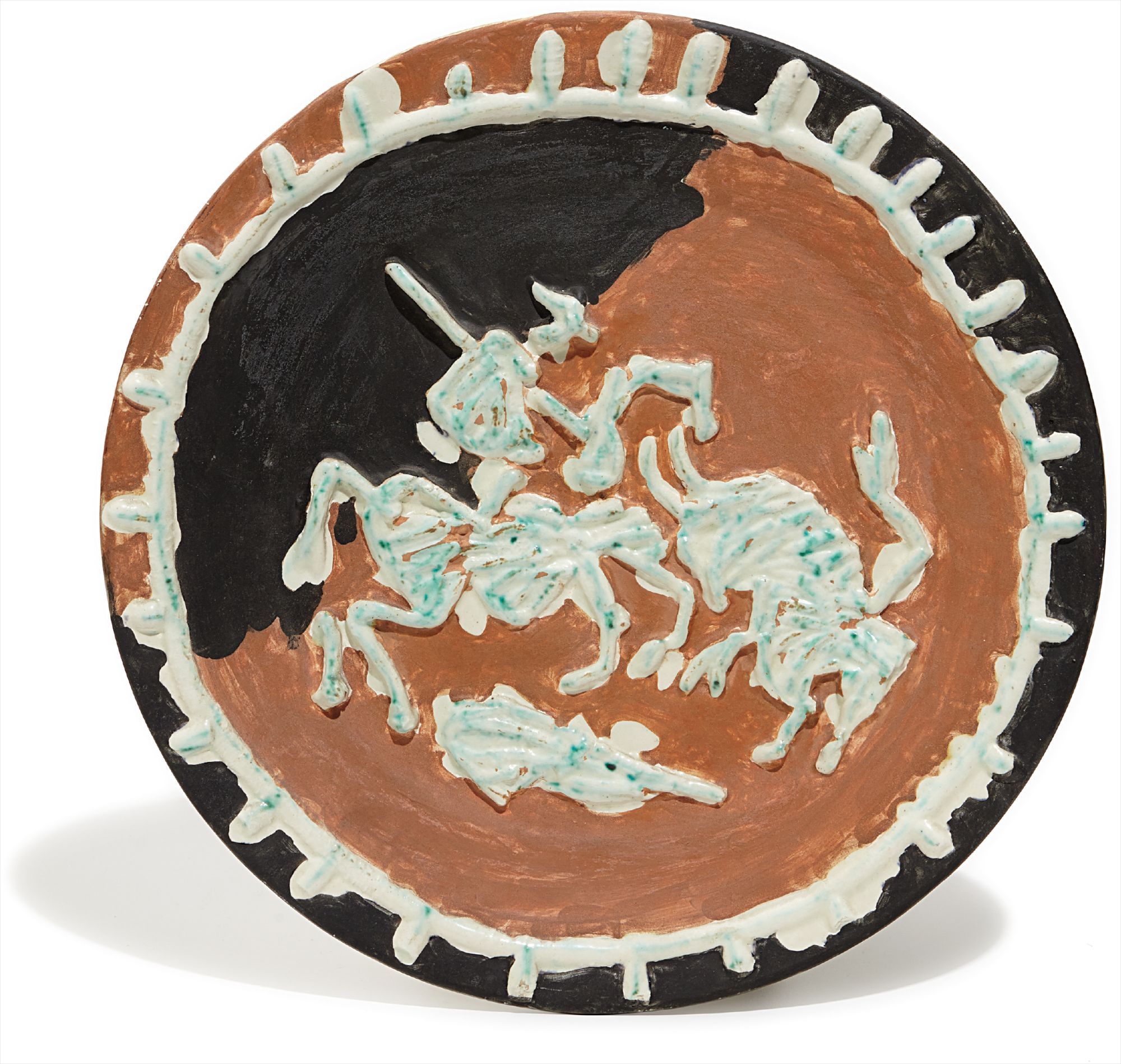
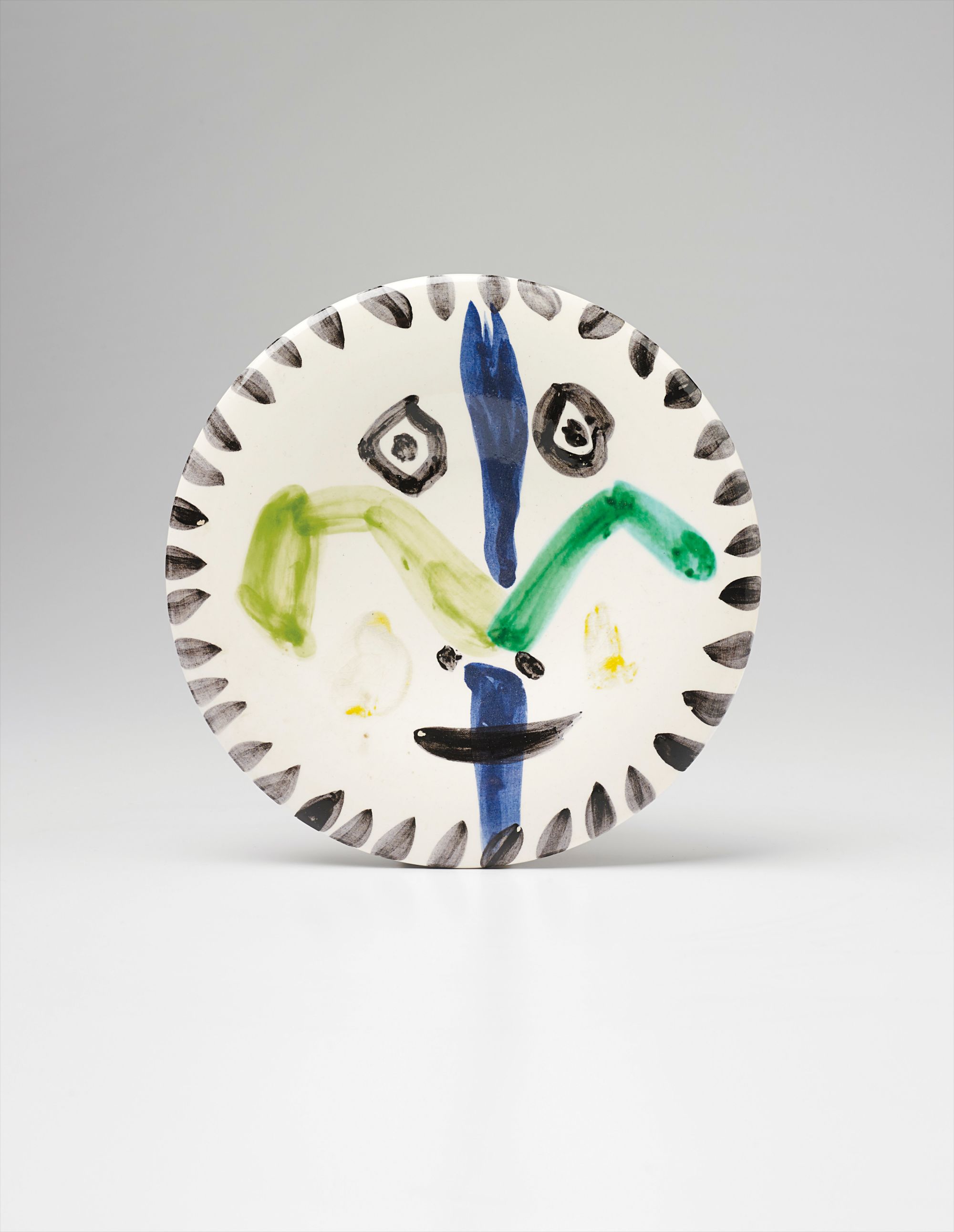
Pablo Picasso
Oiseau no. 83 (Bird no. 83)
What collectors consistently report about circular works is a different quality of presence in a room. Without corners to anchor it against adjacent walls, a tondo floats. It reads almost as an object as much as a picture, something more like a portal or a lens than a window. Kenny Scharf's chromatic exuberance, Ugo Rondinone's quiet formal investigations, the concentrated energy in works by Zeng Fanzhi, all of these sensibilities find something unlocked within the circular boundary that other formats resist.
The circle equalizes its contents, giving everything within it the same relationship to the edge. To engage with circular format works across historical periods and cultural contexts is to understand that the round is not a specialty or a curiosity but a persistent human intuition about how images and objects should be shaped. From a Qing Dynasty enamel dish to a Noland target painting to a Hirst spin canvas, the format carries a continuous argument about completeness and concentration. The Collection brings together works that demonstrate just how wide and various that argument has become.
The circle keeps asking what a picture can hold, and artists across every era keep finding new answers.