Bay Area Figurative Movement
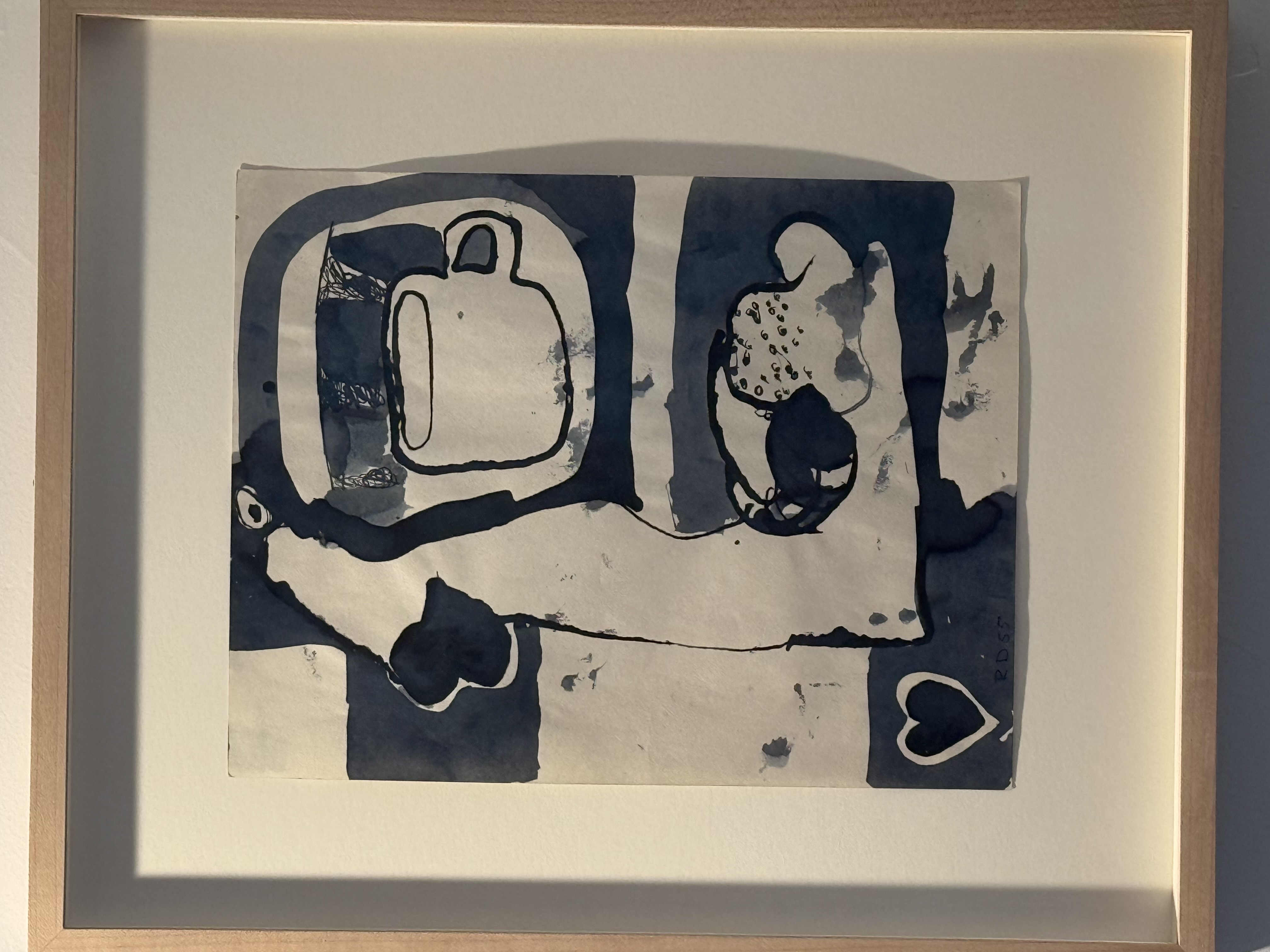
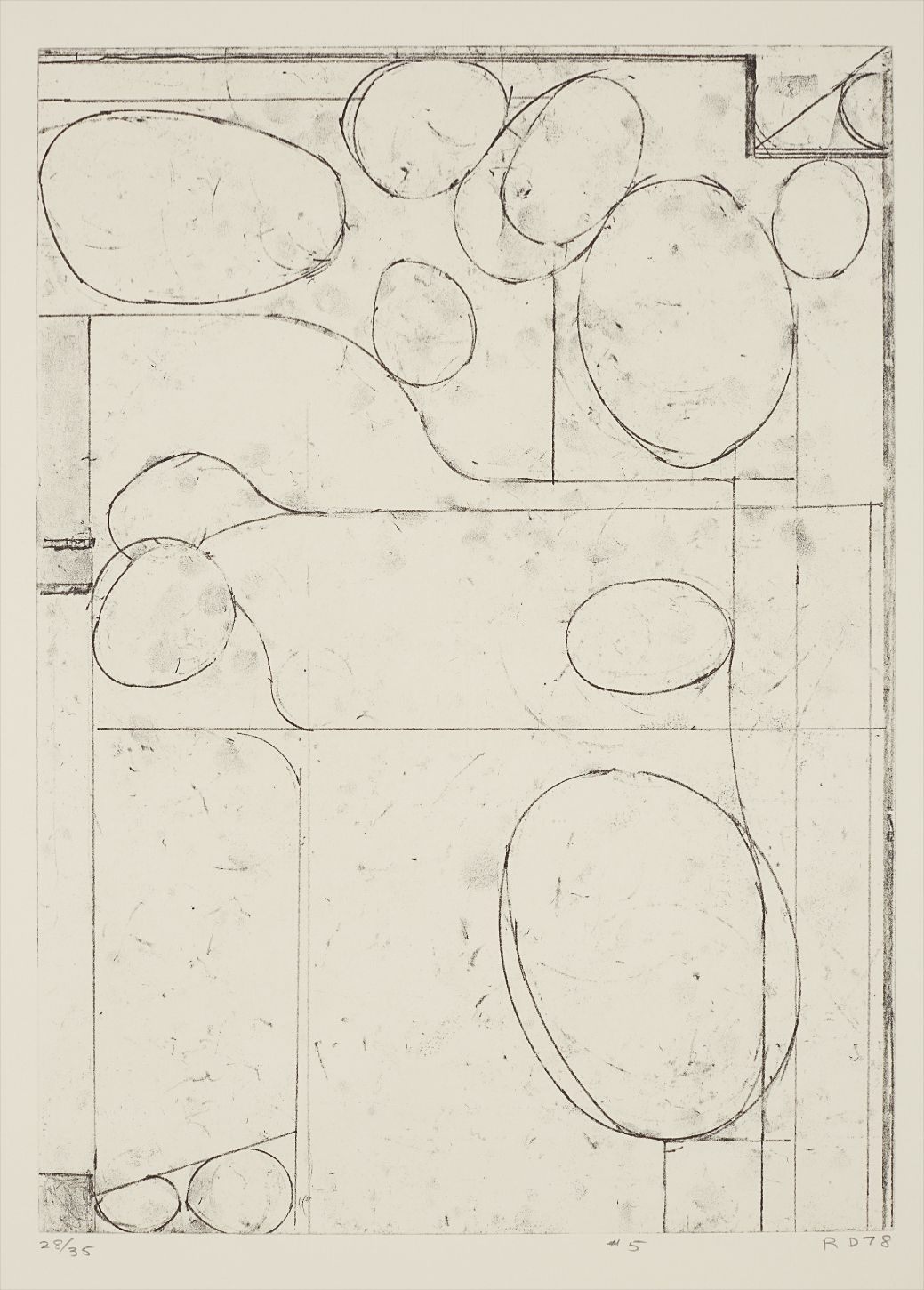
Richard Diebenkorn
Untitled (CR 1456), 1955
The Bay Figures That Never Went Quiet
When a Richard Diebenkorn canvas crossed the block at Christie's New York for over twenty million dollars, the room understood something that the art market had been quietly confirming for years. The Bay Area Figurative Movement, long celebrated in academic circles and West Coast museums, had arrived at the kind of prices that shift collecting priorities and rewrite institutional acquisition strategies. What once felt like a regional story, a corrective footnote to the Abstract Expressionist consensus, now reads as one of the most consequential chapters in postwar American art. The movement itself coalesced in the mid 1950s around a group of painters in the San Francisco Bay Area who made a decisive and, at the time, deeply unfashionable turn back to the figure.
David Park is widely credited as the initiator, reportedly destroying much of his abstract work around 1950 and committing fully to figurative painting with a rawness and directness that startled even his closest colleagues. The painters who gathered around this sensibility, including Elmer Bischoff and the young Diebenkorn, were not retreating from modernism. They were insisting that paint could carry both gestural urgency and human presence at the same time. Recent exhibitions have done vital work in expanding how we understand this circle.
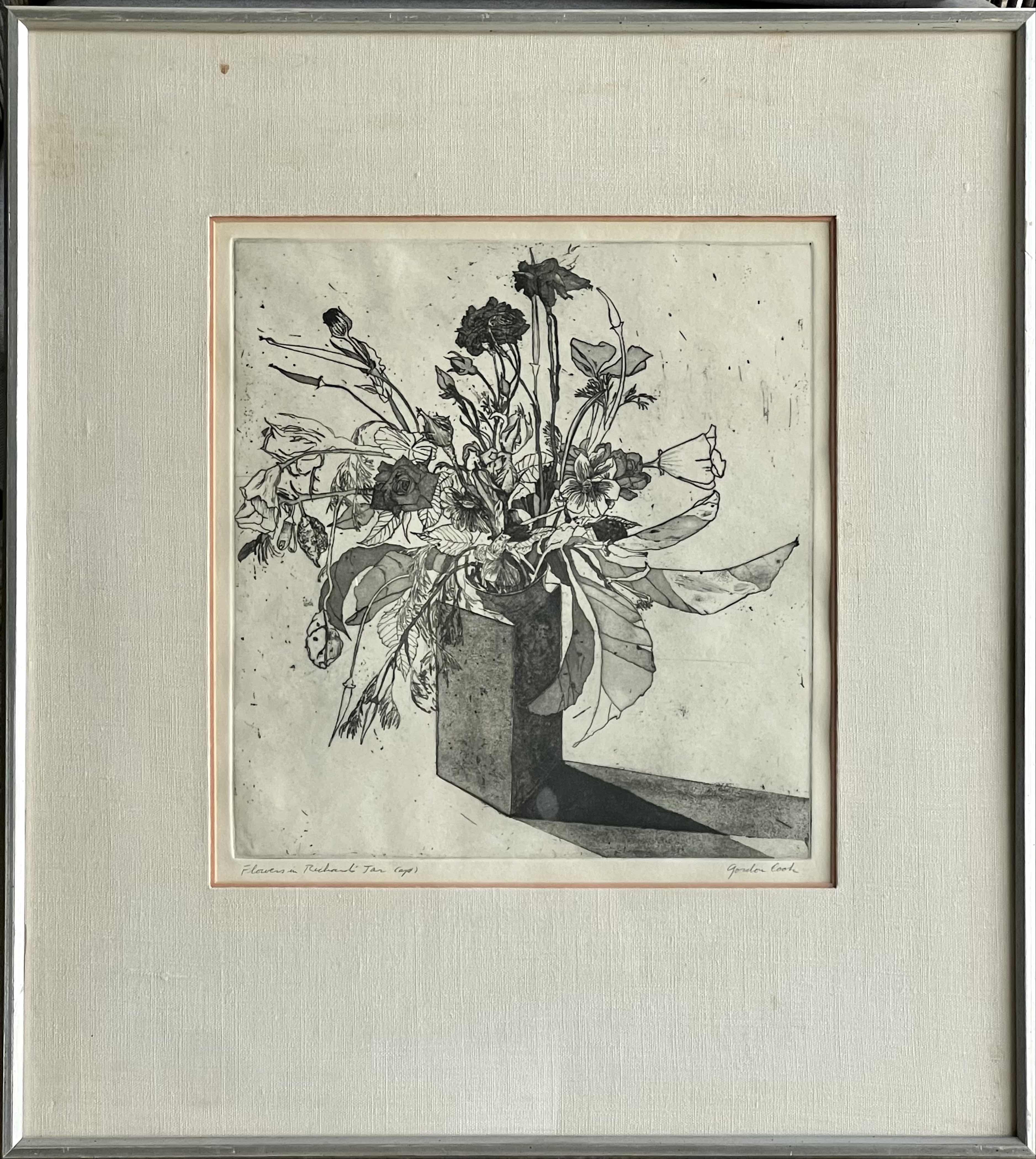
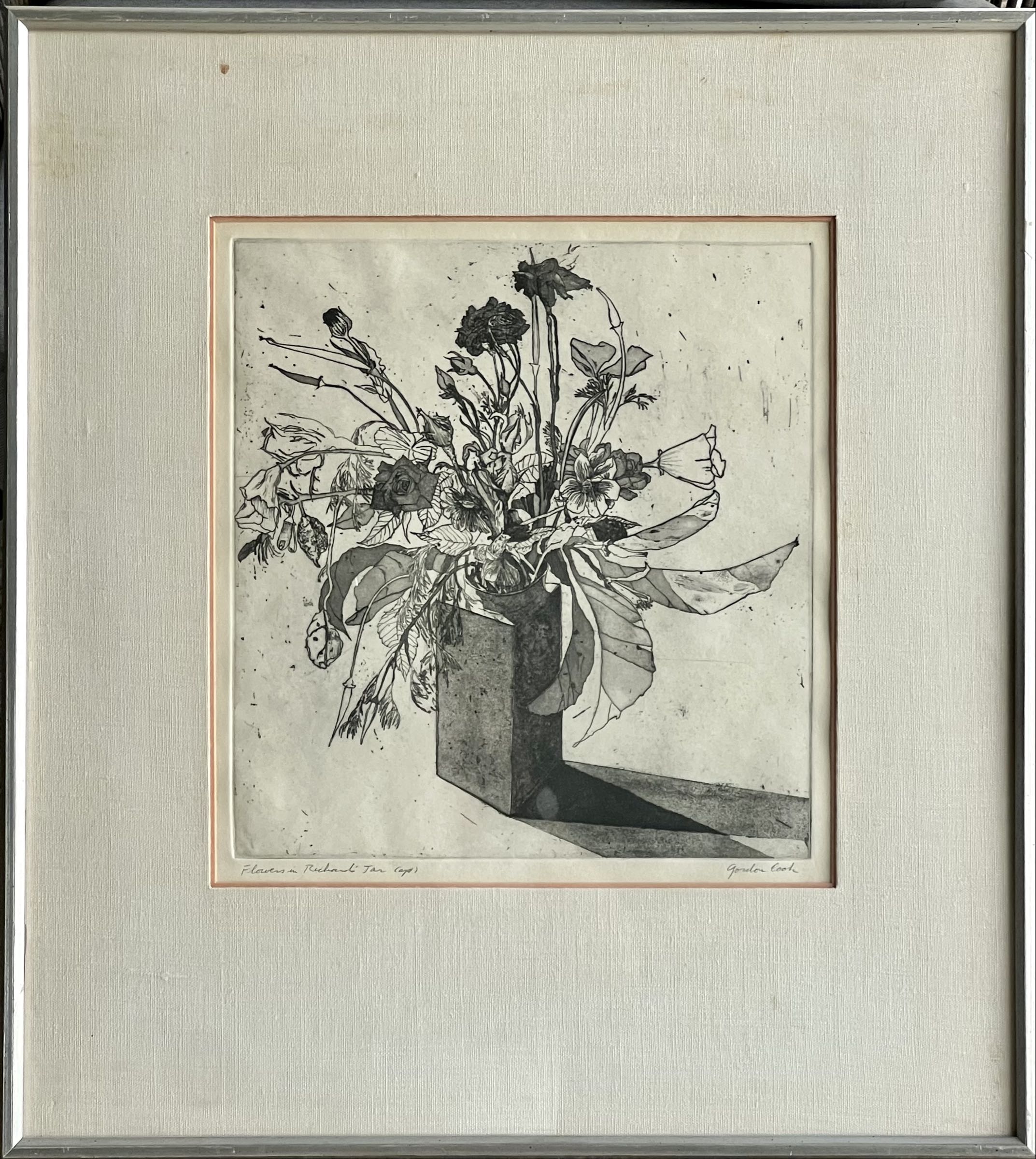
Gordon Cook
Flowers in Richard’s Jar
The Oakland Museum of California and the San Francisco Museum of Modern Art have each mounted surveys in the past decade that pushed beyond the canonical trio of Park, Bischoff, and Diebenkorn to include figures like Gordon Cook, whose printmaking and painting practice added a quieter, more introspective register to the movement's emotional range. Cook remains somewhat undervalued in the broader market, which makes the works that do appear at auction or on platforms like The Collection genuinely interesting for collectors paying attention to where critical reassessment tends to lead prices over time. At the top of the market, Diebenkorn commands a category of his own. His Ocean Park series, begun after his move to Santa Monica in the late 1960s, consistently achieves the highest results, but it is the earlier Berkeley and figurative period paintings that feel most urgently collected right now.
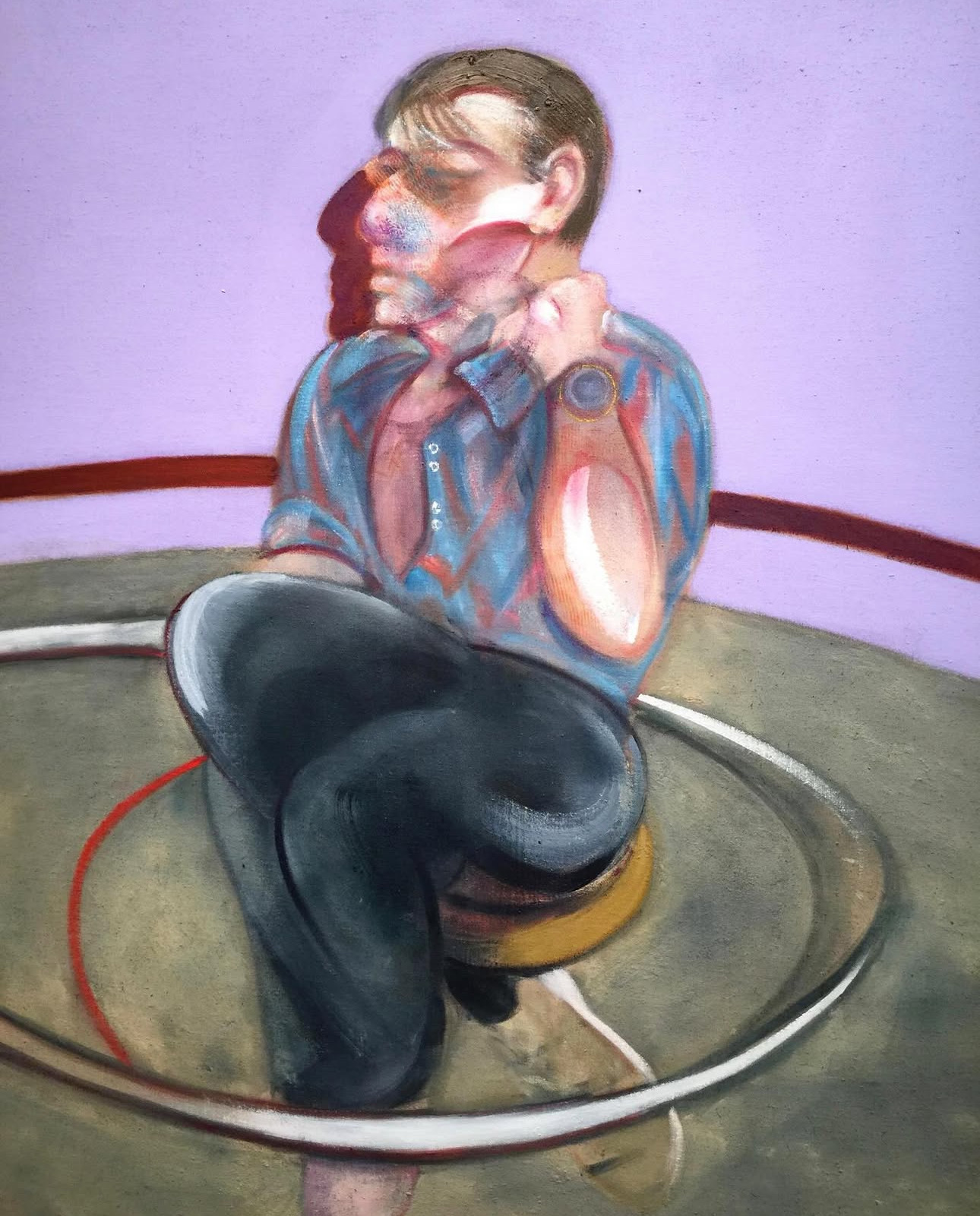
Museum retrospectives at the de Young in San Francisco and a major traveling show that reached the Royal Academy in London have cemented his international standing in a way that feels genuinely earned rather than manufactured. The auction record for his work signals not just personal esteem but a broader market conviction that the Bay Area Figurative painters belong in conversation with the most significant European postwar artists, particularly the School of London painters like Bacon and Freud. David Park, who died in 1960 at just forty nine, left a relatively small body of work, and that scarcity creates an intensity around every institutional loan and every auction appearance. When his paintings surface, they are almost immediately absorbed by major collections.
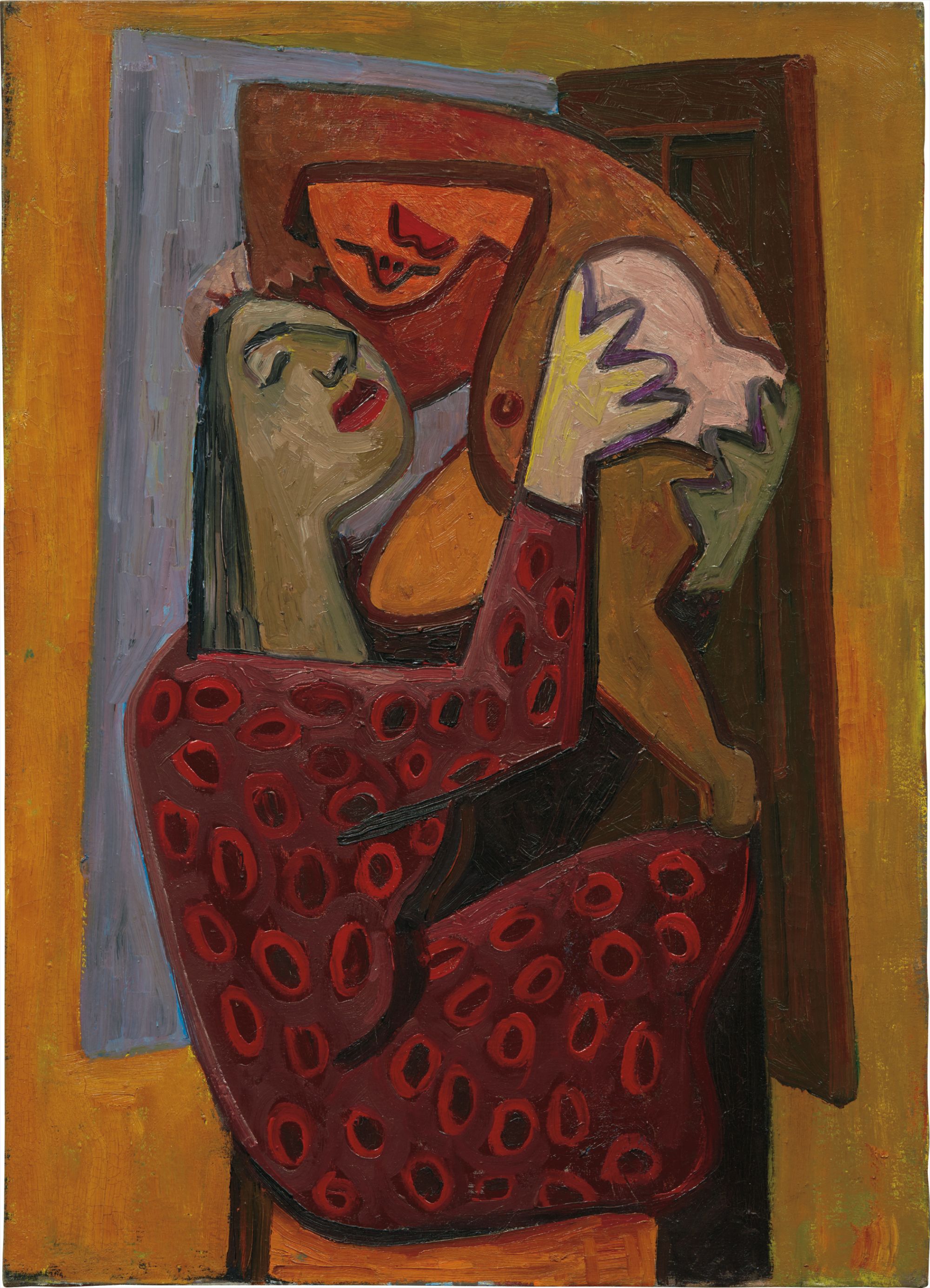
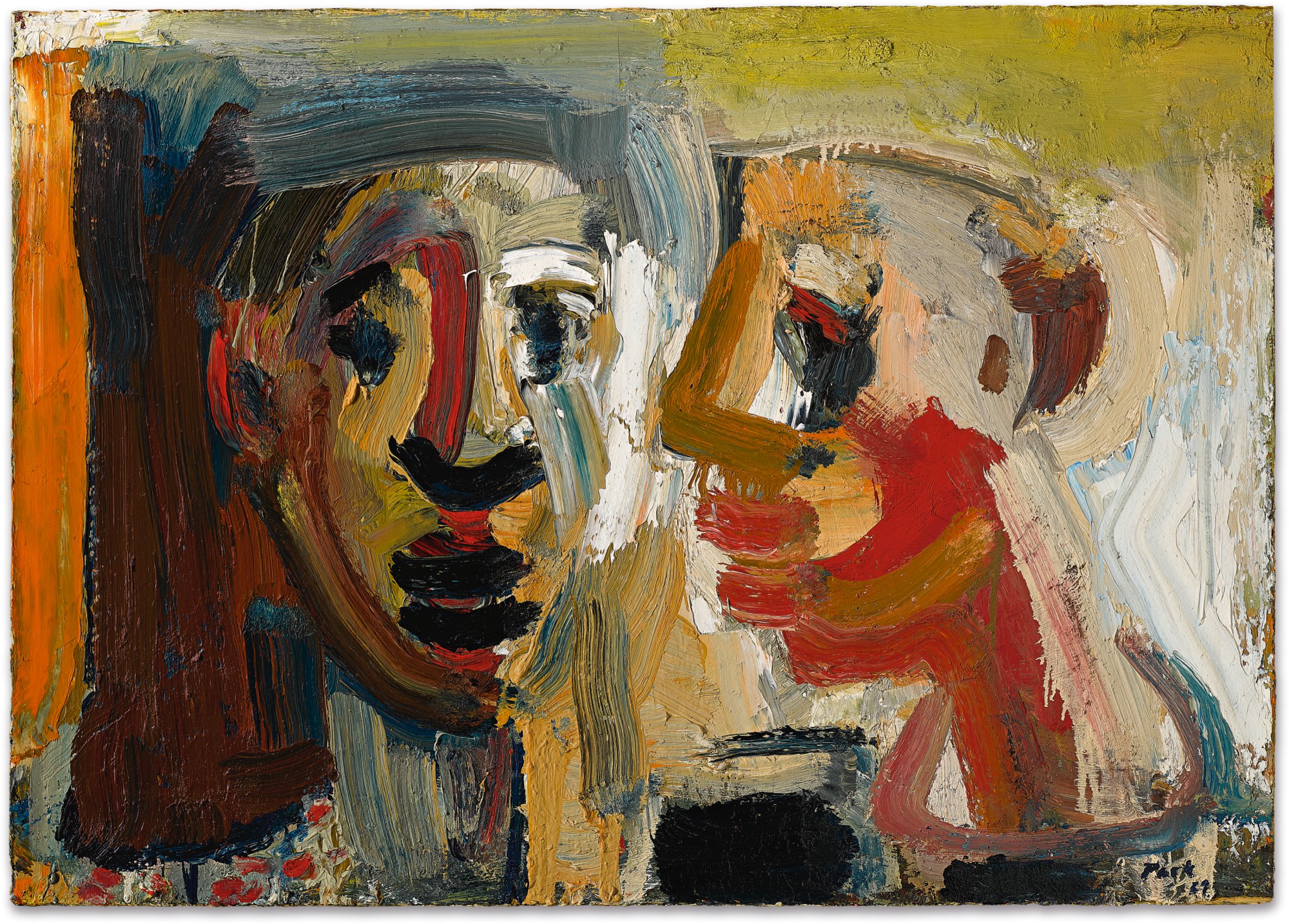
David Park
Mother with Polka Dot Dress, 1930
The Whitney Museum and the Museum of Modern Art both hold significant works, and the competition for Park on the secondary market reflects how thoroughly the field has re evaluated his importance. He is no longer a regional master. He is understood as a painter of radical conviction whose influence on subsequent generations of West Coast artists is still being fully traced. The critical conversation shaping this field draws from several directions at once.
Scholars like Caroline Jones, whose work examines the social and institutional networks of Bay Area modernism, have provided rigorous frameworks for understanding how geography and community shaped these painters' choices. The publication of exhibition catalogues from the Crocker Art Museum and the Cantor Arts Center at Stanford have also contributed serious scholarly apparatus. Meanwhile, writers in publications like the Los Angeles Review of Books and even mainstream critics at The New York Times have increasingly framed the Bay Area Figurative painters as necessary counterweights to the triumphalist narrative of New York abstraction, a corrective that feels timely given how thoroughly the art world has spent the past two decades questioning which stories it chose to center. What feels alive in this space right now is the growing interest in the second generation of artists shaped by this movement and the connections being drawn to contemporary painters working in figuration today.
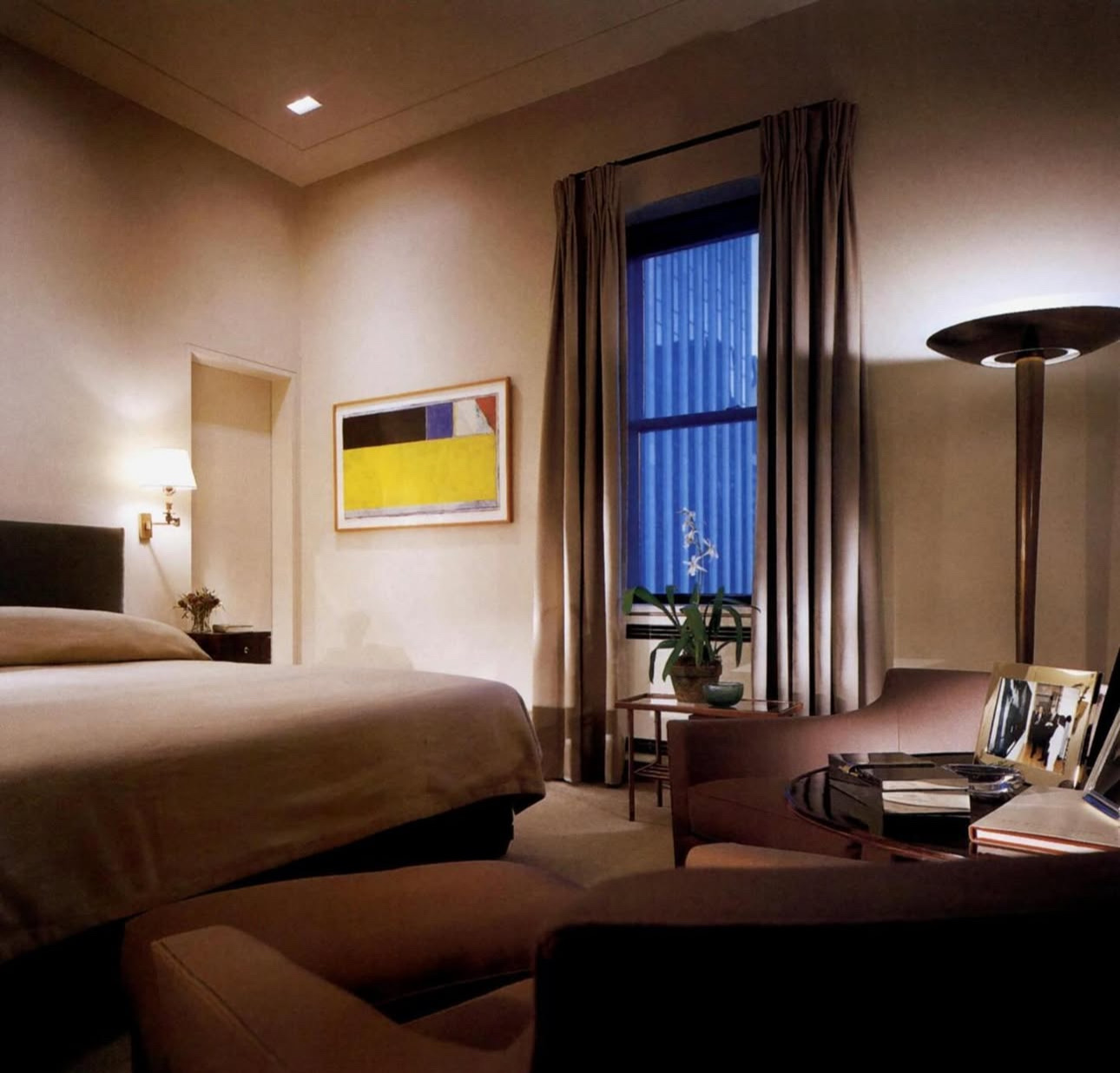
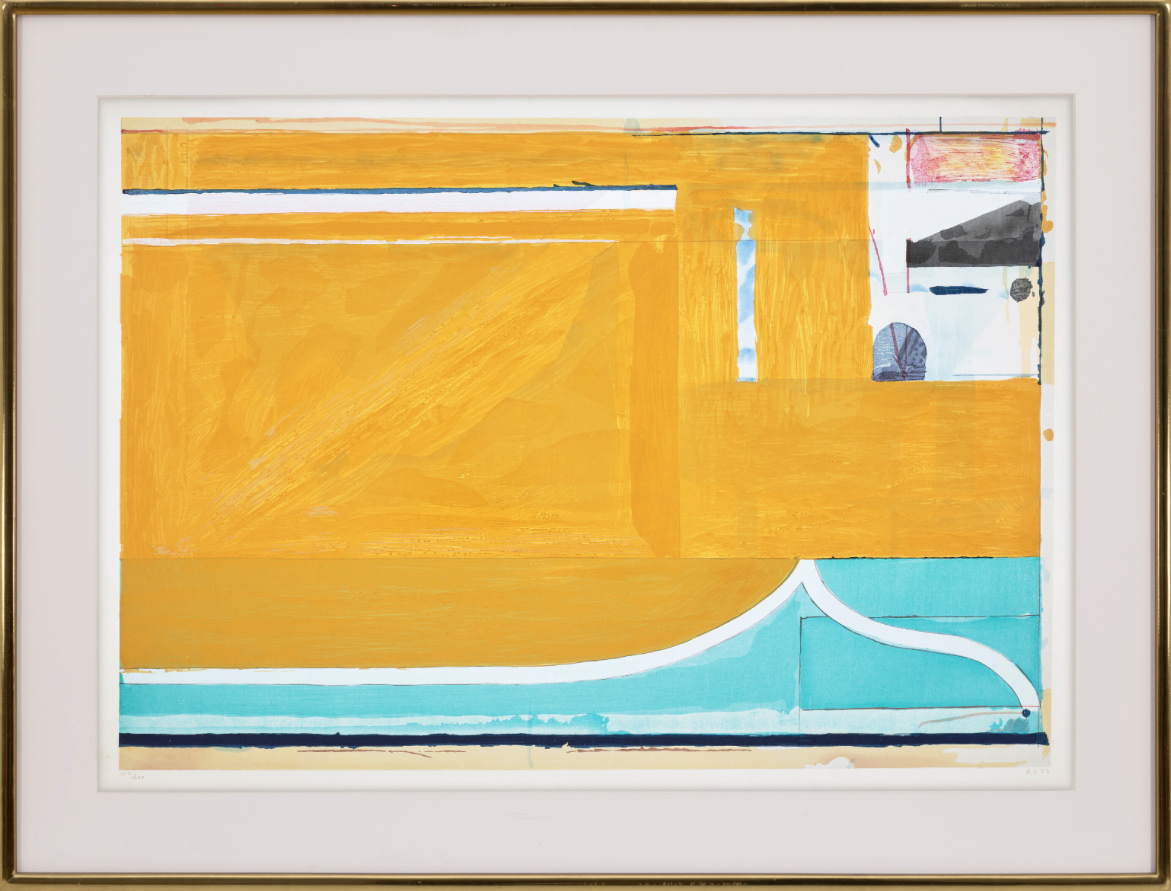
Richard Diebenkorn
Untitled, 1987
There is a clear line that critics are tracing from Park and Diebenkorn through to painters like Wayne Thiebaud, who has his own distinct identity but shares that sensibility of California light and gestural confidence, and then onward to living artists who cite the Bay Area painters as formative. Galleries in both San Francisco and Los Angeles are actively building shows that make these connections legible to younger collectors who may know contemporary figuration well but are discovering the Bay Area movement almost in reverse, starting from the present and working back. For collectors, the window on certain works in this category, particularly those by Park and by Cook, may be narrower than it appears. Institutional appetite is strong and getting stronger, with acquisitions committees at regional museums actively working to fill gaps in their holdings while works remain accessible.
The presence of Diebenkorn, Park, and Cook on The Collection reflects a curatorial sensibility that recognizes the movement not as settled history but as an ongoing conversation, one where the next exhibition, the next scholarly reassessment, or the next auction result can genuinely change the terms. The Bay Area Figurative painters made a bet on human presence at a moment when the art world told them presence was beside the point. The market has been rewarding that bet ever since.