Elmer Bischoff
2
Works
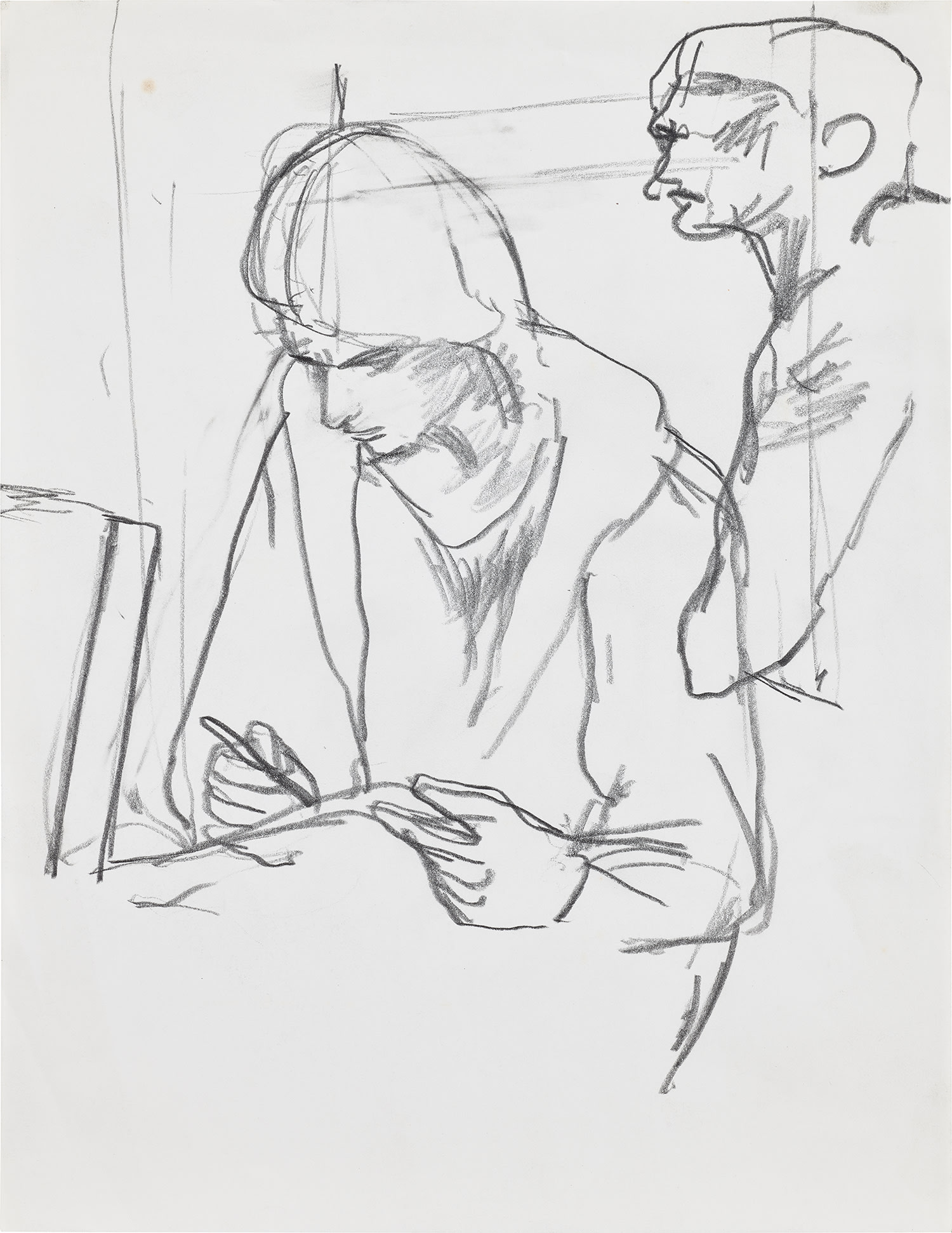
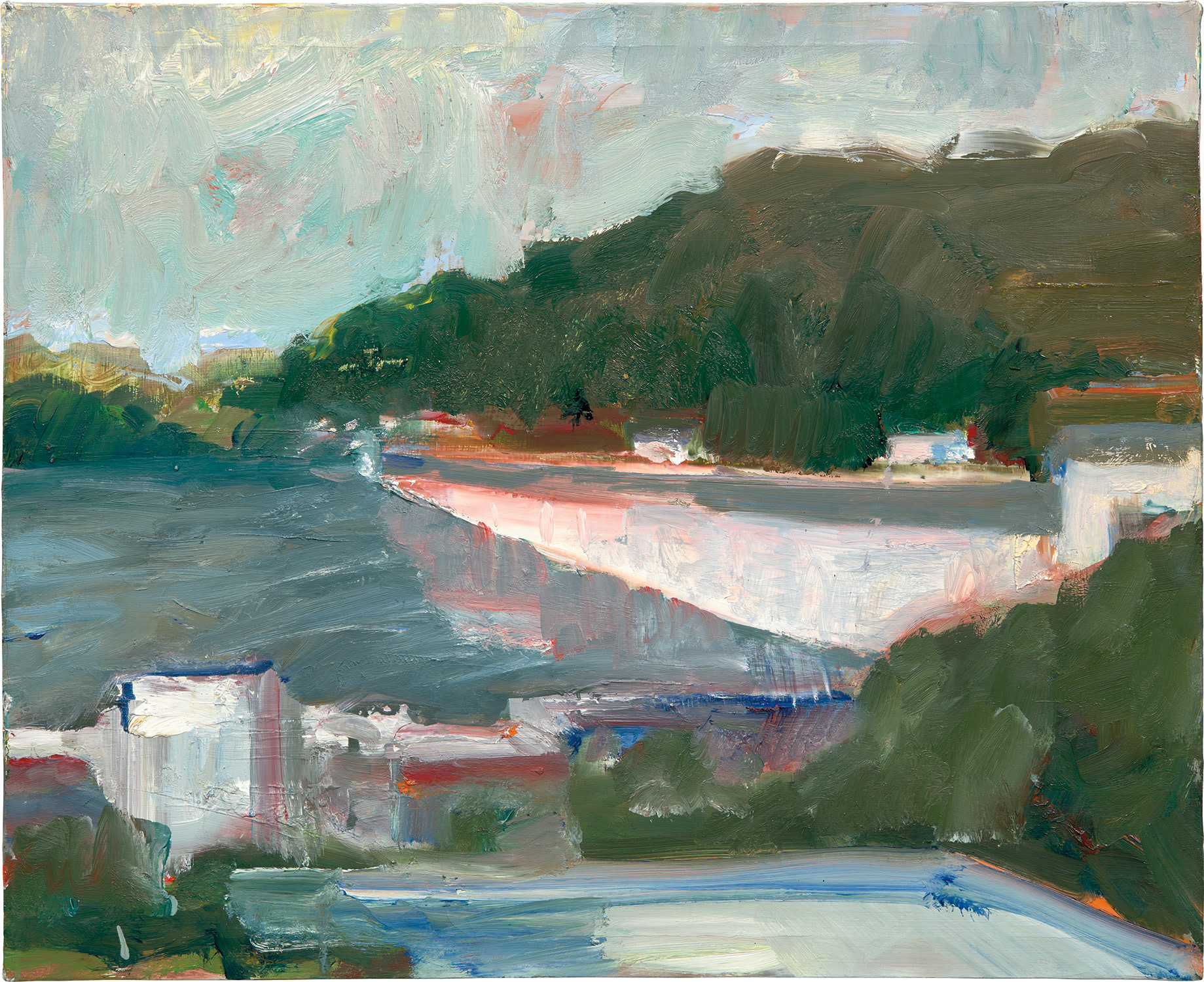
Elmer Bischoff was an American painter and educator who played a pivotal role in the Bay Area Figurative Movement of the 1950s and 1960s. Born in Berkeley, California, he studied at the University of California, Berkeley, where he later became an influential teacher. Bischoff initially worked in an Abstract Expressionist style during the late 1940s, creating non-representational paintings that emphasized gesture and color. However, in the mid-1950s, he made a significant shift back to figurative painting, joining colleagues David Park and Richard Diebenkorn in rejecting pure abstraction in favor of representational work. Bischoff's mature figurative style is characterized by loose, painterly brushwork and a sophisticated use of color, combining the spontaneity of Abstract Expressionism with recognizable subject matter. His paintings often depicted everyday scenes, figures in interiors, landscapes, people at leisure, rendered with a sense of atmospheric light and emotional resonance. Works like "Two Bathers" and "Orange Sweater" exemplify his ability to balance abstraction and representation, with forms that emerge from and dissolve into fields of color. His palette often featured warm oranges, yellows, and earth tones alongside cooler blues and greens. As a professor at the San Francisco Art Institute (formerly California School of Fine Arts), Bischoff influenced generations of West Coast artists. His work has been exhibited at major institutions including the San Francisco Museum of Modern Art, the Whitney Museum of American Art, and the Hirshhorn Museum. Bischoff's contribution to American art lies in his demonstration that figuration could remain vital and relevant in the post-war era, offering an alternative to the dominant Abstract Expressionist movement while maintaining its painterly vigor and emotional depth.
Artists in conversation