Austrian Art
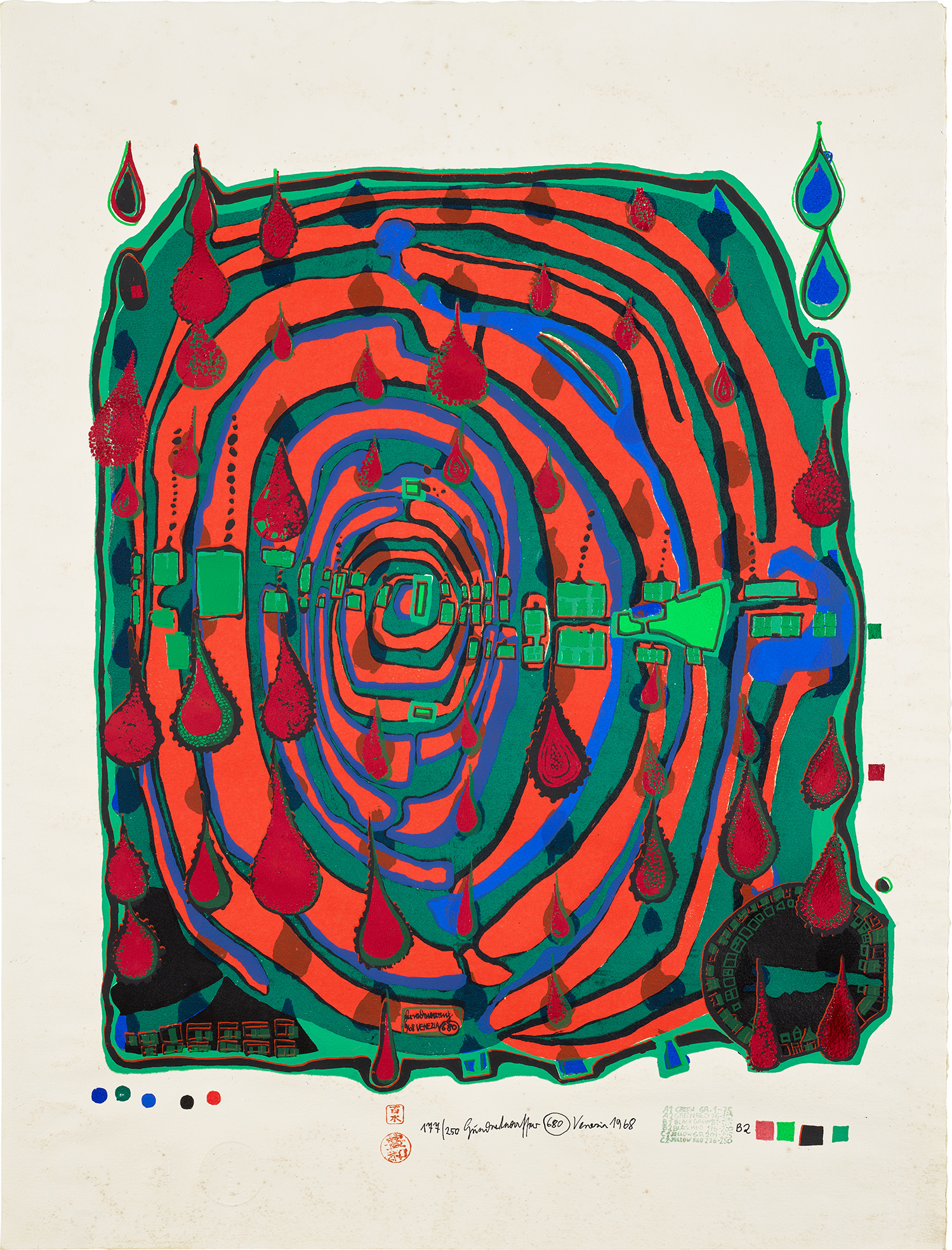
![Friedensreich Hundertwasser — Look at it on a rainy day [Regentag Portfolio]: One plate](https://rtwaymdozgnhgluydsys.supabase.co/storage/v1/object/public/artwork-images/auction-lots/N10866-20211203-lot44.jpg)
Friedensreich Hundertwasser
Look at it on a rainy day [Regentag Portfolio]: One plate



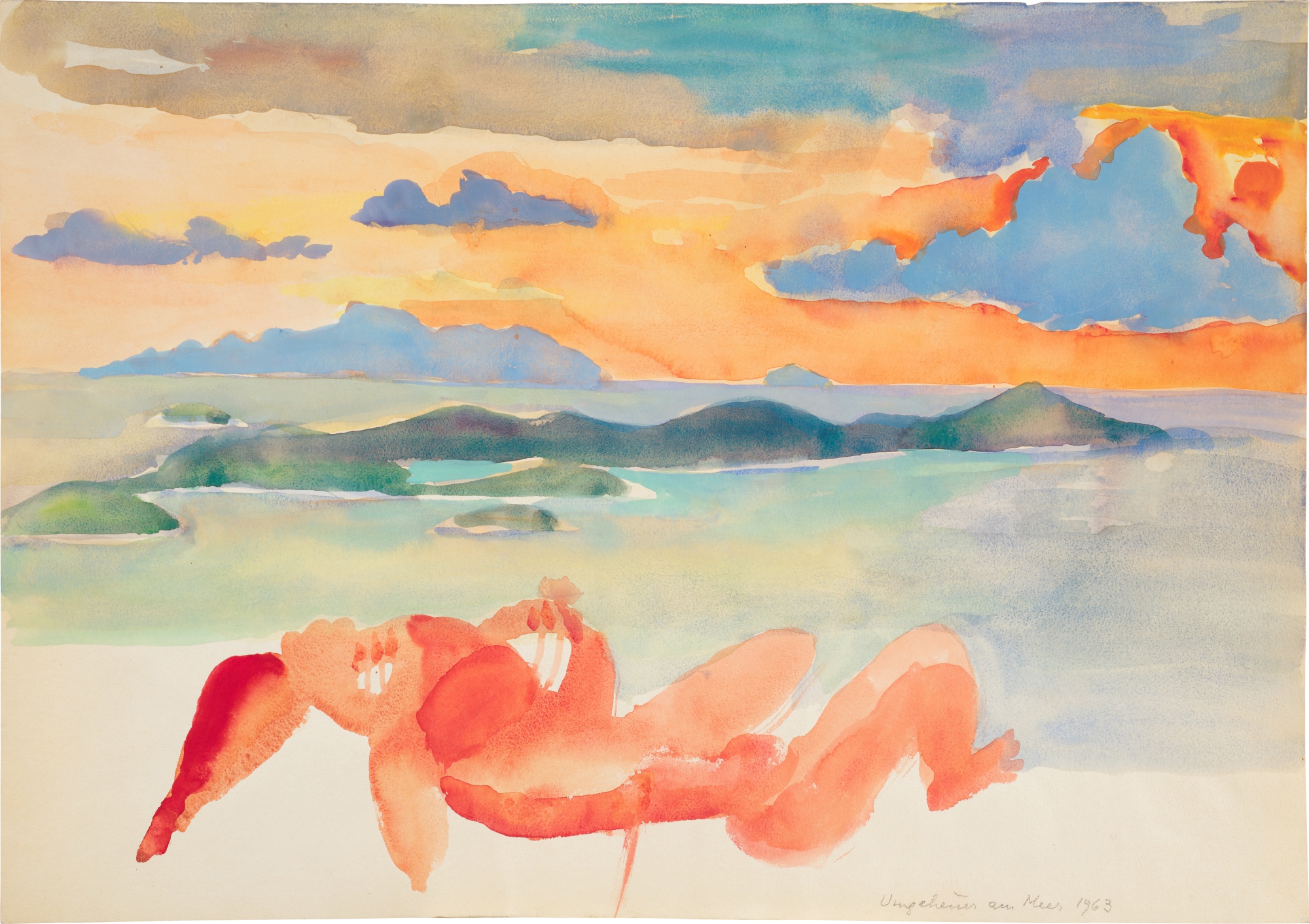
Vienna Burned Bright and Never Stopped
There is something about Austrian art that refuses to behave. It does not settle into the comfortable registers of national romanticism or polite modernism. Instead, across two centuries and counting, it has returned again and again to the body, to desire, to death, to the unresolved tensions between beauty and horror. To collect Austrian art is to invite a certain productive discomfort into your home, and that, for a serious collector, is precisely the point.
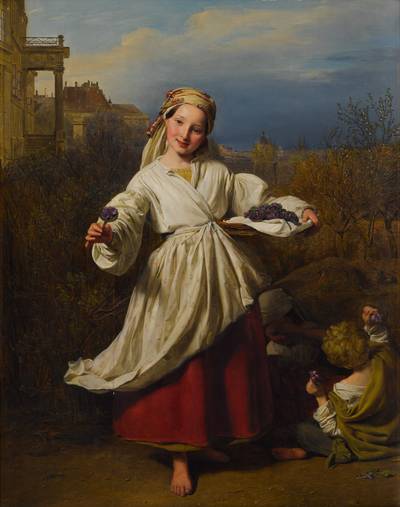
The story begins in earnest in the mid nineteenth century, when Ferdinand Georg Waldmüller emerged as one of the great Biedermeier painters of the Habsburg world. Working in Vienna during the 1830s and 1840s, Waldmüller brought an almost scientific intensity to natural light, his portraits and landscapes humming with clarity. He fought publicly against the academic establishment of his time, arguing for the primacy of direct observation over received technique. His work now reads as a necessary precursor to what exploded in Vienna just a few decades later, a stable world quietly preparing to come apart.
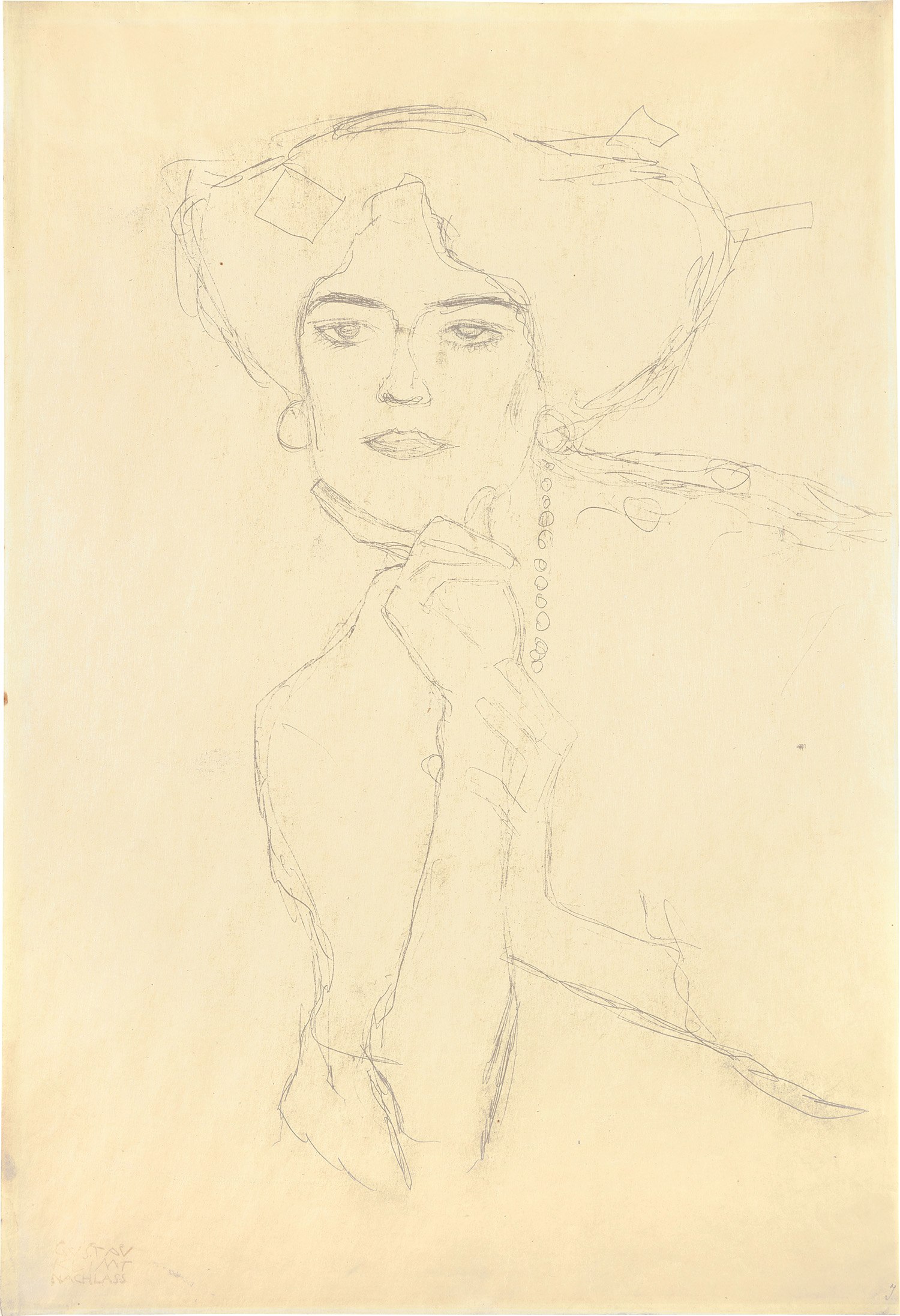
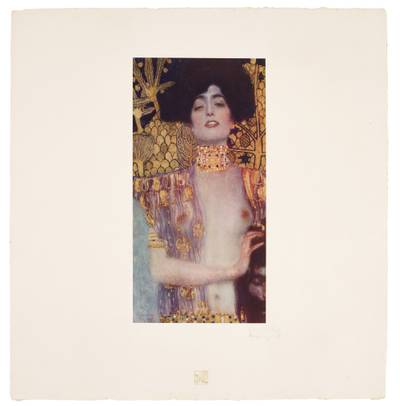
Gustav Klimt
Porträt einer Frau, 1916
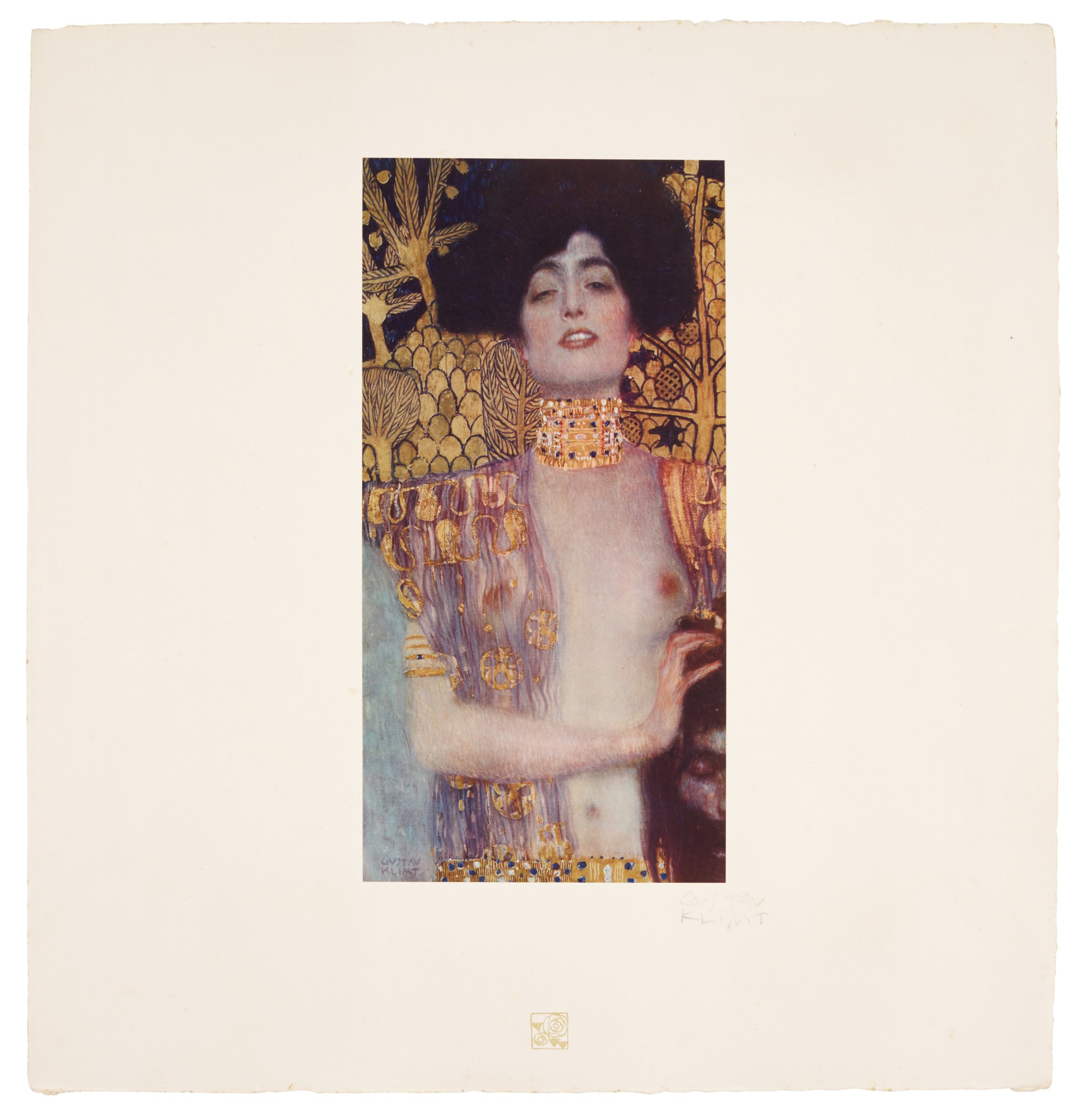
That rupture arrived with extraordinary force at the turn of the twentieth century. In 1897, a group of artists including Gustav Klimt resigned from the conservative Künstlerhaus association and founded the Vienna Secession, a move that changed the direction of European art. Their motto, carved above the door of their new building on the Naschmarkt, was blunt and magnificent: to every age its art, to art its freedom. The Secession's inaugural exhibition drew enormous crowds, and the movement gave Viennese modernism its first real stage.
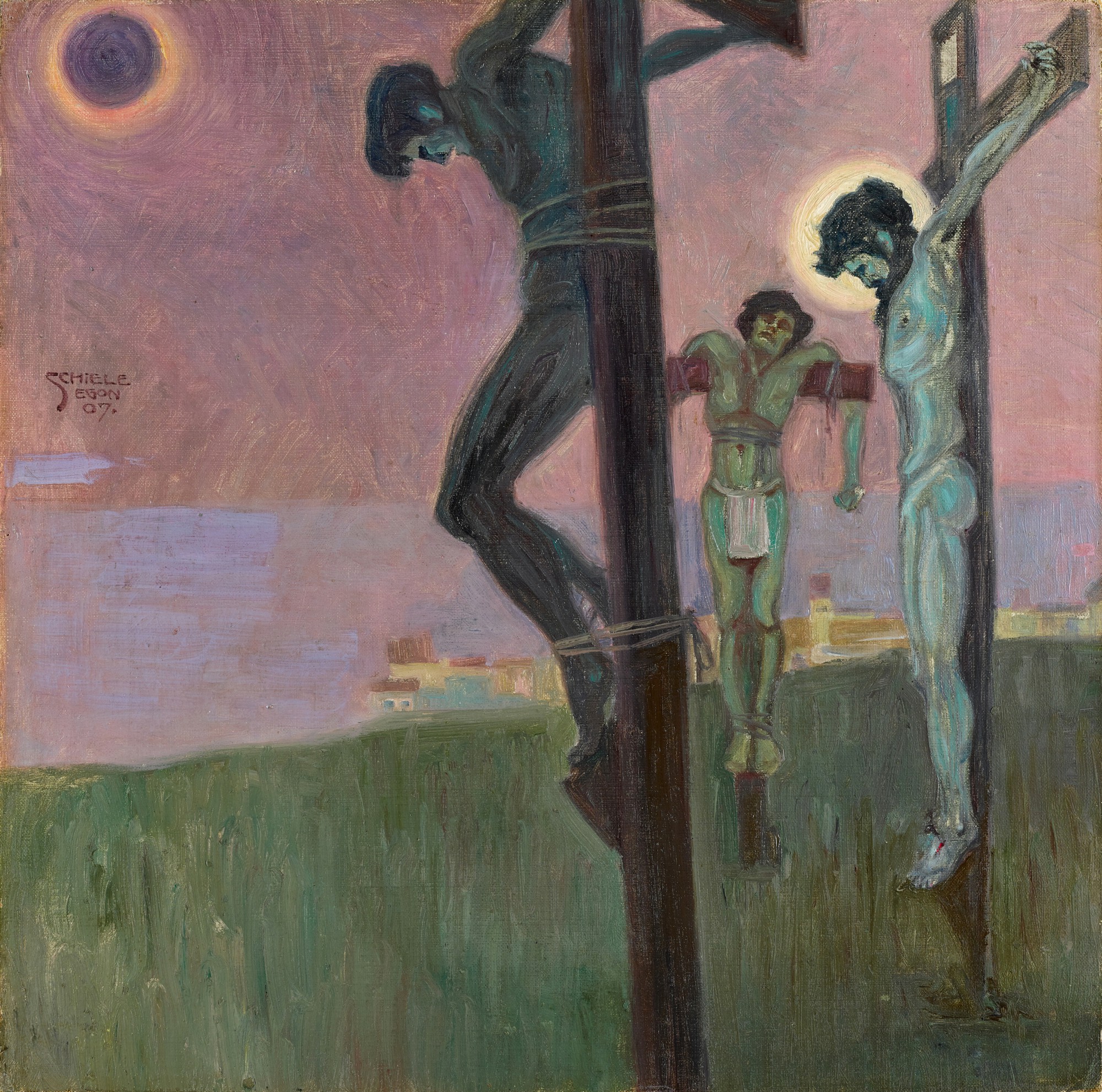
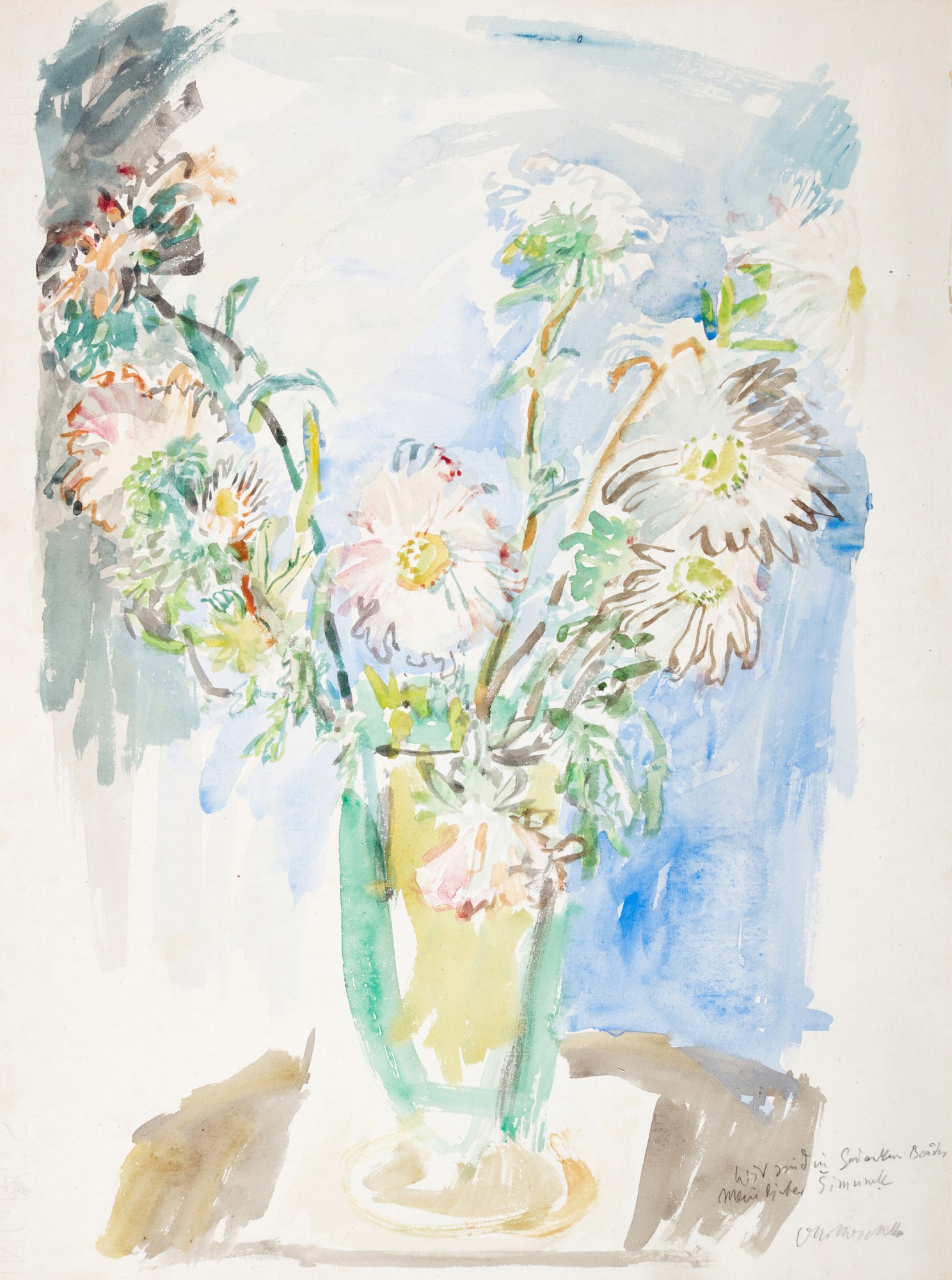
Klimt became its presiding genius, and his work on The Collection gives a sense of the range he commanded across his career, from the dense allegorical gold of his symbolic period to the more restless, pattern saturated canvases of his later years. What the Secession unleashed could not be controlled. By 1907 and 1908, the Vienna Art Show and the Kunstschau exhibitions were introducing Oskar Kokoschka and a nineteen year old Egon Schiele to the public, and the shock was genuine. Kokoschka's portraits seemed to flay his subjects alive, exposing nerve and psychological wound where academic painters had offered decorum.
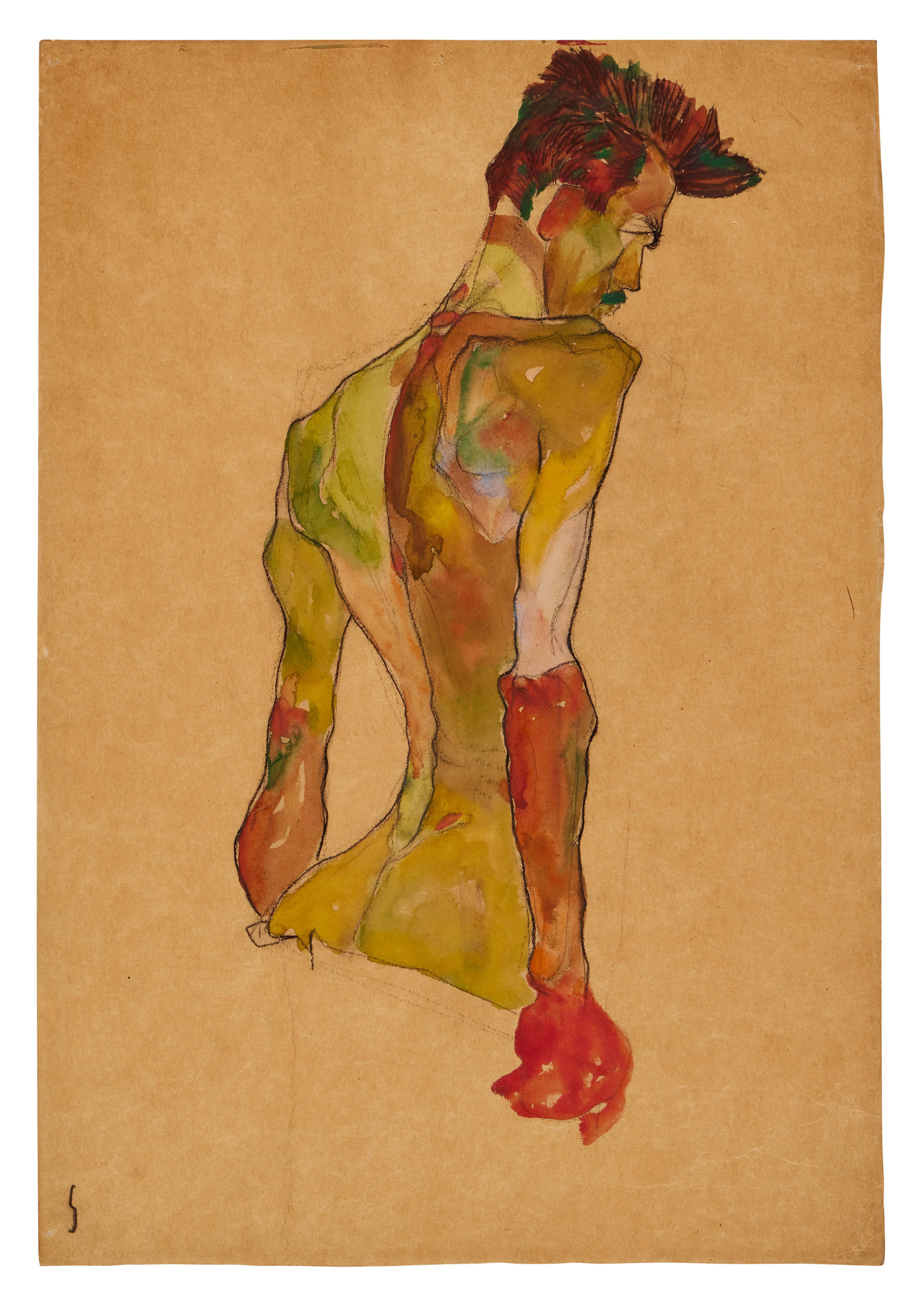
Egon Schiele
Männlicher Akt im Profil nach rechts (Male Nude in Profile Facing Right), 1910
Schiele went further still, turning his own body and those of his models into landscapes of anguish and longing. His work was so confrontational that he was briefly imprisoned in 1912 on charges relating to obscenity. The drawings and paintings that survive from those years are among the most emotionally raw objects in the history of Western art, and his presence on The Collection reflects exactly why collectors continue to seek him out. He died in the influenza pandemic of 1918 at twenty eight years old, and the sense of a curtailed genius has never quite left his reputation.
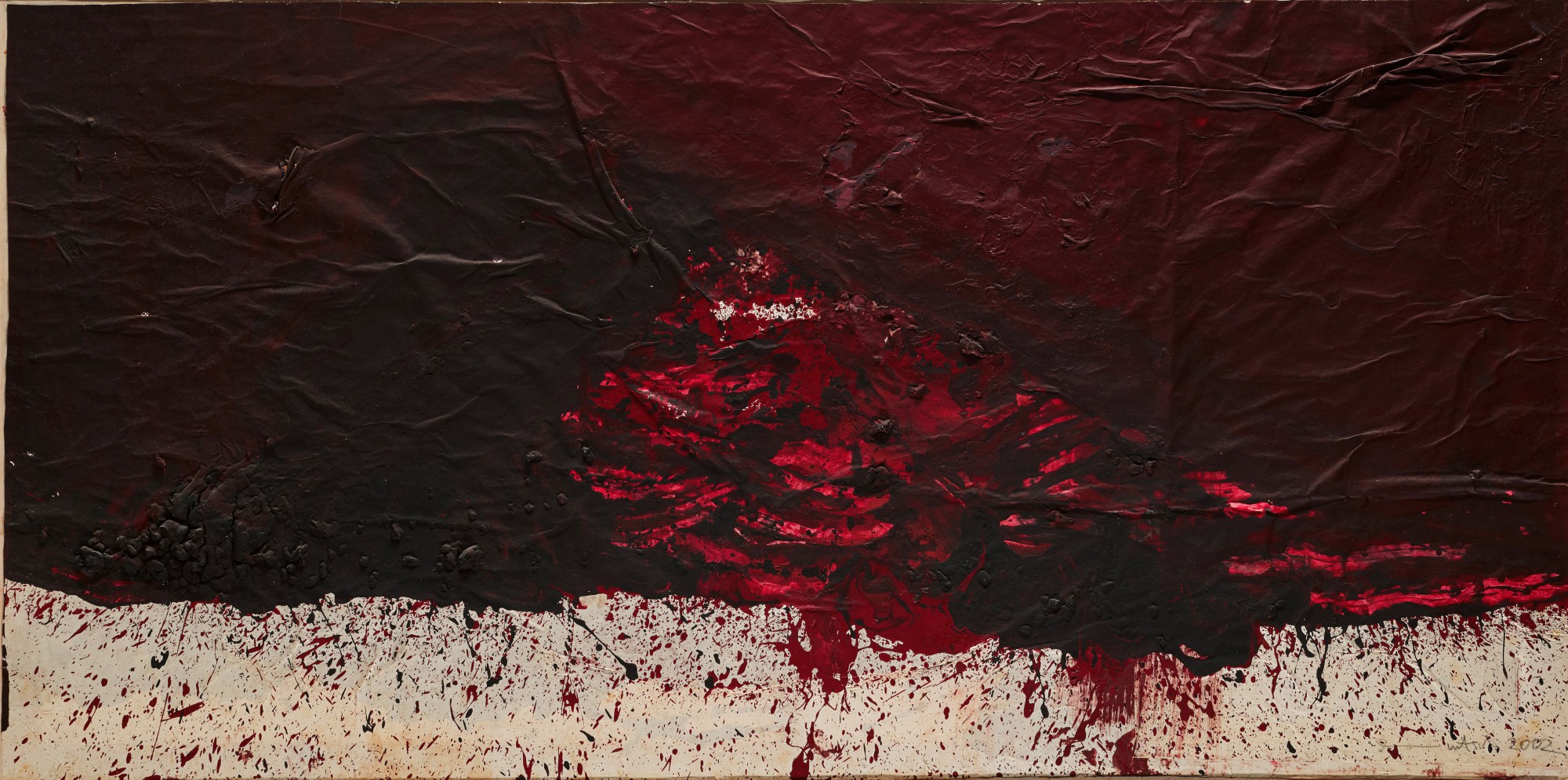
Austrian Expressionism did not simply burn out with the First World War. It transformed, went underground, and resurfaced in stranger forms after the catastrophe of the Second. The postwar decades produced the Wiener Aktionismus movement, a group of artists including Hermann Nitsch who used performance, ritual, and bodily transgression to process what polite Austrian society preferred to forget. Nitsch's Orgien Mysterien Theater, developed across decades from the early 1960s onward, used blood, animal carcasses, and elaborate ritualized action to create an art of cathartic confrontation with violence and mortality.
Friedensreich Hundertwasser
Look at it on a rainy day [Regentag Portfolio]: One plate
It remains deeply uncomfortable and deeply serious work. His inclusion on The Collection is a reminder that Austrian art has never been content with the merely decorative. Friedensreich Hundertwasser occupied a very different but equally eccentric position in the Austrian postwar imagination. Where Nitsch staged confrontation, Hundertwasser built utopias.
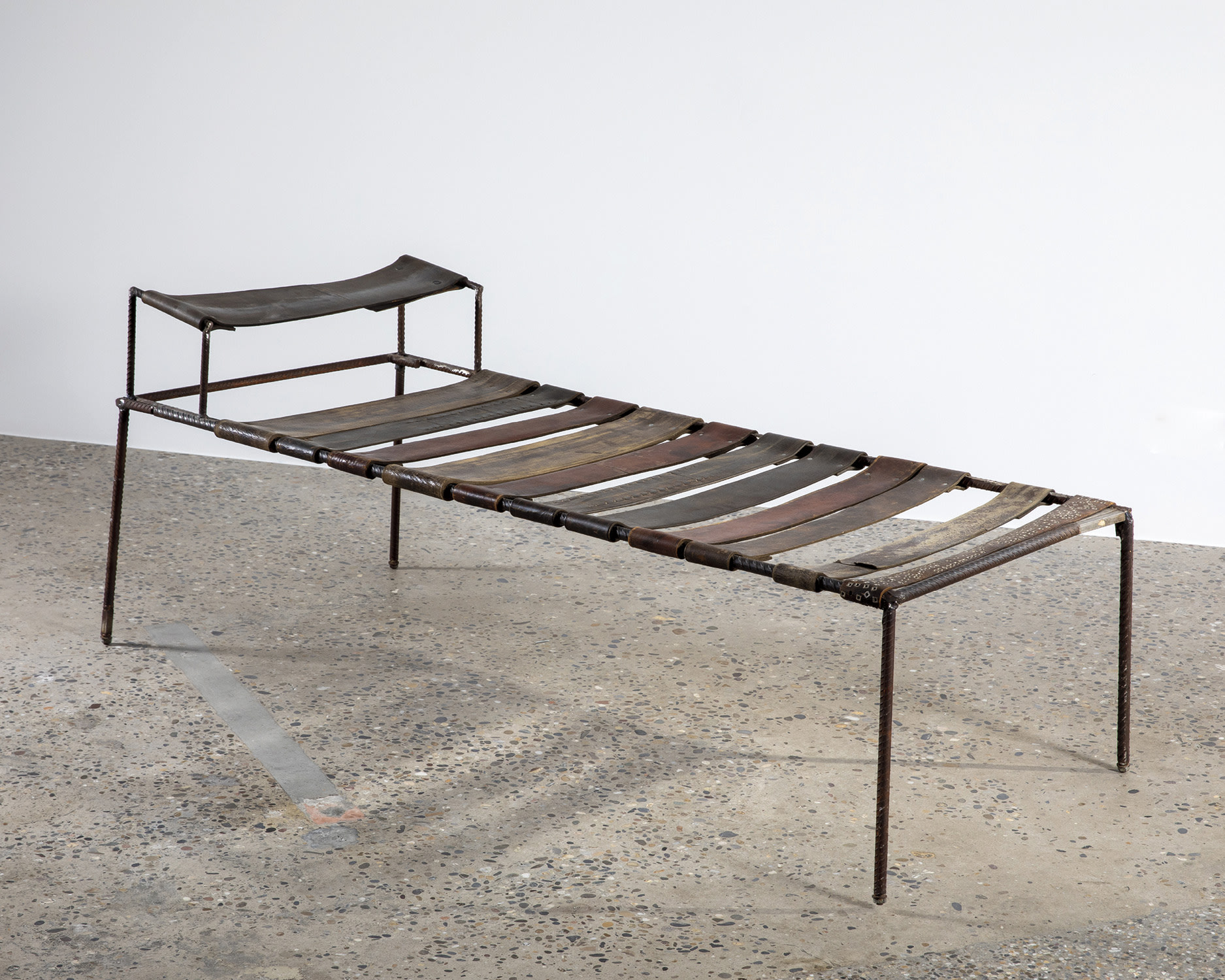
His rejection of the straight line as godless and immoral, his insistence on organic form in architecture and painting alike, and his dazzling use of color created a body of work that operates somewhere between fine art, ecological manifesto, and visionary fantasy. The Hundertwasserhaus in Vienna, completed in 1986, became one of the most visited buildings in Austria, and his prints and works on paper carry that same exuberant, slightly delirious energy. His works available on The Collection are a vivid entry point into that world. Franz West introduced yet another register entirely: the playful, the provisional, the deliberately awkward.
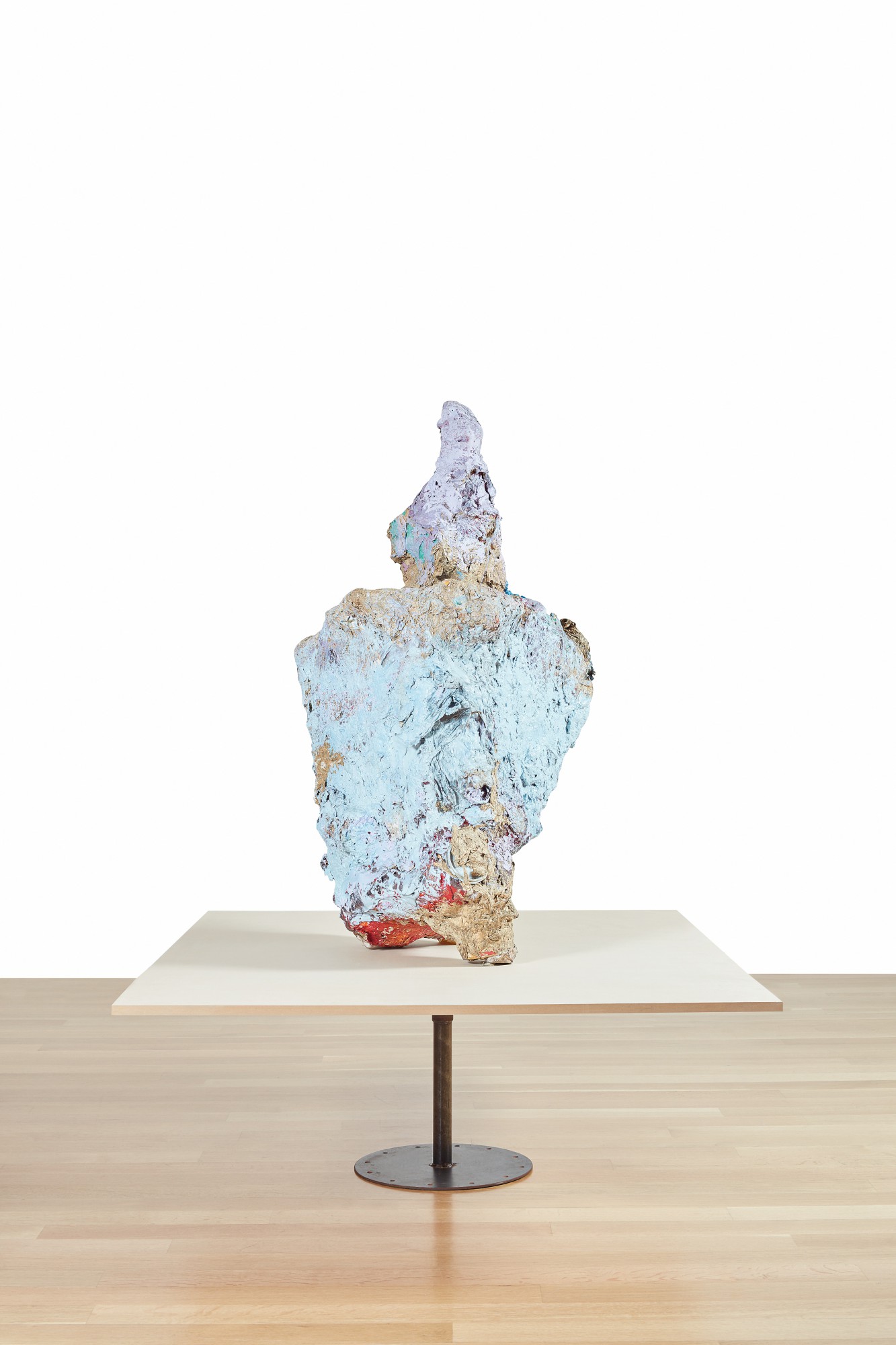
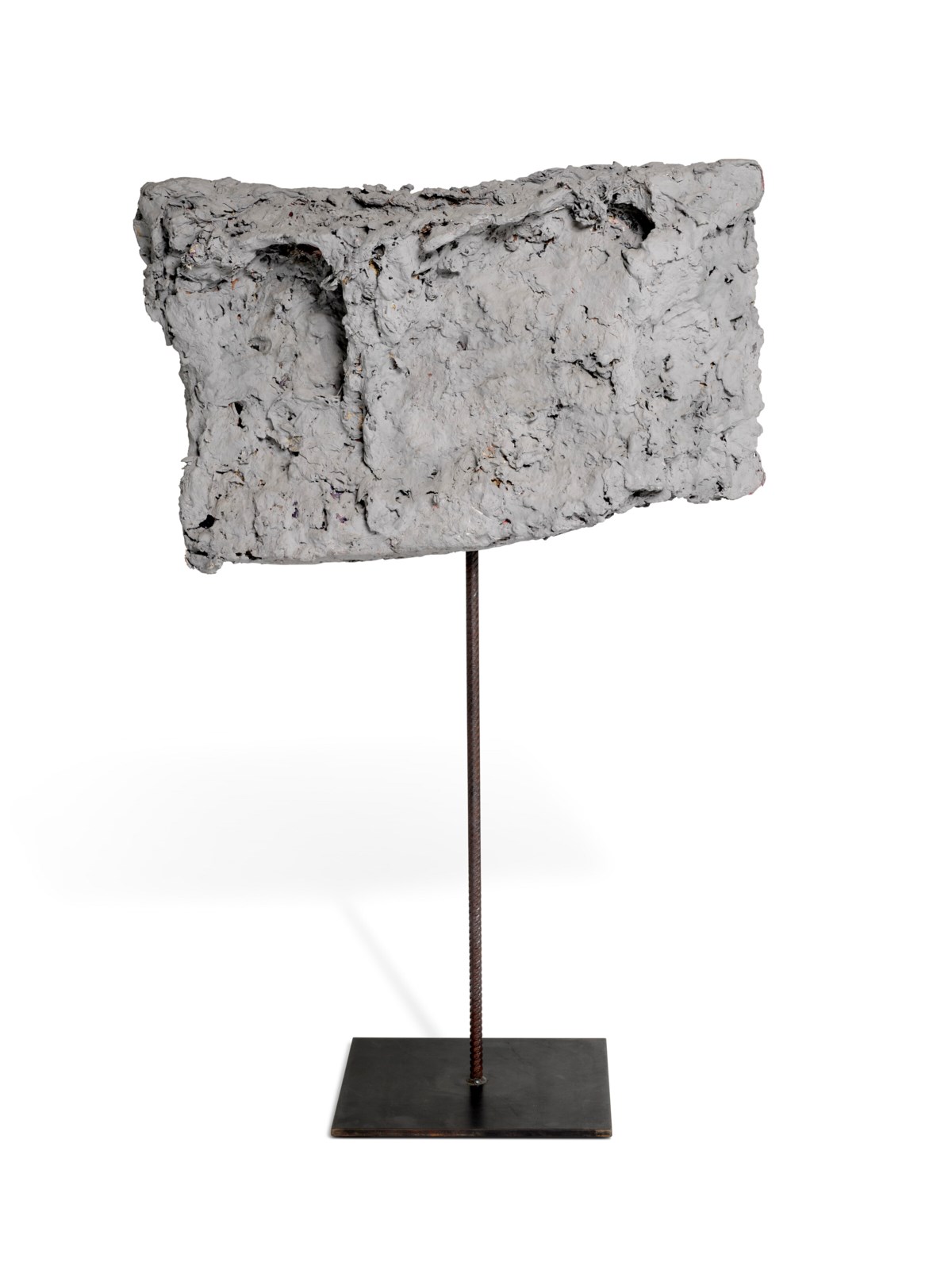
Franz West
Pleonasm, 1999
His Passstücke, or Adaptives, were sculptural objects designed to be held, worn, or pressed against the body in ways that looked faintly absurd. He wanted to disturb the reverence with which we approach art objects, to make the viewer an active and slightly ridiculous participant. West represented Austria at the Venice Biennale in 1990 and won the Golden Lion for lifetime achievement in 2011, cementing his international standing. His works on The Collection carry that signature wit and material intelligence.
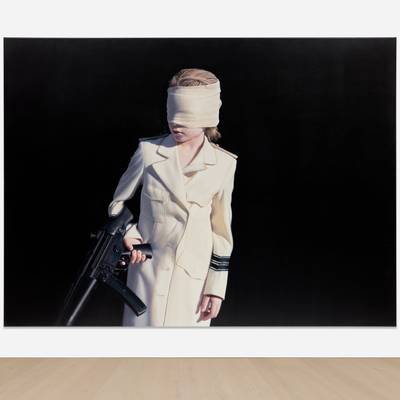
Maria Lassnig and Gottfried Helnwein round out a picture of Austrian art as a tradition perpetually obsessed with what the body knows and suffers. Lassnig developed her concept of body awareness painting over decades, insisting that she would only paint what she could physically feel from the inside, creating self portraits of extraordinary strangeness and honesty. Helnwein, meanwhile, has spent a career using hyper realist technique to create images of childhood vulnerability and institutional violence that are impossible to look away from and impossible to feel comfortable about. What unites these artists across such different periods and approaches is a shared willingness to go somewhere difficult.
Austrian art does not offer easy consolation. It offers, instead, a kind of ruthless intimacy with experience, the sense that the artist has refused to look away. For collectors who understand that the most important works are rarely the most comfortable ones, this tradition offers something genuinely irreplaceable. The depth of the Austrian holdings on The Collection reflects that conviction, and rewards the kind of sustained looking these artists have always demanded.