American Culture
Boo Ritson
Meatballs





The Mirror America Never Wanted to Face
There is a particular kind of unease that runs through the greatest art made about America. Not hostility exactly, but a cold, clear seeing. The works that have endured are not celebrations or condemnations but something stranger and more honest: portraits of a culture in the act of becoming, always becoming, never quite arriving. To collect in this space is to engage with one of the richest and most contested subjects in the history of image making.
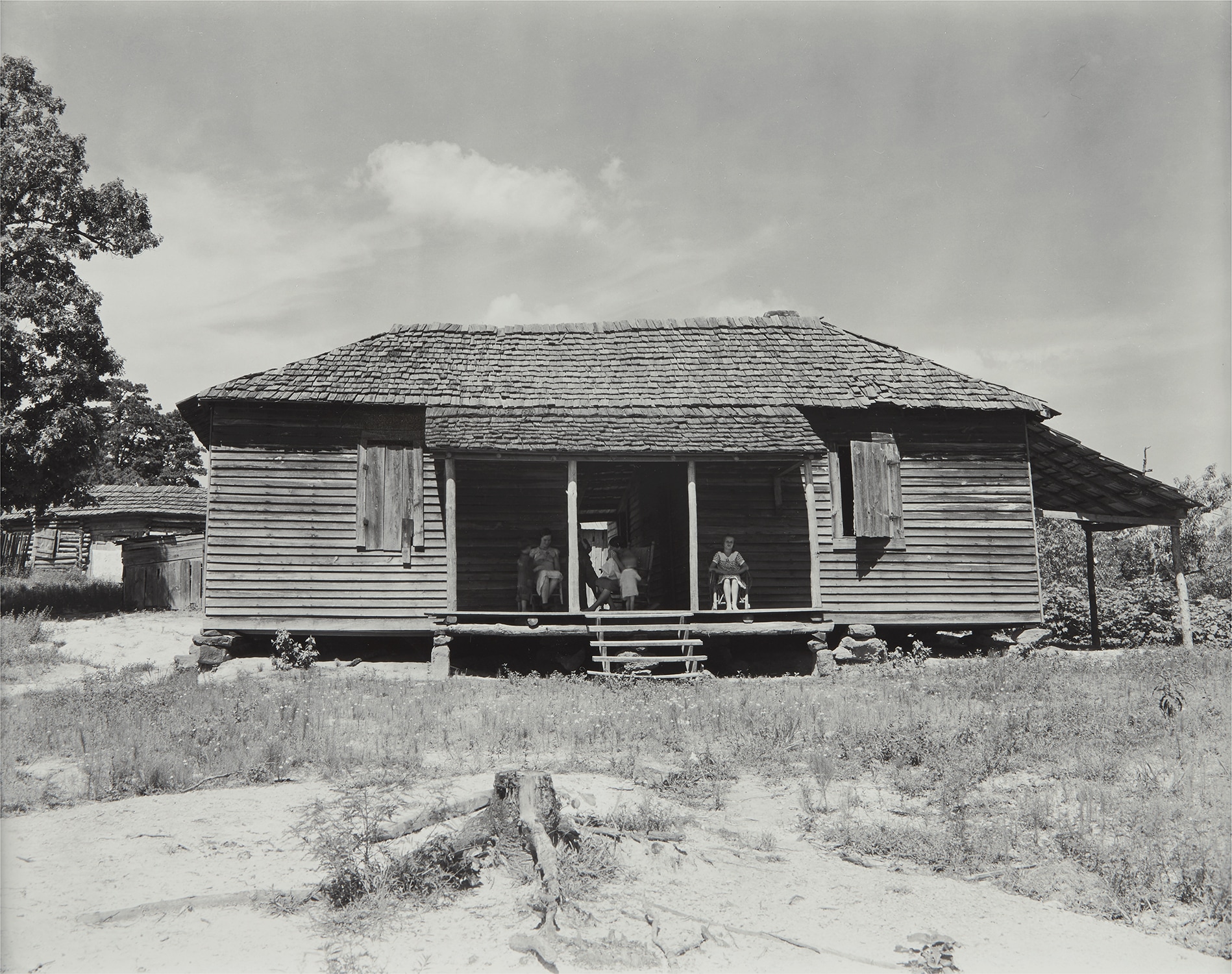
The story of American culture as artistic subject begins in earnest during the Great Depression, when the Federal Art Project and the Farm Security Administration dispatched photographers across the country to document what was happening to ordinary people. Walker Evans was among them, and his images of tenant farmers in Alabama, made in 1936, established a grammar of documentary restraint that still shapes how we look at working class American life. Evans understood that to photograph plainly was itself a political act. The objects in a room, the sign on a storefront, the face of someone who had learned not to expect much: these things told the truth better than rhetoric ever could.
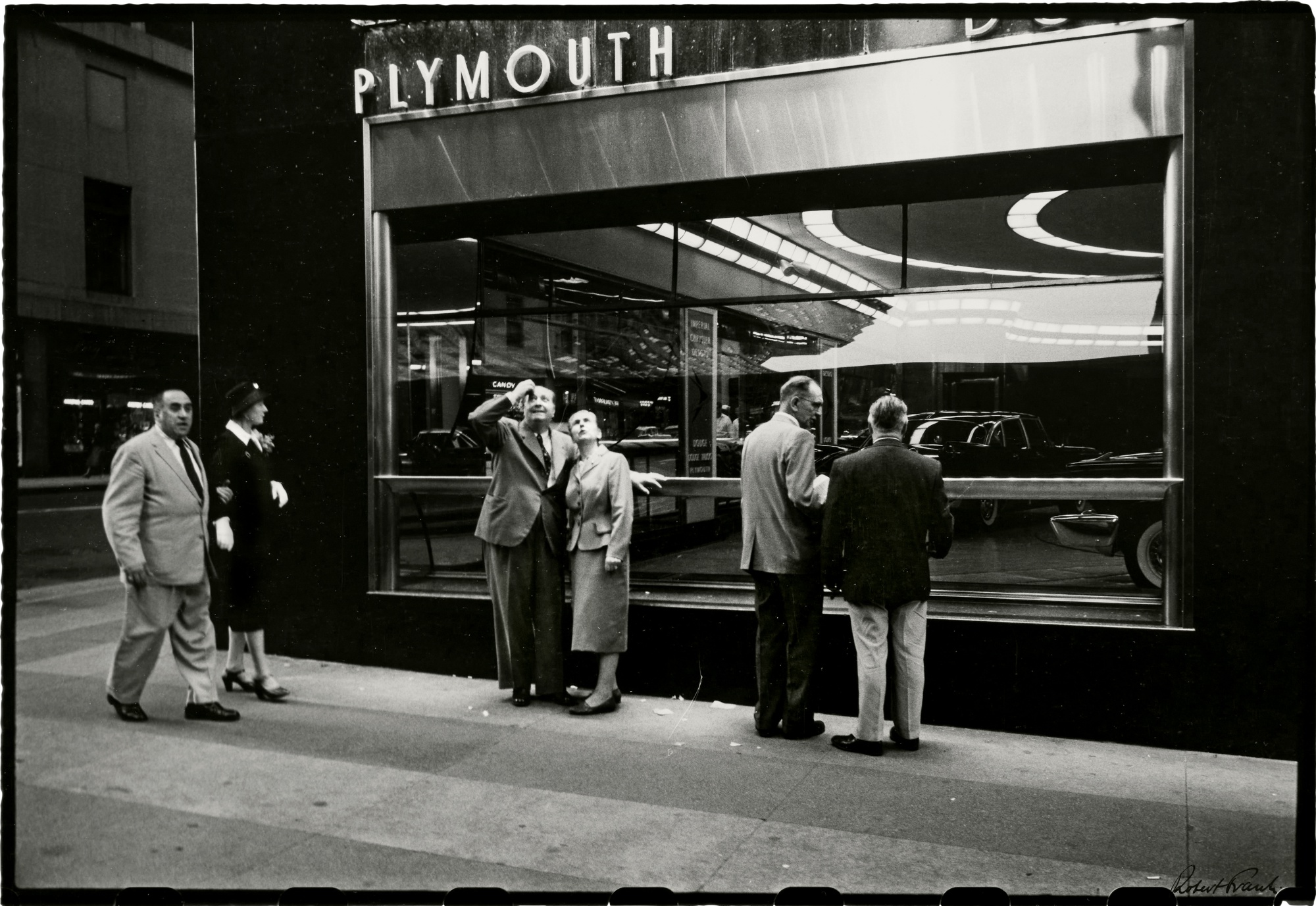
Robert Frank
From the Bus (Plymouth Dealership)
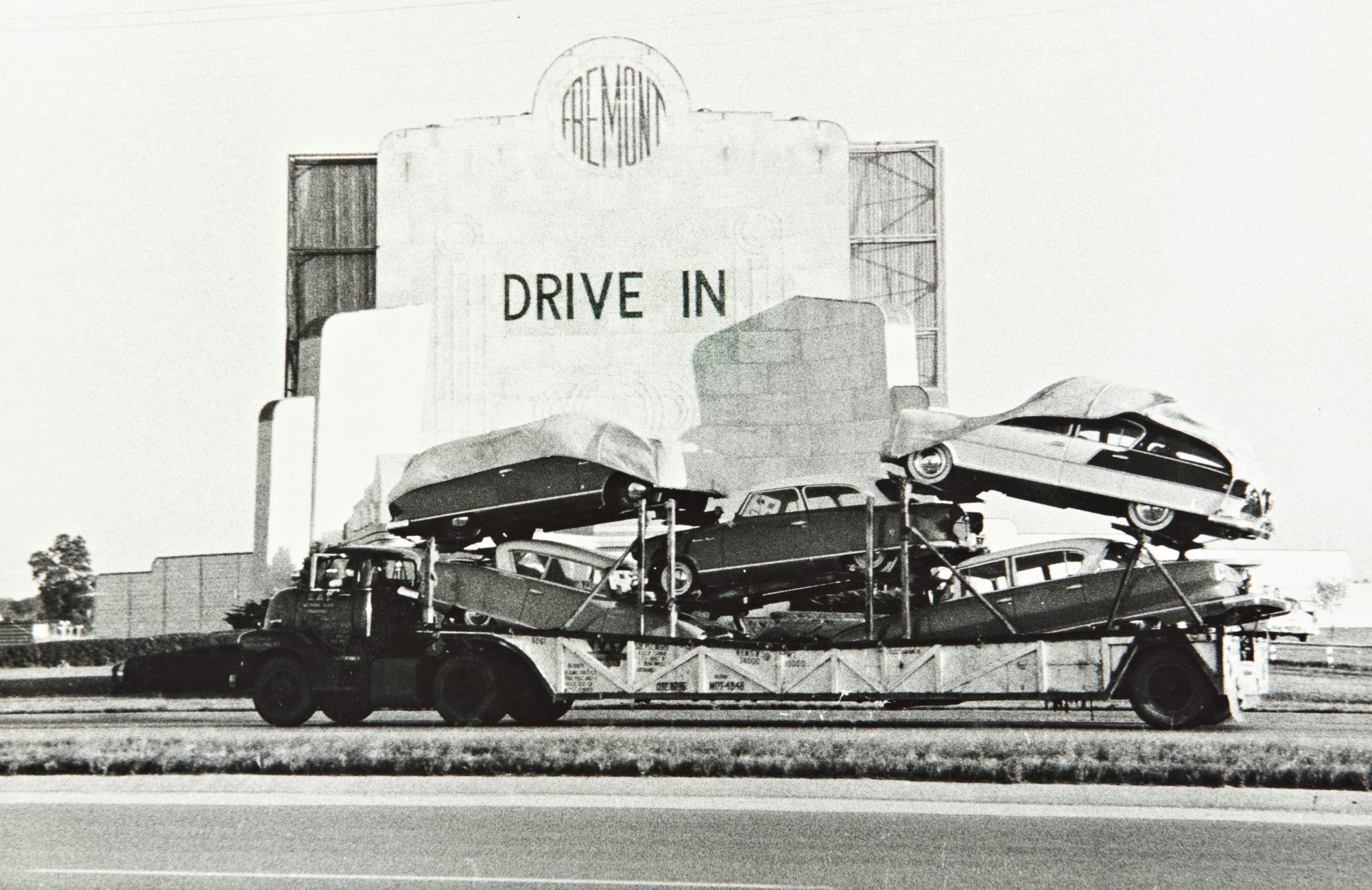
By the 1950s, another vision was emerging, one that was less clinical and more visceral. Robert Frank, a Swiss immigrant who received a Guggenheim Fellowship in 1955, drove across the United States and came back with contact sheets that would become The Americans, published in 1958. The book was initially dismissed by many American critics as bleak and ungrateful. It was in fact a masterpiece of ambivalence, in love with the country and horrified by it in equal measure.
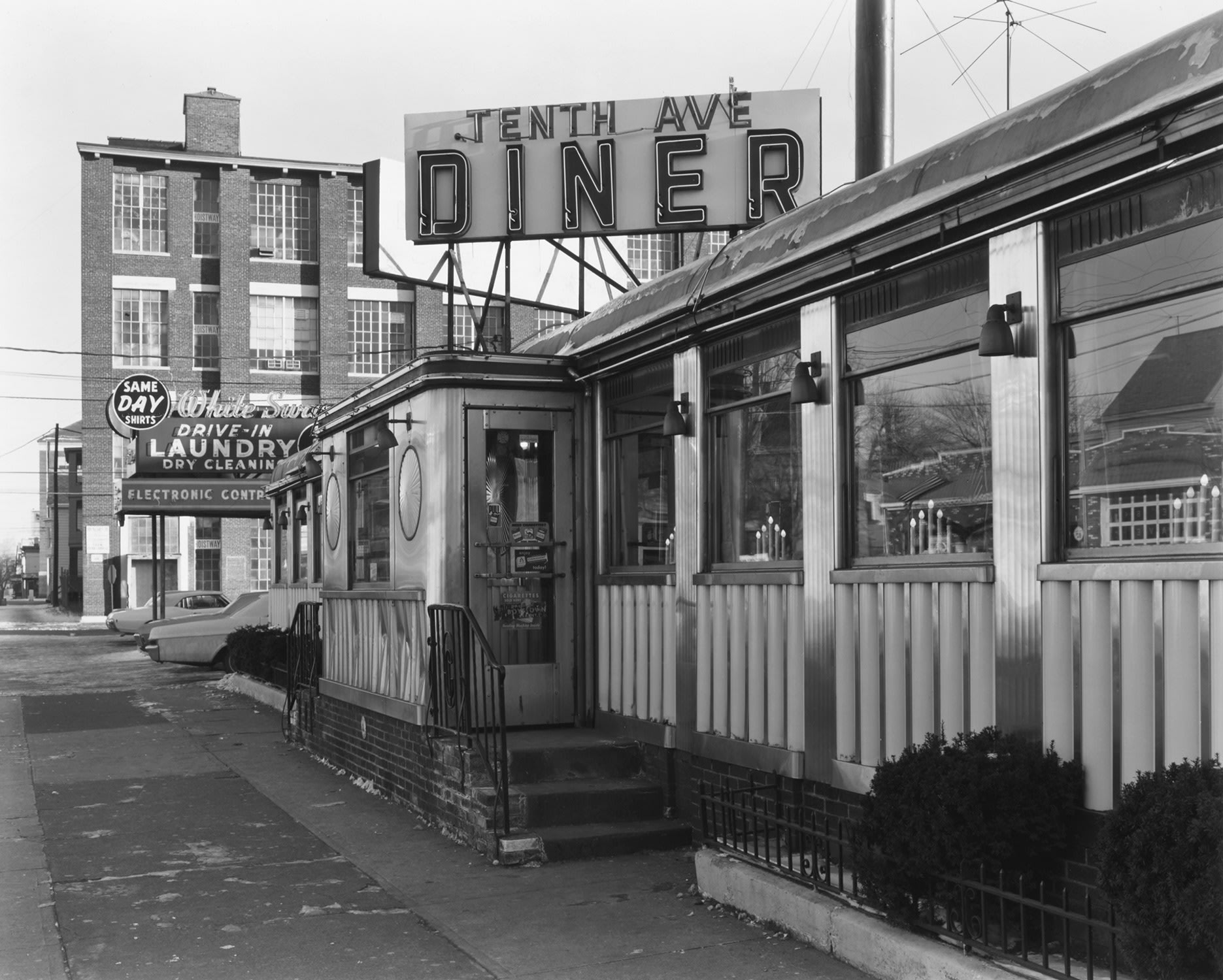
Frank's work on The Collection represents this sensibility at its most concentrated: jukeboxes, flags, diners, the particular loneliness of people gathered together in public spaces. No one before him had made America look so mythic and so melancholy at once. The 1960s brought a different set of pressures to bear. Diane Arbus turned her lens on the people who did not appear in official versions of American life: nudists, carnival performers, twins posing in suburban hallways.
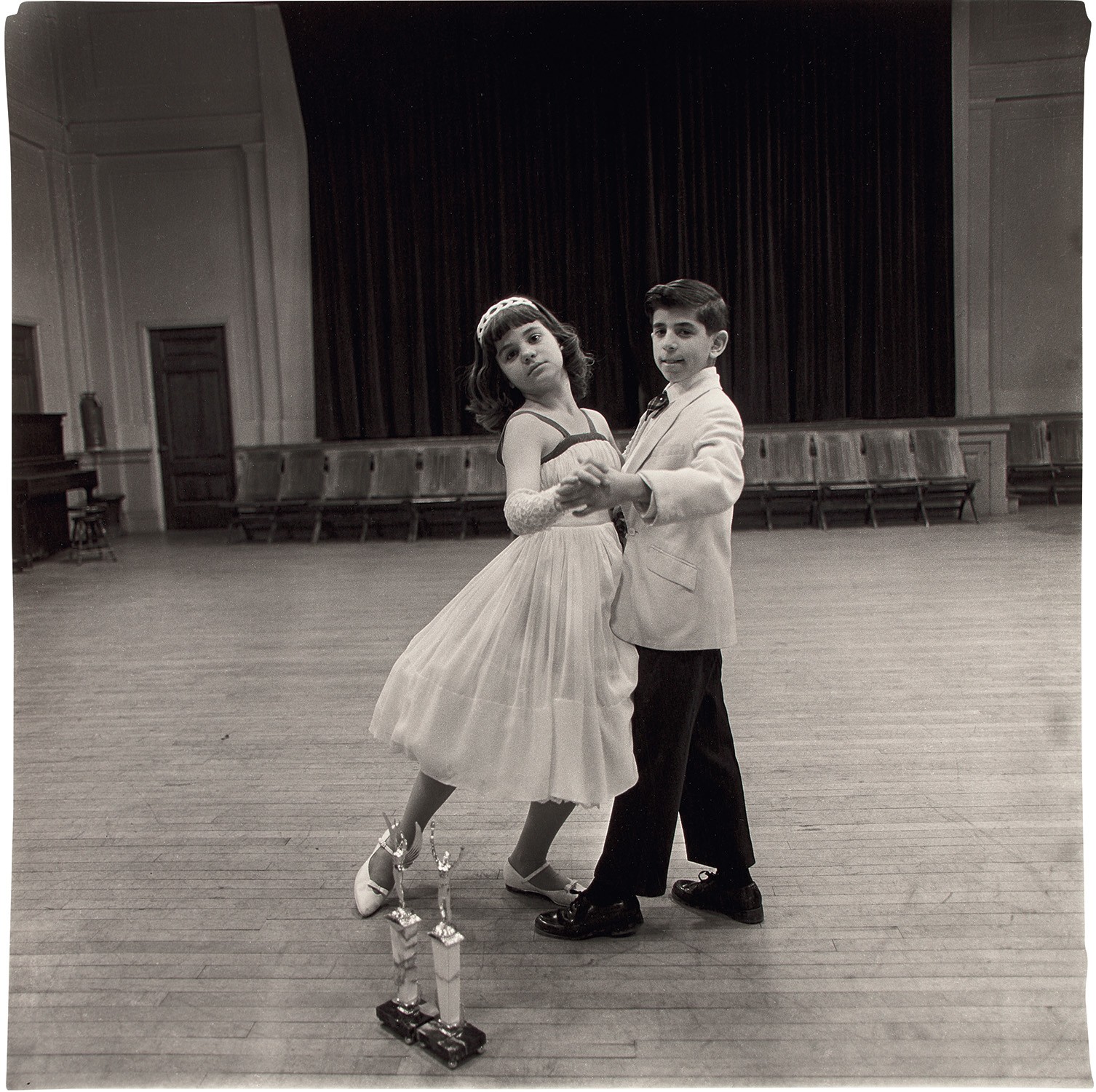
Diane Arbus
The Junior Interstate Ballroom Dance Champions, Yonkers, NY
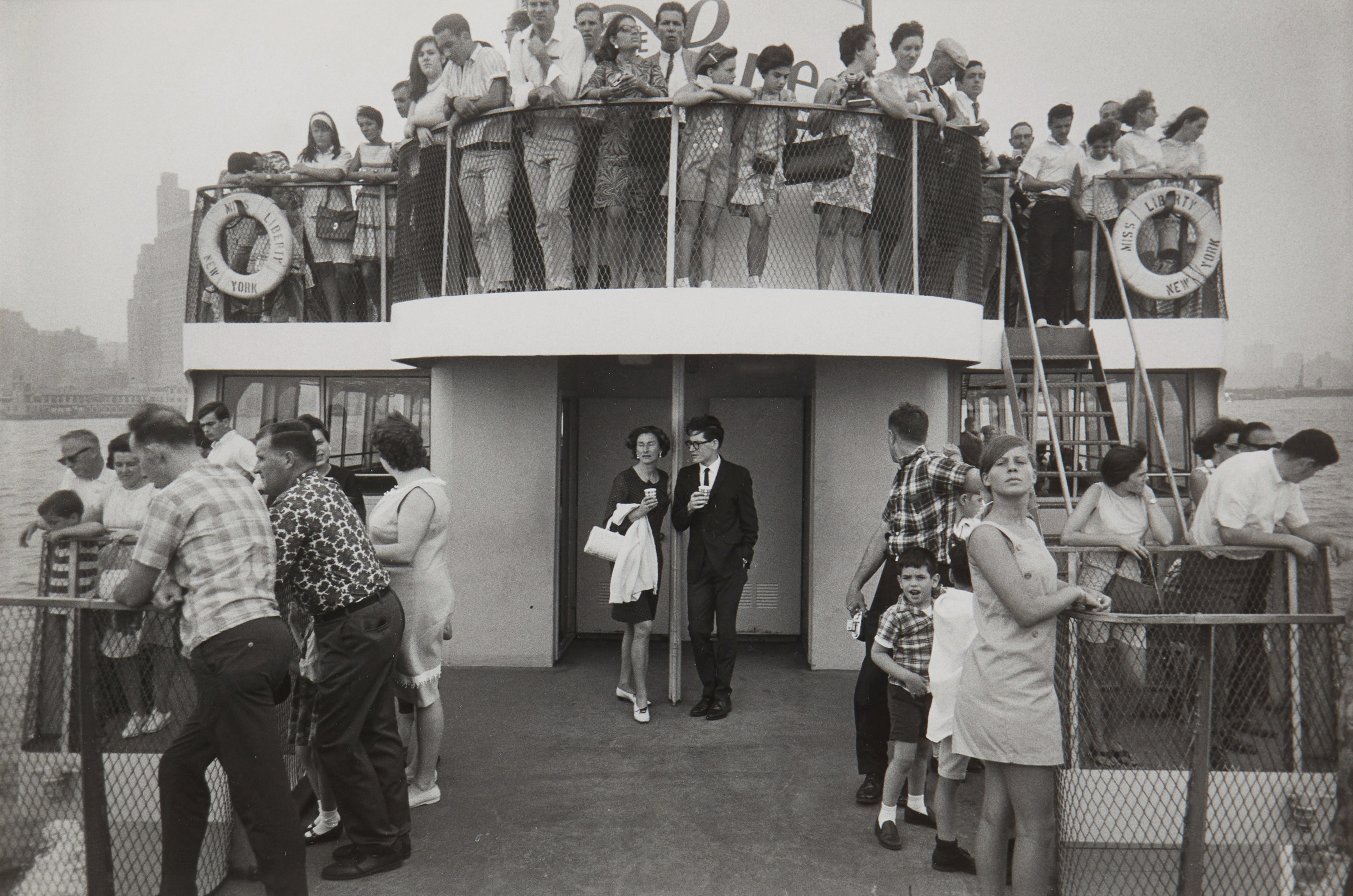
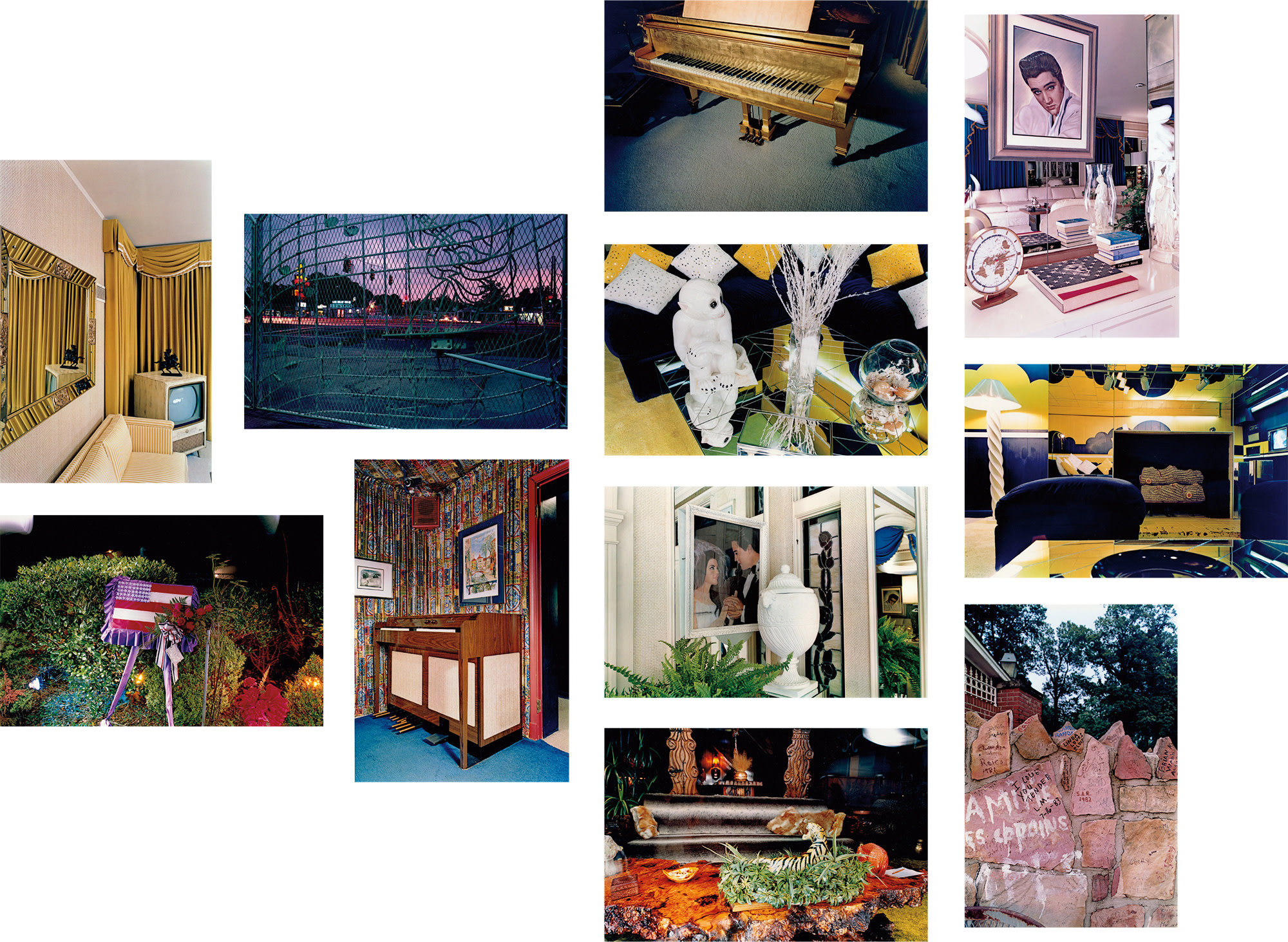
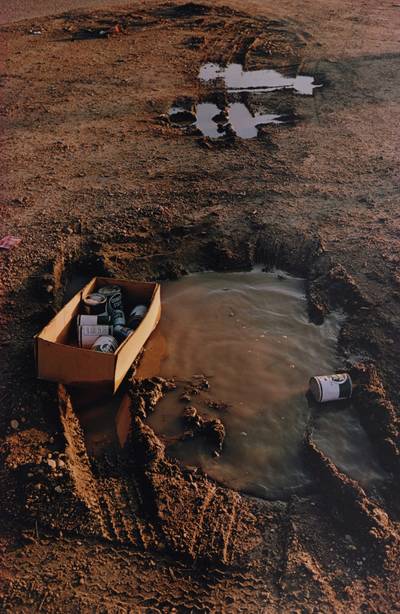
Her photographs, including work shown at the New Documents exhibition at MoMA in 1967 alongside Garry Winogrand and Lee Friedlander, marked a decisive shift in documentary photography toward the subjective and the psychologically charged. Winogrand, whose restless street work captured America in a state of barely managed chaos, shared with Arbus a conviction that the surface of things was not a shield but an invitation. Around the same time, William Eggleston was developing his approach to color photography in the American South, finding the monumental in the mundane, a gas pump, a red ceiling, a tricycle in a driveway, and insisting that the vernacular was worthy of serious aesthetic attention. Pop art arrived as a kind of parallel investigation, reaching the same subject from the opposite direction.
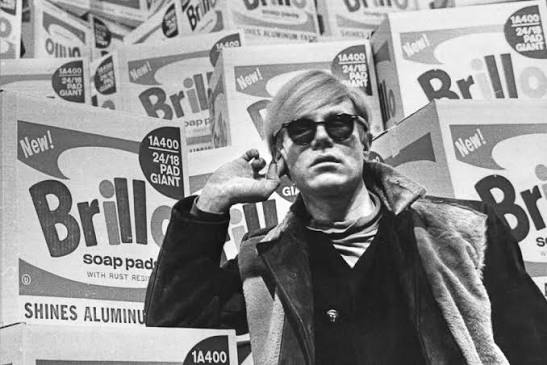
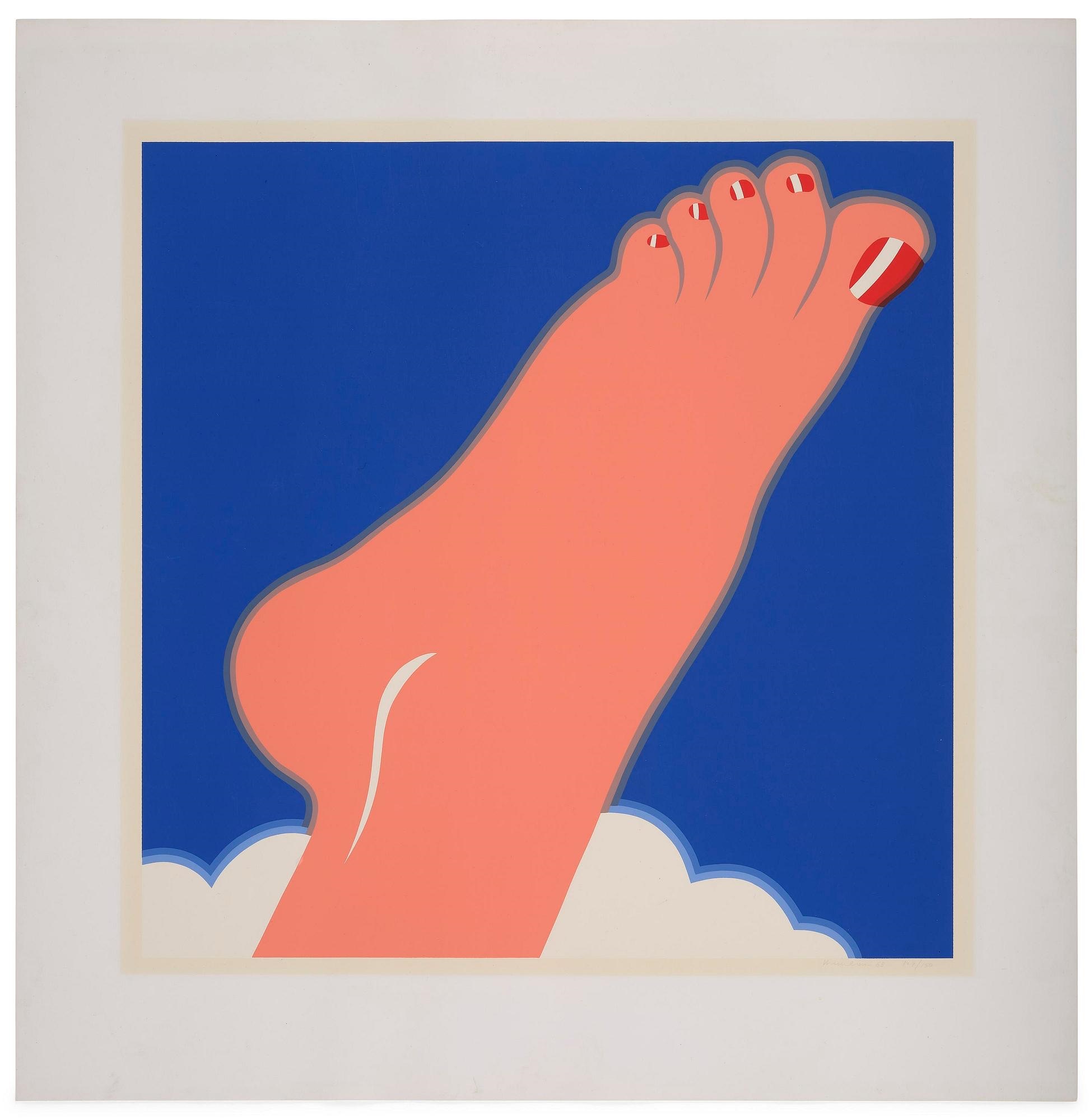
Where the photographers were looking for cracks in the American surface, Andy Warhol and his contemporaries were interested in the surface itself. Warhol's serial repetitions of consumer objects and celebrity faces from the early 1960s onward were both a love letter to mass culture and a cool meditation on its emptiness. James Rosenquist, who had worked as a billboard painter before becoming an artist, brought that monumental commercial scale into his canvases, assembling fragments of advertising imagery into something hallucinatory and uneasy. Tom Wesselmann's work explored similar territory, placing idealized domestic scenes and the female body within the visual language of consumer desire.
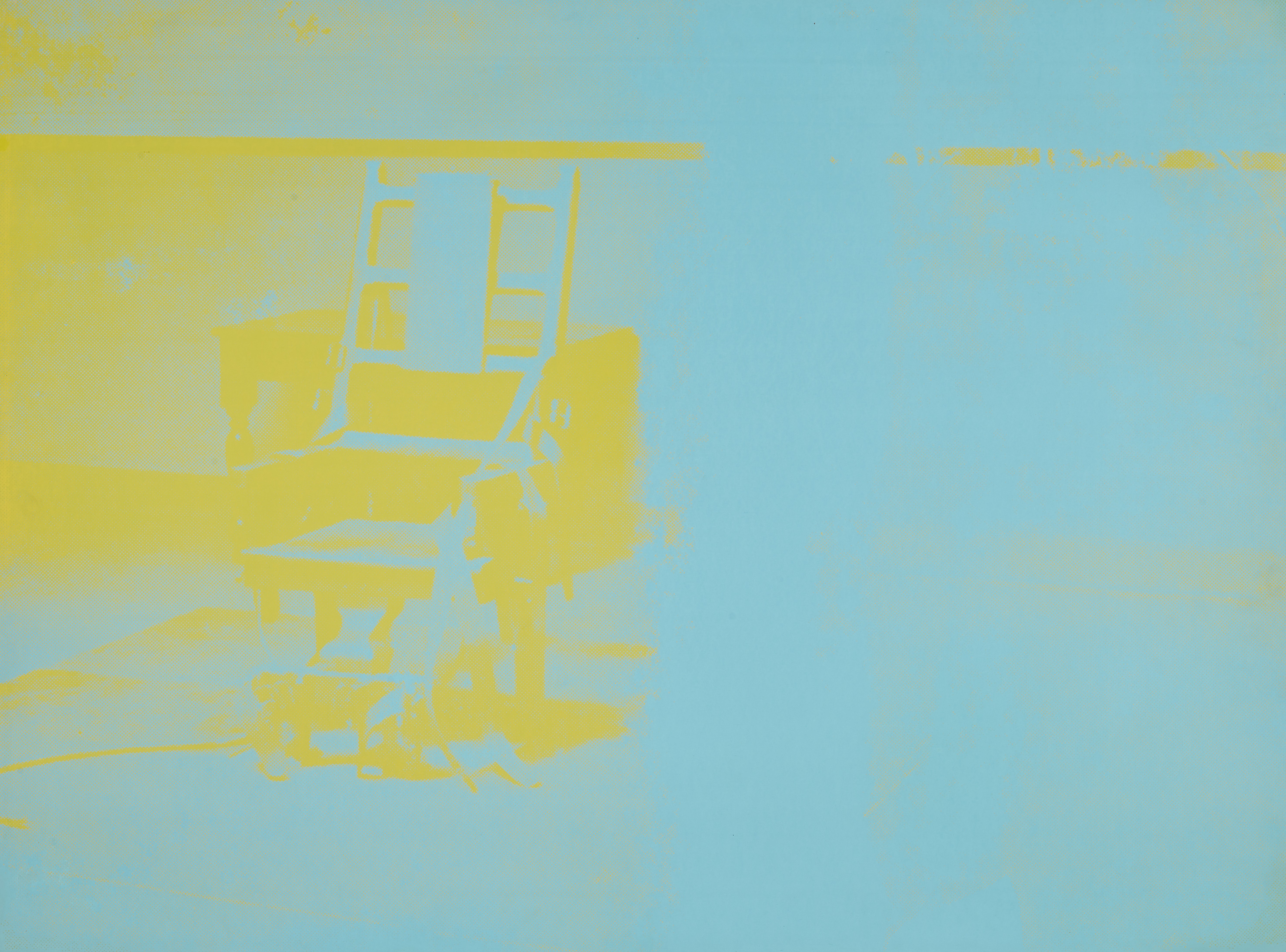
Andy Warhol
Electric Chair (F. & S. II.77)
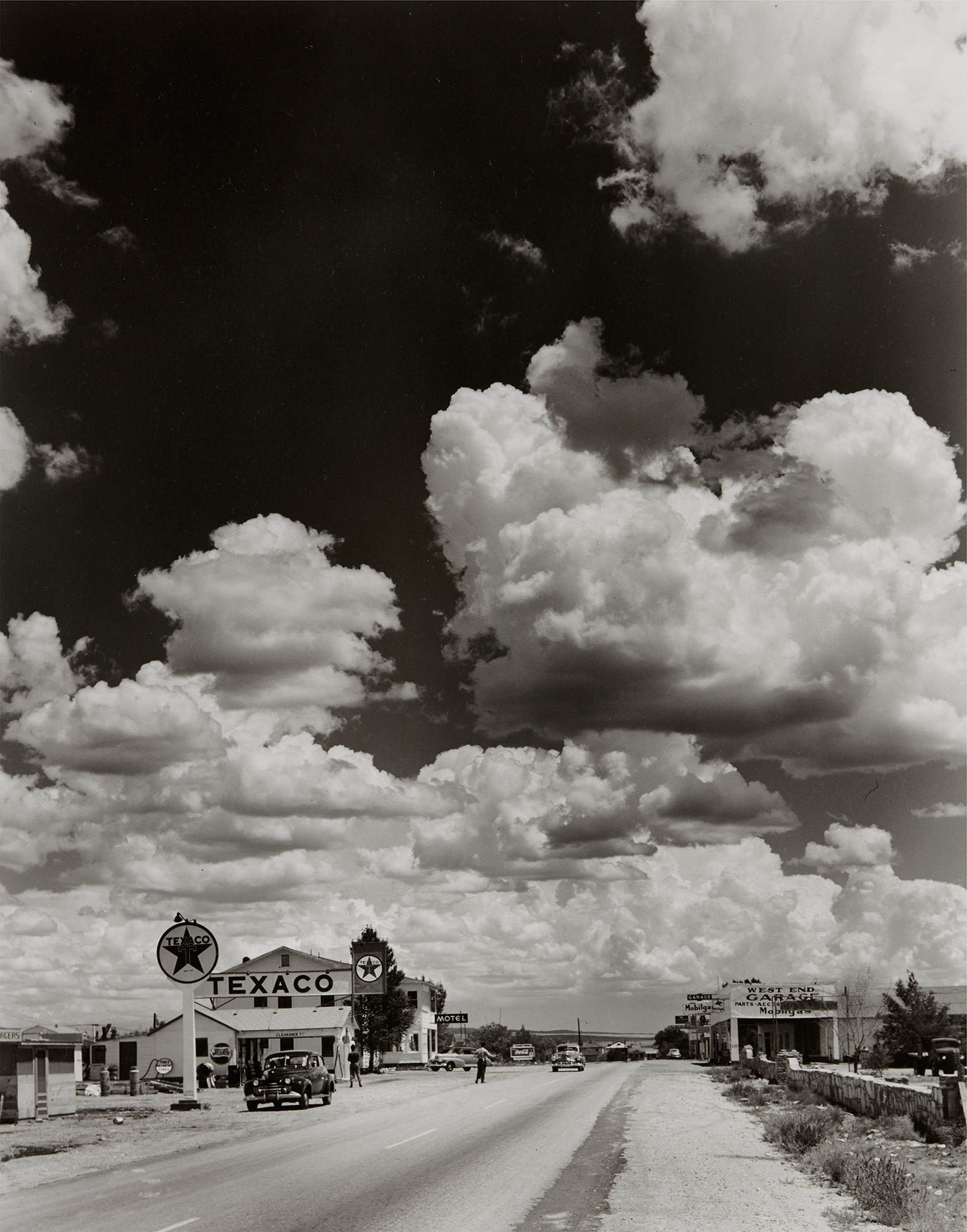
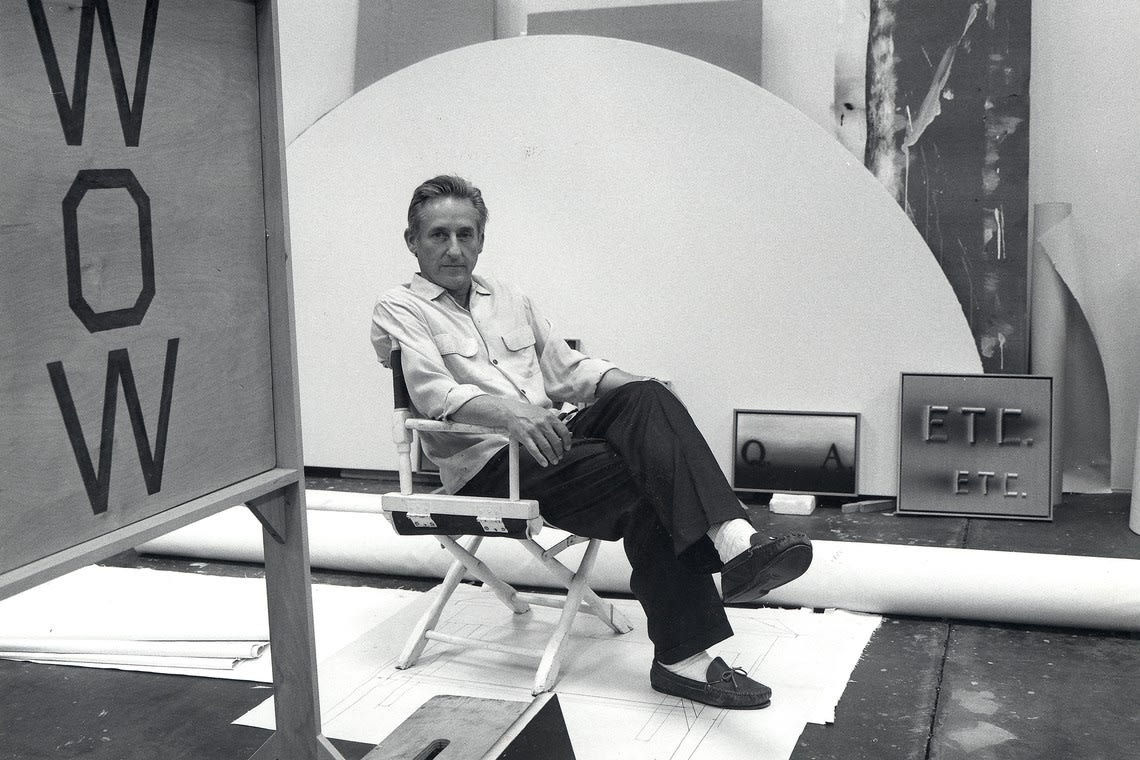
Ed Ruscha, working in Los Angeles, was examining the American landscape with a different kind of wit and rigidity: gas stations documented with the neutrality of a corporate surveyor, words painted with the authority of highway signs. What connects these artists across their very different methods is a shared understanding that American culture is not a stable object but an ongoing performance. Berenice Abbott had photographed New York in transformation during the 1930s, compiling her Changing New York project as a record of a city devouring its own past. John Gutmann, another European emigre, brought an outsider's fascinated gaze to American streets in the 1930s and 1940s, seeing things that native born artists had learned not to notice.
The immigrant perspective, alert to contradictions that insiders absorb and forget, has been one of the most productive positions from which to see this country clearly. Henri Cartier Bresson, visiting the United States, found the same visual density here that he had found everywhere else, but with a particular quality of energy and appetite. Later generations have continued to interrogate the mythology. Laurie Simmons staged photographs using dolls and miniature sets to explore the constructed nature of American domestic femininity.
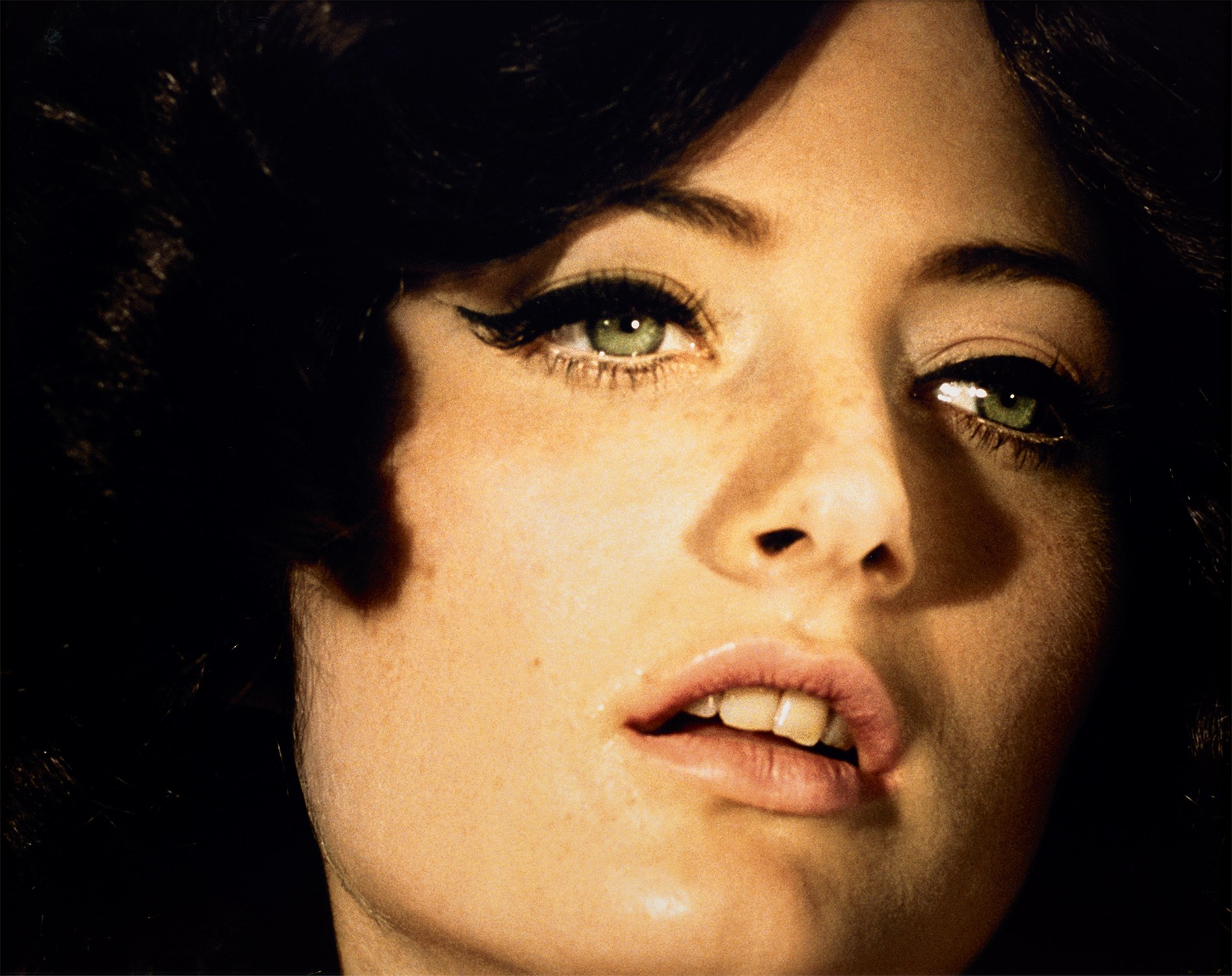
Alex Prager
Wendy from Week End
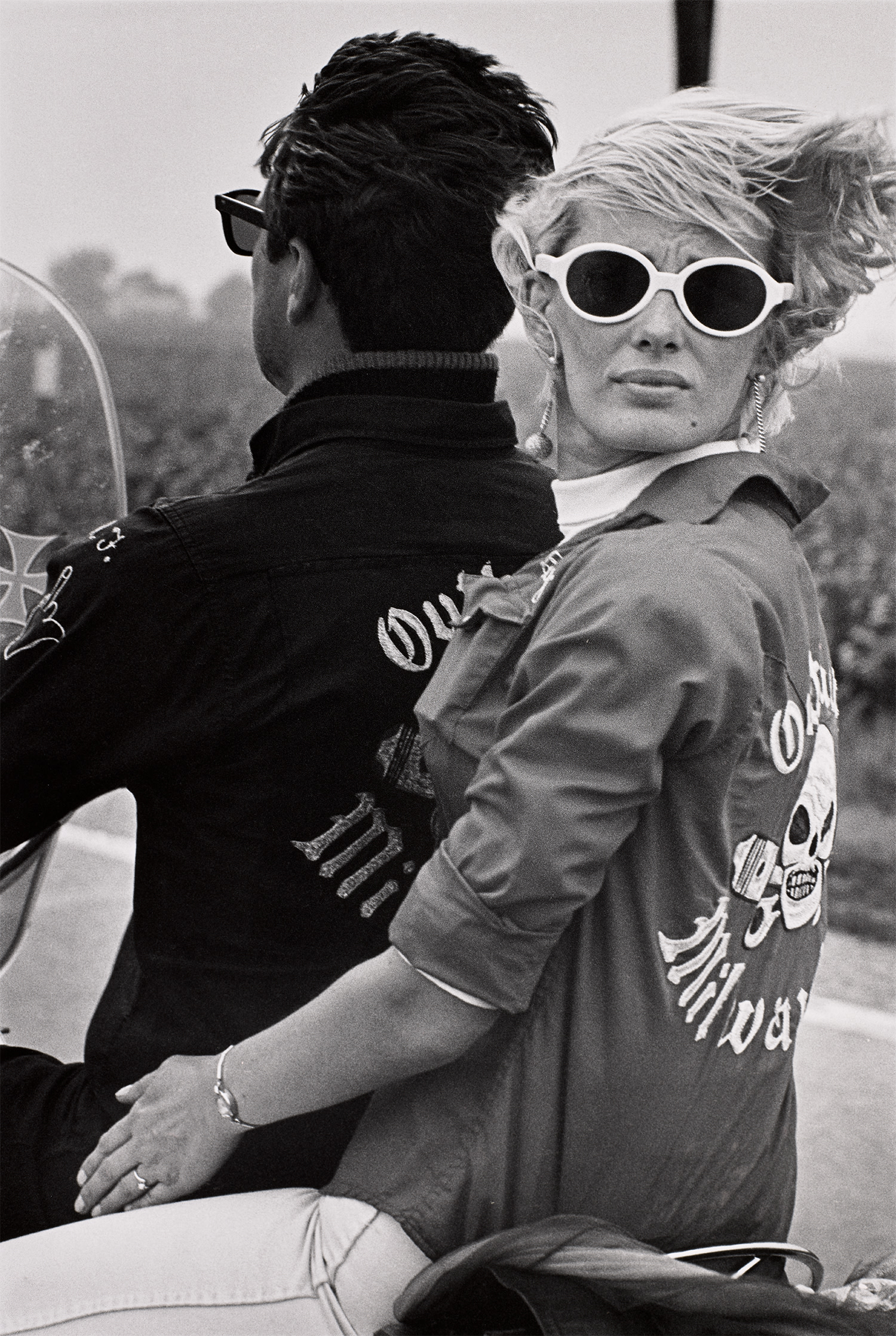
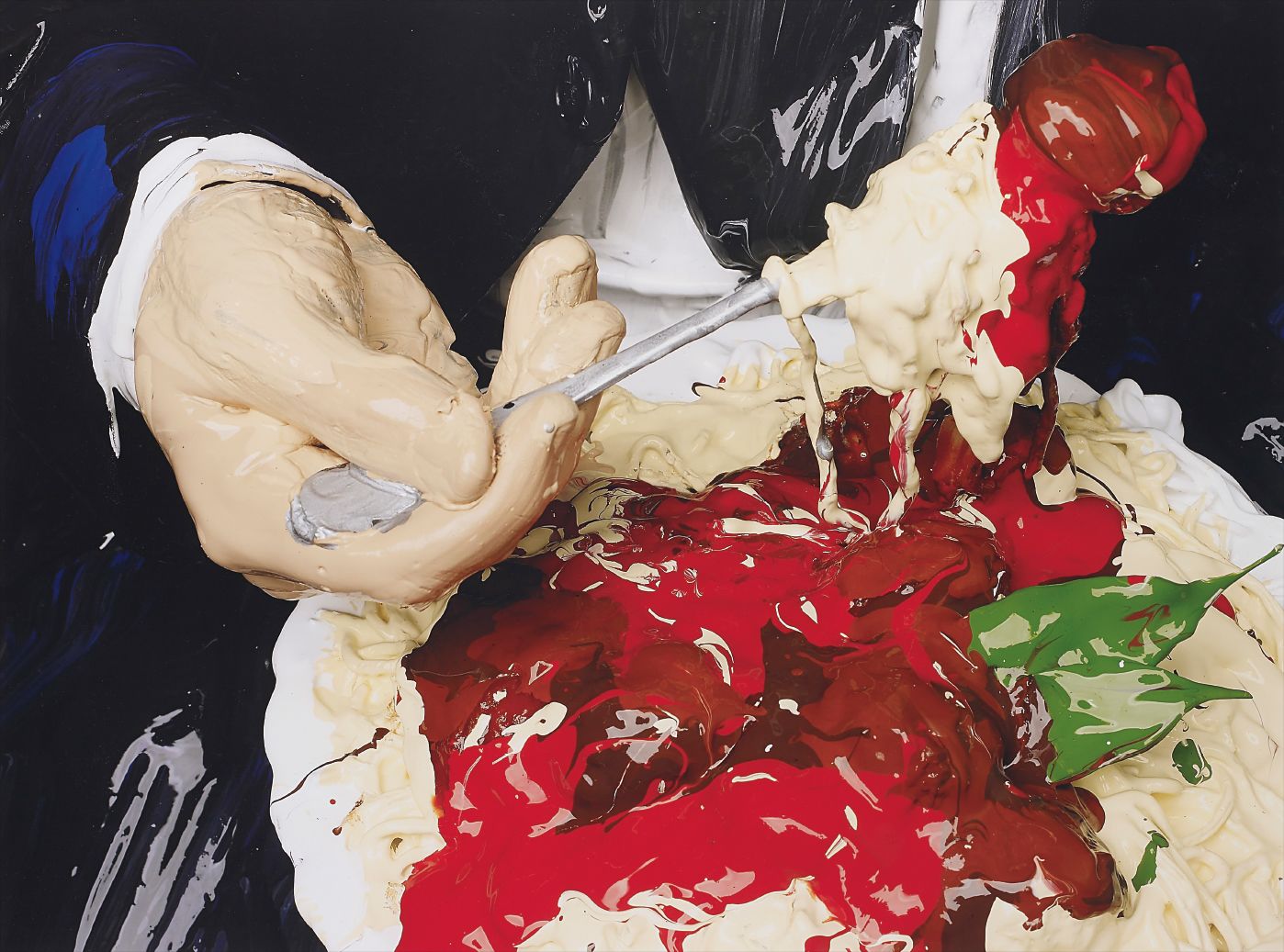
David Levinthal's blurred, dramatically lit images of toy soldiers and cowboys asked hard questions about how America narrates its own violence to itself, and especially to its children. Taryn Simon's systematic documentary projects have approached American institutions with a rigor that is itself a form of critique. Alex Prager's cinematic tableaux draw on the visual vocabulary of Hollywood and mid century American photography simultaneously, creating images that feel remembered even when they are entirely fabricated. Boo Ritson took a different approach, painting directly onto her subjects to create photographs in which people become indistinguishable from their surroundings, a comment on identity and consumer culture that is both funny and unsettling.
What the works gathered on The Collection demonstrate, taken together, is that American culture has never really been a single thing. It is an argument, a collision of desires and fears, a country that has always been most alive in the gap between what it promises and what it delivers. The artists who have engaged most seriously with this subject are not the ones who loved it uncritically or hated it from a comfortable distance. They are the ones who stayed close, who looked carefully, who refused easy answers.
That is the tradition these works belong to, and it remains one of the most vital conversations in contemporary collecting.