Ahava
2000
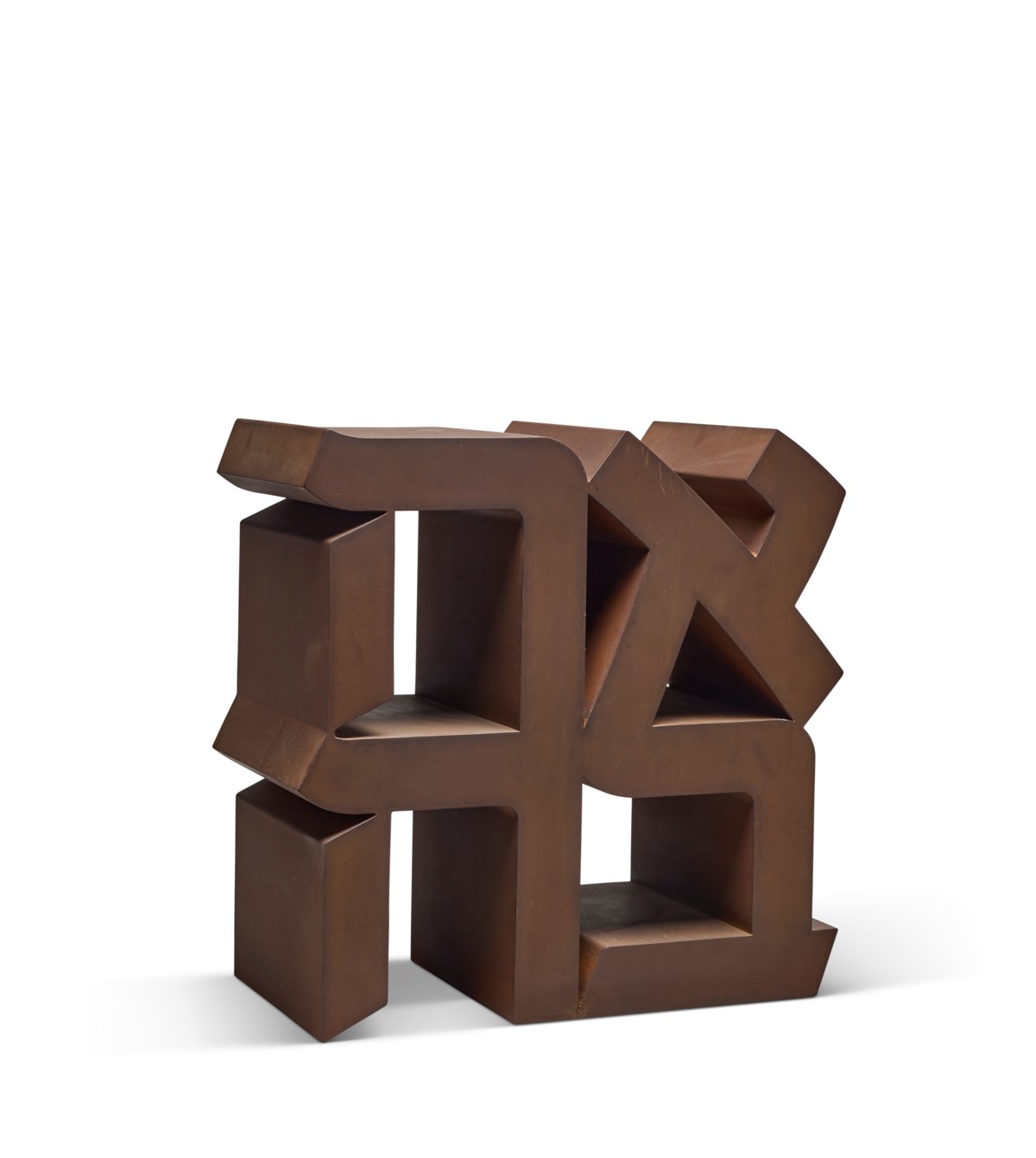
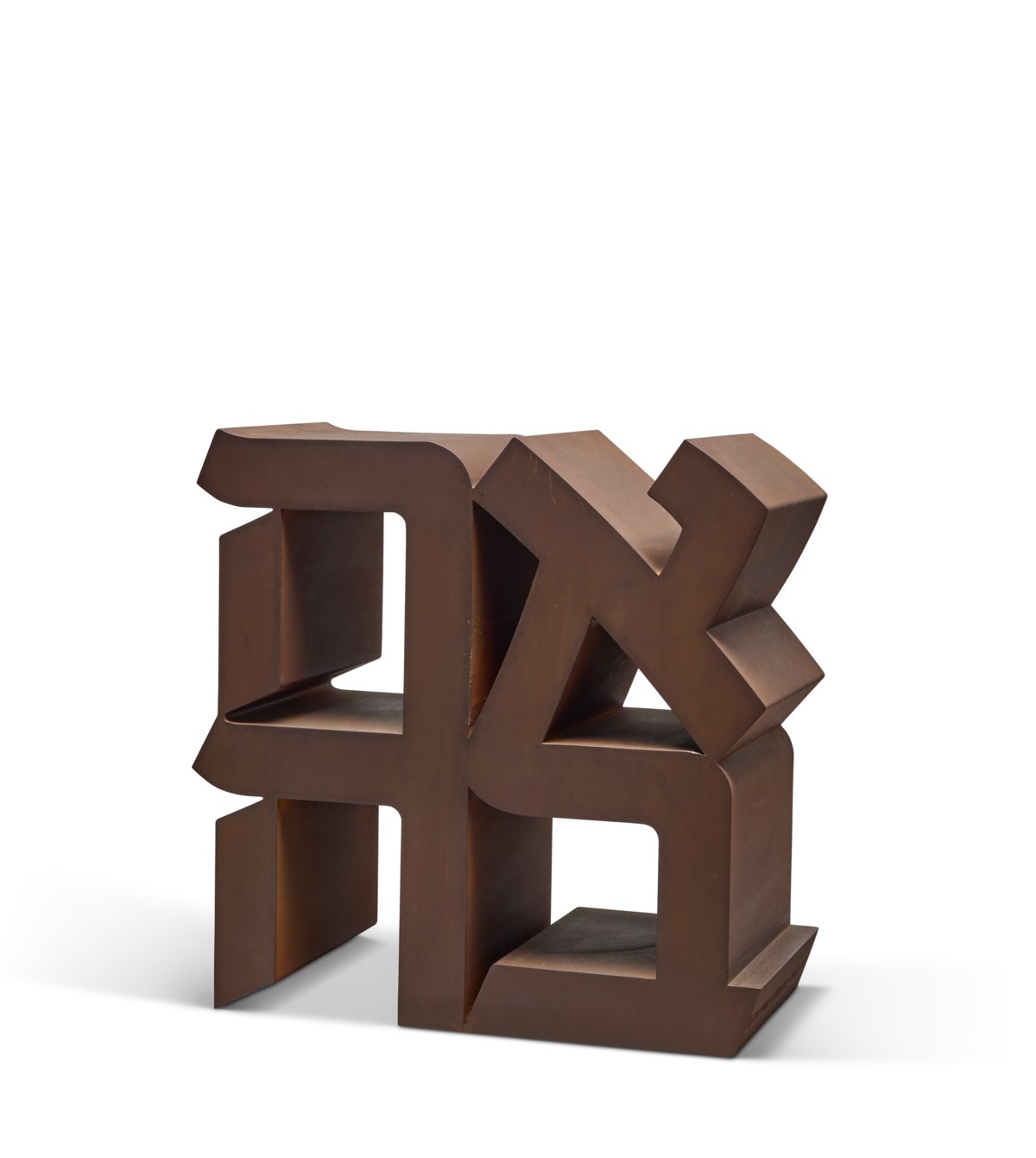
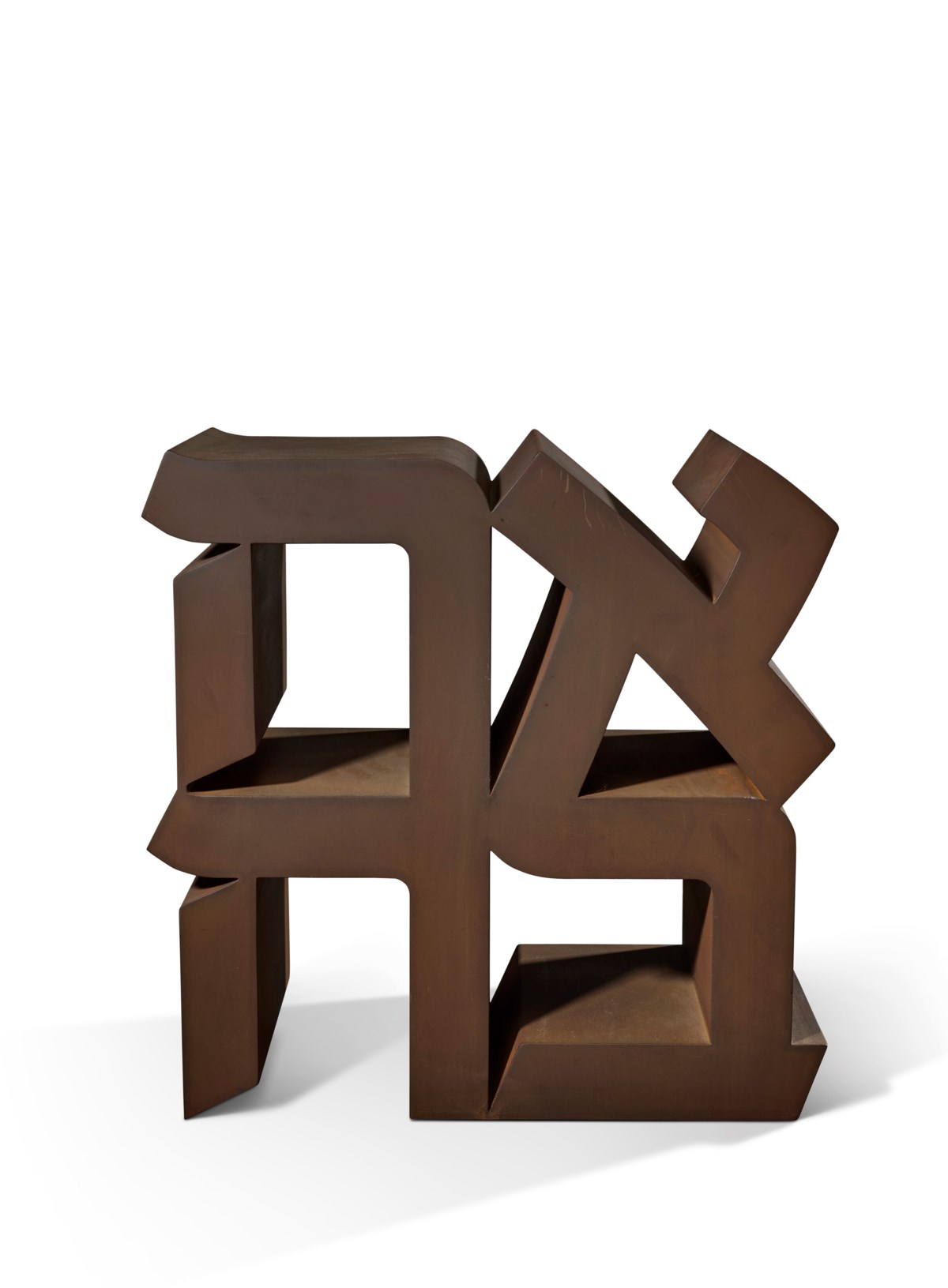
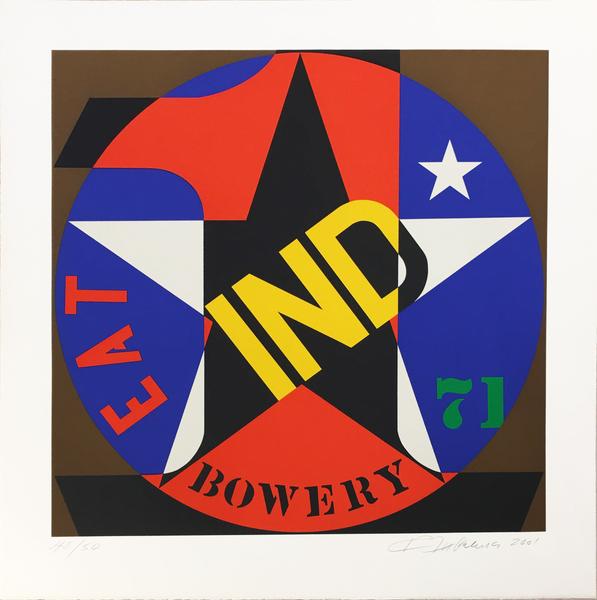
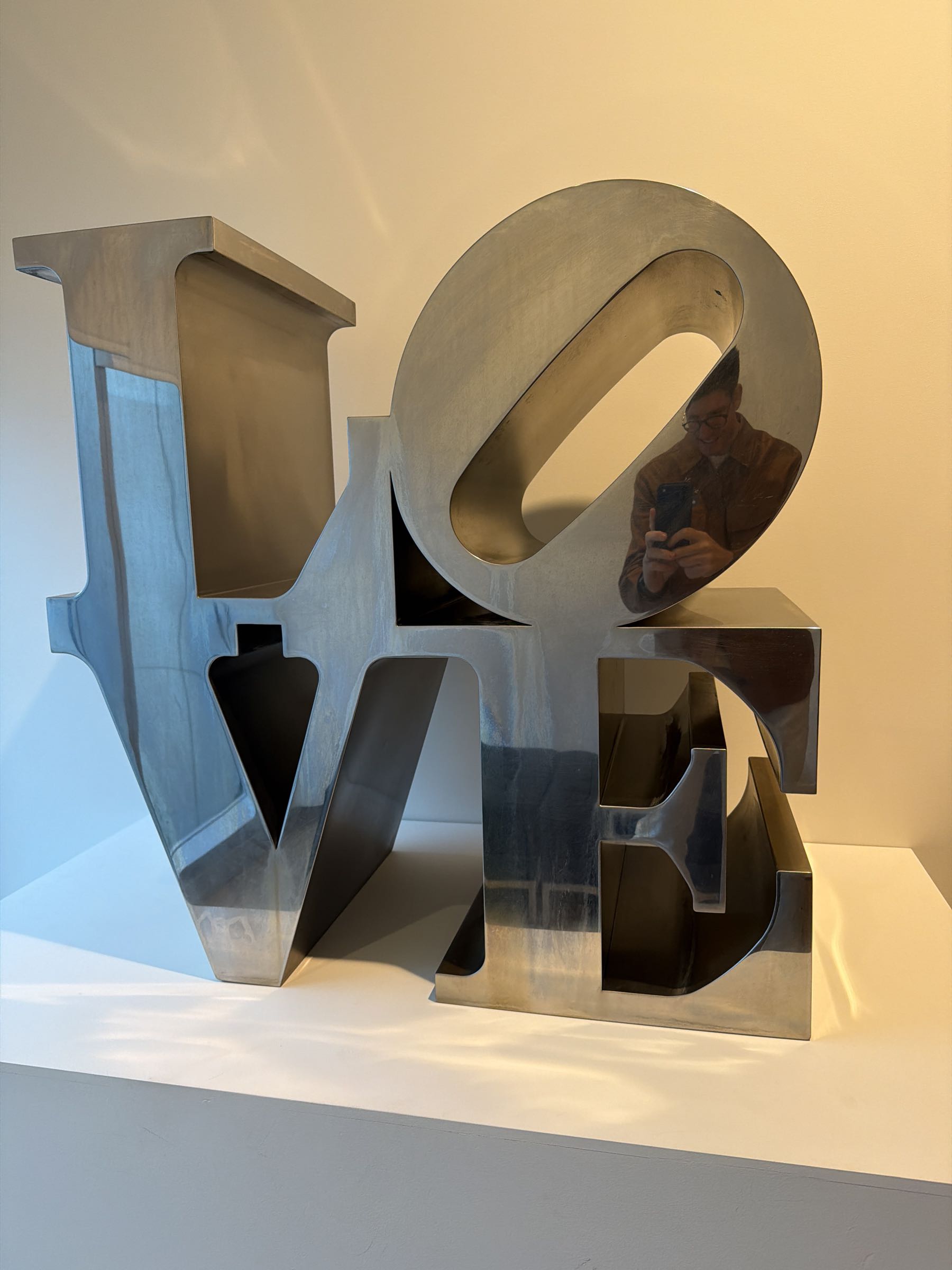
Created by American pop artist Robert Indiana, *Ahava* is a large-scale sculpture crafted from weathered Corten steel, its rust-colored surface lending the work a raw, industrial warmth. The piece presents the Hebrew word for "love" in Indiana's signature bold, interlocking letterform composition, mirroring his iconic English-language *LOVE* sculptures. The work reflects Indiana's enduring exploration of language, symbol, and universal human emotion through monumental public art.
- Medium
- corten steel
- Dimensions
- Spotted At
- Auction House · Christie's
Notes
LITERATURE S. Salama-Caro, The Robert Indiana Catalogue Raisonné, digital, en cours, No. E-1977-1 (un autre exemplaire illustré). EXHIBITED Zurich, Galerie Gmurzynska, Robert Indiana: A Retrospective, novembre 2007-janvier 2008 (un autre exemplaire exposé). Conditions of sale Brought to you by Elisabetta Vitullo Junior Specialist, Head of Day Sale EVITULLO@CHRISTIES.COM +33 (0)1 40 76 85 68 LOT ESSAY Skip to main content FRANÇAIS ENGLISH En 1977, Indiana conçut une nouvelle déclinaison de son iconique sculpture LOVE, intitulée AHAVA, substituant au mot anglais le terme hébreu désignant l'amour, tout en conservant la même composition quadripartite caractéristique qu'il avait élaborée au milieu des années 1960. L'œuvre illustre avec éloquence la singularité de sa démarche sculpturale, transposant le mot écrit en deux dimensions en une sculpture monumentale aux arêtes franches et rigoureusement traitées. Indiana réalisa une version en acier Cor-Ten de près de quatre mètres de hauteur et en fit don au Musée d'Israël à Jérusalem. L'œuvre y est mise en valeur de façon saisissante dans le jardin de sculptures dessiné par Isamu Noguchi, où la patine brun rouille de l'acier contraste avec le bleu azur du ciel, instaurant un dialogue puissant entre le terrestre et le céleste, évoquant deux dimensions distinctes de l'amour. AHAVA, œuvre-hommage dédiée à la mémoire de l'évêque James A. Pike, met en lumière l’importance de la dimension spirituelle de l’amour dans l’œuvre d’Indiana. Pike, disparu dans le désert israélien, et auprès de qui Indiana a travaillé à la Cathédrale Saint-Jean-le-Divin à New York, a joué un rôle déterminant dans l’engagement de l’artiste et dans son approche du thème de l’amour. Dans AHAVA, la superposition des lettres selon une disposition en deux par deux, séparées par une ligne verticale plutôt qu’horizontale, souligne le lien entre divinité et amour. In 1977 Indiana conceived a new version of his iconic LOVE sculpture, AHAVA, using the Hebrew word for “love” in the same distinctive quadripartite composition that he had developed in the mid-1960s. The work embodies Indiana’s unique approach to sculptural form, translating the two-dimensional written word into a monumental sculpture with precisely rendered hard edges. Indiana created a 12-foot high Cor-Ten steel version of AHAVA as a gift for the Israel Museum in Jerusalem. There it is dramatically displayed in the museum’s Isamu Noguchi-designed sculpture garden, the brown rust of the steel against the blue sky creating a marked contrast between the earthly and heavenly, symbolizing two different aspects of love. AHAVA, a memorial tribute to Bishop James A. Pike, exemplifies the importance of the spiritual aspect of love to Indiana. Pike, who died in the Israeli desert and for whom Indiana worked at the Cathedral of St. John the Divine in New York, had much to do with the artist’s involvement and treatment of the subject of love. In AHAVA the effect of stacking the characters in a two by two arrangement, separating them with a vertical rather than horizontal line, points to the connection between divinity and love. READ MORE OF THE LOT ESSAY
🔨 Auction Lot
Art Contemporain
Lot 222
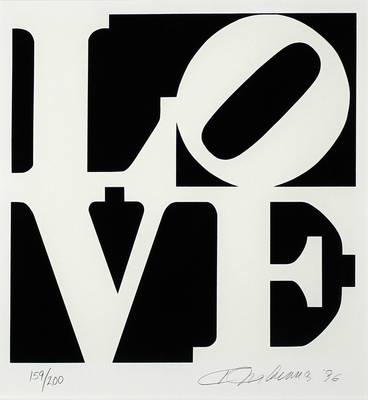
Collectors of Robert Indiana

Also spotted by

Artists in conversation

Lawrence Weiner
American · b. 1942
Weiner built his entire practice around bold typographic language as sculpture and public installation, treating words as physical objects with monumental presence, directly paralleling Indiana's use of letterforms as the primary visual and conceptual substance of Ahava.
Ed Ruscha
American · b. 1937
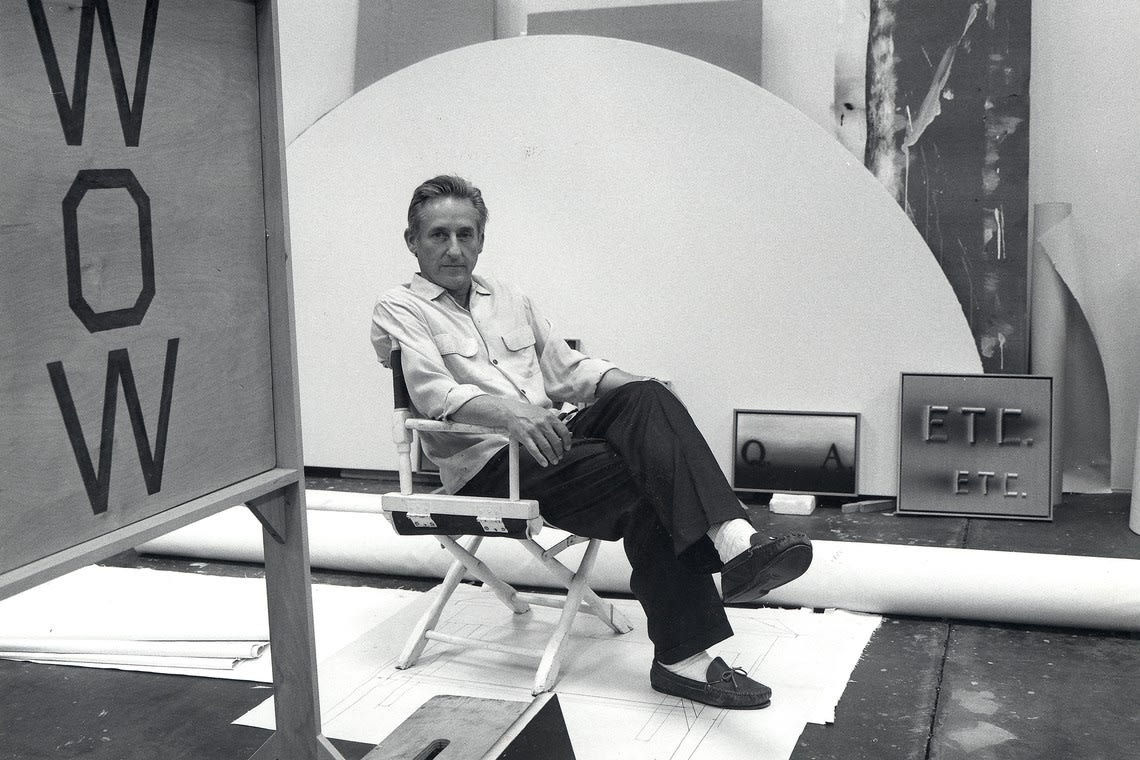
Ruscha similarly elevates words and language into iconic Pop Art imagery with bold graphic weight and emotional resonance, sharing Indiana's commitment to transforming everyday text into powerful statements about American culture and human experience.

Jaume Plensa
Spanish · b. 1955
Plensa creates large scale outdoor sculptures using interlocking letters and words in industrial materials, exploring how language and symbol can embody universal human emotions in monumental public form, making his practice the closest contemporary parallel to Ahava specifically.
Start the Discussion
Request access to join the discussion