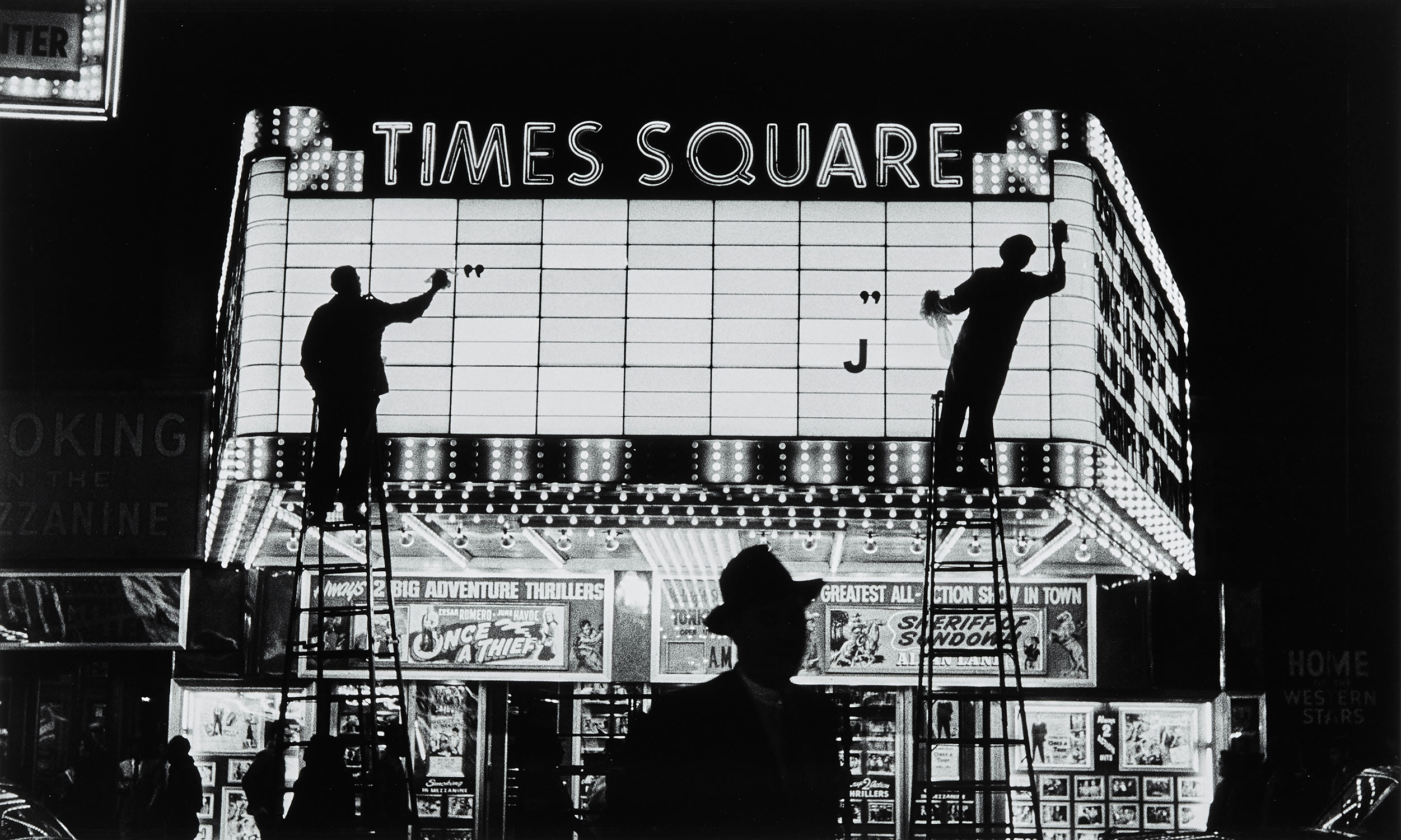
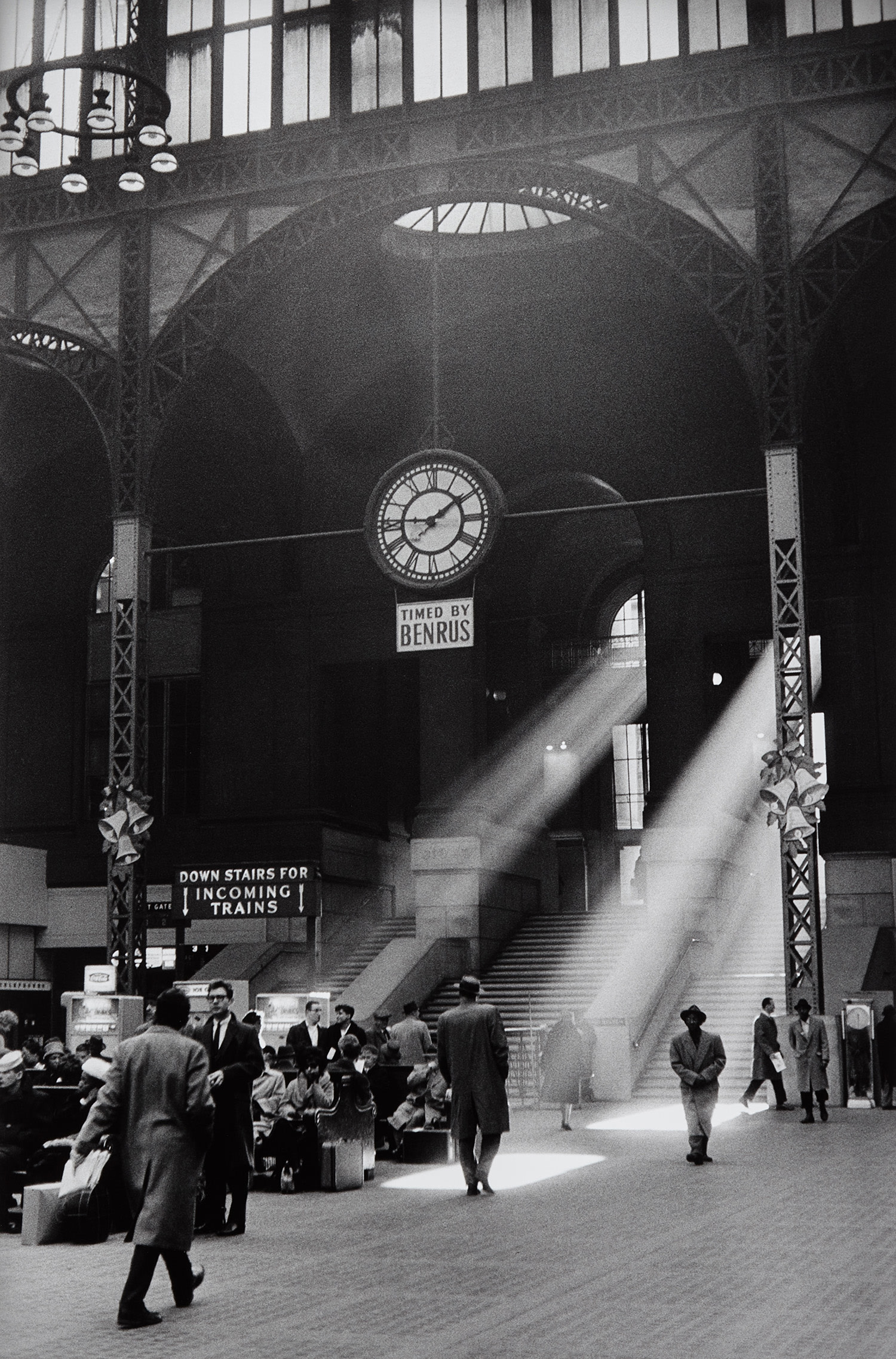
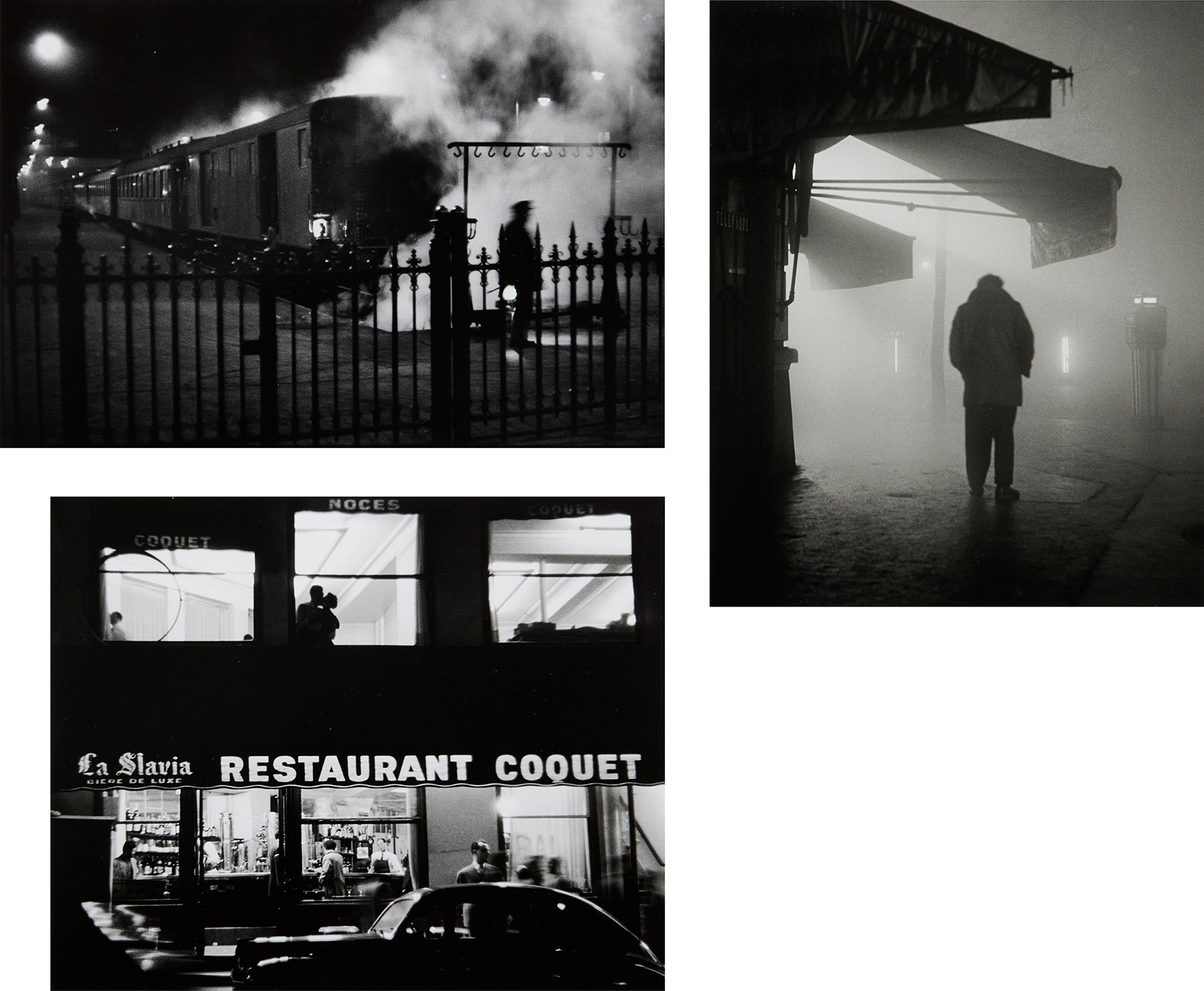
In the final years of her long and luminous life, Sabine Weiss was still printing in her darkroom in Paris. Well into her nineties, she remained devoted to the gelatin silver process, to the smell of chemicals and the patience required to coax an image into existence by hand. When she passed away in December 2021 at the age of ninety seven, the photography world lost not only a singular artist but a living thread connecting contemporary practice to the golden age of French humanist photography. The retrospective attention that followed her death, including renewed institutional interest across Europe and North America, has confirmed what her closest admirers always knew: Weiss was not a footnote to a movement but one of its most vital and enduring voices. Sabine Weber was born in 1924 in Saint Gingolph, a small village on the Swiss shore of Lake Geneva. She grew up in a region of extraordinary natural beauty, and it is tempting to see in her later photography a similar instinct for the poetic within the ordinary, a habit of finding grace in landscapes both human and geographic. She began her formal training in Geneva under the Swiss photographer Émile Schneider, and it was there that she developed her early technical discipline and her intuition for the decisive instant. In 1946 she moved to Paris, a city rebuilding itself after the devastation of the Second World War, and found work as an assistant to the portrait photographer Willy Maywald. The timing was perfect. Paris in the late 1940s was alive with creative ambition, and Weiss was exactly where she needed to be. In 1950 she married the American painter Hugh Weiss, and the couple settled permanently in Paris, making it the base from which she would range across Europe, the United States, and beyond for the rest of her career. That same year she joined the Rapho photo agency, the legendary Paris house that also represented Willy Ronis, Édouard Boubat, and Robert Doisneau. In that company, Weiss found her peers and her context. The humanist photographers of postwar France shared a commitment to portraying ordinary life with dignity, warmth, and formal intelligence. They were not interested in spectacle or shock. They believed that the street, the café, the schoolyard, and the riverbank contained all the drama and tenderness worth recording. Weiss embodied that belief with particular grace. Her editorial career was prolific and international. She contributed to Vogue, Life, Paris Match, and Time, and her commercial work for clients including Harper's Bazaar brought her photographs to millions of readers who may never have known her name. But it is her personal work, made alongside and beneath the commissions, that has secured her place in the canon. Her images of children playing in the streets of Paris, of elderly men at rest, of workers and wanderers caught in unrepeatable moments of light and gesture, carry a quality of attentiveness that feels almost ethical. She photographed people as though their lives mattered enormously, because to her they did. The camera, in her hands, was an instrument of respect. Among the works that most reward close attention are her American photographs, made during visits to New York in the 1950s. Times Square, New York and Penn Station, New York, both available as gelatin silver prints, demonstrate the range and confidence of her vision when transplanted to a very different urban environment. Where Paris offered Weiss the familiar and the intimate, New York gave her scale, energy, and a kind of magnificent strangeness. Her Times Square captures the midcentury city at full pitch, its crowds and signage rendered in a tonal language that feels both documentary and lyrical. Penn Station, made before the original building was demolished in 1963, preserves a vanished architectural wonder seen through the eyes of a visitor who understood that such things do not last. These are photographs that carry history within them without ever announcing that intention. For collectors, Weiss occupies a particularly compelling position in the market for twentieth century photography. Her prints have been handled by major institutions including the Bibliothèque nationale de France, which holds a significant body of her work, and her photographs have appeared at auction through Sotheby's and Christie's, where they attract serious bidders who recognize the combination of art historical importance and relative accessibility compared to some of her better marketed contemporaries. The gelatin silver print, whether vintage or printed later under the artist's supervision, is the form in which her work is best understood and most widely collected. Prints from her American series and her Paris street work represent especially strong entry points, combining iconic imagery with documented provenance. As institutional retrospectives continue to bring her name to new audiences, the collecting case for Weiss grows more compelling with each passing season. To understand Weiss fully, it helps to place her alongside the artists with whom she shared both a moment and a sensibility. Willy Ronis, who photographed working class Paris with similar tenderness, and Édouard Boubat, whose portraits carry a comparable sense of intimate attentiveness, are her closest artistic relatives. Henri Cartier Bresson, the presiding genius of the decisive moment, was a contemporary whose influence touched the entire generation, though Weiss brought to the tradition something distinctly her own: a warmth that never slid into sentimentality, a formal precision that never became cold. She was, in the best sense, a photographer's photographer, admired by peers and successors alike for the consistency and humanity of her vision. What makes Weiss matter so urgently today is precisely what made her unfashionable to certain critical tastes during the decades when conceptual and postmodern photography dominated the conversation. She believed in beauty. She believed in people. She believed that the purpose of photography was to pay attention, and that paying attention was itself a moral act. In a cultural moment increasingly marked by noise and velocity, her images offer something rare: the feeling of being seen, slowly and with care. Museums, collectors, and scholars returning to her archive now are finding not nostalgia but a living practice, one that speaks directly to questions about empathy, community, and what we choose to preserve. Sabine Weiss spent nearly a century looking at the world with generosity and exactitude. The world is still catching up to what she found.