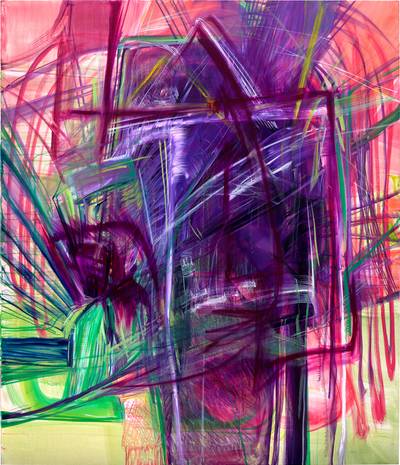
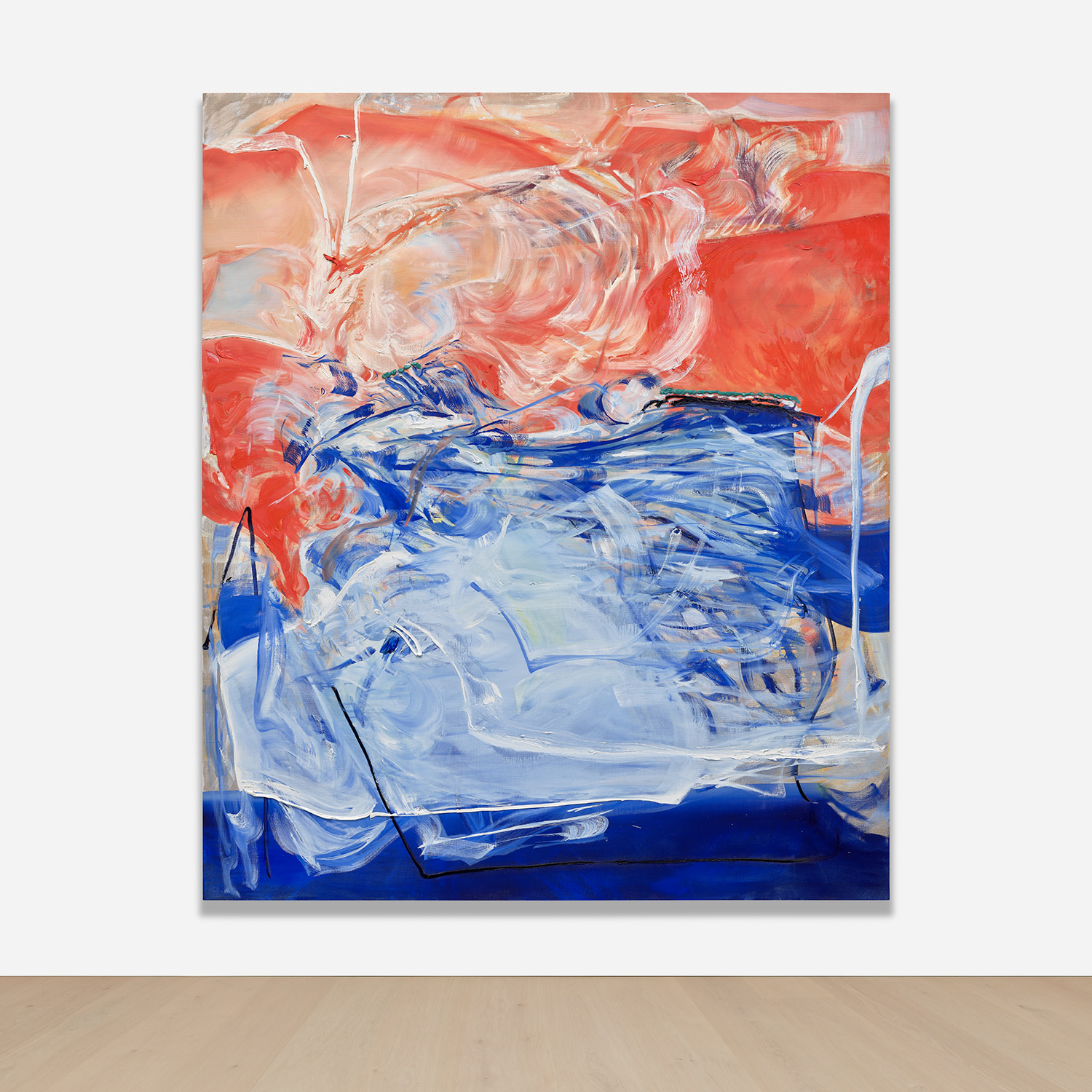
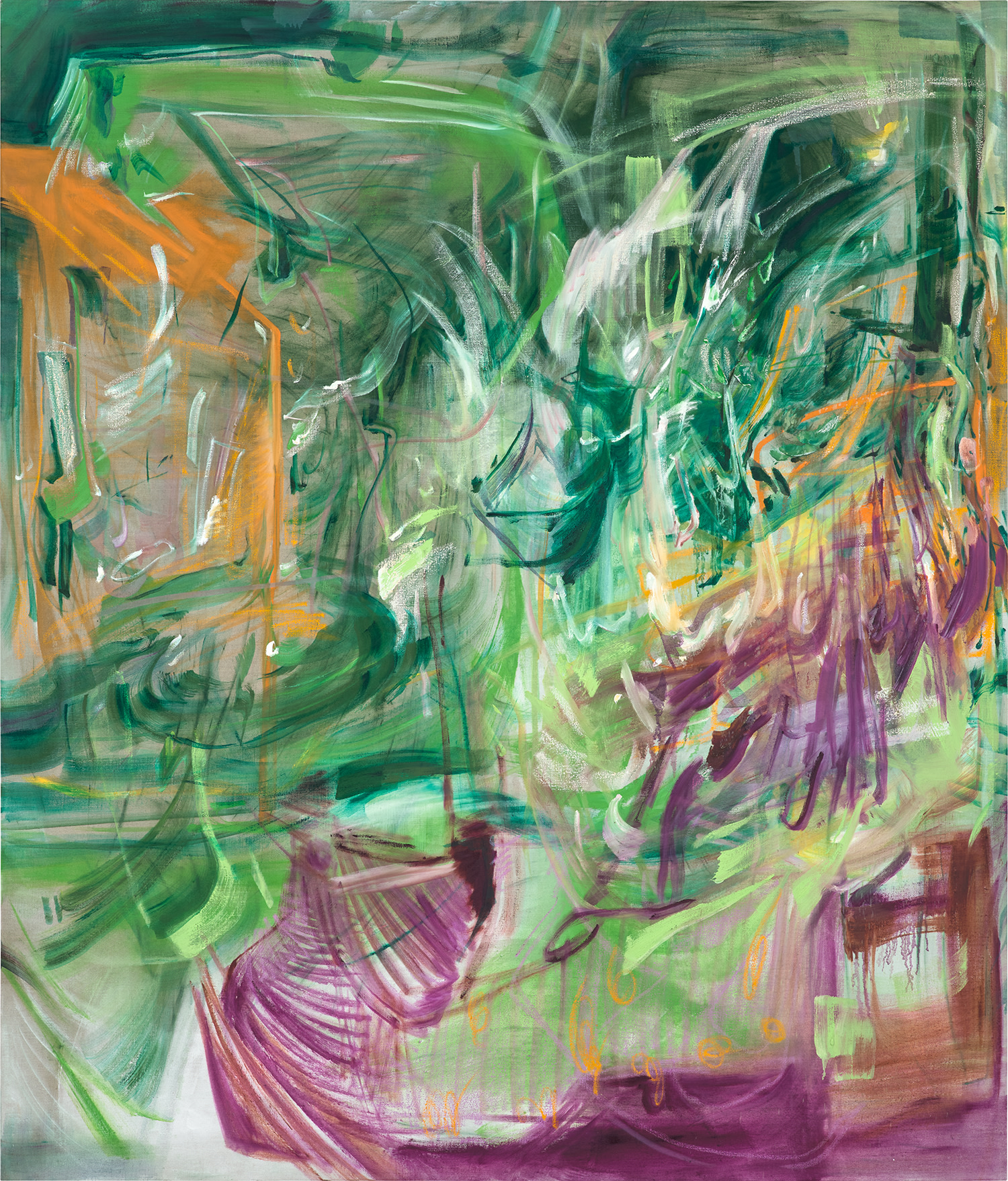
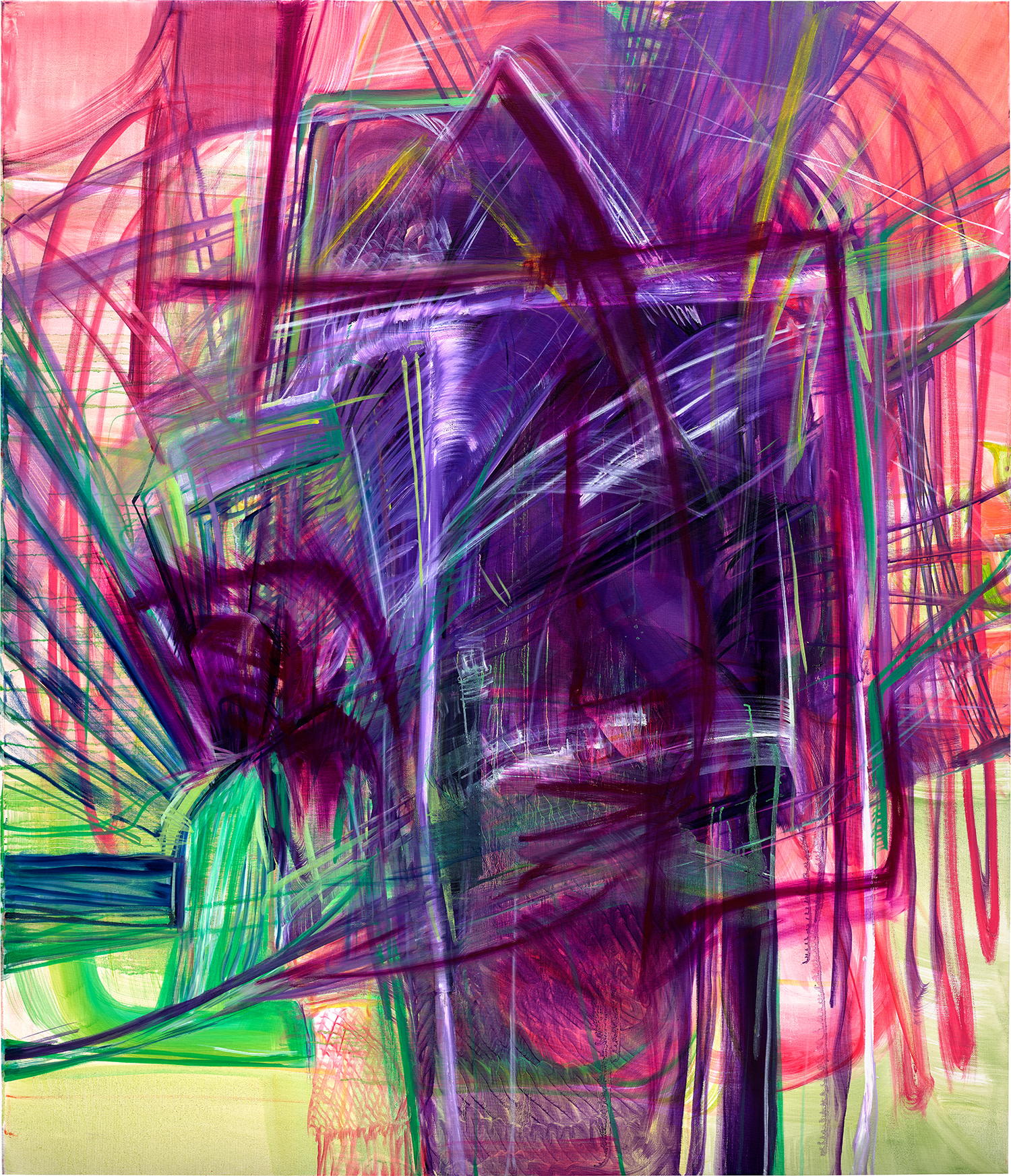
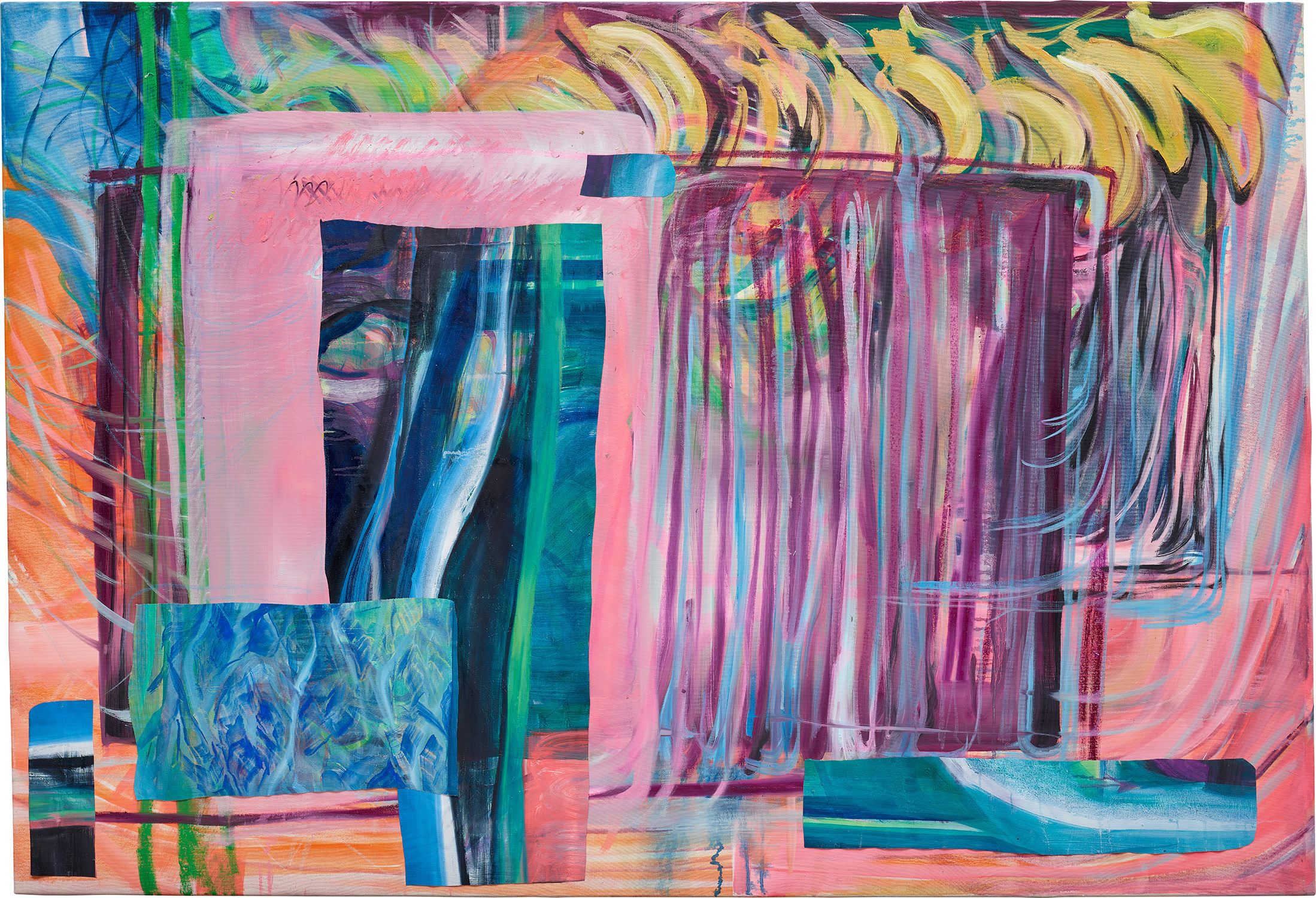
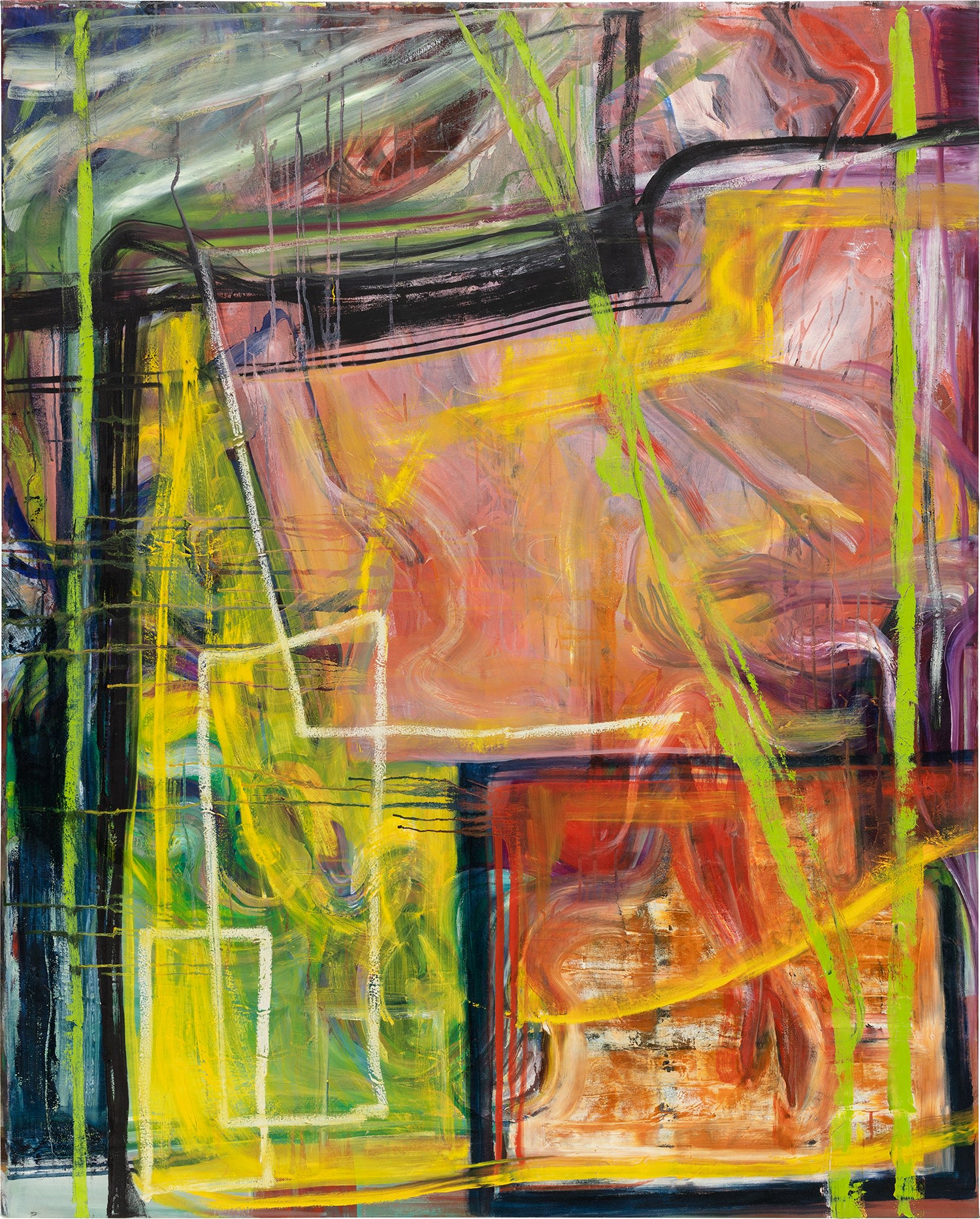
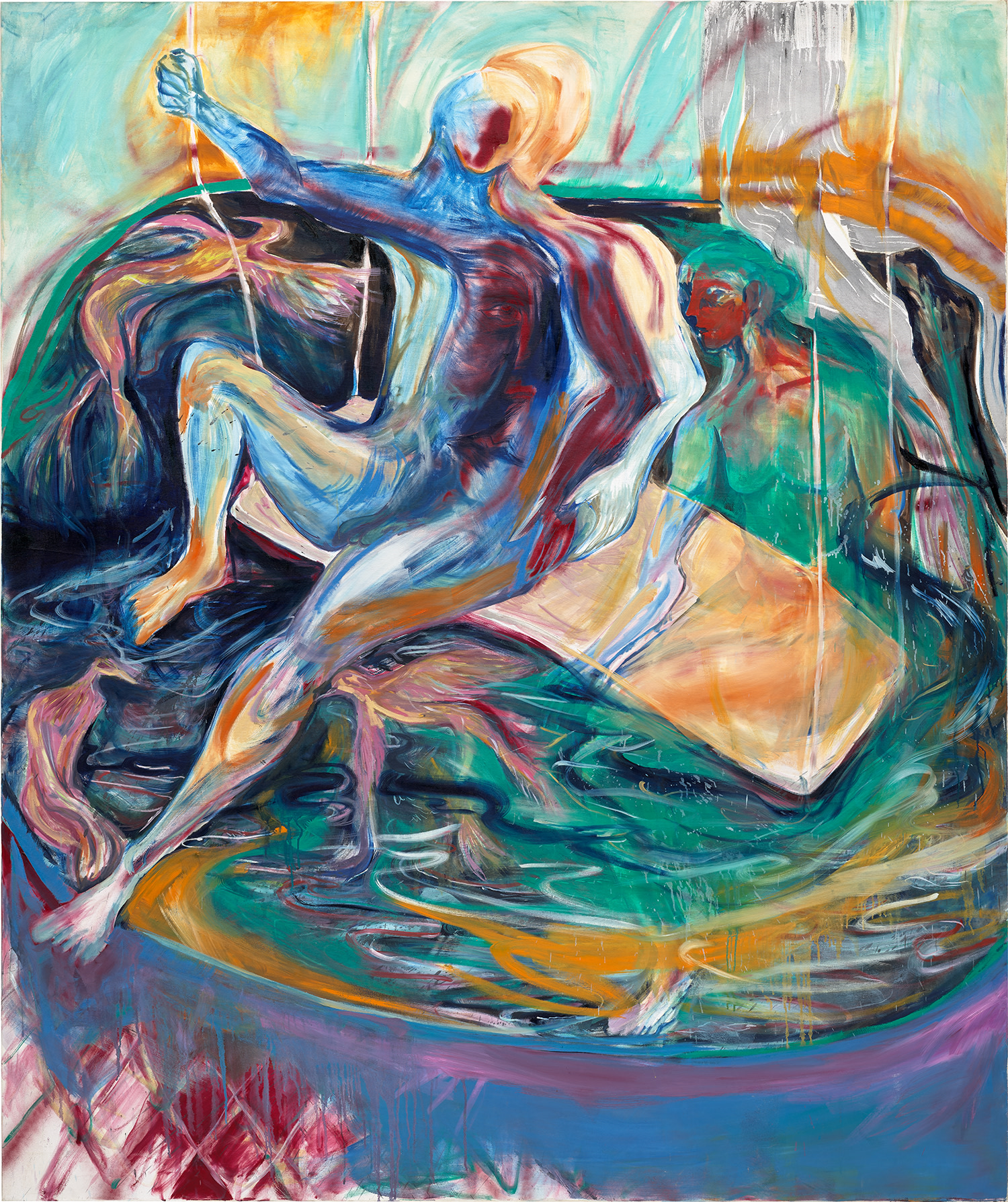
There is a particular kind of painter who makes you feel that the world is more interesting than you had previously given it credit for. Kristy M Chan is that kind of painter. Working primarily in oil on canvas and linen, the Sydney based artist has spent the better part of the last decade building a body of work that refuses easy categorisation, pulling together the domestic and the absurd, the tender and the gently ridiculous, into paintings that feel like they arrived from a place of genuine curiosity about what it means to be alive in a body, in a home, in a city, on a Tuesday afternoon. Her work has attracted growing attention across the Australian contemporary art scene, and the sense among collectors and curators who follow her practice closely is that something significant is taking shape. Chan's formation as an artist was shaped by the layered cultural terrain of Sydney, a city where migrant histories, suburban ordinariness, and a restless visual culture collide in productive and sometimes strange ways. The textures of everyday Chinese Australian domestic life run quietly through her paintings, not as explicit autobiography but as a kind of ambient knowledge, a feeling of rooms and tables and food and light that is entirely her own. She studied at art school in Sydney, and it is clear from even a cursory look at her practice that she absorbed both the rigour of formal painting traditions and an equal willingness to discard them when something more urgent presented itself. What defines Chan's development as a painter is her instinct for material experimentation. She does not treat oil paint as a singular or stable medium. Across her works she layers oil bar, pigment, spray paint, and collaged canvas, building surfaces that are simultaneously lush and provisional, as if the painting is still deciding what it wants to be. This willingness to leave decisions visible, to allow the process to remain legible on the surface, gives her work an energy that purely illusionistic painting rarely achieves. She arrived at this approach gradually, and looking at her earlier works alongside more recent canvases, you can trace a painter becoming more confident in her own strangeness. Among the works that best represent Chan's practice is "Chandelier and Dim Sum Buffet" from 2021, painted in oil and oil bar on canvas. The painting brings together two objects that should not belong in the same pictorial space and yet, in Chan's hands, feel entirely inevitable. There is something deeply warm about it, a generosity toward the pleasures of eating and gathering and the slightly absurd grandeur that chandeliers imply, hovering over food that is meant to be shared and slightly messy. "Weather Going Bananas" from the same year, which combines oil and canvas collage on canvas, pushes her formal adventurousness further, the collage element introducing a rupture in the picture plane that feels both playful and structurally considered. These two works together represent a particular peak of her early 2020s output, when her confidence in subject matter and material language seemed to arrive simultaneously. "Tailbone Picante" from 2023, painted in oil on linen, marks a notable shift in surface quality. Linen brings a different absorbency and texture than canvas, and Chan uses it to achieve a dryness and warmth that suits the painting's title perfectly, a word that manages to be anatomical and spicy at once. "Finding a Park to Nap in" from 2022, in oil, pigment, and oil bar on linen, is one of her most quietly affecting works. The desire to find a park and simply sleep in it is so specific and so universal that the painting operates almost like a prose poem, a small monument to the kind of longing that city life routinely produces and routinely denies. "Framing Devices" from 2020 and "The Bathtub I've Always Wanted No. 15" from 2019, the latter with its addition of spray paint, round out a picture of an artist whose range of references and materials is always in service of something emotionally precise. For collectors, Chan's work represents a compelling opportunity at a moment when the Australian painting scene is receiving serious international attention. Her prices remain accessible relative to the quality and ambition of the work, and the trajectory of her practice suggests that the gap between critical recognition and market recognition will not remain wide for long. What serious collectors will notice immediately is the care with which she handles scale and surface. Her canvases reward prolonged looking. Details that seem casual on first encounter turn out to be deliberate, and the overall mood of a Chan painting tends to deepen rather than diminish with familiarity. These are works that age well on a wall. In terms of art historical context, Chan sits within a loose lineage of painters who treat domestic and everyday subject matter with the kind of formal seriousness usually reserved for history painting or portraiture. One might think of the domestic surrealism of Paula Rego, the material inventiveness of Jennifer Bartlett, or the warm strangeness found in certain works by Cecily Brown, though Chan's sensibility is distinctly her own and distinctly rooted in her particular time and place. Within the Australian context, she is part of a generation of painters, alongside artists like Laura Jones and Claudia Nicholson, who are redefining what figurative and semi figurative painting can do when it is freed from the obligation to be either strictly representational or purely abstract. What makes Kristy M Chan matter right now is precisely her refusal to be tidy. In a moment when so much painting feels produced to a formula, her work has the slightly unruly quality of genuine investigation. She is asking real questions about what belongs in a painting and what a painting is for, and she is answering those questions with intelligence, humour, and a material sensitivity that is rare at any career stage. To own a Chan is to live with a painting that continues to think, and that is among the finest things that can be said about any work of art.