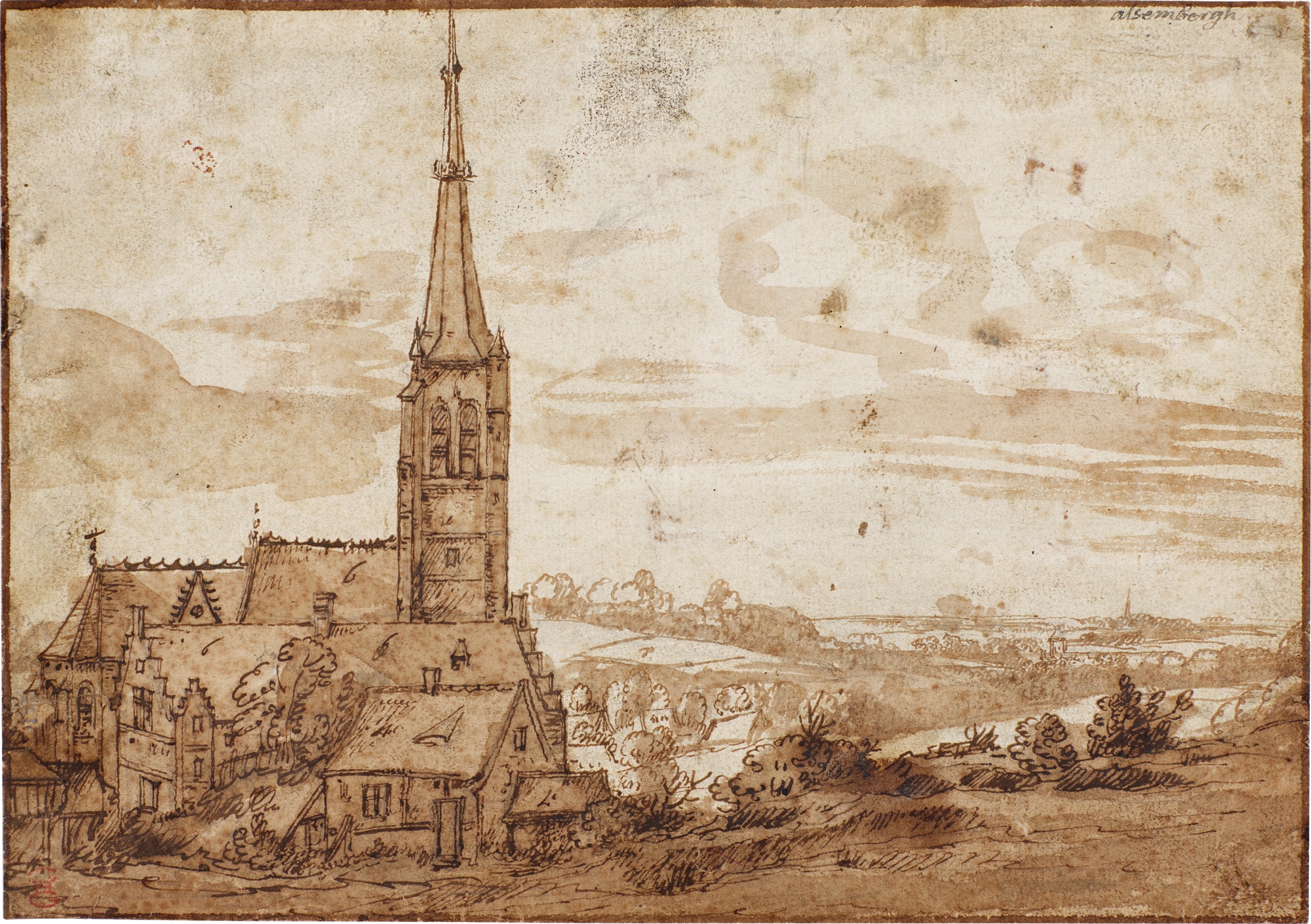
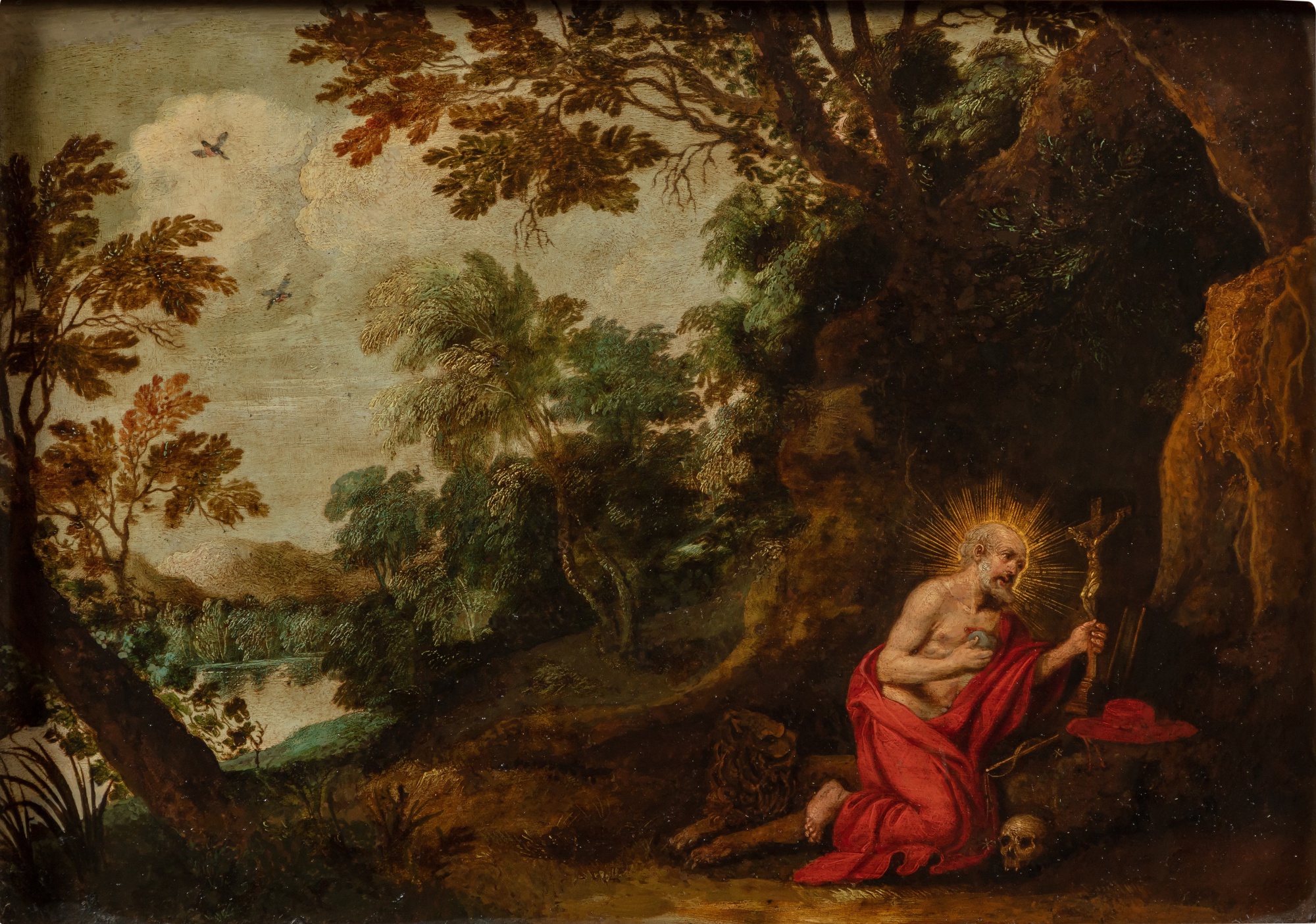
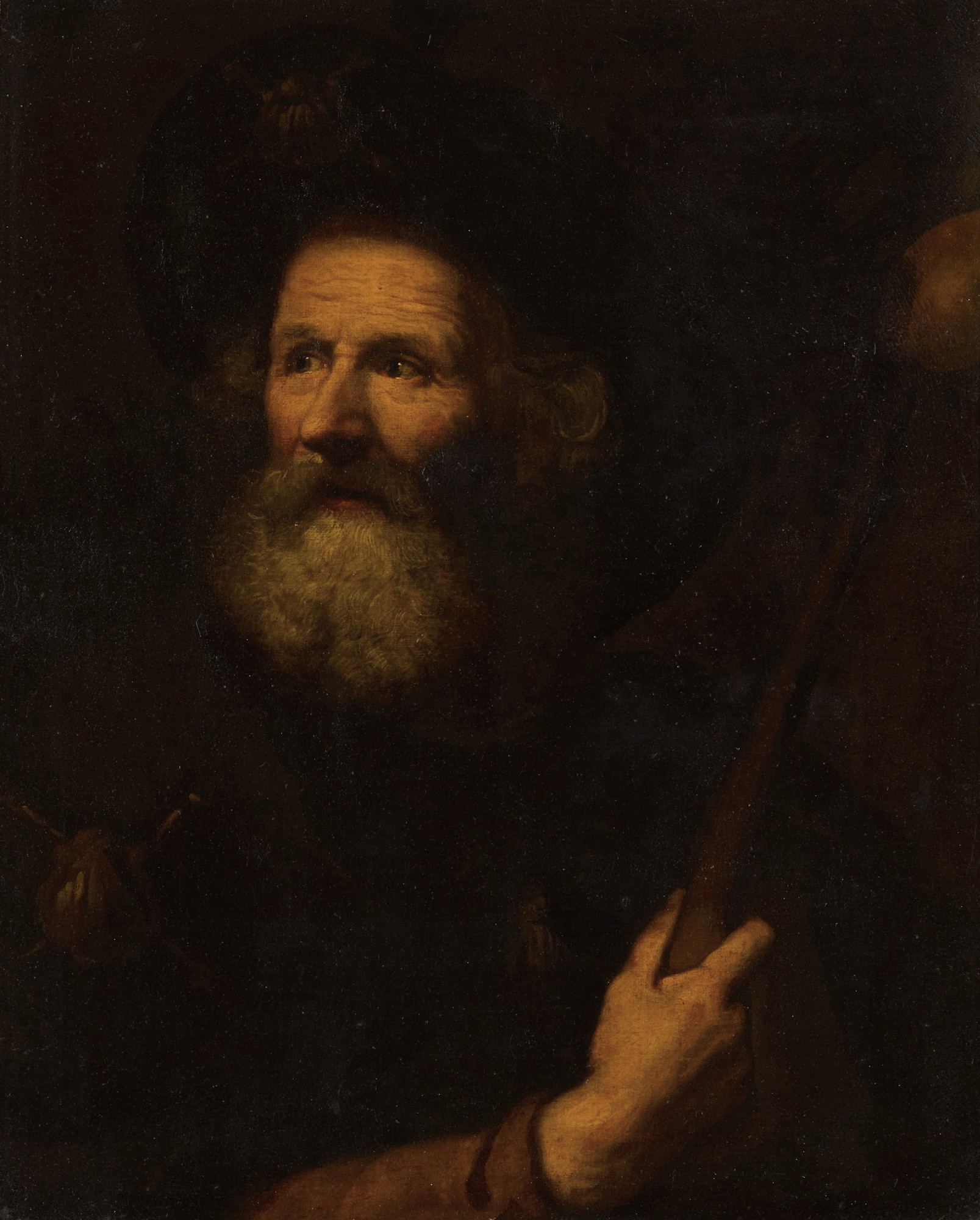
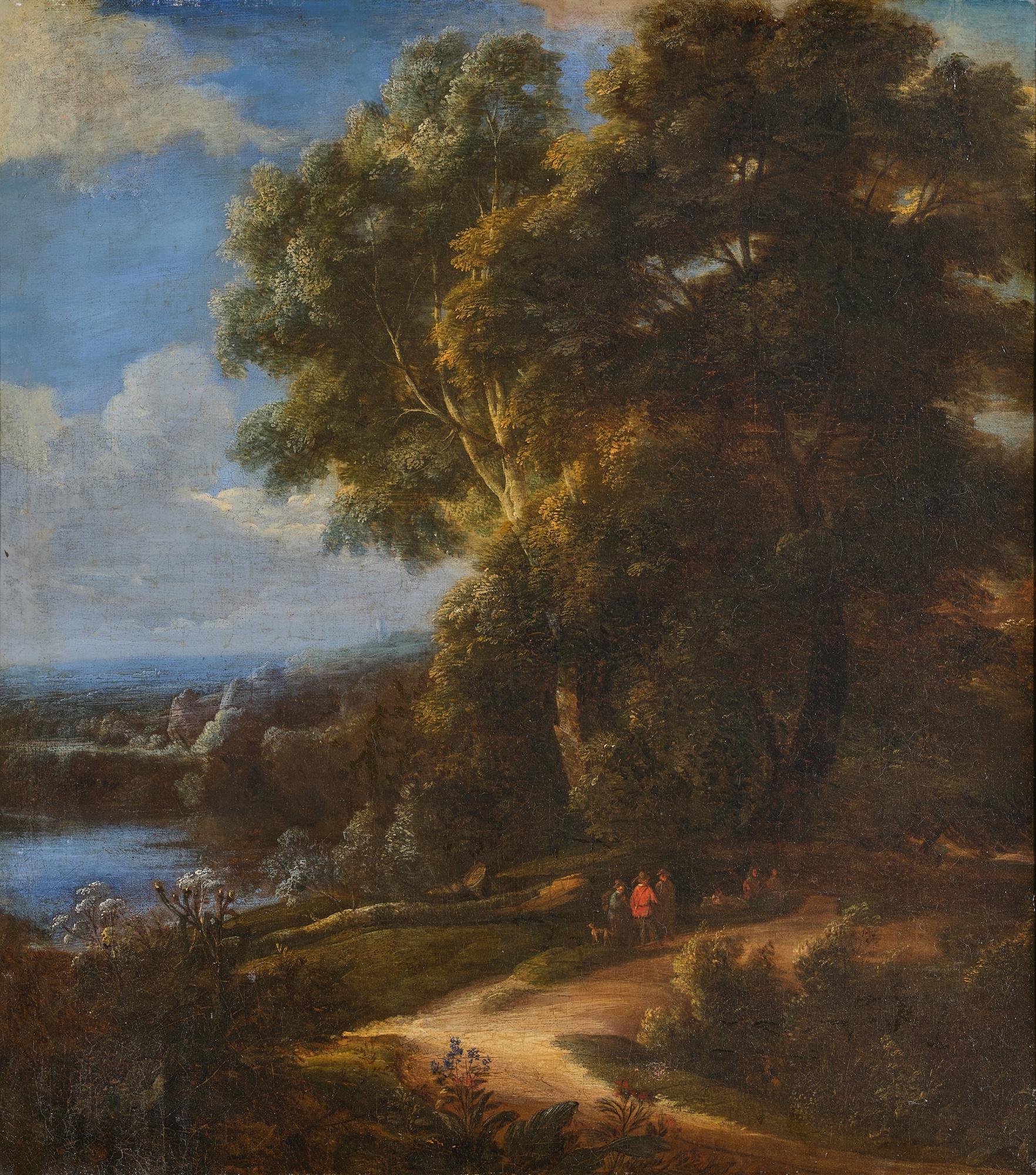
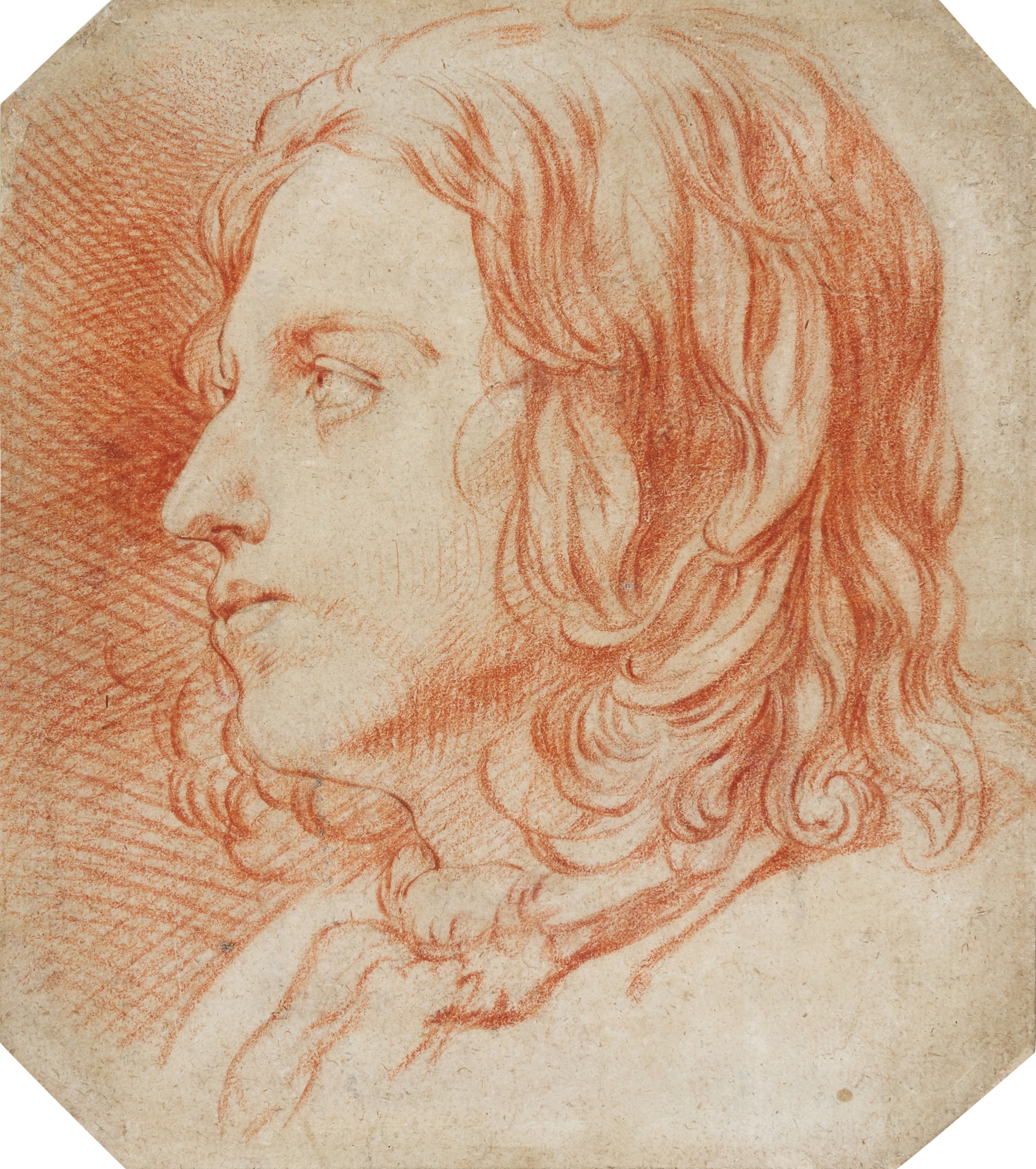
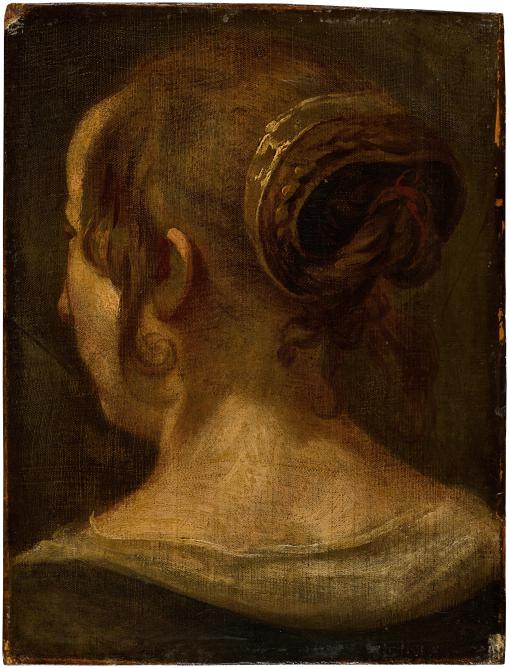
In the grand galleries of the Kunsthistorisches Museum in Vienna and the Royal Museums of Fine Arts of Belgium in Brussels, visitors still stop and catch their breath before paintings produced in the Southern Netherlands more than four centuries ago. The Flemish School of the seventeenth century continues to command that kind of involuntary reverence, a pause of genuine wonder before canvases and copper panels that seem almost supernaturally alive. Recent years have seen renewed scholarly and market attention directed toward works from this tradition, with auction houses in London and New York consistently reporting strong results for attributed and school pieces alike, as collectors and institutions rediscover the extraordinary range and ambition that defined this remarkable moment in Western art. To understand the Flemish School, one must first understand the world that produced it. The Southern Netherlands in the early seventeenth century, the territory corresponding broadly to present day Belgium, was a place of immense commercial energy and intense religious devotion. Antwerp had long been one of the great trading cities of Europe, a cosmopolitan hub where merchants, theologians, and artists mingled freely. The Counter Reformation, championed with particular fervor in the Spanish controlled south, created an almost insatiable demand for religious imagery in churches, convents, and private chapels. At the same time, a prosperous merchant class hungered for portraits, landscapes, and still lifes that could dignify their homes and signal their cultivated taste. This confluence of patronage streams gave Flemish painters of the period an unusually fertile field in which to work. No name looms larger over this tradition than Peter Paul Rubens, whose studio in Antwerp became the most influential artistic enterprise in Northern Europe during the first decades of the seventeenth century. Rubens had traveled extensively in Italy, absorbing the lessons of Titian, Caravaggio, and the Carracci, and he returned to Antwerp with a vision of painting as a grand, sensuous, and intellectually demanding art. His influence radiated outward to shape virtually every painter working in the region, from his brilliant collaborators Anthony van Dyck and Frans Snyders to the many talented artists who studied under him or worked in proximity to his example. The school that emerged was not a single workshop but a living tradition of shared values: a commitment to luminous color, dynamic composition, and an almost tactile sense of physical presence. The works associated with the Flemish School span a remarkable range of genres, and this versatility is one of the qualities that continues to fascinate collectors. Religious compositions brought together theological complexity and emotional immediacy in ways that remain deeply moving today. The image of Saint Jerome, that restless scholar and penitent, appears repeatedly in Flemish output, typically rendered with an intensity of psychological inwardness that reflects the period's preoccupation with faith, suffering, and redemption. Works executed on copper, a support favored for its ability to hold fine detail and produce jewel like color saturation, represent some of the most technically accomplished production of the era. A Saint Jerome in oil on copper is a small object that rewards sustained looking, its surfaces accumulating meaning the longer one spends in front of it. Landscape, too, became a vehicle for some of the most poetically charged work to emerge from the Flemish tradition. The rolling countryside around Antwerp, the forests and winding paths and distant village spires of the Brabant region, provided subjects for compositions of genuine lyrical beauty. A pen and brown ink drawing capturing a view of the village of Alsemberg, for instance, speaks to the Flemish appetite for careful, loving observation of the actual world. These works on paper, executed with pen and wash over chalk, reveal an artist in direct conversation with the landscape before them, making rapid decisions about light and shadow, about which details matter and which can be simplified. Drawings of this kind offer collectors something irreplaceable: access to the working mind of an artist before the polished surface of the finished painting obscures the process of thinking. Portraiture within the Flemish School achieved a distinctive psychological directness. The tradition of depicting saints, apostles, and biblical figures as if they were real and present individuals gave Flemish painters a facility with the human face and form that translated naturally into secular portraiture. A half length figure of Saint James, rendered in oil on canvas, demonstrates how comfortably the boundary between devotional image and portrait could dissolve in this context. The sitter, though a saint, is painted with the specificity of a living person: the set of the jaw, the particular quality of the gaze, the way fabric catches light across a shoulder. Studies of heads and figures, drawn in red chalk on grey paper or worked up in oil on canvas laid down on panel, bring collectors into intimate contact with the observational discipline that underpinned all of this achievement. For collectors approaching the Flemish School today, the landscape of opportunity is genuinely exciting. Works attributed to the school rather than to specific named masters offer an accessible point of entry into one of the most historically significant traditions in Western painting. The technical quality of even secondary or workshop pieces is typically high, reflecting the rigorous training systems and guild structures that governed artistic production in Antwerp and the surrounding cities. When evaluating a work, knowledgeable advisors recommend close attention to condition, to the specificity and quality of the drawing underlying the paint surface, and to provenance. Works with clear collecting histories stretching back through European private collections carry particular appeal. Related artists worth knowing in depth include Jacob Jordaens, who brought a distinctive earthiness and vitality to Flemish subject matter, Jan Brueghel the Elder, whose exquisite small scale cabinet paintings set standards of refinement that still astonish, and David Teniers the Younger, whose genre scenes of peasant life capture a whole social world with warmth and wit. The enduring relevance of the Flemish School rests on something beyond historical importance or technical accomplishment, though it possesses both in abundance. These paintings and drawings were made by people who believed profoundly in the power of images to move, to console, to elevate, and to instruct. They brought to that belief every technical resource available to them and invented new ones when existing tools proved inadequate. To live with a work from this tradition is to live with evidence of what human attention and skill, sustained over a lifetime of dedicated practice, can achieve. That is a conversation worth continuing, and collectors who bring these works into their homes and collections are participating in one of the longest and richest dialogues in the history of art.