Flemish School
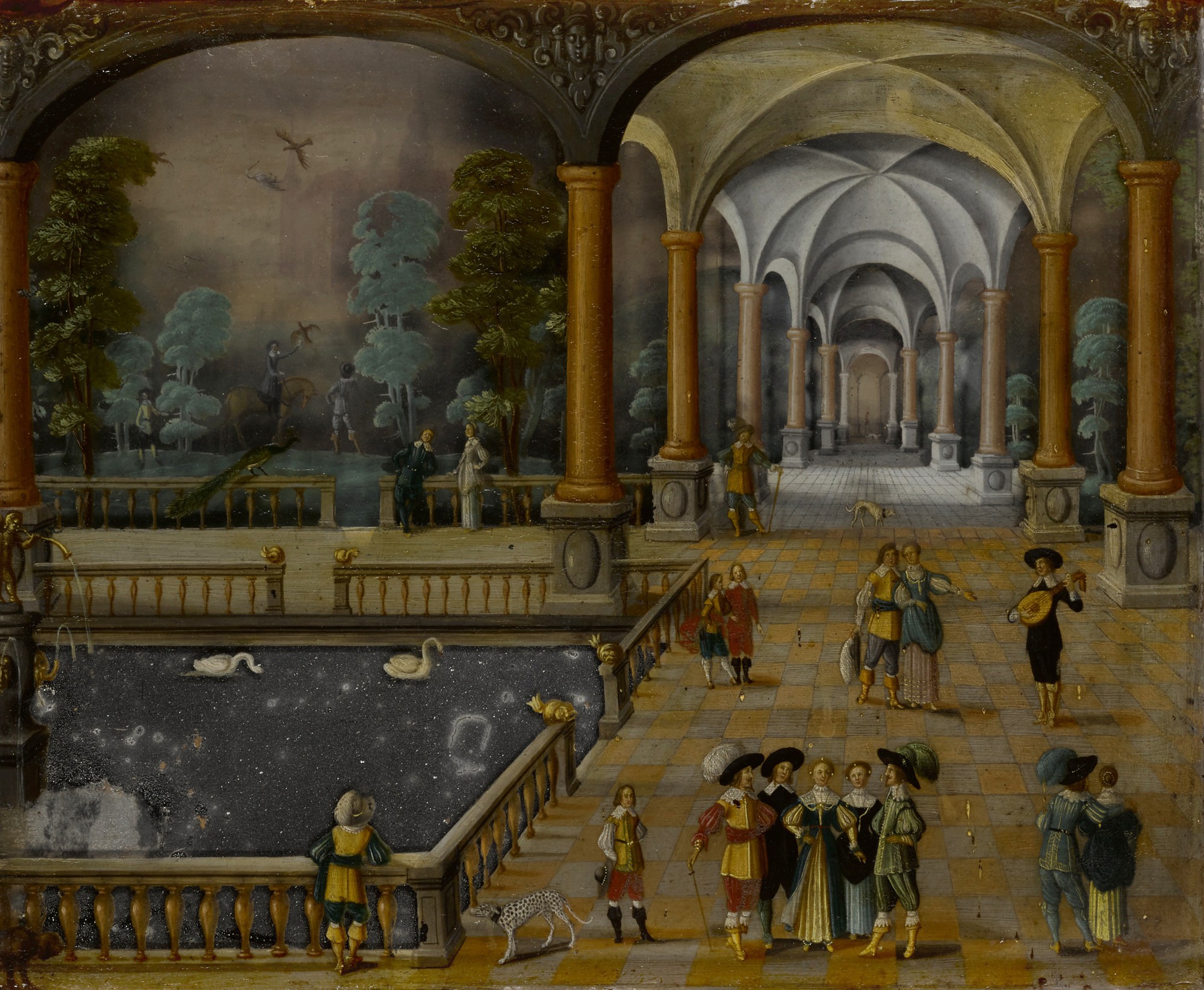
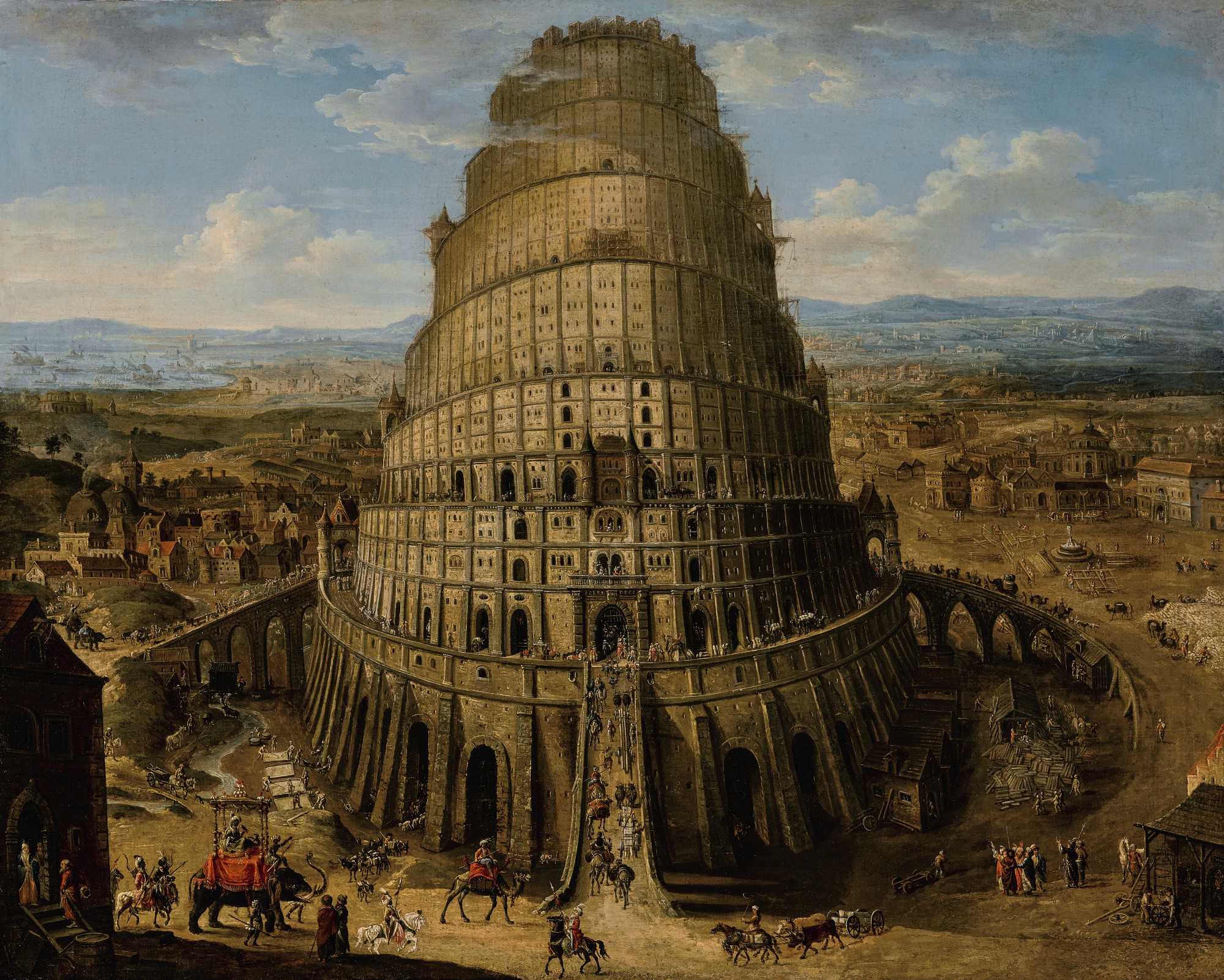
Flemish School, circa 1630-1640
A fantasy palace with elegant company
Artists
The Flemish School: Where Shadows Still Breathe
There is something almost chemical about the pull of Flemish painting. Stand in front of a strong example and you feel it before you understand it: a quality of light that seems to come from within the canvas rather than fall upon it, a sense that the depicted world is more real than the room you are standing in. Collectors who live with these works describe a kind of ongoing conversation with them, the way the surface changes through the day as natural light shifts, the way a face in a portrait seems to hold a thought it never quite releases. This is not nostalgia.
It is a physical encounter with one of the most technically sophisticated painting traditions in Western art. The seventeenth century in Flanders was an extraordinary cultural pressure cooker. Antwerp had been the commercial and artistic capital of northern Europe, and even as its dominance shifted toward Amsterdam, the painters working under the broad umbrella of what we now call the Flemish School continued to produce work of staggering ambition. Guild structures meant rigorous training.
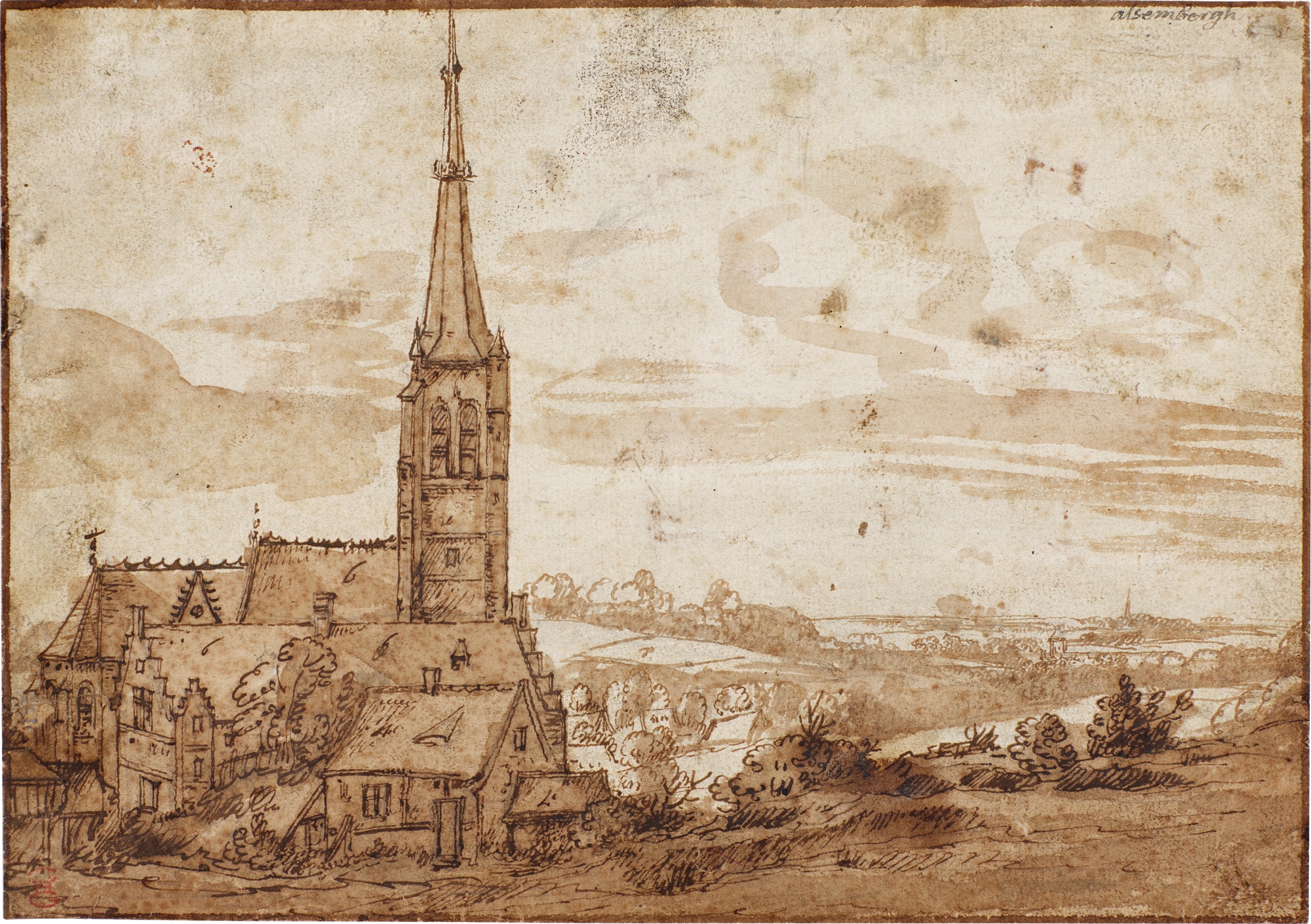
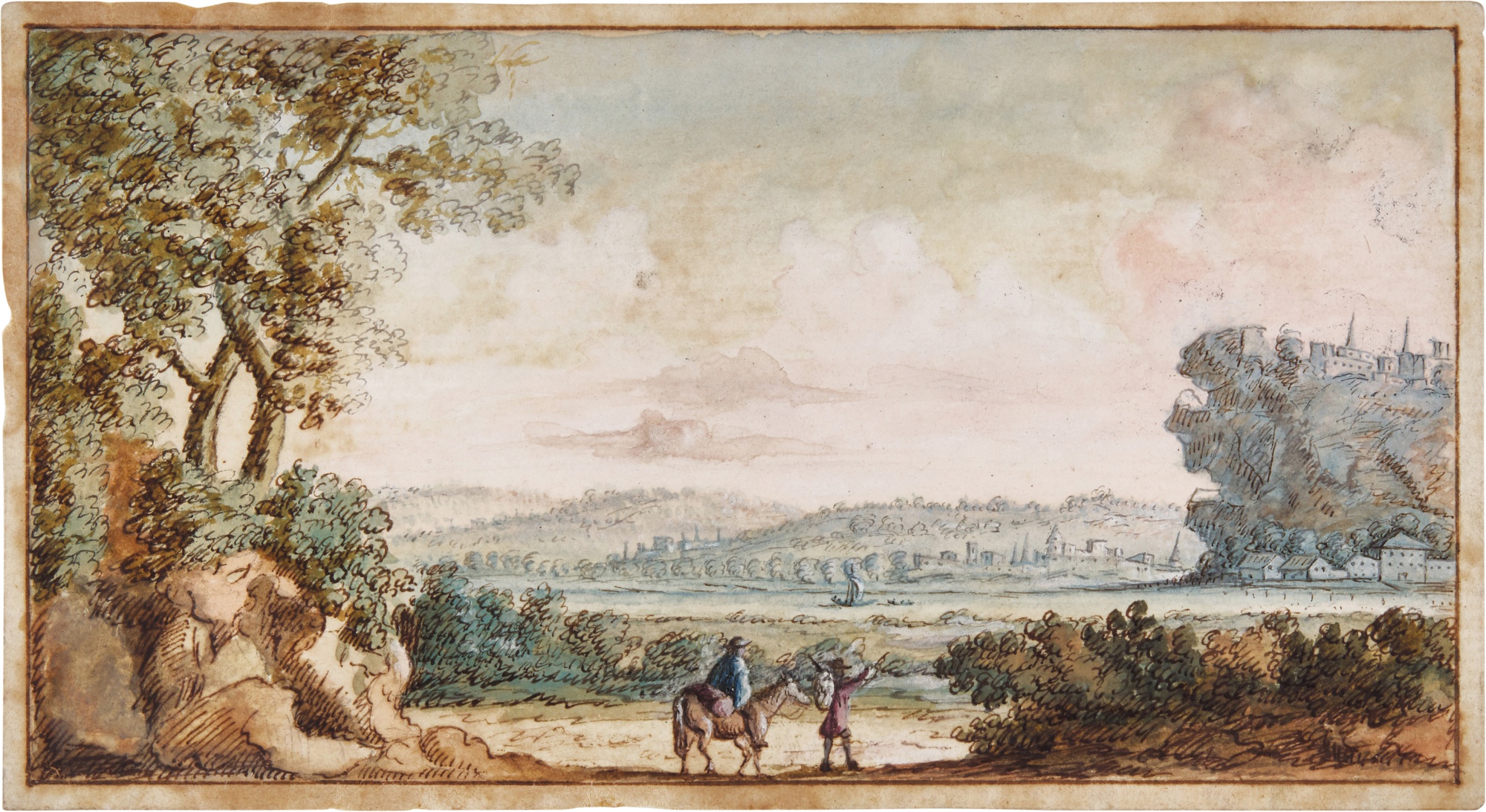
Flemish School, 17th century
View of Alsembergh
The demands of wealthy merchant patrons meant rigorous finish. What emerged was a tradition in which craft was not separate from art but indistinguishable from it. For the collector today, that tradition represents an entry point into something genuinely rare: paintings made to last centuries, and that have. When it comes to separating a good work from a great one, condition is the first conversation and attribution is the second.
A great Flemish panel or canvas will have survived without significant overpainting, a problem that affected enormous numbers of works as they passed through restorers' hands across the eighteenth and nineteenth centuries. Request a full condition report and ask specifically about areas of retouching. Works that have been cleaned with care and left with honest small losses are far preferable to those that have been repainted for cosmetic smoothness. The original paint surface in a Flemish work, with its layered glazes and refined impasto highlights, is precisely what you are paying for.
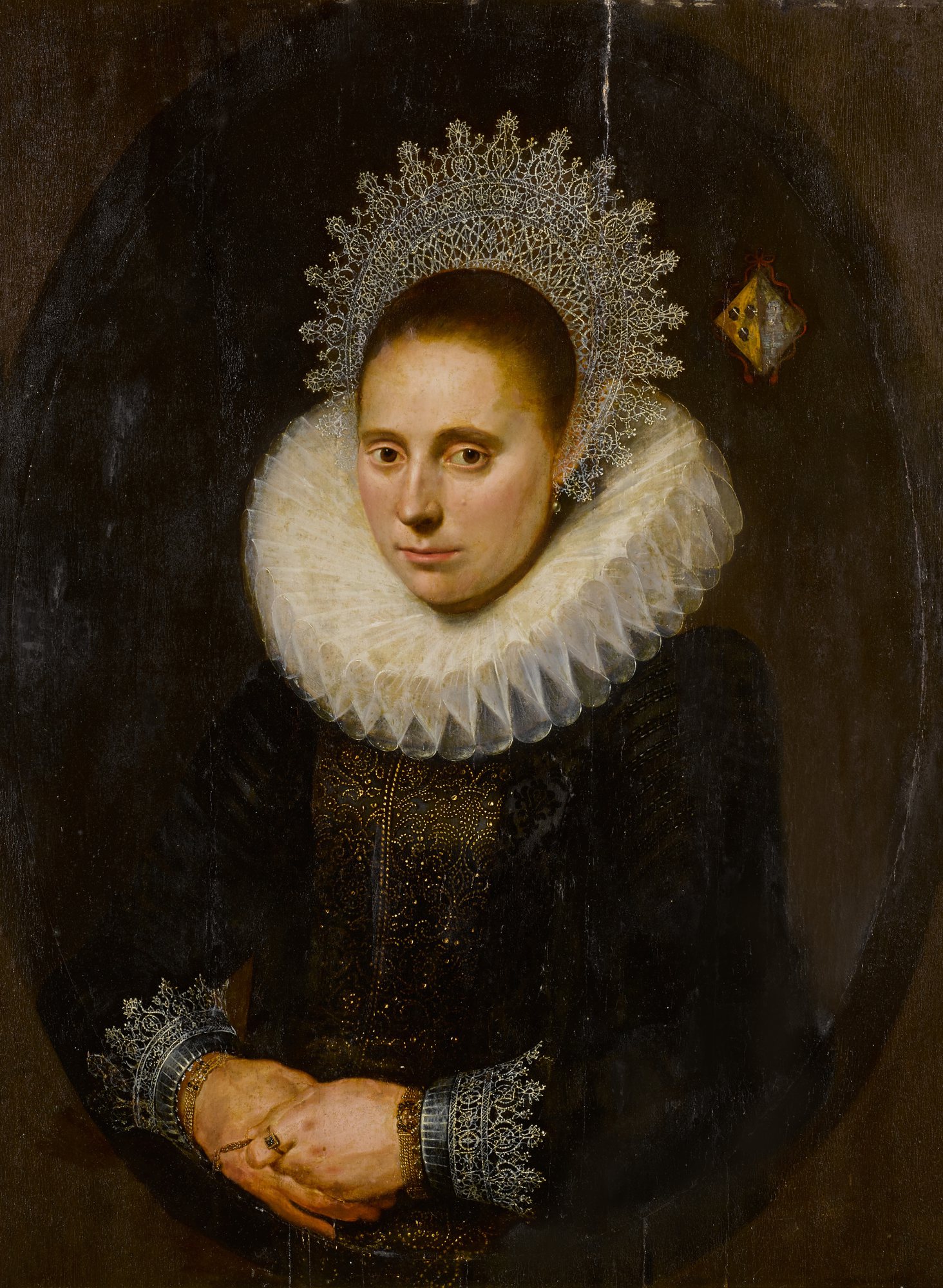
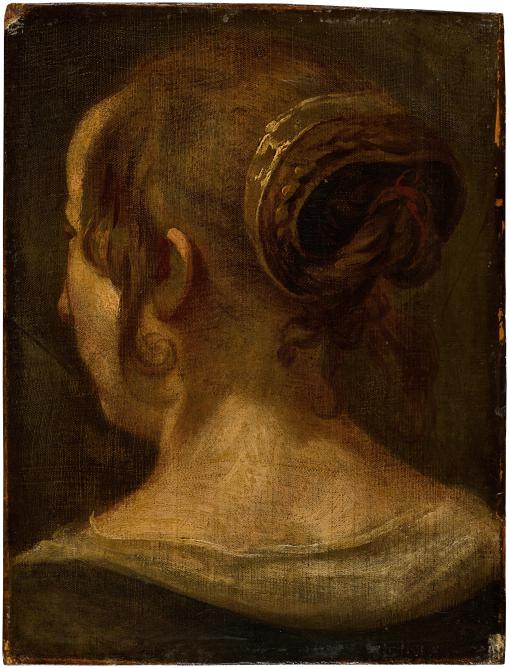
Flemish School, 17th Century
Portrait of a woman wearing a fan-shaped headdress, three-quarter-length
Losing it to overpainting is losing the painting itself. Attribution within the Flemish School is a nuanced and genuinely fascinating subject for the engaged collector. The designations matter and they carry real market weight. A work described as Flemish School, 17th Century represents a confident placement within the tradition without a specific name attached, often because the work shares qualities across multiple workshops or because documentation has not survived.
These works can represent exceptional value. A work described as from the circle of Anthony van Dyck, as several on The Collection are, carries a more specific claim: that the work was produced in close proximity to Van Dyck's own practice, possibly by a trained assistant or close follower working from his compositions or even in his studio. The distinction between circle and follower is real and worth pressing your advisor on. The artists represented on The Collection span a rich and instructive range.
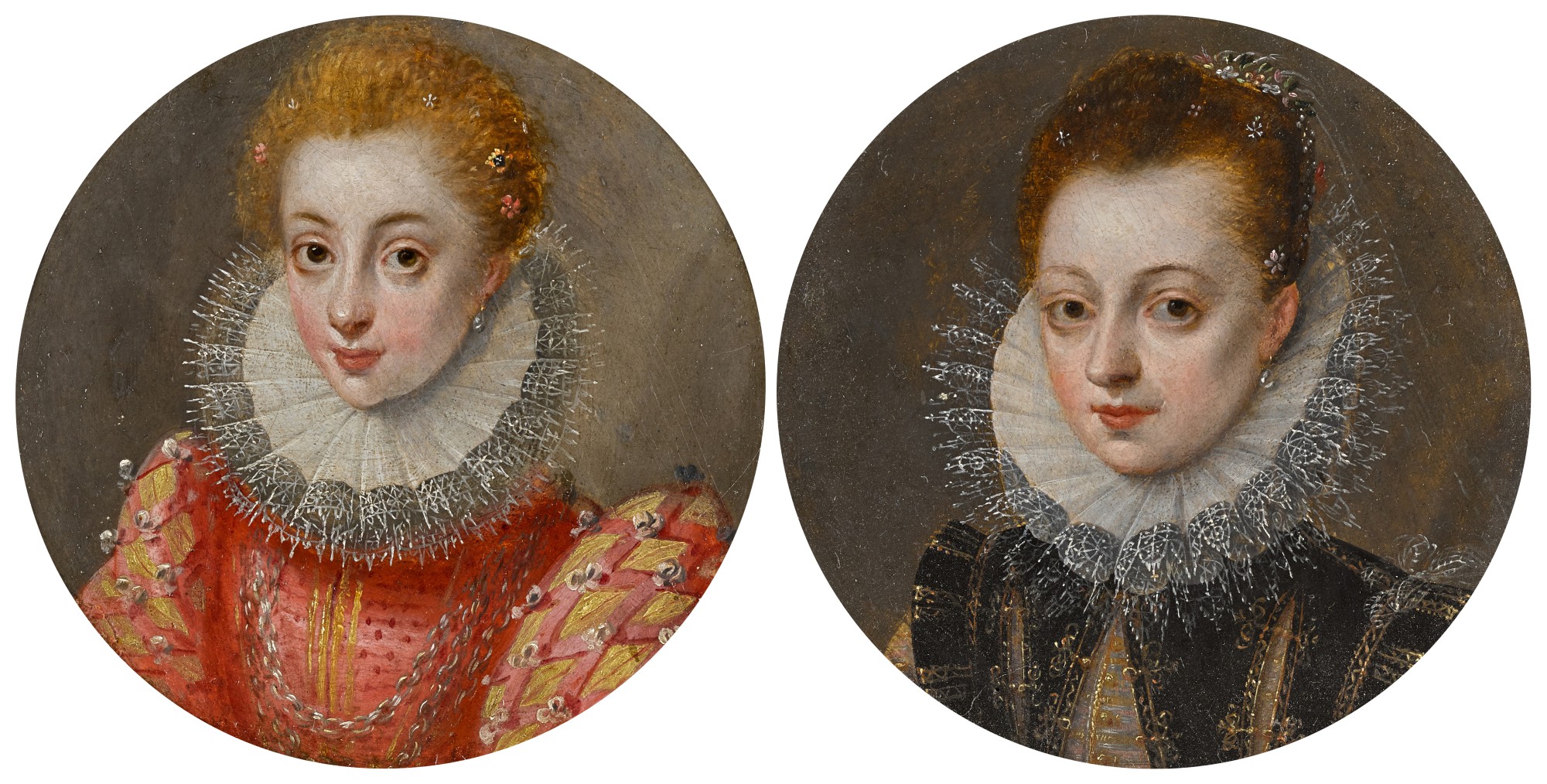
Flemish School, circa 1600
Portrait of an elegant lady, half-length, in a red embroidered dress with an elaborate lace ruff; and Portrait of an elegant lady, half-length, in a black embroidered dress with an elaborate lace ruff
The concentration of works from Flemish School, 17th Century gives a collector genuine opportunity to compare across different hands and subjects, to develop an eye for what differentiates a confident composition from a formulaic one. The single work attributed to Flemish School, circa 1630 to 1640 is worth particular attention: that decade sits precisely at the height of the tradition's powers, when Rubens was still alive and his influence was everywhere, when the workshop system was producing work of genuinely high ambition. Similarly, works from the late sixteenth century represent an earlier and in some ways rawer moment in the tradition, before the full Baroque vocabulary had settled into convention. The Flemish School, 17th Century, follower of Pieter Brueghel work on the platform connects to one of the most significant dynasties in Flemish art, a lineage in which compositional ideas were passed down and transformed across generations.
At auction, Flemish School works have shown remarkable consistency over the past two decades. The major houses, Christie's and Sotheby's most visibly, have maintained strong departments dedicated to Old Master paintings, and Flemish material has historically found buyers even in softer markets. Attribution upgrades, when a work previously described as Flemish School receives a confirmed attribution to a named artist through new scholarship or technical analysis, can produce dramatic price movements. This is one of the genuinely exciting dimensions of collecting in this area.
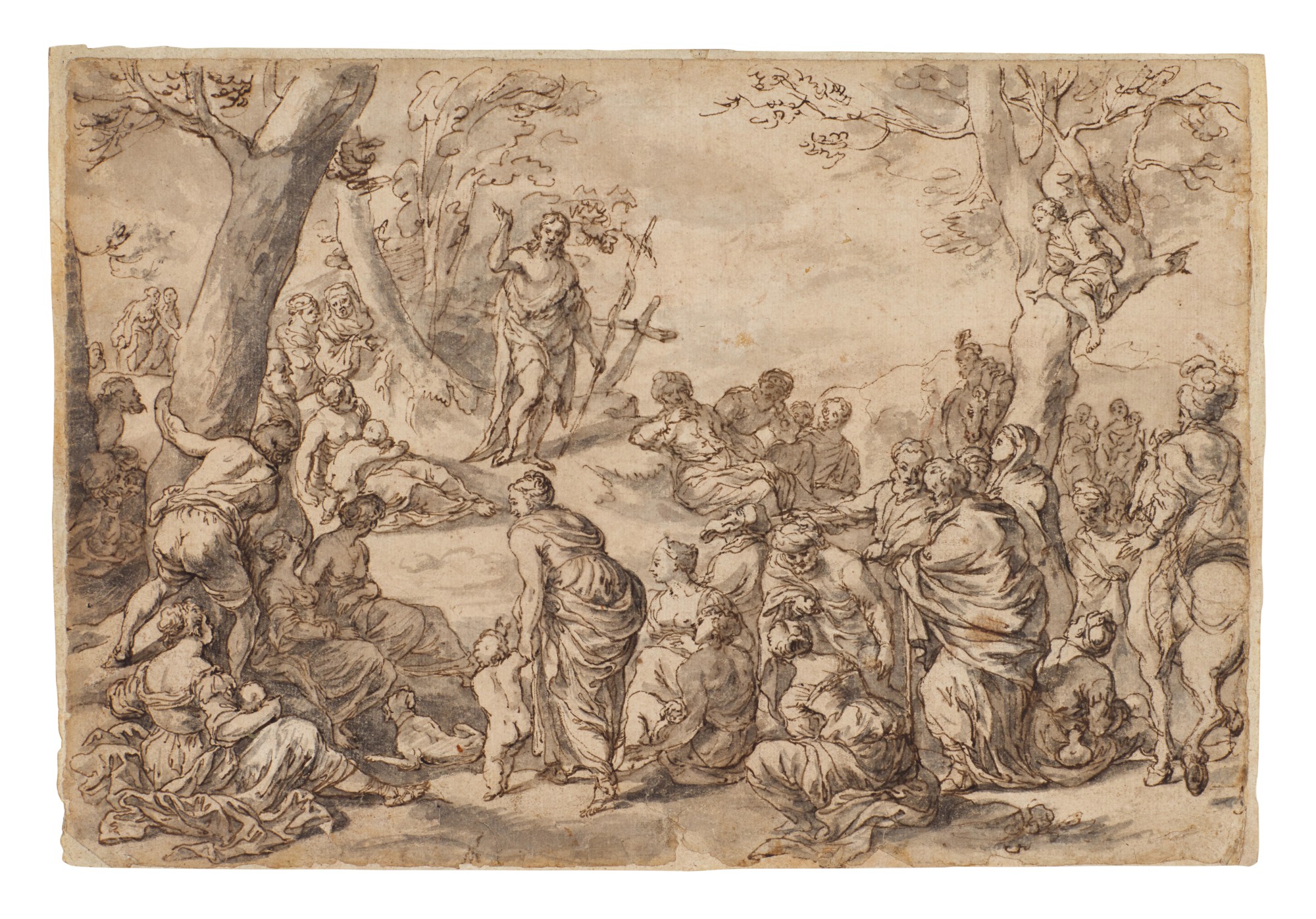
Flemish School, late 16th Century
Christ preaching in the wilderness
The investment is partly in the object and partly in the ongoing life of art historical knowledge. For those looking at emerging opportunities within the Old Master space, the current moment rewards patience and curiosity in equal measure. Collectors who have done the work of looking, who have spent time in the study rooms at the Rijksmuseum or in the galleries of the Royal Museum of Fine Arts in Antwerp, develop the kind of visual fluency that lets them recognize quality independent of a famous name. The market for attributed Flemish works below the level of Rubens and Van Dyck has softened somewhat as generational taste has shifted, which means that works of genuine quality are available at prices that would have seemed unthinkable twenty years ago.
This is not a secret among serious collectors, but it remains underappreciated by the broader market. Practically speaking, Flemish paintings reward proper framing and thoughtful placement. Avoid direct sunlight entirely. These works were made for interior candlelit spaces and they perform best in rooms with consistent temperature and humidity.
If you are considering a panel painting rather than canvas, ask your conservator about any existing cradle structures on the reverse and whether the panel has been stabilized. When approaching a gallery, ask for provenance documentation going back as far as possible, ask about any existing literature or exhibition history, and ask whether a full technical report including infrared reflectography or X ray analysis is available. A gallery confident in what it is selling will welcome these questions. The works on The Collection offer a genuinely compelling entry into this world, and the depth of representation across the seventeenth century gives the careful buyer real room to look, compare, and choose well.