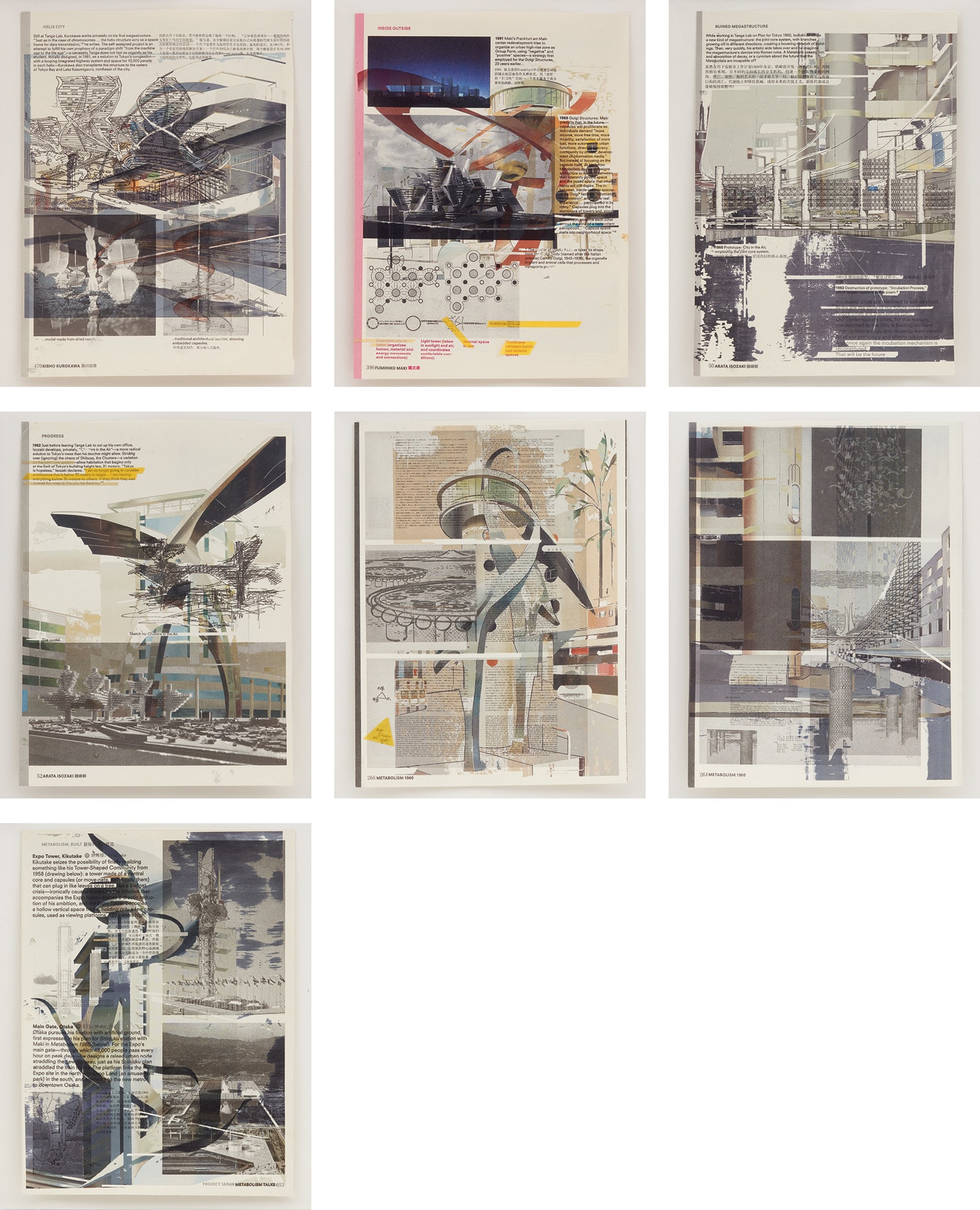
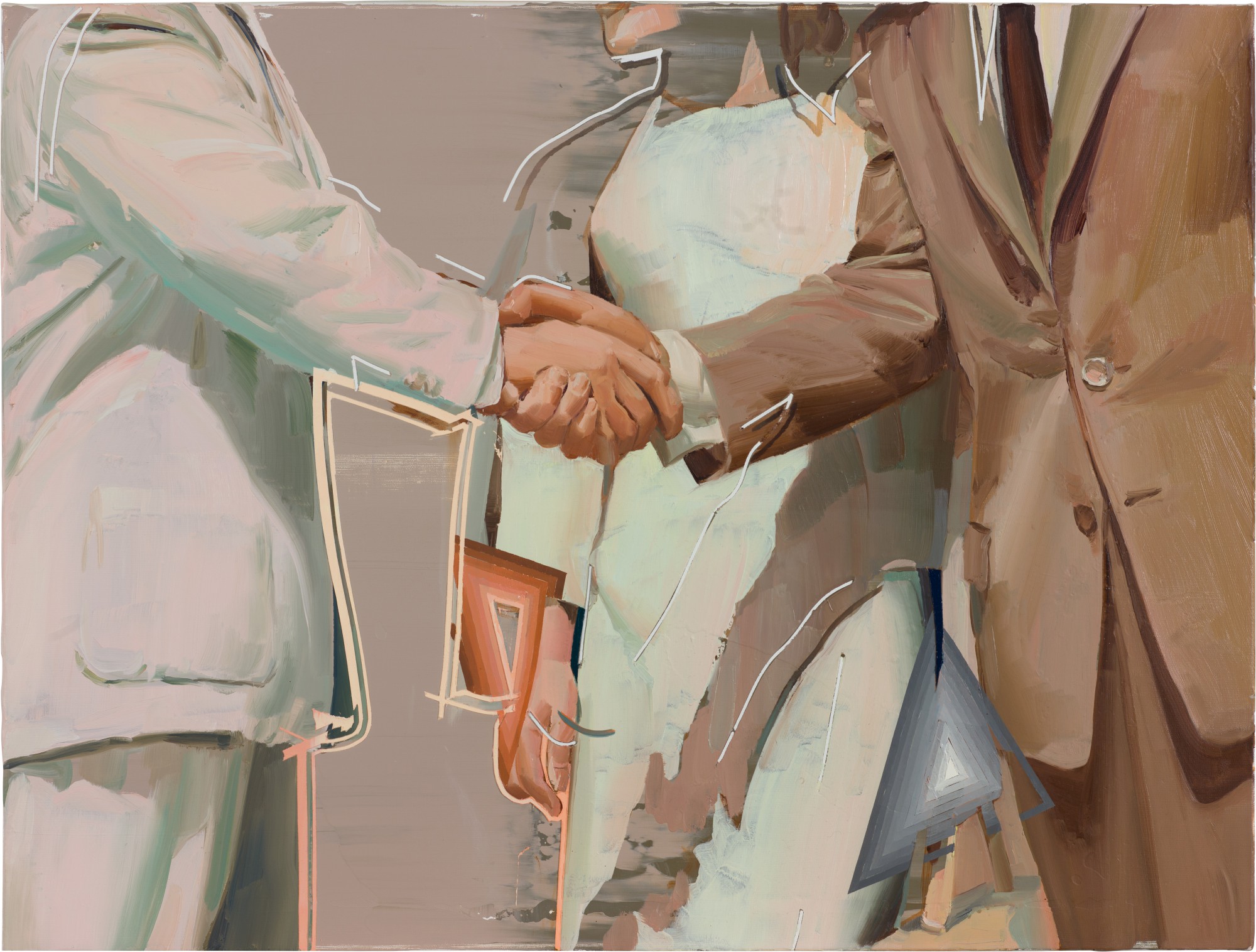
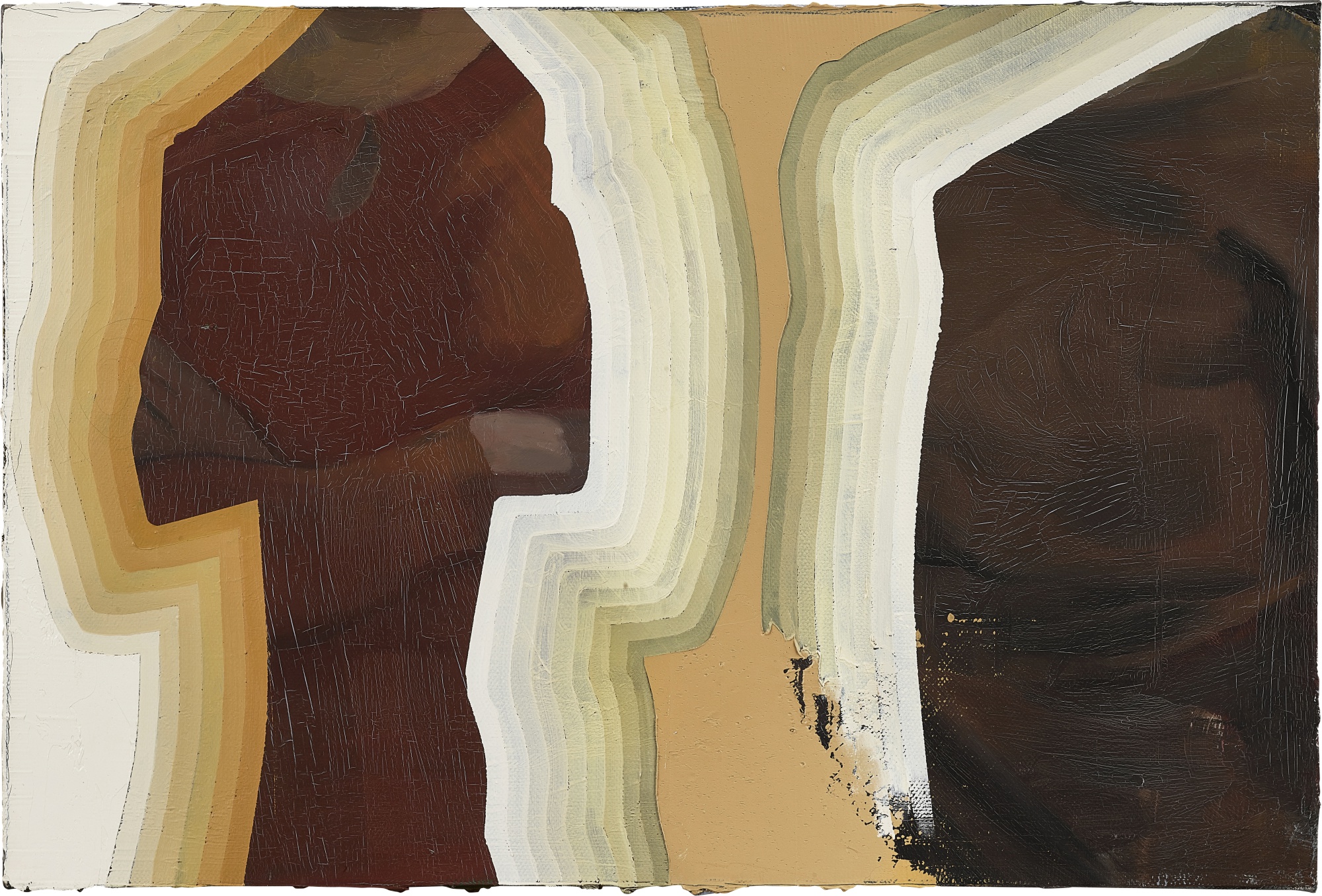
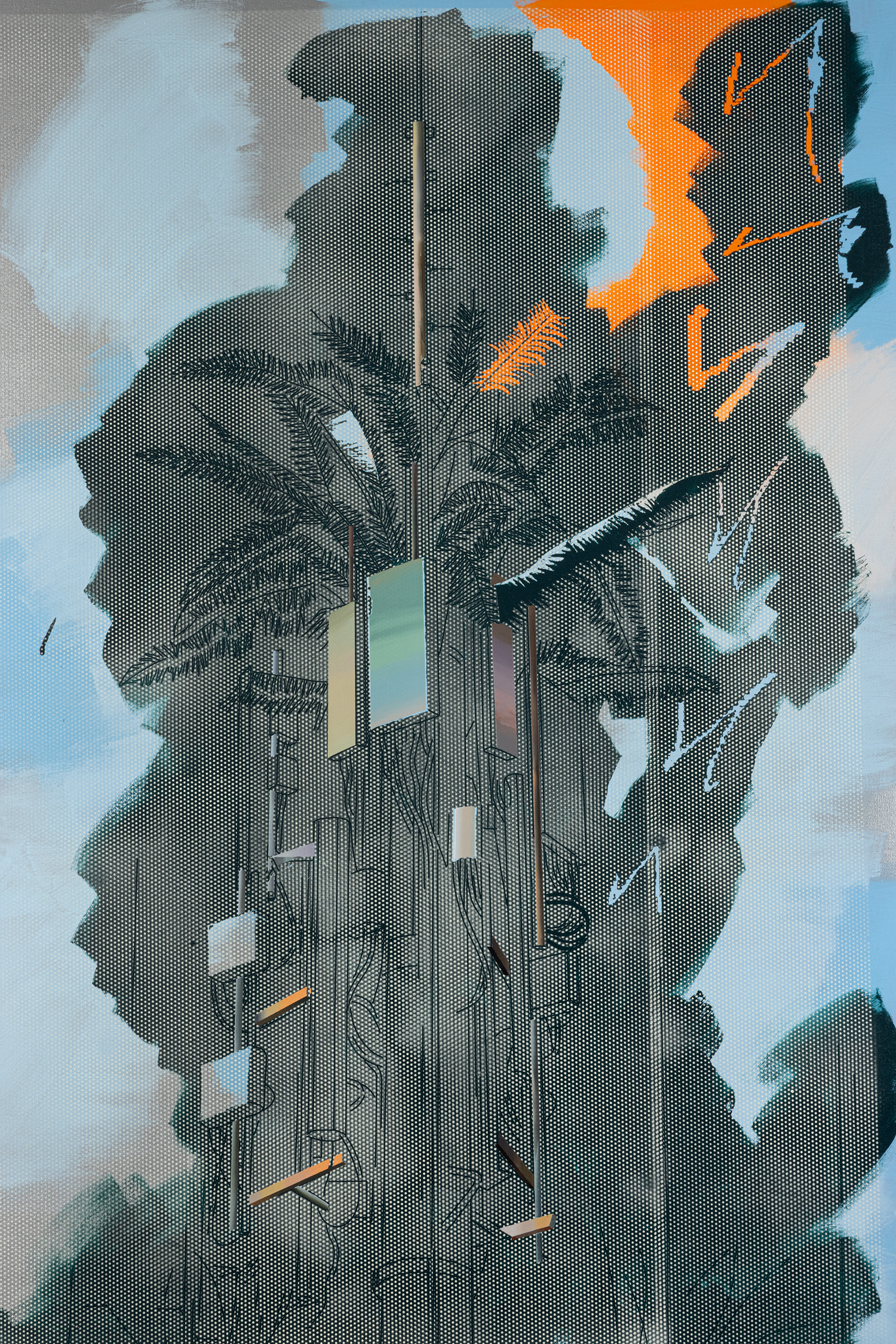
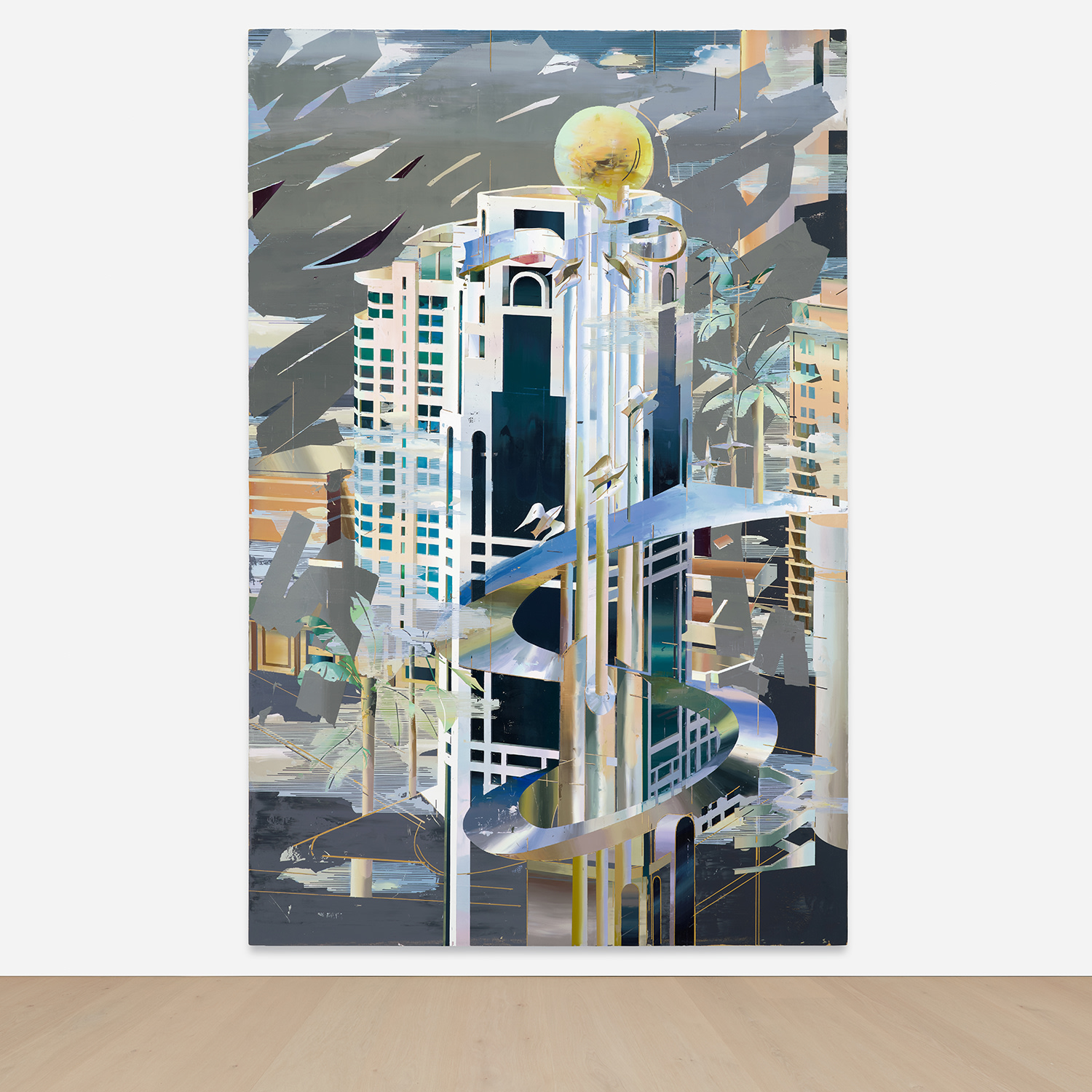
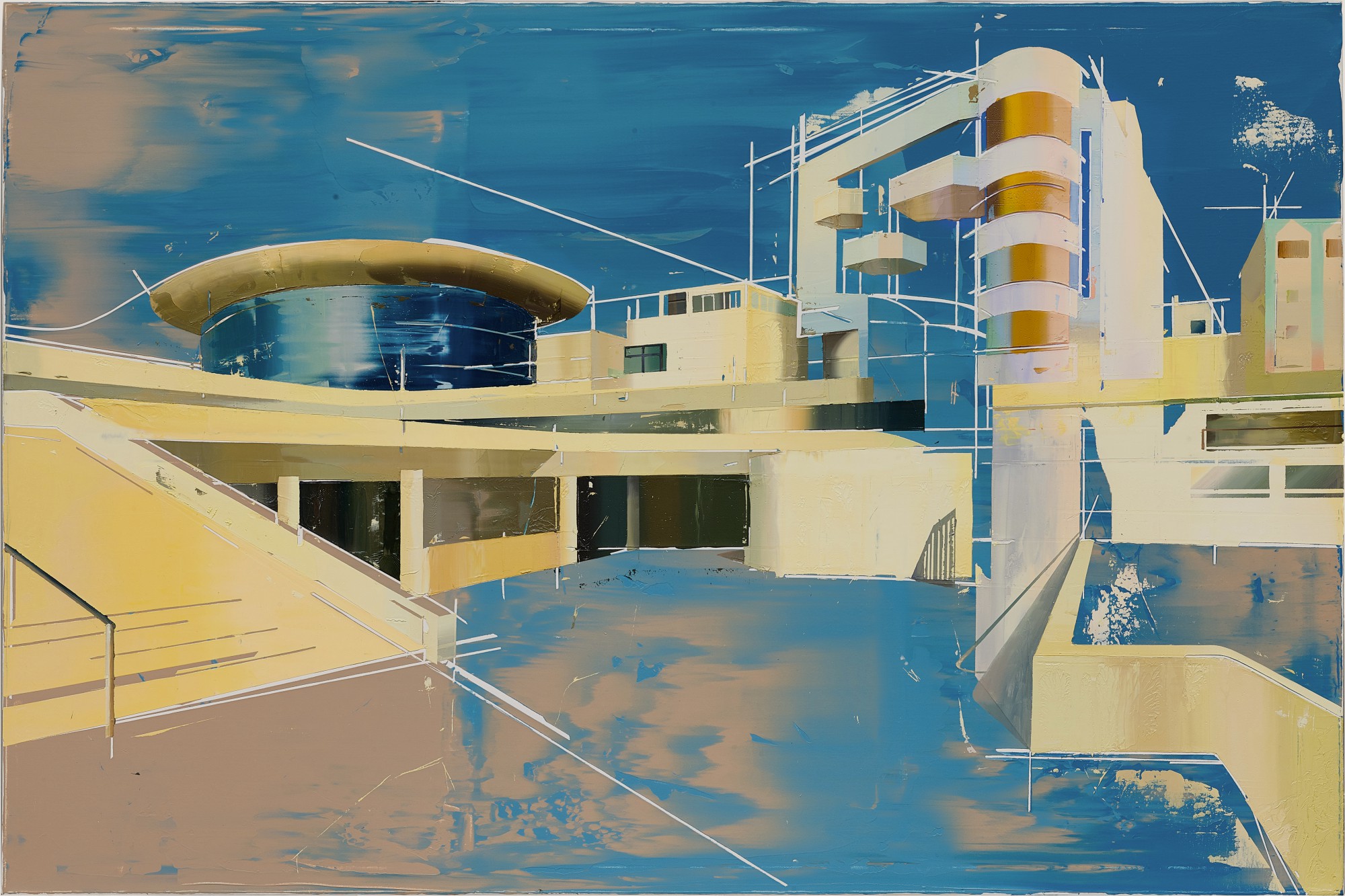
In the years since her work entered the permanent conversation of contemporary painting, Cui Jie has become one of the most quietly essential voices in global art. Her canvases have appeared at institutions including MoMA PS1 in New York, the ICA in London, and the Ullens Center for Contemporary Art in Beijing, a circuit that signals both critical esteem and genuine international reach. At a moment when painting is experiencing a renewed surge of collector and institutional attention, Cui Jie arrives not as a latecomer but as an artist whose ideas feel more urgent with every passing year. She has spent the better part of two decades constructing a visual world that is at once unmistakably Chinese and utterly planetary in its ambitions. Cui Jie was born in Shanghai in 1983, a year that places her childhood squarely inside one of the most dramatic physical transformations any city has ever undergone. Shanghai in the 1980s and 1990s was a place being actively demolished and rebuilt at a pace that outstripped comprehension, with entire neighborhoods vanishing overnight and towers rising in their place like declarations of an imagined future. Growing up inside that churn left a permanent imprint. The urban landscape was not merely a backdrop to her formation but its very substance, a churning archive of utopian aspiration and bureaucratic fantasy that she would spend her career learning to read and repaint. She pursued her artistic education in China before developing her practice in dialogue with international contemporary painting. Her early work showed an acute awareness of the architecture of ambition, the way socialist modernism, speculative urbanism, and global commercial aesthetics had collided in Chinese cities to produce something genuinely new and genuinely strange. Where other painters of her generation looked inward toward the figure or outward toward abstraction, Cui Jie turned to the built environment as both subject and structure. Buildings, plazas, transit nodes, and civic monuments became the characters in her paintings, rendered with a flatness and a chromatic intensity that owes something to graphic design and something to the cool remove of architectural drawing. The development of her signature style across the 2010s represents one of the more distinctive evolutions in contemporary painting. Works from 2015 and 2016, including the oil on canvas Atarim Square and the series of S House paintings, demonstrate a command of pictorial space that is deceptively complex. The surfaces appear crisp and almost diagrammatic, with bold geometric forms and acid hues creating compositions that vibrate with an unsettled energy. Yet the paintings resist the clinical detachment one might expect from architectural subject matter. There is something feverish and elegiac operating beneath the cool geometry, a sense that these utopian structures are already becoming ruins even as they are being celebrated. The Cell Tree of 2019, executed in acrylic and spray paint, extended this vocabulary into more openly speculative territory, its organic and industrial forms entangled in ways that suggest a future ecology as much as a present one. The series of works known as Ground Invading Figure and Ground Evading Figure, rendered in oil on canvas, marks another dimension of her practice. These paintings introduce a more explicitly bodily tension into architectural space, exploring the relationship between figures and the surfaces they inhabit or attempt to escape. The titles themselves, offered in both English and Chinese, perform a kind of productive doubling, suggesting that the works operate in two registers of meaning simultaneously and that no single cultural translation is adequate to exhaust them. This bilingual titling is not a concession to international audiences but a structural feature of how Cui Jie thinks about her work: as something that exists in the gap between languages and between urban imaginaries. The unique digital print and masking tape redactions on book pages from 2015, a suite of seven works, reveals yet another facet of a practice that is more varied in its media than its reputation as a painter might suggest. These works, with their deliberate acts of concealment and revelation across printed pages, feel like a meditation on how official histories are edited and how alternative futures can be read in the spaces of erasure. They are intimate objects compared to her large canvases, but they carry the same conceptual weight, the same interest in how surfaces encode ideology and aspiration. For collectors, Cui Jie represents an unusually coherent body of work. Her paintings reward sustained looking and sustained thinking, which is to say they are exactly the kind of works that deepen over time in a collection. The chromatic boldness ensures they hold a room with authority, while the intellectual density ensures they continue to generate conversation. Collectors drawn to painters who occupy the intersection of conceptual rigor and genuine pictorial pleasure, those who admire the work of artists navigating between Eastern and Western modernist traditions, will find in Cui Jie a practice that is both historically grounded and entirely alive to the present. Works from the 2015 to 2019 period are particularly sought after as representative examples of her developing vocabulary, and the oil on canvas works have attracted sustained attention from both institutional and private collectors globally. Within the broader landscape of contemporary painting, Cui Jie belongs to a generation of international artists who have refused the provincialism of purely local or purely global identities. Her work enters into dialogue with the legacy of American pop and its engagement with commercial and civic imagery, with the tradition of Chinese ink painting in its attention to negative space and compositional rhythm, and with European architectural drawing in its formal precision. She is working in a lineage that includes painters who have used the built environment as a site of political and social inquiry, and she brings to that lineage a perspective shaped by the specific speed and scale of Chinese urban development. What makes Cui Jie matter today is precisely the quality of attention she brings to a subject that most of us move through without seeing. The cities she paints are not exotic or foreign, they are the cities of the twenty first century as it is actually being lived, cities of ambitious infrastructure and provisional meaning, of bright surfaces and uncertain futures. Her canvases ask us to look at the spaces we inhabit and to consider what dreams they were built to realize and what dreams they have since outlived. That is a question with no comfortable answer, which is exactly what keeps her work so necessary.