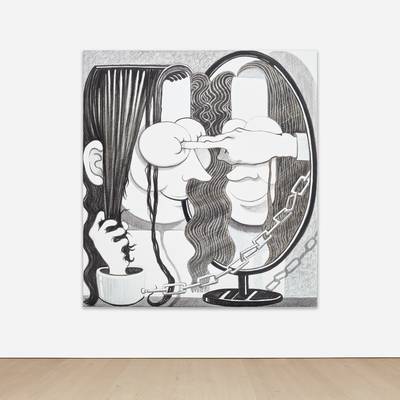
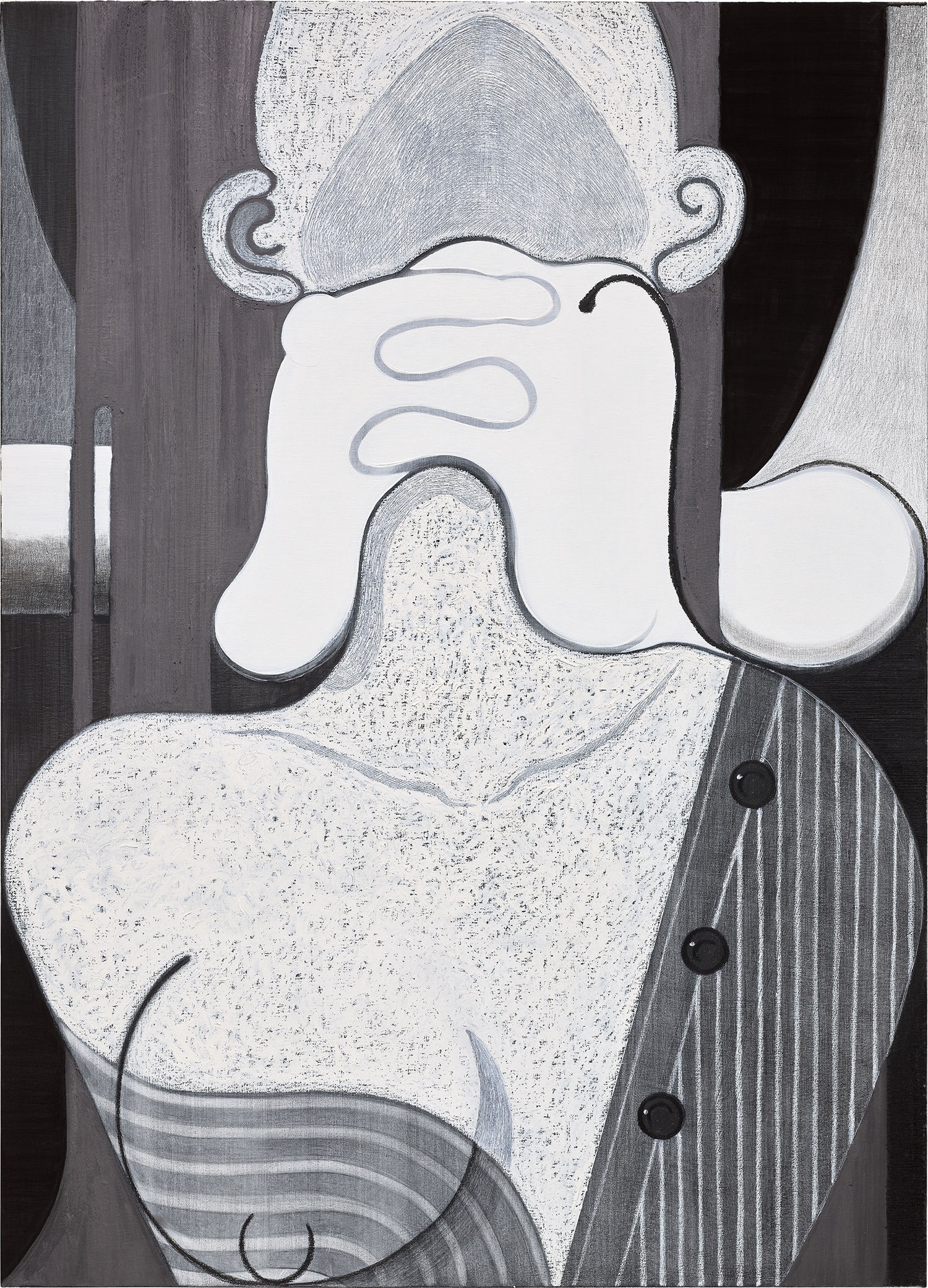
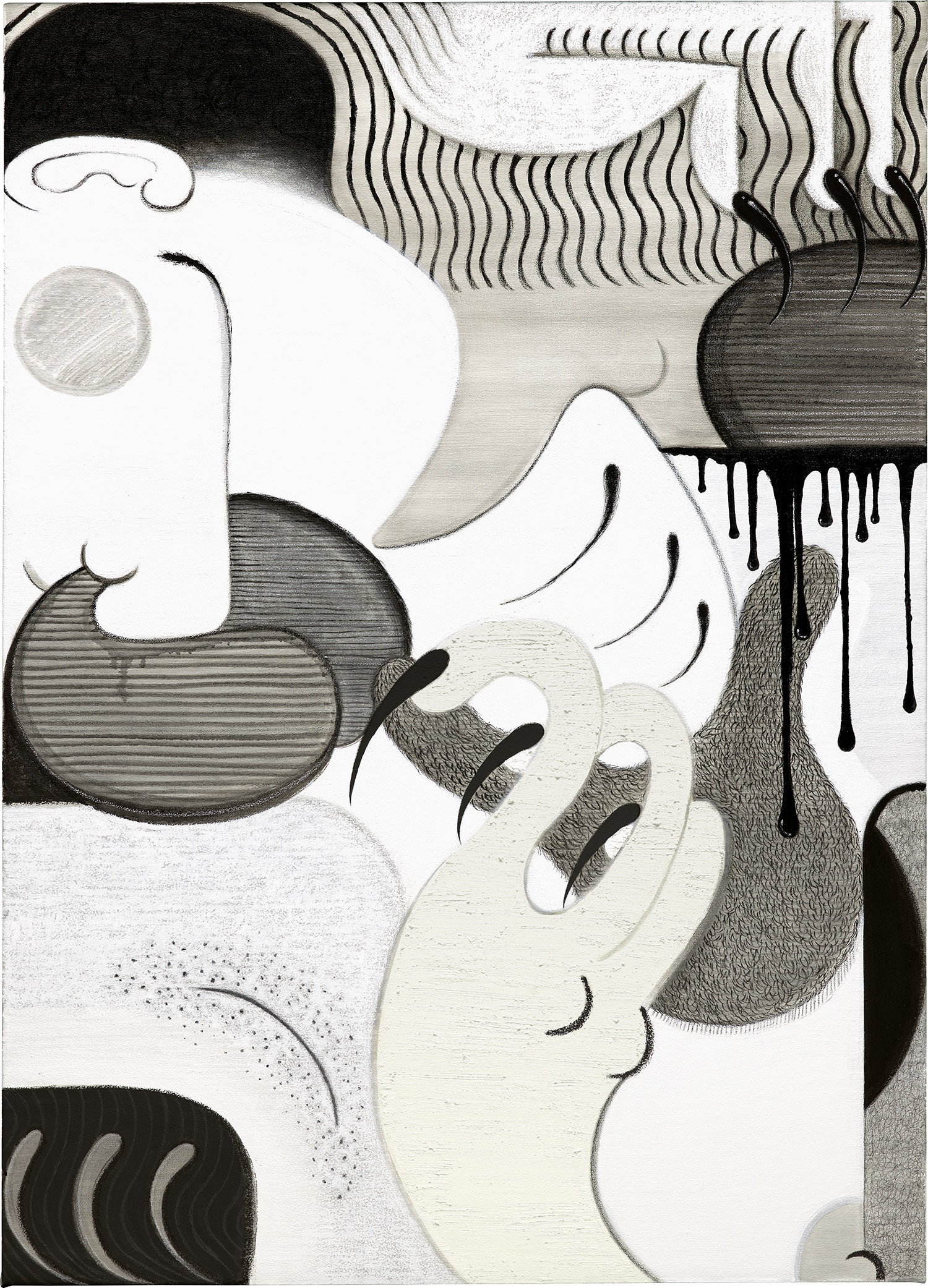
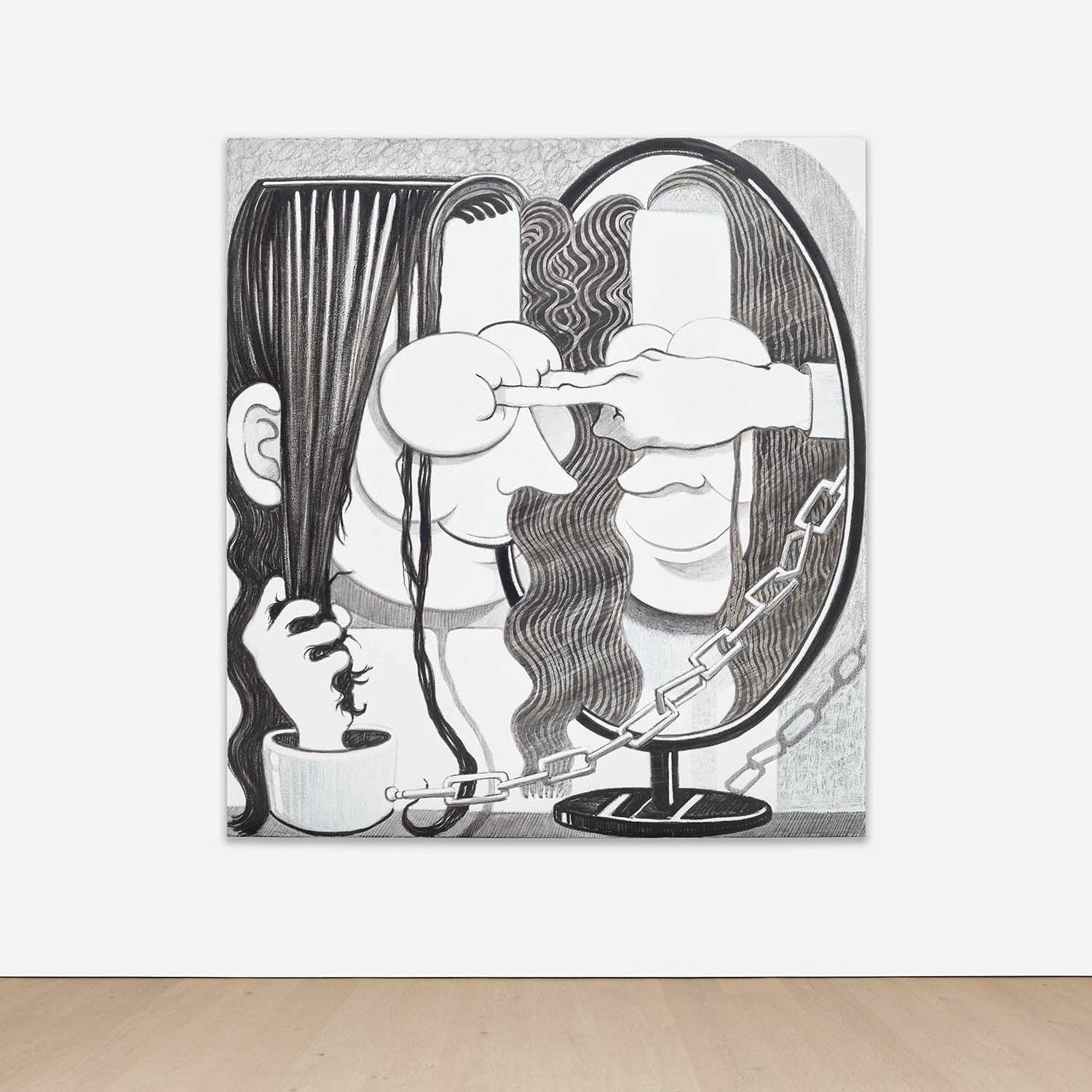
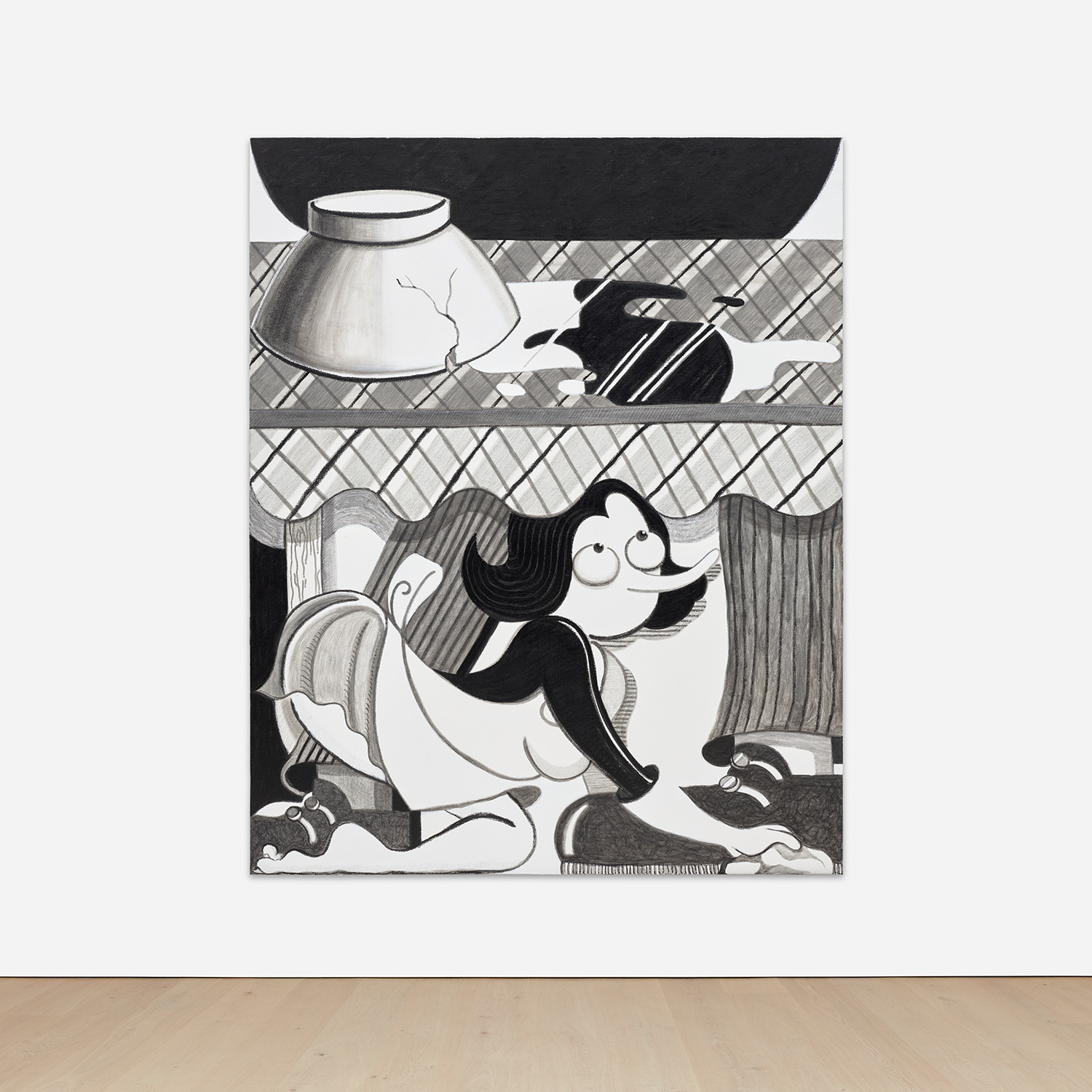
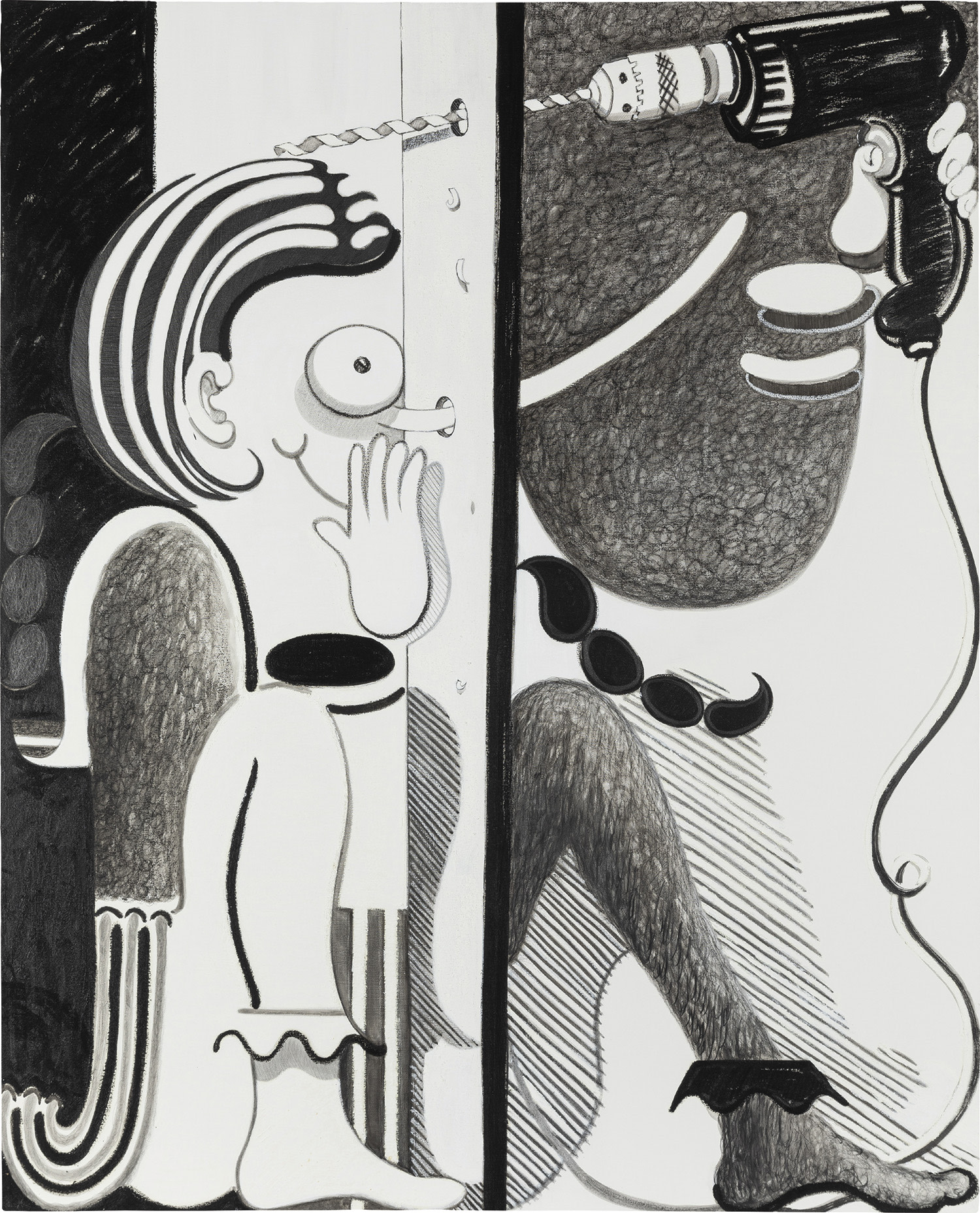
Something quietly electric has been building around Cindy Ji Hye Kim. The Korean Canadian painter, born in 1990, has become one of the most compellingly discussed figures in contemporary figurative painting, her canvases arriving at a moment when the art world is hungry for work that fuses psychological interiority with visual abundance. Collectors, curators, and fellow artists alike have taken notice of her ability to hold contradiction in perfect suspension: beauty and menace, tenderness and unease, the deeply personal and the mythologically expansive. Kim grew up navigating the fertile and sometimes disorienting space between cultures, a Korean heritage carried into a Canadian upbringing, and that dual inheritance runs through everything she makes. The experience of existing between worlds, of translating oneself across cultural registers, becomes in her hands not a limitation but an engine. Her early formation was shaped by an immersion in both Eastern folklore and Western art historical traditions, and she developed a visual language that refuses to settle loyally inside either. That refusal, that restlessness, is precisely what gives her paintings their singular charge. Her artistic development traces a path through the rich territory of Gothic sensibility, mythological narrative, and feminist inquiry. Kim works with a remarkably layered material approach, combining oil, acrylic, ink, pastel, charcoal, and graphite on canvas in ways that produce surfaces of extraordinary density and luminosity. The accumulation of media is not incidental but philosophical: meaning in her work builds through layering, through things being partially obscured, partially revealed, partially transformed. Each canvas feels like an excavation as much as a construction, as though the image has been both buried and unearthed in the same gesture. The works she produced in 2017 and 2018 represent a defining period in her practice and introduced her vision to an expanding audience. "Good Morning" from 2017, rendered in oil, acrylic, ink, pastel, and charcoal on canvas, announces its intentions with quiet force. The title's mundane domesticity sits in deliberate tension with the image's charged, dreamlike atmosphere, a pairing that Kim returns to often: the ordinary made strange, the familiar made uncanny. "Dinner Table," also from 2017 and working in a similarly rich mixed media approach, extends this investigation into domestic space and the psychologies it contains, the rituals of eating and gathering freighted with unspoken power dynamics and suppressed desires. "Whispers" from 2017 draws the viewer into the murmurous, conspiratorial register that its title promises, figures caught in states of communication that feel at once intimate and occluded. The following year brought two works that crystallized Kim's engagement with questions of consent, agency, and bodily autonomy. "Consent Number 2 (Trust Issues)" from 2018 is among the most pointed titles in her body of work, the parenthetical almost wry in its candor, and the painting itself carries that directness into imagery that is simultaneously decorative and confrontational. "Sore Throat," also from 2018, occupies similar emotional territory, the physical sensation of the title evoking vulnerability, suppressed speech, the cost of staying silent or of speaking too loudly. Together these works demonstrate how Kim operates: she takes lived female experience and mythologizes it without romanticizing it, lends it narrative grandeur without diminishing its specific, embodied reality. For collectors, Kim's work represents a compelling and still relatively accessible entry point into a practice that has every indication of significant long term importance. Her canvases reward close and repeated looking, their layered surfaces revealing new details over time, which means they live generously on walls, offering continuing discovery rather than instant exhaustion. The mixed media approach also means that each work has a unique material presence, a particular texture and light catching quality that cannot be fully appreciated in reproduction. Those who have collected her work early have done so with the confidence of recognizing a vision that is already fully formed while also clearly still in evolution, a rare combination that serious collectors prize. In terms of her art historical context, Kim sits within a distinguished lineage of painters who have used figuration as a vehicle for myth, psychology, and feminist revision. Her work invites comparison with Paula Rego in its willingness to let the uncanny and the domestic cohabit, and with Kiki Smith in its engagement with the body as a site of folkloric and spiritual resonance. The Gothic atmosphere of her canvases echoes something of Neo Rauch's dreamworld compositions, while her cross cultural mythological borrowing shares DNA with the richly layered practices of Wangechi Mutu and Kara Walker. Yet Kim is not derivative of any of these antecedents: she synthesizes rather than quotes, and the resulting voice is unmistakably her own. What makes Cindy Ji Hye Kim matter today is precisely her insistence on complexity at a moment when complexity is both urgently needed and sometimes in short supply. Her paintings do not offer easy resolutions or reassuring conclusions. They ask their viewers to sit with ambiguity, to hold multiple cultural narratives simultaneously, to recognize the violence and the tenderness that coexist in mythology, in domestic life, in the experience of being a body in the world. That is not a small thing to ask, and the fact that she asks it through works of such visual richness and technical accomplishment is what transforms the asking into an invitation rather than a demand. She is a painter of genuine importance, and the full scope of her contribution to contemporary art is still beautifully, thrillingly unfolding.