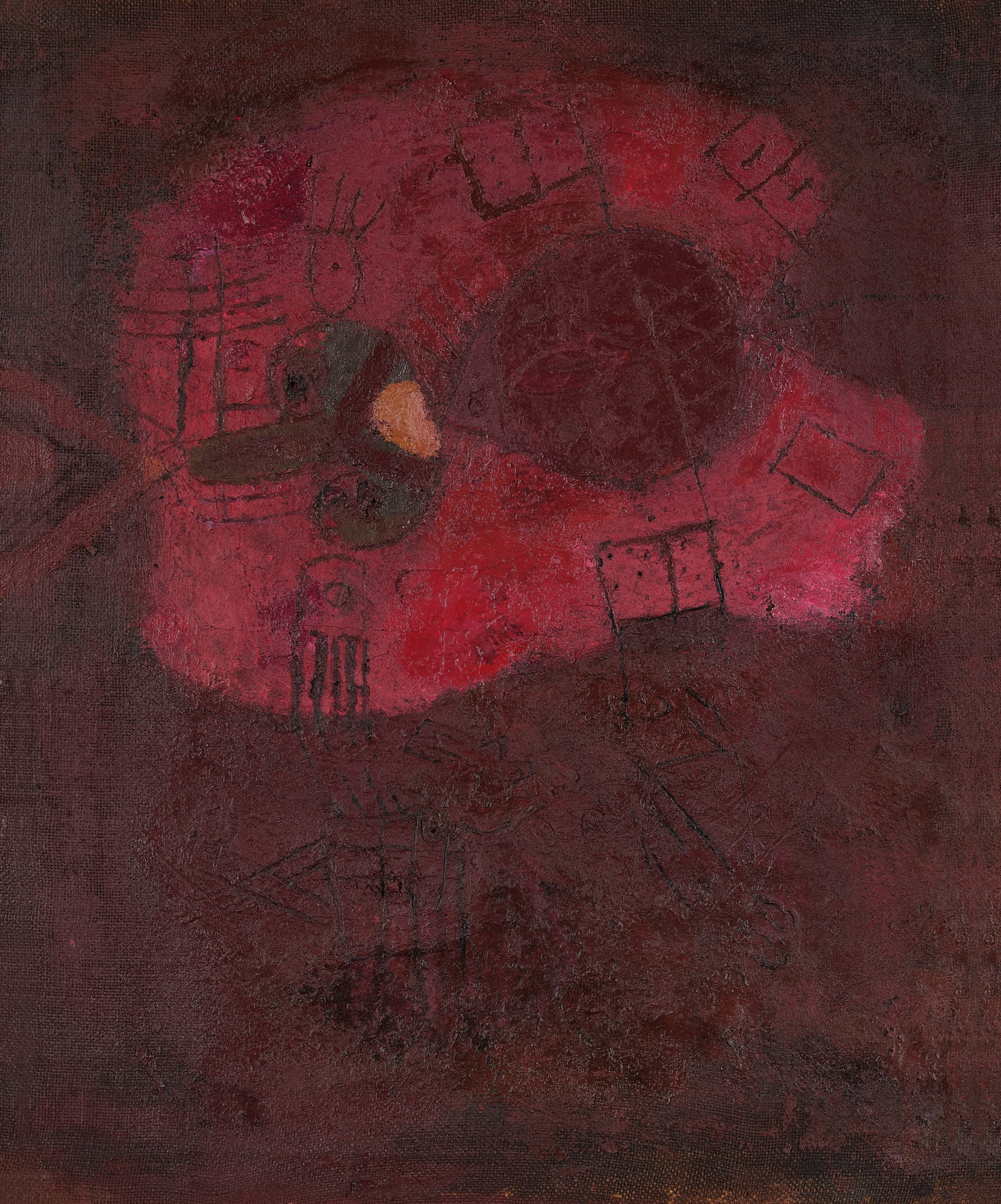
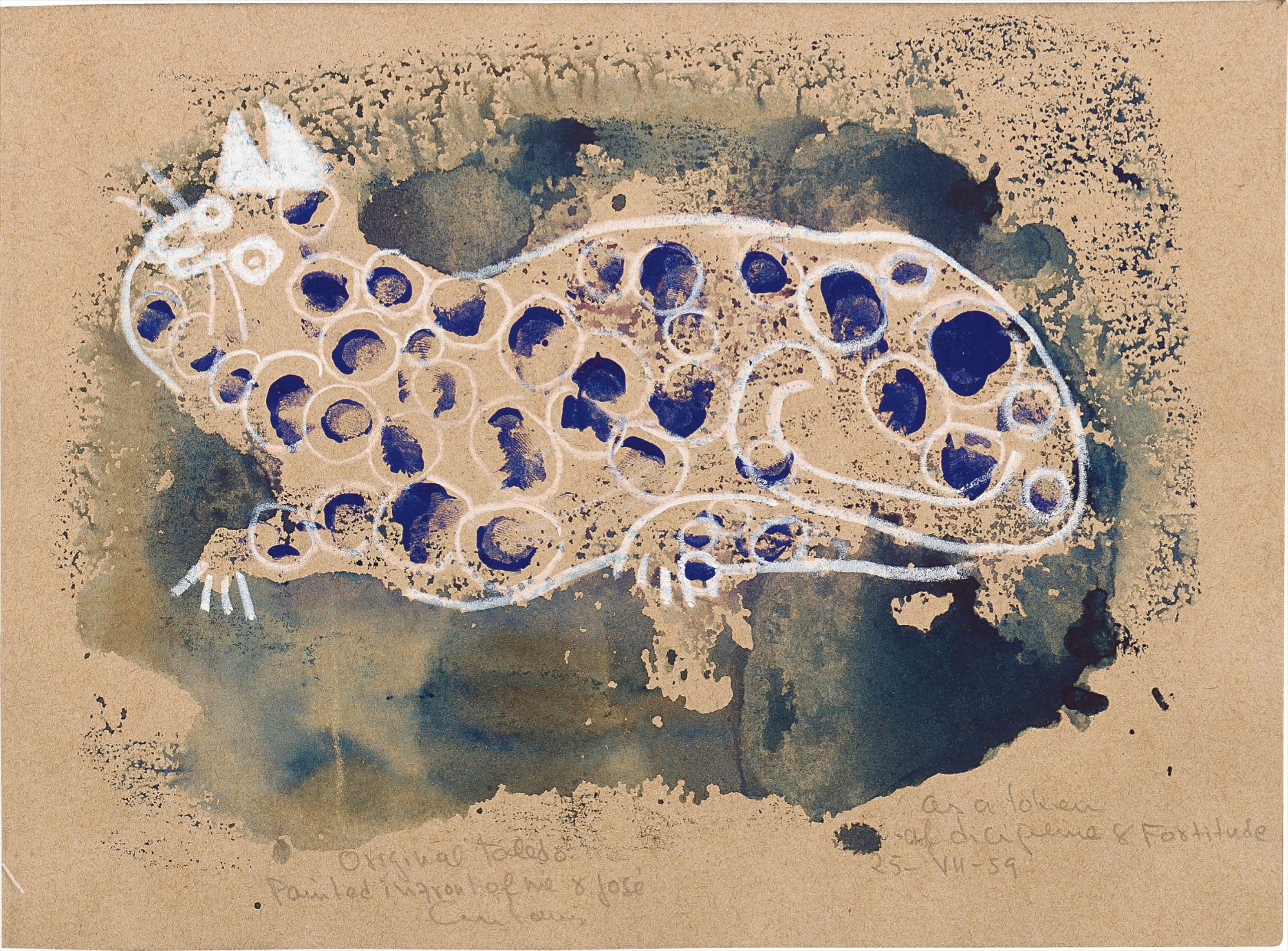
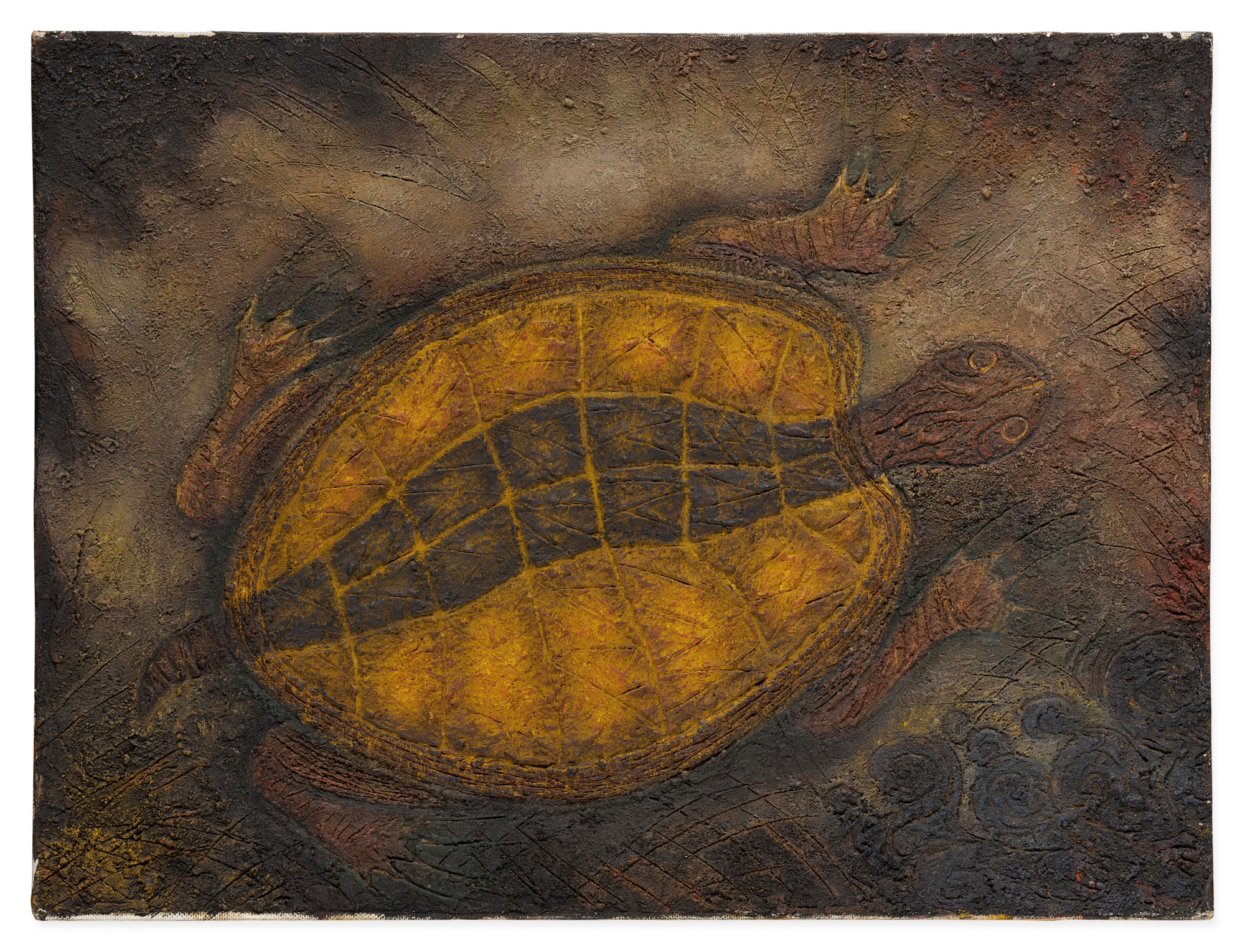
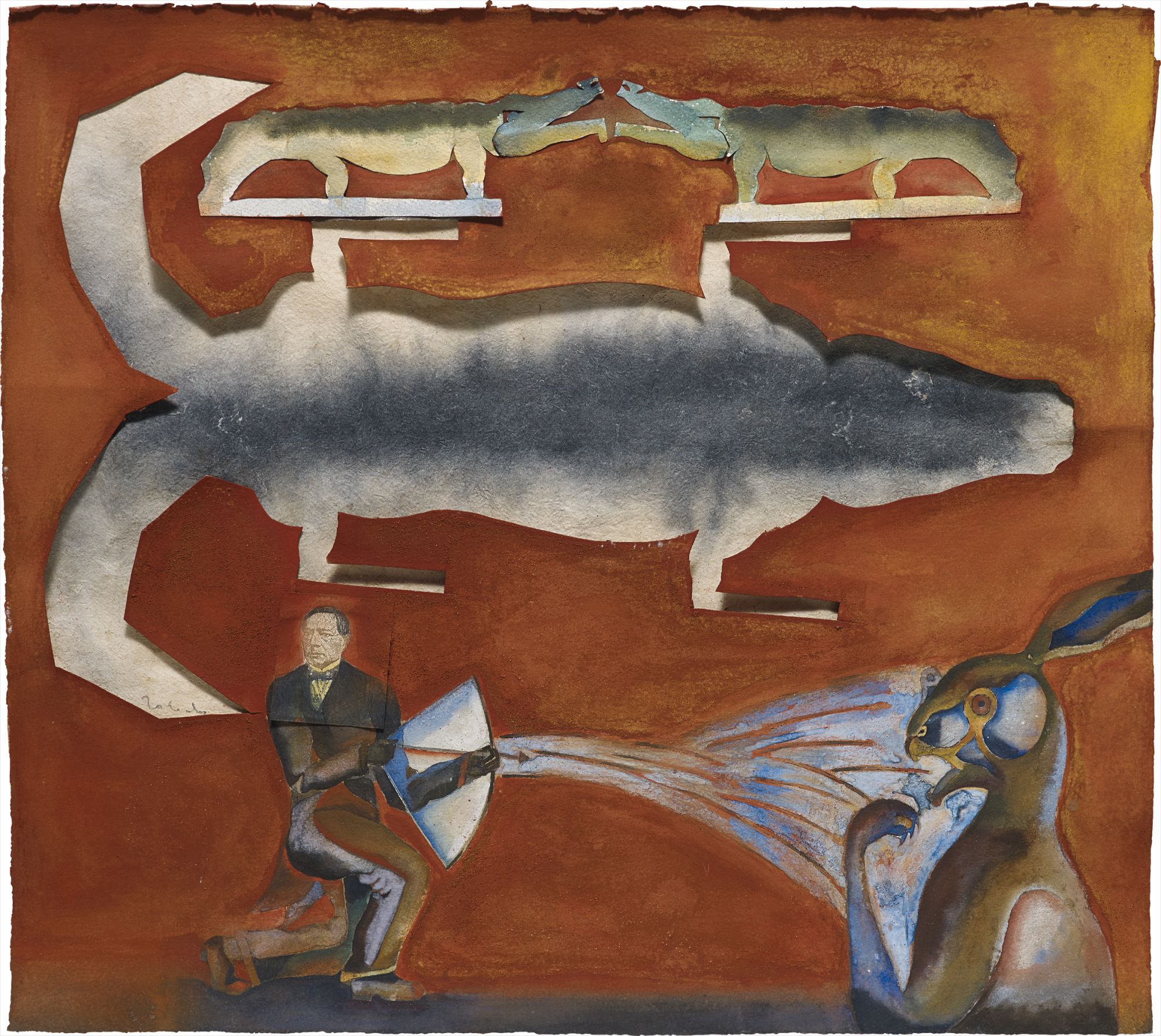
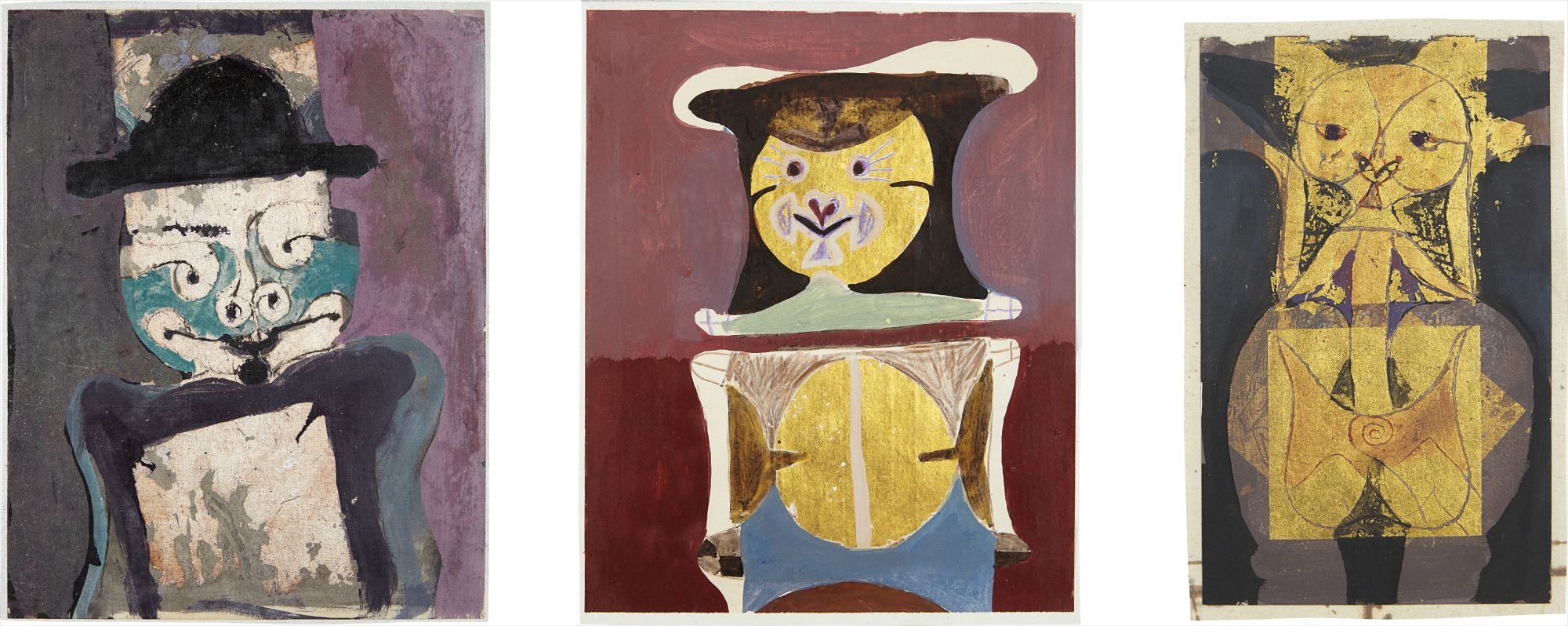
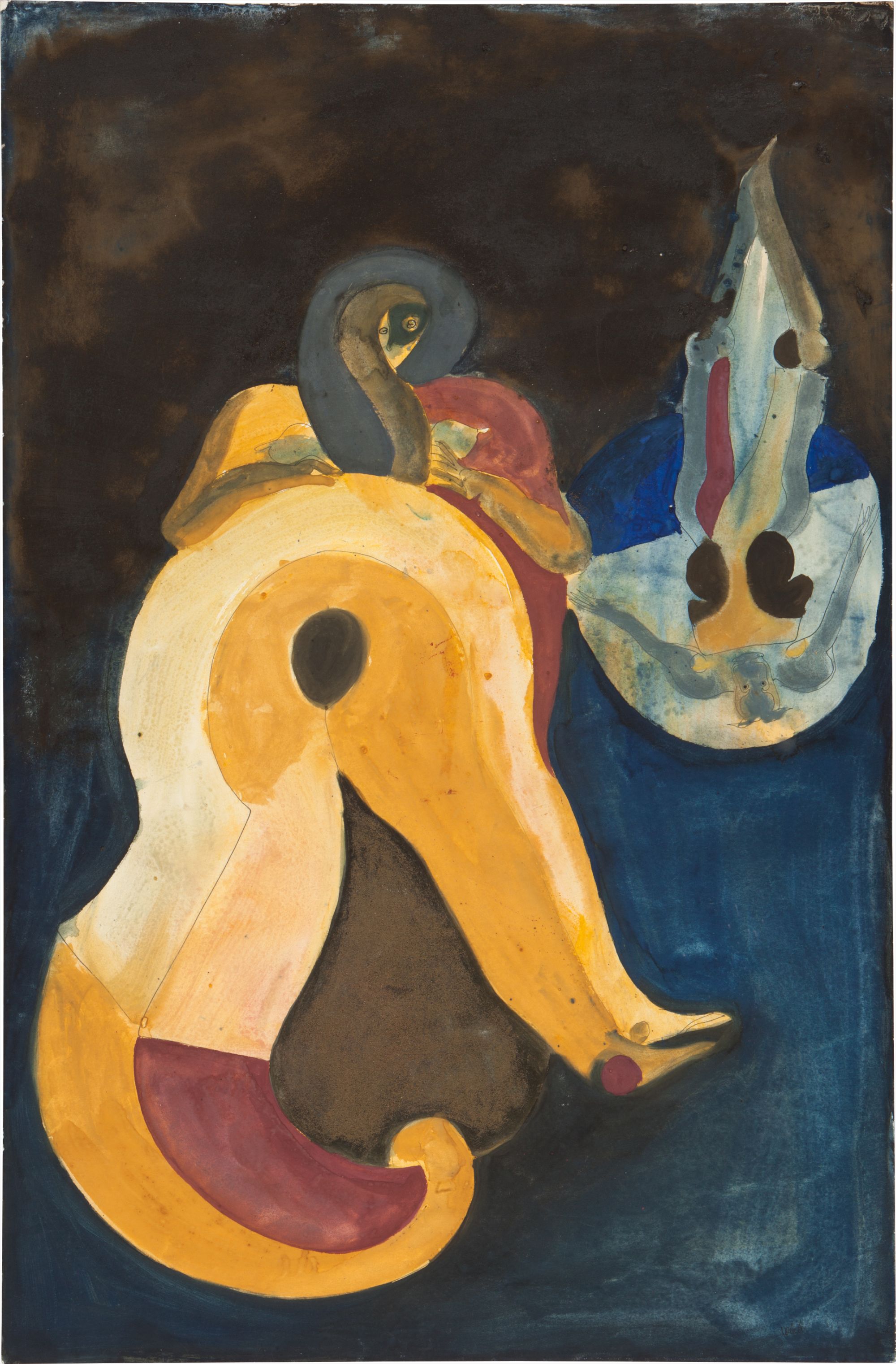
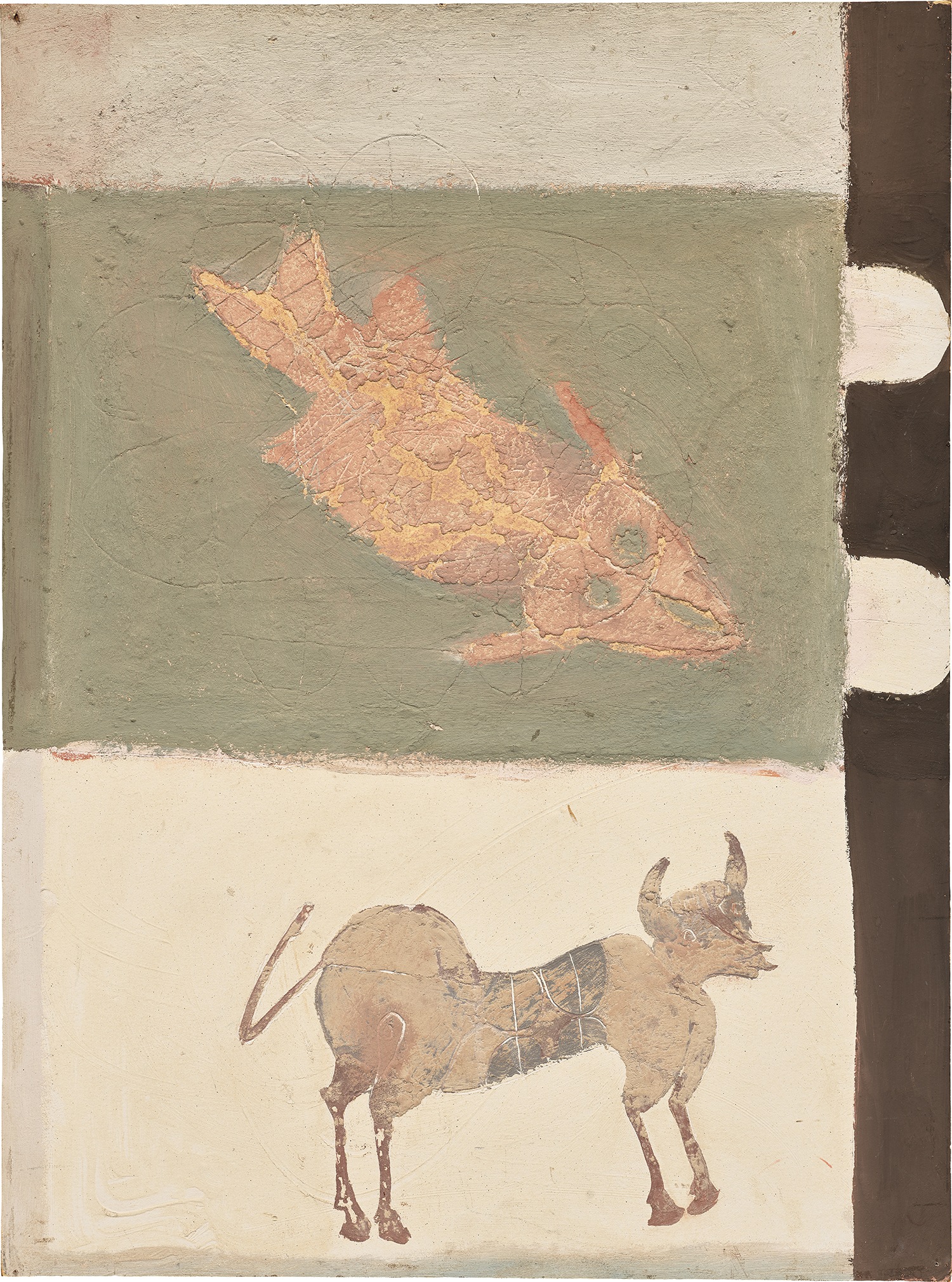
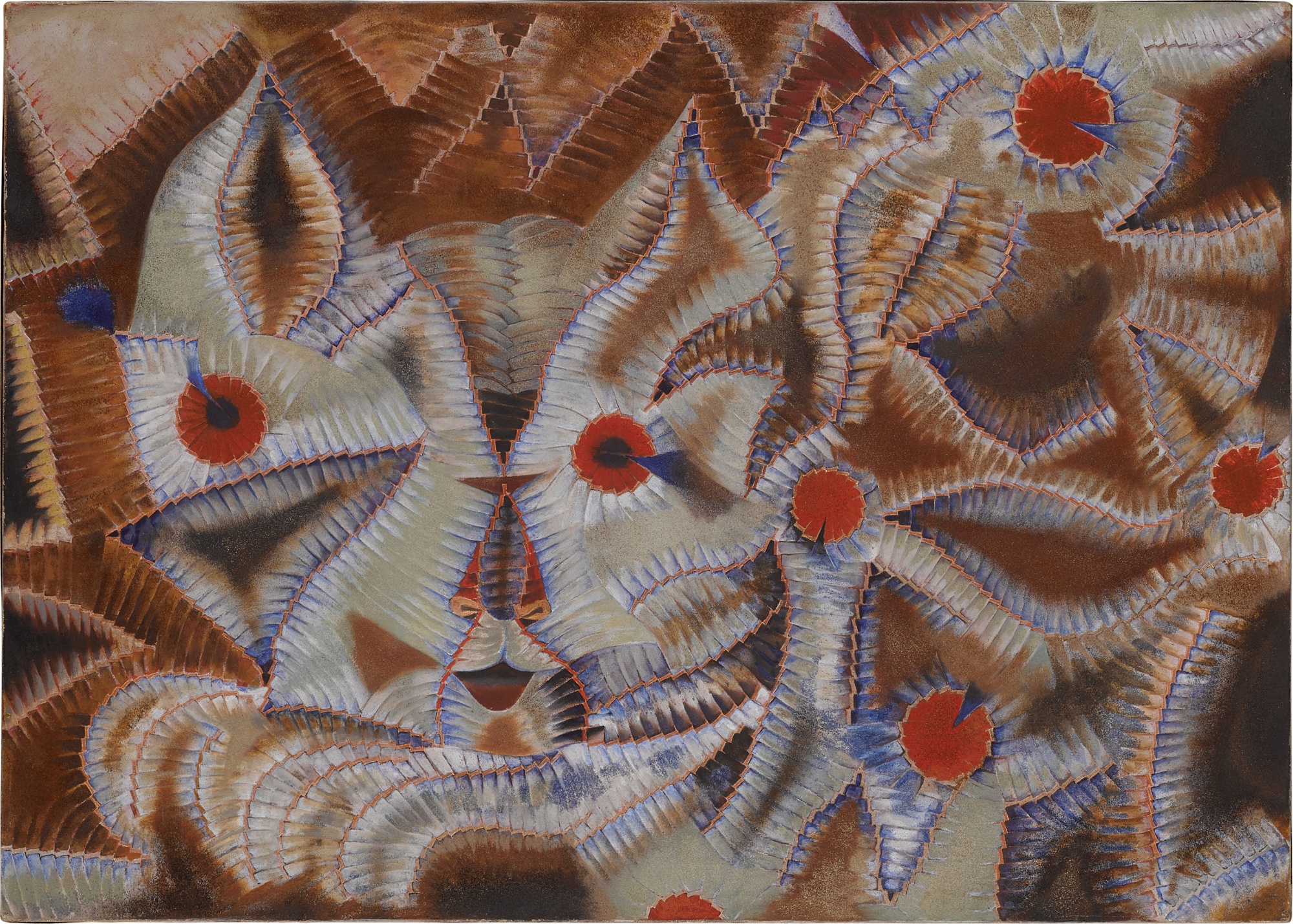
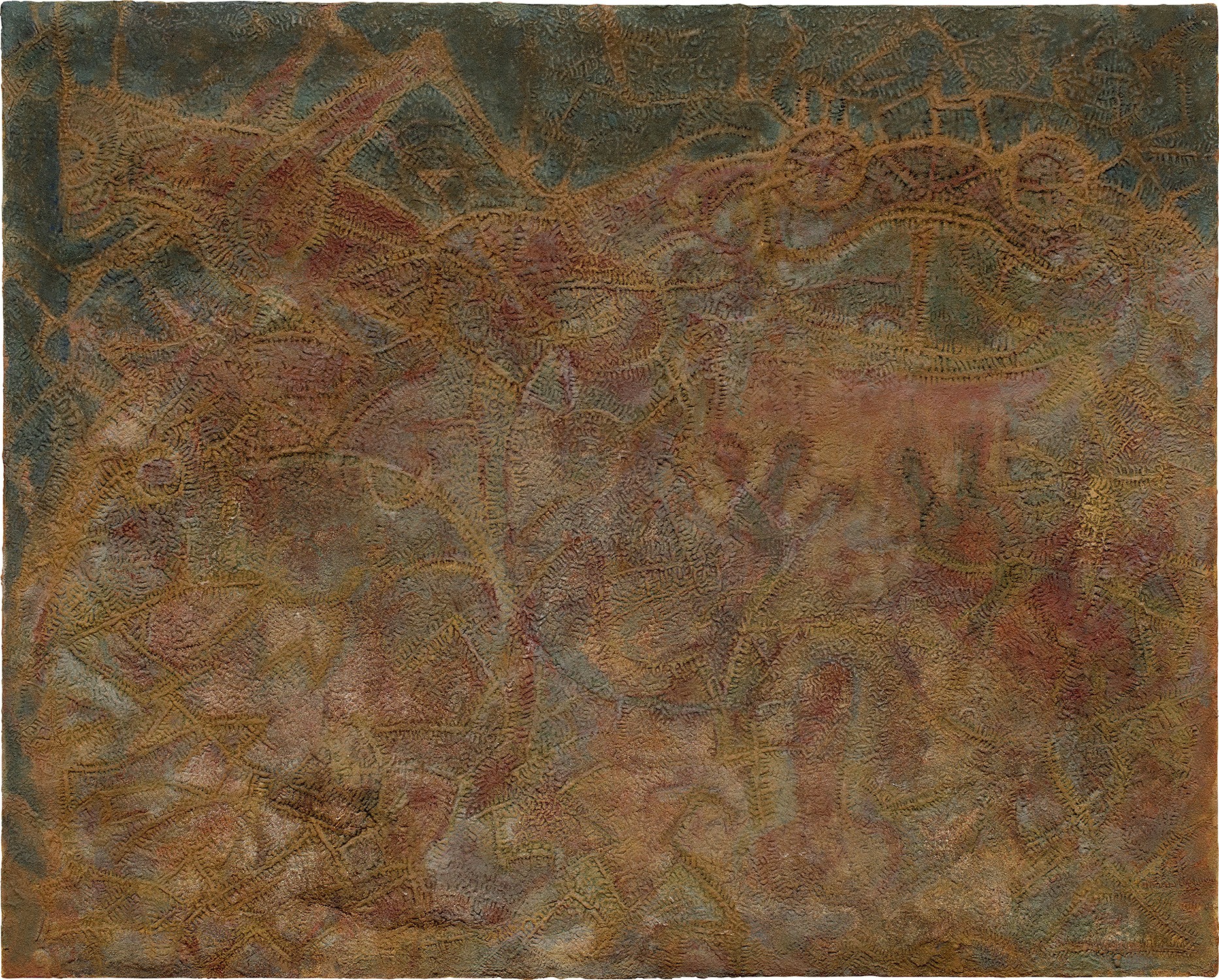
In the autumn of 2019, museums and cultural institutions across Mexico and beyond paused to honor a figure whose absence felt almost impossible to comprehend. Francisco Toledo, the painter, sculptor, printmaker, and tireless cultural activist who had spent seven decades transfiguring the ancient visual language of Oaxaca into something wholly his own, had passed at the age of seventy nine. The tributes that poured in were not merely those of a world mourning an artist. They were the words of a community grieving one of its most devoted and generous guardians. To understand Toledo is to understand that art and civic life were never, for him, separate concerns. Francisco Toledo was born in 1940 in Juchitán de Zaragoza, a town in the Isthmus of Tehuantepec region of Oaxaca, a part of Mexico defined by its deep Zapotec roots, its matriarchal social structures, and a visual culture unlike anywhere else in the country. He came of age surrounded by the textures, creatures, and cosmologies of that world, and they never left him. He studied printmaking in Oaxaca before traveling to Mexico City, where he worked under the renowned printmaker Guillermo Silva Santamaría at the Taller de Gráfica Popular. In the early 1960s he traveled to Paris, where he spent several formative years absorbing European modernism while maintaining an unshakeable connection to his indigenous heritage. It was a combination that would give his work its electric, irreducible quality. Toledo's artistic development resists the kind of clean chronological narrative that critics prefer. He was never a painter who became a sculptor, or a printmaker who dabbled in other media. From nearly the beginning, he worked across disciplines with equal commitment and equal mastery. His earliest mature works from the 1960s, including paintings on unusual substrates such as burlap and board with textures built from sand mixed into oil paint, already showed his instinct for materials that carried physical memory. The 1963 work known as Abstract, rendered in oil and sand on burlap, is a striking early example of his capacity to make a surface feel alive, earthy, and ancestral all at once. By the time the 1970s arrived, he had developed the imagery that would define him globally: a bestiary of toads, insects, iguanas, goats, fish, turtles, and fantastical hybrid creatures drawn from Zapotec mythology and pre Columbian tradition, rendered with a sensuality and dark wit that felt genuinely singular. The signature works held by collectors today offer a vivid window into the range and richness of Toledo's vision. Sapo con tortuga from 1970, worked in watercolor, gouache, and brush and ink on paper, is one of those images that lodges in the memory immediately. The toad and the turtle, two creatures that recur throughout Toledo's work almost as totemic presences, are rendered with that characteristic quality of being simultaneously playful and grave, earthly and supernatural. Cabrito from 1965, executed in gouache on goat skin, is one of his more extraordinary material choices: the use of actual animal skin as a ground for a painting of an animal carries a conceptual weight that feels entirely deliberate. El burro contento from 1970, oil and sand on canvas, belongs to that deeply textured tradition of his works in which the painted surface seems to breathe. And Benito Juárez flechador, with its incorporation of Mexican peso collage alongside gouache and sand on paper, demonstrates Toledo's ability to weave history, politics, and national identity into imagery that never becomes didactic. For collectors, Toledo represents one of the more compelling opportunities in the Latin American modern and contemporary market. His work has long been recognized by the world's great institutions: the Metropolitan Museum of Art, the Museum of Modern Art in New York, and the Los Angeles County Museum of Art all hold examples of his output, a fact that confers both institutional validation and genuine art historical weight. At auction, works on paper and smaller format paintings have offered entry points at a wide range of price levels, while larger and more complex canvases have commanded serious attention from major collectors. What to look for when considering a Toledo is a combination of material specificity and iconographic clarity: the works where his creature world feels most fully inhabited, where the surface carries the most physical presence, and where his command of color and line is most assured. Works from the 1960s and 1970s in particular represent the artist operating at full creative intensity. To place Toledo within the broader arc of art history is to see a figure who belongs to several conversations at once without being reducible to any single one. He is connected to the legacy of Mexican muralism and the graphic traditions of the Taller de Gráfica Popular, yet his sensibility is far more intimate and idiosyncratic than those collective movements suggest. He shares with artists like Rufino Tamayo a commitment to grounding Mexican modernism in indigenous visual heritage rather than European academic tradition, and like Tamayo he achieved international recognition without losing the specificity of his cultural roots. His creature world has invited comparisons to outsider art traditions and to artists working in surrealist adjacency, though Toledo himself was always something more precise and self aware than those categories imply. Toledo's legacy is extraordinary not only because of the art he made but because of the institutions he built and defended. He was a founder or major supporter of multiple cultural institutions in Oaxaca, including the Instituto de Artes Gráficas de Oaxaca, which houses one of Mexico's great art libraries, and the Centro Fotográfico Álvaro Carrillo Gil. He famously led a successful campaign in 2002 to prevent McDonald's from opening a restaurant in Oaxaca's historic main plaza, organizing a free traditional food giveaway in the square as a form of protest. This was Toledo in full: irreverent, principled, deeply local, and impossible to ignore. His art and his civic presence were expressions of the same commitment to a world in which beauty and dignity belonged to everyone. What endures, across every medium and every decade of his practice, is a quality of attention that feels rare in any era. Toledo looked at a toad or a fish or a donkey and saw a universe of meaning, rooted in Zapotec cosmology, alive with humor and shadow, and rendered in materials that carried the weight of the earth itself. To collect his work is to bring that attention into a private space, to live alongside a vision of the world that is ancient and contemporary, local and universal, utterly Oaxacan and entirely one of a kind.