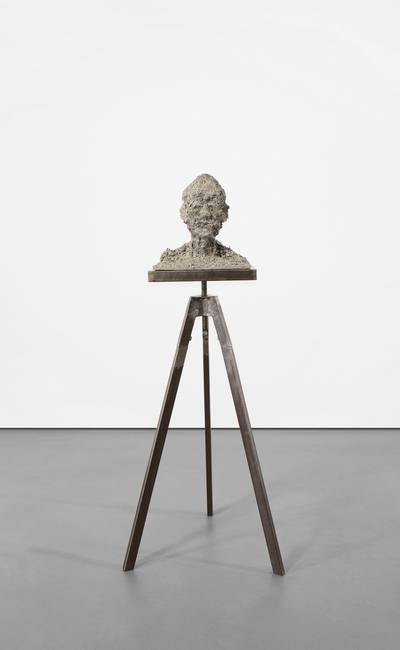
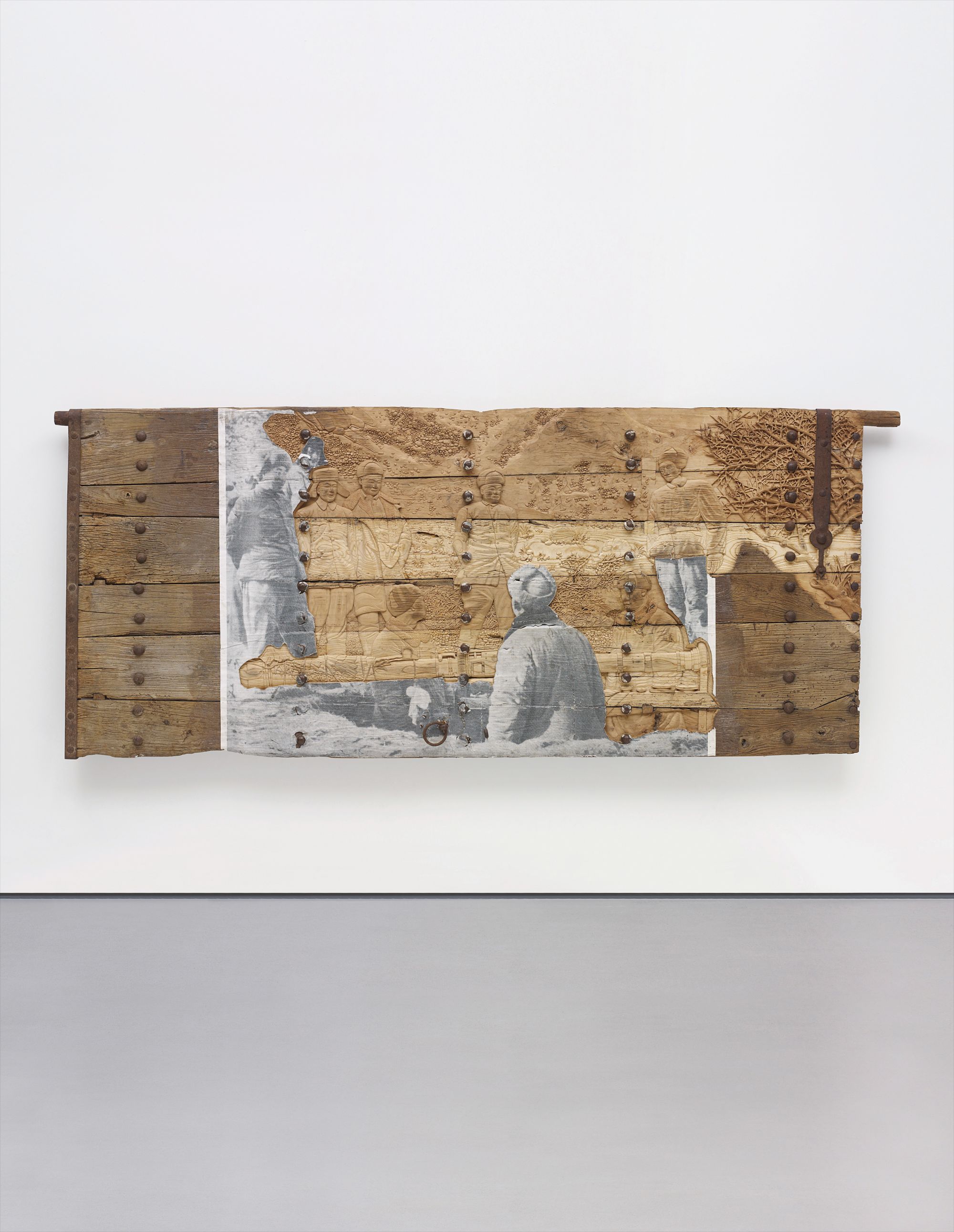
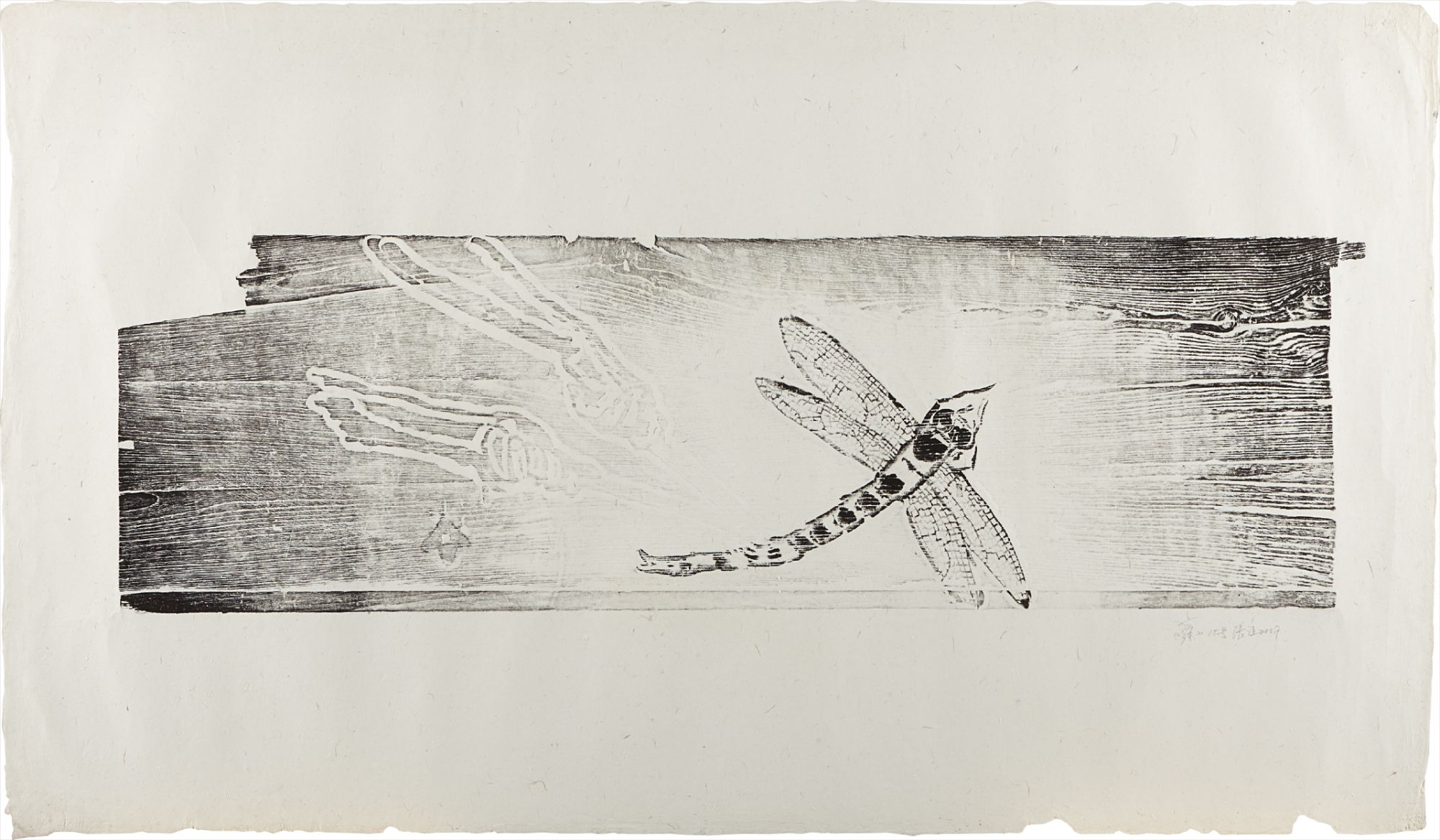
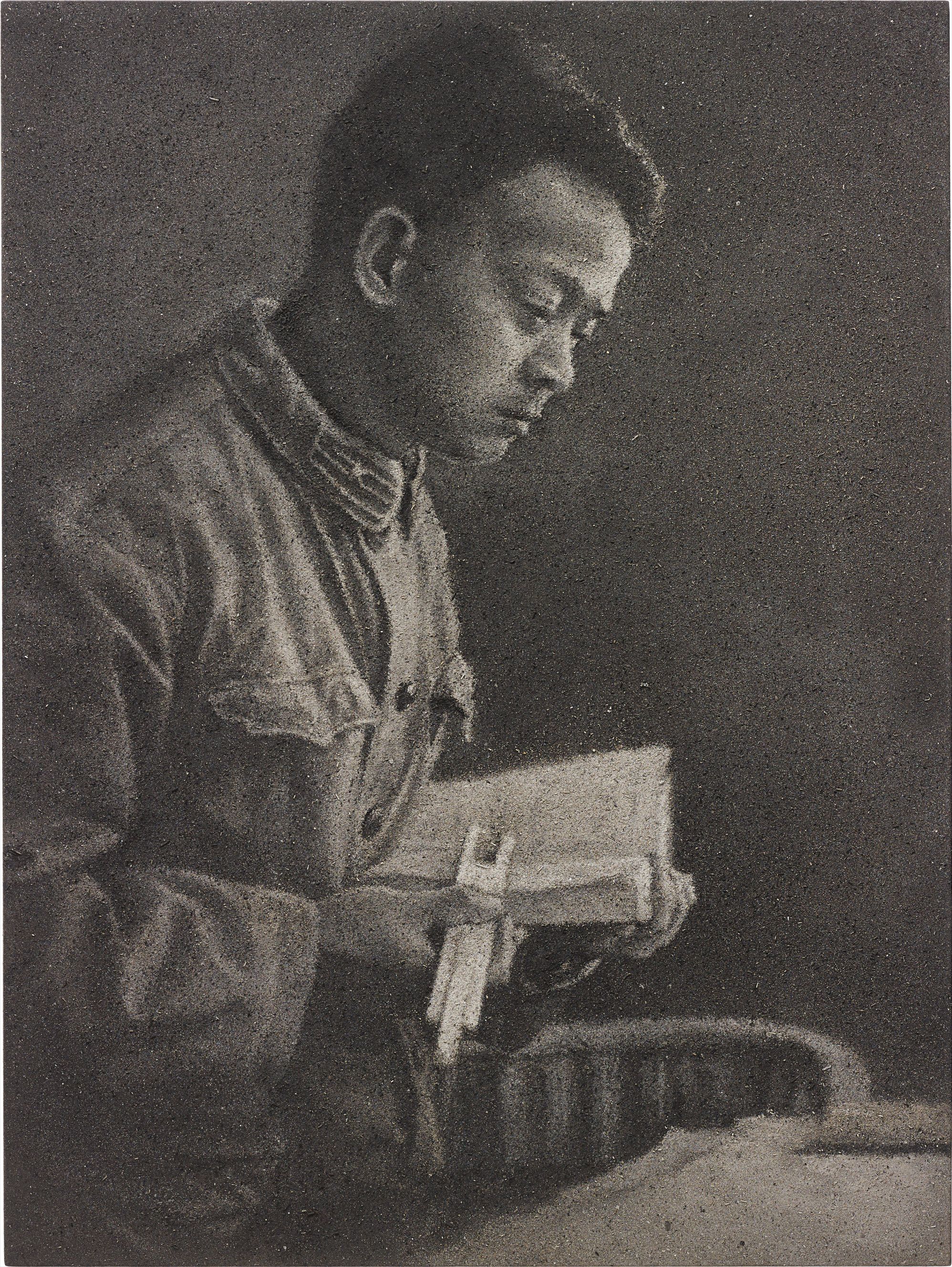
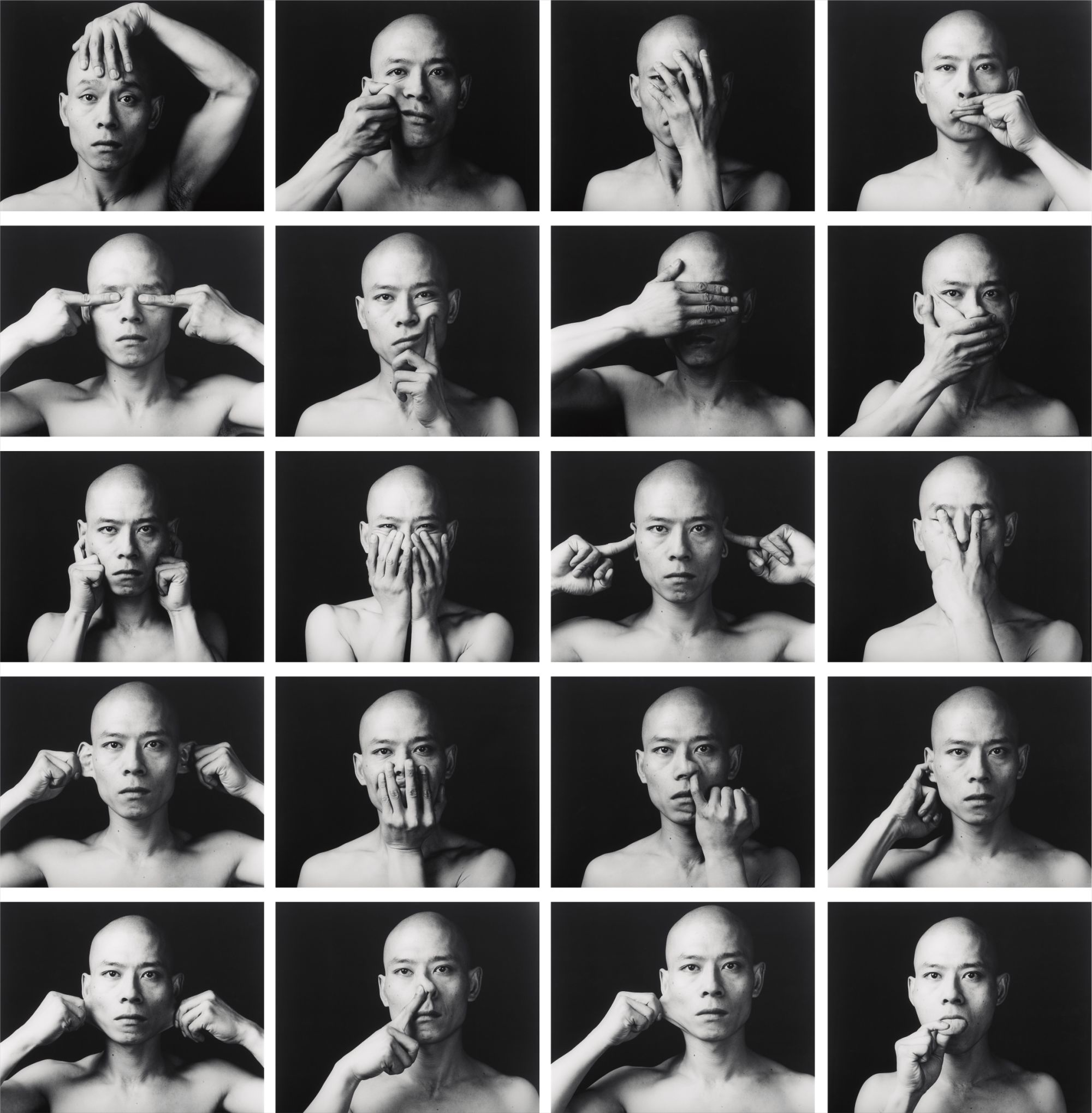
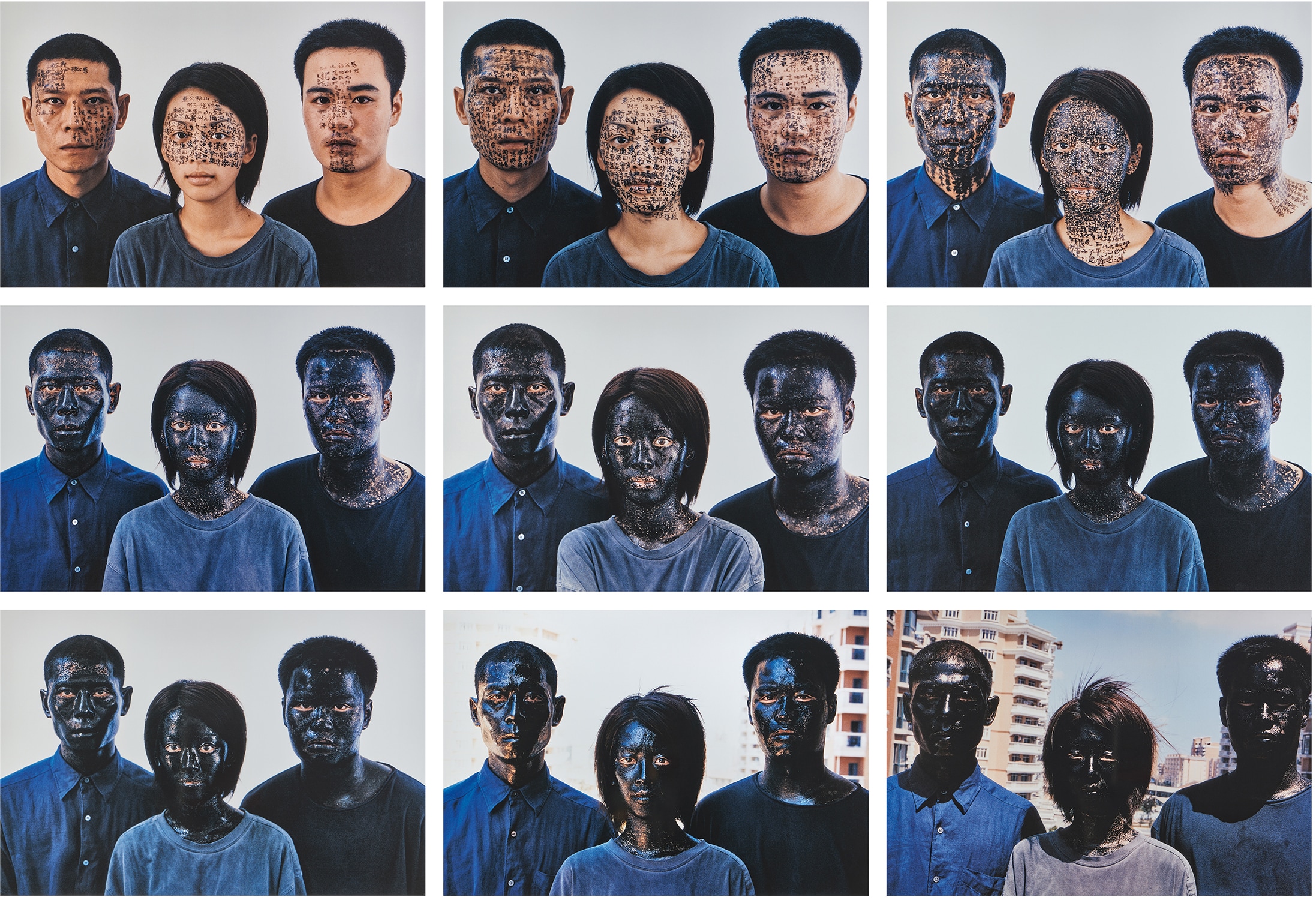
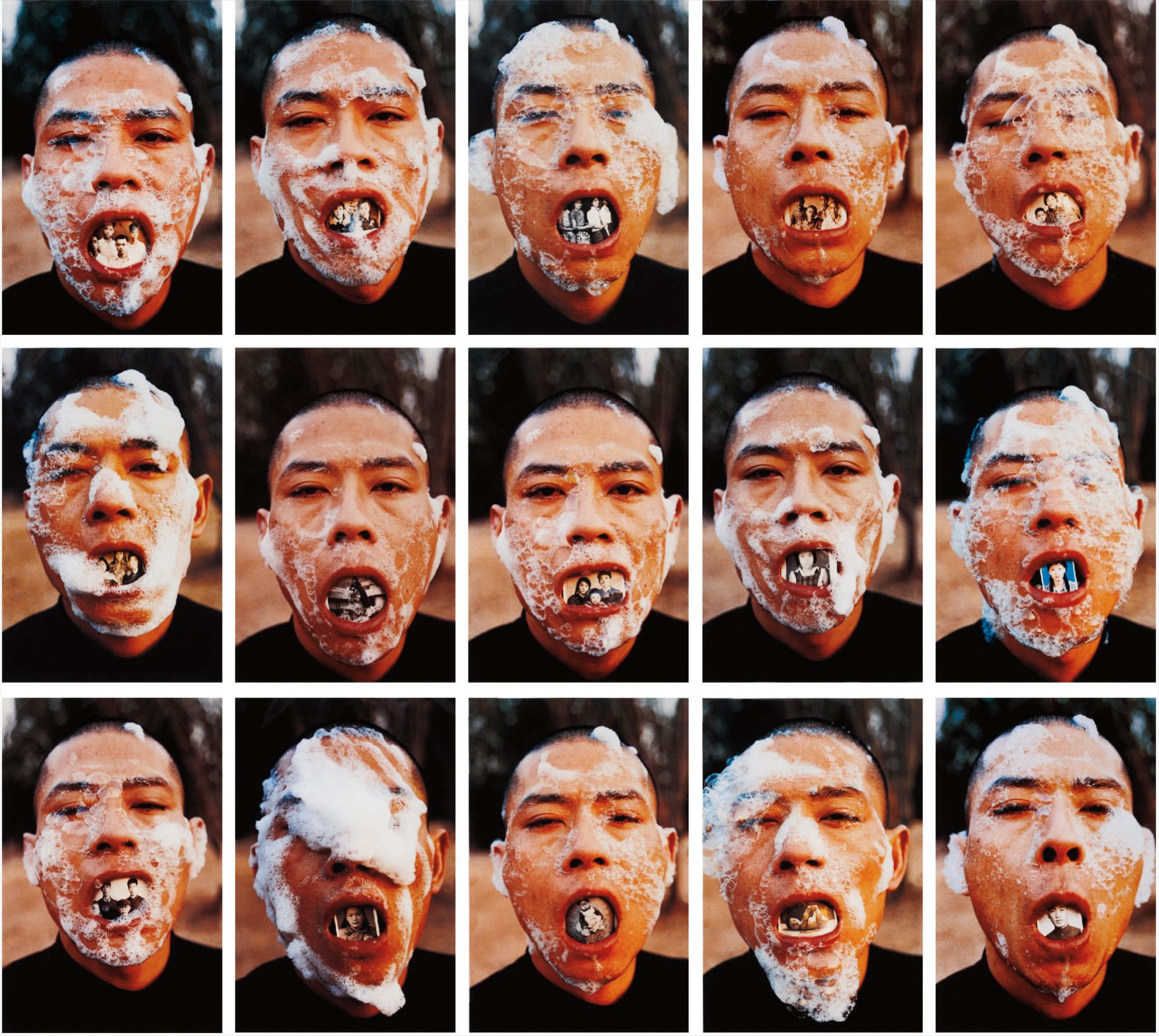
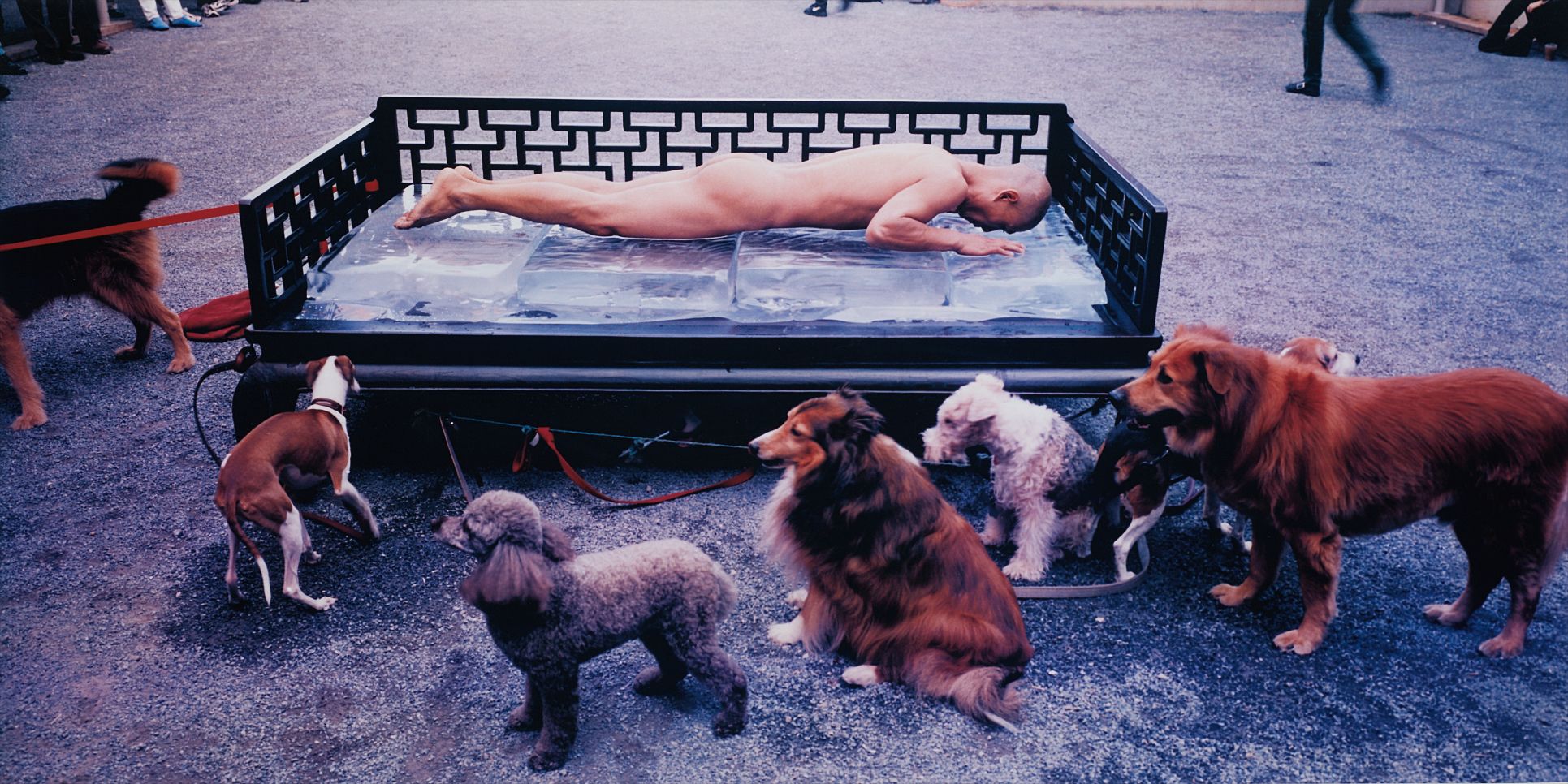
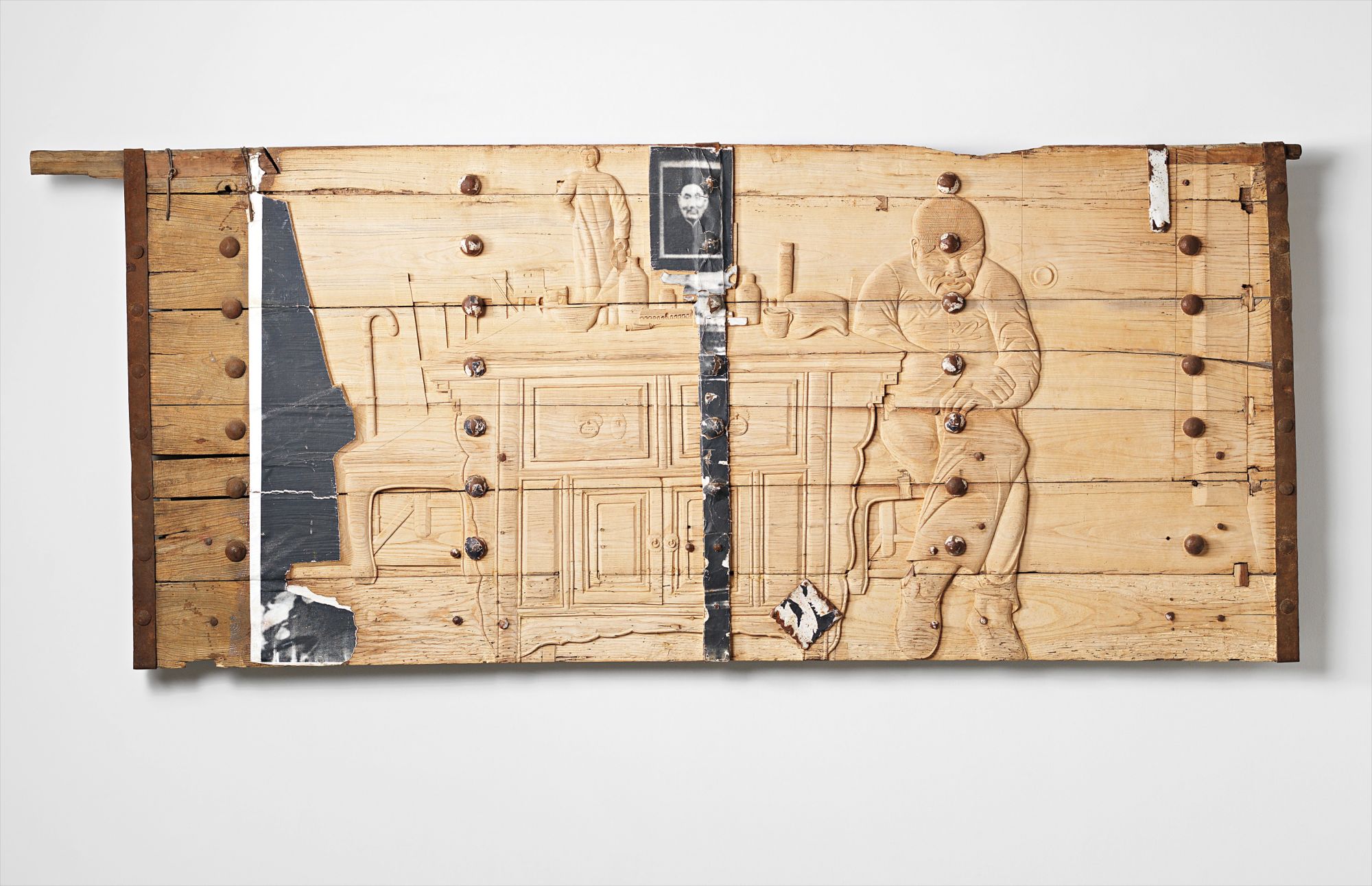
In the spring of 2023, the museum world and the international art market were reminded once again of Zhang Huan's singular power when major institutions across Asia and Europe revisited his decades long practice through group exhibitions and acquisitions dedicated to performance based and post performance art. His photographs, ash paintings, and monumental sculptures have entered the collections of the Guggenheim Museum, the Museum of Modern Art in New York, and the Centre Pompidou in Paris, cementing a reputation built not on spectacle alone but on genuine philosophical depth. Zhang Huan is one of the rare artists whose work rewards both the first glance and the tenth, each encounter yielding new layers of meaning about the human body, collective memory, and the passage of time. Zhang Huan was born in 1965 in Anyang, a city in Henan Province in central China, a region steeped in ancient history and the birthplace of some of the earliest Chinese writing. He studied oil painting at the Henan University of Fine Arts before moving to Beijing in the early 1990s to attend the Central Academy of Fine Arts, arriving at a moment when the Chinese avant garde was testing every conceivable boundary. He settled in the East Village, a ramshackle artists' community on the outskirts of Beijing where a generation of radical practitioners, including Ma Liuming and Cang Xin, were pushing performance art into territory that was raw, confrontational, and deeply personal. This environment shaped Zhang Huan profoundly, teaching him that the body was not merely an instrument but the primary site of truth. His early performances from the mid 1990s are now legendary in the history of contemporary Chinese art. In 1995, for the piece documented as To Add One Meter to an Anonymous Mountain, ten artists lay naked on top of one another on a mountain outside Beijing, stacking their bodies to literally add human mass to the landscape. The gelatin silver print that records this action has become one of the iconic images of the decade, a quiet but radical statement about collectivity, impermanence, and the relationship between humanity and nature. That same period produced works like 12 Square Meters, in which Zhang Huan sat motionless in a fetid public toilet covered in honey and fish oil while flies gathered on his skin, a work that was not about shock but about endurance, presence, and the dignity of the abject. These performances were documented through photography, and those prints are among the most historically significant works available to collectors today. In 1998, Zhang Huan moved to New York, where his practice expanded dramatically in scale and ambition. He began working with larger audiences, more elaborate staging, and an increasingly international frame of reference. His New York performances, including pieces at PS1 and other major venues, introduced Western audiences to an artist who could speak the language of body art as fluently as Marina Abramovic or Vito Acconci while drawing on an entirely different cultural reservoir. Works from this period, including the Shanghai Family Tree series and the Foam Series, both documented as chromogenic prints, reveal an artist exploring how identity is written on the body and how memory is simultaneously personal and collective. In Family Tree, Zhang Huan had texts and symbols gradually painted across his face over the course of a day, the imagery eventually obscuring his features entirely, a meditation on the weight of history and the fragility of the individual self. In 2005, Zhang Huan returned to Shanghai and established a large studio practice that allowed him to work at a monumental scale with new materials, most notably ash. He began collecting ash from incense burned in Buddhist temples across China, using it as a primary medium in large scale paintings that address memory, loss, and spiritual longing. The Ash Head series, including the significant Ash Head No. 28 from 2006, exemplifies this phase: vast, haunting portraits built from the residue of devotional acts, the material itself carrying the prayers and intentions of thousands of anonymous worshippers. These works are among the most sought after in his career, blending the intimacy of portraiture with the gravity of collective ritual. His Memory Door works, such as Memory Door (Street Corner) and Memory Door (Miss), layer silkscreen imagery onto antique carved wooden doors, merging contemporary photographic processes with objects that carry centuries of domestic history. For collectors, Zhang Huan's work represents a rare alignment of art historical importance and genuine aesthetic pleasure. His photographic works from the Beijing East Village period are primary documents of one of the most consequential moments in the history of performance art, and their value has appreciated steadily as institutions and scholars have deepened their understanding of the 1990s Chinese avant garde. The ash paintings, produced by his Shanghai studio, offer a different kind of engagement: large, commanding, and meditative, they hold a room with authority and reward sustained attention. Works like My Rome and To Raise the Water Level in a Fishpond demonstrate how Zhang Huan's documentary photographs function as complete artworks in their own right, not mere records of a vanished event but compositions of real formal beauty. Collectors who have built relationships with his work over time speak of it as an anchor in their collections, the kind of practice that makes other works around it legible. Within the broader context of contemporary art history, Zhang Huan belongs to a lineage that includes the Vienna Actionists, the Gutai group in Japan, and the Fluxus movement in the West, all of whom understood that the body in real time and real space was the most honest possible medium. He is also deeply in conversation with artists such as Ai Weiwei and Xu Bing, who emerged from the same crucible of post Cultural Revolution China and have each found distinct ways to metabolize that history into international artistic practice. What distinguishes Zhang Huan within this constellation is his consistent willingness to place himself, and the bodies of others, at genuine risk in service of a vision that is ultimately compassionate and even tender. Today, Zhang Huan's legacy is not a matter of historical record alone but of living, growing relevance. In a cultural moment defined by questions about the relationship between digital identity and the physical self, between individual experience and collective trauma, between Eastern and Western epistemologies, his work offers not answers but something more valuable: a practice of sustained, courageous inquiry. To collect Zhang Huan is to align oneself with an artist who has never taken the easy path, whose every work is a wager on the importance of being present and fully human.