Urban Setting
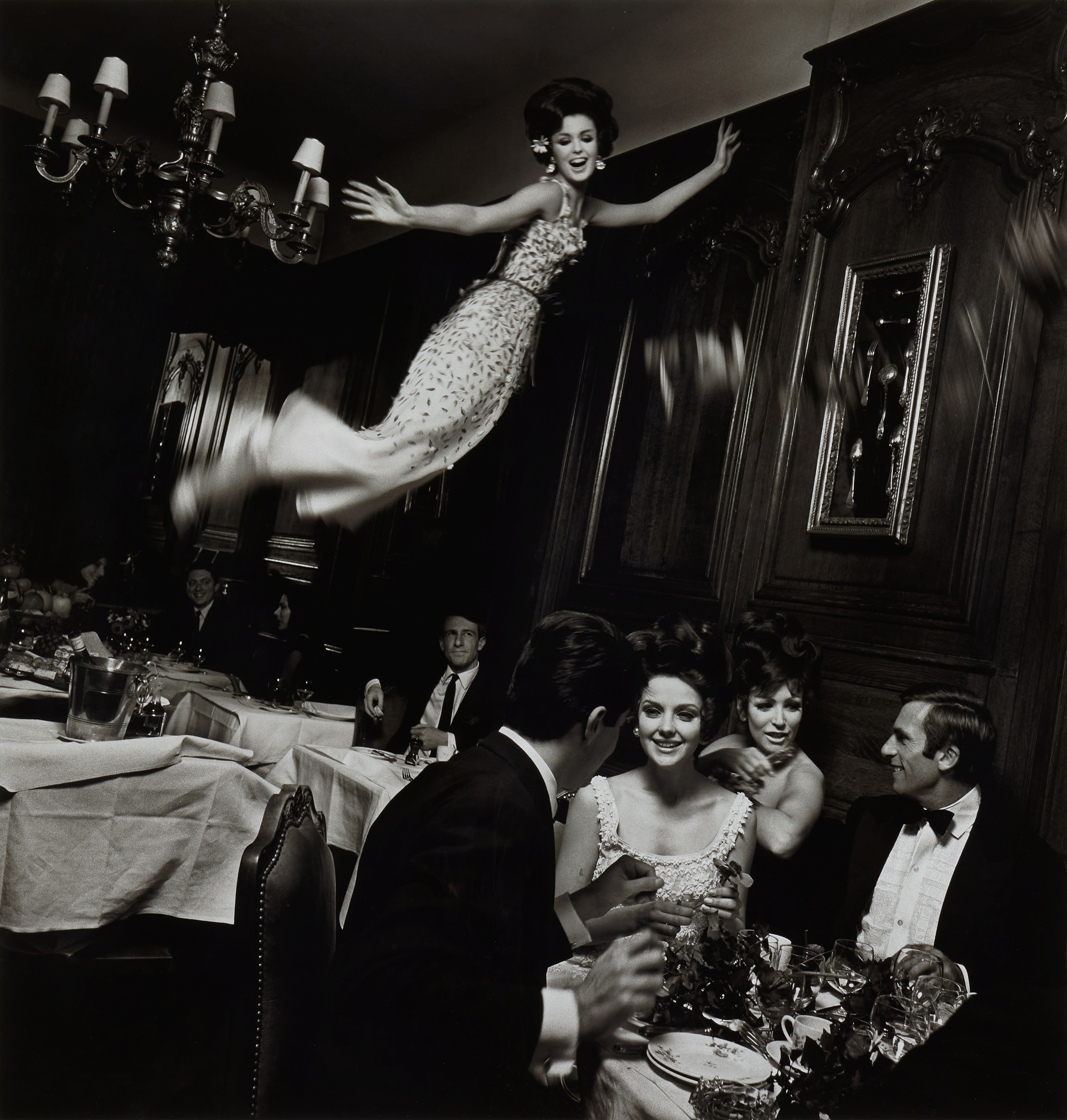
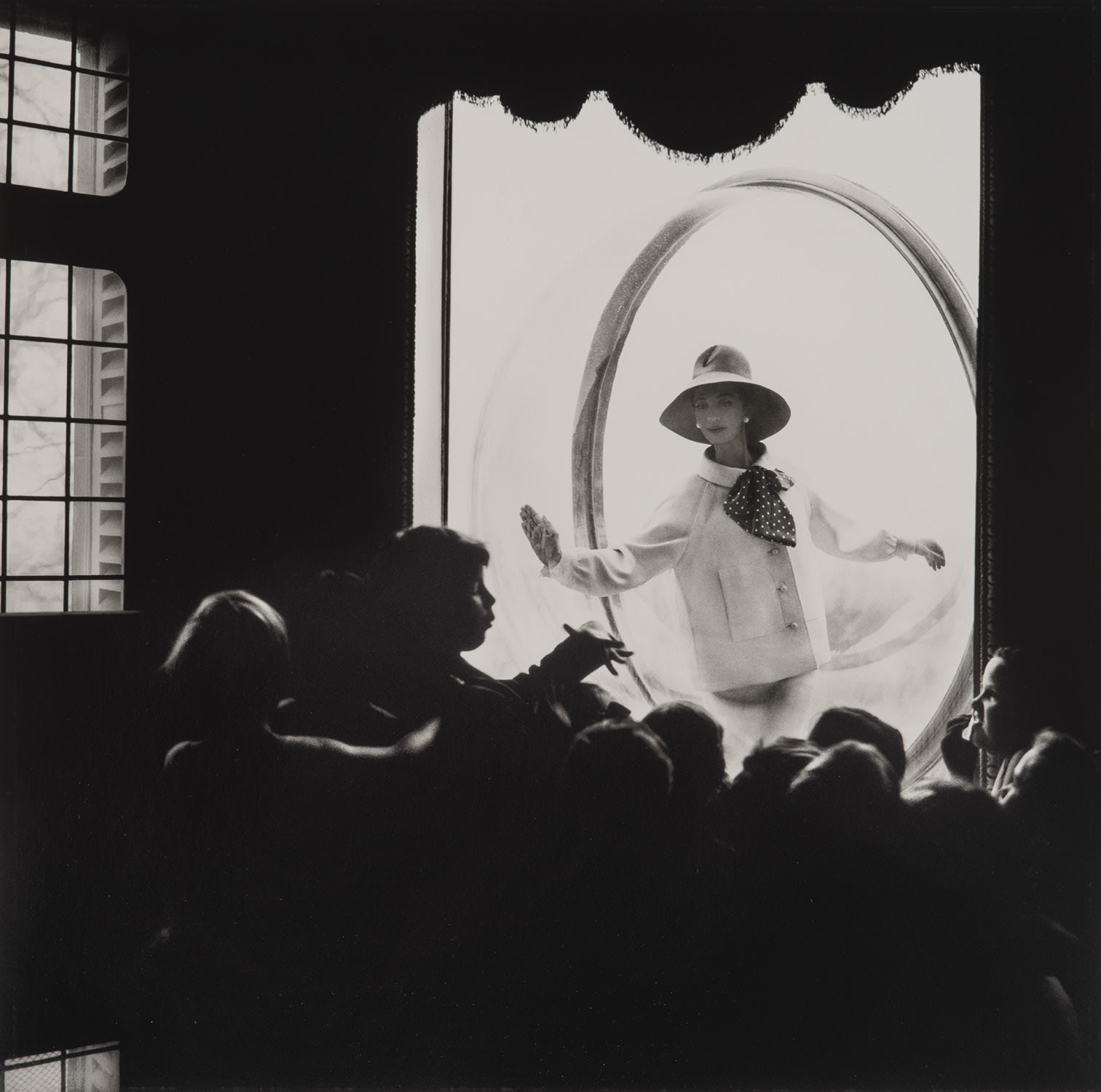
Melvin Sokolsky
'Sidekick, Paris'

The Street Was Always the Studio
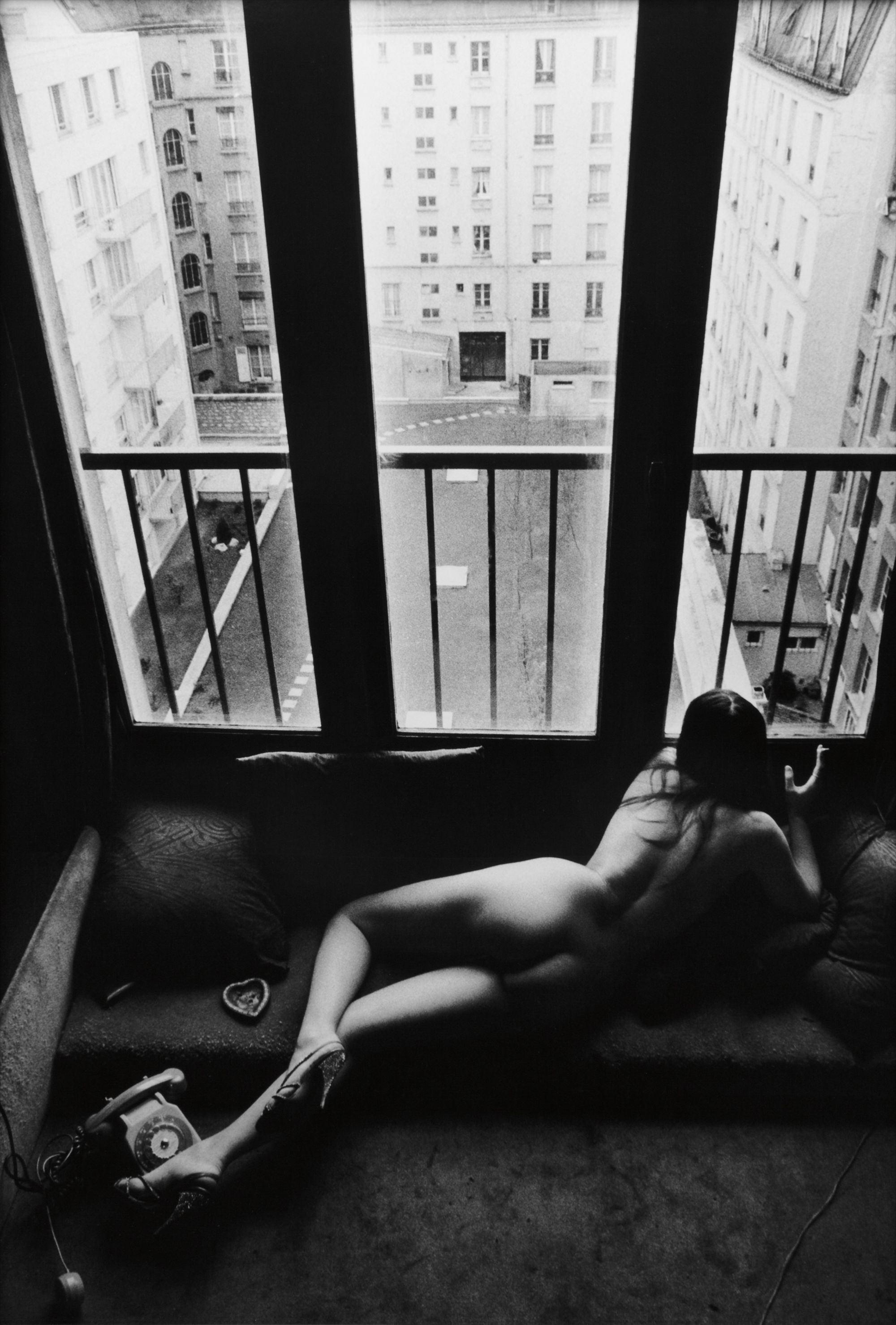
There is a particular kind of truth that only the city can produce. It arrives unannounced, in the gap between two strangers on a crowded sidewalk, in the geometry of a fire escape throwing shadows across a brick wall, in the moment when the ordinary becomes, briefly and irreversibly, monumental. Artists have always understood this. The urban setting is not merely a backdrop.
It is a subject, a collaborator, and sometimes an adversary, one that demands presence, patience, and a willingness to be changed by what you find there. The serious artistic engagement with urban life has roots that stretch back well before photography made the street its natural territory. In the late nineteenth century, artists and illustrators were already grappling with the social textures of industrial cities. Jean Louis Forain, the French caricaturist and printmaker, brought a sharp and often merciless eye to Parisian society, capturing the theater of class and spectacle that the modern metropolis had become.
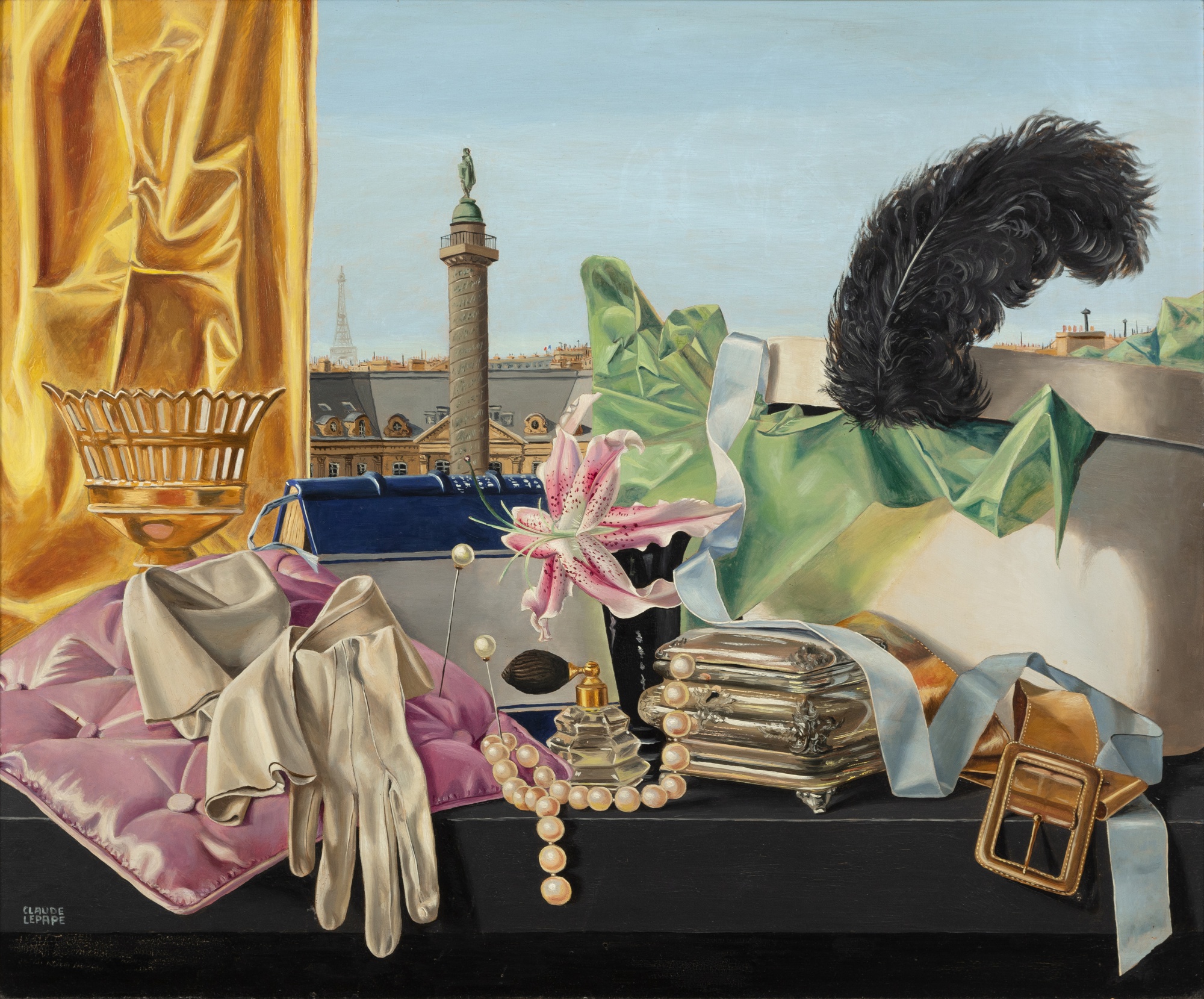
Claude Lepape
Nature morte devant la place Vendôme
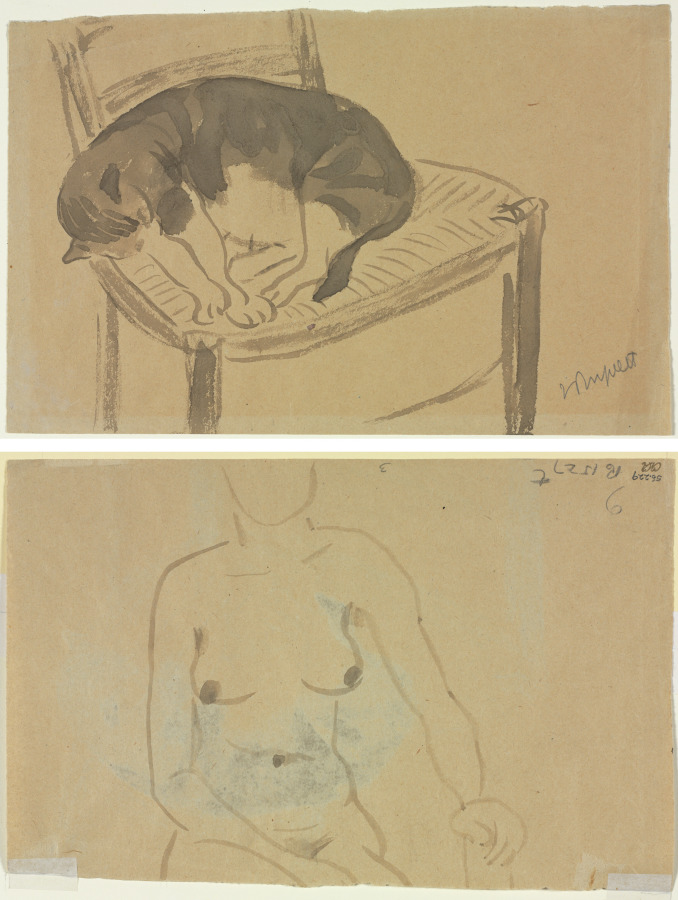
His work belongs to a tradition that includes Daumier and Toulouse Lautrec, artists who understood that the city was not simply a place but a condition, one that revealed character under pressure. Around the same time, Georges Lepape and the circle around La Gazette du Bon Ton were translating Parisian modernity into something more elegant and aspirational, with Claude Lepape continuing that graphic sensibility into the mid twentieth century. When photography arrived as a serious artistic medium in the early twentieth century, the city became its great subject almost immediately. The streets of New York, London, and Paris offered endless raw material, and photographers developed a grammar for reading urban space that remains influential today.
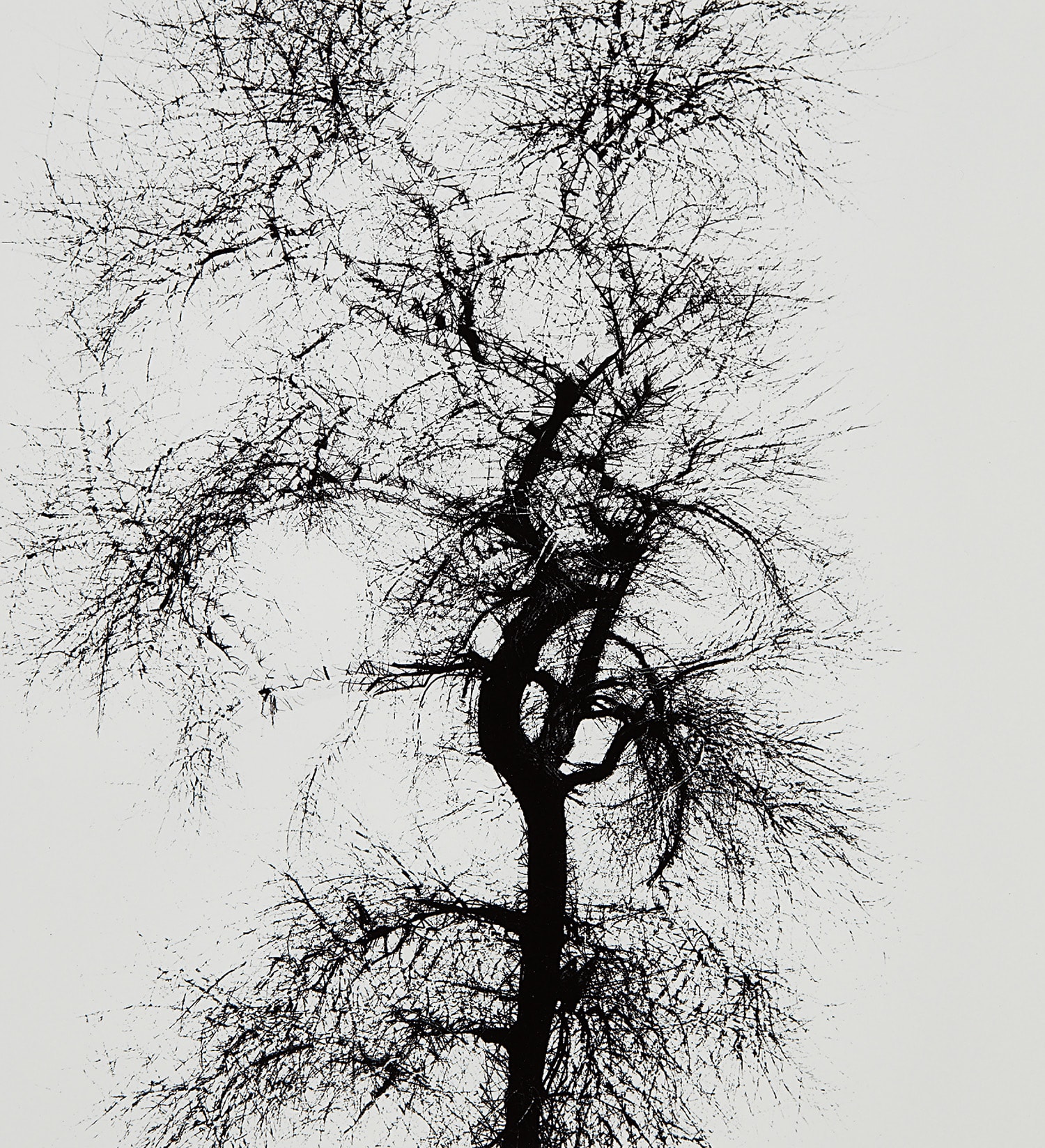
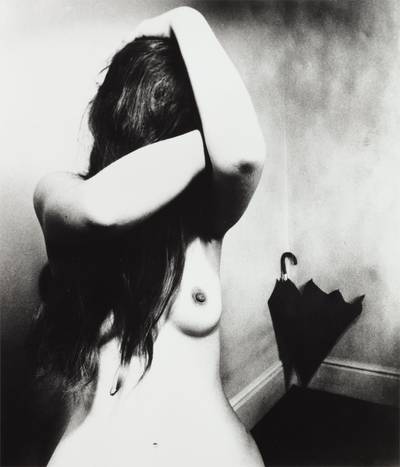
Bill Brandt, working in London from the 1930s onward, brought a cinematic, almost expressionist quality to his street scenes, finding in fog and shadow a city that felt simultaneously real and dreamlike. His work reminds us that urban photography was never simply documentary. It was always also atmospheric, always concerned with feeling as much as fact. Harry Callahan, working primarily in Chicago from the late 1940s through the following decades, pushed this further still, using multiple exposure and radical cropping to make the pedestrian into something close to abstract.
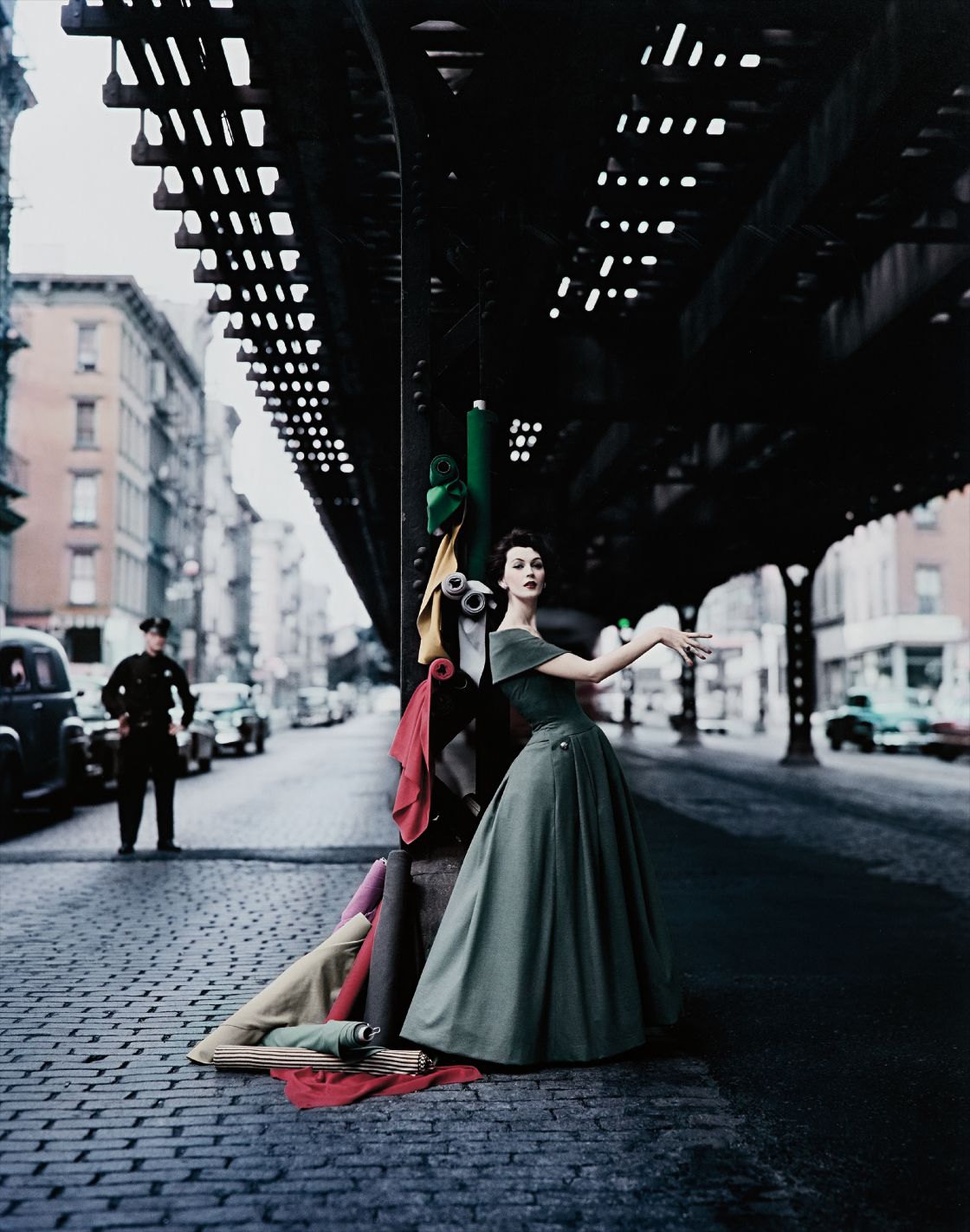
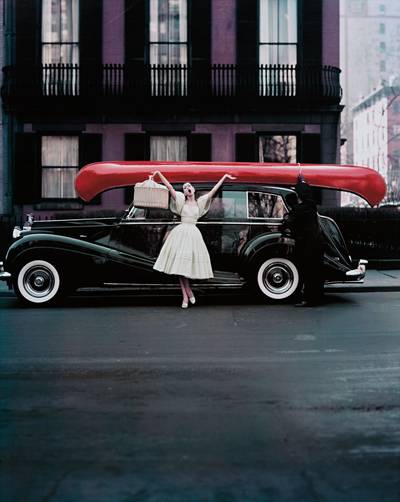
William Helburn
Dovima under the El (Dior Creates Cosmopolitan Drama)
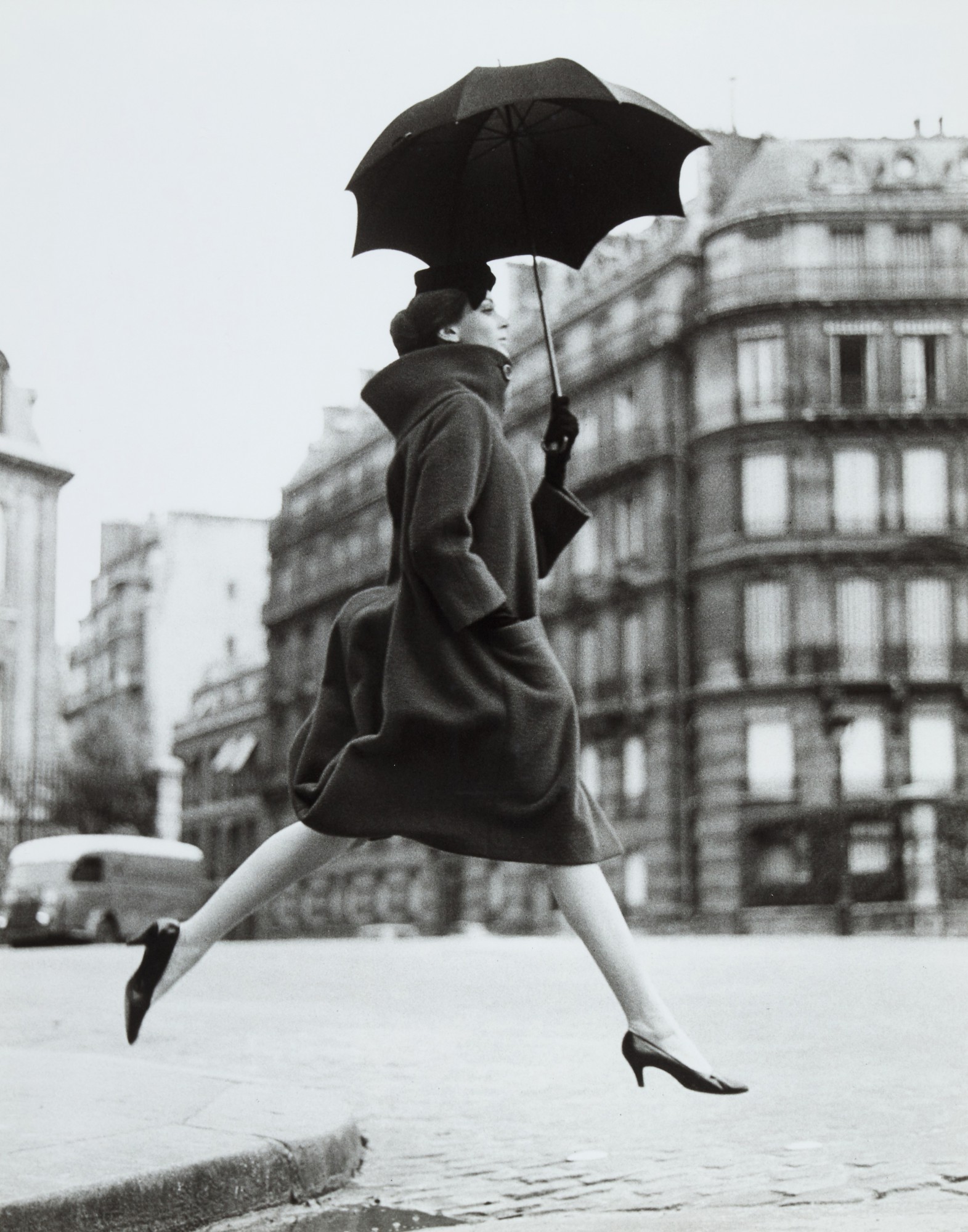
His photographs of women walking in city streets are among the most quietly radical images of urban life ever made. By the 1950s and 1960s, the urban setting had become the proving ground for a generation of photographers who rejected the polished studio ideal in favor of the friction and accident of the street. Richard Avedon, best known for his fashion work, was conducting his own interrogation of American society, and his portraits brought the social landscape of the city into sharp and sometimes uncomfortable focus. William Helburn, working in the same era and often for the same magazines, understood how to use the city as stage set, placing models against the living backdrop of New York in ways that made fashion feel contingent and real rather than sealed off from the world.
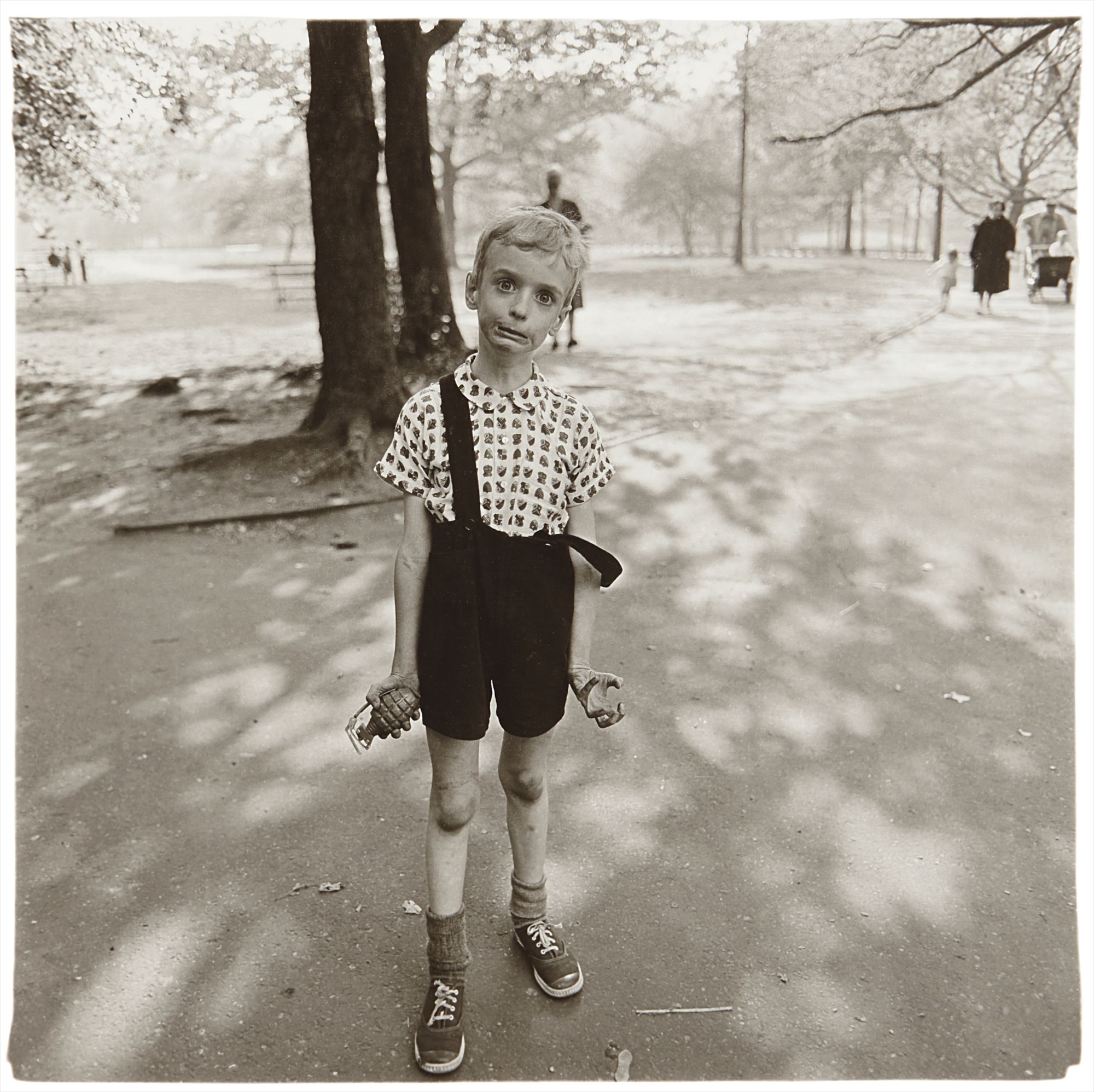
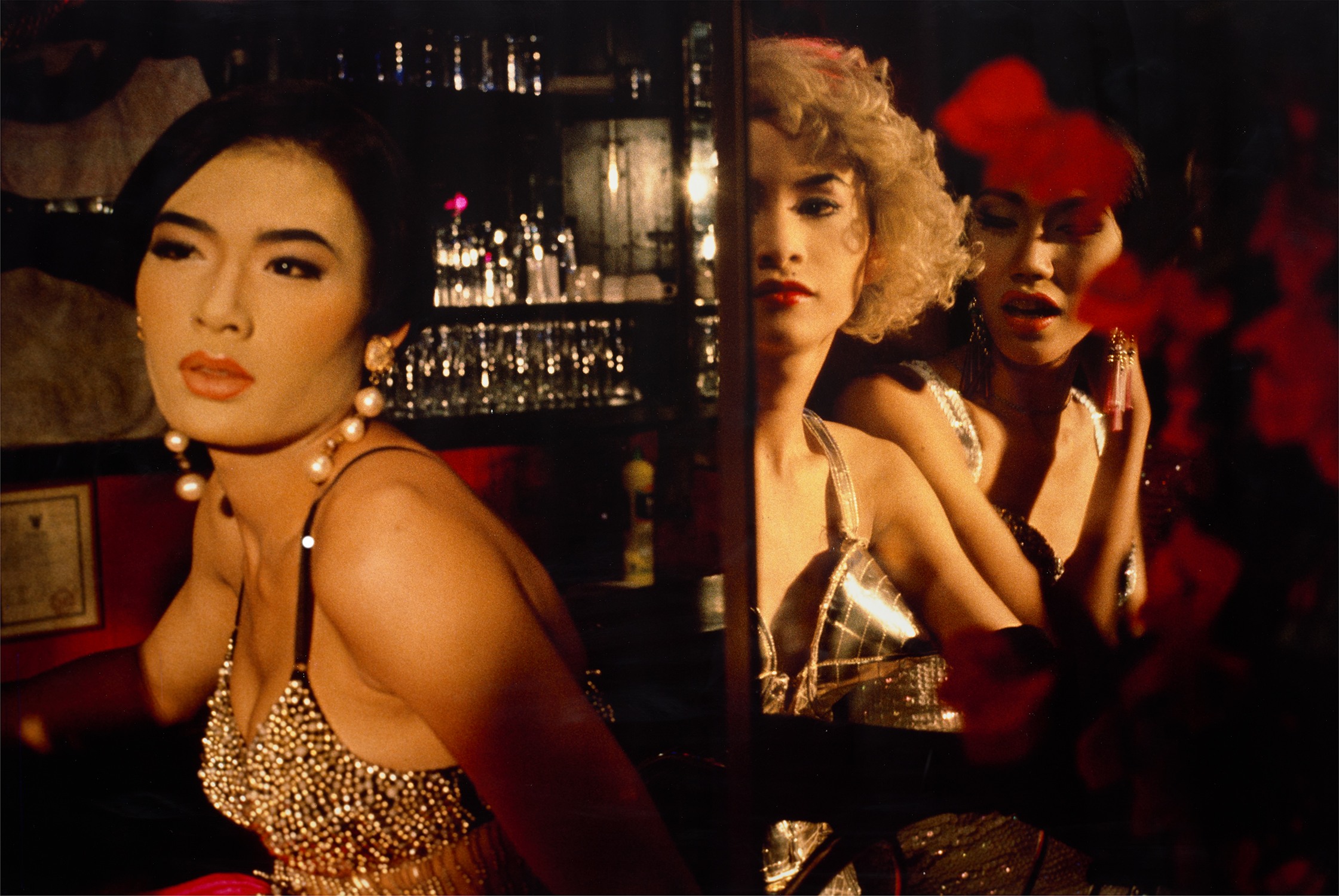
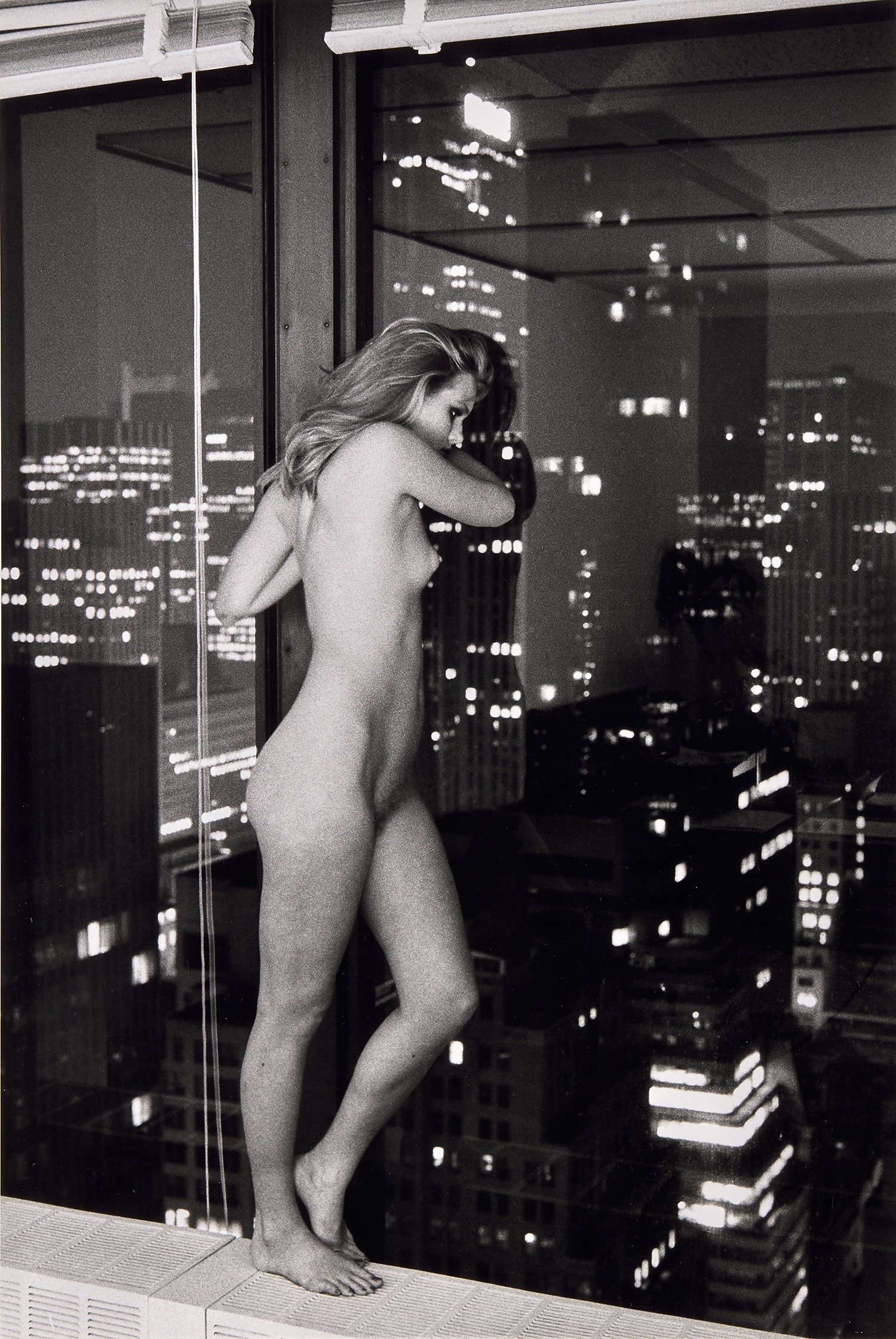
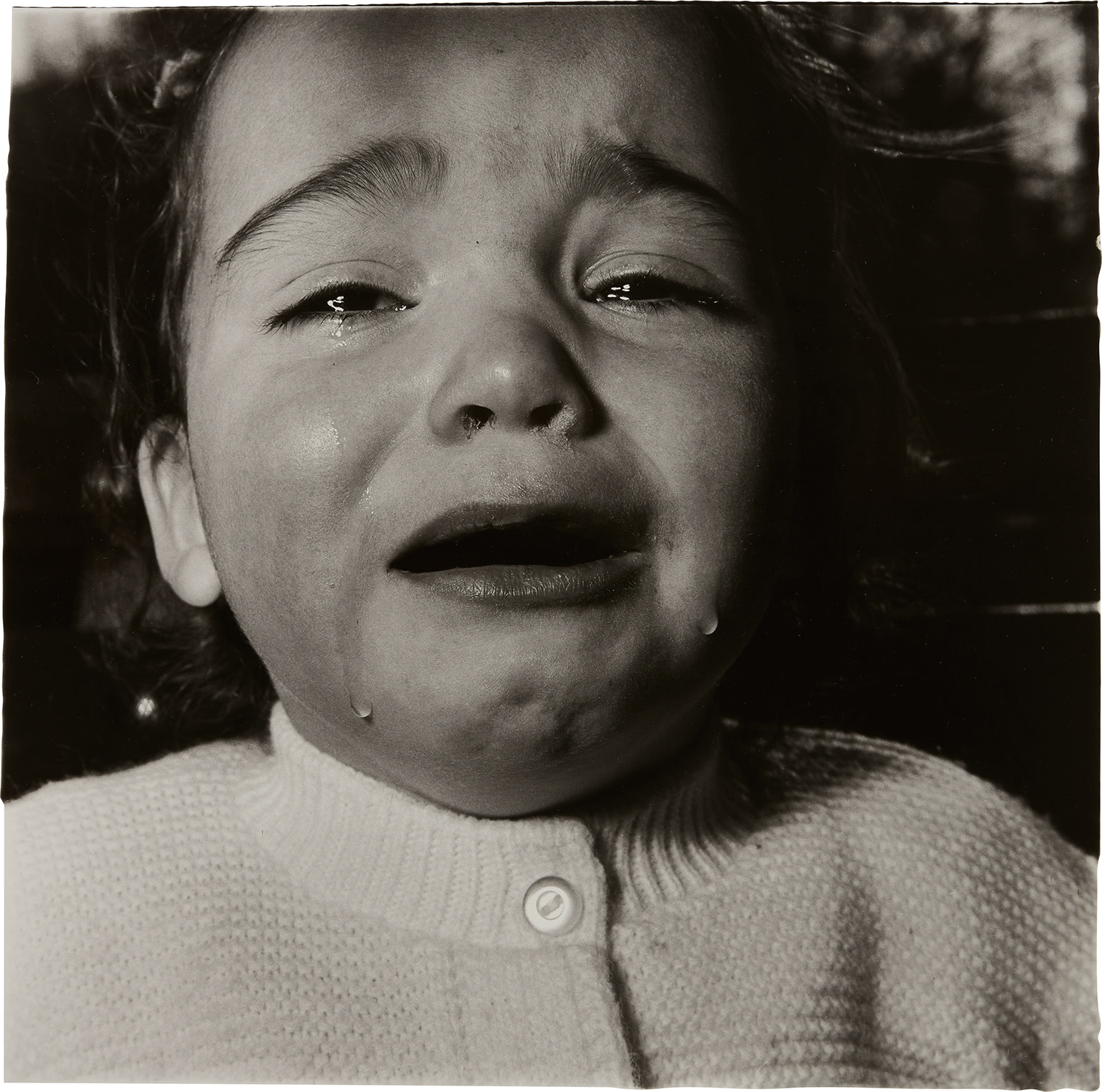
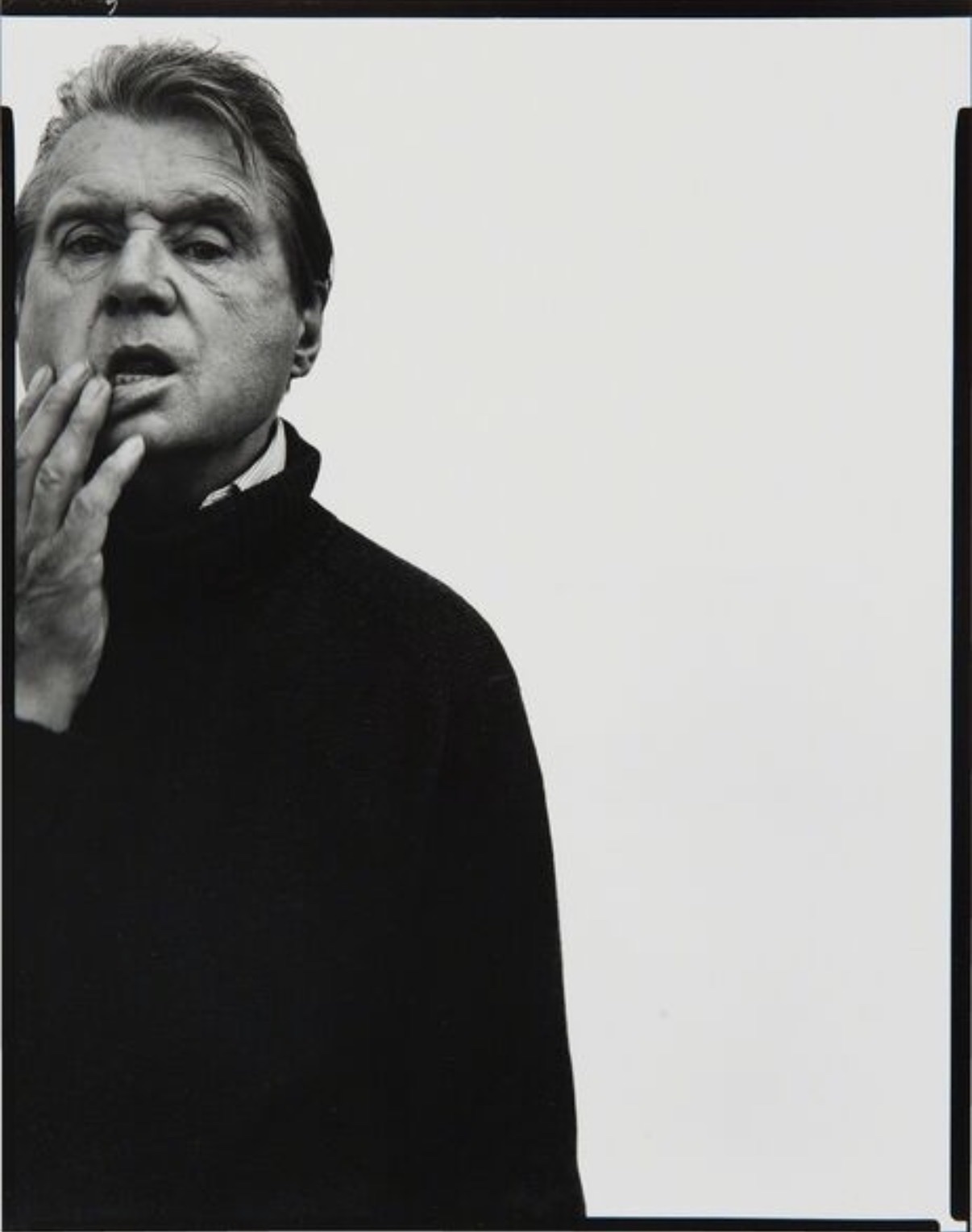
Helmut Newton, beginning his major work in the 1970s and reaching his peak influence in the 1980s, took that relationship between the fashioned body and the urban environment into far more charged territory, staging his images in hotel corridors, parking structures, and European boulevards with a cool, provocative intelligence that still polarizes and compels in equal measure. The body in the city has always been one of photography's most charged subjects. Diane Arbus, whose work in New York from the late 1950s through the early 1970s changed what documentary photography was allowed to address, found her subjects in the margins and the overlooked corners of urban life. Her images insist on the dignity of the particular, of the person who does not fit the category, and they remain among the most ethically complex works the medium has produced.
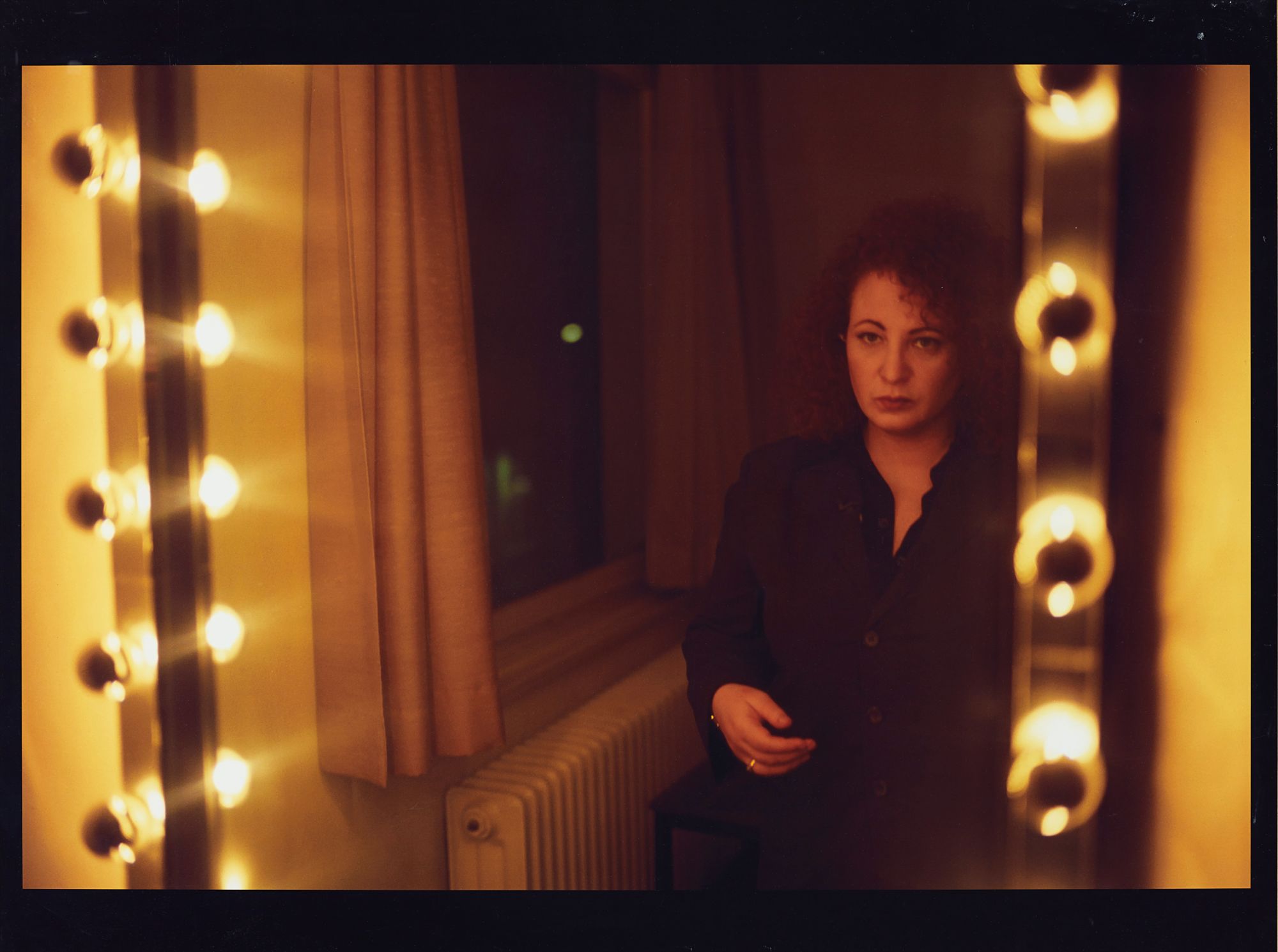
Nan Goldin
Self-portrait in the mirror, Hotel Baur au Lac, Zürich
Nan Goldin, beginning her extended portrait of her downtown New York community in the 1970s and culminating in the landmark 1986 slideshow and subsequent book The Ballad of Sexual Dependency, brought an intimacy to urban social documentary that felt genuinely new. Her images are inside the city rather than observing it from any safe distance, and they changed the terms of what witness and participation could mean in visual art. Melvin Sokolsky, whose bubble series of the early 1960s placed models in transparent spheres floating above Paris streets, asked a stranger and more playful question: what happens to the body when the city becomes surreal. The urban setting as an artistic category is not confined to photography.
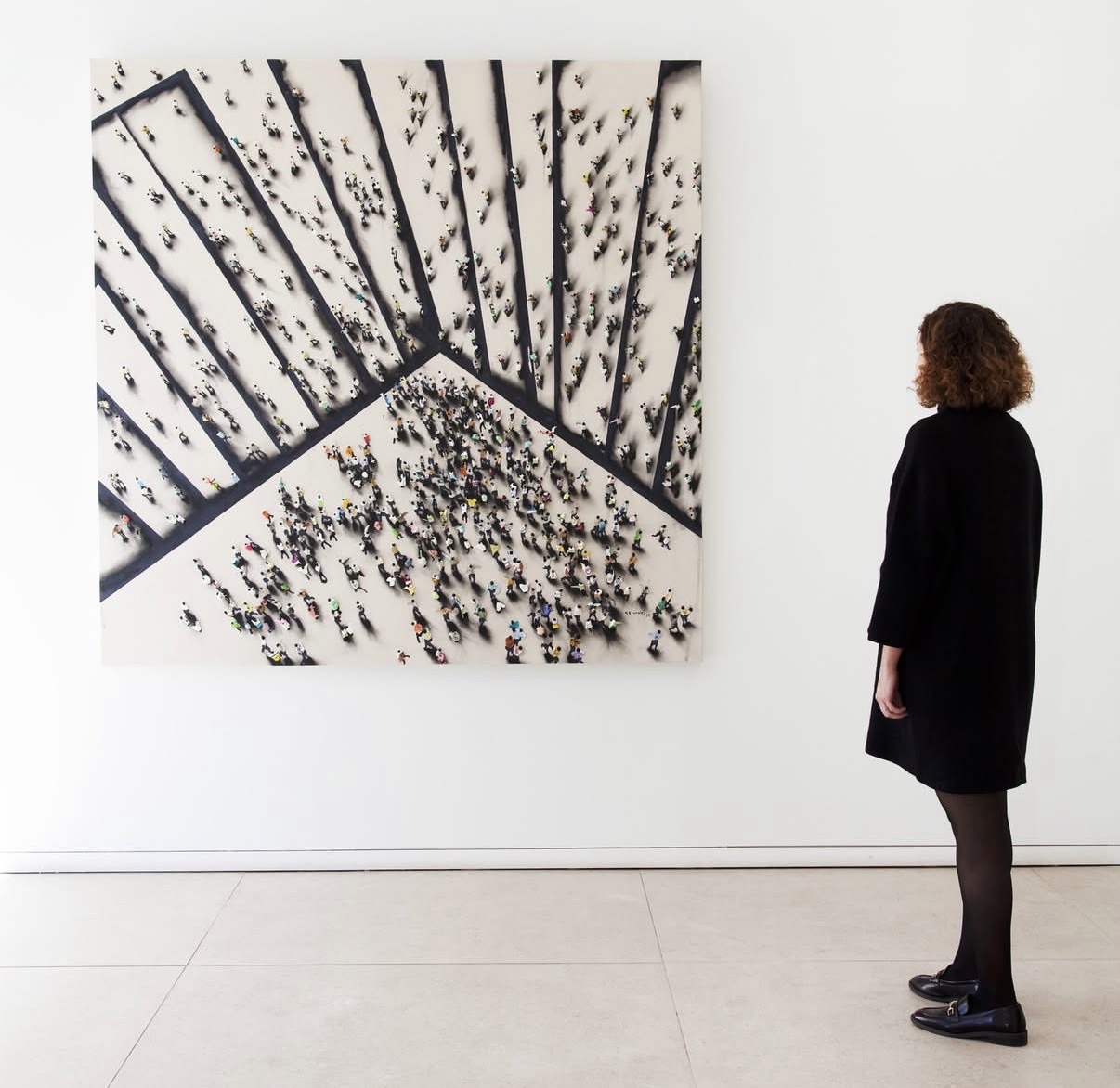
L.S. Lowry spent decades rendering the industrial towns of northern England in a style that was instantly recognizable and quietly devastating, populating his street scenes with the small, hurrying figures that became his signature. His work asks us to see collective life, the crowd as organism, as something both moving and melancholy.
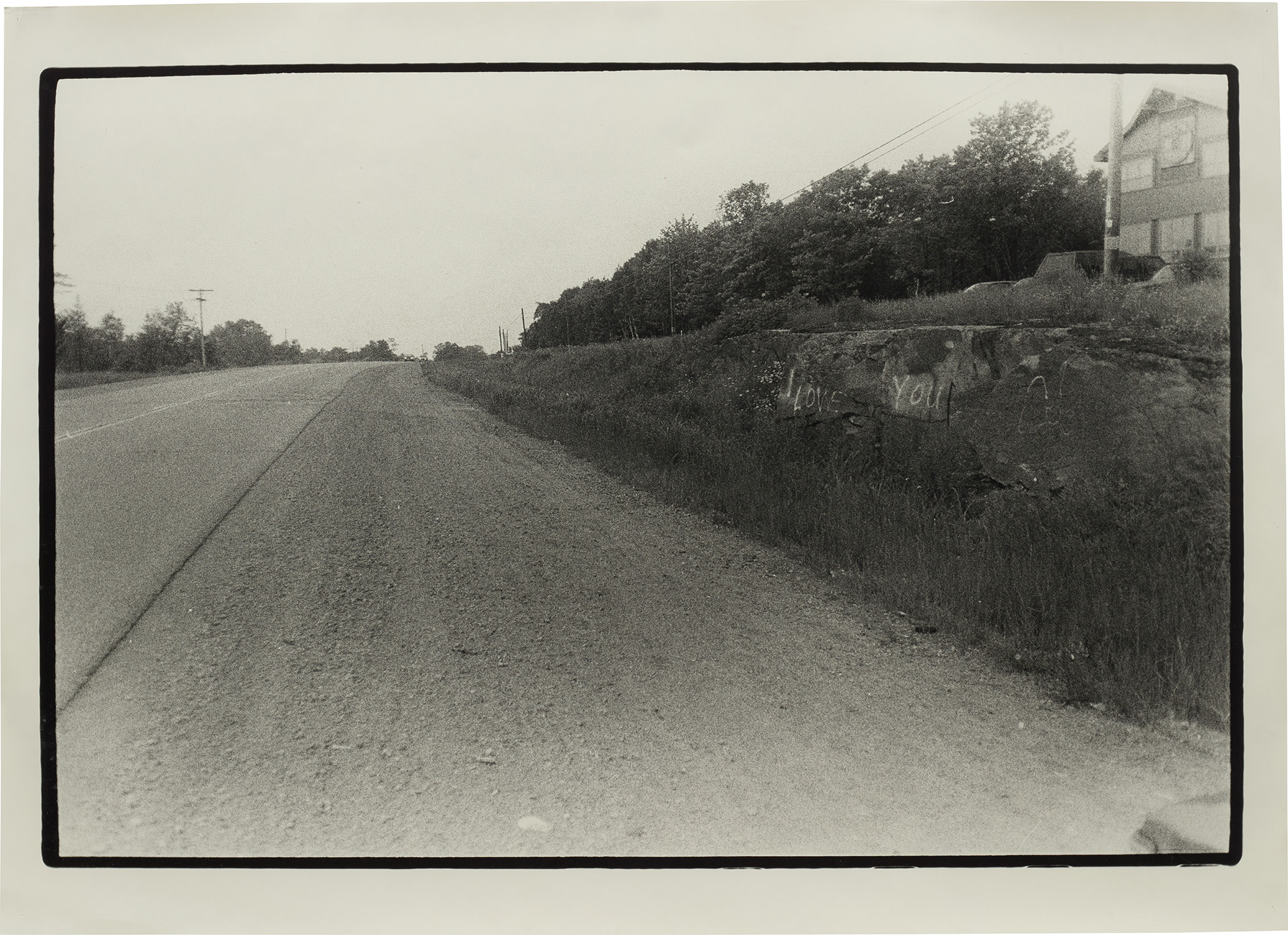
Zoe Leonard
I Love You, 1994
Banksy, operating in the tradition of urban intervention that connects back through Keith Haring to the muralists of the 1930s, uses the city wall as a site of political speech and visual wit, working in a mode where the location is inseparable from the meaning. Robin Rhode, the South African artist whose work often involves chalk drawings on city pavements and the performance that animates them, is doing something related but more formally experimental, using the street as both studio and stage. Spencer Tunick's large scale site specific installations, in which thousands of volunteers gather nude in public spaces across the world's cities, compress questions of the individual body, public space, and collective experience into images that are impossible to look away from. Zoe Leonard, whose photographic work often focuses on the storefronts and physical fabric of urban neighborhoods, brings an elegiac attention to the city as a place of change and loss, watching what disappears as money and time move through streets.
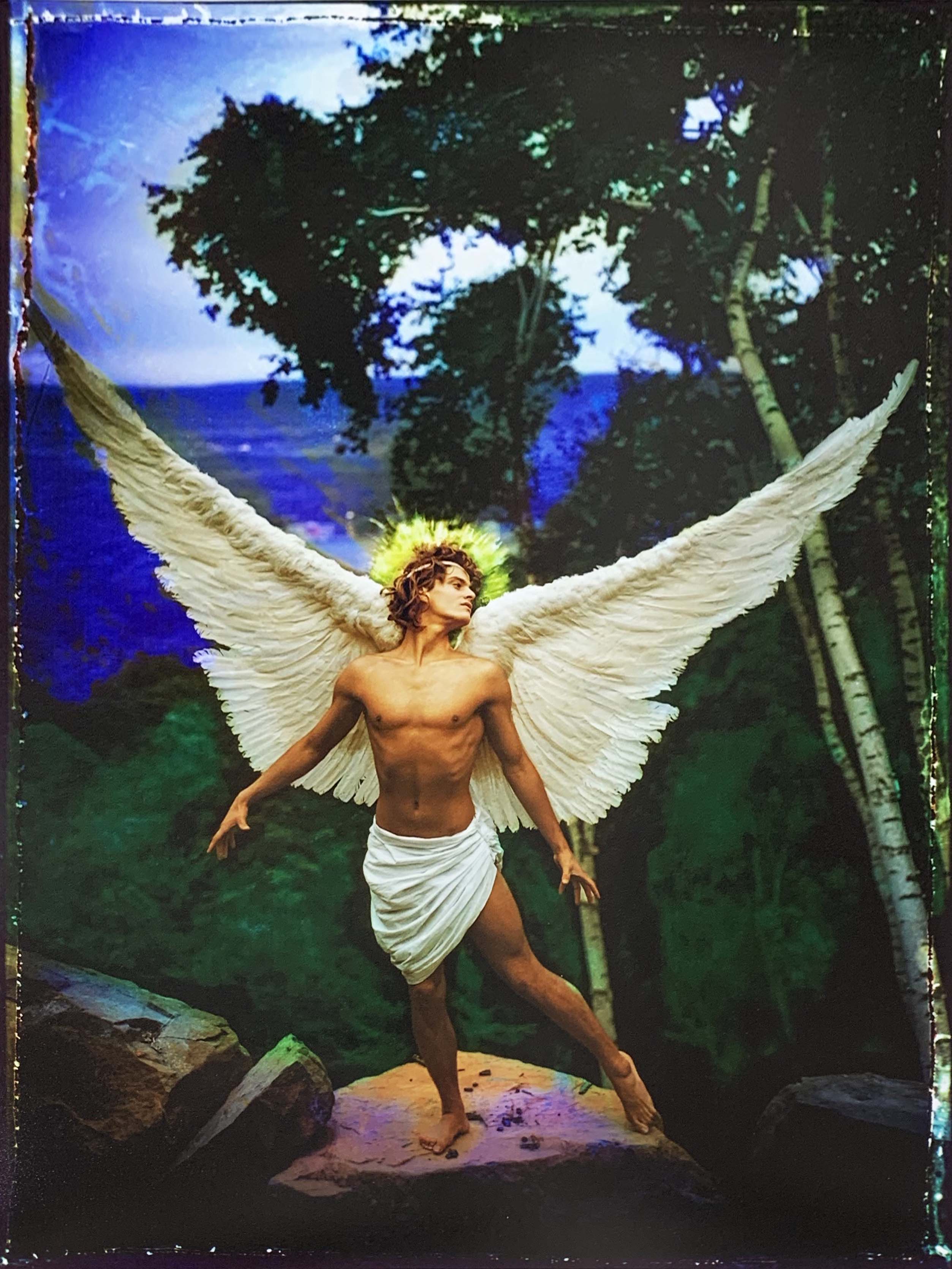
Sante D'Orazio and David LaChapelle, each in their own register, have continued the tradition of using the city as a heightened theatrical environment where desire, spectacle, and aspiration play out against real surfaces and real light. The works gathered on The Collection across this theme form a genuinely rich picture of what artists have made of the streets they lived on and moved through, and what those streets, in turn, made of them.