Traditional Craft
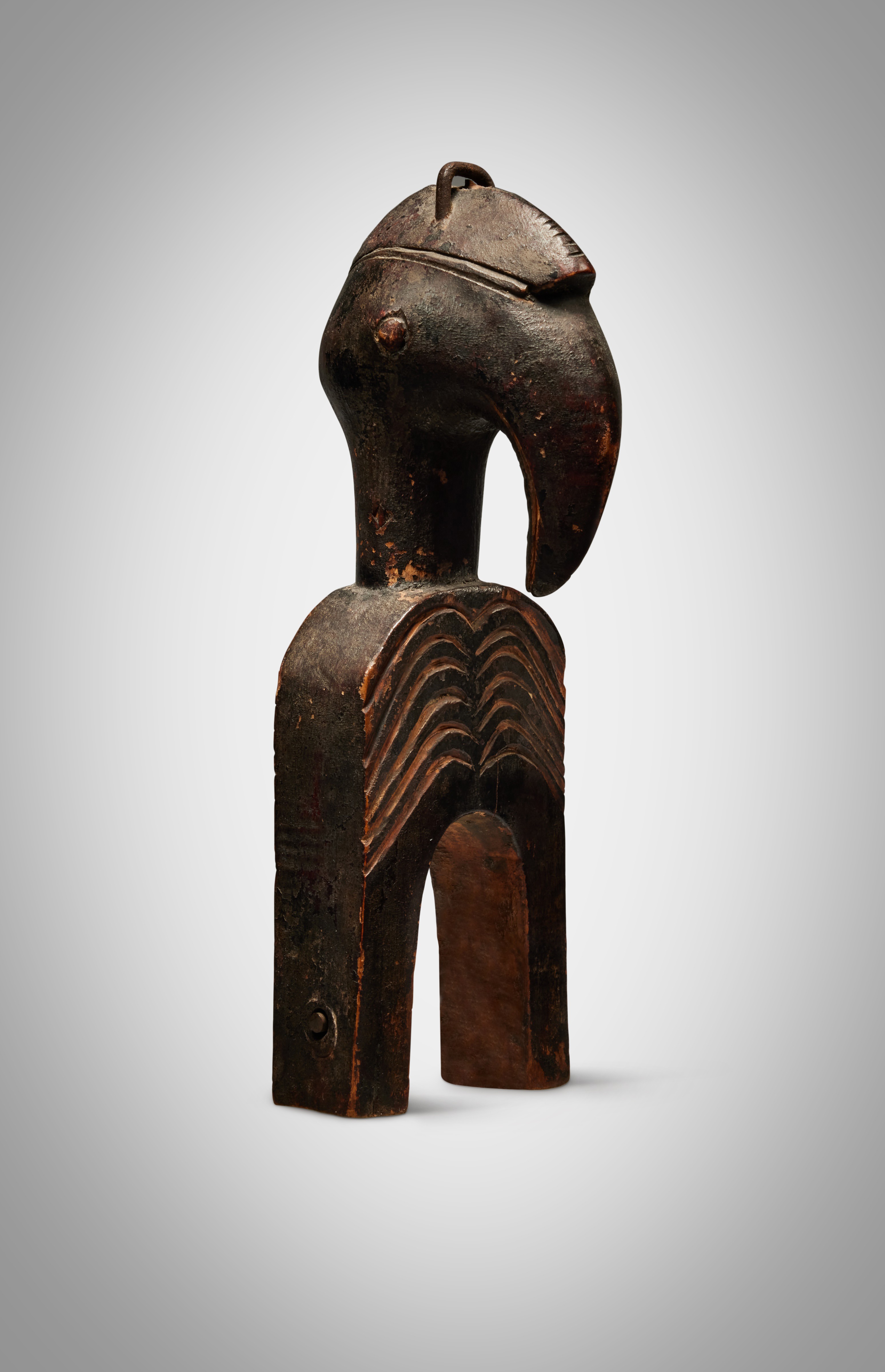
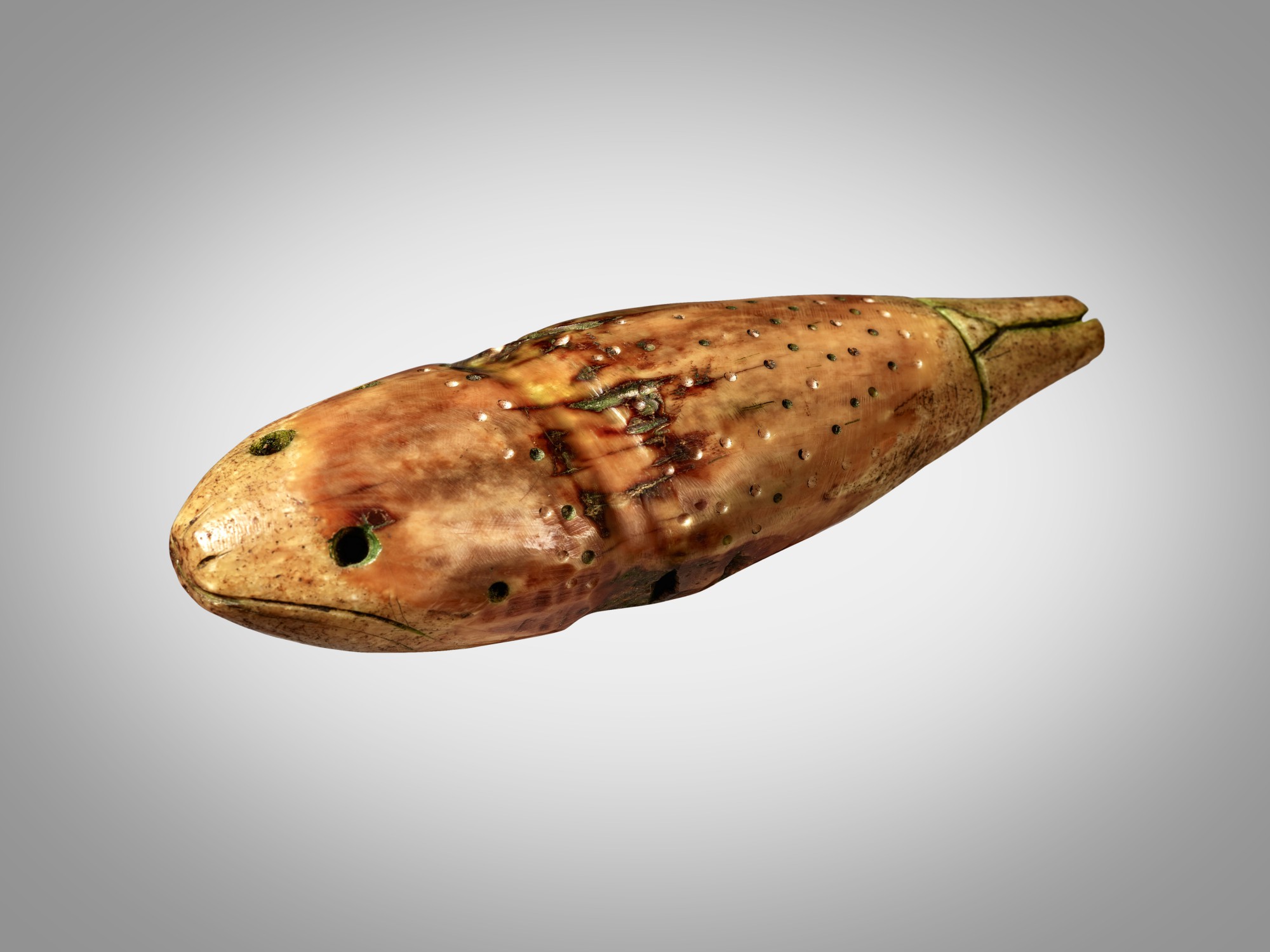
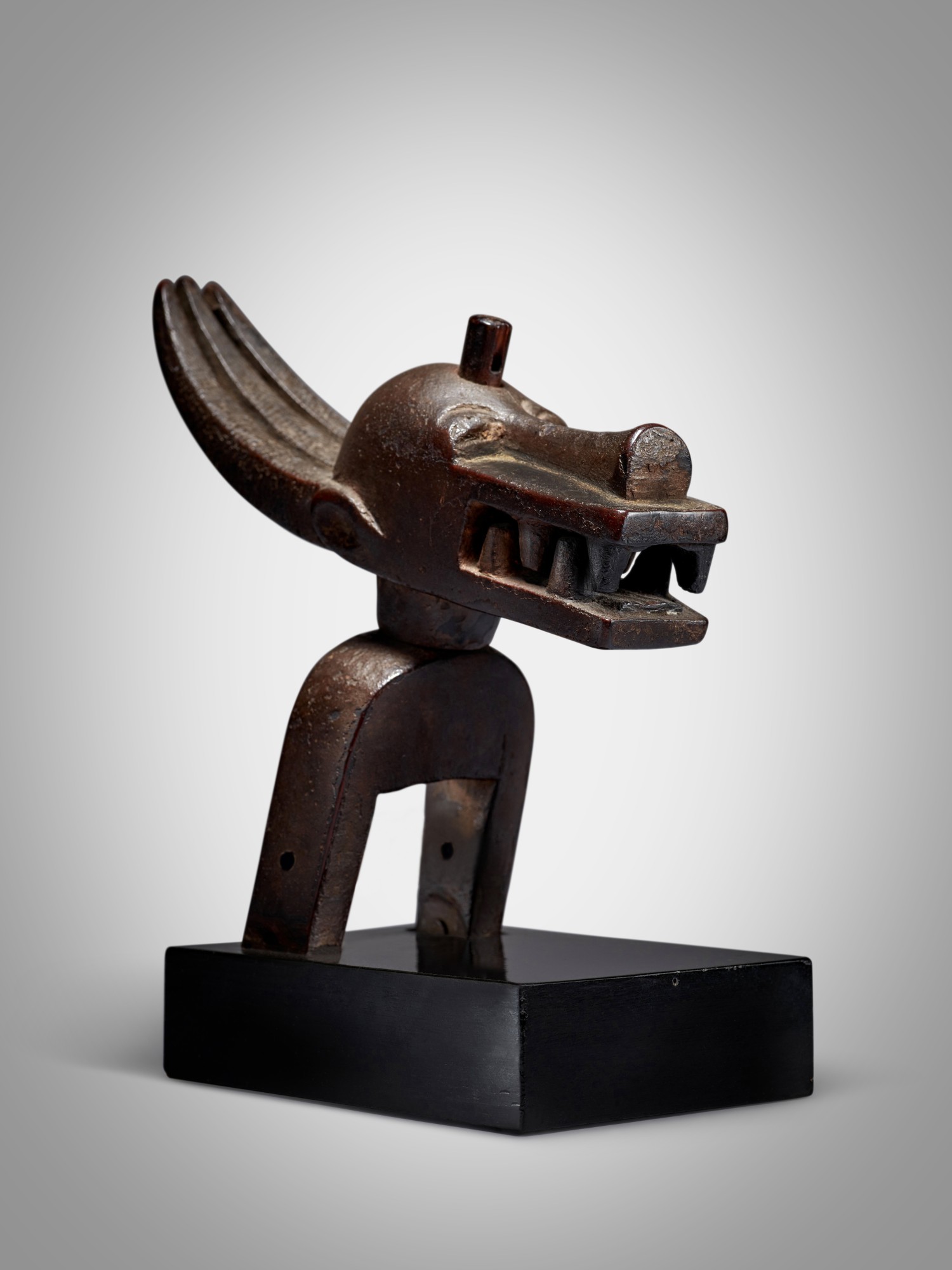
Statue, Sakalava, Madagascar
Sakalava Figure, Madagascar
The Hand Knows Things the Eye Forgets
There is a particular kind of attention that traditional craft demands of you, and it is different from what a painting asks, or a photograph, or a sculpture made by machine. You find yourself leaning in. You want to touch. You want to understand not just what a thing is but how it came to be, the sequence of decisions embedded in its surface, the body knowledge required to make it.
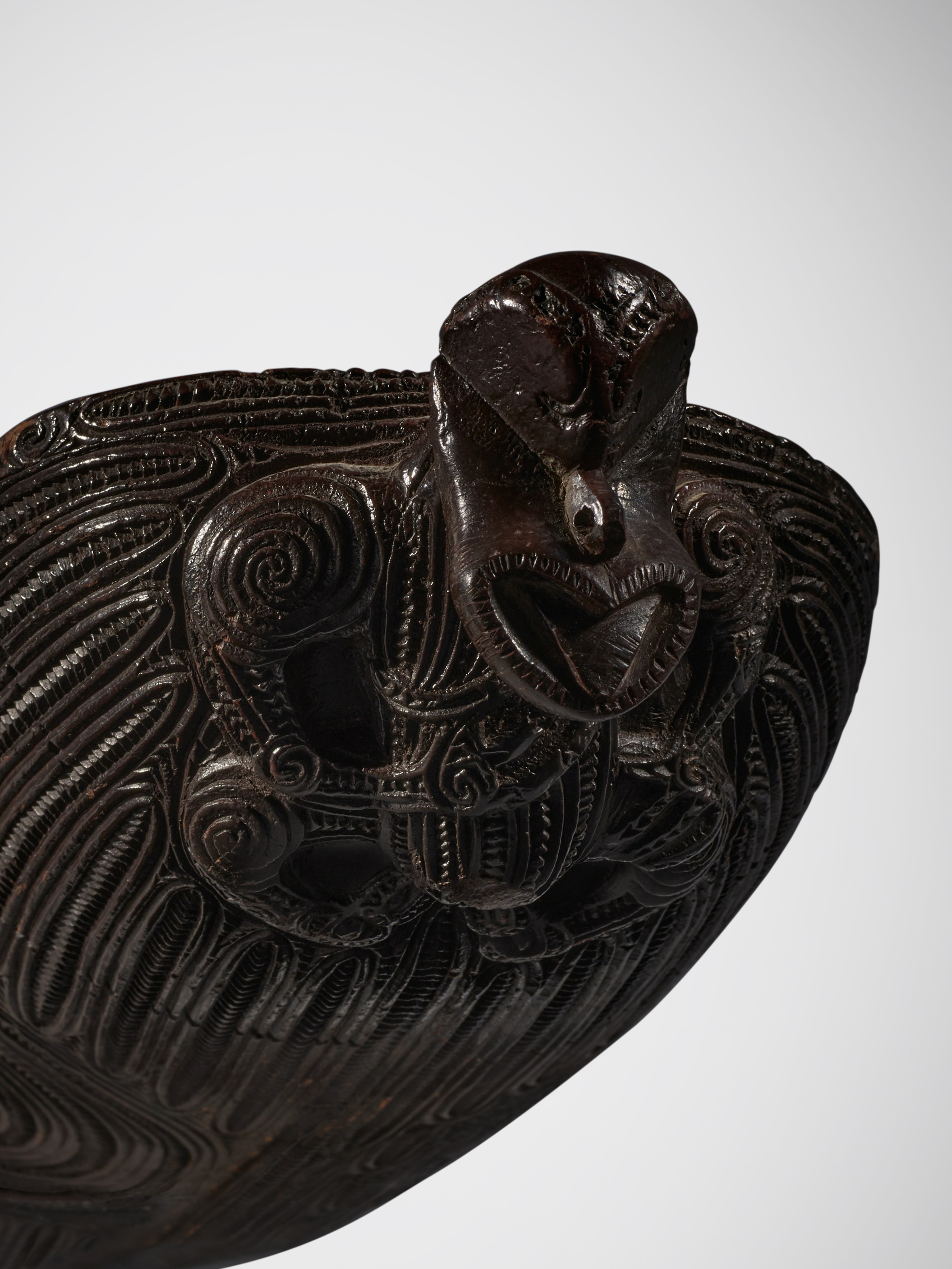
Collectors who fall for traditional craft tend to fall hard, and they rarely come back from it. Living with these objects changes the way you see everything else. What draws people into this collecting area is, at its core, an appetite for authentic human presence. A Māori treasure box, its surface carved with the interlocking spirals of kōwhaiwhai and tā moko tradition, holds within it a specific cosmology, a way of organizing the world that is not decorative but structural.
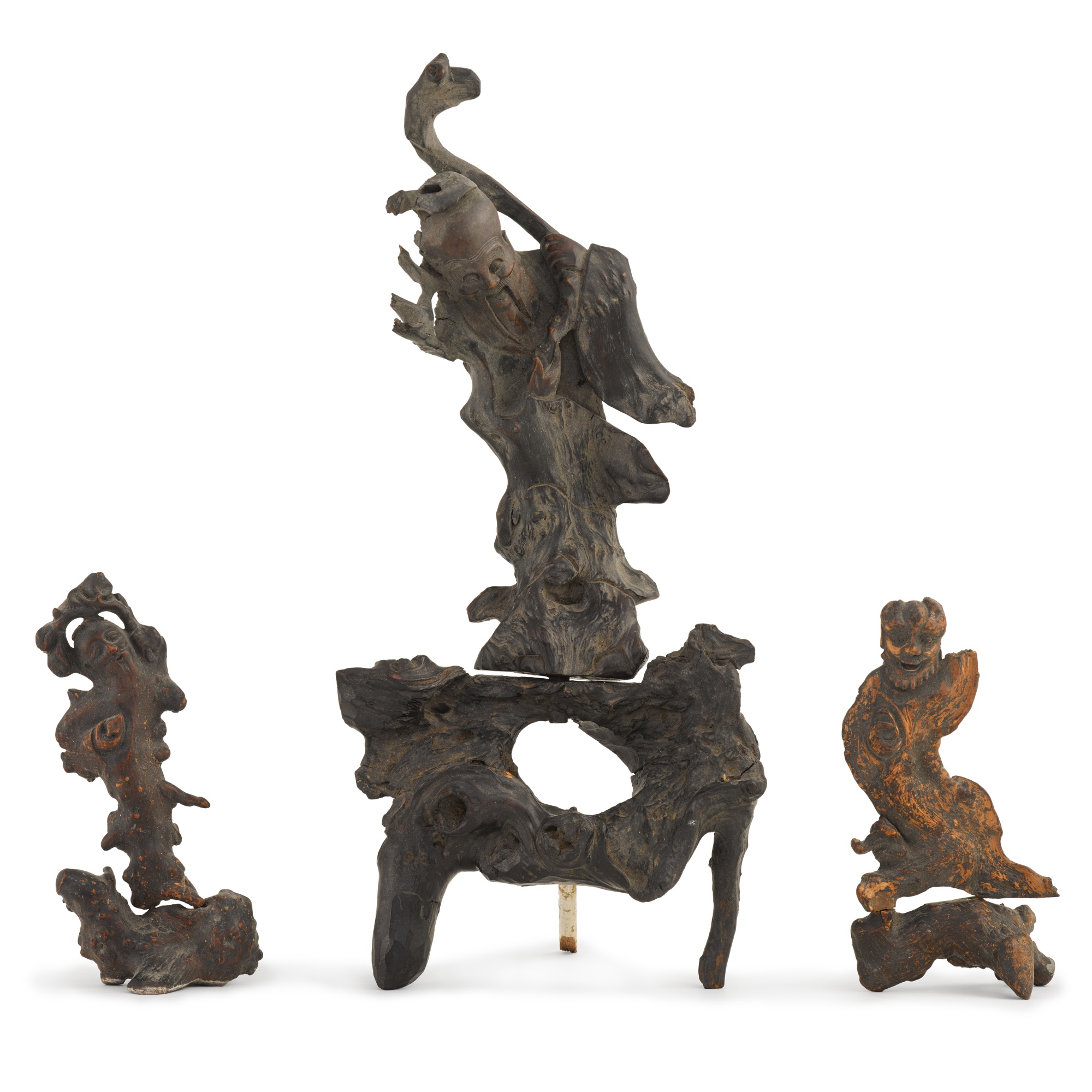
A group of three carved rootwood figures of immortals,
十九 / 二十世紀 木根雕仙人立像 一組三件
A Lakota pictorial beaded and quilled hide tobacco bag carries encoded meaning in every color sequence, every animal figure. These are not objects that sit quietly. They assert themselves. They have a point of view.
For collectors accustomed to contemporary art, which often performs its ideas at considerable volume, traditional craft can feel like a welcome counterweight, something that earns your contemplation rather than demanding it. Separating good works from great ones in this category requires a different eye than most collectors develop through the gallery circuit. Provenance and field collection matter enormously, particularly for objects from Oceania and West Africa. A Baule heddle pulley from Côte d'Ivoire, for instance, can range from a tourist reproduction to an object of serious anthropological and aesthetic weight depending on when it left its community of origin and under what circumstances.
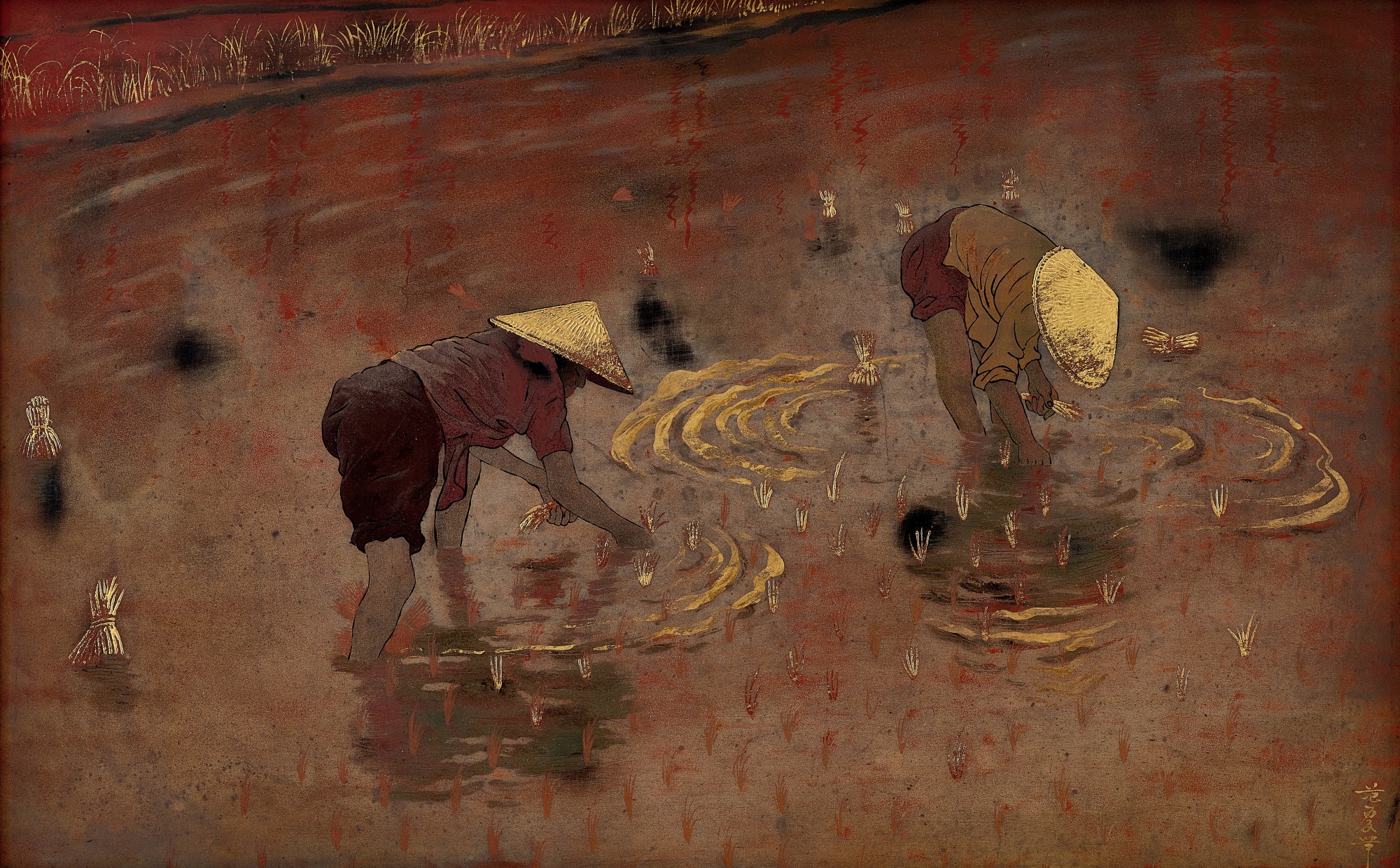
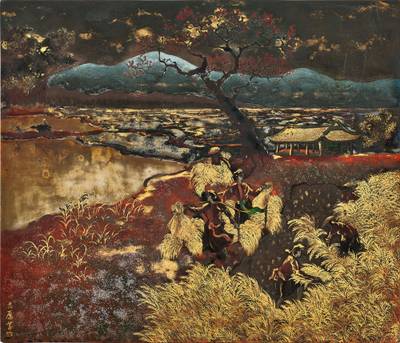
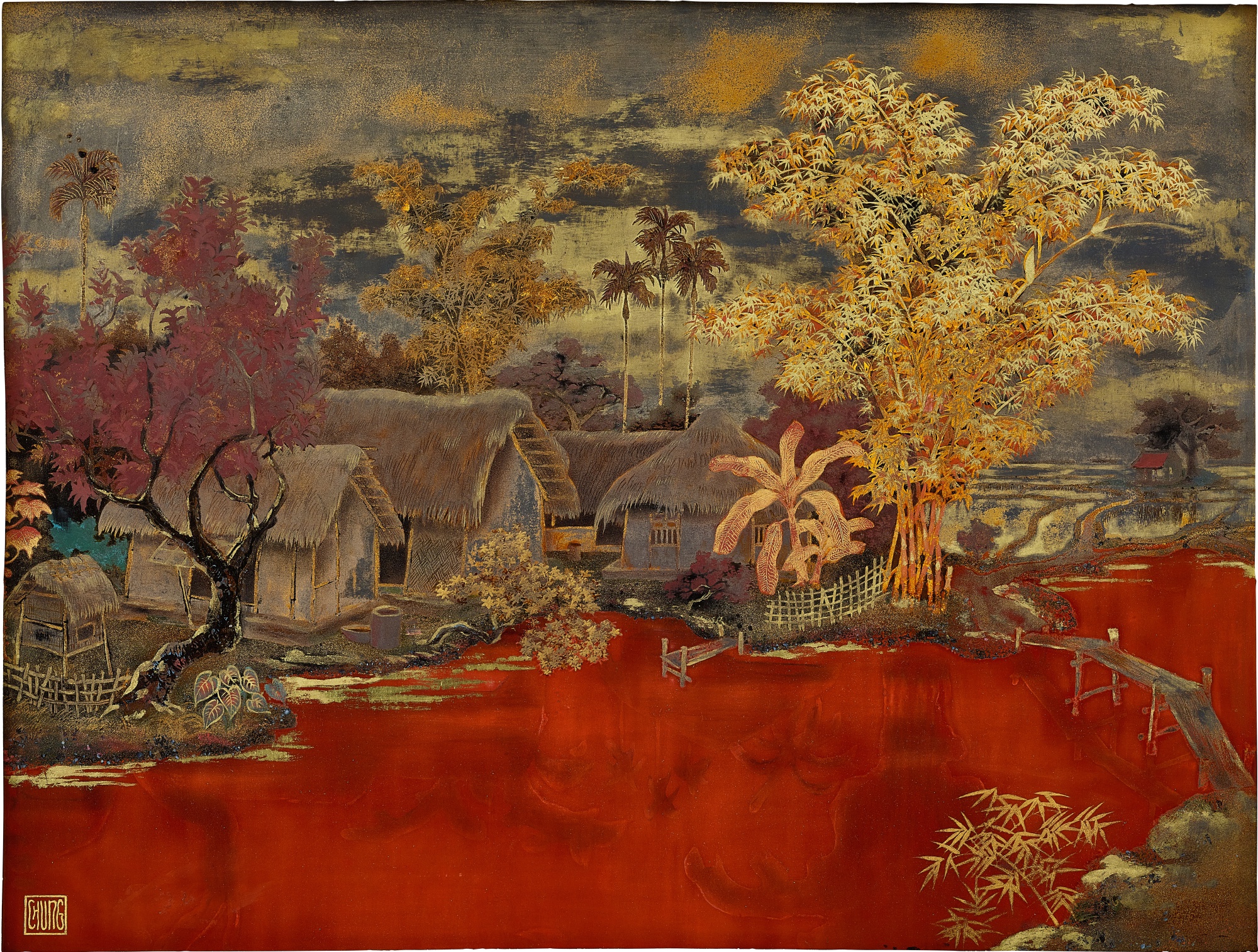
Pham Hau
Picking rice at Dawn 破曉插秧
Age is relevant but not determinative. What you are really looking for is evidence of use, of life. Genuine patina is not something that can be convincingly faked at scale. You want to see the wear patterns that make sense for the object's function, the places where hands gripped, where light caught the surface over years of handling.
A Shark Tooth Sword from Kiribati that has actually been carried tells a different story than one that has lived in a case since the moment it was made. The works that represent the strongest collecting value right now tend to cluster around a few distinct traditions. Vietnamese lacquer painting, represented here through figures like Pham Hau and Nguyen Tien Chung, sits in an interesting position in the market. The Hanoi Fine Arts College tradition, which flourished in the 1930s and 1940s under French colonial patronage and then developed its own language, is still undervalued relative to comparable schools in East Asia.
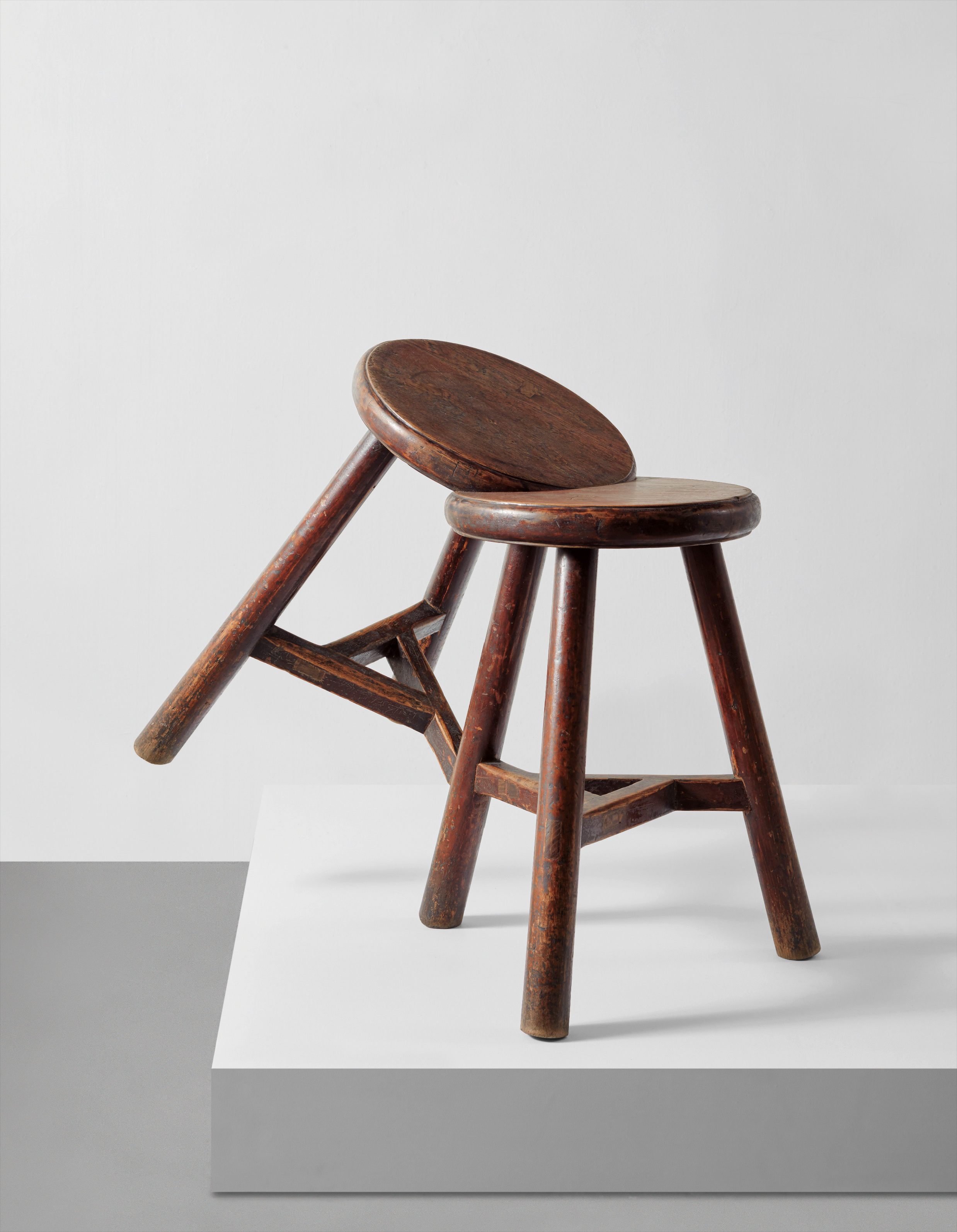
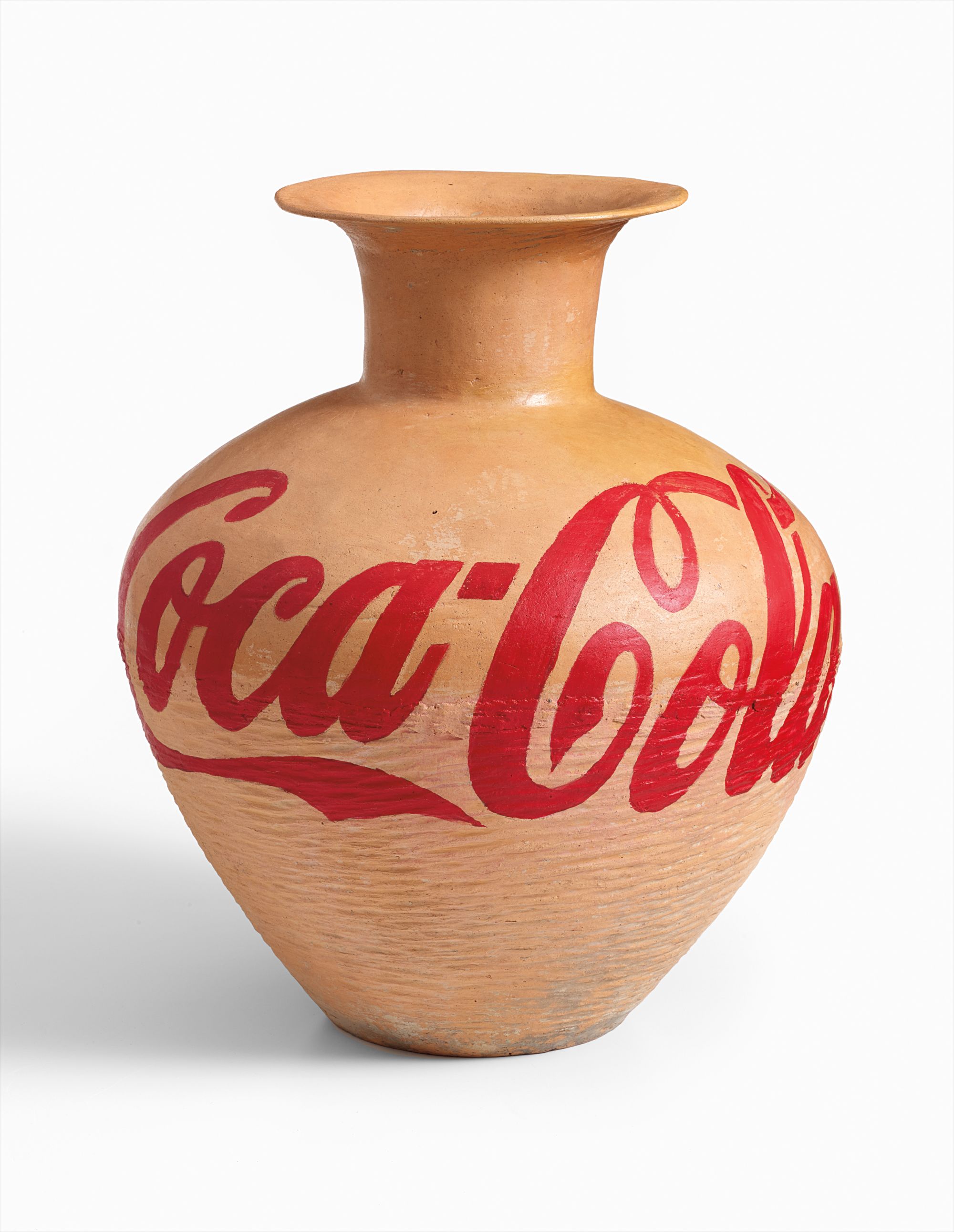
Ai Weiwei
Double Stool, 2008
Pham Hau's command of the lacquer medium, his ability to build depth through layer upon layer of resin and shell, places him in a lineage that deserves far more international attention than it currently receives. Meanwhile, in the domain of Chinese ceramics, a Longquan celadon cong shaped vase from the Yuan dynasty represents the kind of scholarly collecting that has sustained serious interest for centuries. The celadon tradition is one of the most rigorously studied in the world, which paradoxically makes it more accessible to new collectors: the literature is deep, the fakes are well documented, and the genuine articles are identifiable with practice. Ai Weiwei occupies a complicated and fascinating position in any conversation about traditional craft.
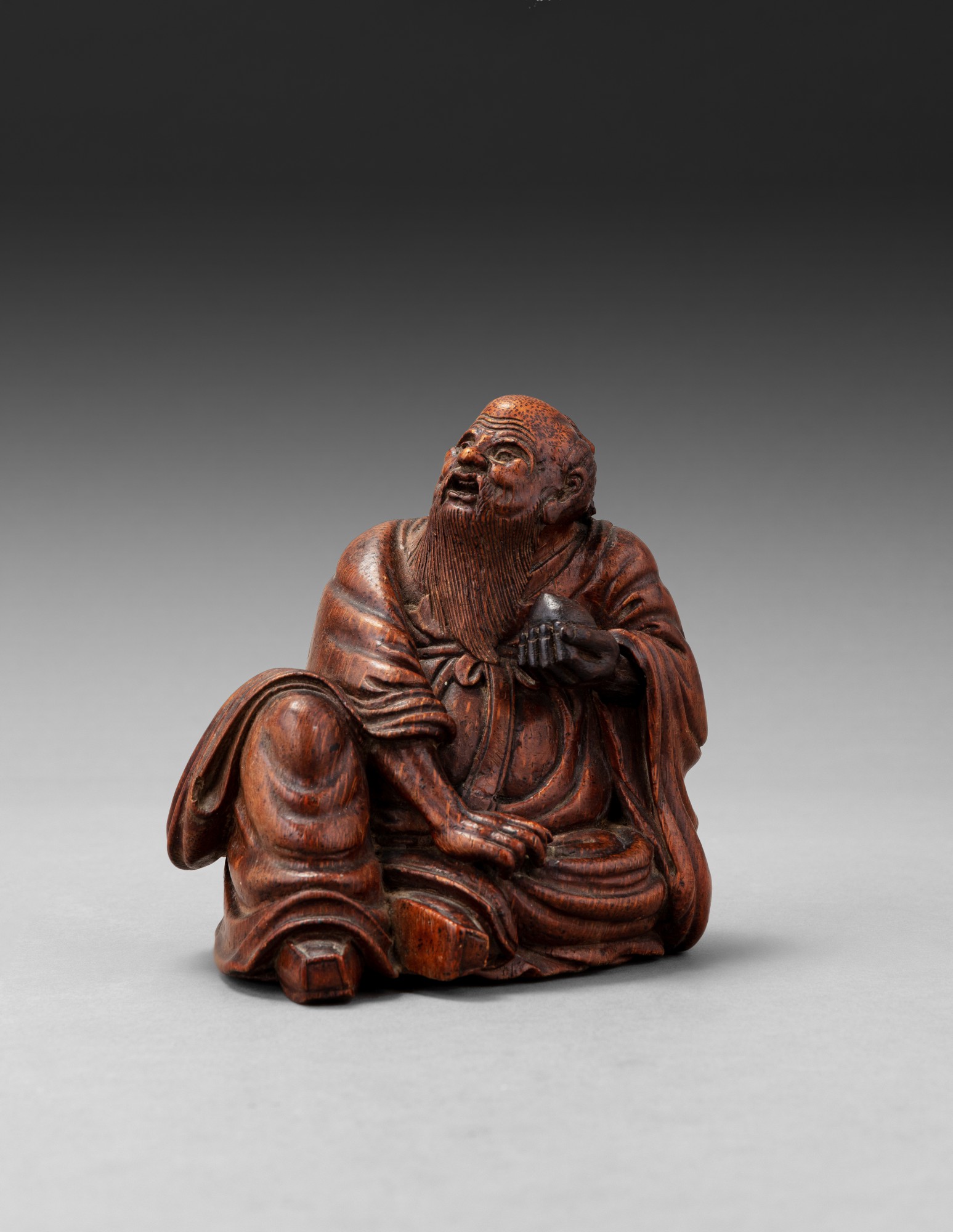
His engagement with Chinese material culture, from his Neolithic vase works to his ongoing interrogation of porcelain tradition, is neither reverential nor dismissive. He uses the authority of traditional craft as a conceptual lever, which has made his work central to one of the most significant discourses in contemporary art. Collecting Ai Weiwei alongside objects like a Yixing teapot or a carved bamboo figure of Shoulao creates a dialogue that a purely contemporary collection cannot achieve. The tension is productive.
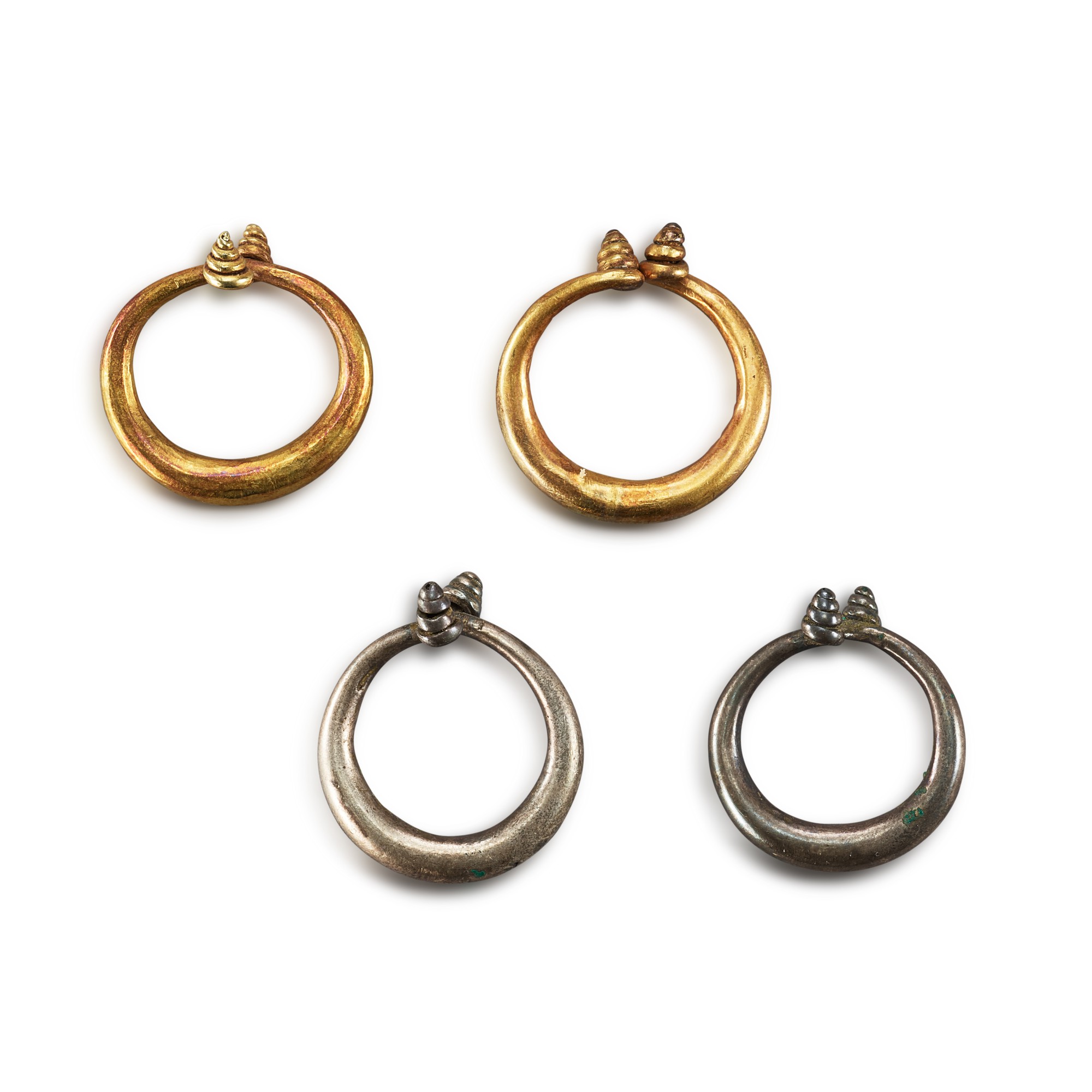
Two pairs of metal earrings,
Two pairs of metal earrings, Indonesian archipelago, 19th century 十九世紀 印尼群島 金屬耳飾兩對
The historical objects do not become mere context for the contemporary work; they hold their own ground. For collectors interested in emerging opportunities, the most compelling area is probably textile traditions that have been systematically undervalued because of their association with domestic and feminine labor. The Iban weaving tradition of Sarawak, Borneo, produces some of the most technically demanding and visually sophisticated textiles in the world. A gilet kelambi sungkit from the nineteenth century represents hundreds of hours of supplementary weft weaving so precise that the patterns hold their integrity under a loupe.
The market for Iban textiles has been building steadily, driven in part by institutional collecting in Southeast Asia and in part by a broader reappraisal of textile art that figures like Anni Albers and Sheila Hicks helped catalyze in the Western imagination. Similarly, the Palembang songket tradition of South Sumatra, with its gold and silver supplementary weft work, is attracting serious scholarly attention that will eventually move markets. At auction, traditional craft performs unevenly but with notable peaks. West African objects with strong colonial era collection histories have appreciated significantly since the early 2000s, driven partly by the broader African art market and partly by restitution debates that have raised public awareness.
Oceanic material, including objects like the Kanak bird head club from New Caledonia or the Ula fumiti spear from Niue Island, tends to find its strongest prices at the major Paris houses, where the tribal art tradition has the deepest institutional roots. The Pendentif en bronze from the Djenné culture of Mali is the kind of object that rewards patience; the market for ancient West African metalwork is still forming its grammar, and early collectors will likely benefit from that uncertainty. Practical advice for collectors new to this area begins with condition, which is more nuanced here than in almost any other collecting field. Restoration is not necessarily a negative, but undisclosed restoration is a serious problem.
Ask specifically whether any material has been added to the object after its original making. For textiles, light exposure is the primary enemy, and works should be displayed away from direct or bright indirect light and rotated into storage regularly. For carved wood objects, humidity stability matters more than most collectors realize. On the question of unique works versus series, traditional craft is almost always unique in the meaningful sense, even when typologically similar objects exist.
What you are acquiring is a specific instance of a tradition, not a reproduction of it, and that singularity is precisely where the value lives.
![Unknown — A koro [incense burner] | Edo period, 19th century](https://rtwaymdozgnhgluydsys.supabase.co/storage/v1/object/public/artwork-images/auction-lots/L21222-20211026-lot75.jpg)