Street Art Influences
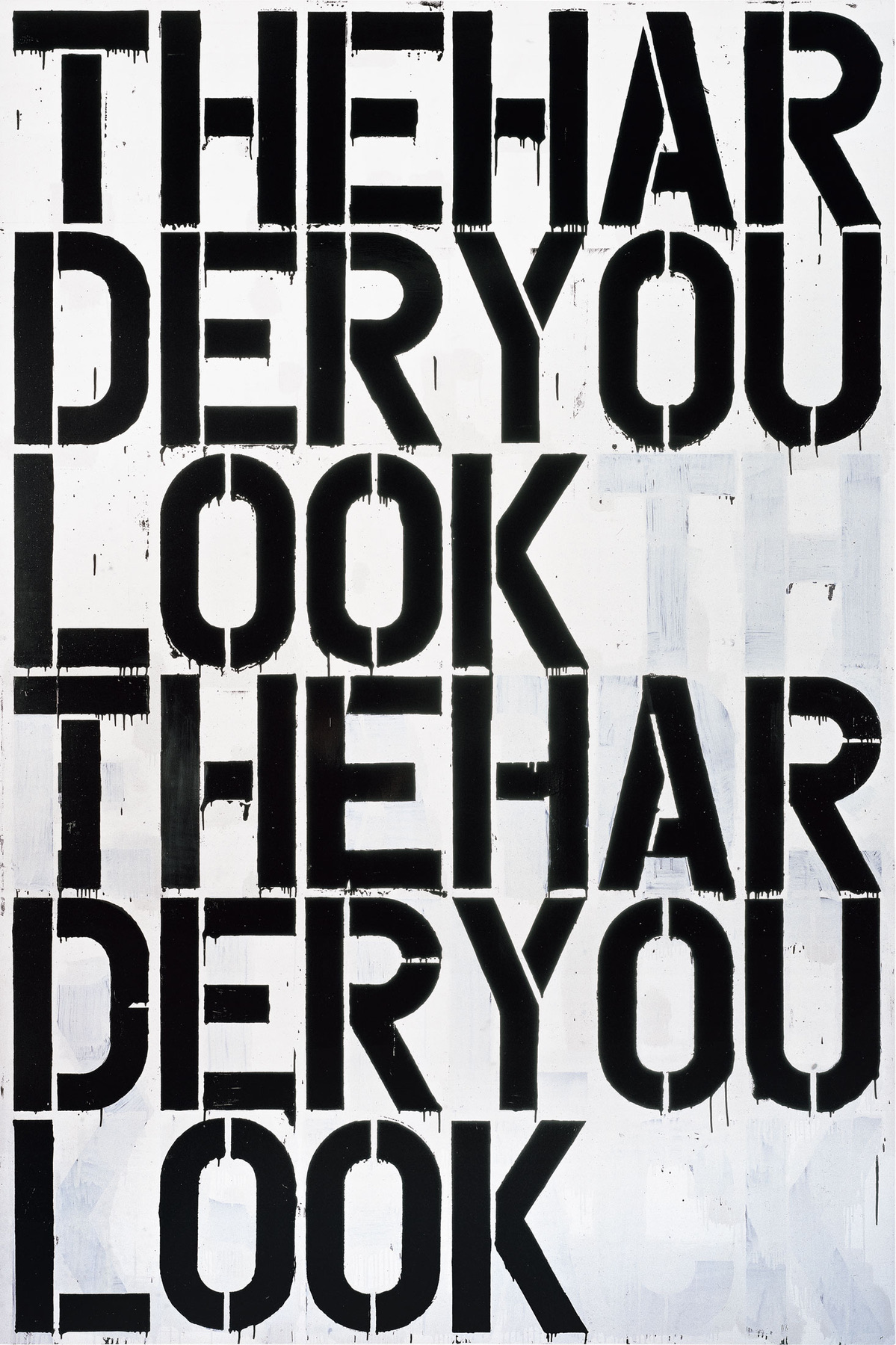
Christopher Wool
Untitled
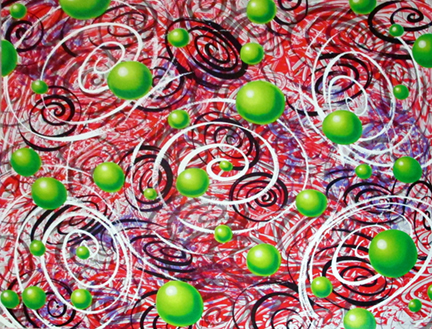
The Street Finds Its Way Inside
When a Christopher Wool canvas bearing one of his stenciled word paintings crossed the block at Christie's New York in 2013 for just over 26 million dollars, the art world absorbed a signal it had been half expecting for years. Work rooted in the visual language of the street, in graffiti letterforms, industrial surfaces, and the blunt aesthetics of urban vernacular, had arrived at the very top of the market. That result was not an anomaly. It was a confirmation of something collectors who had been paying attention already understood.
The conversation about what counts as serious painting had been quietly rewritten, and the rewriting had happened on walls before it happened in galleries. The influence of street art on contemporary painting is now so thoroughly embedded in the critical conversation that it almost resists easy description. It is not a movement with a manifesto or a clean genealogy. It is more like a persistent atmospheric pressure, a set of visual and conceptual dispositions that migrated from subway cars and building facades into studios and then into museum collections with remarkable speed.
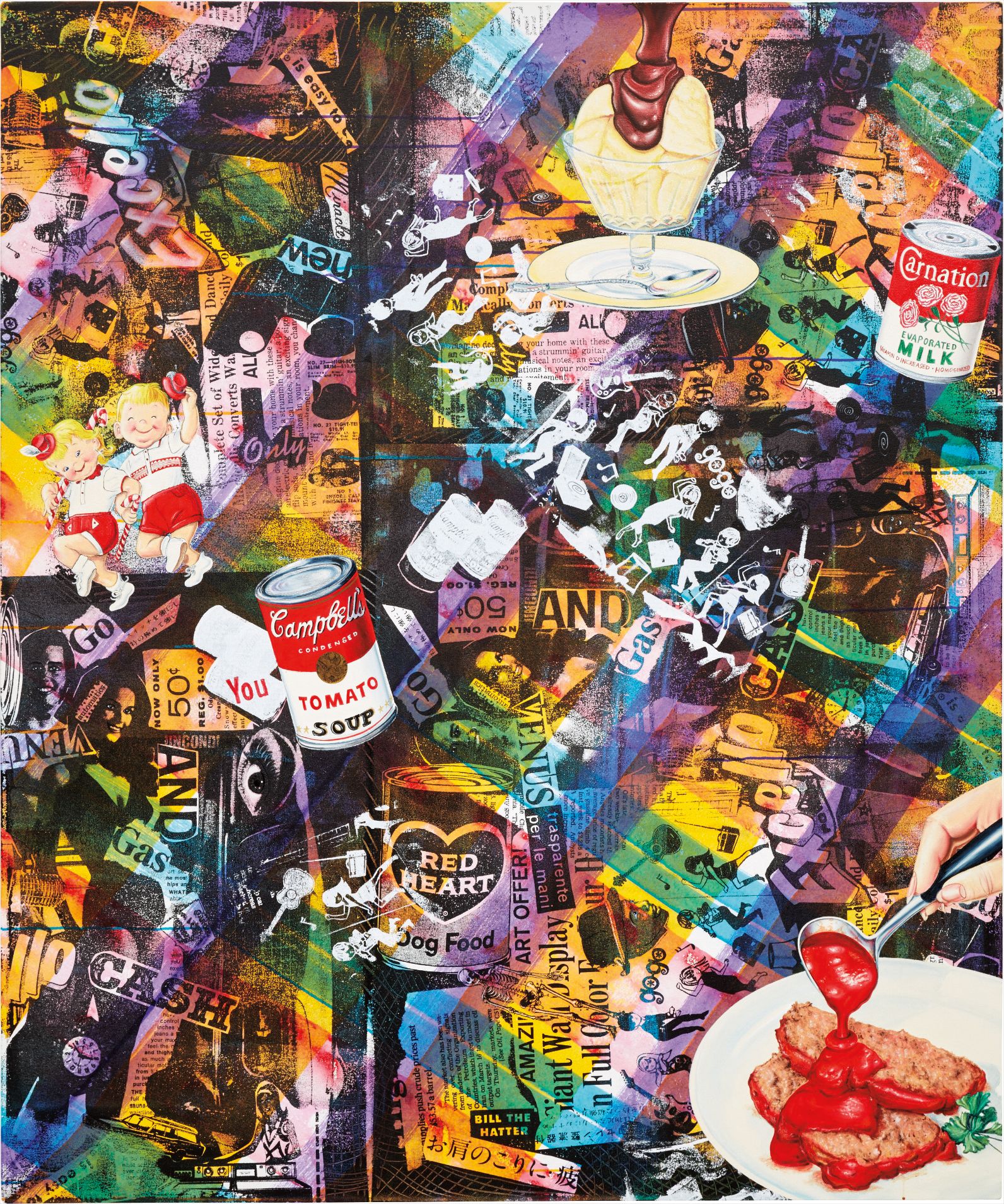
Kenny Scharf
Handy Dandy Andy Dance
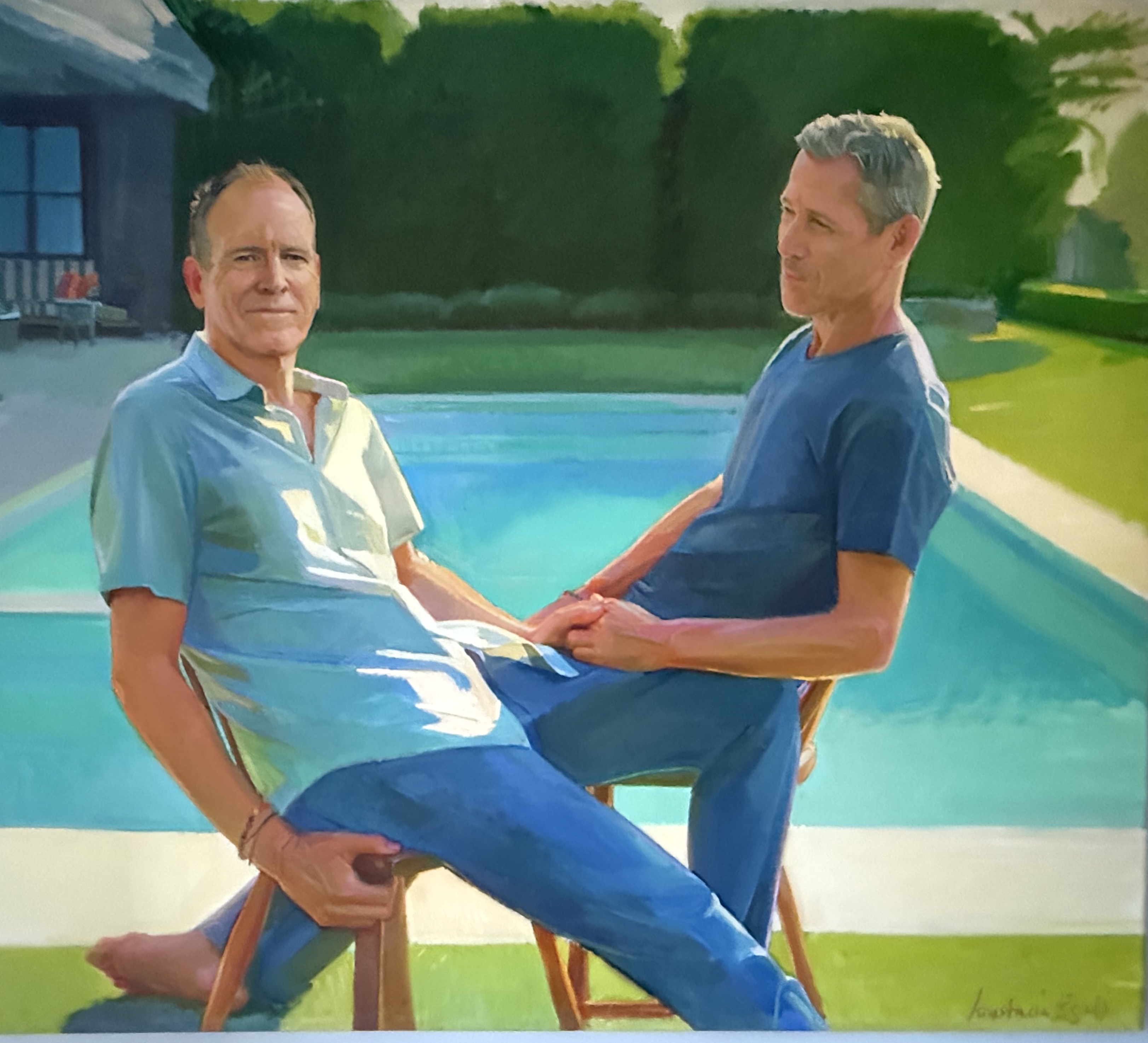
The artists who interest collectors most in this space are not simply painters who borrowed an aesthetic. They are figures who understood the street as a site of genuine artistic thinking, and who brought that thinking indoors without domesticating it. Kenny Scharf occupies a particular place in this story. His work emerged from the same downtown New York scene that produced Jean Michel Basquiat and Keith Haring in the early 1980s, and his paintings carry that era's electric sense of possibility alongside its darkness.
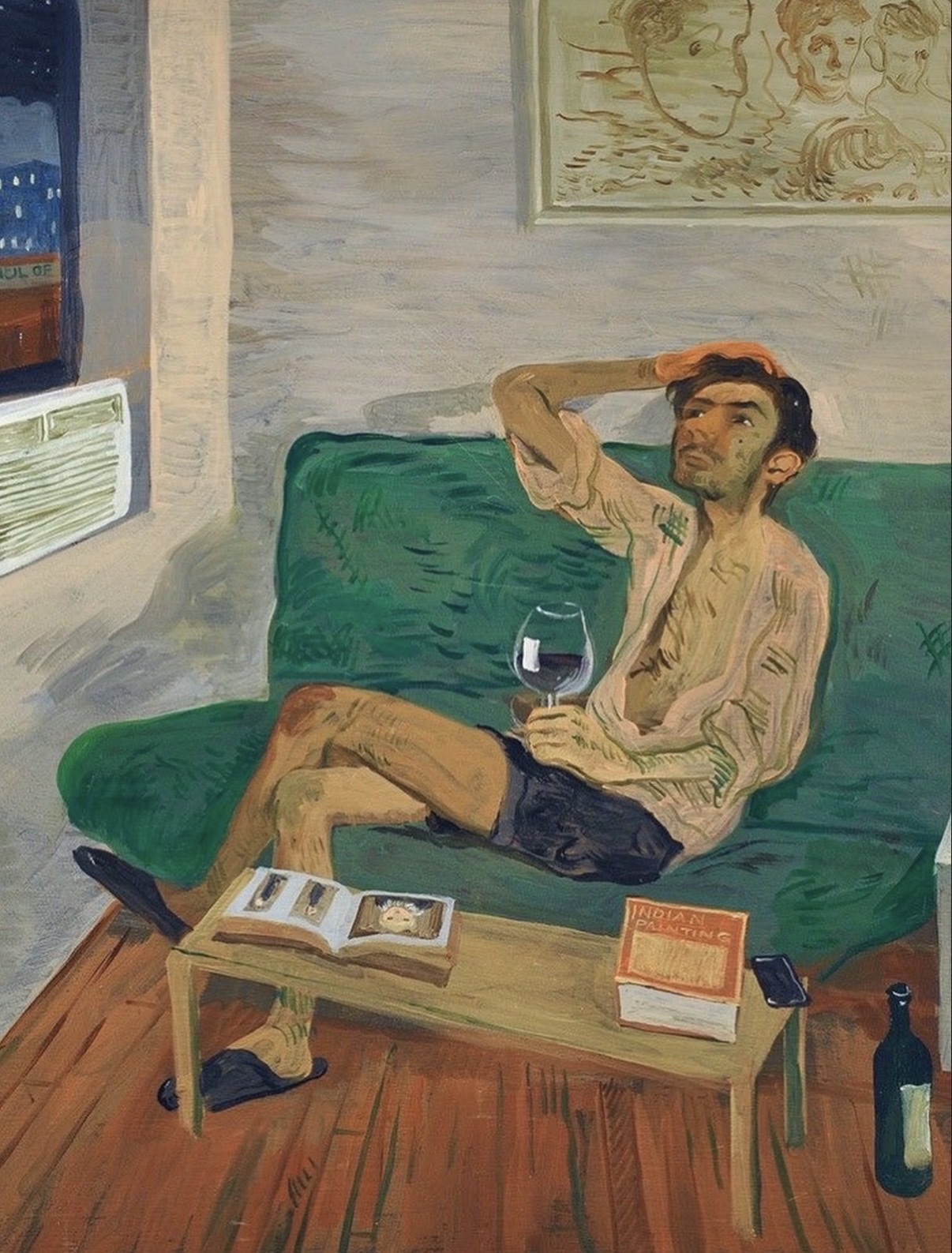
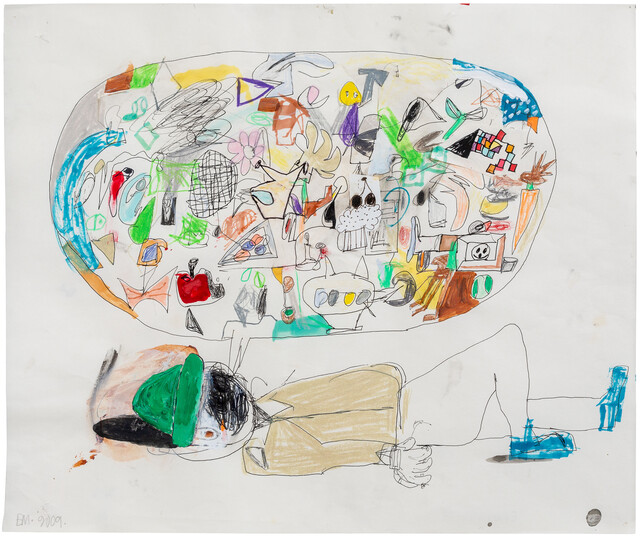
Scharf decorated the apartments and clubs of the East Village with cosmic graffiti before the galleries caught up, and his canvases retain a quality of excess and playfulness that resists the kind of institutional tidying that flattens so much work from that period. His presence on The Collection signals genuine appetite among collectors for work that holds its street energy without apology. Eddie Martinez represents a more recent chapter in this unfolding. His paintings, dense with marks that recall tagging and gestural graffiti as much as Abstract Expressionism, have drawn serious institutional attention over the past decade.
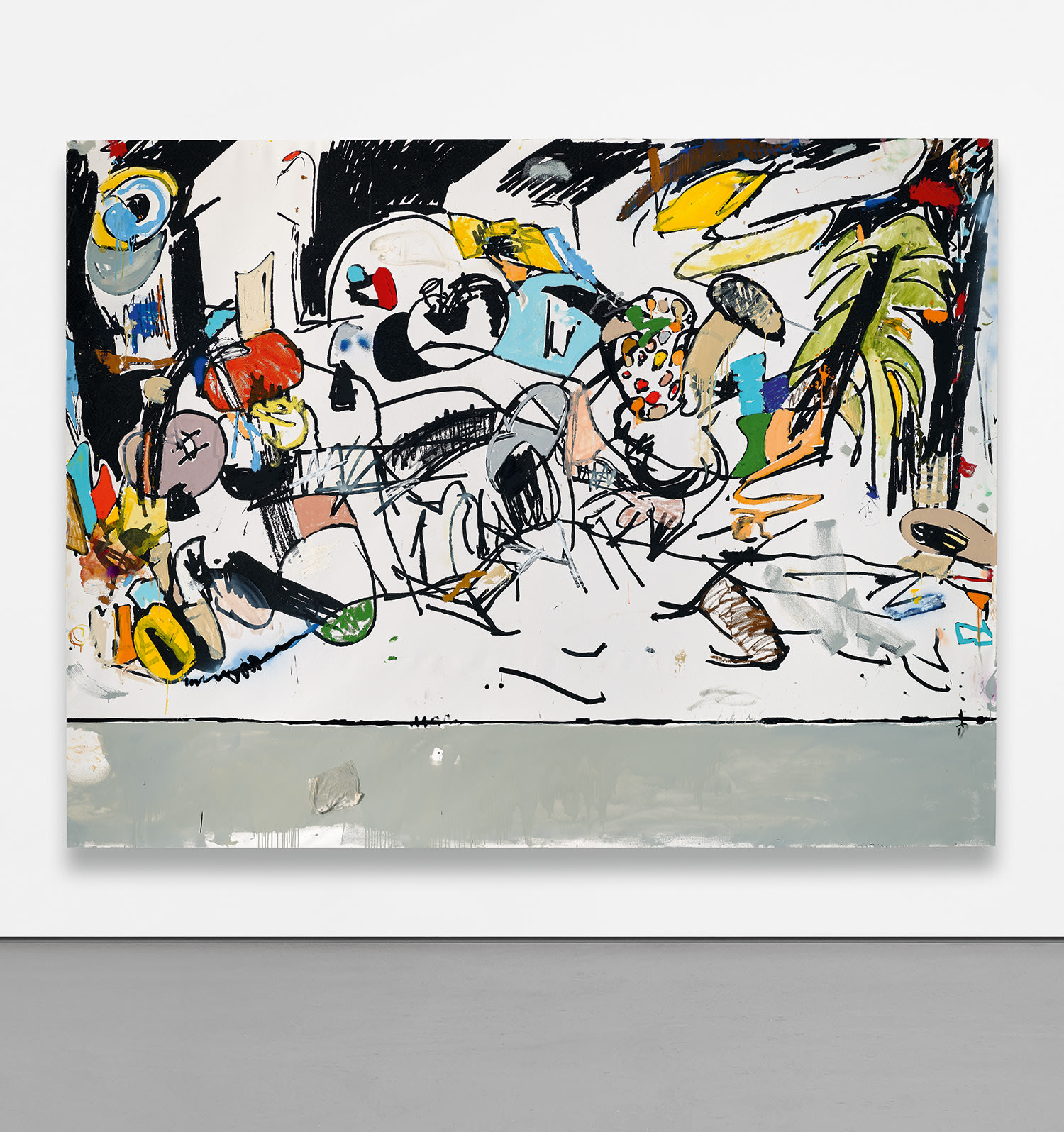
Eddie Martinez
Christmas in July, 2016
The Studio Museum in Harlem gave him a solo exhibition in 2020, a significant moment for any painter working in the space where street language and art historical ambition meet. Martinez's auction results have climbed steadily, with major canvases achieving well into six figures at Christie's and Sotheby's. What his market trajectory suggests is that collectors are not simply chasing nostalgia for a particular moment. They are responding to painting that feels genuinely alive to the present.
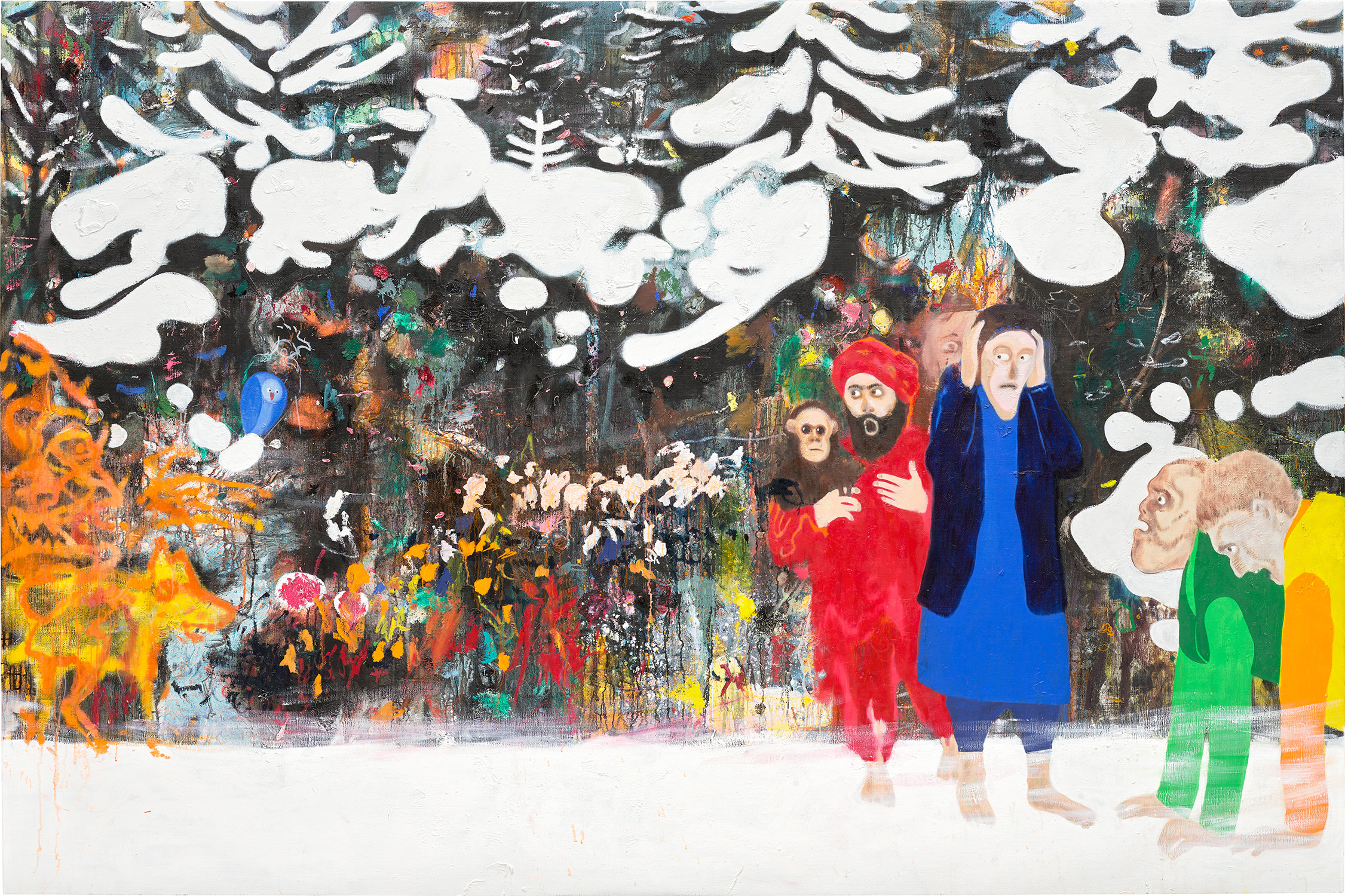
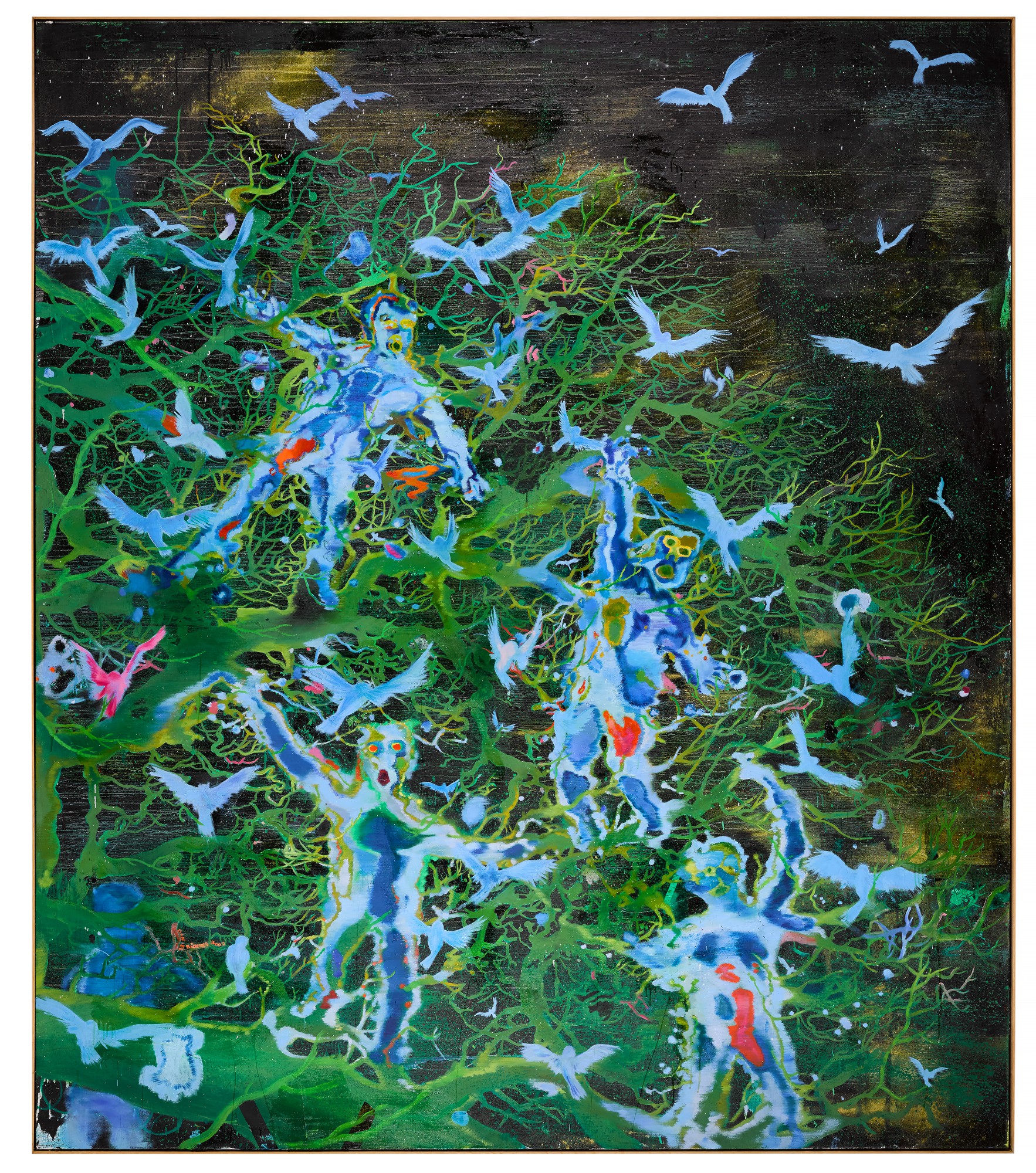
Daniel Richter and Christopher Wool, though they come to this territory from different directions, share a quality that serious collectors return to repeatedly. Wool's language of urban surfaces, of text treated like a wall and paint applied with the cool bluntness of a sign painter, transformed what painting could look like in the 1990s and has never stopped generating critical discussion. Richter, working from Hamburg, brings a political intensity to figuration that owes something to the visual density of protest graphics and street imagery. Both artists are represented on The Collection, and their presence alongside figures like Scharf and Martinez maps something coherent about where serious collecting instincts are pointing.
Christopher Wool
Untitled
The institutional story is equally telling. The Museum of Contemporary Art in Los Angeles has been consistent in collecting work that acknowledges this genealogy, as has the Broad, which holds significant examples of street inflected painting in its permanent collection. In Europe, the Stedelijk in Amsterdam and the Tate Modern have both mounted or hosted exhibitions over the past decade that took seriously the question of how street art altered the trajectory of contemporary painting. These are not populist gestures.
They are scholarly acknowledgments that the critical frameworks built around painting in the 1960s and 1970s were genuinely expanded by what happened on urban surfaces in the decades that followed. The critical writing around this territory has matured considerably. Scholars like Alison Young, whose book Street Art and the War on Terror examined the political dimensions of public image making, and the broader critical apparatus of publications like Frieze and Artforum have moved past the early debates about whether street art deserved serious attention. Those debates feel dated now.
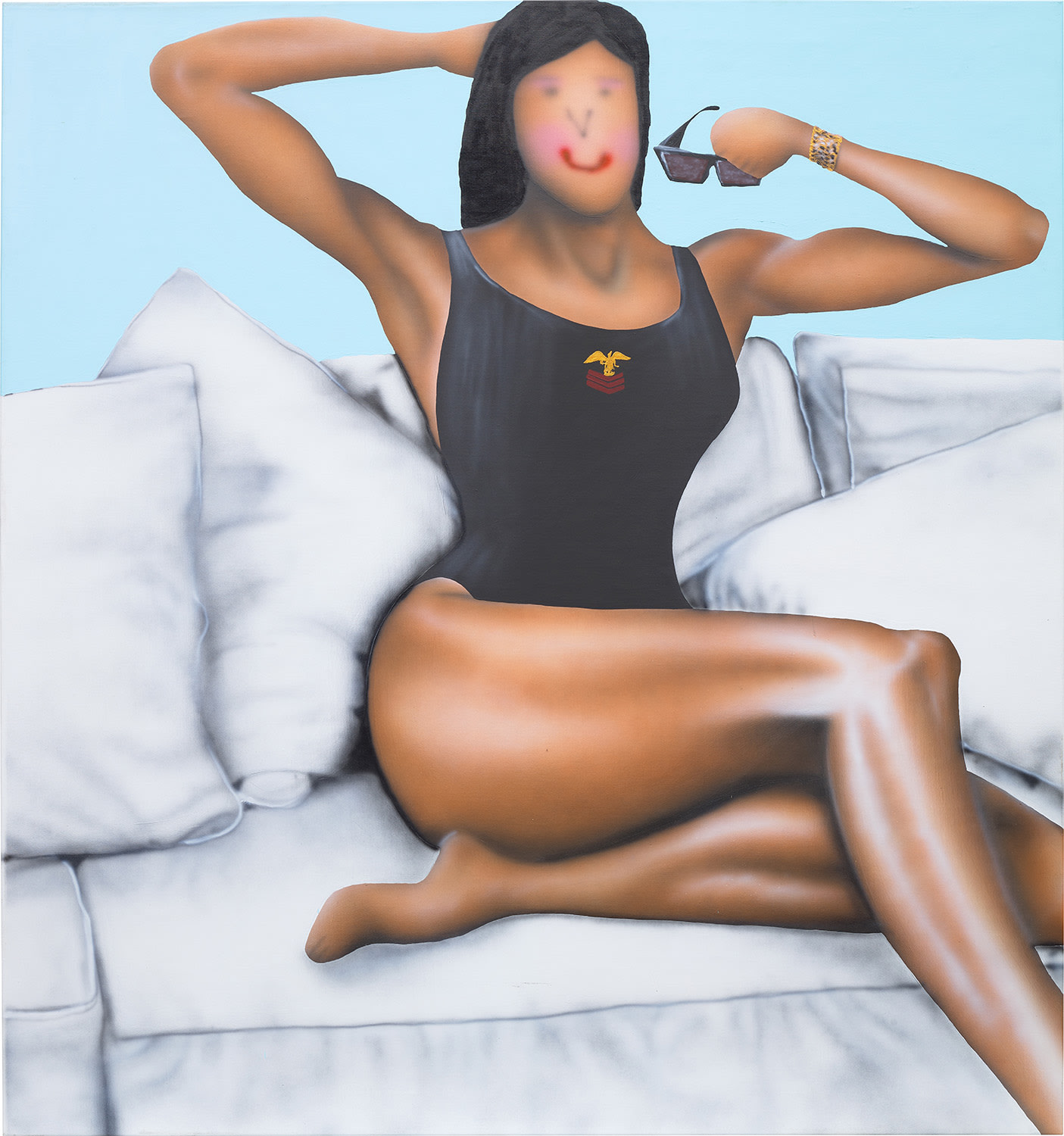
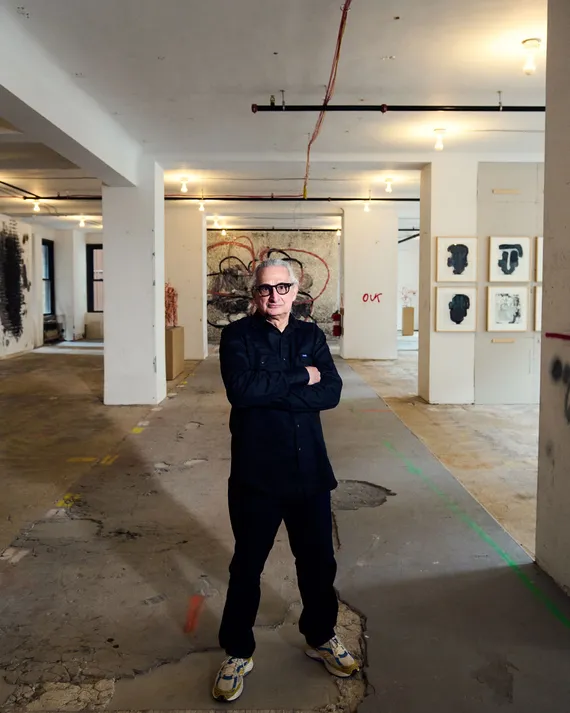
Evgen Čopi Gorišek
Heaven, 2021
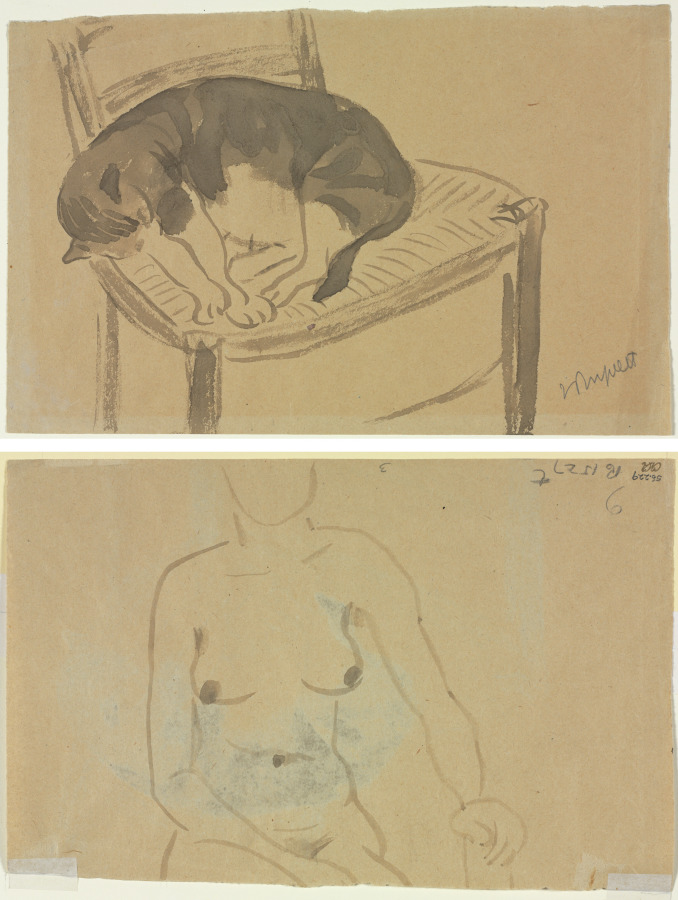
The current conversation is more nuanced, asking questions about appropriation, about the difference between artists who worked the street as a genuine practice and those who borrowed its surface qualities, and about what institutional collection does to work that was originally conceived in opposition to institutional space. Evgen Čopi Gorišek brings a European perspective to this constellation that is worth noting. His work, informed by the graphic traditions of Central and Eastern Europe as much as by the international street art conversation, reminds collectors that this territory is genuinely global. The visual logic of the street is not a New York or Los Angeles story alone.
It is a language that developed simultaneously in multiple cities, and the most interesting collecting in this space now reflects that breadth. Where is the energy heading? The most alive part of this conversation right now involves younger painters who grew up after the street art moment had already been historicized, who relate to Basquiat and Haring and Wool the way an earlier generation related to Rauschenberg or de Kooning. They are not nostalgists.
They are painters for whom a certain visual density, a willingness to treat the canvas as a surface that can hold language and mark and image simultaneously, feels like a natural inheritance. The settled part of the market is the blue chip tier, where Wool and Scharf trade with the confidence of established art historical figures. The surprises are coming from mid career painters whose work is only now getting the institutional attention it has long deserved. For collectors paying close attention, that gap between critical recognition and market price is exactly where interesting things happen.