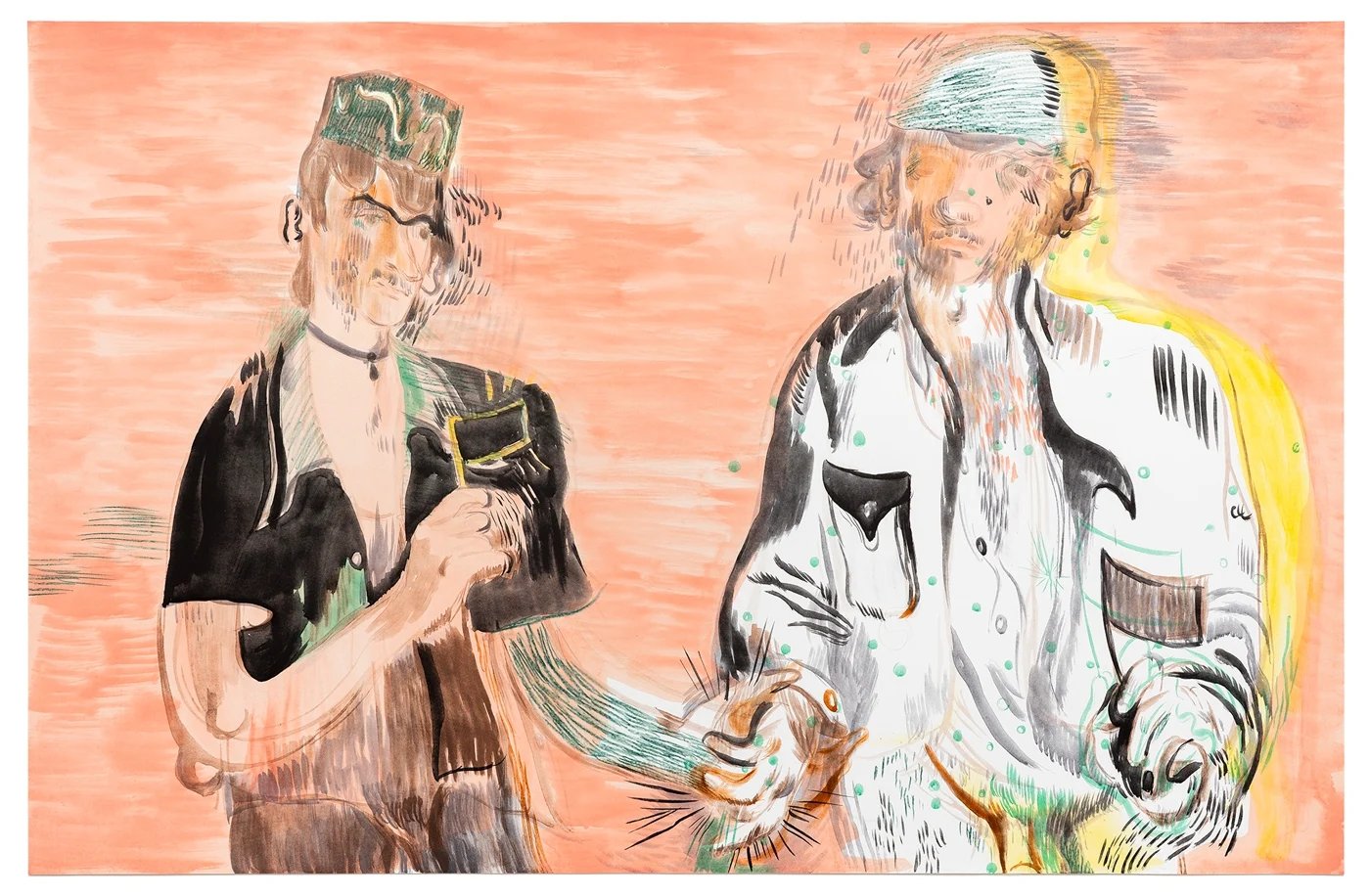
Spiritual Theme
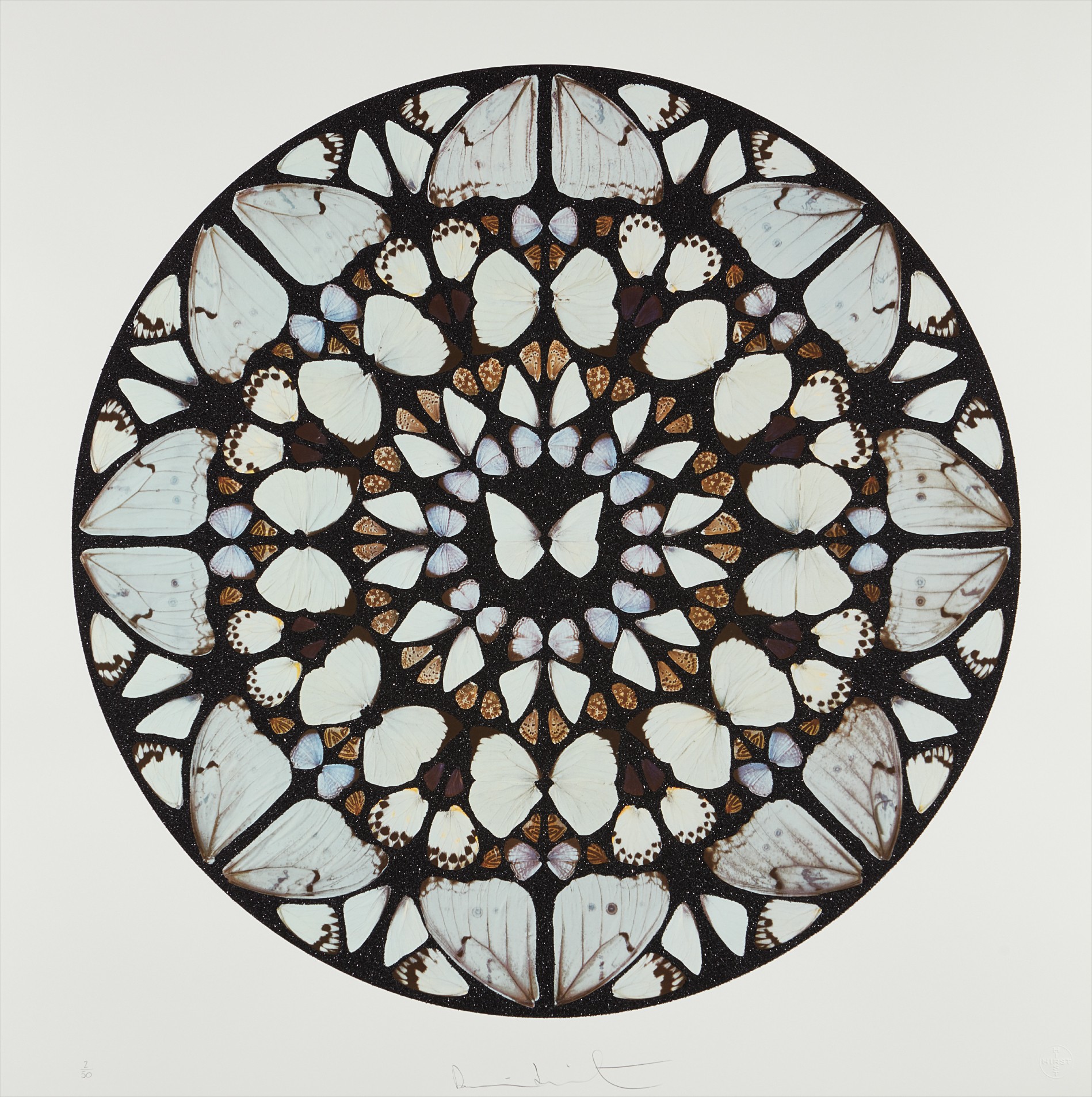
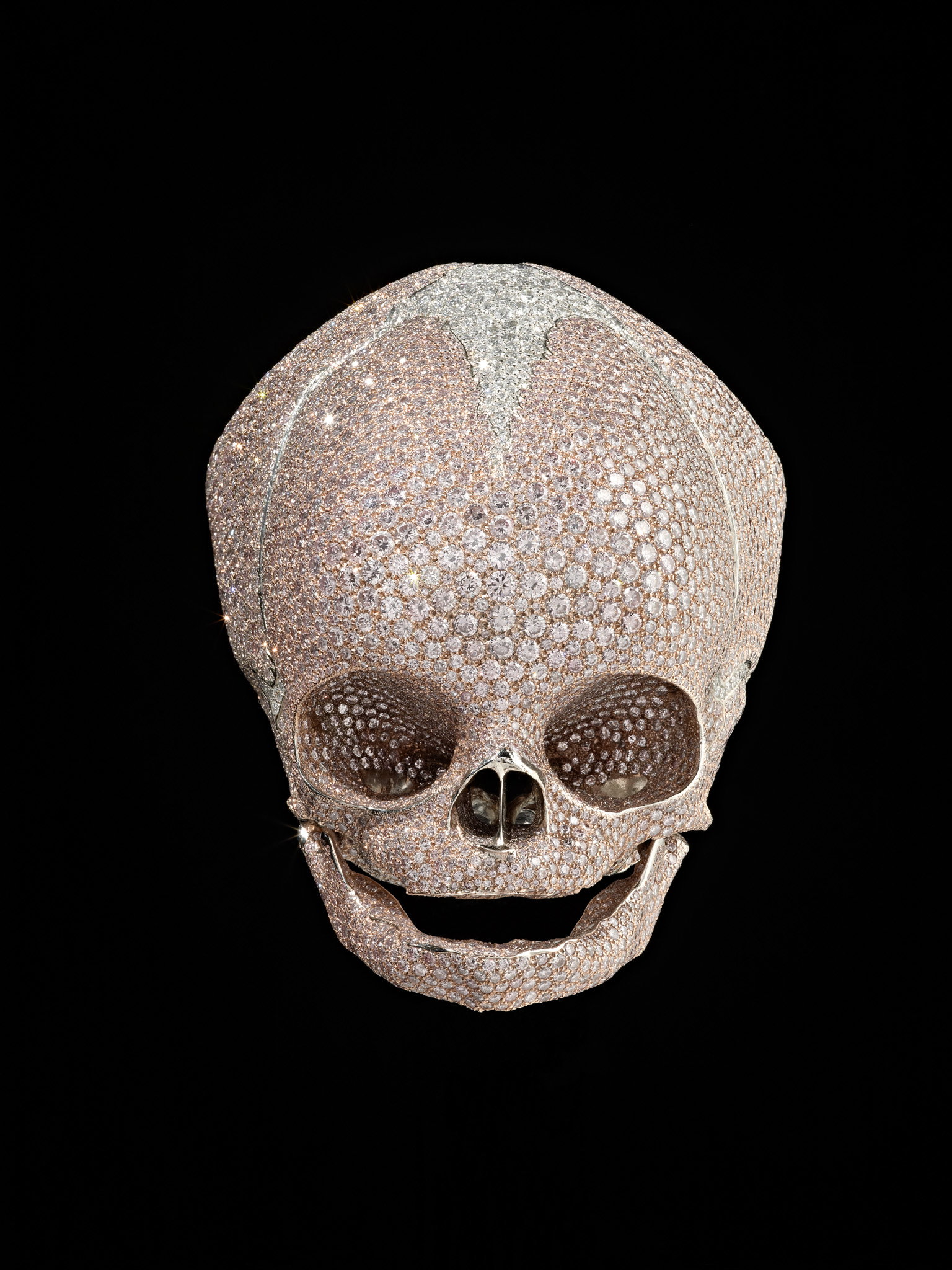
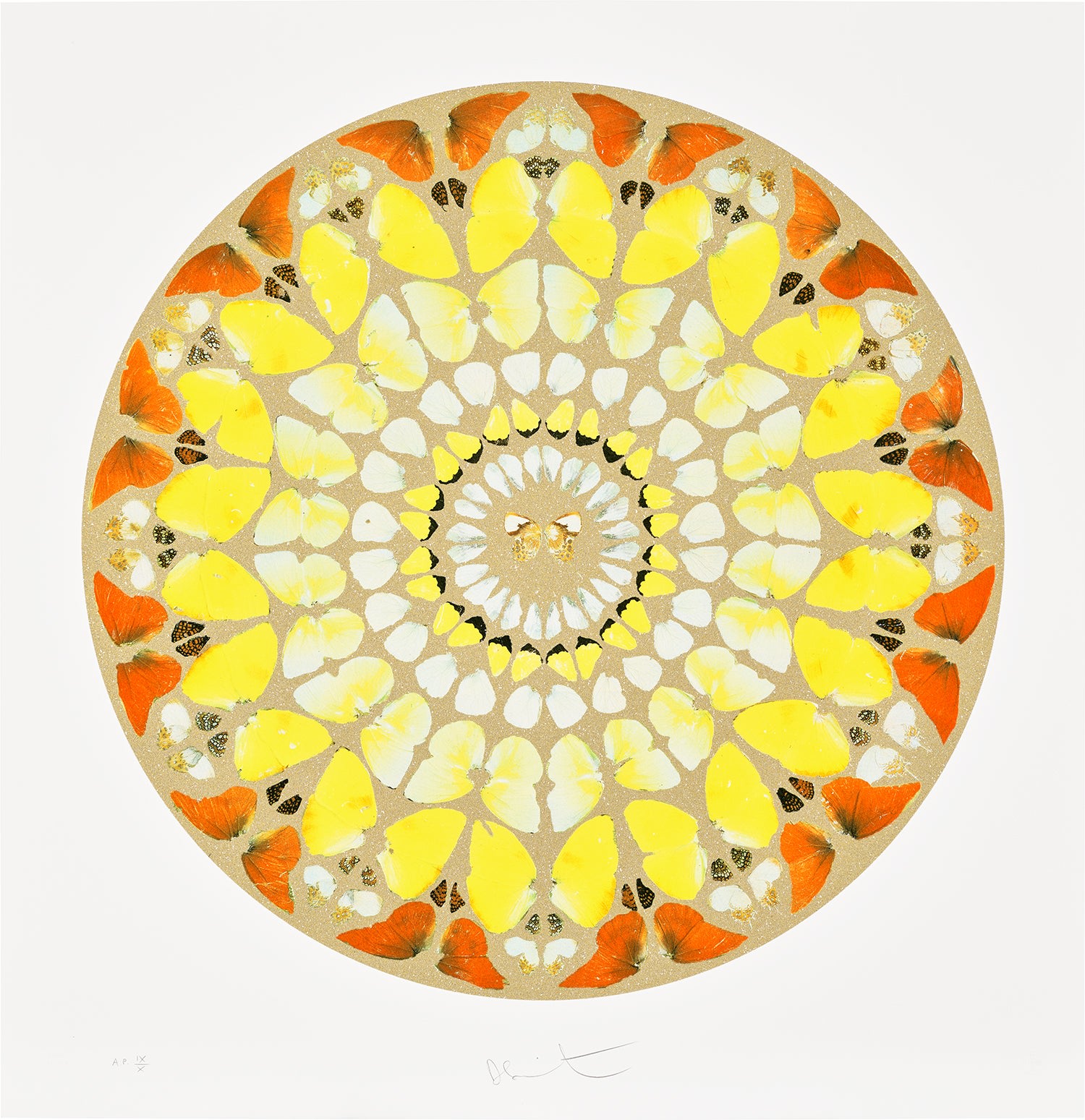
Damien Hirst
Benedictus Dominus, from Psalm Prints

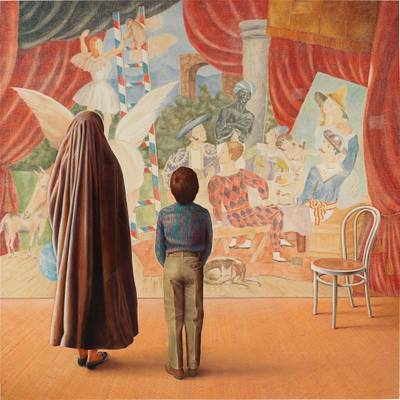

The Sacred Made Visible: Collecting Spiritual Art
There is something that happens when a work of art with genuine spiritual intention enters a home. The room changes. Collectors who pursue this territory will tell you the same thing: these are not decorative objects that sit quietly on a wall. They ask something of you.
They create a kind of gravity in a space, a pull toward stillness or reflection that is almost impossible to manufacture through any other means. This is precisely why collectors return to the spiritual theme again and again, not as a category to complete, but as a living conversation they want to continue. The appeal goes beyond aesthetics, though the best work in this area is aesthetically extraordinary. What collectors are really acquiring is access to a sustained inquiry into the invisible.
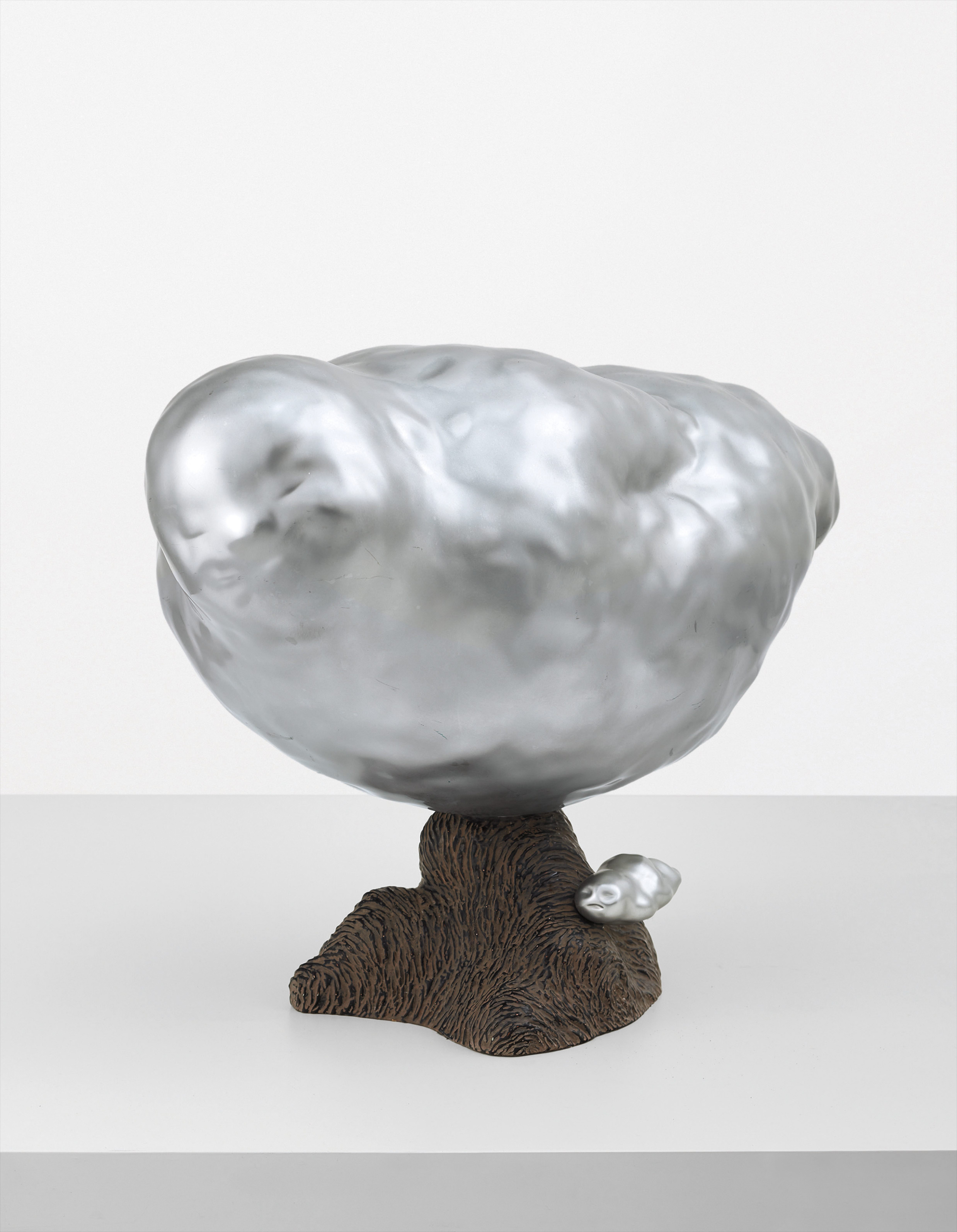
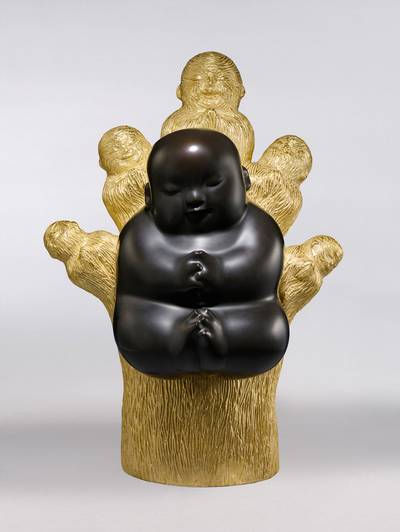
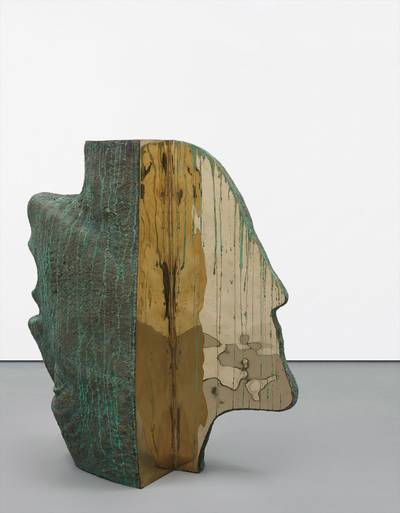
Li Chen
Riding the Wind, 2007
Whether that inquiry moves through Buddhist iconography, Christian mysticism, the Sufi tradition, or something entirely outside organized religion does not matter as much as the authenticity of the pursuit. The work either carries genuine contemplative weight or it does not. Sophisticated collectors learn to feel the difference quickly, often before they can articulate it. So what separates a good work from a great one in this category?
The answer almost always comes down to conviction. Spiritual subject matter is perhaps the easiest territory in which to produce competent but hollow art, work that borrows the vocabulary of transcendence without embodying any of it. The great works are the ones in which the formal decisions and the spiritual content are completely fused. Look for works where the handling of light feels earned rather than theatrical, where the scale of the gesture matches the scale of the feeling, and where there is genuine risk in the making.
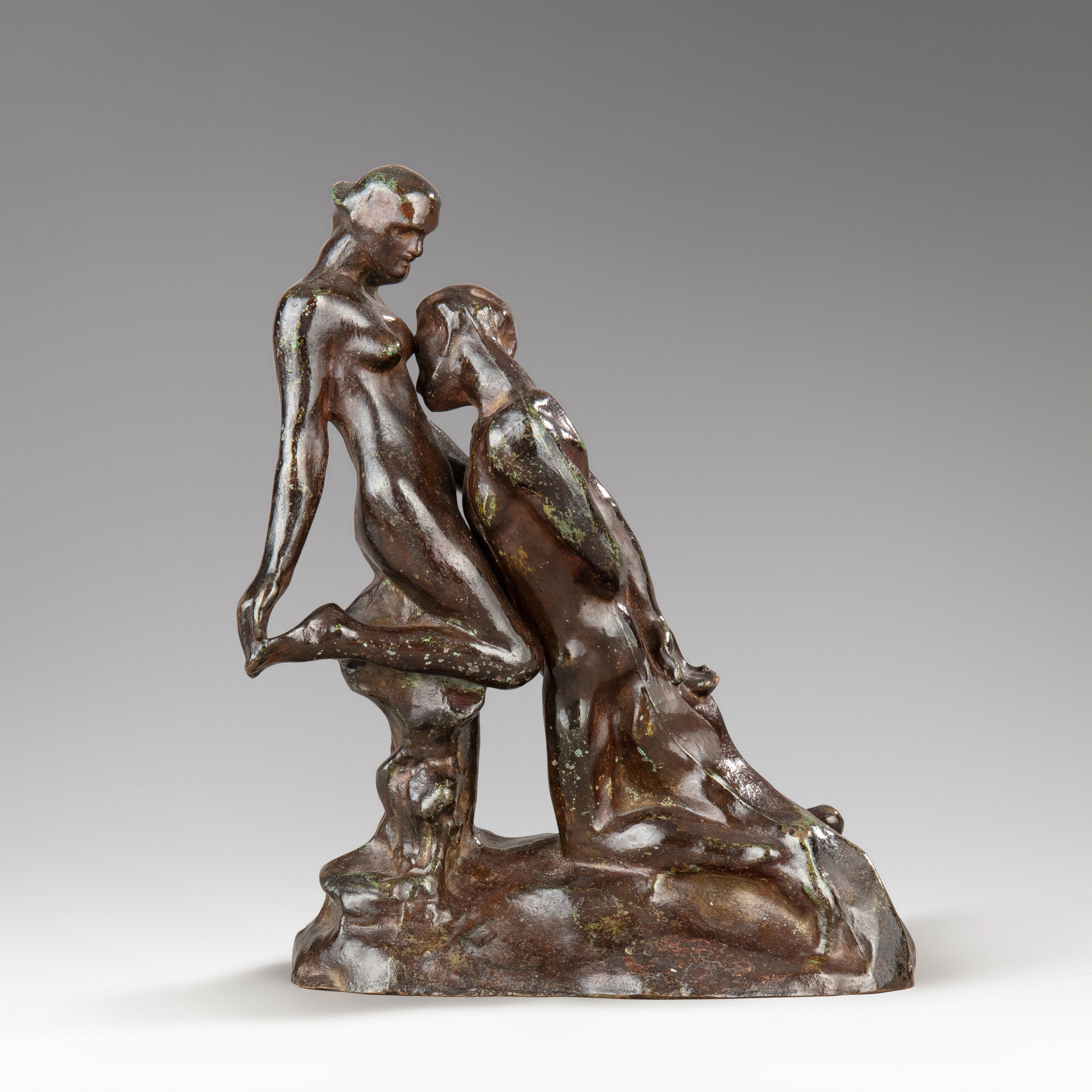
Auguste Rodin
L'Éternelle idole, petit modèle
A great spiritual work should make you slightly uncomfortable before it makes you peaceful. Among the artists represented on The Collection, several reward close attention for different reasons. Y. Z.
Kami works in a mode of radical stillness. His large scale portraits, rendered with a translucent, almost dissolving paint surface, locate the sacred in the human face itself. Kami studied philosophy and came to painting through a deep engagement with questions of presence and perception, and that intellectual foundation gives his work an unusual durability in the market. His canvases hold their power across years of living with them, which is exactly what you want from a significant acquisition.
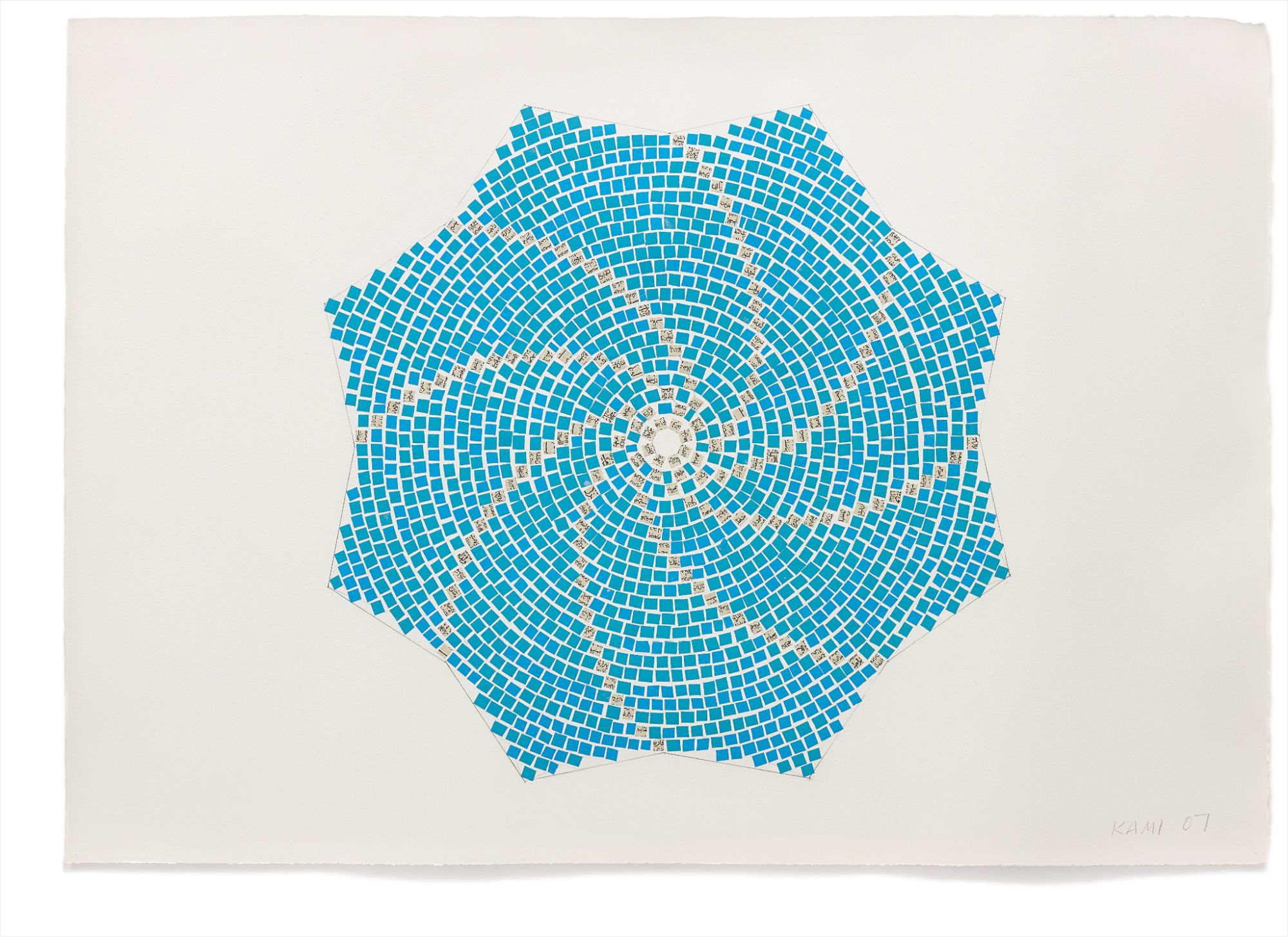
Y. Z. Kami
Endless Prayers
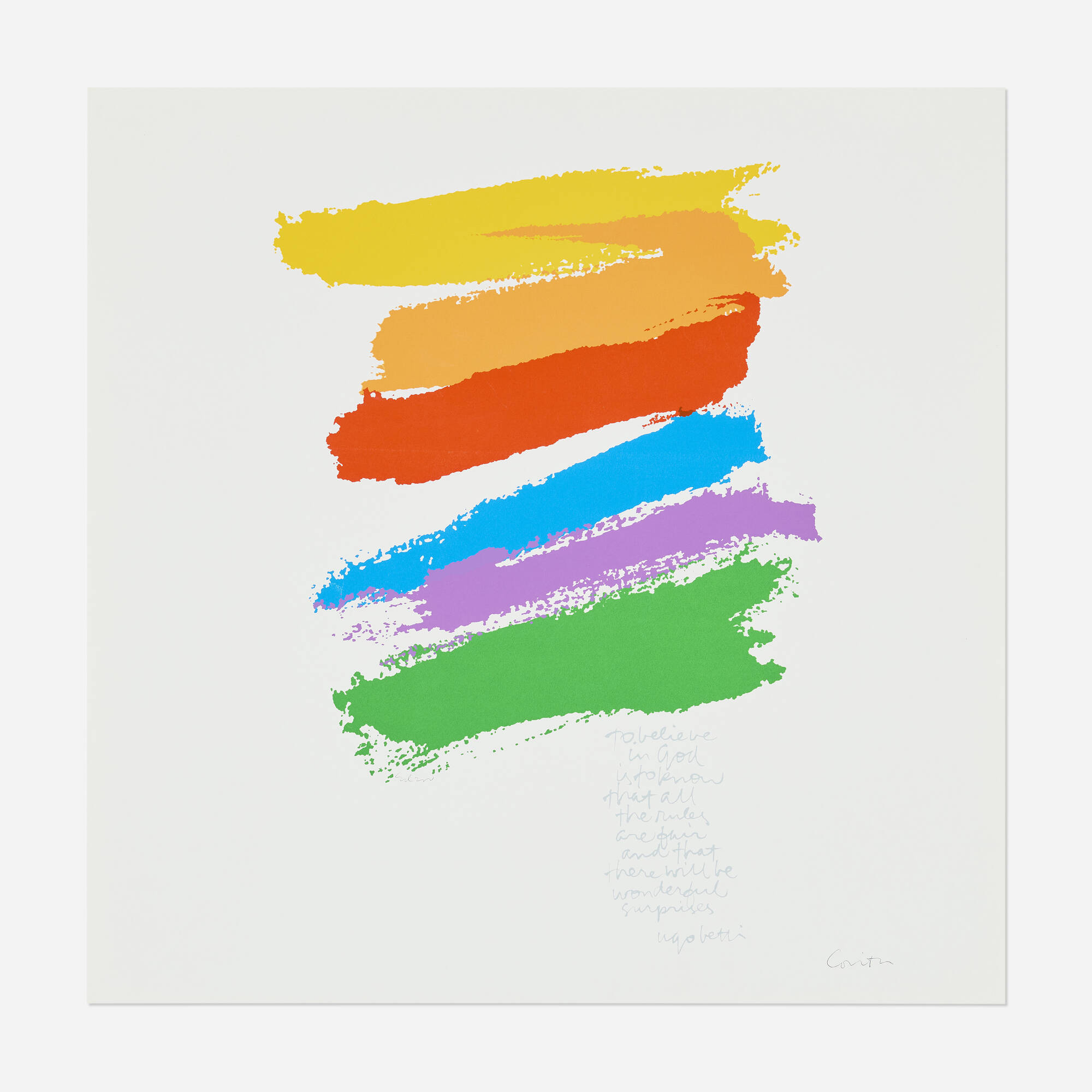
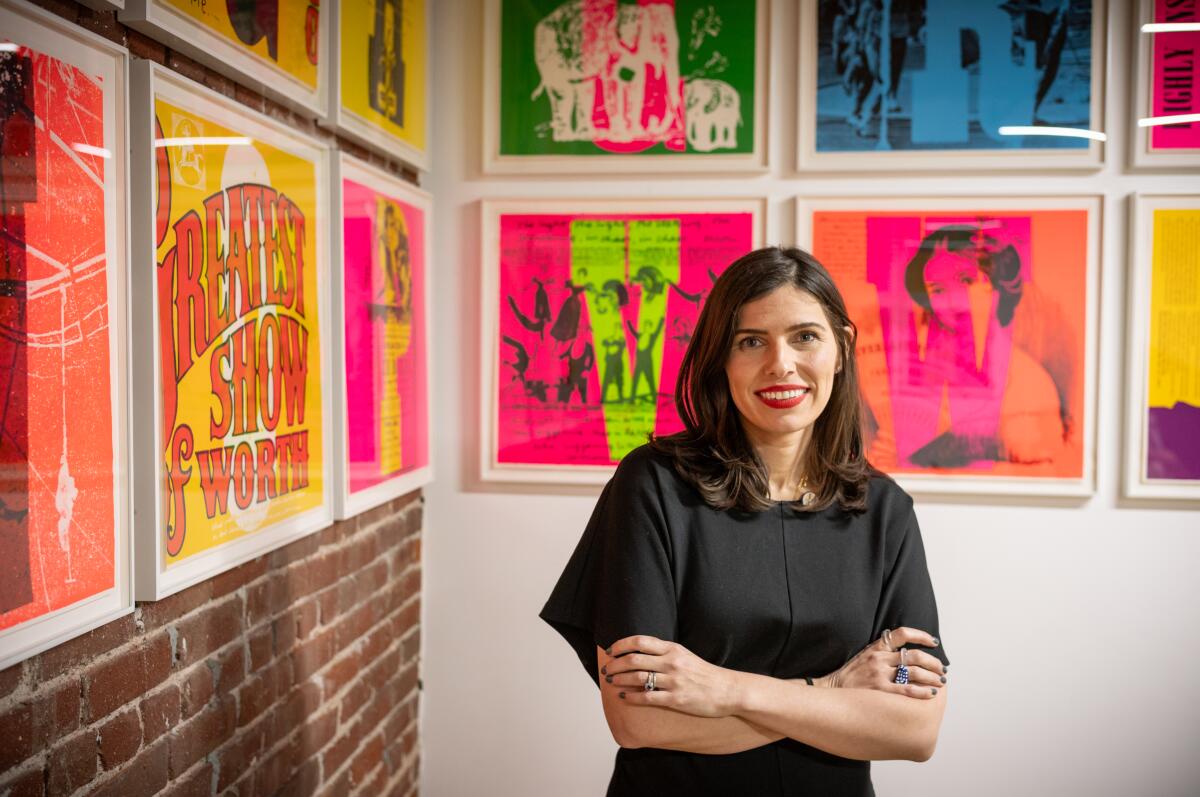
Li Chen, whose sculptural practice draws from classical Chinese Buddhist traditions while maintaining a distinctly contemporary sensibility, offers something different: a physicality that somehow communicates weightlessness. The paradox is intentional and it is resolved at the level of the object itself. Corita Kent, who worked as Sister Mary Corita during her years at Immaculate Heart College in Los Angeles before leaving her religious order in 1968, occupies a fascinating position in the market right now. Her screenprints fuse pop art strategies with genuine devotional feeling in a way that reads as both historically specific and completely fresh.
Her work has gained substantial institutional attention over the past decade, with major retrospectives prompting a reassessment that the secondary market has reflected in steadily rising prices. Collecting Corita now means collecting an artist whose critical repositioning is still underway, which is a position many advisors would characterize as advantageous. Julian Schnabel brings an entirely different energy: raw, almost aggressive spirituality expressed through material excess and an almost operatic scale. His relationship to faith and transcendence runs through his biography as much as his painting, and the best of his work carries that personal urgency in every mark.
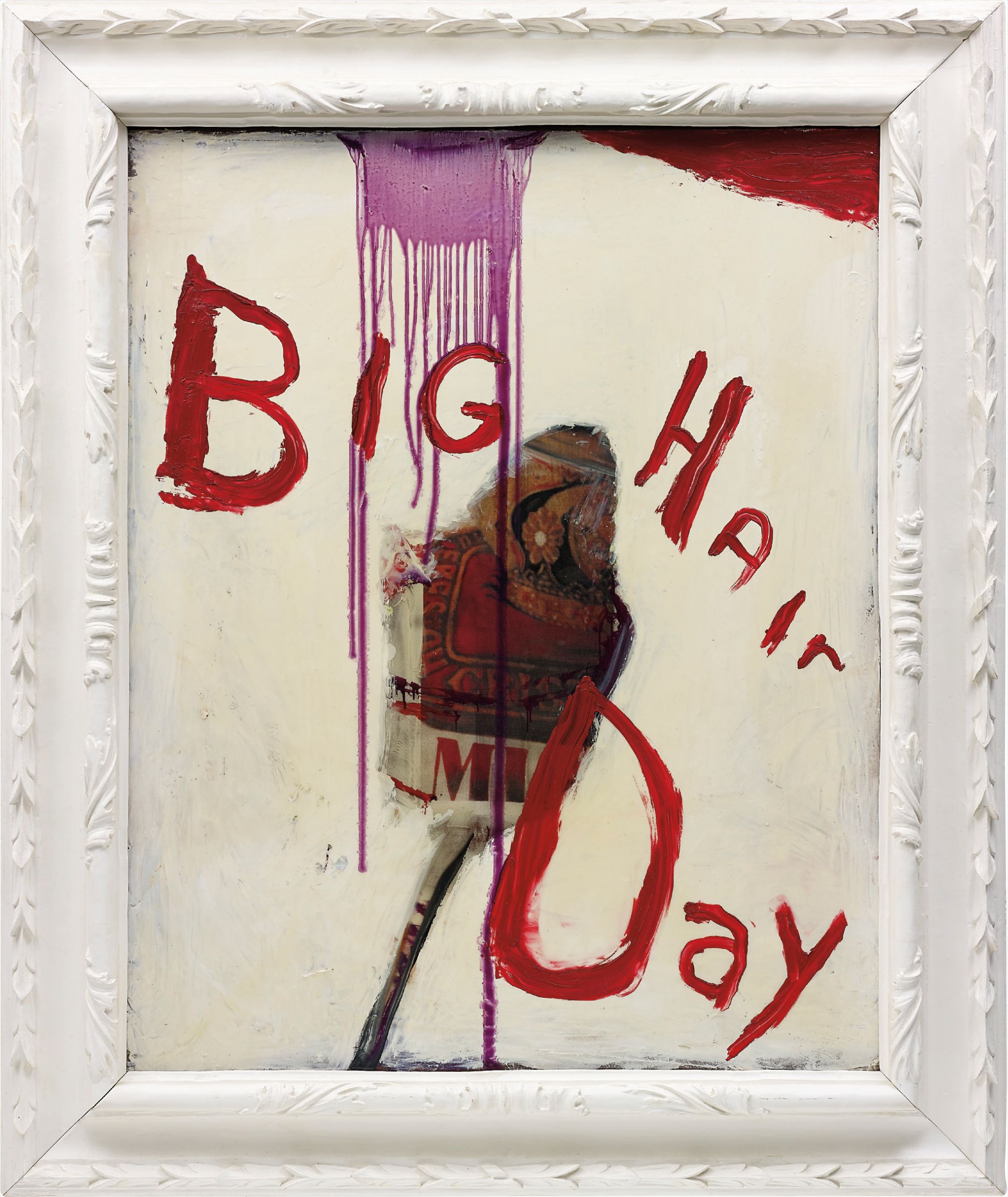
Julian Schnabel
Misericordia Painting, 2002
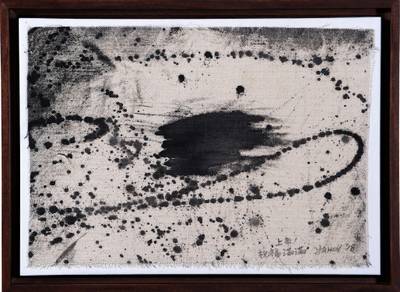
For collectors thinking about emerging or underrecognized voices, the spiritual theme is genuinely rich with possibility right now. Egor Zigura and Samuel Havadtoy both represent artists whose engagement with sacred and metaphysical themes operates somewhat outside the dominant market narratives, which can mean access at price points that will not persist as critical attention consolidates. Yahon Chang, whose practice is rooted in Chinese ink traditions and carries deep meditative intention, is another figure worth serious consideration. The ink tradition in contemporary practice has attracted significant collector attention particularly in Asia, and international awareness continues to grow.
These are artists whose work rewards the kind of patient, relationship based collecting that the spiritual category almost seems to demand. At auction, works with spiritual themes have historically performed with more volatility than other categories, which is itself instructive. The ceiling can be extraordinary, as Damien Hirst's ongoing engagement with religious iconography demonstrates. His spot paintings and more explicitly devotional works have achieved results across a wide range from modest to transformative, partly because his output is so varied and partly because the market for his work responds strongly to cultural moment.
Works that carry genuine spiritual seriousness from artists with strong institutional records tend to hold value more consistently than those whose appeal is primarily aesthetic or fashionable. Auguste Rodin remains a benchmark in this regard. His sculptural explorations of the human figure in states of spiritual and emotional extremity have maintained collector desire across more than a century of market cycles. Practically speaking, there are questions every collector should bring to a gallery or advisor before acquiring in this space.
For works on paper, ask about light sensitivity and the conditions under which the work has been stored. Many spiritual traditions produce works on fragile supports, and condition issues that are invisible at acquisition can become significant over time. For sculpture, particularly bronze editions, ask for the full edition size and the number of artist proofs, and verify through a reputable foundry record if possible. For painting, provenance documentation matters both for value protection and for the simple satisfaction of knowing a work's history.
Display deserves genuine thought: spiritual works often need space to breathe and a quality of natural or carefully controlled light. They rarely benefit from being crowded. Give them room, and they will give you something in return.