Southern Americana
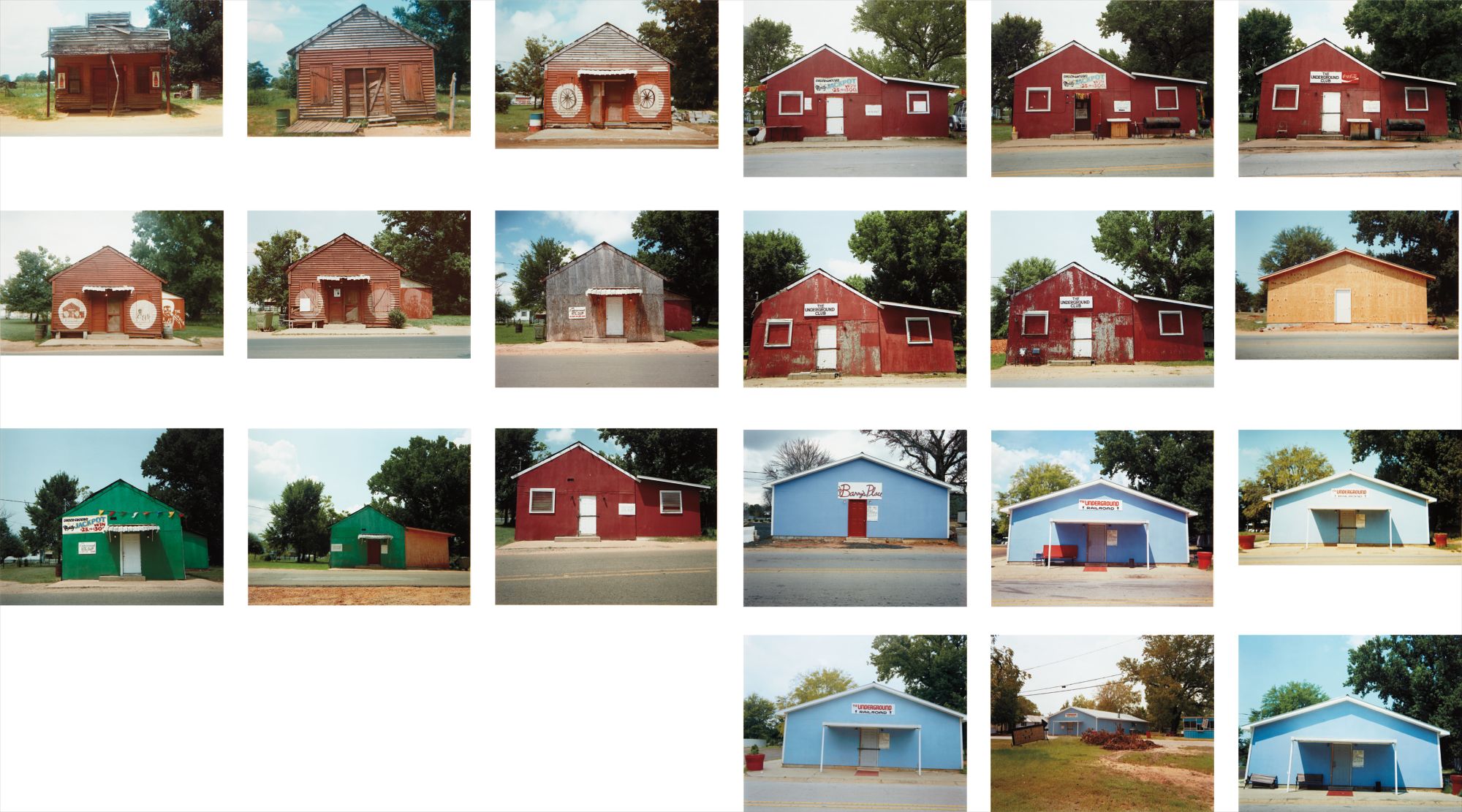
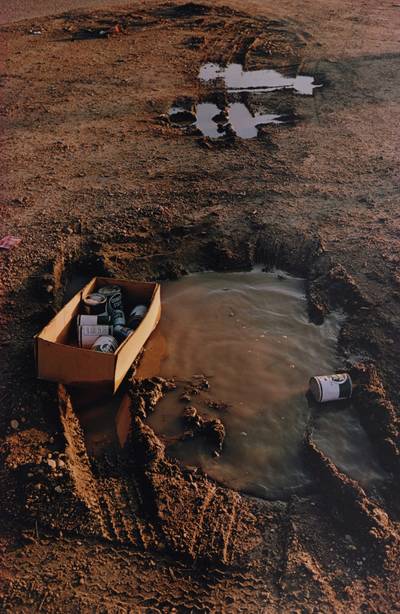
William Christenberry
The Underground Club, Greensboro, Alabama
The South Still Has Something to Say
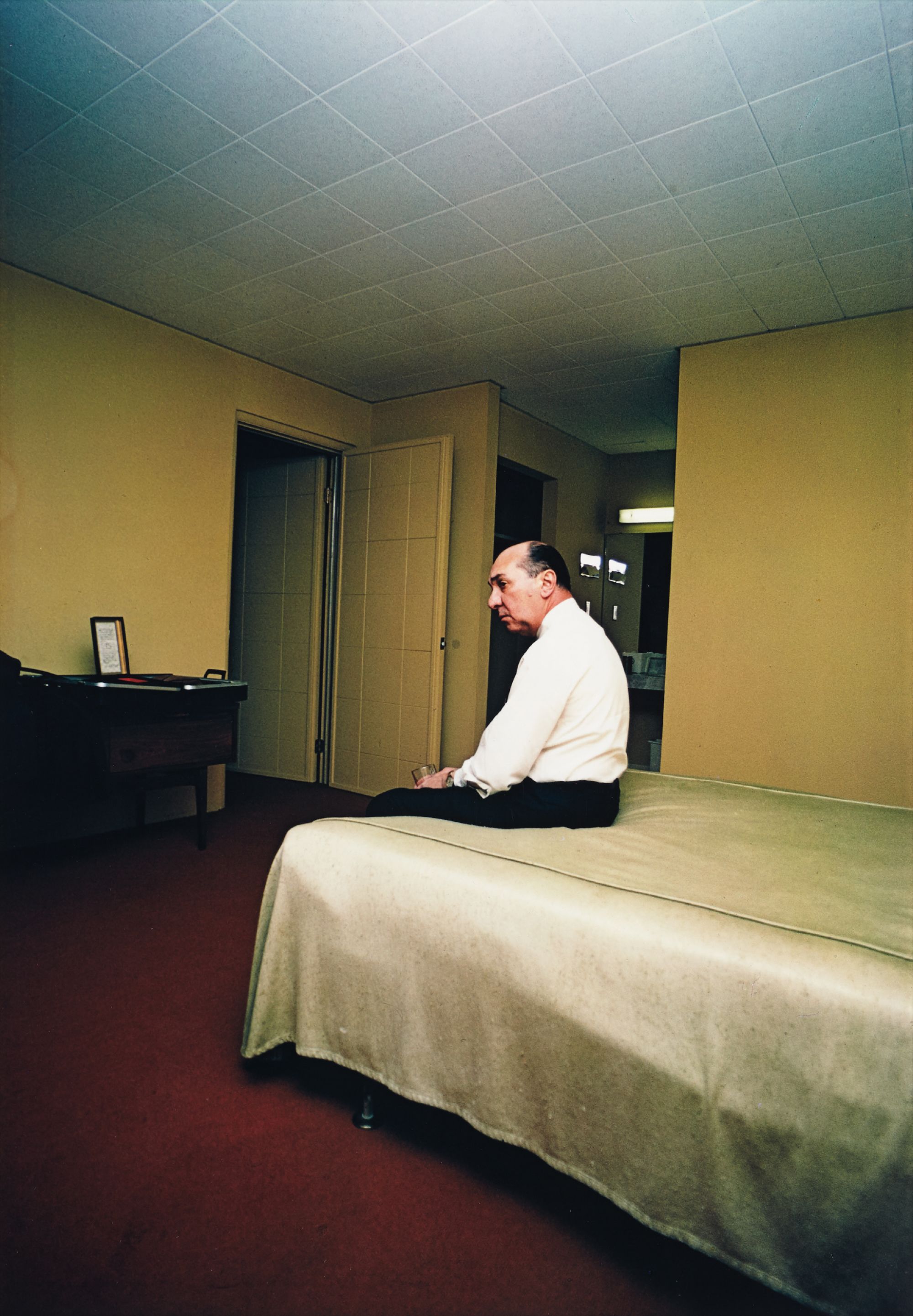
When a vintage William Eggleston dye transfer print crossed the block at Christie's New York in 2022, bidding pushed well past its estimate and settled at a figure that would have seemed implausible even a decade earlier. The work, a saturated, quietly menacing image of ordinary Southern life, reminded the room that Eggleston's vision has never really been about nostalgia. It has always been about power. The appetite for his work at auction reflects something broader happening in the market and in the culture: Southern Americana, long treated as a regional footnote, has moved to the center of serious collecting conversations.
The market for this category is being driven by a combination of institutional validation, critical reassessment, and genuine emotional urgency. Collectors who came of age with Eggleston as a touchstone are now at the height of their buying years, and younger collectors are discovering him through music, fashion, and film as much as through galleries. His influence is cited so frequently across disciplines that the work itself sometimes risks being reduced to aesthetic shorthand. But spend real time with the prints and that concern dissolves.
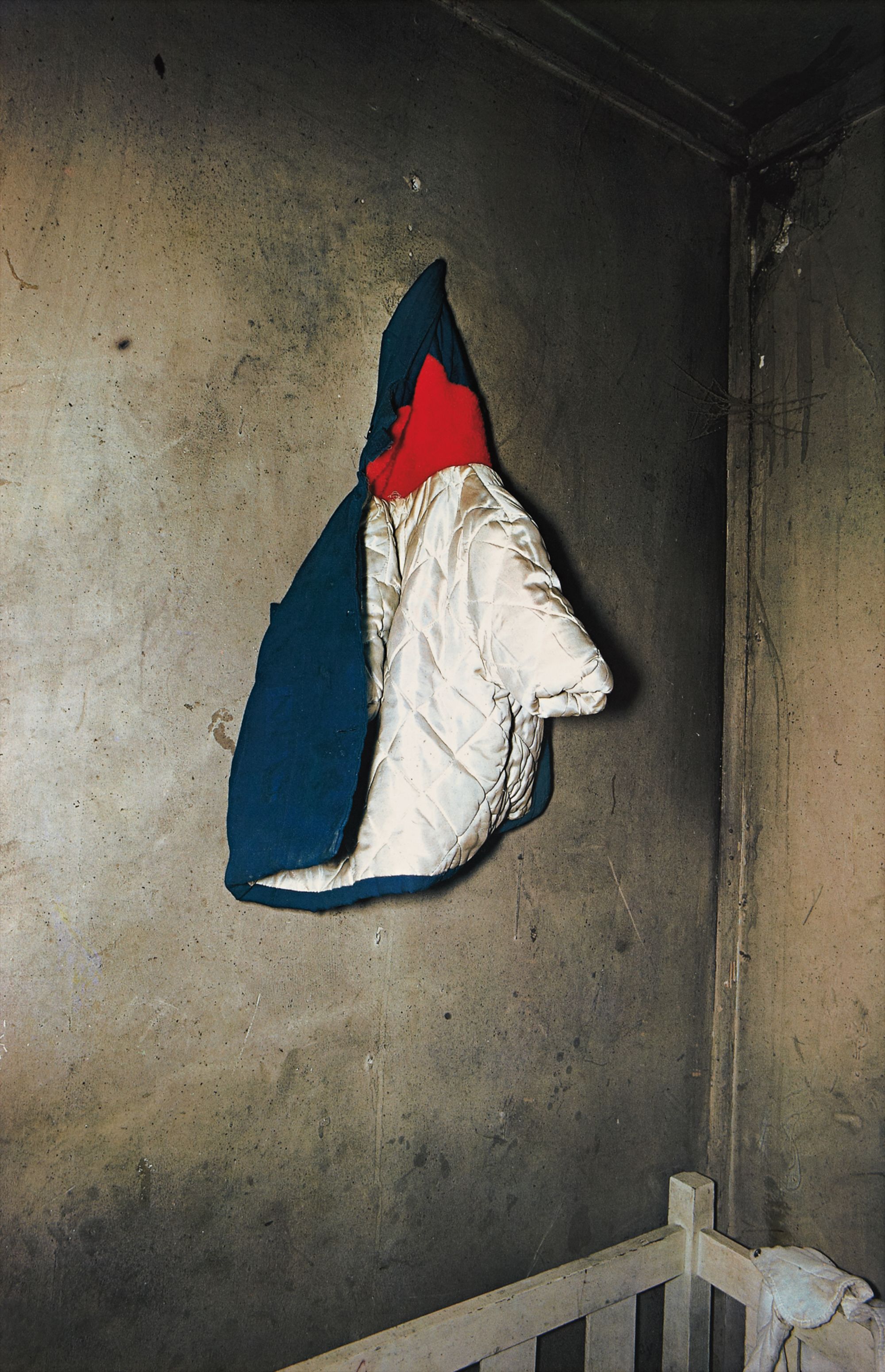
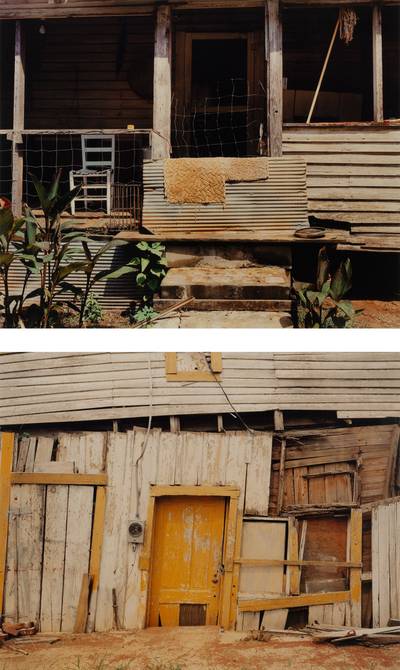
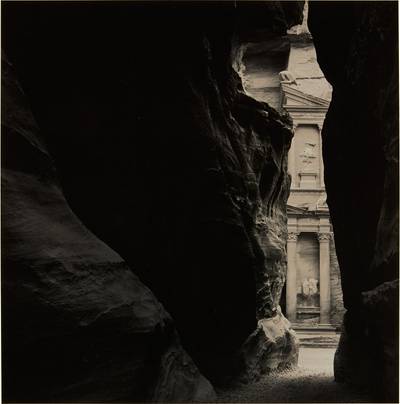
William Christenberry
The Underground Club, Greensboro, Alabama
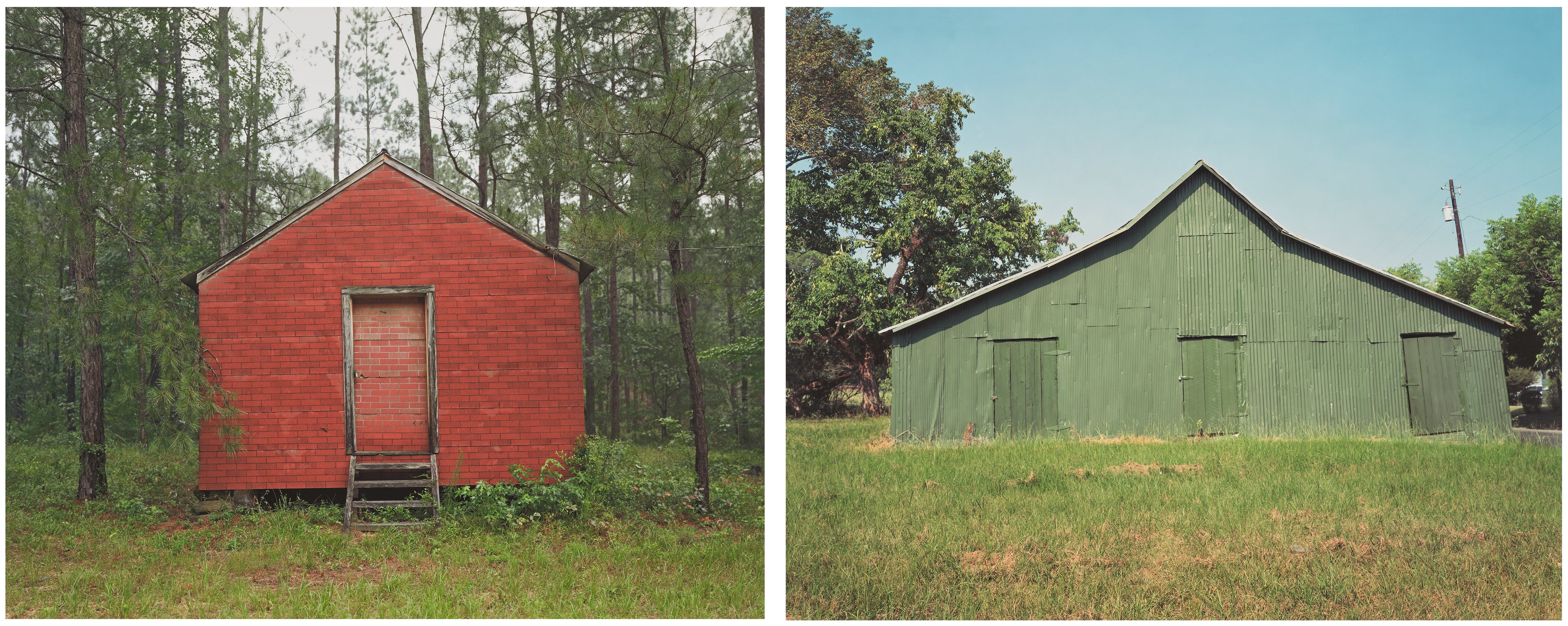
The color, the compositional precision, the democratic strangeness of his subjects: none of it has dated. Eggleston is the dominant market presence in this category and is exceptionally well represented on The Collection, but the space around him is rich and deserves equal attention. William Christenberry, who worked in painting, sculpture, and photography across a career rooted in Hale County, Alabama, has been the subject of renewed institutional interest since his death in 2016. The Smithsonian American Art Museum holds a significant body of his work, and his decades long project of returning to the same small structures and storefronts as they aged and collapsed has taken on new resonance in conversations about memory, place, and loss.
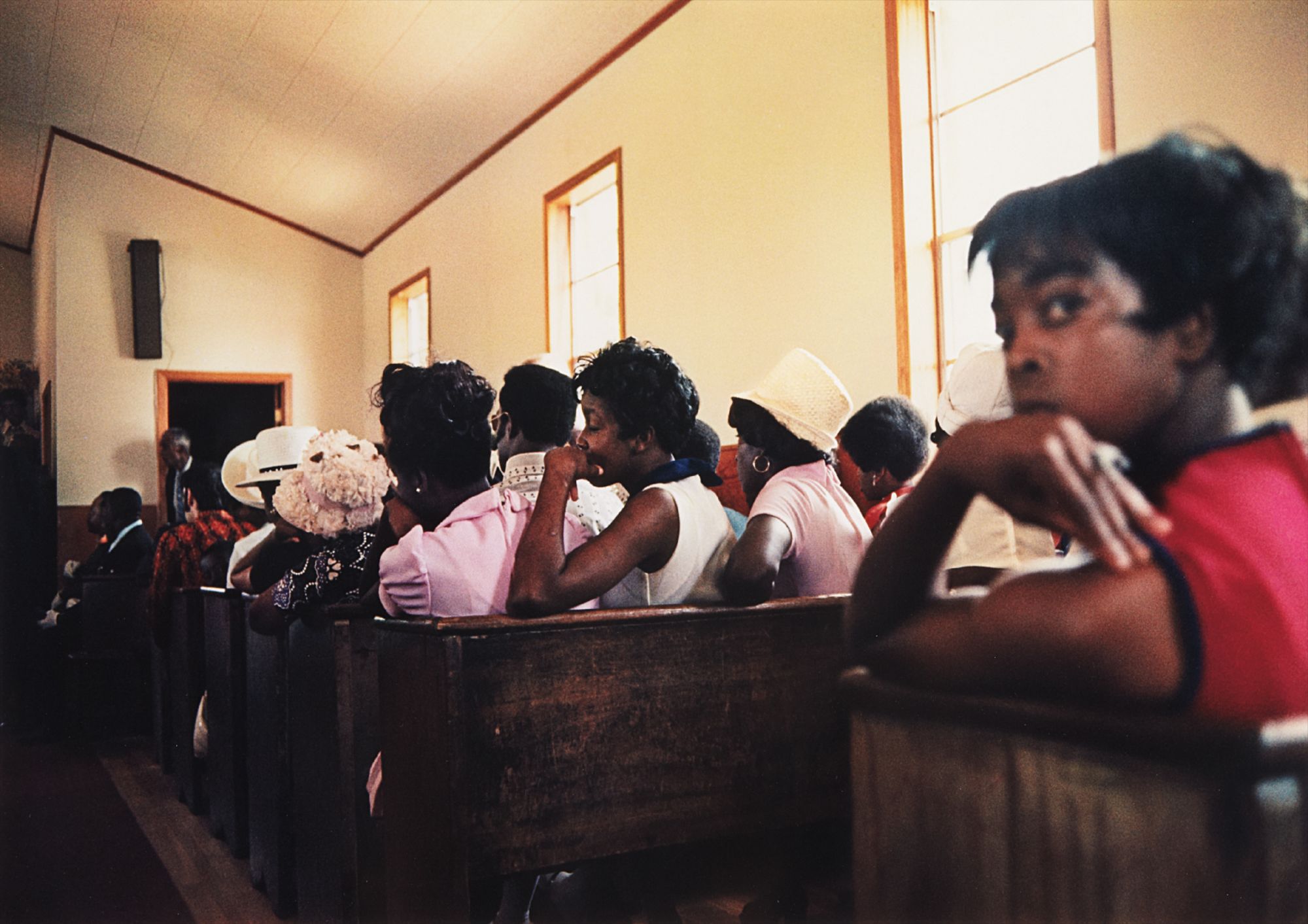
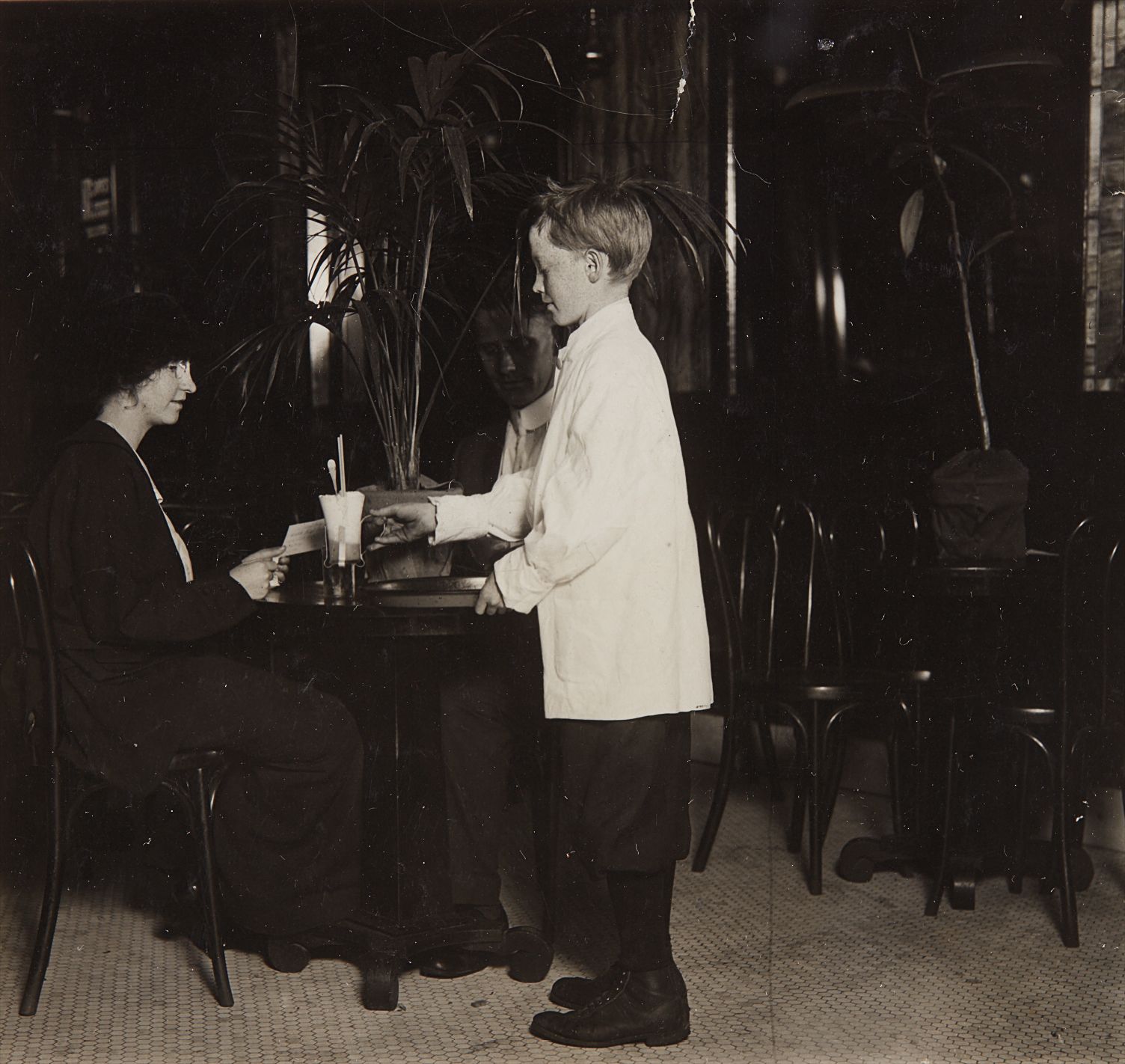
Christenberry and Eggleston knew each other well, and looking at their work together reveals how differently two artists can respond to the same landscape. Doris Ulmann and Lewis Hine anchor the historical dimension of this category with something close to moral weight. Ulmann's photographs of Appalachian communities and the Gullah people of the South Carolina lowlands, made in the late 1920s and early 1930s, remain among the most searching portraits of American regional identity ever produced. Hine, whose social documentary practice brought conditions of labor and poverty into public view, occupies a different position: his work demands to be read as both art and evidence.
Lewis Hine
A young table boy in Newsome's ice cream parlor, Birmingham, Alabama, October
Institutions including the George Eastman Museum and the Library of Congress continue to present this material in ways that complicate easy readings, insisting on the ethical complexity embedded in the documentary tradition. The critical conversation around Southern Americana has shifted meaningfully in recent years. Writers including Teju Cole and curators working within the African American museum network have pushed back on the category's historical tendency to center white perspectives on Southern life, asking whose stories are being told and who gets to frame them. This has opened productive new territory.
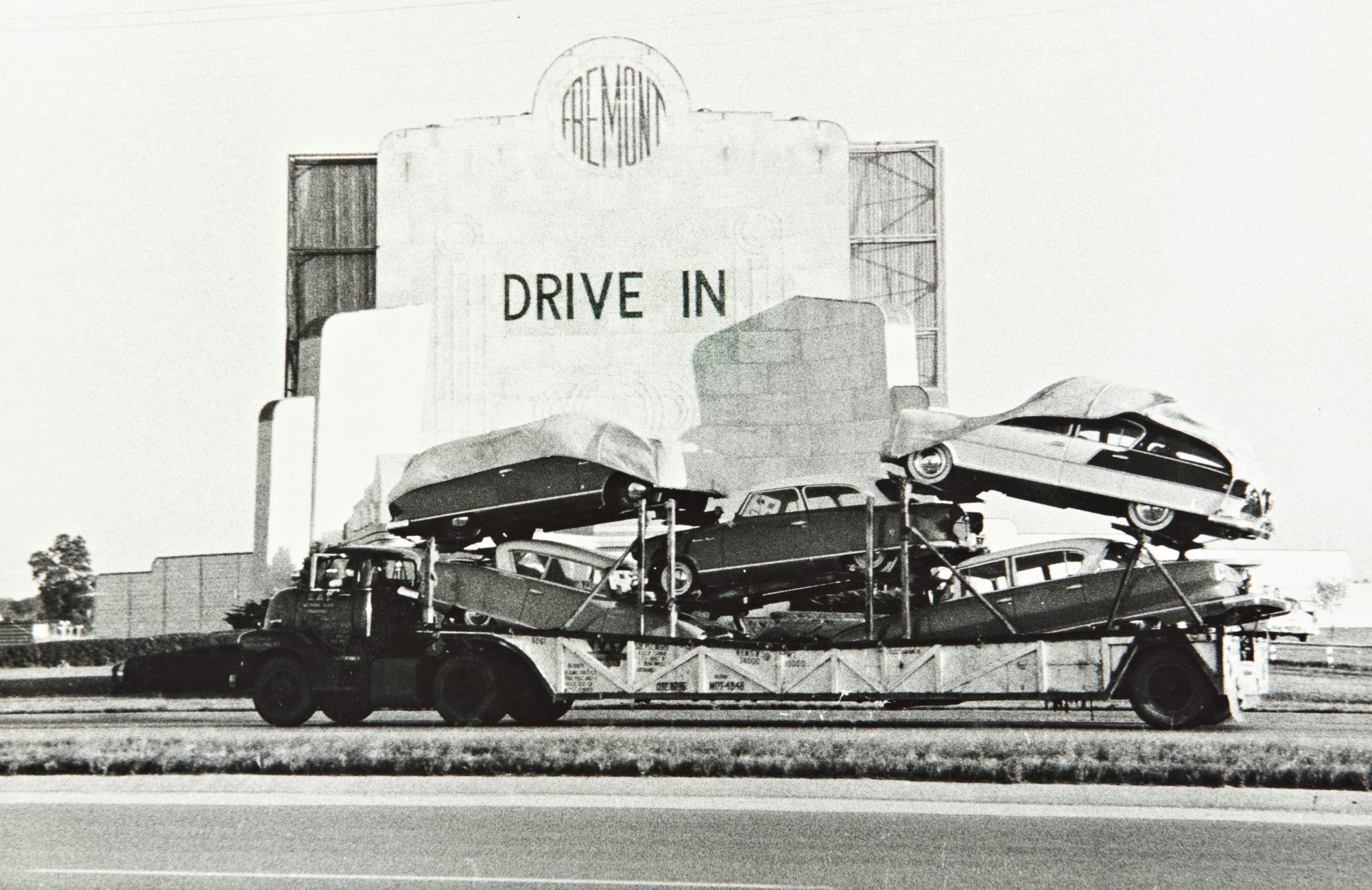
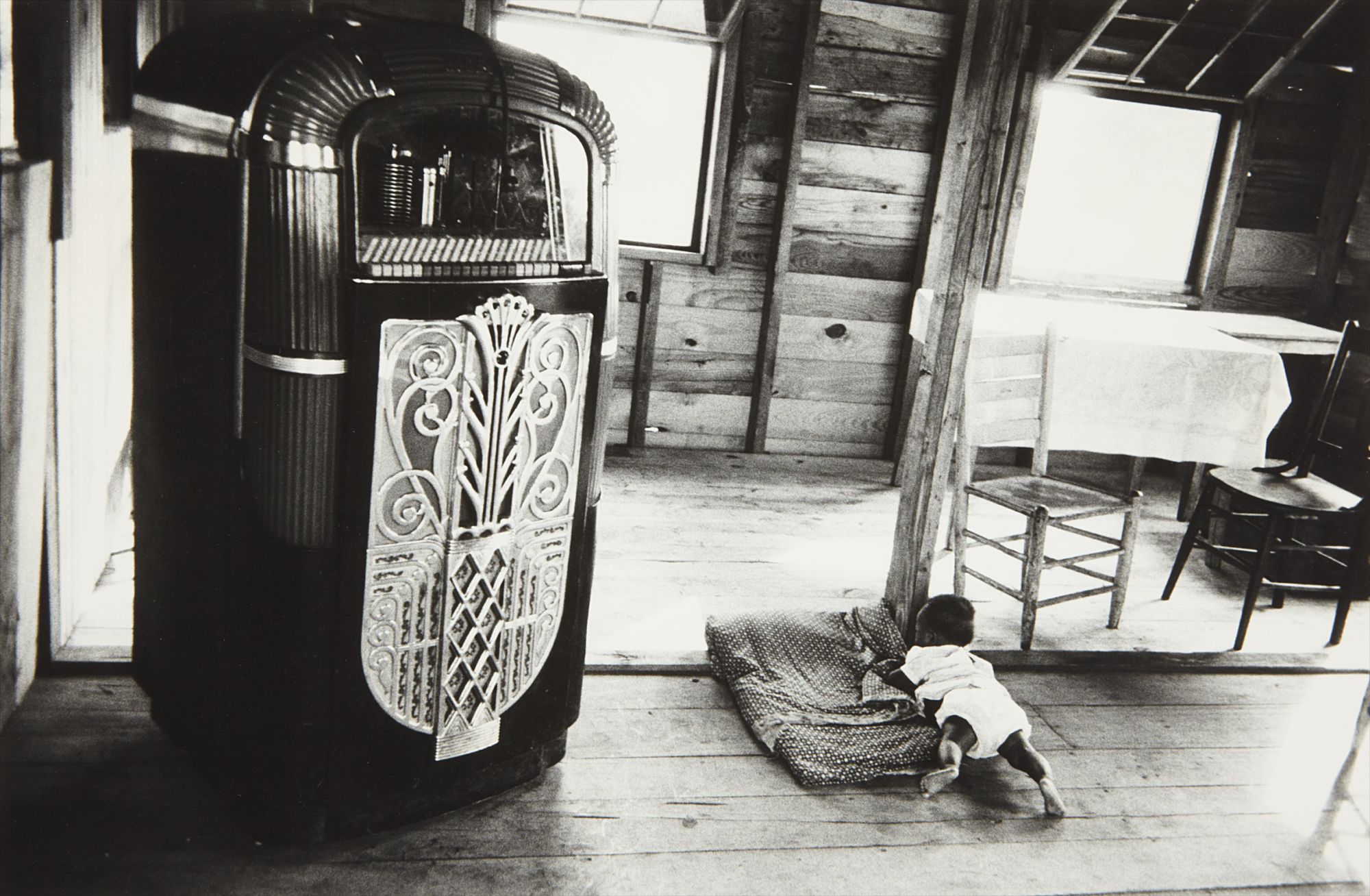
The work of photographers like Emmet Gowin, whose tender and mysterious images of his wife Edith and her family in Virginia brought an intimate mythology to the Southern landscape, looks different when placed in dialogue with artists who were excluded from the canonical surveys. Gowin's presence on The Collection offers collectors a point of entry into that more layered reading. Robert Frank is perhaps the most unexpected figure to appear in this context. His 1958 book The Americans, one of the most influential photography projects of the twentieth century, contains some of his most devastating observations of the South, including his photographs of segregated spaces and the social architecture of race in mid century America.
Robert Frank
Café, Beaufort, South Carolina
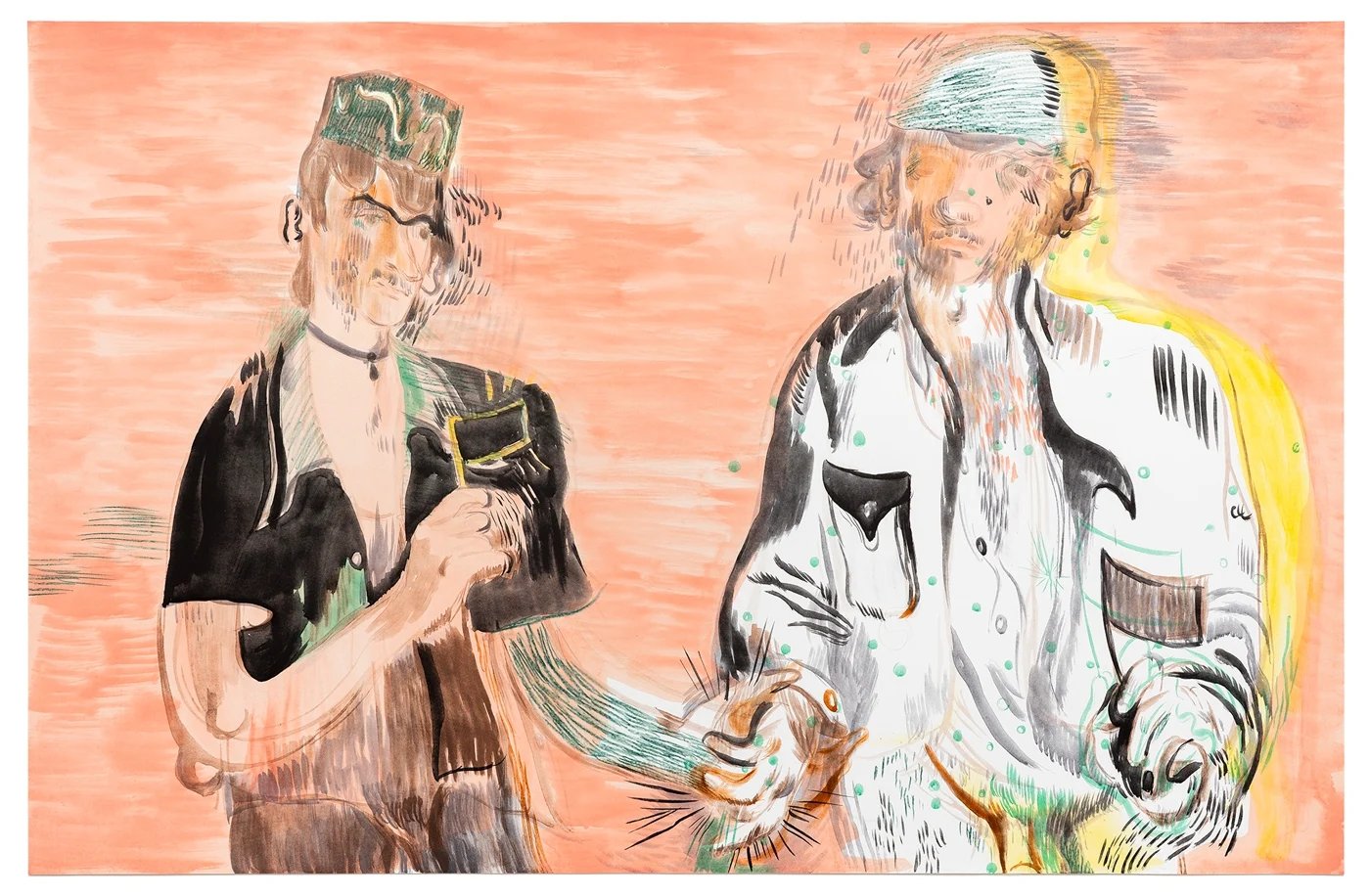
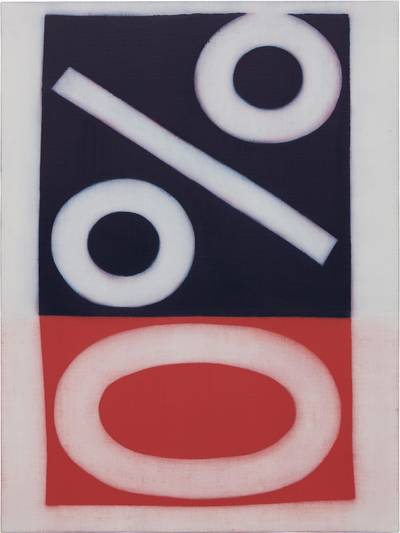
Frank was Swiss, an outsider looking in, and that position gave his images a clarity that contemporaneous American photographers sometimes struggled to achieve. A single Frank print in a collection anchored by Eggleston, Christenberry, and Ulmann creates a kind of triangulation, different points of view converging on the same complicated subject. Suzanne Caporael is the outlier in this grouping and perhaps the most interesting one. A painter rather than a photographer, Caporael works with muted, chalky palettes and allusive mark making that suggests landscape and atmosphere without ever resolving into literal description.
Her work has been shown at institutions including the Museum of Fine Arts Houston and the Aldrich Contemporary Art Museum, and her presence in this category signals something important: Southern Americana is not a photography genre, it is a sensibility, a way of attending to place and time and the residue of human experience. Museum acquisitions in this space have accelerated. The High Museum of Art in Atlanta has been particularly active, building holdings that reflect a more inclusive understanding of Southern cultural production. The New Orleans Museum of Art and the Crystal Bridges Museum of American Art in Arkansas have both invested seriously in photography and works on paper that address Southern identity, drawing national attention to institutions outside the traditional coastal centers.
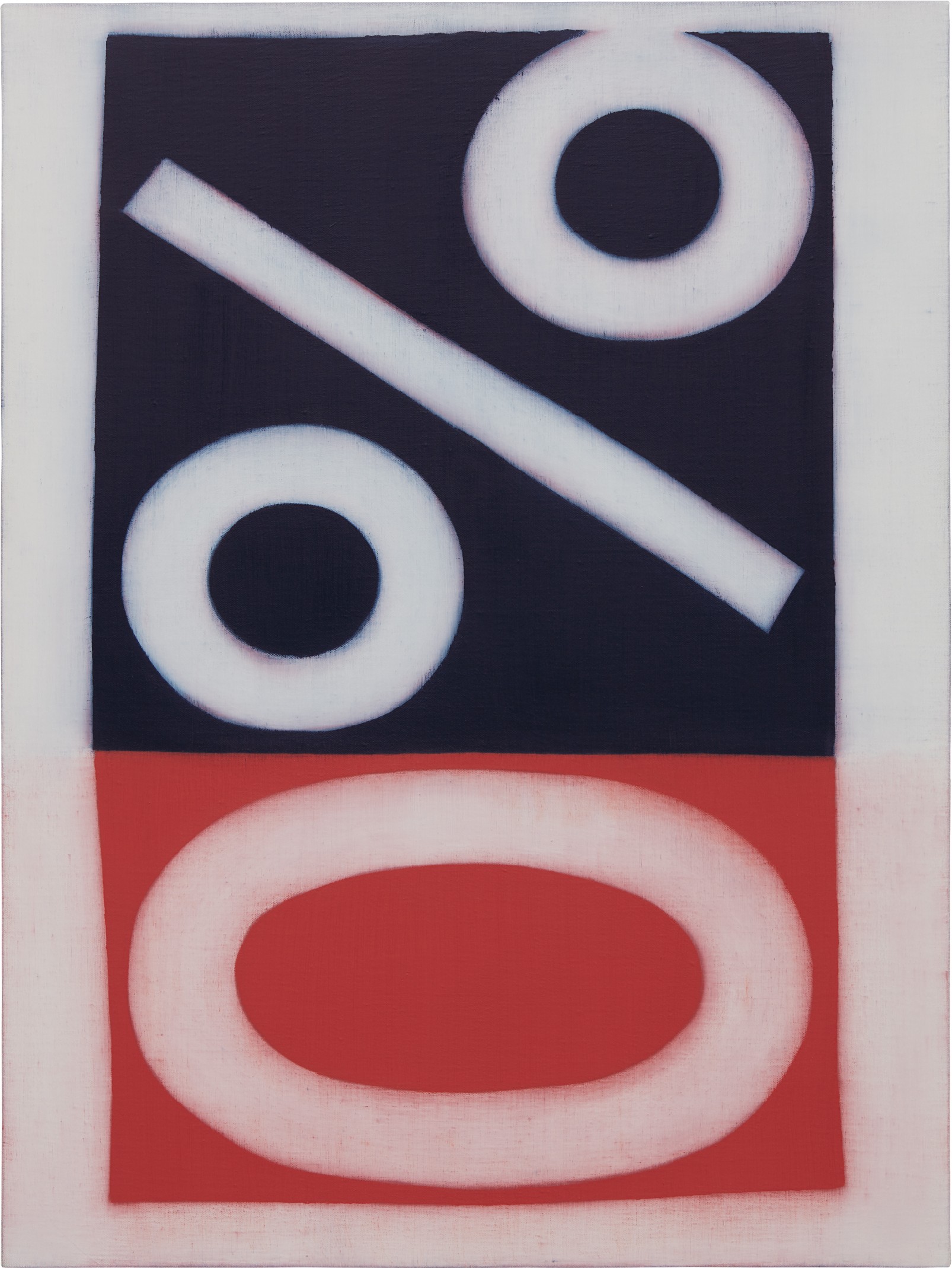
Suzanne Caporael
611 (Opelousas, Louisiana), 2010
When regional museums make acquisitions at this level it changes the secondary market, establishing provenance trails and lending histories that support higher auction estimates down the line. What feels alive right now is the intersection of archival practice and contemporary response. Younger artists are reckoning with the photographic inheritance of the South, sometimes directly appropriating or reframing earlier images, sometimes working in entirely different media to address the same terrain. What feels settled is the canonical status of Eggleston: his market is mature and his critical position is secure.
What surprises are coming almost certainly involve the reassessment of figures who worked at the margins of the established survey, artists whose work has been undercollected precisely because it complicates the dominant narrative. For collectors paying attention, that is where the real opportunity lives.