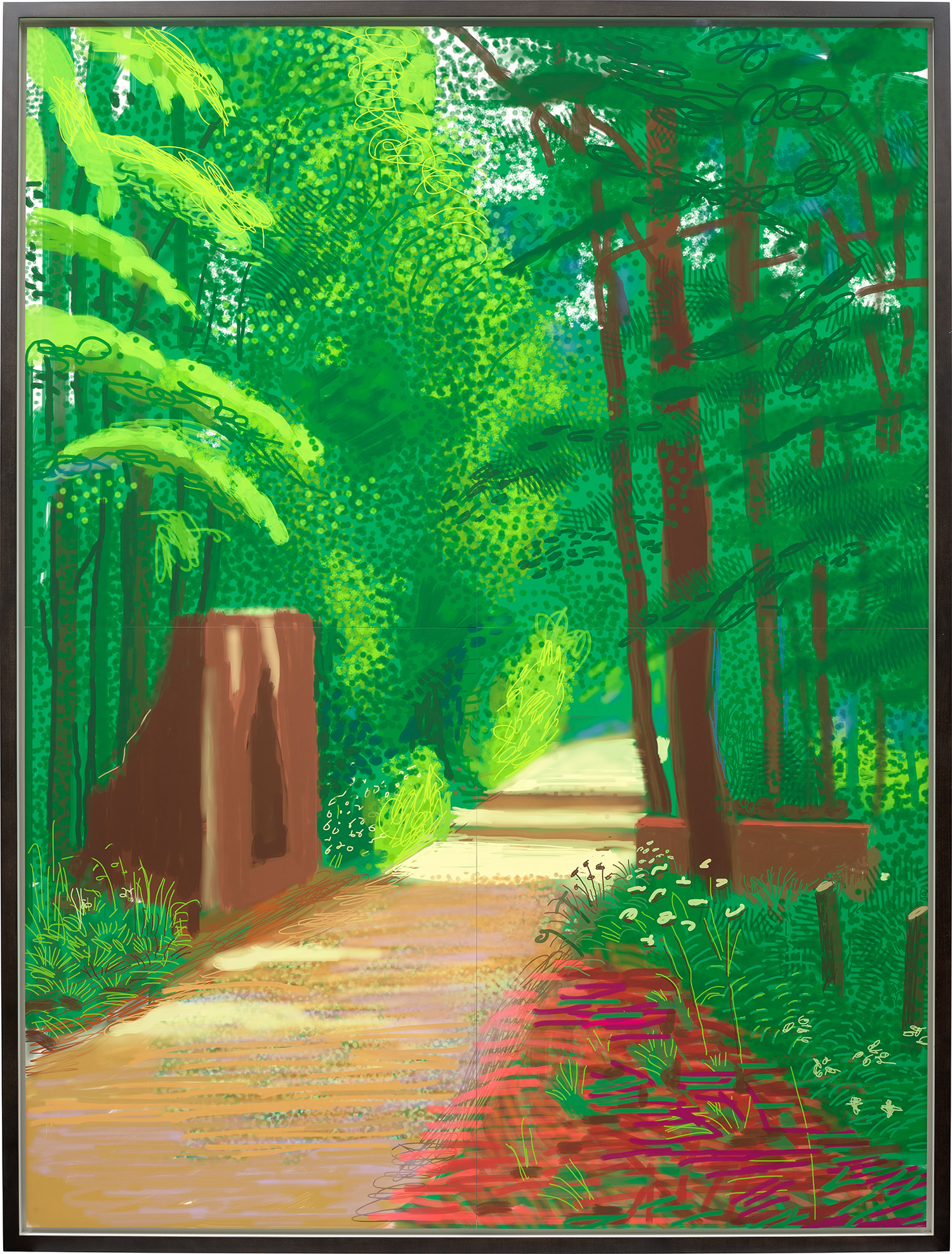
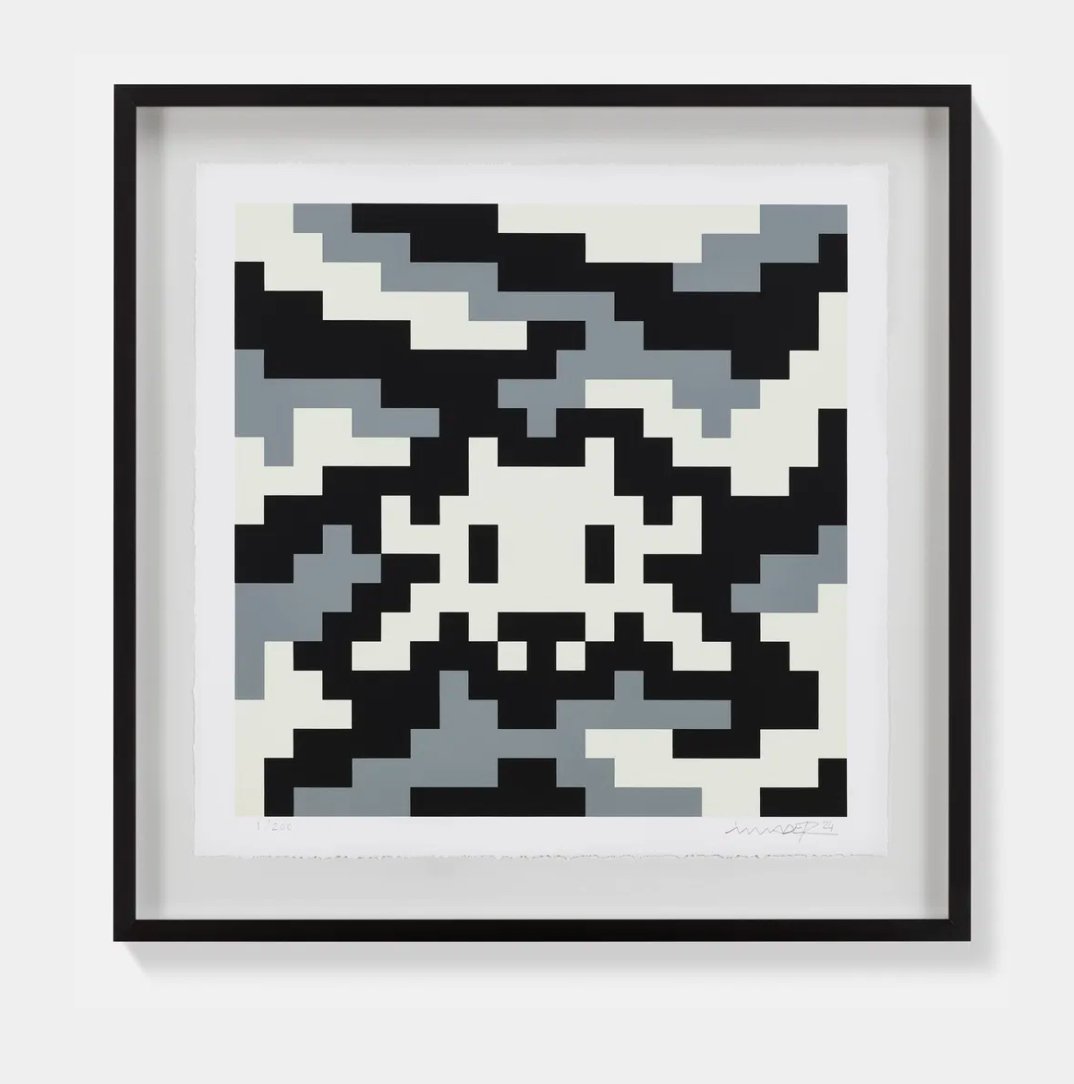
Soft Palette
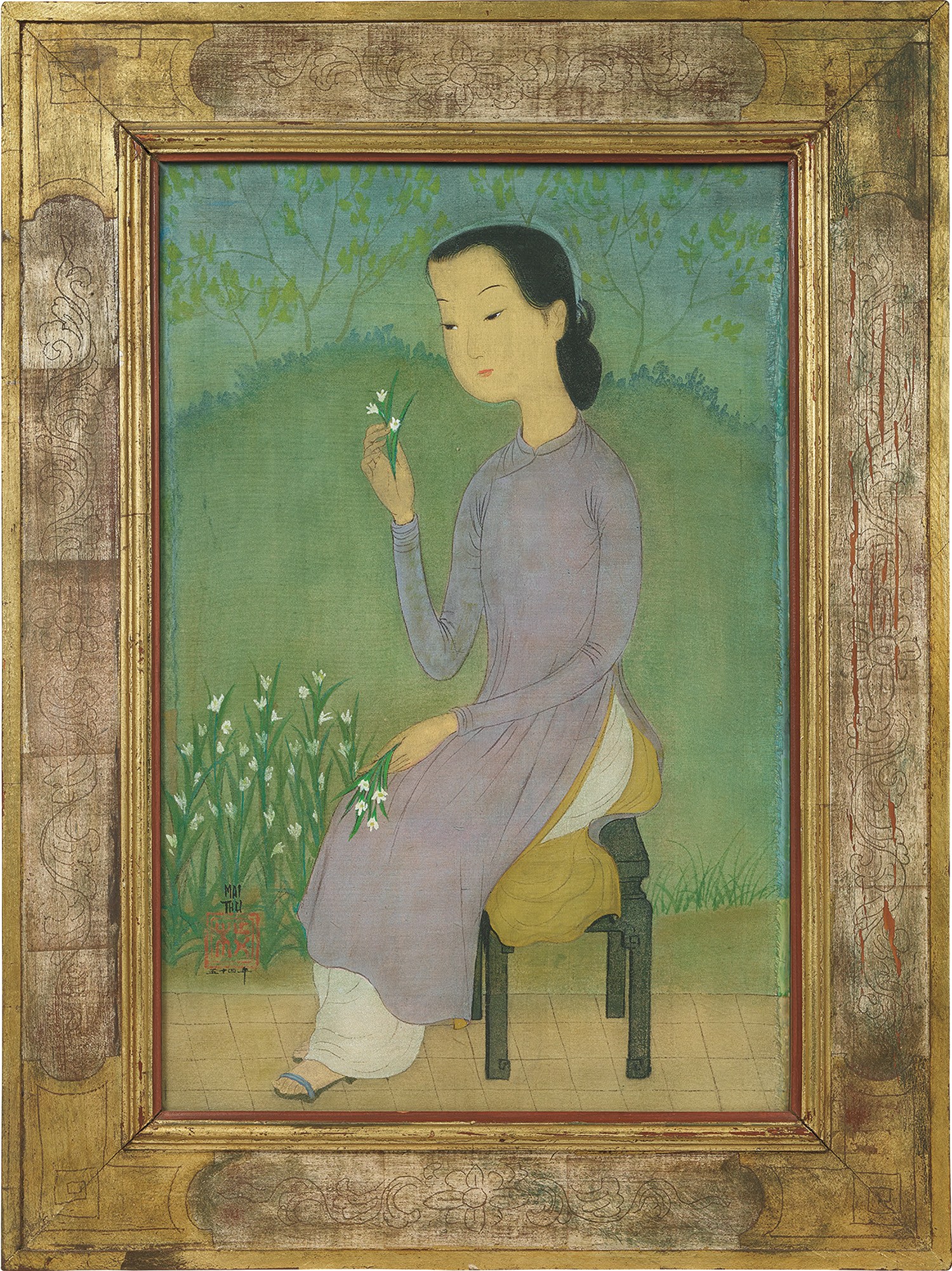
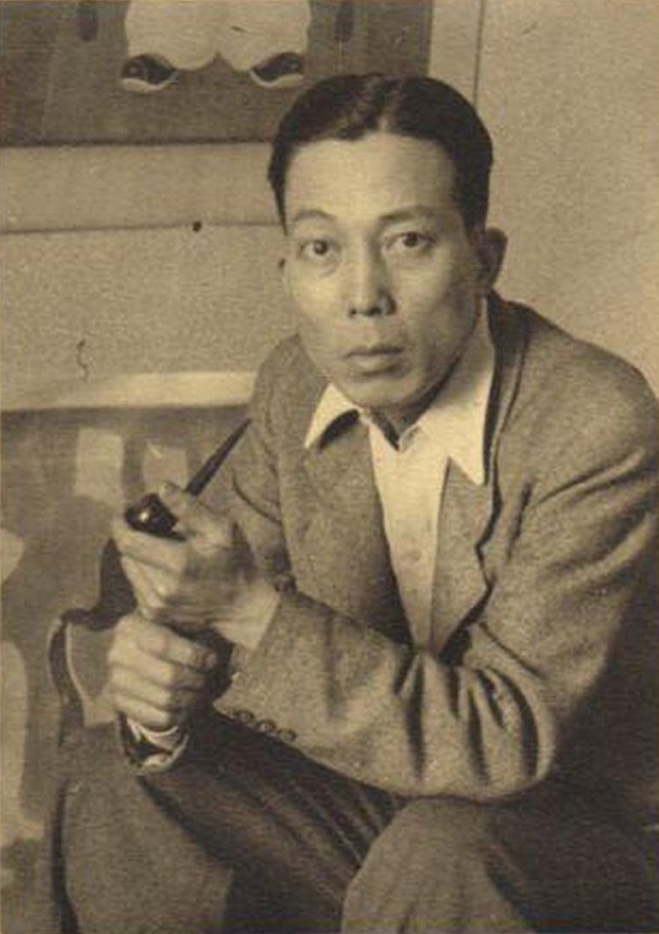
Mai Trung Thứ
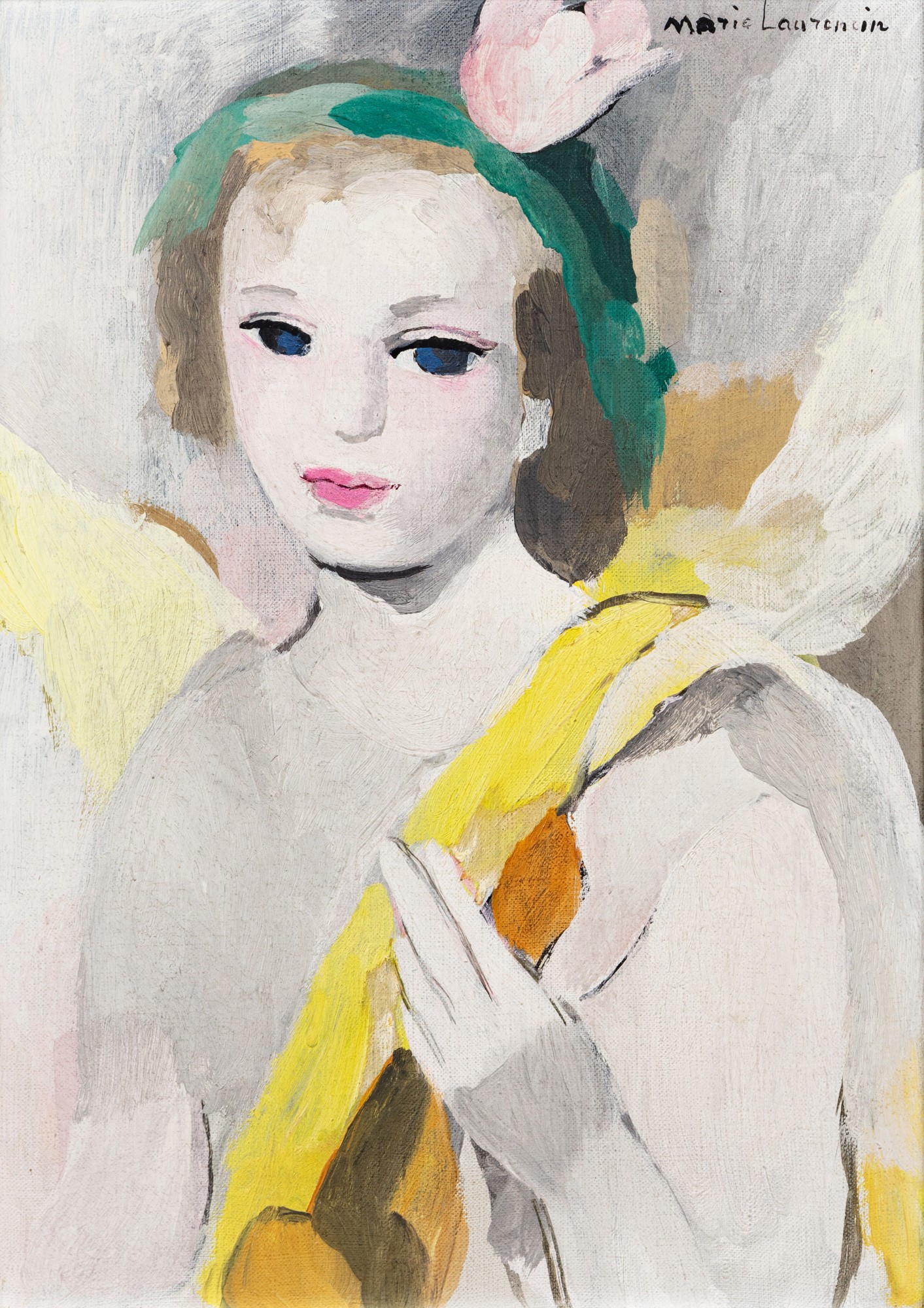
Jeune femme à la fleur (Young lady with a flower), 1954
The Quiet Power of Tender Color
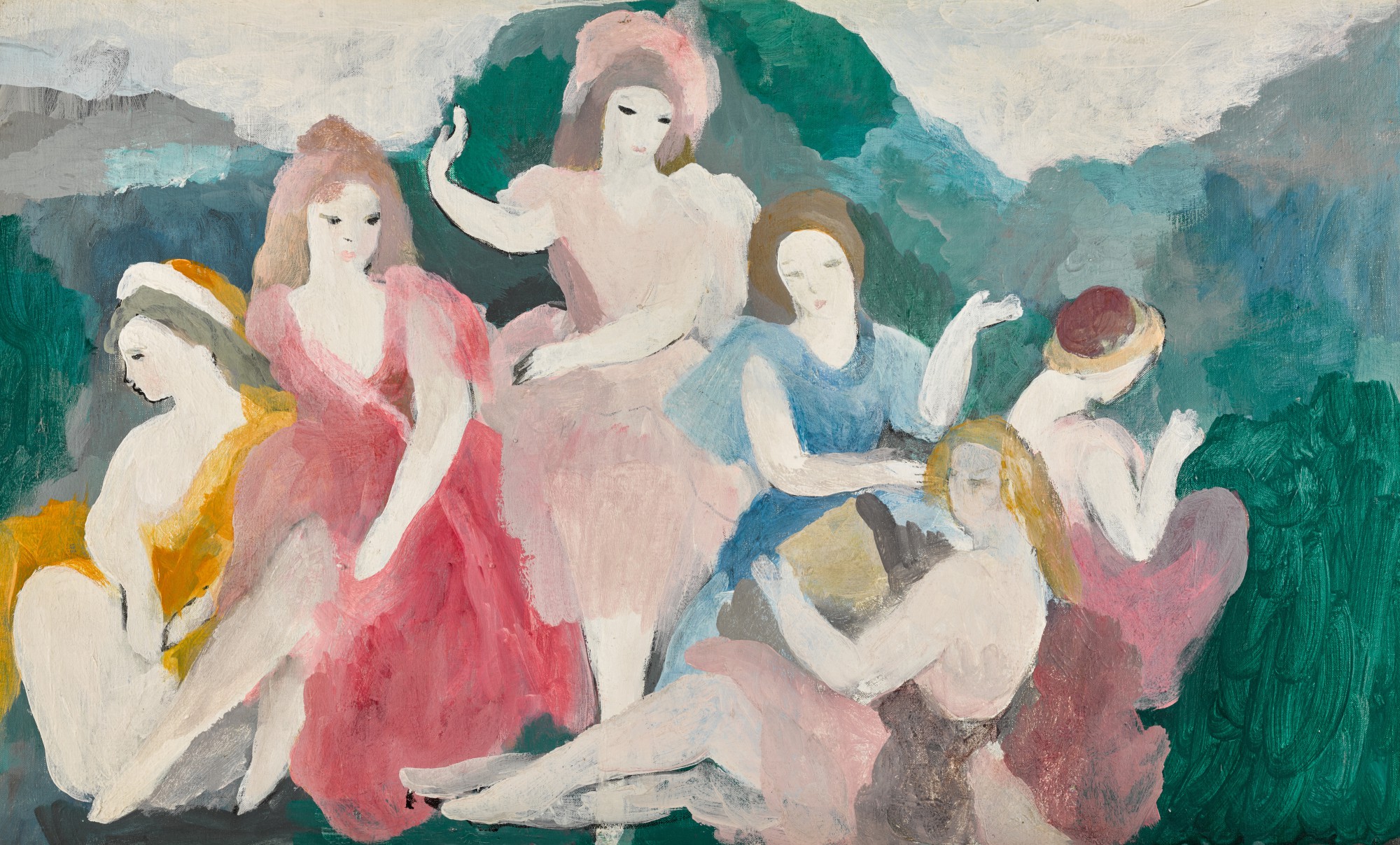
When a small oil on panel by Marie Laurencin sold at Christie's Paris for well above its high estimate a few seasons ago, the room took notice. Not because Laurencin was a surprise, she has been collected seriously for decades, but because the bidding came from a new generation of collectors who seemed to understand something the market had been slow to articulate. Softness, in painting, is not weakness. It is a position.
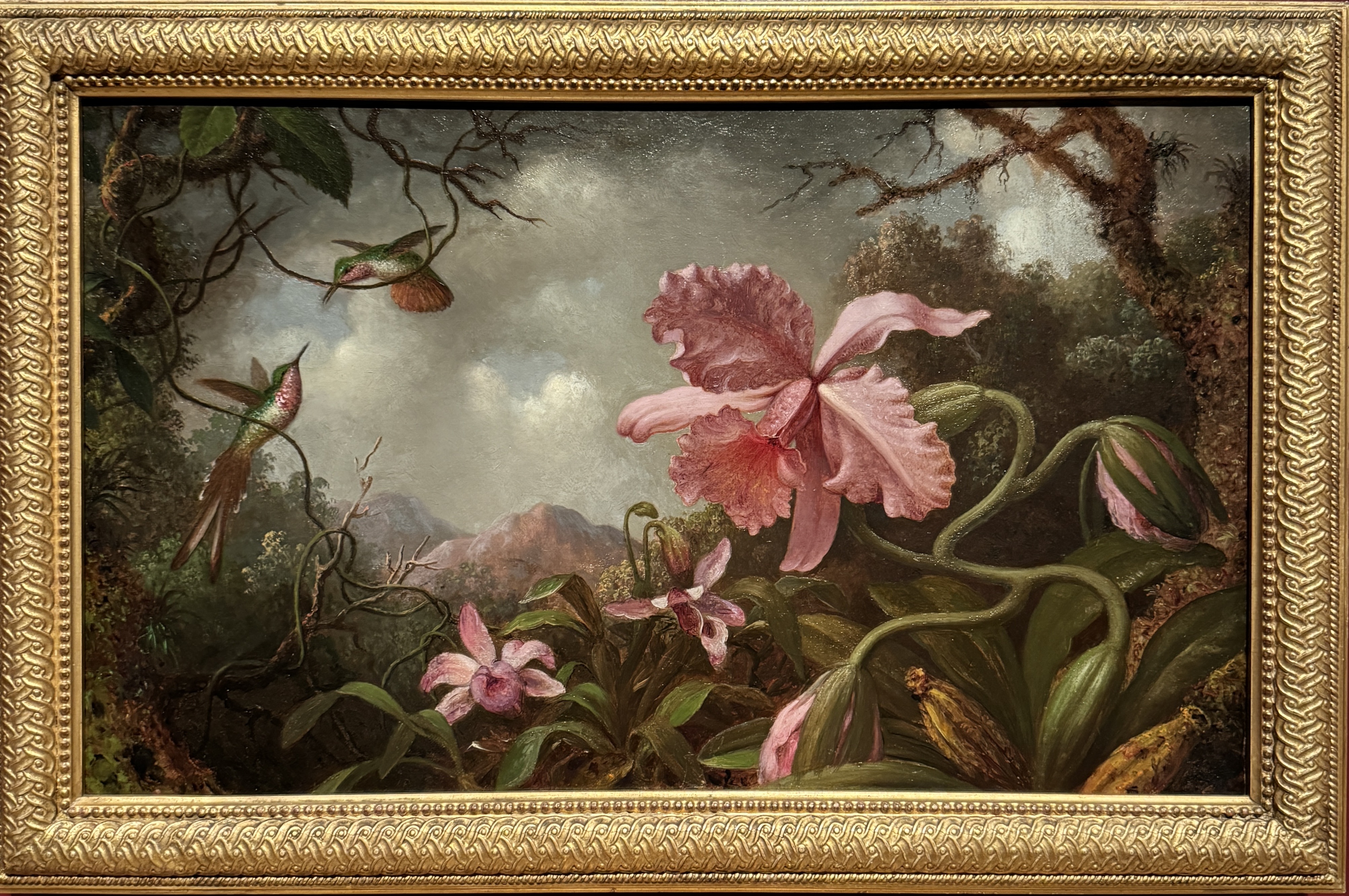
And right now, that position is being reappraised with considerable seriousness across auction houses, museum galleries, and critical writing alike. The category that might loosely be called soft palette painting, work defined by muted, intimate, and emotionally warm color relationships rather than bold declaration, has moved from the margins of art historical conversation toward something closer to its center. This is a shift worth paying attention to. The works in this space tend to share a quality that resists easy description but announces itself immediately: a kind of tonal restraint that draws you closer rather than commanding you from across the room.
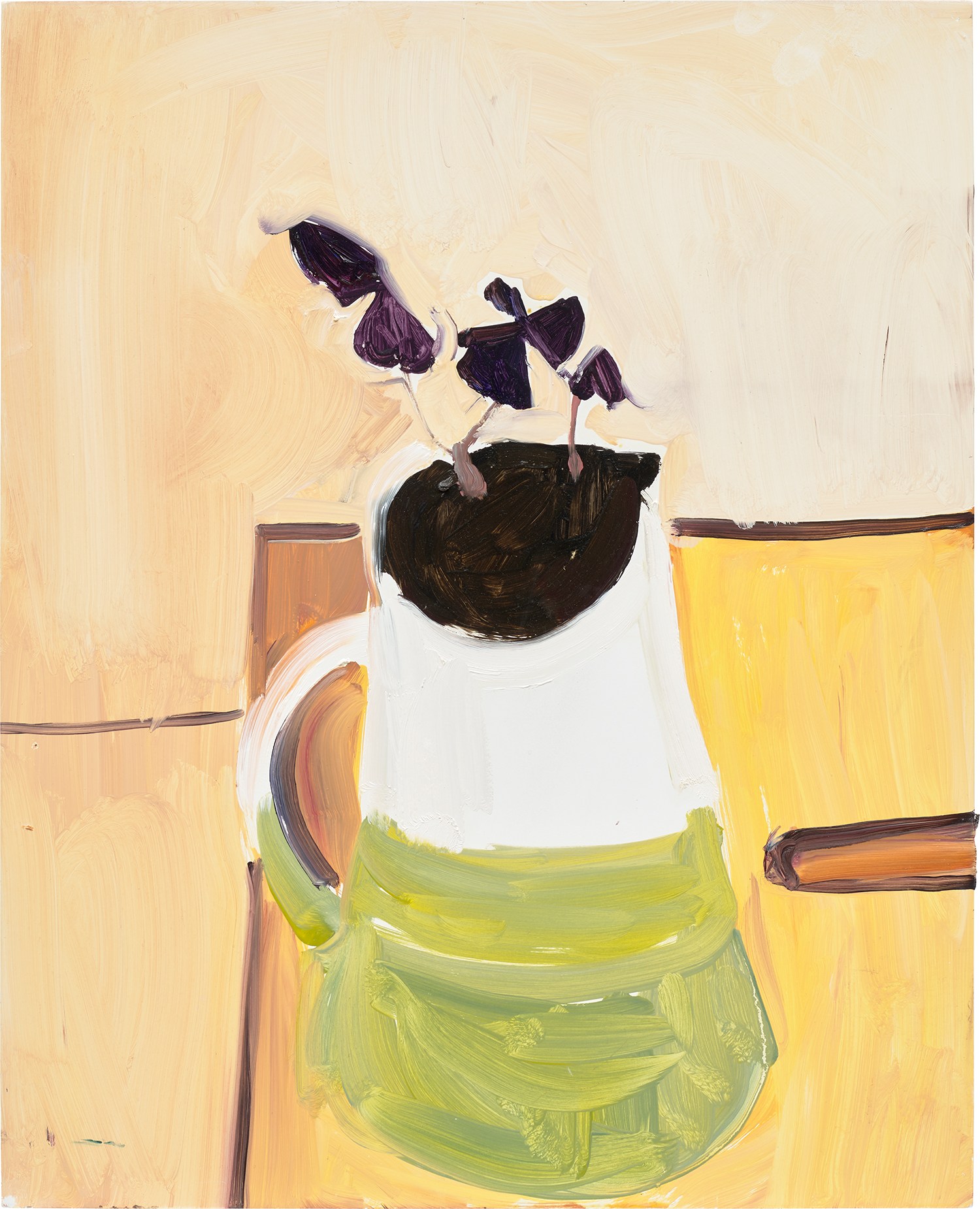
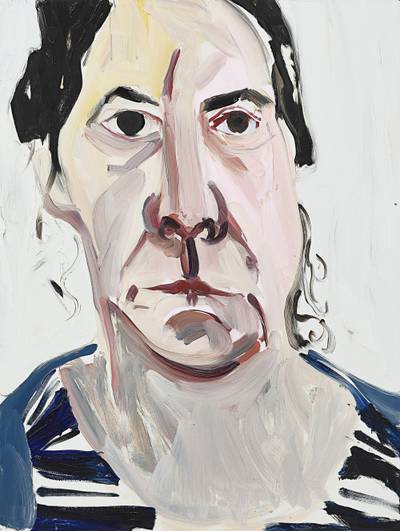
Chantal Joffe
Corona Flower 1, 2020
It is the opposite of the spectacle economy that dominated the market through the 2000s and early 2010s, and its ascendance feels like a genuine cultural correction. Museum programming has been instrumental in shaping this reassessment. The 2021 retrospective dedicated to Chantal Joffe at the Victoria and Albert Museum introduced her to a broader audience already primed by pandemic introspection. Her large scale portraits, executed in colors that hover between warmth and uncertainty, seemed to answer something viewers were genuinely asking about intimacy and vulnerability in paint.
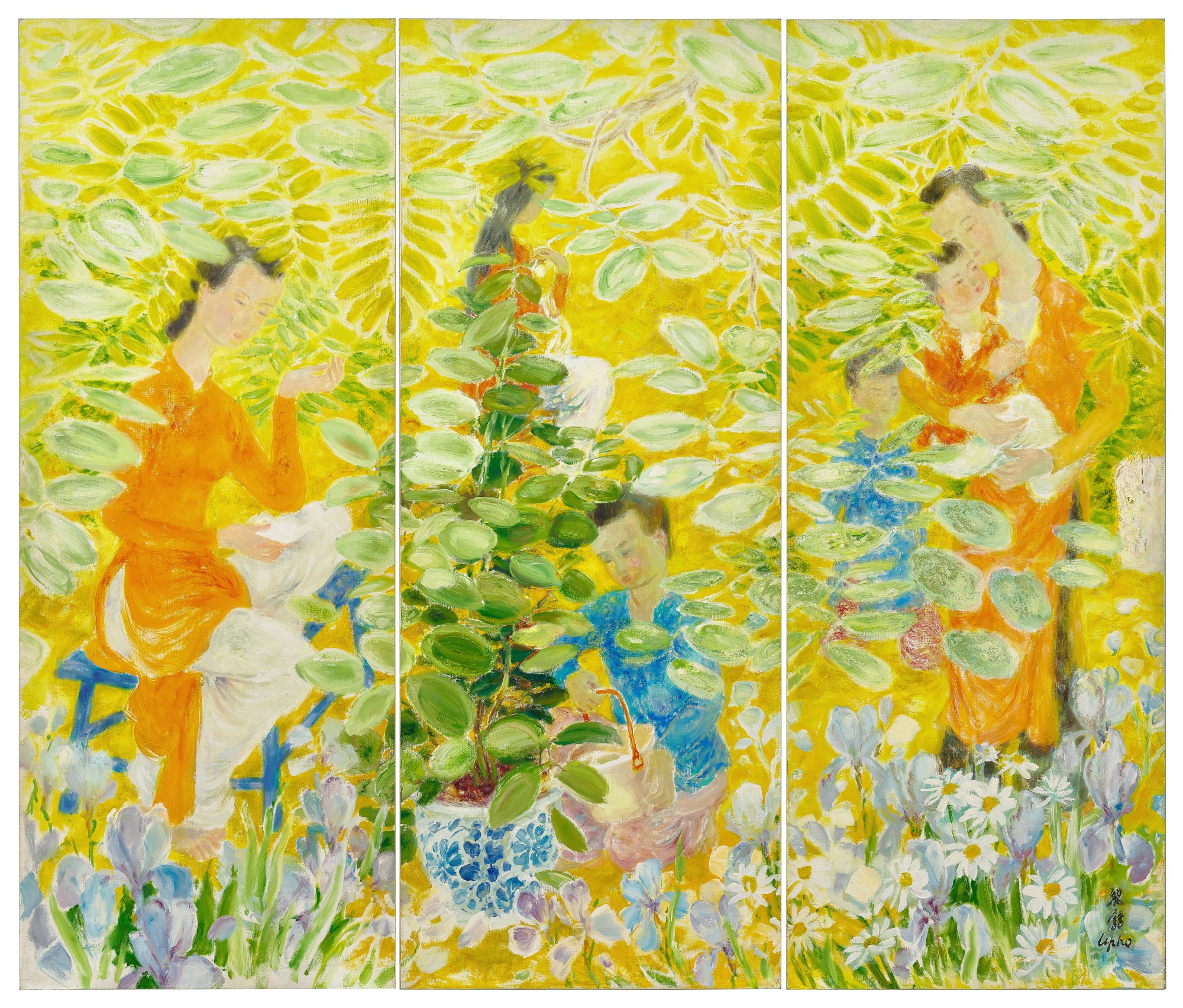
Around the same time, renewed attention to the Paris School painters of the early twentieth century, particularly those working in Southeast Asia or at its crossroads, brought figures like Mai Trung Thu and Le Pho back into sharp focus. Both artists, Vietnamese painters trained at the Ecole des Beaux Arts de l'Indochine and later active in Paris, worked in a register of delicate figuration and warm tonal harmony that sits naturally within this conversation. Their work has been the subject of dedicated sales at Aguttes in Paris and Sotheby's Hong Kong, with results that signal genuine institutional appetite rather than speculative heat. The auction data tells a coherent story.
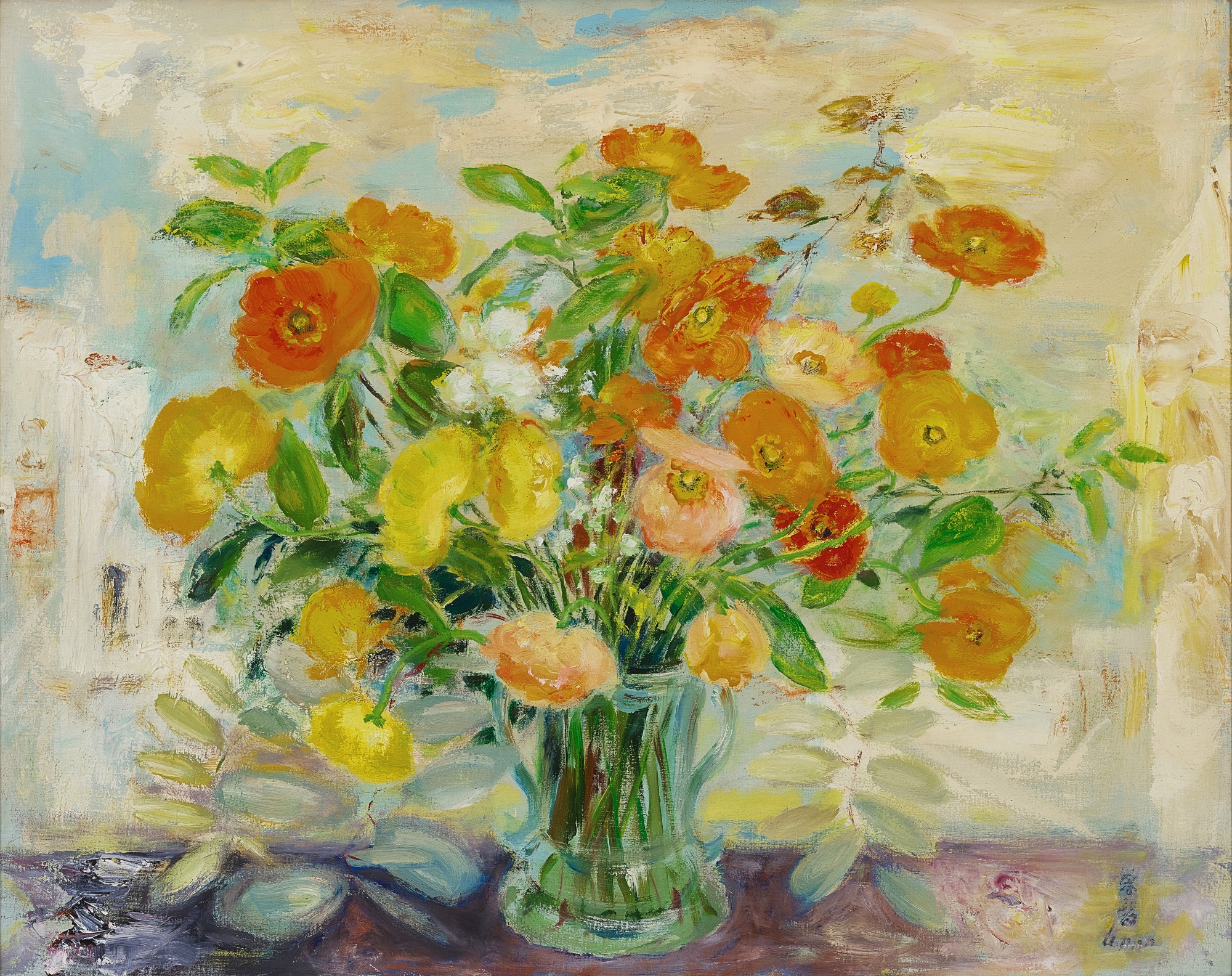
Lê Phổ
Fleurs 花卉
Le Pho in particular has seen sustained price growth, with silk paintings achieving results in the high six figures at major houses. What this reveals is not simply demand for Asian modernism in the abstract, but demand for a specific emotional and chromatic register. Collectors are not just buying provenance or art historical positioning. They are responding to the quality of light in these paintings, the particular way rose and ochre and pale green hold together on silk or canvas.
Maurice Prendergast, the Boston born Post Impressionist whose watercolors and oils glow with a similar festive warmth, has remained a steady presence at American auction houses, particularly among collectors who trust their own sensory response over critical fashion. His work connects this conversation to a long tradition of color as feeling rather than color as statement. Institutions collecting in this space include the Smithsonian American Art Museum, which has deepened its holdings in early twentieth century American colorism, and the Musee National des Arts Asiatiques Guimet in Paris, whose ongoing commitment to Vietnamese modernism has helped establish Le Pho and Mai Trung Thu as canonical rather than peripheral figures. The Tate Modern's continued attention to artists working in intimate figuration, including Joffe alongside painters like Cecily Brown and Lynette Yiadom Boakye, signals that the critical establishment in London is thinking carefully about what tenderness can do.
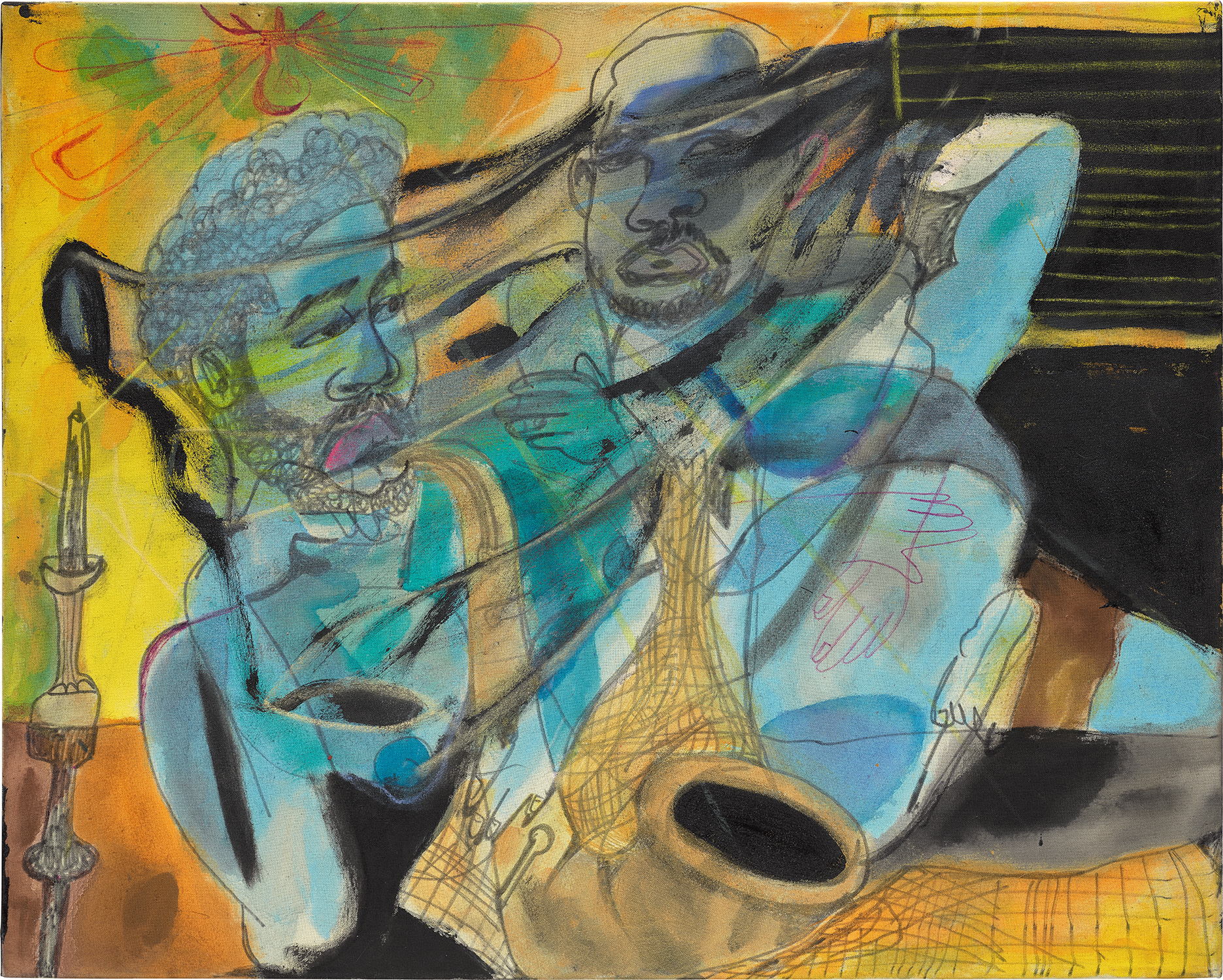
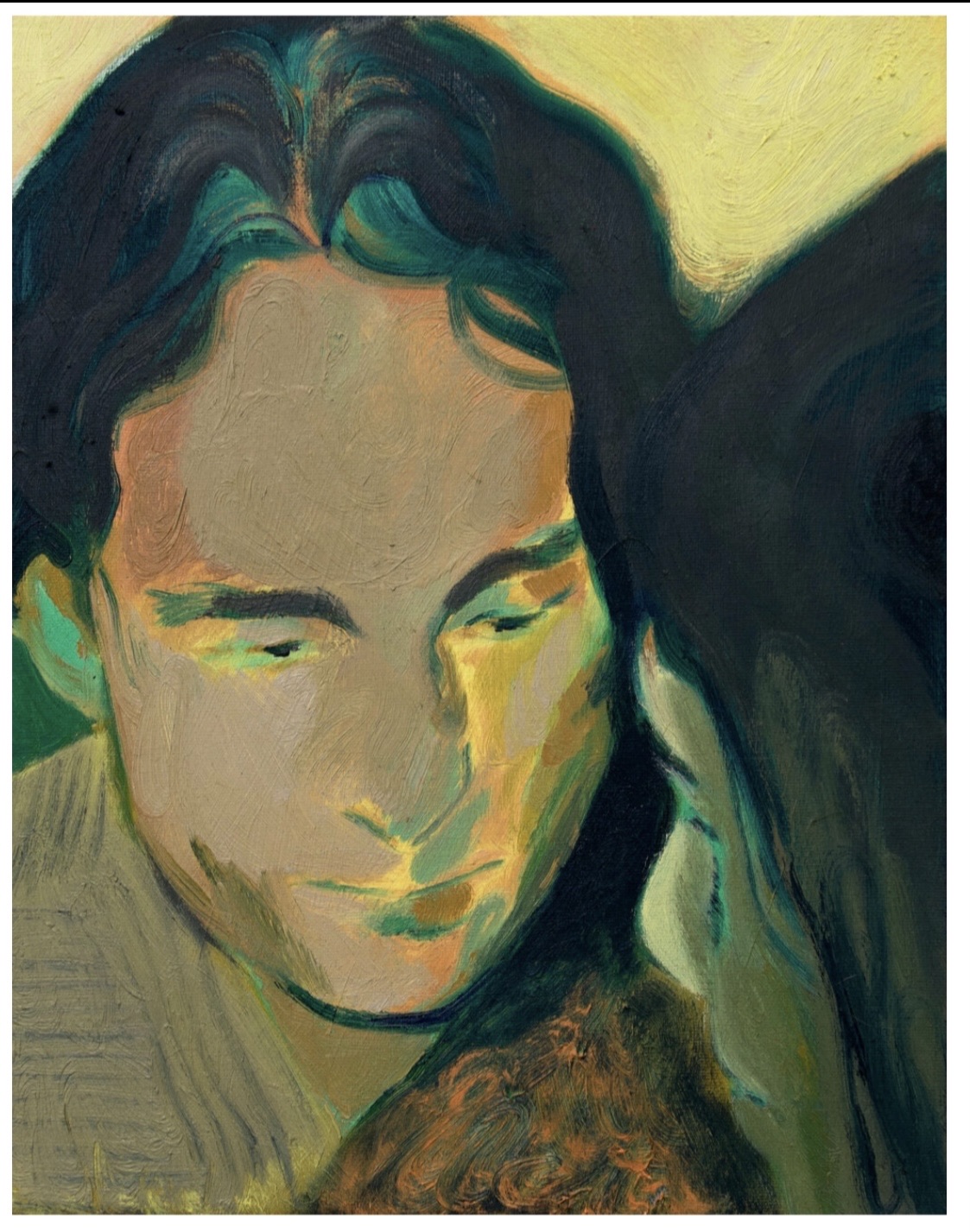
Anthony Cudahy
Dress, 2021
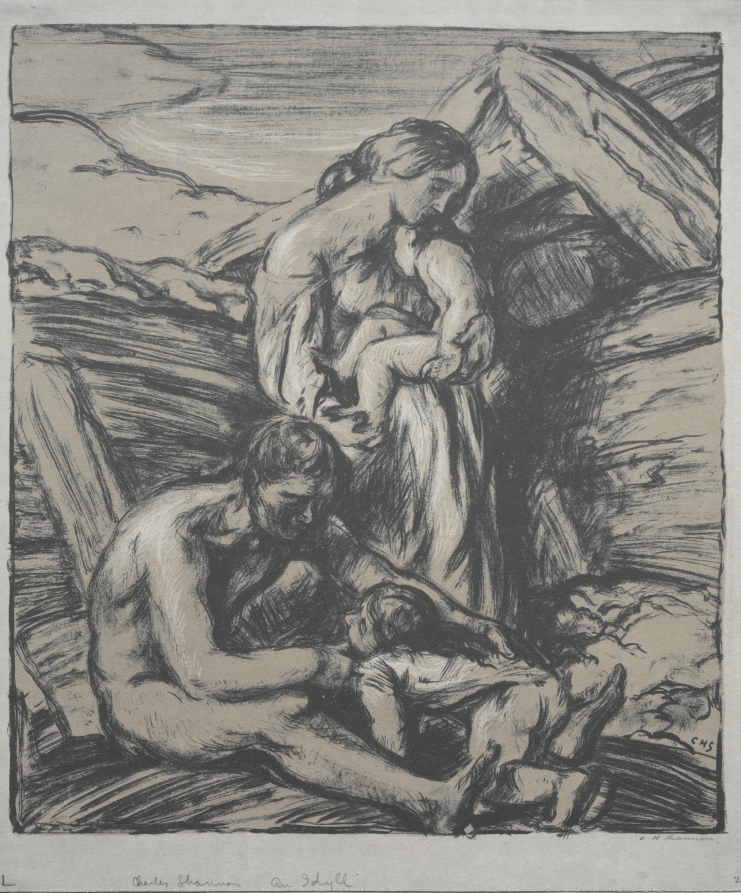
When institutions of that stature allocate acquisition budgets and curatorial energy to work in this register, private collectors rightly take it as a signal that the conversation has matured past trend. The critical writing shaping this moment is coming from several directions at once. Novelist and critic John Berger's enduring influence on how we talk about looking at pictures, his insistence on the emotional and political dimensions of color and form, has given younger critics a framework for taking softness seriously. Publications like Frieze and The Burlington Magazine have run sustained features on the Paris School's overlooked members, including Charles Shannon, the British Symbolist painter and close companion of Charles Ricketts, whose work in the 1890s and early 1900s occupies a delicate, dreamy tonal space that has attracted renewed scholarly interest.
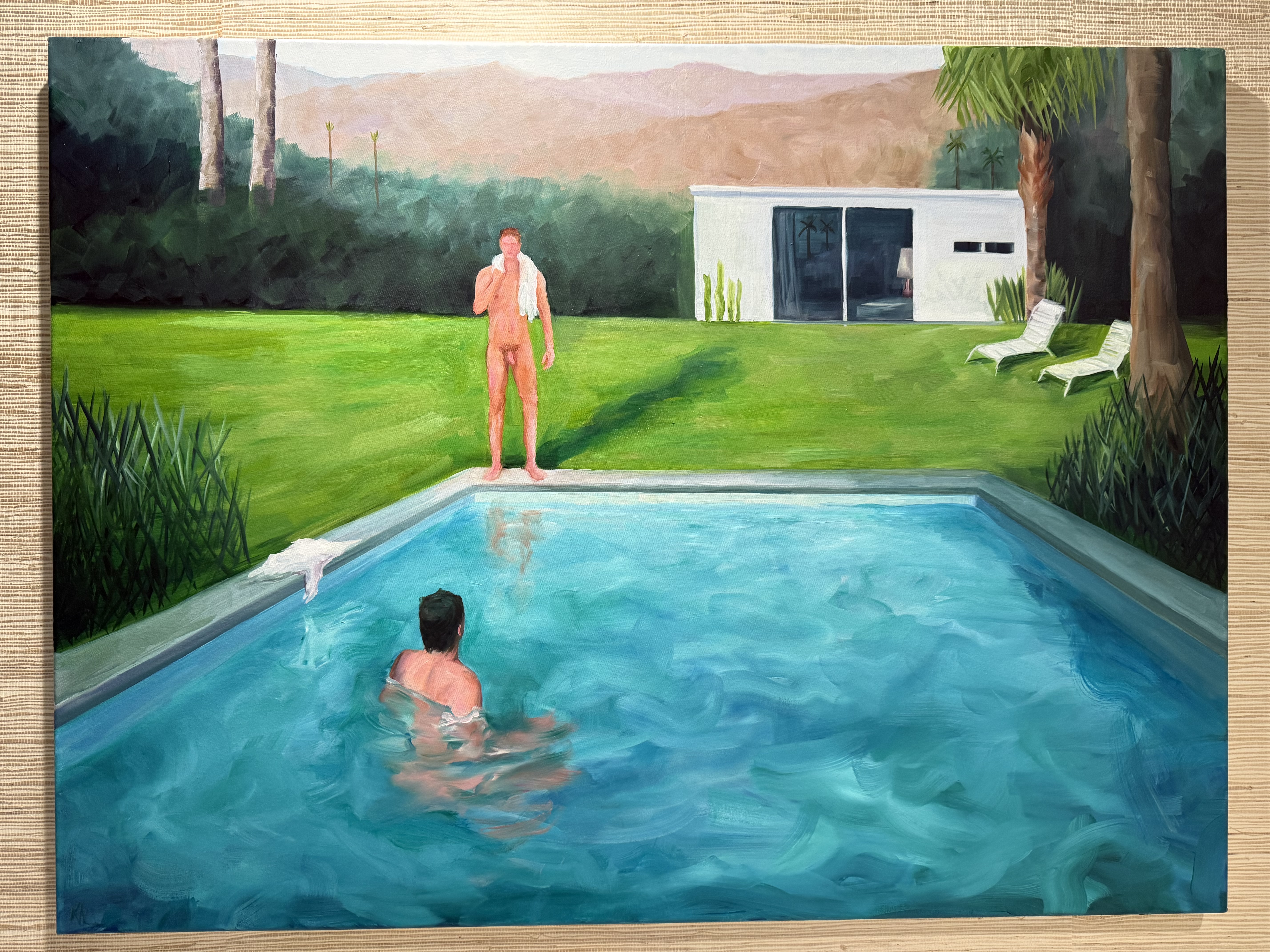
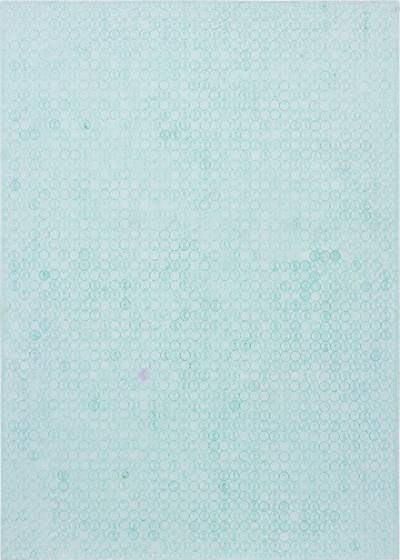
Curators like Natasha Boas, who organized exhibitions focused on overlooked modernisms, have helped reframe what counts as significant ambition in paint. What feels alive right now is the intersection of this soft palette sensibility with a broader questioning of what collecting is for. Younger collectors, particularly those entering the market in the last five years, seem less interested in acquiring trophies and more interested in acquiring companions, works that change with the light, that reward long looking, that mean something different at nine in the morning than they do at midnight. Artists like Nick Darmstaedter, whose paintings operate in a space between abstraction and intimate figuration, and Anthony Cudahy, whose sun drenched yet melancholy canvases recall the emotional temperature of Northern European Symbolism recast in a contemporary queer context, speak directly to this sensibility.
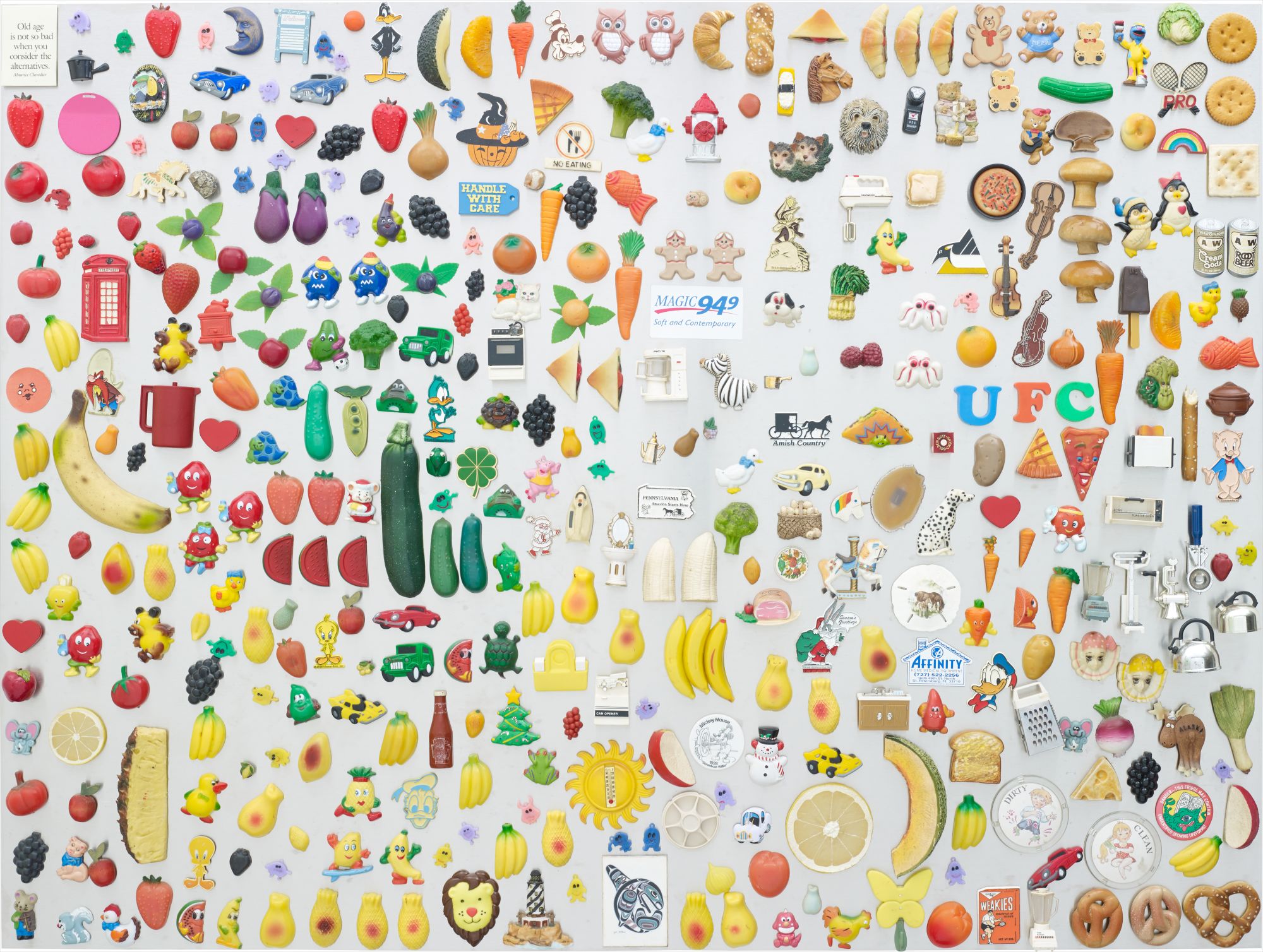
Nick Darmstaedter
Soft and Contemporary
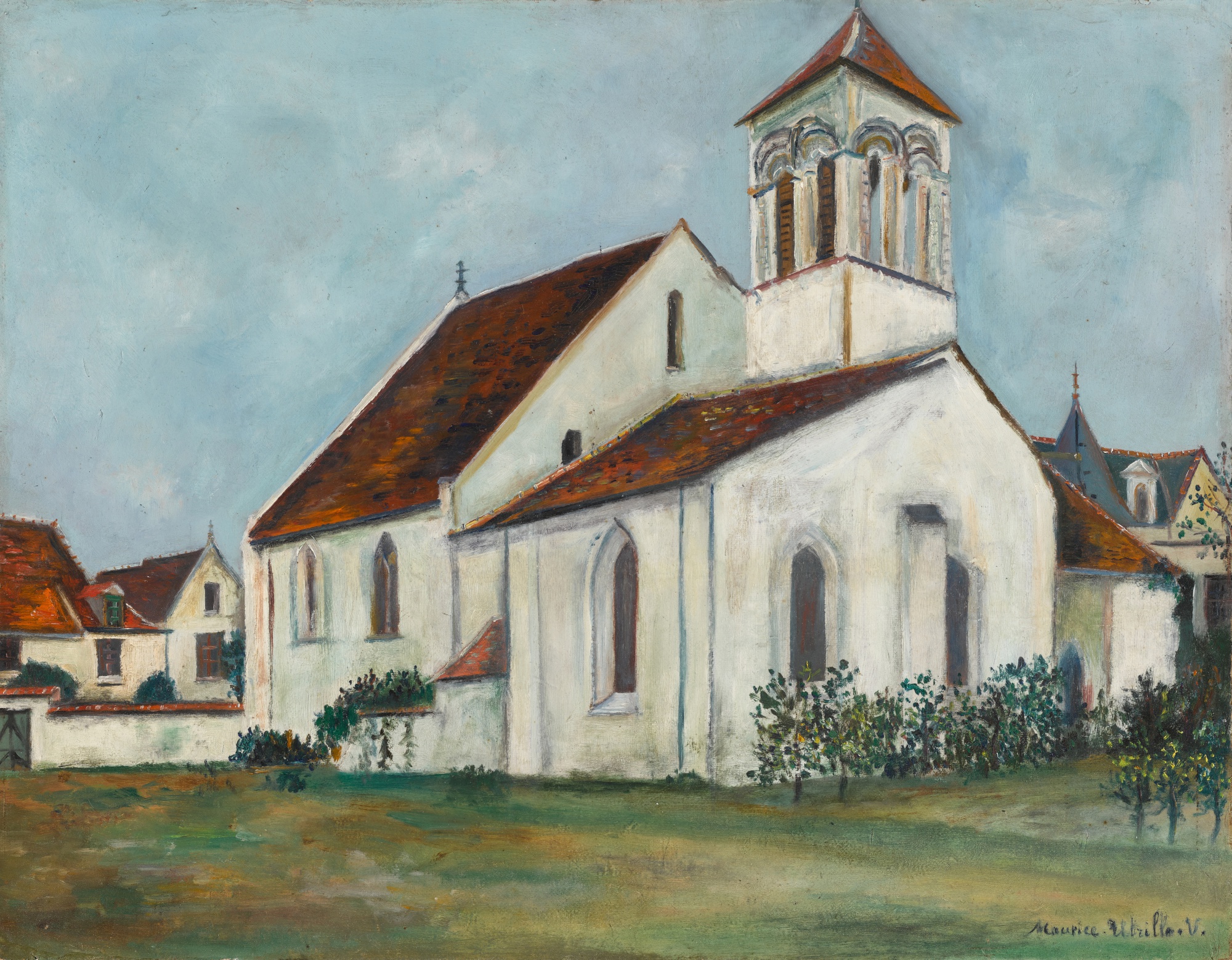
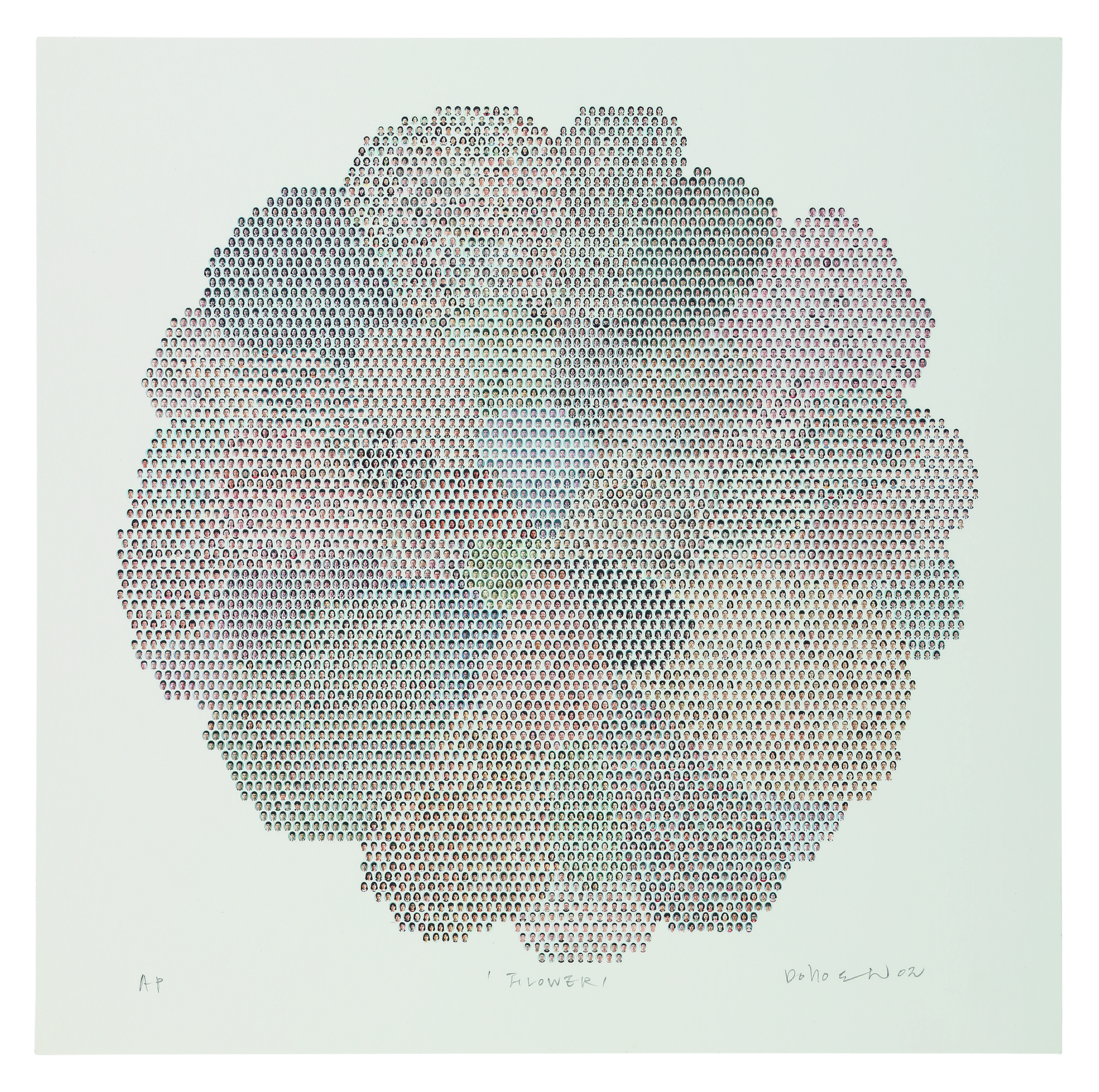
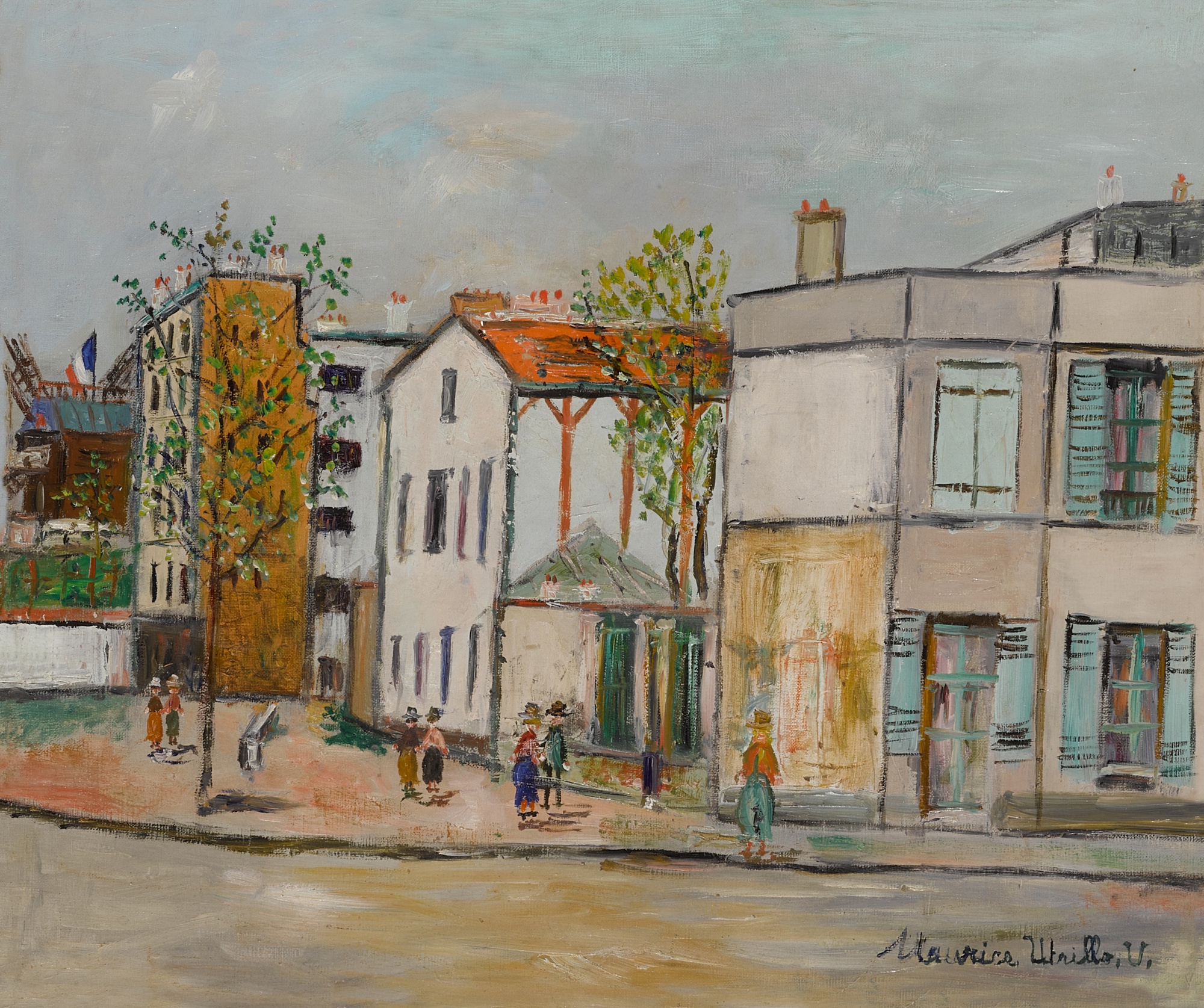
Do Ho Suh, working primarily in sculpture and installation, approaches similar questions of intimacy and domestic memory through a translucent and ghostly palette that shares the tonal values of this broader conversation even if the medium differs. What surprises are coming is harder to say with confidence, but the signs point toward continued elevation of work that prioritizes emotional intelligence over formal aggression. The market for Maurice Utrillo, long collected for his atmospheric Montmartre street scenes painted in those characteristic chalky, pale harmonies, has shown quiet resilience. And the growing presence of works on platforms like The Collection, which represents artists across precisely this range of sensibilities, suggests that discerning collectors are already voting with their attention.
Soft palette is not a trend. It is a value system, and the evidence suggests it is here to stay.