Site-Specific Art
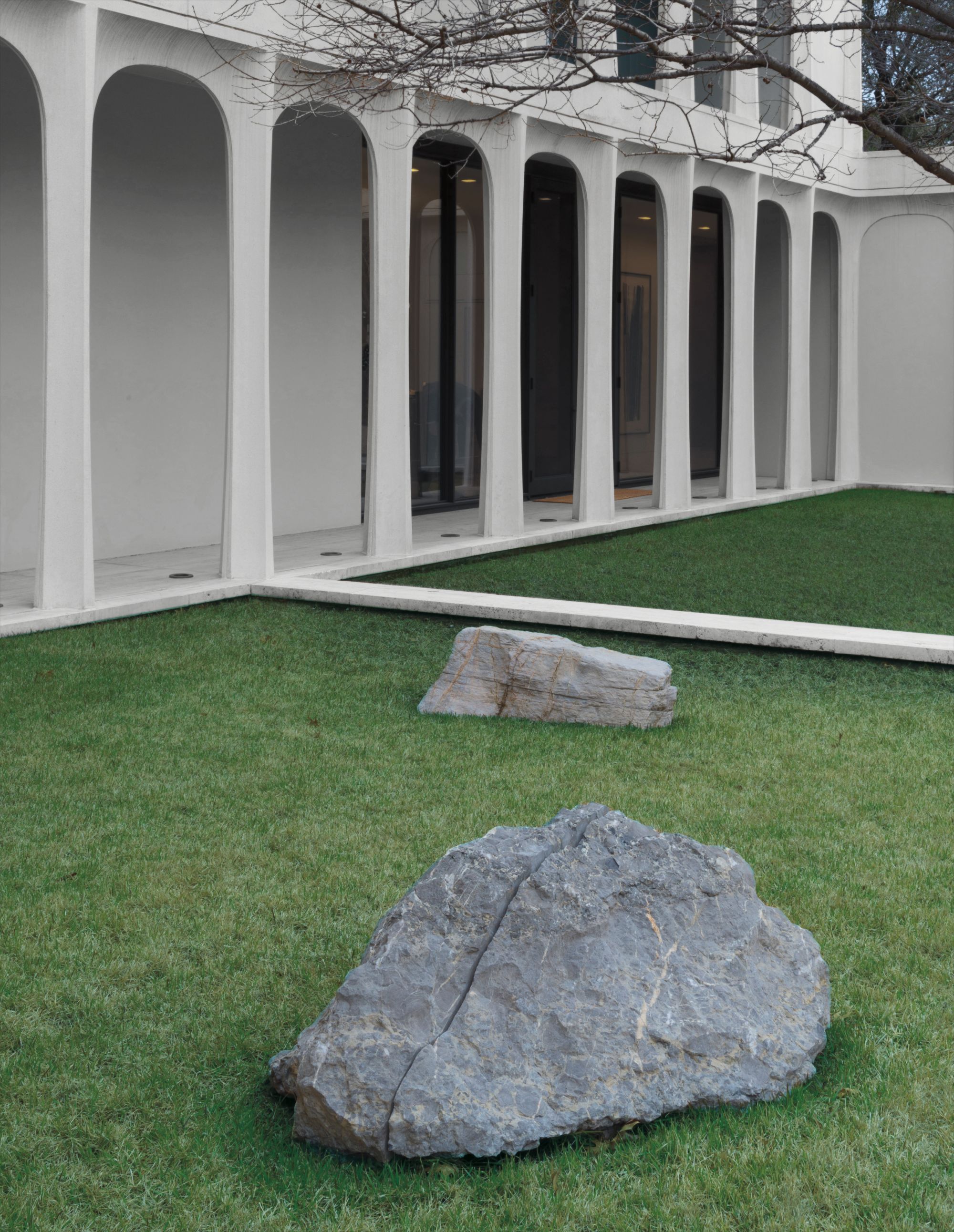
Ulrich Rückriem
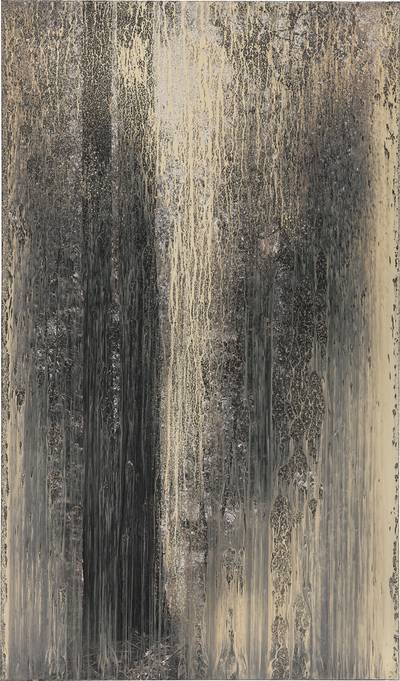
Steinrohlinge (Raw Stones) A) horizontal in der Mitte geschnitten (cut horizontally down the middle) B) vertikal in der Mitte geschnitten (cut vertically down the middle)



Art That Cannot Travel Without Dying
When James Turrell's Roden Crater project was finally announced as an imminent public opening after decades of transformation, the art world collectively held its breath. Here was a project conceived in 1974 that consumed an extinct volcanic cinder cone in Arizona, reshaping it into a naked eye observatory where the sky itself becomes the medium. The anticipation around Roden Crater is not merely about one artist's ambition. It is a reminder that site specific art operates on a register that the market and the museum alike struggle to fully accommodate, and that this tension is exactly what makes it so compelling right now.
The critical conversation around place bound work has sharpened considerably in the past several years, moving away from the foundational arguments of the 1970s and toward urgent questions about permanence, ownership, and what it means to collect something that resists being collected. Miwon Kwon's landmark text One Place After Another, published in 2002, set the terms for much of this debate, but younger curators and critics have been stress testing those terms against a market that has grown far more sophisticated. Publications like Artforum and e flux have run substantial features exploring how institutions are renegotiating what it means to acquire work that lives, in the fullest sense, only in one location. The auction market tells its own story, and it is a surprisingly buoyant one.
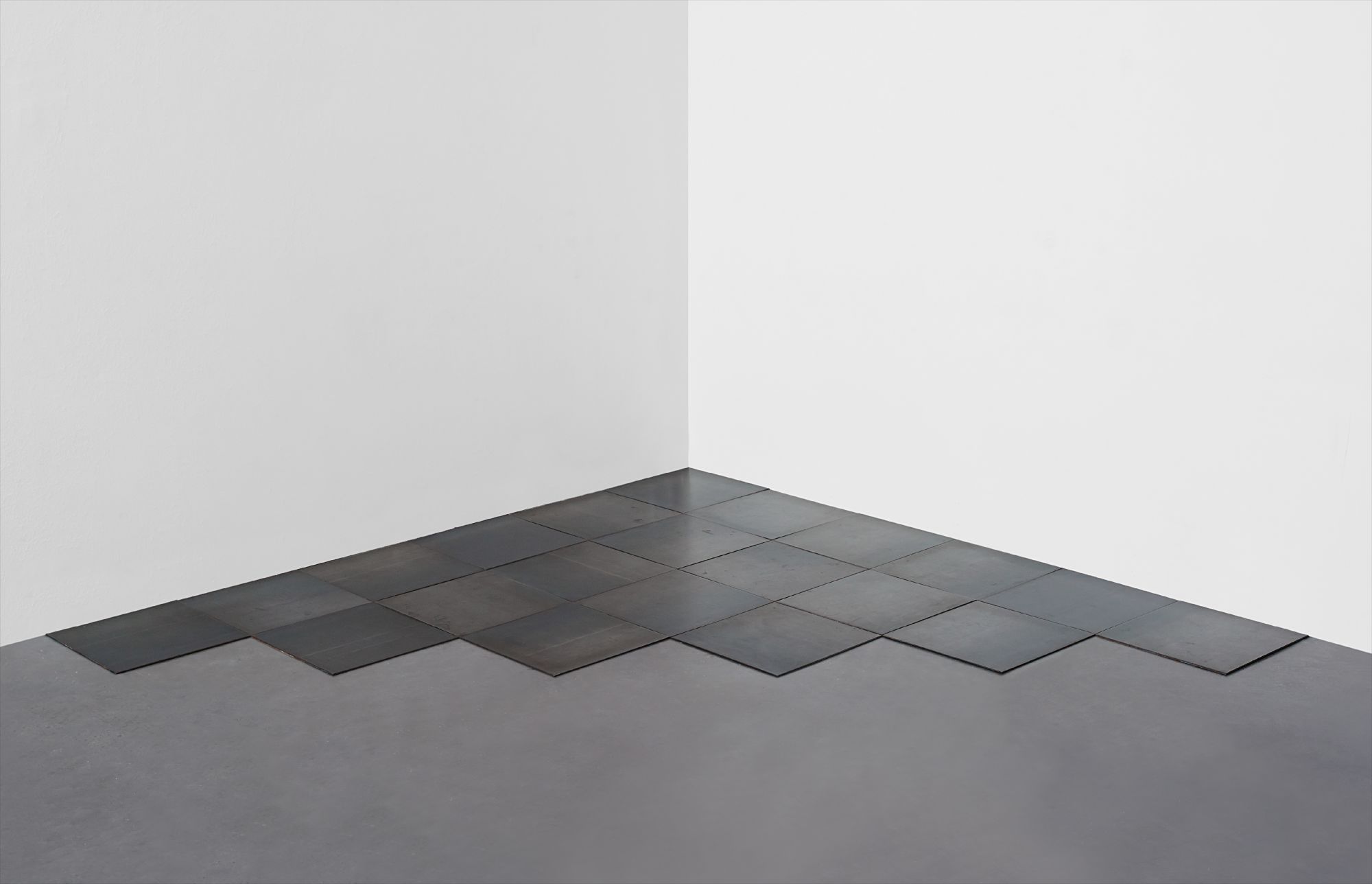
Carl Andre
Sixth Steel Corner
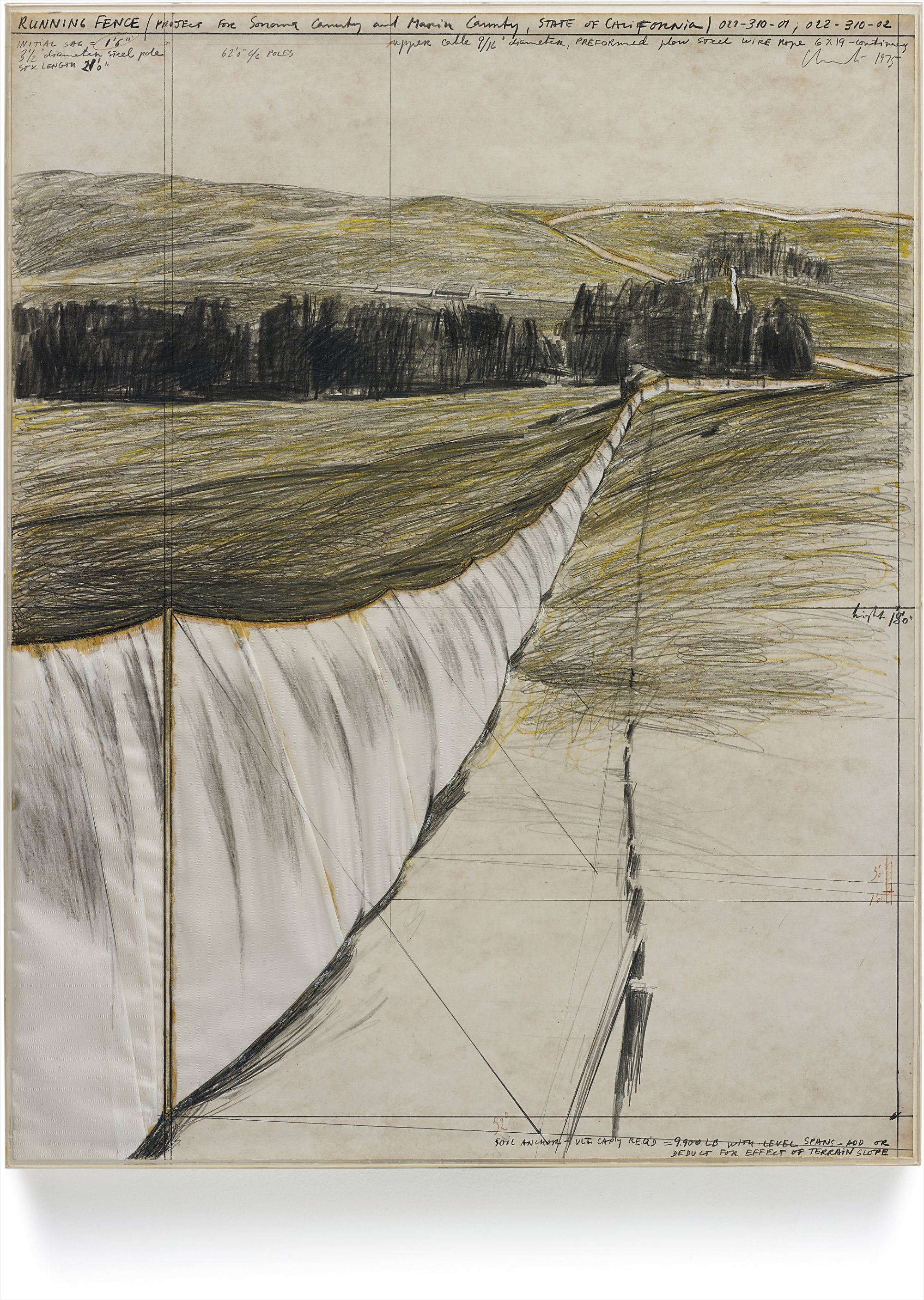
Works by Christo and Jeanne Claude have consistently attracted serious bidding at Christie's and Sotheby's, particularly the preparatory drawings, wrapped objects, and fabric samples that function as both independent artworks and as documentation of the larger projects. A wrapped work or an early collage related to The Gates or Running Fence can command prices well into the seven figures, demonstrating that collectors have developed a fluency for understanding these objects not as lesser substitutes but as genuine expressions of the same conceptual energy. Christo's solo practice, represented on The Collection alongside the collaborative work, has seen similar attention from the market since his death in 2020 brought renewed focus to his legacy. Carl Andre and Donald Judd each occupy interesting positions within this conversation, because their work sits at the crossing point between Minimalism and site specificity.
Judd's permanent installations at the Chinati Foundation in Marfa, Texas, which he established in the early 1980s, essentially invented a new model for how an artist could think about place as a condition of meaning rather than a backdrop. When a Judd aluminium box or plywood stack appears at auction, bidders understand they are buying a work designed to exist in calibrated relationship with its environment, and prices reflect that seriousness. Works on paper and sculptures by both artists have achieved strong results at the major houses, with Judd in particular benefiting from a sustained critical reassessment that began around his 2020 retrospective at the Museum of Modern Art. Fred Sandback presents a different kind of challenge and reward for collectors.
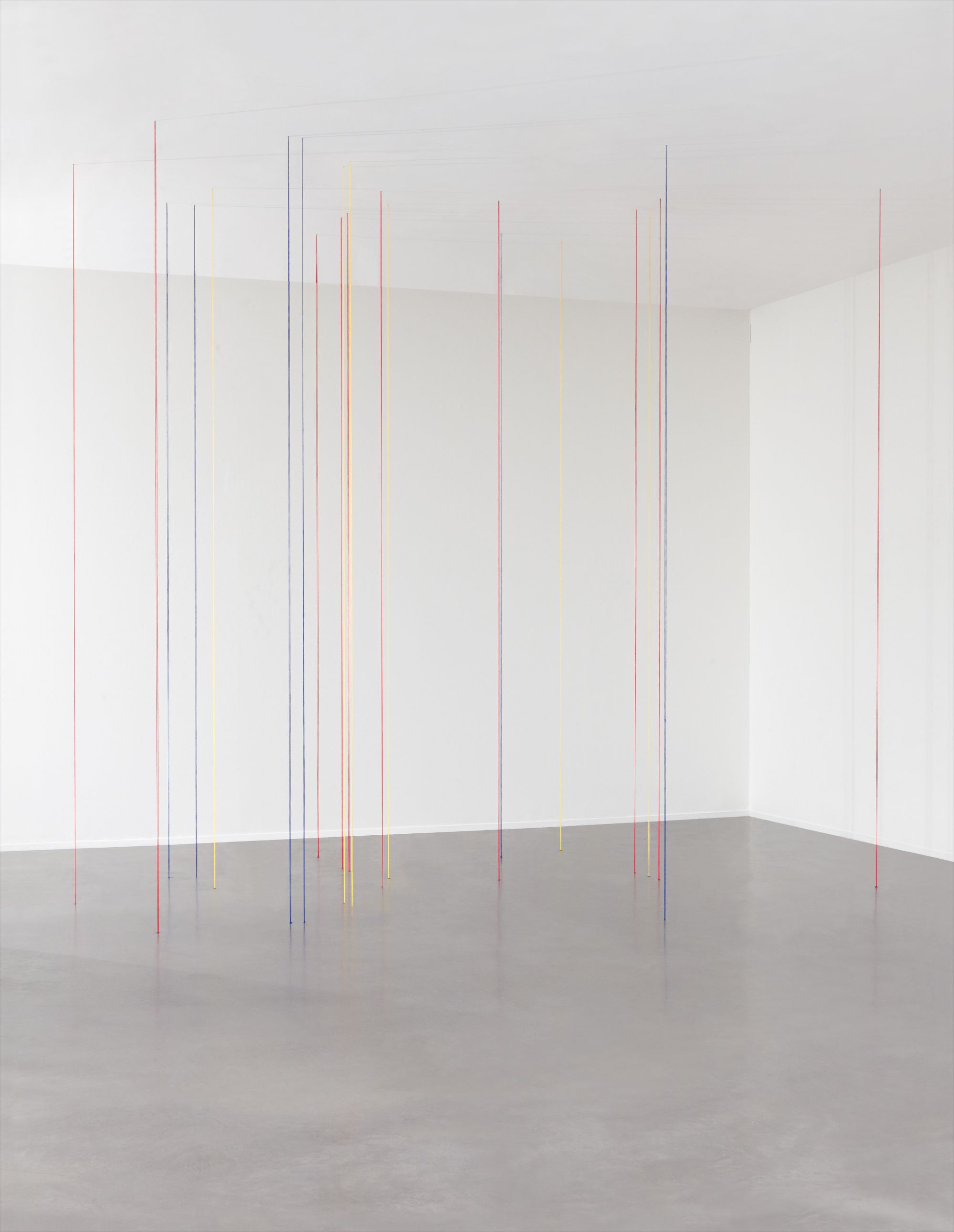
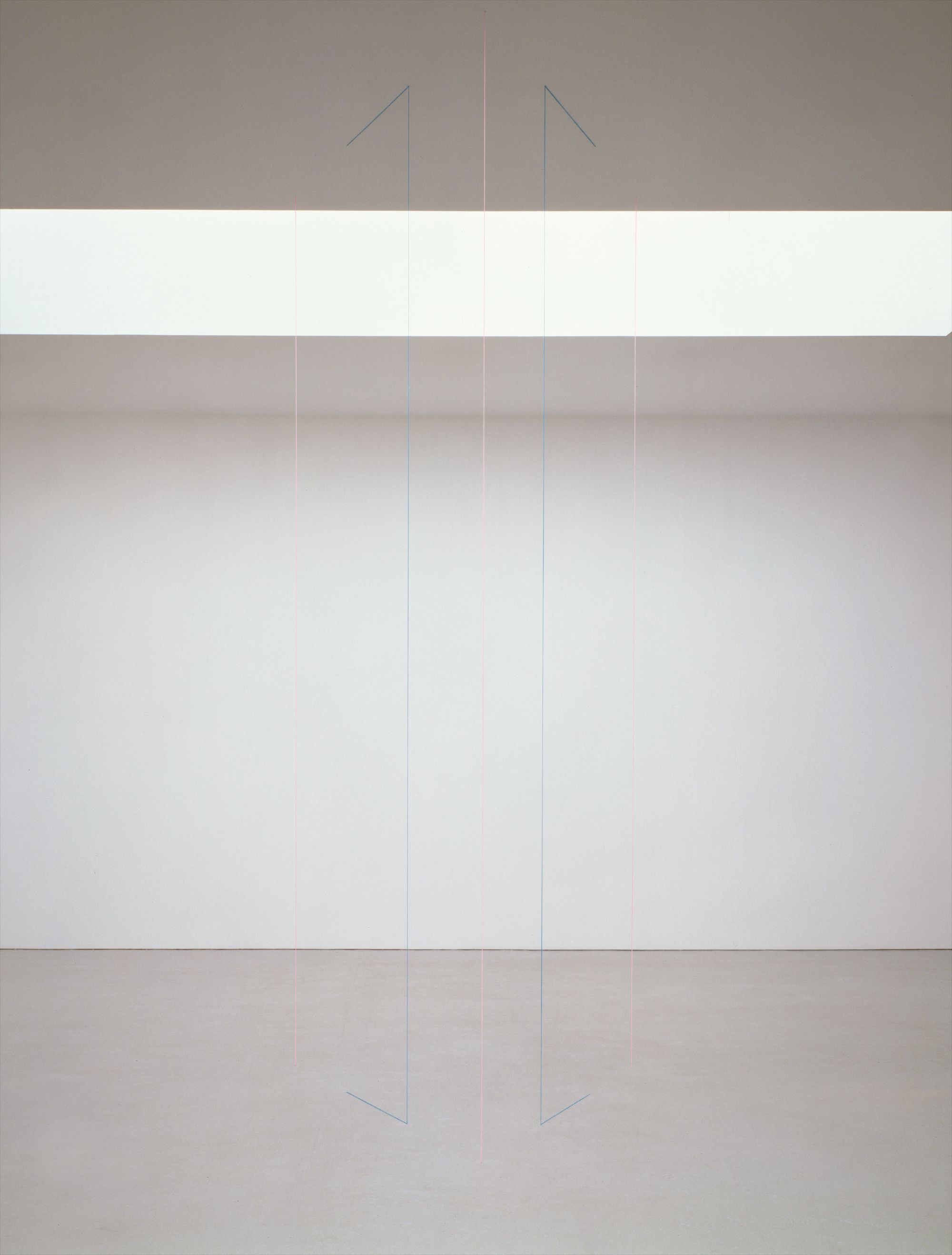
Fred Sandback
Broadway Boogie Woogie (Sculptural Study, Twenty-two part Vertical Construction)
His installations, which use lengths of acrylic yarn to describe volumes of space rather than enclose them, are among the most rigorously site contingent works of the postwar period. Each installation is a new work, calibrated to the specific room in which it appears. The Fred Sandback Archive, based in New York, works carefully with institutions to ensure that reconstructions honor the artist's intentions, and museums including the Dia Art Foundation have demonstrated sustained commitment to presenting his work in the deliberate manner it demands. Owning a Sandback certificate of authenticity and the right to reconstruct a work is a genuinely different experience of collecting, and the community of collectors who engage with it tend to be among the most thoughtful in the field.
Andy Goldsworthy brings a different set of questions to the table, particularly around impermanence and its relationship to documentation. His outdoor works in stone, ice, leaves, and earth exist for hours or for decades depending on the materials involved, and it is the photographs that enter collections and the market. This is not a compromise. Goldsworthy has always understood photography as the other half of the work, not a record of something that happened elsewhere.
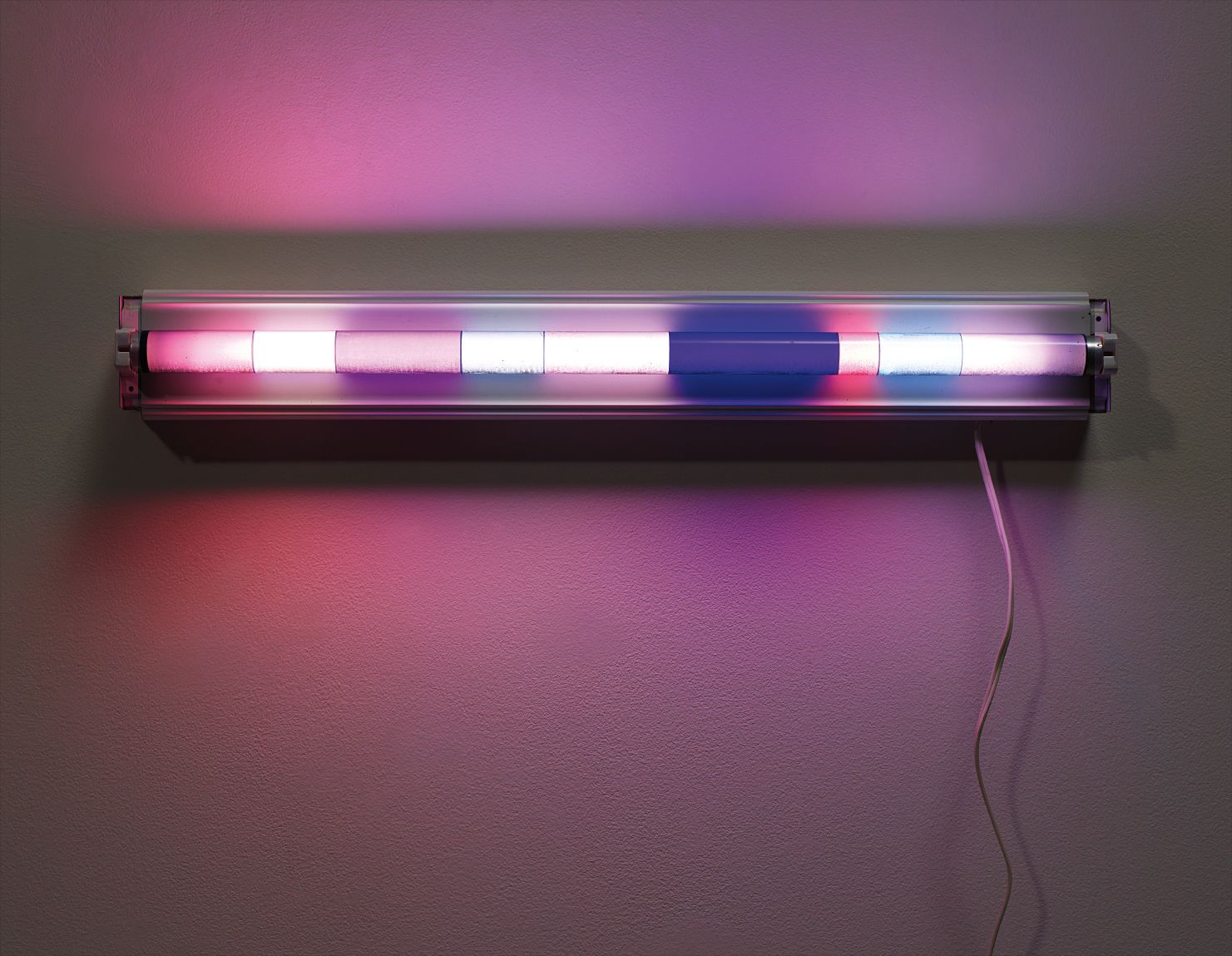
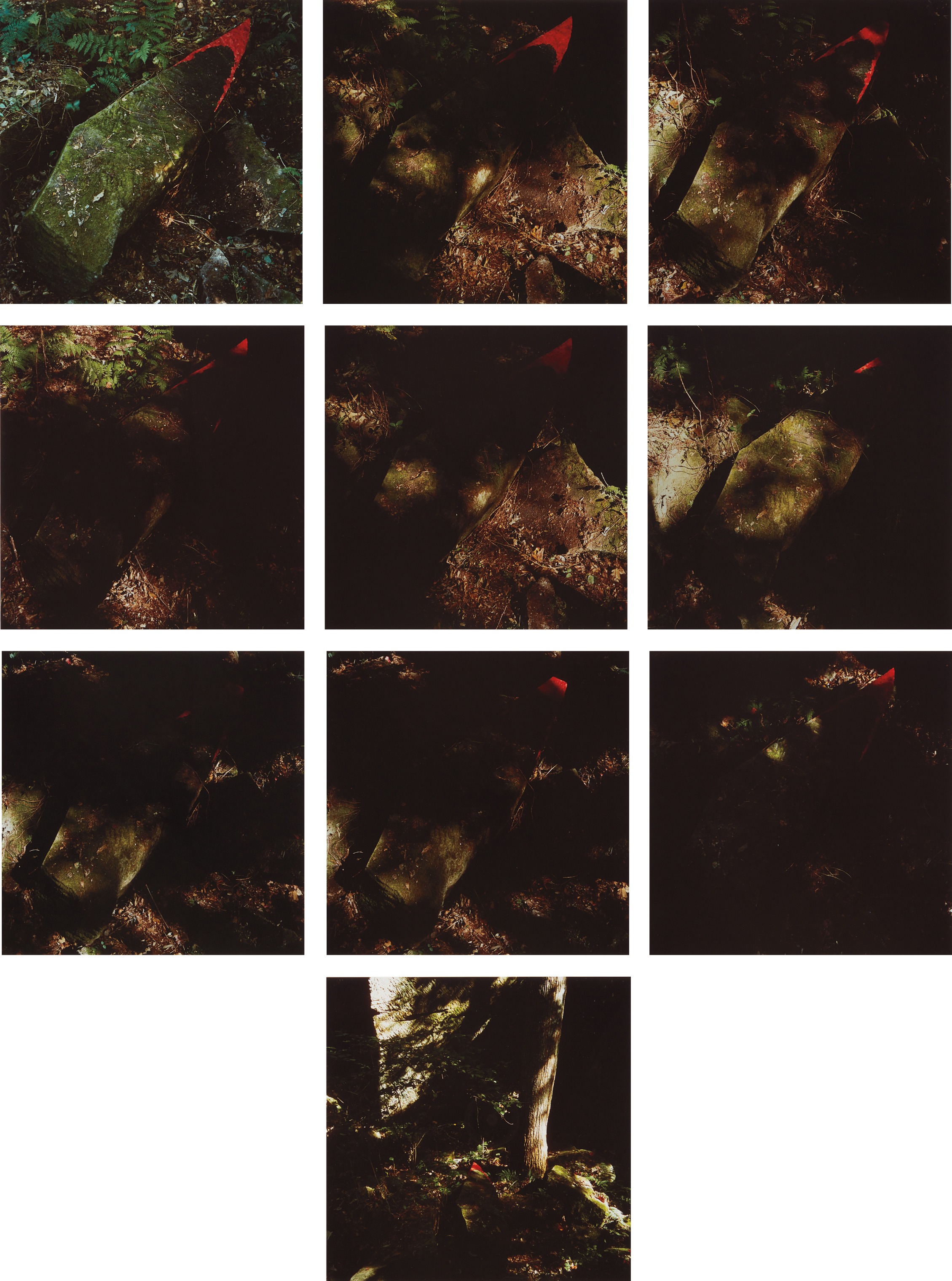
Spencer Finch
Moonlight (Luna Country, New Mexico, July 13, 2003)
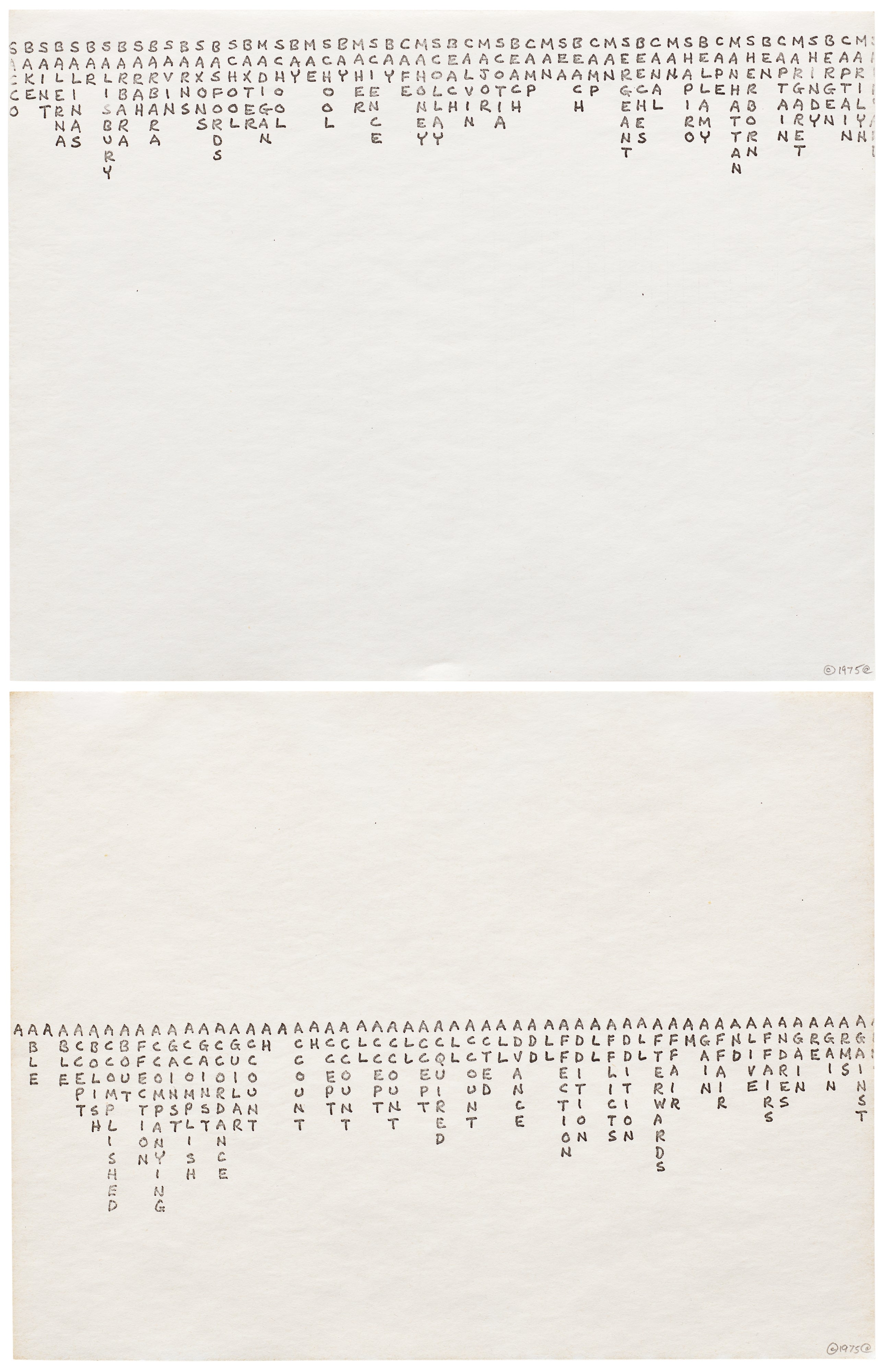
His book based projects and photographic prints have found committed institutional homes and steady market appreciation, particularly as ecological thinking has moved to the center of broader cultural concerns. The resonance of his practice feels more urgent in 2024 than it did even a decade ago. Spencer Finch, Aleksandra Mir, and Cyprien Gaillard each represent a generation of artists who absorbed the lessons of land art and institutional critique and are now deploying them with a more knowing, sometimes more playful sensibility. Finch's work, which often involves meticulous scientific observation of light and color in specific locations, has attracted the attention of institutions like the Whitney Museum and MoMA, as well as serious private collectors who appreciate the way it fuses conceptual rigor with genuine visual beauty.
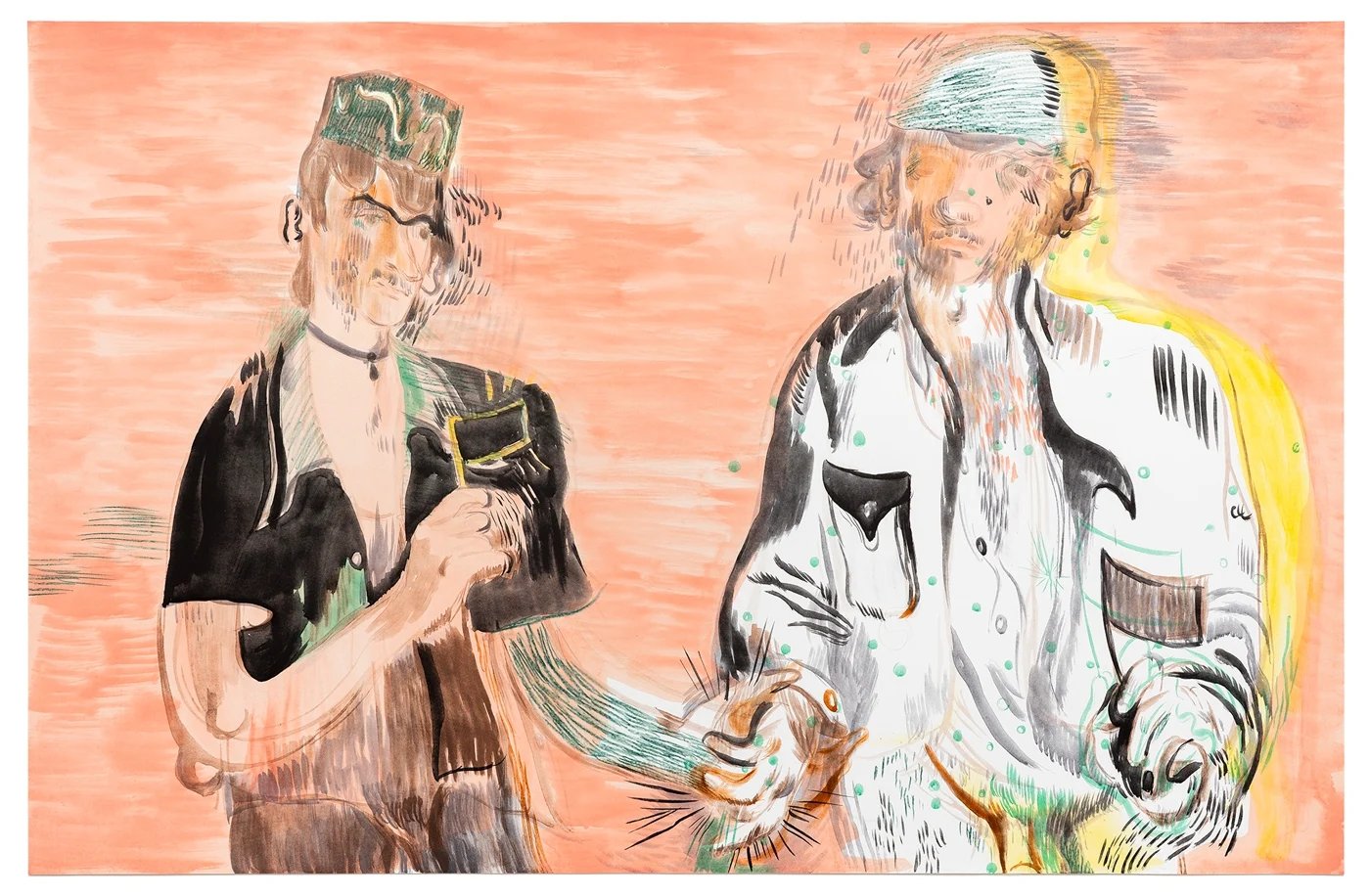
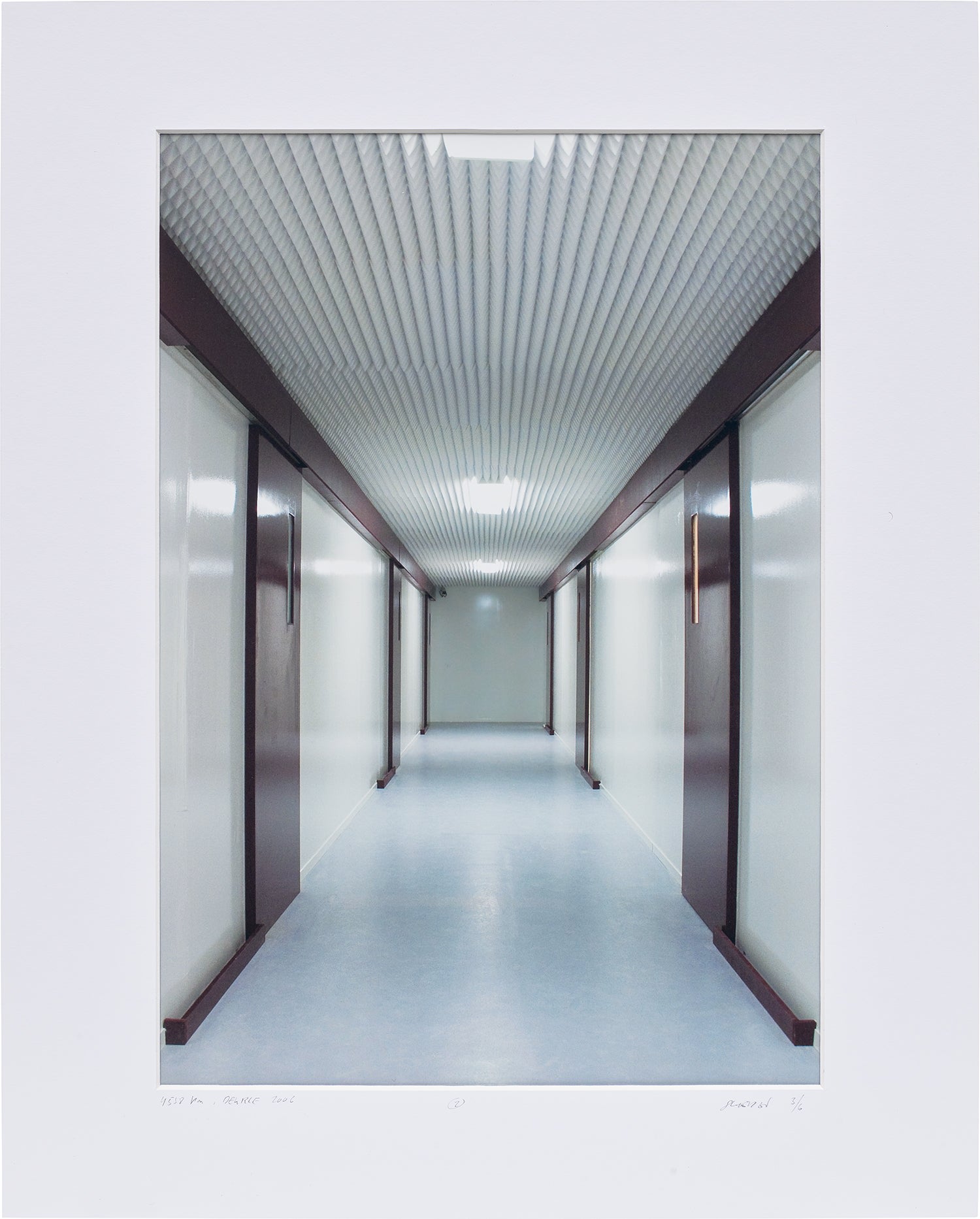
Gaillard's interest in ruins, entropy, and the archaeology of the recent past gives his practice a quality of place haunting that distinguishes it from more formalist approaches. Gregor Schneider and Oscar Tuazon push the category toward more physically confrontational territory. Schneider's ongoing Haus ur project in Rheydt, Germany, in which he has spent decades building rooms within rooms and creating architectural labyrinths, is one of the most sustained and disquieting bodies of site specific work in contemporary art. It won the Golden Lion at the Venice Biennale in 2001 and continues to generate substantial critical attention.
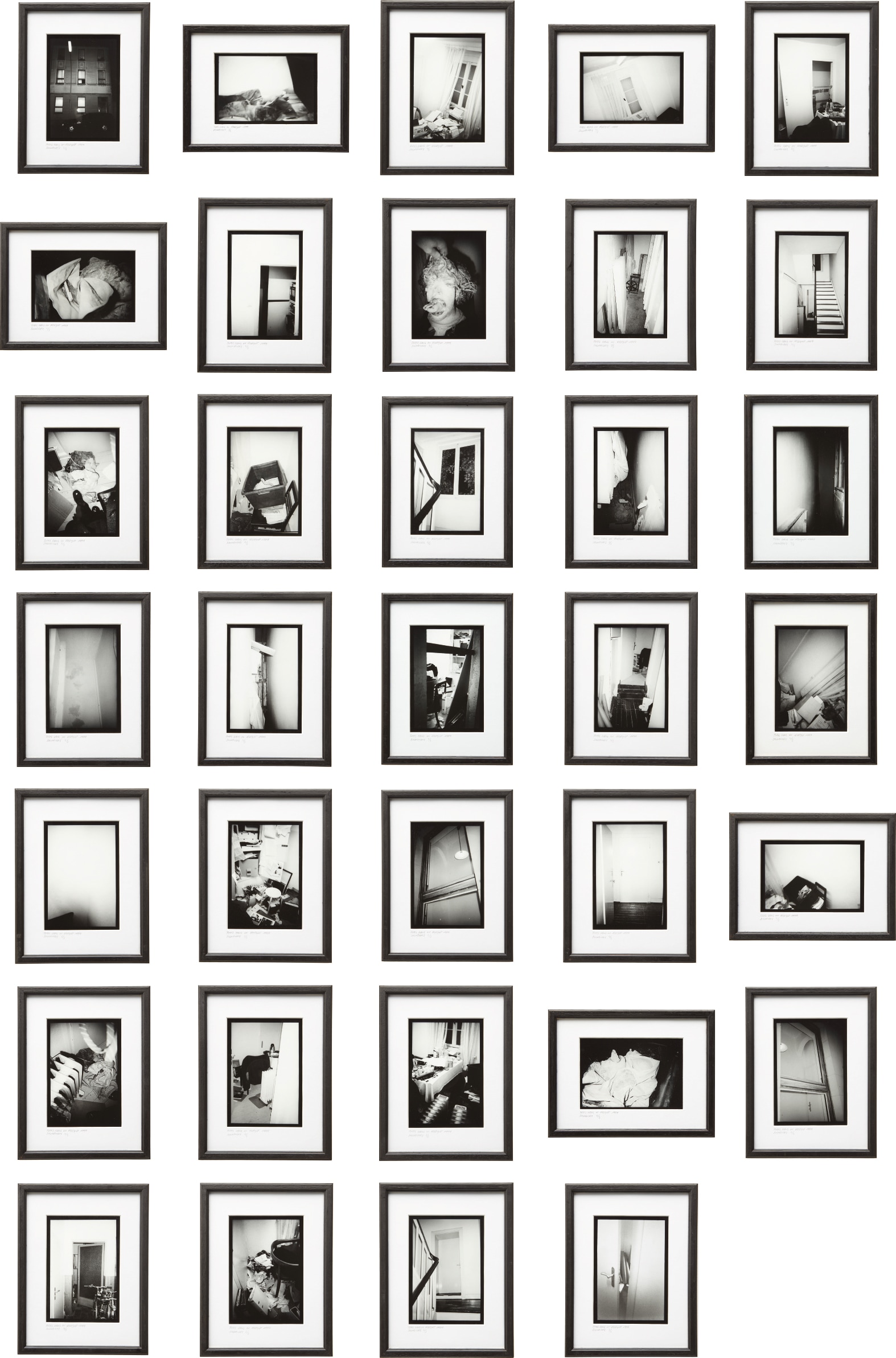
Gregor Schneider
Totes Haus ur Rheydt - Series A
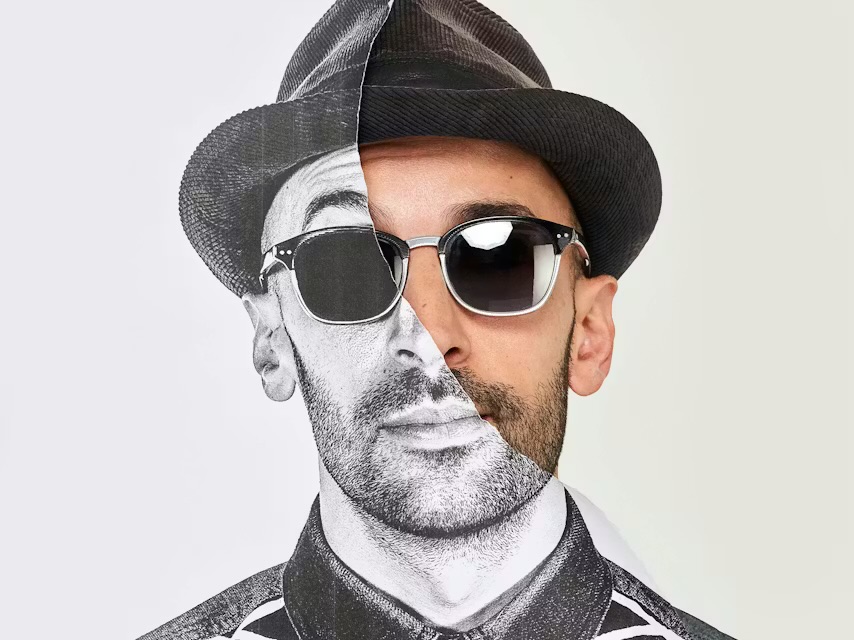
Tuazon works with construction, failure, and structural precarity in ways that have found a strong institutional audience, with works entering collections at the Centre Pompidou and the Hammer Museum among others. What feels genuinely alive right now is the intersection of this practice with questions of ecology, community, and access. JR's large scale photographic interventions, which have covered building facades and public spaces across the world from Paris to Havana, have demonstrated that site specific ambition can reach audiences entirely outside the gallery system while still generating serious institutional and market engagement. The energy is moving toward work that insists on its location as a political fact rather than merely a formal condition.
Ulrich Rückriem's stone sculptures, grounded in the specific geological character of the materials he uses, feel prescient in this context, embodying a kind of material honesty that younger artists are returning to with fresh eyes. The conversation is far from settled, which is precisely why it remains the most interesting one in the room.