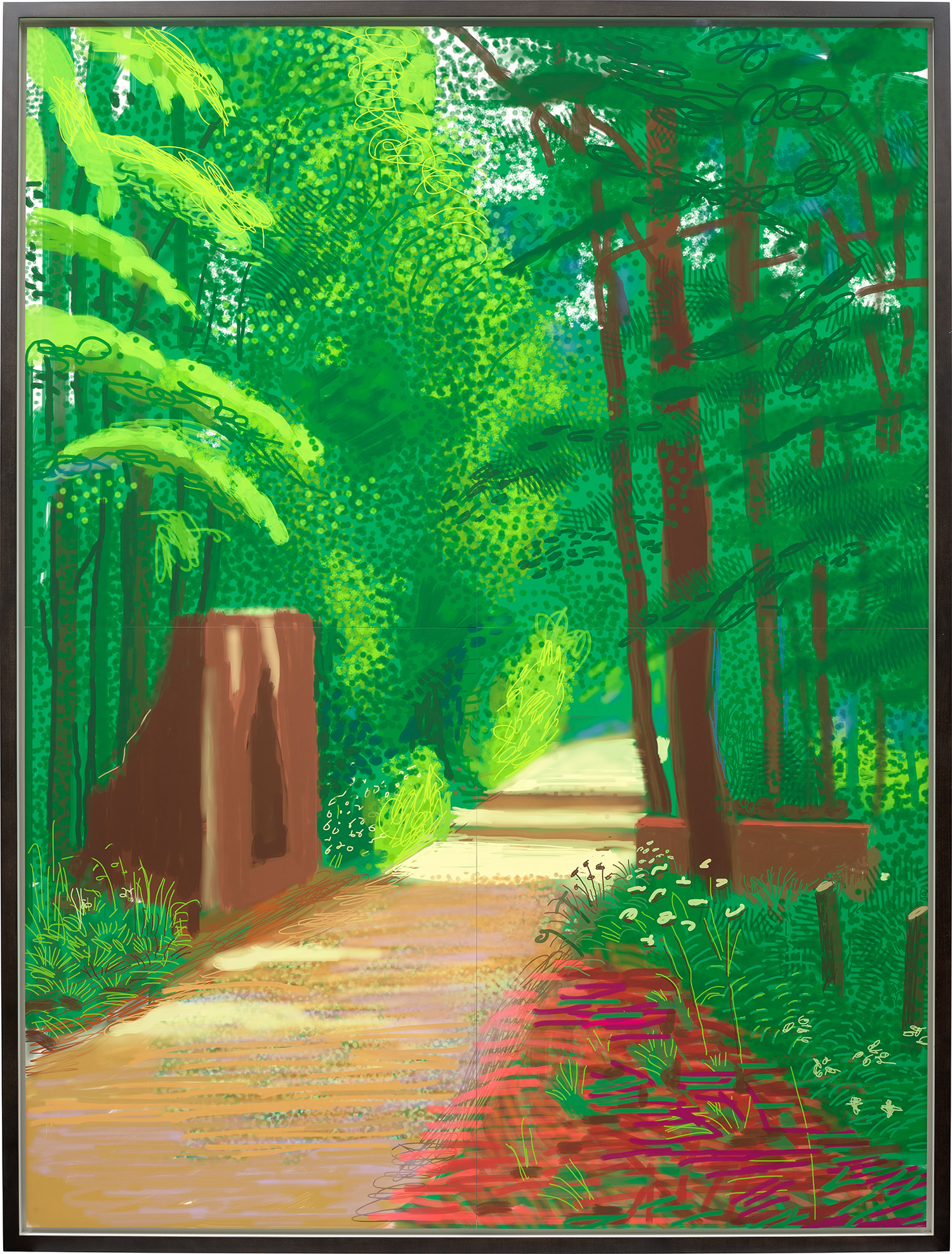
Serious Mood
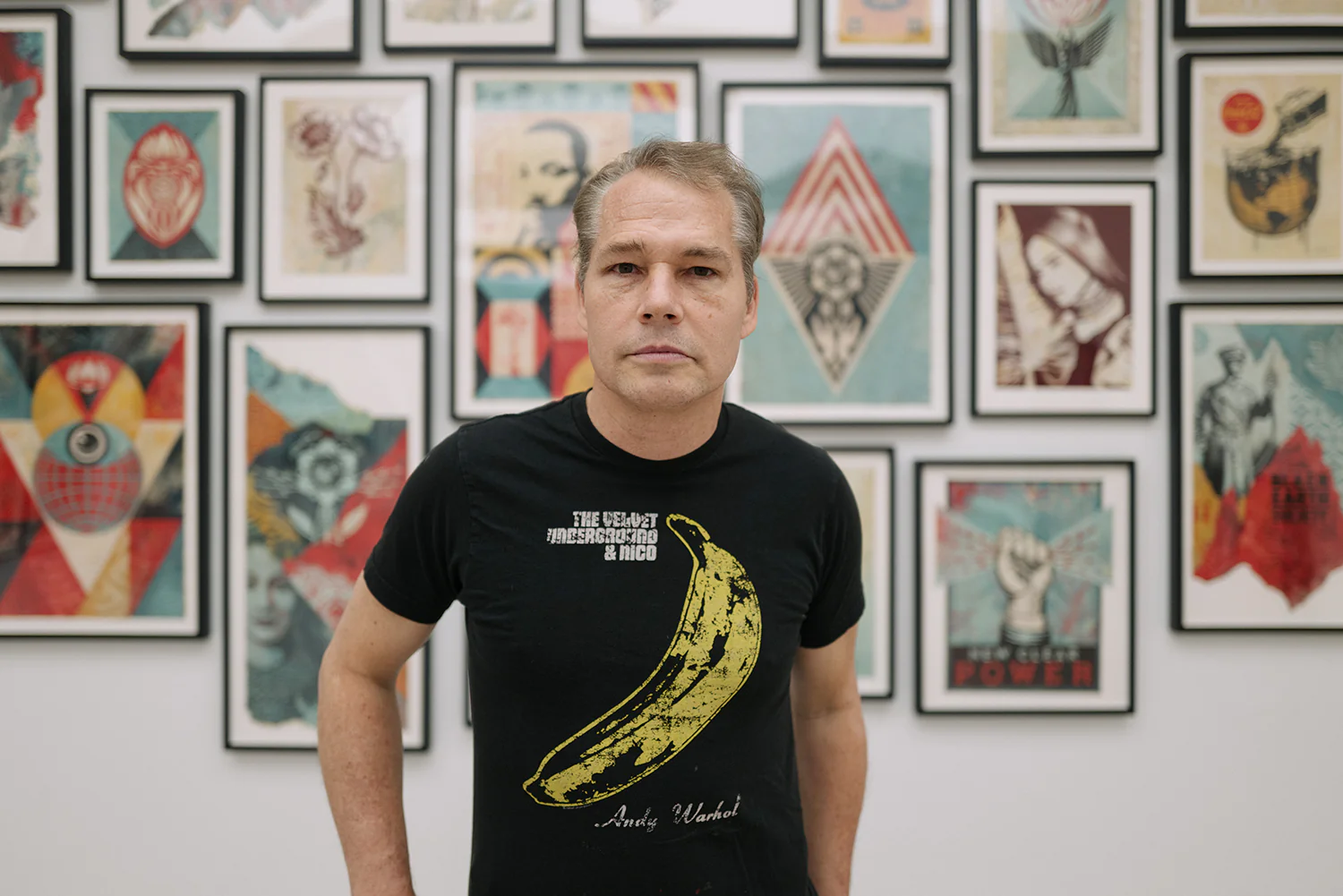
Marc Sijan
Standing Security Guard, 2013
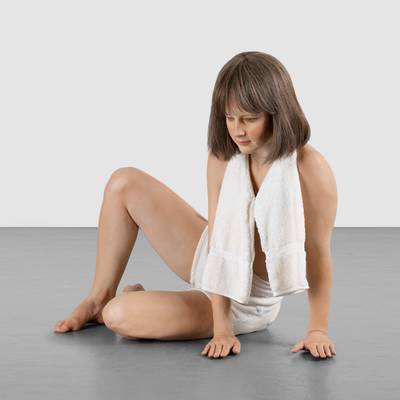


The Weight of Looking Back at You
Last spring, a hyperrealist sculpture by Duane Hanson sold at Christie's for well over a million dollars, and the room went quiet in a particular way that auction rooms rarely do. Not the hush of shock at a number, but something more unsettled, the sense that the figure seated on the block might actually be watching the bidders watch it. That transaction said something larger about where the art market and the broader cultural conversation are moving right now: toward work that is emotionally unresolvable, that refuses to let you off the hook, that sits inside what collectors and curators have started calling, with increasing frequency, a serious mood. The phrase resists easy definition, which is part of its appeal.
It is not melancholy for its own sake, and it is not conceptual distance either. It describes art that insists on weight, on consequence, on the sense that what you are looking at has earned its gravity. In photography, in street art, in hyperrealist sculpture, in portraiture, this quality keeps surfacing as the thing collectors and institutions are chasing. The market is responding accordingly, and the critical establishment is trying to catch up.
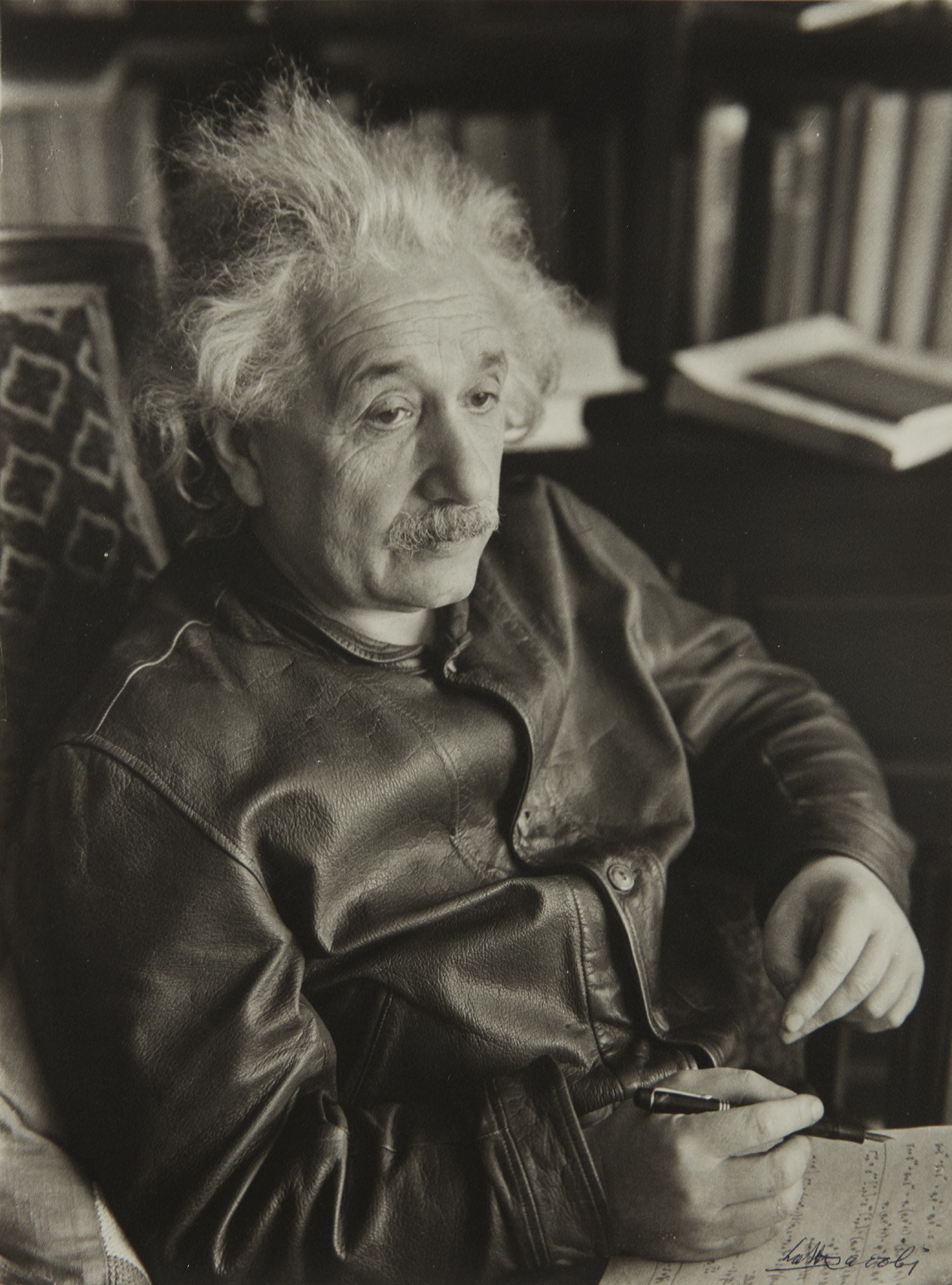
Lotte Jacobi
Albert Einstein, Physicist, Princeton, N.J.
Among photographers, the appetite for work that carries genuine psychological density has never been stronger. Paul Strand's prints, particularly his stark New England and New Mexico work from the 1930s and 1940s, continue to perform reliably well at auction, with strong examples clearing six figures at the major houses. What keeps Strand relevant is not just formal mastery but a quality of moral attention, the sense that the world he photographed was worth being serious about. Lotte Jacobi occupies a related space in the market and in critical esteem.
Her portrait work, especially the images made in Berlin before her emigration and in New York afterward, carries the specific gravity of a world coming apart and being reconstructed. Collectors who understand her work tend to hold it, which keeps supply tight and quality high at the rare moments her prints do appear. Alfred Eisenstaedt brings a different dimension to this conversation. Best known for the V J Day photograph from 1945, his broader body of work is being reassessed by a younger generation of curators interested in how photojournalism can carry emotional and historical weight simultaneously.
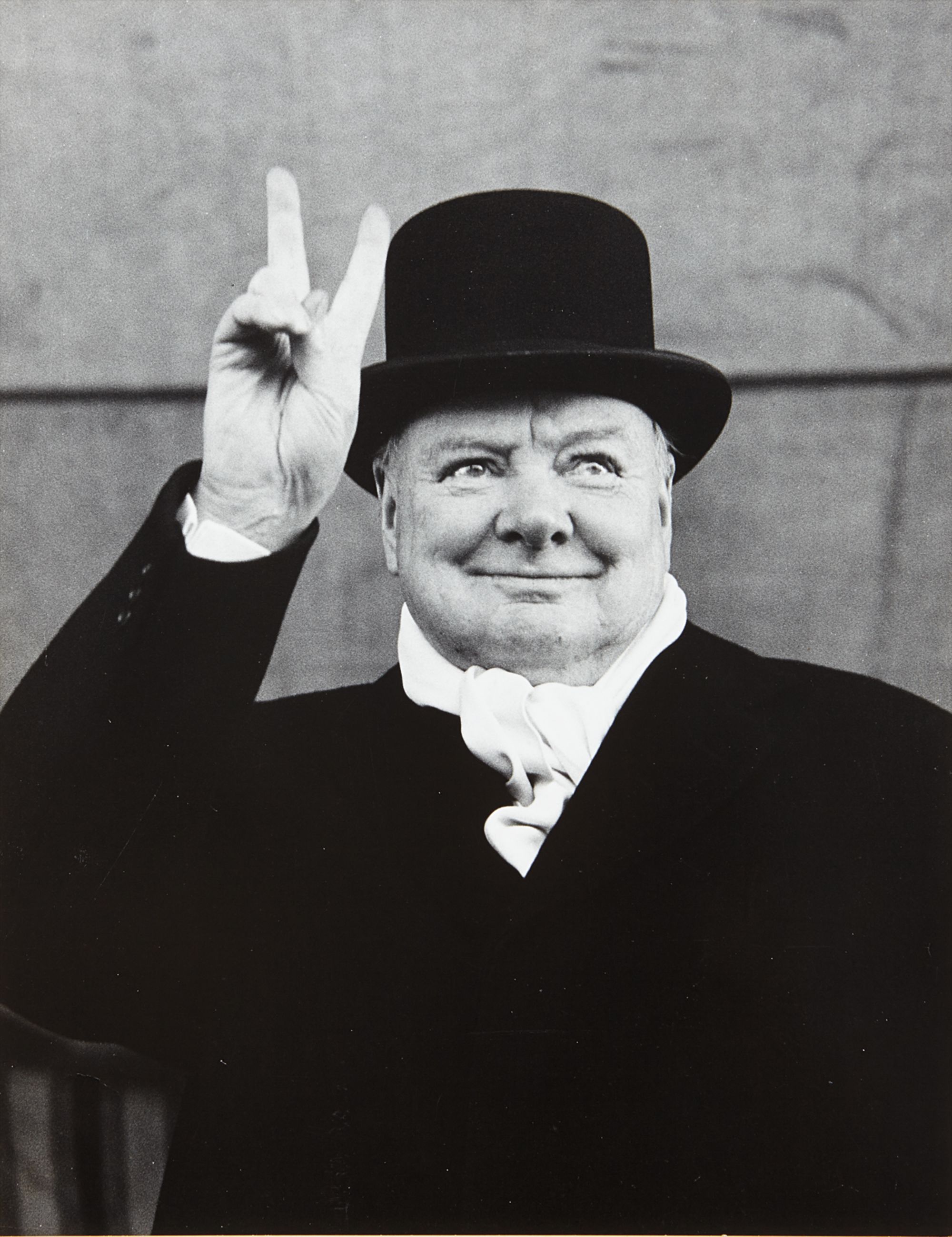
Alfred Eisenstaedt
Winston Churchill gives the victory sign at a Conservative Party rally during the British election campaign, Liverpool
The International Center of Photography in New York has been central to this reassessment, and its exhibitions over the past several years have made a sustained argument that the best photojournalism belongs in the same critical conversation as fine art photography. That argument is winning. Eisenstaedt's work is well represented on The Collection, and the demand among serious collectors reflects a market that has absorbed this critical reframing. The street art and urban art worlds have their own version of this serious mood, and it is arguably where the critical stakes feel highest right now.
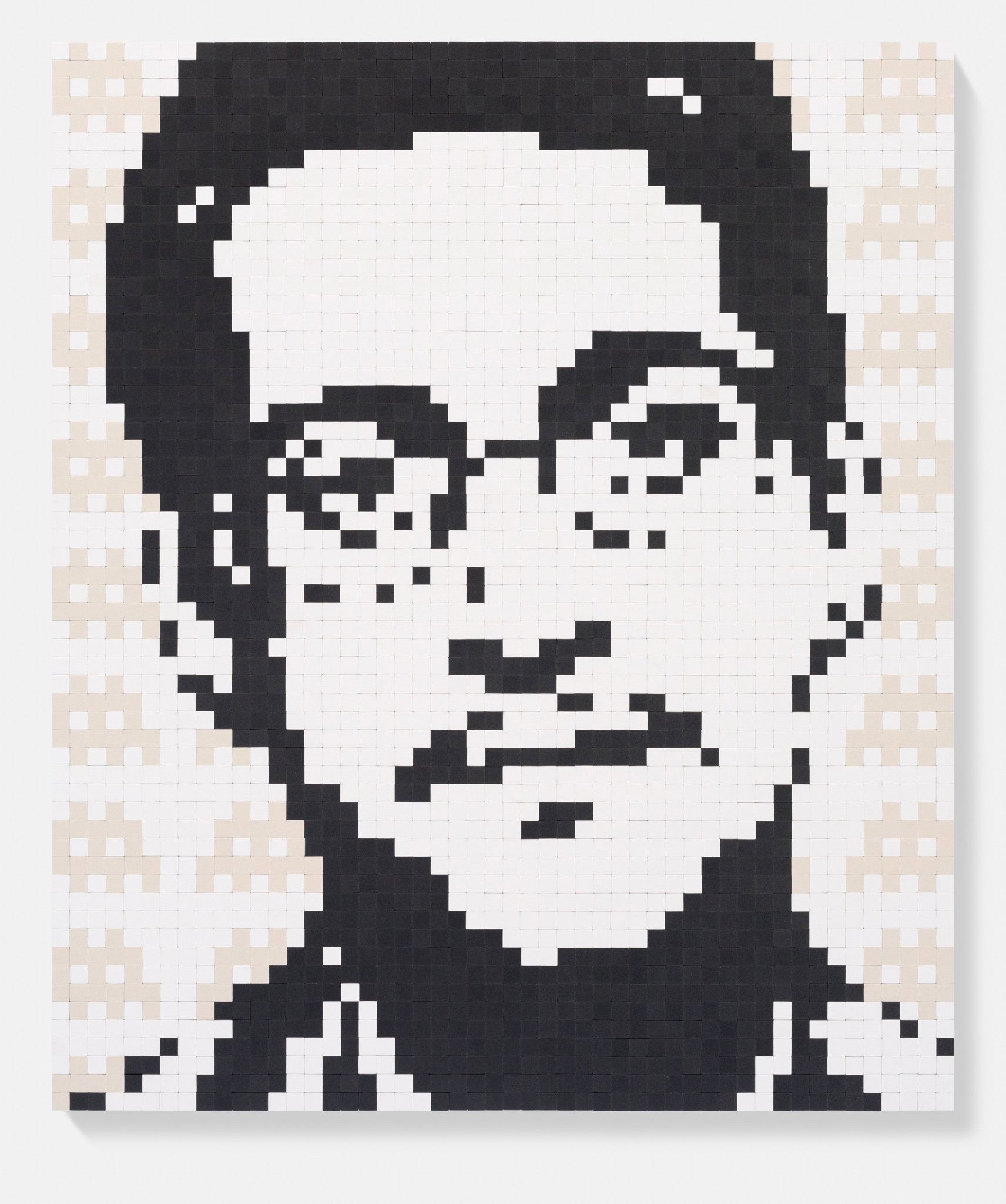
Shepard Fairey and Invader both appear on The Collection, and they represent two distinct approaches to the question of what it means to make work that carries weight in public space. Fairey's engagement with political imagery, from the Obama Hope poster of 2008 onward, has been extensively analyzed by writers at Artforum and in academic contexts, but the market conversation has sometimes lagged the critical one. That is shifting. Works on paper and canvas by Fairey that engage directly with questions of power, protest, and imagery have been performing strongly, particularly with collectors who came to the work through its cultural context rather than through the gallery system.
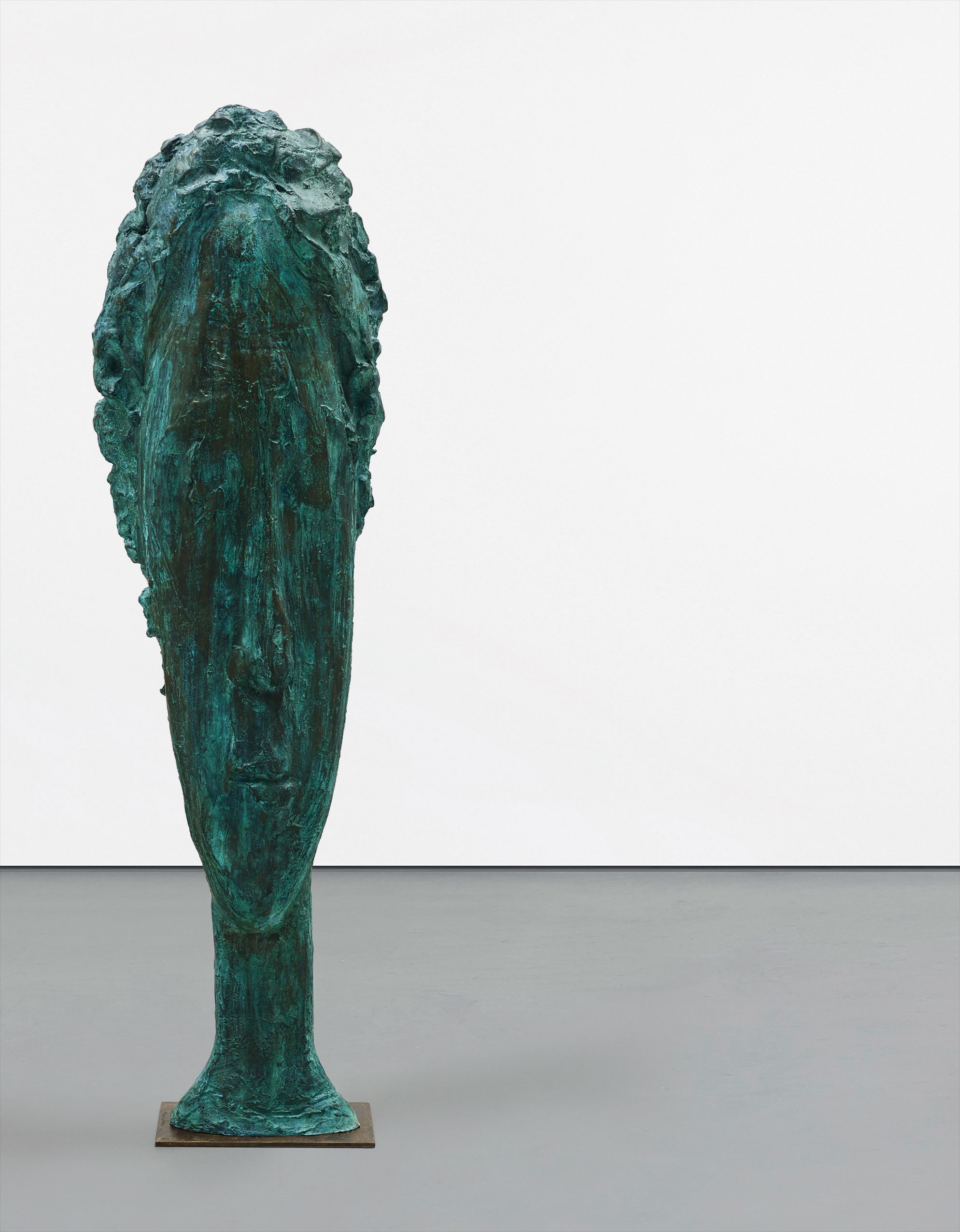
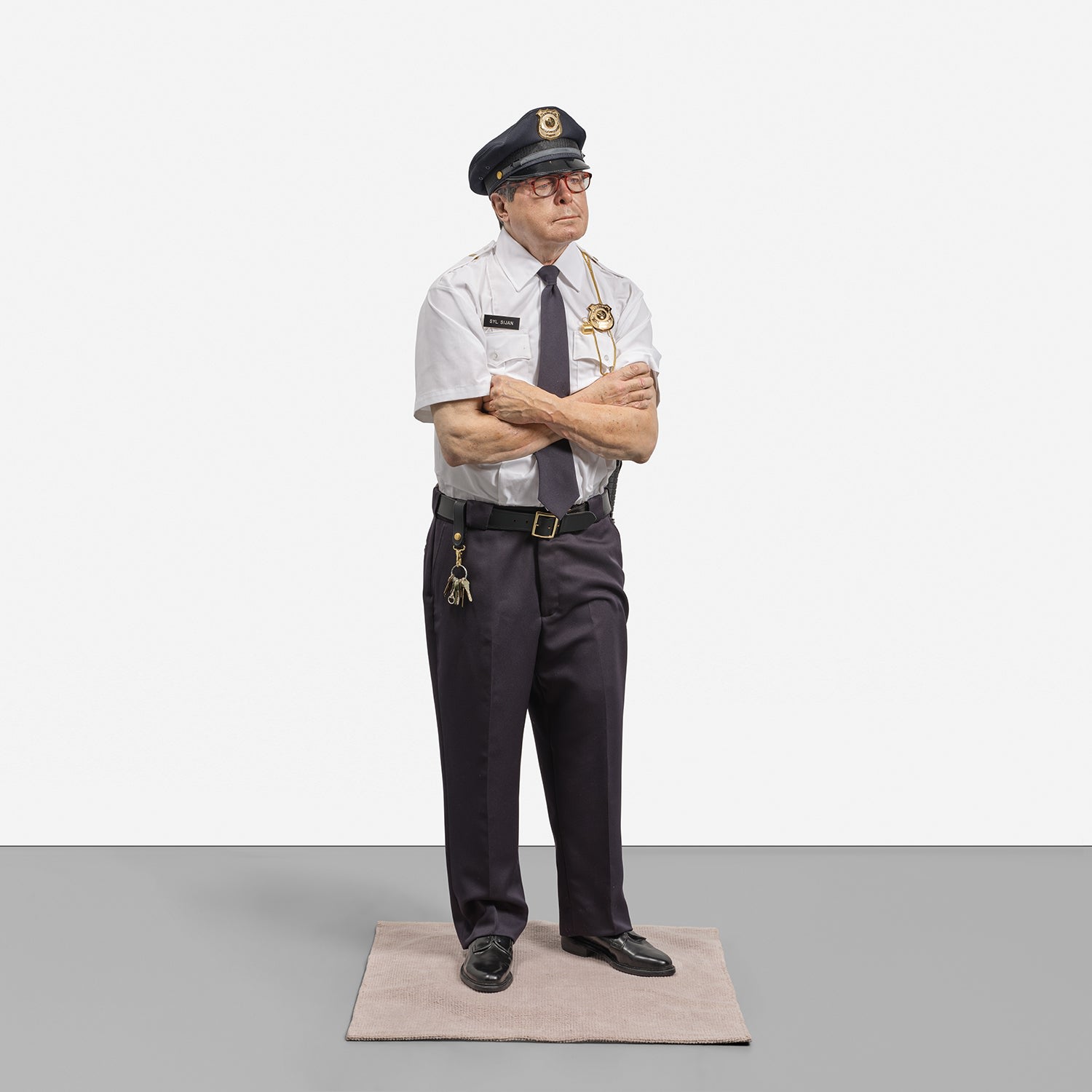
Marc Sijan
Standing Security Guard, 2013
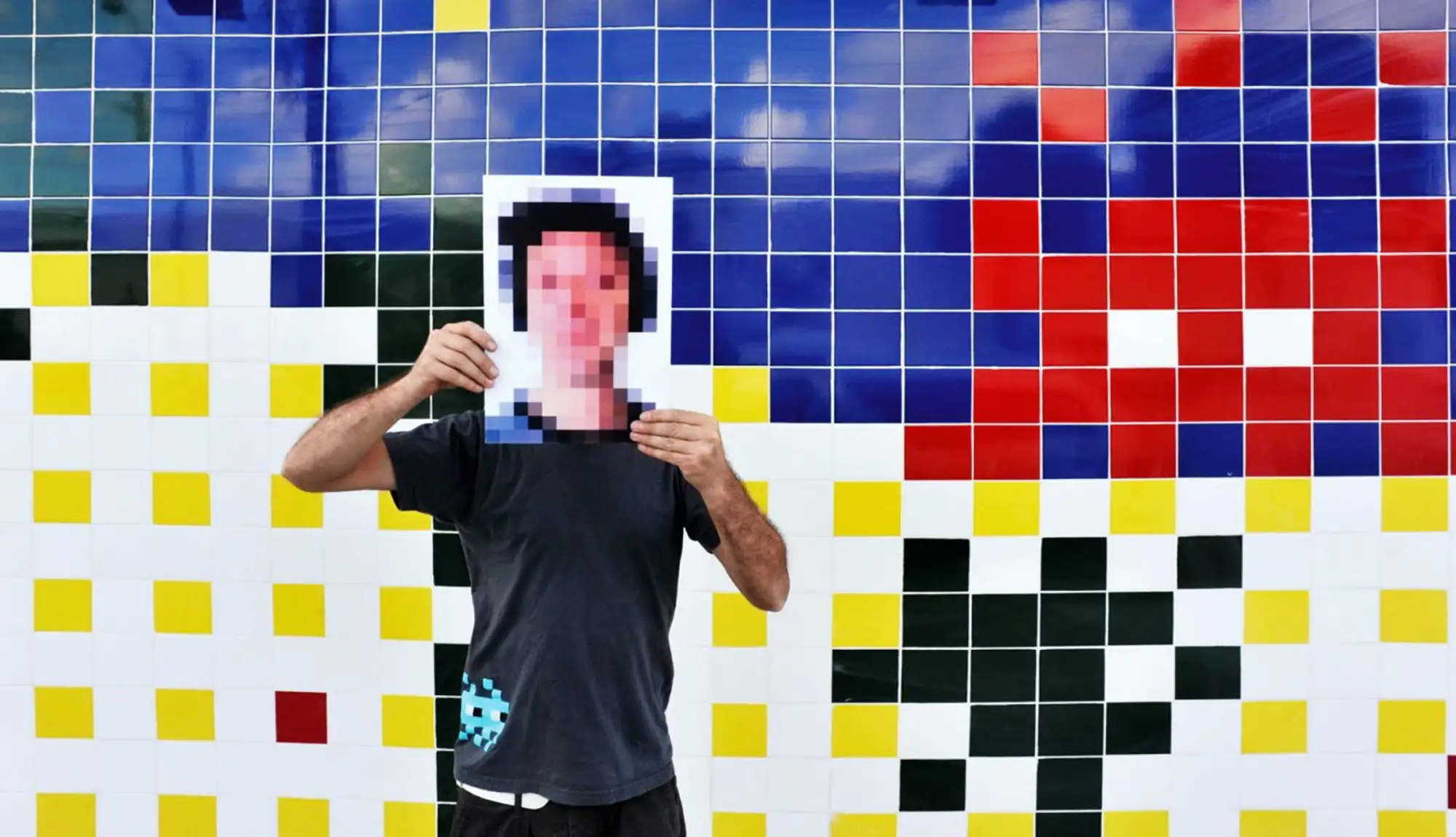
Invader operates differently, with a conceptual lightness that is deceptive. The tile installations and the documentation of them have developed a secondary market that is both robust and surprisingly nuanced, with collectors distinguishing carefully between works, editions, and contexts. The hyperrealist dimension of this conversation brings us to Marc Sijan, whose work belongs to a tradition that runs from Hanson and John De Andrea through to the present, but whose approach to the figure has its own distinct register. Sijan's sculptures carry the specific unsettledness of encountering a person who does not acknowledge your presence, which is both formally interesting and emotionally precise.
The institutional appetite for hyperrealist work has grown considerably since the Los Angeles County Museum of Art mounted its survey of the genre, and major European museums have followed with acquisitions and loans that signal a genuine recalibration of where hyperrealism sits in the canon. Sijan's presence on The Collection speaks to a collector base that has been ahead of this institutional curve. The critical writers shaping this conversation include T.J.
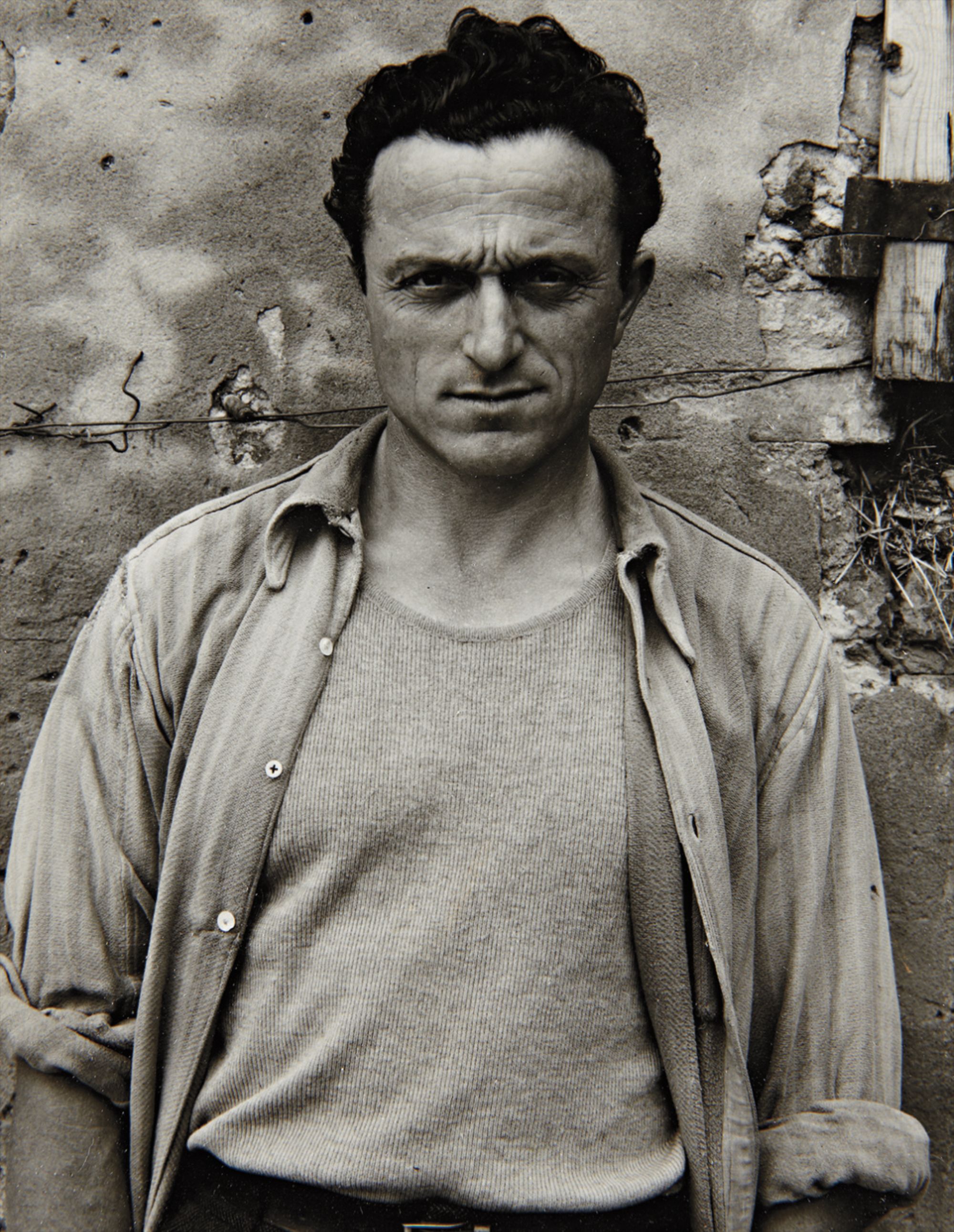
Paul Strand
Young Farmer, Po Valley
Demos, whose work on documentary and photography has given collectors and curators a sharper vocabulary for talking about weight and consequence in image making. Roberta Smith's criticism at the New York Times, particularly her willingness to engage seriously with photography and street art as well as painting and sculpture, has also been influential. The journal October continues to provide the theoretical scaffolding, though its influence is felt more in curatorial practice than in the market directly. What is notable is that the conversation across all these registers keeps returning to the same question: what does it mean for a work of art to be worth being serious about.
The energy ahead feels genuinely open. There is a growing collector appetite for work that does not resolve quickly, that asks something of you over time rather than delivering its meaning in a single encounter. The artists on The Collection who occupy this space, whether through the documentary gravity of Strand and Jacobi, the public urgency of Fairey and Invader, the uncanny presence of Sijan, or the historical intimacy of Eisenstaedt, are all part of a larger argument that art's job right now is not to comfort but to hold. That is a serious mood.
And the market, the institutions, and the best critical writing are all arriving at the same conclusion at the same time, which is a rare and meaningful convergence.