Raw Emotion
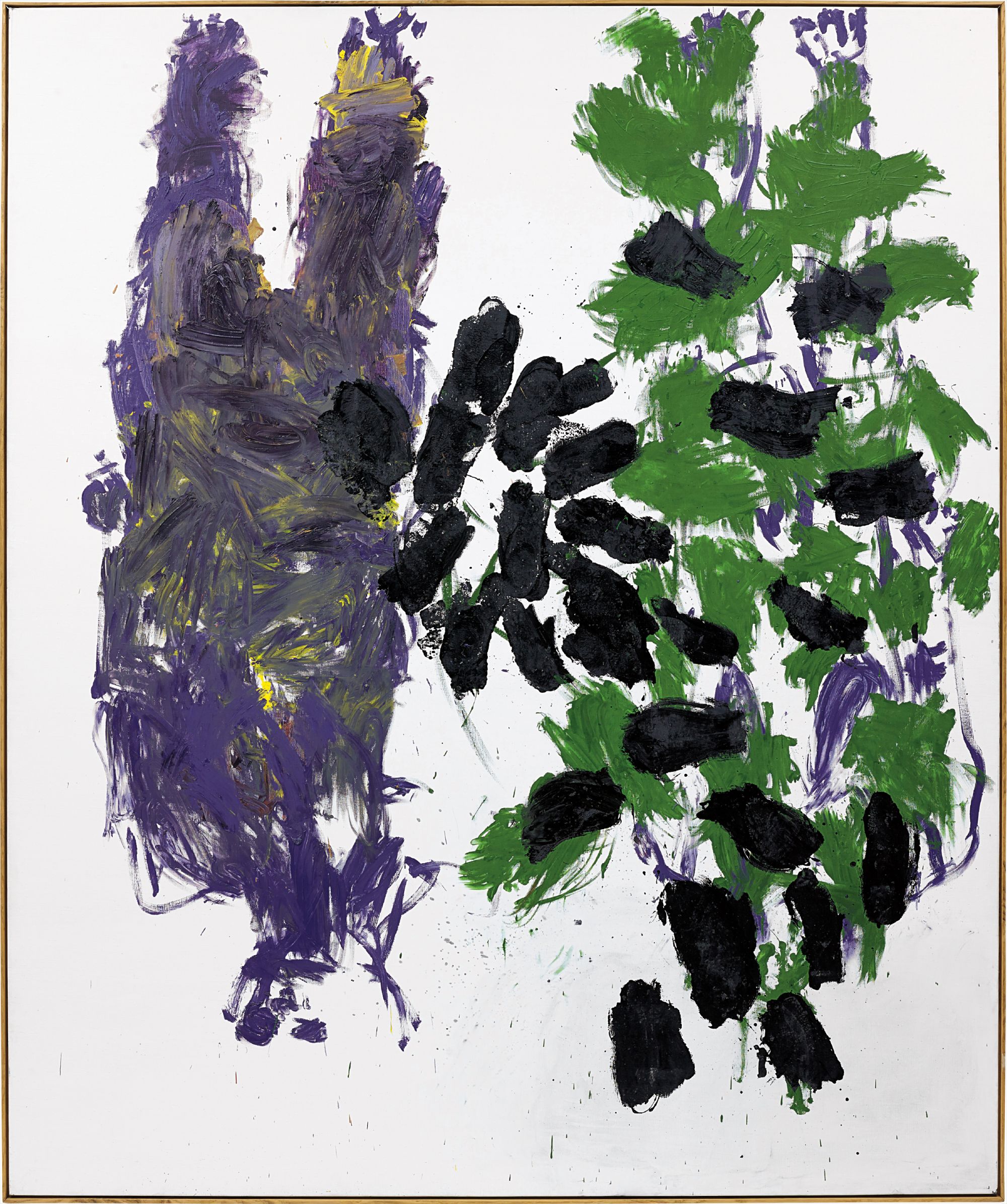
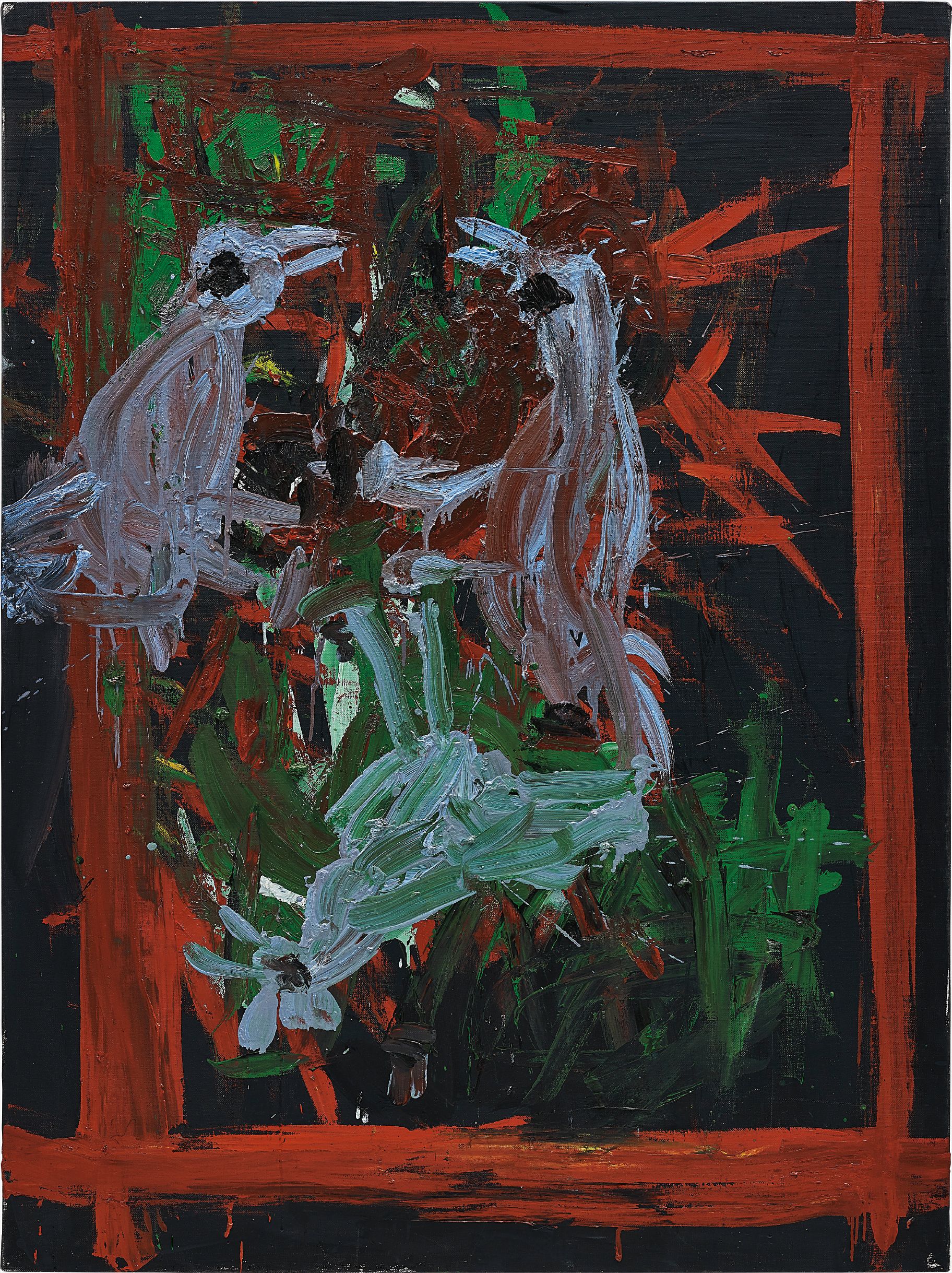
Georg Baselitz
Gelb No
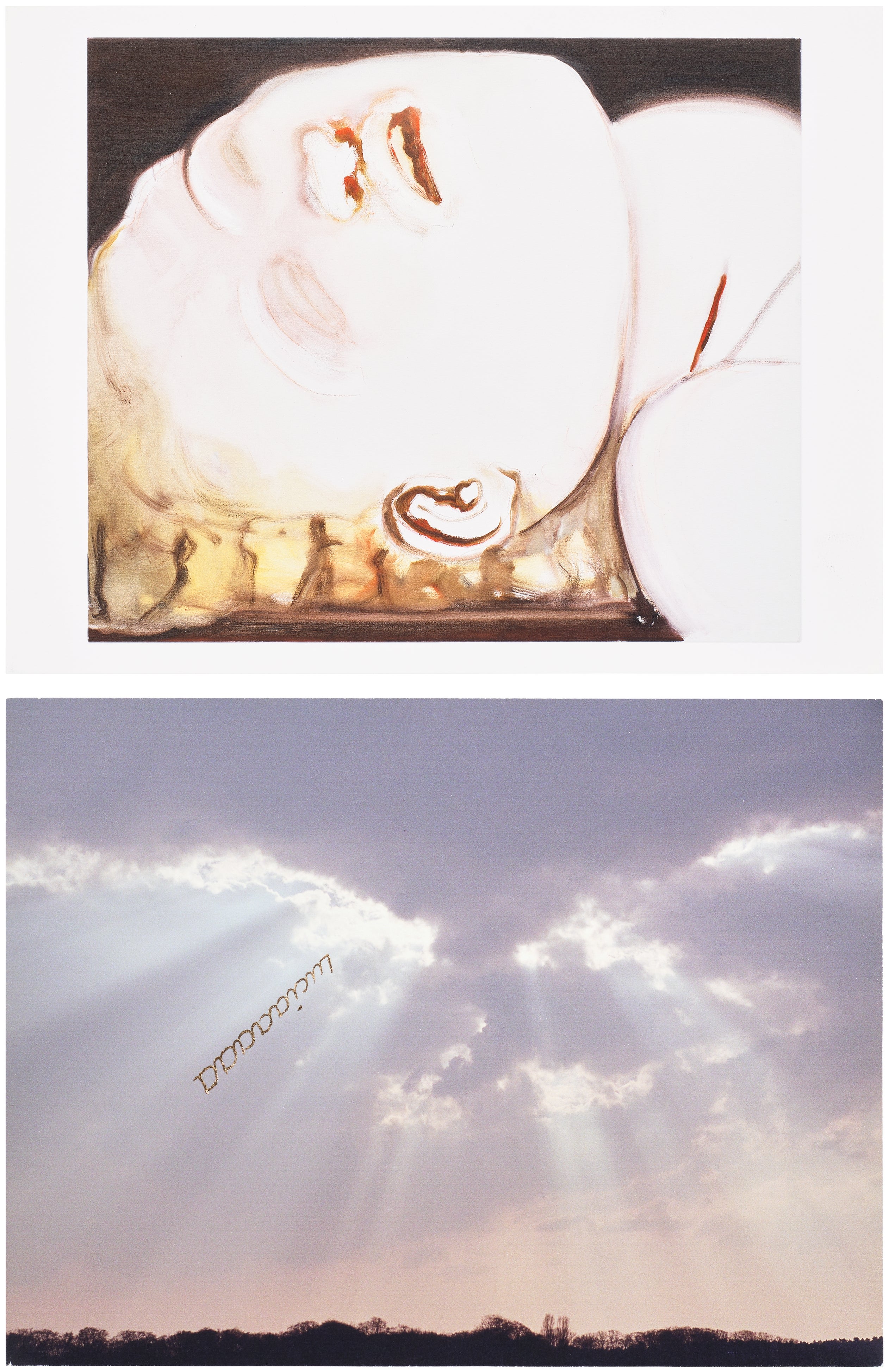
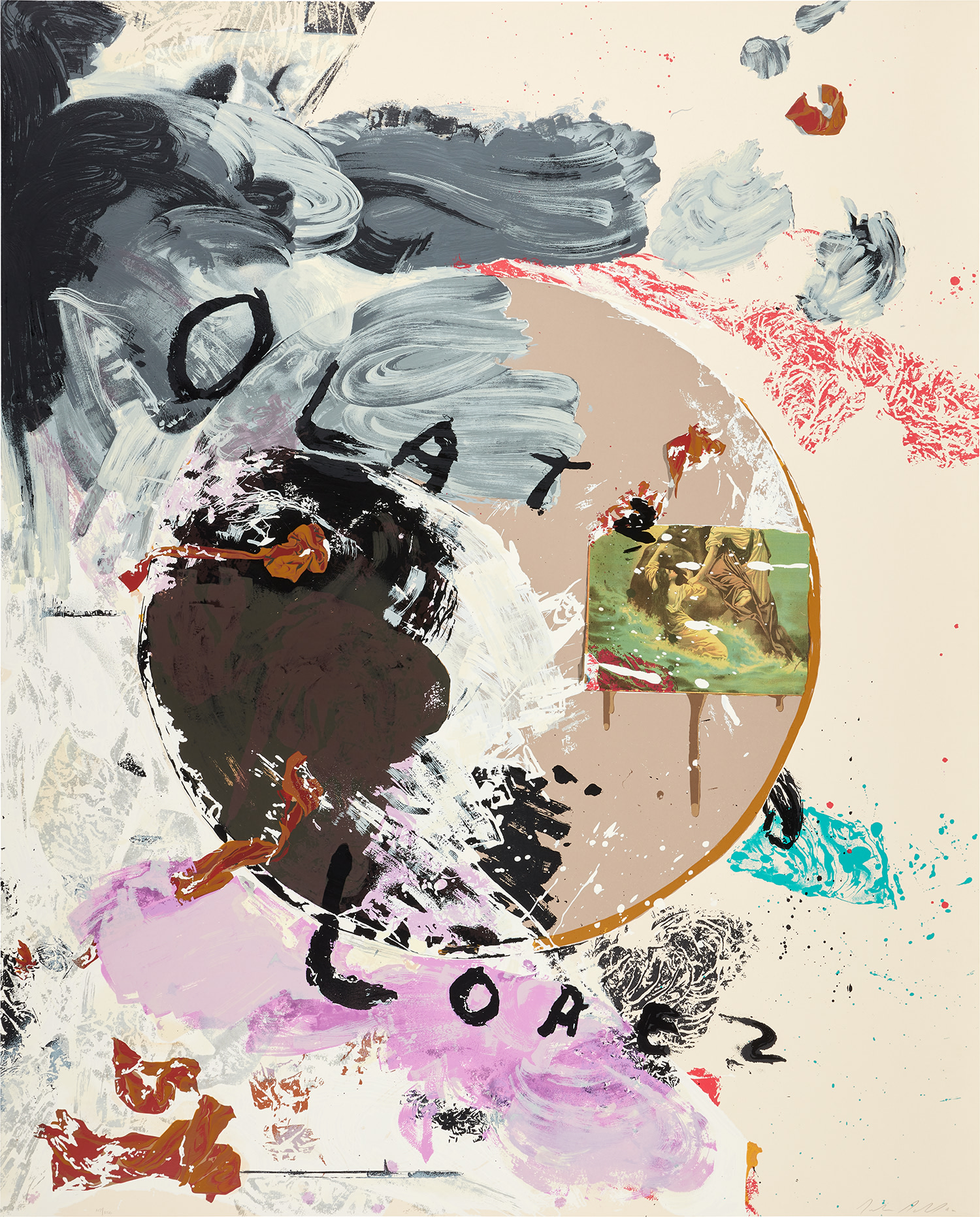
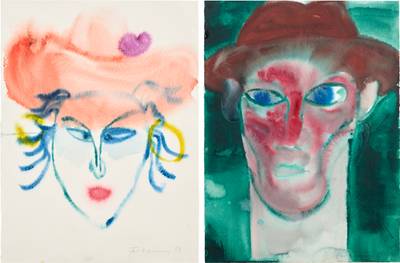
When Art Stops Performing and Starts Bleeding
There is a moment in front of certain paintings when the usual social contract between viewer and artwork simply dissolves. The polite distance collapses. You are no longer reading a picture; you are inside something that is reading you back. This is what raw emotion in art actually means, not sentimentality, not melodrama, but the kind of unmediated psychological exposure that makes you feel slightly exposed yourself, as if you have walked in on something private and cannot quite bring yourself to leave.
The lineage of emotionally charged art stretches back further than most people assume. Expressionism as a formal movement took shape in Germany in the early twentieth century, with Die Brücke forming in Dresden in 1905 and Der Blaue Reiter coalescing in Munich around 1911. Artists like Ernst Ludwig Kirchner and Edvard Munch before him had already established that the distortion of form was not a failure of technique but a tool of psychological truth. The scream was not an aberration.
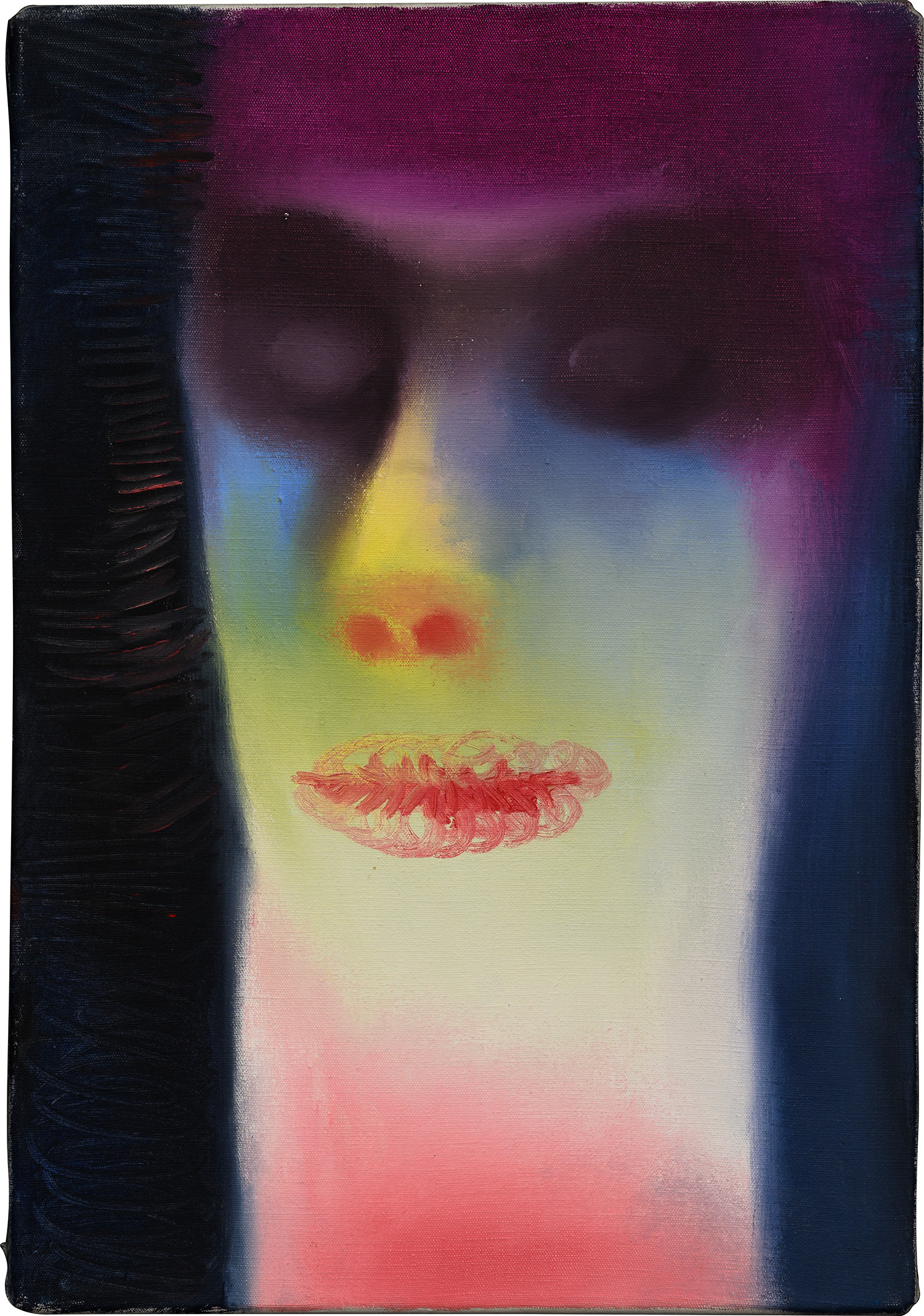
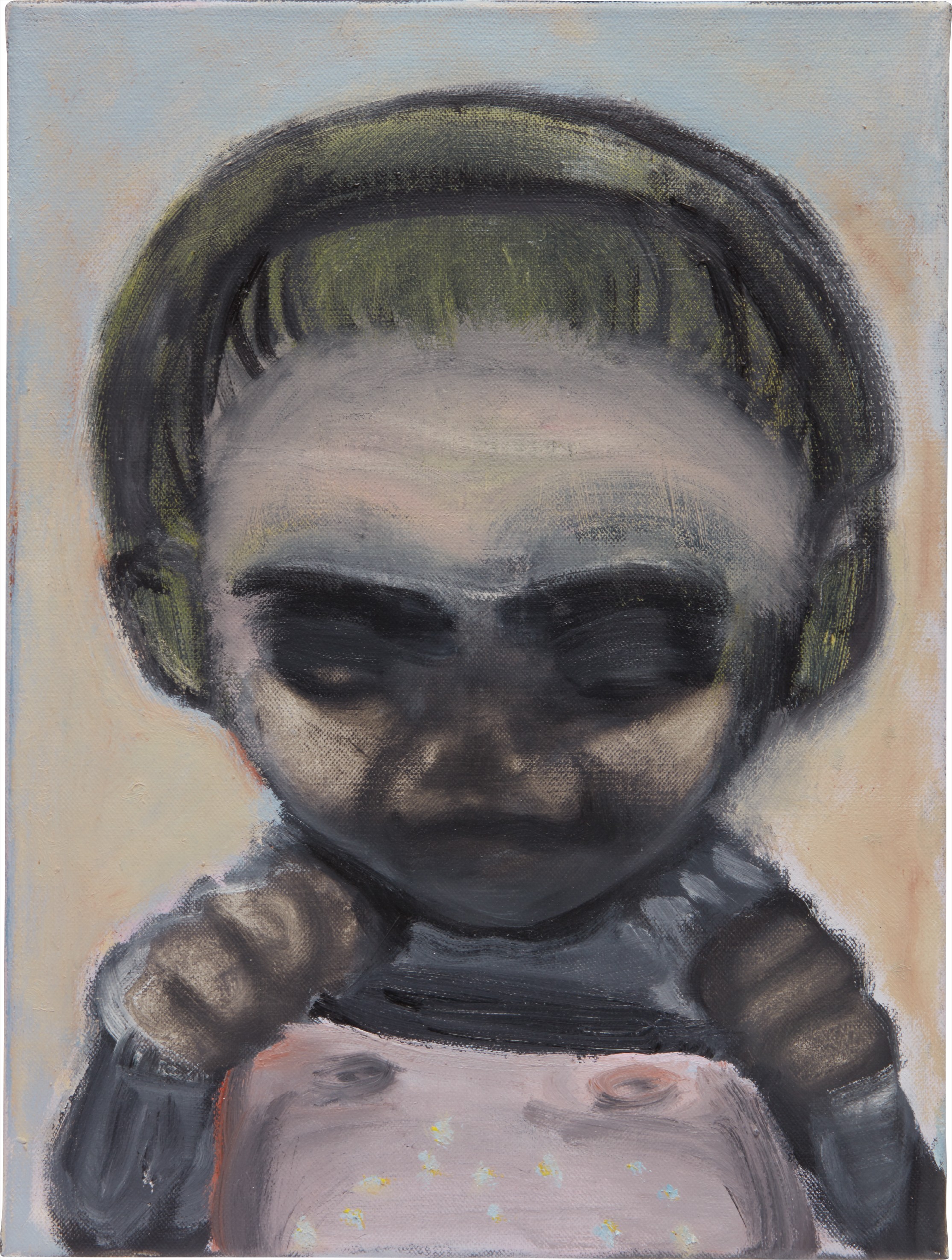
Miriam Cahn
Ohne Titel, 1995
It was the whole point. What followed across the century was a long argument about whether painting could sustain that kind of intensity without becoming theatrical, and the most interesting artists were the ones who kept insisting it could. The postwar decades brought a different register of rawness. Abstract Expressionism in New York channeled trauma and existential urgency through scale and gesture, but it was the return to the figure in the 1970s and 1980s that reopened the most uncomfortable territory.
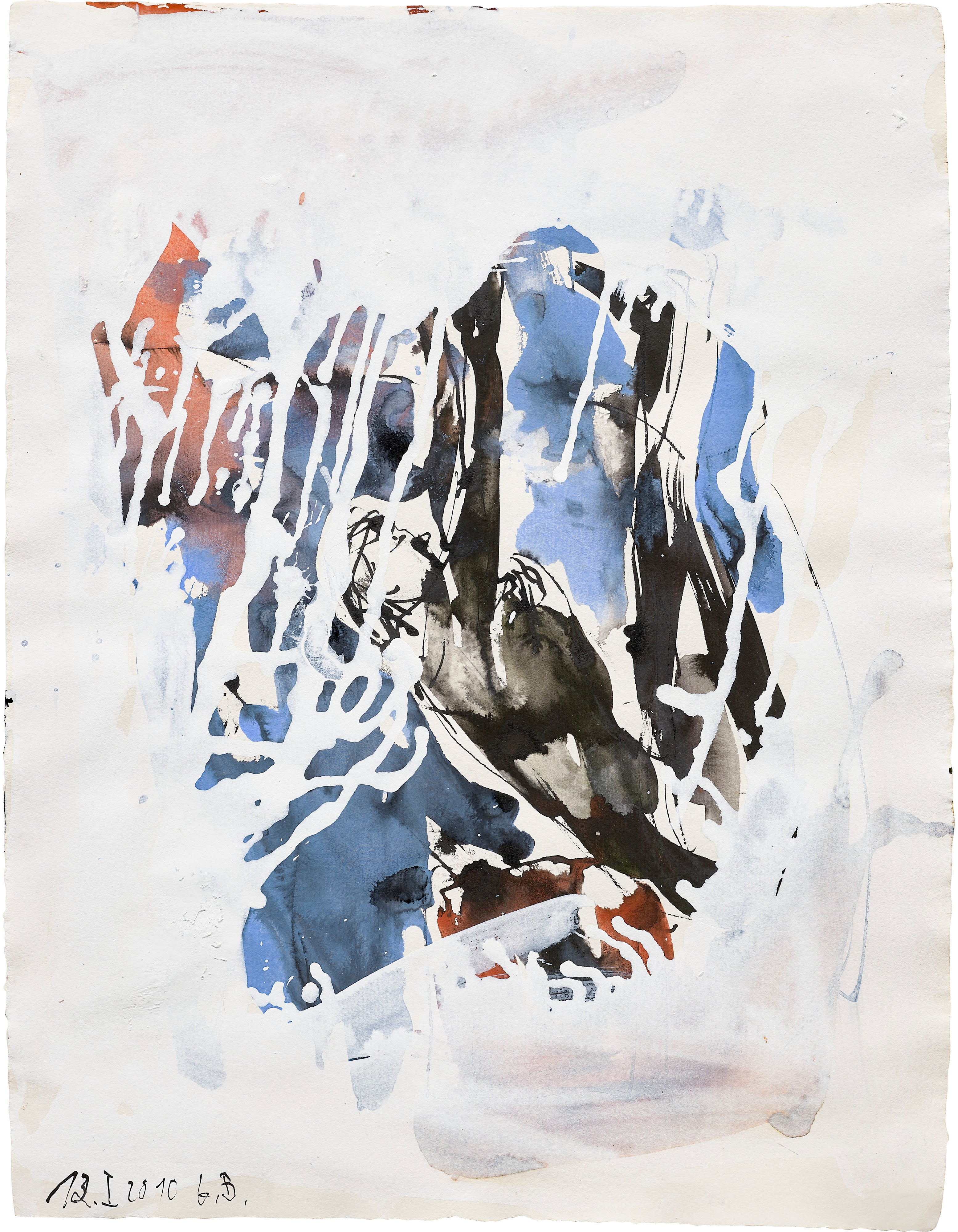
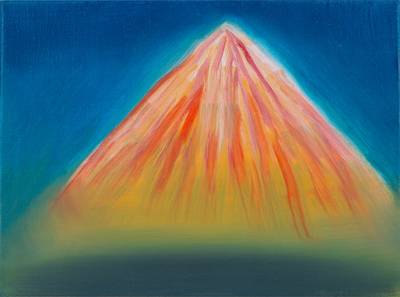
The Neue Wilden in Germany, the Transavanguardia in Italy, and the Neo Expressionist surge that swept through New York and Berlin in the early 1980s all shared a conviction that painting needed to get its hands dirty again. Georg Baselitz had already been making the case since the 1960s, his inverted figures and slashed surfaces functioning as a kind of controlled violence against the picture plane. His work, well represented on The Collection, carries a deliberate unruliness that refuses resolution. Looking at a Baselitz is not a comfortable experience, and that is precisely its integrity.
Georg Baselitz
Gelb No
The 1980s in particular were a crucible for this kind of work, partly because the cultural stakes felt genuinely high. Julian Schnabel brought a theatrical, almost reckless energy to his plate paintings and velvet works, using surfaces that actively fought back against the brush. Rainer Fetting, working between Berlin and New York, brought a looseness and physical directness to figuration that felt urgent in the charged atmosphere of divided Berlin. And then there was the work emerging from the epicenter of the AIDS crisis, where raw emotion was not an aesthetic choice but an existential necessity.
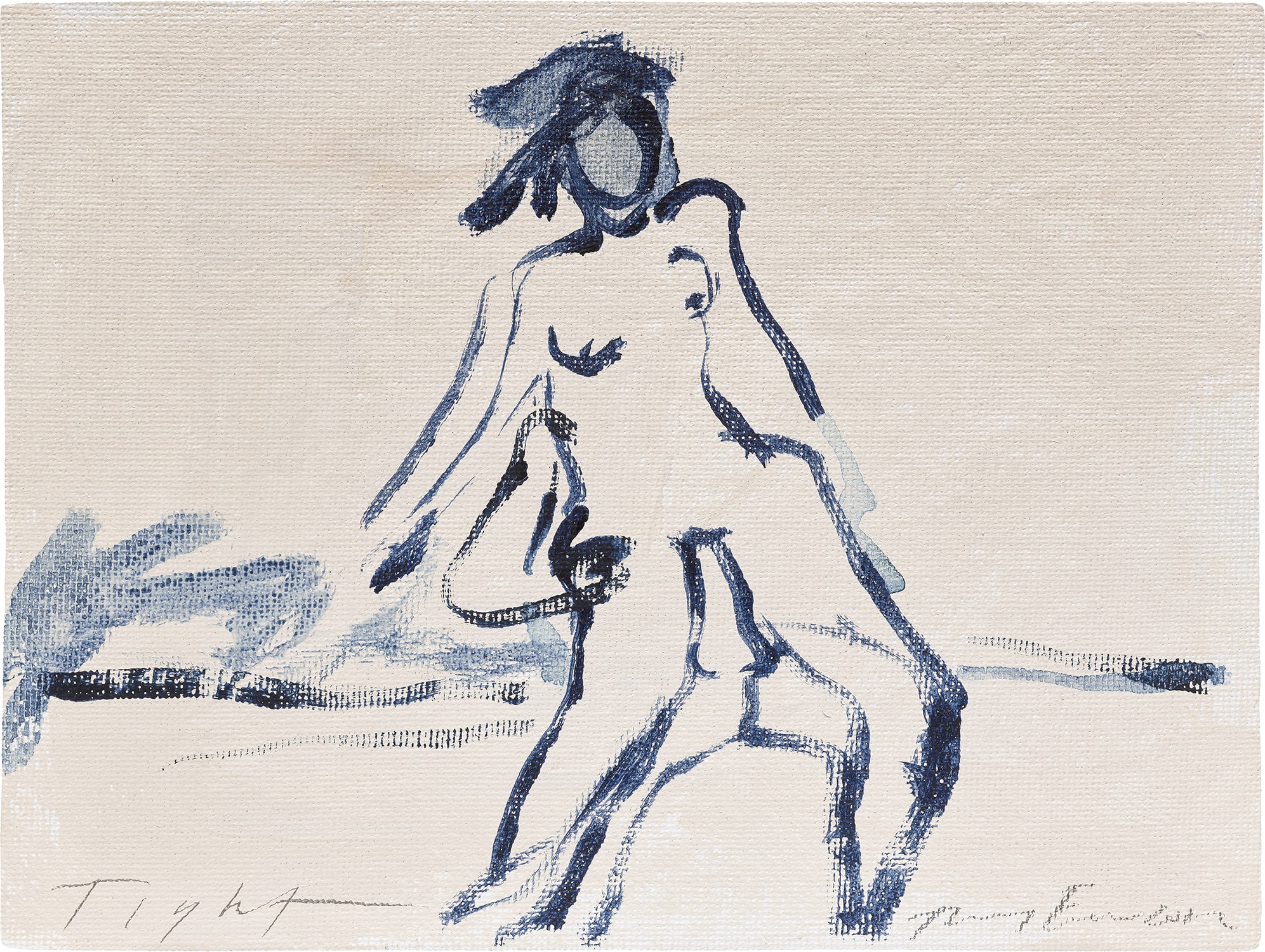
David Wojnarowicz made work that functioned as testimony, as rage, and as grief simultaneously. His practice collapsed the boundary between personal experience and political address in ways that still feel unresolved and alive. What connects these very different artists is a shared refusal of finish. Tracey Emin, whose work sits at the intersection of confession and craft, has always understood that the unresolved quality of a piece, its visible hesitation or its overspilling handwriting, is where the emotional content actually lives.
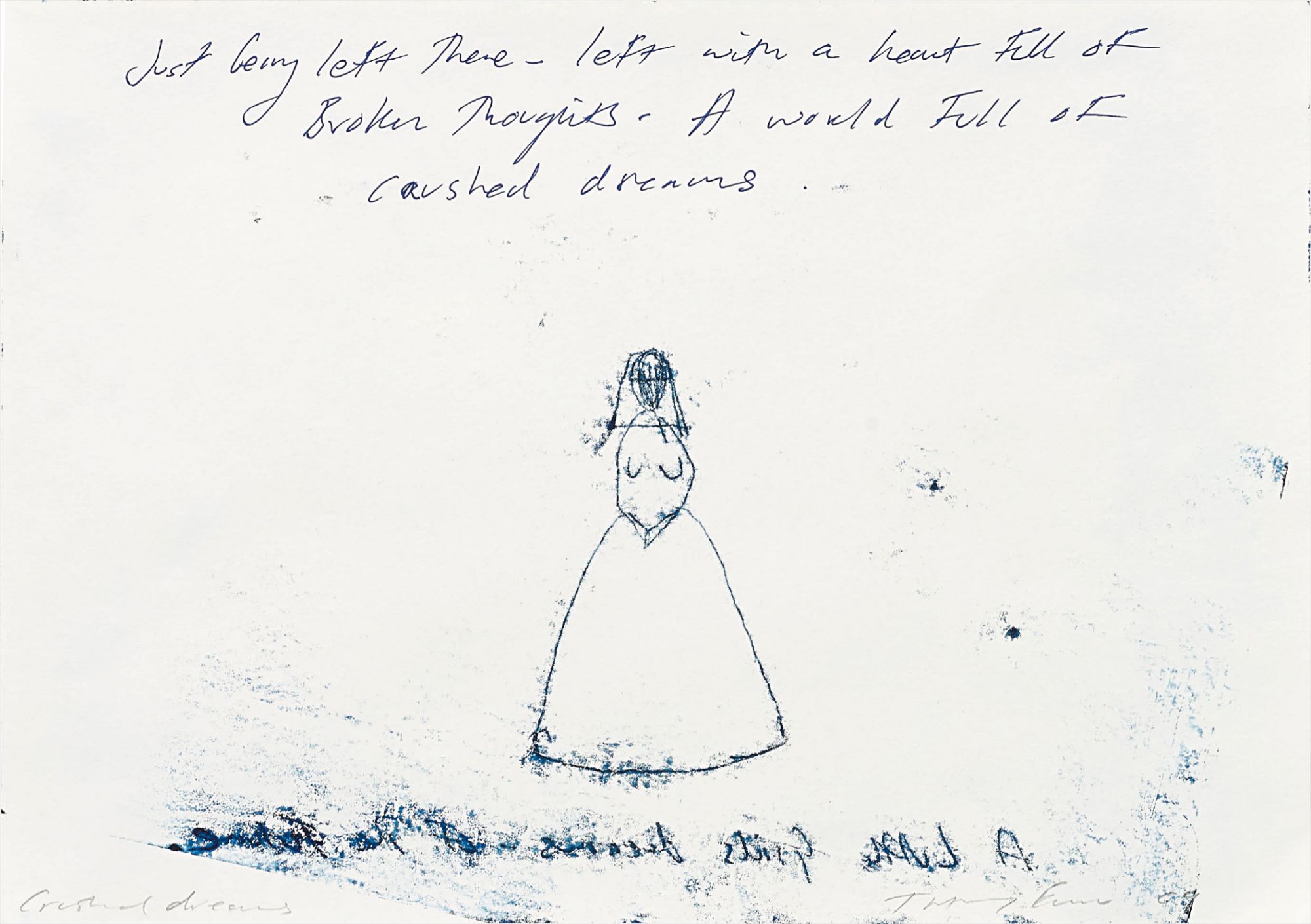
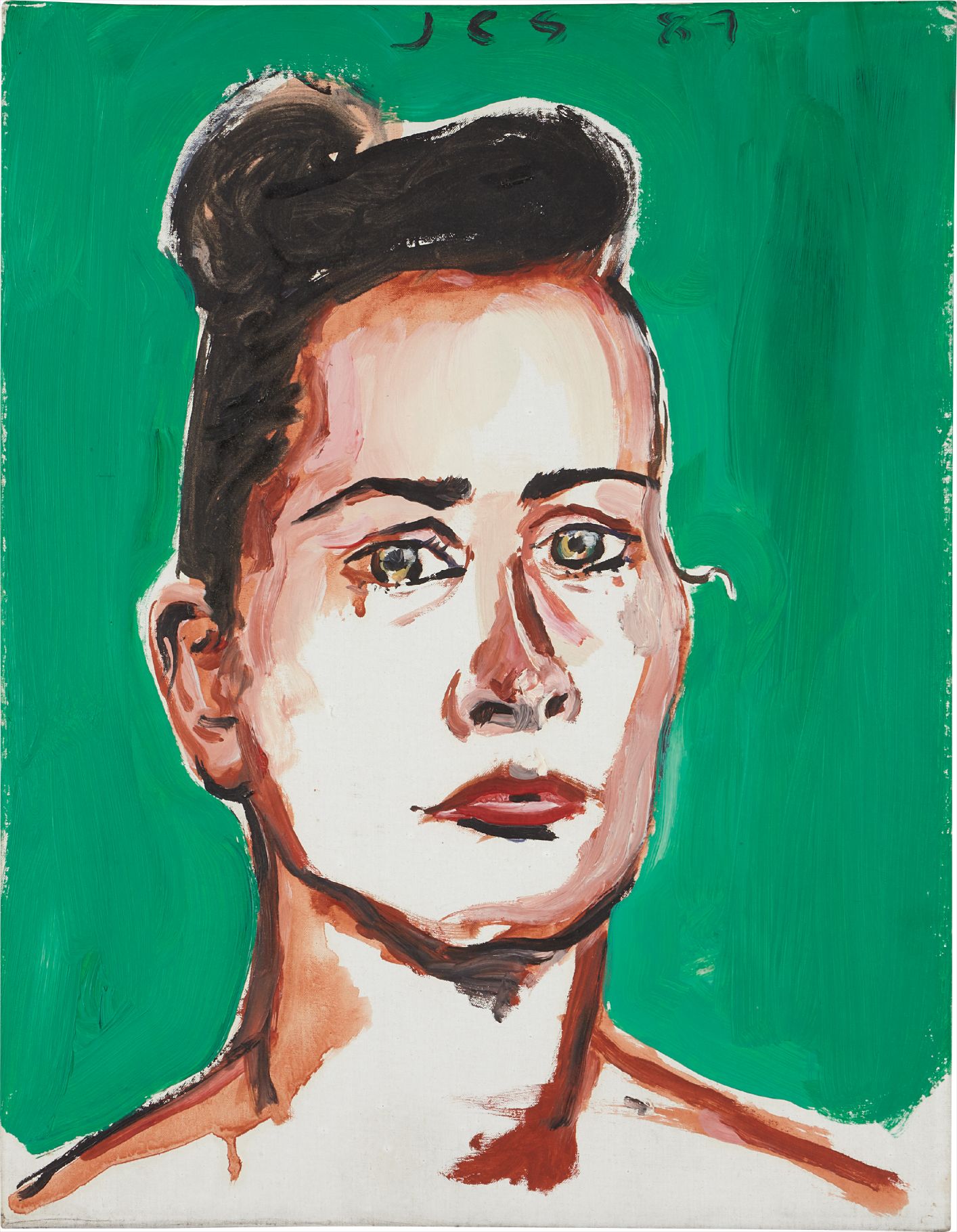
Tracey Emin
Crushed Dreams
Her neons and her monoprints carry the texture of feeling in the same way a voice breaks under pressure. Marlene Dumas works from photographs, from found images, from the residue of collective anxiety, and her paintings achieve something uncanny: they feel simultaneously detached and devastated. Miriam Cahn, who has been producing deeply unsettling figurative work since the 1970s, uses urgency of mark as a form of ethical insistence. Her figures exist in states of vulnerability that implicate the viewer in their looking.
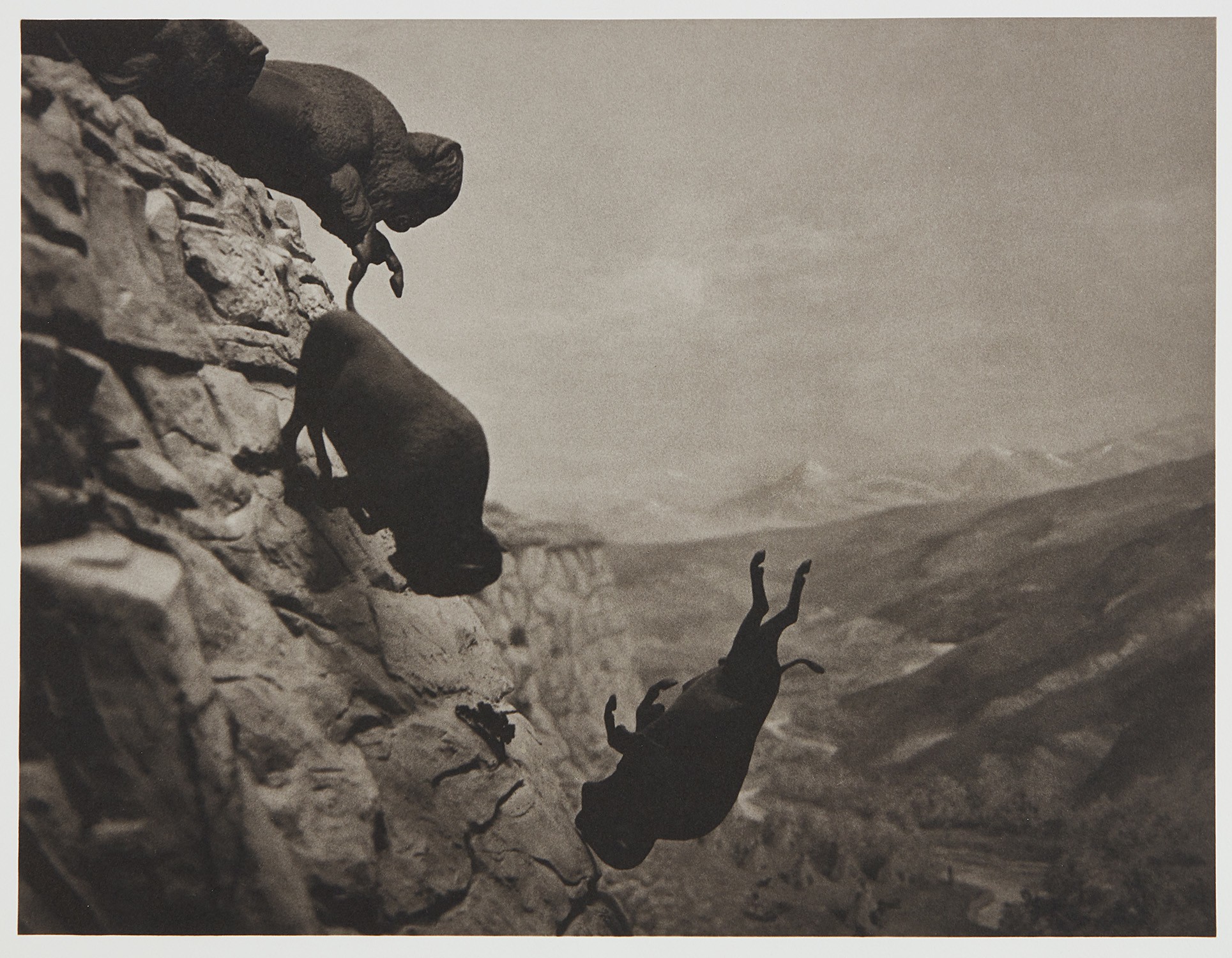
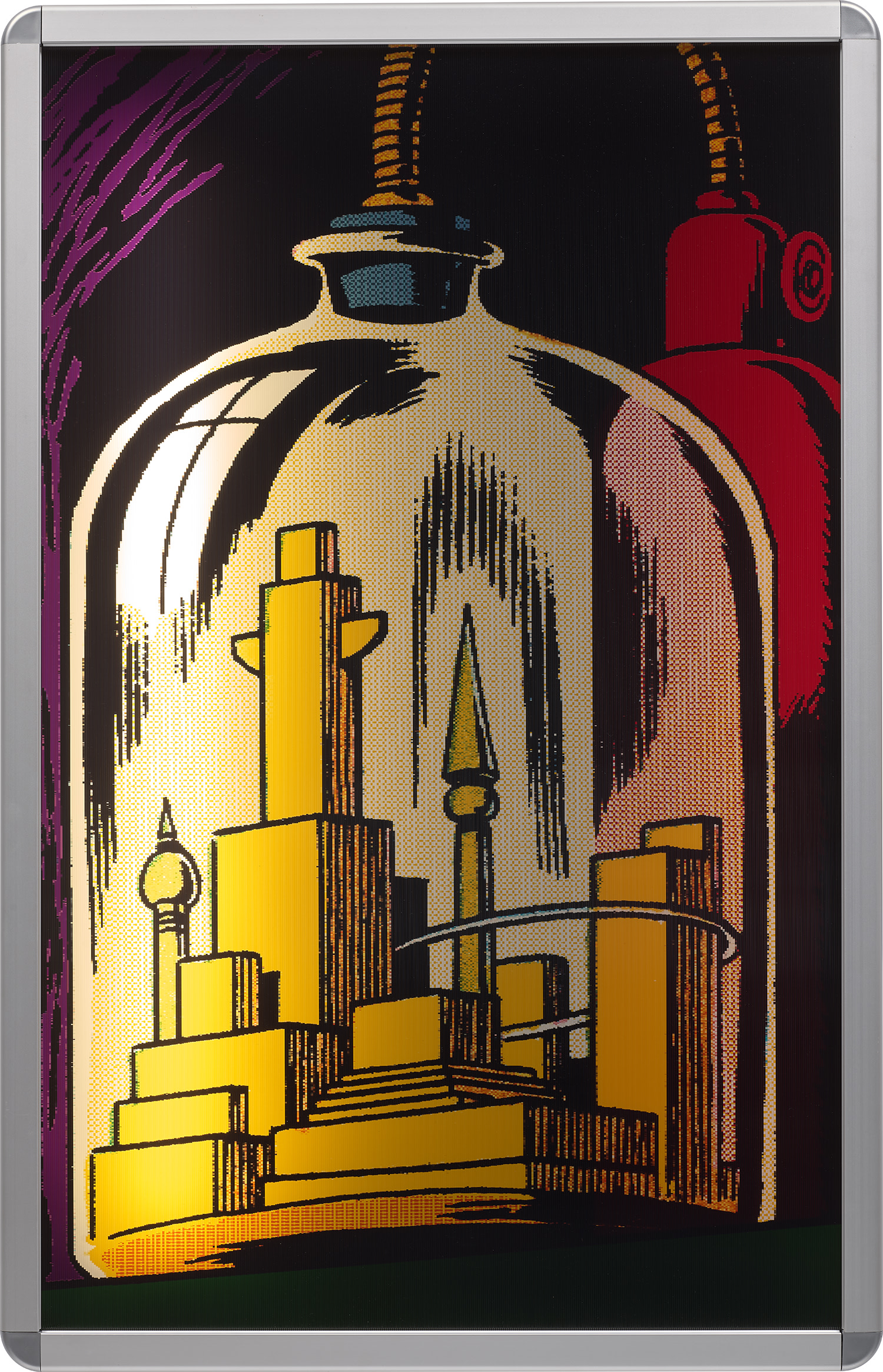
Mike Kelley, approaching raw emotion from an entirely different angle, excavated childhood, abjection, and repressed memory through objects and installation, finding the traumatic undersides of the ordinary with a dark precision that has influenced generations of artists working after him. The techniques that define this territory are worth pausing on because they are neither accidental nor merely expressive. Speed of execution matters enormously. When Dumas works rapidly in ink and watercolor, the resulting marks preserve the physical fact of urgency.
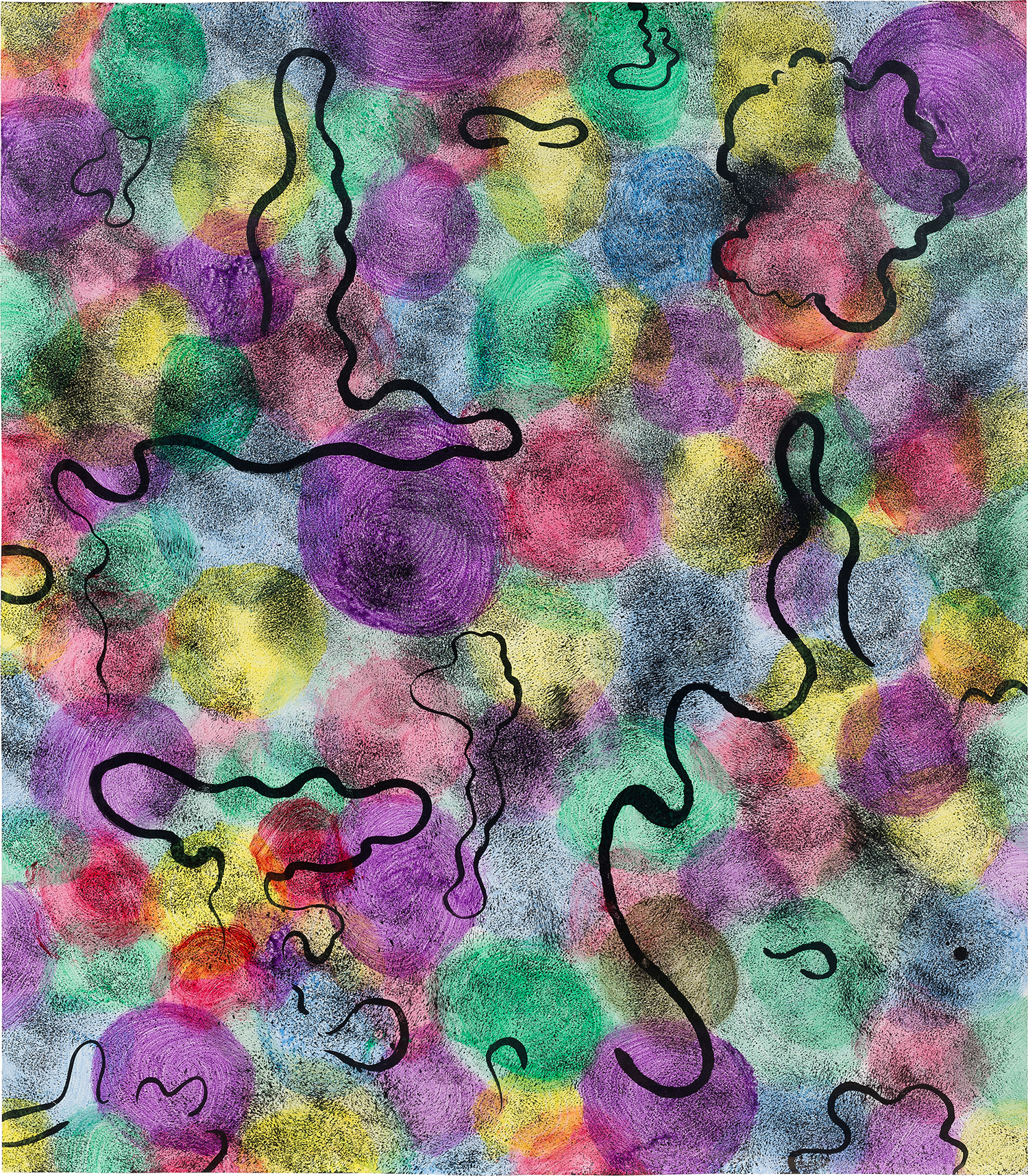
Mike Kelley
Unwashed Abstraction Nr. 2, 1988
When Emin uses stitching or handwriting, the labor becomes part of the emotional register, repetition as a form of reckoning. Baselitz scraping and inverting, Cahn drawing with a kind of fearful haste, Fetting building surfaces with a builder's bluntness: these are all choices that leave evidence of a human body making decisions under pressure. The material record of the process is inseparable from the meaning. The cultural influence of this mode of working has been vast and continues to deepen rather than diminish.
In an era saturated with image content that is optimized, filtered, and algorithmically smoothed, work that shows its scars carries a particular kind of authority. Younger artists like Cecily Brown, Hernan Bas, and Tuymans in his earlier period have all drawn from this tradition while pushing it into new formal territory. The art market has come to recognize that raw emotional work tends to hold its power over time in ways that more decorative or conceptually clever work sometimes does not. Collectors who have lived with a Dumas or a Wojnarowicz for years consistently report that the work does not settle or become familiar in the way other paintings do.
It keeps asking something of you. What The Collection offers in this category is a chance to engage with a lineage that runs from the great German Expressionists through the convulsions of the late twentieth century and into the present. The works gathered here by Baselitz, Emin, Cahn, Wojnarowicz, Dumas, Kelley, Schnabel, and Fetting are not decorative propositions. They are invitations to a more demanding kind of looking, the kind that asks you to bring your own unresolved material to the encounter.
That is, in the end, what the most serious art has always done. It does not resolve feeling. It amplifies it, holds it still long enough to examine, and sends you back into your life slightly altered.