Queer Artist
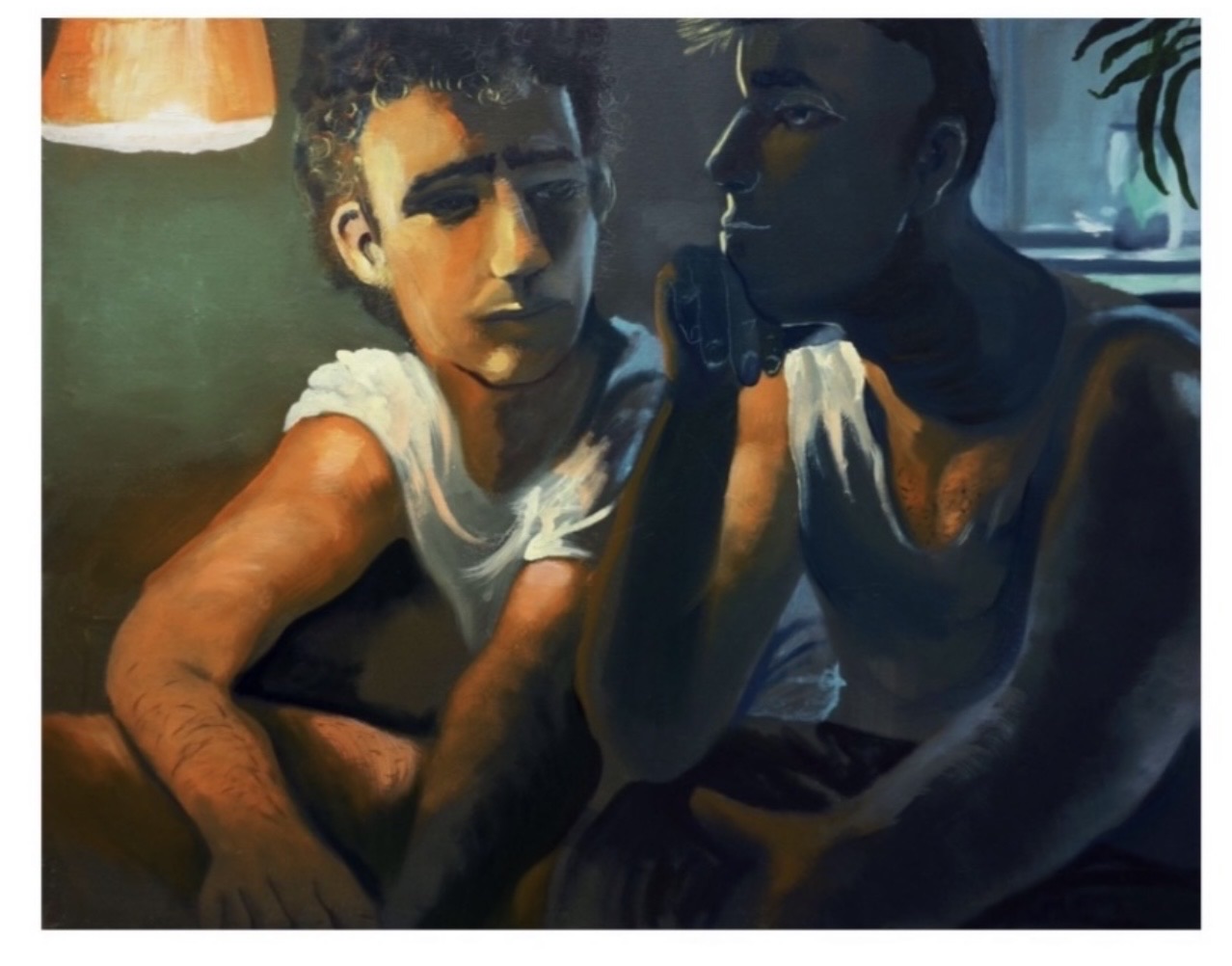
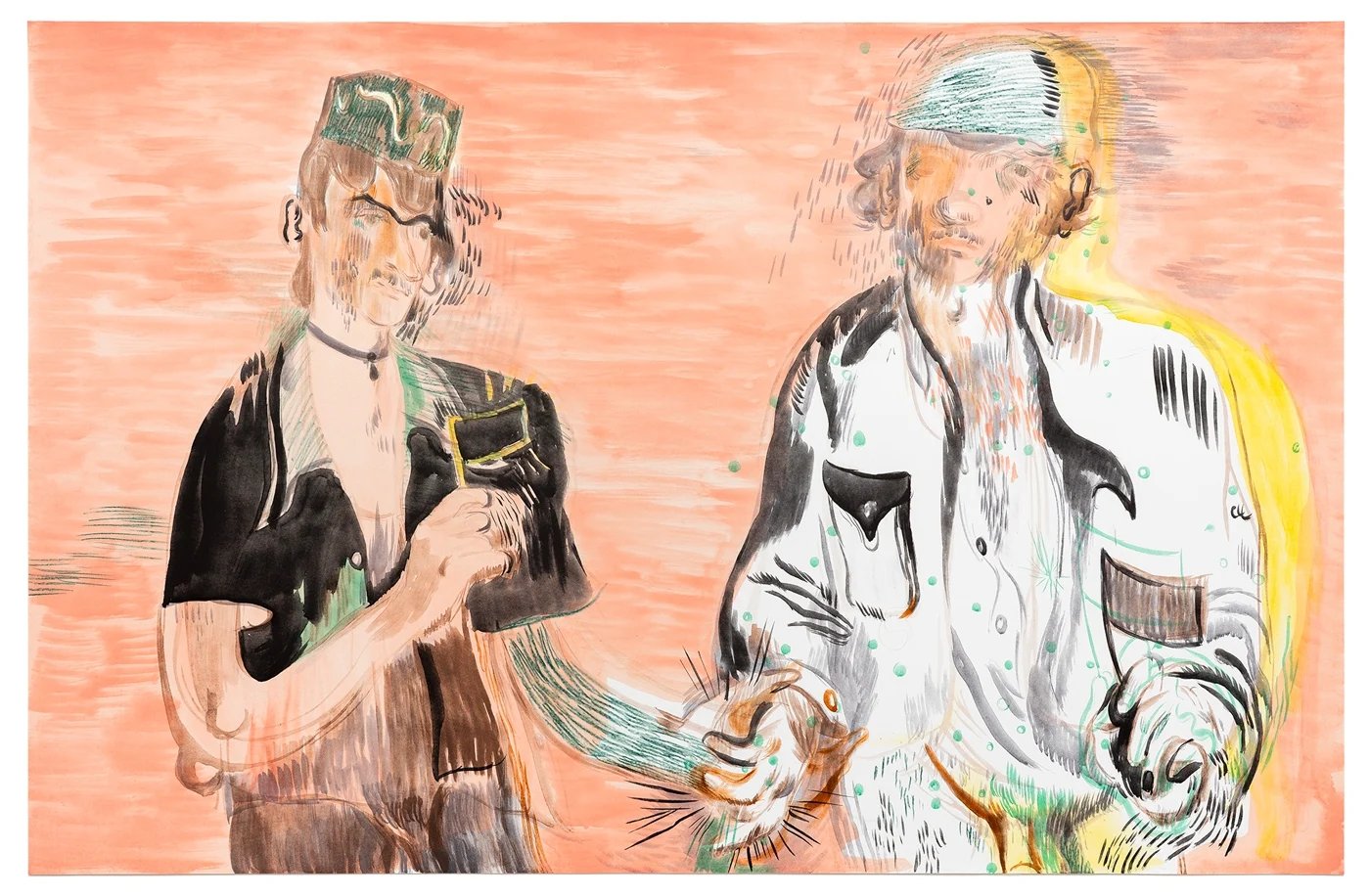
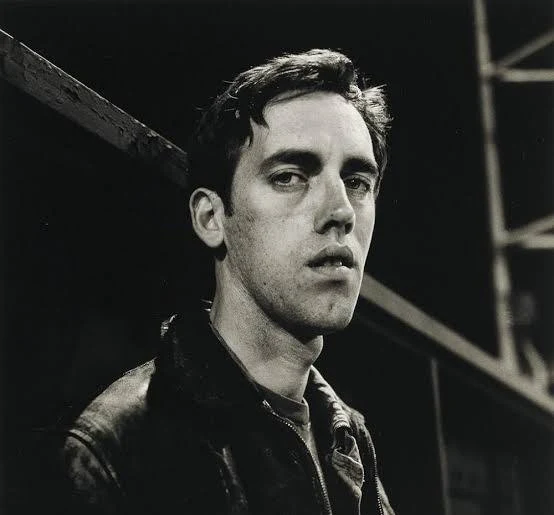
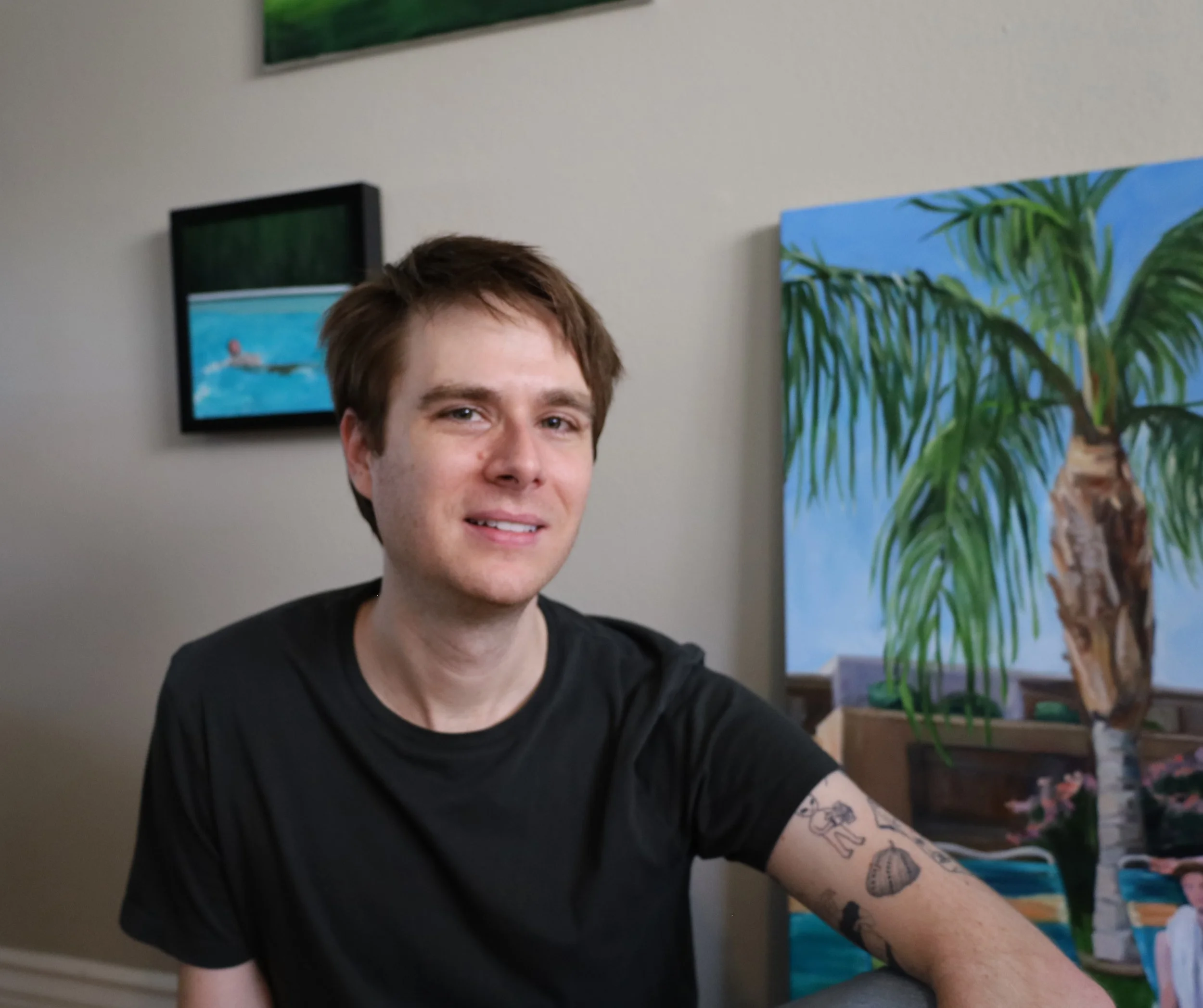
Jean Paul Mallozzi
Lessons In Mindreading, 2024
The Body, Reclaimed: Queer Art's Radical Inheritance
There is a particular kind of urgency that runs through queer art, a quality that is difficult to name but immediately felt. It is not simply political content or transgressive imagery, though both have their place. It is something closer to necessity, the sense that these works exist because they had to, because the alternative was invisibility, and invisibility, for queer artists across the twentieth century and into the twenty first, was never a neutral condition. To look seriously at queer art is to understand that aesthetics and survival have never been entirely separate conversations.
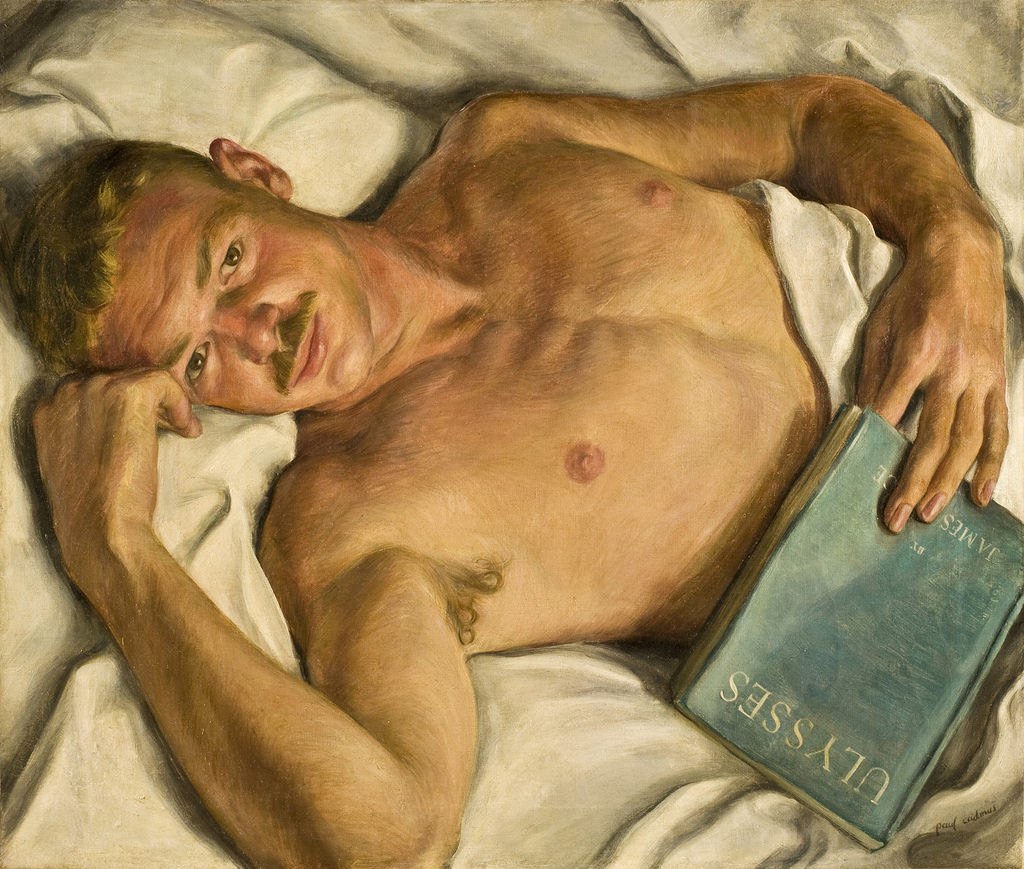
The roots of a self conscious queer visual tradition reach back further than the culture wars of the 1980s and 1990s would suggest. Paul Cadmus, whose work is represented on The Collection, was already provoking American audiences in 1934 when the Navy demanded the removal of his painting The Fleet's In from a Washington exhibition, offended by its frank depiction of sailors in states of louche, ambiguous intimacy. Cadmus painted desire as something insistent and ordinary, embedded in everyday social life. He was working in a realist idiom that owed something to the Old Masters, and that choice was itself a kind of argument: queer experience deserved the full weight of the tradition, not merely the margins of bohemian illustration.
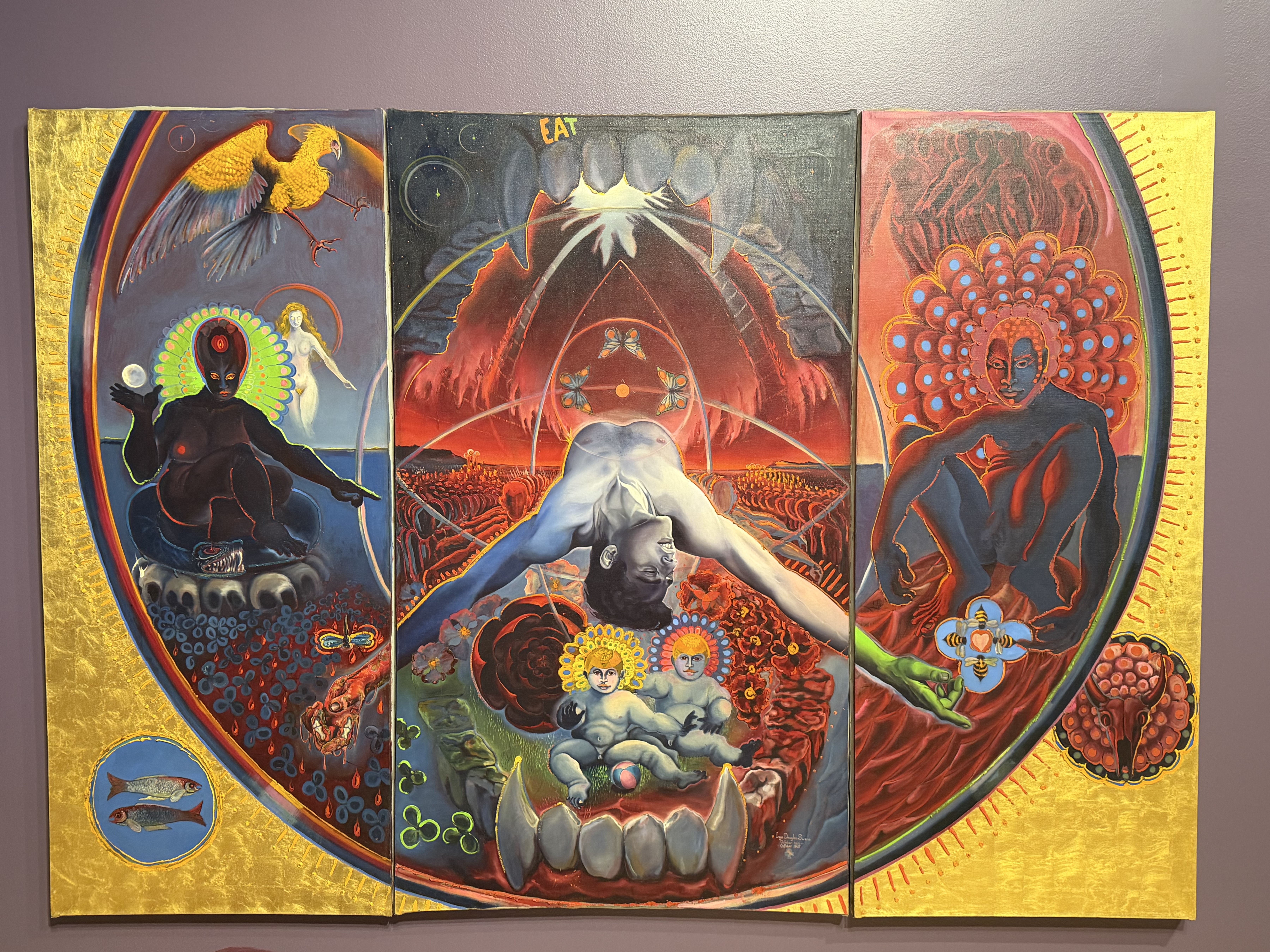
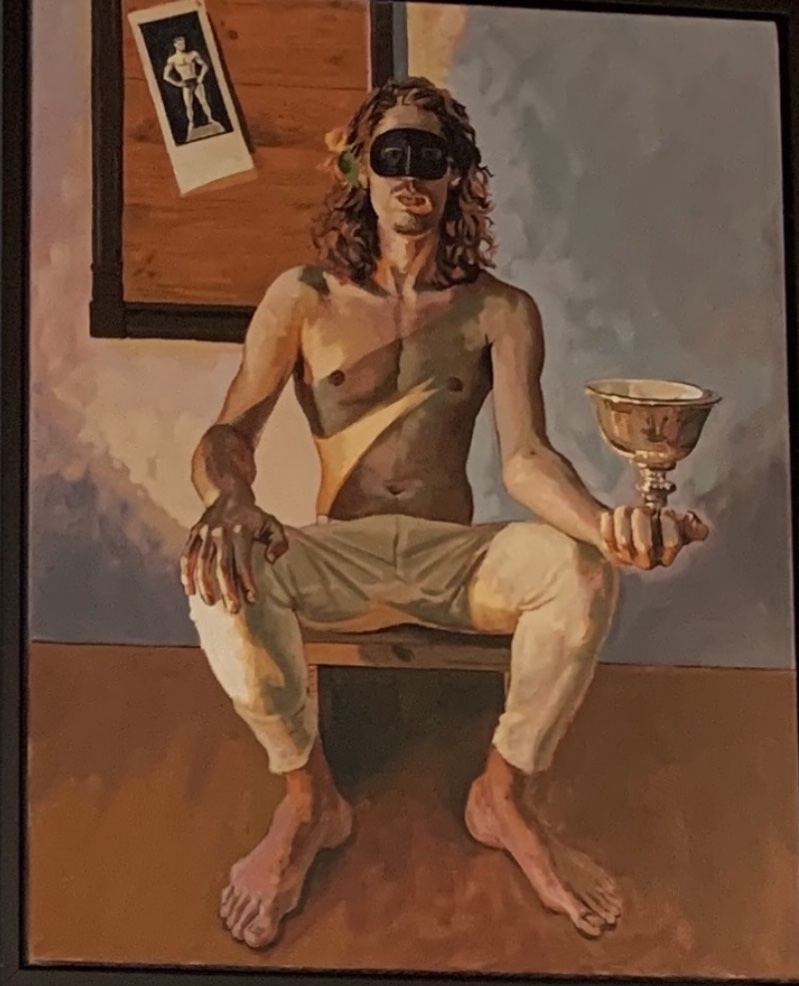
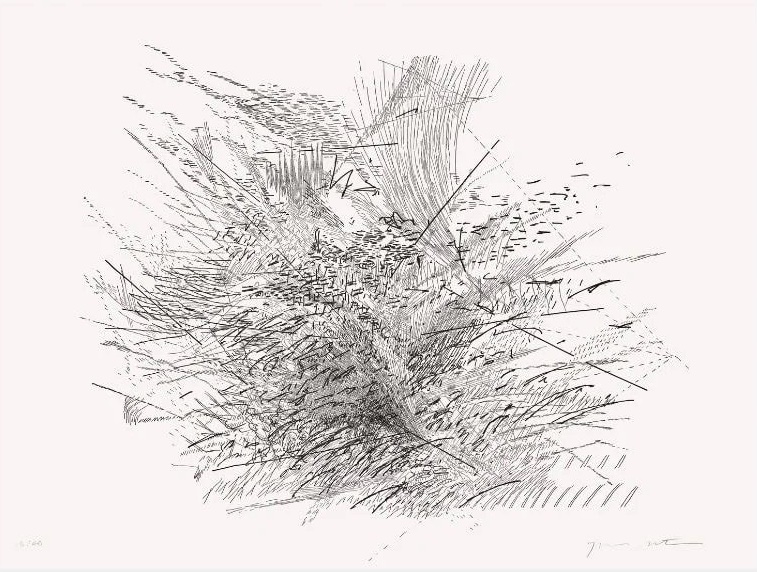
Ingo Swann
Rebirth Requiem, 1964
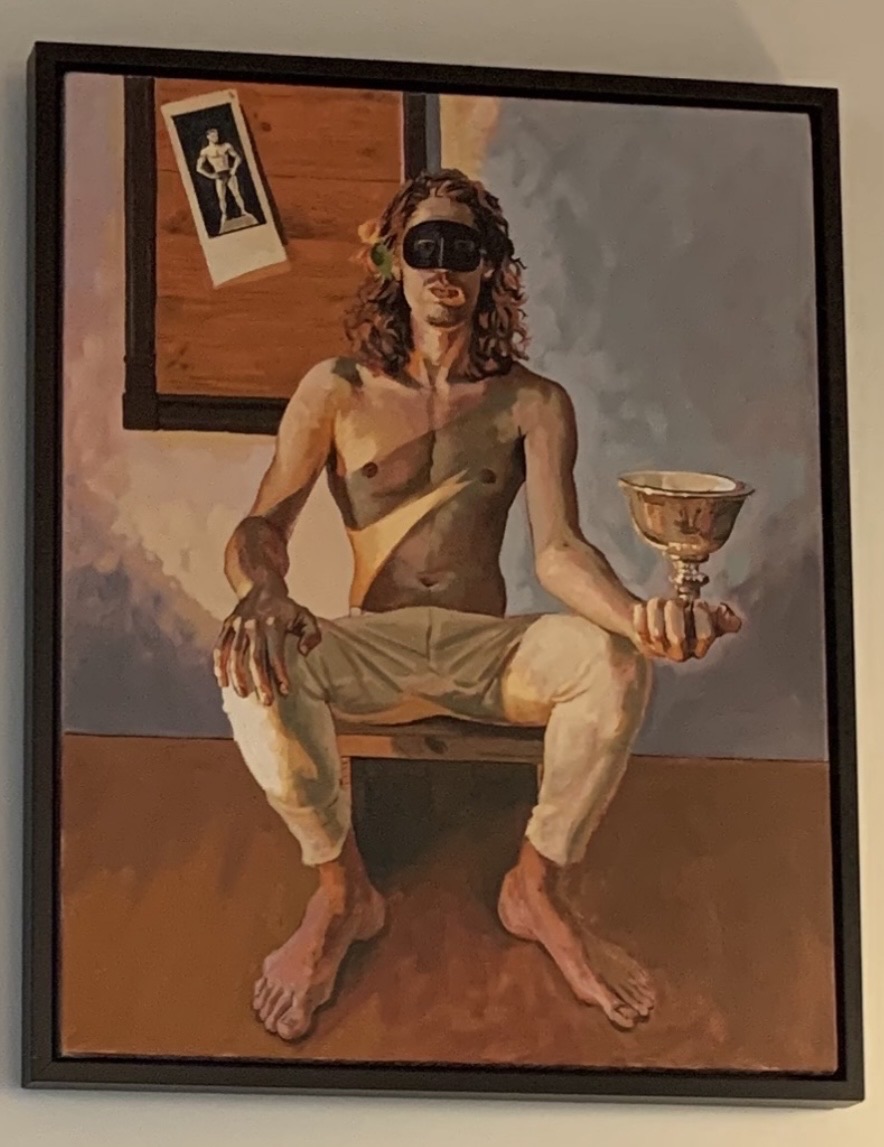
The postwar decades brought both greater repression and the underground networks through which queer culture survived and transformed. The Mattachine Society was founded in Los Angeles in 1950, and the cultural conversations it and similar organizations enabled helped create audiences for work that otherwise had no institutional home. Artists found strategies of encoding and indirection, but also, in the right contexts, remarkable directness. Ingo Swann, a figure who defies easy categorization and whose work appears on The Collection, moved through New York's downtown scene with a practice that blurred psychic inquiry and intimate figuration, producing paintings that register as deeply personal documents of a life lived against the grain of consensus reality.
The AIDS crisis shattered and remade everything. The period from roughly 1981 through the mid 1990s produced some of the most politically charged and aesthetically inventive art of the twentieth century, much of it created under conditions of grief and rage that are difficult to fully comprehend from a distance. David Wojnarowicz, represented here on The Collection, became one of the defining voices of that moment. His practice crossed painting, photography, writing, and film, and his work carried an anger that was always inseparable from tenderness.
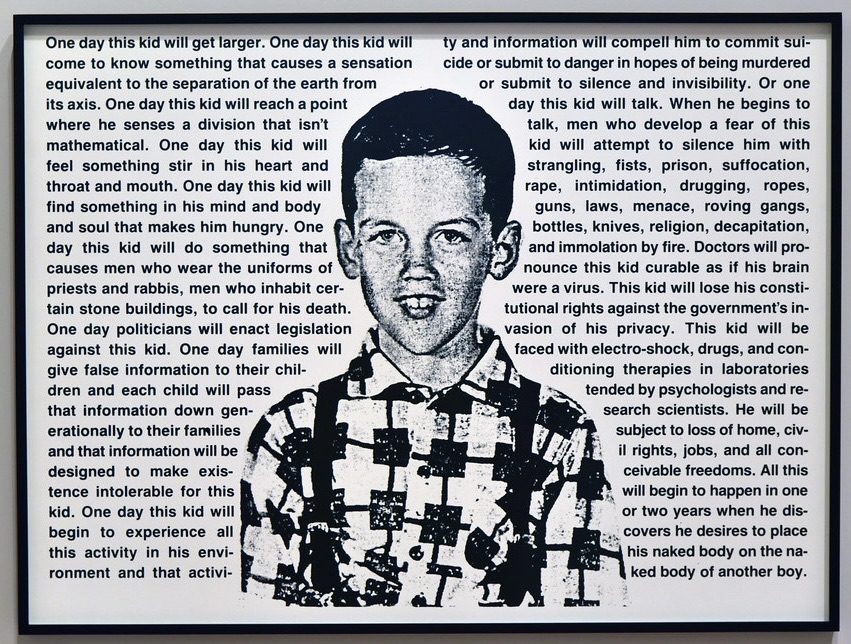
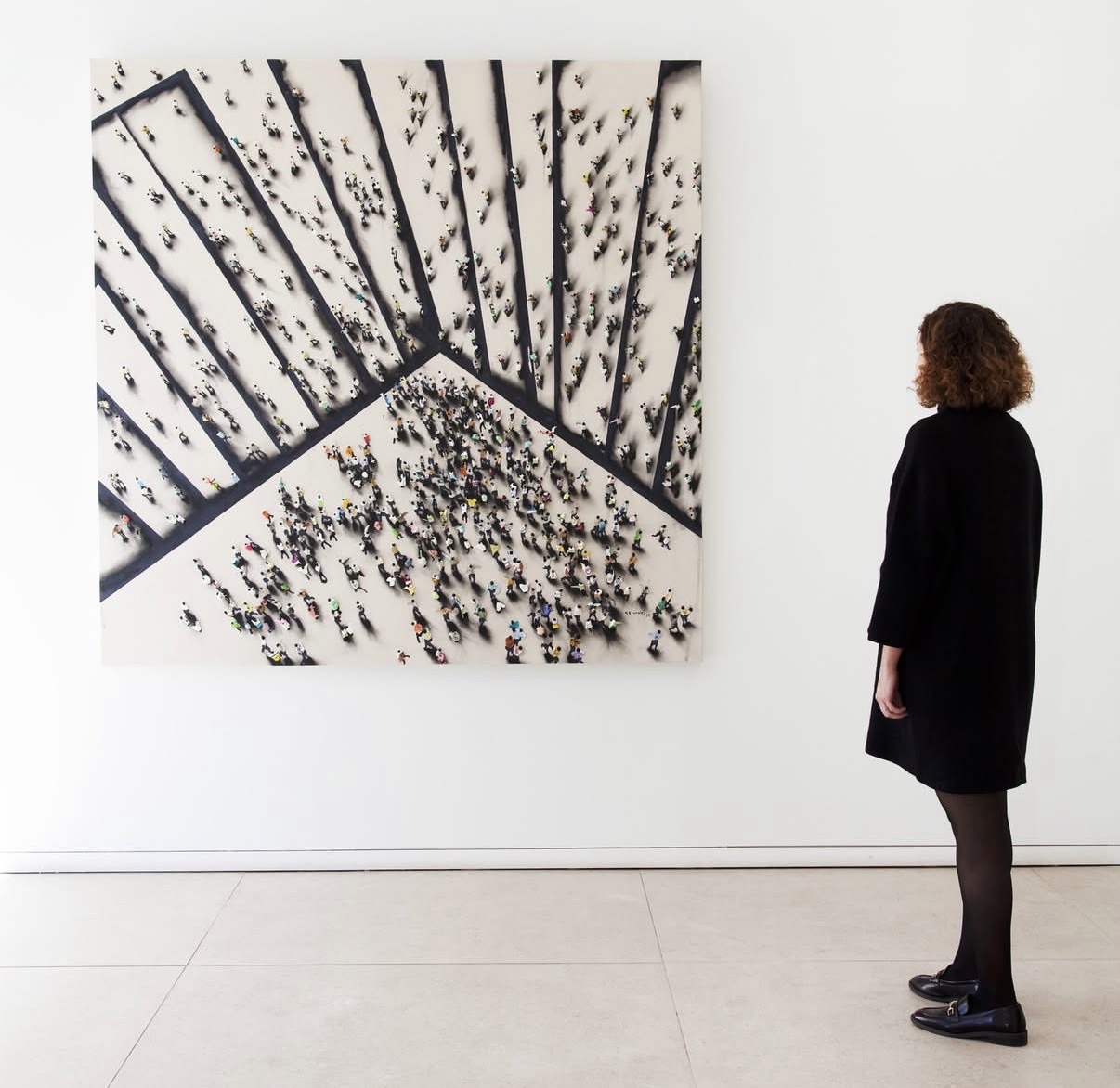
David Wojnarowicz
Untitled (One Day This Kid...), 1990
His 1992 death at 37 cut short one of the most important artistic voices of his generation, and his work has only grown in stature since, recognized now as essential American art regardless of any qualifying adjective. Out of the same crucible came artists and collectives who understood that visibility itself was a form of action. ACT UP's graphic work, largely produced between 1987 and the mid 1990s, demonstrated that design and art could be instruments of survival. The 1993 Whitney Biennial became a flashpoint for debates about identity politics and institutional responsibility in ways that still echo in curatorial conversations today.
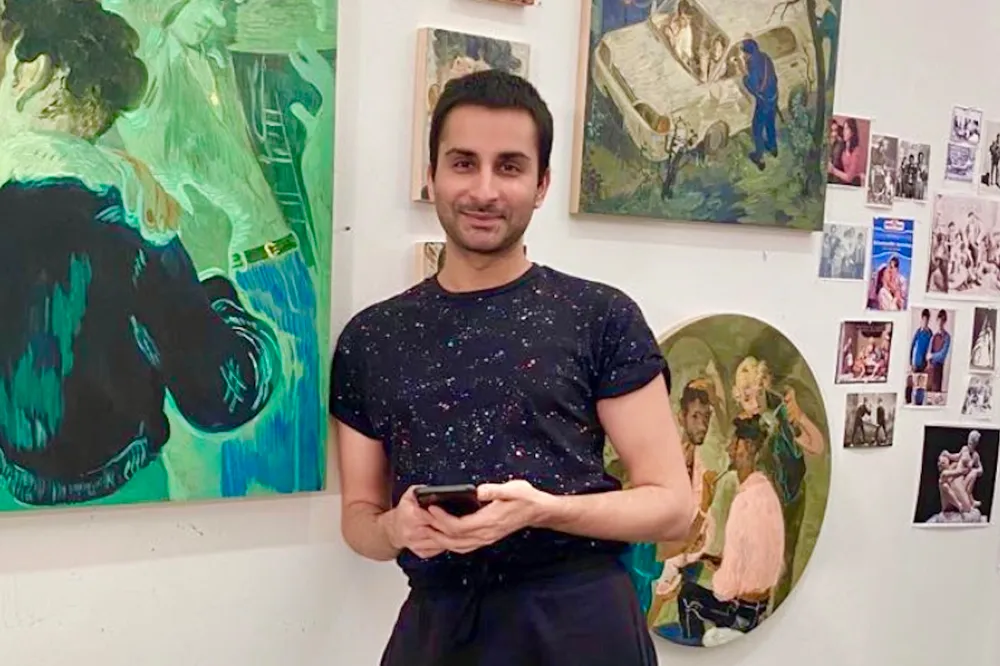
What was sometimes dismissed as advocacy art in that period is now understood as a signal moment in the broadening of what American art could be about and who it was permitted to address. The generation that came of age in the 1990s and 2000s inherited this urgency but carried it into new formal territory. Salman Toor, whose luminous interiors appear on The Collection, builds intimate domestic worlds populated by queer brown men navigating the complicated space between private warmth and public exposure. His paintings have the quality of scenes glimpsed rather than staged, and they position queer South Asian experience within a tradition of figurative painting that stretches from Vuillard to Hockney while remaining entirely his own.
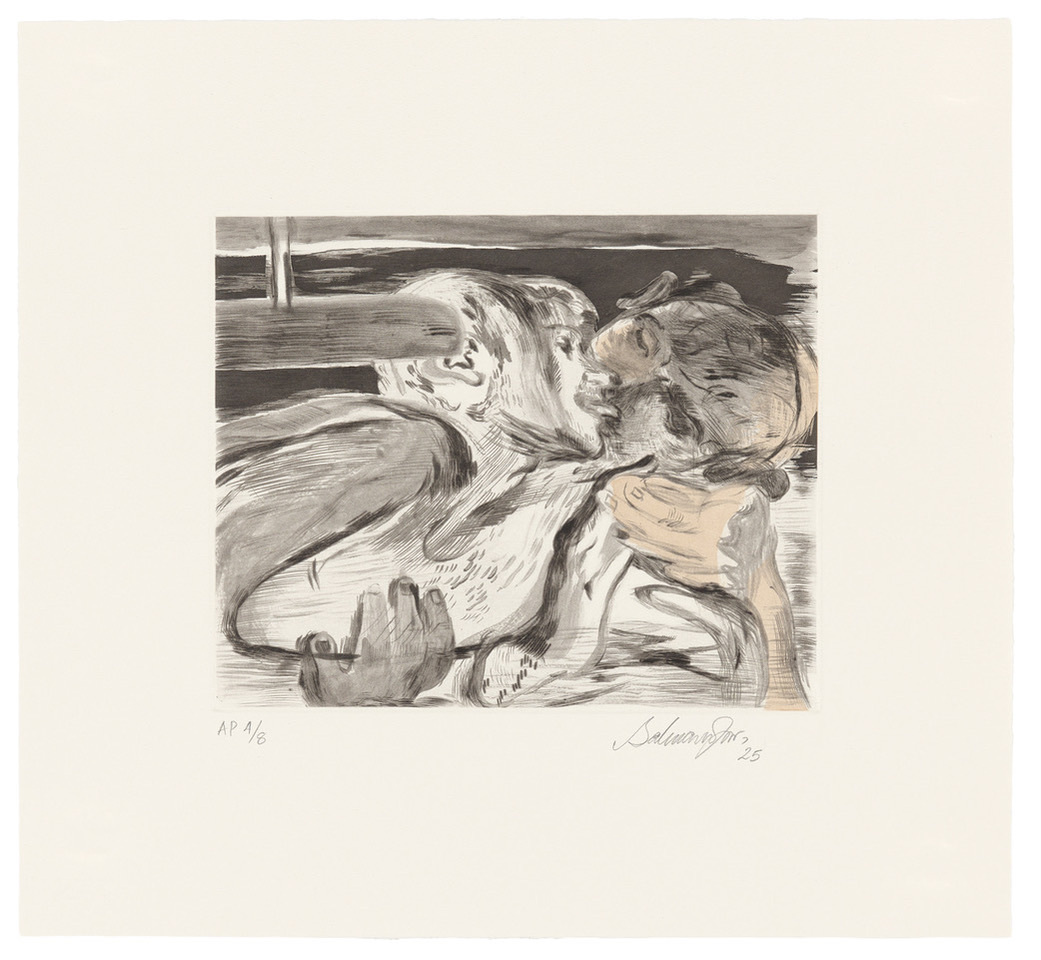
Salman Toor
Backseat, 2025
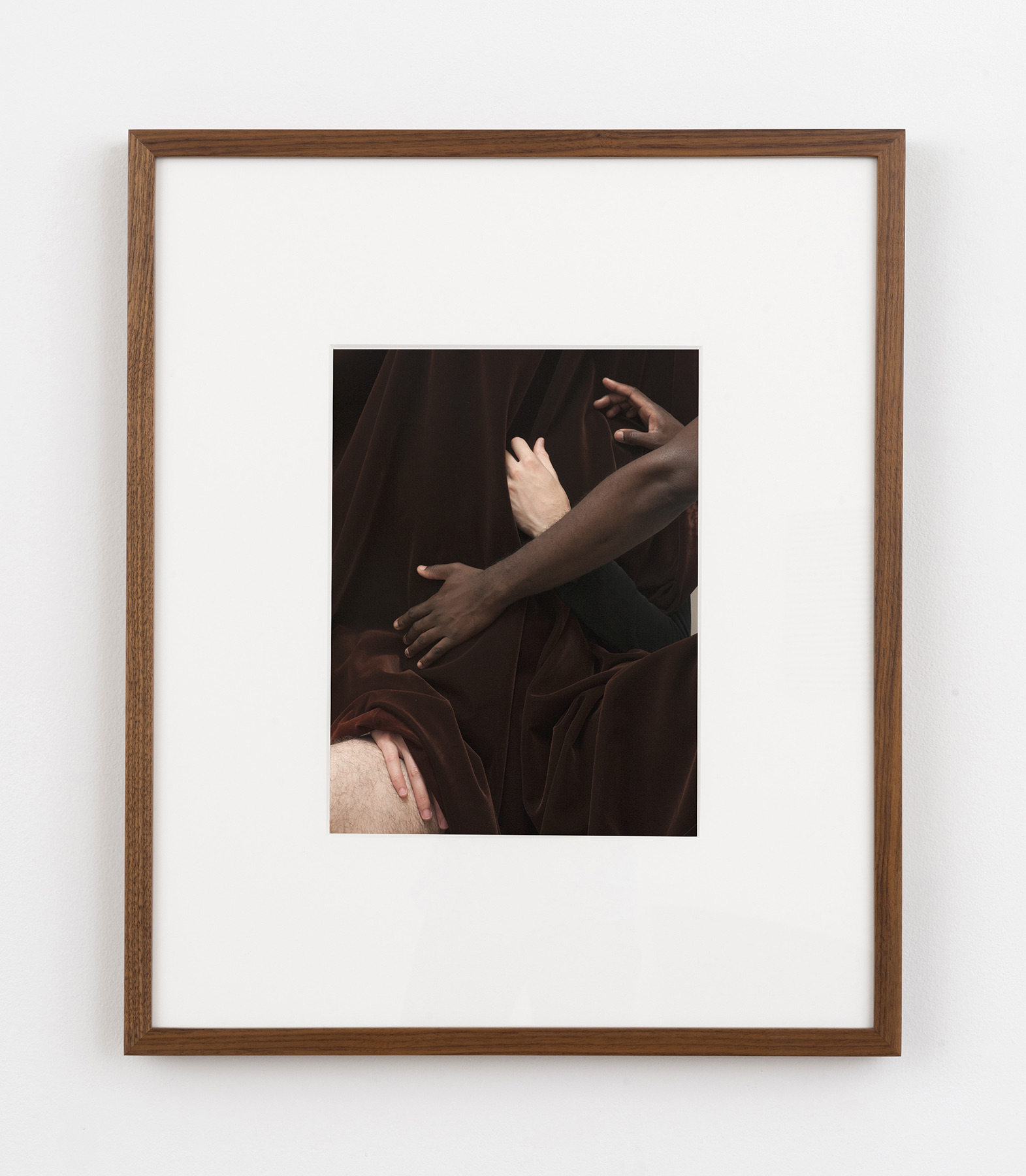
Louis Fratino works in a similarly intimate register, his figures tangled and tender, evoking a lineage that runs through Bonnard and Cézanne and arrives somewhere genuinely contemporary. Paul Mpagi Sepuya brings photography into conversation with queer phenomenology, using the studio and the mirror as spaces of collaborative self construction. His work, included on The Collection, interrogates who looks, who is seen, and how the apparatus of image making participates in the construction of queer identity. It is a practice deeply aware of its own mechanisms, and that self awareness is part of what makes it so compelling.
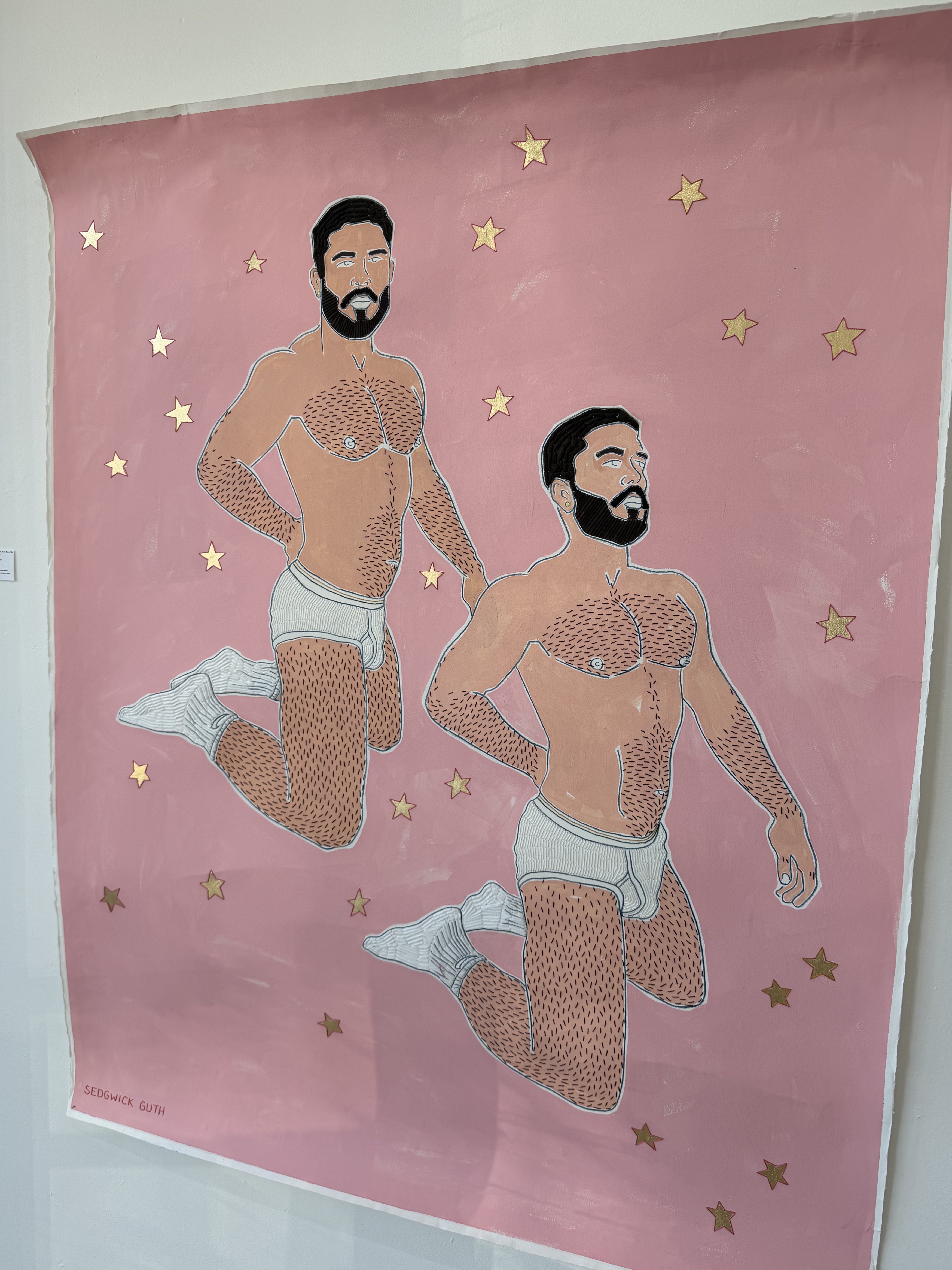
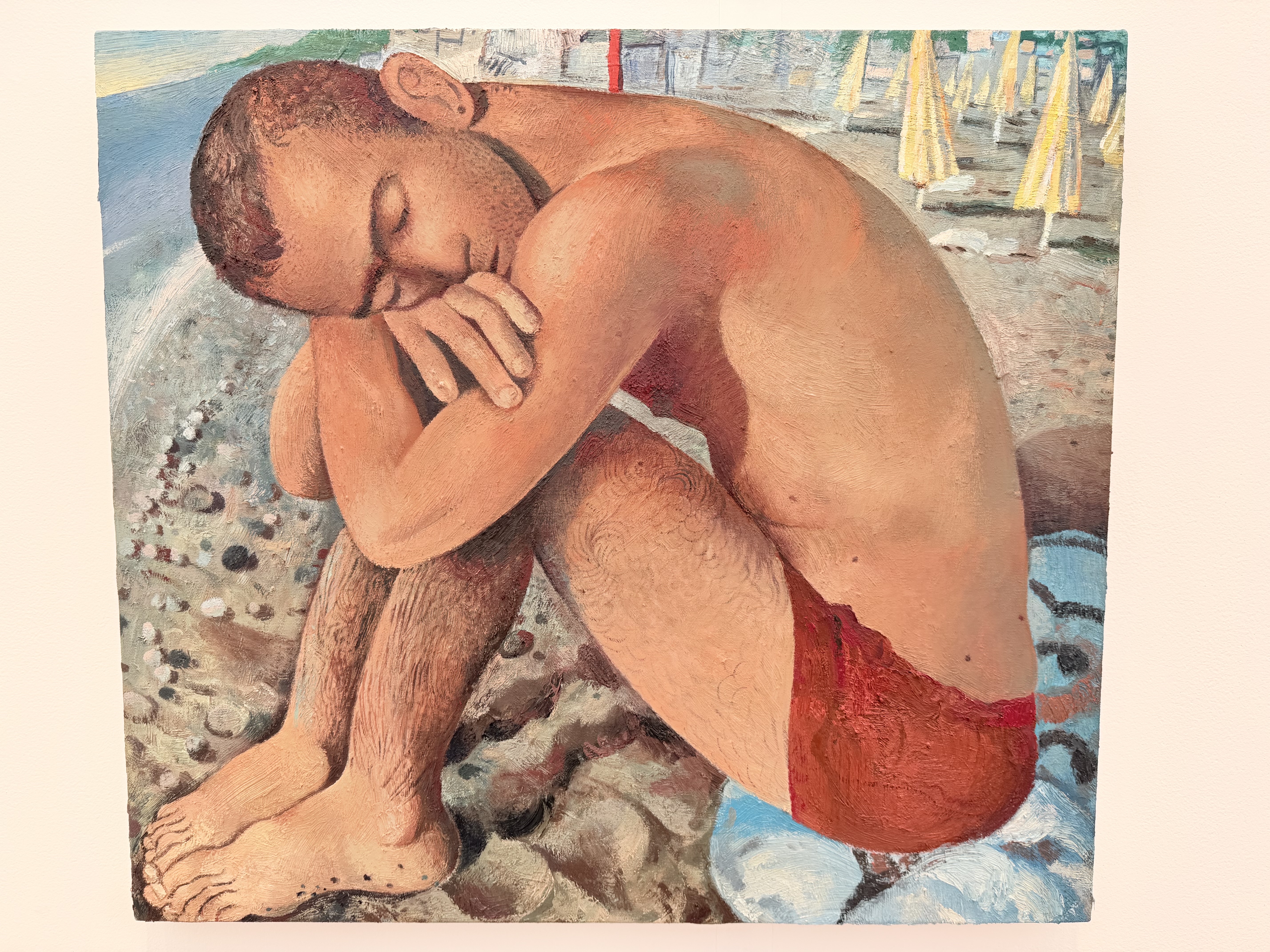
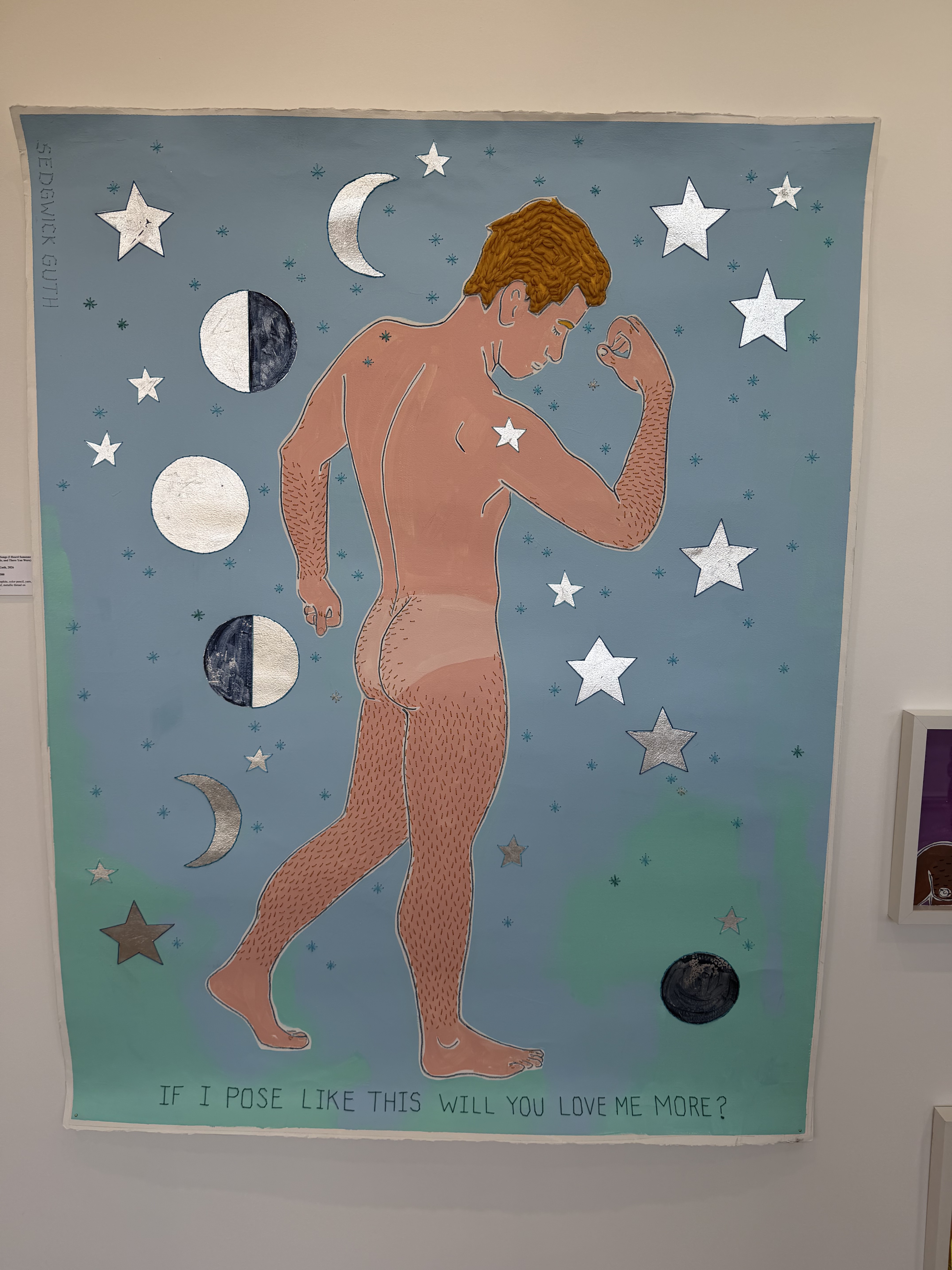
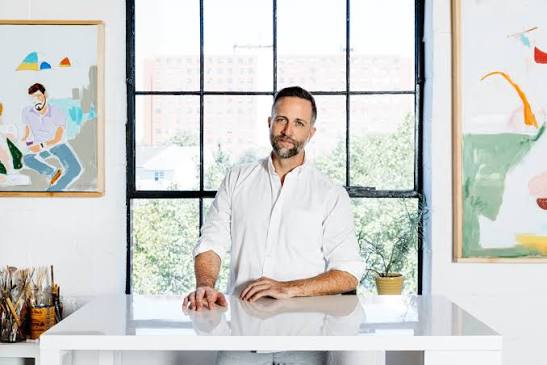
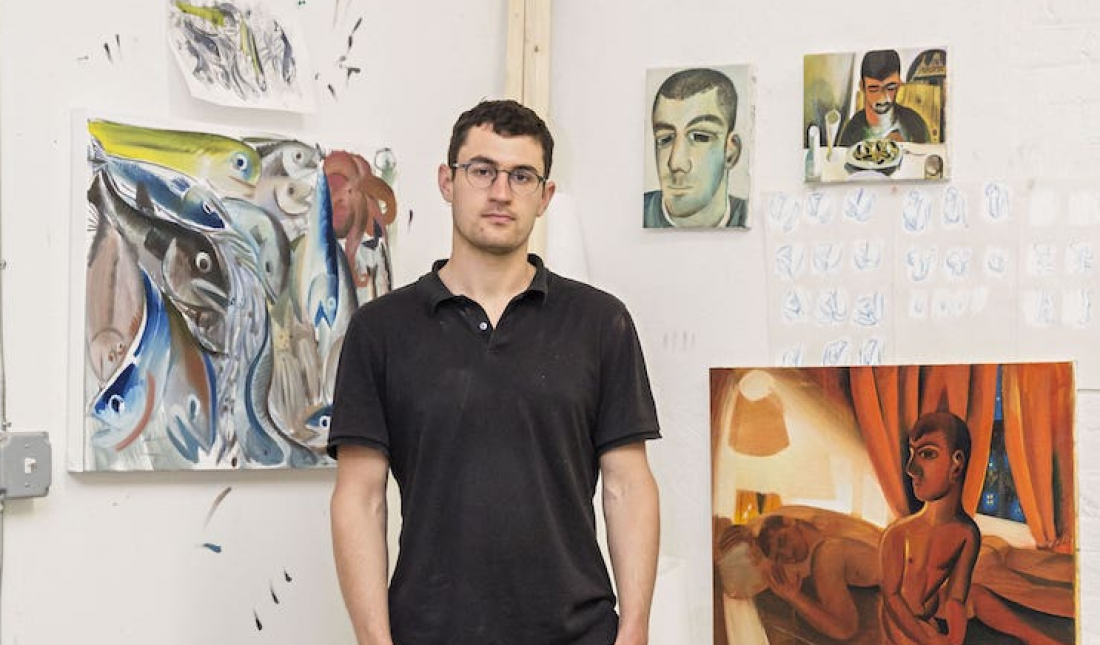
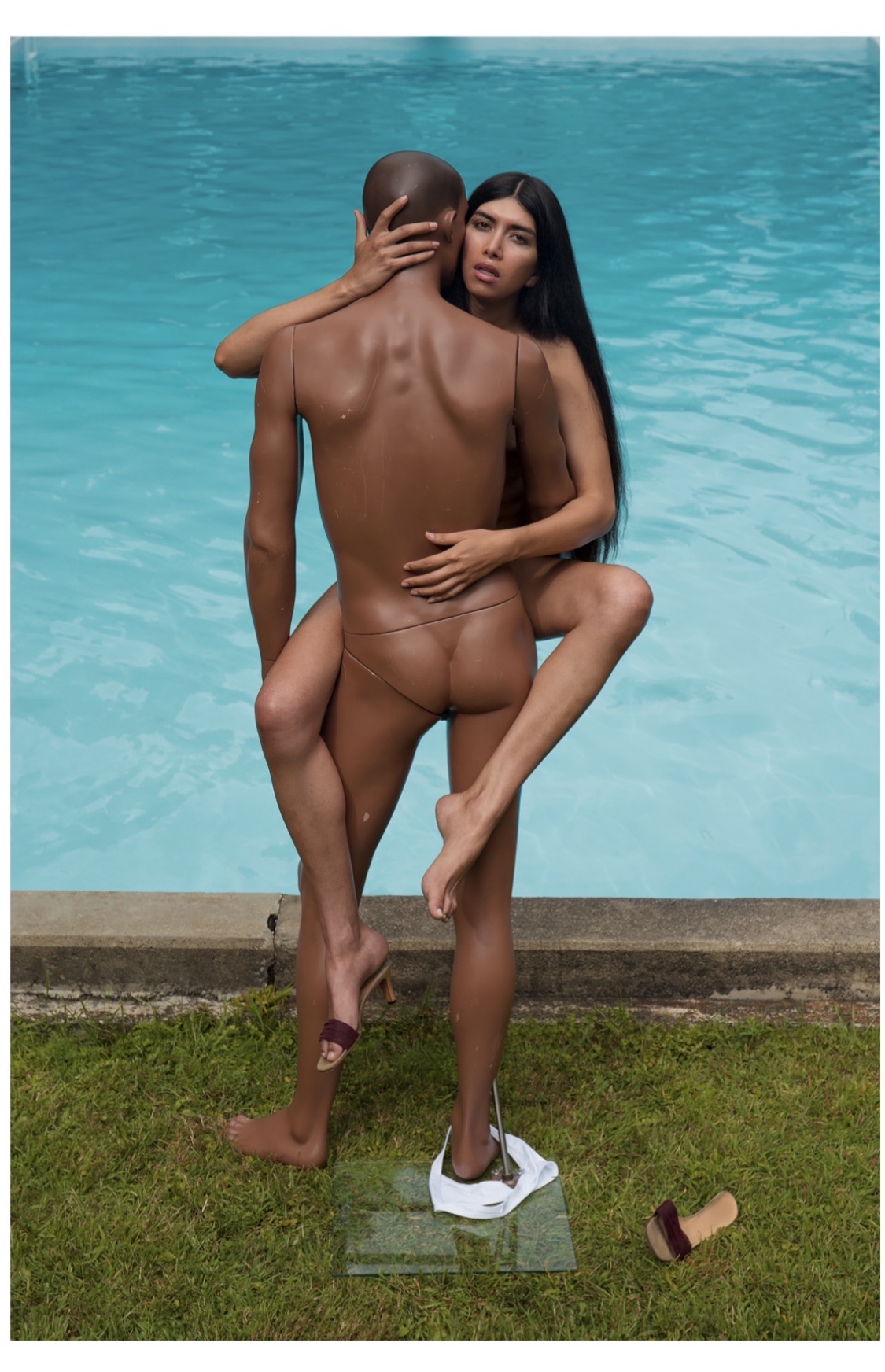
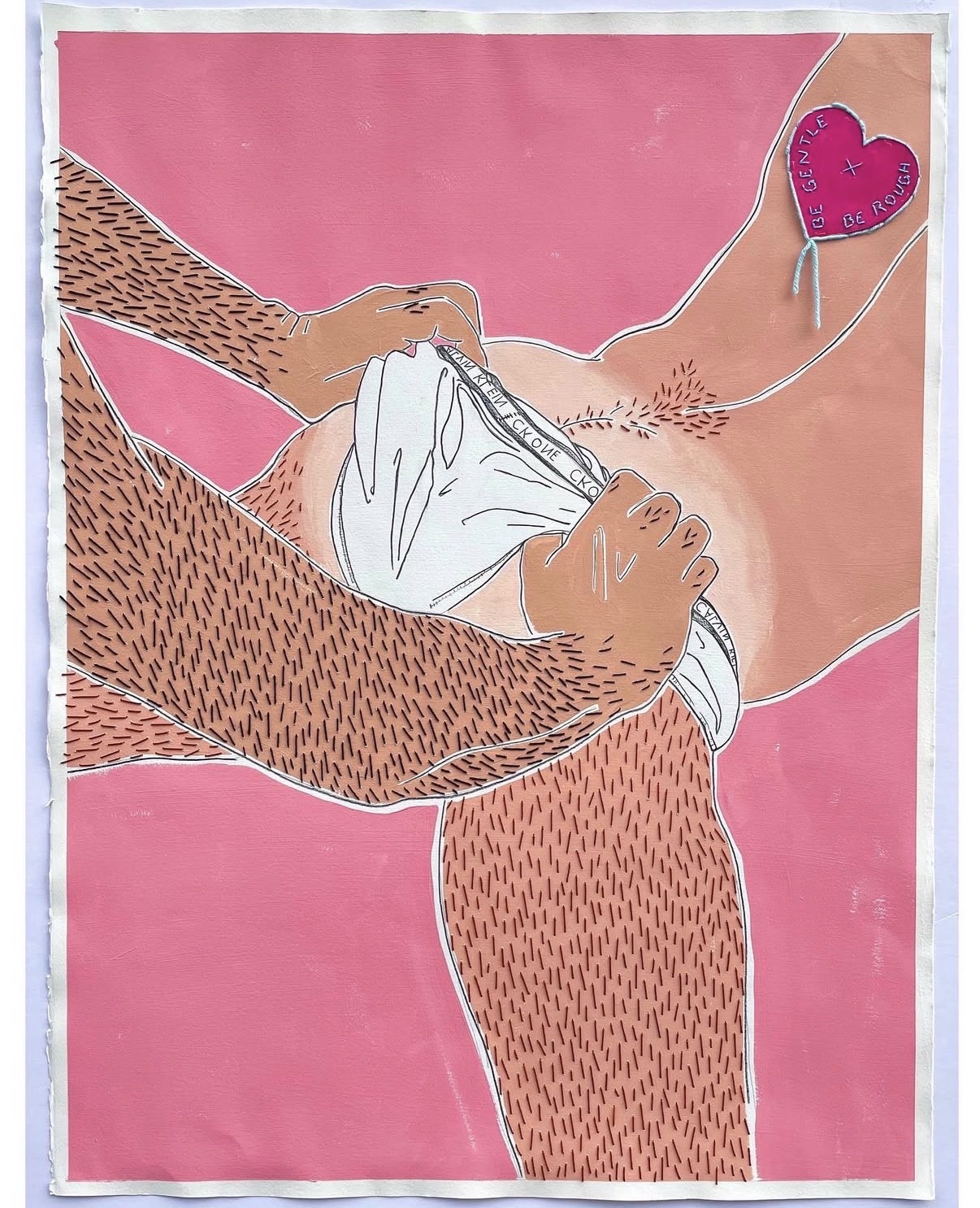
Martine Gutierrez, also represented here, extends these questions into the realm of trans visibility and self authorship, producing images of staggering control and beauty that insist on the right to define one's own image entirely. Sedgwick Guth and Jean Paul Mallozzi, both present on The Collection, contribute to the ongoing conversation about queer figuration from positions that feel at once grounded in art history and alert to the present moment. Christopher Sousa and Kory Alexander round out a roster that speaks to how varied and vital this field remains, encompassing different approaches to the body, to paint, to desire, and to the question of what intimacy looks like when represented with full artistic seriousness. What connects all of this work across its many forms and decades is a refusal to treat queer experience as supplementary, as a footnote to some larger, more universal story.
Sedgwick Guth
afternoon sonnet (be gentle, be rough), 2021
The artists in this tradition have insisted, in paint and photography and collage and performance, that their inner lives are the subject, fully human and fully sufficient. The broader art world has come, slowly and sometimes reluctantly, to understand that queer art was never a subcategory. It was always one of the places where the most honest work was being made.