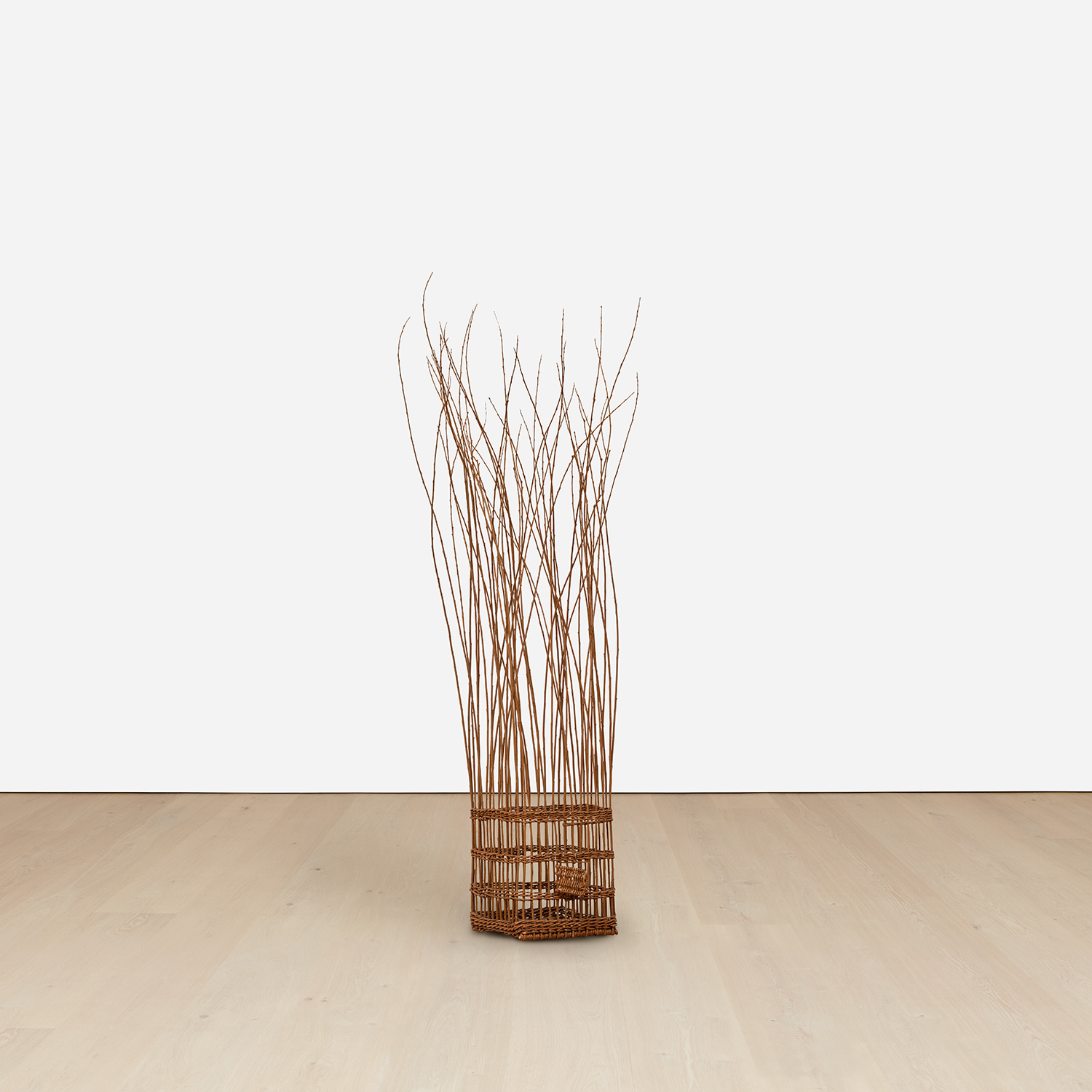
Quadriptych
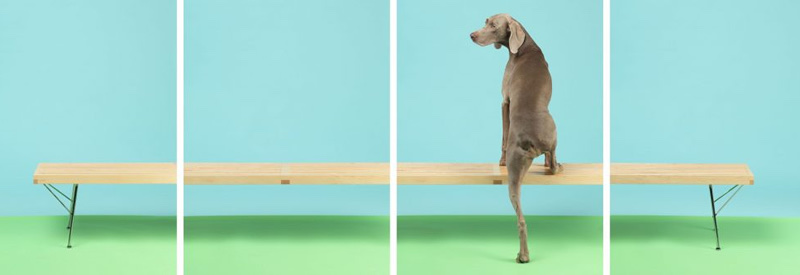
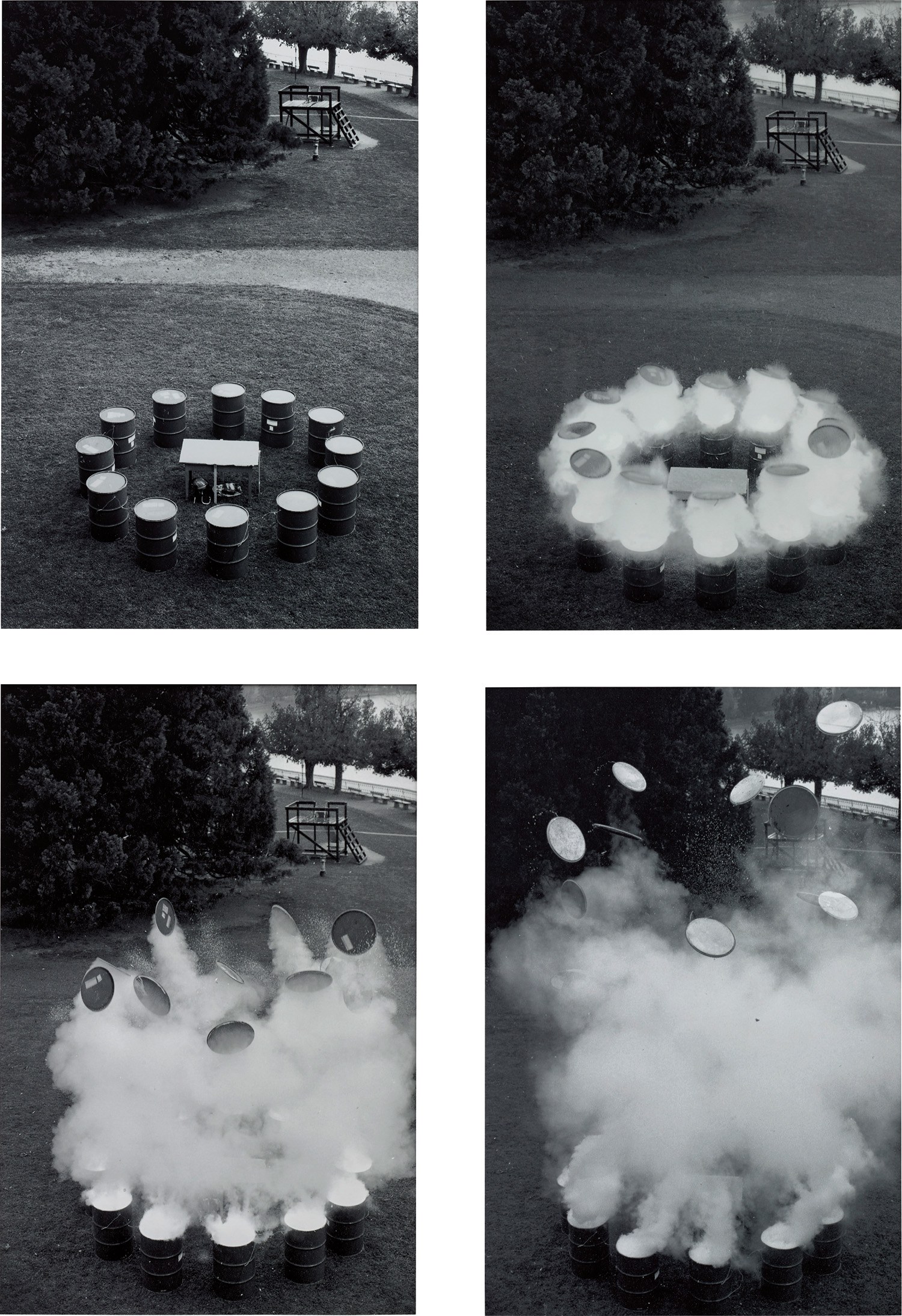
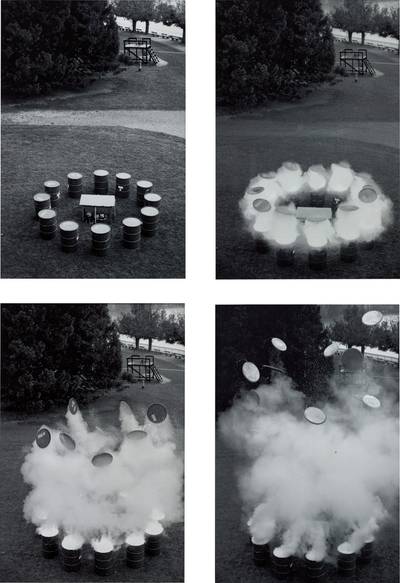
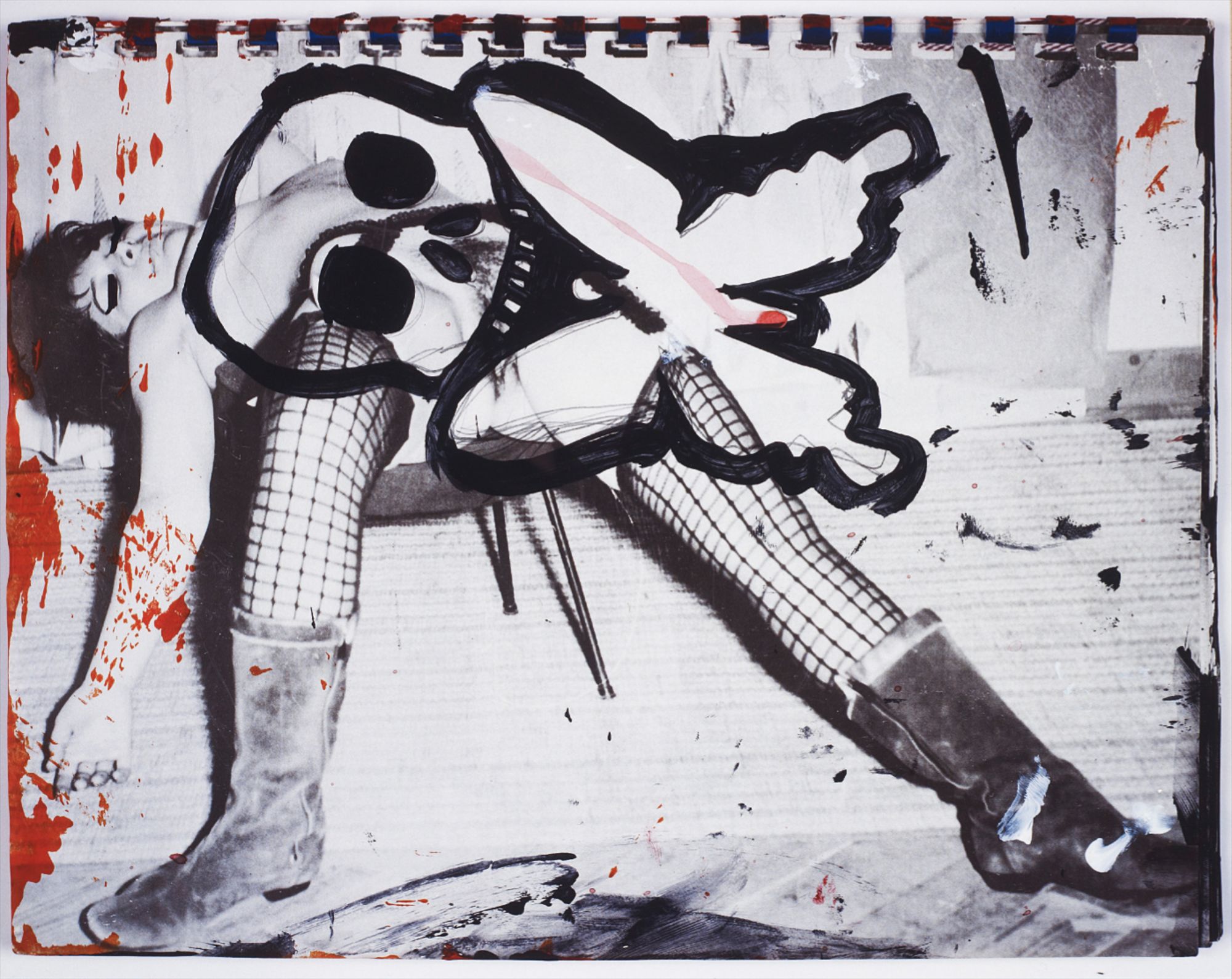
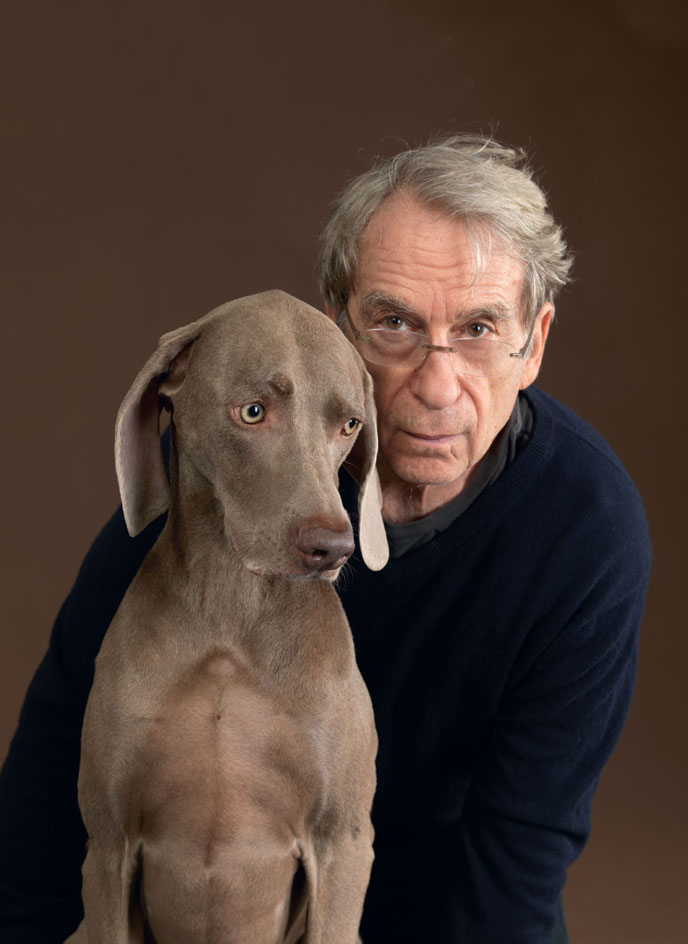
William Wegman
On Up (Set of 4), 2015
Four Panels, Infinite Meaning: The AI Quadriptych
There is something ancient about the impulse to divide a visual narrative into four. Long before algorithms and generative models entered the studio, artists understood that four panels could hold what one could not: contradiction, duration, the sense that meaning accrues through accumulation rather than declaration. The quadriptych, as a format, carries centuries of devotional weight. What happens when that weight is handed to a machine is one of the more genuinely interesting questions contemporary art is asking right now.
The triptych has the more celebrated art historical pedigree, rooted in altarpiece traditions stretching back through Flemish masters and Italian Renaissance workshops. But the quadriptych, with its insistence on an even number, resists the comfortable resolution of a central panel. Four is symmetrical but not simple. It invites comparison across diagonals, across rows, across the gap between what the eye expects and what it actually finds.
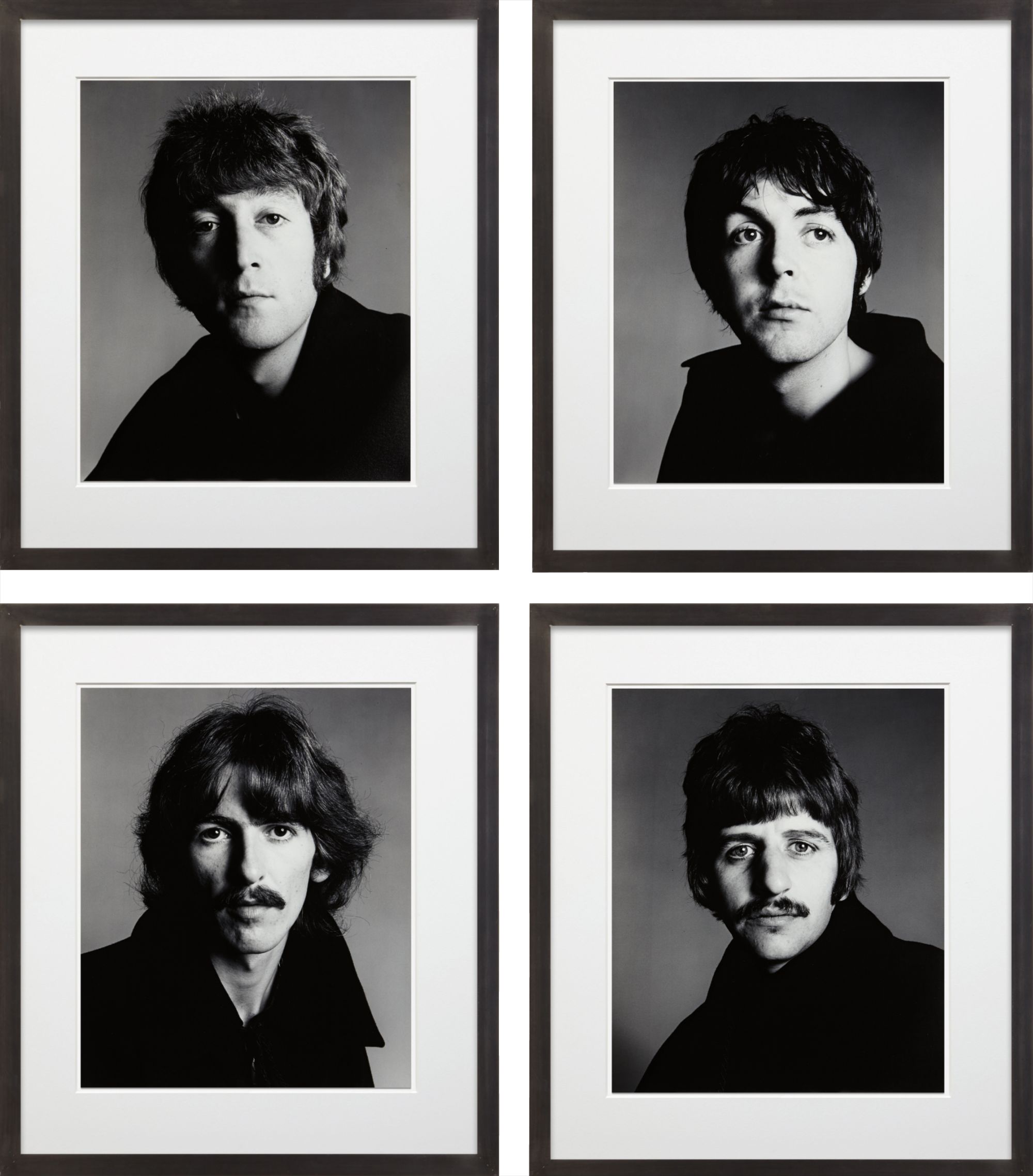
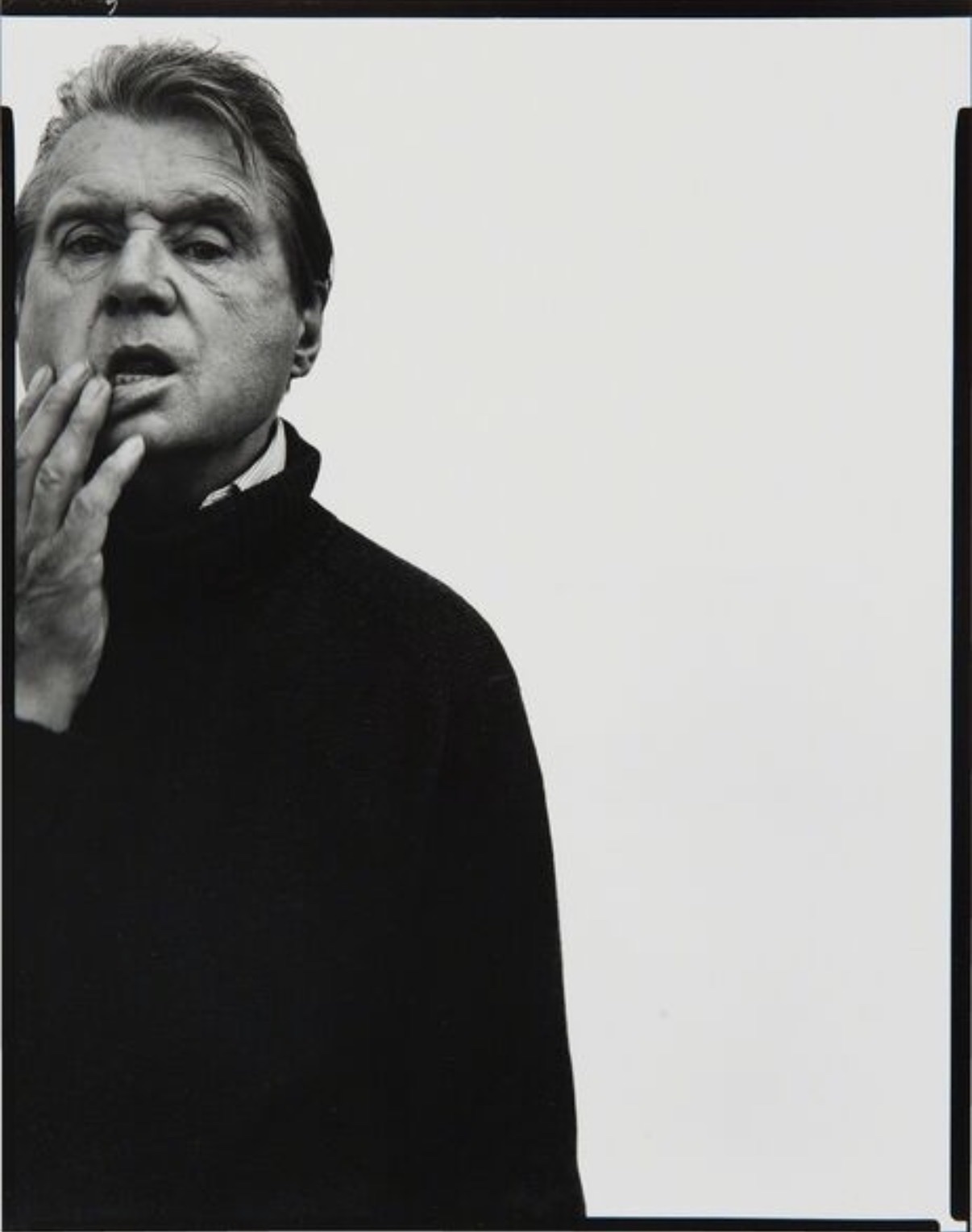
Richard Avedon
The Beatles, London, August 11
When early computer artists in the 1960s began producing serialized visual sequences, many gravitated toward grid structures that echoed this logic without necessarily naming it. The quadriptych, in its AI incarnation, is in some ways the direct descendant of that computational seriality. The origins of AI art as a serious cultural practice are typically traced to the mid 1960s, when figures like Vera Molnár and Frieder Nake began using algorithmic instructions to generate visual output, often on pen plotters. These works were rule based rather than learned, but they established a conceptual framework that would prove durable: the artist as author of a system rather than executor of a mark.
By the time Harold Cohen began developing his drawing program AARON in the early 1970s, the question of machine authorship was already philosophically loaded. Cohen spent decades refining AARON, and the program's outputs were shown internationally, forcing audiences to sit with an uncomfortable genuinely open question about where creativity actually lives. The more recent emergence of generative adversarial networks in 2014, and later diffusion models, shifted the conversation from rule following to pattern recognition at massive scale. These systems learn from enormous datasets of existing images, developing something that functions like aesthetic intuition without being remotely equivalent to human experience.
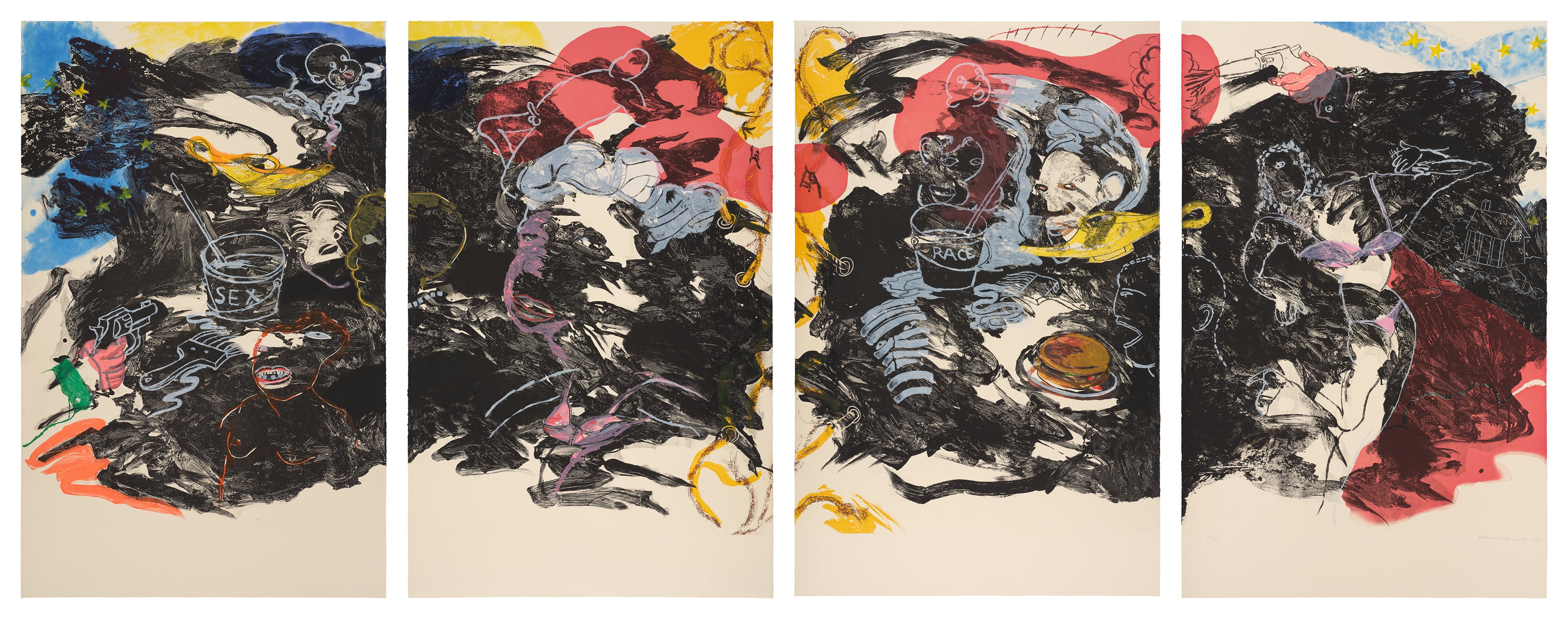
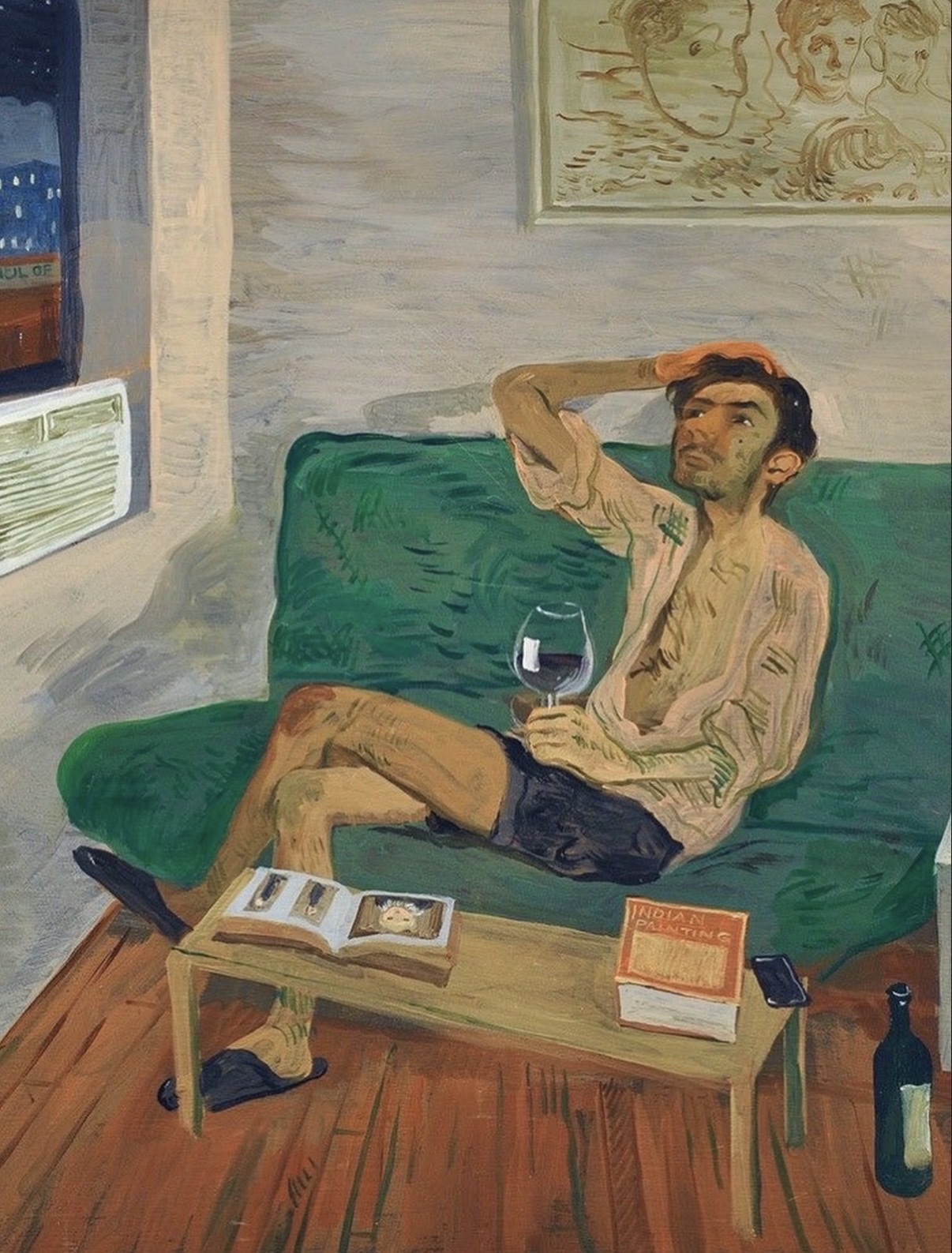
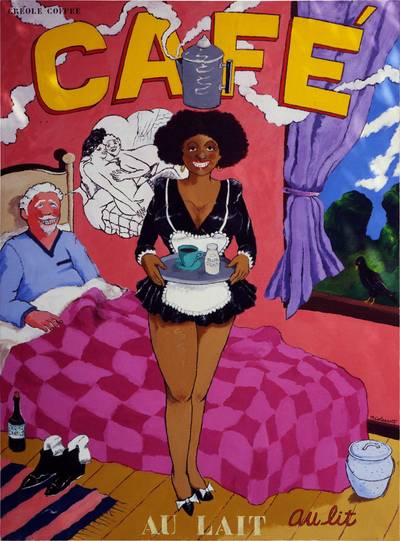
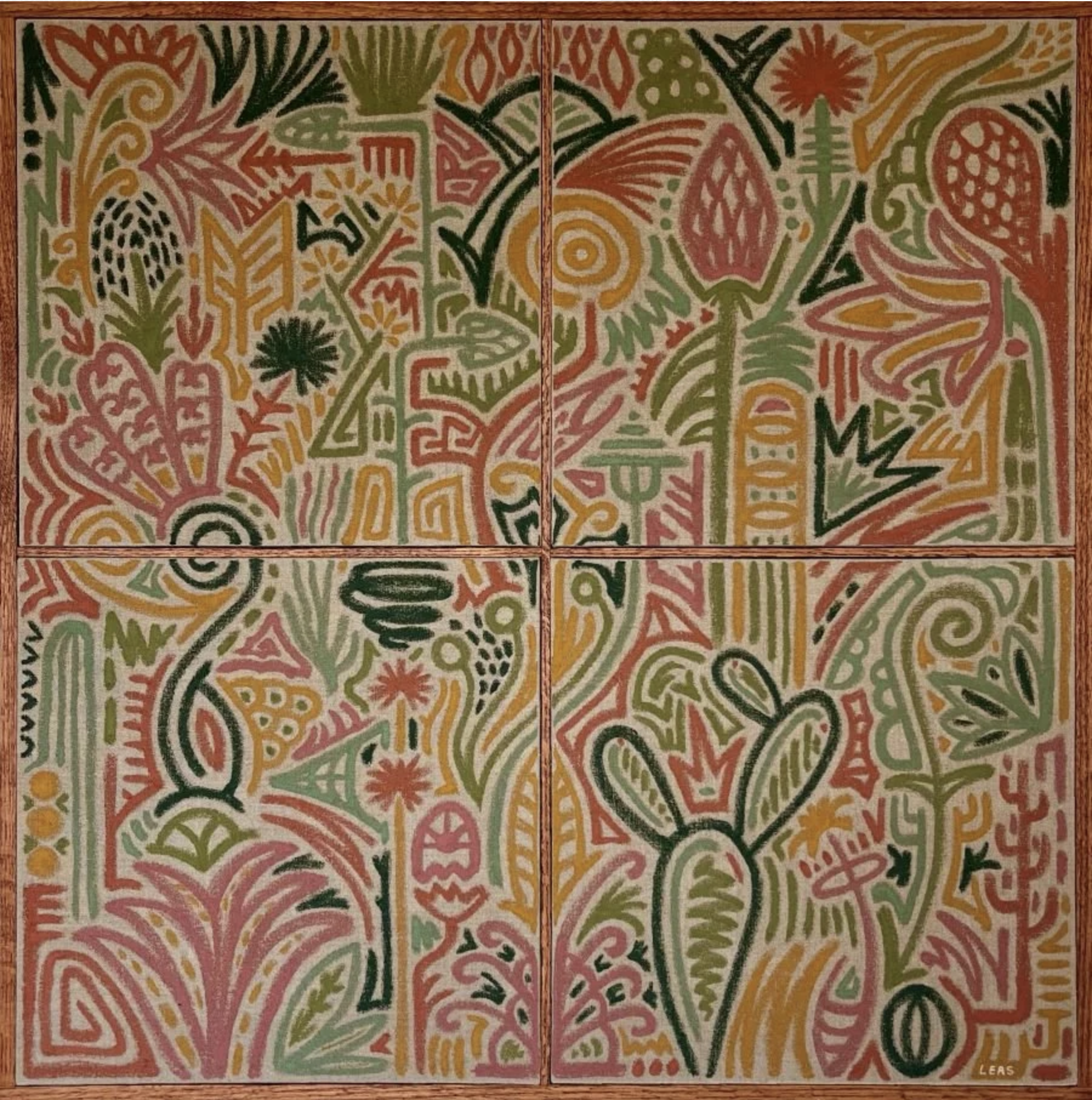
Robert Colescott
Pontchartrain
The quadriptych format became a natural testing ground for this technology because it allows artists and viewers alike to observe the machine's internal logic across four related but distinct outputs. You can see where the model coheres, where it drifts, where it produces something that feels uncanny in the best possible sense. Four panels create a kind of controlled experiment in perception. The artists represented on The Collection offer instructive context for thinking about how AI quadriptych work sits within broader conversations about authorship and appropriation.
Richard Prince spent decades asking who owns an image and what transformation is required before borrowing becomes creation. Robert Colescott worked with borrowed visual languages, specifically the idioms of canonical Western painting, and used them to expose what those traditions had chosen not to see. Both practices share something essential with AI image making: the idea that art can be made from the accumulated residue of other art, and that this process of recombination is not cheating but rather a legitimate and revealing mode of inquiry. Aaron Young, whose work often engages with process and mark making in unexpected ways, points toward similar questions about what it means for a mark to carry intention.
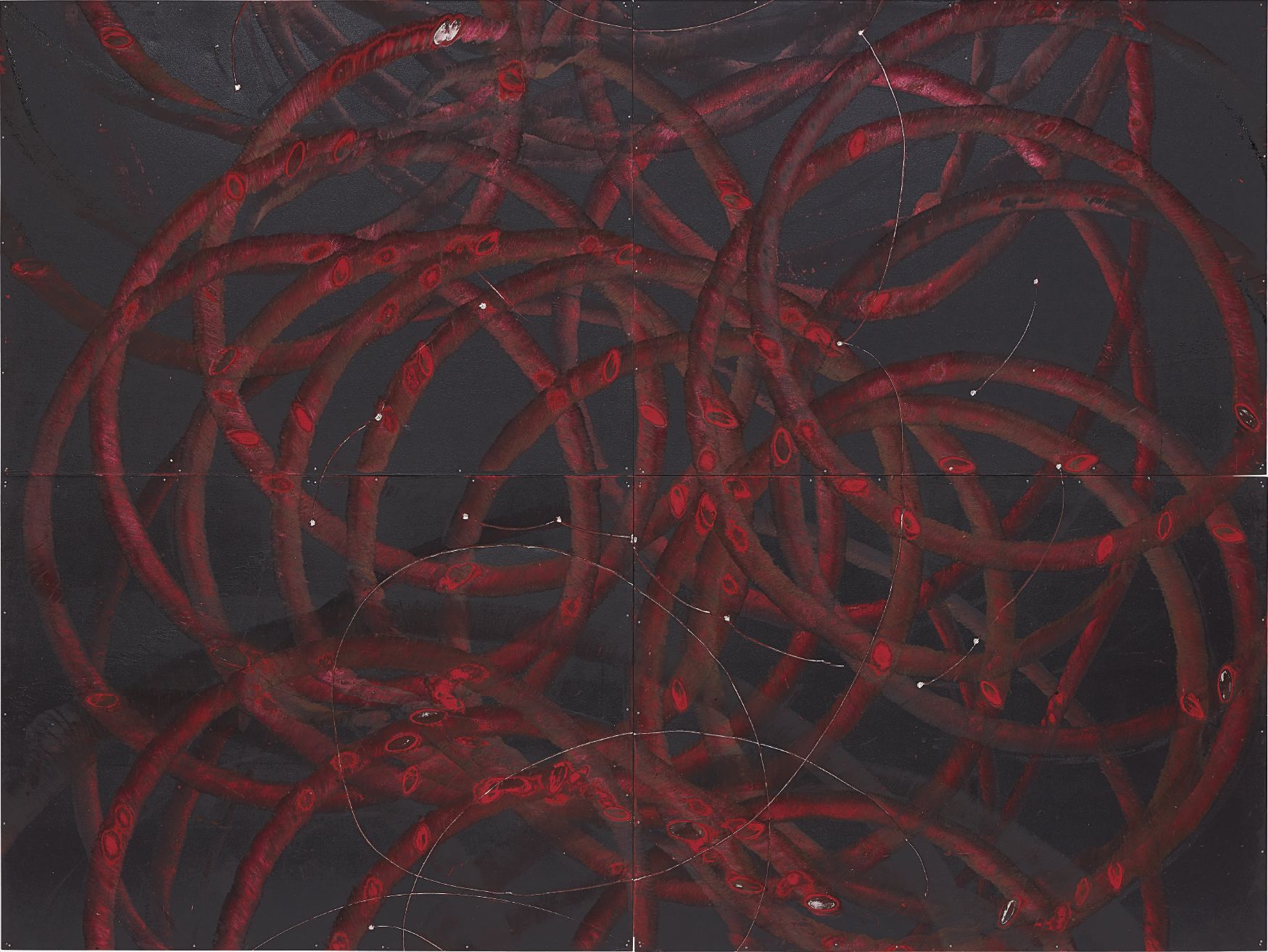
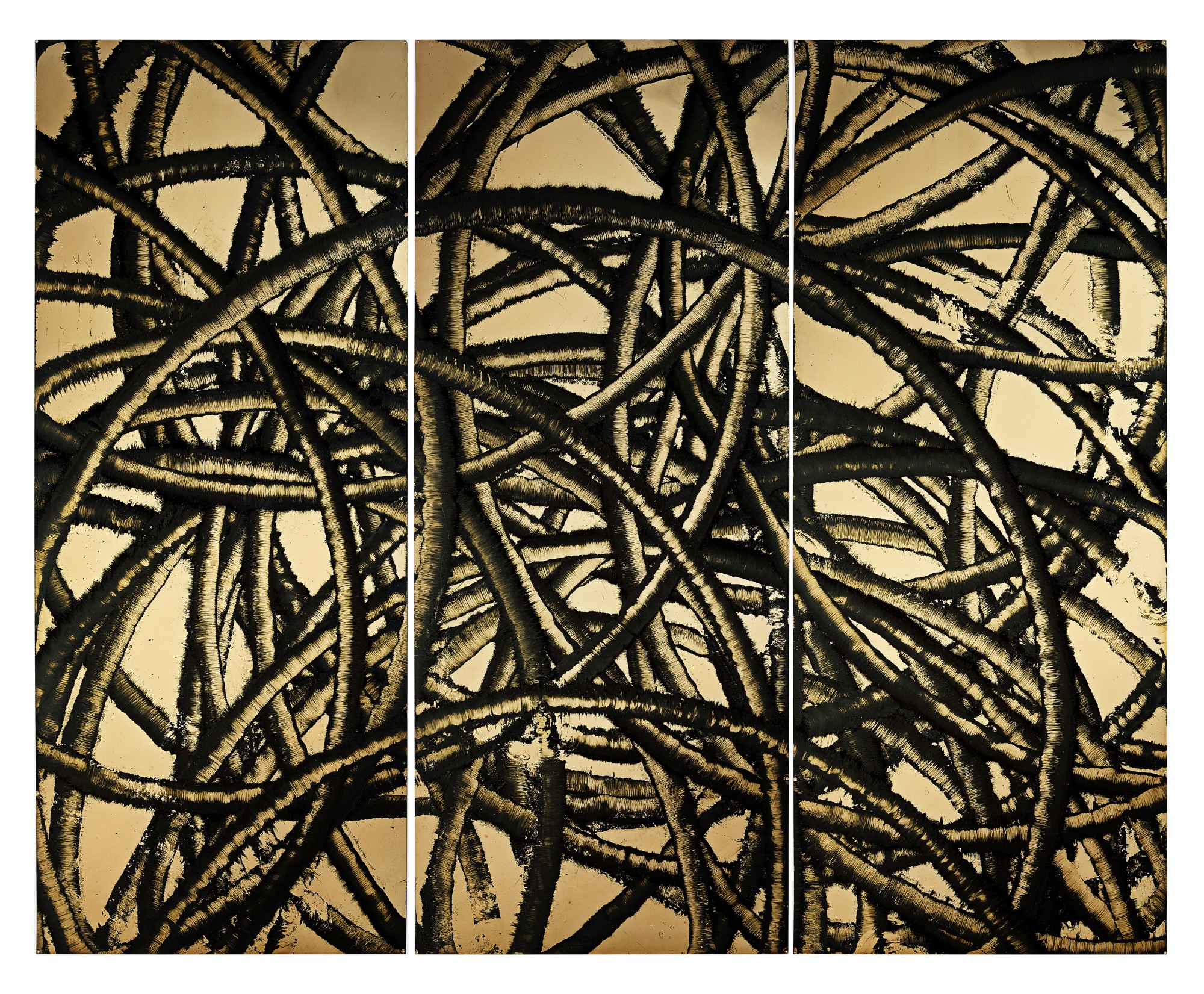
Aaron Young
ARC LIGHT (Moscow, quadriptych), 2008
What distinguishes compelling AI quadriptych work from mere technical demonstration is almost always conceptual framing. The four panels need to be doing something together that they cannot do apart. In the strongest examples, each panel in a quadriptych functions like a variation in a musical sense, returning to shared material with altered emphasis. Some artists working in this space use the four panel structure to track the machine's uncertainty, generating multiple outputs from a single prompt and presenting them as a suite rather than editing down to one winner.
This is a meaningful choice. It honors the stochastic nature of these systems and invites the viewer into the generative process rather than concealing it behind a polished single image. Gonkar Gyatso, whose practice weaves together Tibetan iconographic traditions with the visual noise of contemporary consumer culture, offers one model for how structured repetition can carry spiritual and critical freight simultaneously. His work reminds us that grids and serialized imagery have deep roots in contemplative visual traditions, and that the quadriptych form is not merely formal but potentially devotional in a secular sense.
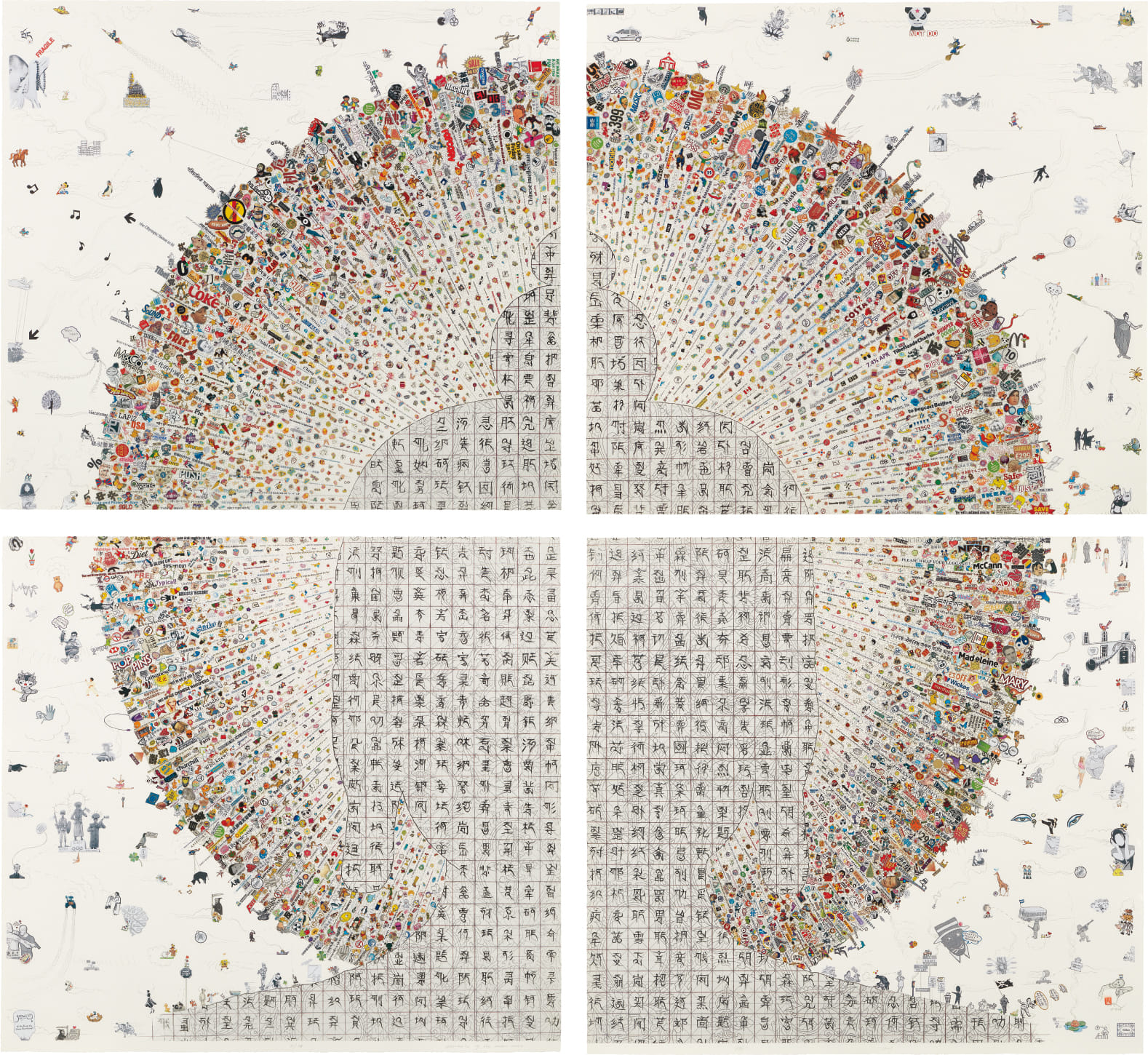
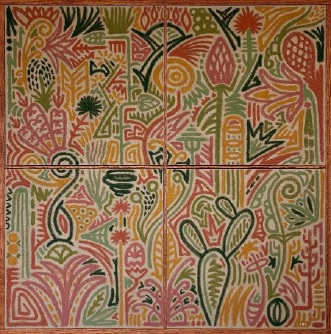
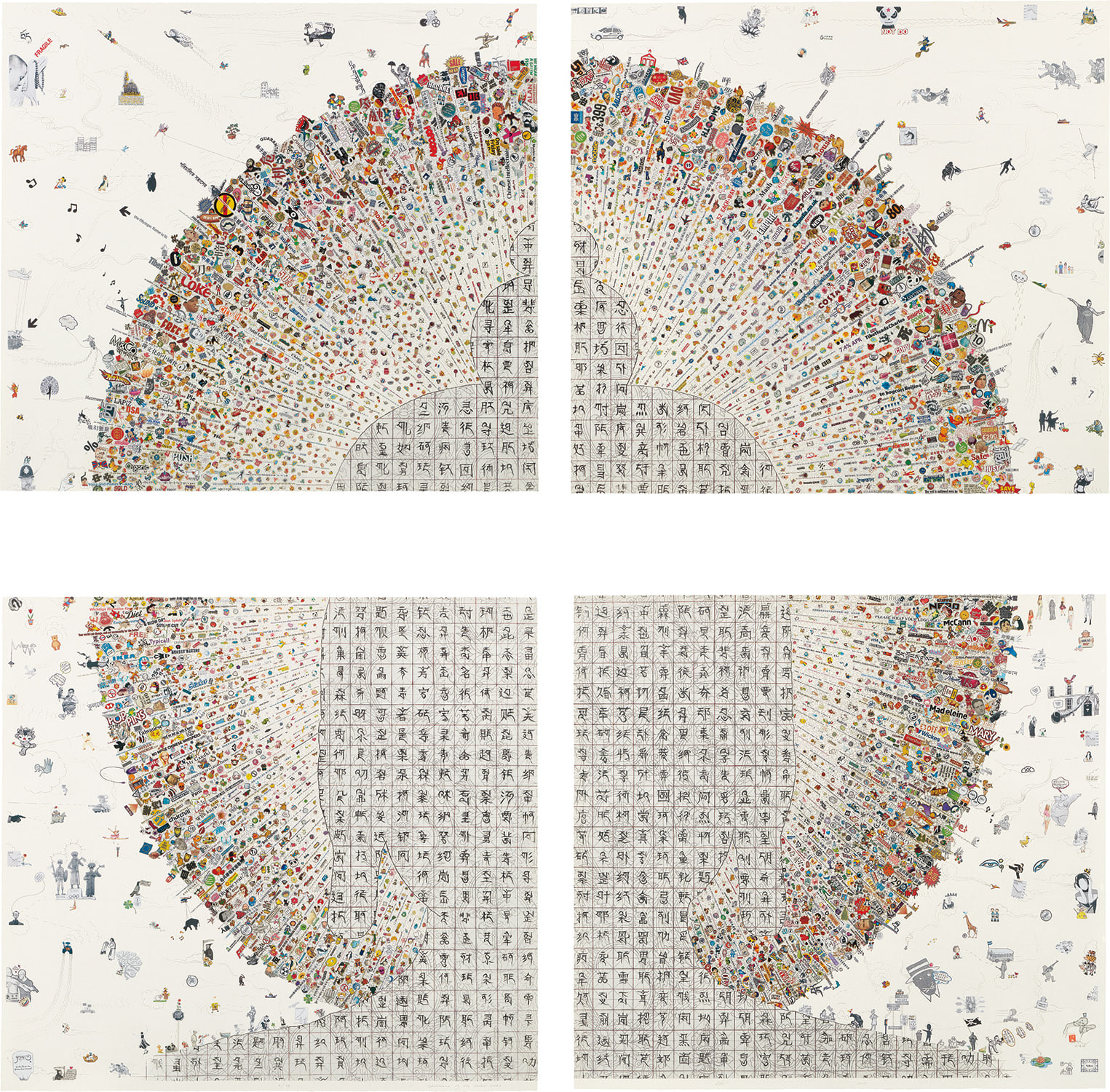
Gonkar Gyatso
Shambala of Modern Times, 2009
William Wegman, working across photography, video, and painting, has long understood that repeating a subject across multiple frames changes what that subject means. His decades of work demonstrate that the multi panel format is itself an argument, not just a container. The cultural significance of AI quadriptych work extends beyond art world conversations about technology. We are living through a period when the production and circulation of images has been radically democratized and destabilized simultaneously.
Anyone can now generate plausible images of nearly anything. What the thoughtful use of the quadriptych format does, in response to this condition, is slow down the encounter. Four panels ask for sustained attention. They resist the single image scroll culture that AI image generation has otherwise accelerated.
In that resistance, they recover something genuinely worth preserving: the idea that looking carefully at art over time is how meaning gets made. The best AI quadriptych works on The Collection are not celebrations of the technology that produced them. They are, more precisely, interrogations. They use the machine's particular kind of intelligence, its tendency toward pattern, its relationship to the vast archive of human image making, as material to be shaped and questioned.
The four panel structure is the artist's hand in that process, the decision that transforms output into artwork. It is a reminder that the most interesting question has never been what the machine can do. It has always been what we choose to do with it.