Postmodern Movement
Richard Prince
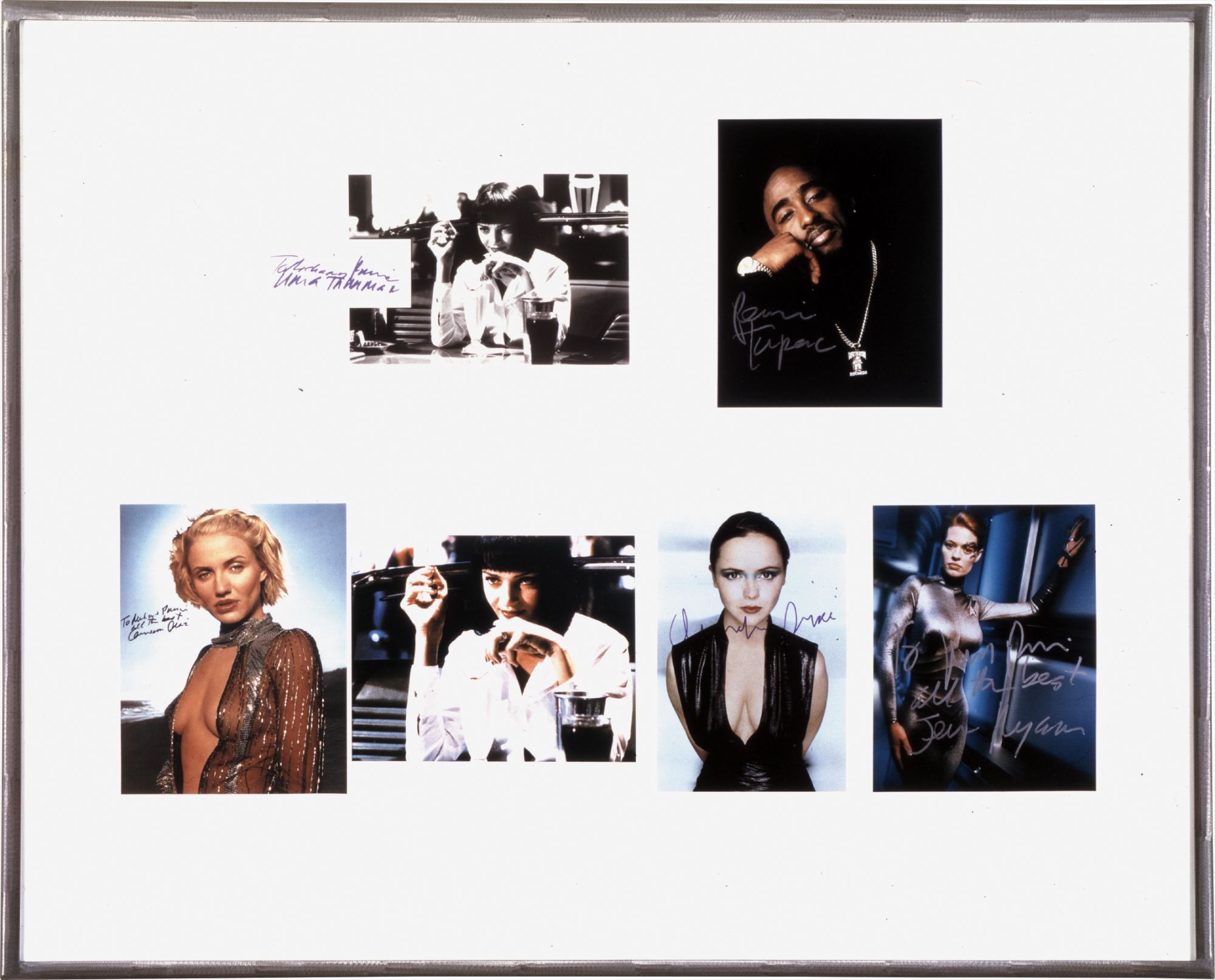
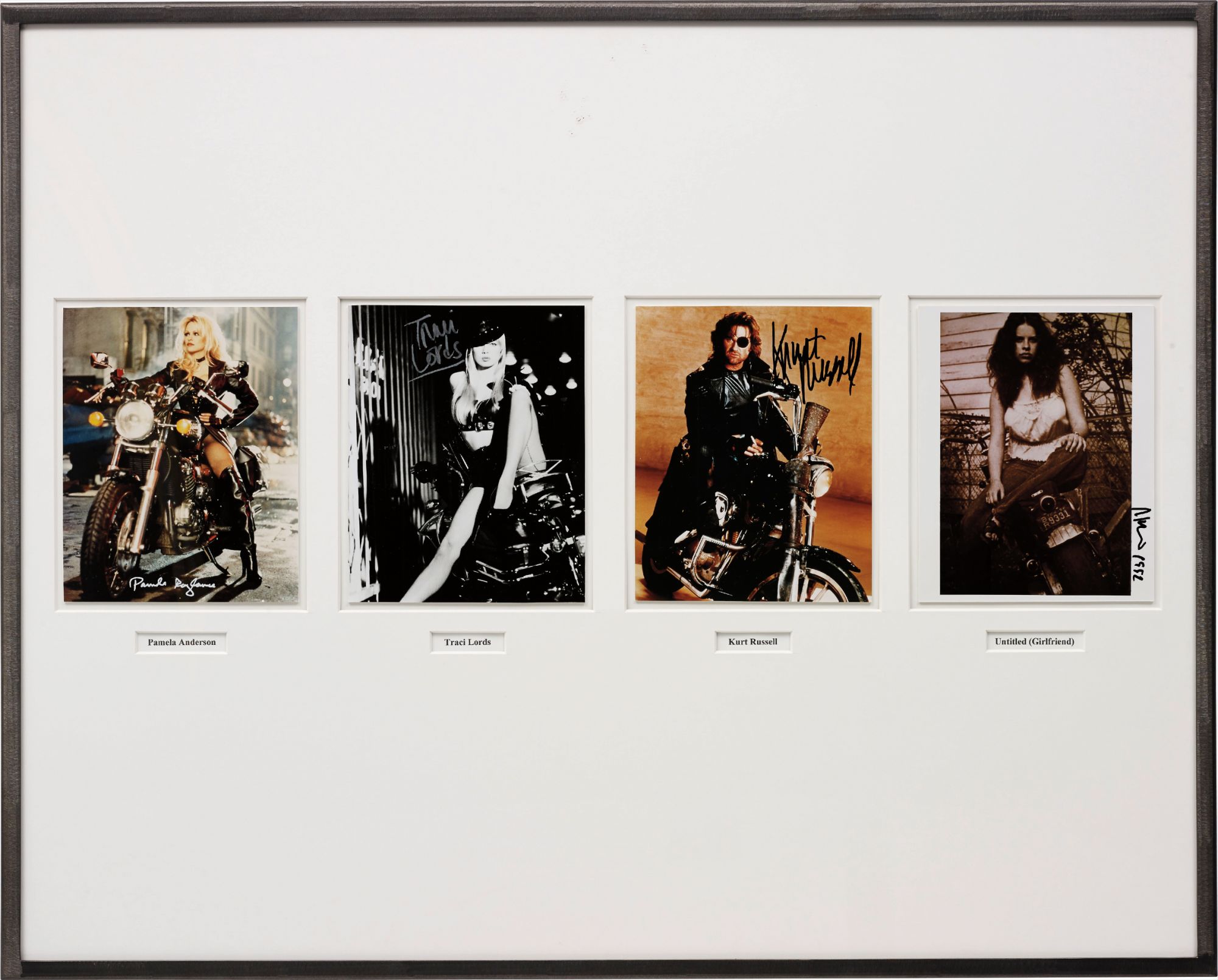
four photographs, in artist's steel frame

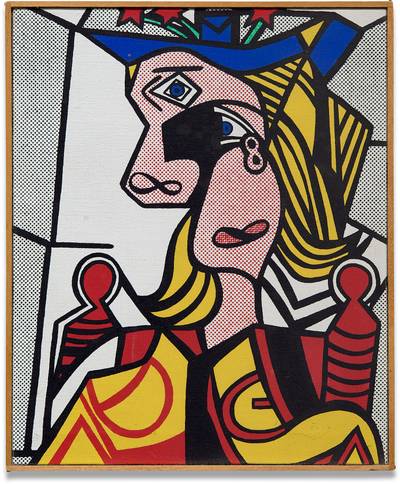
Nothing Is Original. Everything Is Everything.
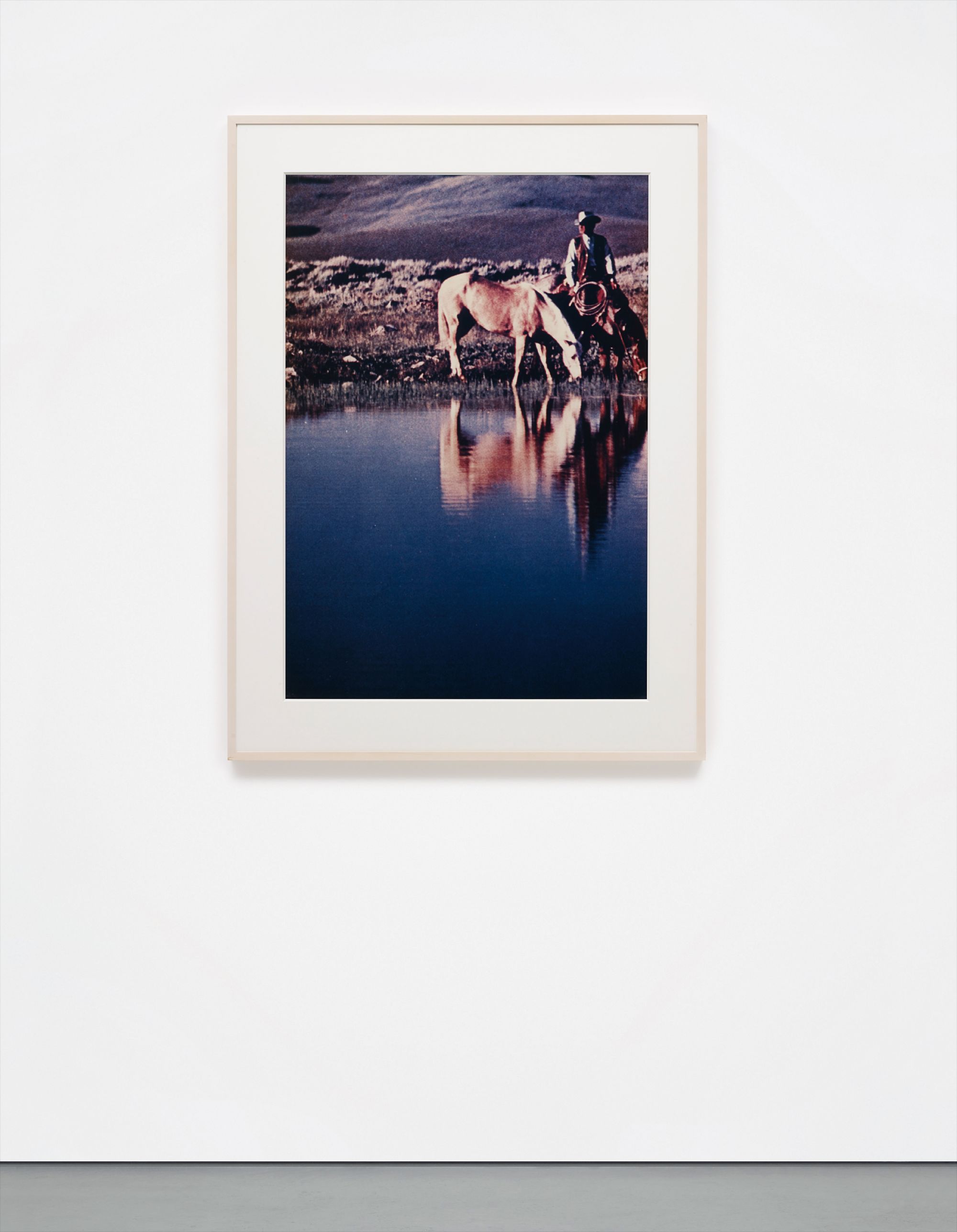
When Richard Prince's 'Nurse' paintings appeared at auction in the mid 2000s, the art world registered something more than a market moment. A single canvas, sourced from pulp paperback covers and repainted with a kind of deliberate blankness, sold for over $1 million and kept climbing from there. The shock was not just the price but what the price meant: that an art built on appropriation, on the radical refusal of originality, had become among the most valuable cultural production of its era. Postmodernism, long theorized as an academic framework, had arrived as a market force.
The critical apparatus around postmodern art has never been more active. October magazine, Artforum, and Frieze have all returned repeatedly to the question of what postmodern practice looks like now that its founding gestures are themselves historical. The Pictures Generation, that loose cohort that emerged from CalArts and New York's downtown scene in the late 1970s, is no longer avant garde. It is canon.
Louise Lawler
Louise Lawler
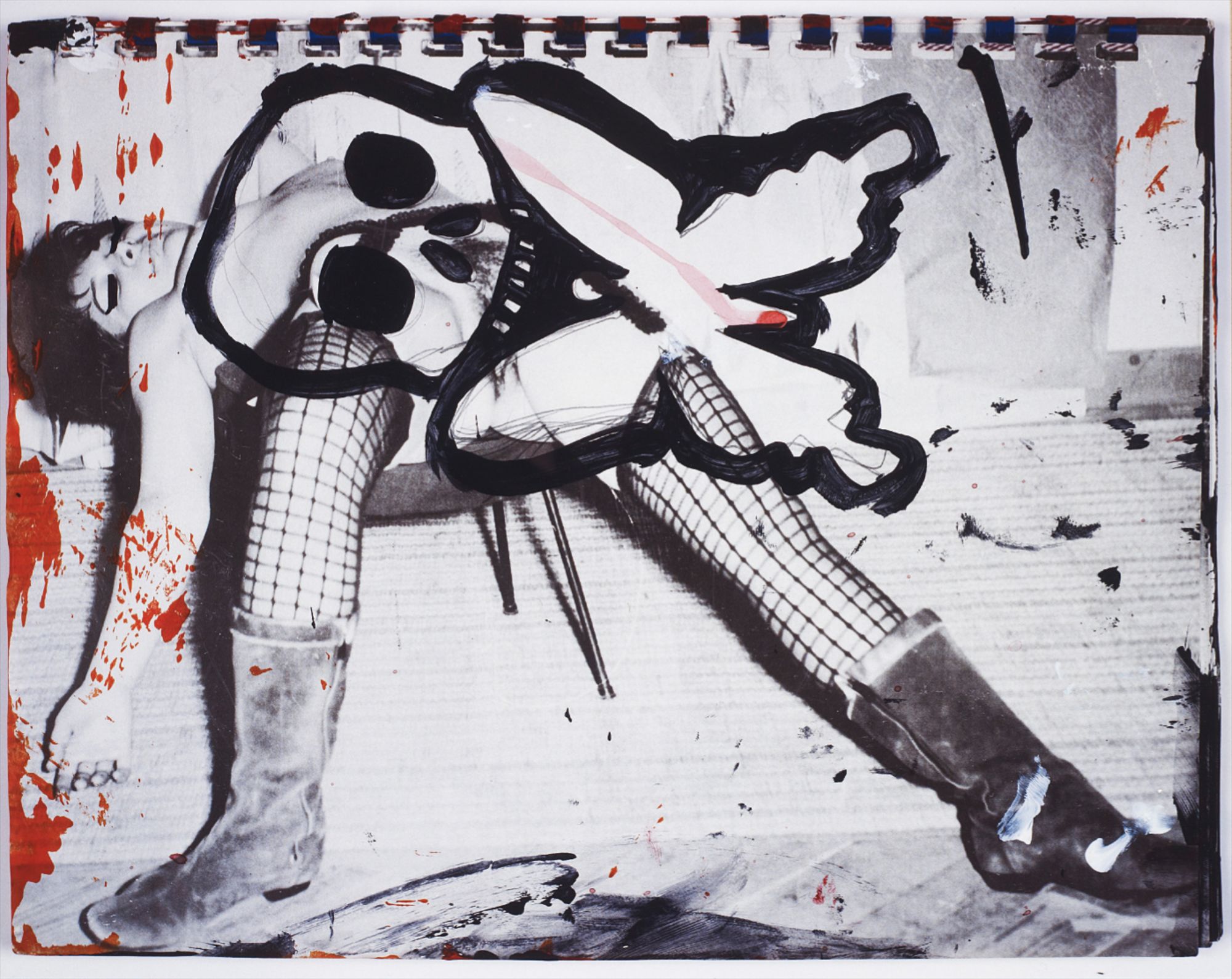
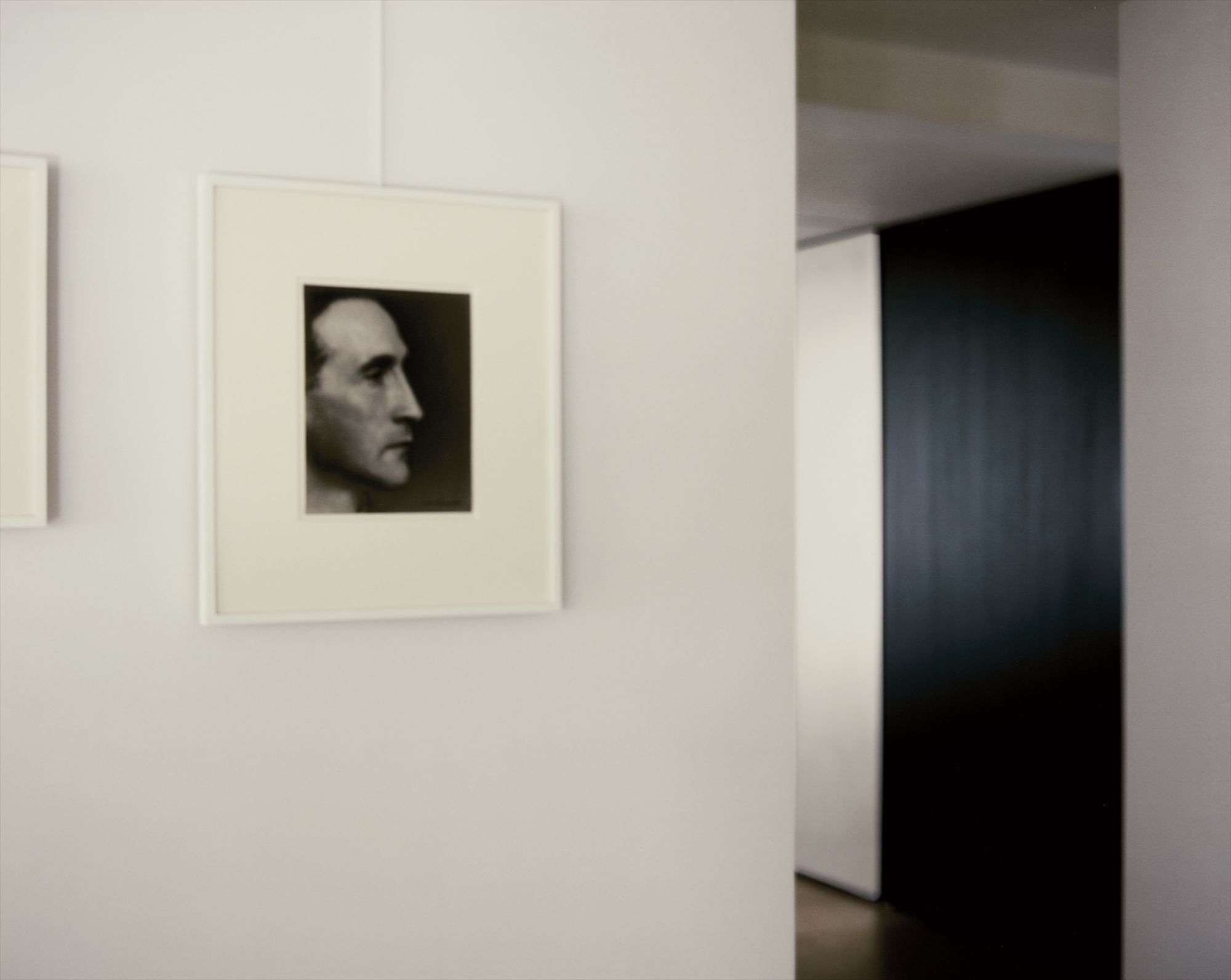
Louise Lawler, whose photographs document artworks in the act of being stored, displayed, and sold, spent decades as a critical insider's favorite before her 2017 retrospective at MoMA confirmed what many already suspected: her work is foundational to how we understand the institutional framing of art. The show traveled internationally and generated renewed scholarly attention to a practice that had always been more rigorous than the market initially rewarded. The museum world has been quietly but decisively reorienting around postmodern figures. The Whitney Biennial continues to serve as a barometer, and recent editions have shown how deeply the strategies pioneered in the 1980s, the textual interventions, the borrowed imagery, the institutional critique, have shaped what younger artists are doing.
The Tate Modern's holdings of work by artists like Richard Deacon reflect a British strand of postmodern sculpture that engaged with language and process in ways distinct from American appropriation. Deacon's biomorphic forms, made from laminated wood and metal, occupy an interesting critical territory: formally rich enough to satisfy the eye, theoretically grounded enough to reward sustained reading. At auction, the hierarchy within postmodern practice has become clearer over the past decade. Richard Prince remains the dominant commercial figure, with works regularly appearing at Christie's, Sotheby's, and Phillips and achieving results that confirm his position as one of the most collected artists of his generation.
Richard Prince
four photographs, in artist's steel frame
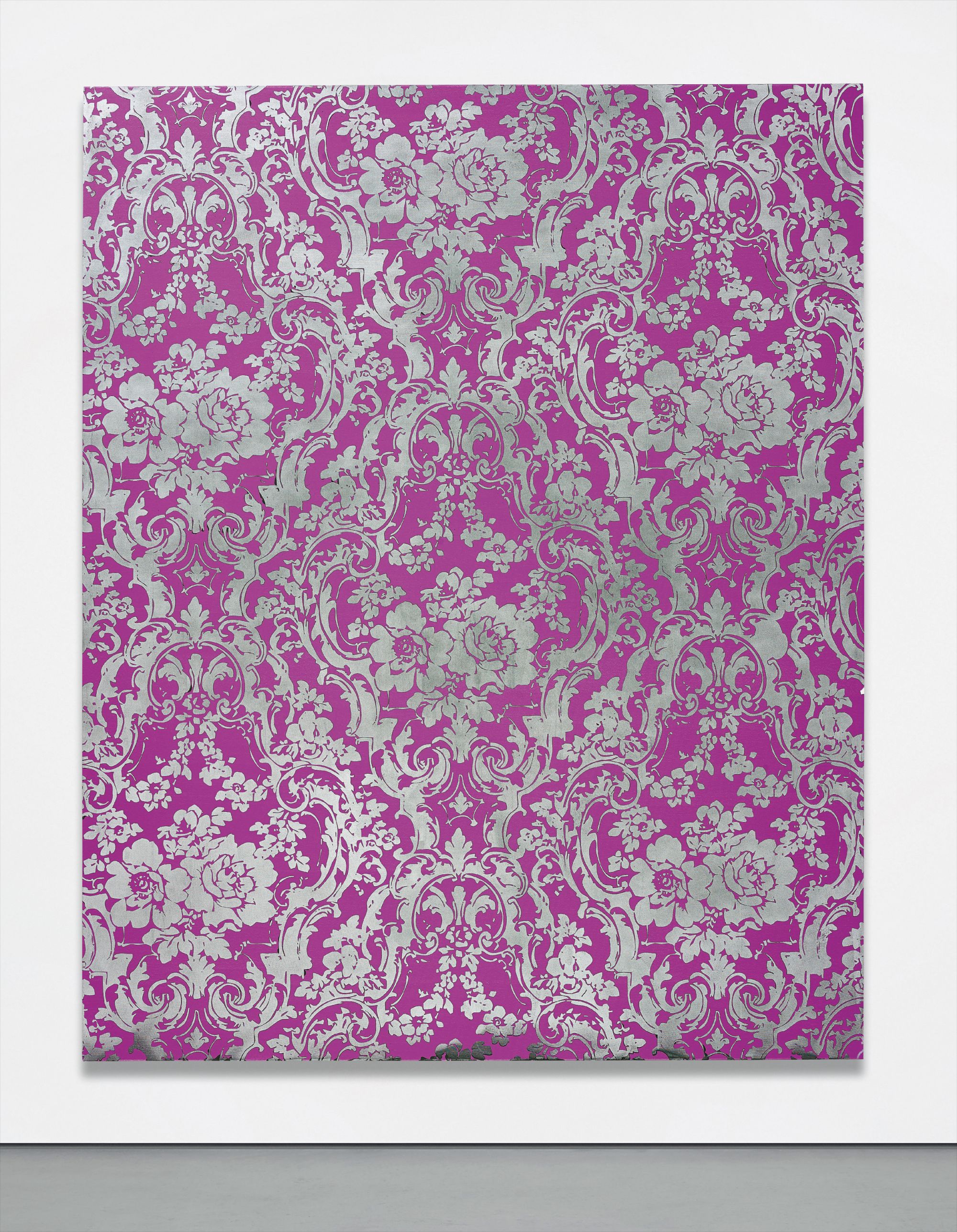
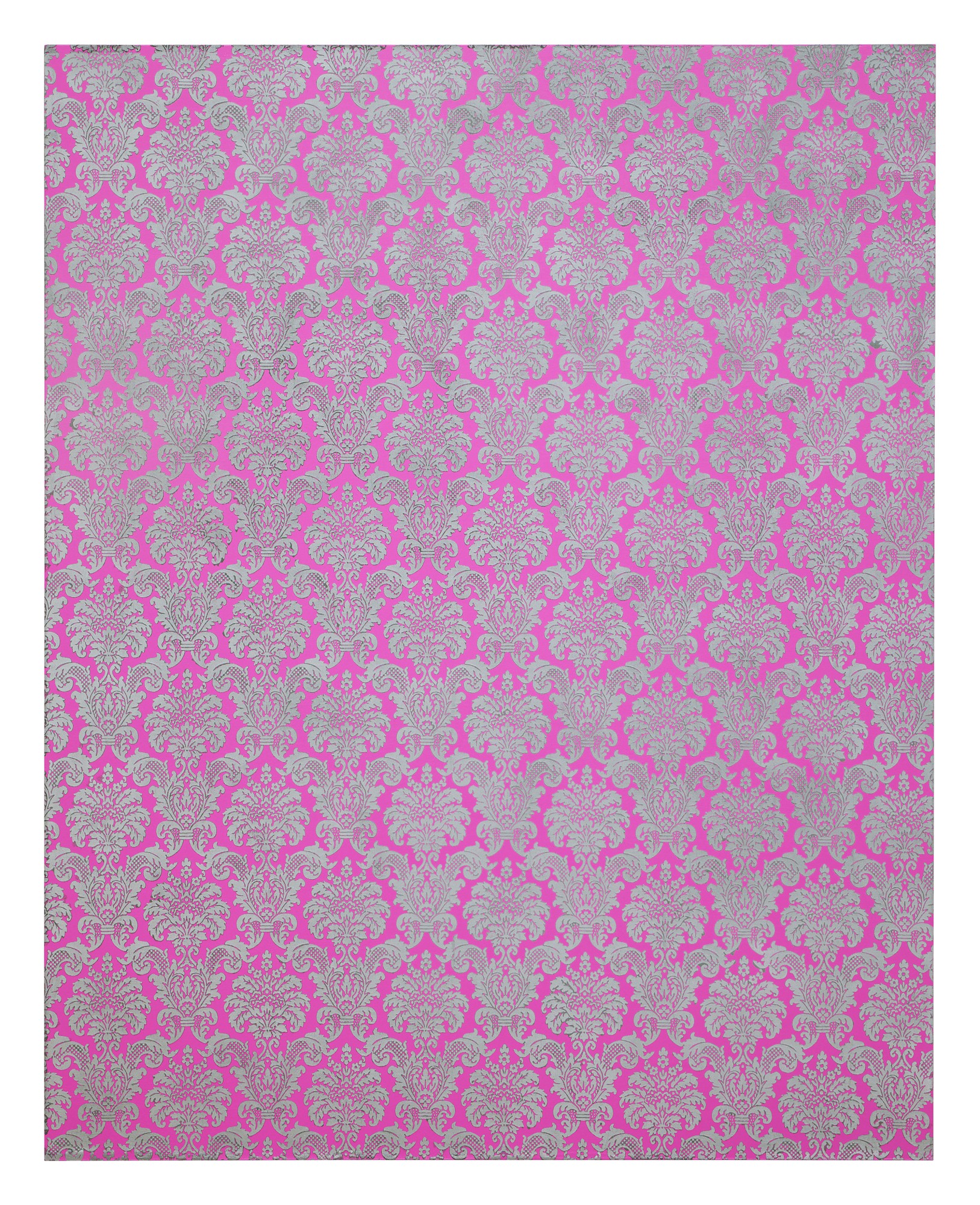
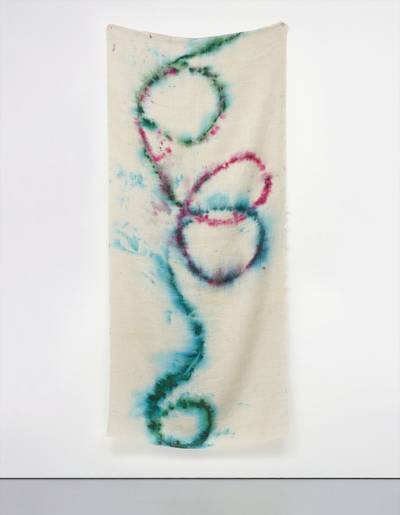
His Instagram paintings and the Nurse series have both performed strongly, though the former attracted significant legal and ethical controversy that, characteristically, only deepened critical interest. Rudolf Stingel, represented on The Collection, occupies a different register: his carpet pieces and silver foam paintings carry a contemplative weight that collectors respond to viscerally, and his auction trajectory has been one of sustained upward pressure. His 2007 exhibition at the Whitney, where he covered the entire floor of the museum in an intricate Persian carpet pattern, remains one of the more audacious institutional gestures of the past twenty years. What is striking about the artists gathered on The Collection in this area is how they represent distinct genealogies within a broad postmodern conversation.
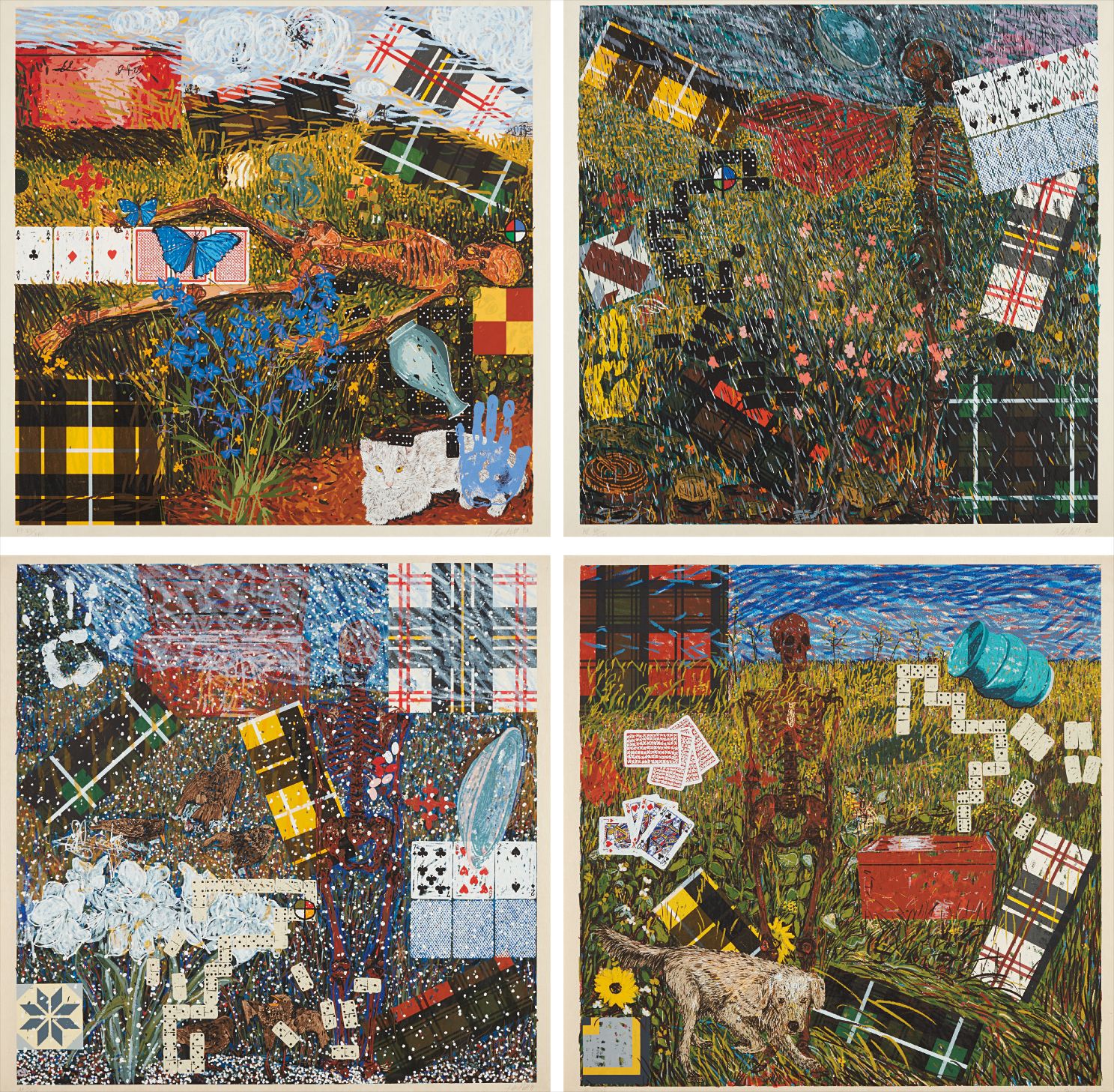
Richard Pettibone, who spent decades making exquisite miniature reproductions of canonical works by Warhol, Lichtenstein, and others, is a figure whose market has grown steadily as collectors have recognized the conceptual precision of his practice. Muntean and Rosenblum, the Vienna based duo, work at the intersection of painting, photography, and text to create images of contemporary youth that feel both utterly familiar and deeply estranged. Their work has been shown widely across European institutions and has a following among collectors who appreciate painting that takes theoretical questions seriously without sacrificing visual pleasure. Jennifer Bartlett, whose monumental grid based works of the 1970s pushed painting toward systems and seriality, represents an important connection between postmodern practice and the legacy of minimalism.
David Hockney
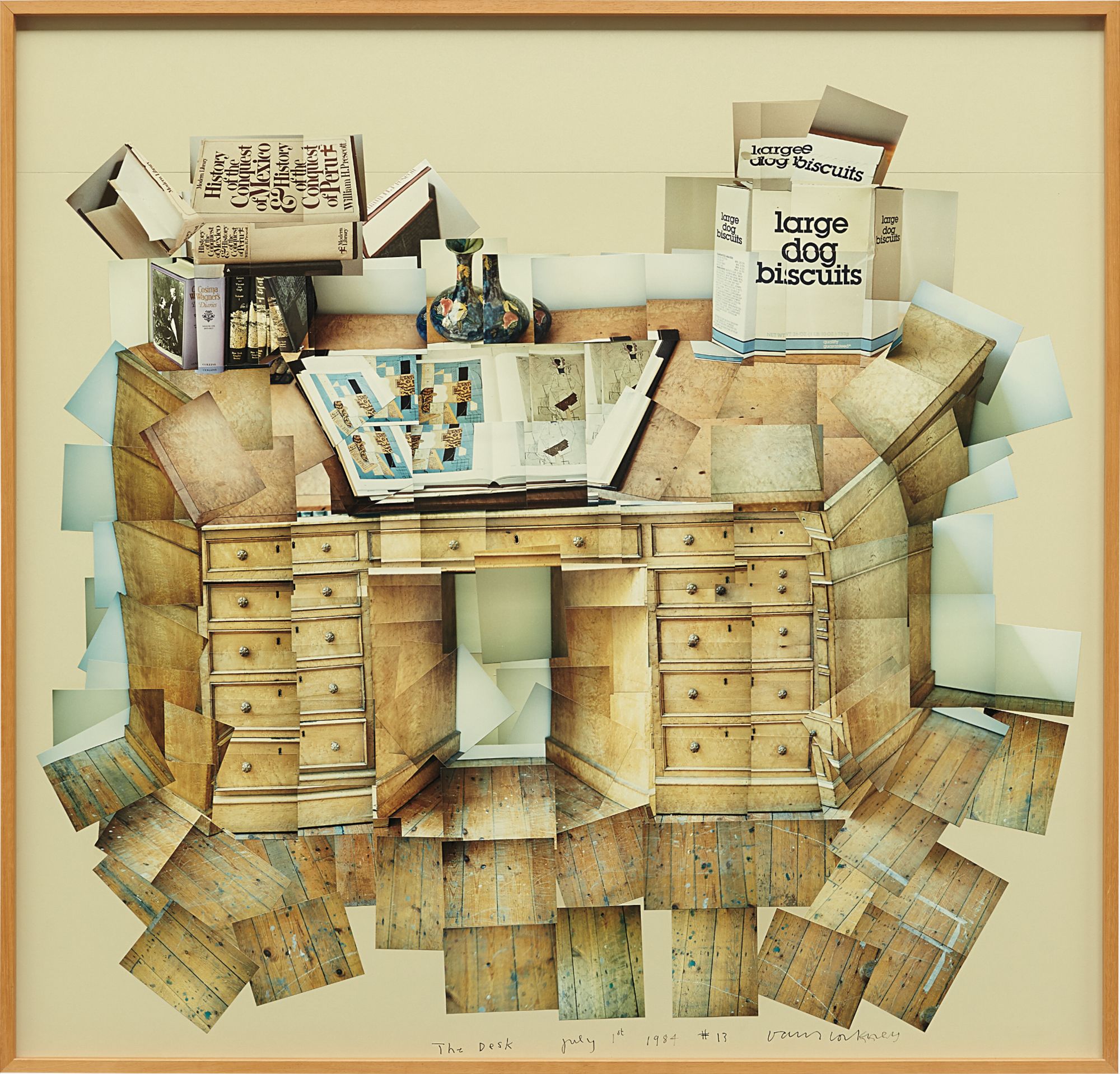
The Desk, July 1st
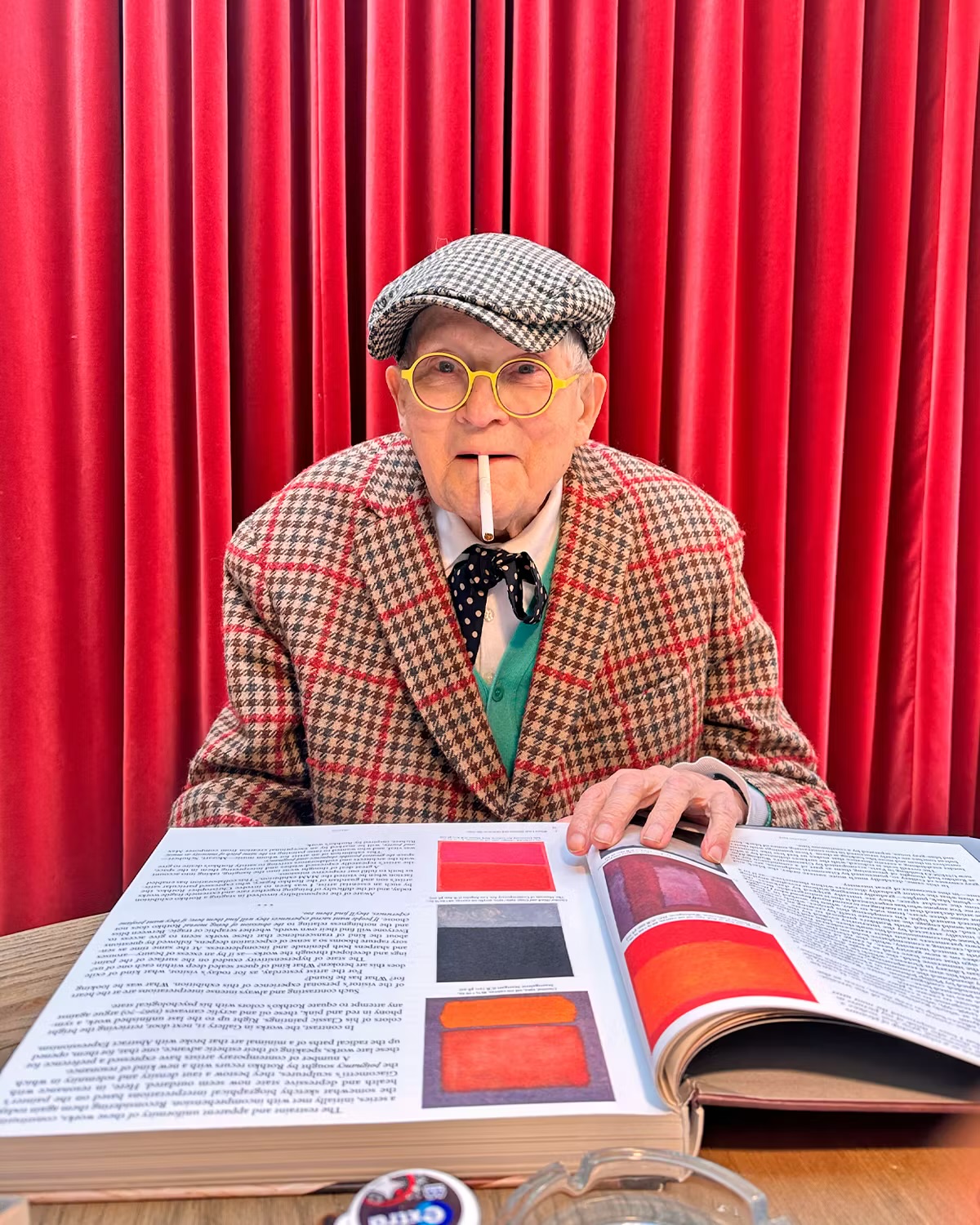
David Hockney's presence in this conversation is always worth pausing on. His relationship to postmodern ideas is oblique: he was never an appropriationist, never a Pictures Generation figure, and yet his sustained interrogation of how images are made and how we see them, culminating in his cubist photomontages and later his iPad drawings, places him in ongoing dialogue with the questions postmodernism raised about representation. His 2017 retrospective at Tate Britain, which traveled to the Pompidou and the Metropolitan, was among the most attended shows in recent memory and confirmed that work rooted in perceptual inquiry can generate both institutional validation and sustained popular engagement. The critical conversation is evolving in interesting directions.
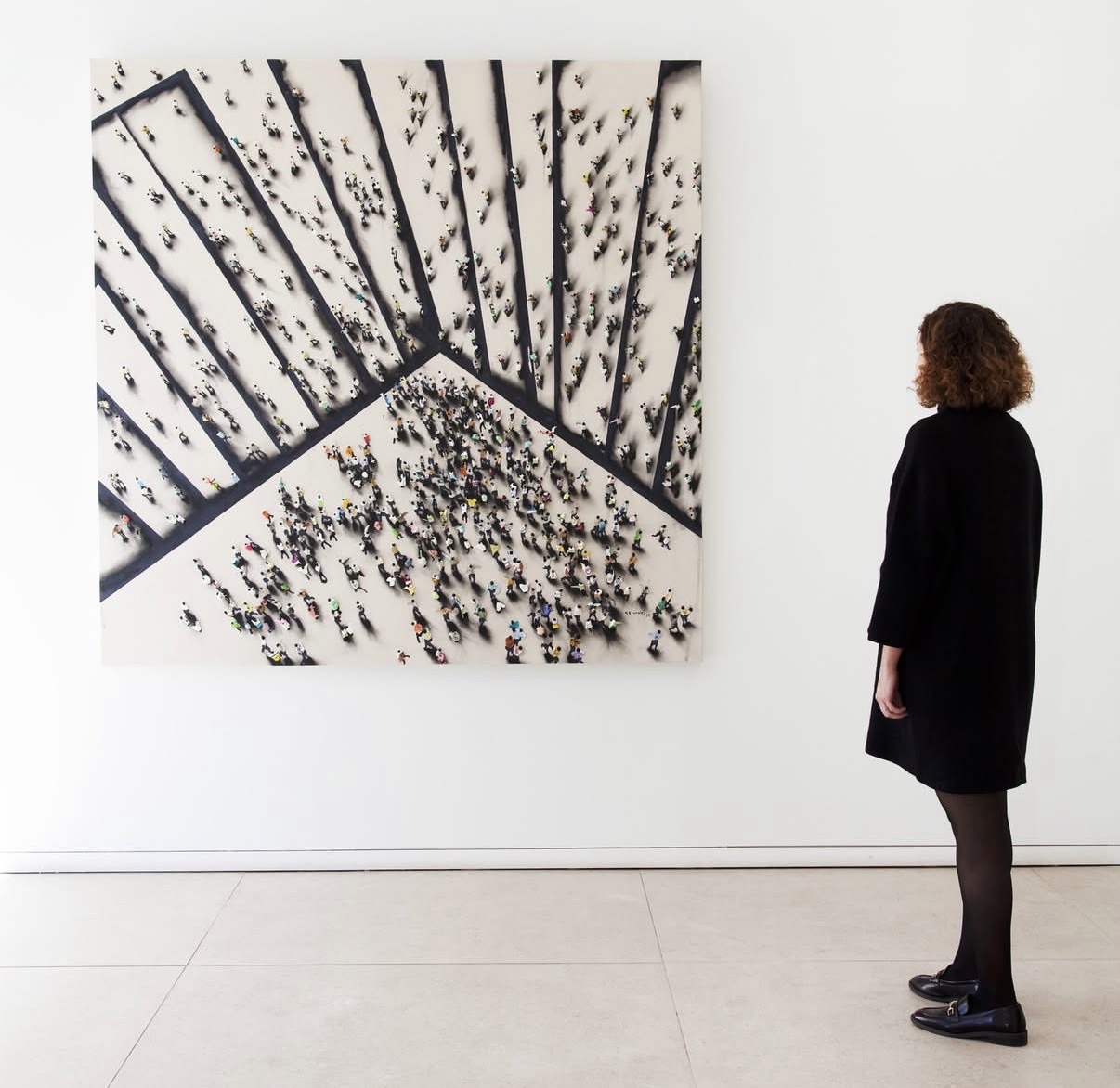
Writers like Hal Foster, whose 1985 anthology The Anti Aesthetic helped define the theoretical terms of postmodernism, have continued to revisit those terms in light of what has happened since. The question of whether postmodern strategies have been absorbed into mainstream visual culture to the point of losing critical force is live and unresolved. On the other hand, younger scholars are finding renewed relevance in the work of artists like Louise Lawler and Sean Kennedy precisely because the systems they critique, the art market, institutional authority, the ideology embedded in display, have not changed as much as optimists once hoped. What feels alive right now is the growing collector interest in figures who were once considered too cerebral or too institutional to generate real market heat.
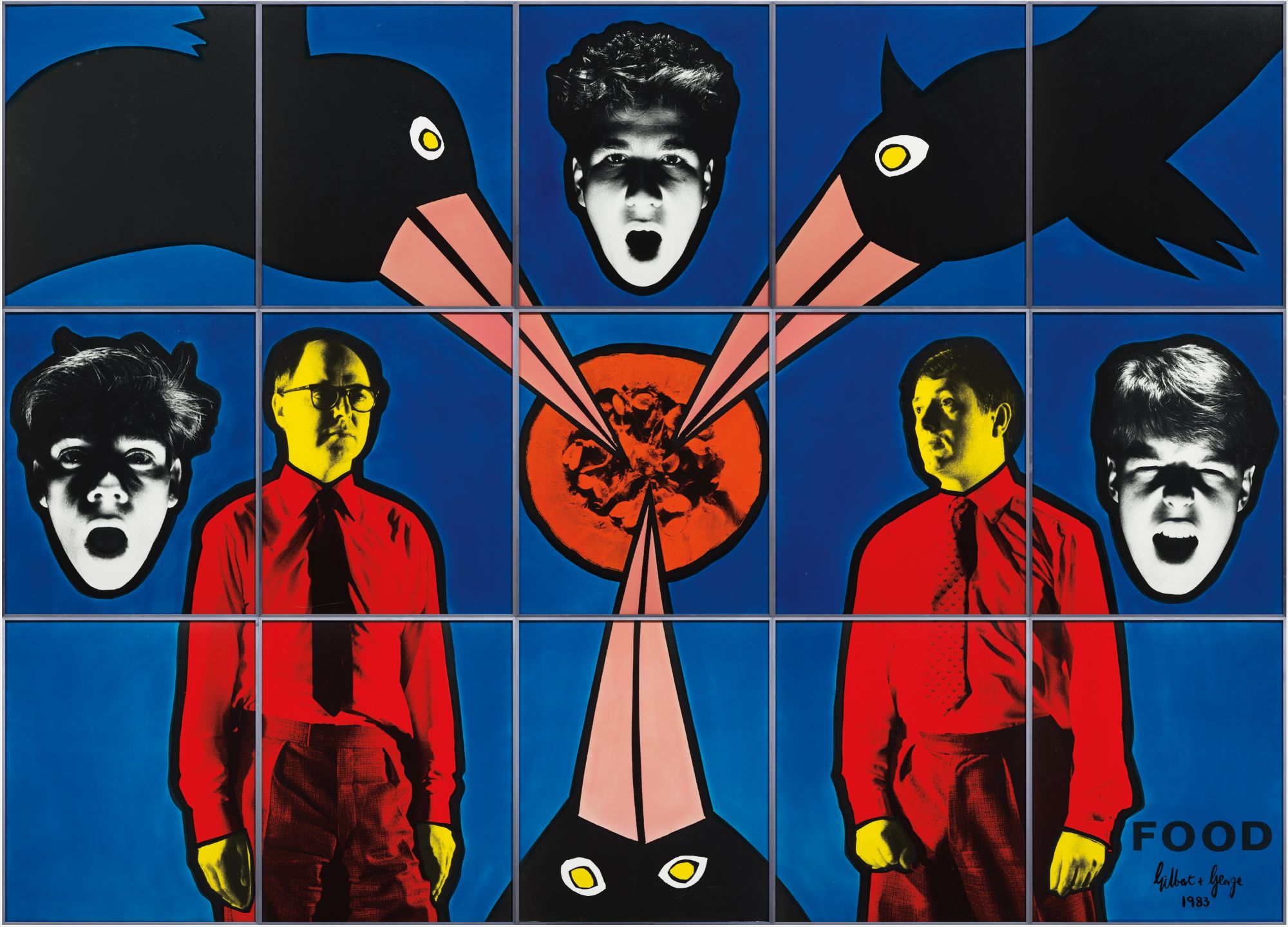
Gilbert
Food from The Believing World Series
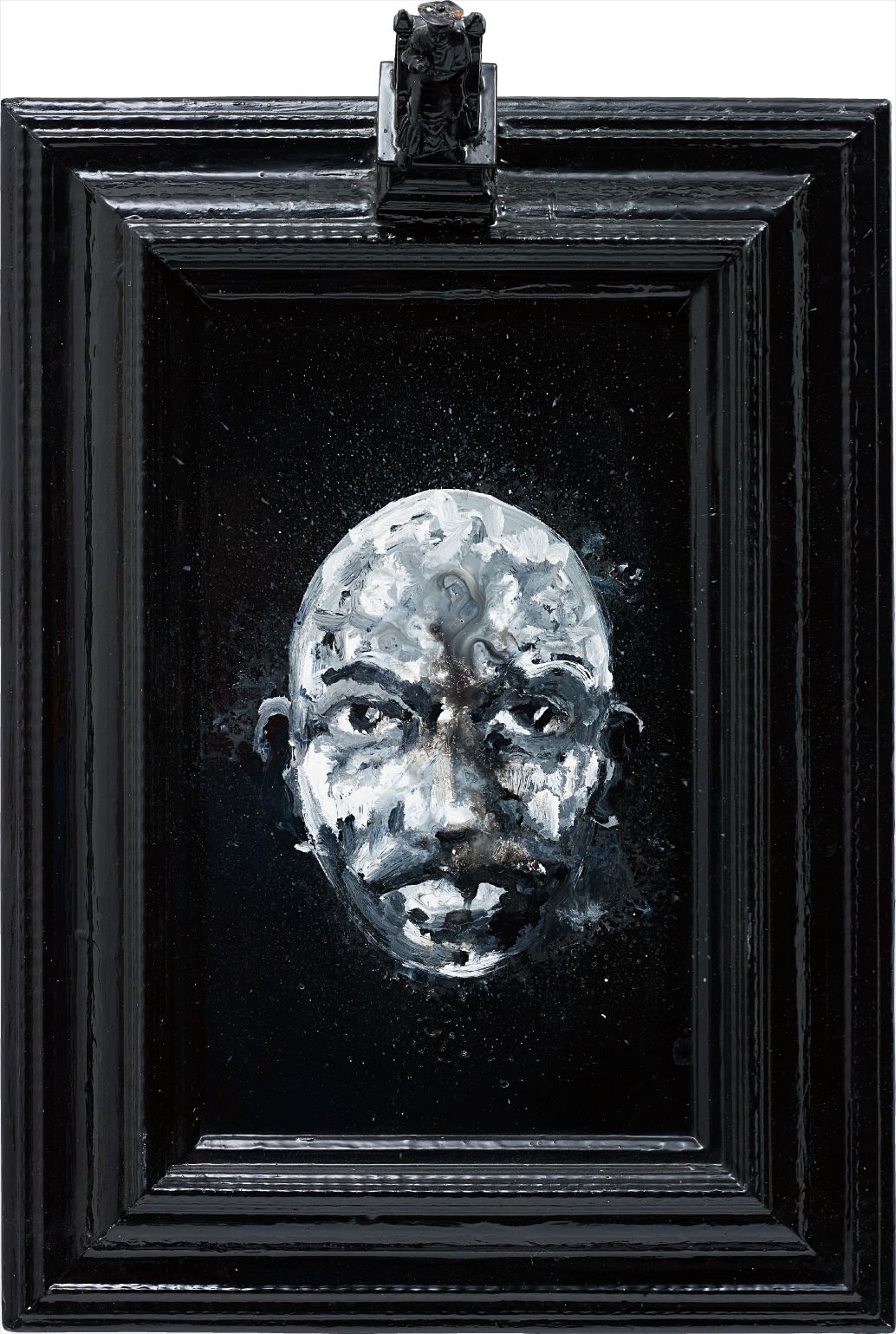
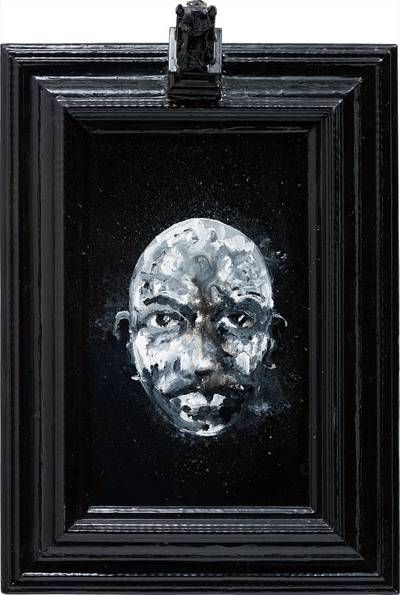
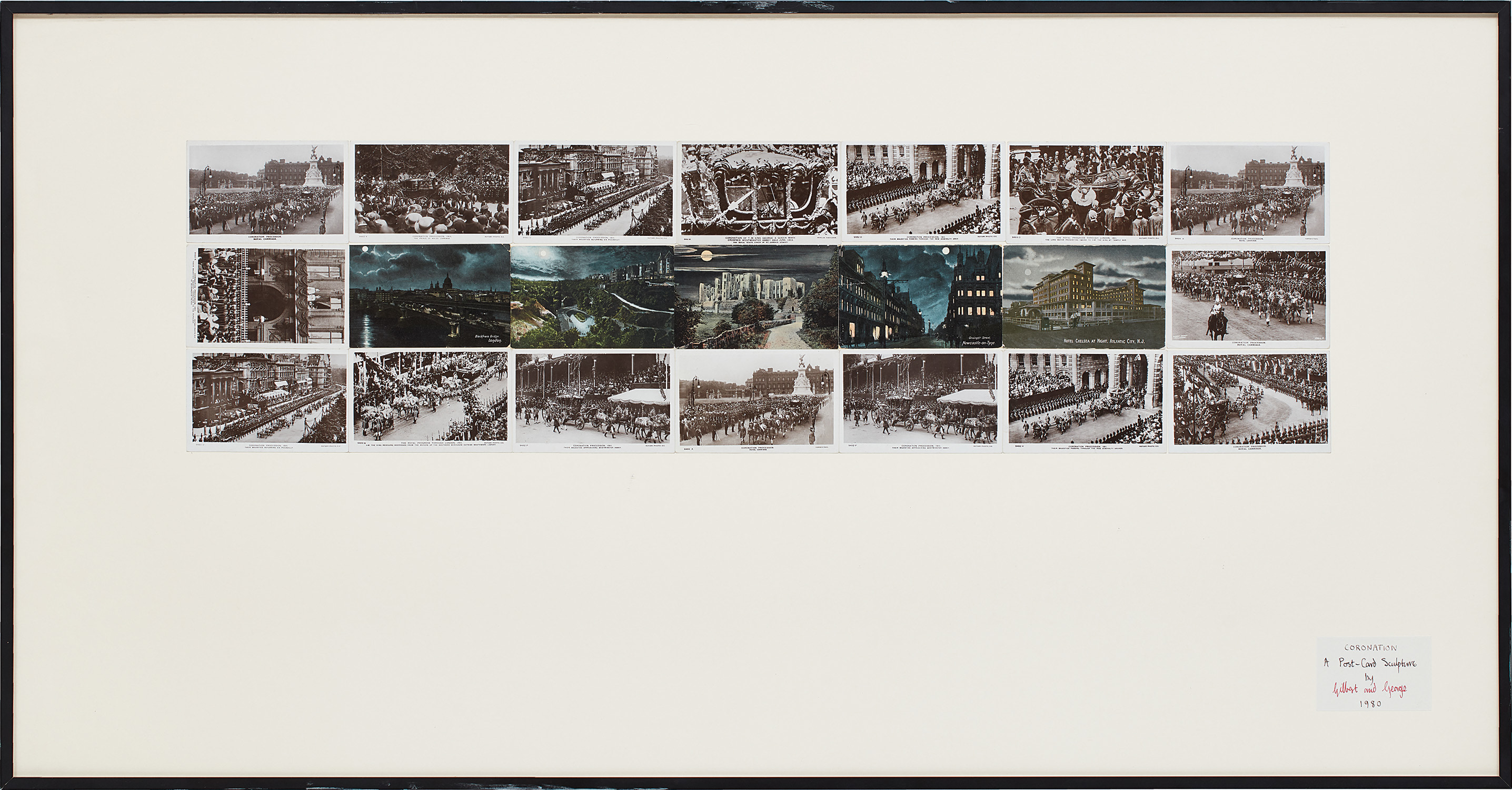
The secondary market for Pictures Generation work has deepened considerably, and institutions from the Hammer in Los Angeles to the Stedelijk in Amsterdam are making long overdue acquisitions in this space. What feels settled is the canonical status of the major figures: Prince, Stingel, Lawler. What might surprise is the coming reassessment of artists like Gilbert, whose work operated at the edges of postmodern practice with a kind of vernacular directness that the market has not yet fully priced in. There is always a next chapter in this story, and right now the people writing it are paying very close attention.