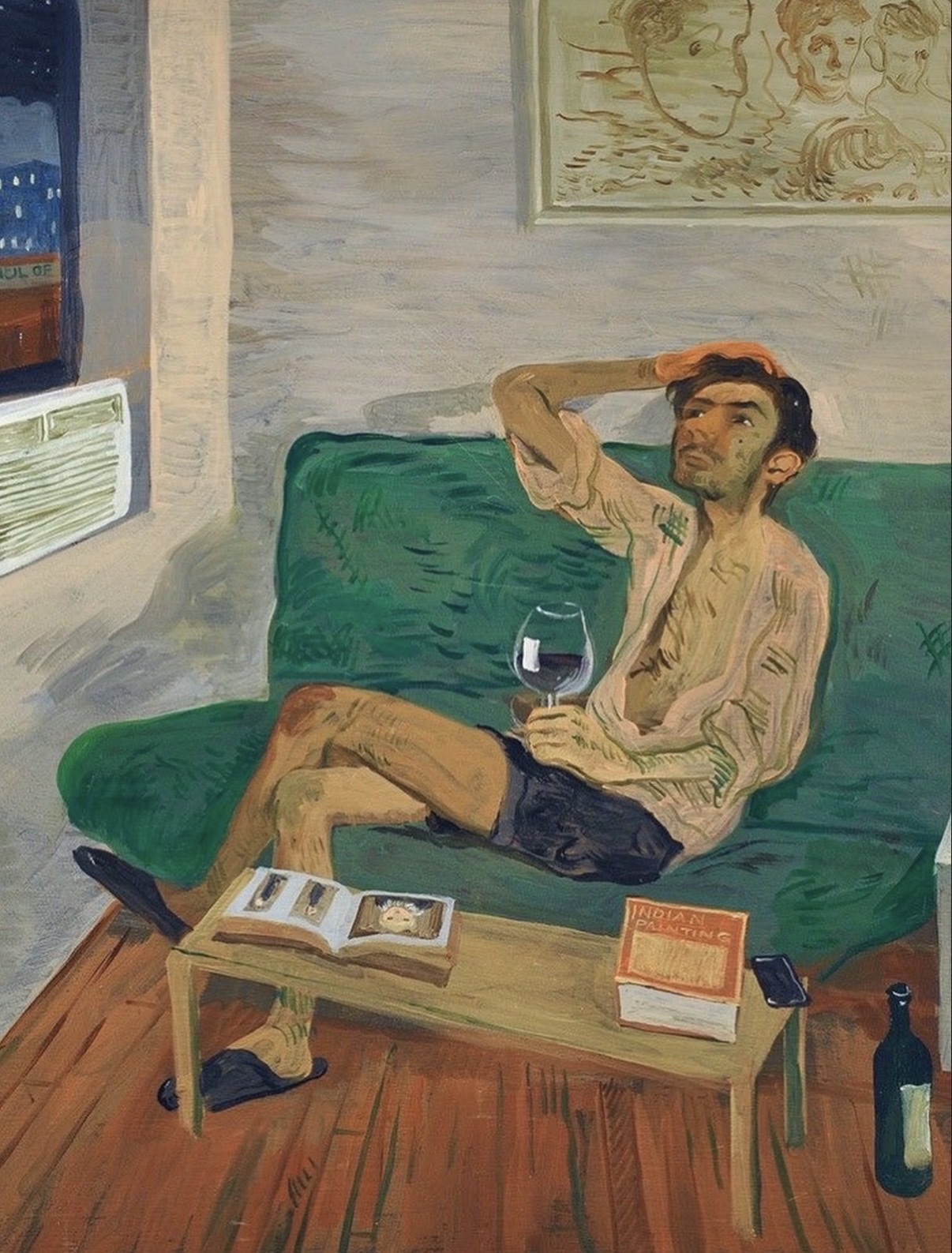
Playful Imagery
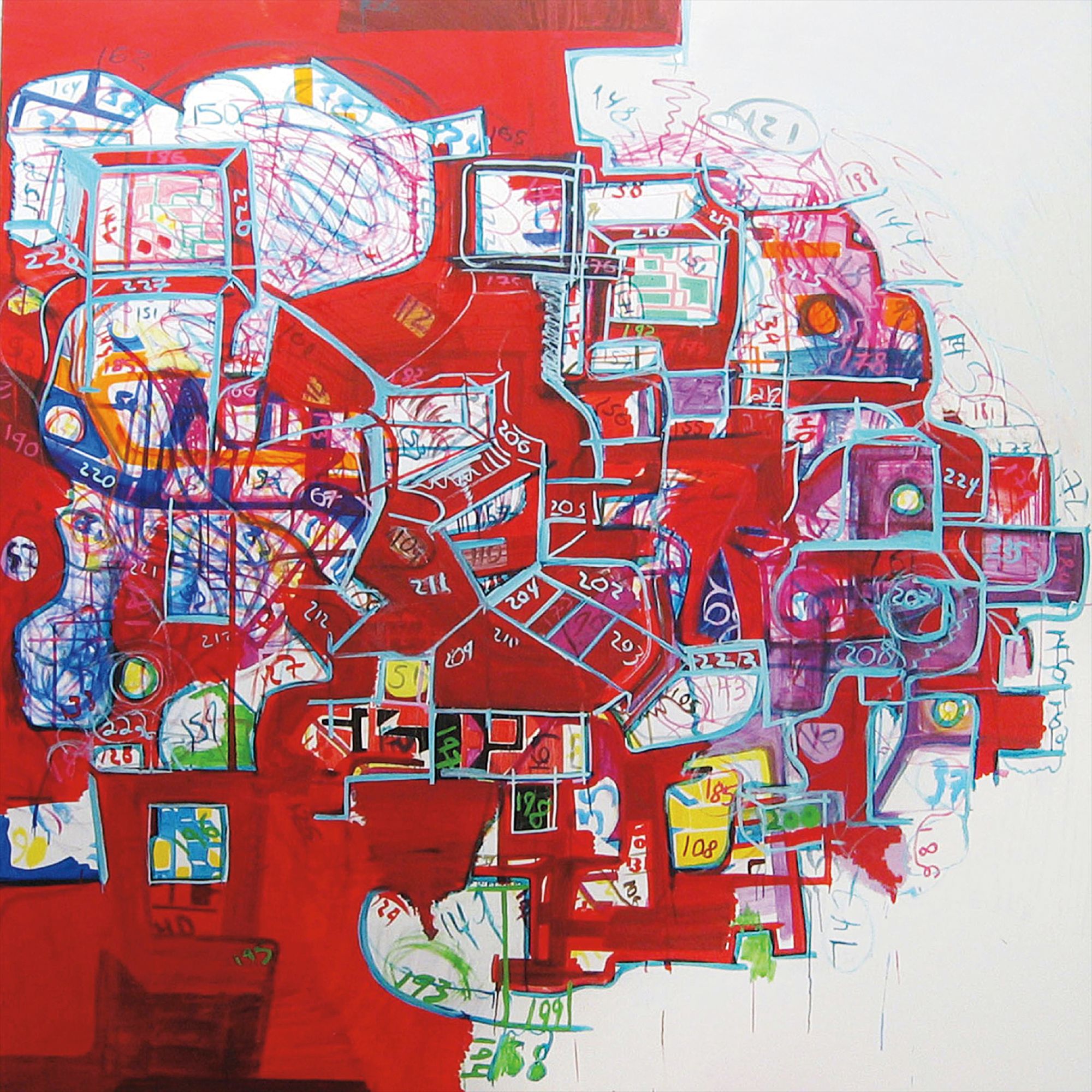
Joanne Greenbaum
Workbook




Serious Money Is Chasing Seriously Joyful Art
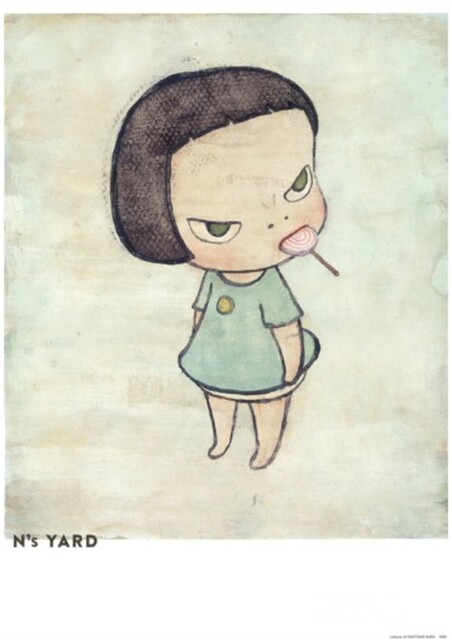
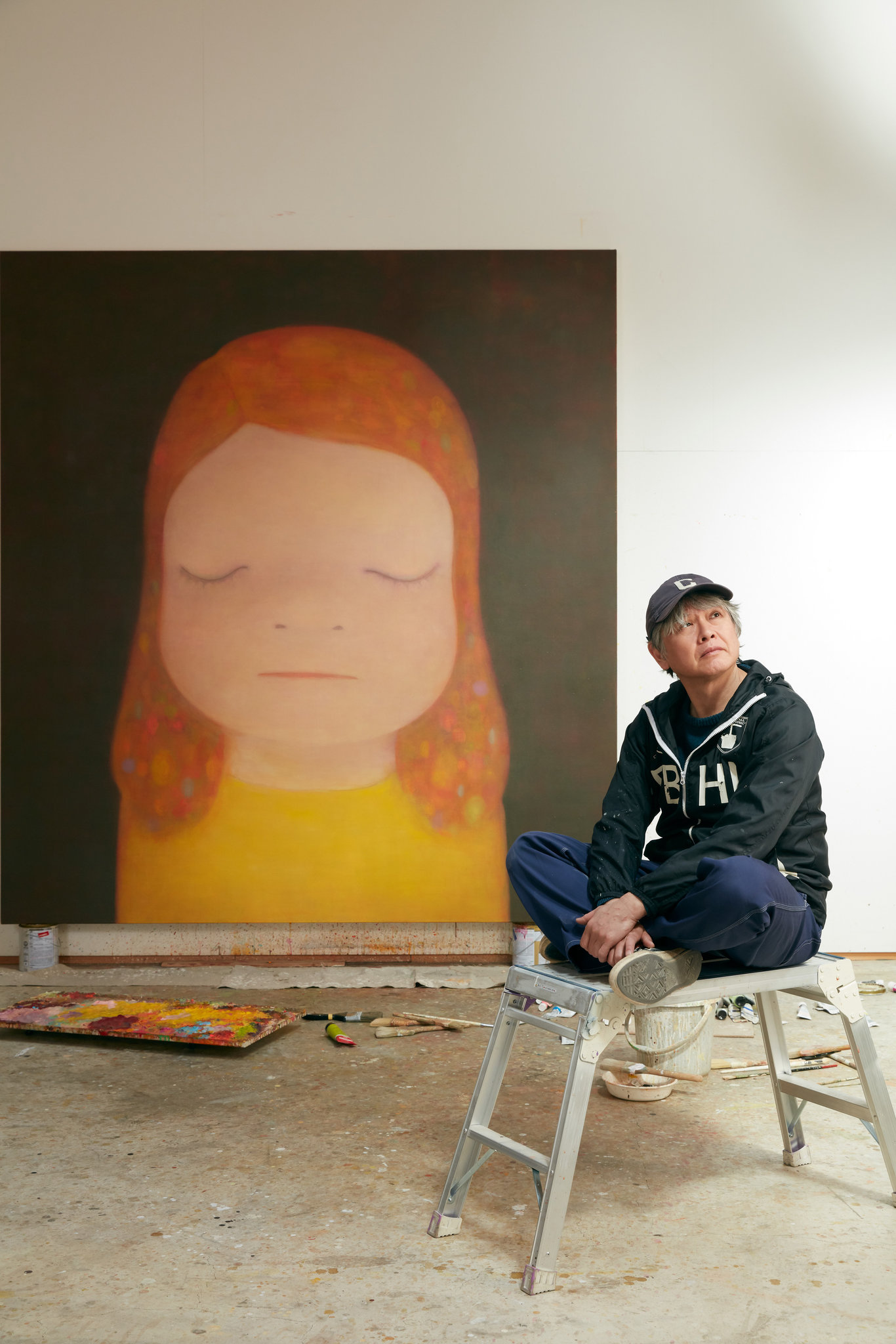
When a Yoshitomo Nara painting of a sullen, doe eyed child crossed the auction block at Sotheby's Hong Kong in 2019 and landed at over 250 million Hong Kong dollars, setting a record for the artist, it confirmed something the art world had been circling around for years. Playfulness, as a sustained artistic strategy, had arrived at the top table. This was not novelty or outsider charm finding a moment. This was a fully formed market, decades in the making, announcing itself with the confidence of blue chip conviction.
The cultural conversation around what we might loosely call playful imagery has shifted considerably in the past decade. It used to be that critics and curators would qualify their enthusiasm, reaching for words like subversive or critical to justify the work's place in serious discourse. That apologetic framing has largely dissolved. The artists who have built careers around vivid color, cartoon reference, absurdist form, and the emotional register of childhood are now understood on their own terms, without the nervous footnotes.
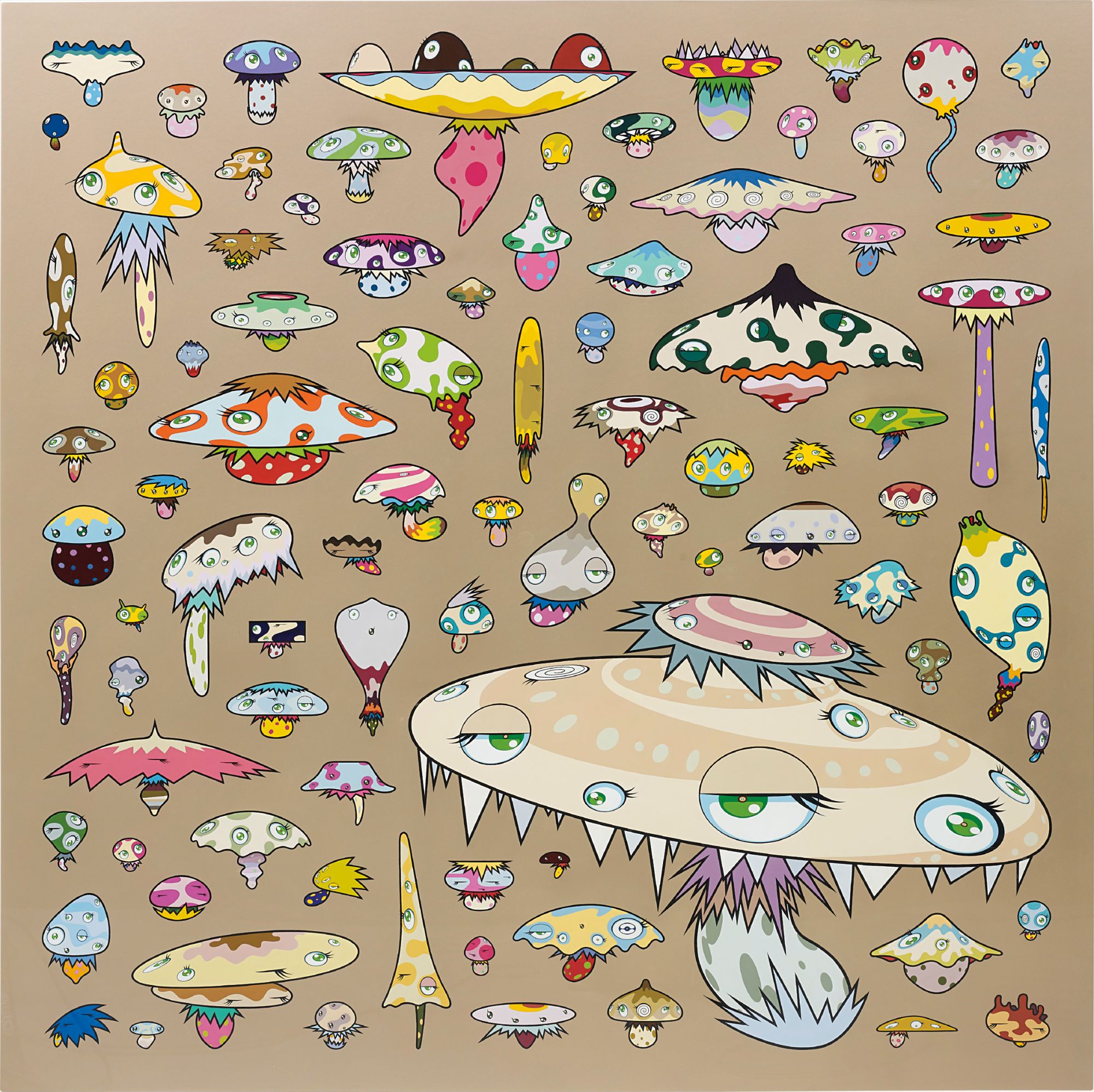
Takashi Murakami
Army of Mushrooms
The market has played a significant role in that recalibration, but so have the institutions. Takashi Murakami's retrospective at the Museum of Contemporary Art in Los Angeles in 2007, titled ©Murakami, remains a landmark in how this sensibility entered institutional consciousness at scale. The show traveled to the Brooklyn Museum and the Guggenheim Bilbao, drawing enormous crowds and genuine critical engagement. Murakami's ability to collapse the distance between fine art and commercial culture, between Japanese manga tradition and Western contemporary art, made him impossible to dismiss and equally impossible to categorize neatly.
His works on The Collection reflect that layered sophistication, where surfaces that appear effortlessly cheerful reveal obsessive craft and genuine conceptual weight underneath. Jeff Koons has long occupied a singular position in this conversation, and his auction record remains staggering. His Rabbit, the stainless steel bunny cast in 1986, sold at Christie's New York in May 2019 for just over 91 million dollars, making it at that moment the most expensive work by a living artist ever sold at auction. The result provoked familiar arguments about spectacle and value, but what it also demonstrated is that work operating in a register of knowingness and visual pleasure can command the same gravity as any meditative abstract canvas.
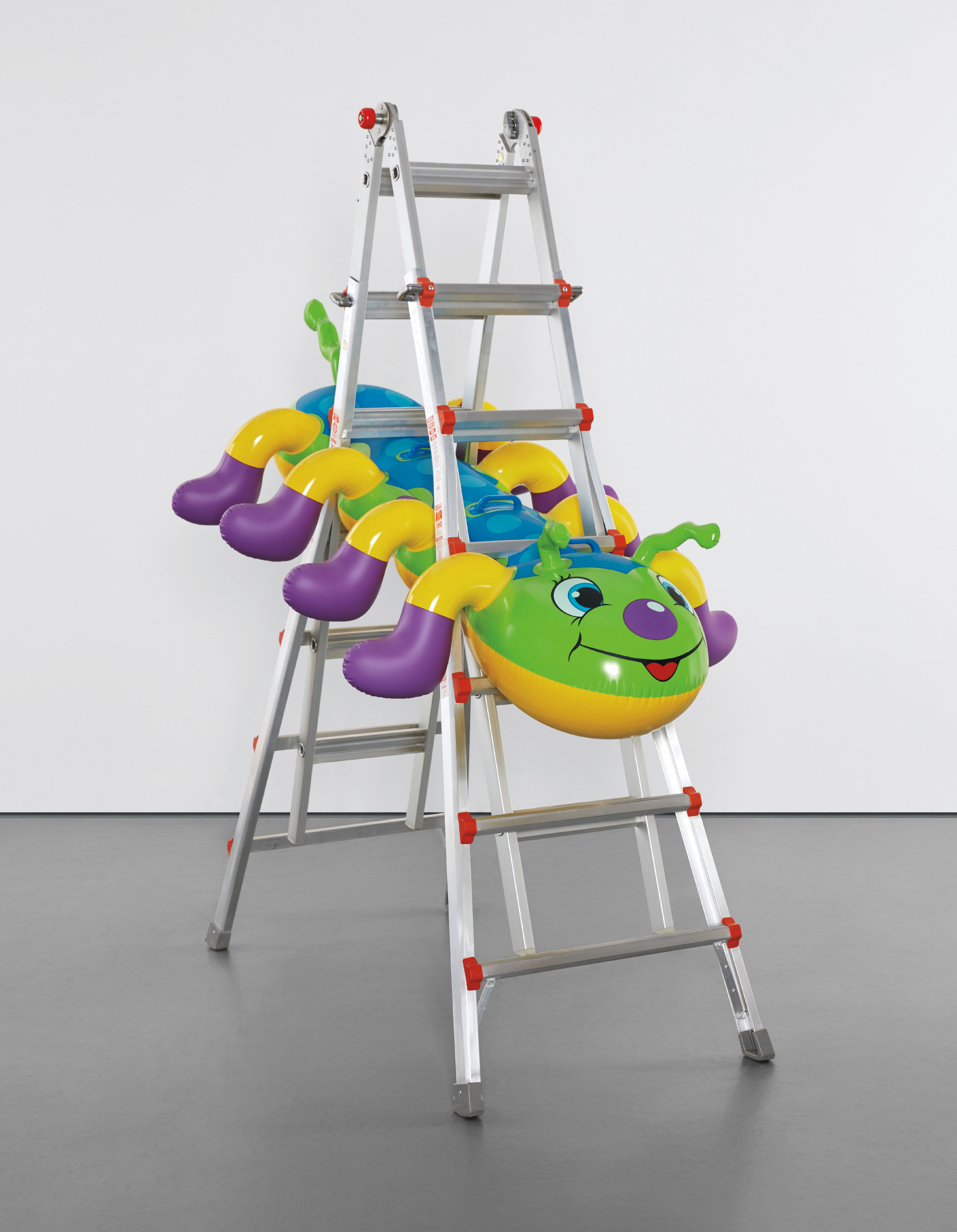
Jeff Koons
Caterpillar Ladder, 2003
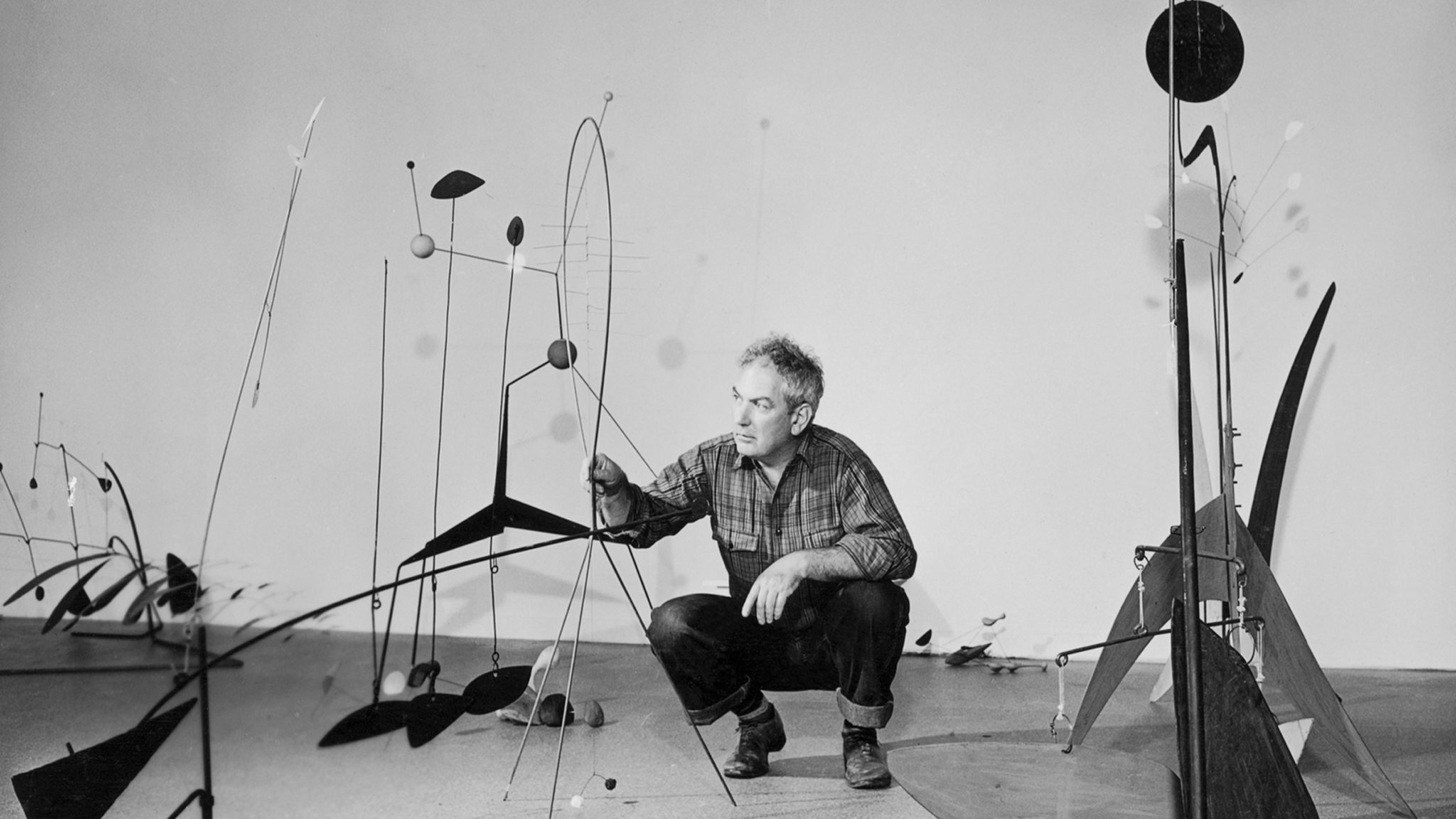
Koons understood decades ago what the market has now fully absorbed: that desire and delight are legitimate and commercially potent artistic territories. Alexander Calder sits somewhere at the origin point of this lineage. His mobiles, which introduced motion, wit, and a spirit of pure invention into mid century sculpture, established that joy could be structurally rigorous. Major institutions from the Whitney Museum of American Art to the Fondation Beyeler have mounted significant Calder shows in recent years, and his market has remained remarkably stable across economic cycles.
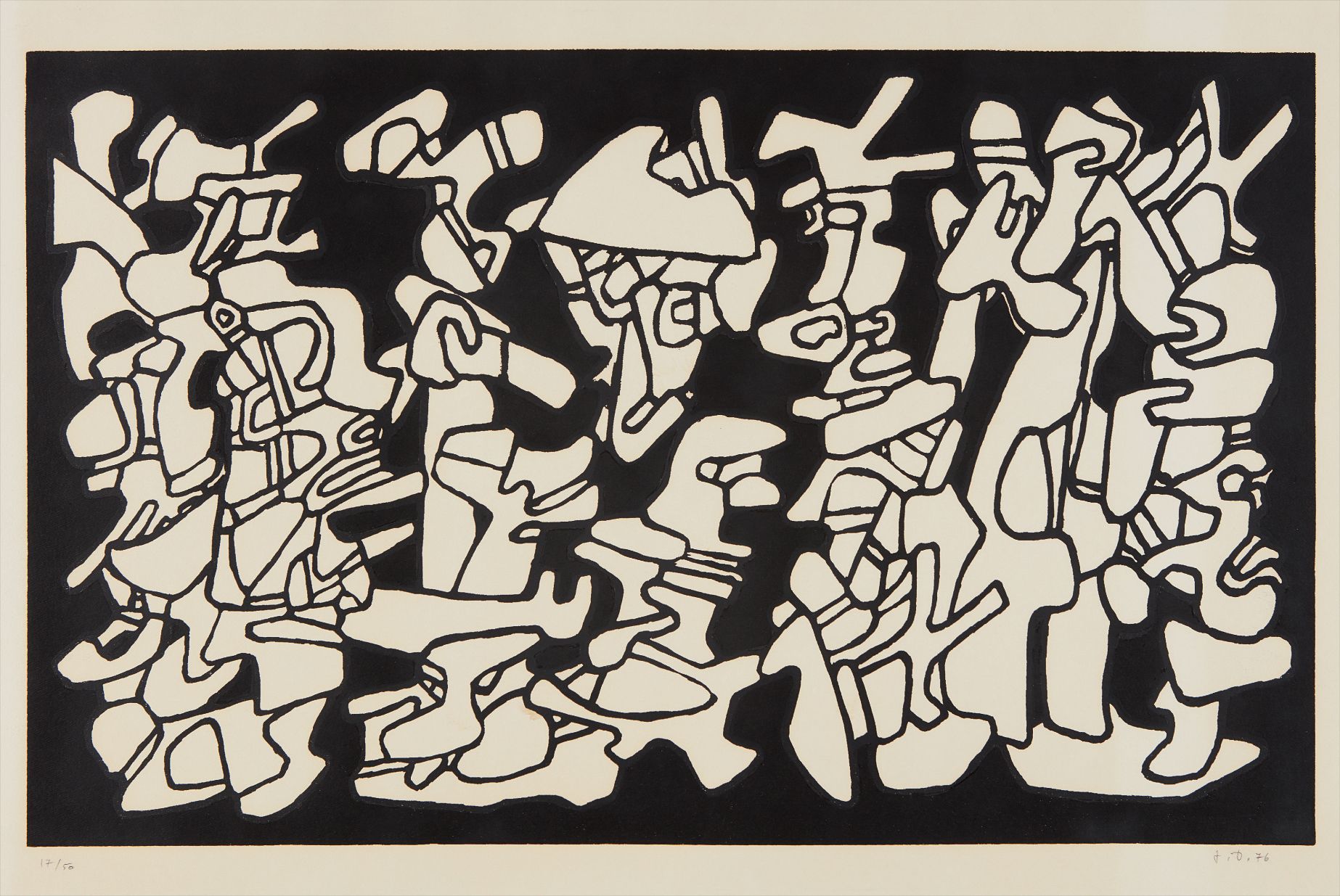
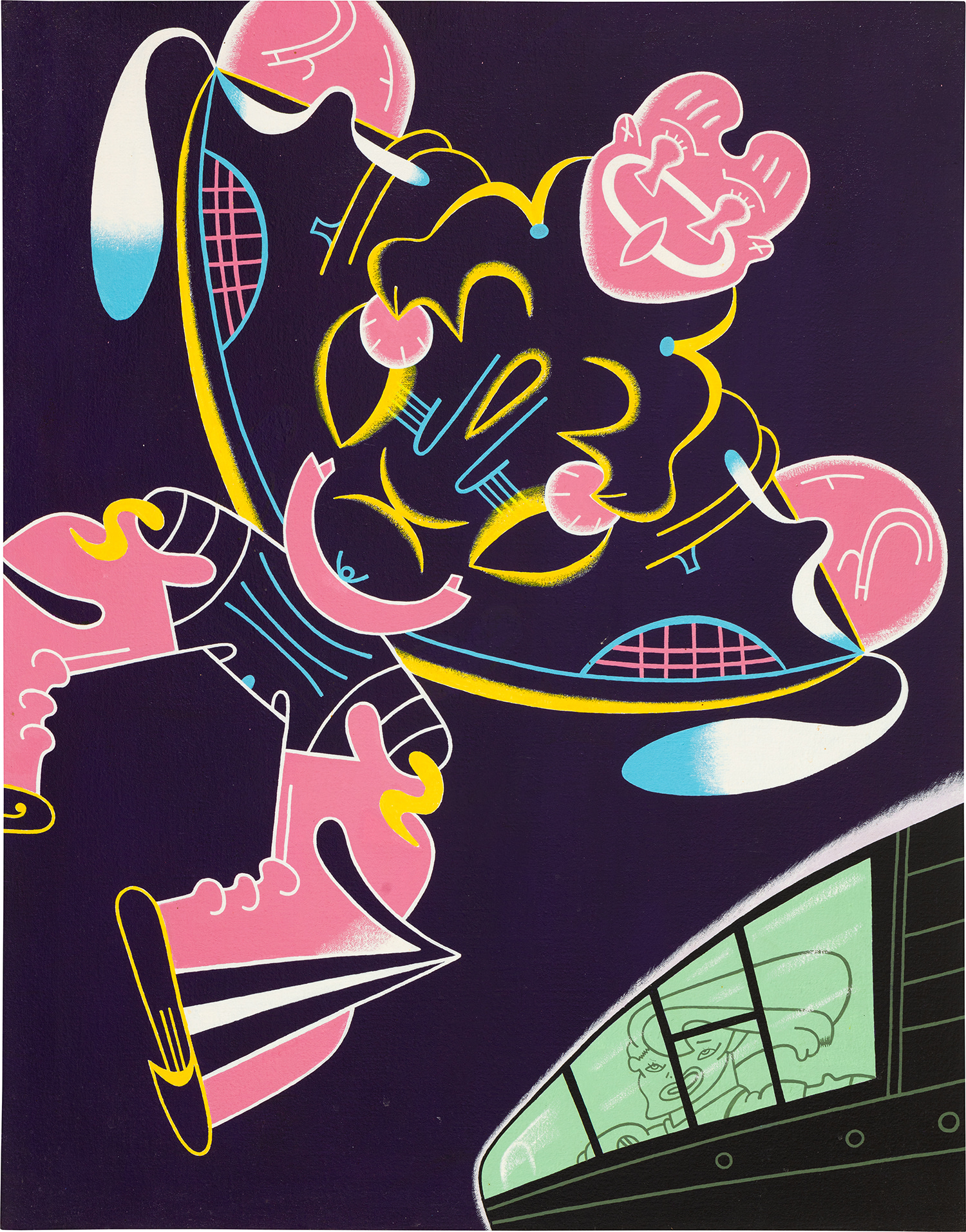
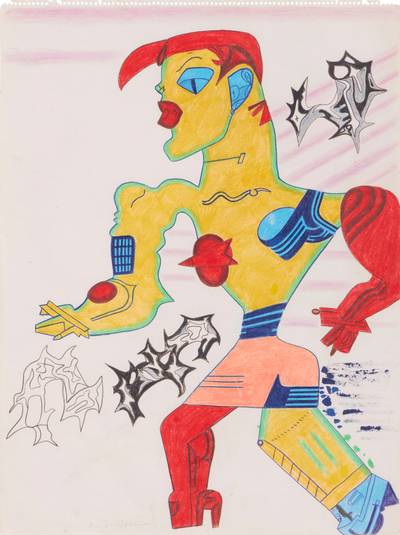
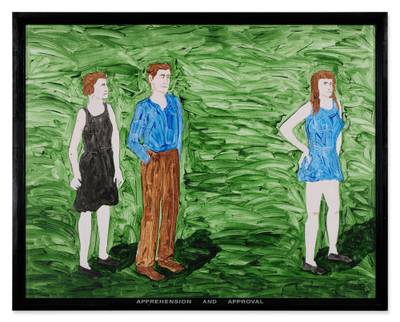
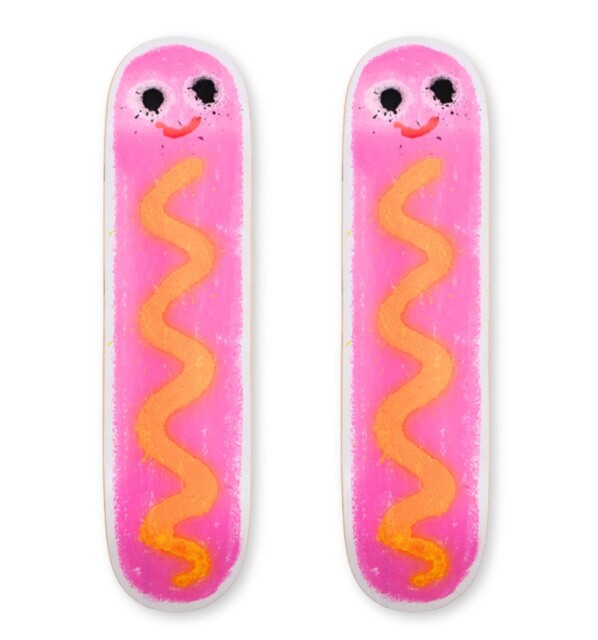
Collectors who acquire Calder are often making their first gesture toward a broader sensibility, and that gateway quality is part of what makes his work so enduring. Jean Dubuffet, working from a very different philosophical position, arrived at a similarly exuberant visual language through his embrace of art brut, and his influence on artists like Joanne Greenbaum and Arturo Herrera, both represented on The Collection, is legible even when not directly cited. Greenbaum and Herrera are instructive cases for understanding where critical energy is currently concentrated. Both artists work with abstraction that carries an almost improvisational warmth, a sense of marks made with genuine pleasure rather than calculation.
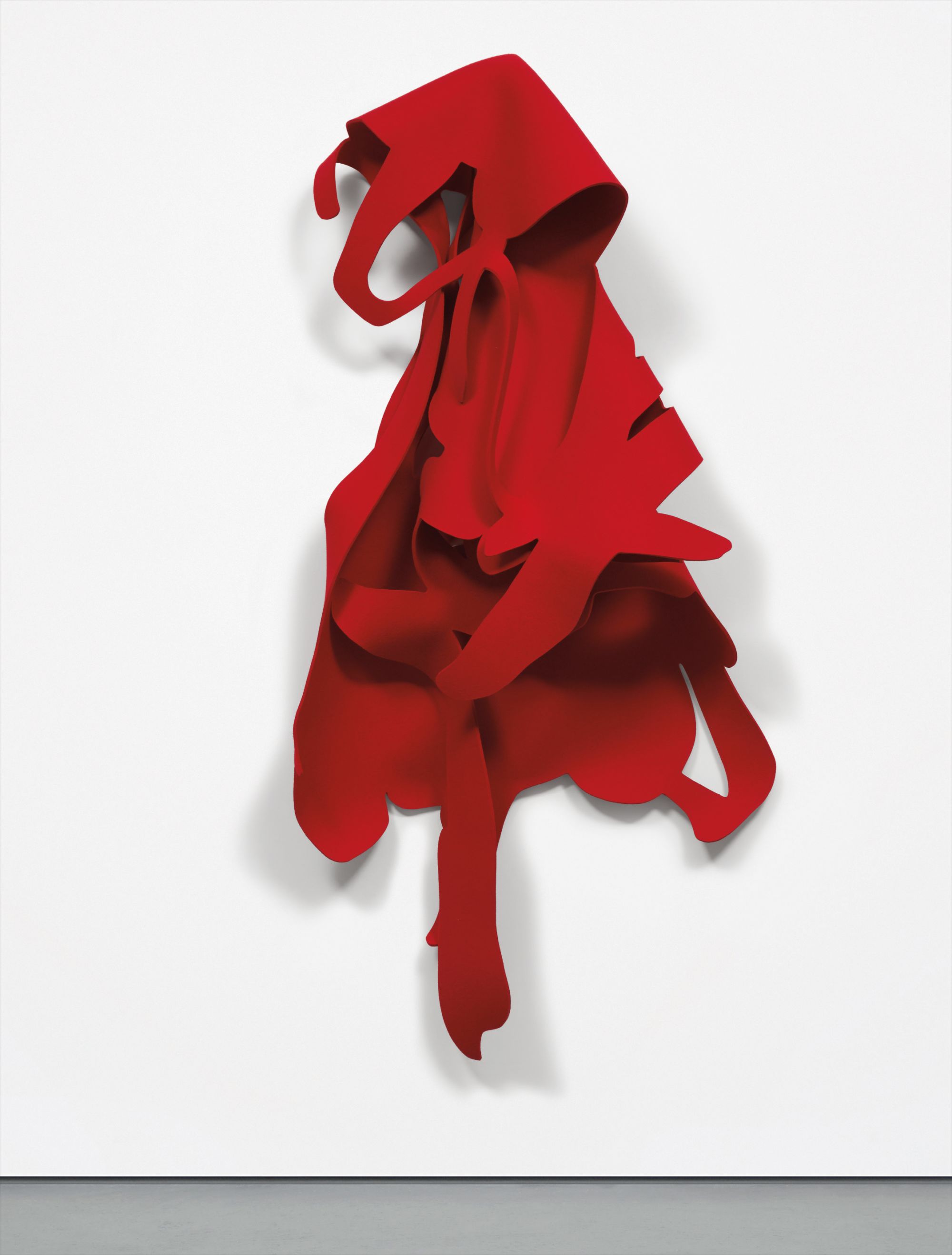
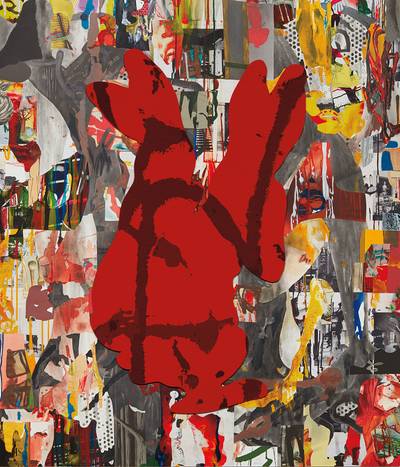
Arturo Herrera
Felt #8, 2008
Greenbaum has received renewed institutional attention in recent years, with her work appearing in group shows that position her alongside younger painters who cite her as a formative reference. Herrera, whose practice moves fluidly between collage, painting, and sculptural installation, was given a thoughtful monographic survey at Musée Cantini in Marseille, which helped consolidate his standing in European collections. Neither artist commands the auction headlines that Murakami or Koons generate, but the collector base around them is deeply committed and growing. Karl Wirsum, associated with the Chicago Imagists and the Hairy Who group that showed at the Hyde Park Art Center in the late 1960s, represents a strand of American playfulness that is genuinely undervalued relative to its art historical importance.
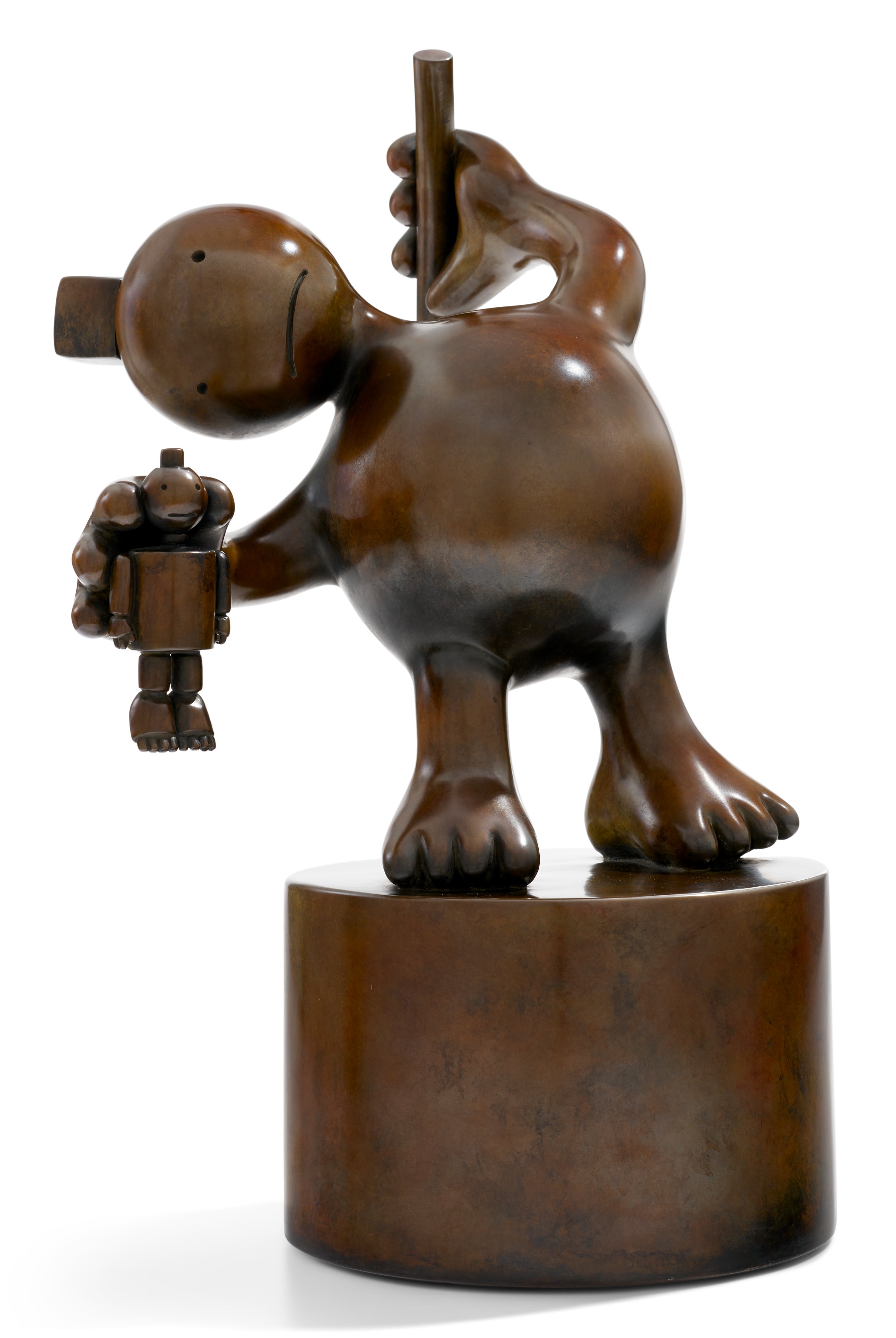
The Imagists were doing something radical: insisting on figuration, humor, and vernacular culture at precisely the moment when the New York establishment demanded severity and abstraction. Wirsum's work has attracted renewed interest as curators and scholars revisit that Chicago moment, and prices at auction have been moving accordingly. Tom Otterness, whose whimsical bronze figures populate public spaces and private collections alike, occupies a related territory, using the grammar of cartoon sculpture to make pointed observations about power, money, and everyday life. The institutional collecting picture is revealing.
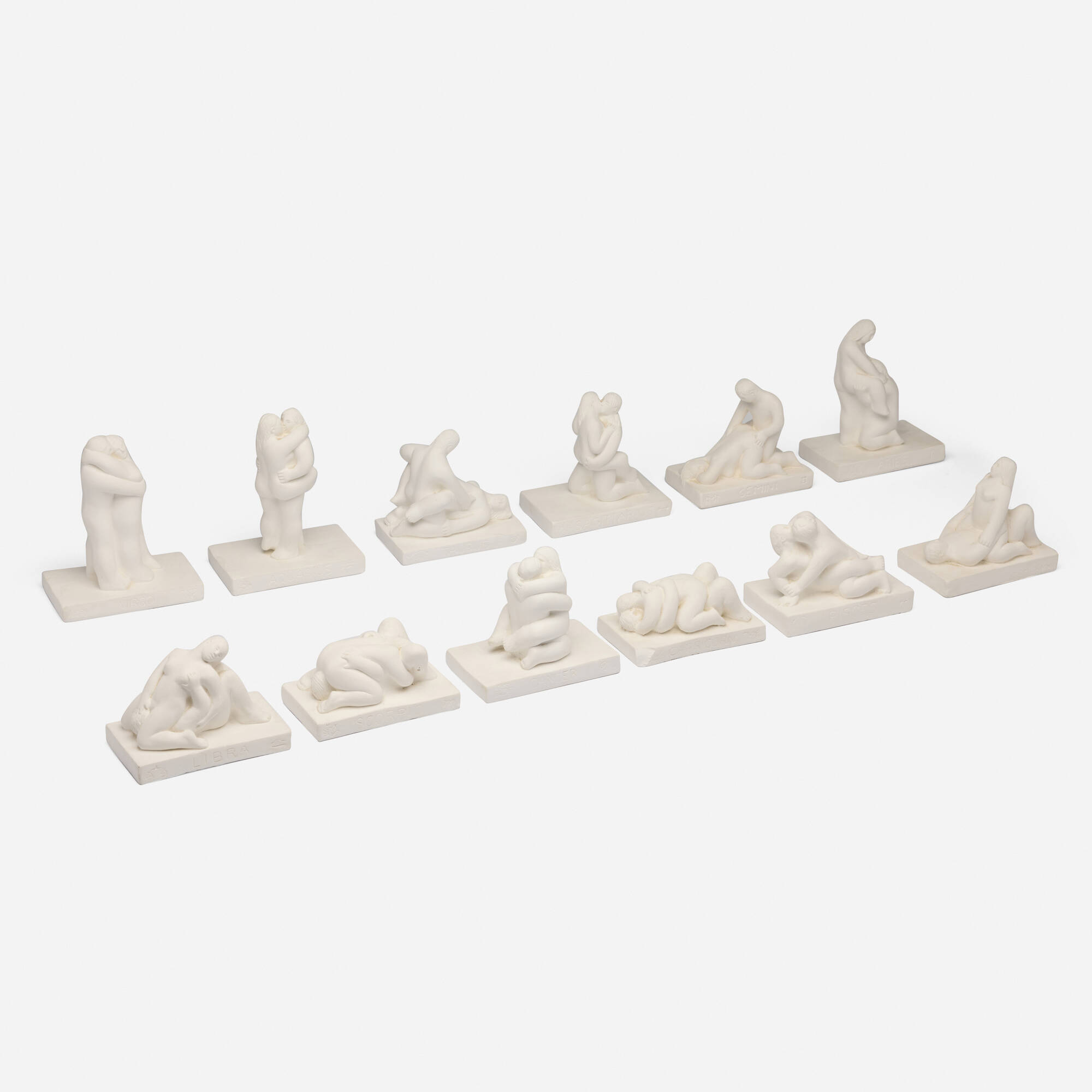
Tom Otterness
Zodiac Love, 1982
The Museum of Modern Art, the Tate, and the Broad in Los Angeles all hold significant works by artists in this orbit, but perhaps more telling is the enthusiasm from institutions like the Rubell Museum in Miami and the Garage Museum of Contemporary Art in Moscow, both of which have actively acquired works by Mr., the Japanese artist who emerged from the scene around Murakami and has developed a following that crosses fashion, street culture, and contemporary art collecting. Jon Burgerman, whose practice engages deeply with the internet as both subject and distribution channel, points toward where the younger end of this sensibility is heading, into digital adjacency and a fluency with meme culture that the previous generation could not have anticipated. What feels alive in this space right now is the growing seriousness with which secondary market specialists are treating works that once seemed too cheerful for blue chip designation.
Several major dealers have quietly built significant inventory in this area over the past three years, anticipating a generational transfer of wealth to collectors whose visual vocabulary was formed by anime, gaming, and graphic design rather than by European modernism. What feels settled is the canonical status of figures like Nara, Murakami, Calder, and Koons. The surprise still coming, perhaps, is the full reappraisal of Oldenburg and the Pop adjacents, whose playful monumentality is ripe for the kind of retrospective reconsideration that changes prices and reputations simultaneously. The work has always been there.
The moment for it feels very close.