Playful And Whimsical
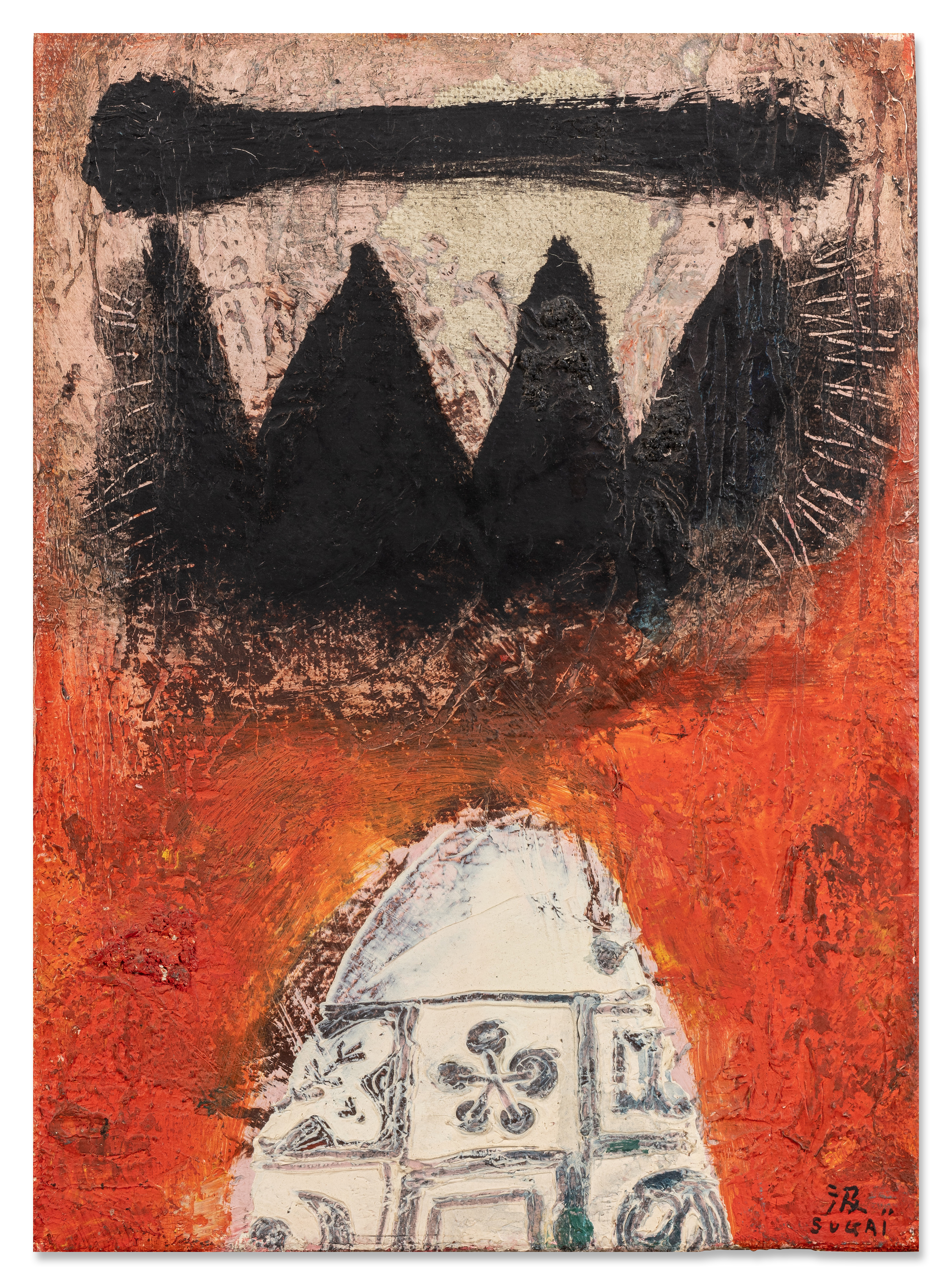
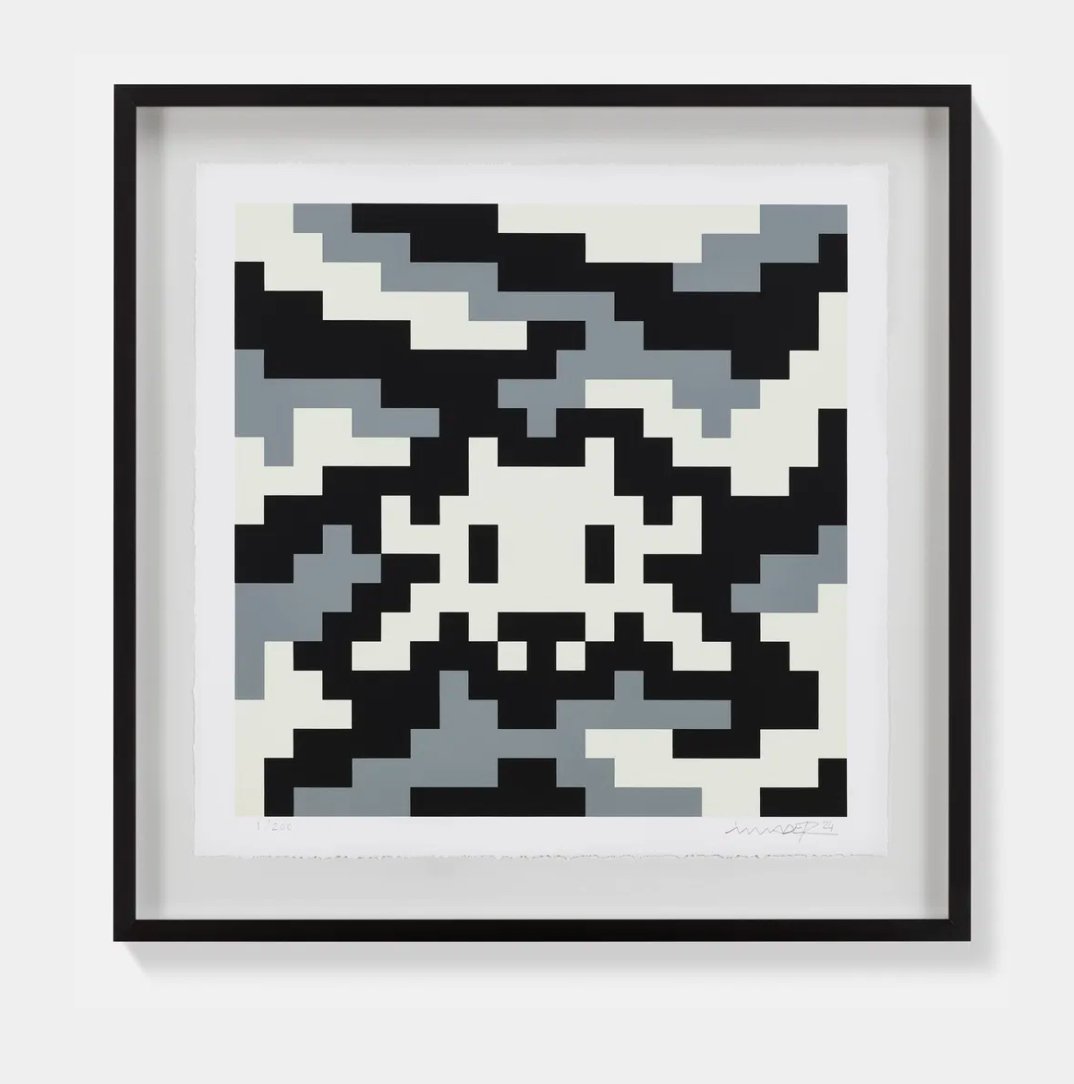
Kumi Sugaï
Diablotin





Art That Refuses to Take Itself Seriously
There is a particular kind of courage in making art that makes people smile. In a world that has long rewarded solemnity and gravitas, the artists who chose color over restraint, absurdity over authority, and pure delight over dutiful meaning were quietly staging one of the most sustained rebellions in modern art history. Playfulness, it turns out, is not the opposite of seriousness. It is another name for freedom.
The roots of whimsy in serious art are older than most collectors suspect. Long before the twentieth century gave us movements and manifestos, artists like Hieronymus Bosch and Giuseppe Arcimboldo were bending reality into fantastical shapes, filling canvases with creatures that had no business existing. But the real turning point came with the Dada movement around 1916, when artists in Zurich and New York declared that rationalism had led humanity straight into the trenches of the First World War. If reason produced catastrophe, then nonsense might contain its own quiet wisdom.
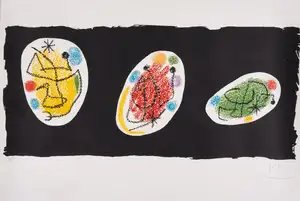
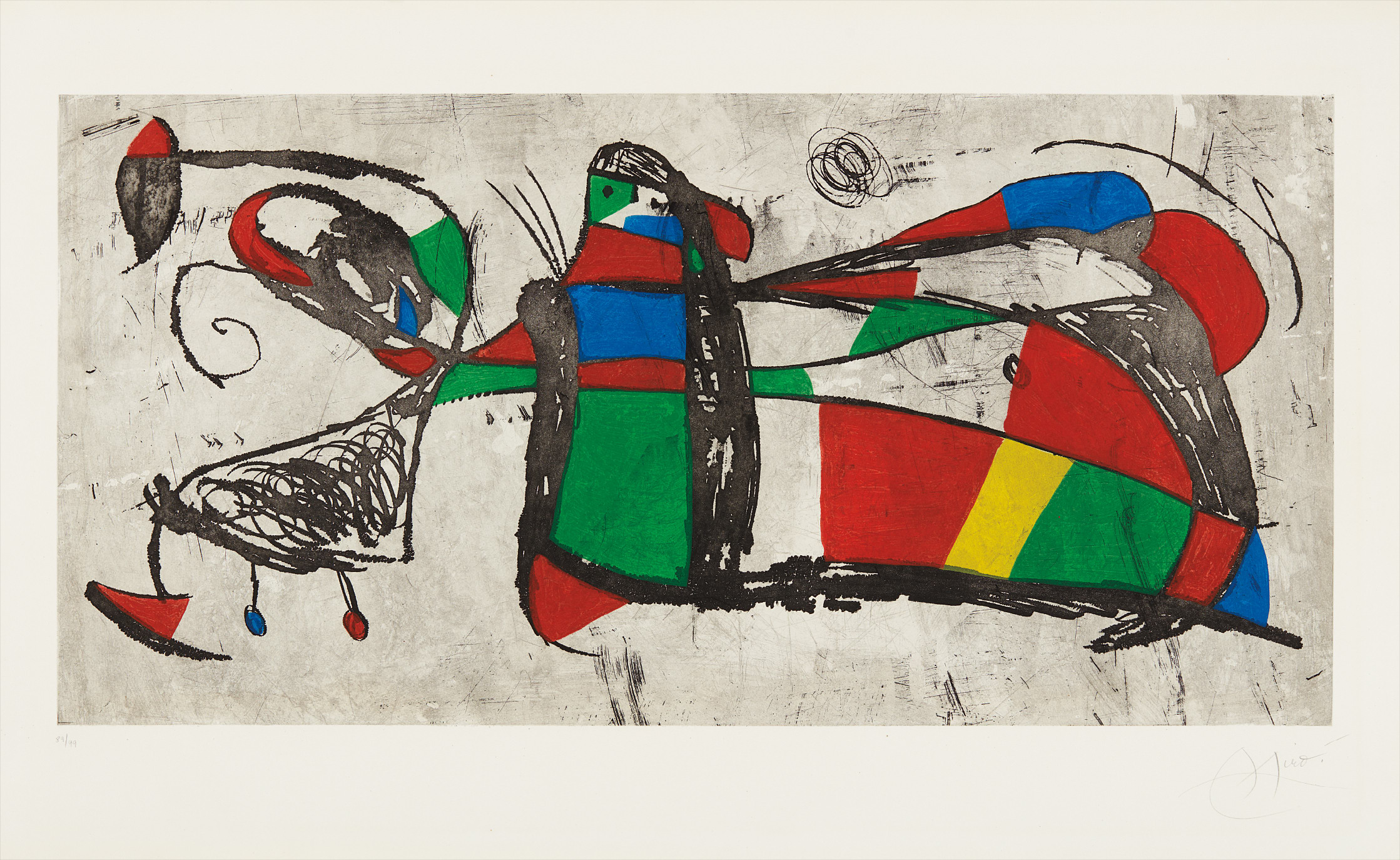
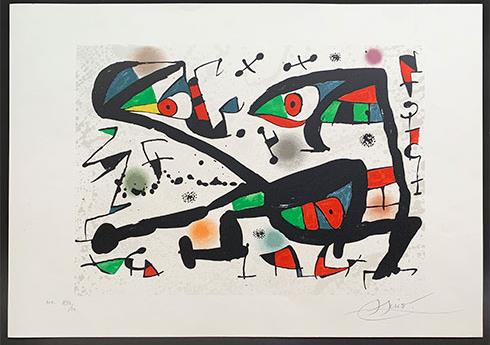
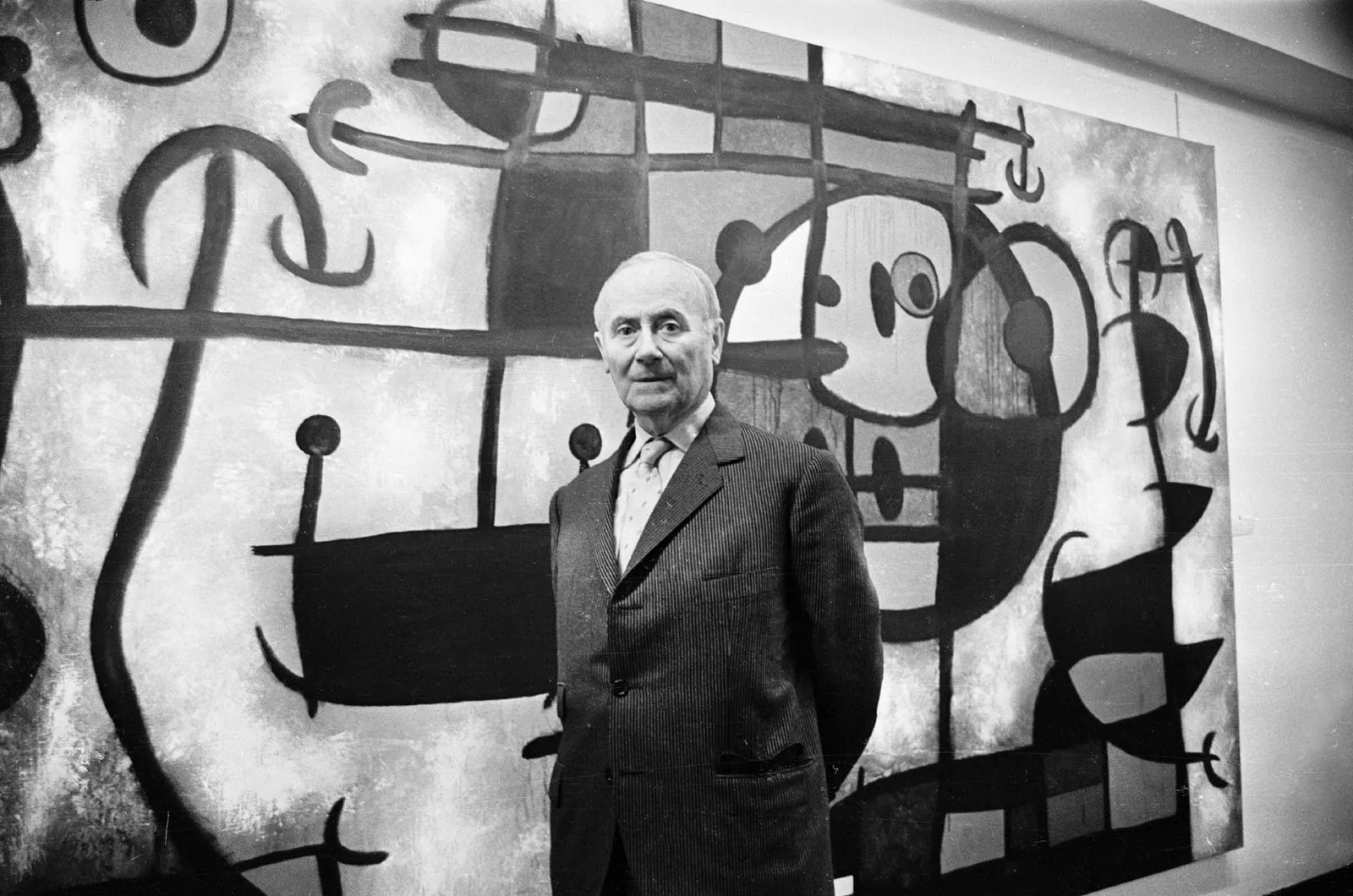
Joan Miró
For XXe siècle no.31 (Mourlot 515)
Marcel Duchamp placing a bicycle wheel on a stool was not a joke. It was a philosophical provocation wearing the costume of one. Surrealism carried this energy forward into the 1920s and beyond, giving artists permission to mine dreams, childhood, and the unconscious for material. Joan Miró, who is especially well represented among the works on The Collection, emerged from this moment as one of its most enduring voices.
His visual language of biomorphic forms, floating symbols, and electric colors feels both ancient and weightless, as though he had invented a new alphabet that the body understands before the mind catches up. Miró himself was insistent that his work was not decorative play. He called it an assault on the rational order, a phrase that sounds far more aggressive than the luminous canvases it describes. Pablo Picasso, whose work also appears on The Collection, contributed his own strain of irreverence.
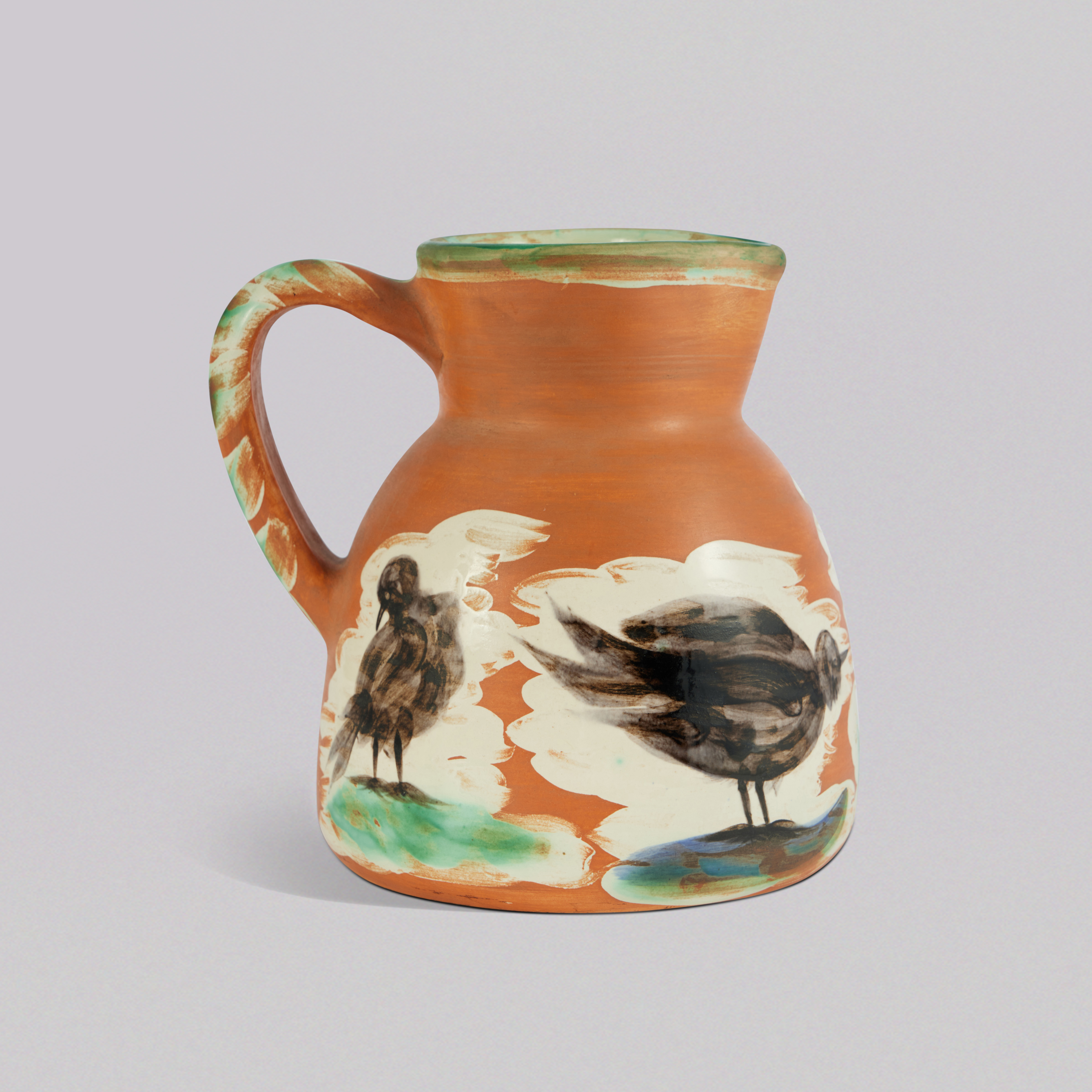
Pablo Picasso
Pichet aux oiseau (Alan Ramié 456), 1962
His ceramics and sculptures from the Vallauris period in the late 1940s and 1950s showed a Picasso who delighted in the absurd transformation of ordinary objects, turning a bicycle seat and handlebars into a bull's head with a wit that was entirely disarming. This impulse toward transformation and surprise runs like a current through the entire tradition. Claes Oldenburg famously proposed monumental sculptures of mundane objects in the 1960s, giant typewriter erasers and clothespins installed in public plazas, insisting that the vernacular deserved the same grandeur we reserved for generals on horseback. Niki de Saint Phalle brought a bodily exuberance to the conversation that was entirely her own.
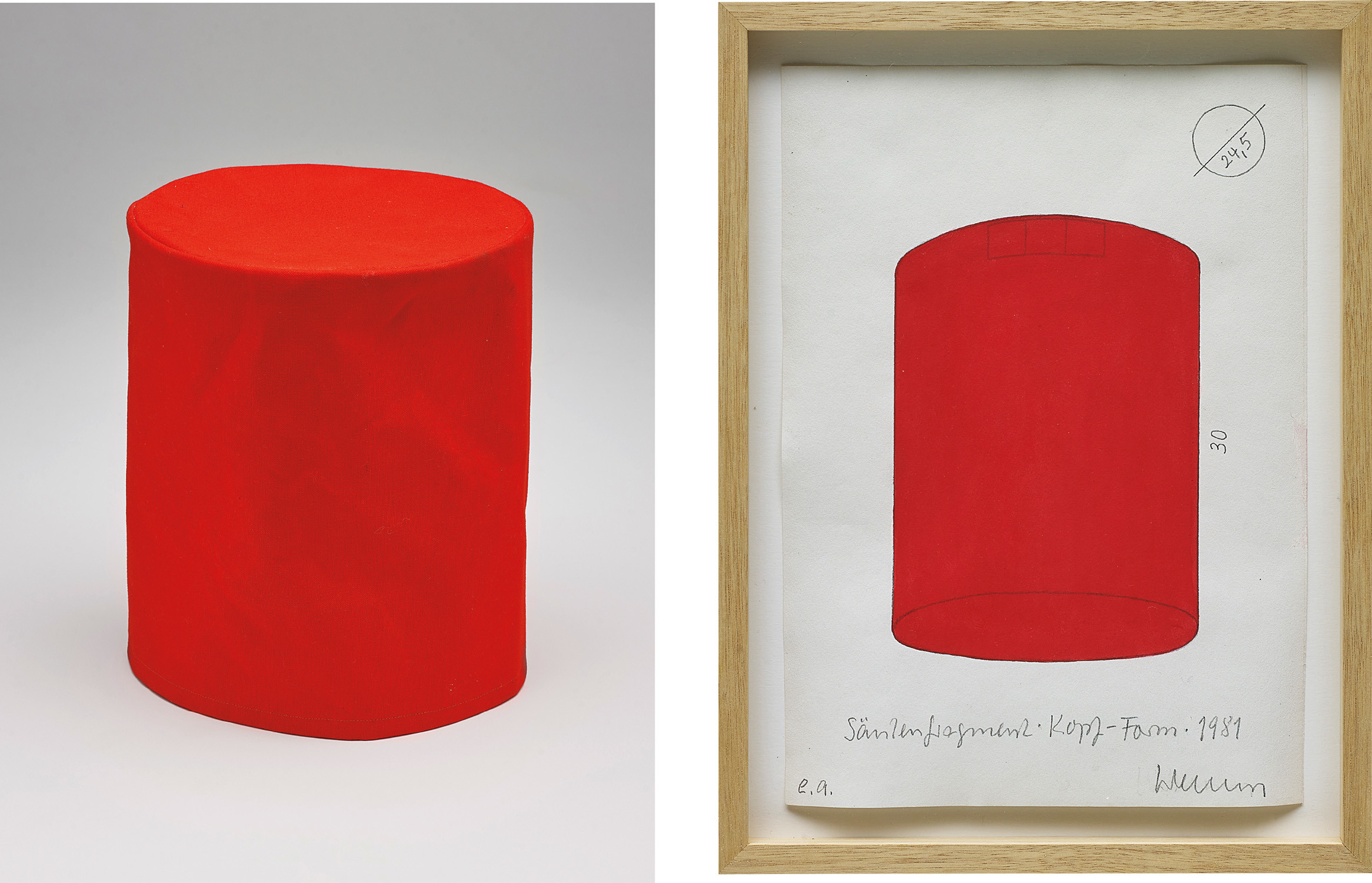
Her Nana sculptures, large rounded female figures in saturated colors, first shown in Paris in the mid 1960s, were joyful in a way that was also political. They claimed space, both physical and cultural, with an unapologetic fullness that the art world found alternately charming and destabilizing. Similarly, Christo and Jeanne Claude understood that wrapping a bridge or a coastline in fabric was inherently theatrical, an act that made the familiar strange and invited wonder rather than analysis. Their projects were enormous in scale yet childlike in their core proposition: what if we just covered it?
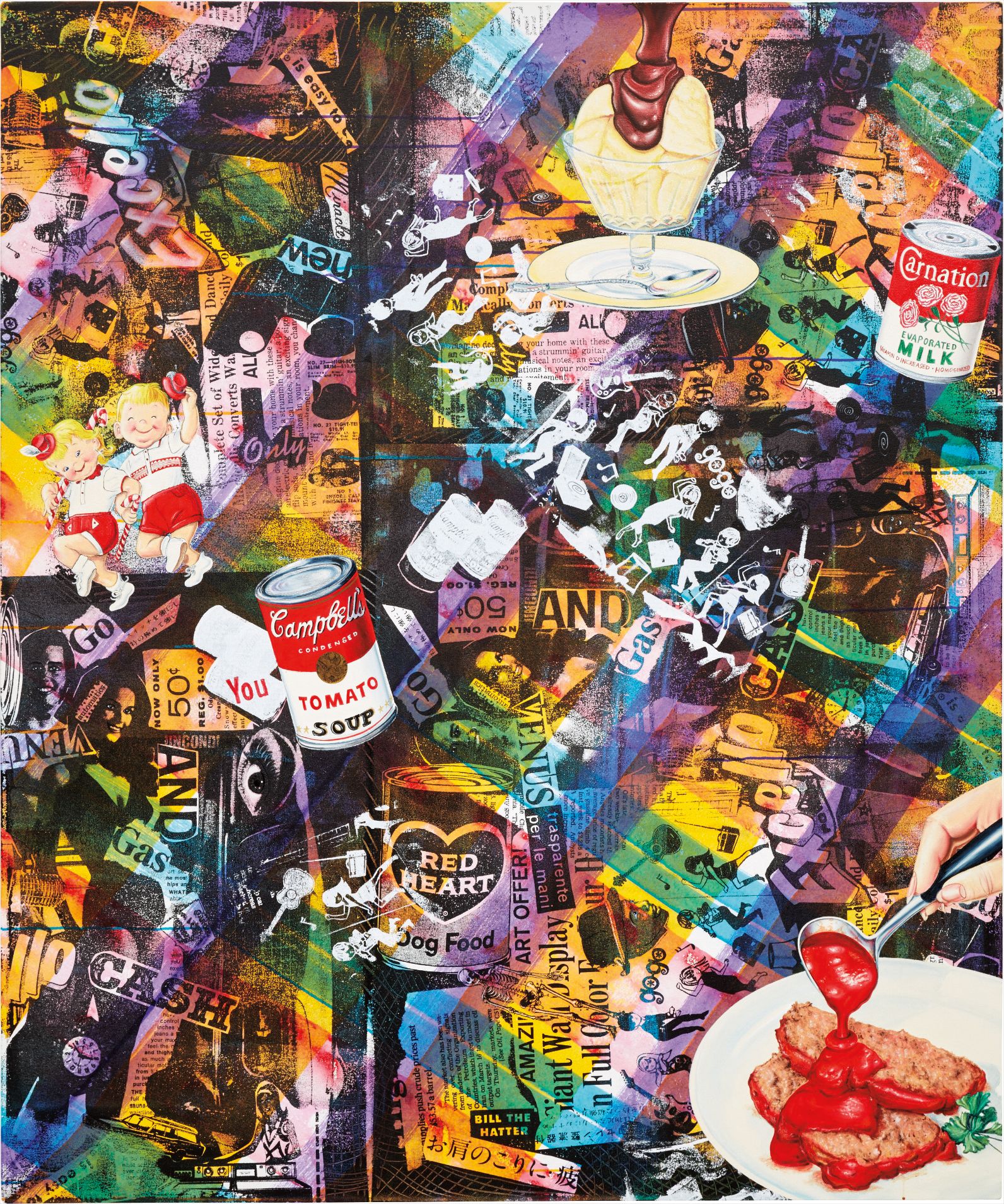
Kenny Scharf
Handy Dandy Andy Dance
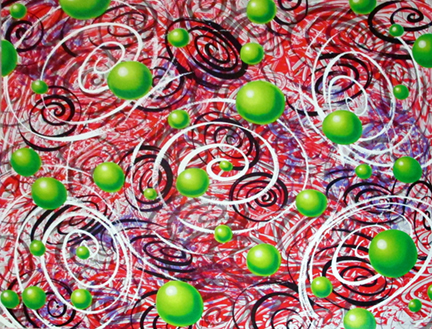
The pop generation accelerated the conversation considerably. Peter Blake, one of the architects of British Pop Art, brought fairground lettering, badges, and imagery from popular culture into fine art contexts with an affection that never tipped into cynicism. Kenny Scharf, working in New York in the 1980s alongside Jean Michel Basquiat and Keith Haring, painted cartoon universes onto gallery walls and transformed domestic appliances into otherworldly objects. His work drew directly from the Saturday morning television of his childhood, treating mass media imagery not as a symptom of cultural decay but as a genuine source of mythological richness.
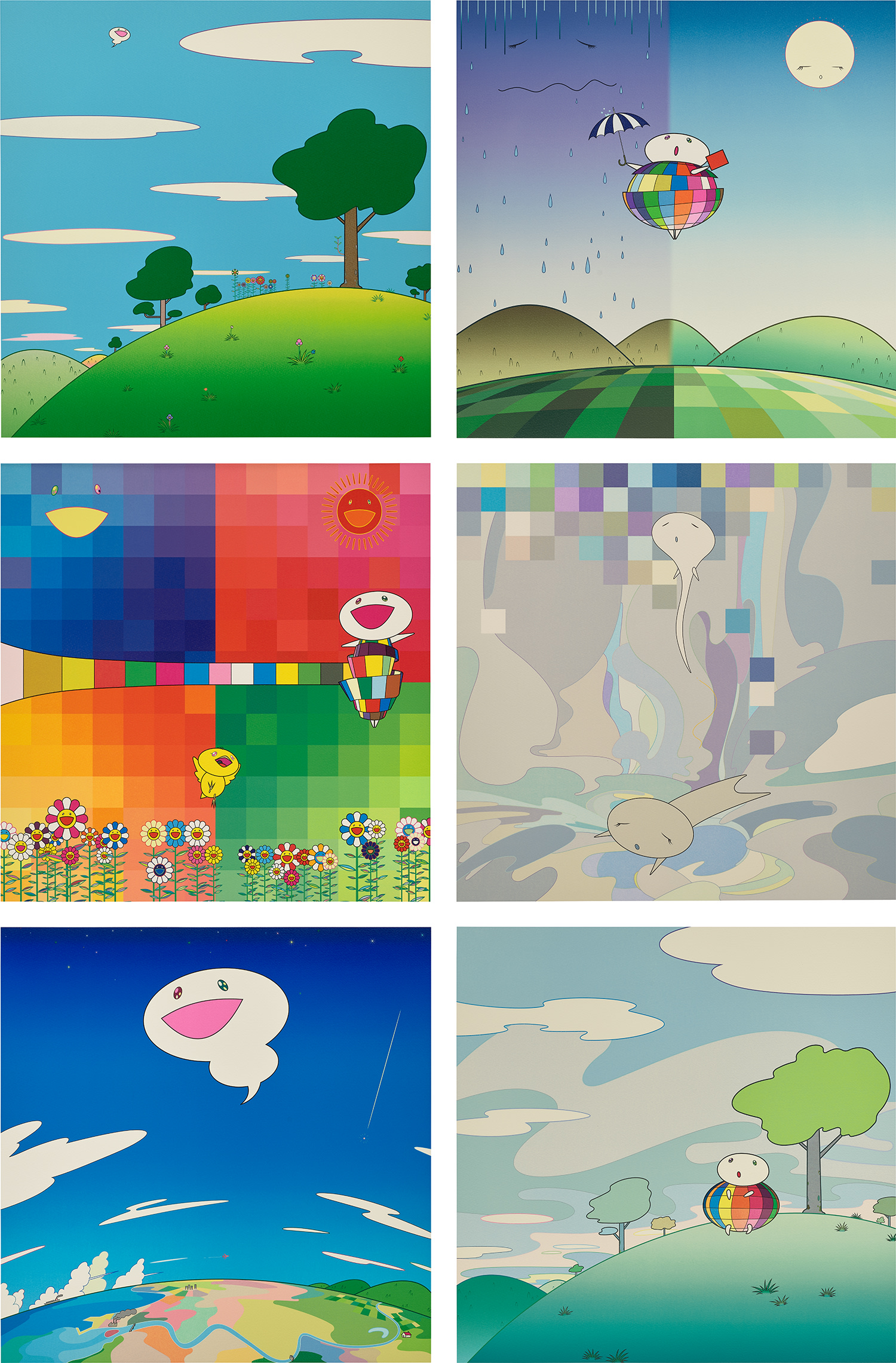
Takashi Murakami brought an entirely different cultural framework to the question of playfulness when he began exhibiting internationally in the 1990s. His Superflat theory proposed that the flat, colorful aesthetics of anime and manga were not a juvenile aberration from serious art but a coherent visual tradition with its own history and its own relationship to Japanese screens and woodblock prints. The smiling flowers and mushroom clouds in his paintings operate simultaneously as pure visual pleasure and as commentary on postwar Japanese consumer culture. This ability to hold delight and critique in the same image is one of the defining qualities of the most intelligent work in this tradition.
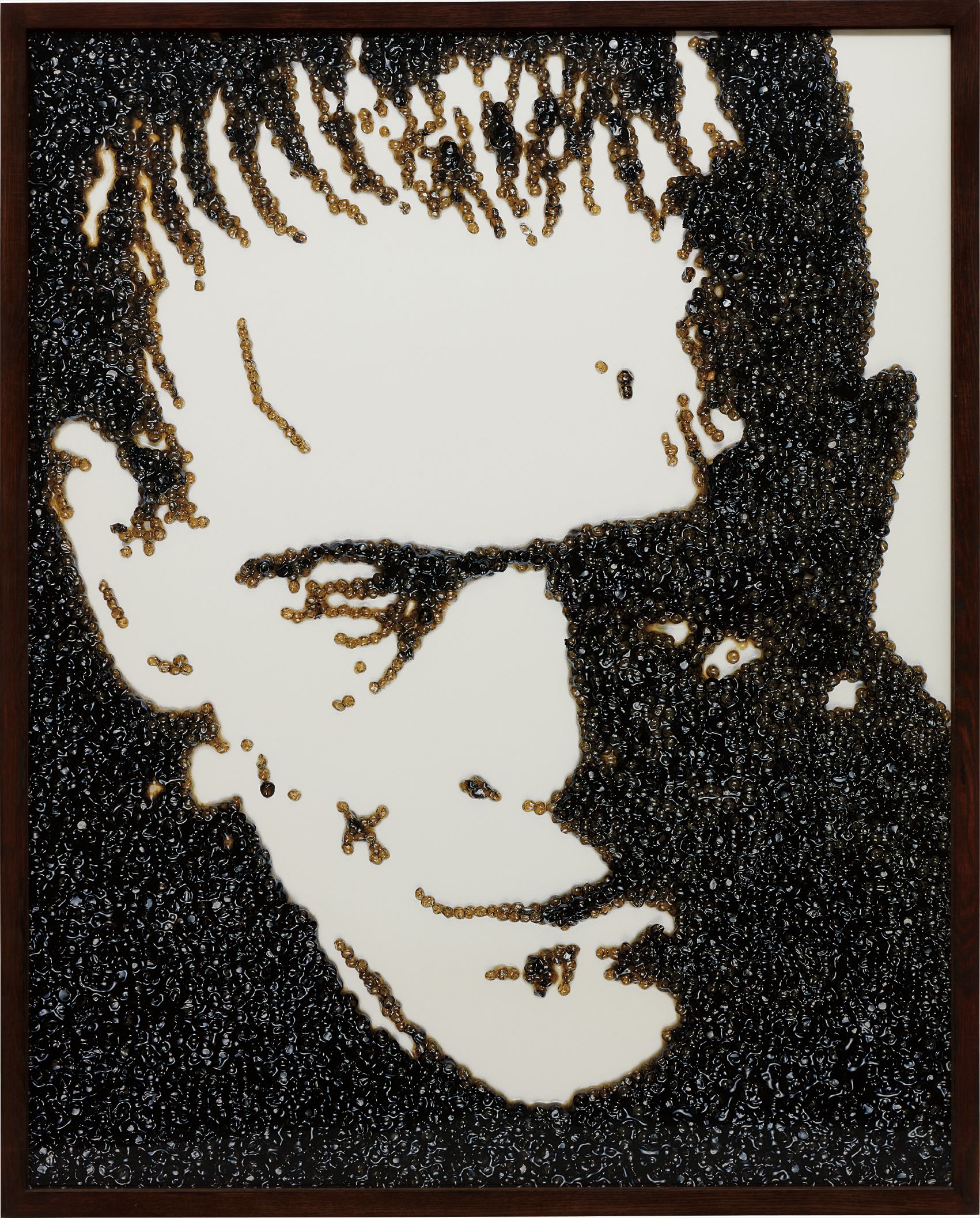
Vik Muniz
Frankenstein (from Caviar Monsters)
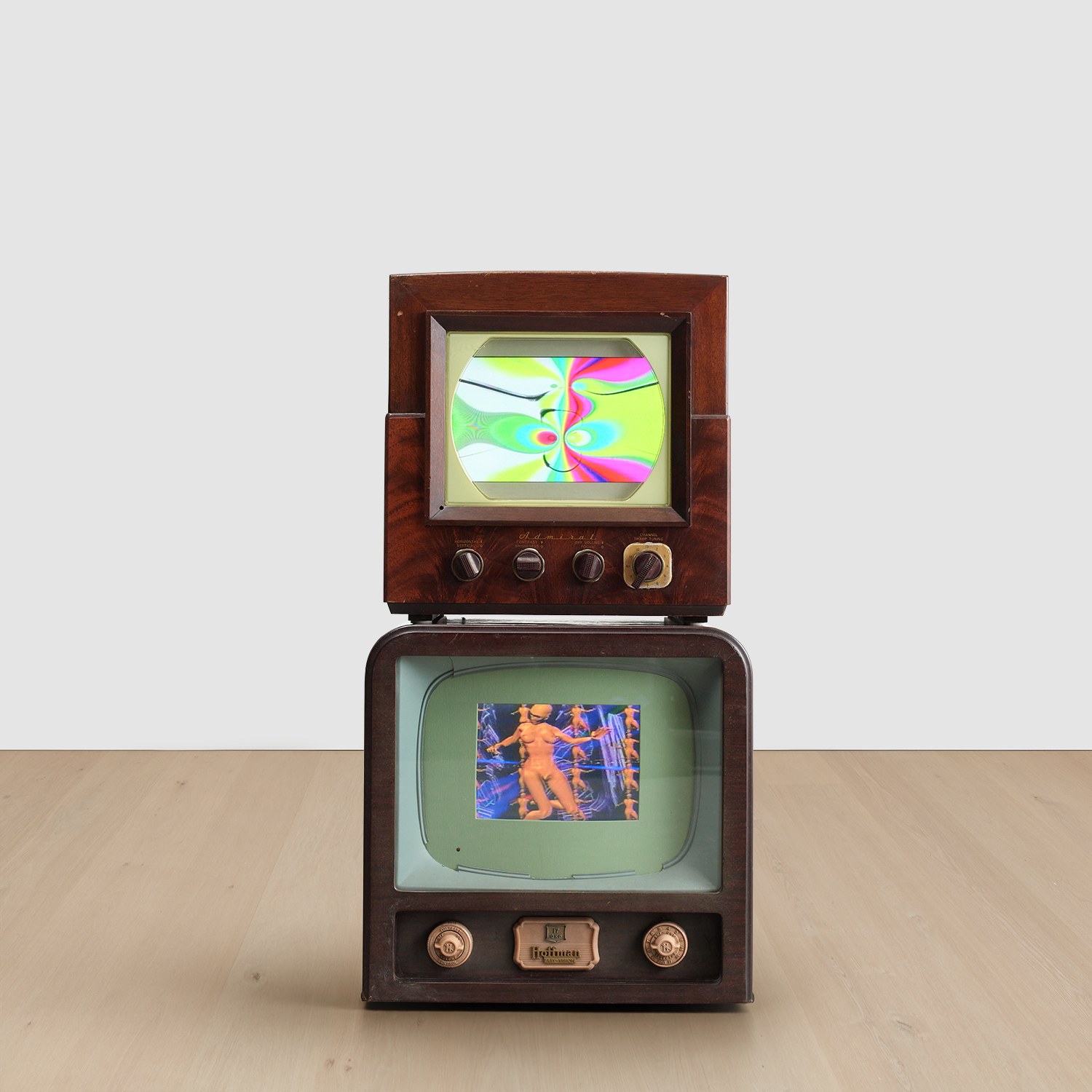
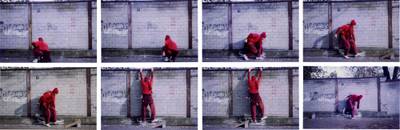
Nam June Paik approached playfulness through technology, filling galleries with televisions stacked into unlikely shapes, robots assembled from obsolete electronics, and video works that treated the screen as a toy rather than an authority. Vik Muniz made images from sugar, chocolate syrup, and magazine clippings, creating pictures that reveal their own absurdity the moment you step close enough to see the materials. Franz West made sculptures that looked like they wanted to be picked up and used, and often invited viewers to do exactly that. Robin Rhode draws directly onto walls and streets, animating simple drawn objects with the logic of games and street performance.
Each of these artists found a different entry point into the same essential question: what happens when art refuses the decorum we usually expect of it. The cultural significance of this tradition is difficult to overstate, precisely because it has so often been underestimated. Work that makes people smile is frequently dismissed as decoration, as entertainment, as something less than the art that furrows brows and demands extended interpretation. But the artists who have worked in this mode understood something that more austere practitioners sometimes missed: joy requires as much precision as grief.
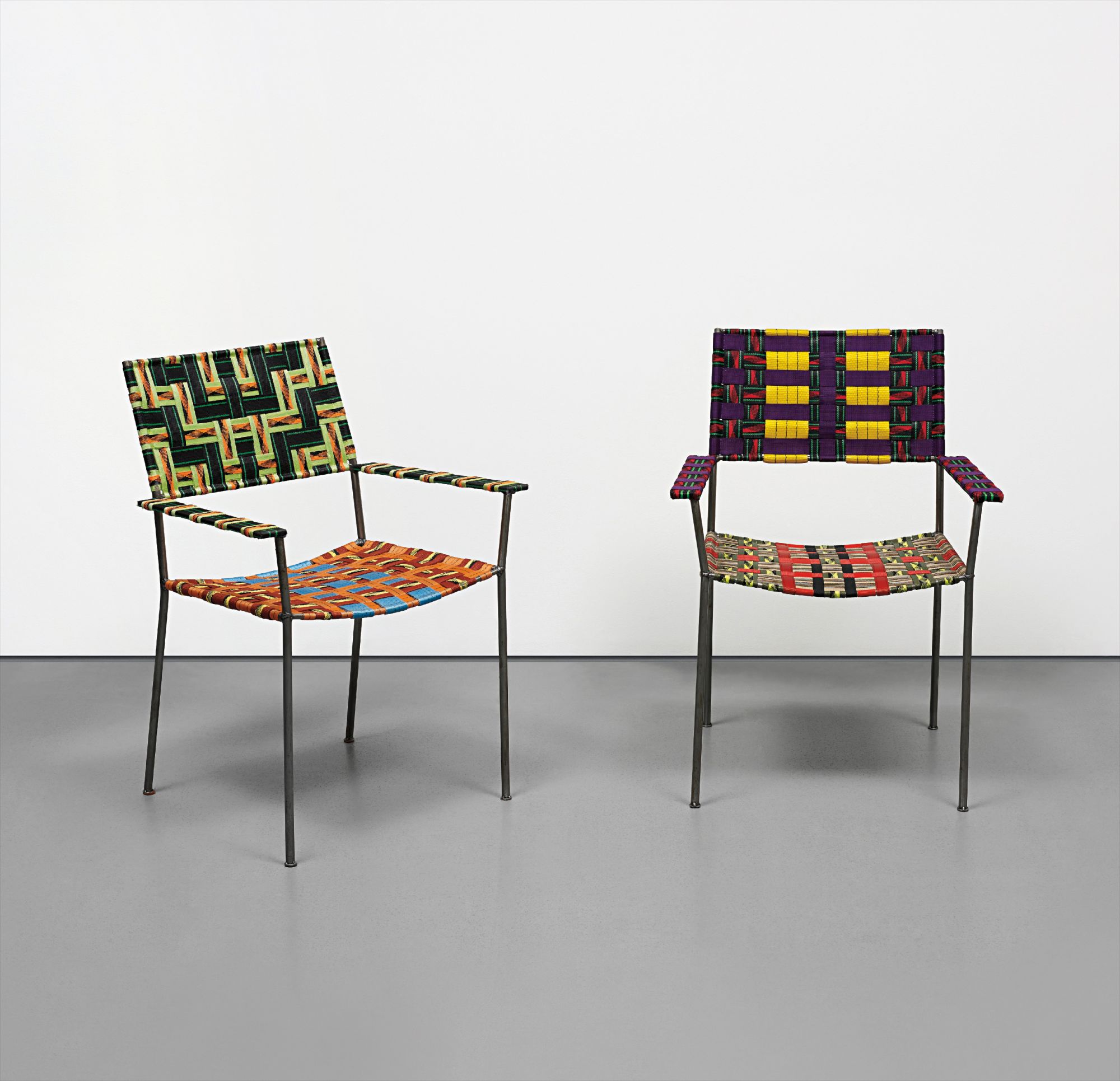
Joana Vasconcelos, whose large scale textile and mixed media works blend craft traditions with architectural ambition and irreverent humor, represents the most recent generation carrying this understanding forward. Her work is funny and fierce and technically extraordinary, which is to say it is serious in exactly the way that matters. For collectors, work in this territory offers something that is genuinely rare in a market that prizes gravity and institutional approval. It offers evidence that the imagination, when fully unleashed, produces not chaos but a kind of rigorous delight.
These are not works you grow tired of living with. They are works that keep catching you off guard.