Pioneer
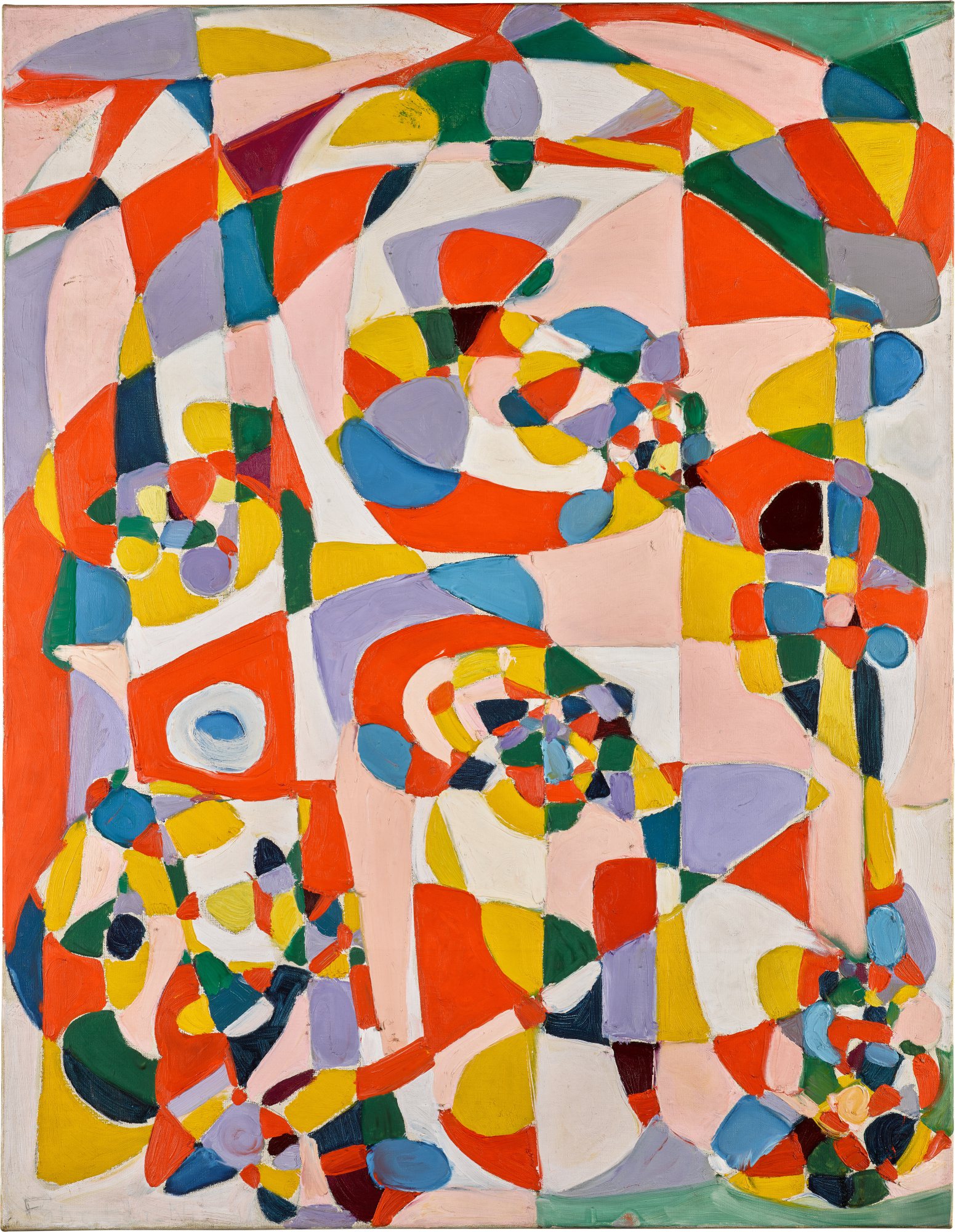
Fahrelnissa Zeid
Untitled (Composition), 1949


The Pioneers Who Broke Everything First
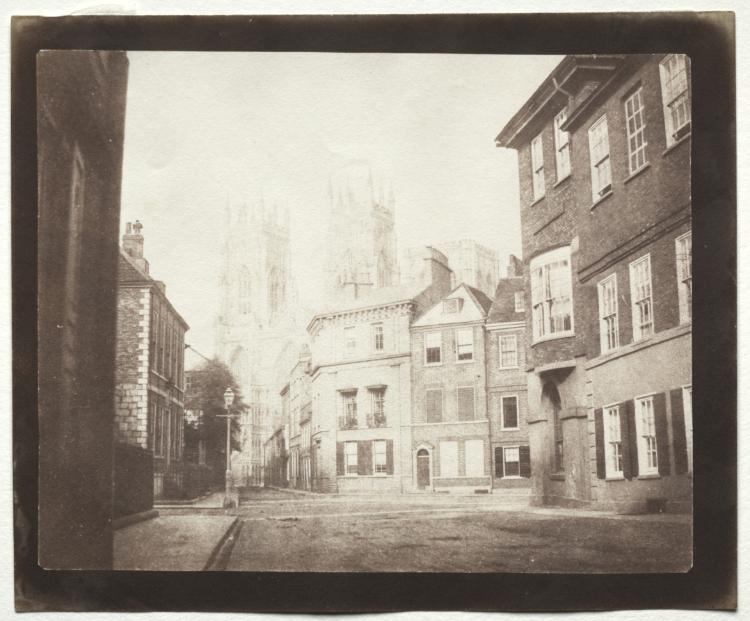
When a print by William Henry Fox Talbot sold at Sotheby's London for a figure well beyond its estimate, the room understood something important: photographs made in the 1840s are not curiosities anymore. They are cornerstones. The market for early photography has moved decisively from specialist territory into the broader conversation about what art history actually looks like when you stop centering it on paint and canvas. Collectors who once treated these works as documents are now treating them as masterpieces, which is precisely what they are.
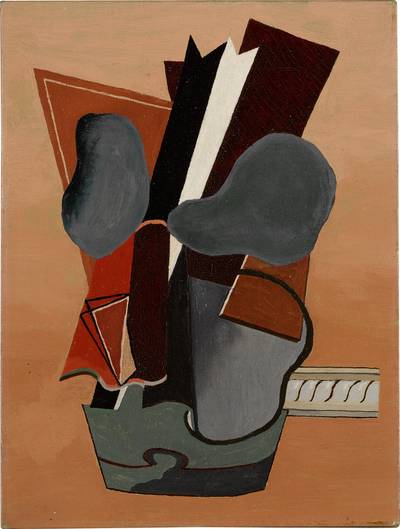
The word pioneer gets used carelessly, but in the context of art collecting it carries real weight. To collect a pioneer is to collect the moment before the rules existed, the instant when someone decided to do something that had no precedent and no guarantee of recognition. Fox Talbot invented the calotype process and gave the world a way to make reproducible images from a negative, a contribution so fundamental it reshaped every visual medium that followed. Fahrelnissa Zeid arrived in Paris after the Second World War and built a visual language from Byzantine mosaic, Islamic geometric tradition, and European abstraction that no one had assembled in quite that way before.
Fahrelnissa Zeid
Untitled (Composition), 1949
Albert Bierstadt traveled into the American West and painted landscapes so vast and luminous they made audiences believe in a geography that was already vanishing. These are not simply historical figures. They are people who changed what was possible. The exhibition record of the past several years reflects a serious institutional reckoning with what pioneering actually means.
The Tate Modern retrospective of Fahrelnissa Zeid in 2017 remains one of the most discussed shows of that decade, not only because it introduced her work to audiences who had never encountered it but because it forced curators and critics to ask why she had been absent for so long. The answer was uncomfortable: gender, geography, and the persistent provincialism of Western art historical gatekeeping. Her canvases, monumental and radiantly complex, looked like nothing else in those galleries, and the critical response was immediate and enthusiastic. Publications from the Burlington Magazine to frieze ran serious pieces reassessing her place in the postwar avant garde.
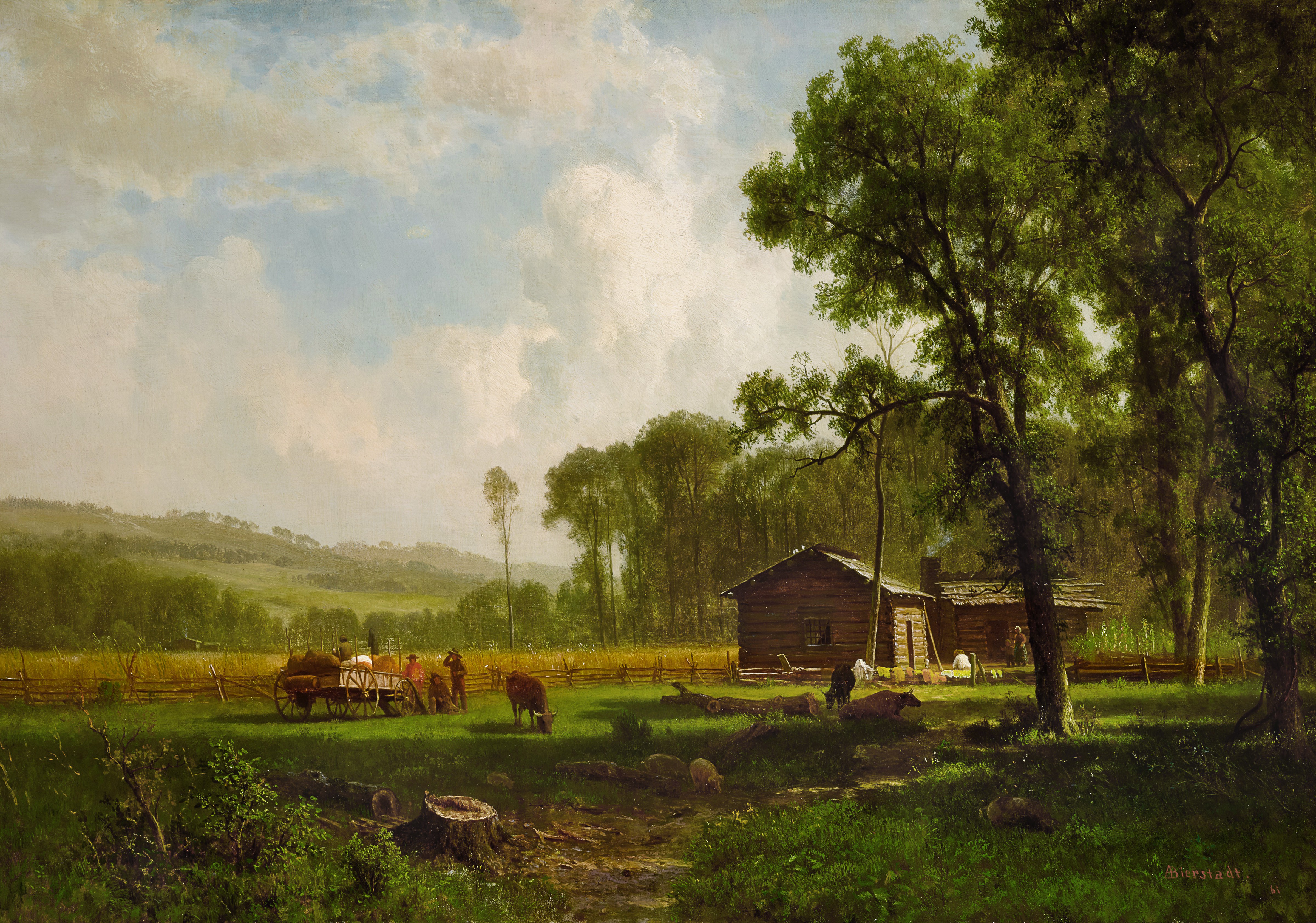
Albert Bierstadt
Early Settlers
Bierstadt presents a different kind of reconsideration. For decades his reputation suffered under the suspicion that his grandiosity was theatrical rather than genuine, that the luminism of his Rocky Mountain scenes was salesmanship dressed as art. The market never entirely agreed with that academic verdict, and recent auction results have confirmed the collectors were right. Major Bierstadt oils have achieved prices in the millions at Christie's and Sotheby's New York, with strong competition from American private collectors and a growing number of international buyers drawn to the mythology embedded in those canvases.
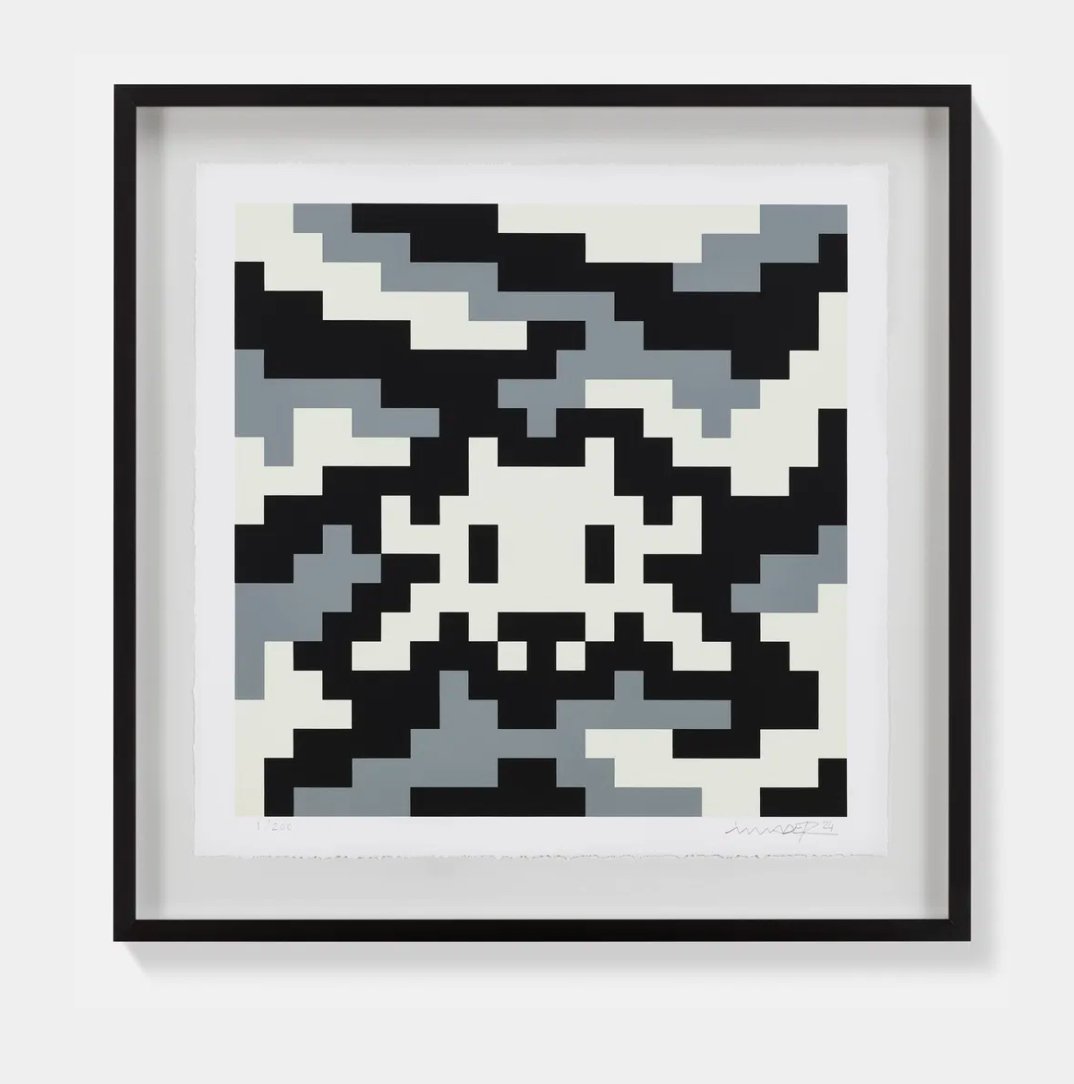
What the market understands is that Bierstadt captured a particular American dream at the precise moment it was being constructed, and that historical specificity now reads as extraordinarily valuable. Albert Eugene Gallatin occupies a different position in this conversation but an equally interesting one. As both a collector and a practitioner, he sat at the intersection of American modernism and the European geometric abstraction he championed through his Gallery of Living Art in New York, which opened in 1927 and offered many Americans their first serious encounter with Mondrian, Léger, and their circle. His own paintings, clean and rigorously non objective, are now read as documents of a moment when American artists were actively building a new visual language by studying European models without simply copying them.
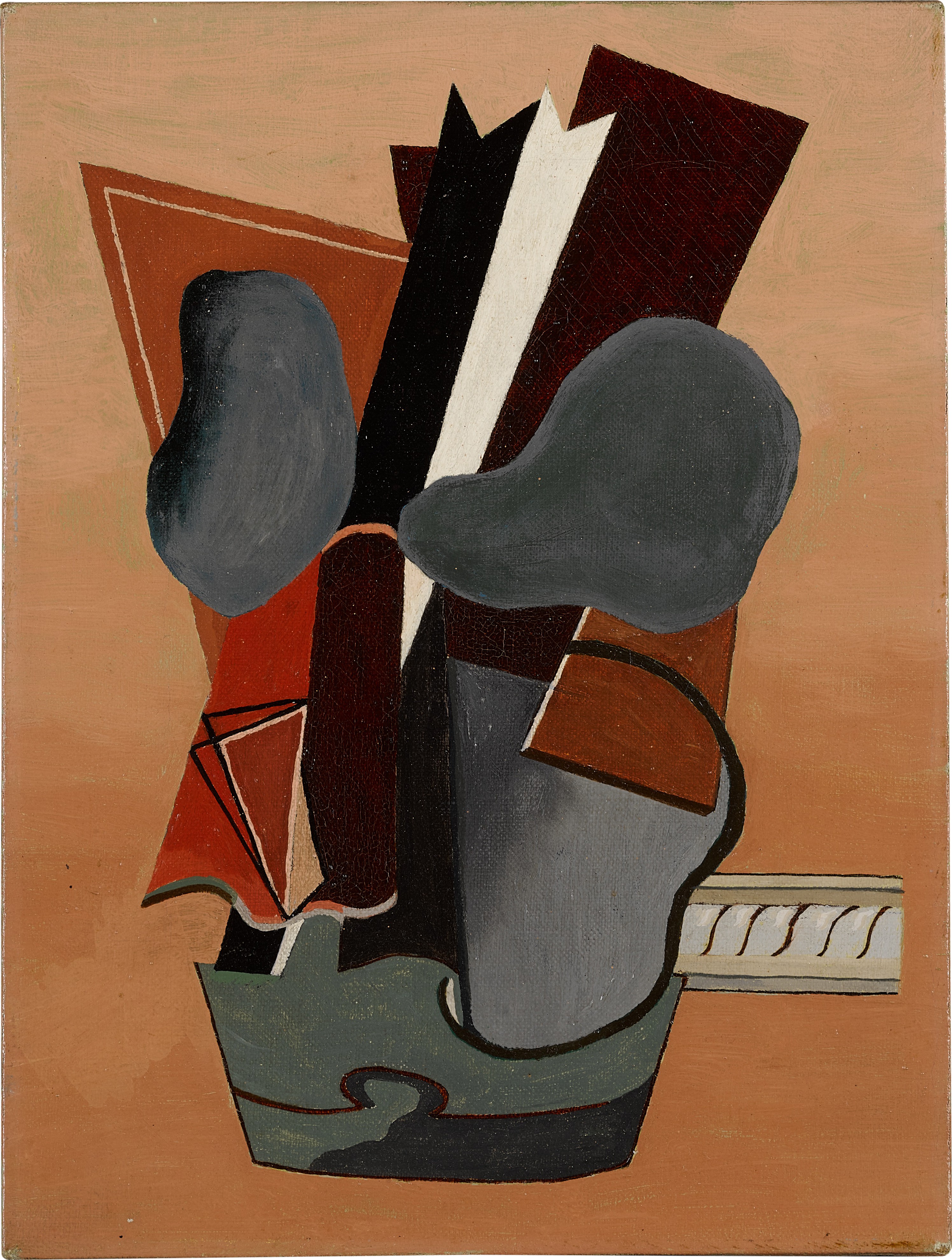
Albert Eugene Gallatin
Composition, 1940
Institutions with strong holdings in American modernism have been acquiring works on paper and smaller canvases by Gallatin precisely because his position as a connector and pioneer is so well documented. Julia Margaret Cameron stands somewhat apart from these figures in terms of market trajectory, but her critical moment feels equally alive. Her portraits of Tennyson, Herschel, Darwin, and the women in her circle have moved through major photography auctions with increasing confidence, and the conversation around her work has shifted from appreciation of technical achievement to something more searching. Feminist art historians and curators have reframed Cameron not as an eccentric amateur but as a rigorous artist who used the conventions of portraiture to make claims about inner life that were radical for her time.
The Getty Museum and the Victoria and Albert Museum both hold significant Cameron collections, and loans from those holdings have shaped exhibitions that draw serious scholarly attention. The critical apparatus shaping this conversation is genuinely robust. Scholars like Mary Warner Marien, whose writing on photography history is essential reading, have helped establish the terms through which early photographic pioneers are understood as artists rather than technicians. On the Bierstadt side, the scholarship of Nancy Anderson and Linda Ferber produced a catalogue raisonné level of engagement that gave collectors and curators the tools to evaluate works seriously.
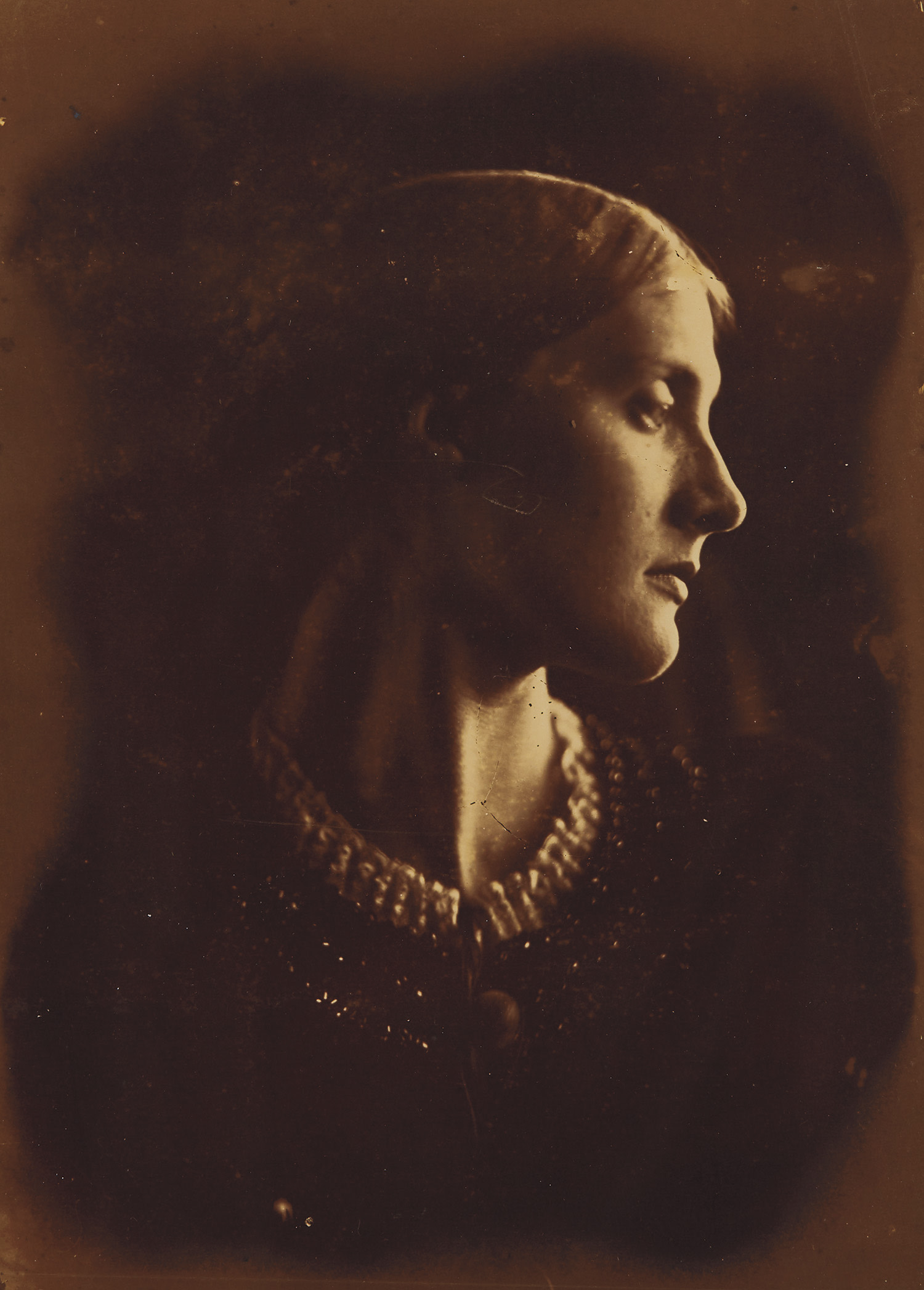
Julia Margaret Cameron
Portrait of Julia Jackson
The journal Nineteenth Century Art Worldwide has consistently published research that bridges American and European pioneering traditions, and its influence on curatorial thinking at regional institutions has been significant. Where is the energy heading? The honest answer is that it is moving toward the figures who were left out of the original pioneer narrative. Collectors and curators are asking which artists from the nineteenth and early twentieth centuries worked in genuinely new ways but were not recognized because of race, gender, nationality, or the accident of being in the wrong city at the wrong moment.
Fahrelnissa Zeid fits that description, and her market trajectory since the Tate retrospective suggests that buyers believe her recognition is still in an early phase. That is the signal worth watching. When a pioneer is rediscovered, the first five years of serious institutional attention tend to be followed by a much longer period of sustained price growth and exhibition activity. The works available on The Collection represent an opportunity to engage with that moment before the broader market catches up entirely.