Pen And Ink
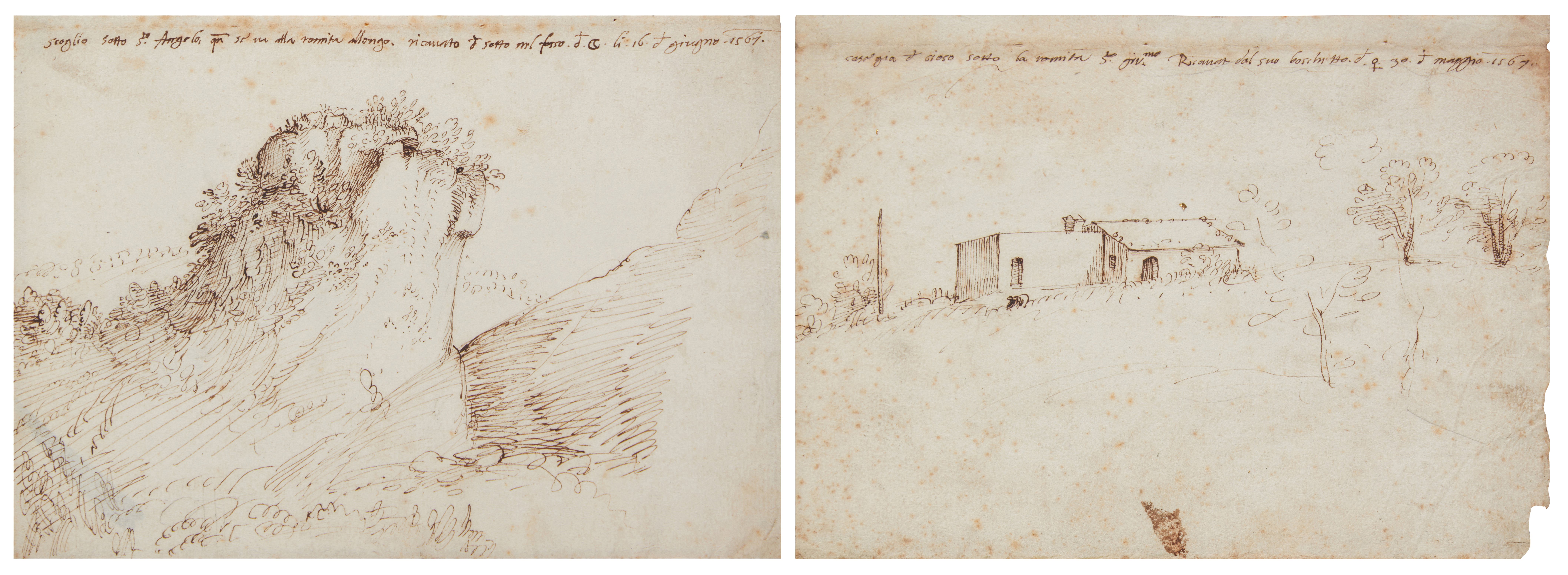
Gherardo Cibo
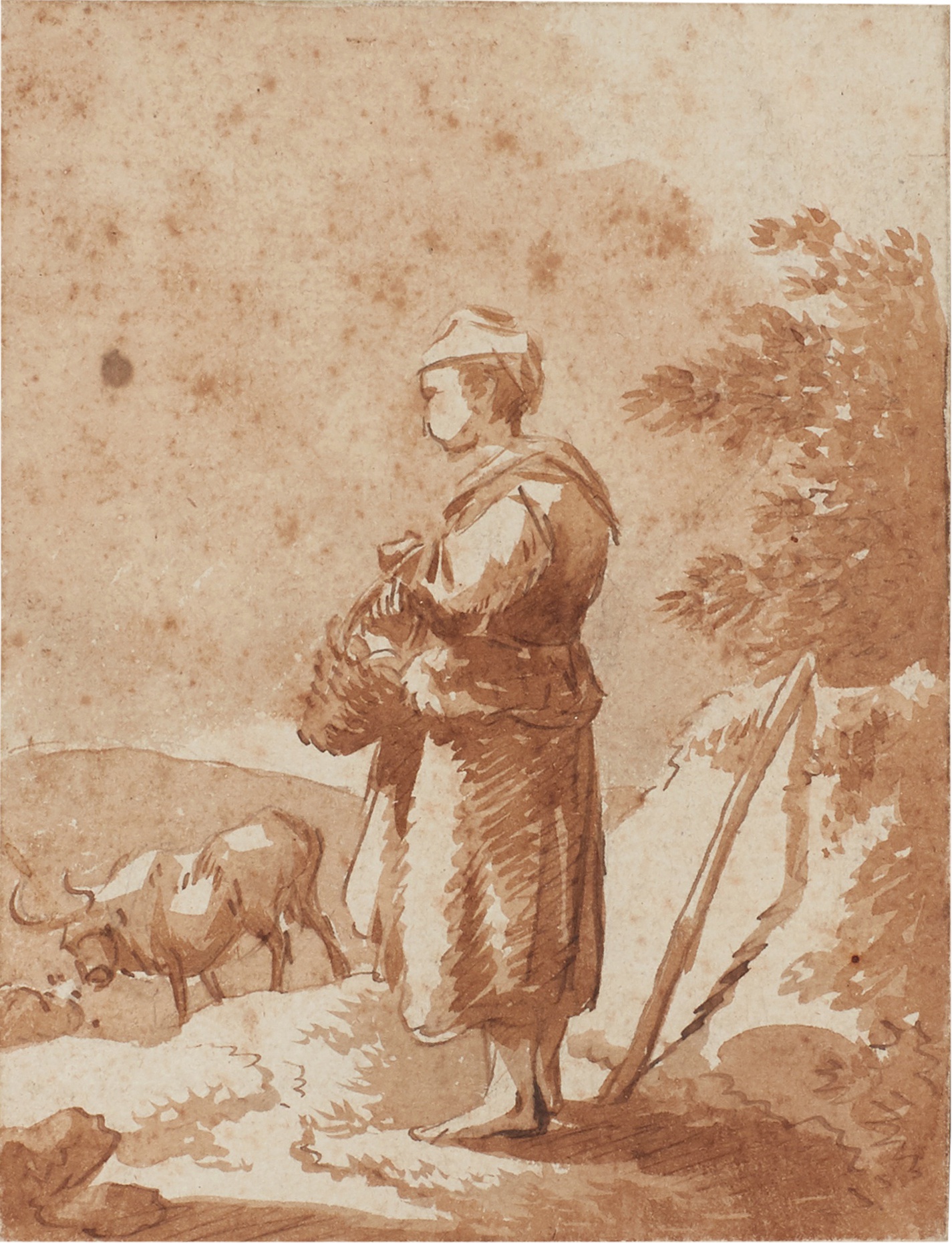
Two landscape drawings: A) A rocky outcrop with trees, with an additional sketch (verso) B) Farm buildings in a landscape
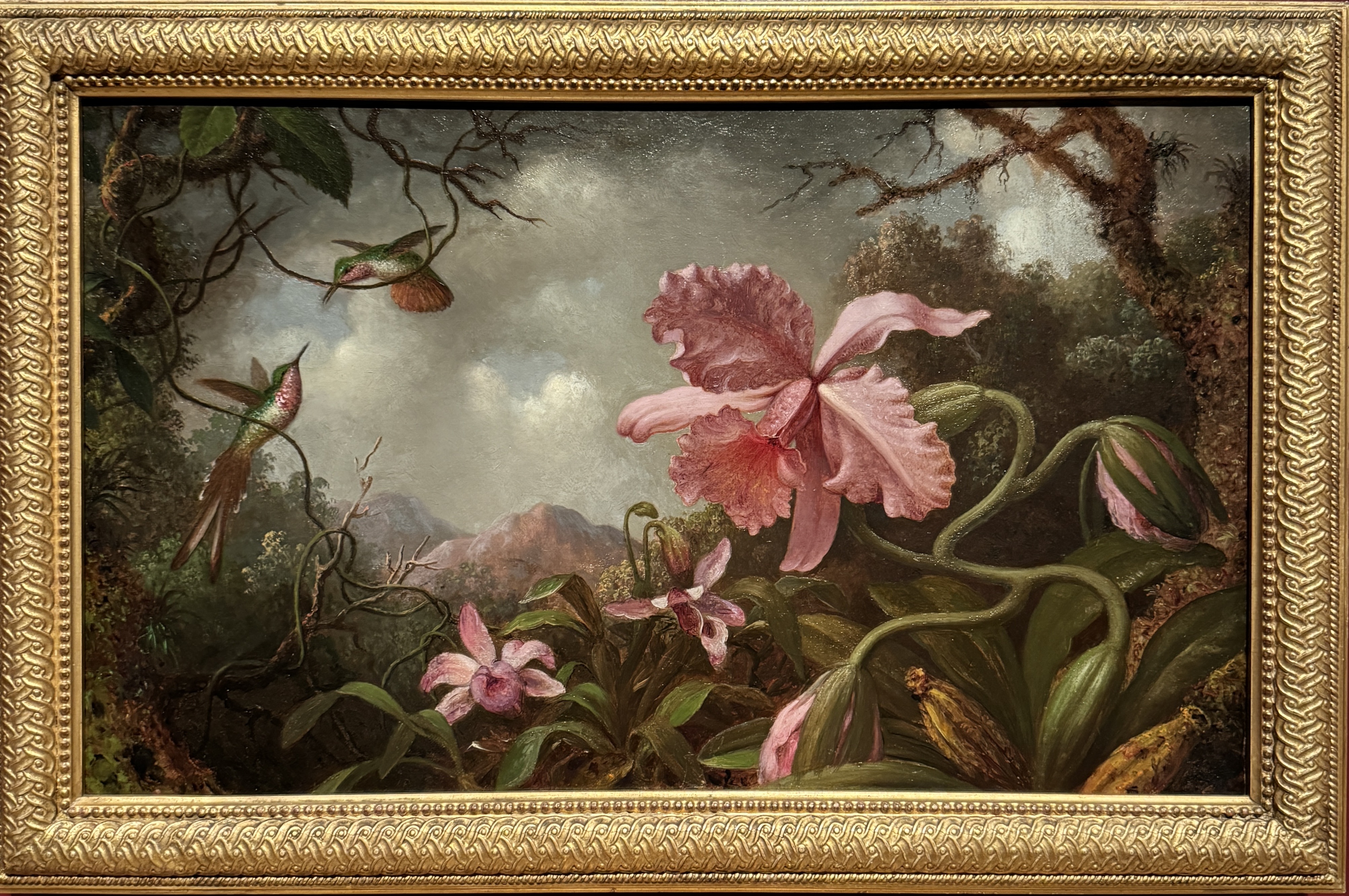





The Naked Line: Why Ink Never Lies
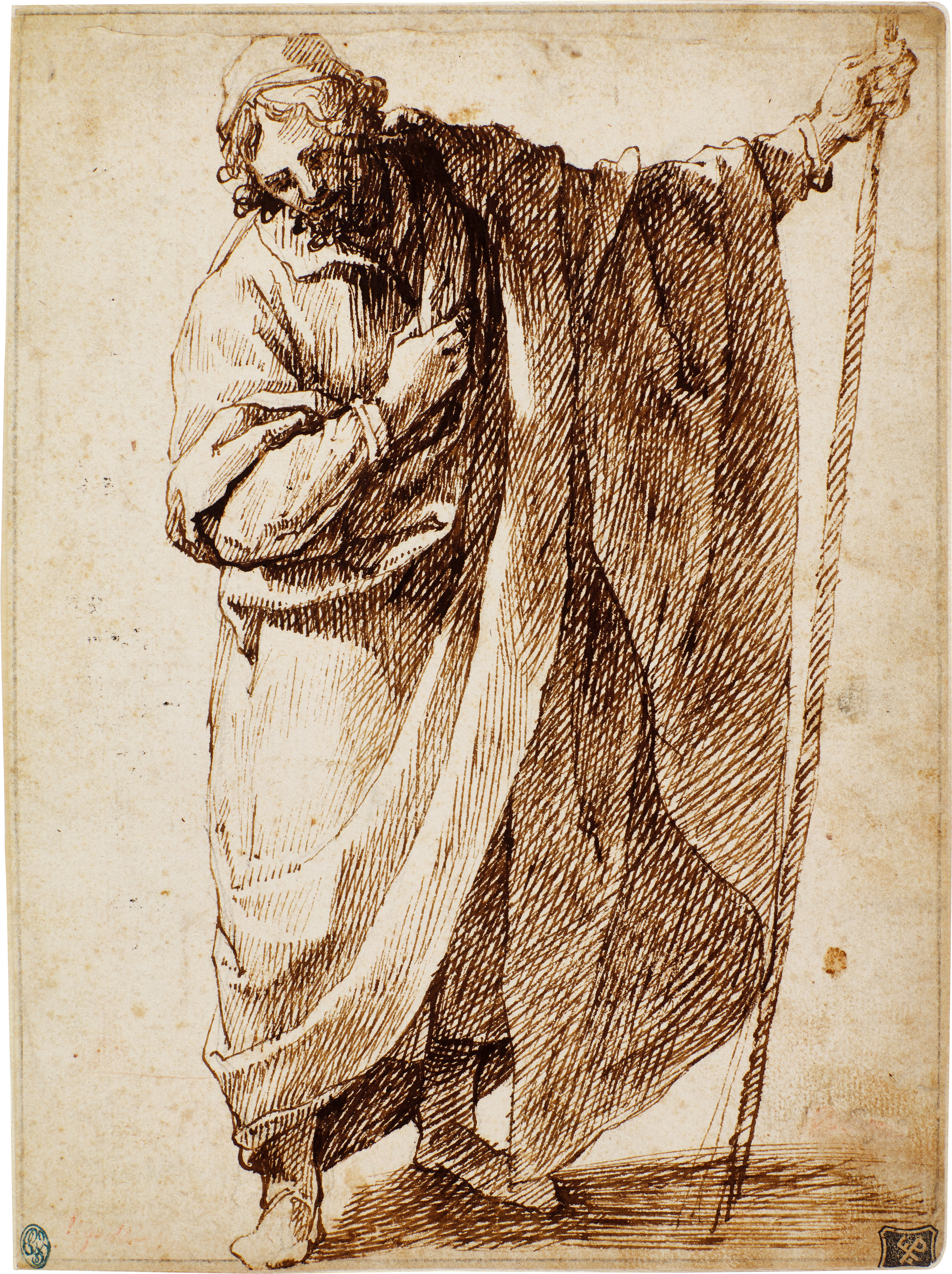
There is something almost uncomfortably intimate about a pen and ink drawing. No medium reveals the hand so completely, so mercilessly. A painter can rework, glaze, scrape back. A printmaker works through process and repetition.
But the draughtsman with a loaded nib commits to every mark, and the collector who lives with a great pen and ink drawing comes to understand something about its maker that a finished painting rarely offers. This is what draws serious collectors to the medium again and again: not just beauty, but the sensation of being present in the studio, watching a mind think through a problem in real time. The best pen and ink works reward sustained looking in a way that can surprise even experienced collectors. On first encounter, they can seem quiet, even modest, occupying a corner of a room where an oil painting might dominate.
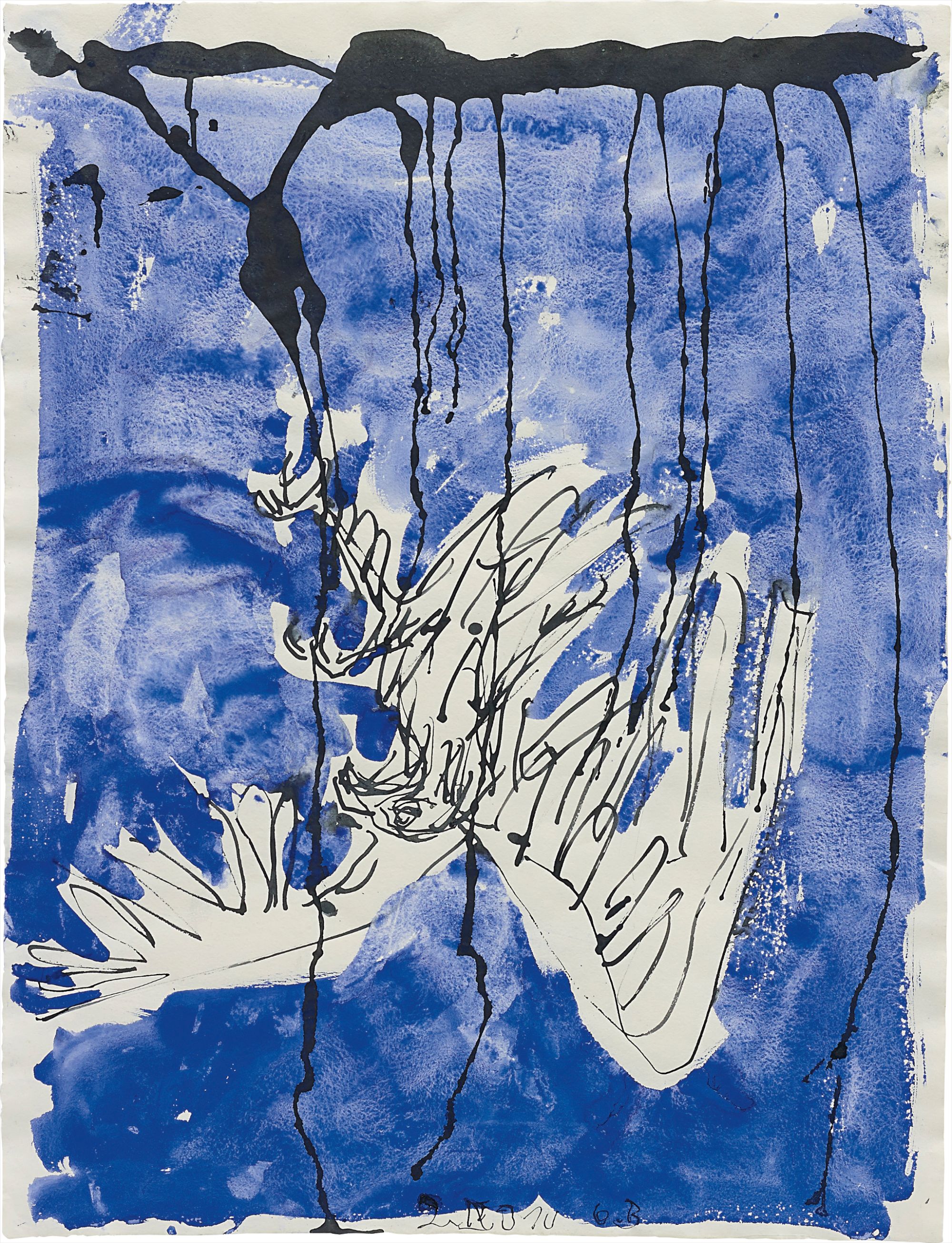
Georg Baselitz
Junge Susanne
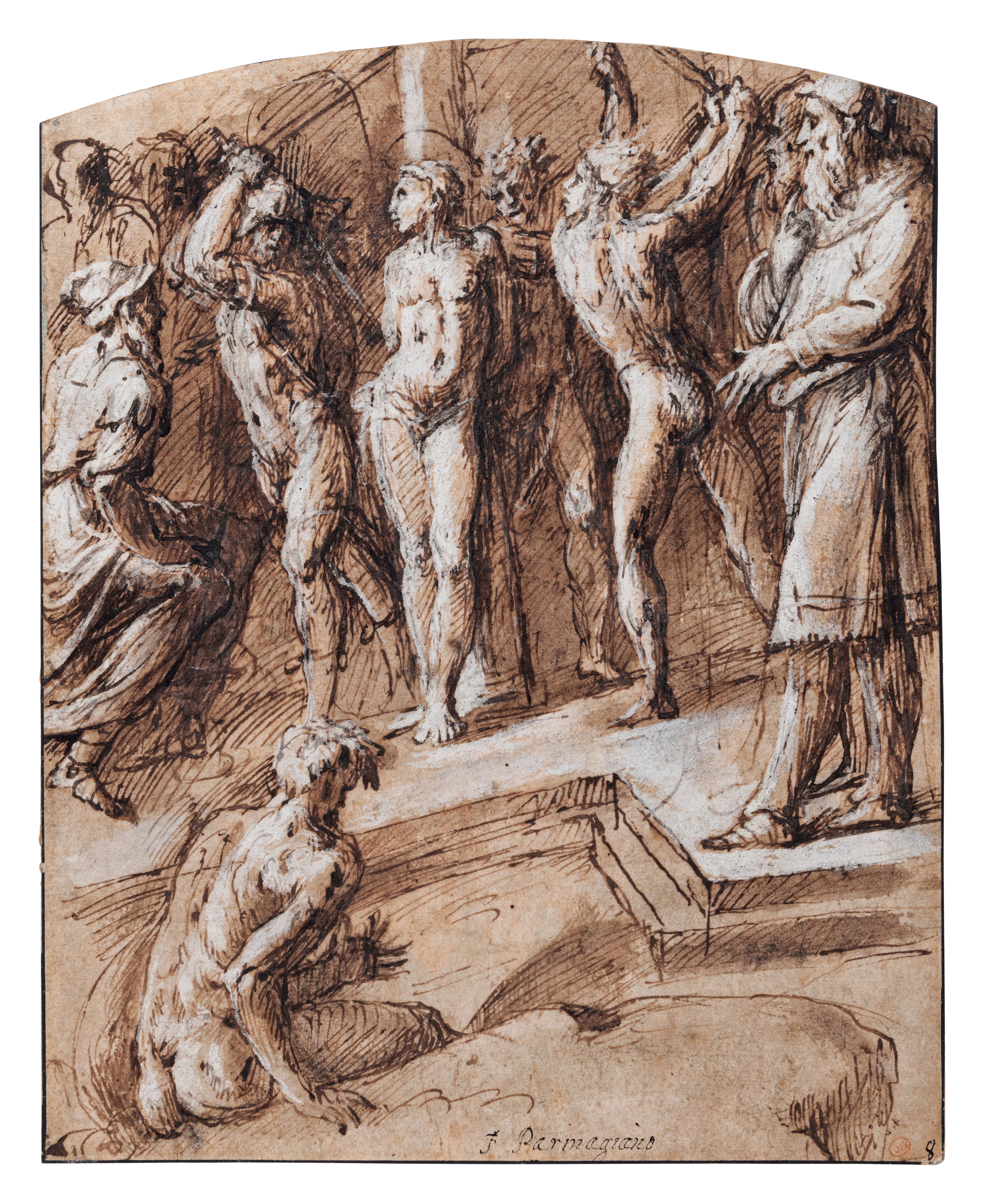
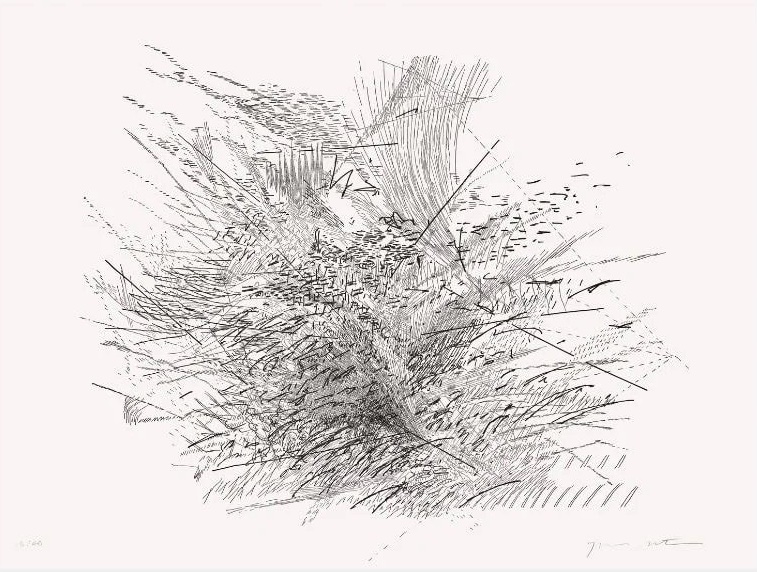
But give them time and good light, and something shifts. The density of mark making, the way a particular artist builds shadow through hatching or leaves a passage of white paper to breathe, the decisions about where to stop: these become endlessly interesting. Works that live on paper often have an energy that larger, more resolved works can lack, and seasoned collectors tend to speak of their drawings with a particular affection, a proprietary warmth they do not always feel toward their paintings. Knowing what separates a good pen and ink from a great one is the skill that takes time to develop, and it is worth thinking carefully about.
Line quality is the obvious place to start. Is the line varied, responsive, alive? Does it carry expressive weight beyond mere description? A great draughtsman uses the pen not just to record what is seen but to make an argument about it.
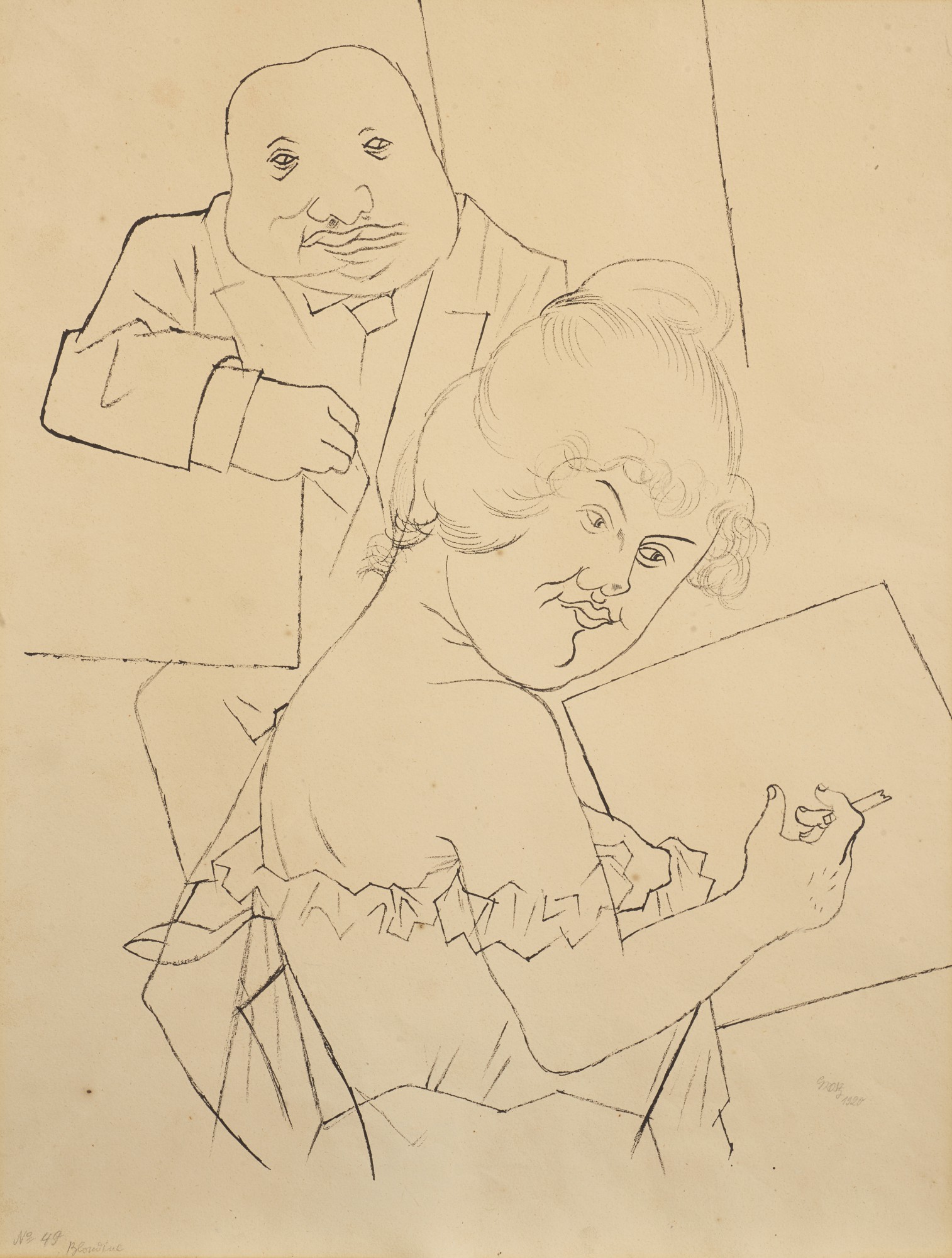
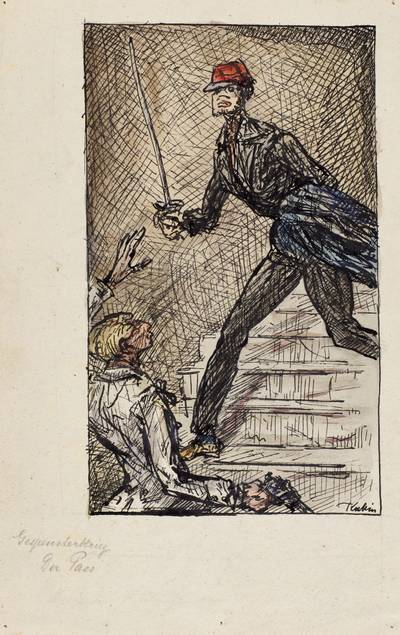
George Grosz
Blondine (The Blonde) - recto Auf der Lauer (To sit on Watch) - verso, 1920
Beyond line, look at the relationship between mark and ground, the way the white of the paper functions as an active element rather than absence. Compositional confidence matters too: the best works feel inevitable in their arrangement, with nothing wasted and nothing missing. Condition is crucial in this medium. Foxing, fading, tide marks from old framing, and paper acidity can all compromise a work.
Always ask for a condition report, and be honest with yourself about what you are willing to accept. The artists represented on The Collection offer a remarkable study in the range of what pen and ink can do. George Grosz, working in Berlin during the Weimar Republic years, produced drawings of such savage satirical force that they remain genuinely unsettling today. His line is a weapon, precise and merciless, and works on paper from this period carry enormous art historical weight alongside real visual power.
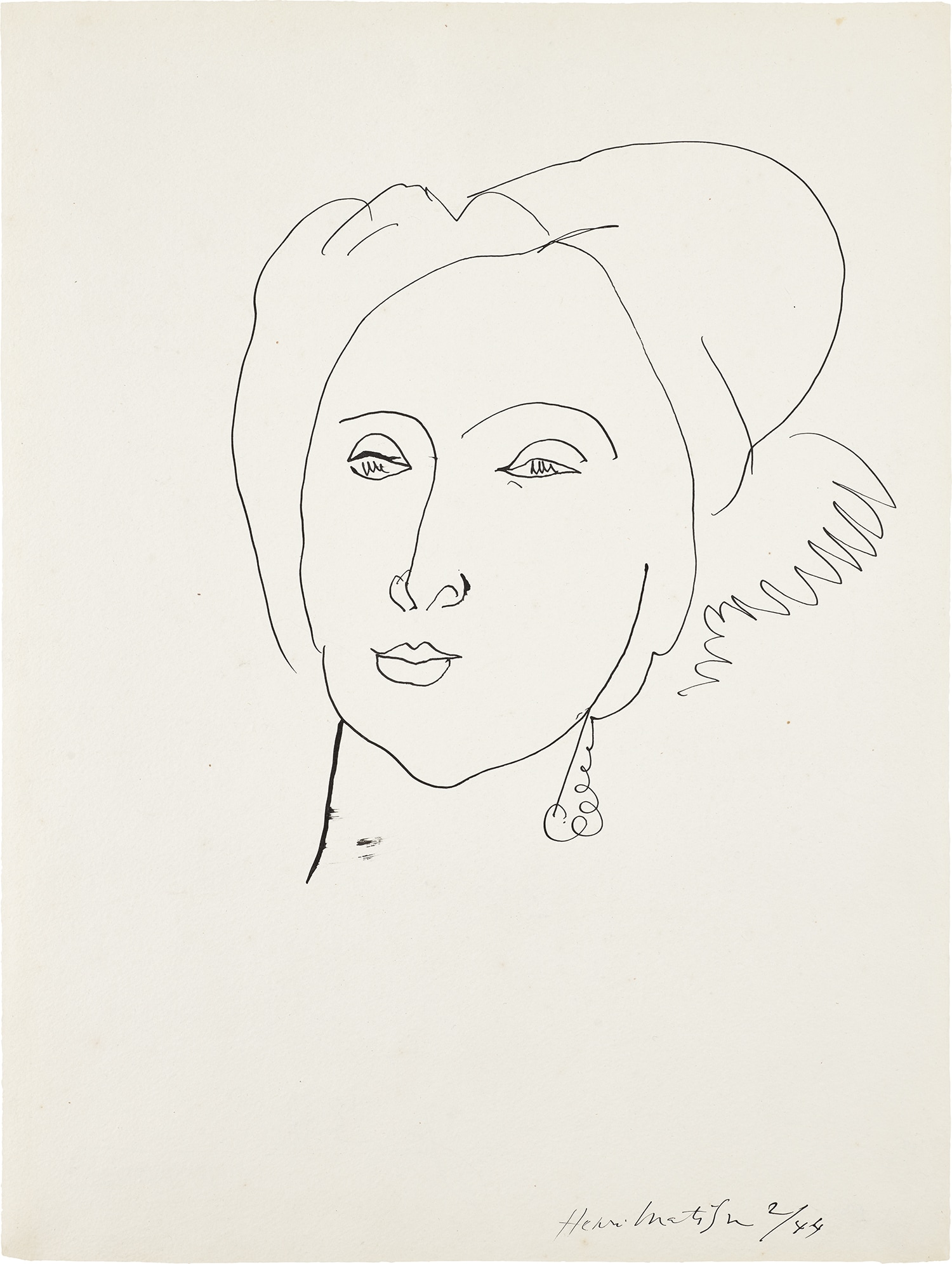
Henri Matisse
Le Turban
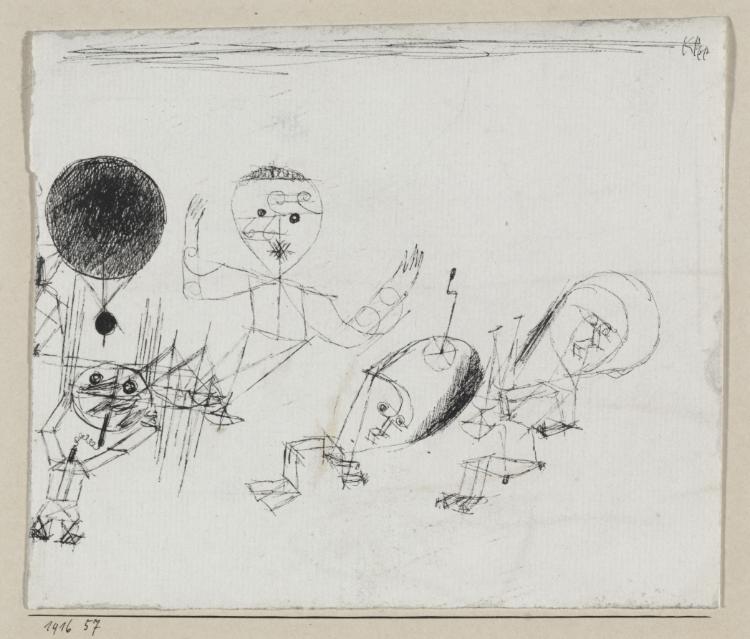
Henri Matisse approached the pen with a completely different sensibility, using it to arrive at a state of pure essentiality, stripping a figure or a face down to what he called the sign. Drawings from his later decades in particular, when he was refining the vocabulary that would lead to the cut paper works, are among the most sought after works on paper of the twentieth century. James McNeill Whistler brought a delicate, atmospheric intelligence to his ink drawings, particularly in his Venice period of the early 1880s, and works from that body of work appear only rarely on the market. Lyonel Feininger, Alfred Kubin, and Paul Klee each represent a distinct strand of European modernism, and all three made pen and ink work that stands entirely on its own terms rather than as a footnote to their painting practice.
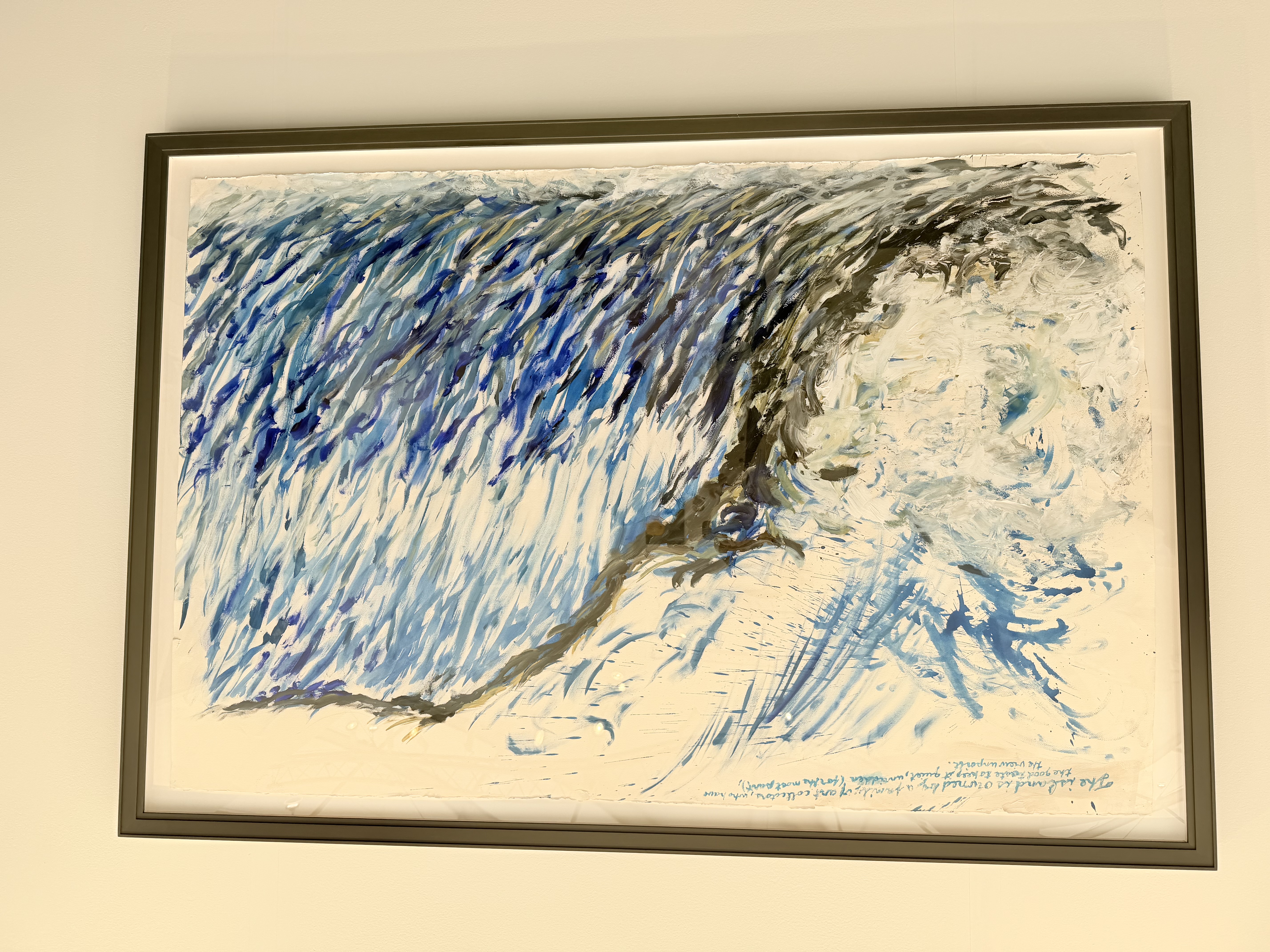
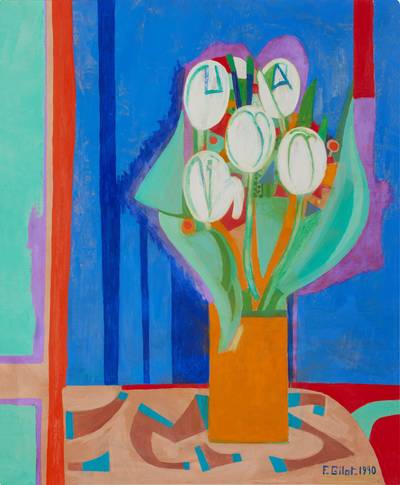
For collectors looking beyond the canonical names, there are genuinely compelling opportunities in the collection. Raymond Pettibon, who came to prominence through his association with the American punk and underground scenes of the 1980s, has built a body of work in ink that is unlike almost anything else in contemporary art. His combination of dense text and raw drawing has attracted serious institutional attention, and works on paper by Pettibon that were available at modest prices fifteen years ago have moved significantly. Françoise Gilot, whose long career has been somewhat overshadowed by biographical circumstance, made drawings of real intelligence and strength, and the market for her work continues to be reassessed.
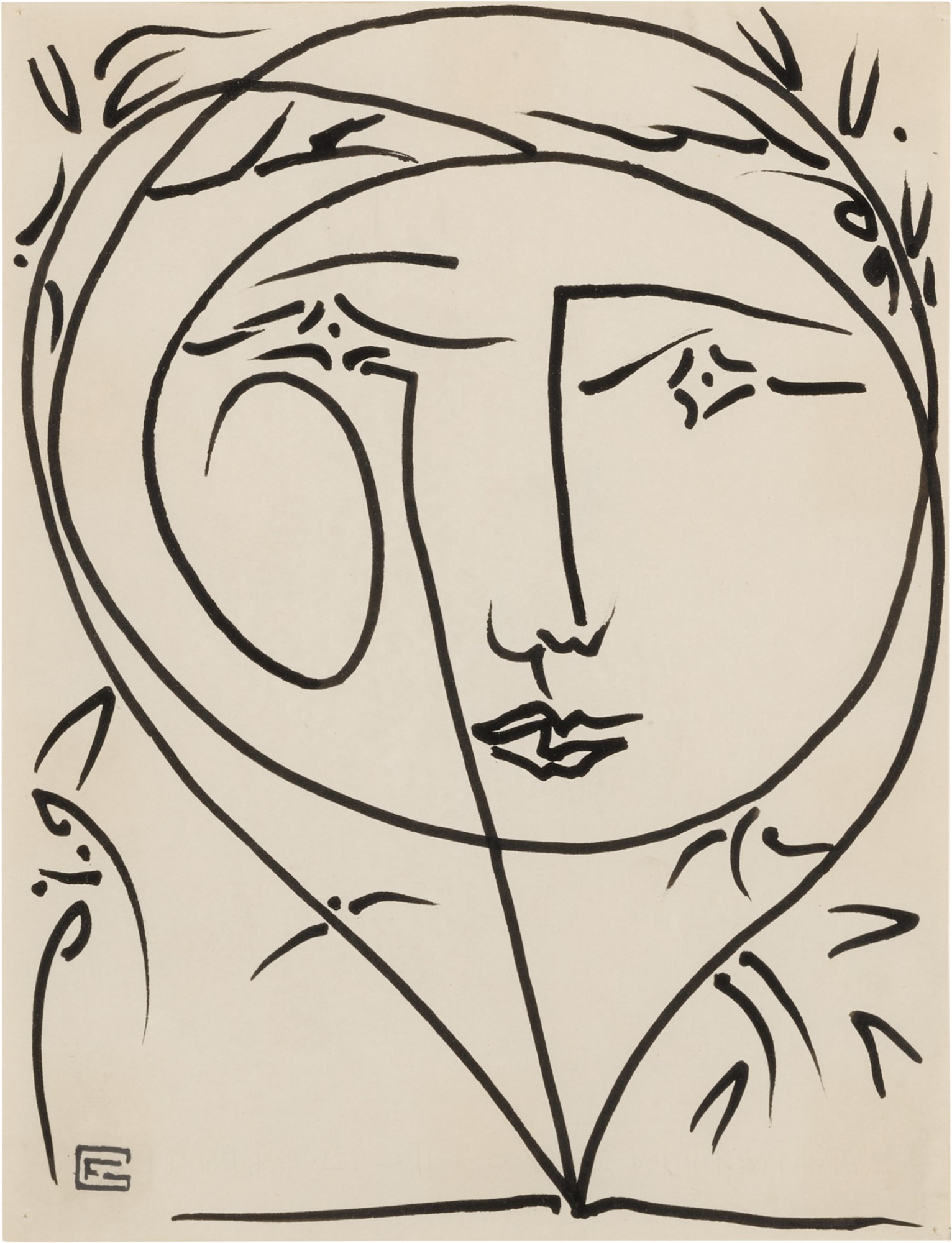
Françoise Gilot
Summer Maiden
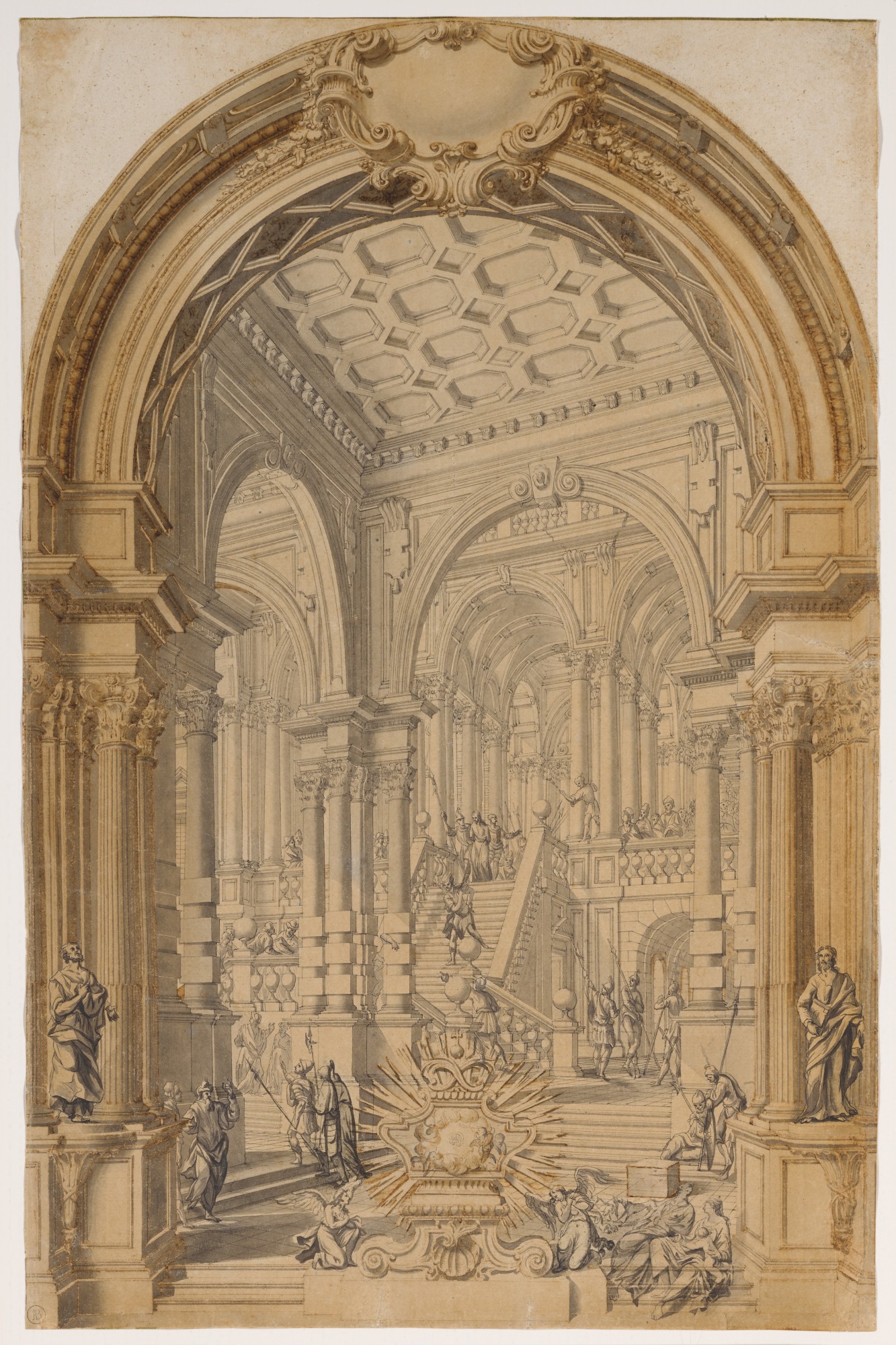
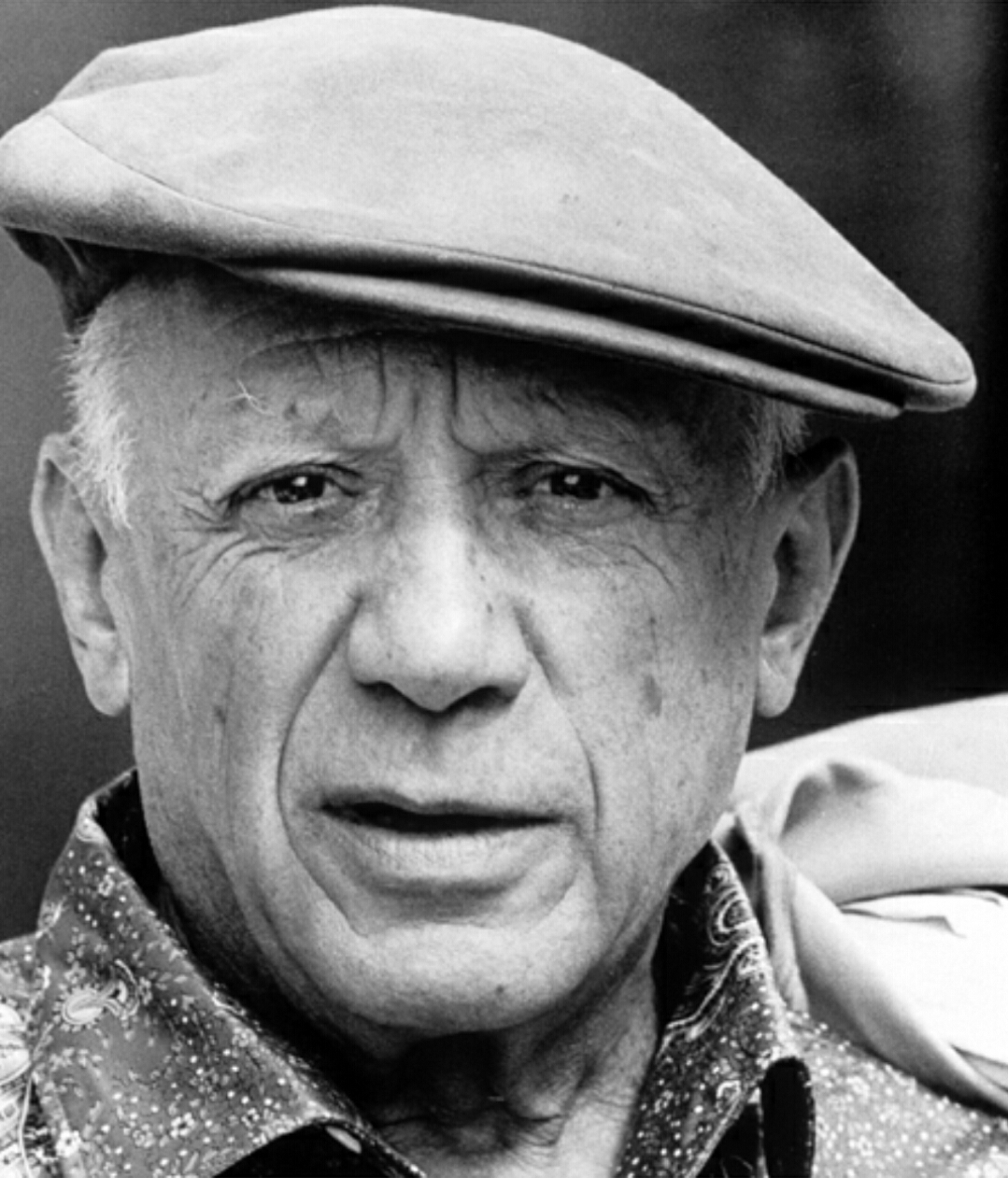
Giovanni Domenico Tiepolo offers a different kind of opportunity: Old Master drawings by secondary figures from great artistic dynasties have historically been undervalued relative to their quality, and the secondary market for eighteenth century Italian works on paper has shown consistent interest from both European and American institutional buyers. At auction, pen and ink drawings occupy a complex position. The medium is respected but not always understood by generalist buyers, which creates genuine opportunity for the informed collector. Works by major names, a Picasso sketch or a Matisse figure study, will attract fierce competition and command prices that reflect that.
But drawings by artists like Camille Pissarro or Ernest Meissonier, whose pen work is seriously accomplished and historically significant, can still be acquired at prices that would be impossible for comparable works in other media. The key is to develop an eye before you need it, to spend time with drawings in museum study rooms, to handle works, to understand what quality looks like at firsthand. The collector who does this work consistently tends to find that the secondary market in drawings rewards patience and knowledge more reliably than almost any other category. Practically speaking, ink on paper requires thoughtful care.
Light is the primary enemy. Works should be framed with UV protective glazing and hung away from direct sunlight, and rotating what you display is genuinely good practice rather than just cautious advice. Ask galleries and dealers about paper composition and whether the ink is iron gall, which can be prone to oxidation over time, or carbon based, which is generally more stable. When acquiring works, ask whether they have been stored flat or rolled, and whether they have ever been backed or lined.
For unique works rather than multiples, provenance documentation matters more than people sometimes assume, not only for resale but for your own understanding of what you are living with. A great pen and ink drawing is a direct transmission from one intelligence to another, across whatever distance of time separates you, and knowing its full history only deepens that conversation.