Participatory Art
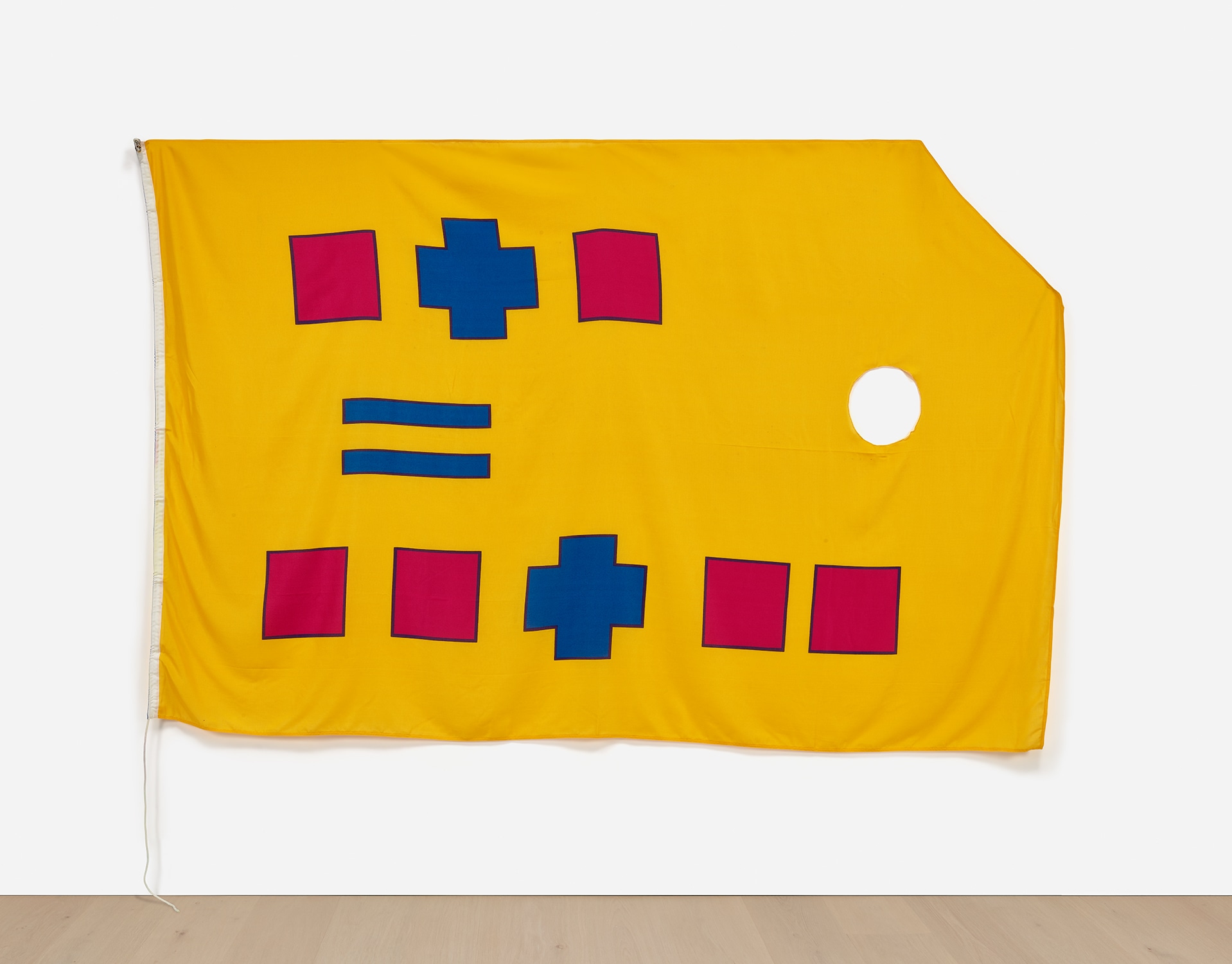
Lawrence Weiner
Drapeau for a community, from Gran Pavese – The Flag Project



Art That Only Exists When You Show Up
When the Tate Modern reopened its Turbine Hall commission series with Carsten Höller's installation a few years back, the queues stretched past Bankside and onto the bridge. People were not coming to look. They were coming to slide, to spin, to feel something in their bodies rather than simply absorb it through their eyes. That shift, from beholder to participant, is one of the most consequential developments in postwar art, and the market has finally caught up with what curators understood decades ago.
Participatory art is no longer a fringe concern or an academic talking point. It is central to how institutions program, how collectors position themselves, and how the broader culture thinks about what art is actually for. The critical groundwork was laid over many decades, but the conversation crystallized around Claire Bishop's landmark 2006 essay in Artforum, and later her 2012 book Artificial Hells, which gave the field its most rigorous theoretical framework. Bishop's central argument, that participatory art carries an inherent political charge but also risks instrumentalizing its audiences, remains the lens through which curators and collectors alike approach this work.
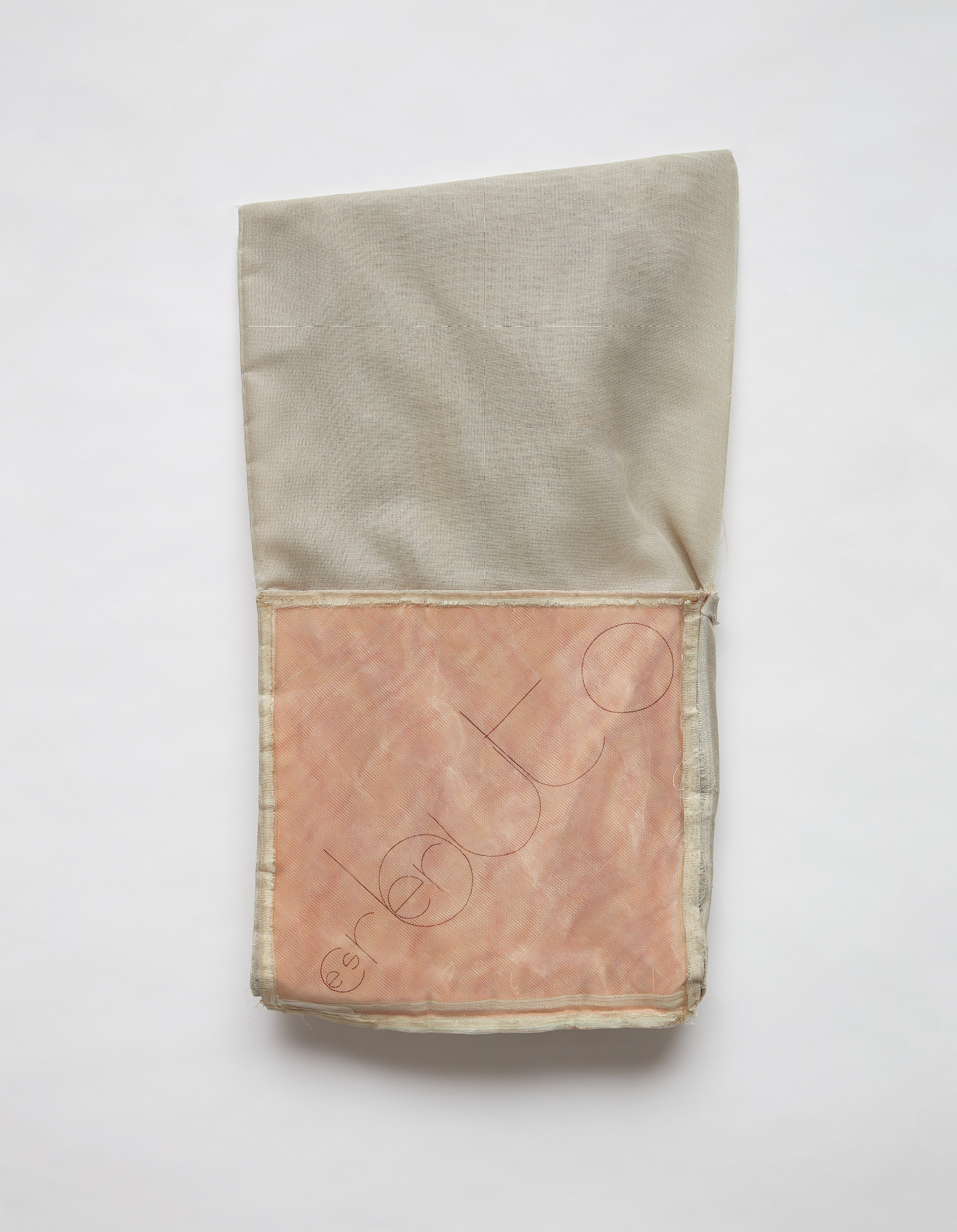
Hélio Oiticica
P31 Parangolé, capa 24, Escrerbuto, 1972
Her skepticism was generative rather than dismissive, and it pushed artists and institutions to be more precise about what they were actually asking of people. Today, almost every major museum catalogue touching on socially engaged or relational work cites Bishop, which tells you something about how foundational her intervention has become. Hélio Oiticica remains the canonical reference point for understanding where this impulse originated in its most radical form. His Parangolés, those wearable capes and banners created in collaboration with samba dancers in Rio during the 1960s, dissolved the boundary between artwork and living body in ways that still feel ahead of their time.
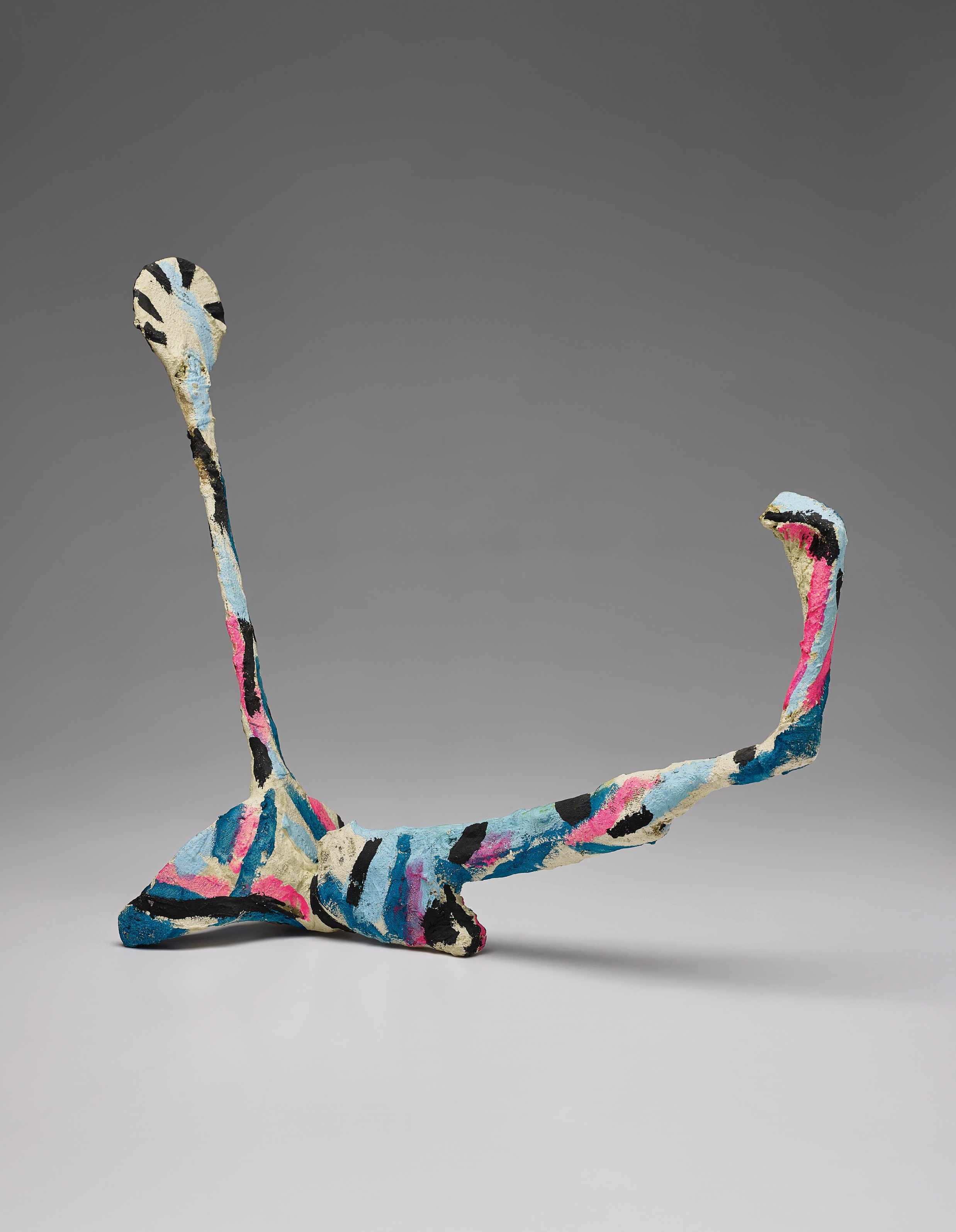
Oiticica understood that participation was not a gimmick or a democratic gesture but a structural necessity, a way of making meaning that could not happen any other way. His work on The Collection sits within that legacy, and its presence in any serious collection signals a commitment to understanding where the participatory impulse was born and what it cost its makers to pursue it in that context. Franz West occupies a similarly foundational position, though he arrived at participation through a very different set of concerns. His Adaptives, the sculptural objects designed explicitly to be handled, worn, and interacted with by gallery visitors, turned the passive act of viewing into something awkward and intimate and often funny.
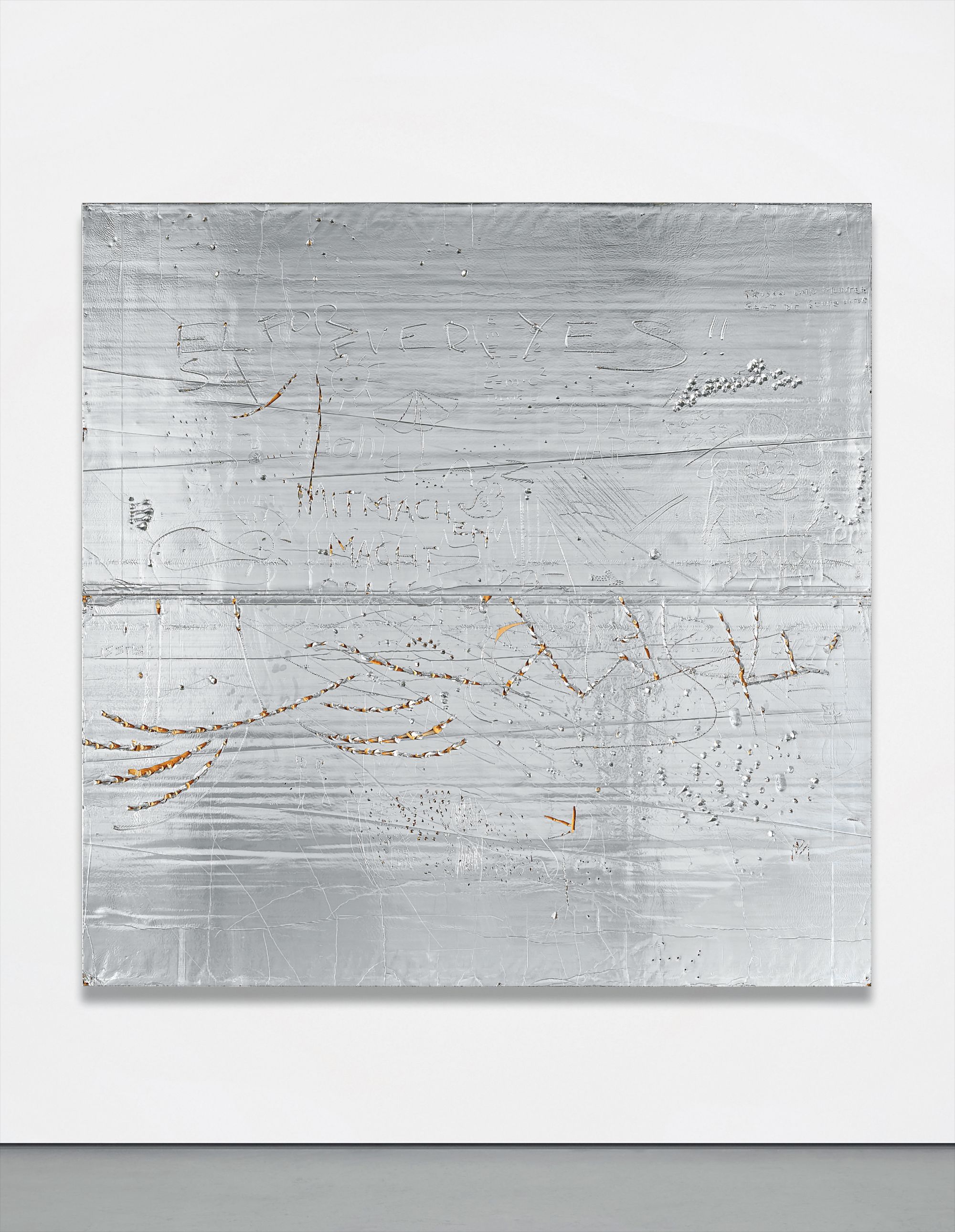
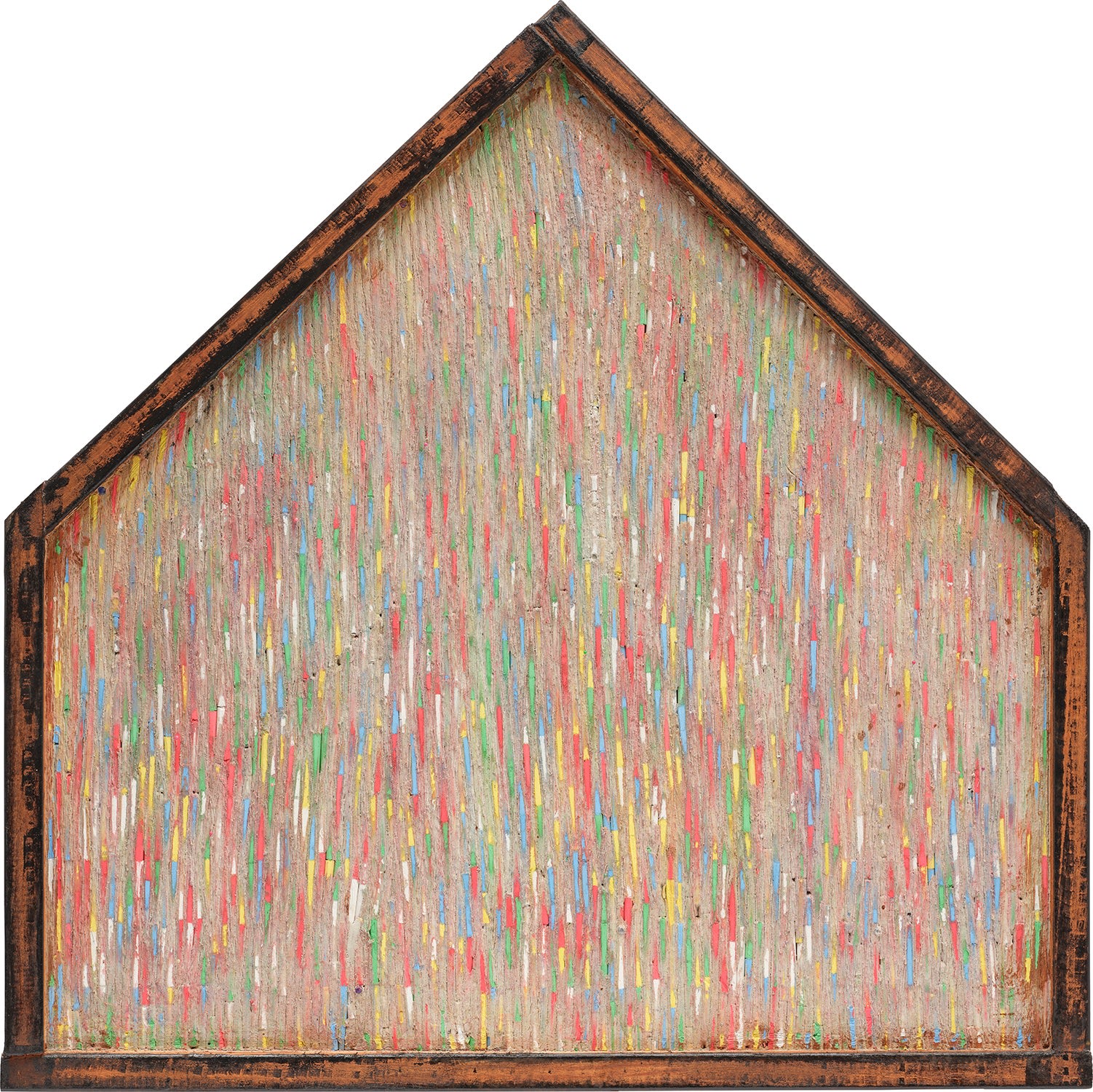
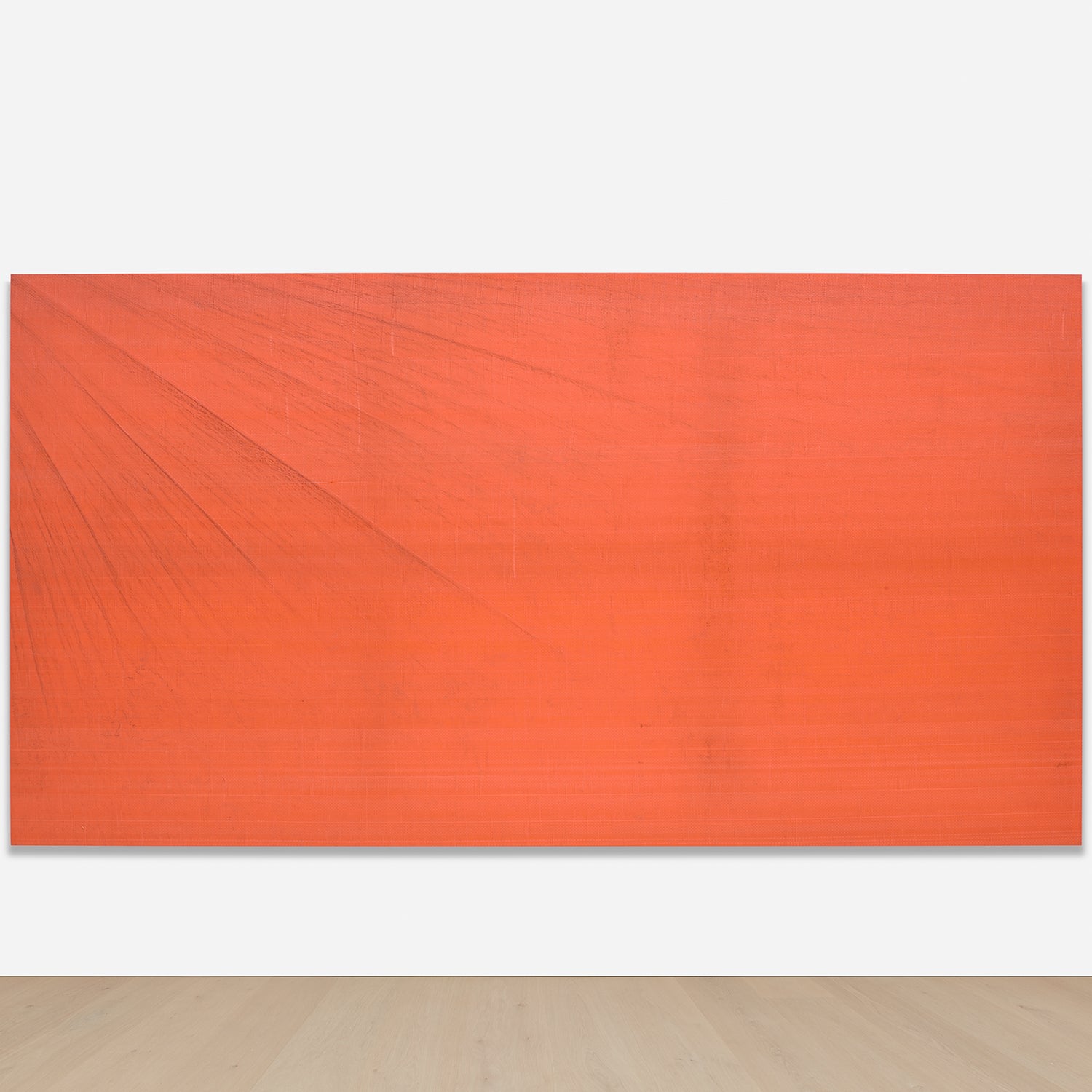
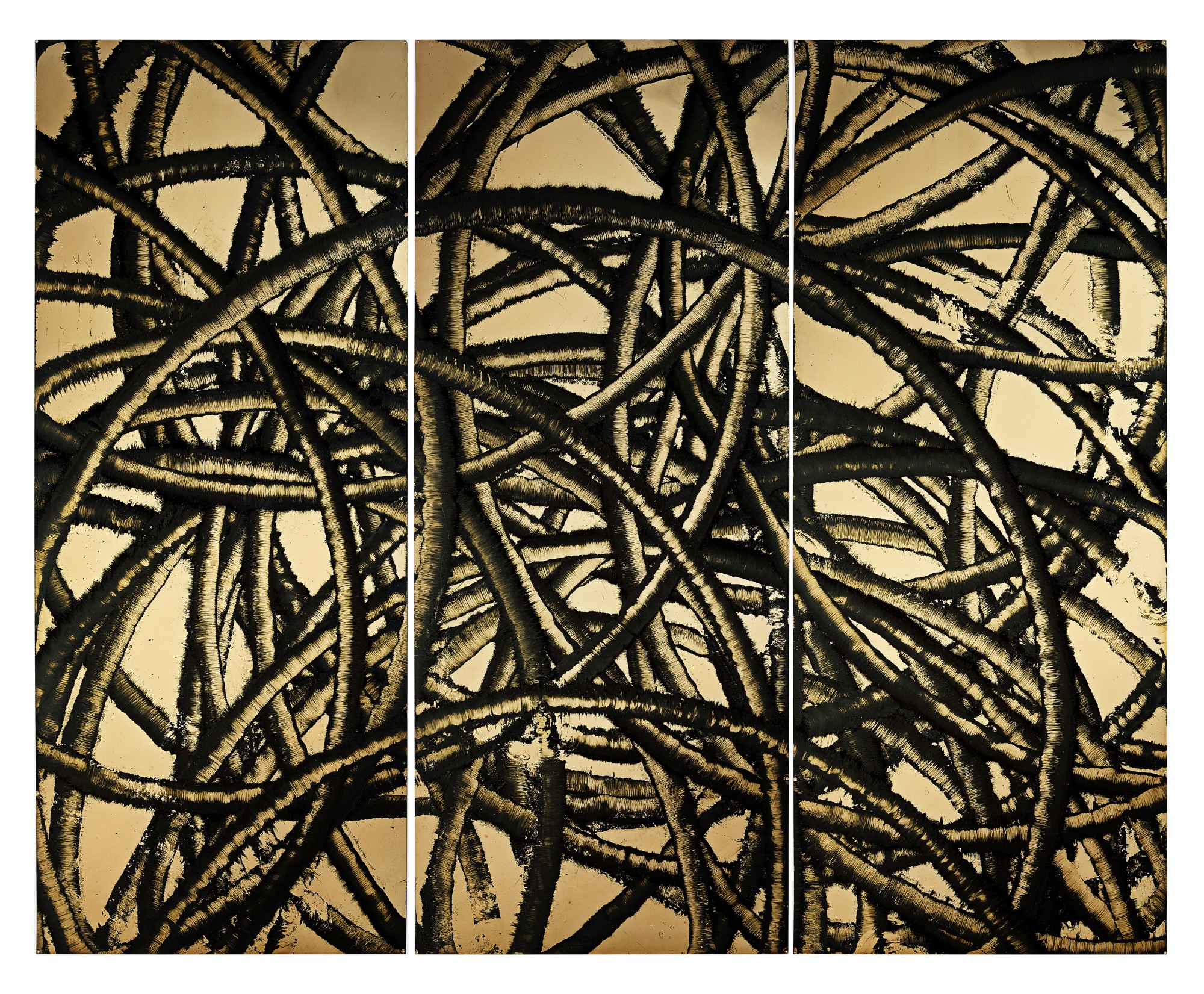
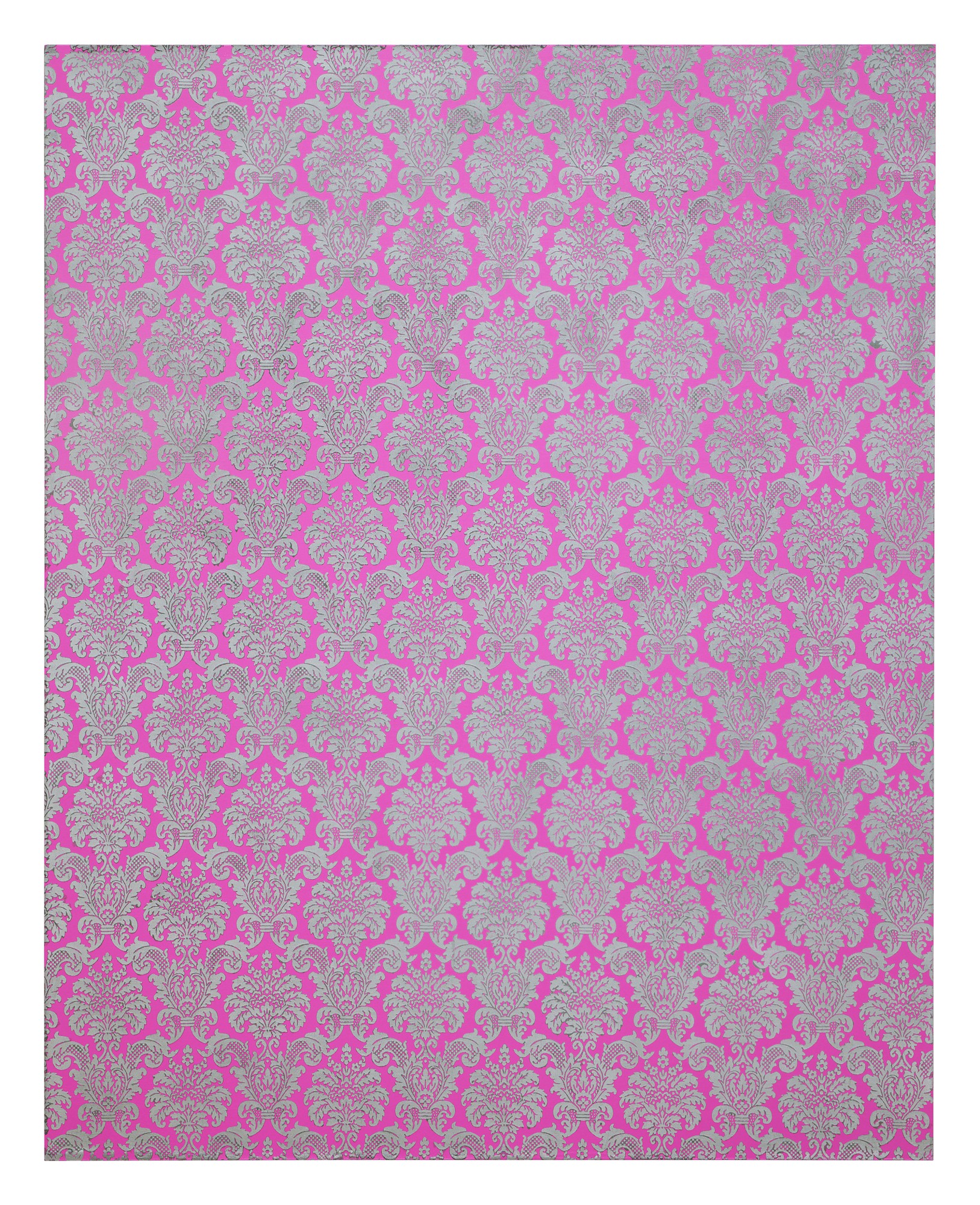
Rudolf Stingel
The radicalness of Stingel’s Cellotex panels is often underestimated. While rejecting any suggestion of being a social, political or conceptual gesture, these works may be some of the most open and brave moments in recent contemporary art production. As with his provocative instruction book on how to make his paintings, Stingel once again gives himself and his work, in their totality, to the public and the viewer. He invites the viewer inside the surface of his work, and allows anyone to make a 'contribution' to it. The critical voice of the viewer becomes part of the work. Like magnetic tape, the artist records the viewer’s reaction to his work – not simply verbally, but physically.
West showed at the Venice Biennale and was the subject of major retrospectives at the Museum of Modern Art and the Tate Modern before his death in 2012. His auction results have remained strong and have strengthened in recent years as the broader market has developed a more sophisticated appetite for work that resists easy display. His pieces on The Collection reflect that enduring institutional confidence. Rudolf Stingel occupies adjacent territory in a different register, inviting viewers to mark and alter his surfaces, transforming exhibition spaces into collective documents of presence.
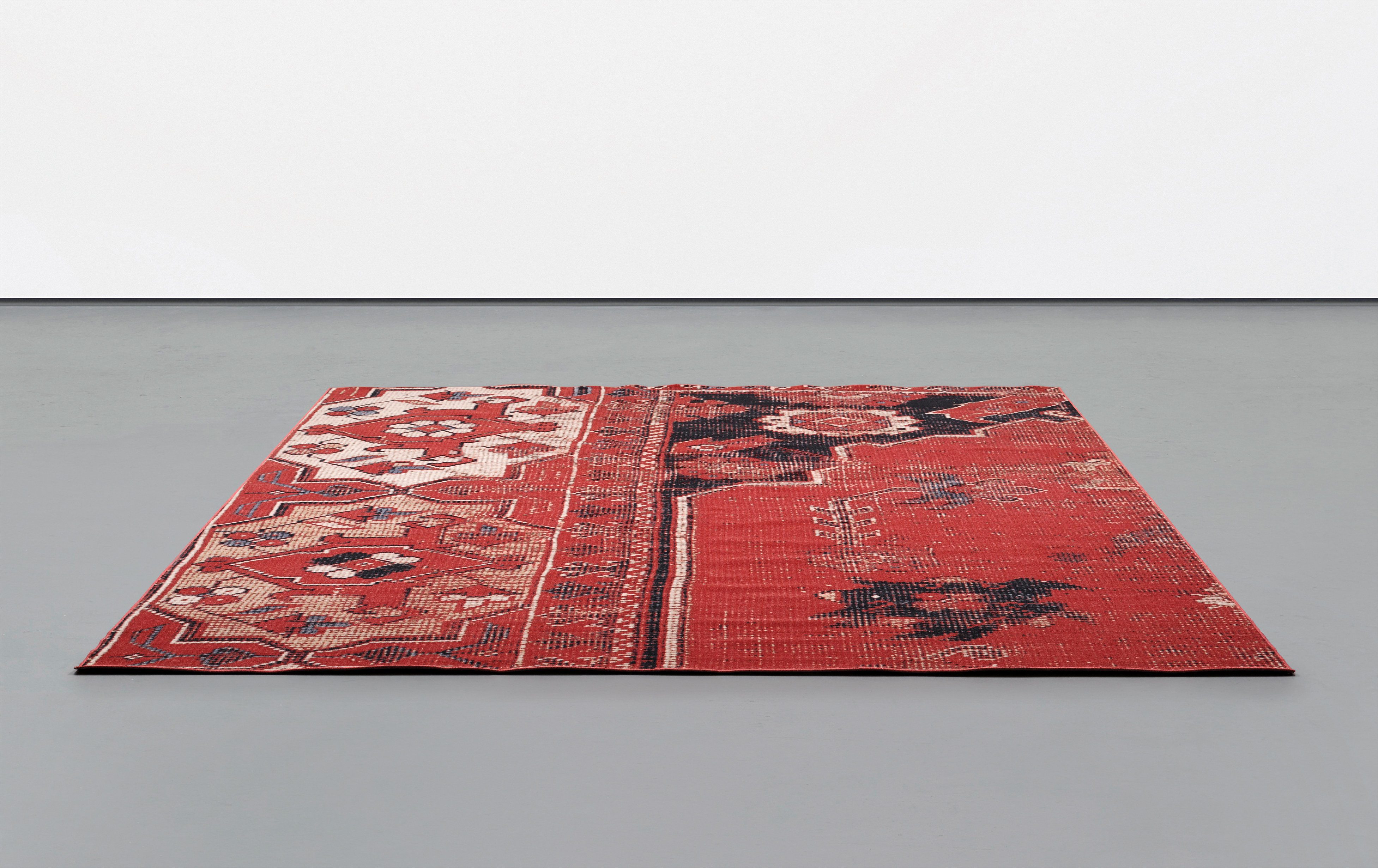
Lawrence Weiner, whose practice insists that a work need not be built and that the receiver of a piece is as responsible for it as the artist, represents perhaps the most radical position on participation in the entire roster. His work on The Collection carries that philosophical weight quietly. Weiner's auction records have been consistent rather than spectacular, which is almost fitting for an artist who was never interested in the object as such. Institutions including the Solomon R.
Lawrence Weiner
Drapeau for a community, from Gran Pavese – The Flag Project
Guggenheim Museum and the Whitney Museum of American Art have collected and shown his work extensively, and his influence on a generation of conceptually oriented artists who followed is difficult to overstate. Pedro Reyes, whose socially engaged projects have ranged from turning confiscated firearms into musical instruments to running participatory therapy sessions as art, represents the living edge of this tradition. His work demands infrastructure and commitment from institutions willing to program beyond the object. Pascale Marthine Tayou and Jim Hodges each bring a more affective dimension to participation, drawing audiences in through sensory and emotional attunement rather than explicit instruction.
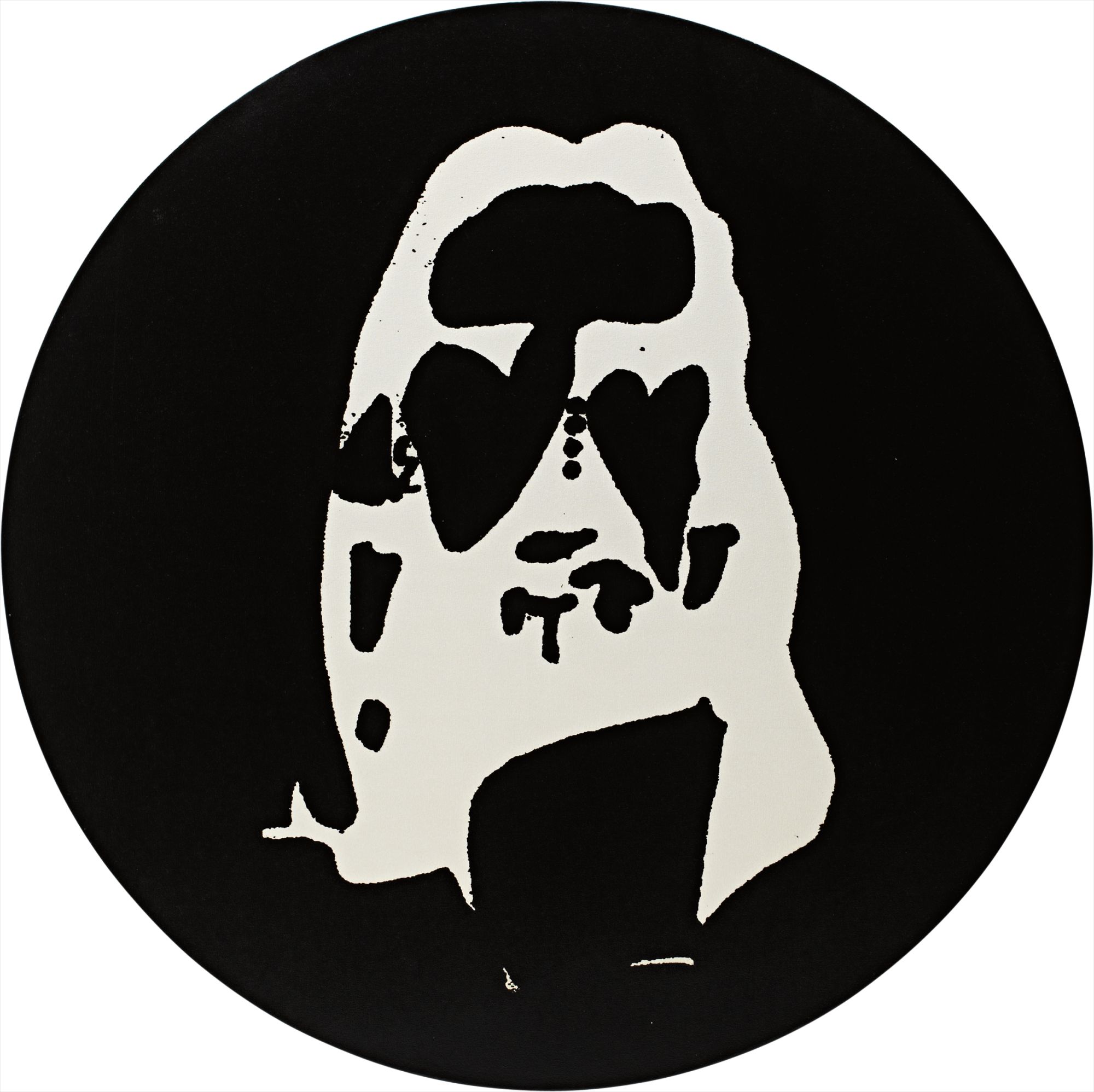
Hodges in particular has developed a body of work that creates a kind of participatory intimacy, asking viewers to bring their own grief or joy or longing into the space the work opens up. Aaron Young has staged large scale performative events, including his notorious Greeting Card in 2007 where motorcycles burned rubber on a canvas surface, blurring authorship and spectacle in ways that sit productively in the participatory conversation. Aaron Bobrow works within a quieter register but one no less committed to the idea that the viewer completes the work. Institutionally, the appetite for this category has never been stronger.
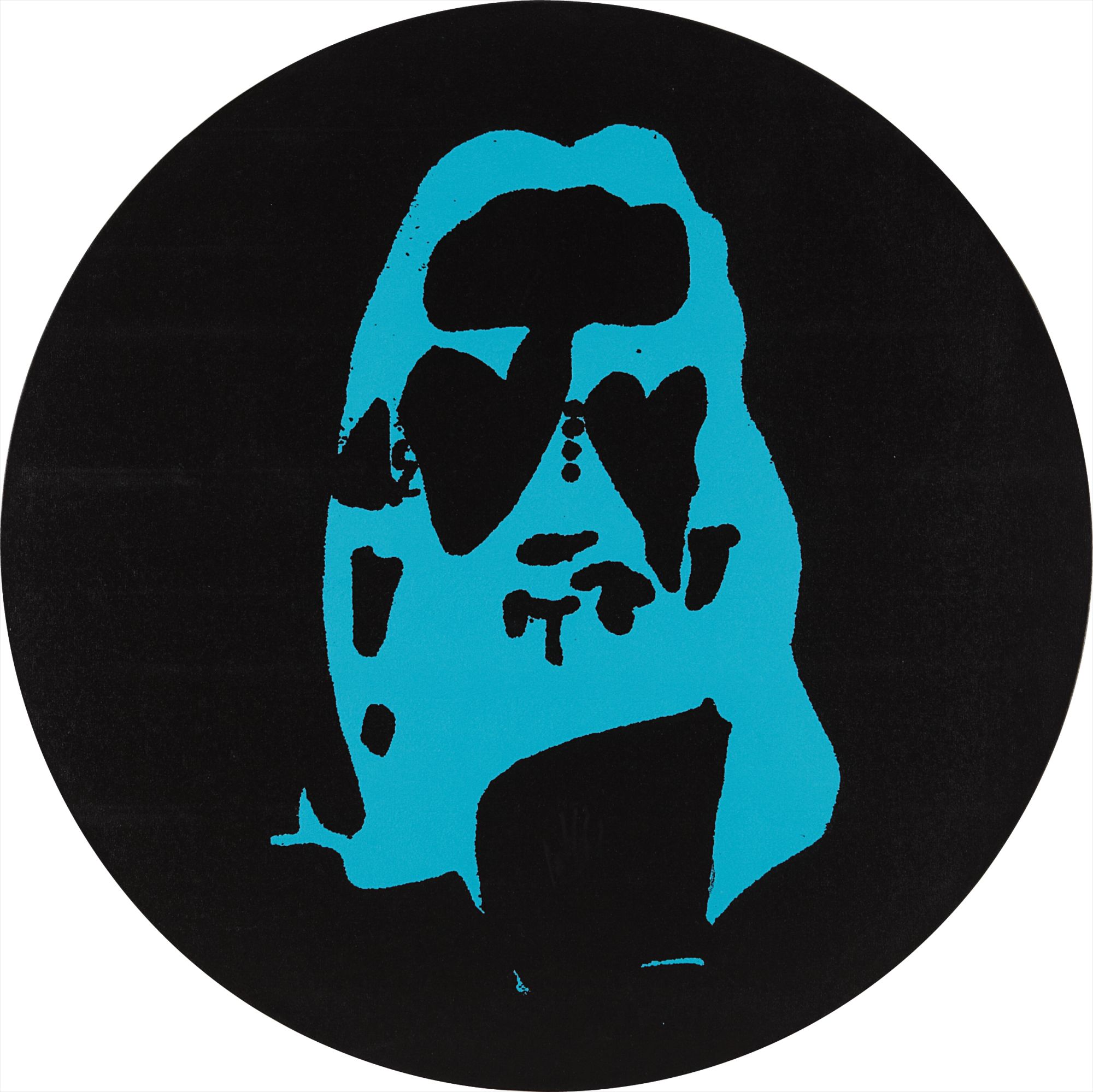
Aaron Young
Focus On The Four Dots In The Middle Of The Painting For Thirty Seconds, Close Your Eyes And Tilt Your Head Back (Frantic Fruit)
The Solomon R. Guggenheim Museum's ongoing investment in community engaged programming, the New Museum's consistent championing of socially oriented practices, and the expansion of participatory frameworks at the Serpentine in London all signal that this is not a passing trend but a structural reorientation. Collectors who are serious about this area are increasingly being advised to think about documentation, archives, and performance rights alongside the objects themselves, since much of the most significant work in this space exists as much in memory and record as in any physical form. The energy right now feels like it is moving toward work that takes participation seriously as a form of accountability.
There is growing impatience with participation as branding, with the Instagram moment dressed up as social engagement. The most interesting artists in this field are those for whom the audience relationship is genuinely unresolved and potentially uncomfortable. That discomfort is not a failure. It is, as Bishop argued years ago, precisely the point.
Collectors and institutions willing to sit with that ambiguity are the ones who will find themselves holding the work that matters most in fifteen years.