Organic Shape
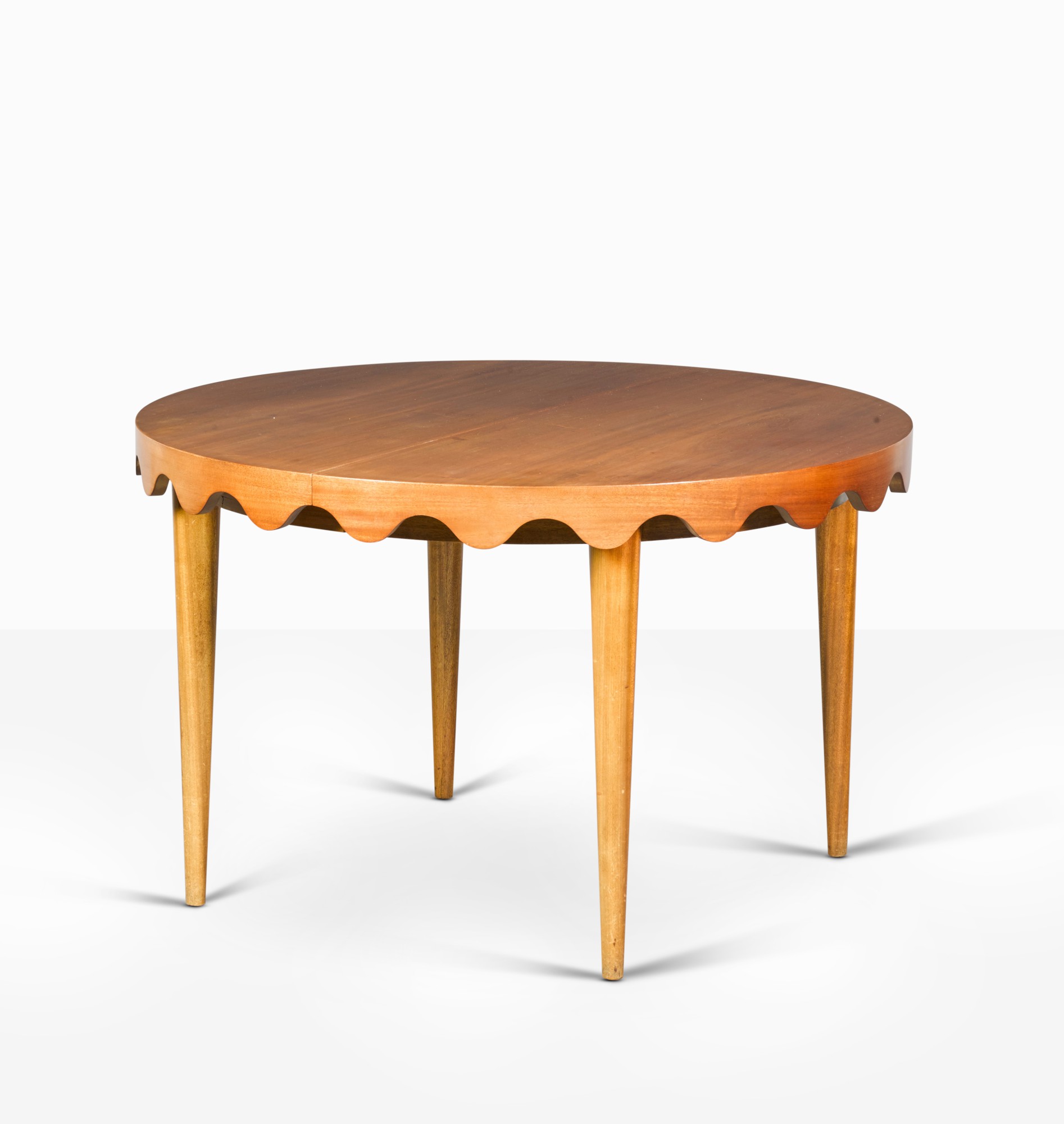
Jean Royère
Table Ondulation
The Shape of Things We Can't Ignore
When Anish Kapoor's large scale stainless steel works became the defining images of the 2011 Versailles installation, something clicked in the broader cultural conversation. The body, the vessel, the bulge and the hollow: these were not merely formal decisions but philosophical ones. Organic shape had arrived not as a style but as a sustained argument about what sculpture could say that language could not. That argument has only grown louder since.
The market has been paying attention for years, and the auction results confirm it. Kapoor commands some of the most serious prices in contemporary sculpture, with major works regularly clearing seven figures at Christie's and Sotheby's. His 2019 retrospective at the Gallerie dell'Accademia in Venice brought an unusual pairing: ancient classical form in conversation with his biomorphic voids and concave mirrors. The critical reception was fervent, and the secondary market moved accordingly in the months that followed.
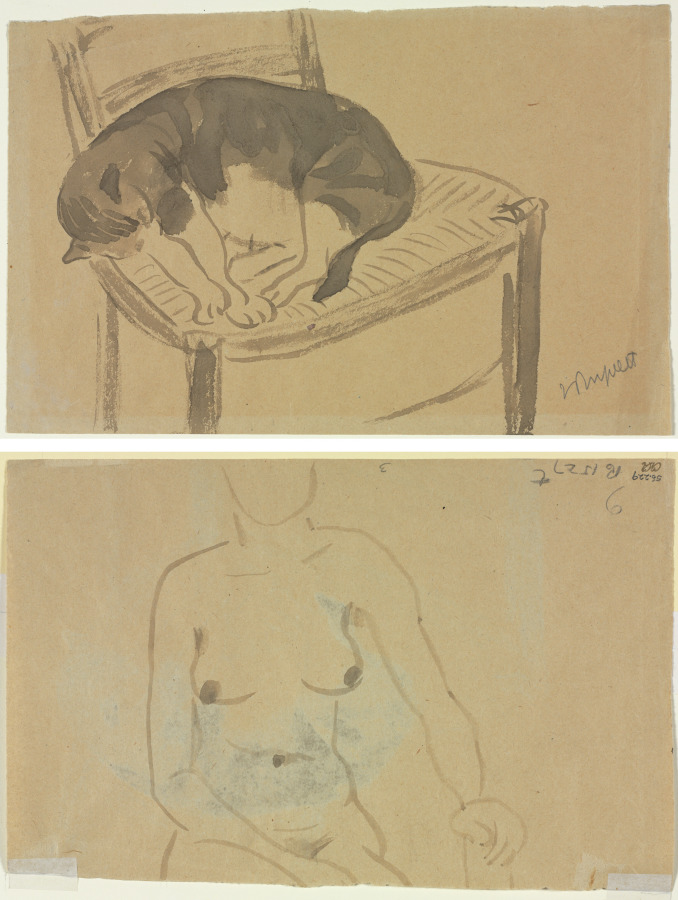
Ellsworth Kelly
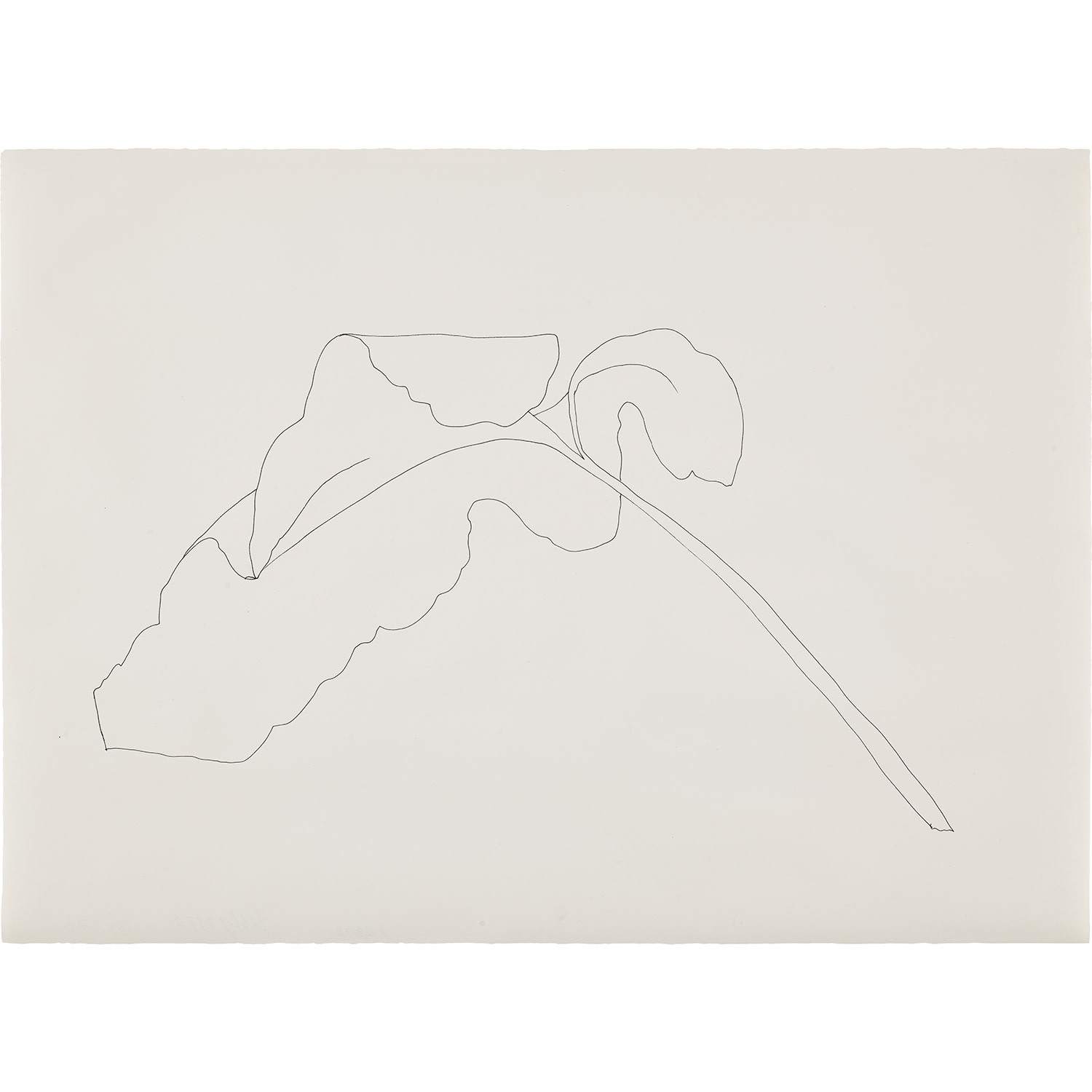
Leaf, 1970
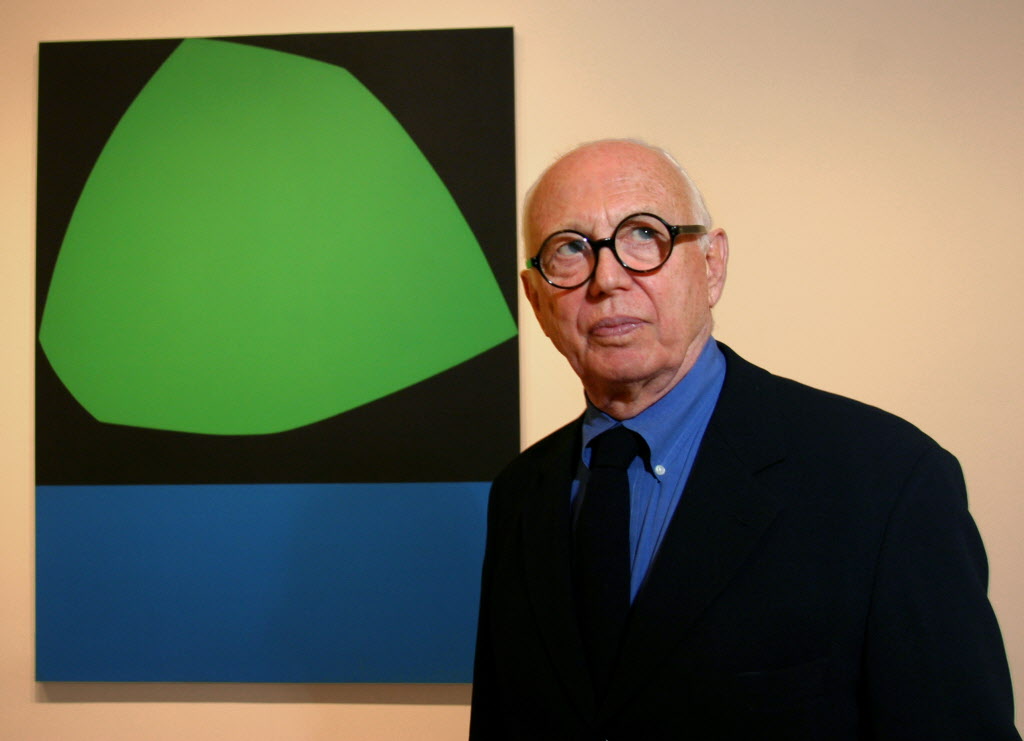
When an artist's institutional credibility and auction performance rise in tandem, collectors take notice, and rightly so. Ellsworth Kelly occupies a different register within the same conversation. His shaped canvases from the 1950s onward represent one of the most rigorous investigations into organic contour in postwar American art. What Kelly understood, and what remains underappreciated in casual discussion of his work, is that the edge of a form carries as much meaning as what lies inside it.
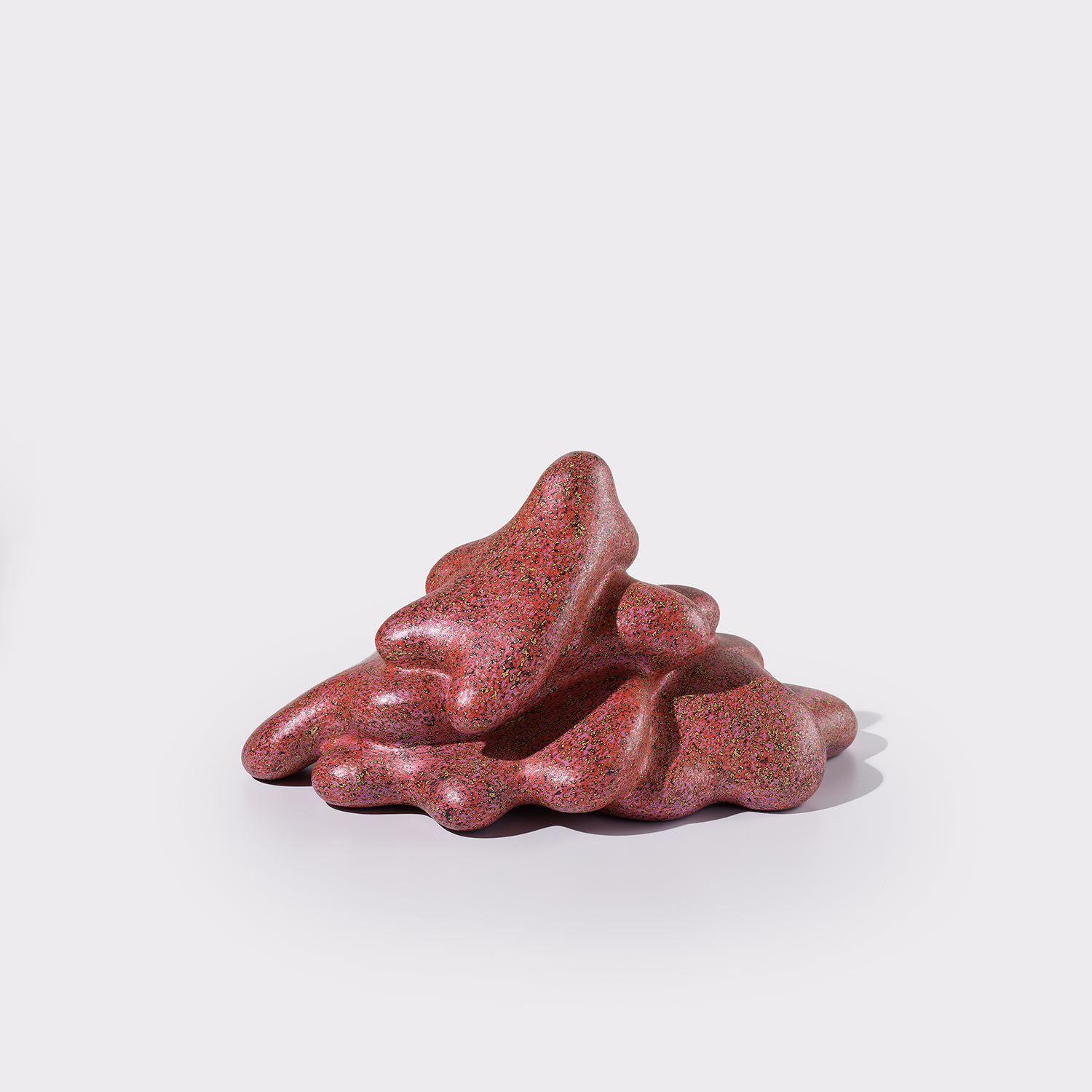
His plant studies and curve drawings informed canvases that feel like shadows of living things, silhouettes of some world just outside the studio window. The Austin building completed in 2015, the year of his death, stands as a final statement on how organic shape can carry spiritual weight without resorting to figuration. Ken Price, working in ceramic, brought a different kind of sensuality to the category. His lumpy, biomorphic cups and sculptures drew on the Los Angeles finish fetish scene while pointing somewhere far more personal and strange.
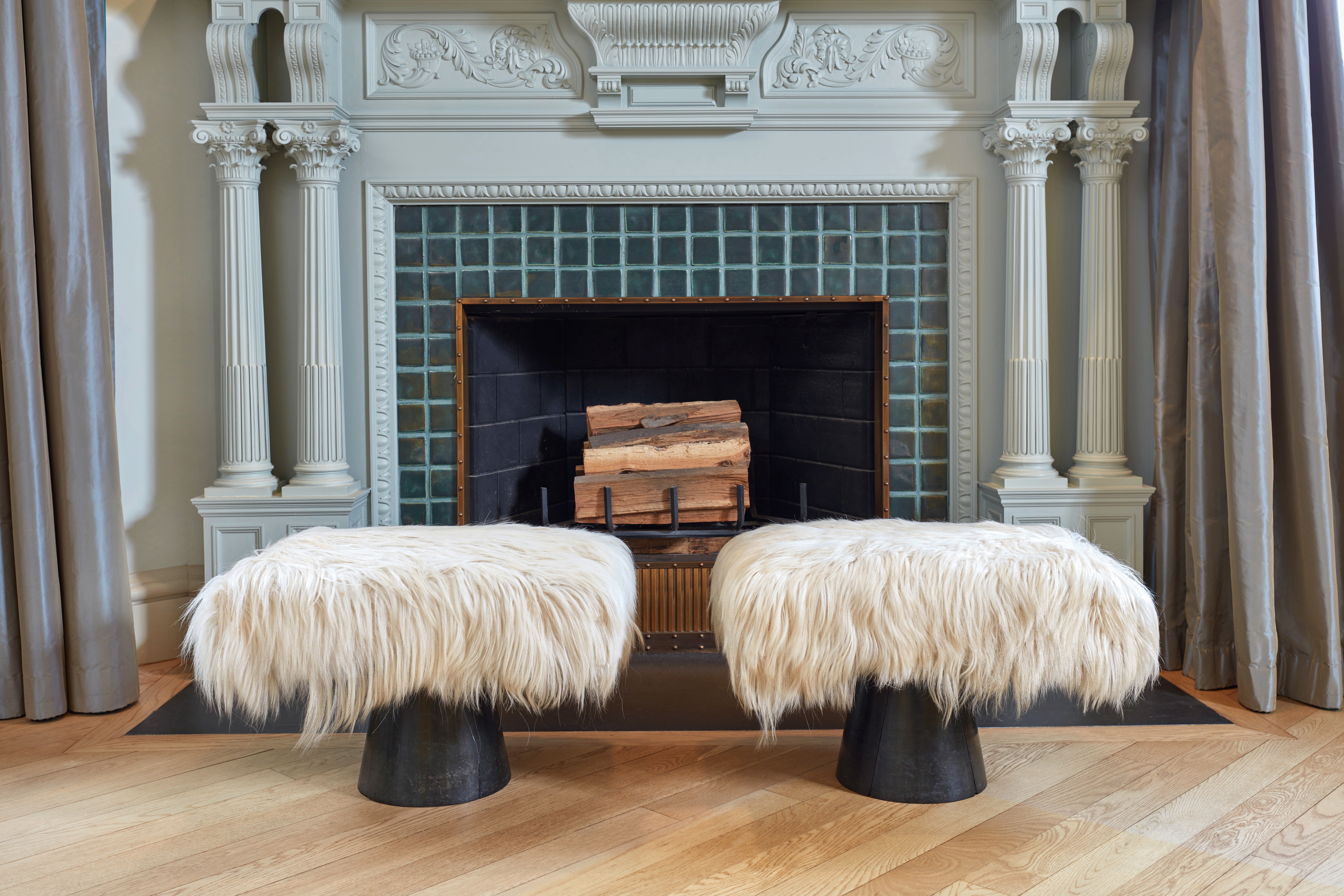
Jean Royère
Table Ondulation
The 2012 retrospective at the Metropolitan Museum of Art in New York, which then traveled to the Los Angeles County Museum of Art, introduced a wider audience to the particular pleasure of his work. Price's surfaces reward close looking in ways that photographs cannot capture, and the market has gradually adjusted to reflect that quality. Prices for his work have climbed steadily through the 2010s and into the 2020s as collectors who saw the Met show began to compete seriously for available pieces. Jean Royère presents a compelling case study in how organic shape crosses disciplines.
His postwar furniture designs, particularly the Ours Polaire sofa and the Lollipop floor lamp, operate according to the same logic as the sculpture discussed above: form follows desire rather than function. The 2021 retrospective organized by the Musée des Arts Décoratifs in Paris reframed Royère not as a decorative artist but as a thinker of volume and softness. Auction results have reflected this reappraisal, with his pieces now drawing serious competition from collectors who also pursue fine art, a crossing of category lines that felt unthinkable even fifteen years ago. Ólafur Elíasson brings environmental and phenomenological thinking to the organic, and his work has shaped curatorial discourse in ways that extend well beyond his own exhibitions.
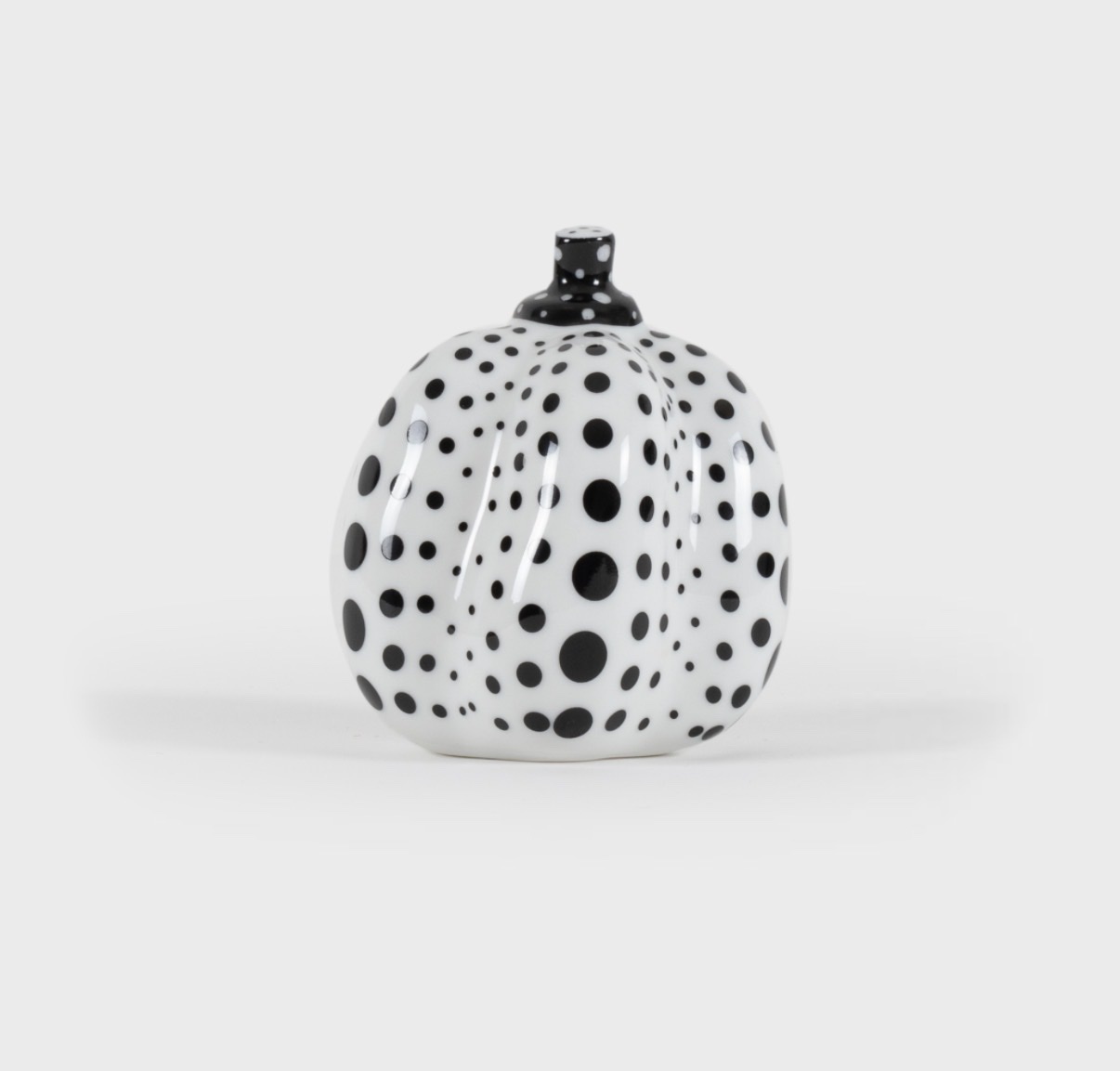
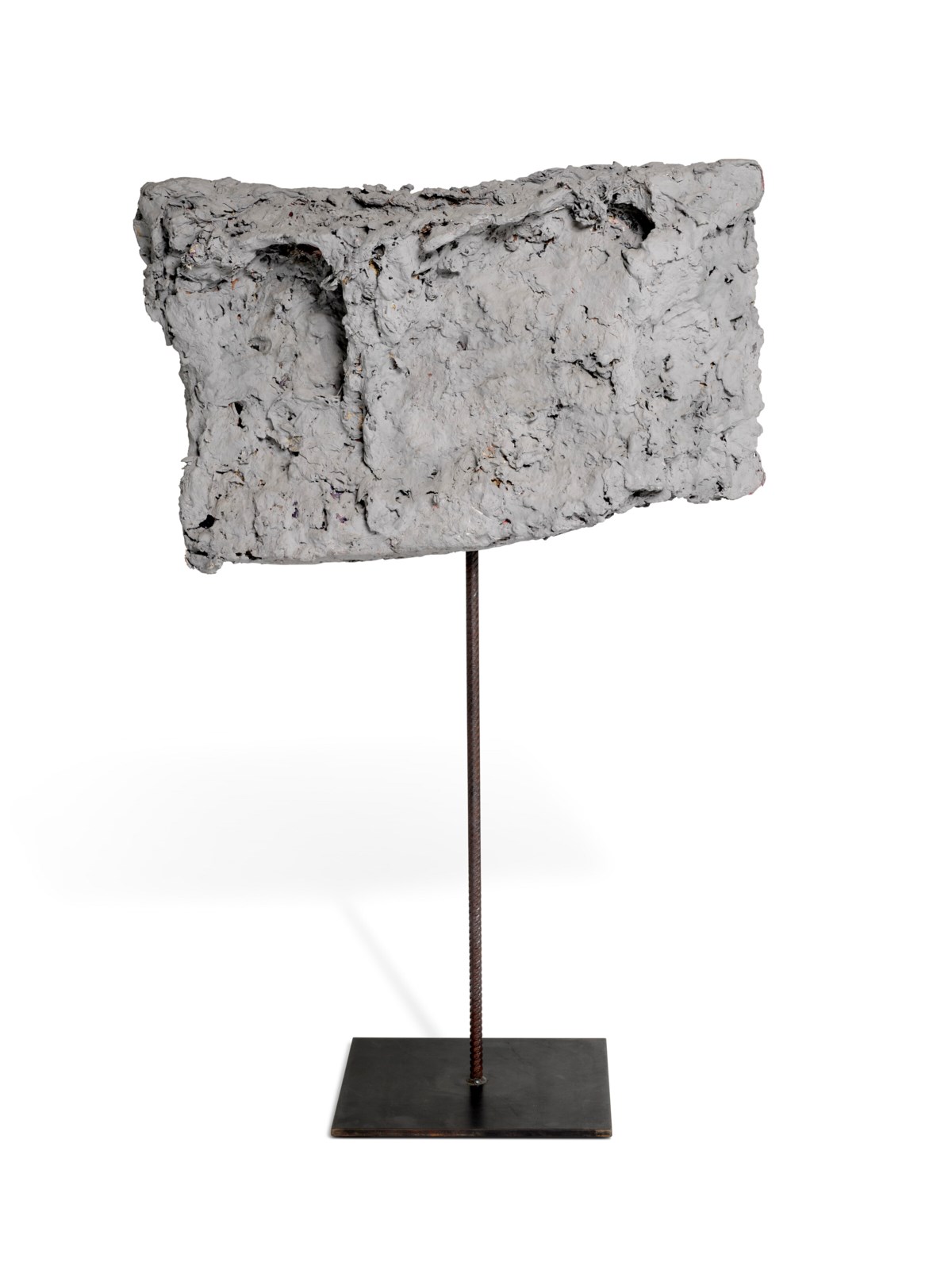
Franz West
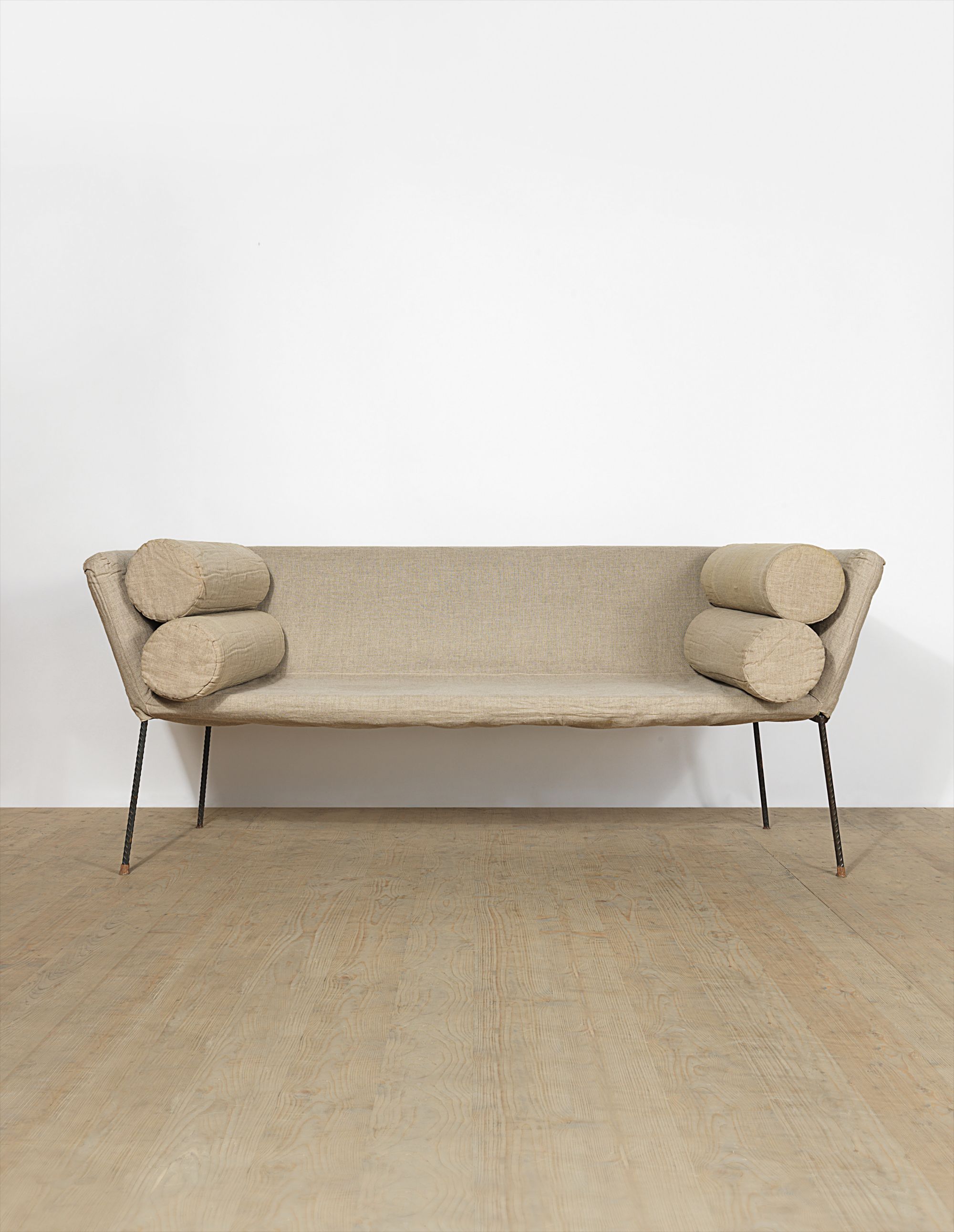
Trog
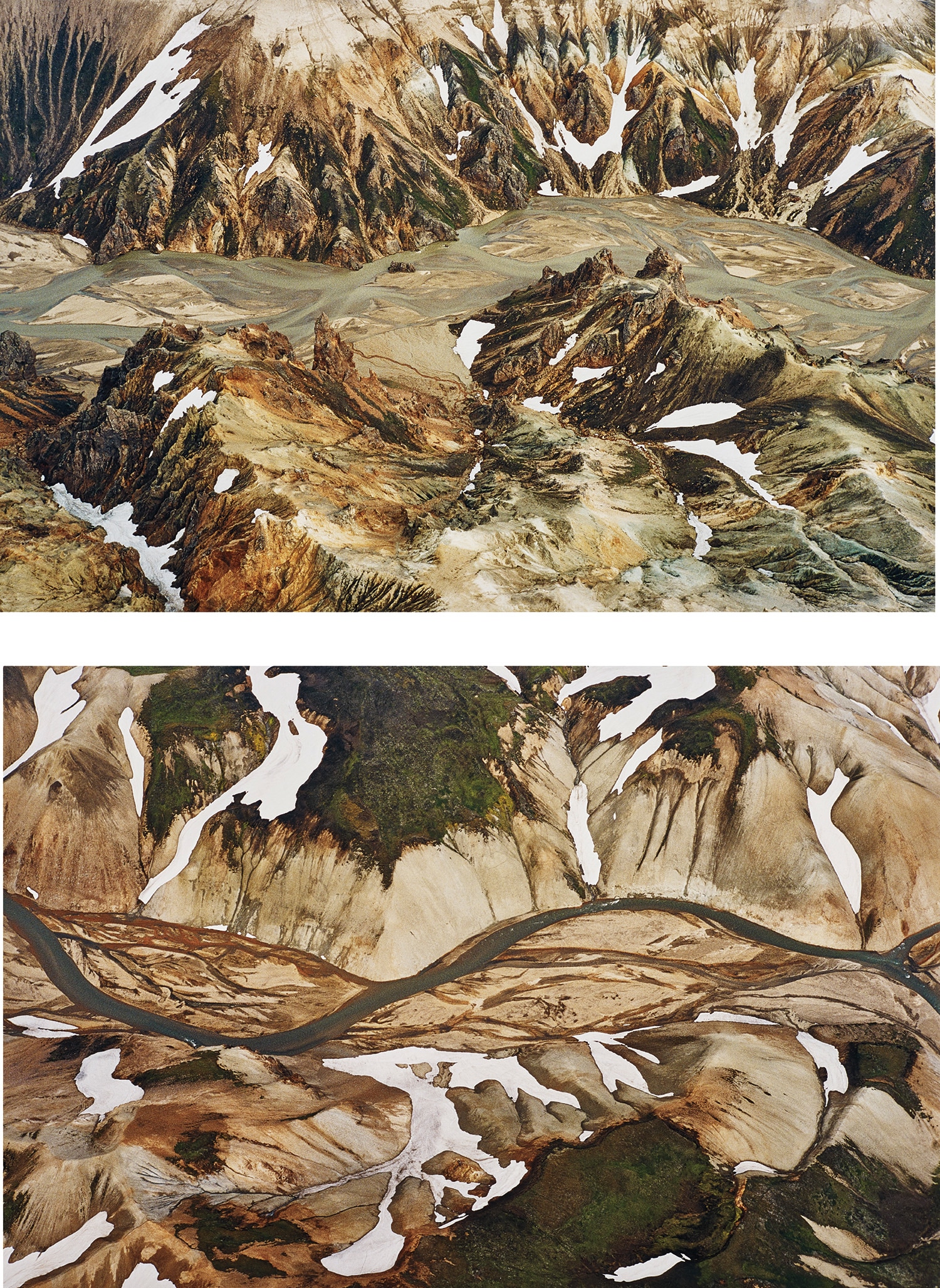
His ongoing engagement with natural processes, from glacial melt to light refraction, insists that organic form is never static. The Tate Modern retrospective in 2019 attracted over a million visitors and reopened critical debates about the relationship between aesthetic experience and ecological urgency. Publications like Frieze and Artforum devoted extended coverage to the show, with writers including Kirsty Bell and Tom Eccles contributing pieces that pushed the conversation beyond the usual phenomenology toward something more politically alive. Franz West rounds out this constellation in a wonderfully contrarian way.
His Passstücke, or Adaptives, from the 1970s and 1980s asked the viewer to handle rough, irregular objects whose organic forms were neither beautiful nor comfortable. West was suspicious of easy pleasure, and his work functions as a kind of argument with the seductiveness that Kapoor or Price might offer. The Centre Pompidou retrospective in 2018 made the scope of his investigation clear, and estates and foundations have worked carefully since his death in 2012 to maintain institutional interest in work that resists passive appreciation. His prices reflect a collector base that values intellectual rigor alongside formal strangeness.
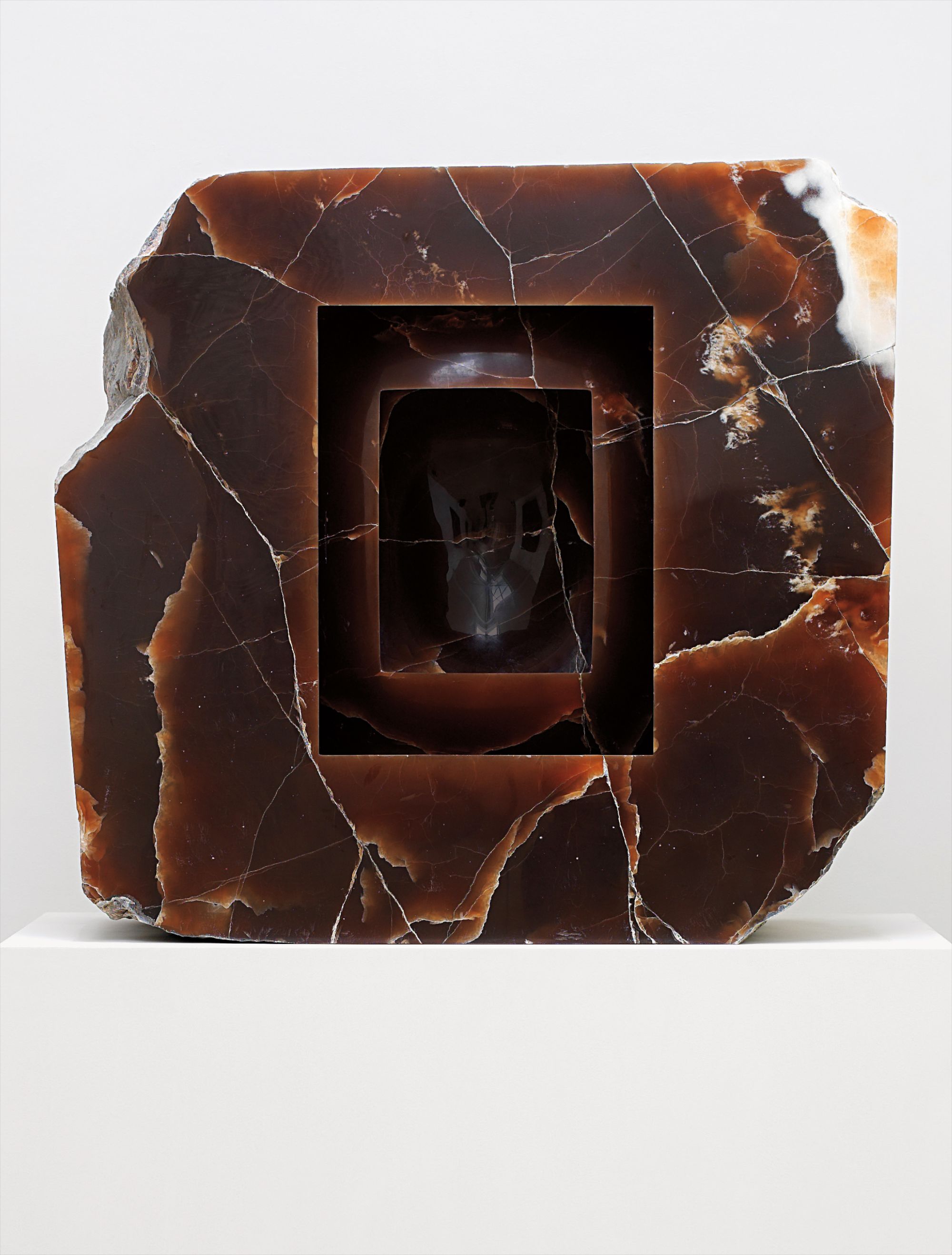
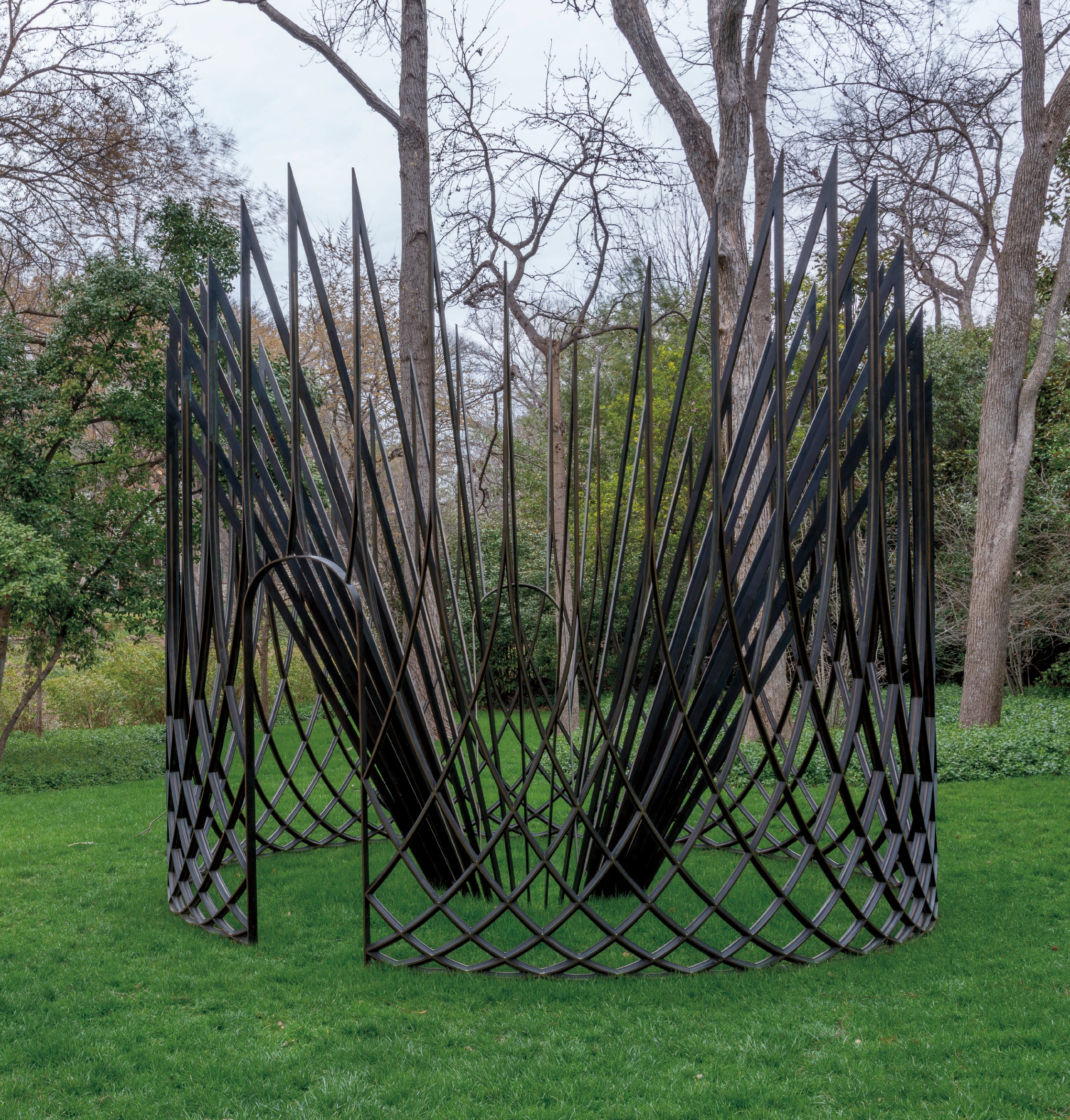
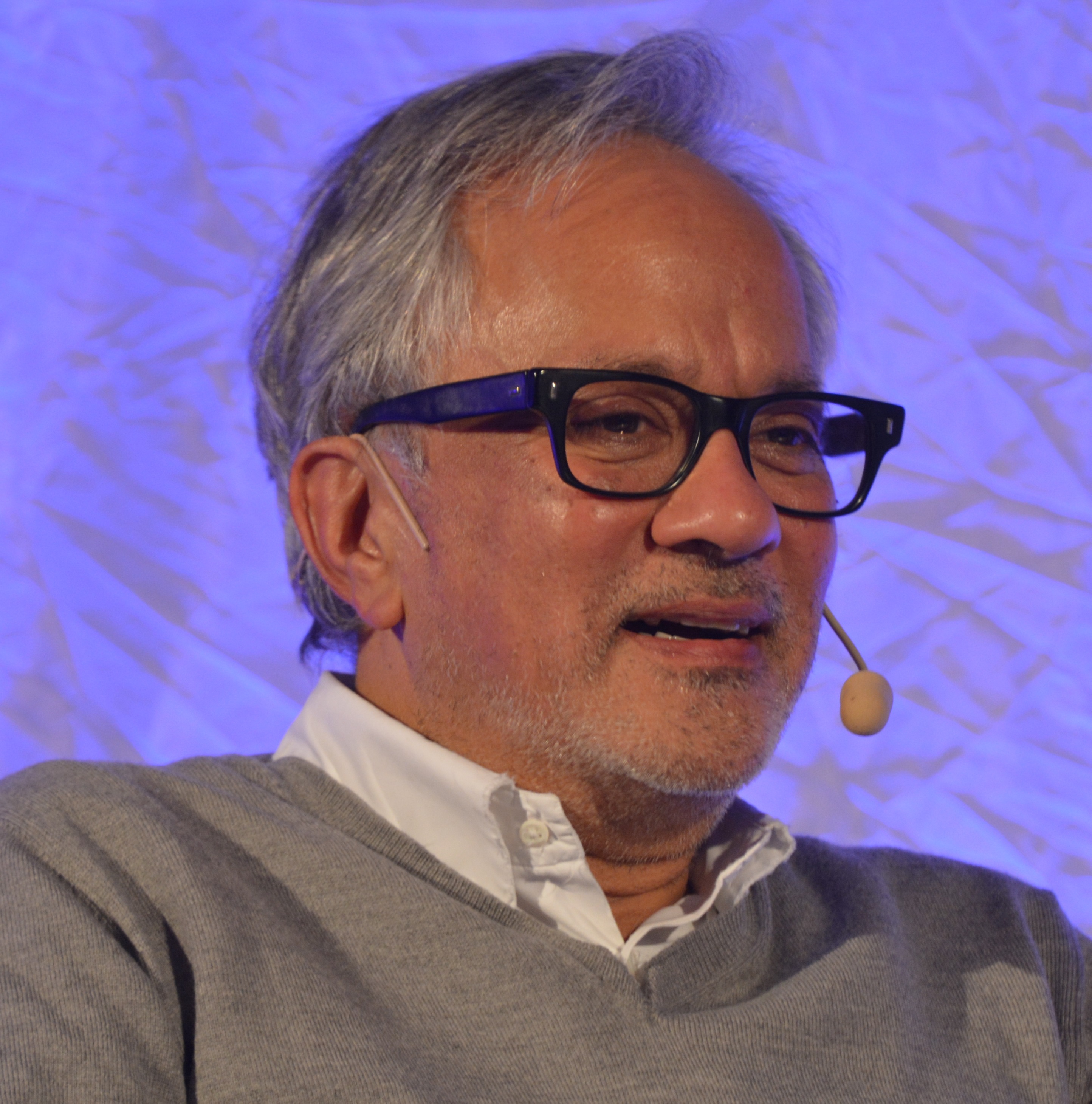
Anish Kapoor
onyx
Institutionally, the appetite for organic form spans the expected and the surprising. MoMA has long held strong examples across sculpture and design, but it is smaller institutions such as the Menil Collection in Houston and the Beyeler Foundation in Basel that have done the most interesting curatorial thinking in recent years. These institutions are not simply acquiring; they are building arguments, placing biomorphic sculpture in dialogue with surrealism, with architecture, with land art, with craft traditions that the mainstream market long undervalued. That kind of contextual collecting changes how the category is perceived and, eventually, how it is priced.
The critical conversation is being shaped by a generation of curators who came of age after the theory wars of the 1980s and 1990s and are therefore less anxious about beauty as a category. Writers like Johanna Burton and institutions like the Hammer Museum have helped normalize a language of pleasure and embodiment that organic form has always invited but that criticism was slow to embrace. This shift has made it easier for collectors to trust their visceral responses to a Kapoor concavity or a Price glaze without feeling they need to justify the feeling intellectually. The works on The Collection across this space, from Royère's softly insistent furniture to Elíasson's phenomenological propositions, map the full range of what organic shape can do.
The category does not feel settled; if anything, the recent crossover between design collecting and fine art collecting has injected new energy and new buyers into a space that was already moving. What comes next is likely to involve younger artists working in clay and silicone and expanded reality, but the foundational figures represented here are not going anywhere. Their work has earned its permanence the hard way, through sustained critical and market attention, and through the simple, difficult act of making forms that the body recognizes before the mind can explain why.