Museum Board
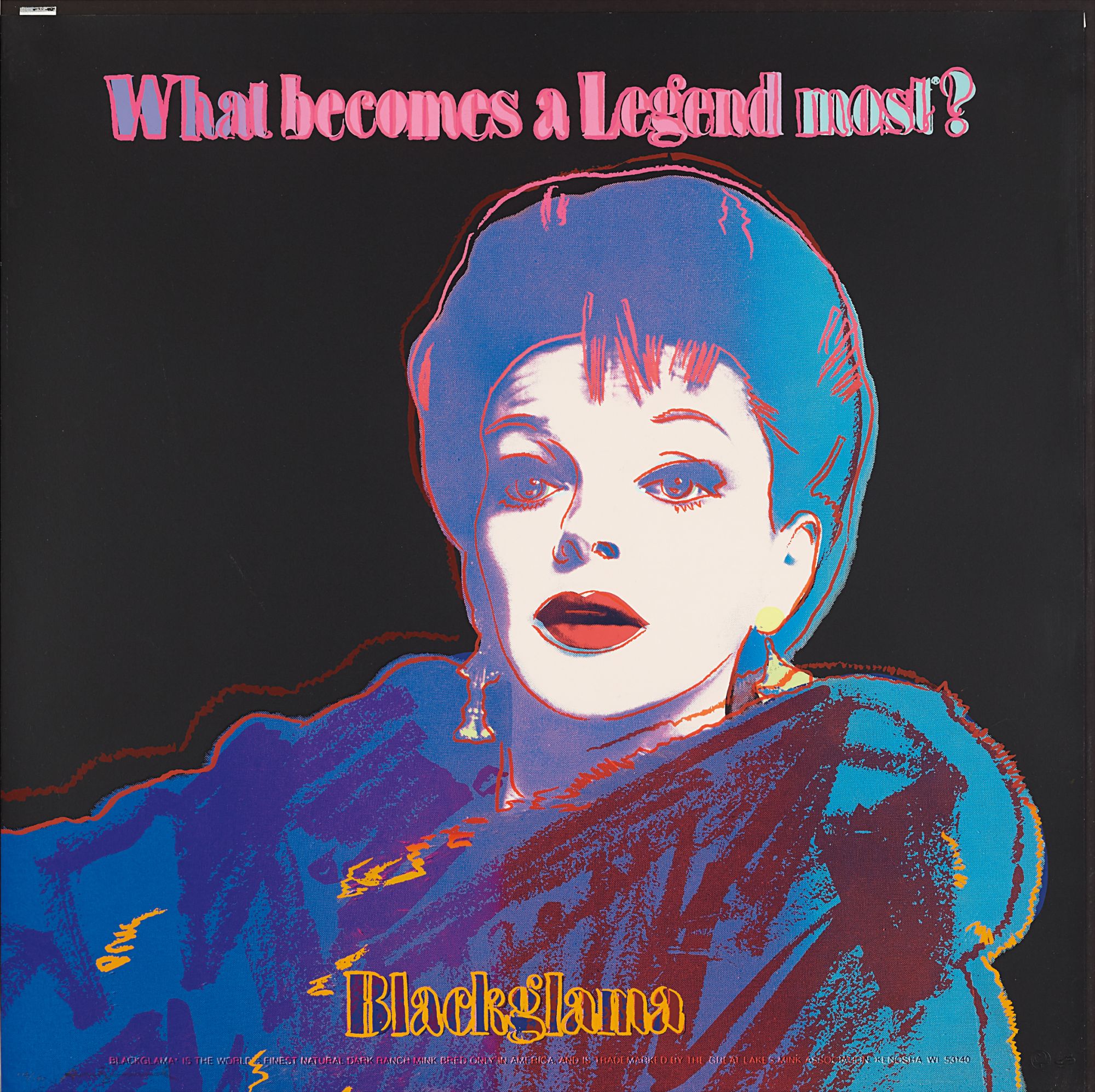
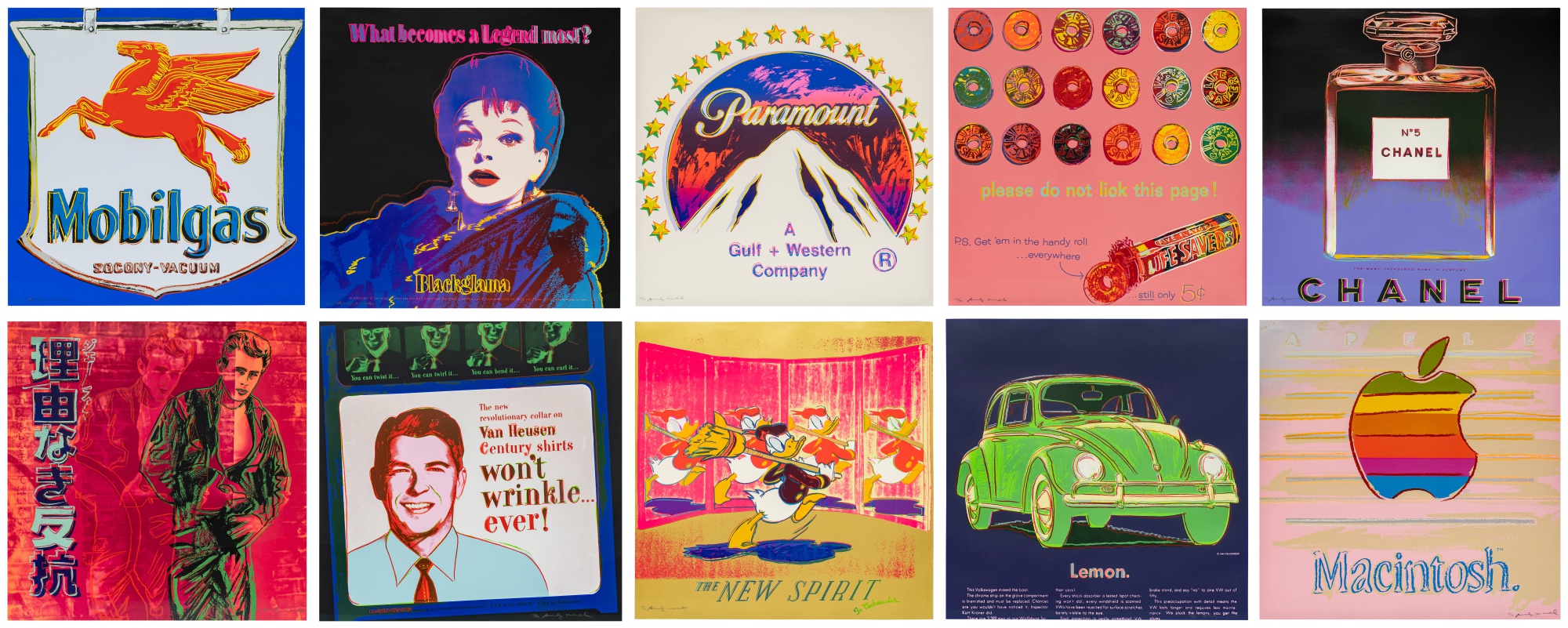
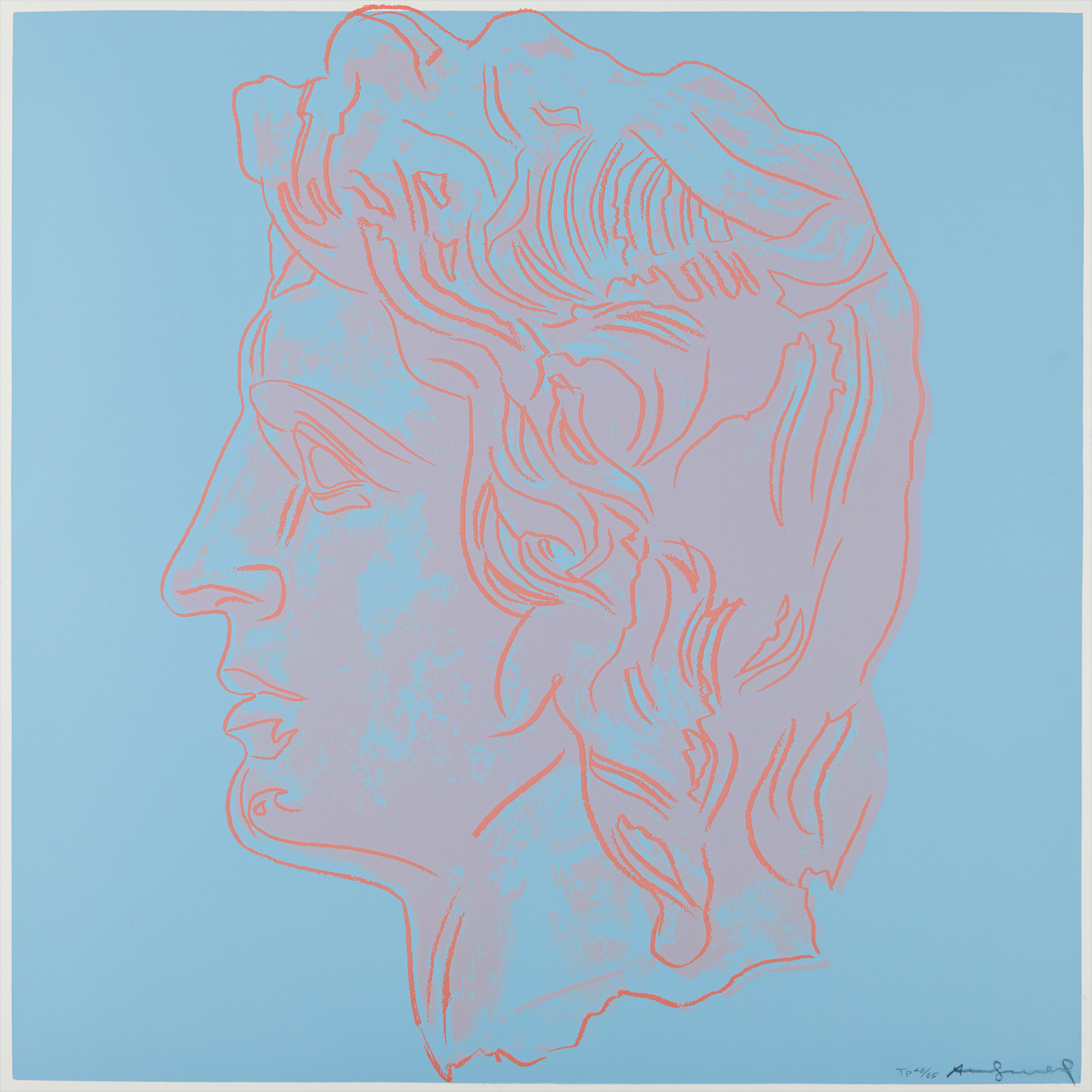
Andy Warhol
Jane Fonda


The Board Room: Where Museums Make History
When a single trustee pledge can determine whether a Warhol enters a permanent collection or lands at auction, the stakes of museum governance become suddenly, vividly clear. This past season offered a reminder of just how charged that territory is. The Art Institute of Chicago announced a major reinstallation of its contemporary galleries, and almost immediately, the art world's attention turned not just to the works themselves but to the board members whose relationships, loans, and eventual gifts would shape what those walls ultimately said. Museum boards have always been the invisible architecture behind great collections.
Right now, that architecture is under a scrutiny it has never quite faced before. The idea of the museum board as a subject worthy of critical attention rather than institutional deference has been gathering momentum for several years. The protests at the Guggenheim, the Sackler renaming campaigns, and the broader reckoning with philanthropic ethics that followed George Floyd's death in 2020 all contributed to a reframing. Board membership went from being a marker of social prestige operating comfortably offstage to a site of genuine debate about power, access, and the values an institution embeds in its walls.
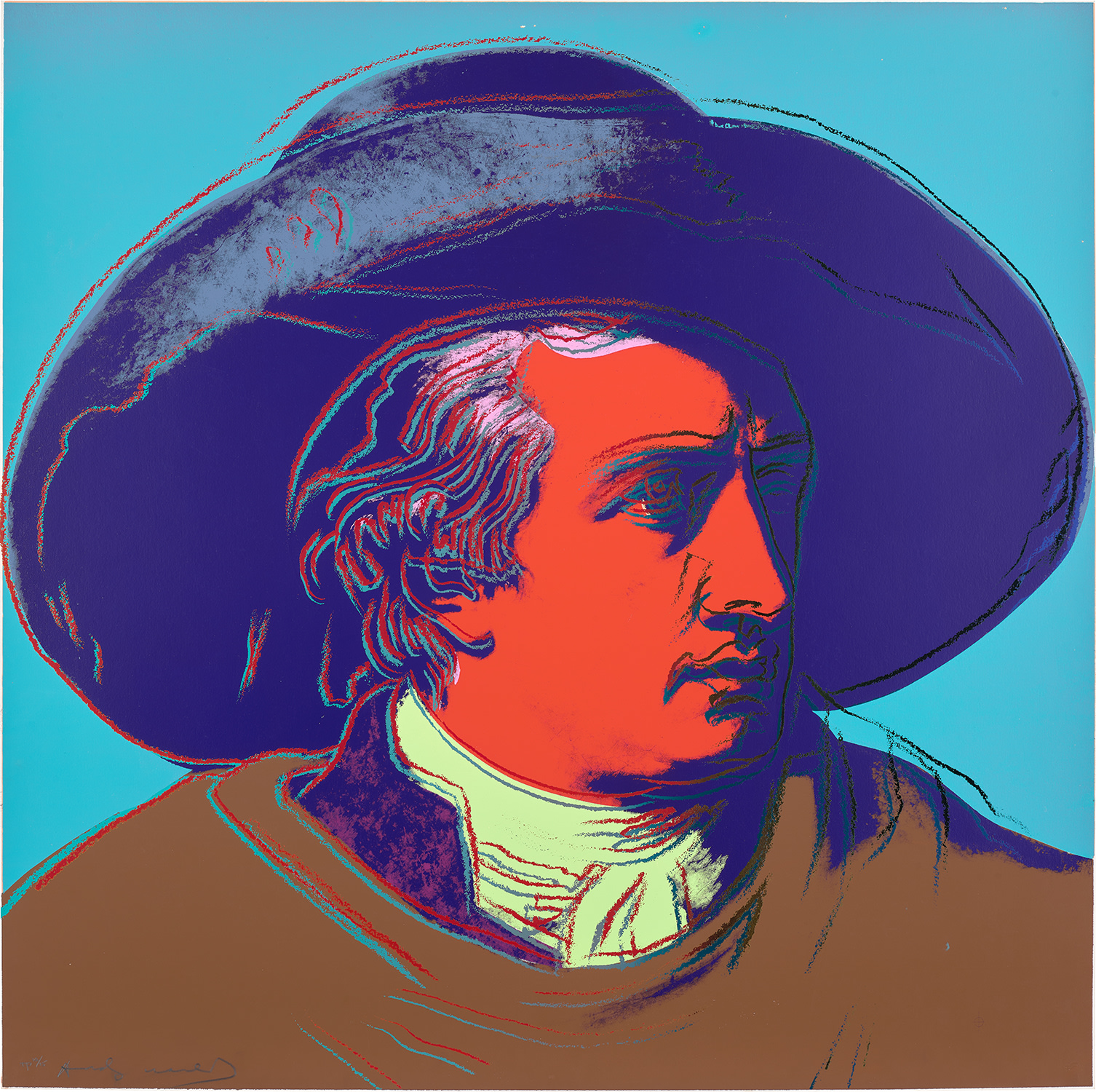
Andy Warhol
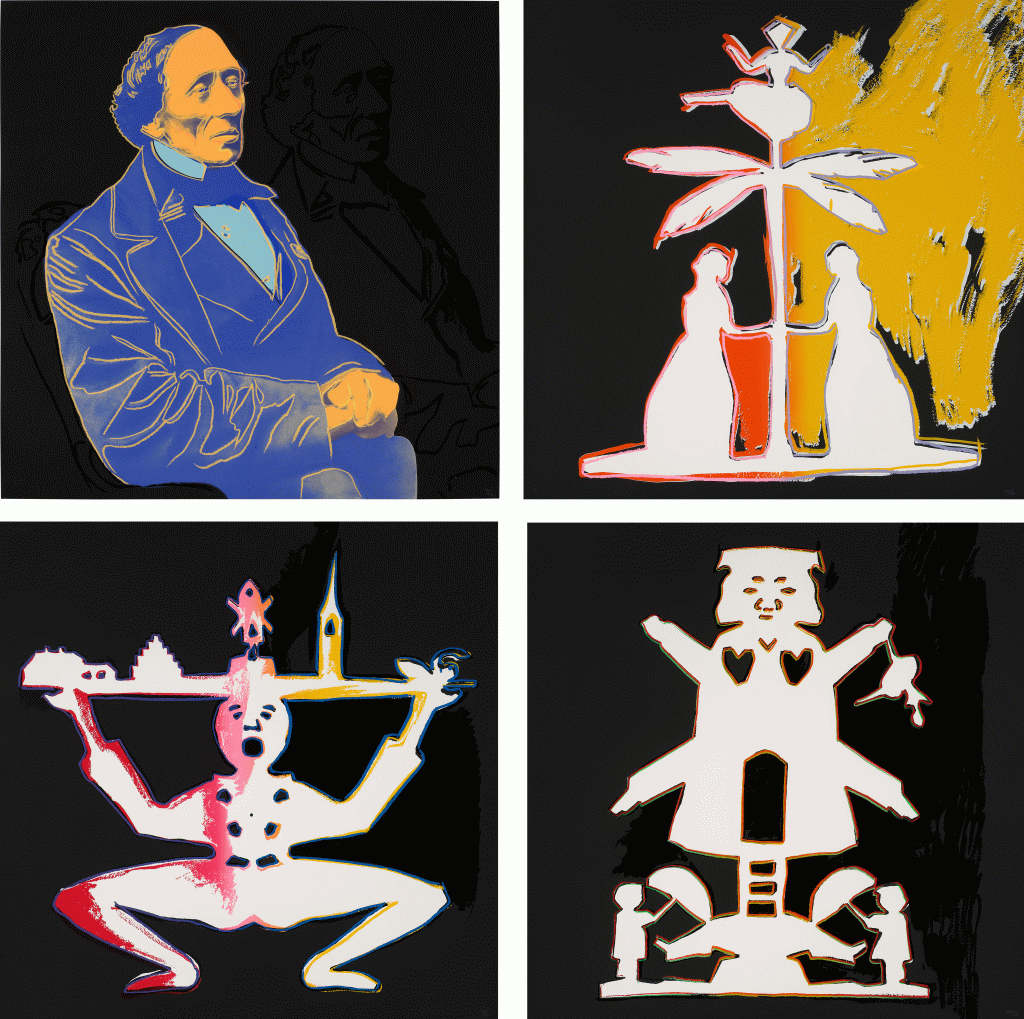
Hans Christian Andersen, 1987
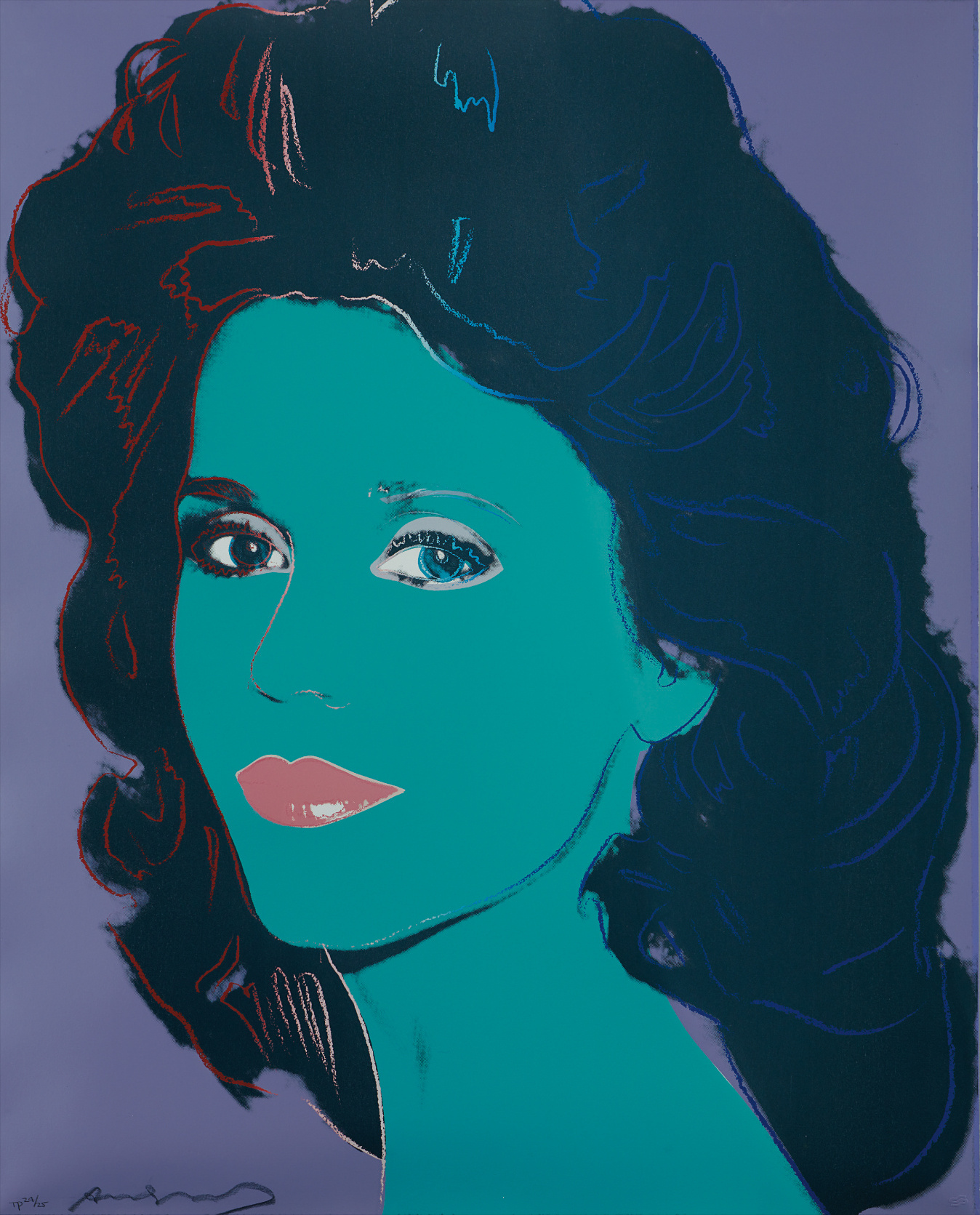
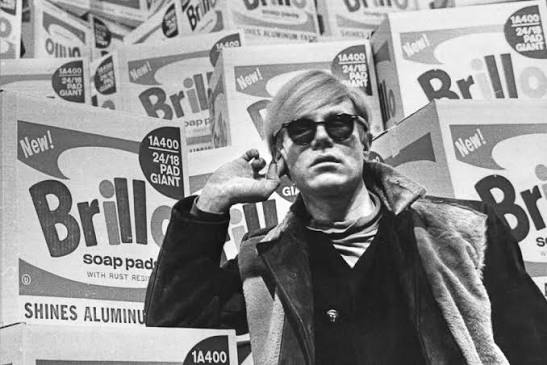
Critics began asking not just what a museum showed but who funded it and what those funders expected in return. The auction market tells its own story about what happens when works cycle between private hands and institutional ambition. Andy Warhol, whose presence on The Collection is substantial, remains the clearest index of this tension. His market at Christie's and Sotheby's has functioned for decades as a kind of real time referendum on American cultural desire.
The 2022 sale of Shot Sage Blue Marilyn for just over 195 million dollars at Christie's New York was not simply a record. It was a signal about the degree to which Warhol's work has achieved a stability that museums themselves aspire to. Major institutions from the Whitney to MoMA to the Tate hold significant bodies of his work, and each new auction result recalibrates the calculus of what a gift or a promised gift of a Warhol actually means to a balance sheet. Keith Haring occupies a different but equally instructive position.
Keith Haring
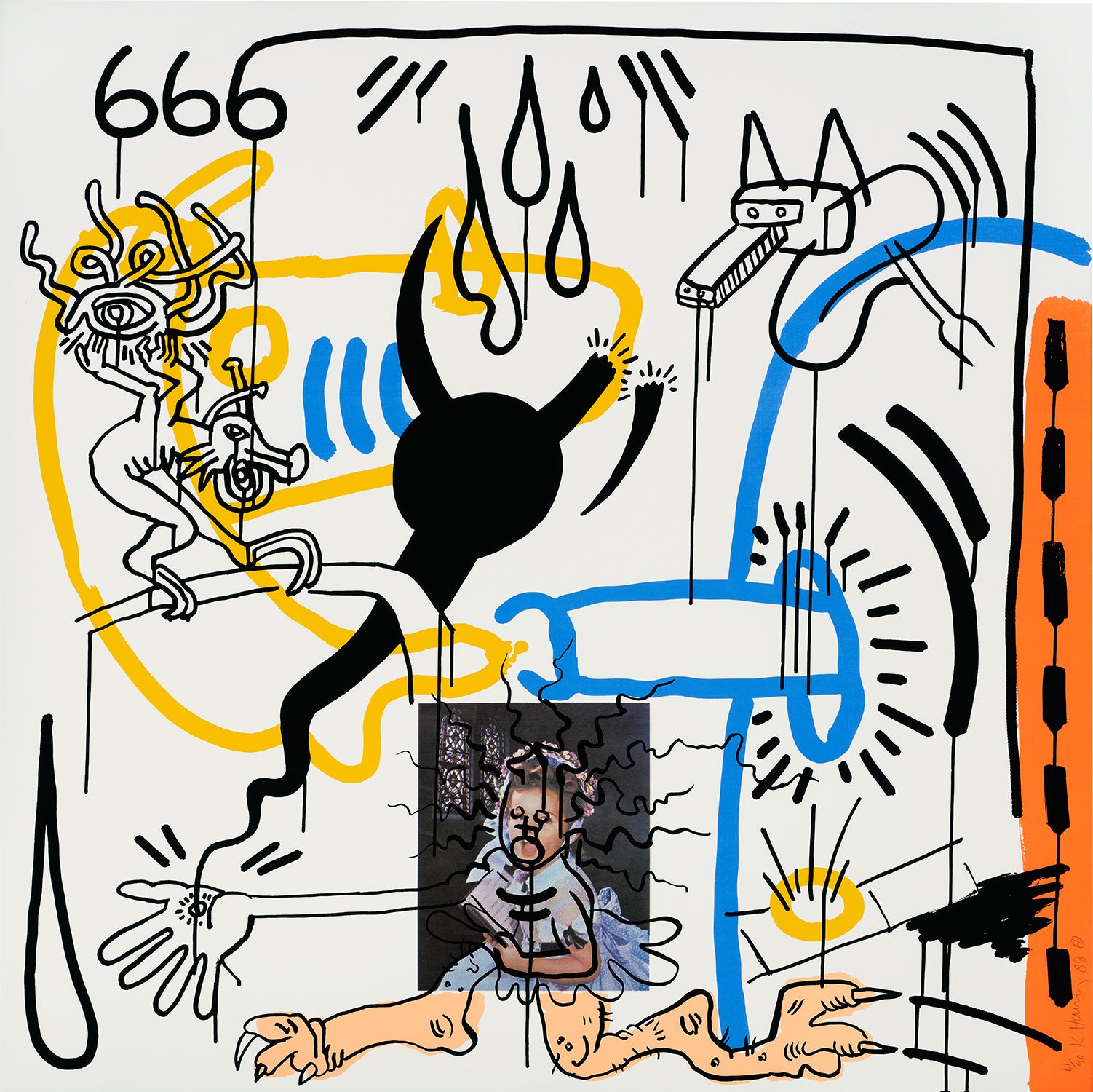
Apocalypse 8, from Apocalypse Suite (L. p. 106)
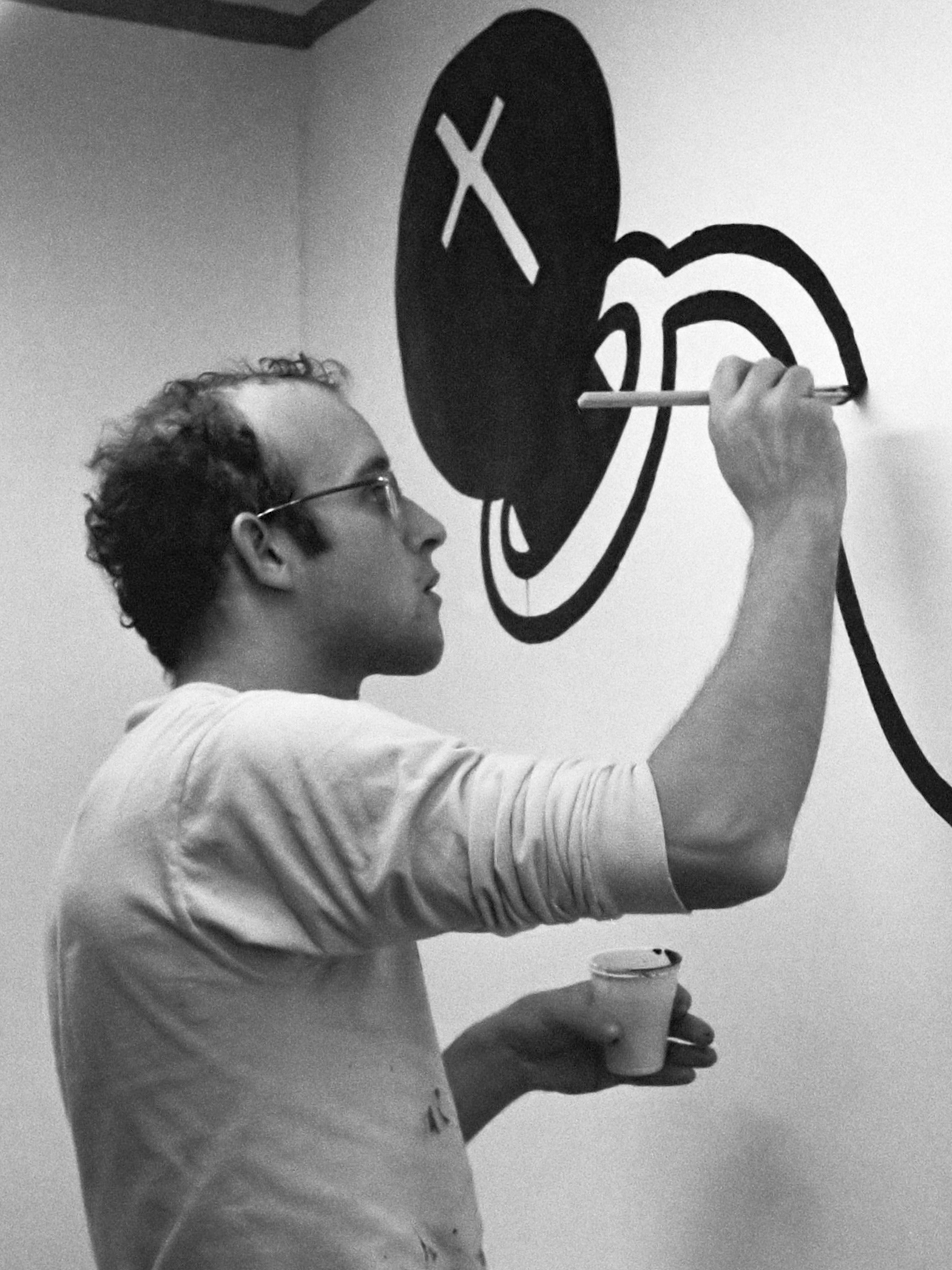
His foundation has been unusually strategic about where works are placed, steering toward institutions with strong educational commitments in keeping with Haring's own activist ethos. The retrospective that traveled to the de Young Museum in San Francisco and then to the Whitney in recent years demonstrated that his market and his institutional reputation are moving in lockstep. Works by Haring that come to auction now carry the implicit endorsement of that curatorial seriousness, which in turn affects how board members at mid tier institutions think about pursuing gifts or acquisitions. Tom Wesselmann, less frequently discussed in the same breath, has benefited from similar institutional attention.
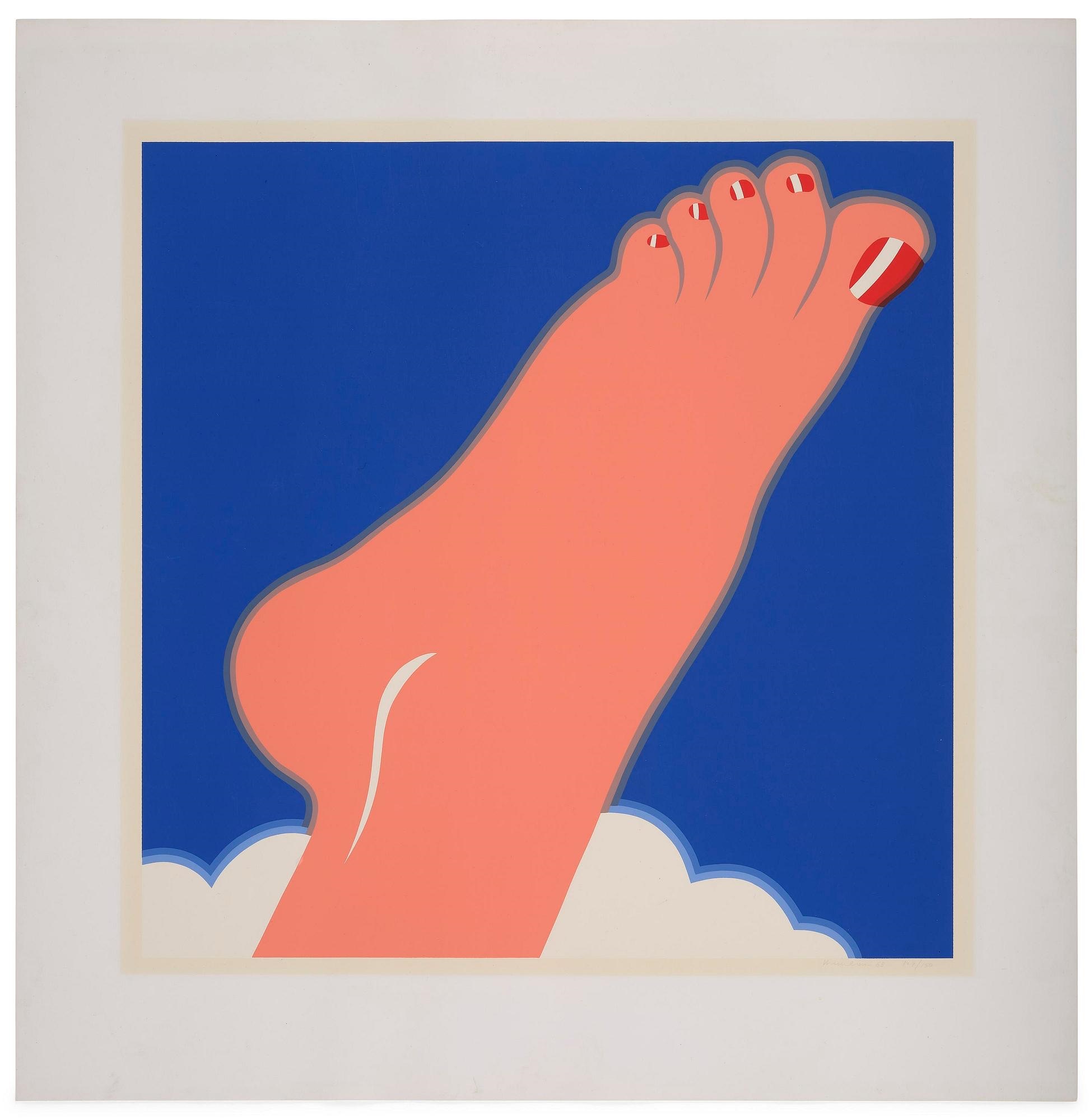
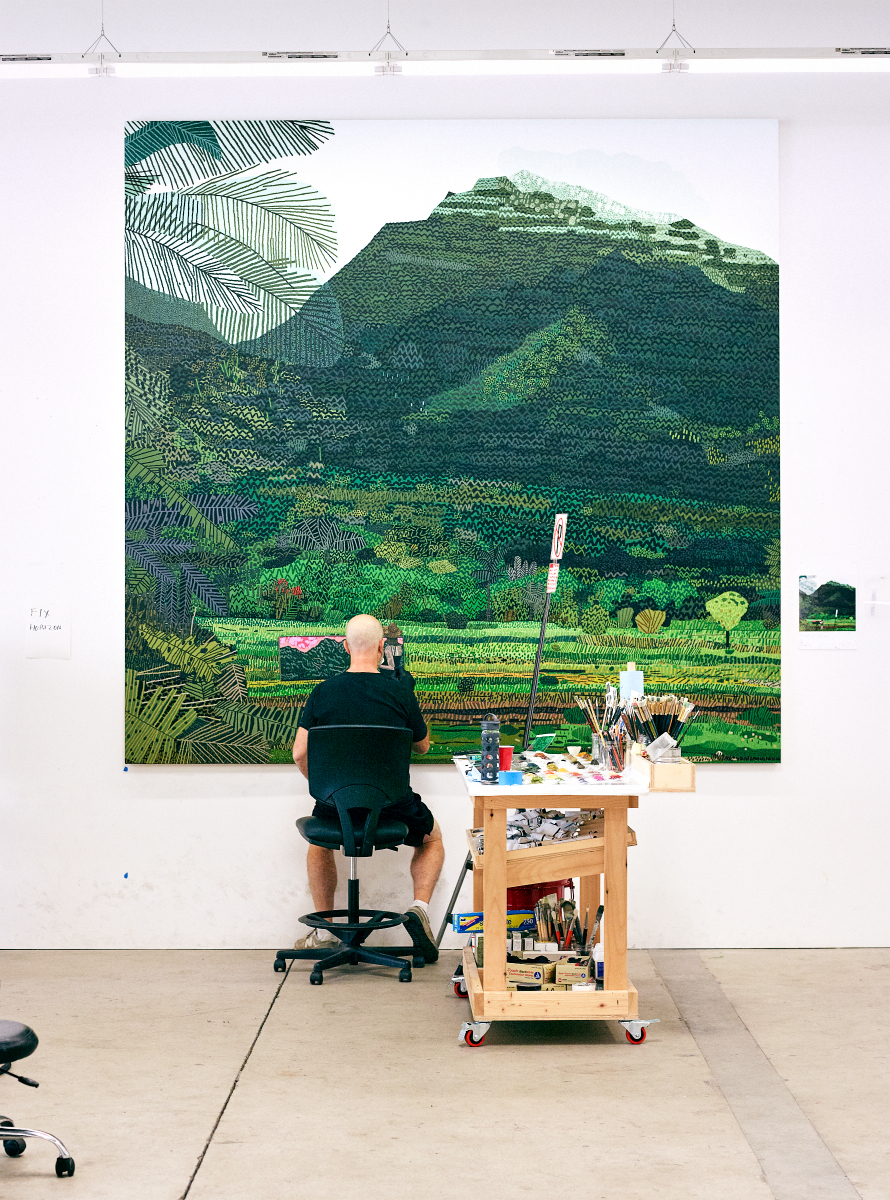
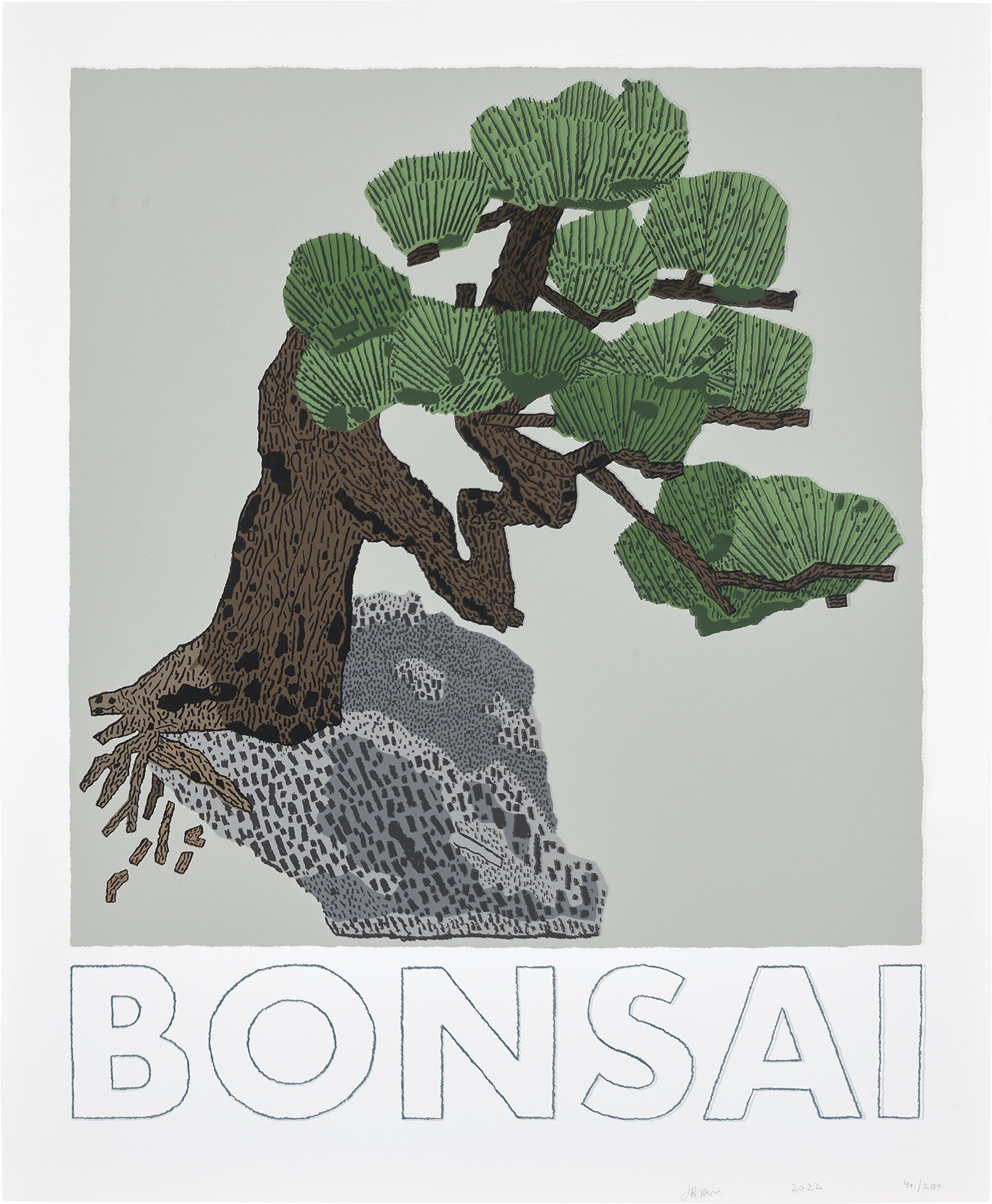
The major survey mounted at the Albertina in Vienna helped reposition his work within the broader Pop conversation in ways that translated directly into stronger auction results in the years that followed. What the smartest boards are doing right now is thinking across generations rather than anchoring exclusively to blue chip names. Jonas Wood's ascent has been one of the more satisfying stories of the past decade, moving from a devoted following among younger collectors to genuine institutional presence. His solo exhibition at the Hammer Museum in Los Angeles in 2019 was a turning point, the kind of show that gives curators at other institutions the permission they sometimes need to argue for an acquisition.
Jonas Wood
Bonsai
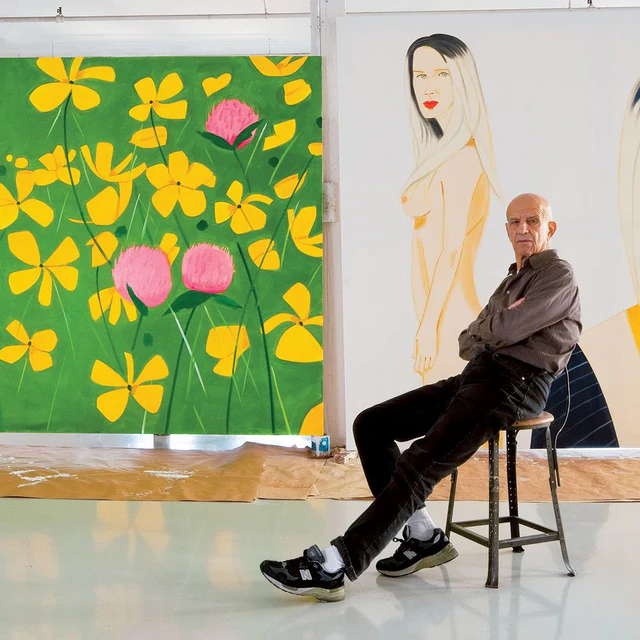
Alex Katz presents a different kind of lesson. He worked for decades at the edge of canonical recognition before a series of major retrospectives, including the sweeping show at the Guggenheim Bilbao, cemented his place. For board members considering what longevity looks like in a contemporary artist, Katz is the argument made flesh. The critical conversation shaping how boards think about their collections has grown more sophisticated and also more demanding.
Publications like Artforum and Frieze continue to set the interpretive agenda, but the emergence of voices in The Art Newspaper focused specifically on institutional ethics has added a layer of accountability that simply did not exist a decade ago. Curators like Adrienne Edwards at the Whitney and Michelle Kuo, formerly of MoMA, have modeled a kind of thinking that integrates market awareness with genuine art historical rigor. When a board member reads a major critical reassessment of Sigmar Polke, which remains one of the most intellectually complex figures in postwar European art, they are reading an argument about what their institution's collection says about the world. The curatorial voice and the board conversation are no longer separate rooms.
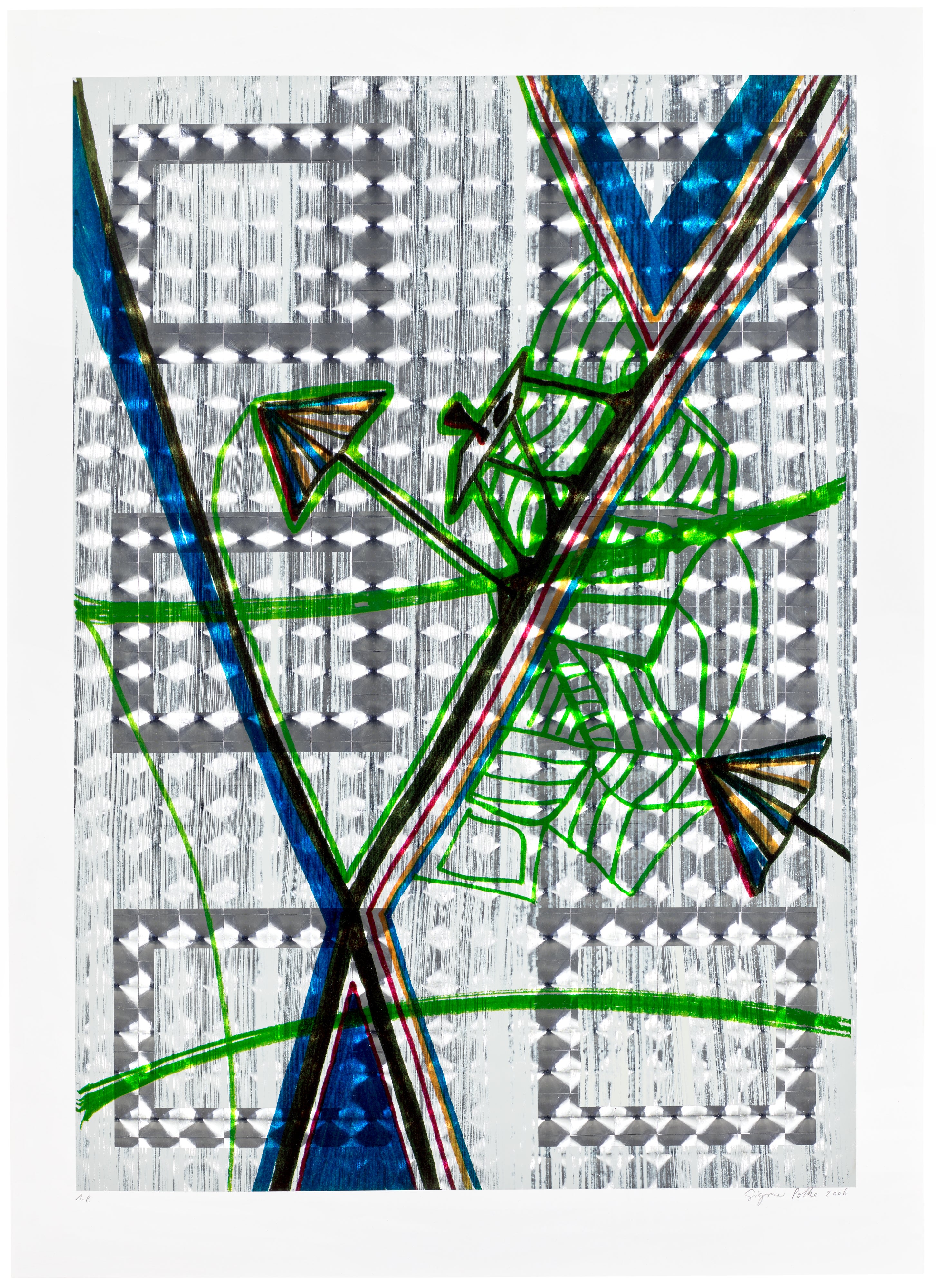
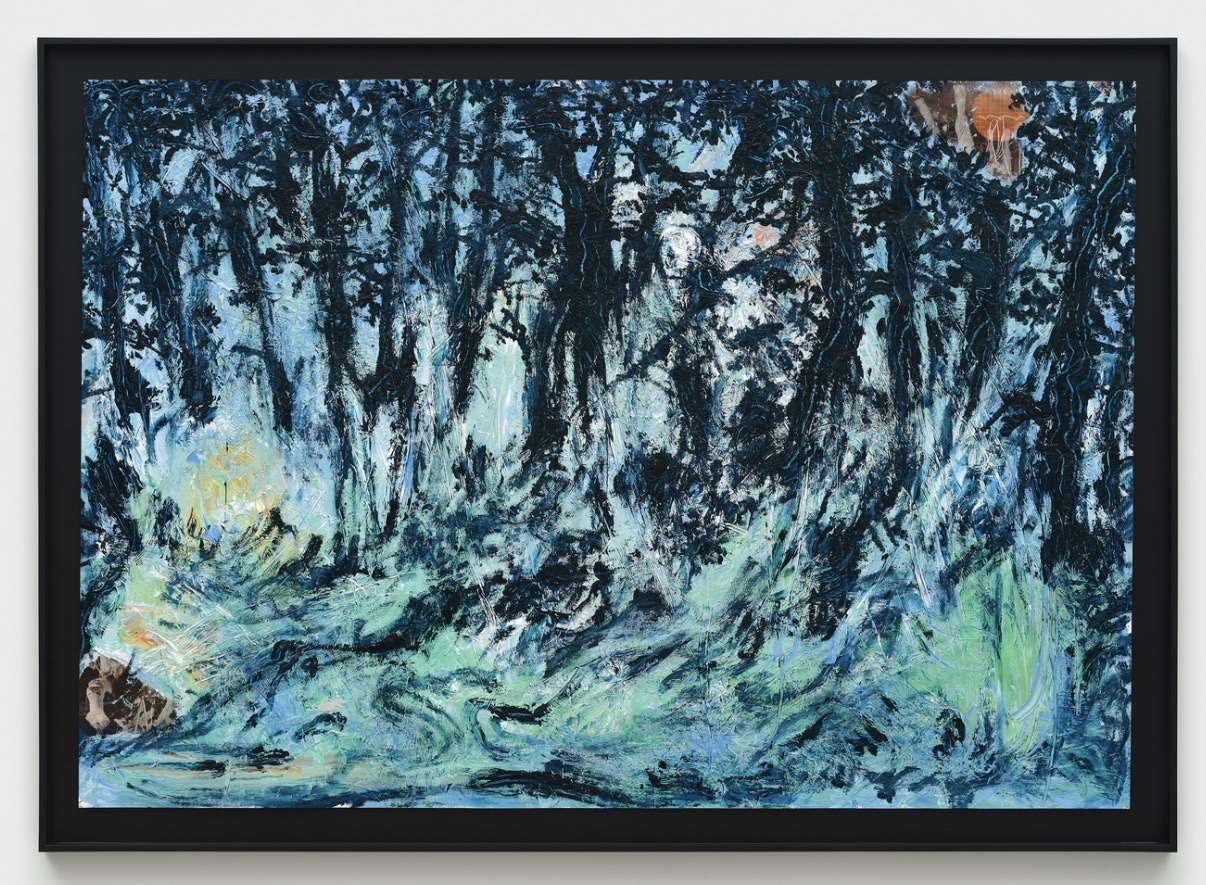
Sigmar Polke
Der Kuchen ist alle?: one print (The Cake is Finished?)
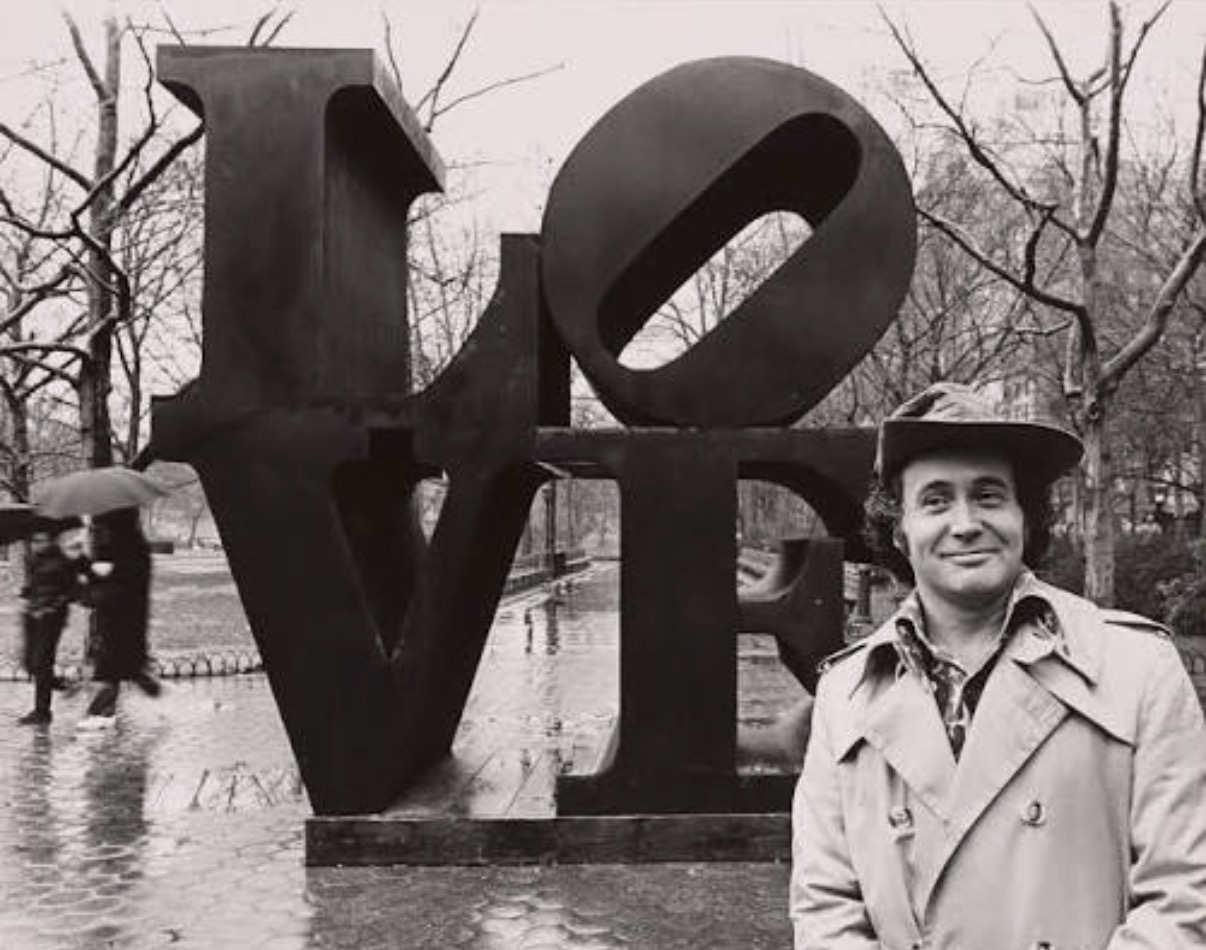
Allan McCollum's work presents a genuinely fascinating case for institutions thinking about scale and systems. His practice, rooted in questions about reproducibility and the nature of the unique object, has an almost philosophical relevance to debates about how museums justify singular acquisitions in an age of digital proliferation. Robert Indiana, whose LOVE remains one of the most culturally legible images in American art, raises different questions about how iconicity can both protect and limit an artist's institutional legacy. The disputes over his estate following his death in 2018 were a reminder that the relationship between an artist's market, their foundation, and collecting institutions is never as tidy as it appears from the outside.
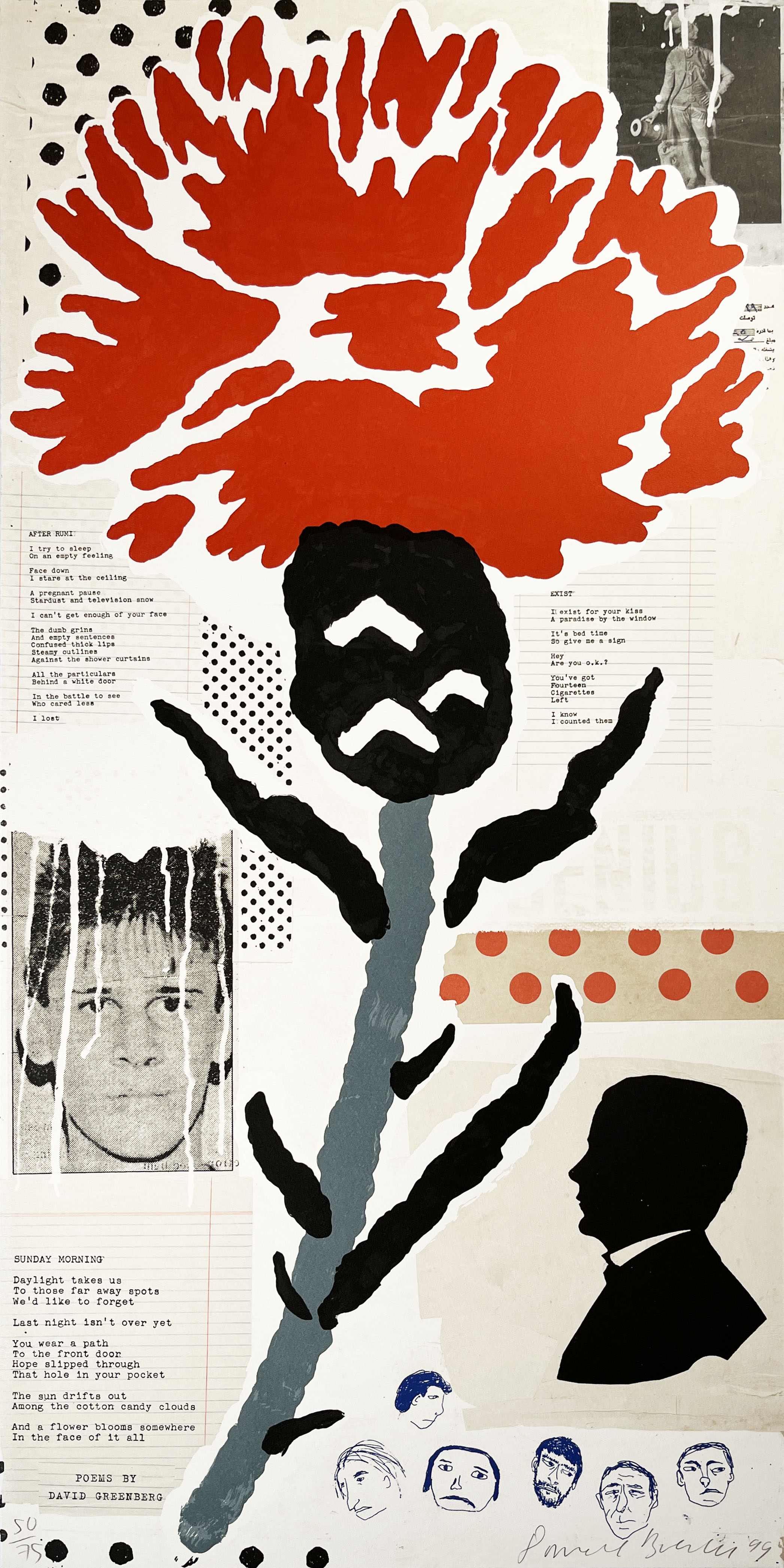
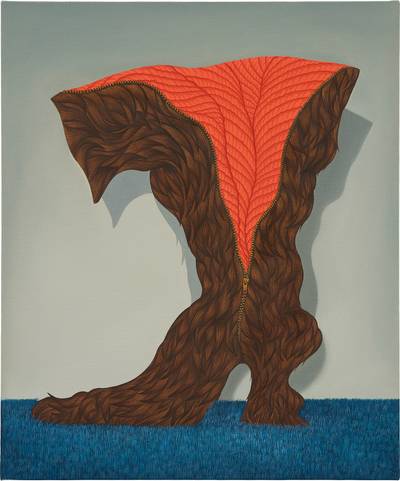
Where the energy is heading feels genuinely open in a way that is exciting rather than uncertain. Julie Curtiss, whose surrealist inflected figuration has attracted serious attention from collectors and institutions in Europe and North America, represents the kind of artist boards with genuine ambition are looking at carefully. Hellen van Meene's photography, precise and psychologically dense, has found a home in major European collections and deserves wider institutional recognition in the United States. Donald Baechler's work, long appreciated by those who followed the East Village scene closely, is due for a reassessment that connects his practice to both the Pop lineage and the more recent figuration revival.
The most interesting museum boards are the ones already having those conversations, not waiting for the auction market to tell them what to think.