Multimedia Work
Nicolas Party
Joanne, 2023


The Screen Is Now the Canvas
There is a particular kind of vertigo that comes from standing in front of a great multimedia work. The piece is alive in a way that painting simply cannot be. It breathes, shifts, loops back on itself, and demands something of you beyond passive looking. For collectors who have spent years acquiring works on paper or canvas, the move toward multimedia is rarely about novelty.
It is about what happens when an artwork refuses to stay still, when time itself becomes a material, and when the act of living with a work means something genuinely different each time you enter the room. That quality, the sense of perpetual becoming, is what draws so many serious collectors into this territory and keeps them there. Collecting multimedia work is also, frankly, an act of courage. It requires trusting that the infrastructure around the work, the servers, the projectors, the custom fabrication, will hold.
Jack Goldstein
A Suite of Five 10-inch Records
But experienced collectors understand that this friction is part of what separates meaningful engagement from the passive accumulation of objects. A work that demands attention to its technical life is a work that stays in relationship with its owner. Galleries representing artists in this space have become increasingly sophisticated about providing condition reports, maintenance agreements, and digital archives of source files, which makes the proposition considerably less daunting than it was even fifteen years ago. What separates a good multimedia work from a truly great one is rarely about technical ambition.
The most enduring pieces tend to be those where the medium serves a genuine conceptual necessity rather than functioning as spectacle. Ask yourself whether the ideas in the work could exist in any other form. If the answer is yes, proceed carefully. The works that hold their value, critically and commercially, are those where video, sound, interactivity, or projection is the only possible language for what the artist needed to say.
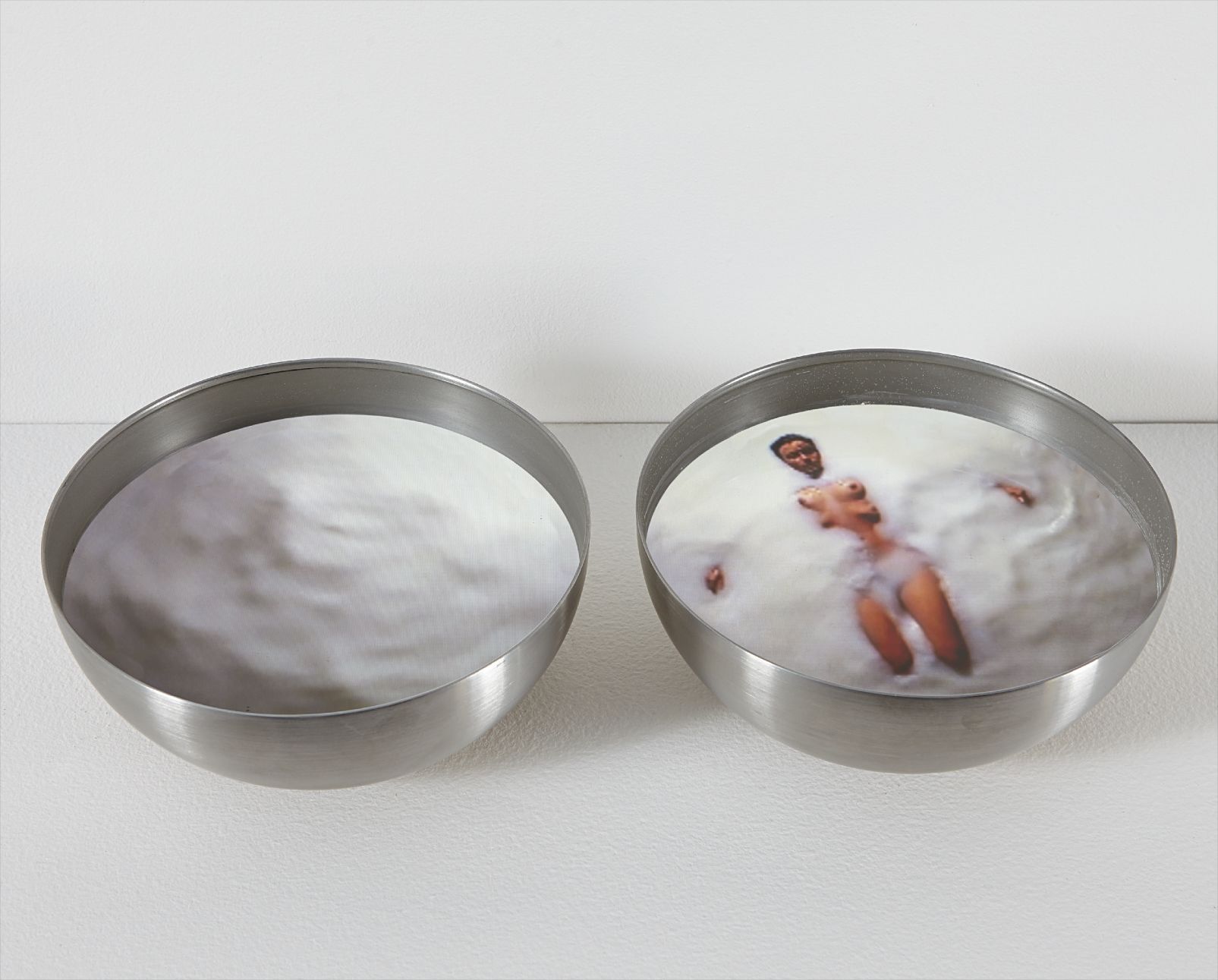
Peter Sarkisian
White Water Two (8 Inch Version)
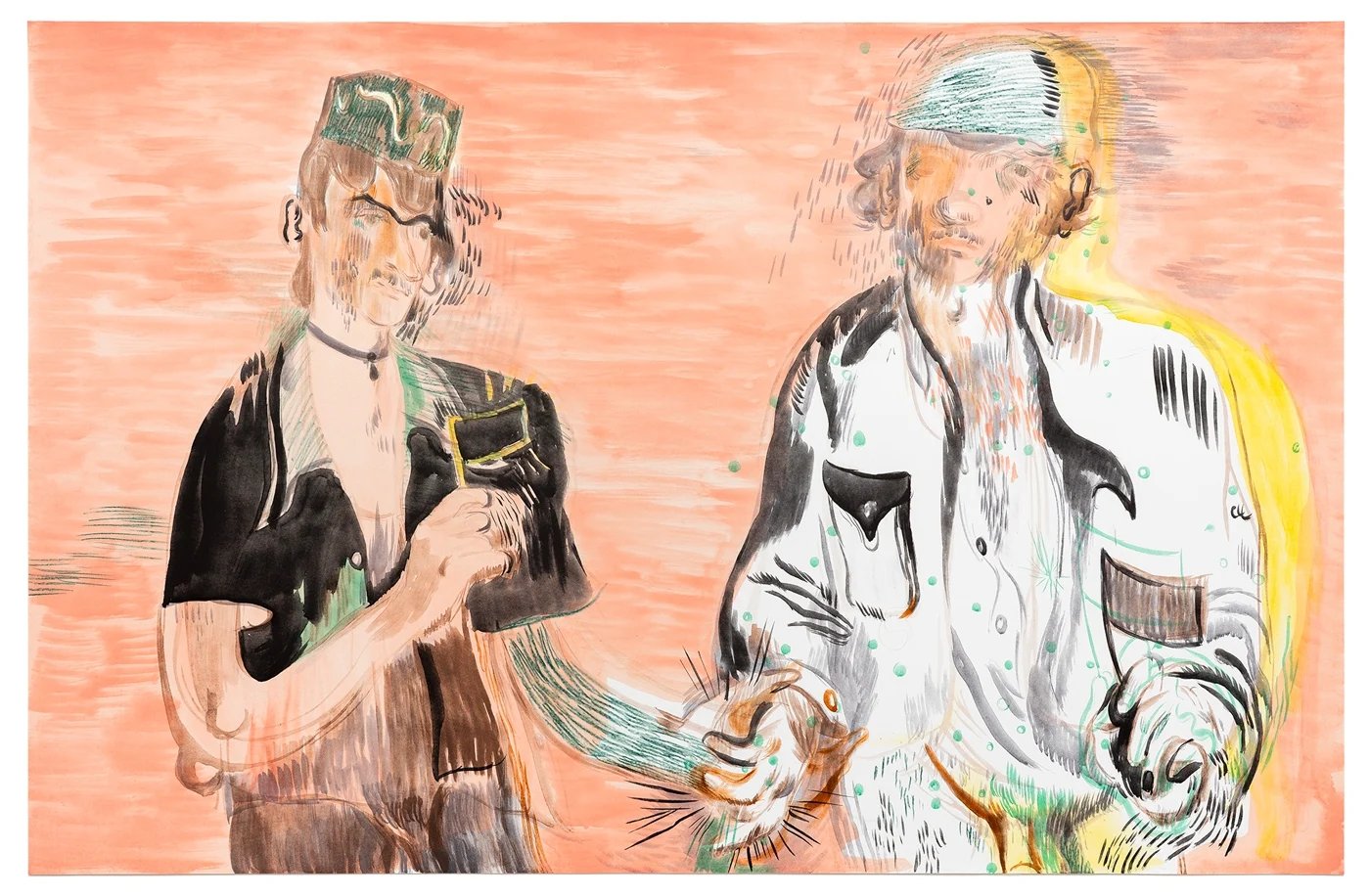
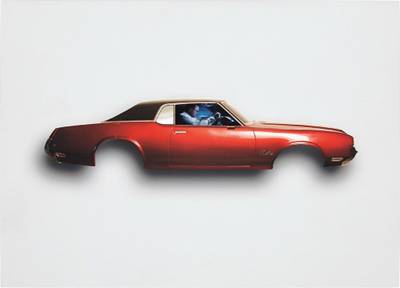
Conceptual coherence is everything. A collector should look for works where you can trace a clear line between the artist's central preoccupations and the specific choices made about format, duration, scale, and installation. Peter Sarkisian is an instructive example of this principle at work. His practice involves projecting video onto sculpted three dimensional objects, creating uncanny illusions where figures appear trapped or embodied within physical forms.
The work could not exist as photography or painting. The loop, the human presence, the scale of the projected figure relative to the object: all of it is inseparable from the medium. Sarkisian has shown internationally and his work sits in serious institutional collections, which matters enormously when thinking about long term value. Richard Prince, whose engagement with appropriation and image culture has made him one of the most discussed American artists of his generation, brings a similarly rigorous conceptual framework to his multimedia explorations.
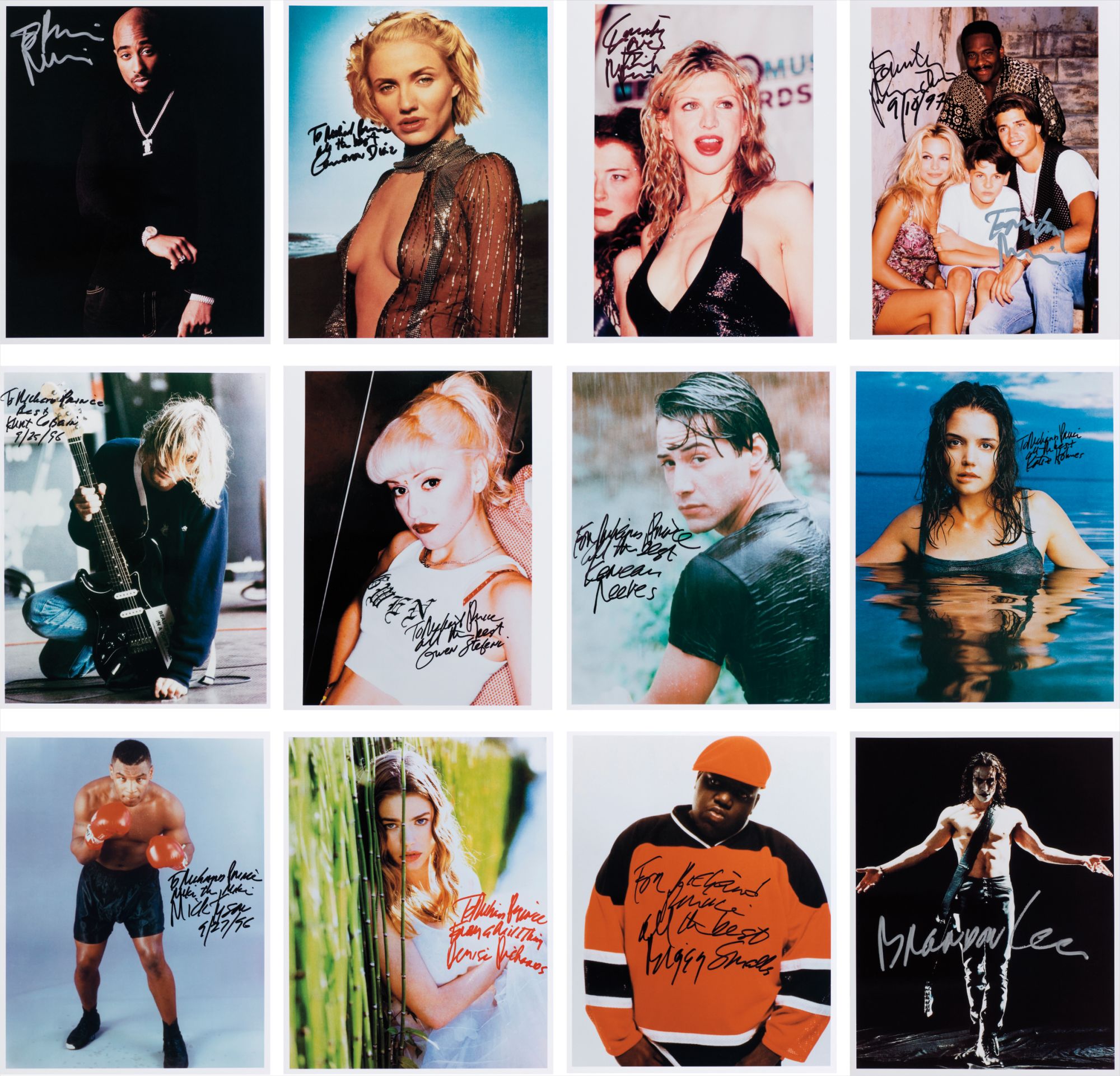
Richard Prince
All the Best (portfolio of 12)
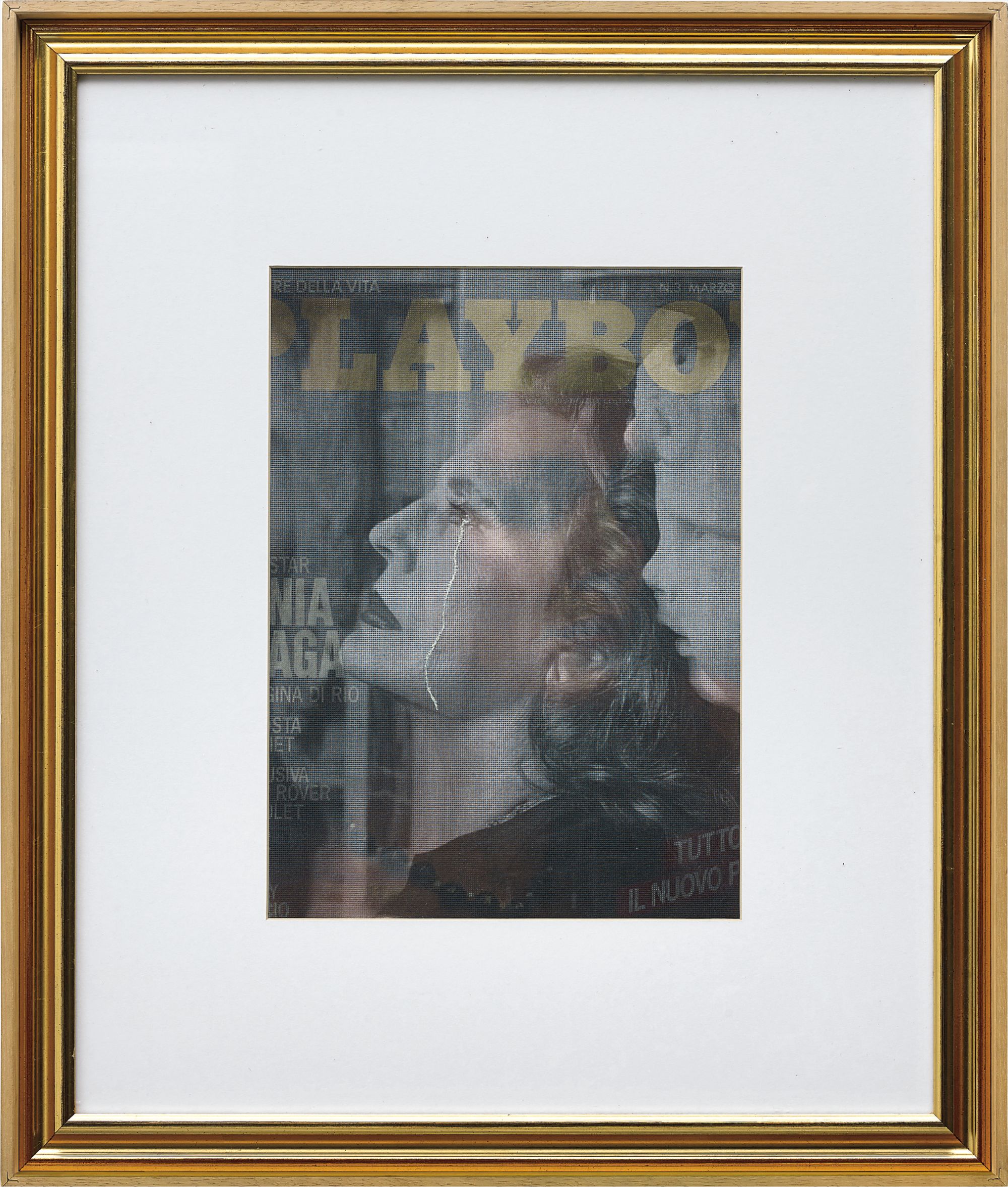
His understanding of how images circulate, lose meaning, and regain it through recontextualization gives his work a durability that pure technical innovation rarely achieves. Francesco Vezzoli is another figure worth understanding deeply before acquiring. His practice draws on the intersection of celebrity culture, classical antiquity, and the seductive grammar of advertising and cinema. He has created works for the Venice Biennale that deliberately blur the line between high art and mass media spectacle, and that blurring is the point.
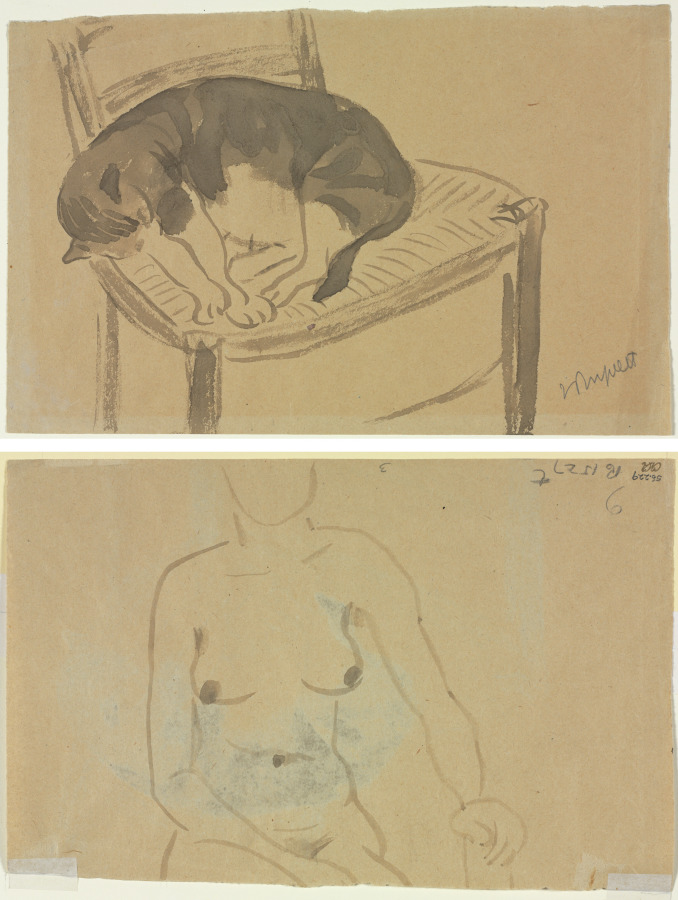
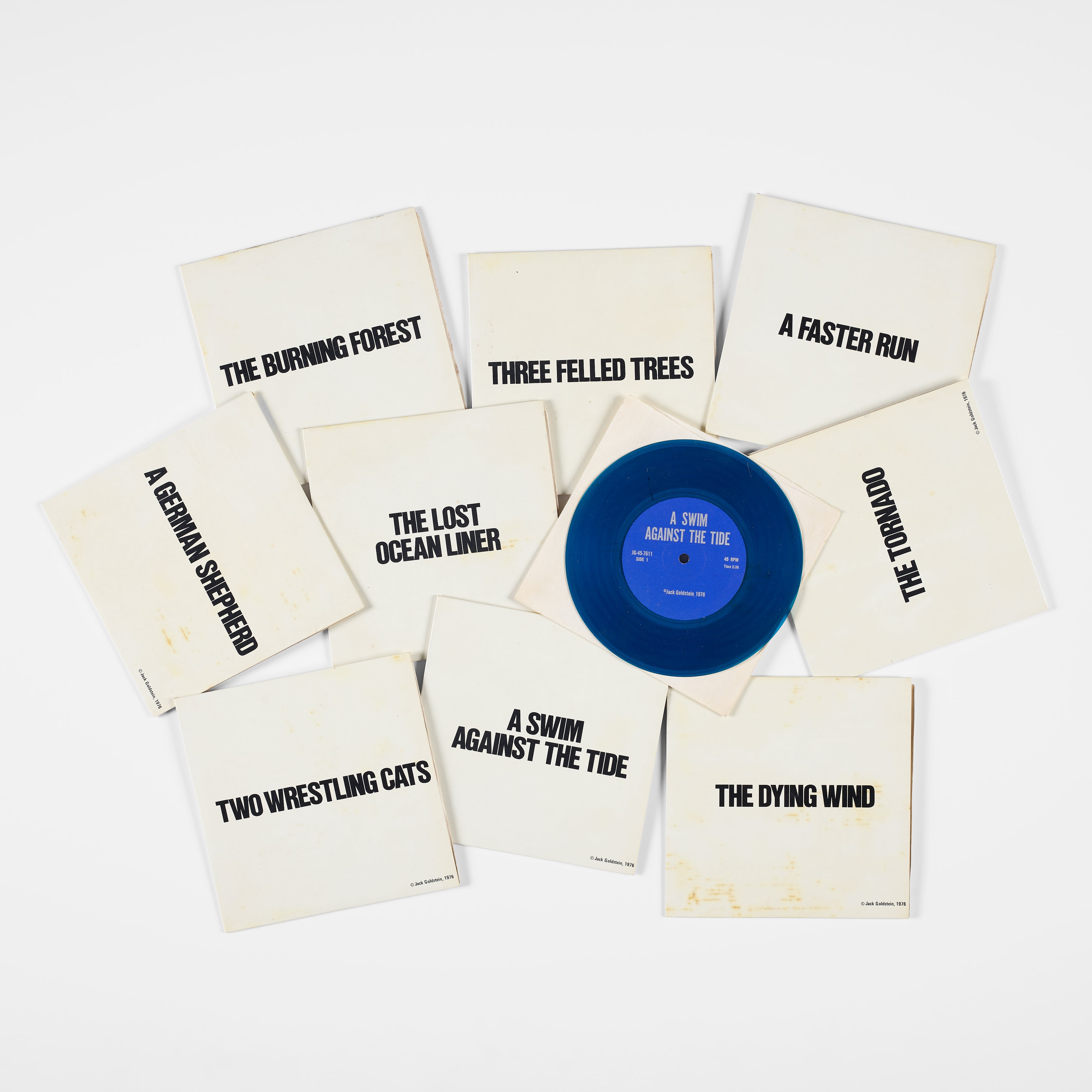
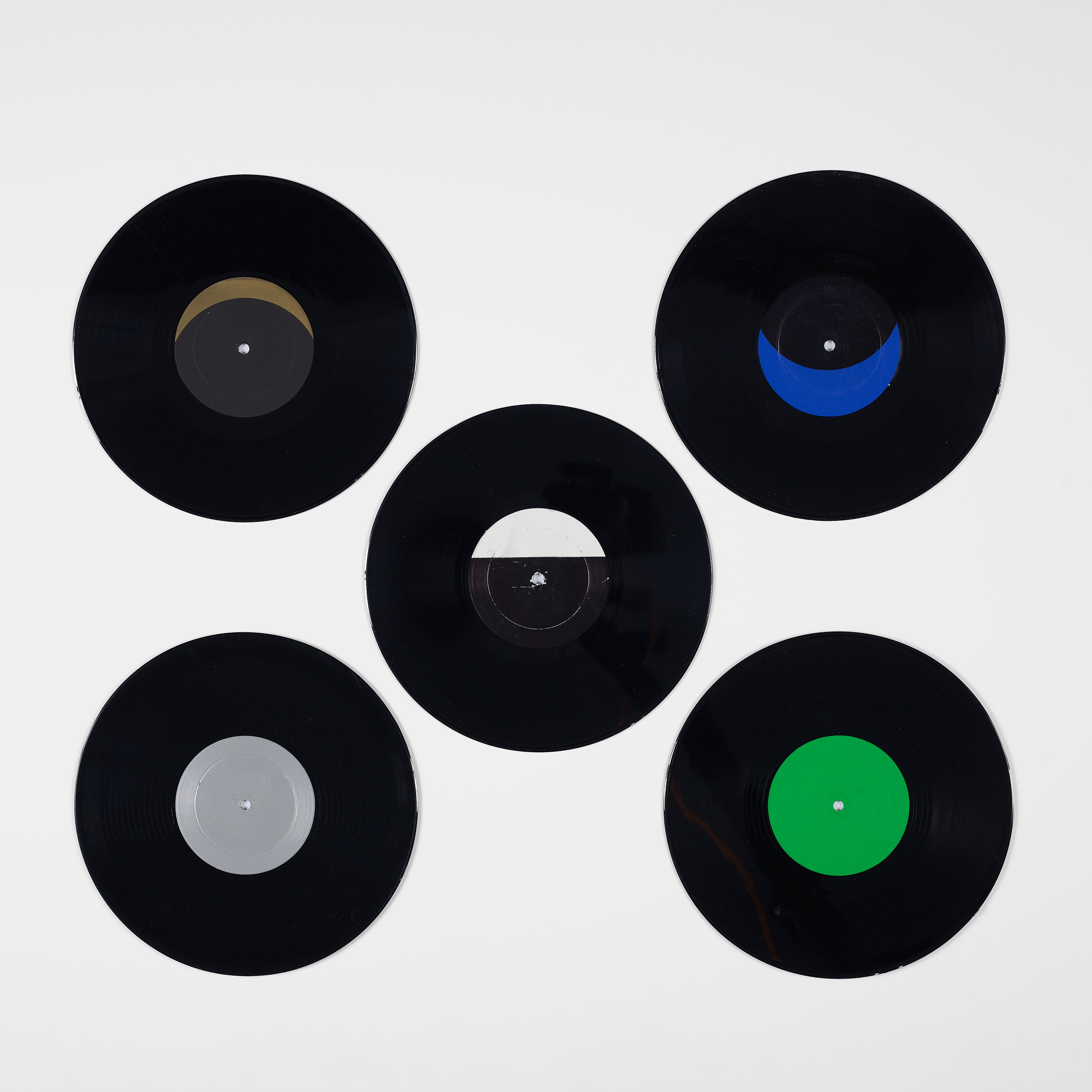
Vezzoli understands that in the twenty first century, the screen is not a neutral surface. It carries enormous cultural weight, and his work leverages that weight with considerable wit and precision. Jack Goldstein, whose influence on a generation of artists associated with Pictures Generation in the late 1970s and 1980s was profound, understood early that recorded sound and image could be raw material for an entirely new kind of art making. His vinyl records of manipulated sounds and his short looping films feel prescient now in ways that continue to generate serious critical attention.
Nicolas Party
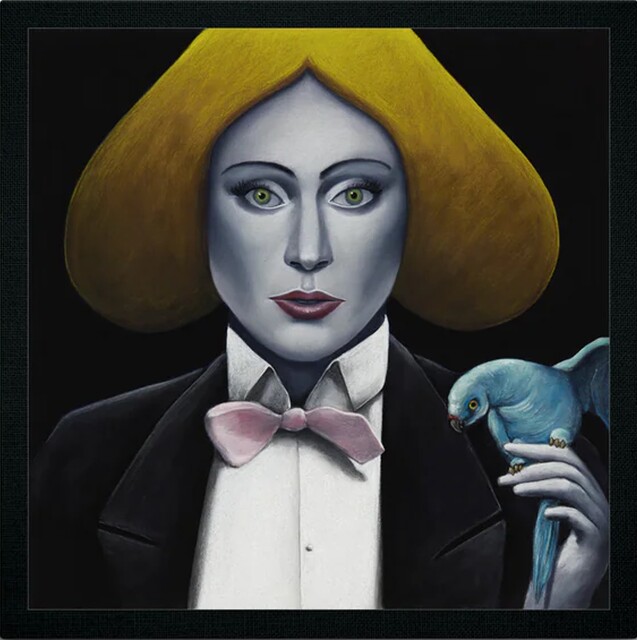
Joanne, 2023
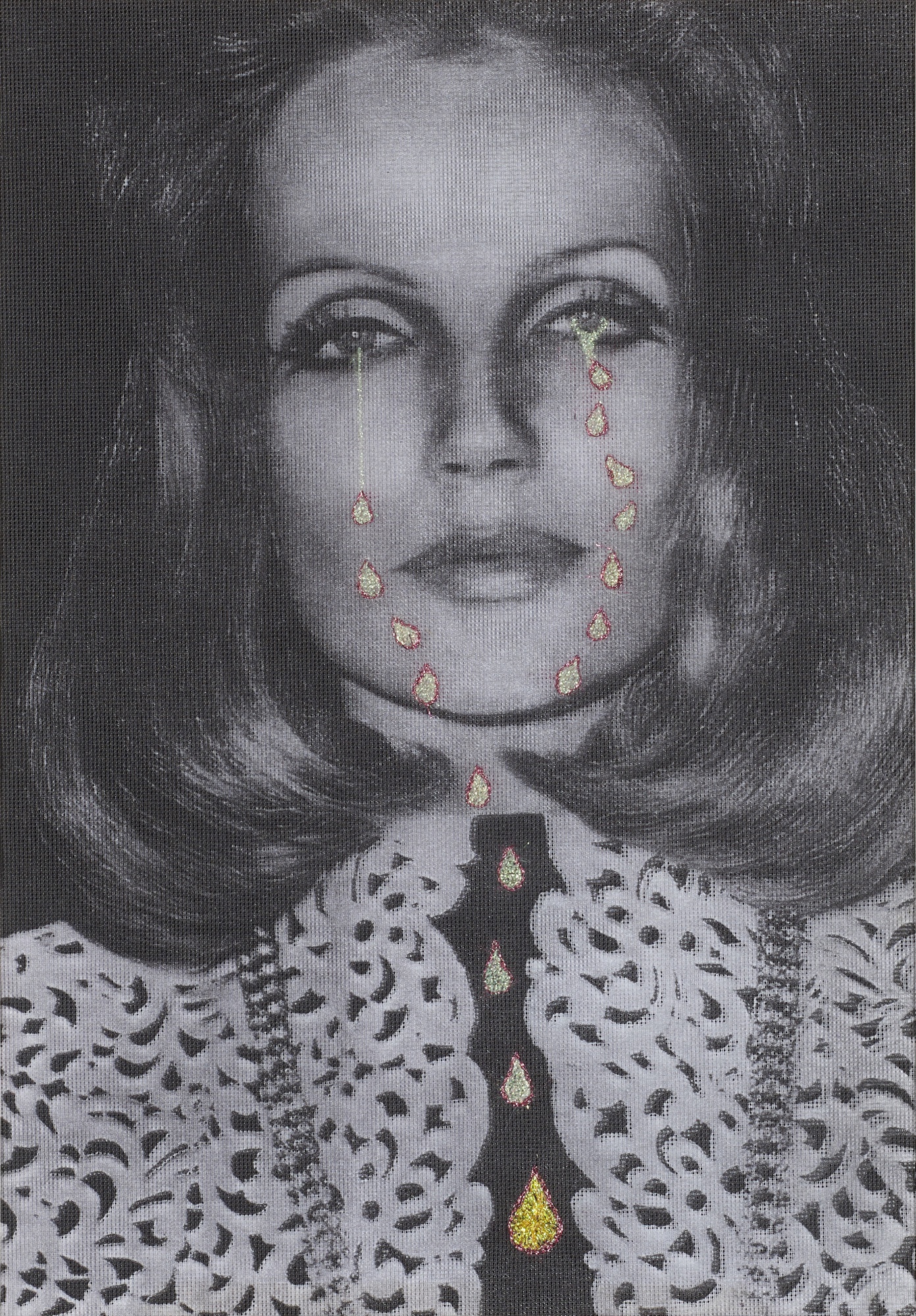
Nicolas Party, though primarily known for his lush pastel landscapes and portraits, has moved into multimedia contexts in ways that reward close watching, extending his otherworldly color sensibility into installation environments that feel genuinely immersive. At auction, multimedia works have shown remarkable resilience in the upper tiers of the market, though the category rewards patience. Works by artists with strong institutional footprints tend to perform best. A video work that entered a major museum collection, or that anchored a significant solo exhibition at a kunsthalle or biennial, carries provenance that matters to secondary market buyers.
Christie's, Sotheby's, and Phillips have all developed more sophisticated frameworks for presenting time based work in recent years, and the results have reflected that confidence. That said, the market for multimedia work at the mid level remains less liquid than painting, which means that a collector approaching this space should think in terms of a longer horizon and genuine personal conviction rather than short term repositioning. Practically speaking, there are several questions every collector should ask before acquiring a multimedia work. What does the edition structure look like, and are artist proofs accounted for.
What is the display specification, meaning what hardware is required and how will that hardware be updated or replaced as technology evolves. Does the purchase include source files, and are they held in escrow by a third party in the event the gallery closes. Is there a certificate of authenticity that travels with the work and specifies the acceptable parameters for presentation. These are not bureaucratic concerns.
They are the difference between a work that lives well in your collection for decades and one that becomes stranded when a projector model is discontinued or a software dependency becomes obsolete. The collectors who thrive in this space tend to be those who approach the relationship with the work as genuinely collaborative. They stay in conversation with galleries and with artists where possible. They invest in proper display conditions, whether that means darkened viewing rooms, calibrated screens, or purpose built architectures within their homes.
And they resist the urge to treat multimedia work as simply a different flavor of object. It is not an object. It is a system, a set of relationships between time, technology, image, and viewer that requires active stewardship. That commitment is also, quietly, what makes the best of these works so lastingly rewarding to live with.