Large Scale Work
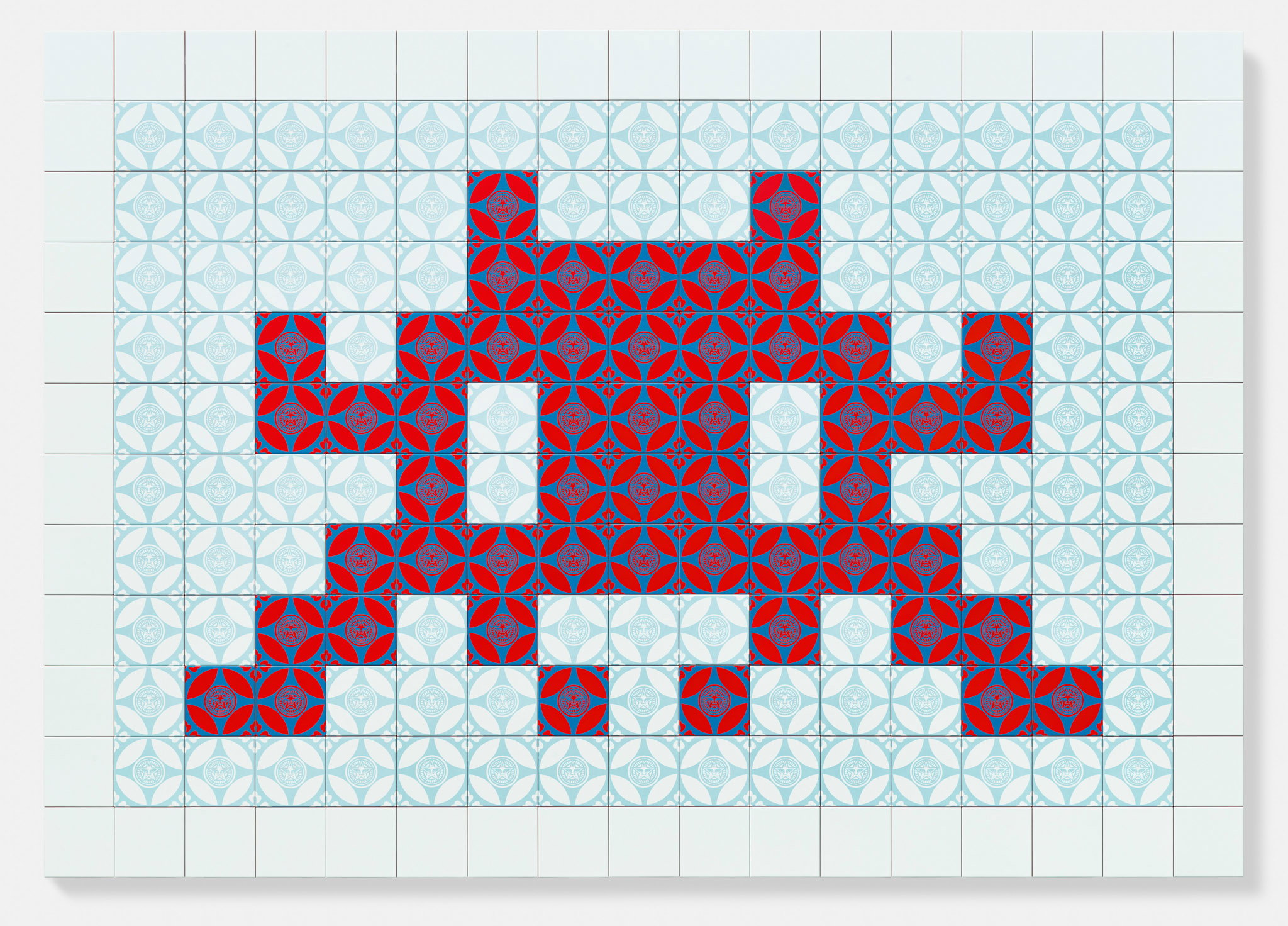
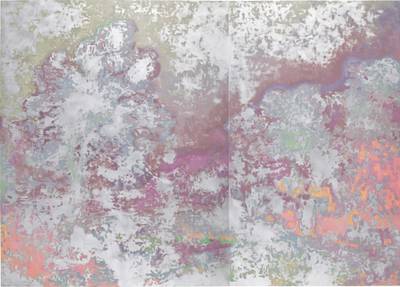
Shepard Fairey
Positive Space/Negative Space (Large Red/Blue), 2025



When Art Refuses to Stay Small
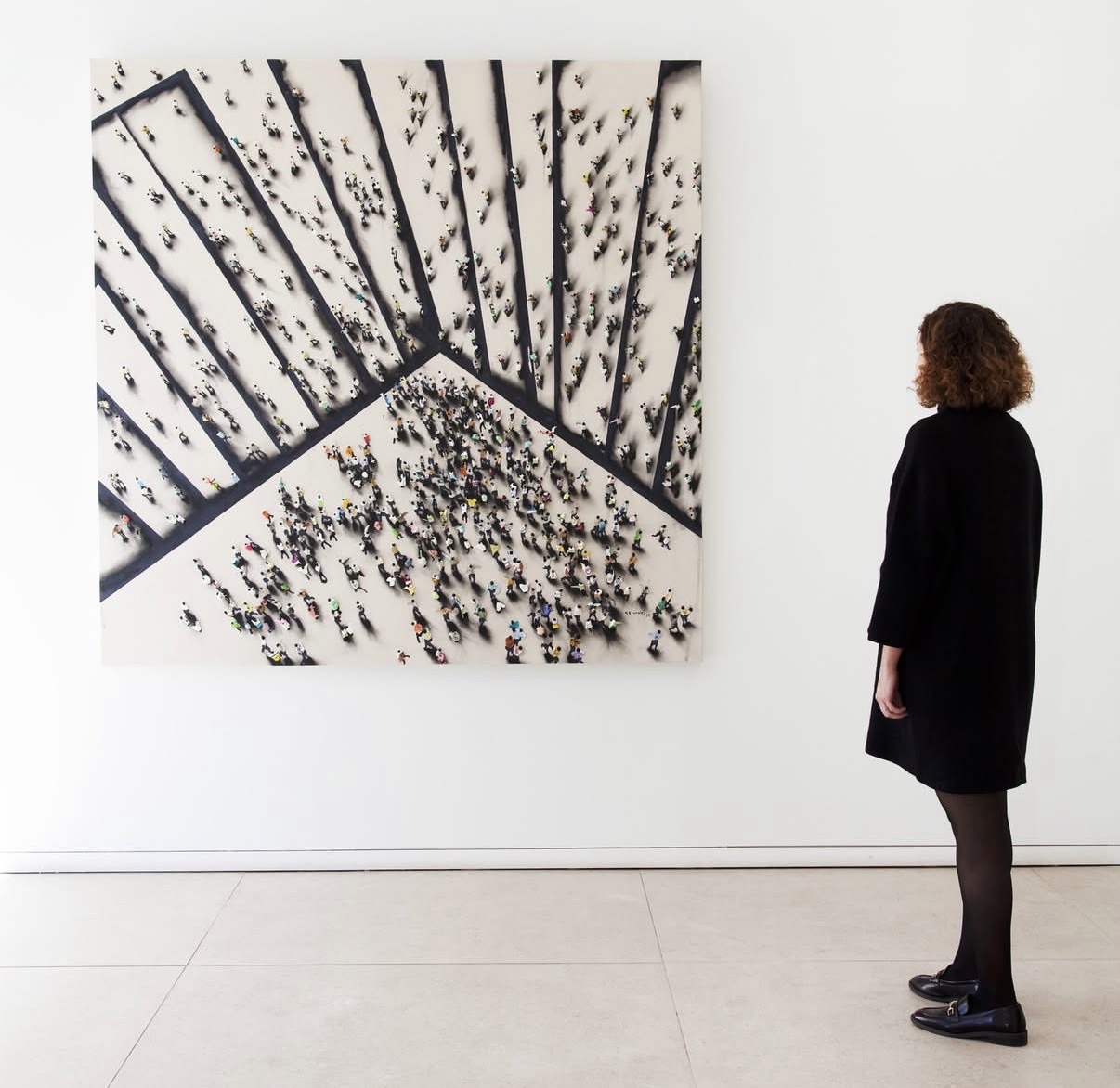
There is a particular feeling that overtakes you when you stand before a work of art that exceeds your own dimensions. Something shifts in the body before the mind catches up. The painting or sculpture is no longer an object to be observed but an environment to be entered, a field of force that reorganizes the space around it and, in doing so, reorganizes you. Large scale work has been one of the defining impulses of art since the mid twentieth century, and its power remains undiminished precisely because it operates on registers that smaller work simply cannot reach.
The roots of this impulse are tangled, as most important aesthetic movements are. Abstract Expressionism in the late 1940s and 1950s in New York created the conditions for a new relationship between painting and the body. When Barnett Newman stretched his famous zip paintings to eight or nine feet in height, he was not simply making a compositional choice. He was proposing a new ethics of encounter, insisting that the viewer's peripheral vision be overwhelmed, that there be no comfortable vantage point from which to survey the work from a safe intellectual distance.
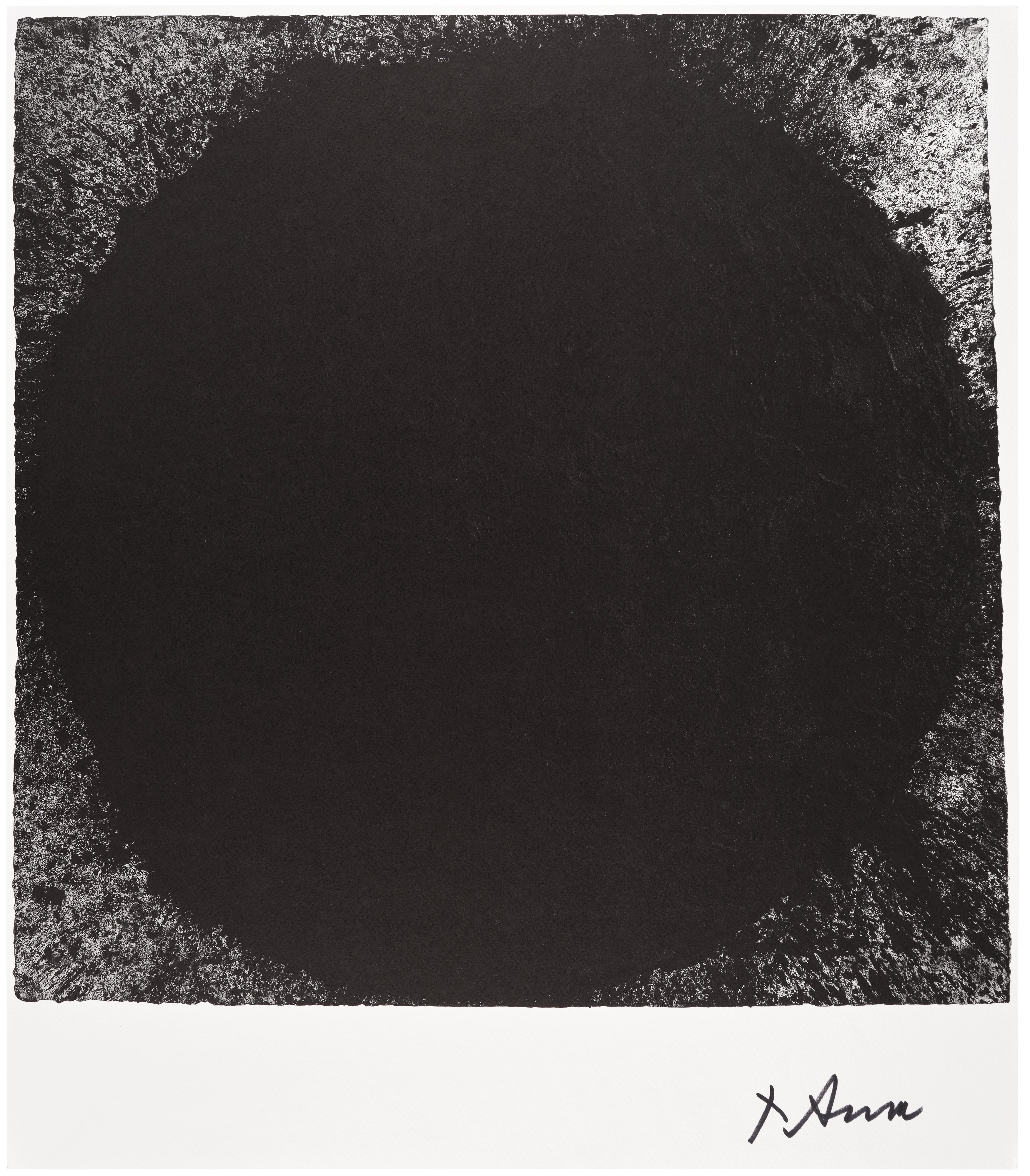
Richard Serra
out-of-round X
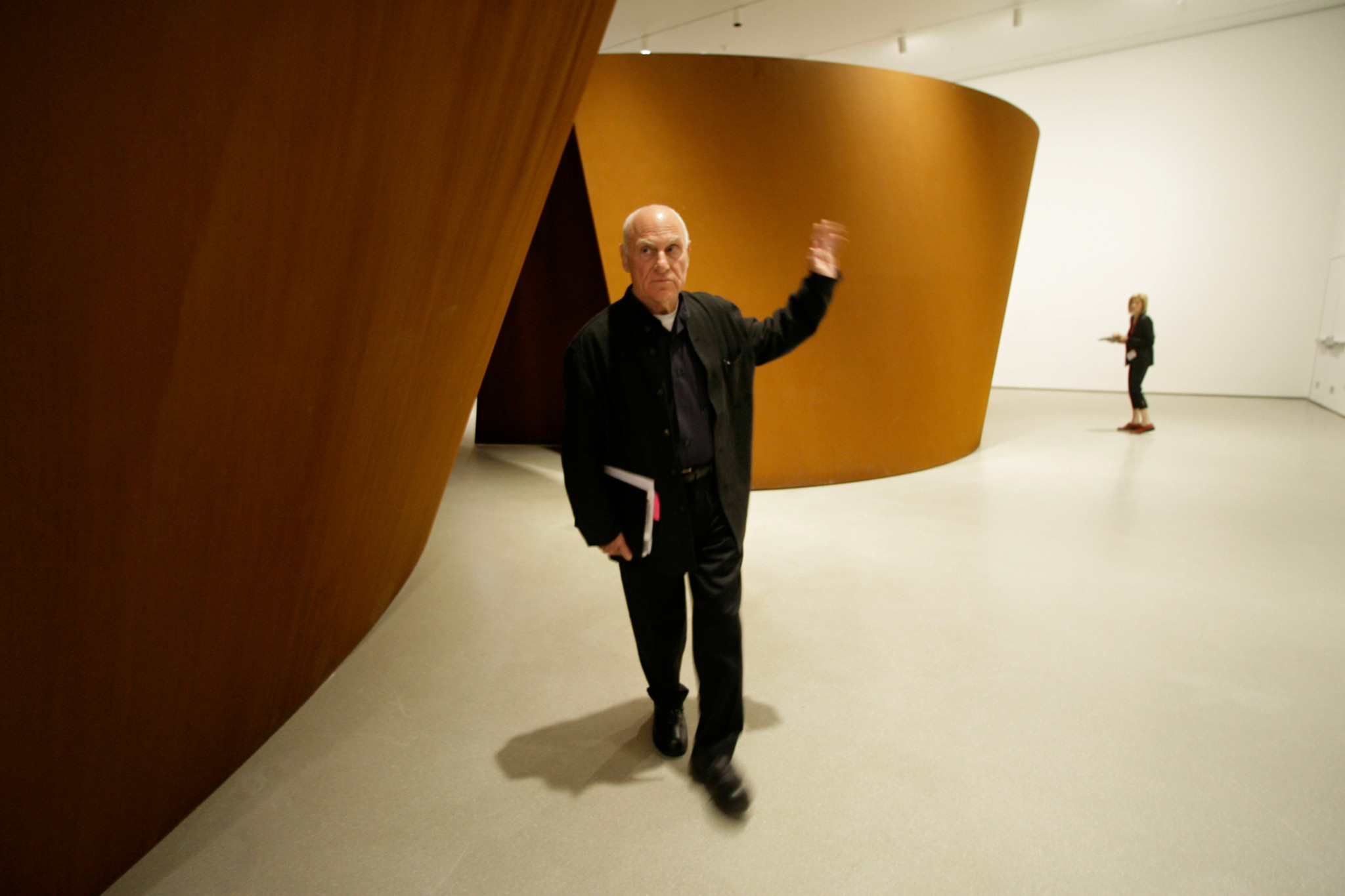
Clyfford Still, Mark Rothko, and Helen Frankenthaler all pursued scale as a form of argument, a way of asserting that painting could be as present and as demanding as any living thing. By the 1960s and 1970s, Minimalism pushed the question further, moving ambition into three dimensions and into the architecture of the room itself. Richard Serra became the definitive figure of this tendency. His Cor Ten steel plates and later his immense torqued ellipses, shown memorably at Dia:Beacon and in retrospectives at the Museum of Modern Art, demanded physical navigation rather than passive viewing.
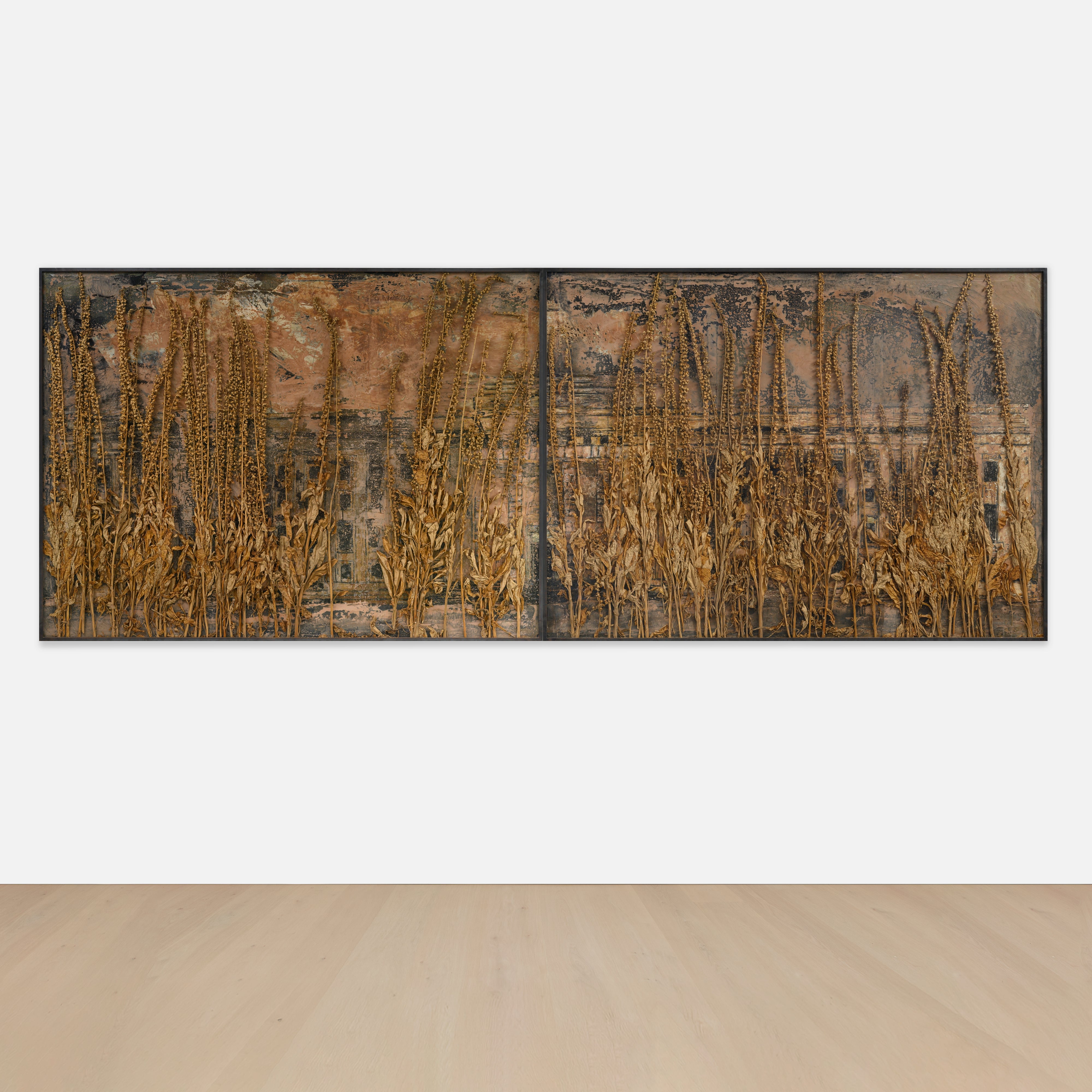
Standing before a Serra is less like looking at sculpture than like being inside a slowly shifting conversation about mass, gravity, and the reluctant compliance of space. His work represented on The Collection carries that full weight of intention. Germany produced some of the most philosophically dense large scale practice of the late twentieth century. Anselm Kiefer emerged in the 1980s as a figure for whom scale was inseparable from subject matter.
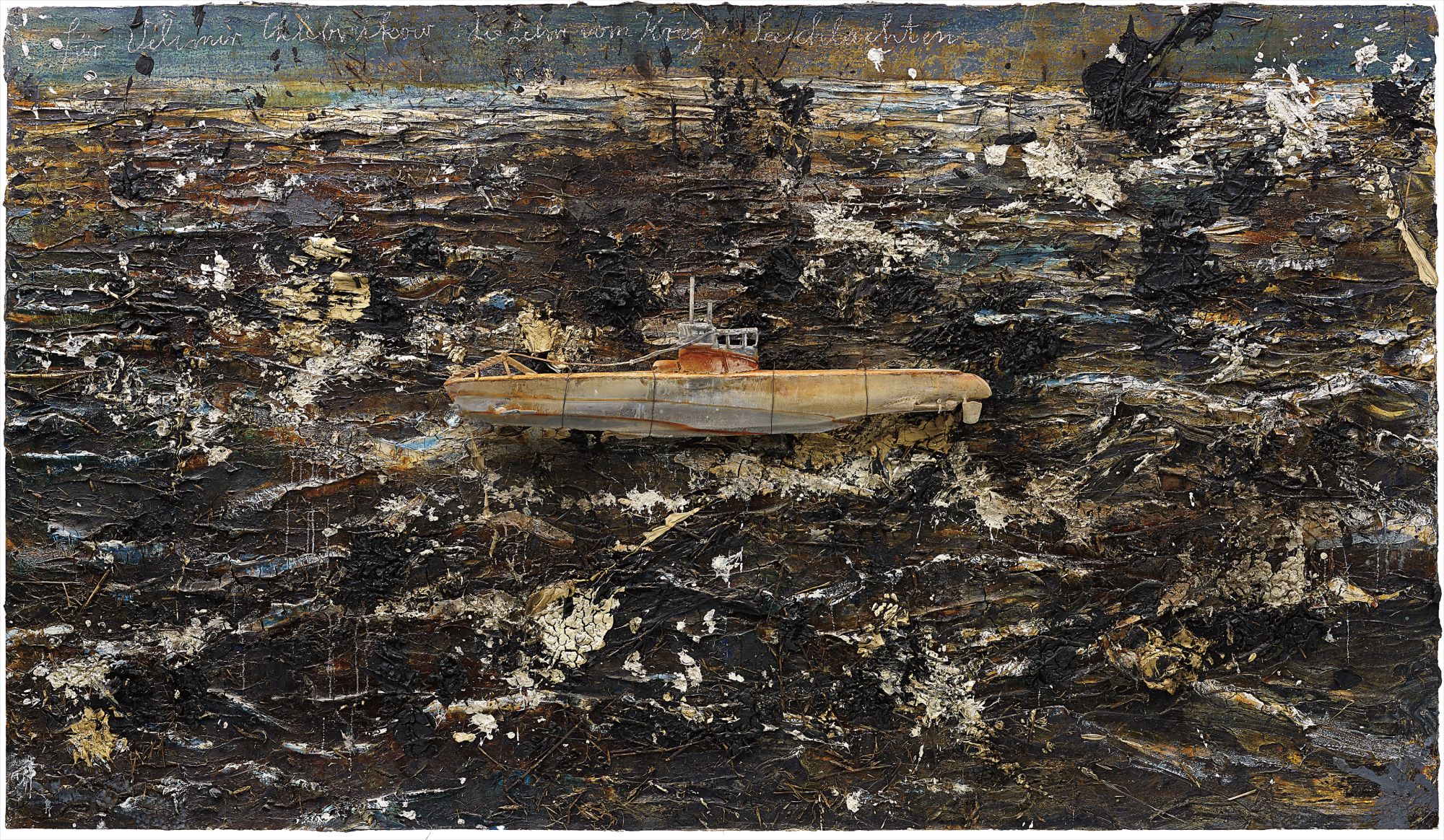
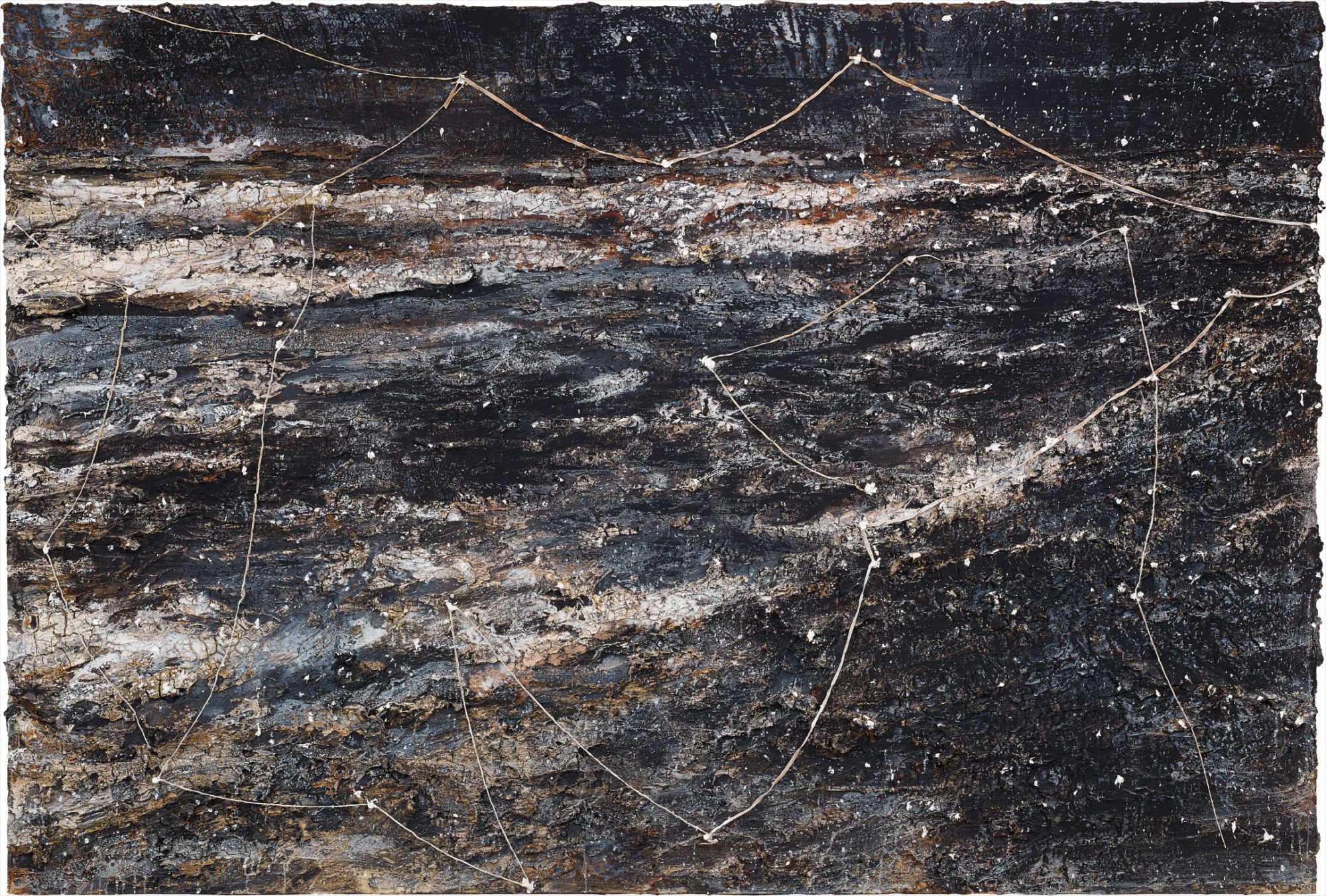
Anselm Kiefer
Für Velimir Khlebnikov: Die Lehre vom Krieg: Seeschlachten
His massive canvases and installations, dense with lead, ash, straw, and scorched pigment, addressed the trauma of German history with a directness that required enormous surface area to sustain. A work like his leaden books or his vast landscapes of ruin needed their scale to avoid becoming illustration. They needed to feel as heavy and as inescapable as the history they carried. Kiefer is well represented on The Collection, and spending time with those works makes clear why scale was never decorative for him but always moral.
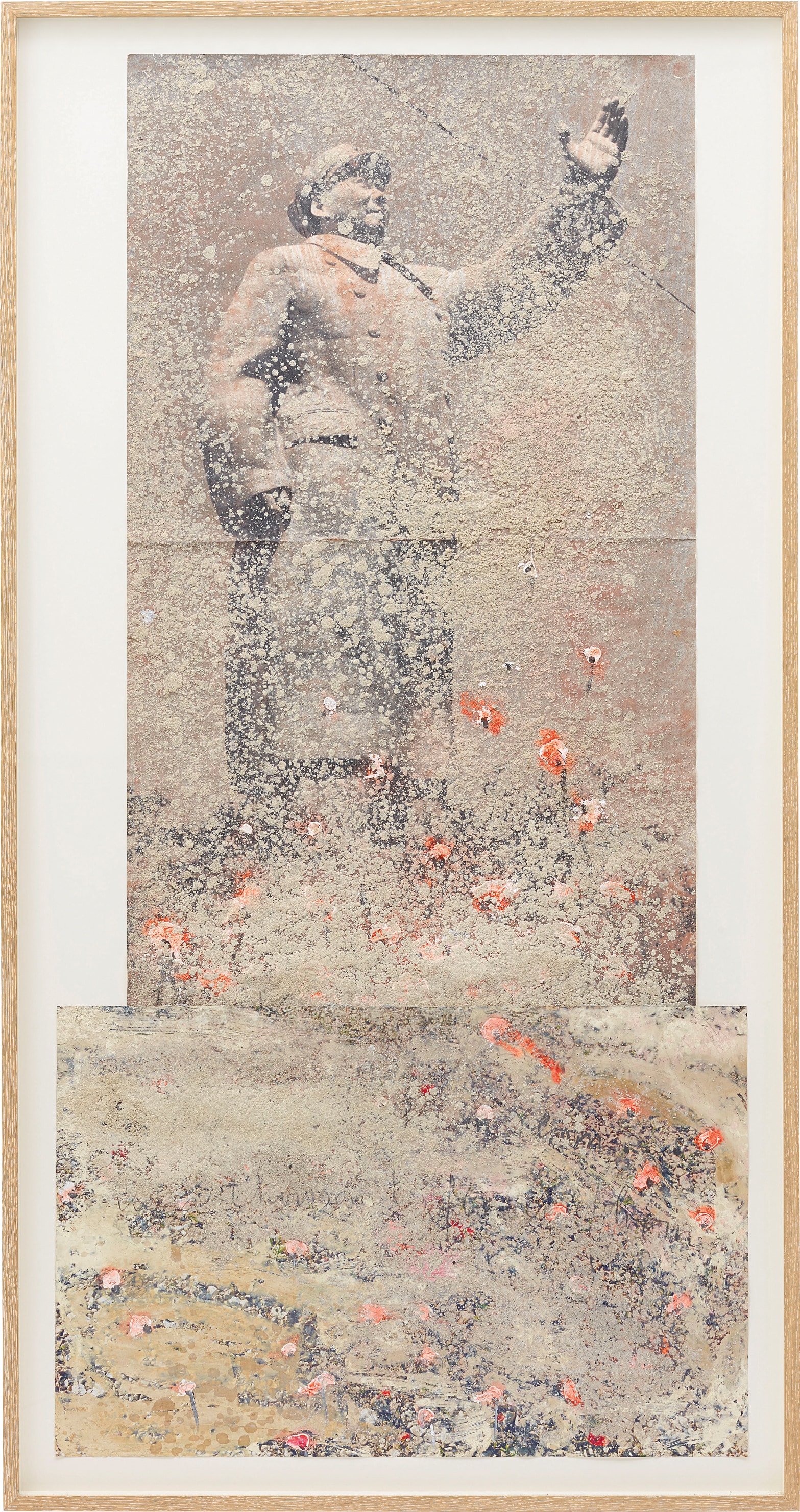
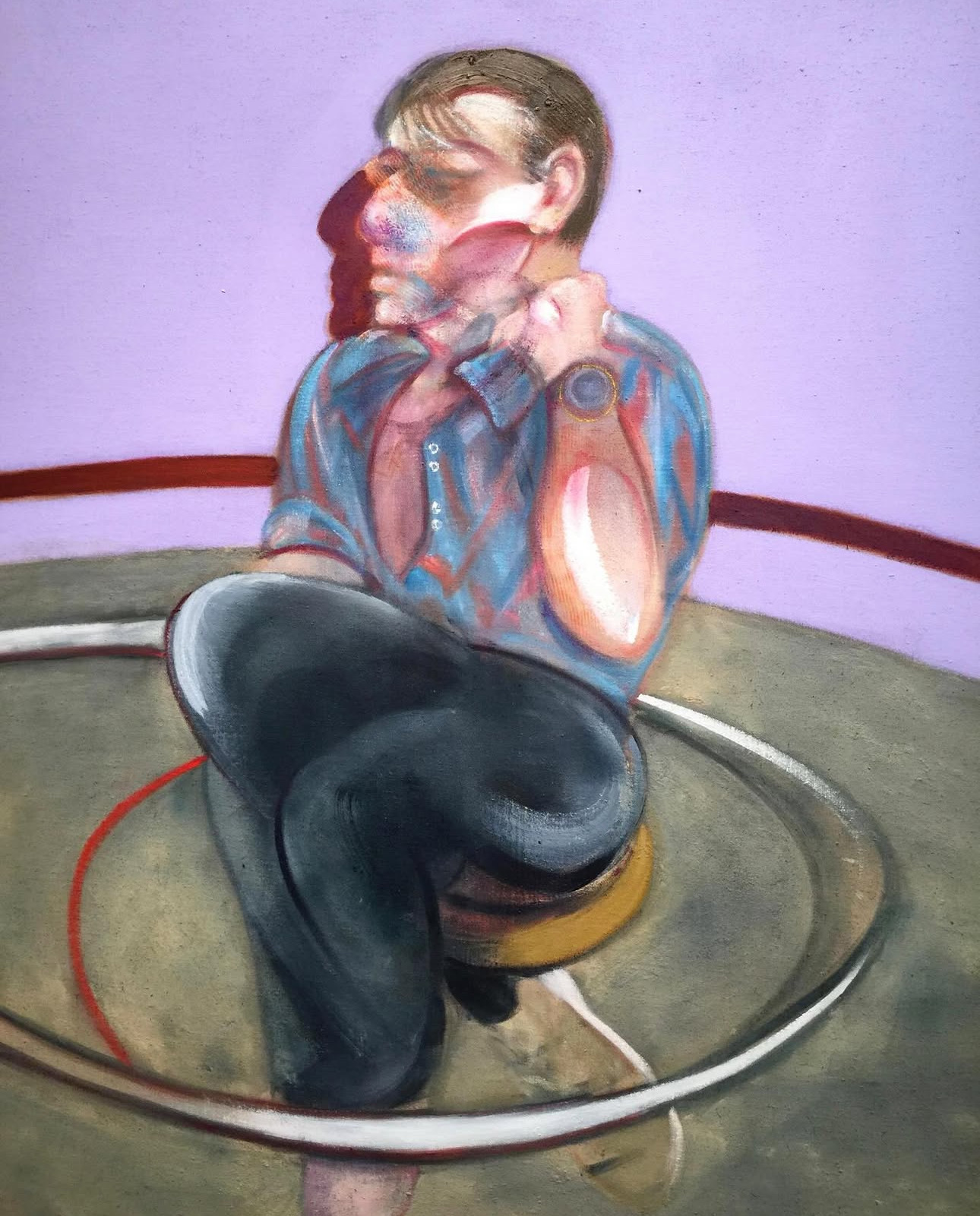
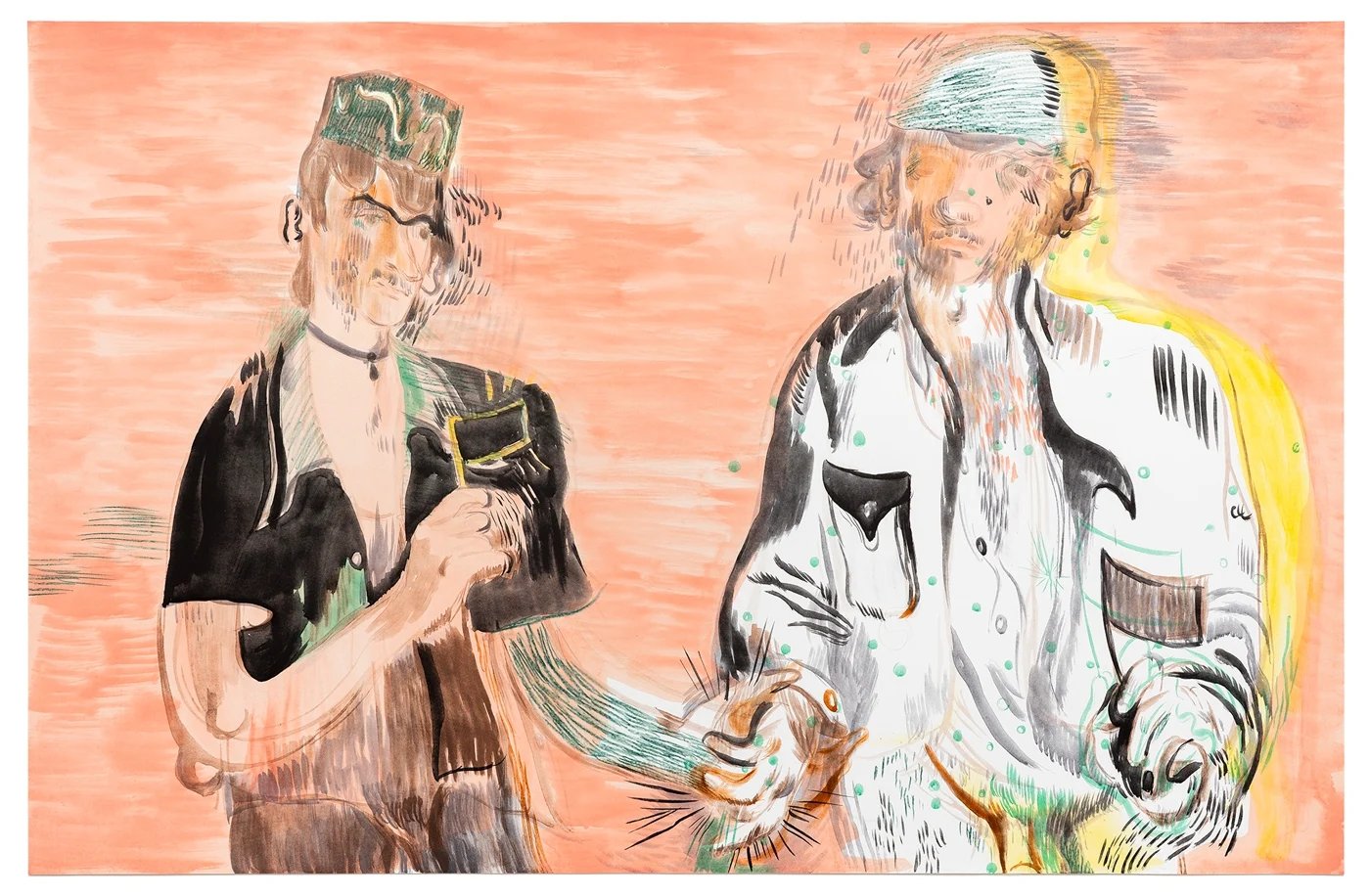
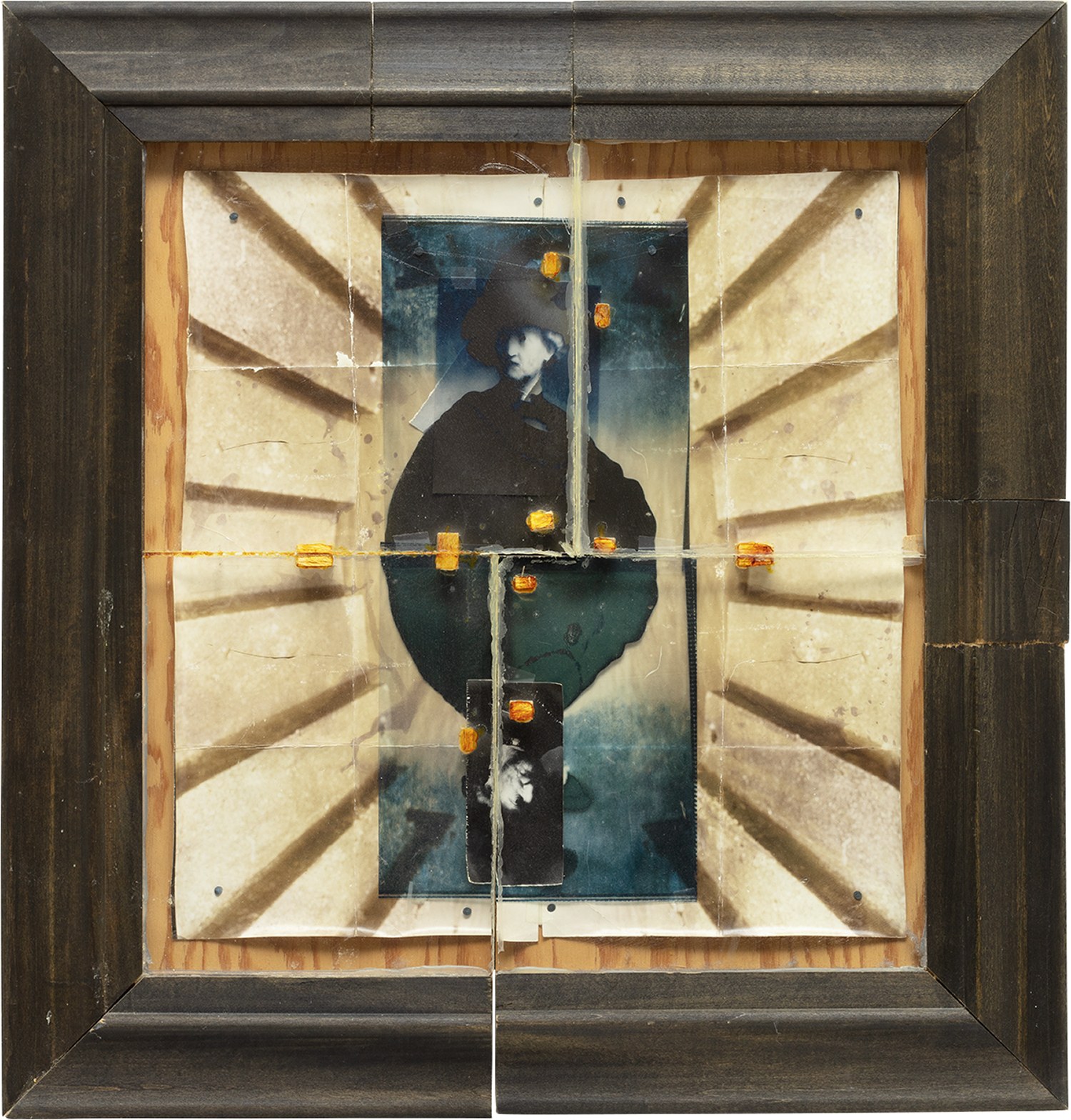
Jonathan Meese, another German artist working in an expressionist register, also channels a kind of feverish maximalism in which the sheer accumulation of imagery and gesture across large formats becomes part of the work's confrontational logic. The late 1980s and 1990s saw large scale practice diversify dramatically, moving across media and continents. Julie Mehretu, working with architectural drawings and gestural abstraction layered across canvases that can span entire institutional walls, brought a new cosmopolitan complexity to the tradition. Her 2019 retrospective at the Whitney Museum was one of the decade's defining exhibition experiences, precisely because the work demanded a room of its own and rewarded slow, looping attention.
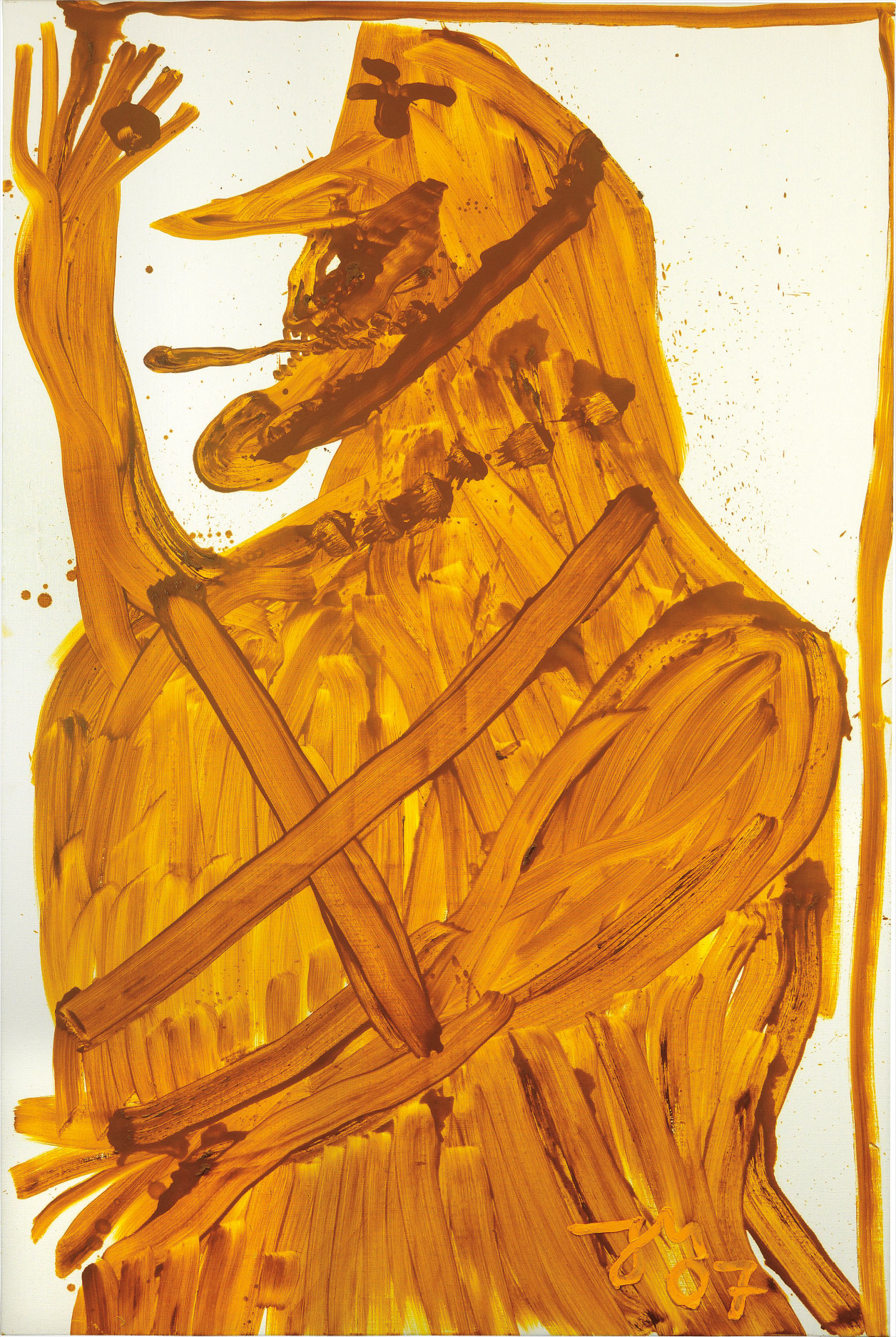
Jonathan Meese
Revolte, 1000 x Keuschheit goldene Diamantin die Totalvölkische, 2007
Robert Longo's monumental charcoal drawings, each one a feat of obsessive labor, demonstrate that scale is available even to works on paper when the ambition is large enough. Sterling Ruby's sprawling textile and ceramic works and Mary Weatherford's neon inflected paintings on canvas that run to extraordinary lengths both push at the boundaries of what a single work can claim. Sculpture has its own distinguished lineage within this territory. Sir Anthony Caro, who broke with the pedestal in the early 1960s at the urging of Clement Greenberg, created a model for large scale steel sculpture that sat directly on the floor and invited a kind of intimate circling that indoor scale made possible.
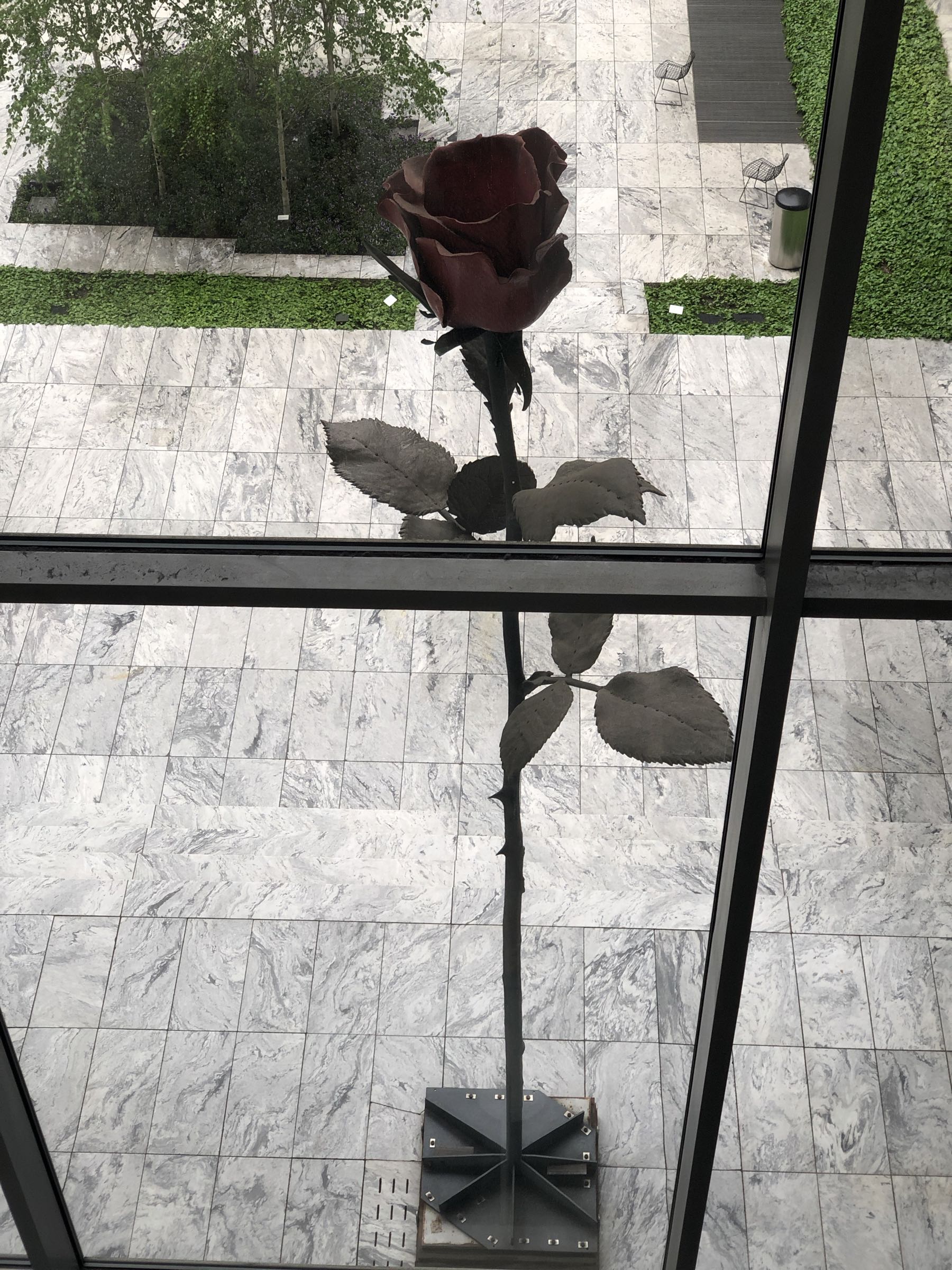
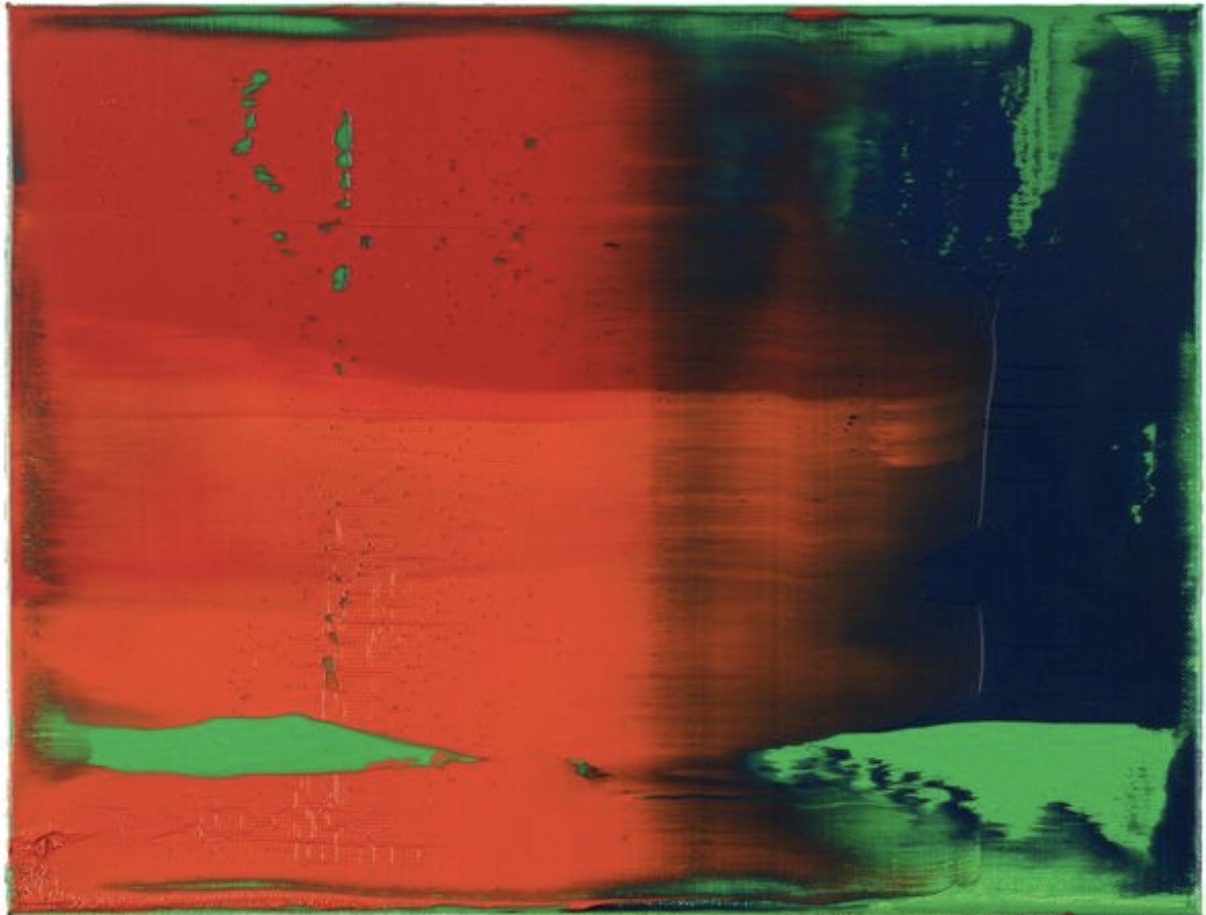
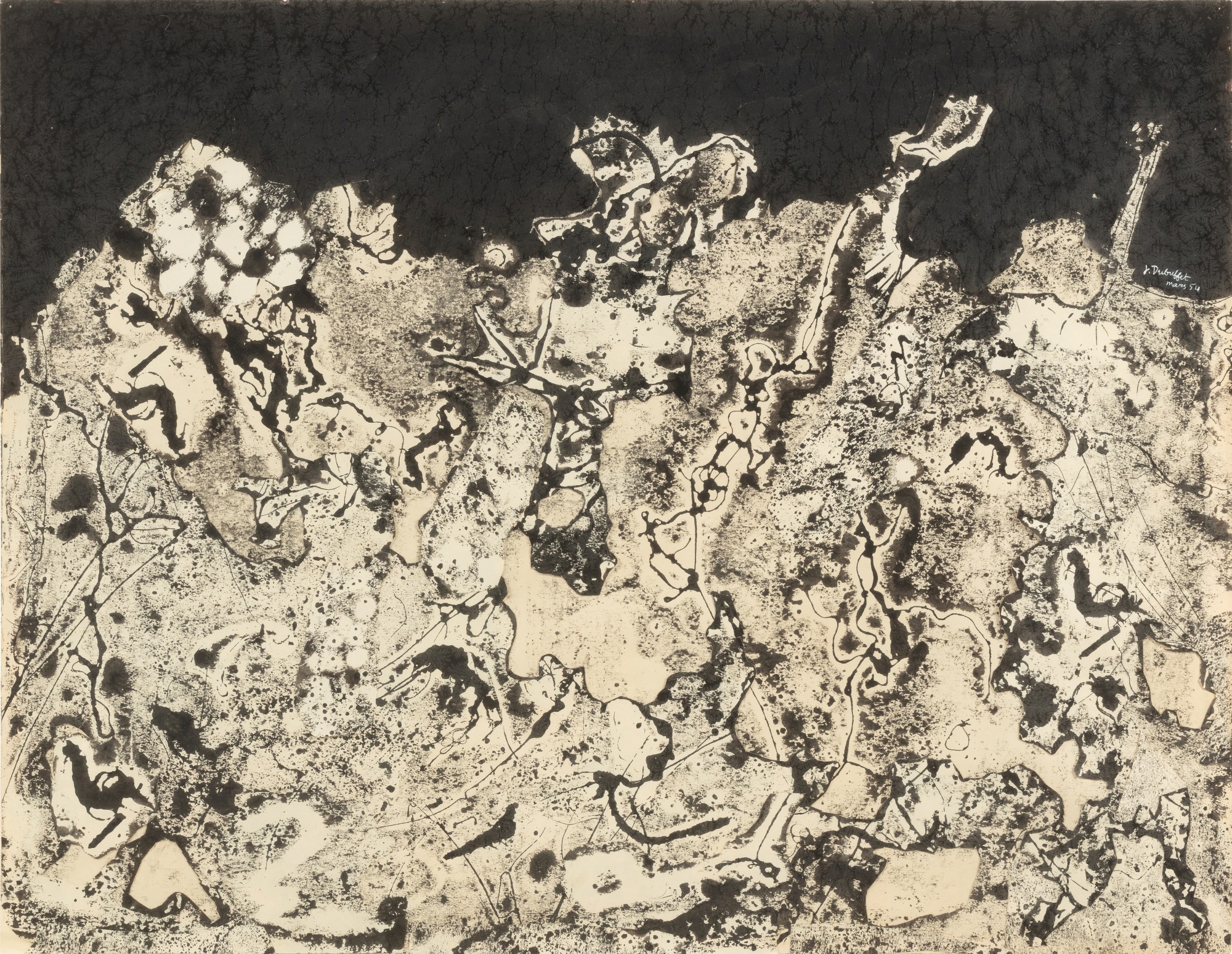
Will Ryman has pursued an entirely different path, creating oversized realist objects that play with the uncanny strangeness of familiar things rendered at twice or three times the scale at which we expect to find them. Jean Dubuffet, whose monumental white and black architectural sculptures and environments from his Hourloupe series were conceived in the late 1960s, pursued a vision in which the boundary between painting, drawing, and inhabitable structure became genuinely porous. What all of these artists share, despite the vast differences in their materials, politics, and aesthetics, is a conviction that size is a form of speech. Gerhard Richter's large abstract paintings, with their layers of squeegeed pigment revealing and concealing earlier moments of the work, require scale to demonstrate the full complexity of their process.
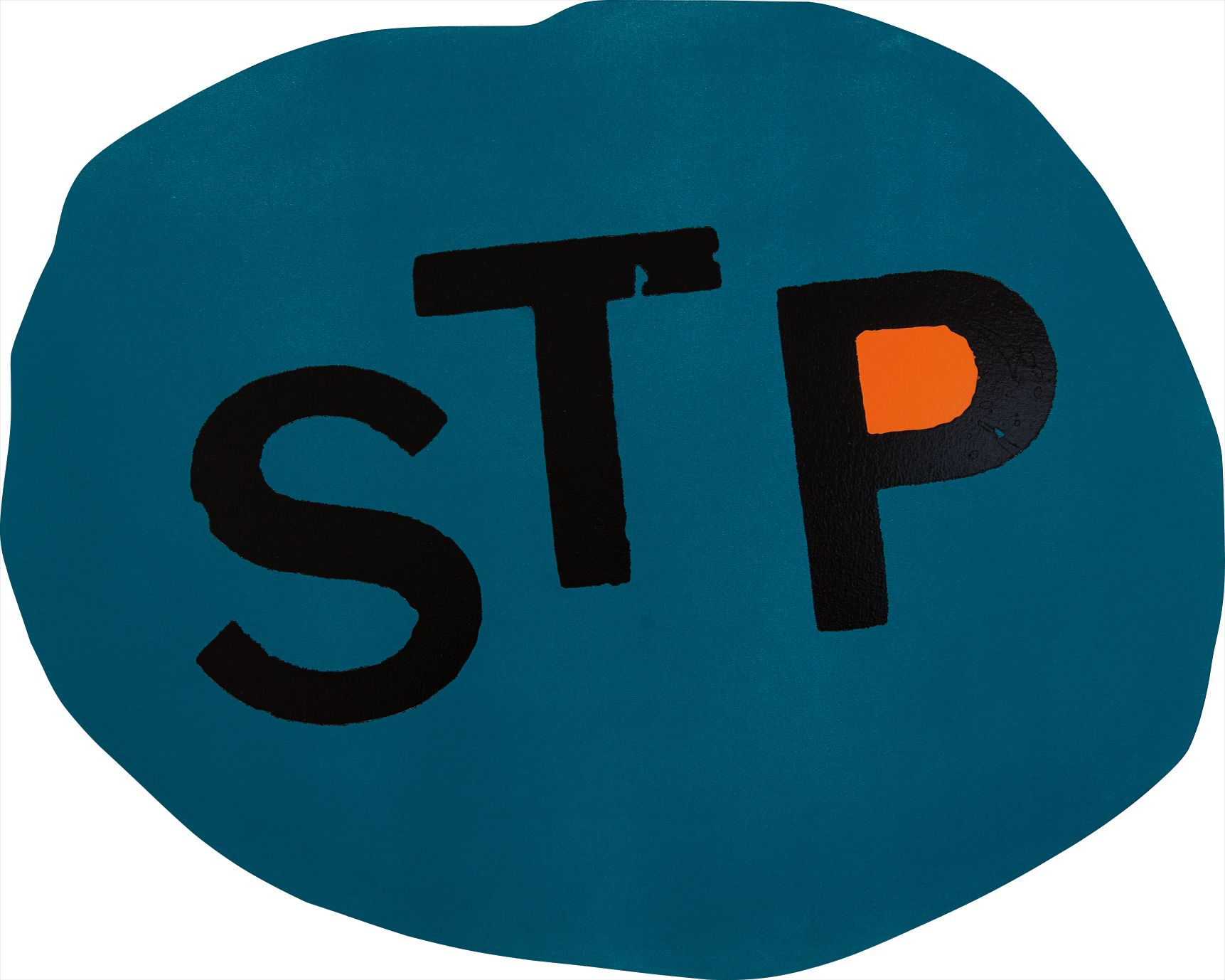
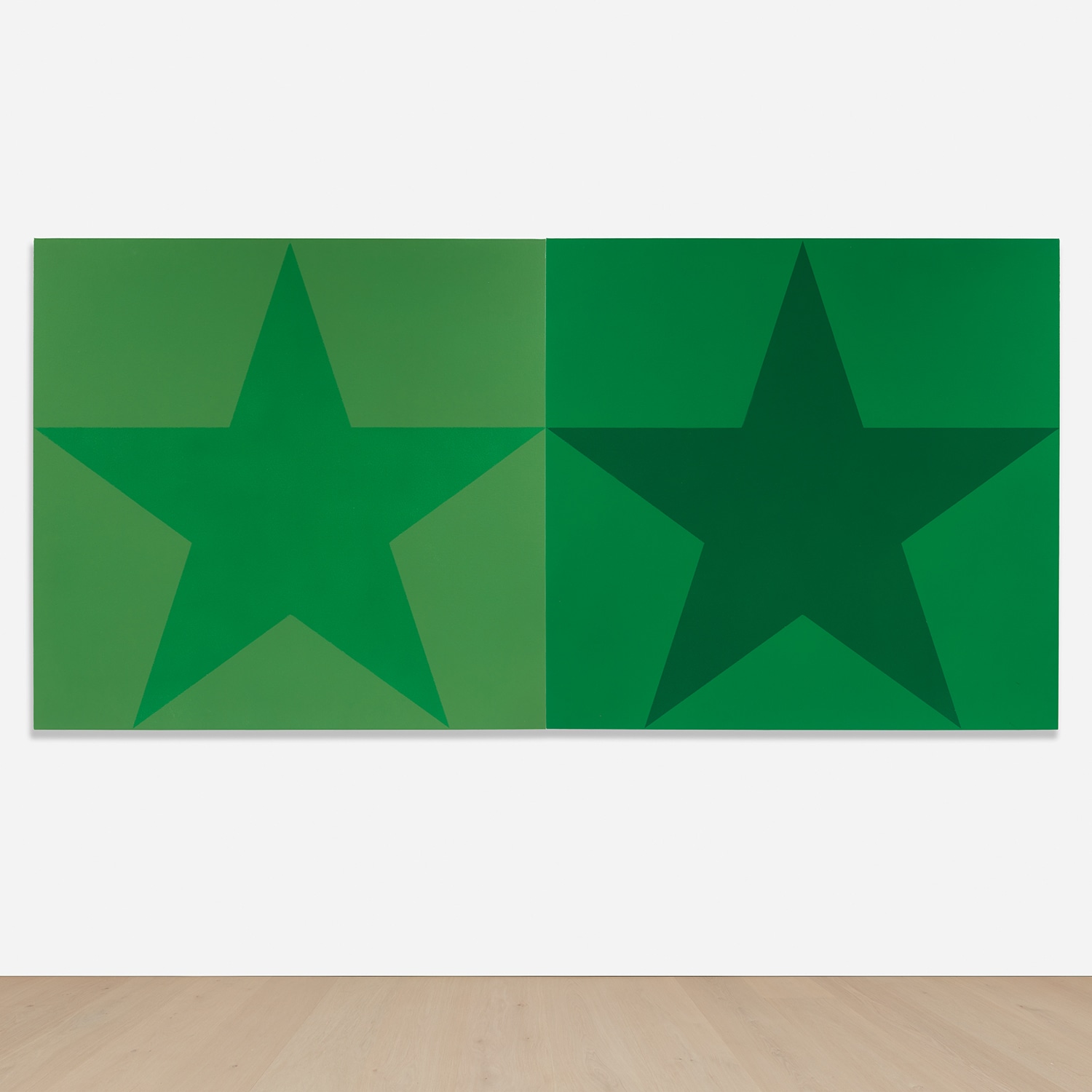
Shepard Fairey
Positive Space/Negative Space (Large Red/Blue), 2025
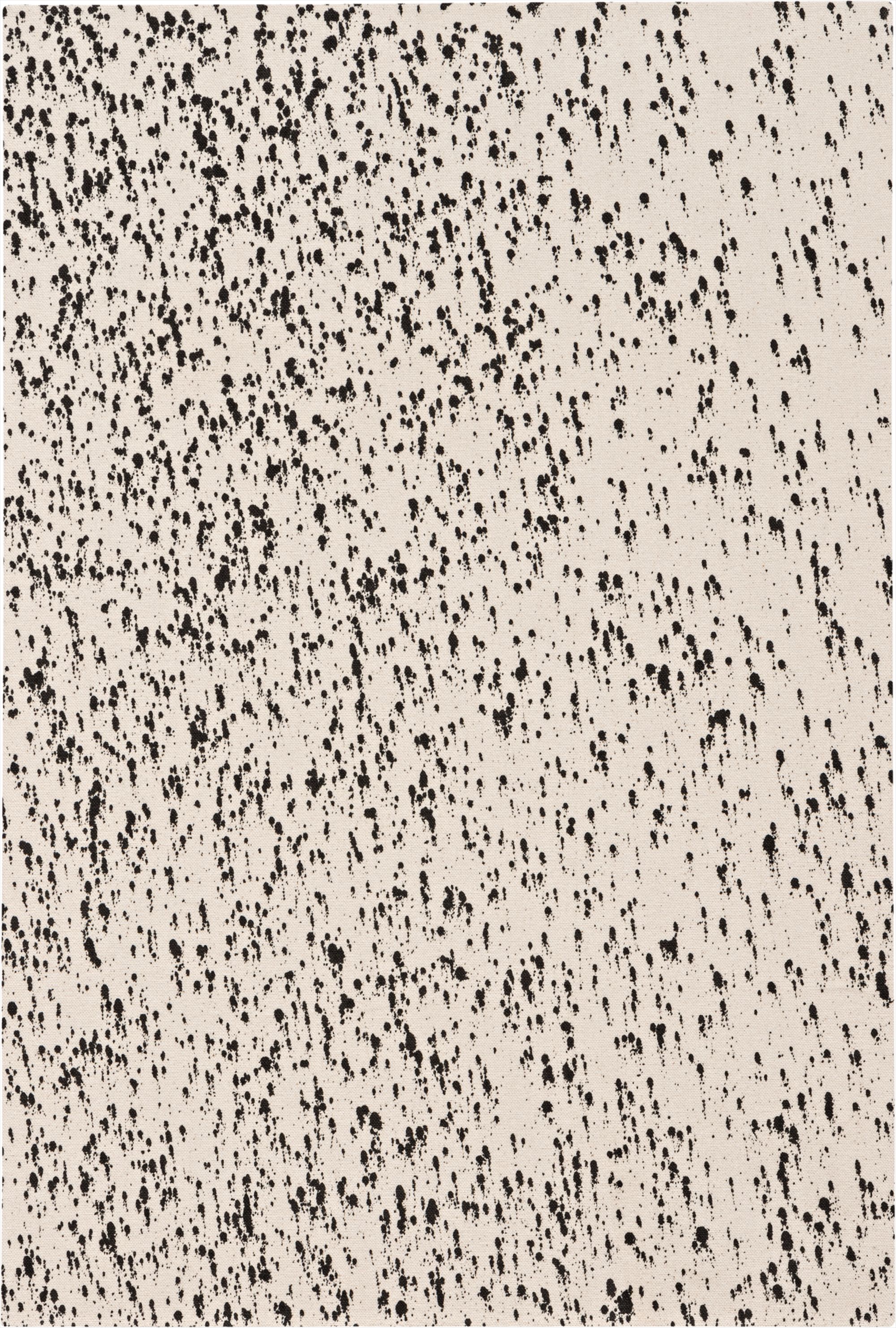
The Starn twins, Doug and Mike, working with photographic materials in installations that sprawl across entire museum floors and ceilings, use scale as a way of making photography behave more like landscape than like image. Shepard Fairey, whose work grew from street level interventions designed to compete with everything else vying for attention in public space, understands instinctively that size is partly about the refusal to be ignored. Aleksandra Mir's collaborative drawing projects, sometimes produced across hundreds of joined sheets, turn scale into a social condition, something made collectively and experienced communally. The cultural significance of large scale work cannot be separated from the institutions built to house it.
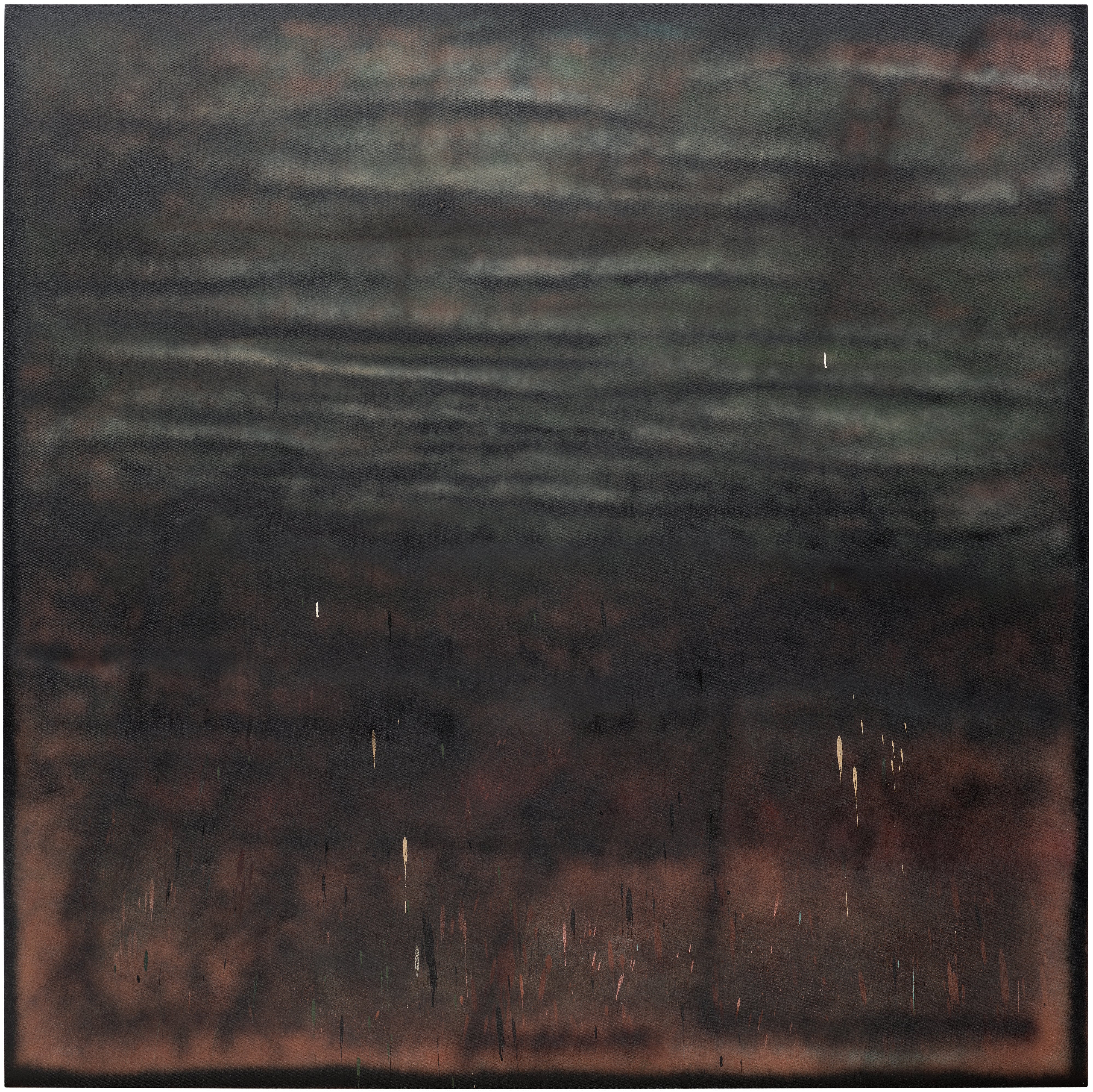
The opening of Tate Modern in 2000 with its Turbine Hall, the expansion of the Guggenheim Bilbao, the growth of dedicated storage and viewing facilities for private collectors, all reflect a world that has reorganized itself around the possibility of monumental art. Toby Ziegler's works, which move between digital process and painterly surface across substantial formats, are very much products of this institutional moment, made possible by studios, foundries, and collectors who have built their lives around accommodating the ambition of artists who refuse to think small. The works gathered on The Collection reflect this tradition at its most serious and its most alive, a reminder that some ideas genuinely require more room than a single wall can offer.